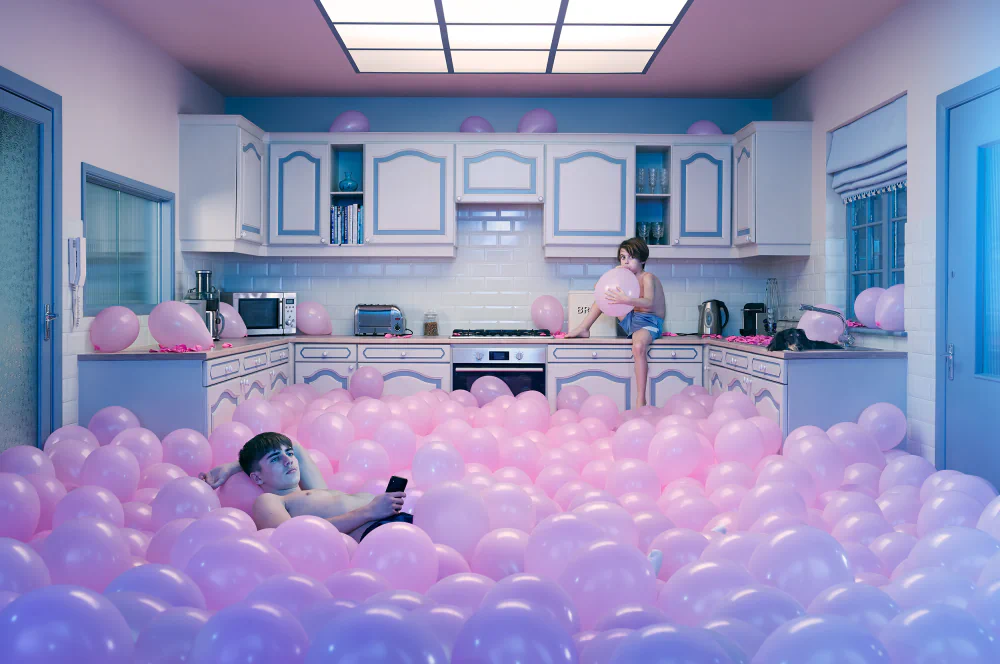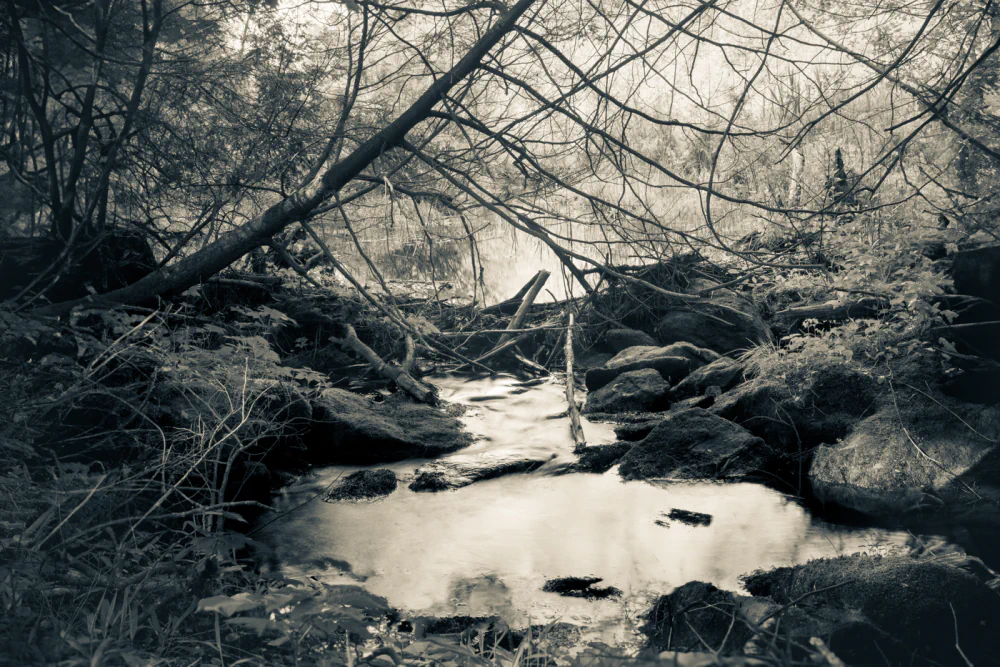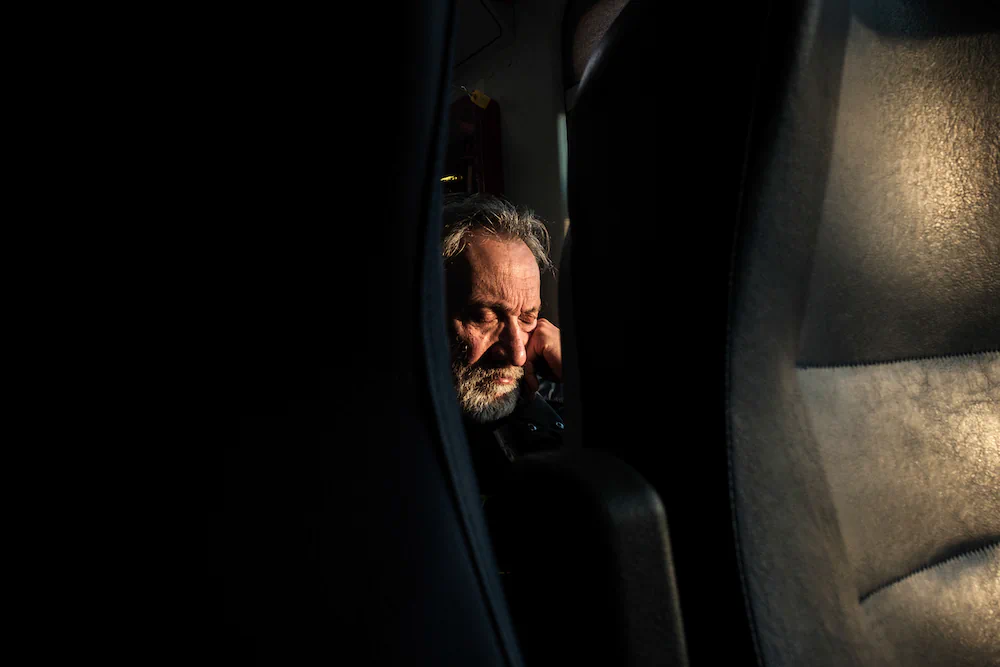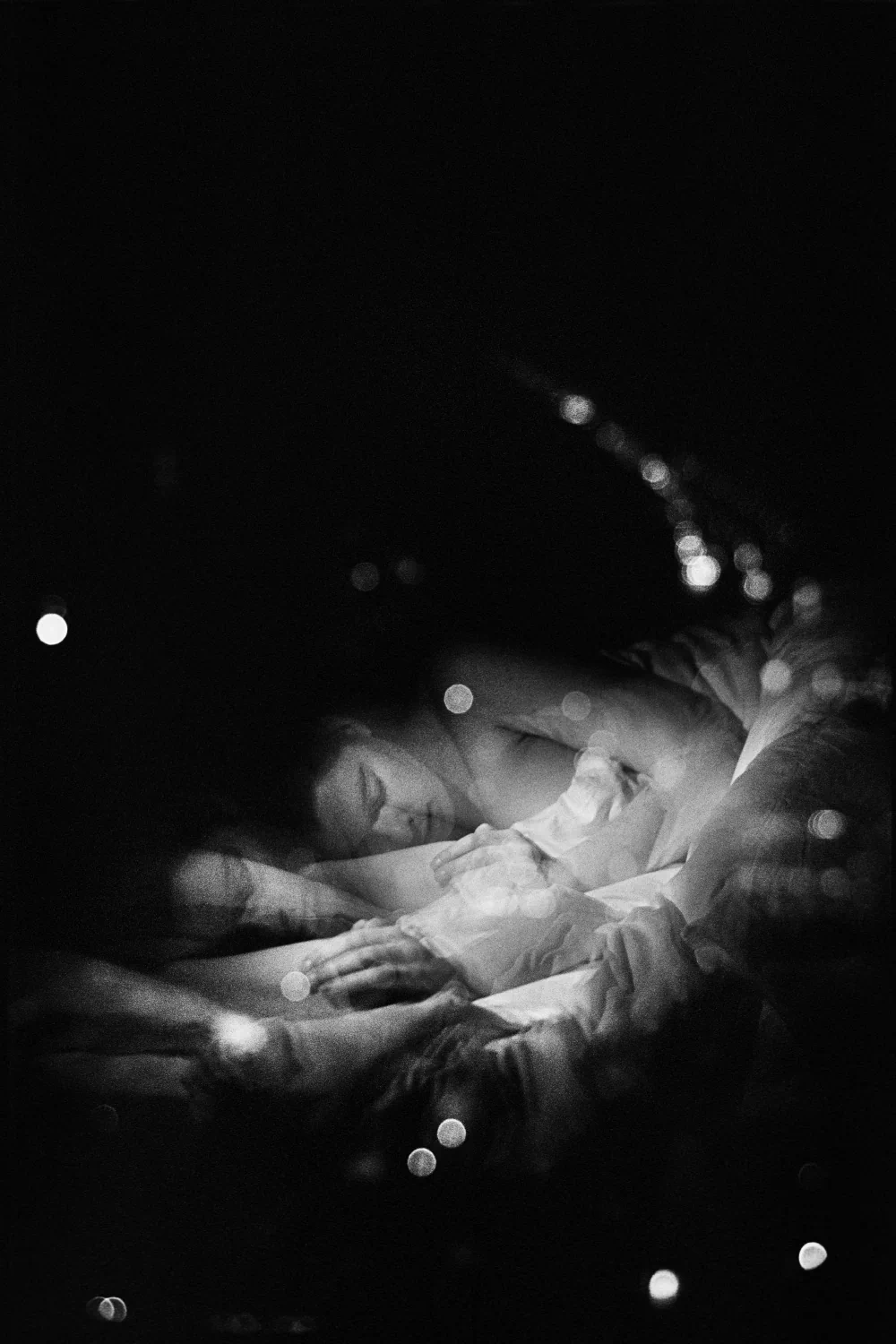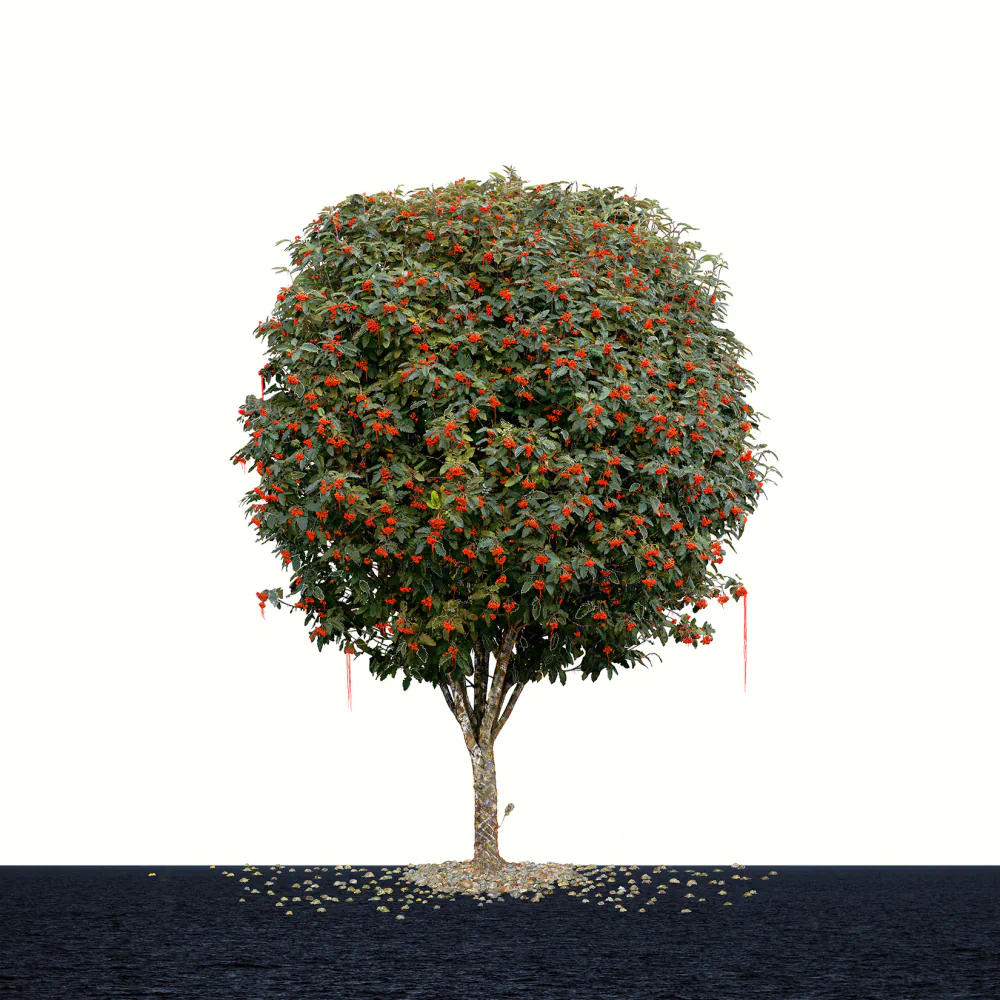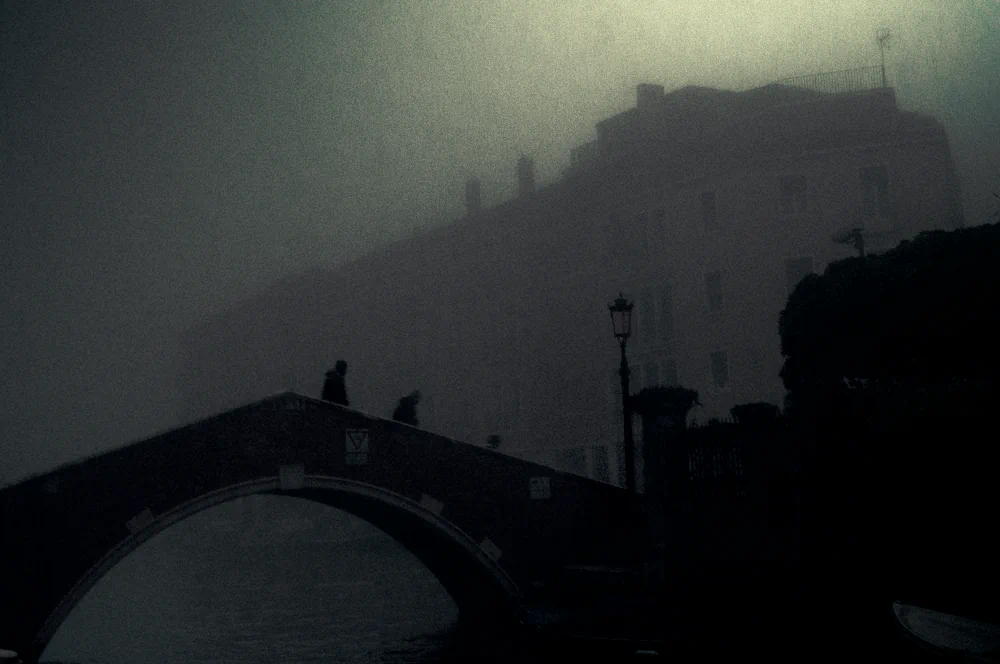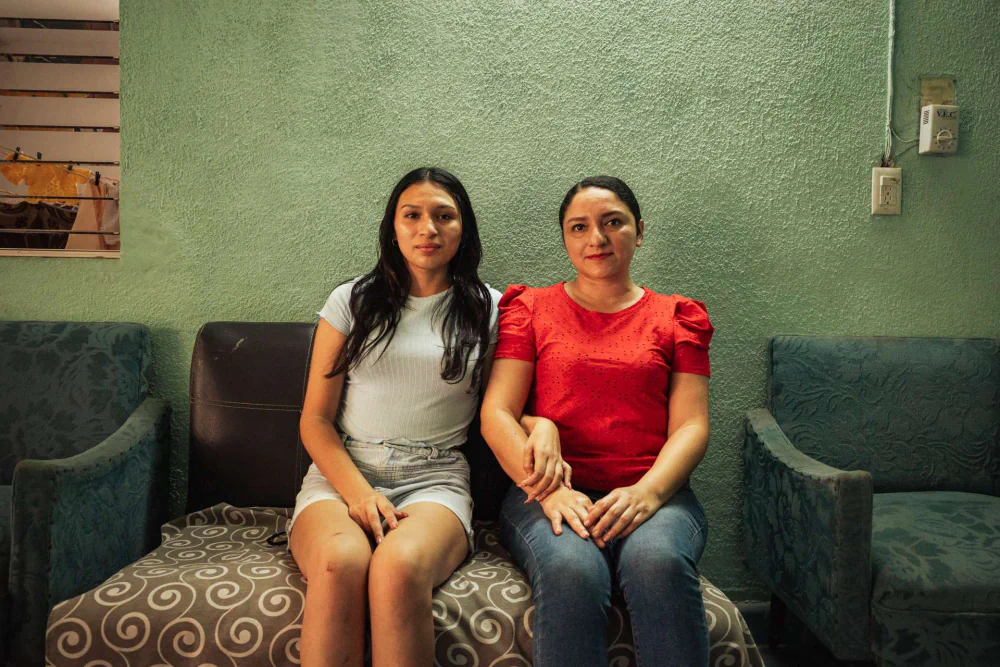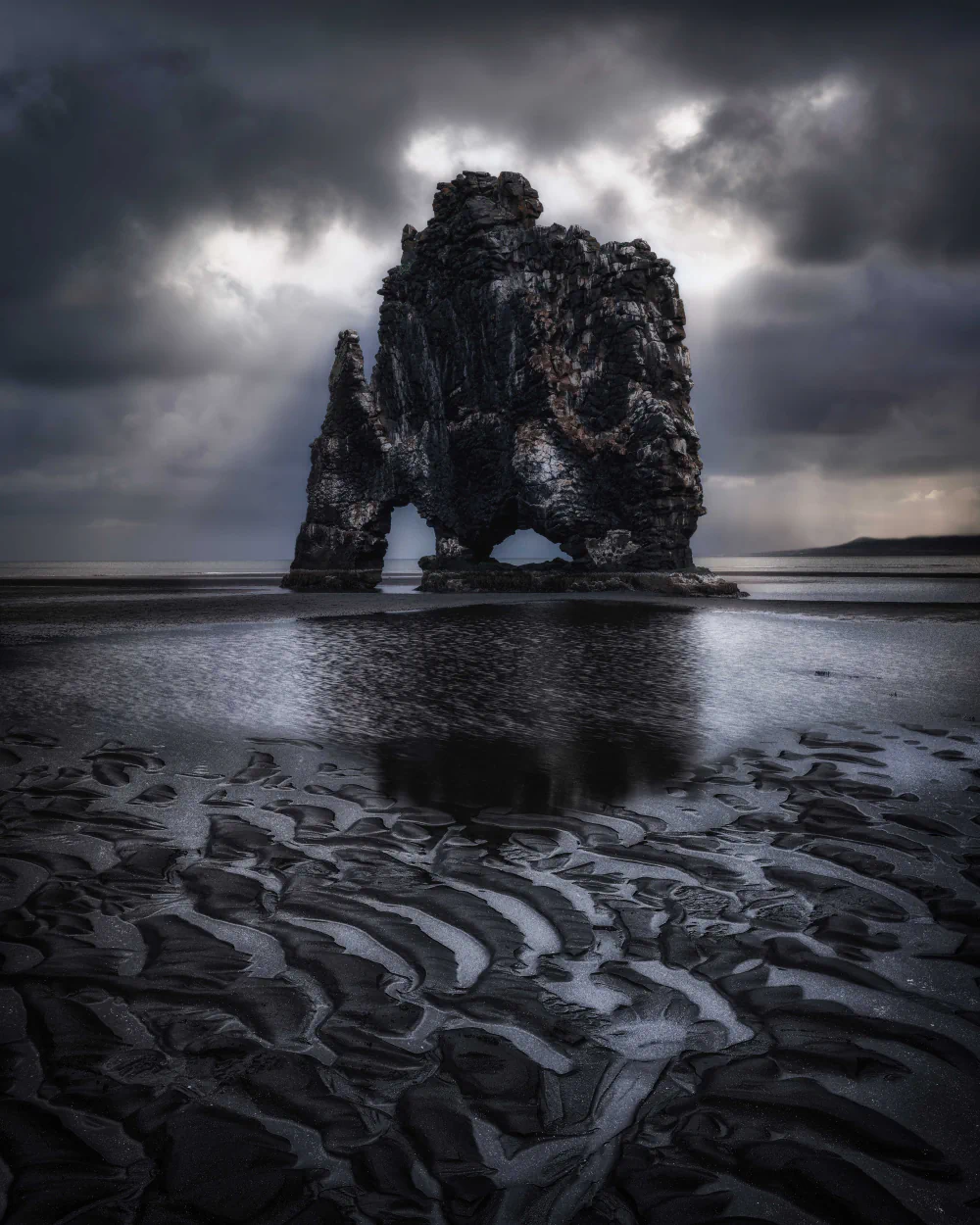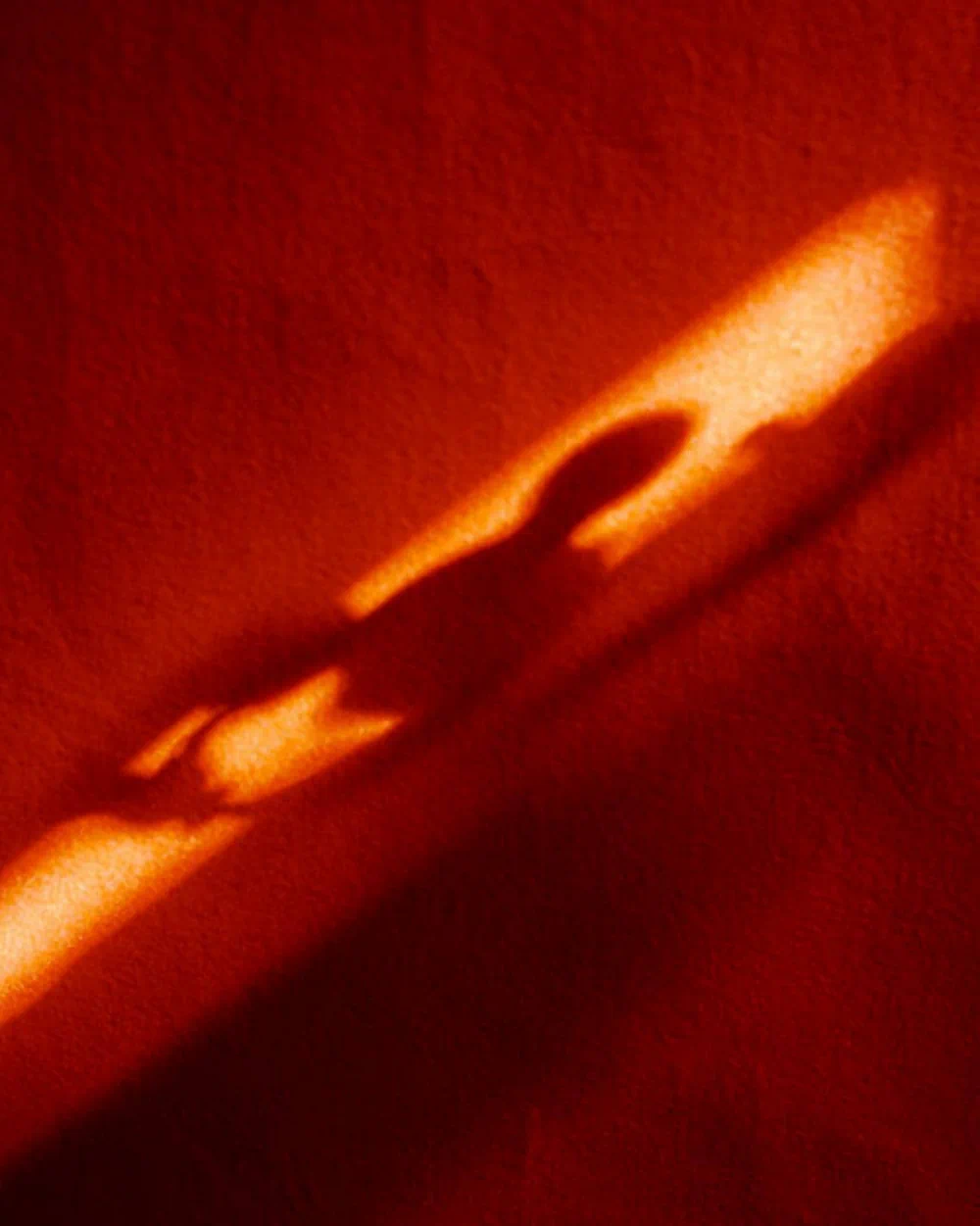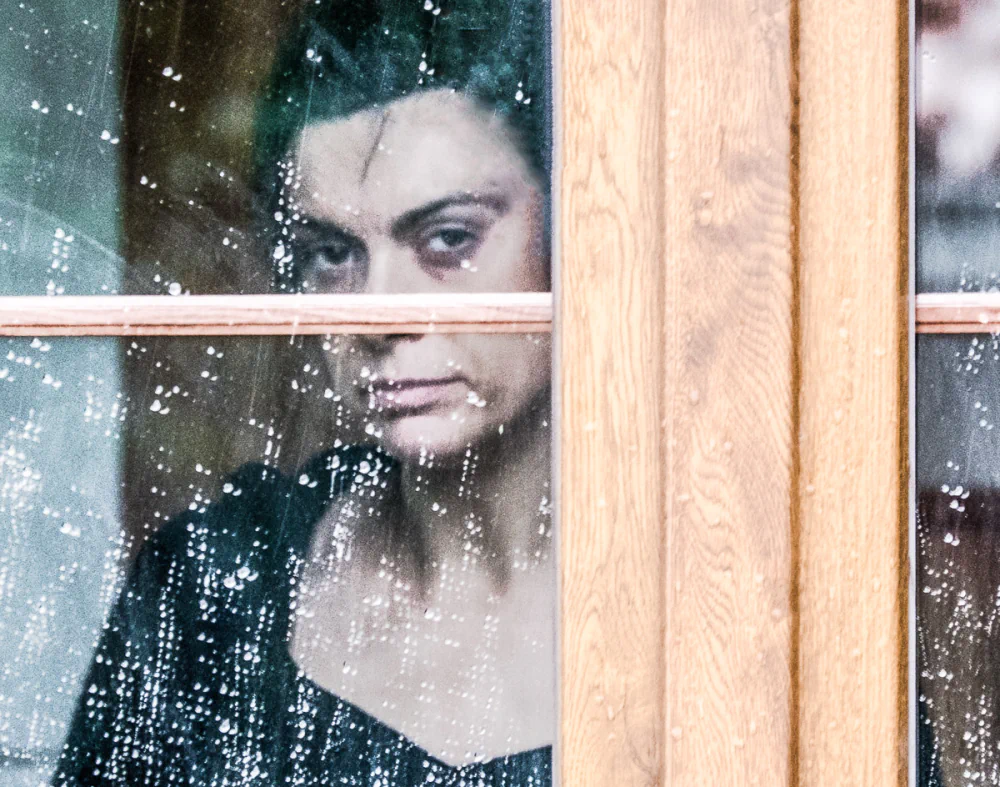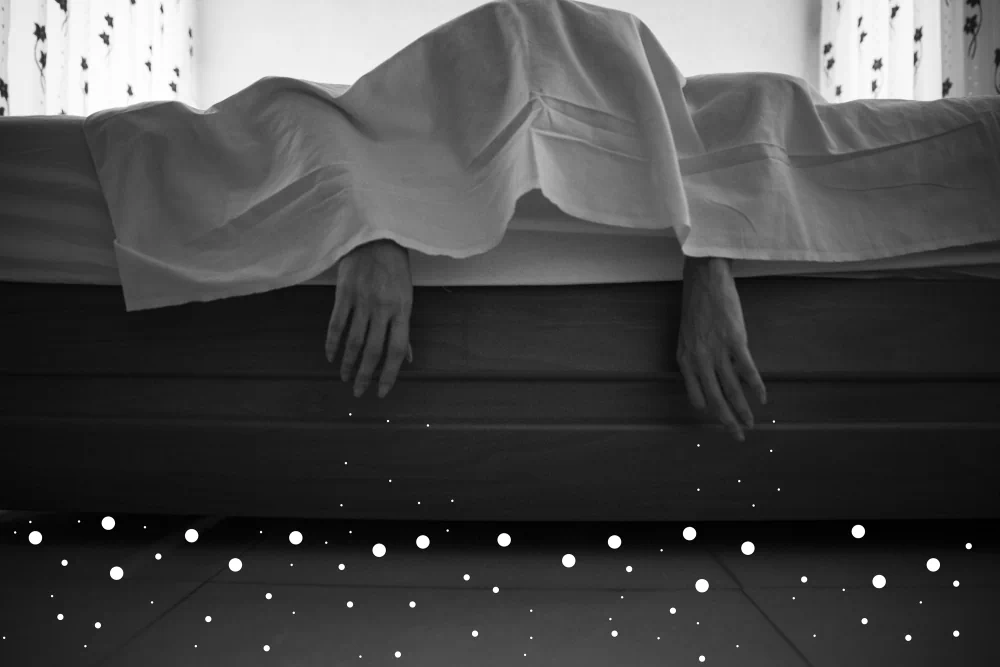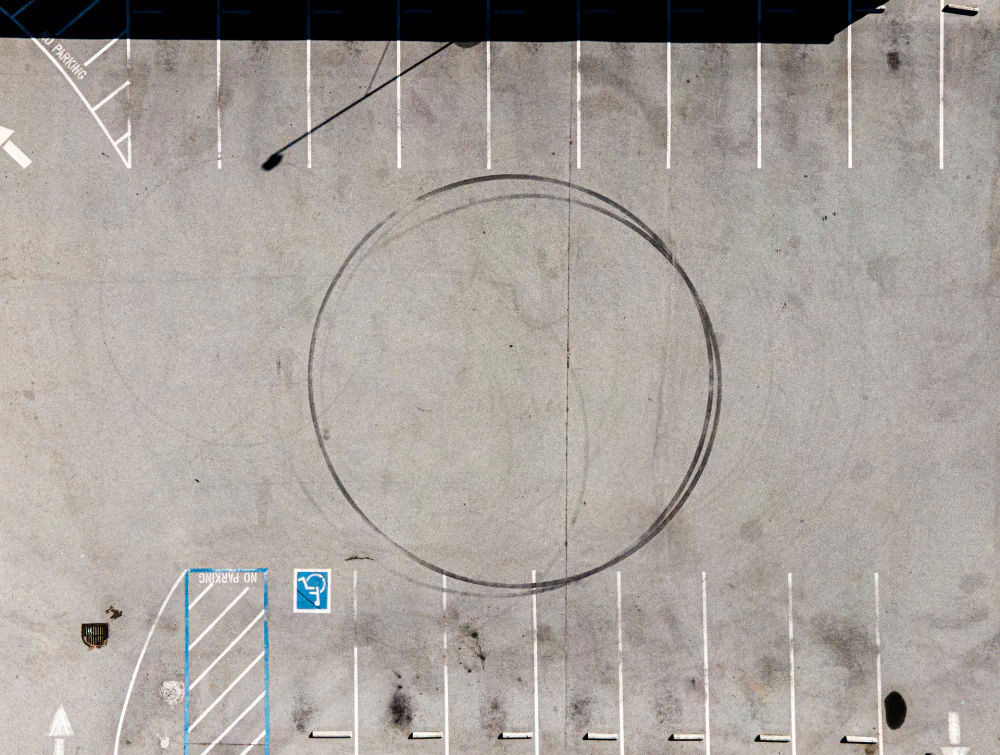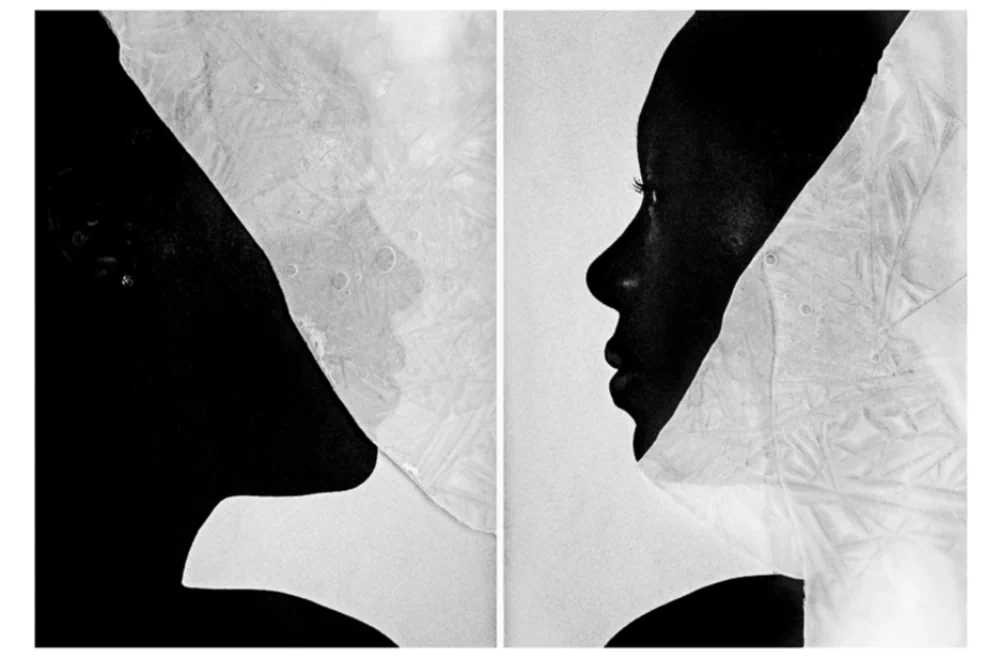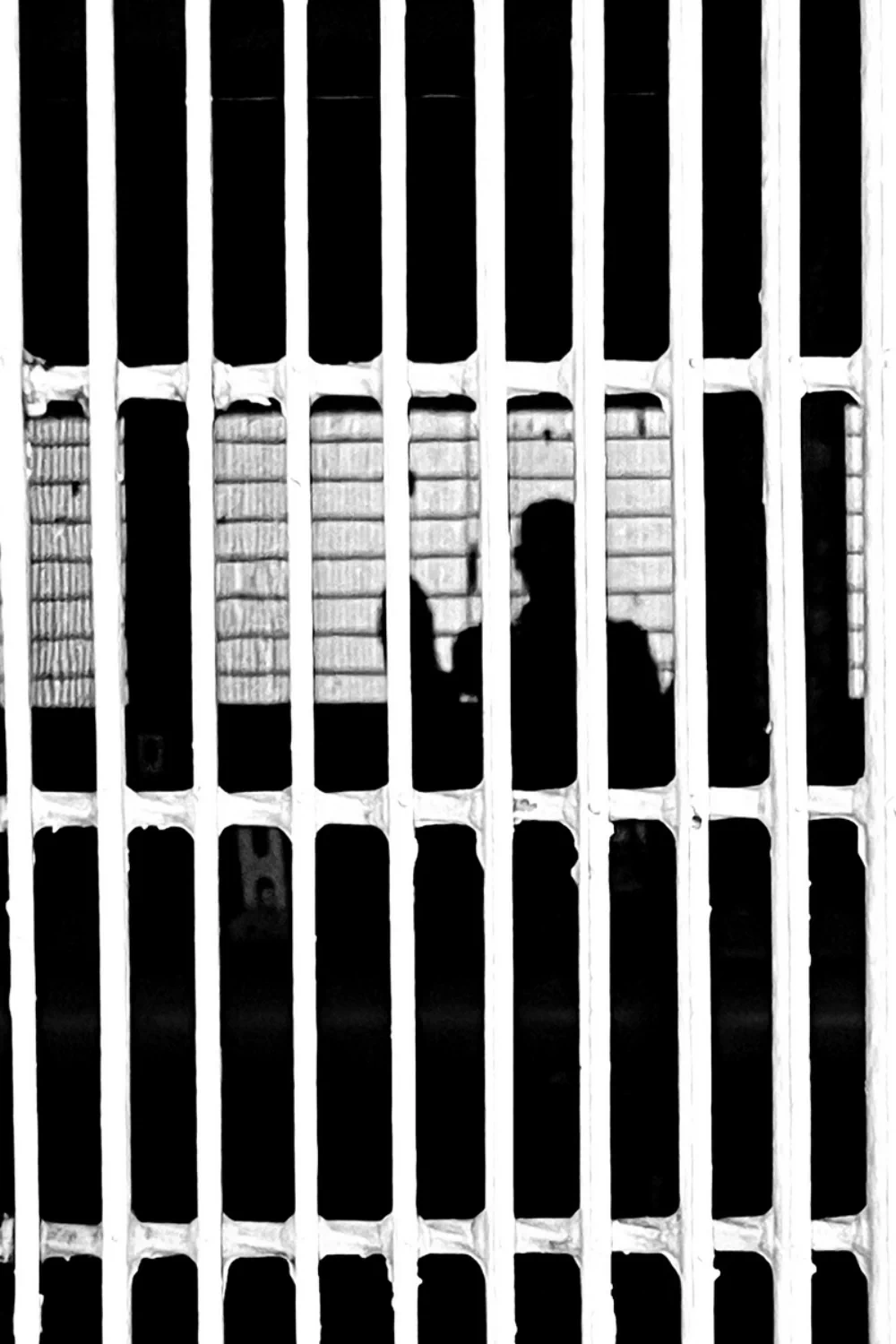

For as long as they could remember, being alone was a frightening place to be.
It was where they felt stripped down to their bare bones, where their loudest thoughts and emotions consumed them. Being alone was not simply solitude; it was loneliness
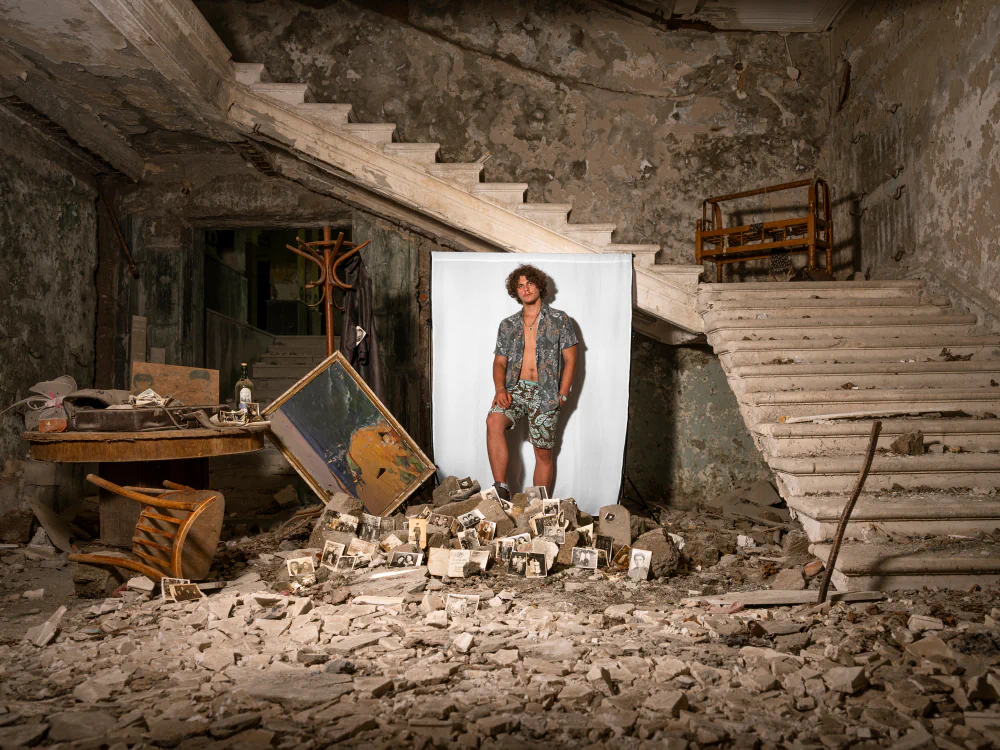
Three years after the devastating 7.8-magnitude earthquake on February 6, 2023, this photo essay follows people in Antakya whose daily lives are still marked by makeshift living conditions. The city, once known as Antioch, one of the world’s most important metropolises on the Silk Road, is now a dusty, sprawling construction site.
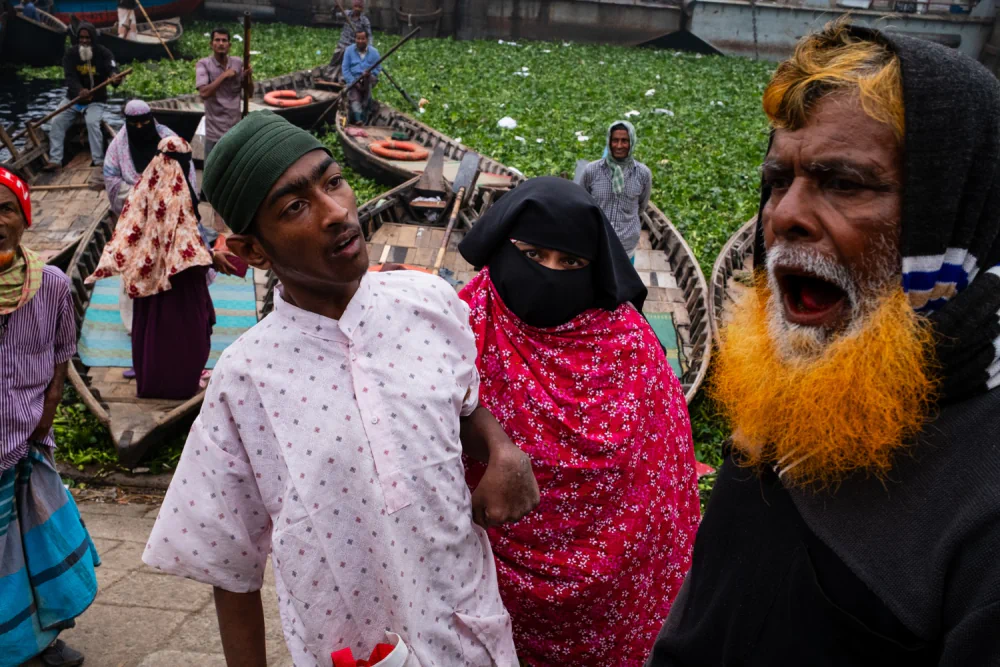
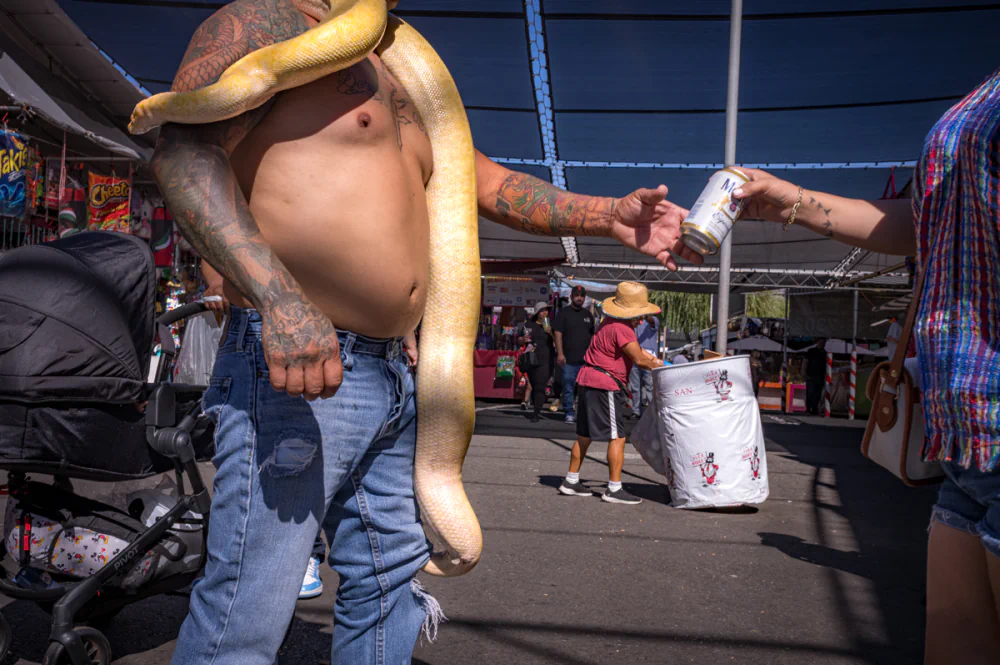
In the narrow lanes of Majnu ka Tila, where Pakistani Hindu refugees from Sindh have carved out a fragile home along the Yamuna’s edge in North Delhi, the air fills with the sharp, comforting bite of wood smoke laced with cardamom.
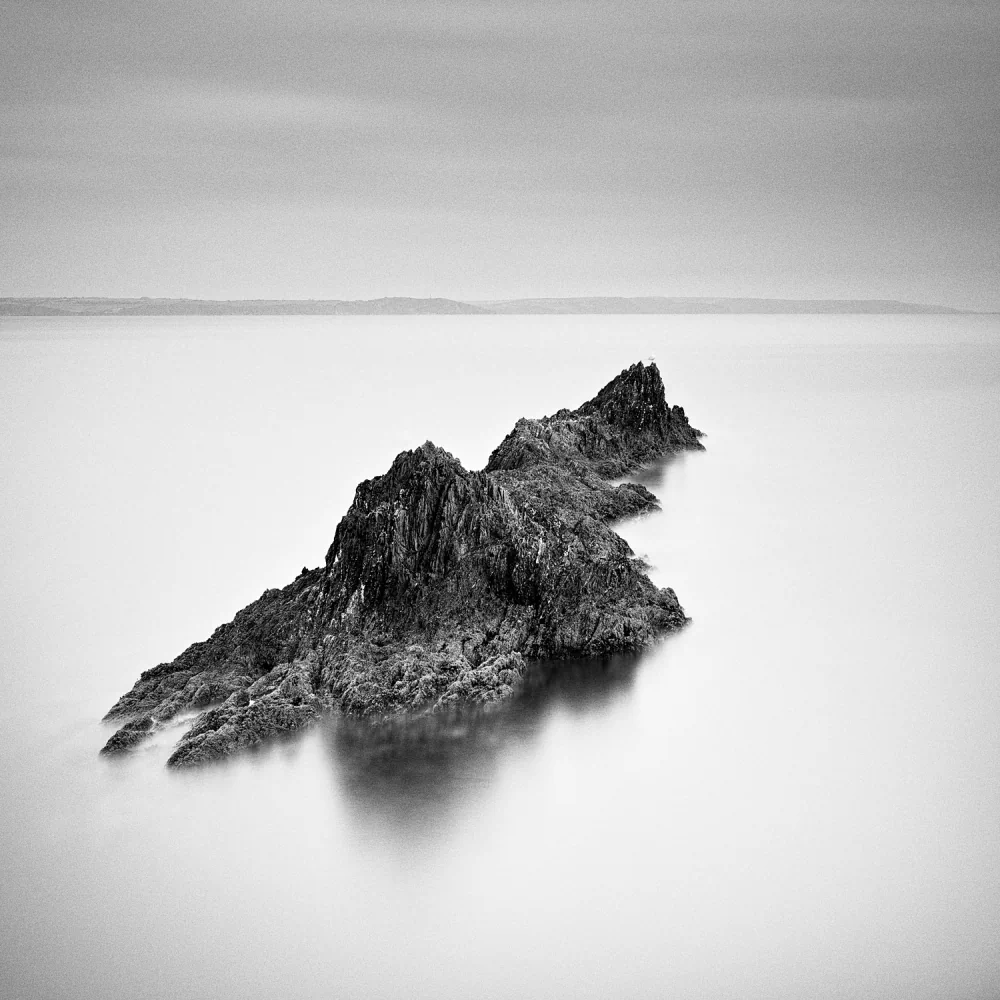
Water is not merely a surface here; it is time itself. “Memory of Water” exists within the tension between what is fixed and what is in constant flux. Rather than documenting a place, the photographs trace its gradual dissolution over time. Structures, piers, benches, and traces of the shore slowly fade into the water, losing their solidity and certainty. What remains is not a presence, but the sensation of a trace.
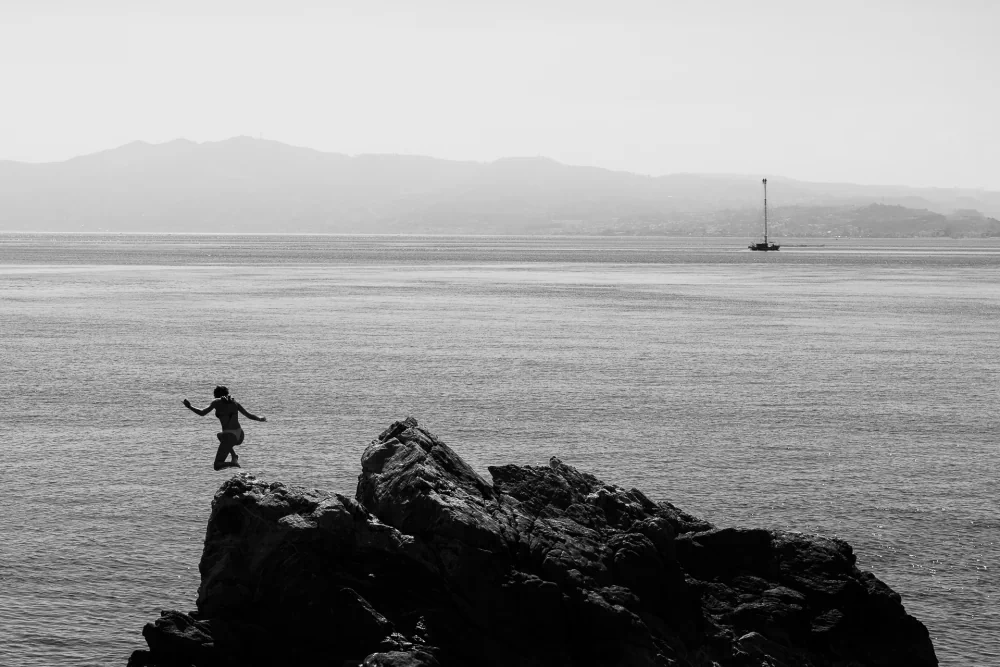
The “By the Sea” project wasn’t an idea that came about overnight. Looking back, it began 25 years ago, at a time when he was still very much a beginner in photography. Back then, he lacked a clear vision; he was experimenting with technical aspects and hadn’t yet given any thought to long-term series or thematic projects.
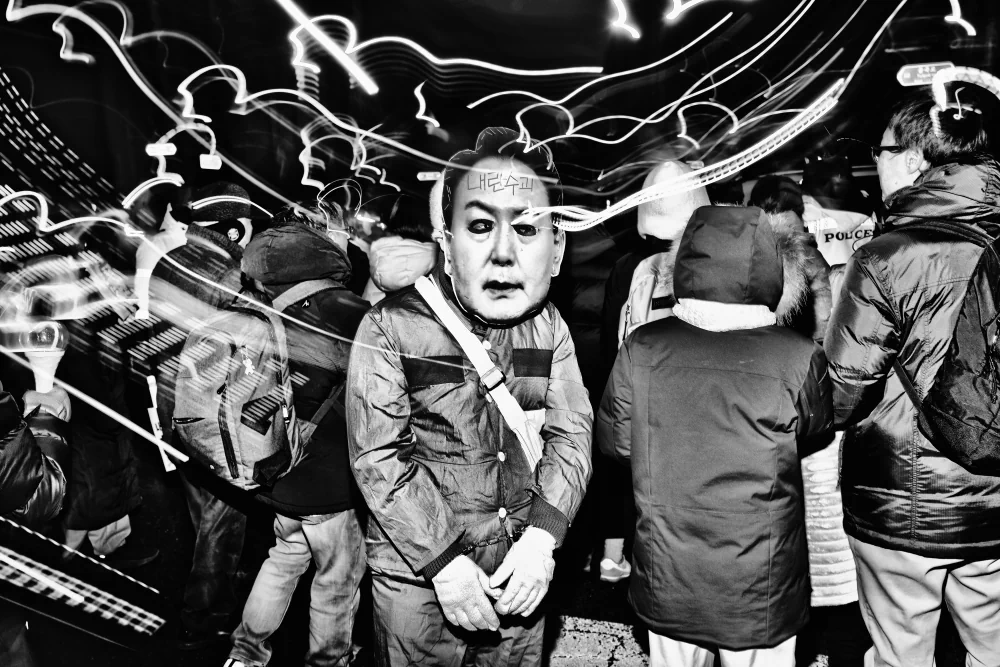
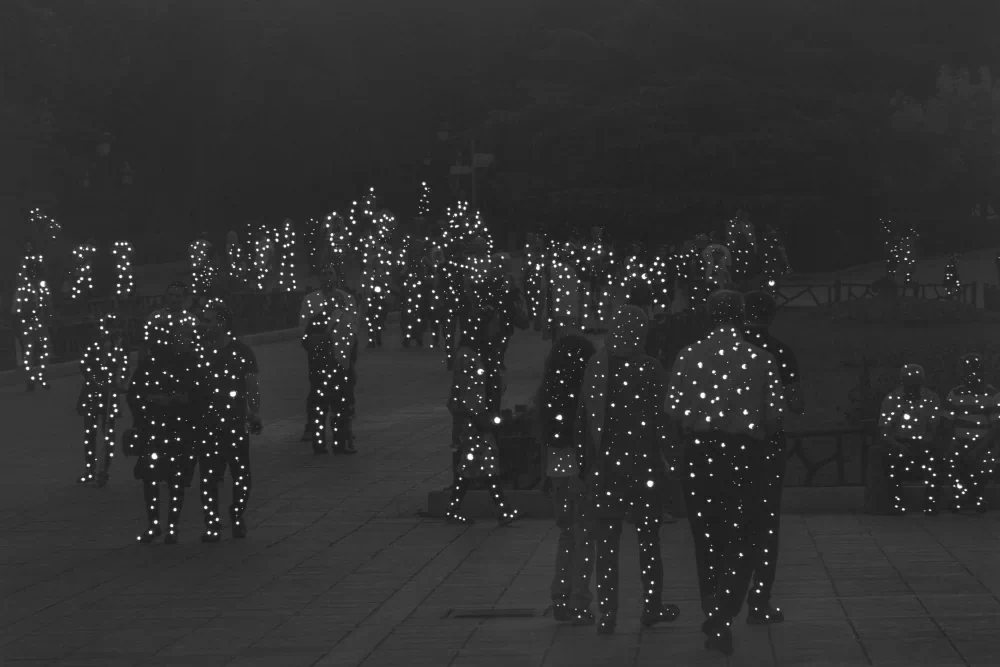
“The Lights in the City” is a photo series about people’s hopes that shine in the darkness of the city—hopes that exist alone or together. Nothing compares to the glow of these hopes; they illuminate homes and cars like stars in the night sky. Each person carries many hopes, some brighter than others, and holds onto them every day while living within this darkness.
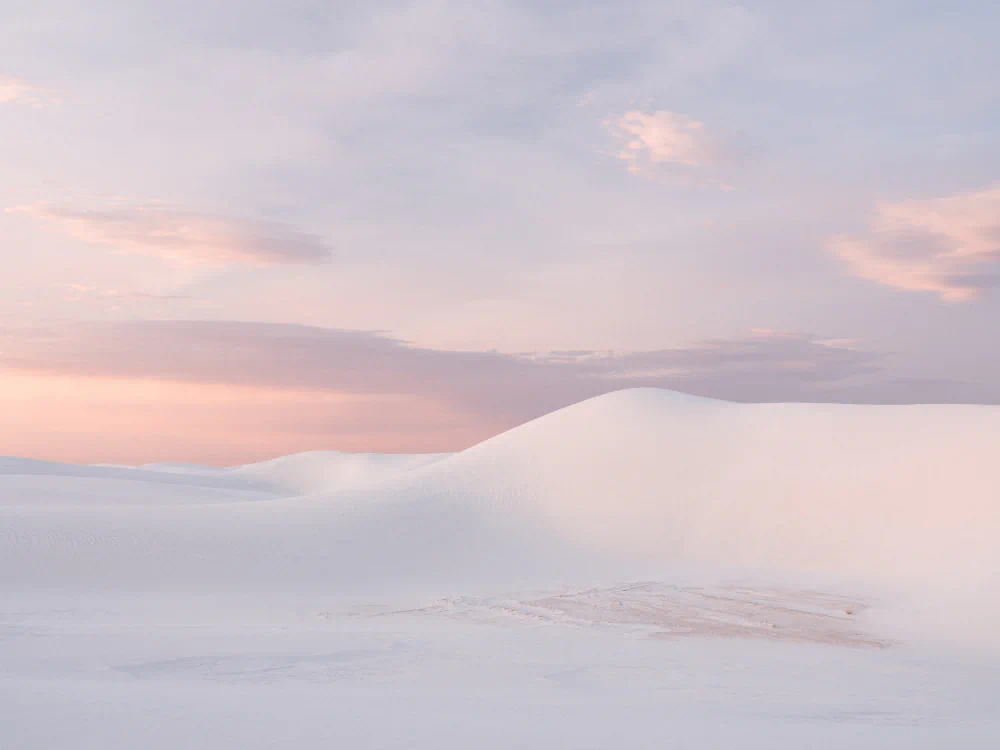
Between light and dark, there is a transient state when the sun sits just below the horizon and casts an enveloping glow of light and colour. A measured pause between what comes before and what follows. In poetry and music, this is defined as a “mora”, the smallest unit of measurable time.
A glitch in the feed, appearing outside the algorithm (2025). This project examines situated imagery from China’s short-video platforms within the global fashion image regime, arguing that platform- and capital-driven aesthetic homogenisation exports thresholds of visibility, speakability, and nameability as a universal template.
The idea for the “Spring Is Coming!” series was born last winter—the snowiest and longest she could remember. Endless snowdrifts, crisp air, and short, dull days created a sense of frozen time; it seemed that winter would never end. It was then that she felt the need to find a foothold within this cold—a visual argument in favor of change.
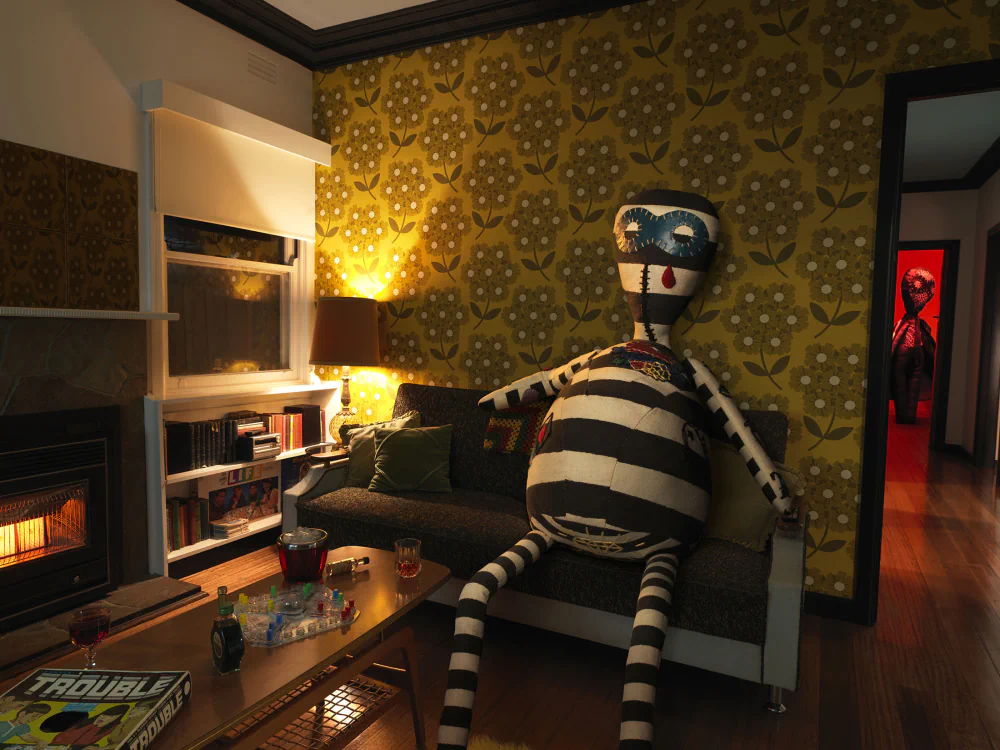
Hugger Mugger unfolds in the quiet spaces behind closed doors. These are not scenes of spectacle, but of something subtler—a pause, a tension, a sense that something has just happened or is about to. The work lingers in that in-between state, where meaning is unstable and identity feels uncertain.
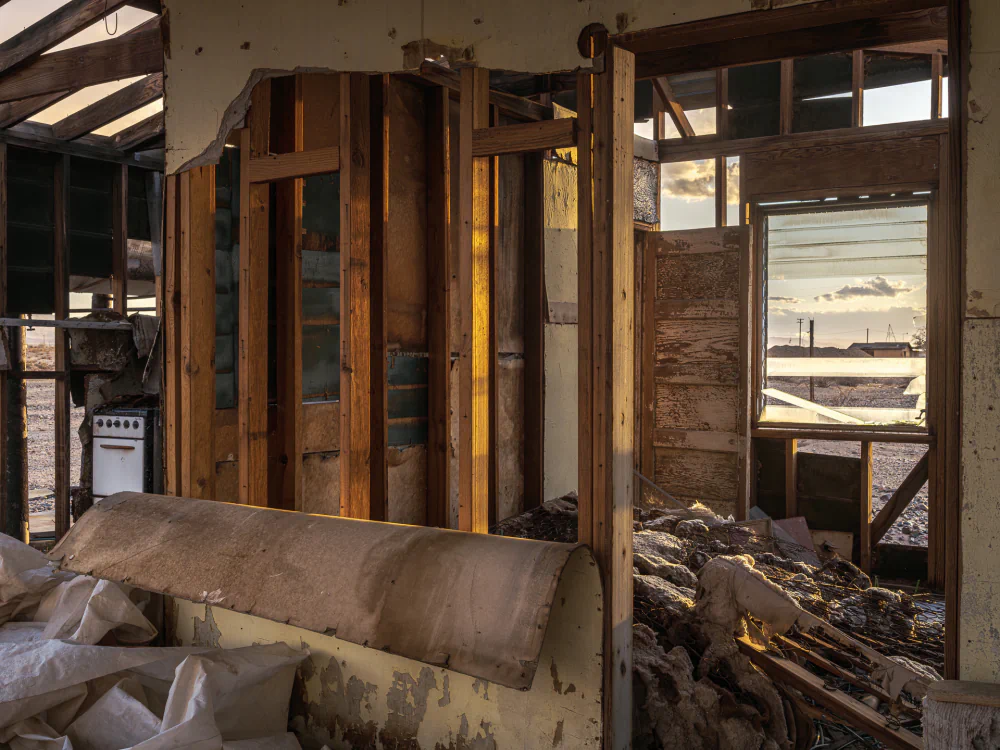
He first encountered Wonder Valley in 2014 when his band got a gig at the Palms Restaurant, the “bar at the end of the universe.” Between the guillotine on the back patio, the communal living-room atmosphere of the bar, and a drunken Marine tickling a scorpion on the front porch, he knew they had stumbled into something special.
You don’t really arrive in the mountains. You ease into them. The road from Rishikesh takes its time. Rivers appear and disappear, sometimes running beside him, sometimes far below. At places like Rudraprayag and Karnaprayag, two rivers meet without any sense of urgency. He slows down without deciding to.
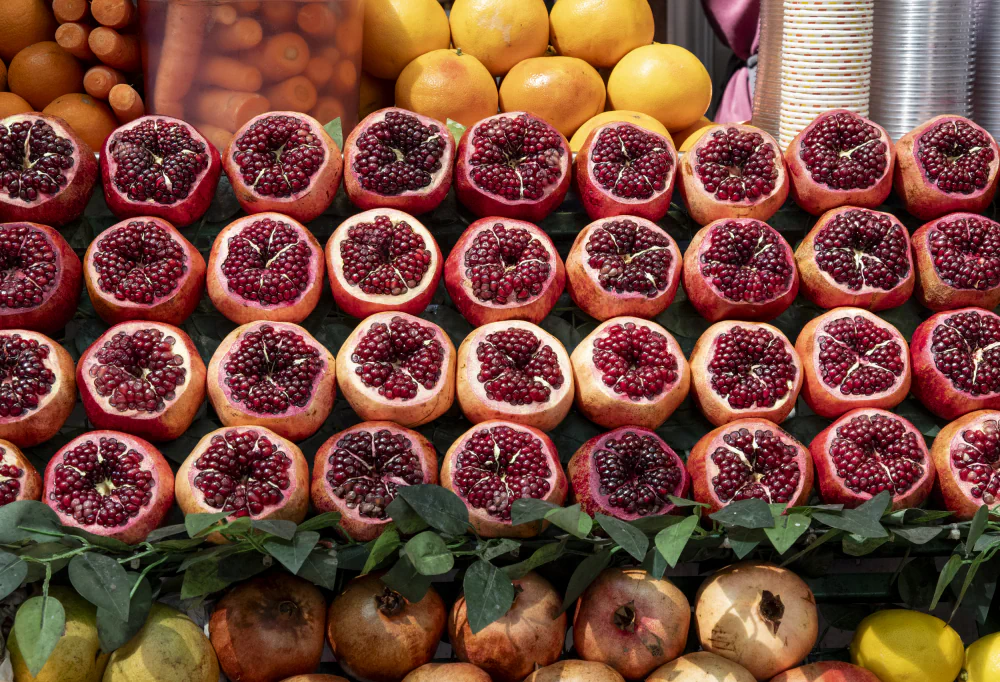
The market takes place at the end of his street every Friday morning. It is small, with no more than seven farmers, all of whom are local, selling produce grown on their farms just a few kilometers from town.
Roberto Pazzi Becomes the First to Win Two Smithsonian Readers’ Choice Awards in Three Years An unprecedented double recognition marking a defining moment in contemporary documentary photography.
My professional career was as a psychotherapist. As such, I spent many hours with a diverse population of adults, helping them navigate the issues of their lives. I have an abiding curiosity about, and regard for, the fundamental concerns of the individual and the ways people cope with the tasks of daily living, both in public spaces and alone.
“Creatures from Nothingness”. Technique: digital painting and drawing over promptography (according to Boris Eldagsen). AI procedure. I am interested in the sinuous lines we find in nature: eroded pebbles, pieces of smooth-skinned fruit or vegetables—recalling here Edward Weston.
Nearly 4,000 kilometers across China’s vast territory, exploring—through the language of photography—how much this country still has to reveal to the Western world. In 1975, Wilhelm Meister departed from Glückstadt, in the far north of Germany, crossing the country to reach its southernmost edge, near the imposing Zugspitze.
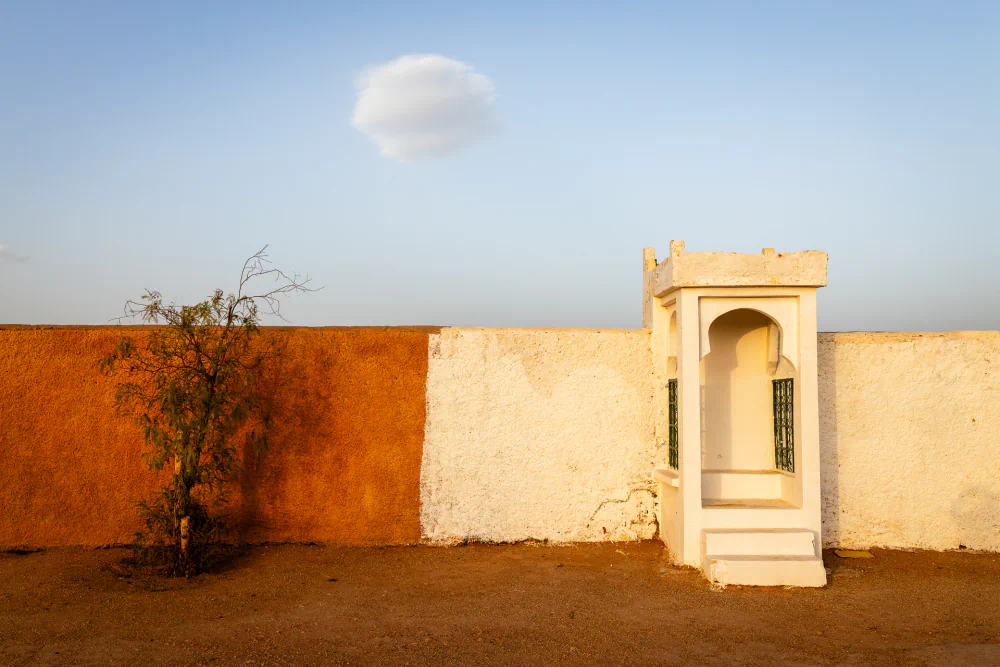
This series was developed over time, perhaps without a clear beginning. He does not remember exactly when he started paying attention to things that almost disappeared.
Andrei P’s work operates at the intersection of analogue memory and computational image-making. Although the images are generated through AI systems, their internal logic is rooted in the sensibilities of physical photography: black-and-white tonal depth, directional light, sculptural shadow, and the quiet tension between presence and absence.
In January 2026, he accompanied a humanitarian medical mission to Umunohu, Imo State, Nigeria, working as a documentary photographer. The mission was organized by the Emeakaroha Foundation, which has established both the regional hospital and the nearby school as part of its long-term commitment to local infrastructure and access to care and education.
ONE DAY / ONE FRAME is a long-term photographic practice structured around a simple and uncompromising rule: one image per day. The project began on the first night of the year and developed not as a way of recording events, but as a practice of recognizing when a place becomes photographable.
Narva is a hybrid of identities, a record of upheaval and decay. During the Soviet era, Narva was a major industrial city with a predominantly Russian-speaking population. The city shares a direct border with Russia, marked only by a river.
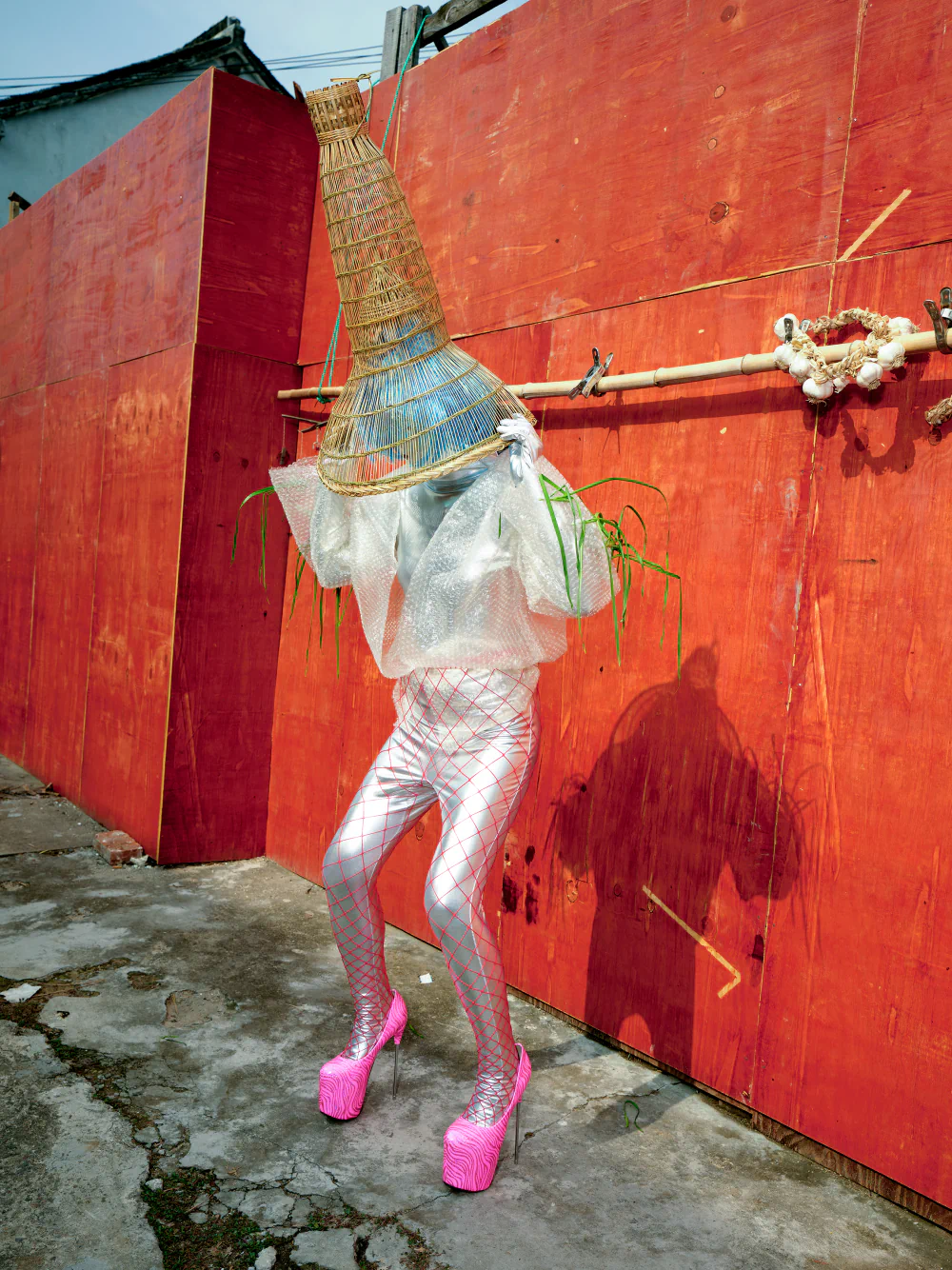
The Uncanny Fashion series challenges brand-led consumerism by advocating for local, sustainable modes of consumption, while examining the intersection between art and commerce within contemporary photography.
The year was 2009, and the world was in the depths of the Great Recession. Photography assignments had almost disappeared. As a result, he had a great deal of time on his hands and began looking for a project that would keep him occupied until the economy recovered. After reading months of Anchorage Daily News obituaries, he began to notice the lack of photographs for deceased homeless individuals. Their death notices included only name, place...
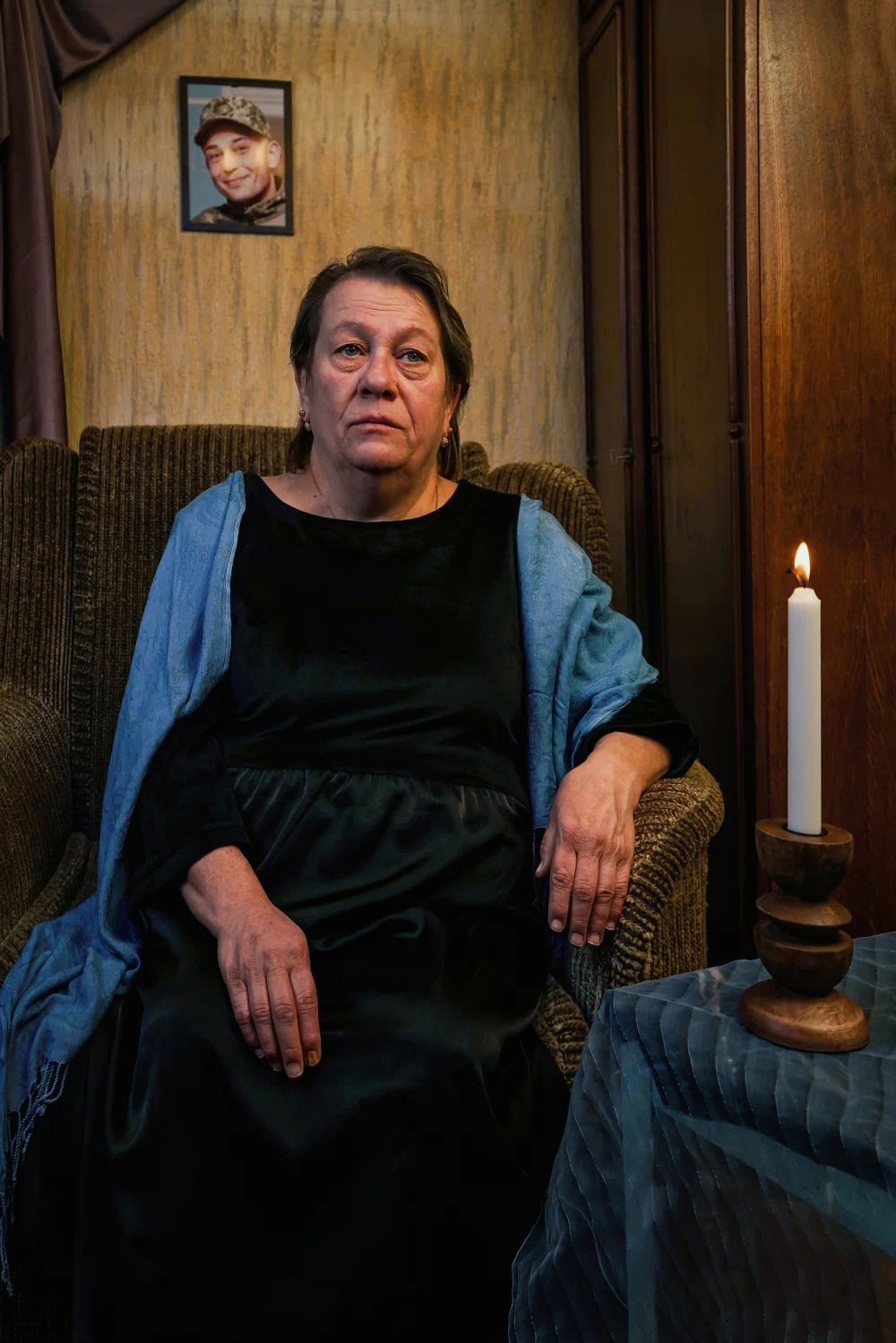
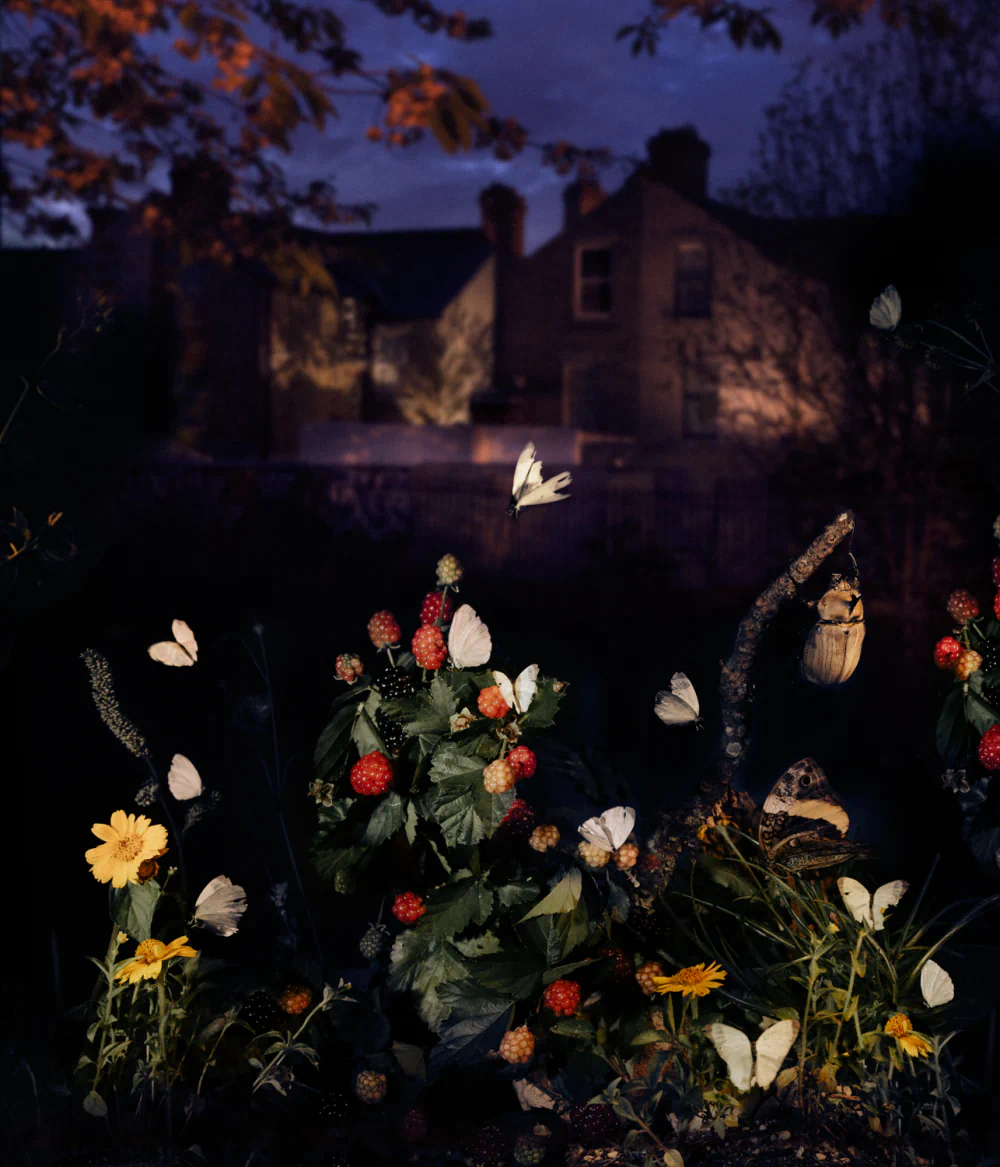
“In Lieu of Flowers” is her ongoing series of botanical photographs, especially dedicated to the son she lost in the summer of 2020. Because he died during COVID, there was no funeral, nowhere to display flowers—only his cremains returned in a box.
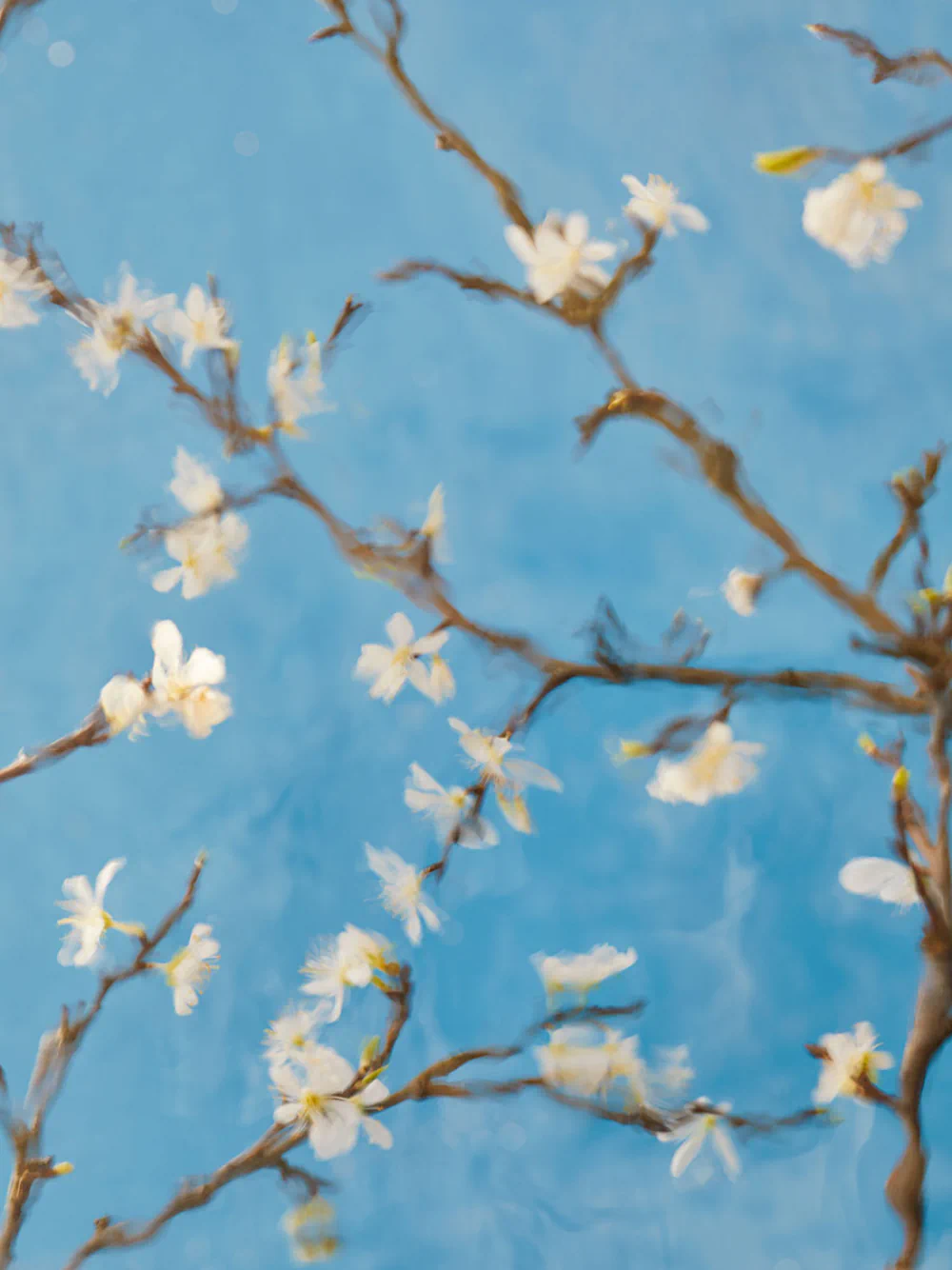
In this collection of works, she looks at a flower as a shape-shifter — a symbol that carries different meanings depending on light, context, and perception. Flowers appear as emblems of transience, carriers of memory, and witnesses to human presence. They exist at the edge of life and decay, stillness and motion, fragility and resilience. Her work is rooted in the emotional resonance of objects and the traces of human experience they hold. Still life,...
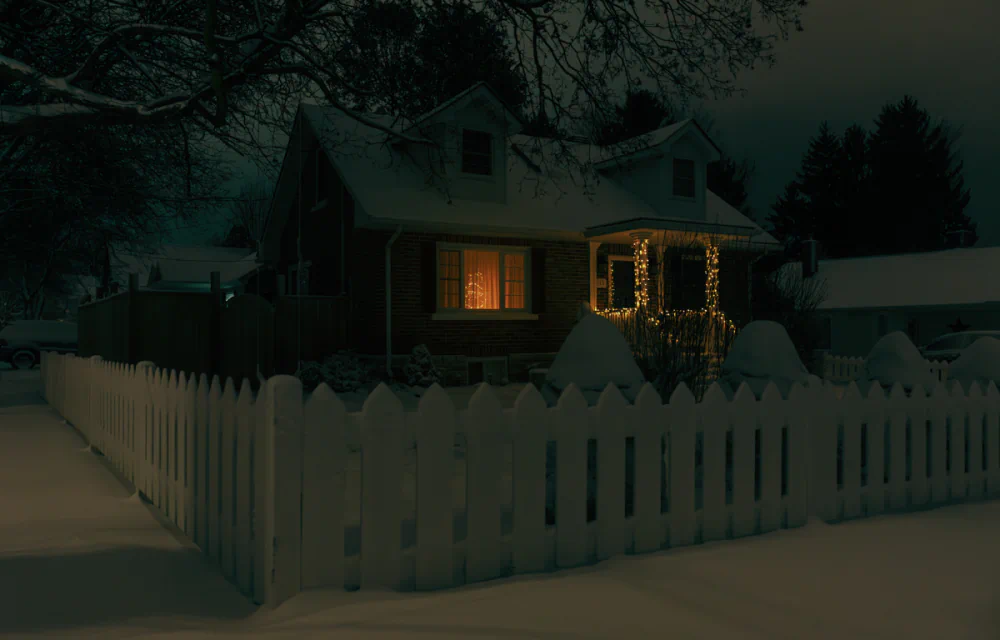
This collection, “Fragments of Life”, brings together images from his third visit to Hong Kong, a city that appears to be the same vertical, hyper-dense labyrinth on the surface, yet feels very different through the lens. His first two trips were separated by roughly seven years, each time traveling as a tourist with a wide-angle camera, eager to capture the city’s most obvious landmarks. This time, he returned with a singular photographic mission: to find...
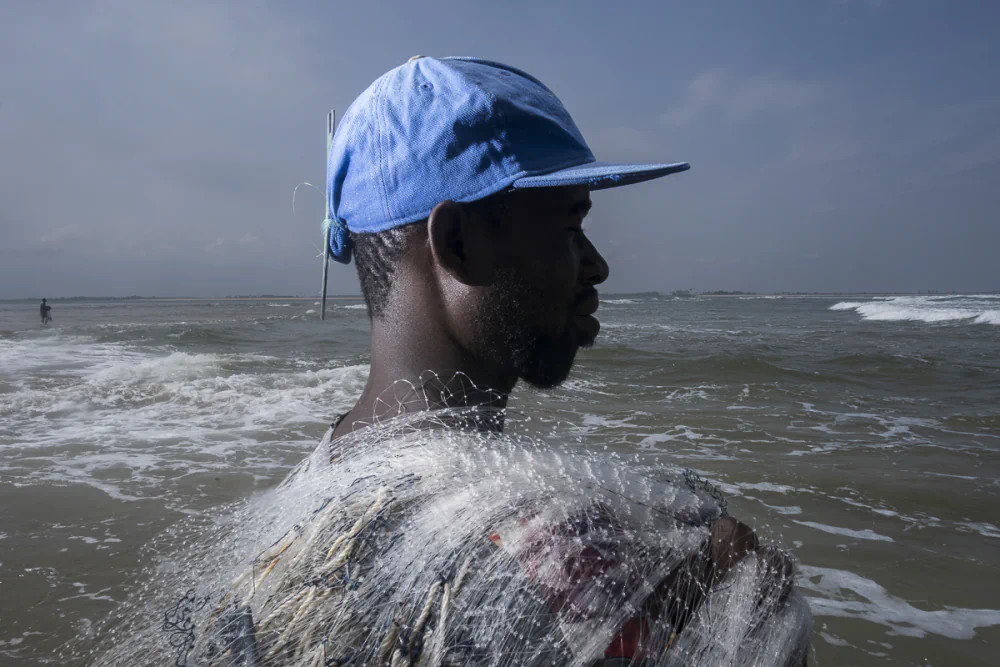
The gray dawn heralded the rain that the fishermen had been waiting for. They say that the murkier the seawater becomes, enriched by sediments carried from the nearby river, the better it is for fishing. The tide had already begun to rise, slowly overtaking the sand with small waves that grew bolder and bolder.
The photographic project Group Living is a reflection on over-urbanization in China. The project questions the extreme trend of urban expansion by depicting a gregarious state of urbanization in major Chinese cities. Unlike Western developed countries, where urbanization has evolved over centuries
Her photographic practice is shaped by interests in history and biography and, from there, develops through her experiences, observations, and sense of spontaneity, curiosity, and intuition. Over the years, her work has focused on people and places, sometimes close and intimate and sometimes more distant, but always evolving from her personal journeys and quiet exploration.
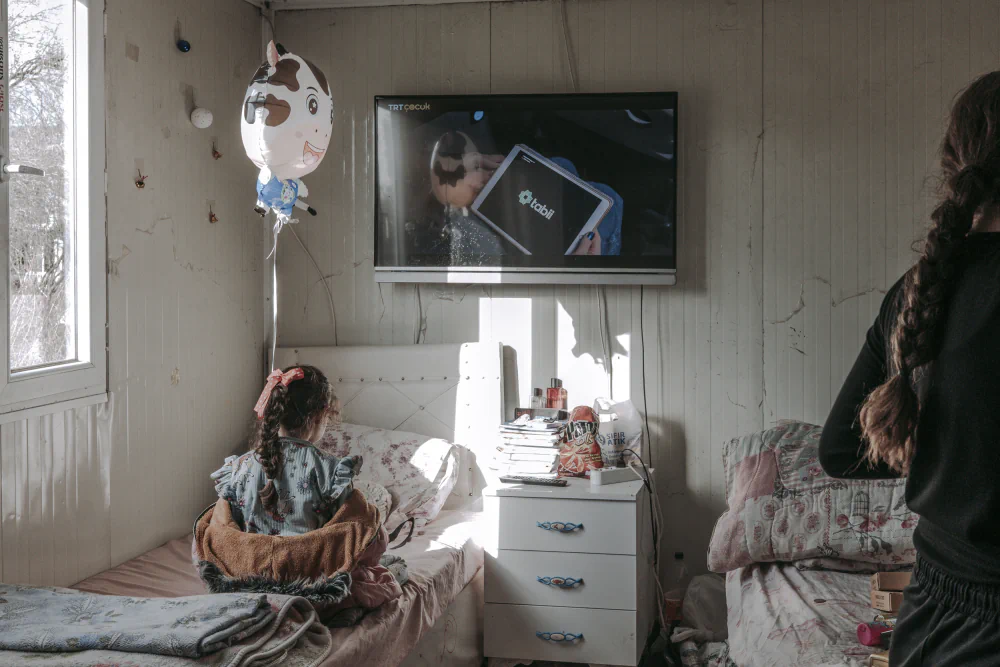
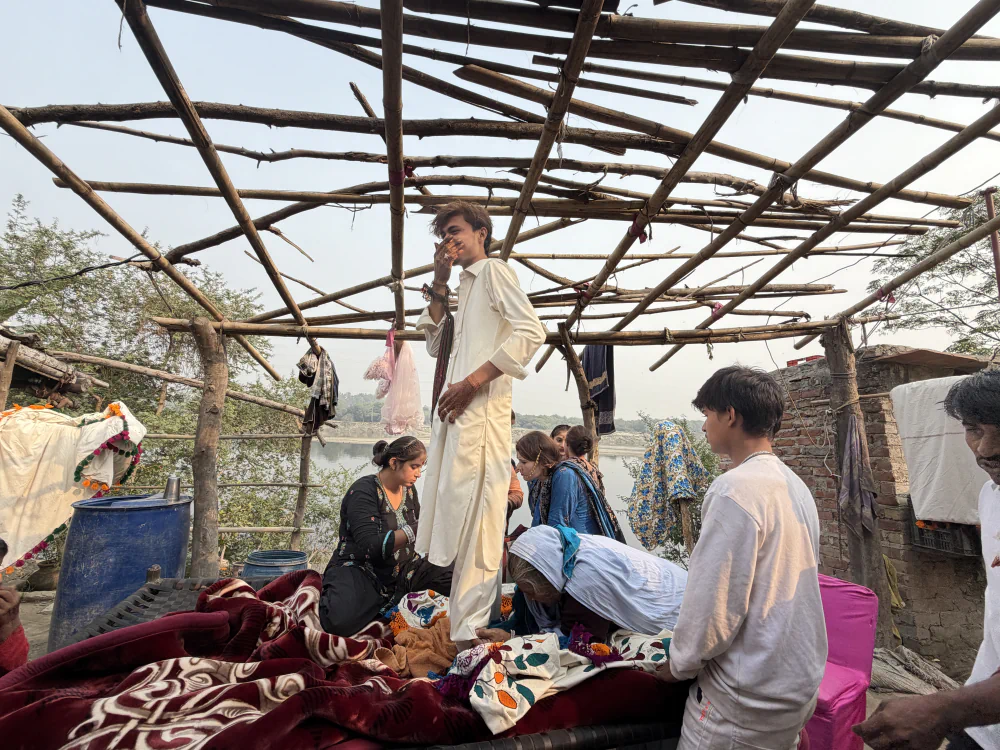
In the space suspended between thought and its manifestation, ‘Printed Dreams’ take shape not as reflections of reality, but as architectures of the invisible. This is a study that explores the very nature of perception: what remains of us when the world fragments and light decides to break down into new emotional alphabets?
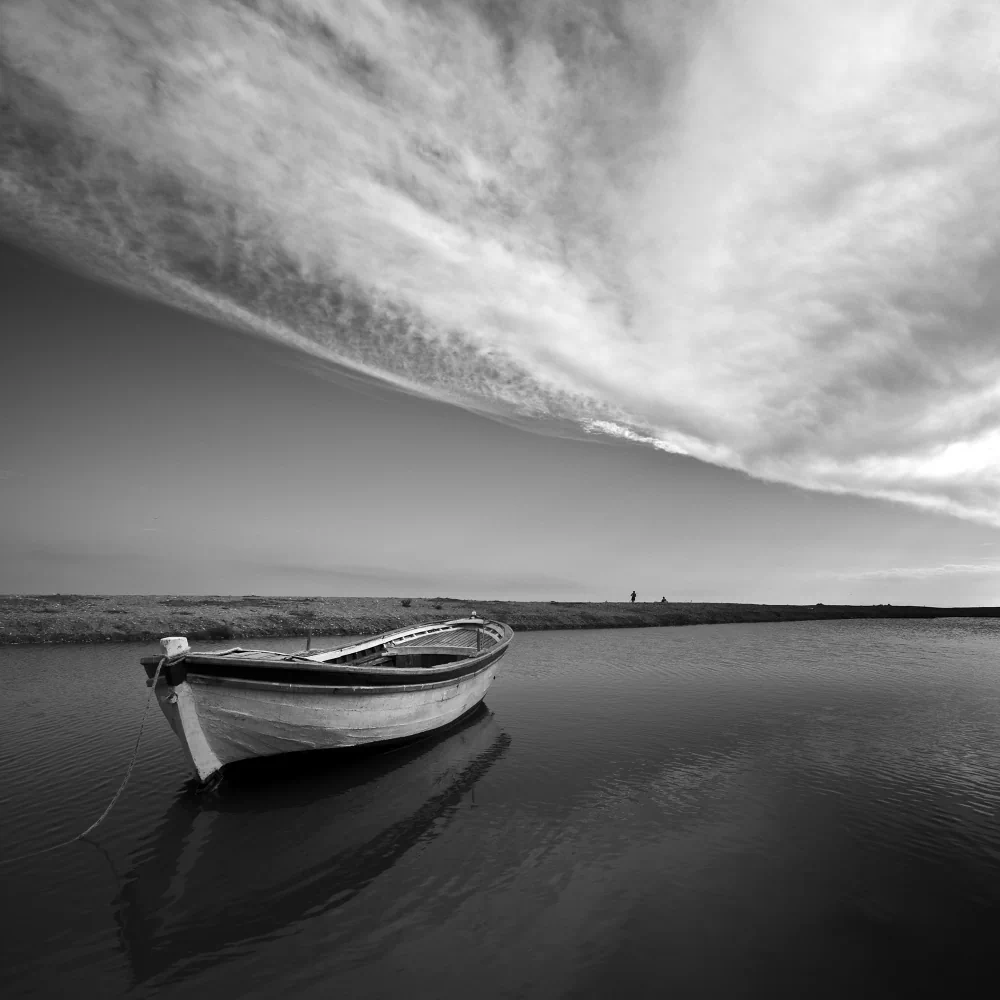
Settled between forests, fields, and lakes, this work unfolds from within a life in transition, where watching children grow becomes inseparable from observing the passing of time itself. Doubt and time operate not as obstacles but as essential tools, shaping a way of seeing that moves between silence and language, between what can be named and what resists articulation
Duality has always been at the center of my curiosity. Not in the obvious sense of opposites, but in the quiet tension between states of being—the moment something exists fully, and the moment it begins to transform.
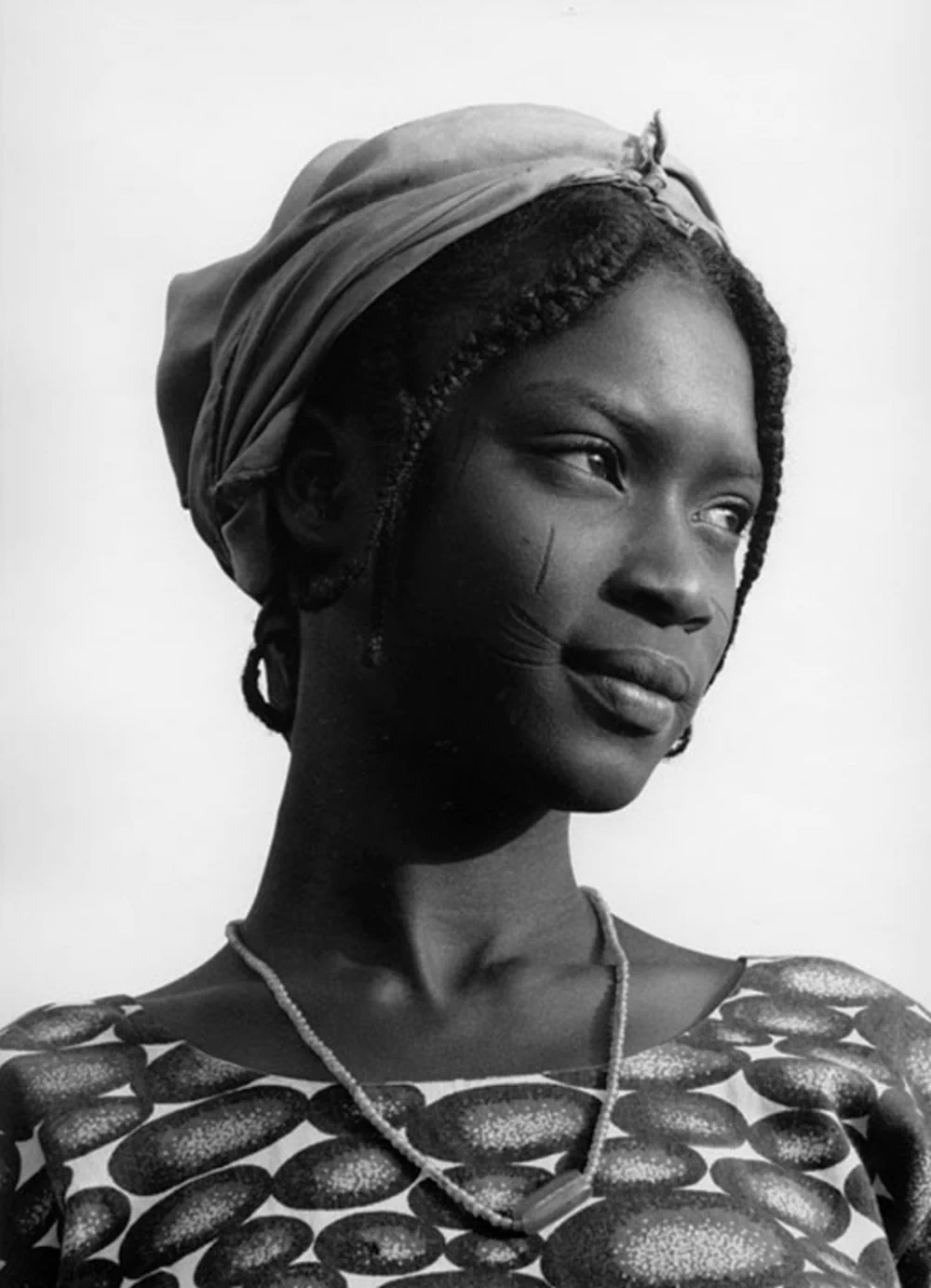
The Fulani of West Africa are among the largest nomadic groups in the world. Traditionally, they moved with their herds across more than ten countries in West and Central Africa. In their society, cattle are central, shaping wealth, status, and way of life.
Diasporic Sights is the second volume in the London Street Chronicles series, an ongoing photographic exploration of everyday life in London. This chapter focuses on the presence and lived experiences of Black British communities within the city.
Executive Order: Images of 1970s Corporate America is a collection of 50 black-and-white silver gelatin photographs and the first of three monographs she has published with Daylight Books. It was launched in 2018, when it garnered significant attention.
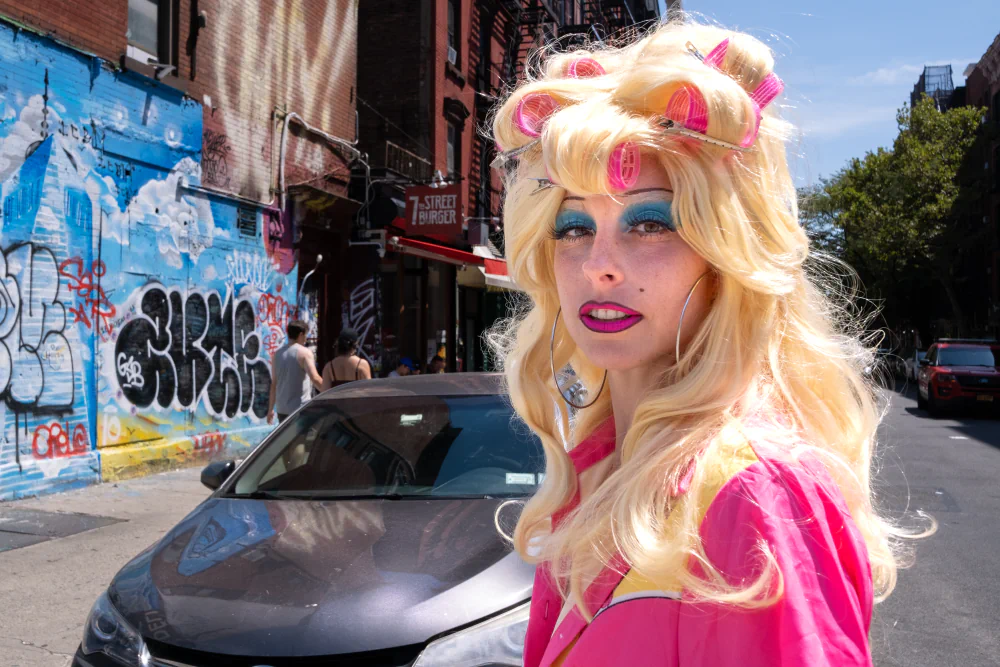
Harajuku in Los Angeles: Portraits in Place is a long-term portrait series celebrating Harajuku-inspired individuals living in Southern California. Focusing on home, work, and play, the series examines the spatial dimensions of self-presentation.
In Chennai’s vibrant performance season, Indian classical dance offers the photographer a subject rich in movement, emotion, and tradition. Here, one reflects on the visual language of dance, the technical demands of photographing live performance, and the creative possibilities it offers beyond the stage.
Her photographic series Lost in Paradise, commissioned for Soho House Downtown Los Angeles, explores the visual language of cities where architecture communicates through neon signage, typography, colour, and layered urban surfaces.
A self-taught photographer, I work with a personal philosophy of fine art photography structured as an inverted pyramid of three strata. Resting on the bottom point is technical mastery — understanding light, equipment, and the mechanics of the camera.
The cult of Santa Muerte, or “Holy Death,” has evolved into one of Mexico’s most significant and fastest-growing folk religious movements, with millions of devotees. Though still officially rejected by the Catholic Church, Santa Muerte devotion has surged since the early 2000s, emerging from private household altars into highly visible public rituals.
The Beauty and the Bane investigates the fragility and transience of aesthetics, inviting the viewer to question what is conventionally perceived as beautiful. The images, originally conceived by the artist as commercial advertising shots, undergo a process of radical transformation that alters their chromatic qualities, surfaces, and textures through the use of oils, paints, plaster, and abrasive materials.
This project is rooted in a simple yet profound recognition: the relationship between humans and great apes extends far beyond genetic proximity. Chimpanzees, bonobos, gorillas, and orangutans share with humans not only more than 98 percent of their DNA, but also sensitivity, social intelligence, and a complex cultural understanding of the world.
What is the Limit? is an ongoing series of photoconstructions begun in 2021, in which the mouth, a fragment of the body stripped of biography, becomes the site of a fundamental question: what can a body endure?
Before this series existed, he was chasing the life he was told to want: a bigger title, a higher paycheck, a larger house. The kind of career that makes parents proud at dinner tables and impresses friends at parties. He worked hard, climbing the corporate ladder during the day and freelancing at night.
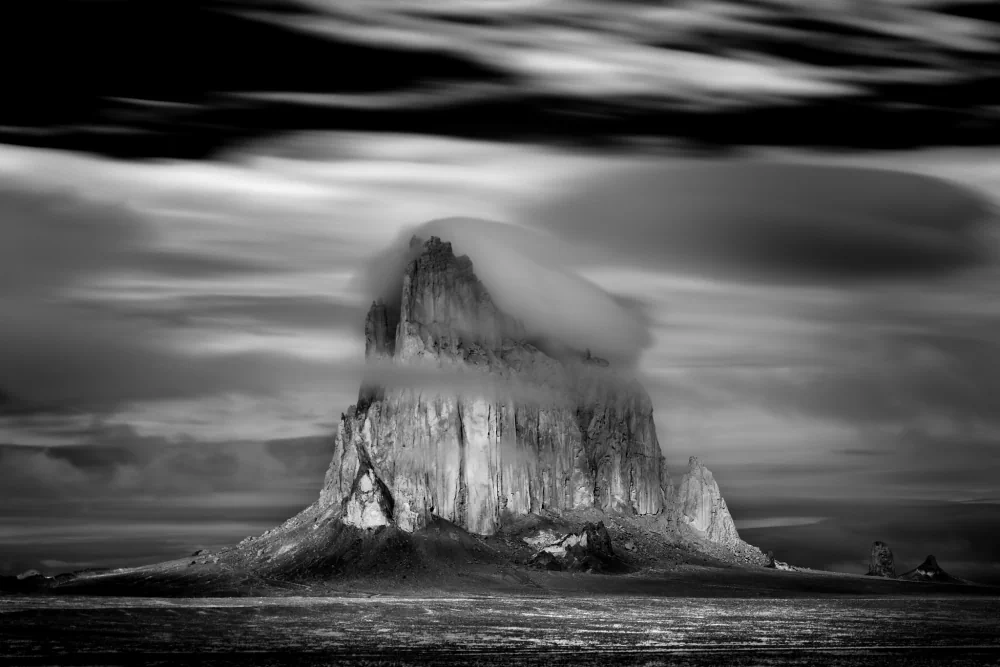
His pursuit of new landscapes to explore and photograph has been a constant and defining journey, one that has taken him across continents for more than thirty years. Throughout this time, he has been repeatedly drawn to places where the forces of nature feel most present and unrestrained.
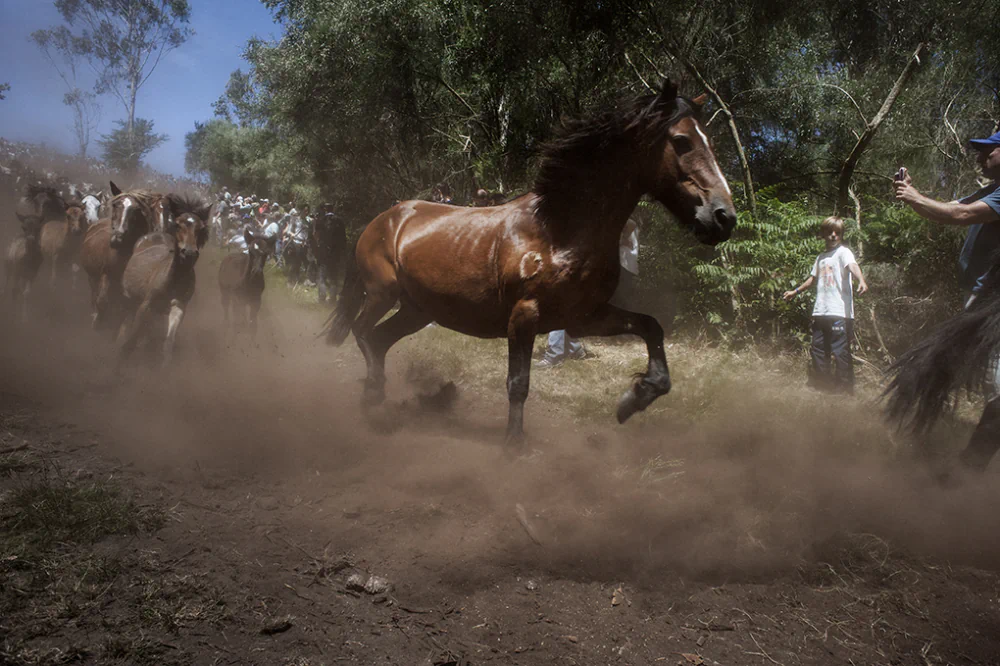
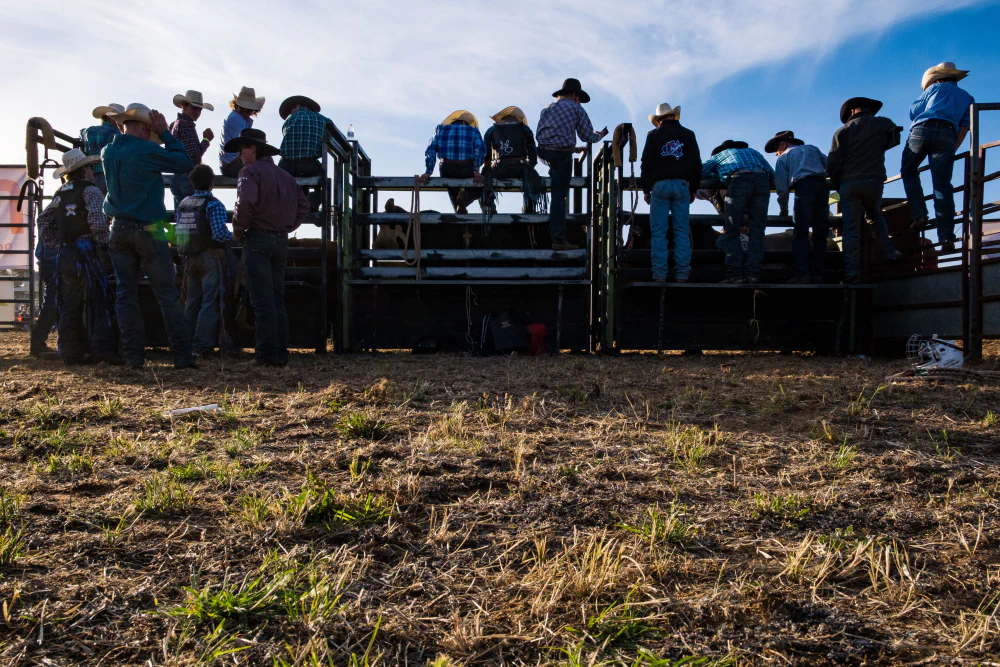
To many people on the East and West Coasts, the central plains are dismissively labeled “flyover country.” However, the American heartland holds a deeper, more enduring story, one shaped by resilience, sacrifice, and a lasting connection between the land, the people, and the animals that sustain them.
Color is not something he simply sees—it is something he perceives. Vision may begin as a physiological process, a collaboration between the eye and the brain translating wavelengths of light into recognizable hues. His relationship with color extends far beyond optics.
We use cookies on our website to give you the most relevant experience by remembering your preferences and repeat visits. By clicking “Accept”, you consent to the use of ALL the cookies.
This website uses cookies to improve your experience while you navigate through the website. Out of these, the cookies that are categorized as necessary are stored on your browser as they are essential for the working of basic functionalities of the website. We also use third-party cookies that help us analyze and understand how you use this website. These cookies will be stored in your browser only with your consent. You also have the option to opt-out of these cookies. But opting out of some of these cookies may affect your browsing experience.
Necessary cookies are absolutely essential for the website to function properly. This category only includes cookies that ensures basic functionalities and security features of the website. These cookies do not store any personal information.
Any cookies that may not be particularly necessary for the website to function and is used specifically to collect user personal data via analytics, ads, other embedded contents are termed as non-necessary cookies. It is mandatory to procure user consent prior to running these cookies on your website.