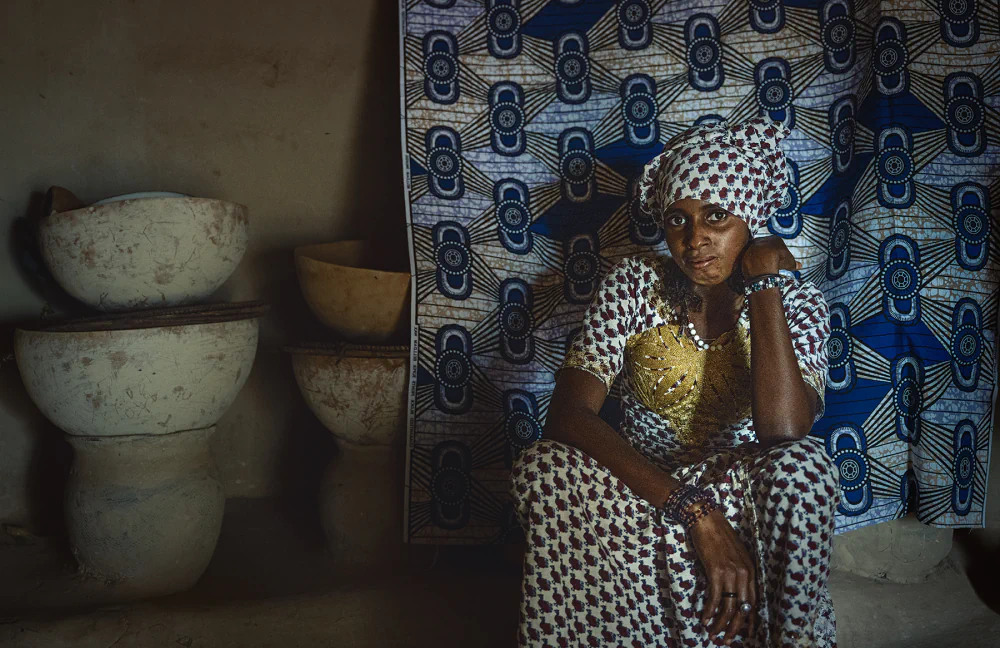


The Fulani of West Africa are among the largest nomadic groups in the world.
Traditionally, they moved with their herds across more than ten countries in West and Central Africa.
In their society, cattle are central, shaping wealth, status, and way of life. Though the Fulani originated from diverse lineages, they became culturally unified through the spread of Islam around the 7th century. Today, the largest Fulani populations are found in Mali, with significant communities in Côte d’Ivoire and Burkina Faso.
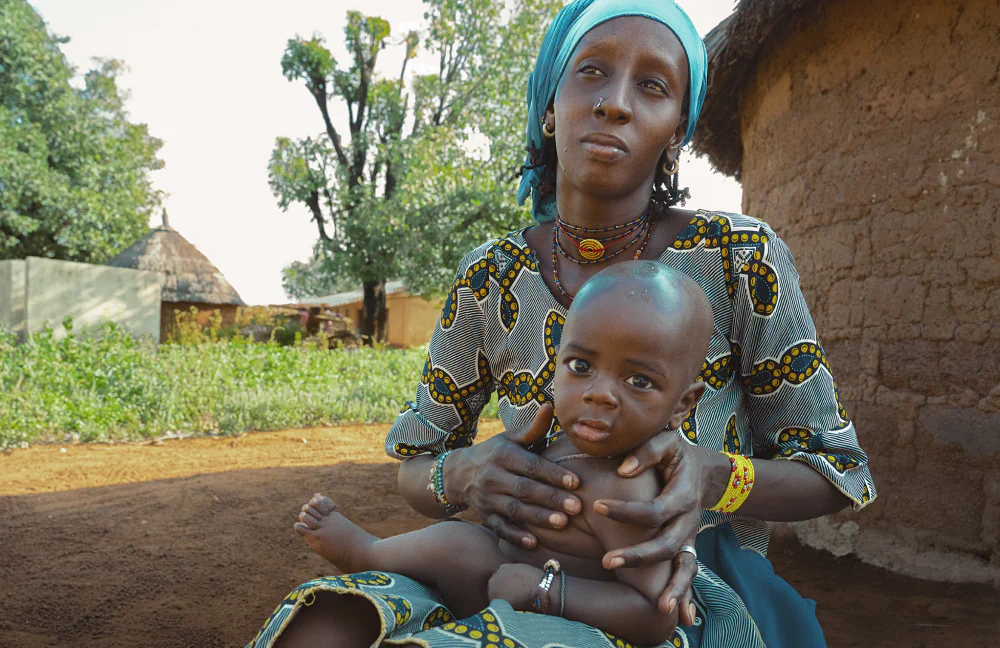
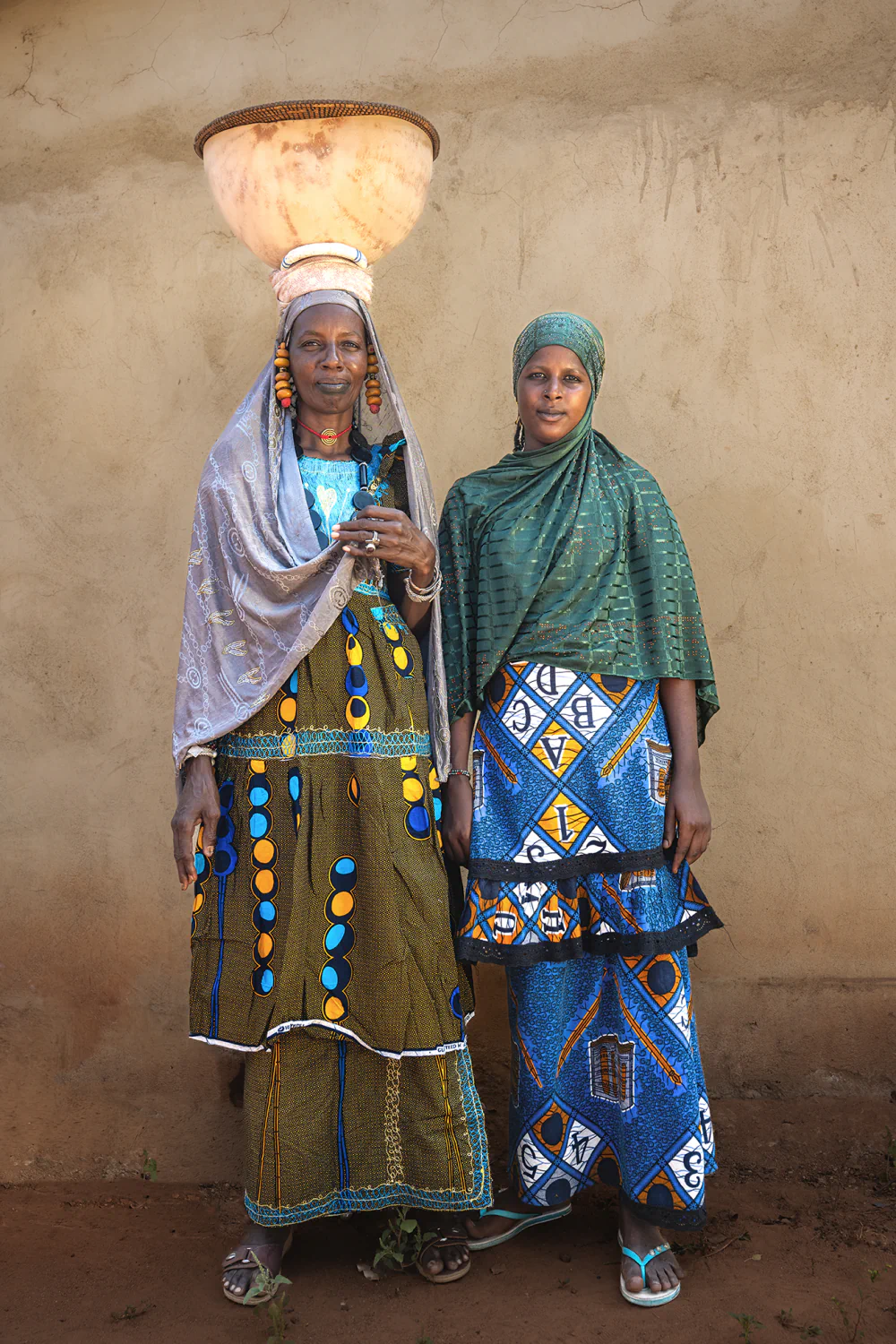
While traveling through the north of Côte d’Ivoire, I encountered a large Fulani community that had fled Mali and was living a semi-nomadic life alongside their cattle. When I asked about the history of the jewellery worn by the women, it was explained that they often crossed the border to visit relatives in Mali.
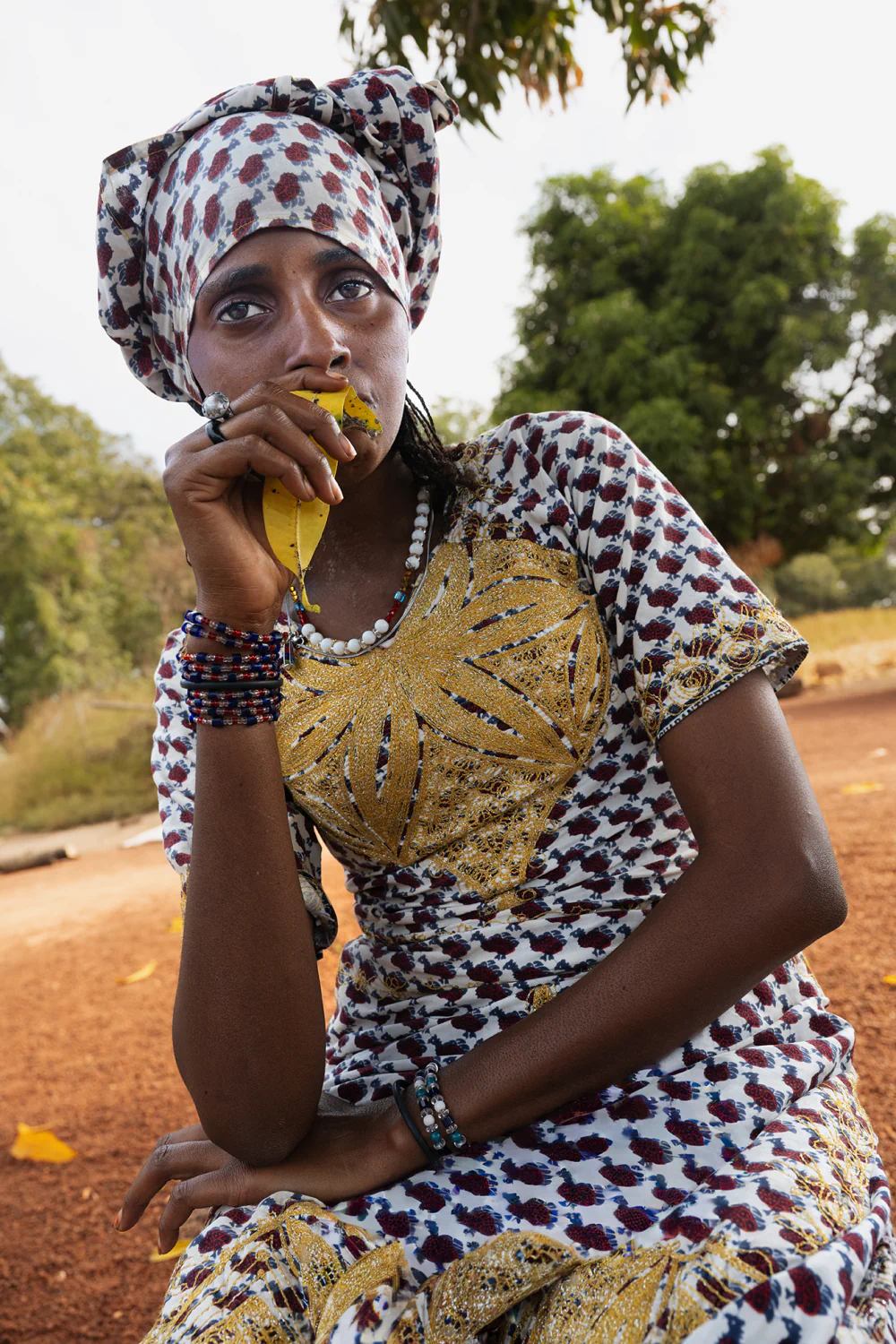
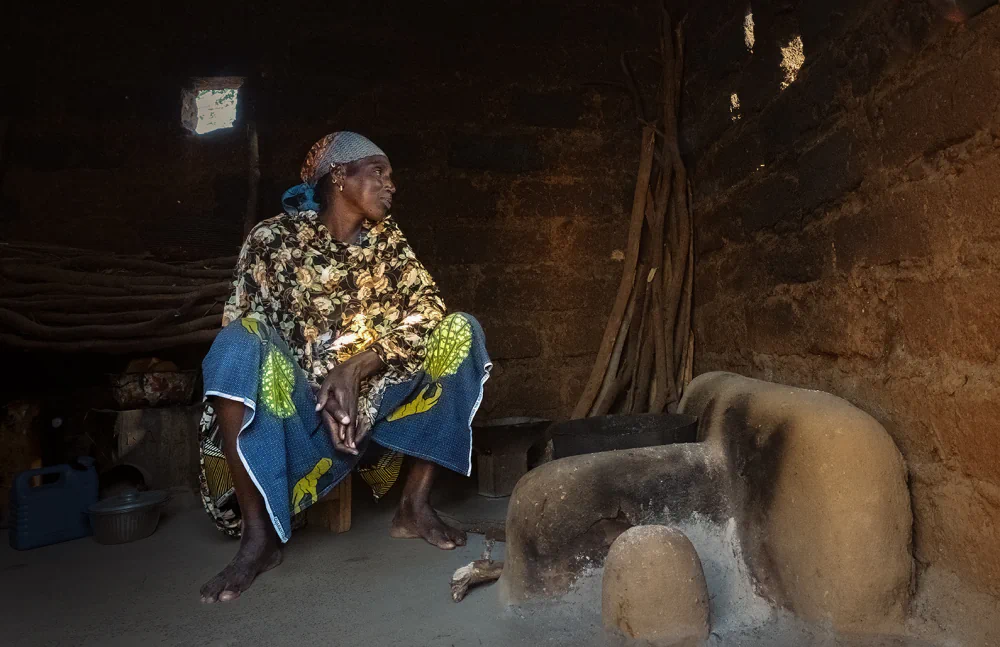
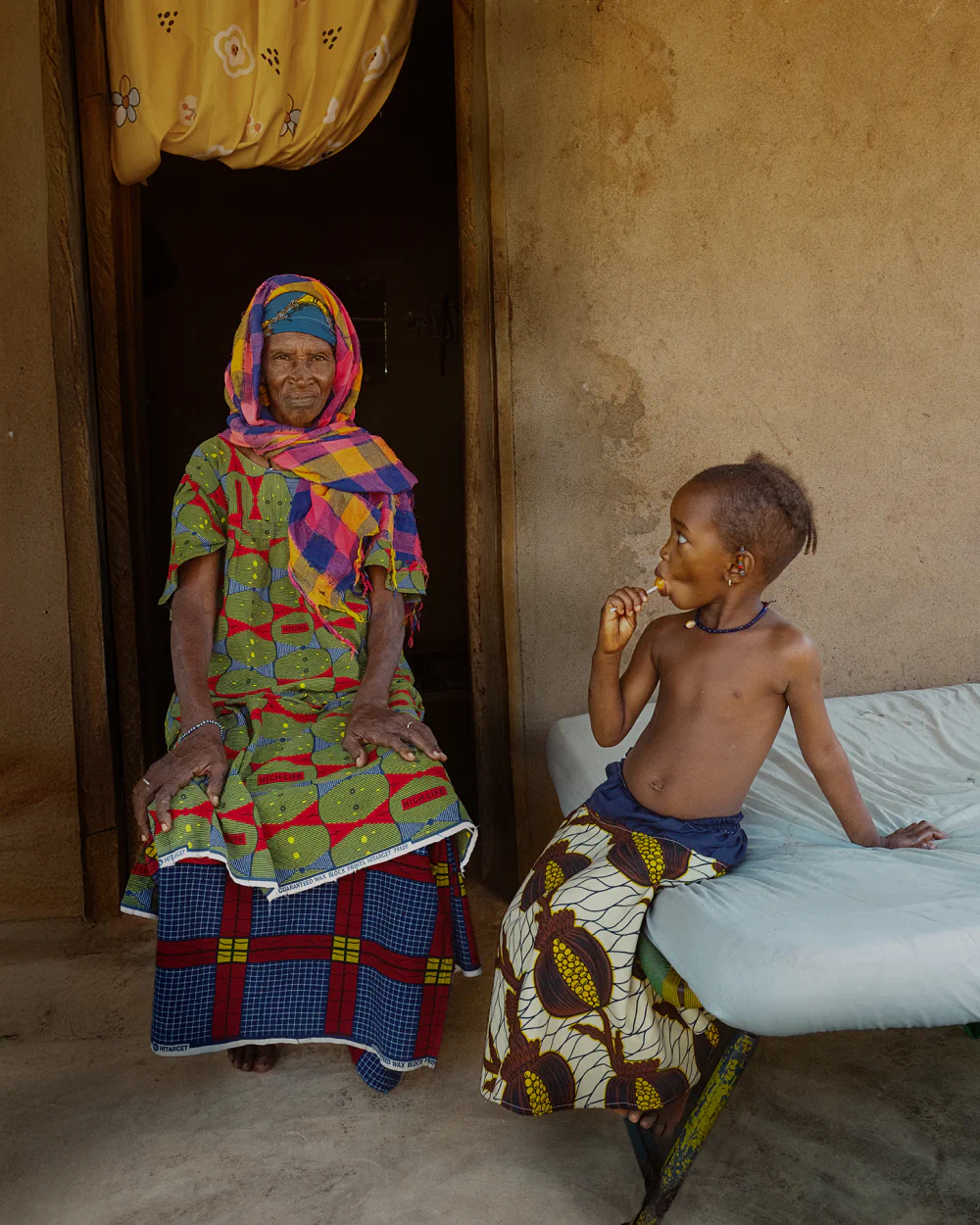
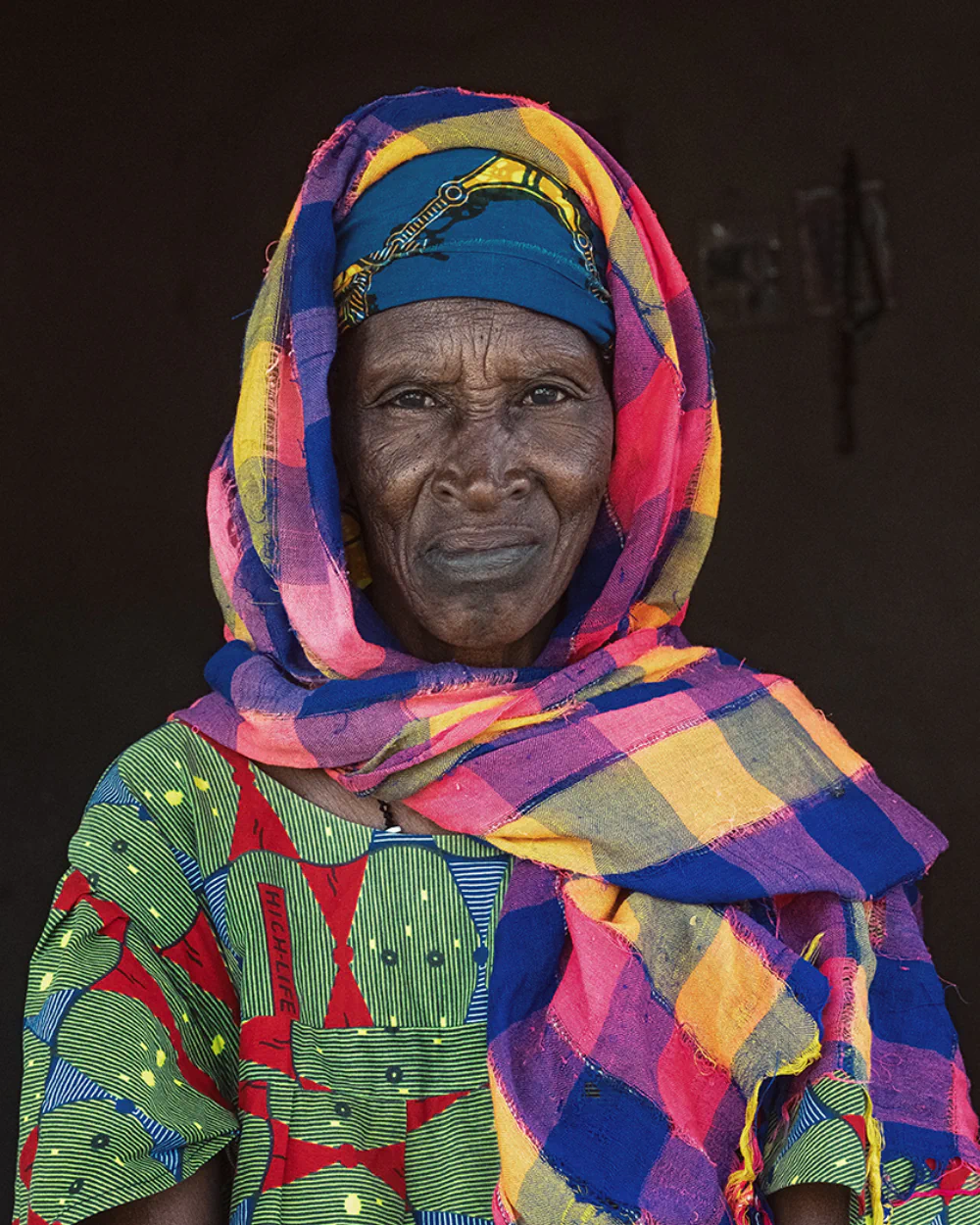
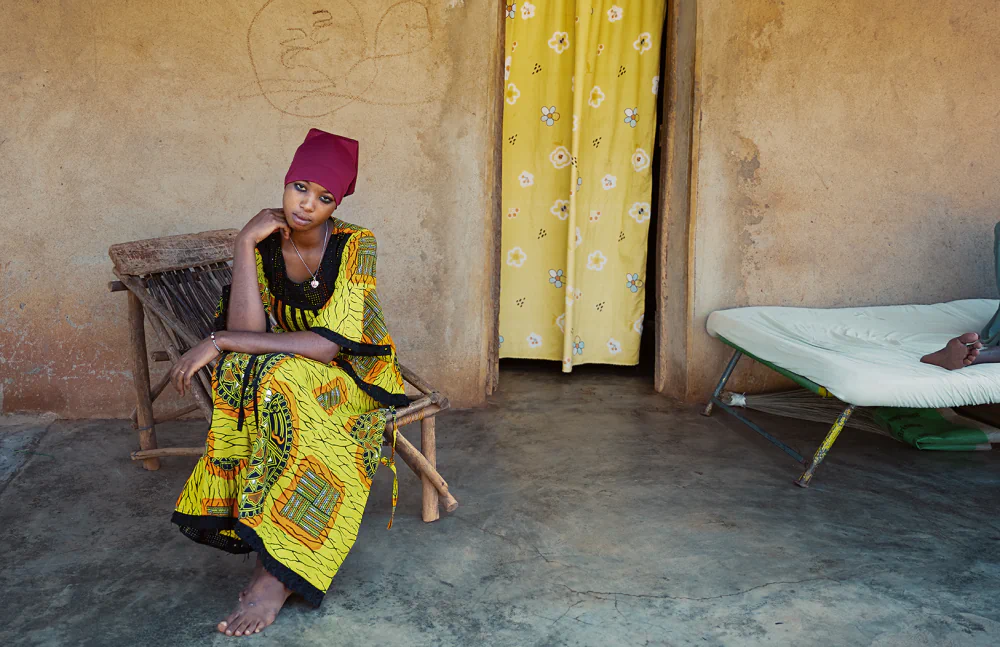
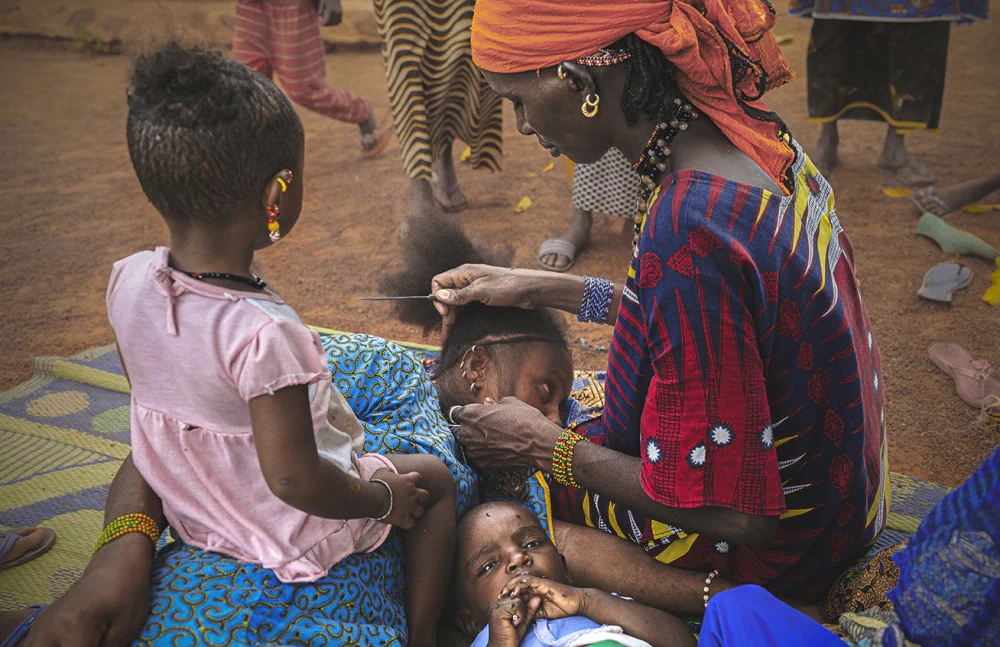
This photographic story focuses on the everyday lives of Fulani women, shaped by migration, resilience, and tradition. Their daily routines, preparing food, tending to children, carrying water across long distances, and sustaining community bonds, form the foundation of their close-knit society.
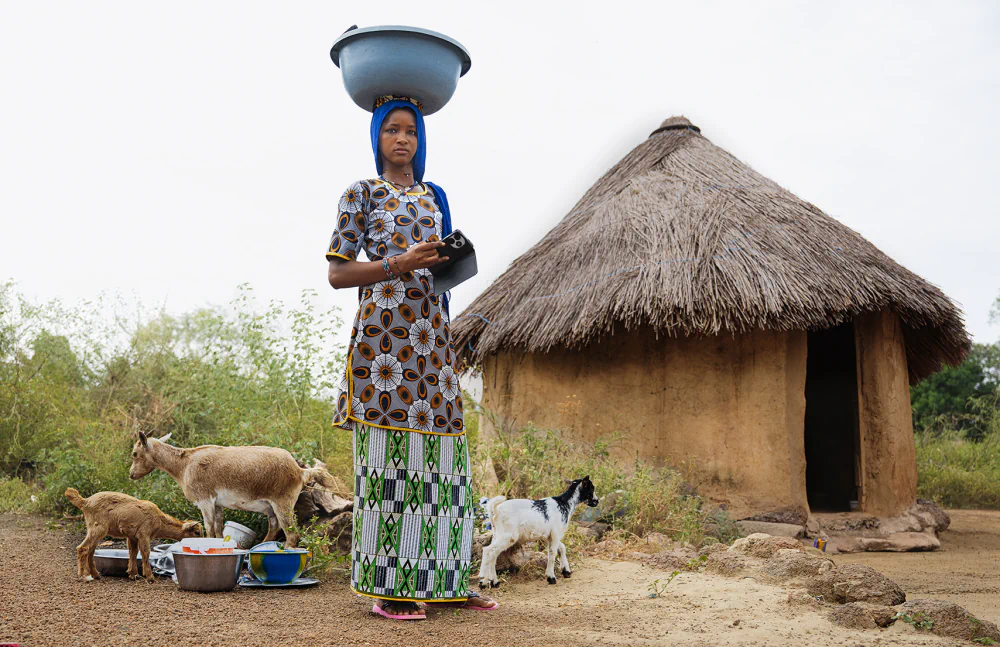
I was deeply struck by the beauty, grace, warmth, and quiet dignity of these women. Beauty holds a special place in Fulani culture. One distinctive feature among women is the darkening of their lips, achieved through henna or tattooing. Hairstyles, often intricate combinations of cornrows and box braids, carry layers of meaning, reflecting heritage, social identity, and marital status. Fulani society itself is guided by a moral code that values respect, hospitality, courage, dignity, and self-restraint. Modesty and reserve are essential virtues. To be reserved is to be dignified; thus, many Fulani are shy and modest in public.
The Fulani diet centers largely on dairy products such as milk, yogurt, and butter. In the mornings, families may drink fresh milk or a sorghum-based gruel, which I was fortunate to taste and can report was delicious. Main meals often consist of a thick porridge made from millet, sorghum, or corn flour, served with a rich sauce or soup prepared with tomatoes, onions, spices, peppers, and vegetables.
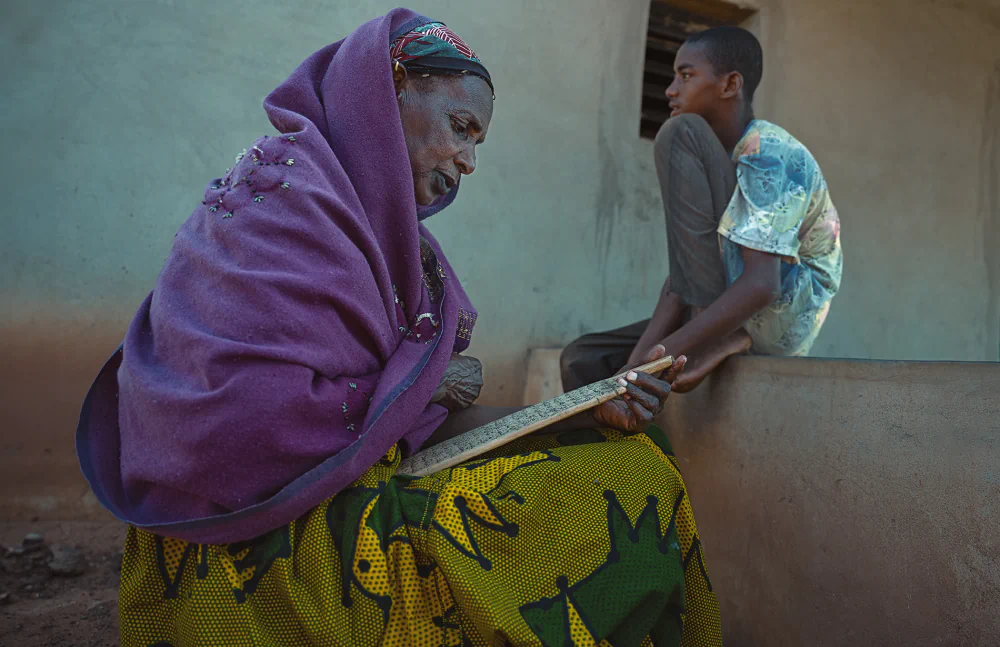
The Fulani are almost entirely Muslim. I witnessed young men teaching elders to read the Quran using wooden tablets, a powerful image of knowledge flowing across generations. Despite limited access to formal education, Fulani communities place profound value on learning, storytelling, and oral tradition. Proverbs and stories teach valuable lessons about life, and education is a shared responsibility, with adults and older children guiding the young through discipline, example, and narrative.
These images are traces of a way of life shaped by movement, endurance, and grace. They are an attempt to honour what persists: the strength of women, the continuity of culture, and the quiet dignity carried across borders and generations.
About Kristyn Taylor
Kristyn Taylor is a New Zealand-born photographer who has been based in Australia since 1977. With a Bachelor of Science with Honours in Zoology, her early academic path contrasts with her long-standing career in the arts, where she established herself as a ceramic sculptor and educator before transitioning into photography.
She began photographing in 2013, developing her practice largely through self-directed exploration. Her work centres on people, culture, and travel, driven by a strong interest in human stories and the environments that shape them. Over time, she has built a distinctive visual language that combines observational sensitivity with a refined aesthetic approach.
During the COVID-19 period, Taylor expanded her practice into studio and fashion photography, using the time to deepen her technical skills while embracing the collaborative and creative dynamics of working with teams.
Her work has received extensive international recognition across major photography awards and platforms, including distinctions from National Geographic, the International Photography Awards, PX3, Chromatic Photography Awards, and Australian Photography Magazine, among many others. She has been featured in publications, exhibitions, and global initiatives, and continues to be recognised for her contribution to contemporary travel and cultural photography. [Official Website]