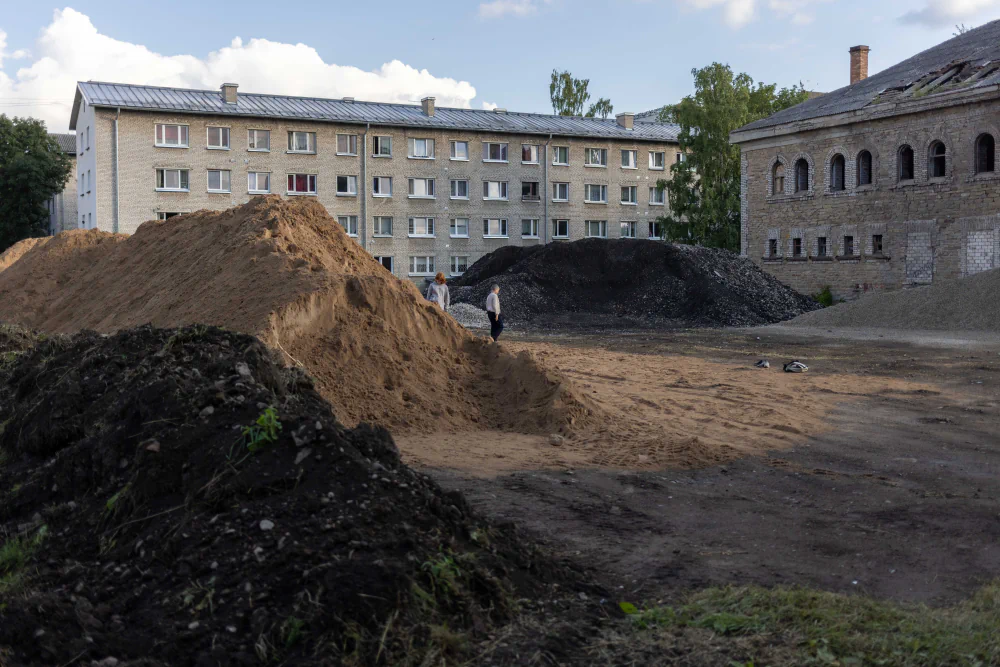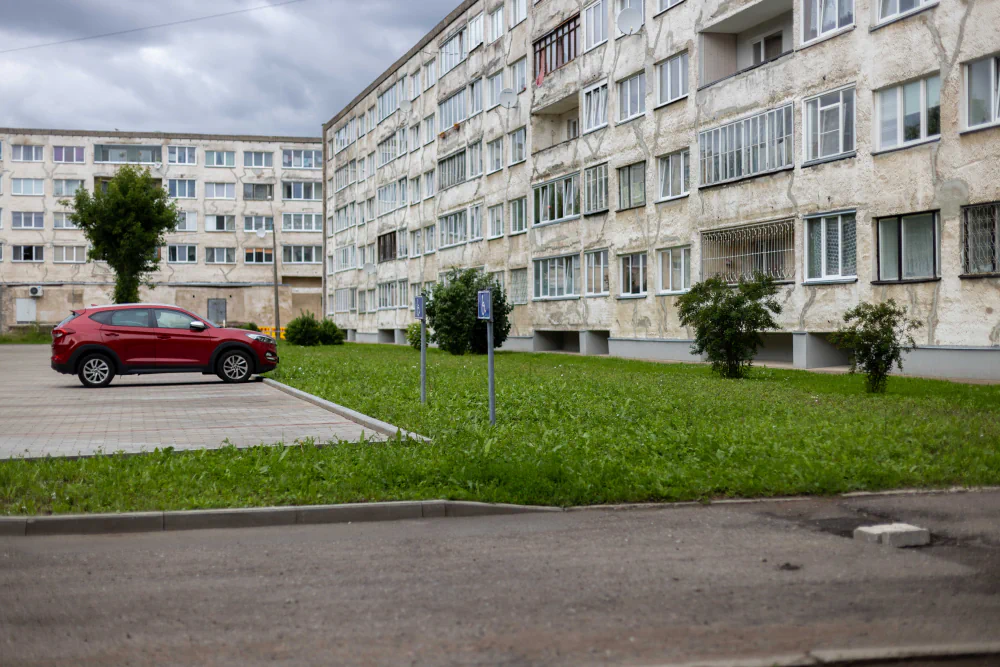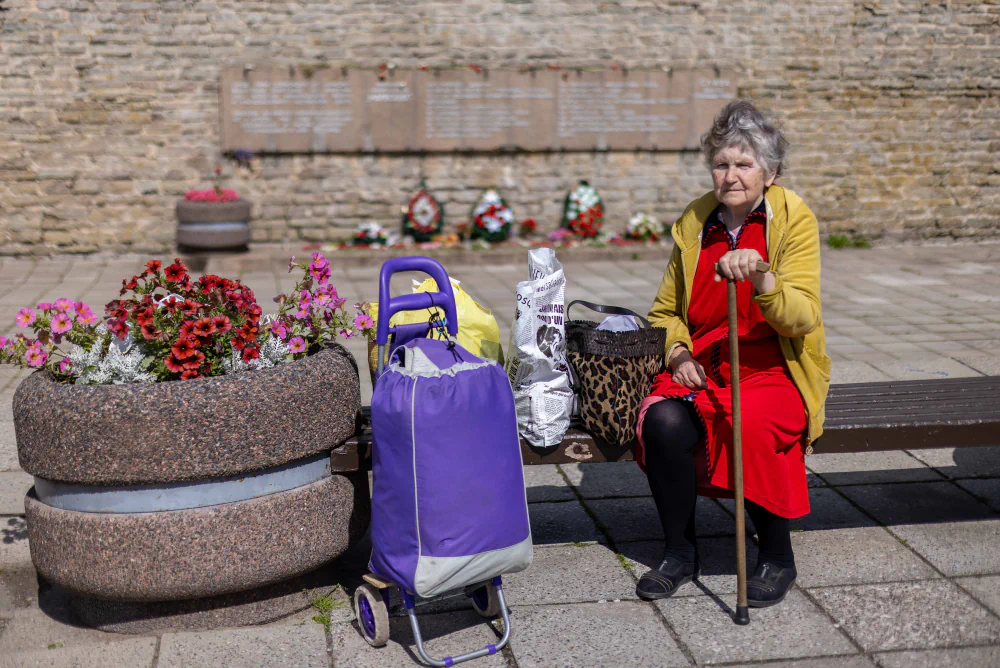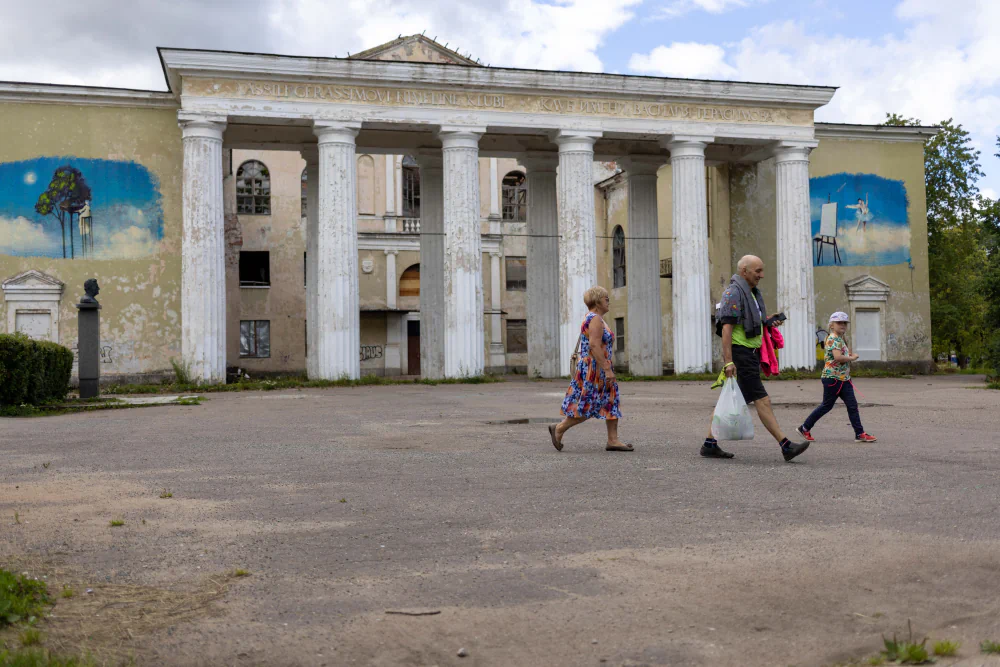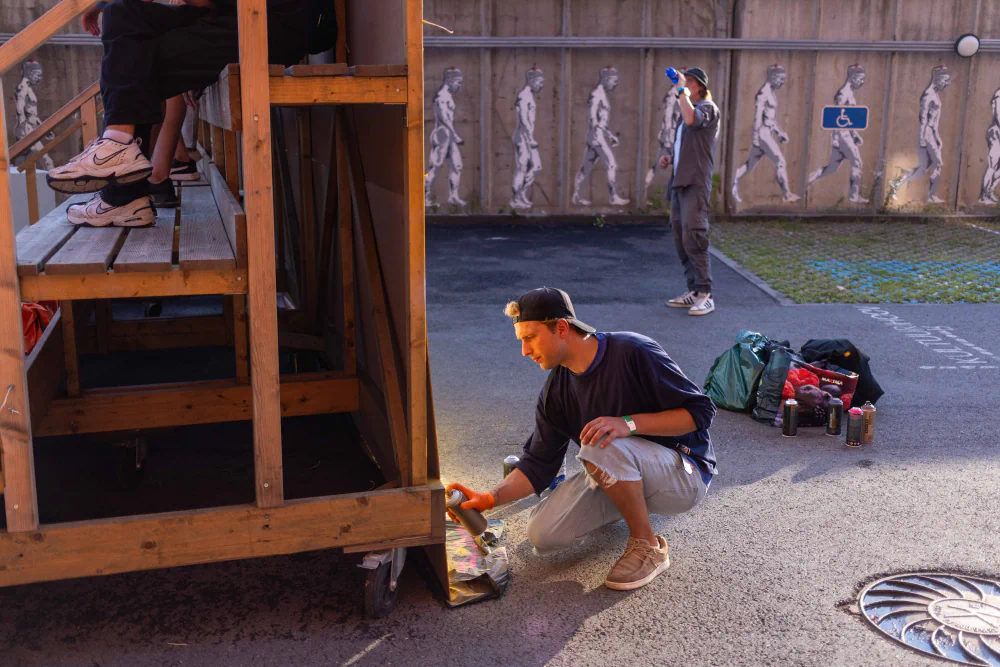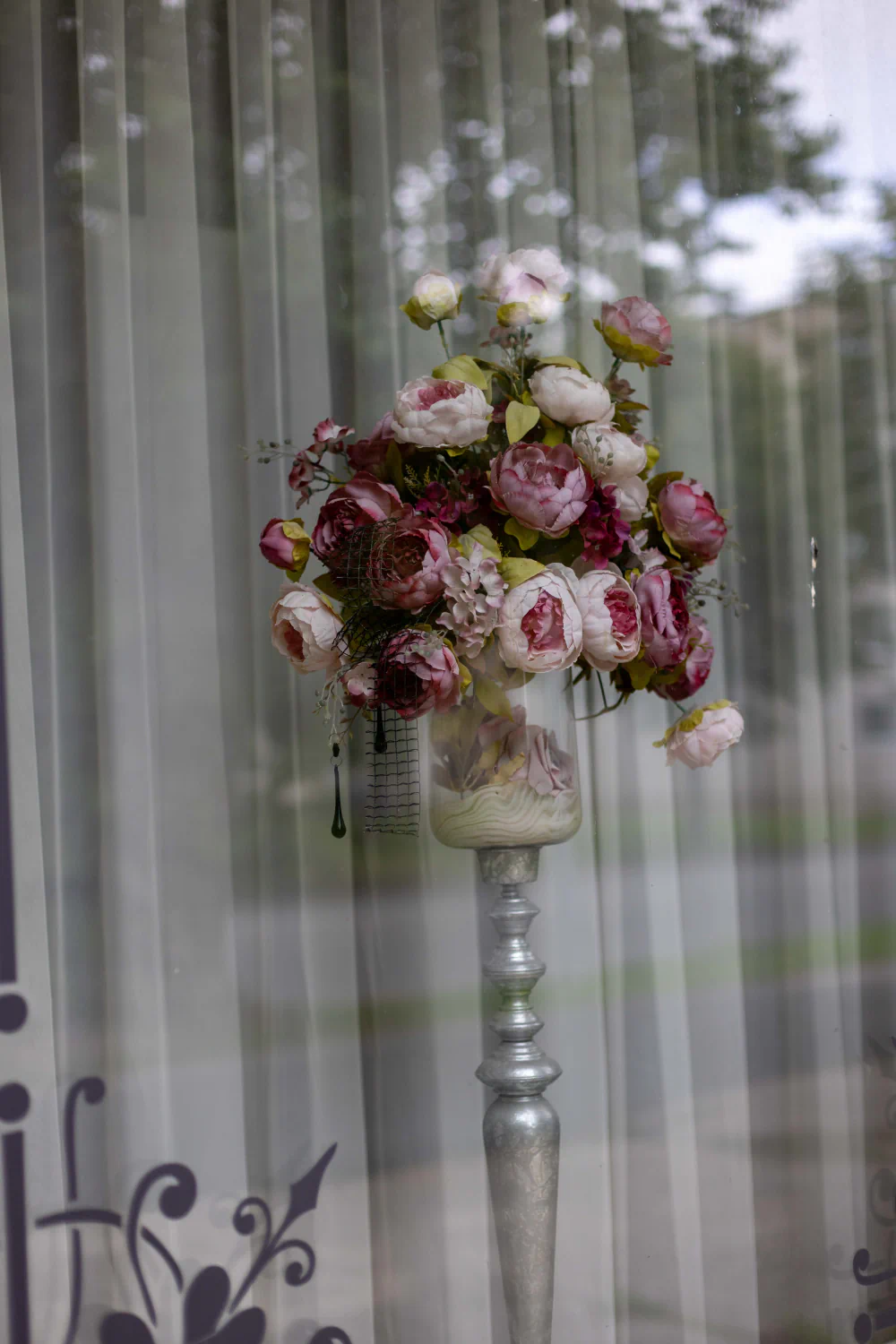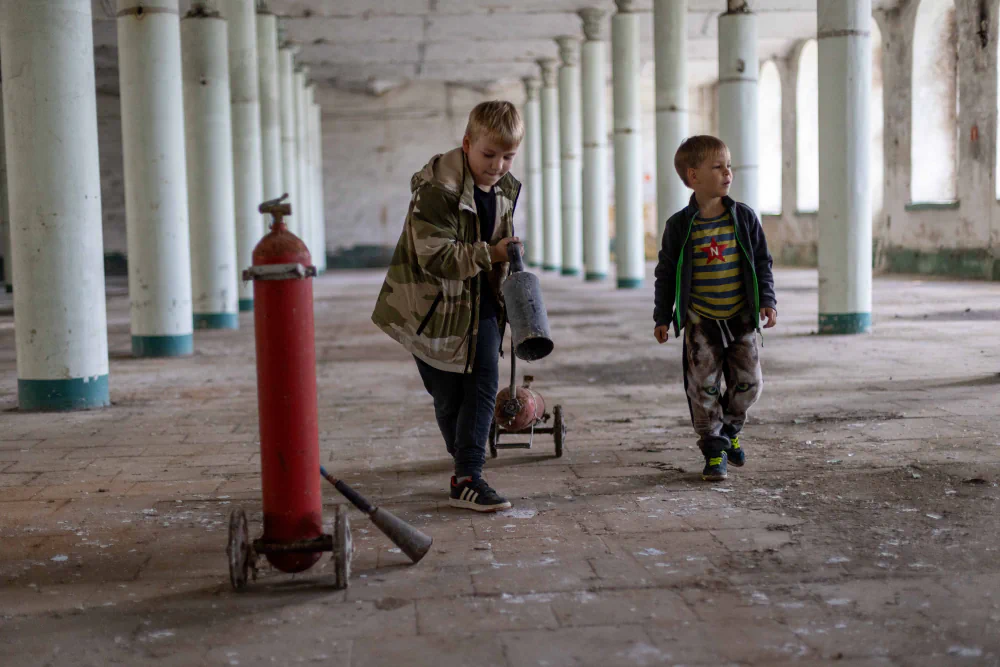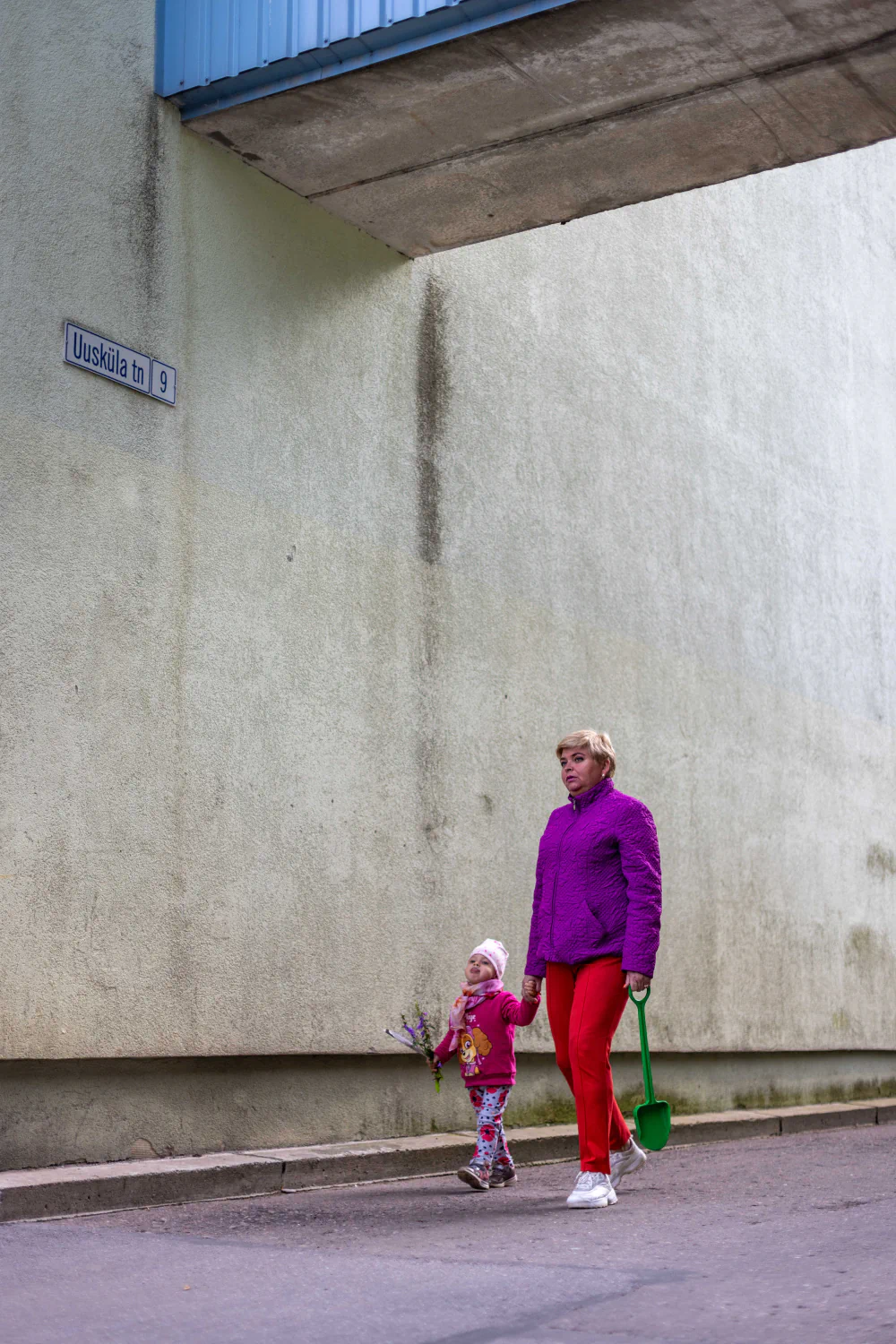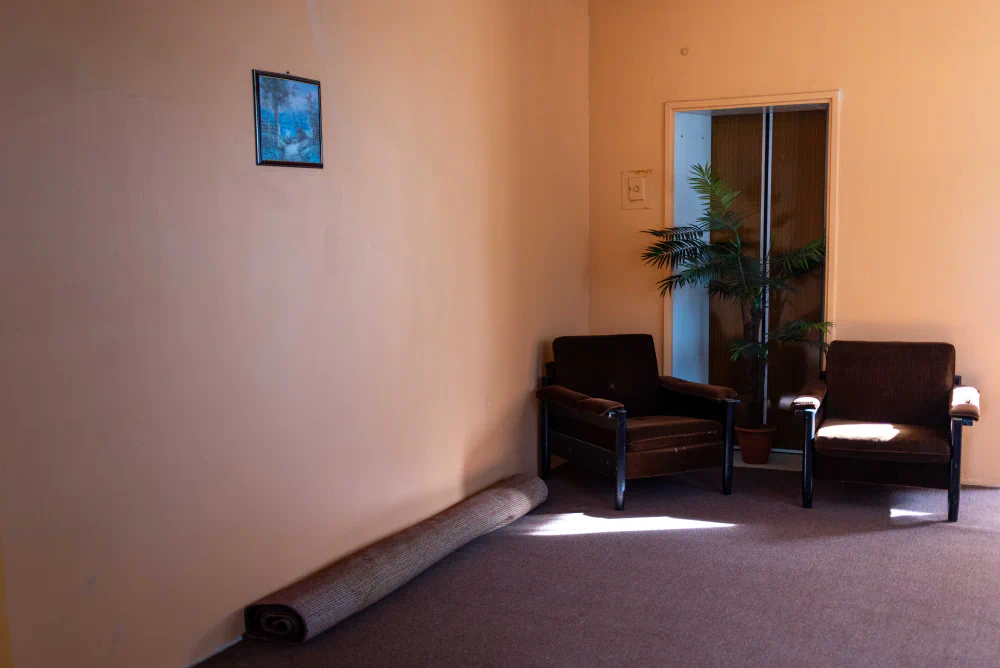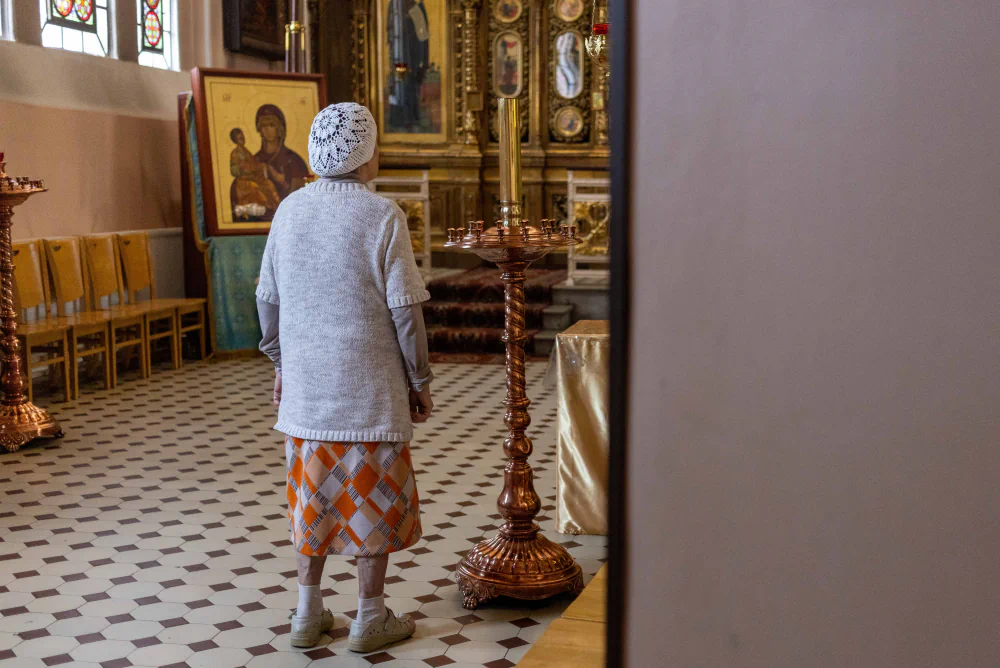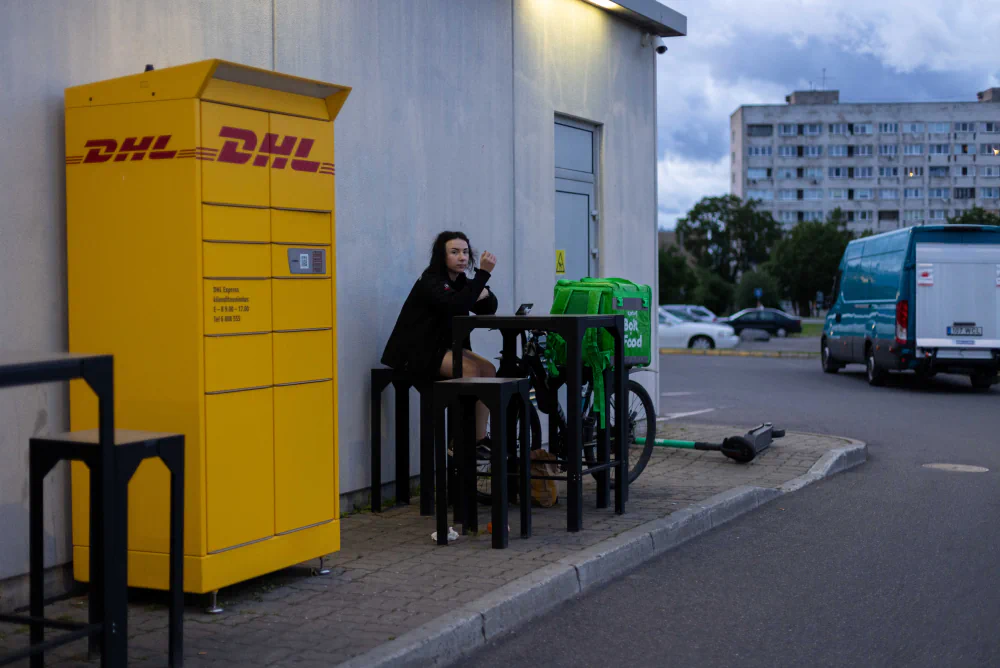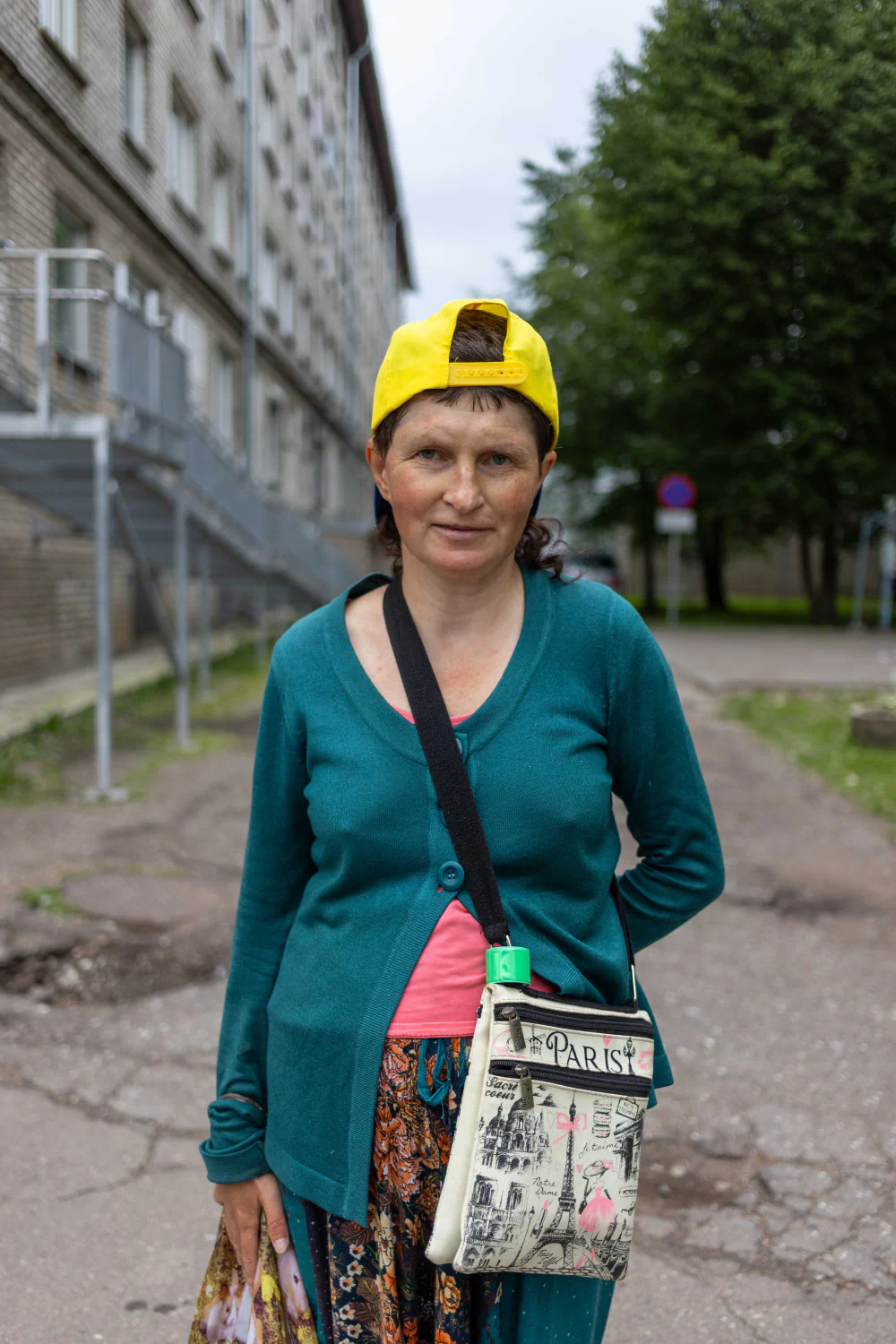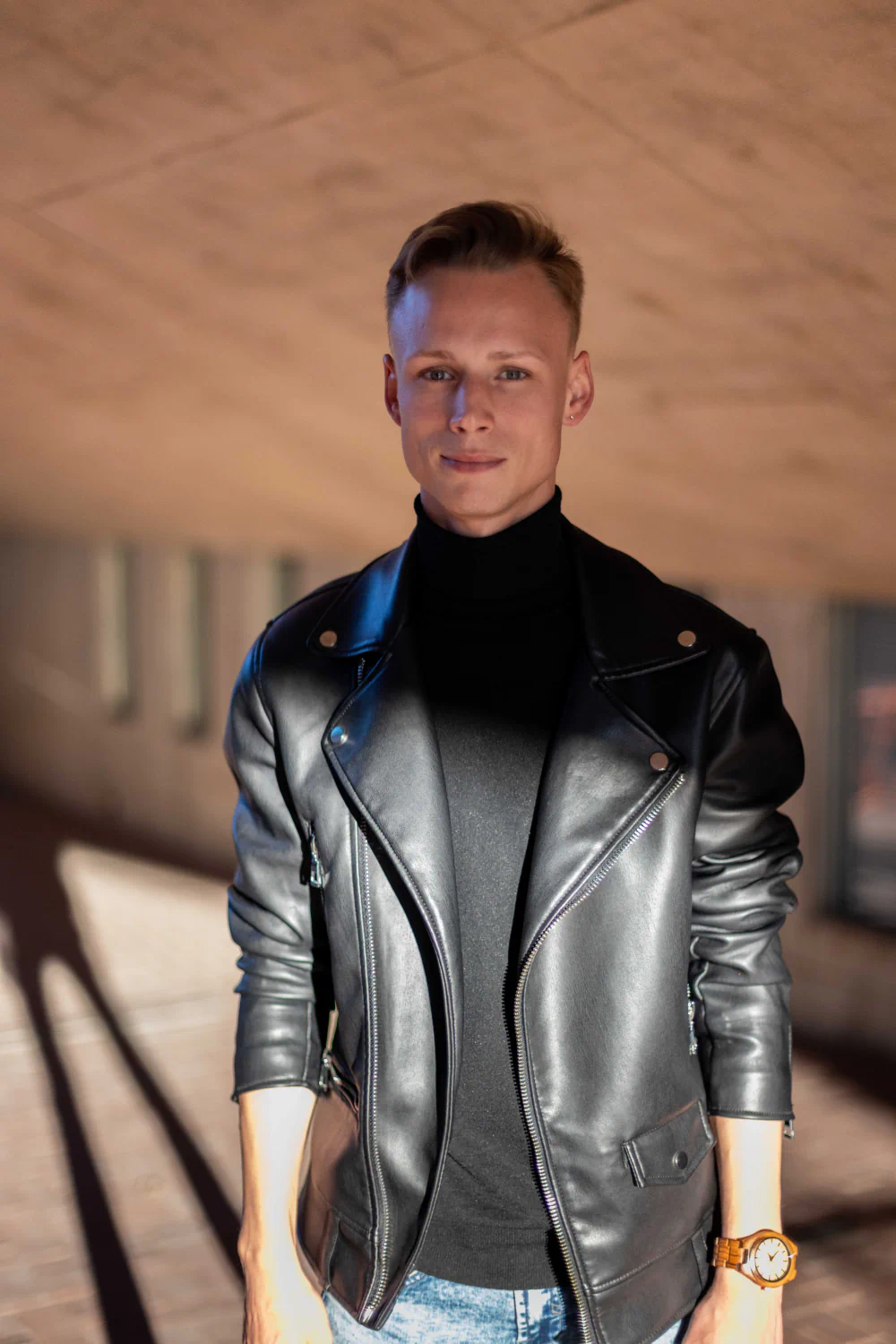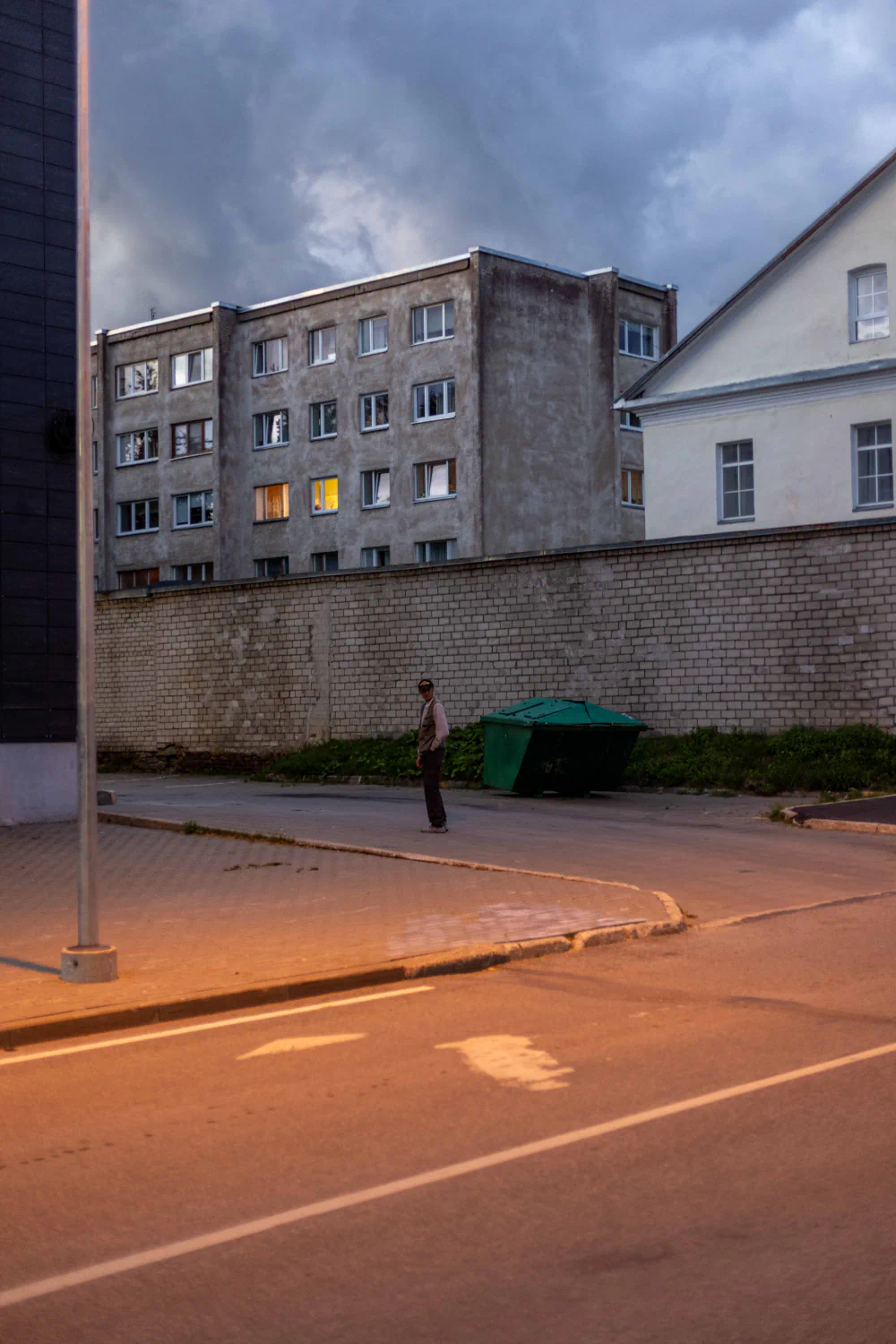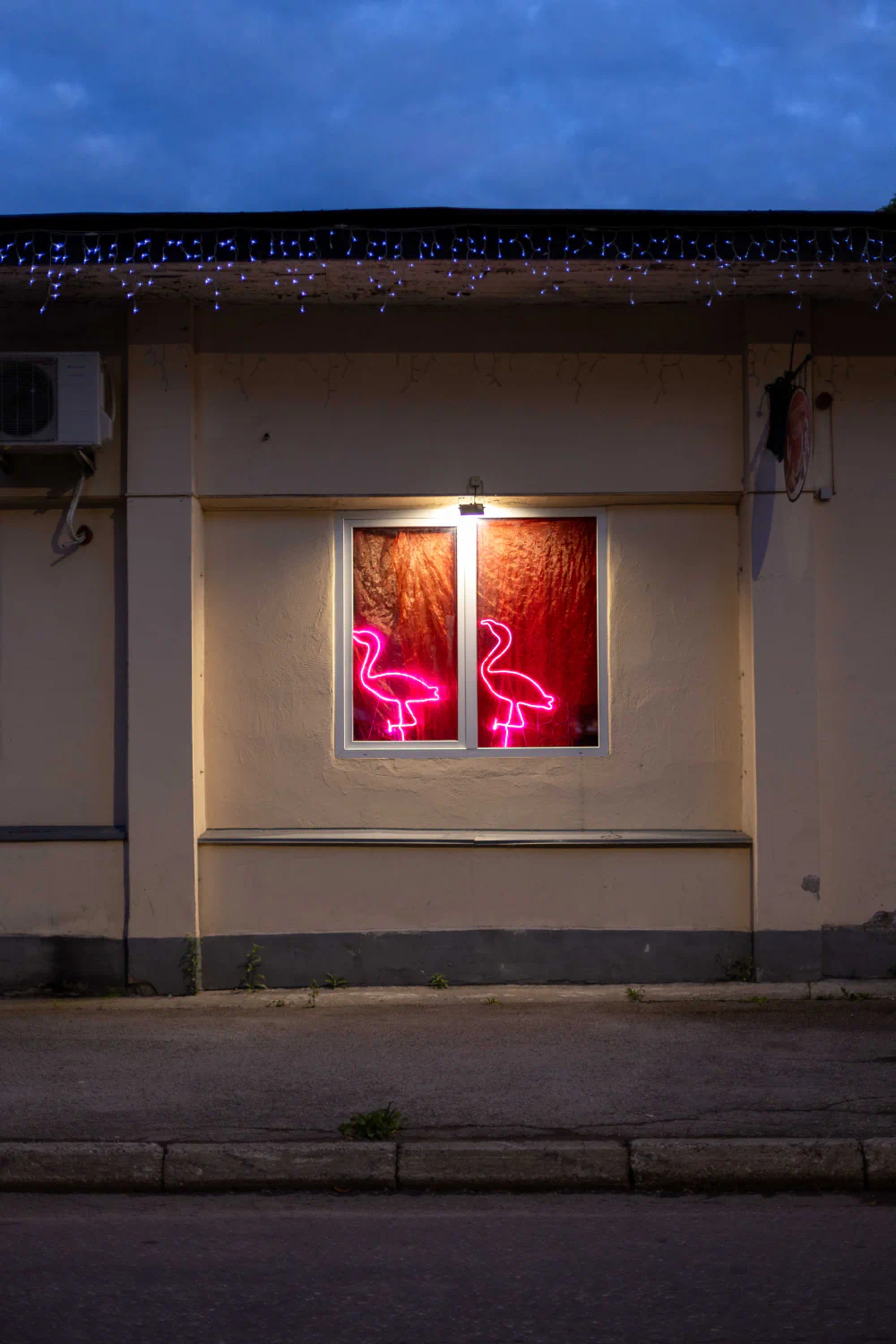


Narva is a hybrid of identities, a record of upheaval and decay.
During the Soviet era, Narva was a major industrial city with a predominantly Russian-speaking population.
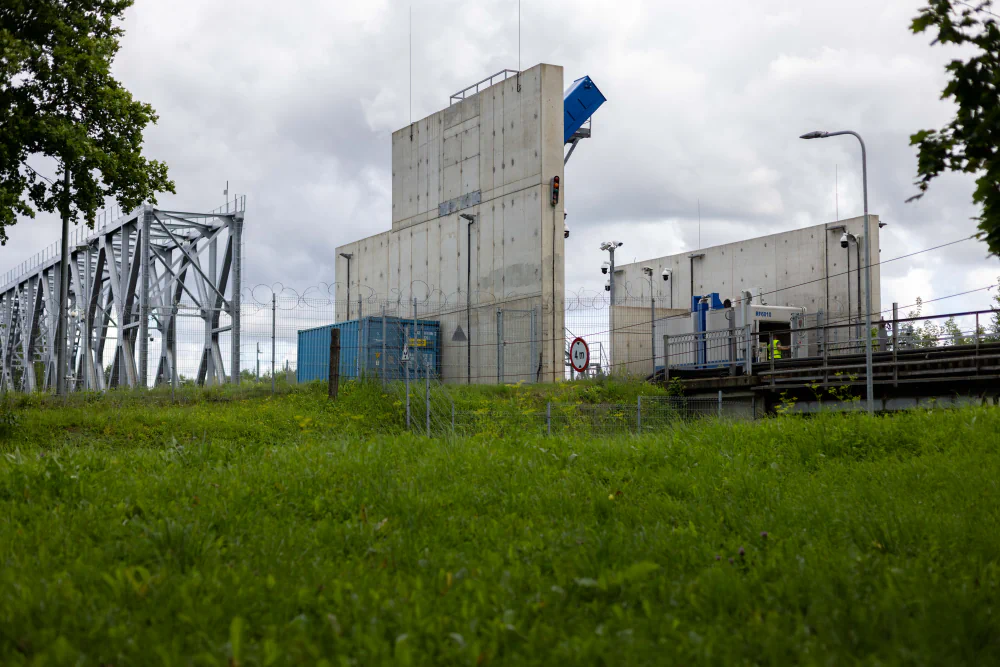
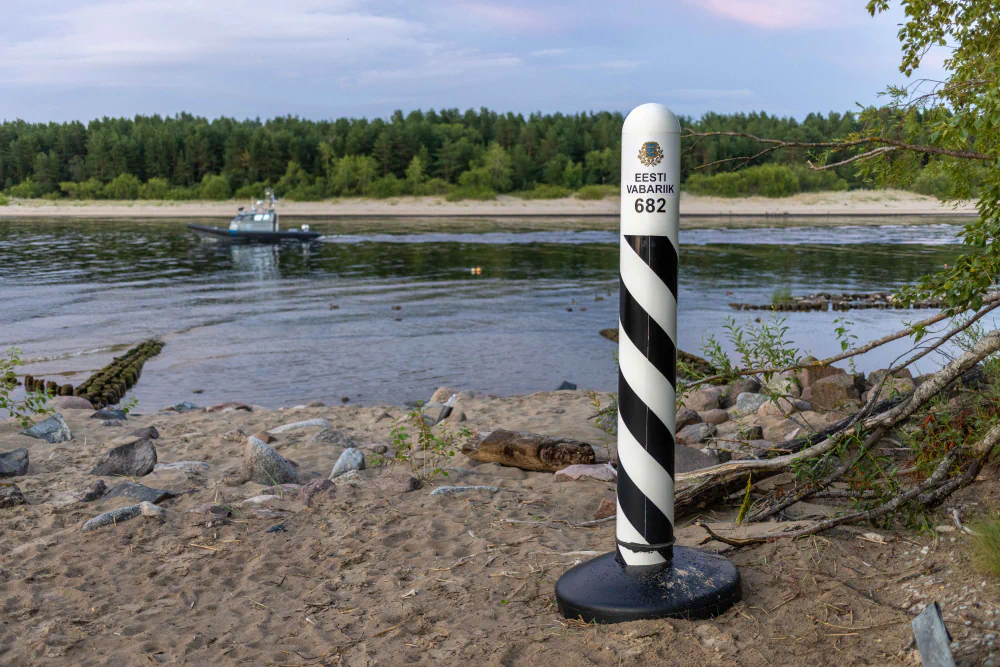
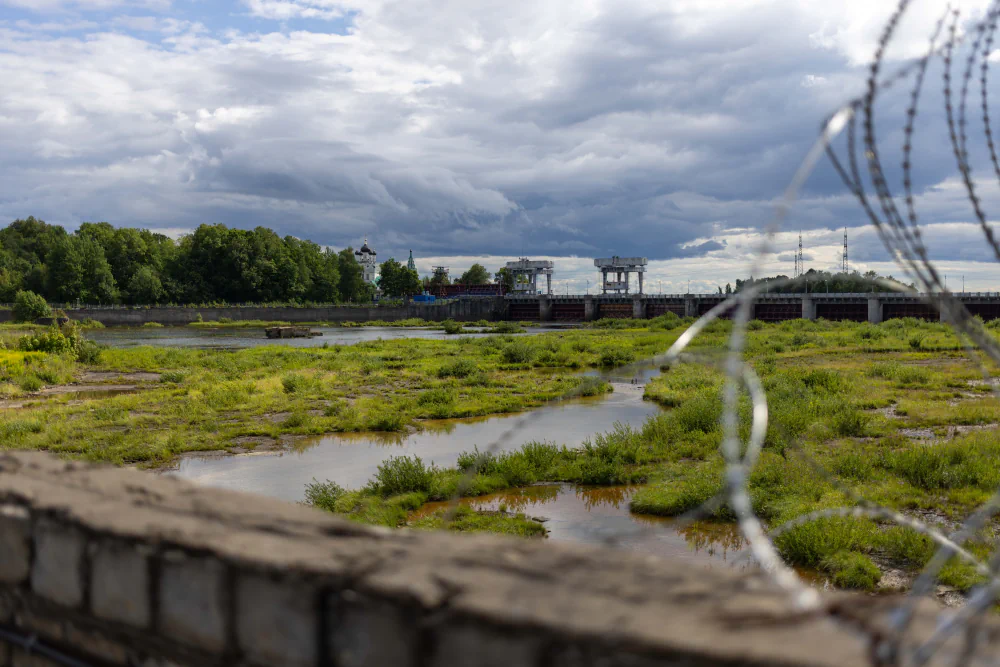
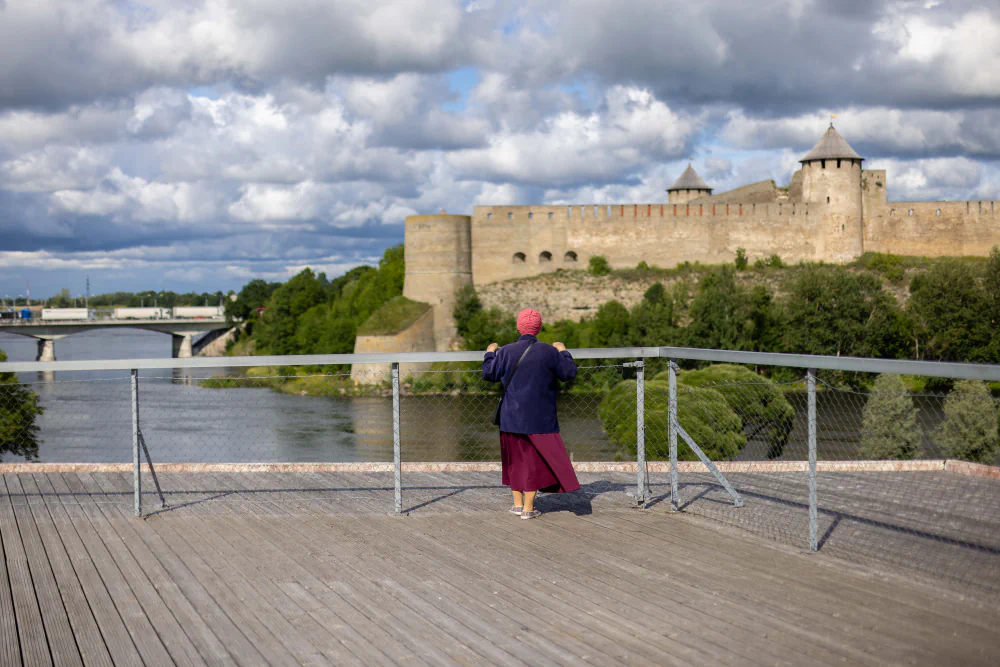
The city shares a direct border with Russia, marked only by a river. Here, the former Soviet power, which launched a full-scale invasion of Ukraine in 2022, lies only a few meters away from Europe.
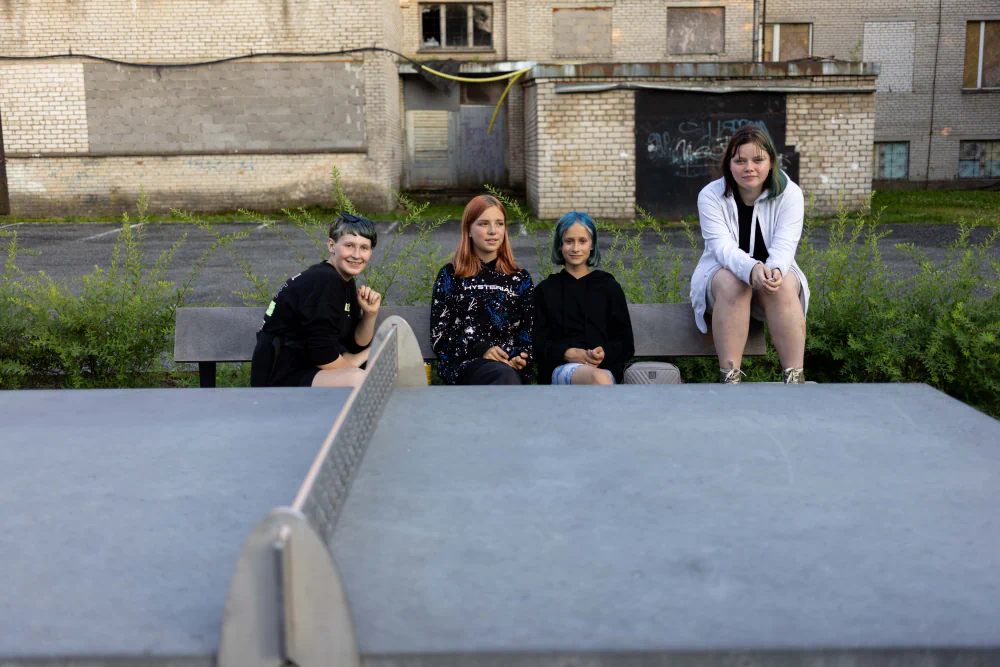
This is where the border manifests itself physically, culturally, and socioeconomically: it runs between Russian and Estonian ethnic groups; between the Soviet-influenced generation and young people who consider themselves European; between traditional values and more progressive ways of life.
About Arthur Bauer
Arthur Bauer is a documentary photographer and filmmaker based in Mannheim, Germany. With a background in social sciences and Russian roots, his work explores the complex interplay between humans, systems, and identities across the post-Soviet sphere.
His photographs have been exhibited internationally, including in Paris, Kazan, Berlin, and New York, and published in outlets such as Frankfurter Allgemeine Zeitung, taz, and Die Zeit. Bauer is the founder of LANGER. Space for Photography, co-director of the OFF FOTO Festival, and a recipient of the Research Award Eastern Europe 2023. [Official Website]