Nearly 4,000 kilometers across China’s vast territory, exploring—through the language of photography—how much this country still has to reveal to the Western world.
In 1975, Wilhelm Meister departed from Glückstadt, in the far north of Germany, crossing the country to reach its southernmost edge, near the imposing Zugspitze.
Wilhelm Meister was the protagonist of The Wrong Move, the renowned film by Wim Wenders, based on a screenplay by Peter Handke. Fifty years later, I felt somewhat like Meister myself. In the summer of 2025, I decided to embark on a long journey from the north to the deep south of China.
Pen and Notebook—Camera and Visual Grammar
Armed with pen and notebook, Wilhelm Meister sought to use the experience of travel to become a writer. My goal, instead, was to decode the meaning of this country through my camera.
At first, I believed my ambition was far more modest than Wilhelm’s. But after just a few days in China, I realized it was anything but simple.
Before departing, I had prepared thoroughly: a perfectly clean sensor, plenty of memory cards, and spare batteries. I had also studied several photographic collections of China’s most iconic locations.
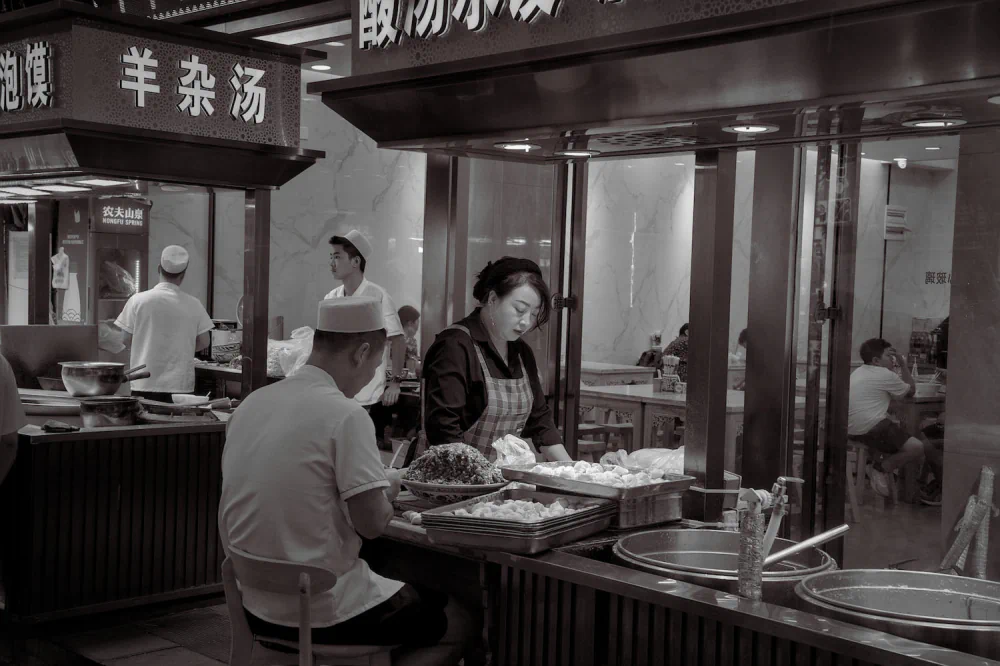
Yet once immersed in Chinese reality, I understood that choosing the right photographic language to interpret contemporary China would not be easy. There is no single Chinese reality, but rather a myriad of different ones—each situated within its own space-time dimension, coexisting simultaneously.
So I began to experiment. In the first few days, I took numerous shots using different photographic approaches, seeking a visual grammar that could resonate with the Chinese context.
Dystopia, Austerity, and ICM
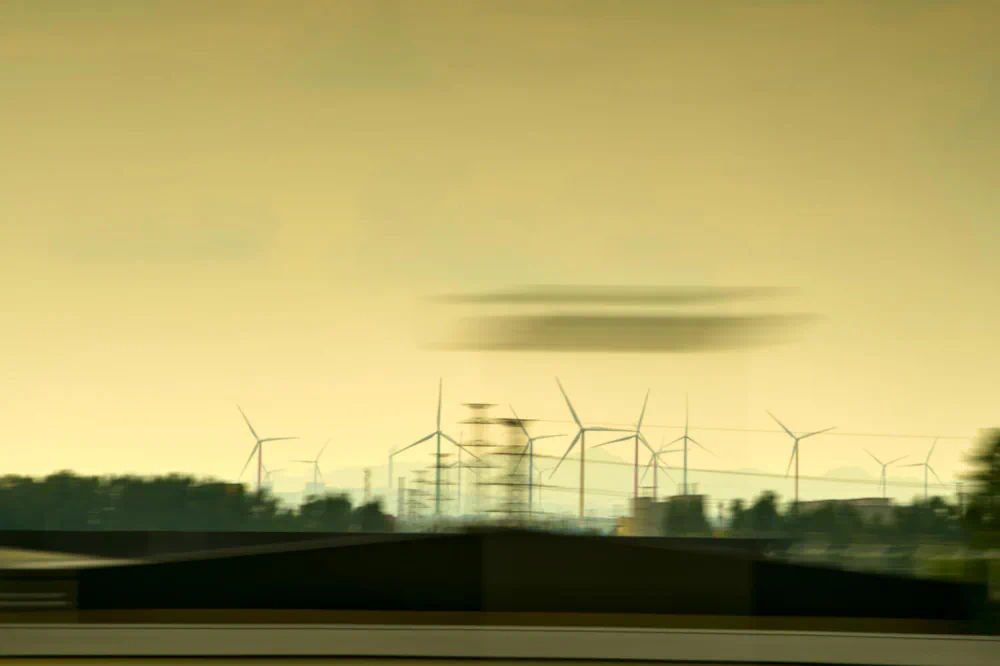
I concluded this phase of experimentation (if experimentation can ever truly end) when I became convinced that I needed a language capable of merging dystopian environments with rural realities.
What was required was a simple, austere grammar. No chromatic exuberance—rather, a desaturated palette softening the emotional temperature of the images.
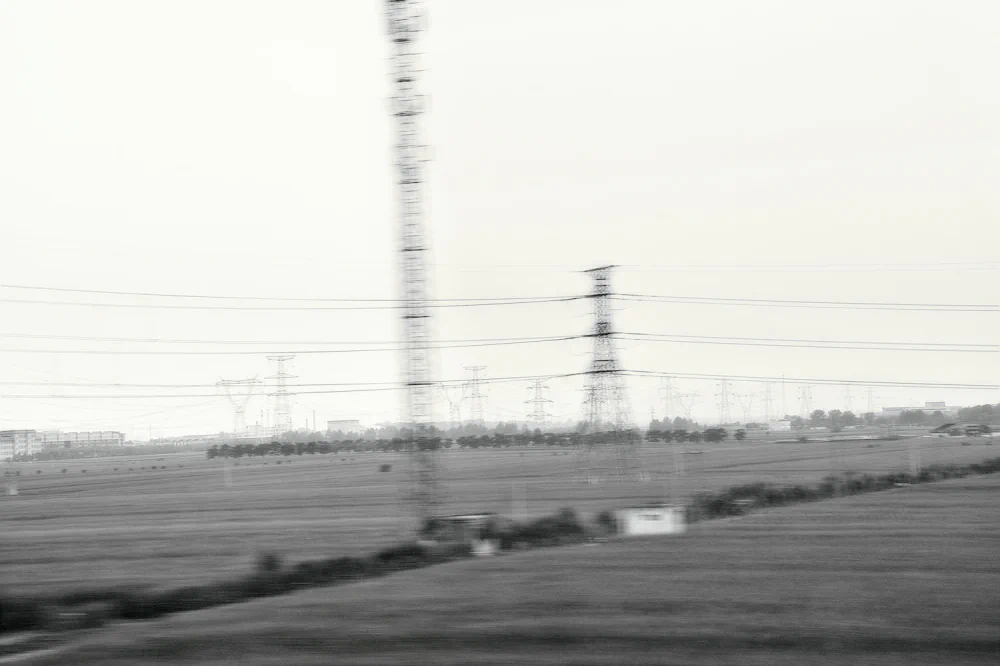
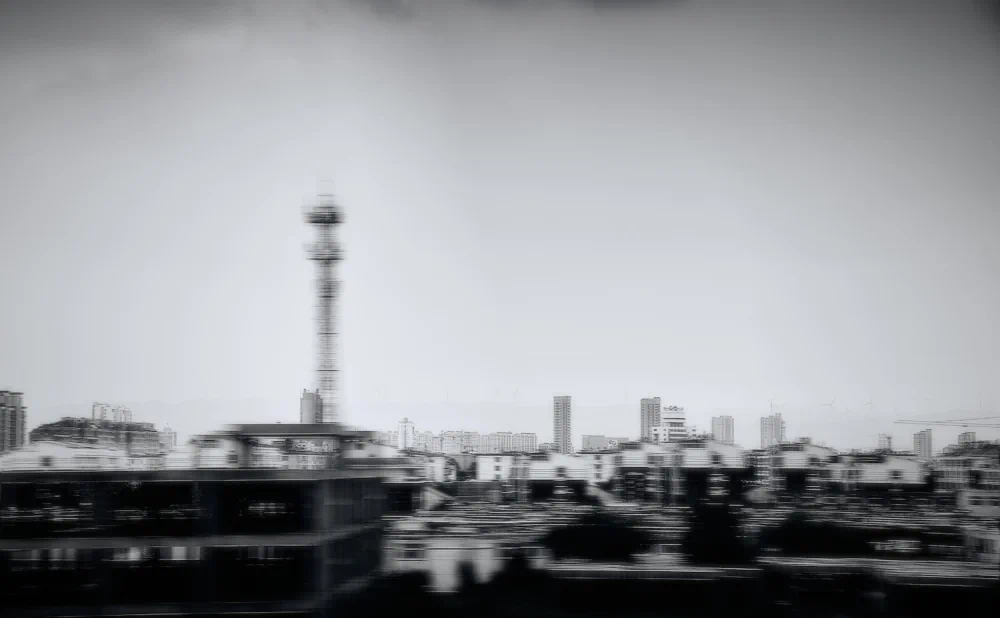
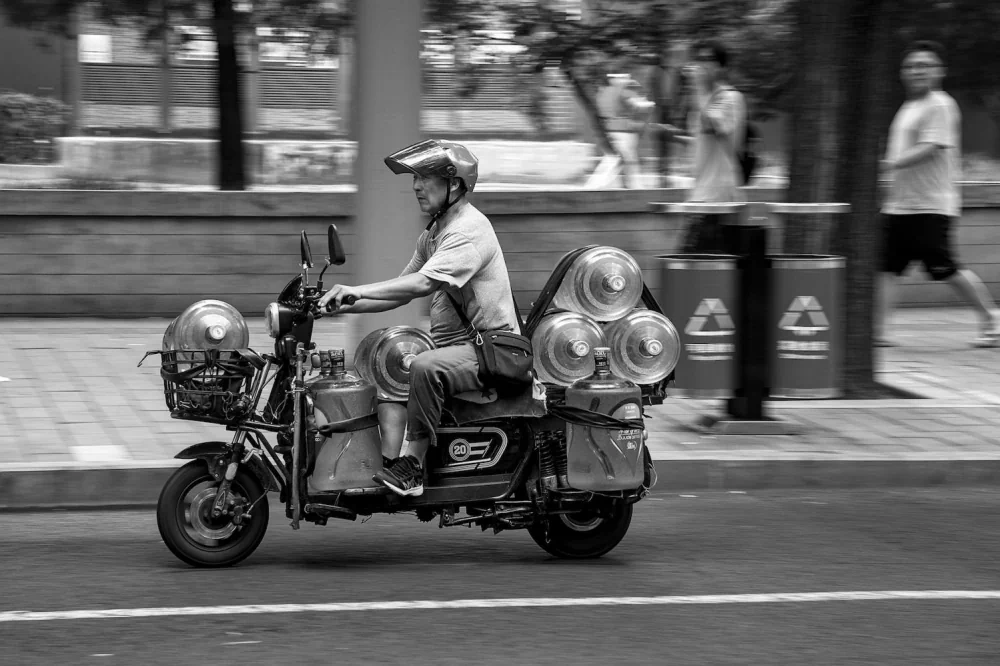
When necessary, I combined this austerity with the ICM (Intentional Camera Movement) technique. I like to think that, in the right contexts, ICM allows movement to dissolve the subject into memory. I found this particularly effective in certain urban landscapes.
Then the journey began.
Beijing and the Middle Kingdom
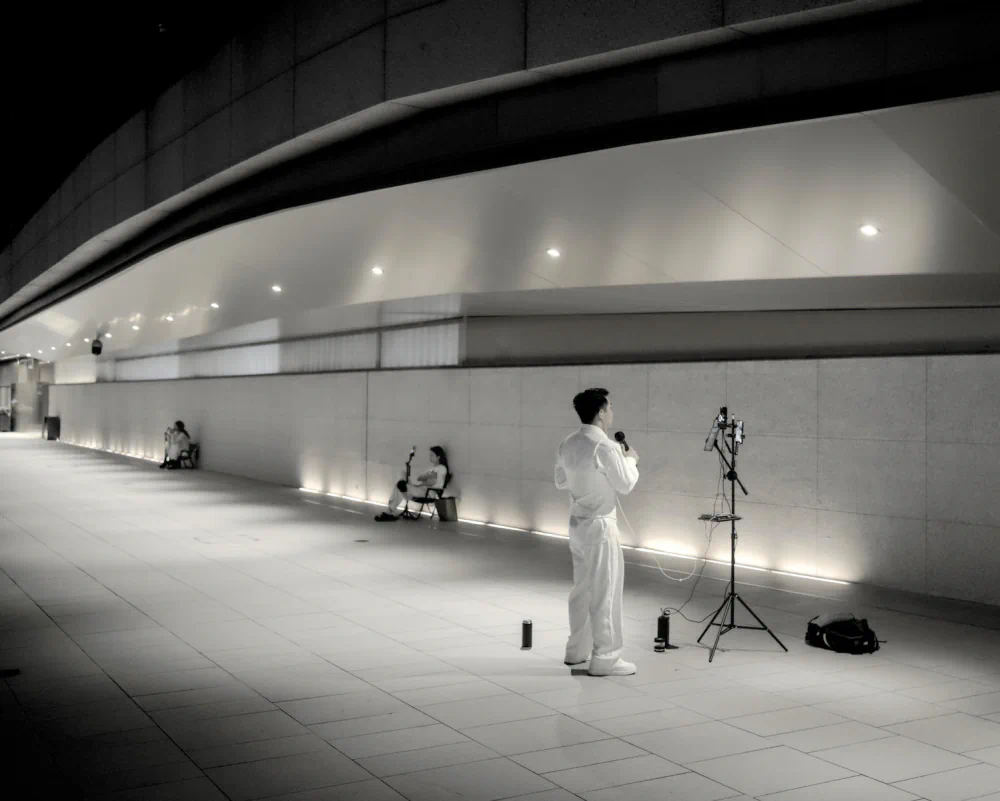
I like to remember Beijing for its urban chaos. In contrast, I sought out quiet, silent places—some just a few steps away from the immense Tiananmen Square.
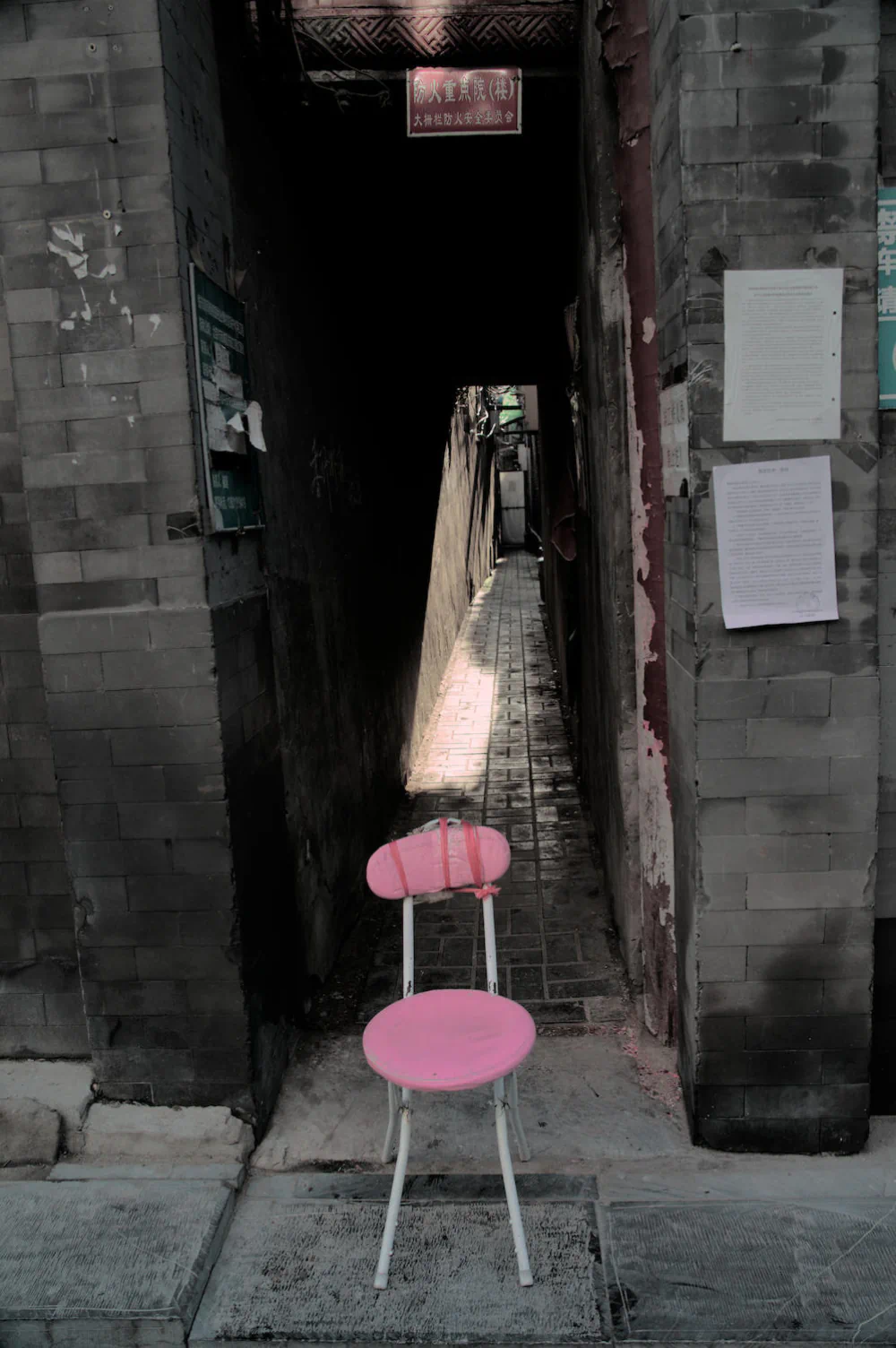
It was precisely in this area that I came across an alley marked by a pink chair, standing out against the uniform gray of an old building. Despite the crowded surroundings, the chair seemed to generate an empty space around itself, as if it were not truly empty but occupied by a supernatural presence (in China, belief in ghosts still appears to be widespread).
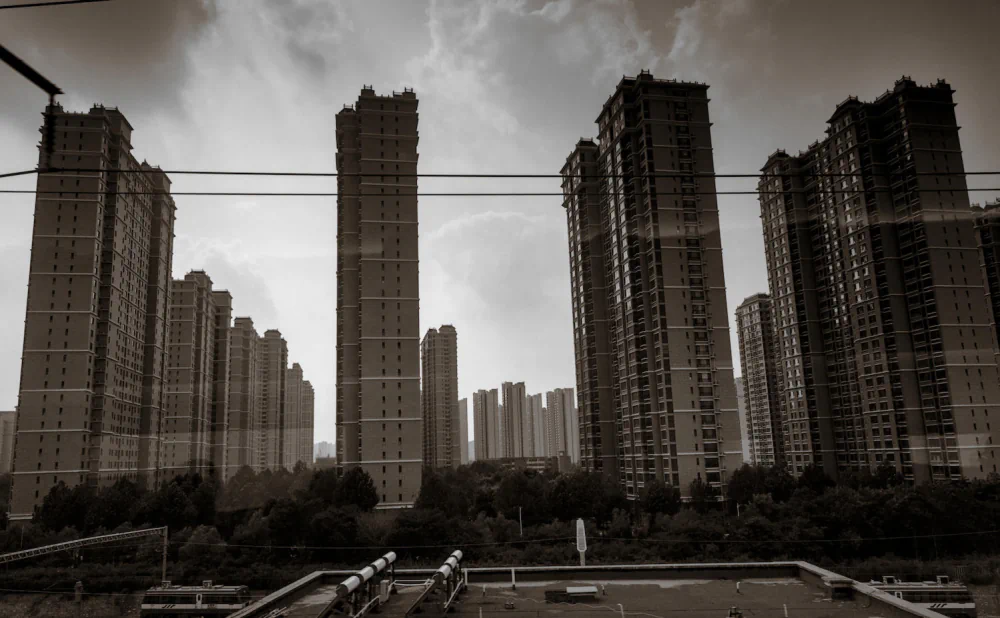
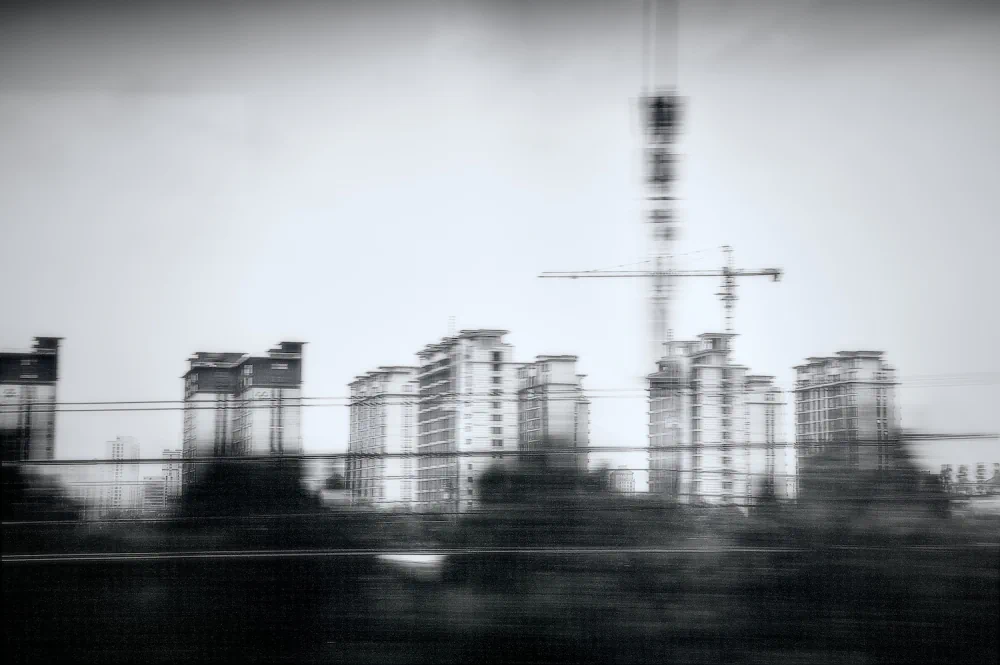
Traveling south from Beijing to Xi’an—the famous city of the Terracotta Army—I crossed more than a thousand kilometers of near-emptiness, punctuated by a few enormous, gray, and silent cities. What I found unsettling was the endless sequence of identical buildings, as though arranged by a giant child at play.
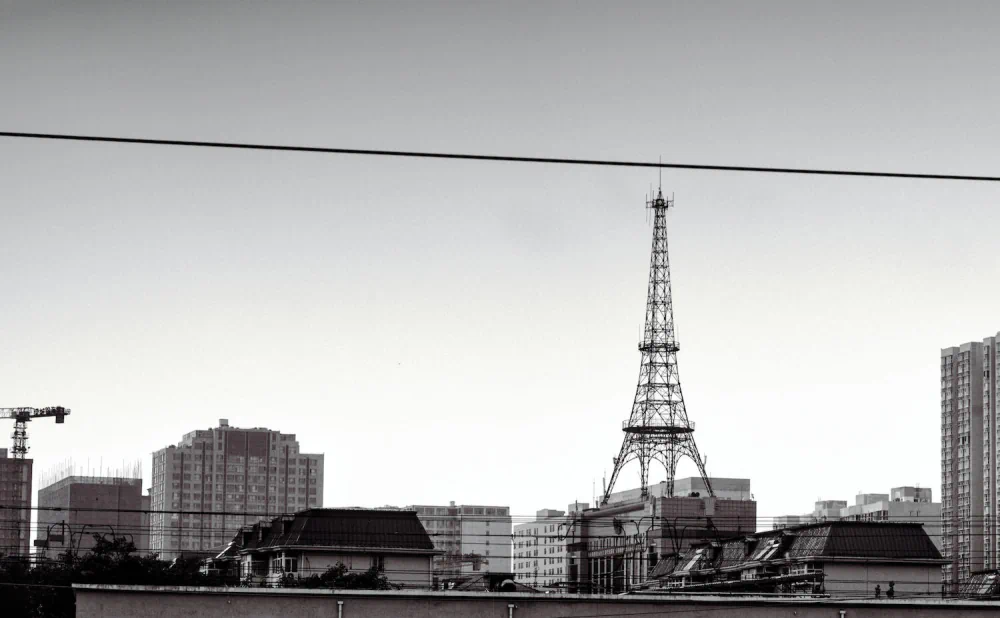
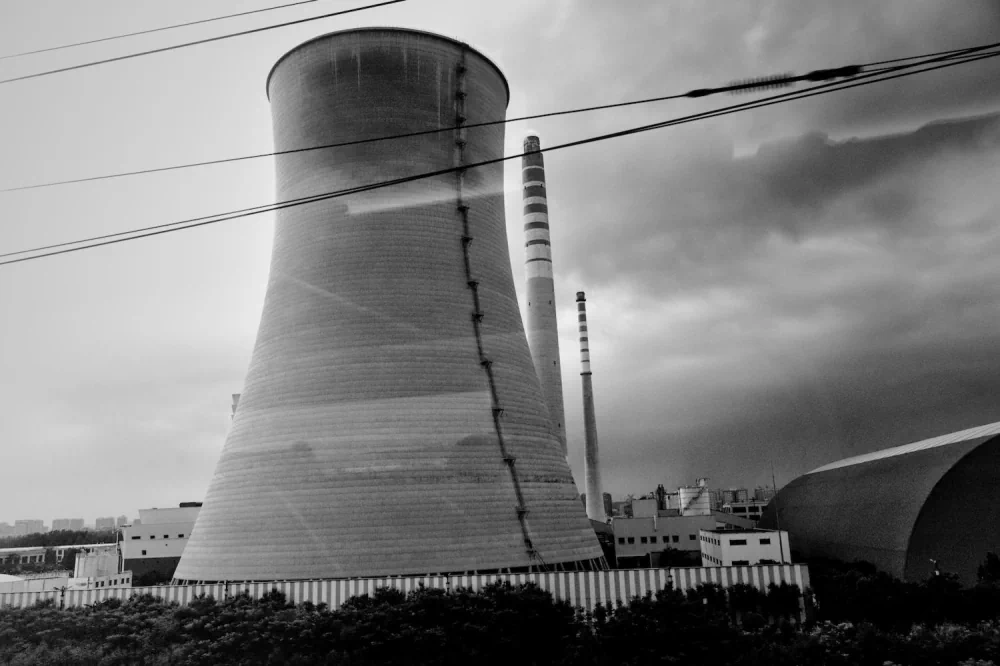
Above some of these seemingly uninhabited metropolises loomed menacing metal towers that, despite their different shapes, reminded me of Orthanc in Isengard, keeper of the Palantír, from The Lord of the Rings.
The Quiet Guilin and the Cold Lights of Shanghai
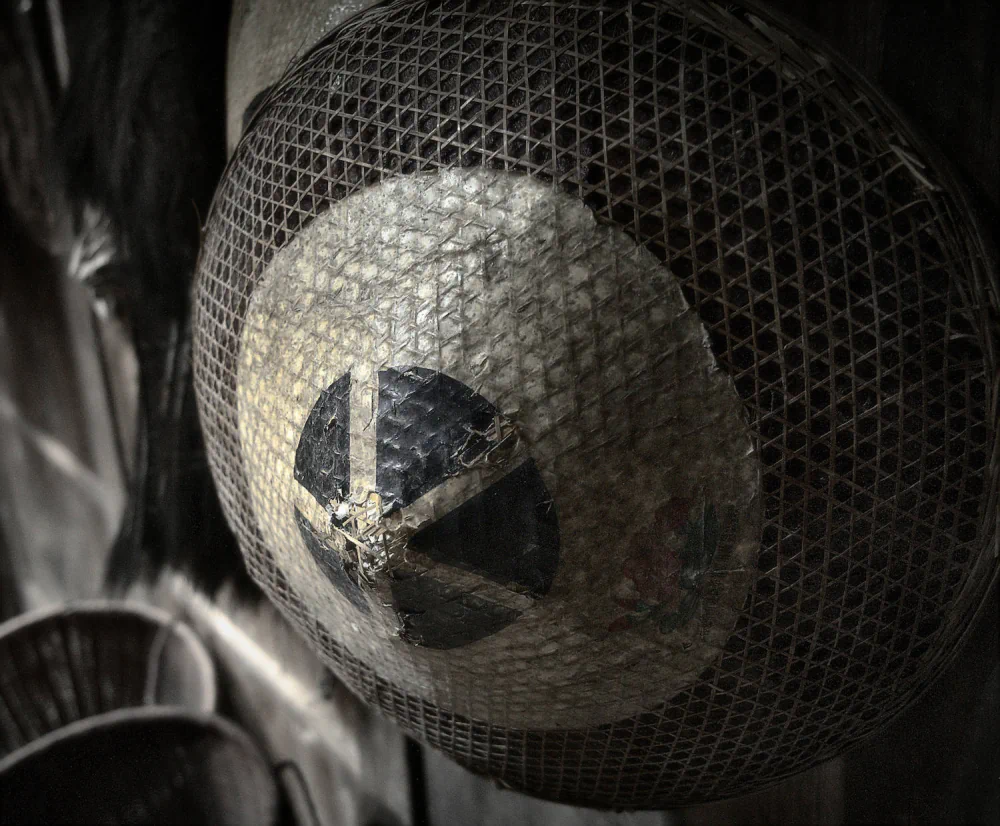
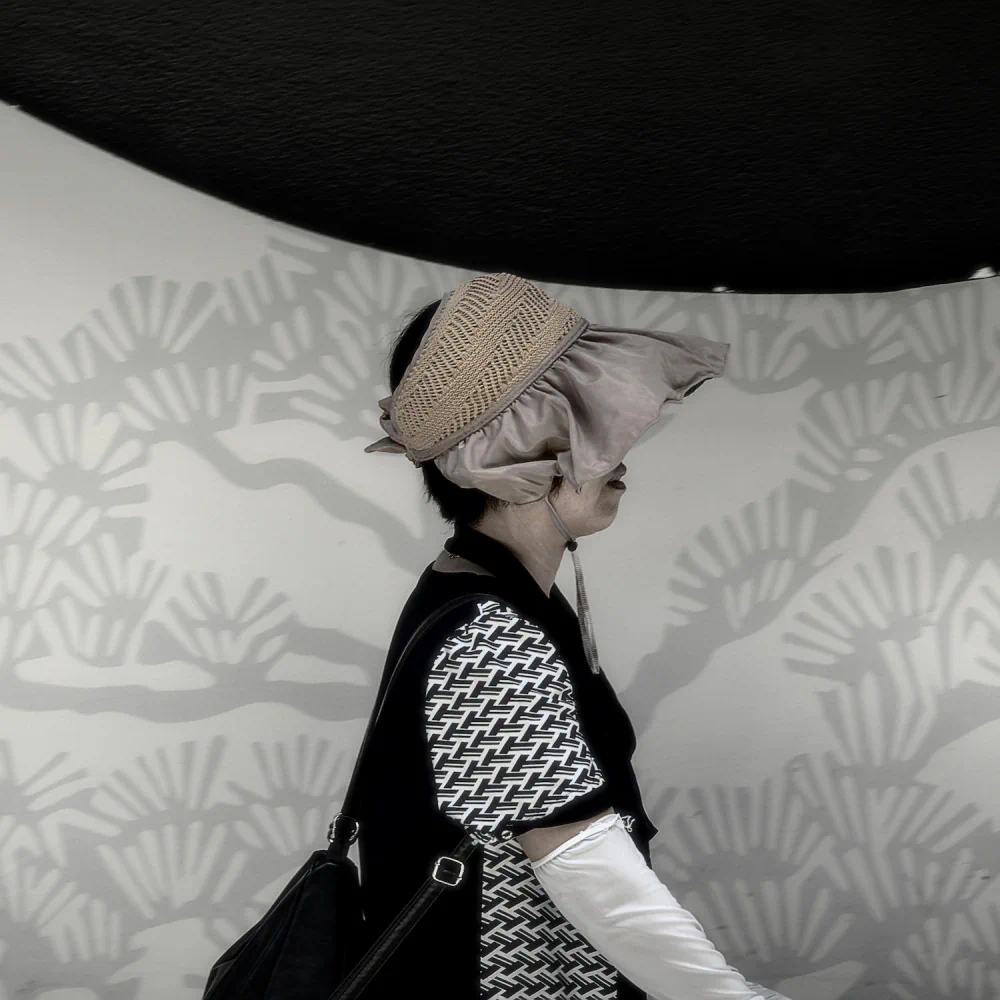
In Guilin, one can still find the China described in the works of Yu Hua, Yan Lianke, and Jung Chang. I took several photographs inside the home of a centenarian woman. In her kitchen, hanging on the wall, she keeps the hat she used in her youth while working in the rice fields. I did my best to capture the texture of that headpiece—a witness to countless seasons of labor under the sun, surrounded by clouds of hungry mosquitoes.
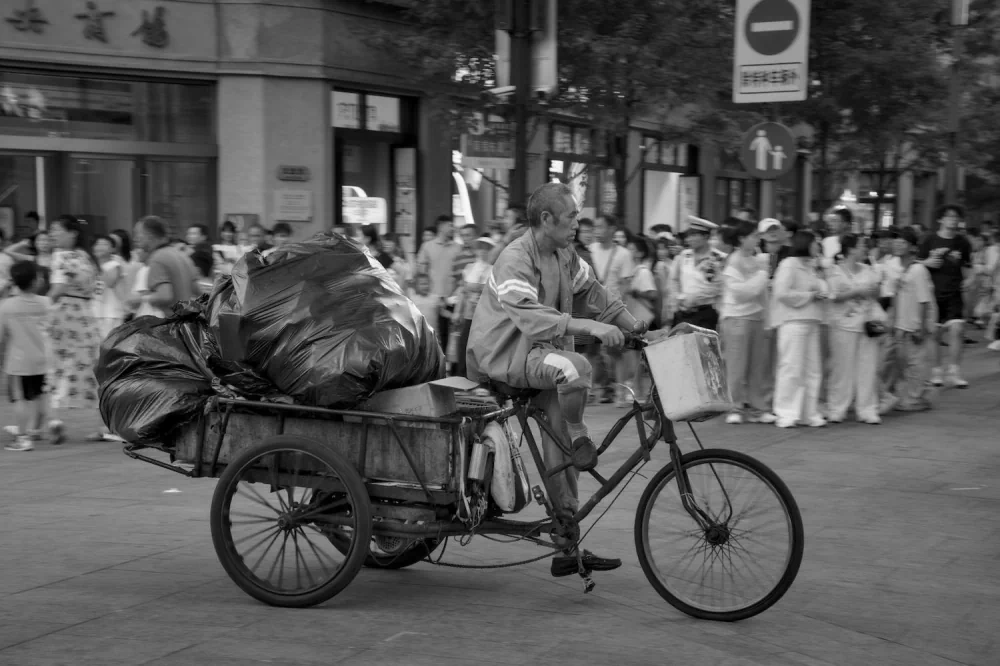
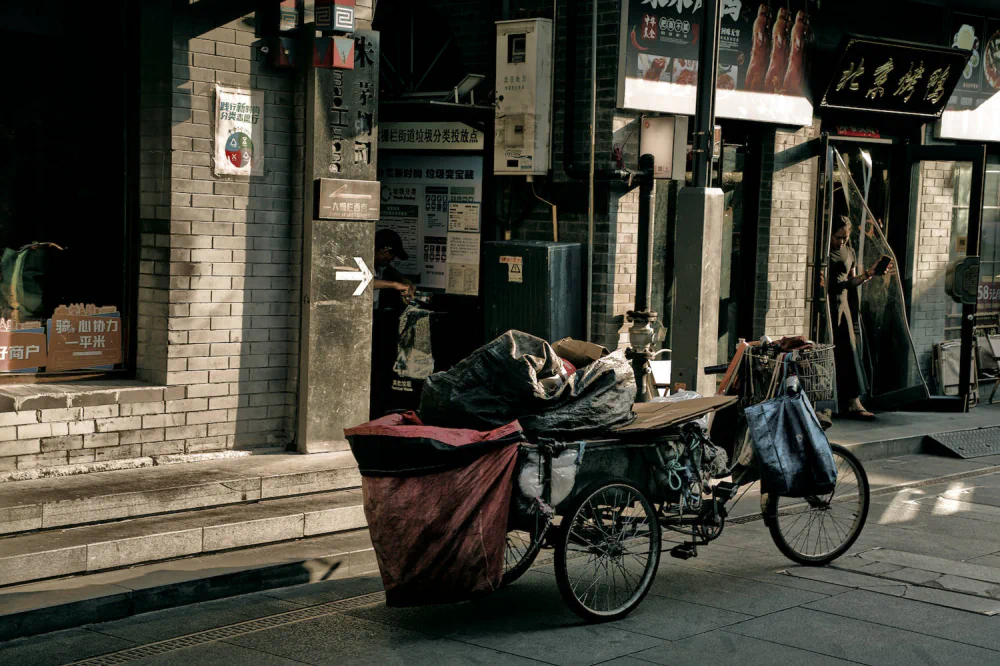
When I arrived in Shanghai, I began photographing a wide range of subjects. The great metropolis is synonymous with vast opportunities, yet it also reveals deep social disparities that force the less fortunate into humble work, such as collecting discarded cardboard and materials.
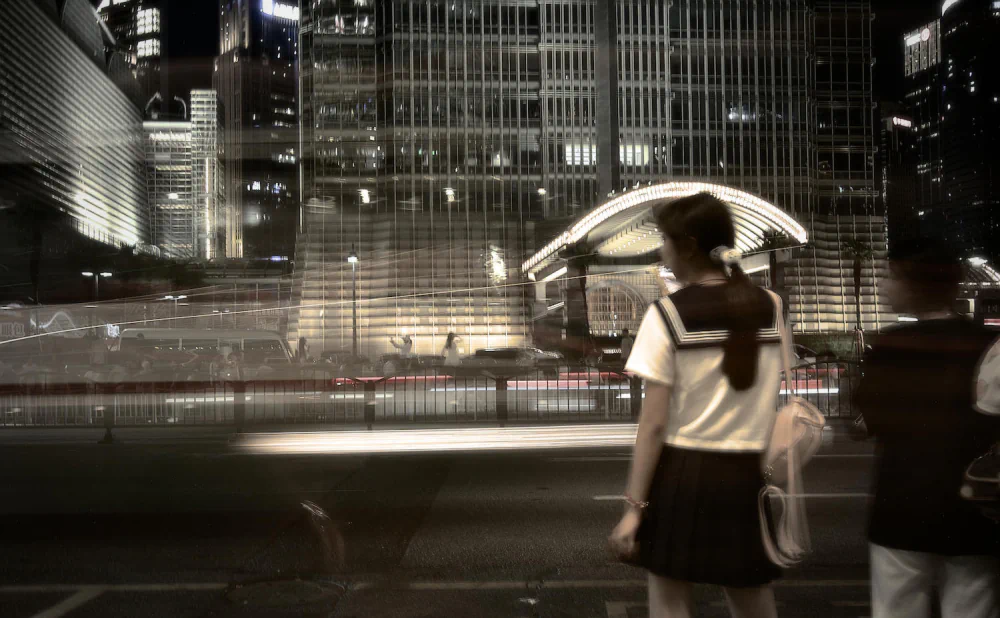
But perhaps Shanghai truly reveals itself only after nightfall, when cold lights summon swarms of moths. Like many Chinese cities, Shanghai conveys a strong sense of safety. Even late at night, it is not uncommon to see young women walking home alone after long, demanding workdays.
Perhaps due to exhaustion, or because of the cold electronic glow of digital signage, these young women appear almost ethereal. And it is precisely here that ICM, like a kind of magical litmus test, reveals blurred bodies veiled in streaks of light—cybernetic ghosts, witnesses to a China that is at once rural and technotopic.
About Roberto Cavazzuti
Roberto Cavazzuti (ArtLab: RedRumStudio) is a contemporary fine art photographer specializing in minimalist and abstract imagery, often created through Intentional Camera Movement (ICM) and long-exposure experimentation.
His work explores silence, space, and human perception, translating ephemeral moments into visual narratives shaped by light, motion, and abstraction. Each image is conceived not as mere decoration, but as a subtle and evocative presence within architectural and living spaces.
His fine art photographs are released in limited editions. Each piece is produced to museum-grade standards and printed on certified archival paper to ensure longevity and preservation.
Roberto Cavazzuti collaborates with collectors, curators, and interior designers seeking contemporary photography defined by a strong conceptual identity and a refined minimalist aesthetic. [Official Website]