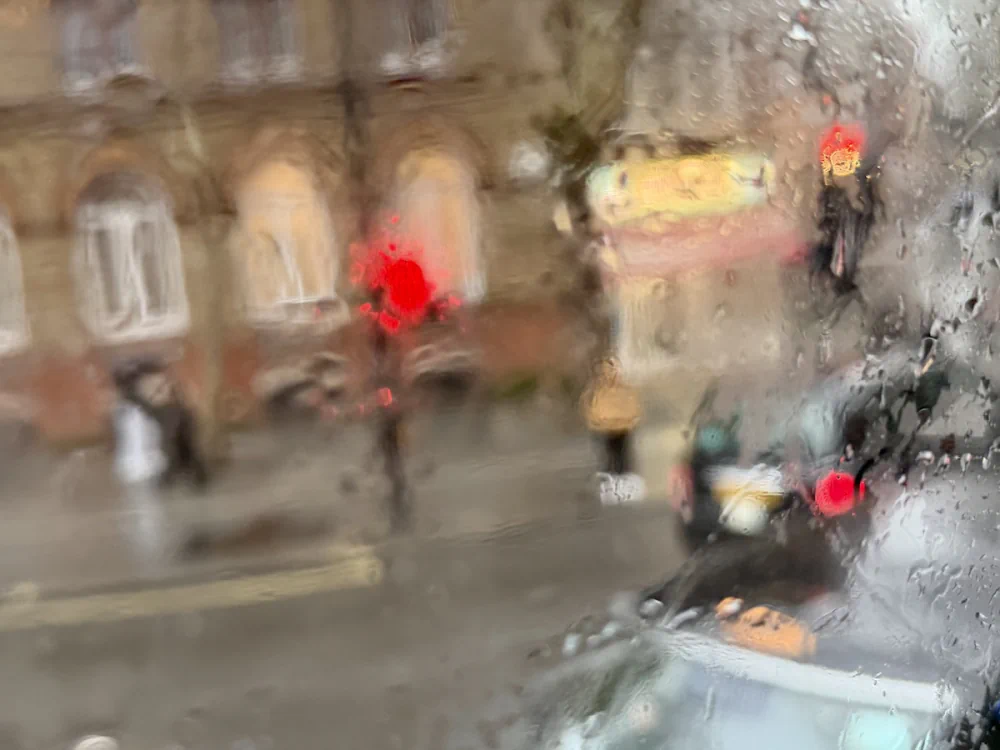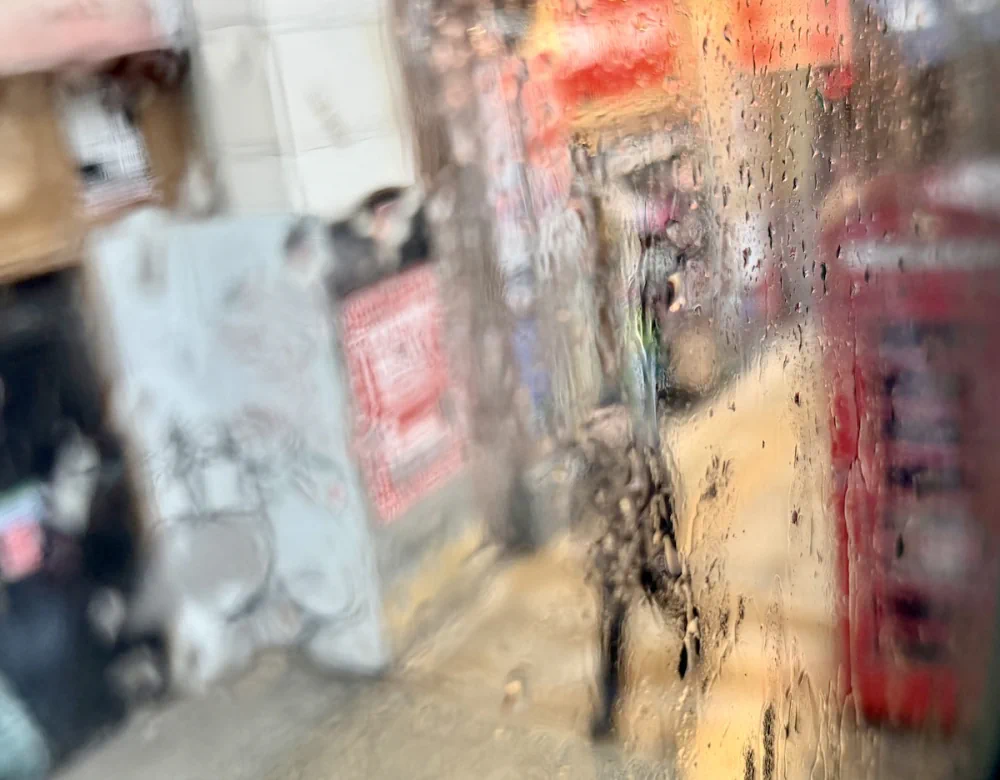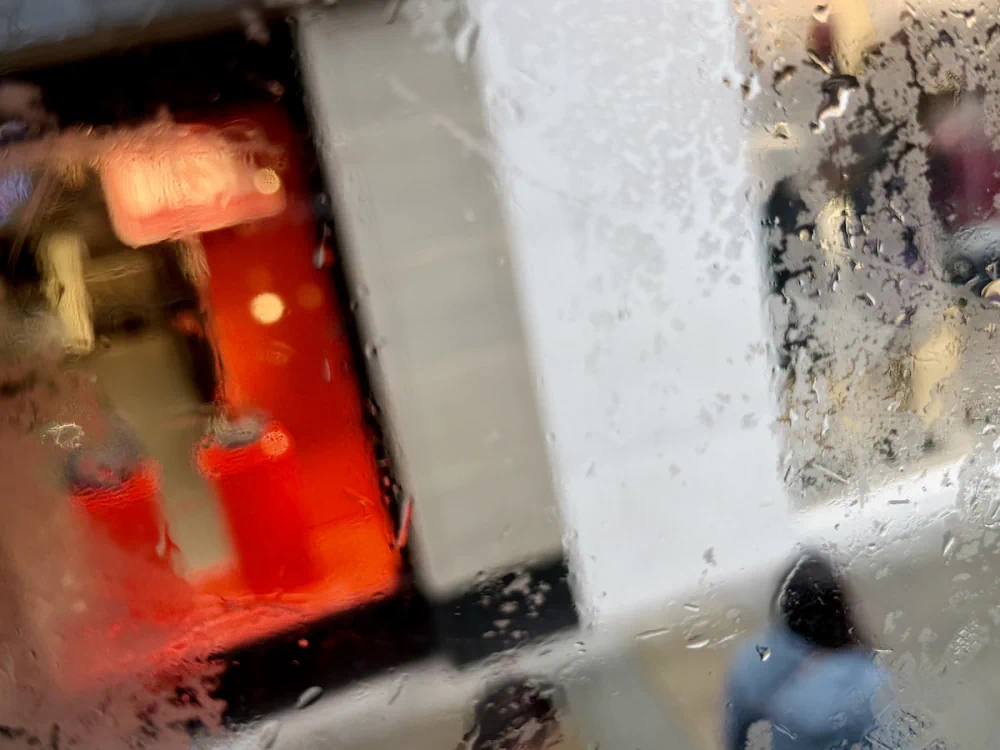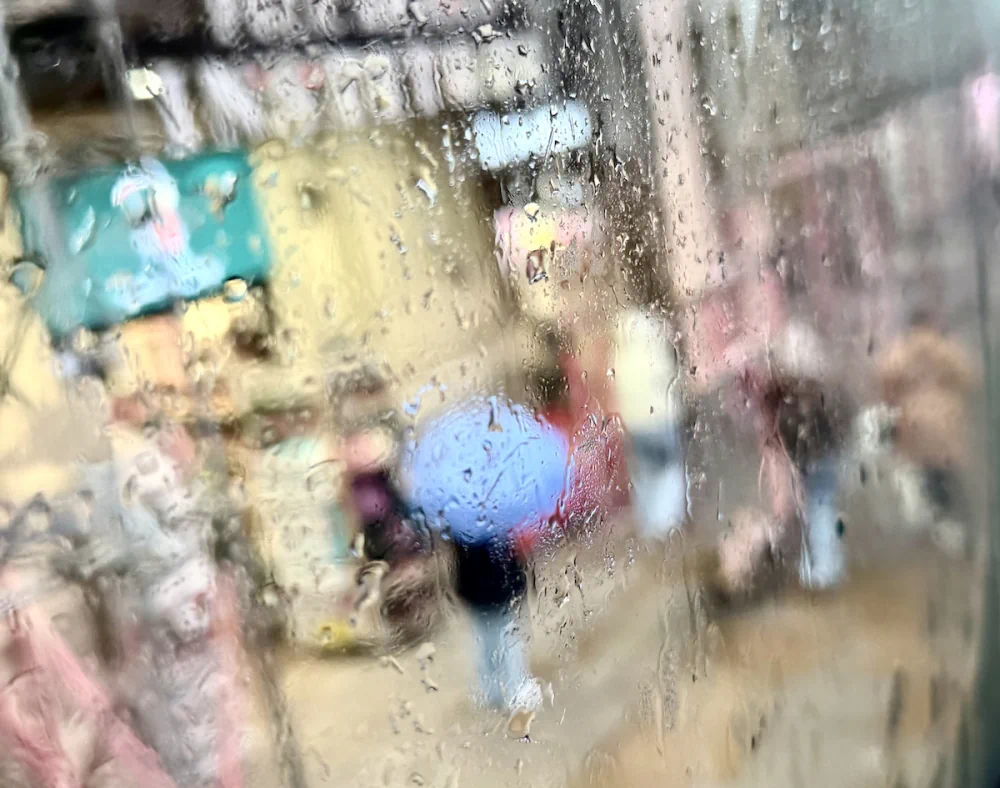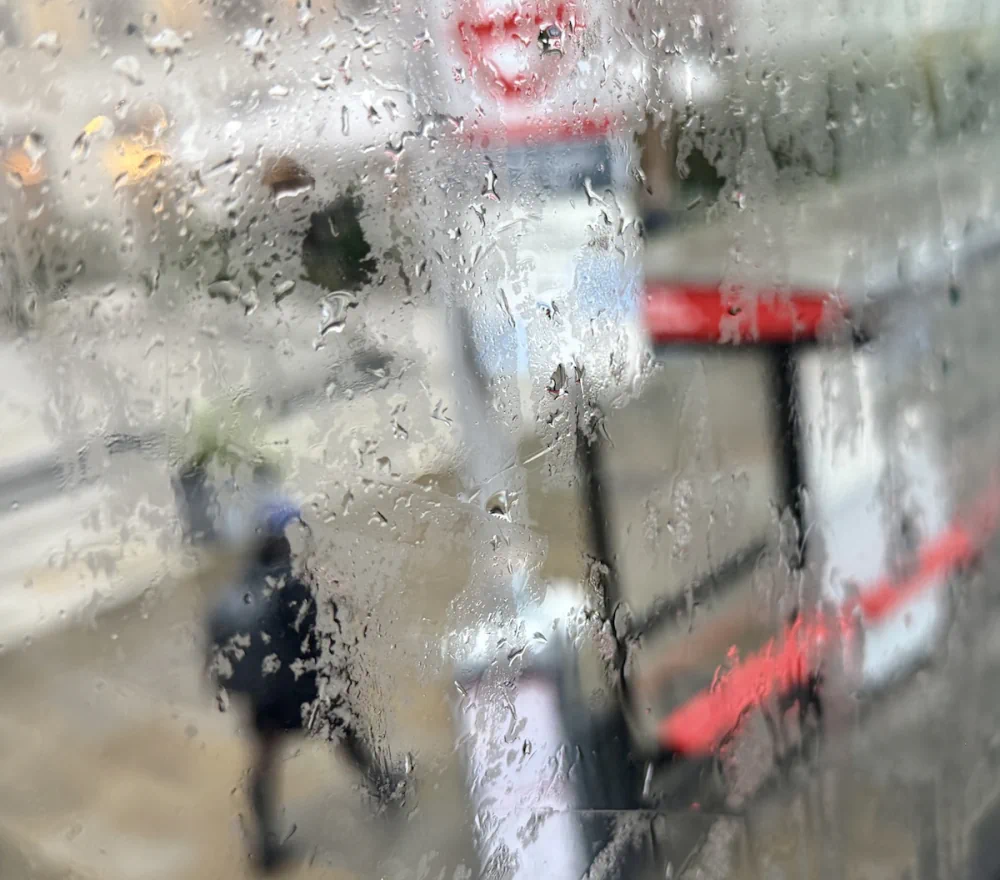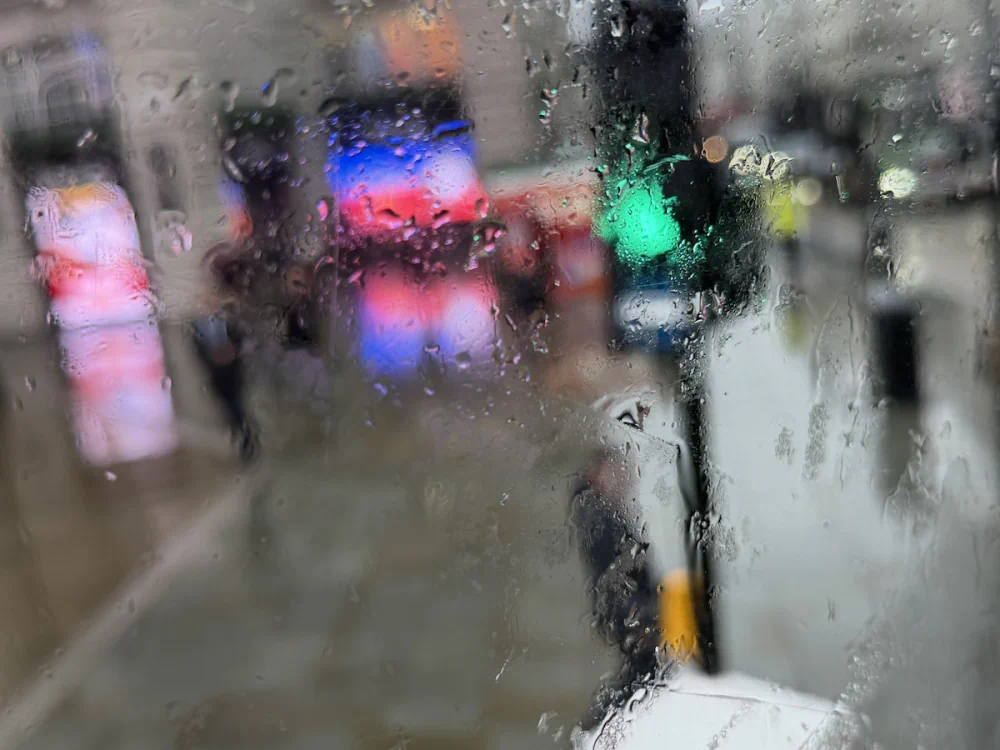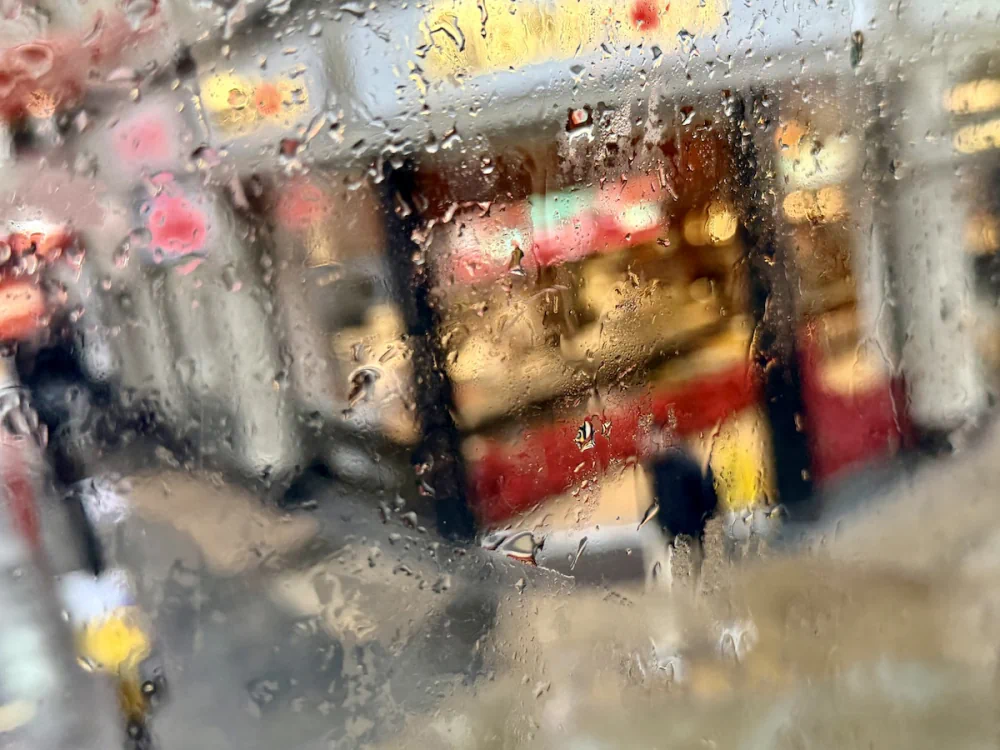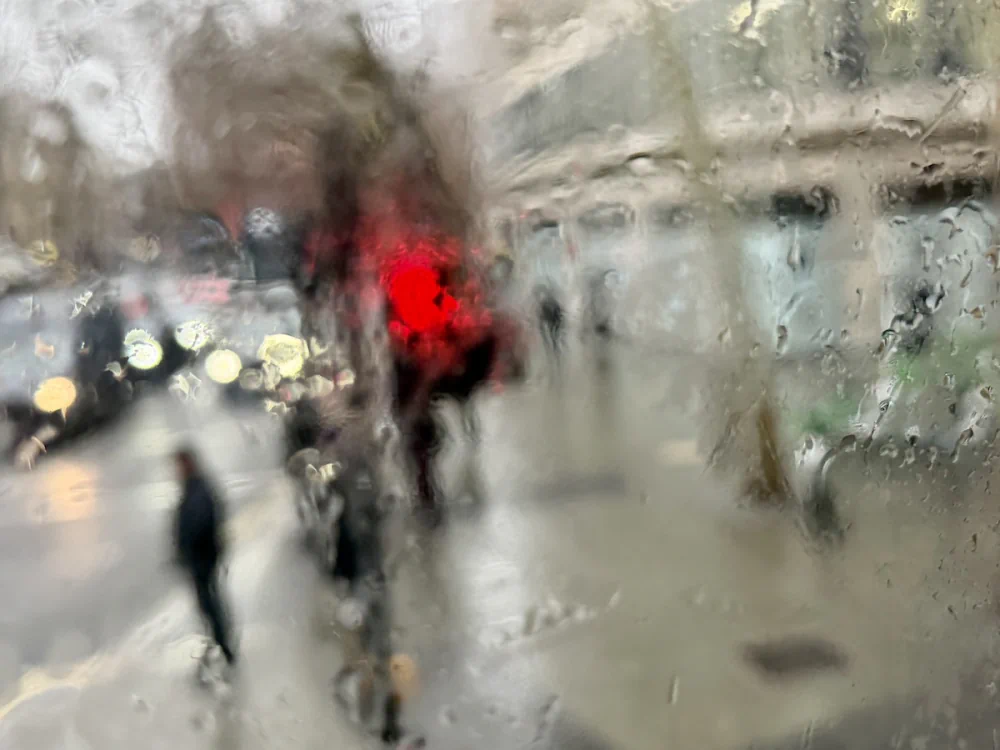

Her photographic practice is shaped by interests in history and biography and, from there, develops through her experiences, observations, and sense of spontaneity, curiosity, and intuition.
Over the years, her work has focused on people and places, sometimes close and intimate and sometimes more distant, but always evolving from her personal journeys and quiet exploration.
At times, losing oneself in chaos becomes a way to self-reflect, leading to unexpected creative moments. She believes in the idea of singular journeys and individual perspective in the making of her photographs and her photographic research. As a source of inspiration, Pictorial photography in the late 1890s and early 1900s was not about explicitness but rather about personal expression. That period has been a defining influence on her for many years. She believes that contemporary photographers have much to learn by looking at themselves and their work through the “lens” of early women photographers.
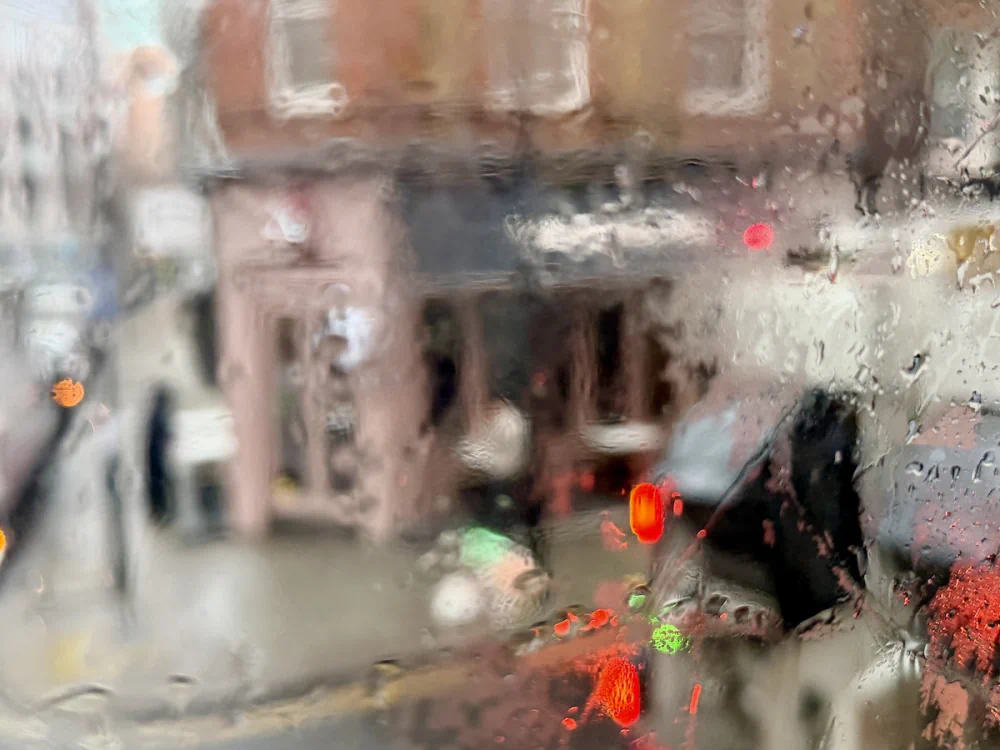
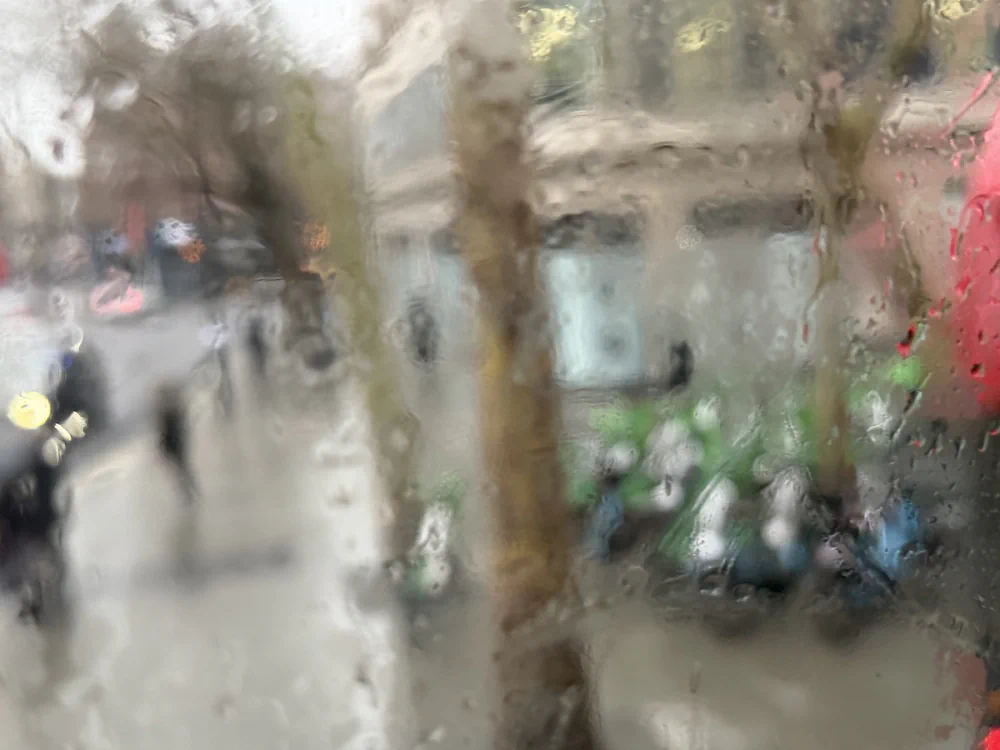
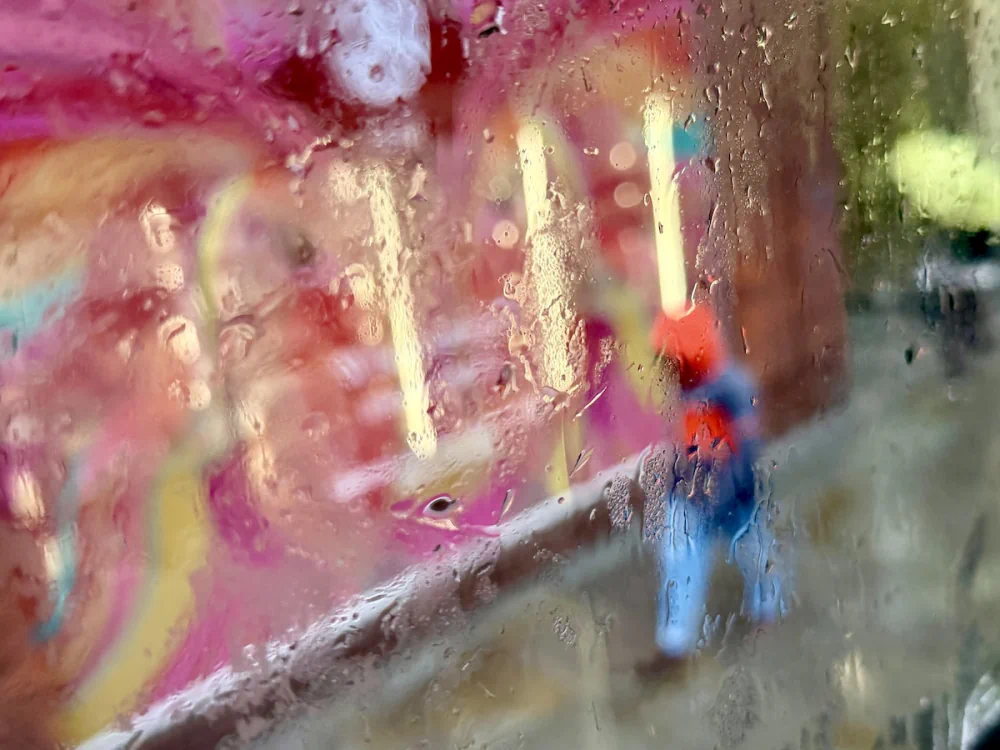
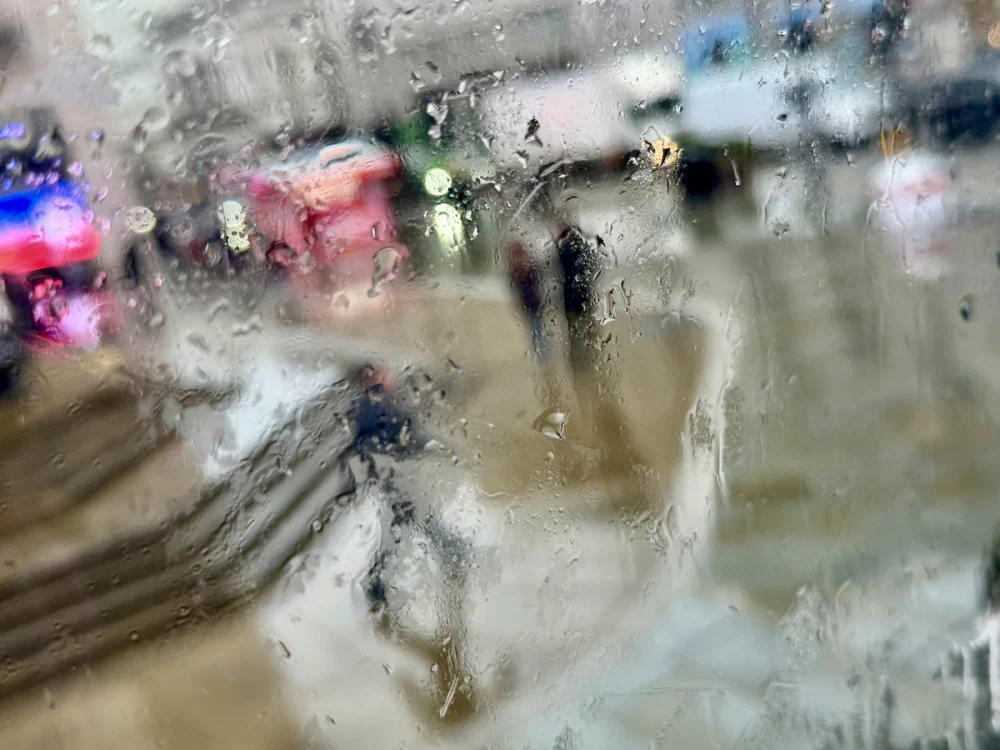
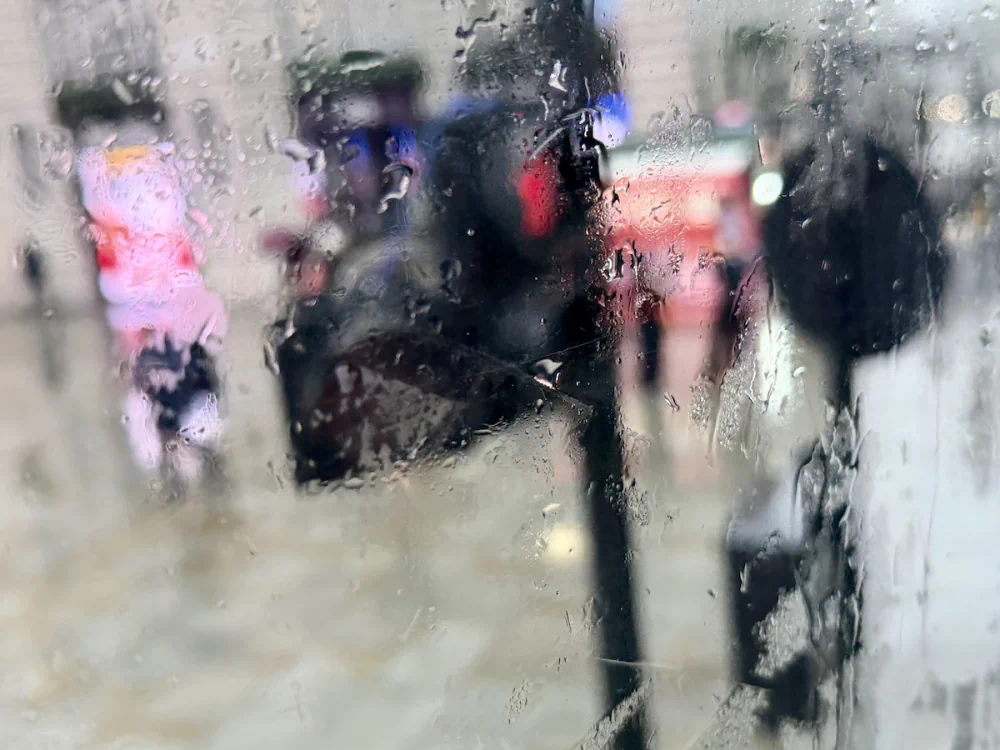
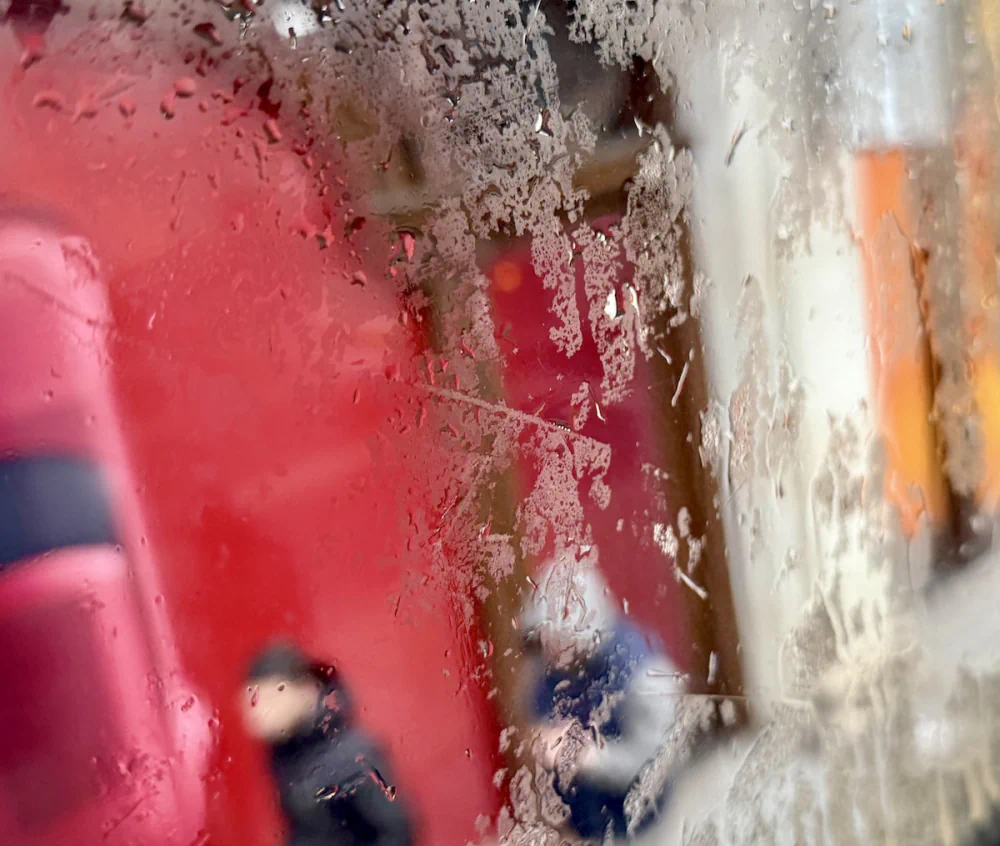
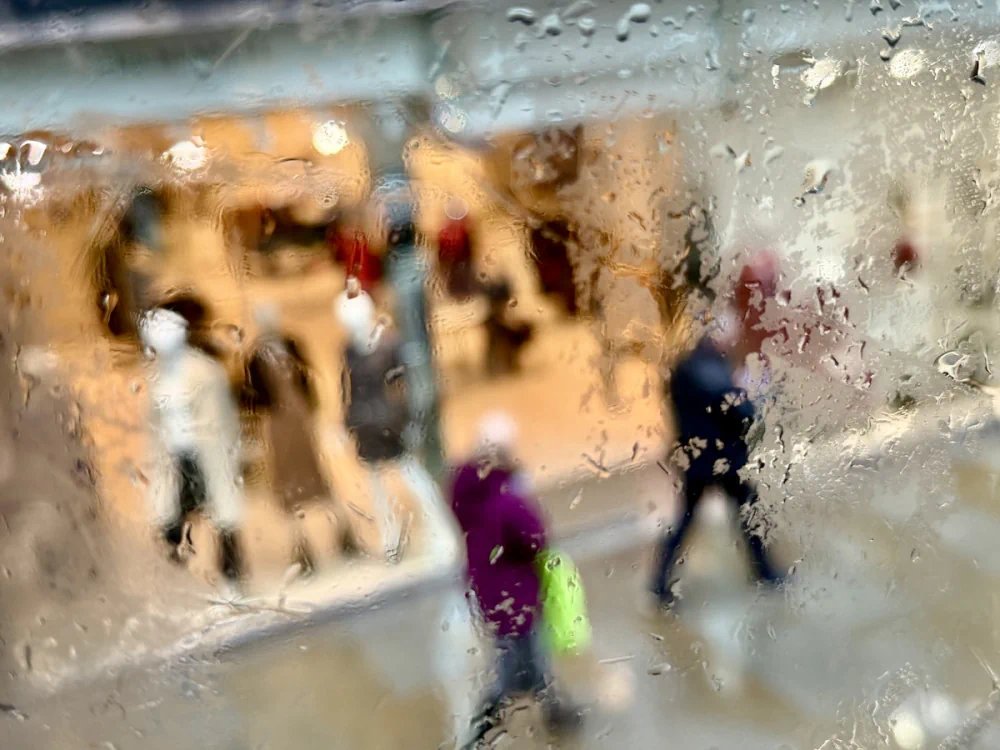
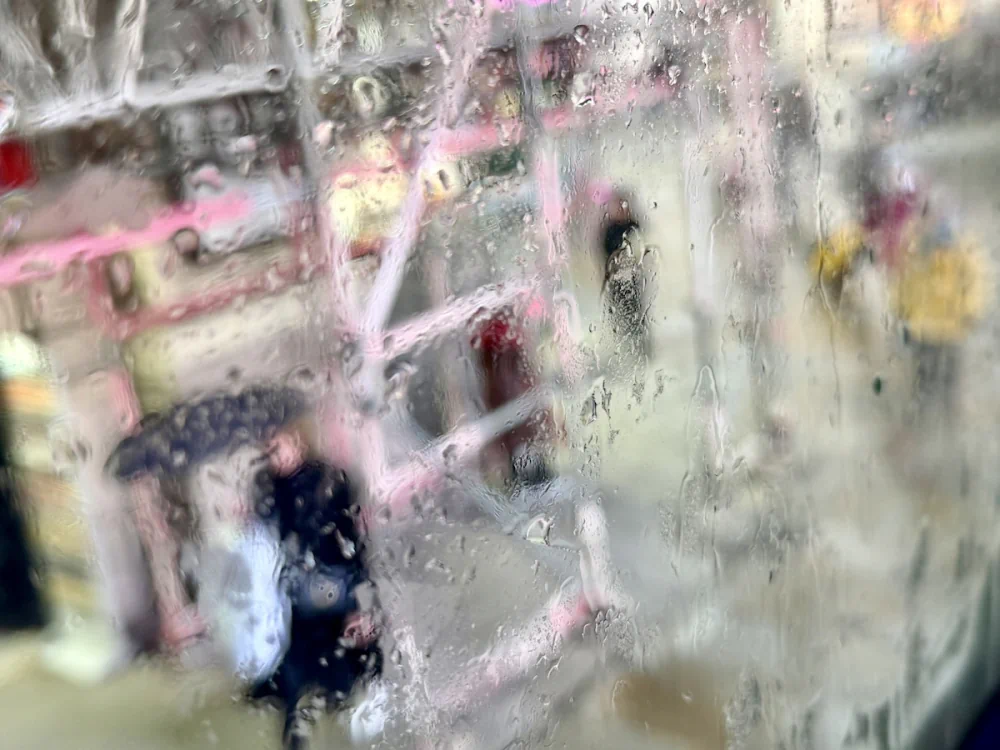
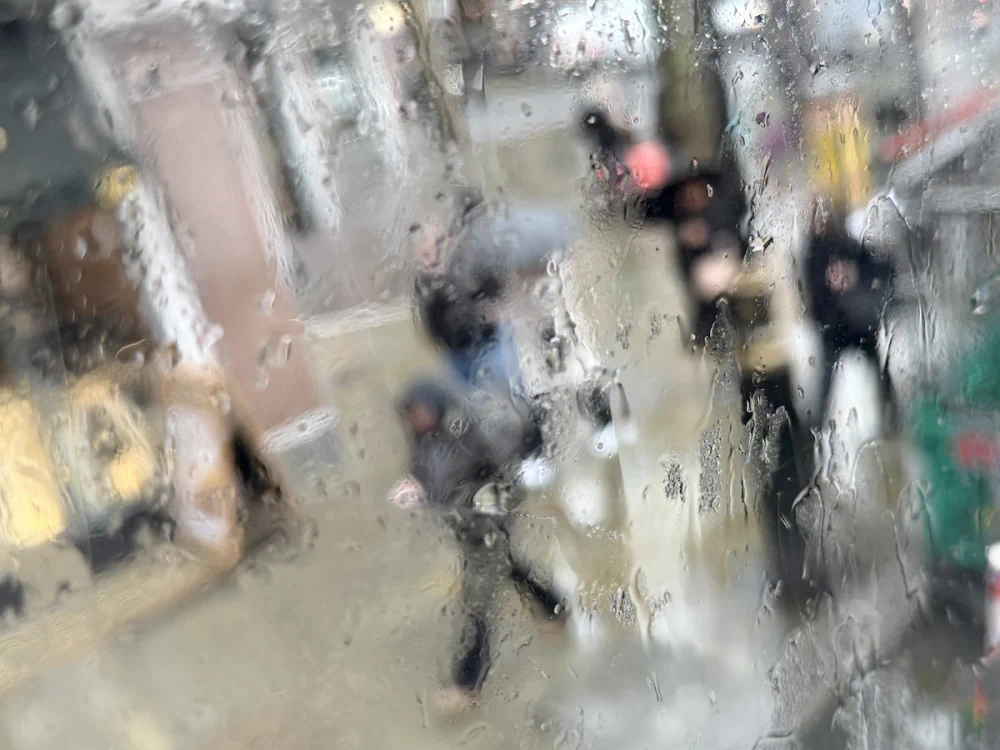
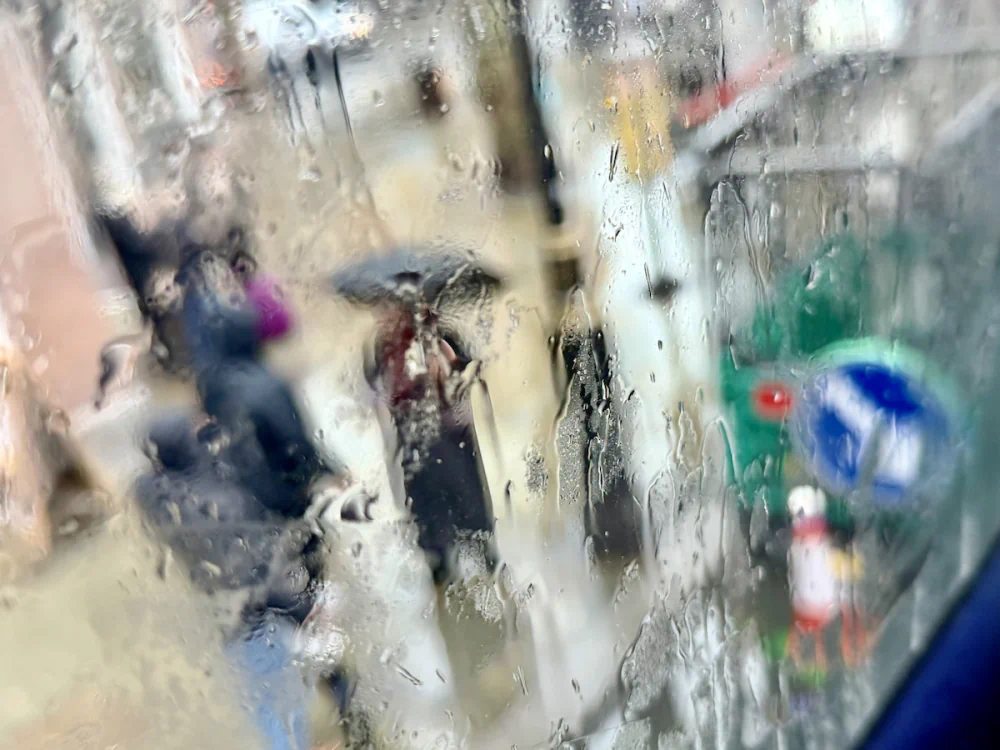
“Introspection” is a personal contemplation linked to the lack of clarity and uncertainty experienced in today’s world, coinciding with her perception of events unfolding before her. She allows her thoughts to wander and, for a brief time, discards the practical concerns of the day. She waits and observes, expecting unpredictability as her curiosity grows, and that becomes her photograph.
There is a charm to the atmosphere, without the glare of the sun, that combines serendipity with patience. Every image in this series includes at least one human figure, shrouded in ambiguity within an indistinct yet revealing environment, where light and composition merge as a reminder of what has just happened in a split second of time. Light flecks the surface, colors become magnified or muted, and unexplained dramas appear and disappear.
About Carole Glauber
Carole Glauber is an internationally exhibited, award-winning photographer and photo historian. Her work has been shown in Australia, Europe, Israel, China, and in the United States at The Center for Photographic Art, Blue Sky Gallery, South[X]Southeast Photogallery, ASmith Gallery, Soho Photo Gallery, and the Griffin Museum of Photography, among others. Her photography honors include the PX3 Prix de la Photographie, Paris, the International Photography Awards, the Tokyo International Foto Awards, the Julia Margaret Cameron Awards, the Pollux Awards, the Mobile Photography Awards, and the International Krappy Kamera Competition in New York City.
She is the author of two books: “Personal History” (Daylight Books) and “Witch of Kodakery: The Photography of Myra Albert Wiggins 1869–1956” (Washington State University Press). “Personal History” explores the lives of her two sons growing up over the course of 30 years. For this project, she worked with a 1950s Kodak Brownie Hawkeye camera and color film, discovering her connection to the soft colors and imperfections produced by the camera and film. The book received a silver medal from the PX3 Prix de la Photographie, Paris, as well as gold and bronze medals from the Budapest, Tokyo, and Moscow International Foto Awards.
“Witch of Kodakery” is a biography of early American Pictorialist photographer and Photo-Secession member Myra Albert Wiggins, whose innovative landscapes, portraits, Dutch genre scenes, and travel images were exhibited across the United States and Europe between 1896 and 1910. Her travel photographs made in Europe in 1900 and the Middle East in 1904 exemplified her tenacity and creativity beyond the studio, and led to her self-published book, “Letters From a Pilgrim.”
Glauber’s essays on photographic cultural history have been published in the “Oregon Historical Quarterly” and “The Photo Review” in the United States, as well as in numerous journals. She is the recipient of a Peter E. Palmquist Photographic History Research Fellowship, a Winterthur Museum Fellowship, an Oregon Humanities Research Fellowship, and multiple grants supporting her research on the history of women photographers between 1880 and 1920. In addition to her photographic work, she continues her research and writing on American Photo-Secessionist and Pictorialist photographer Eva Watson-Schütze. [Official Website]