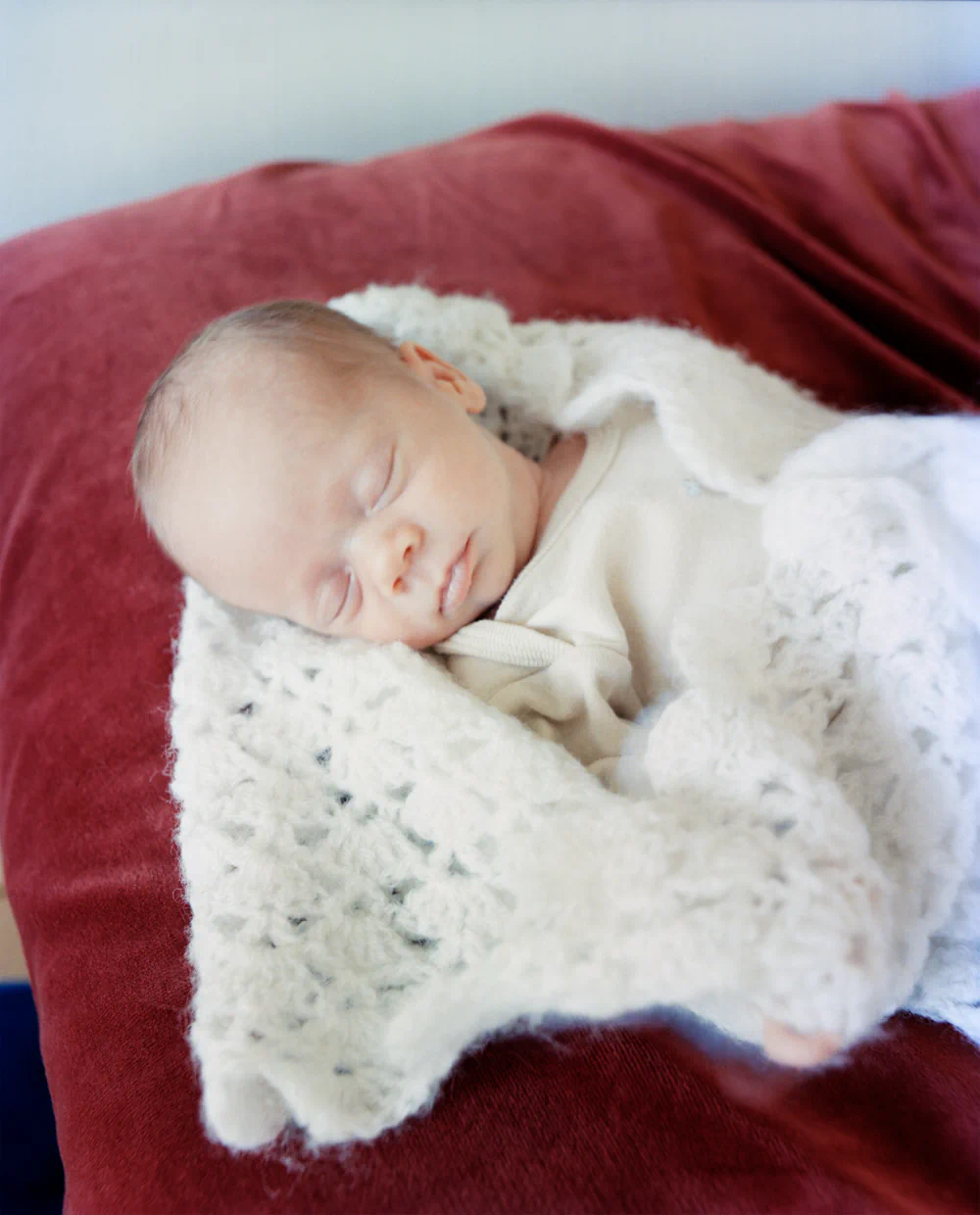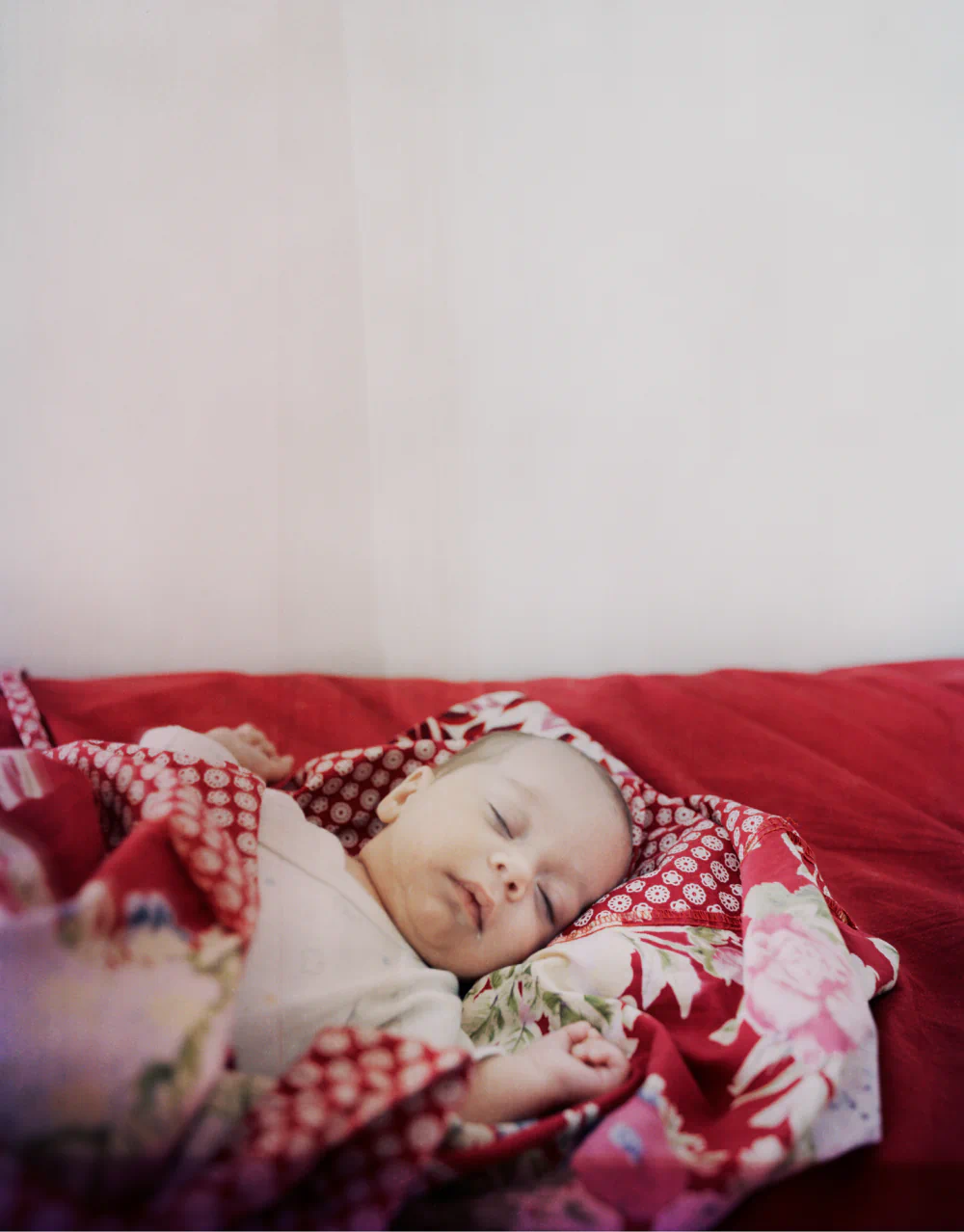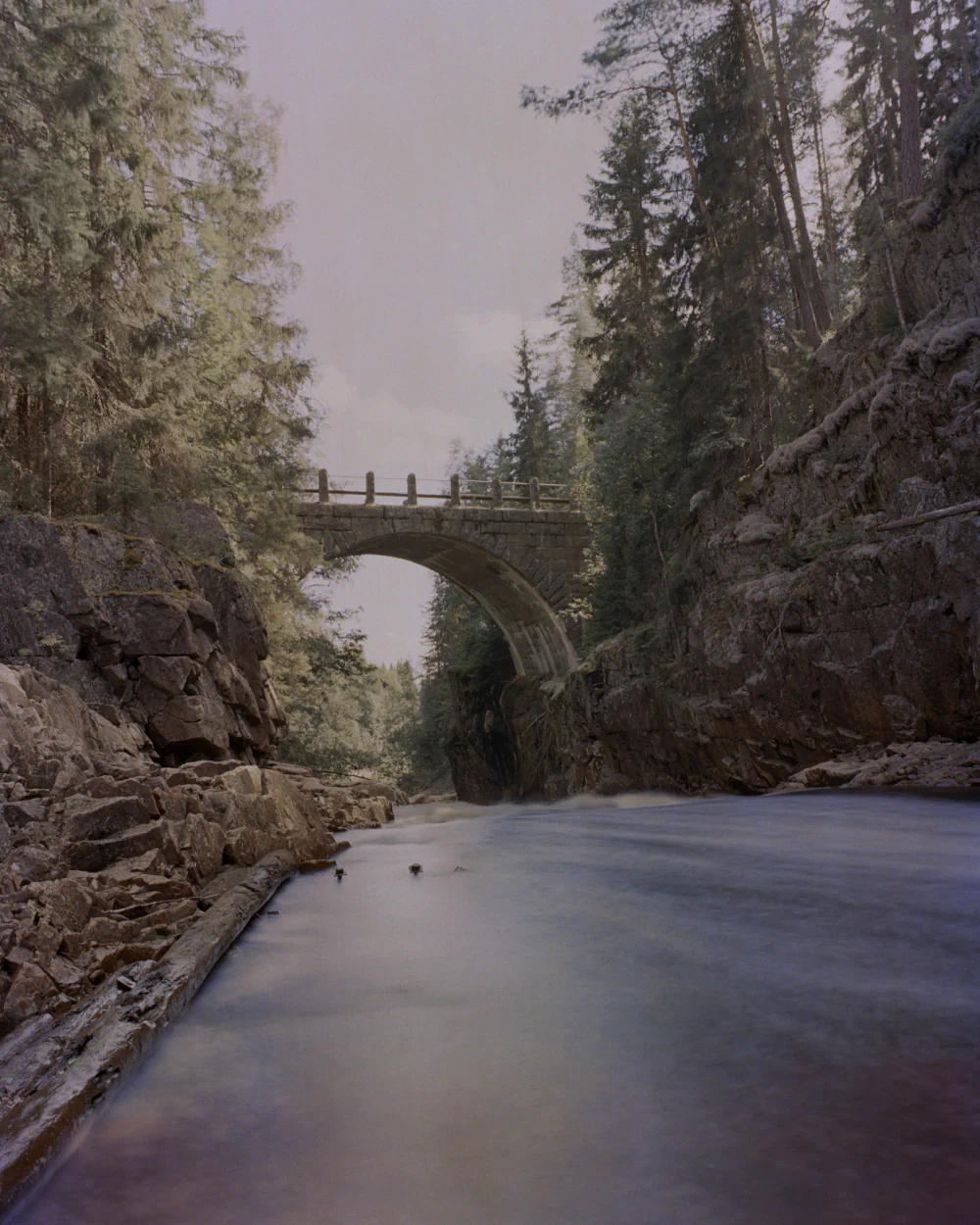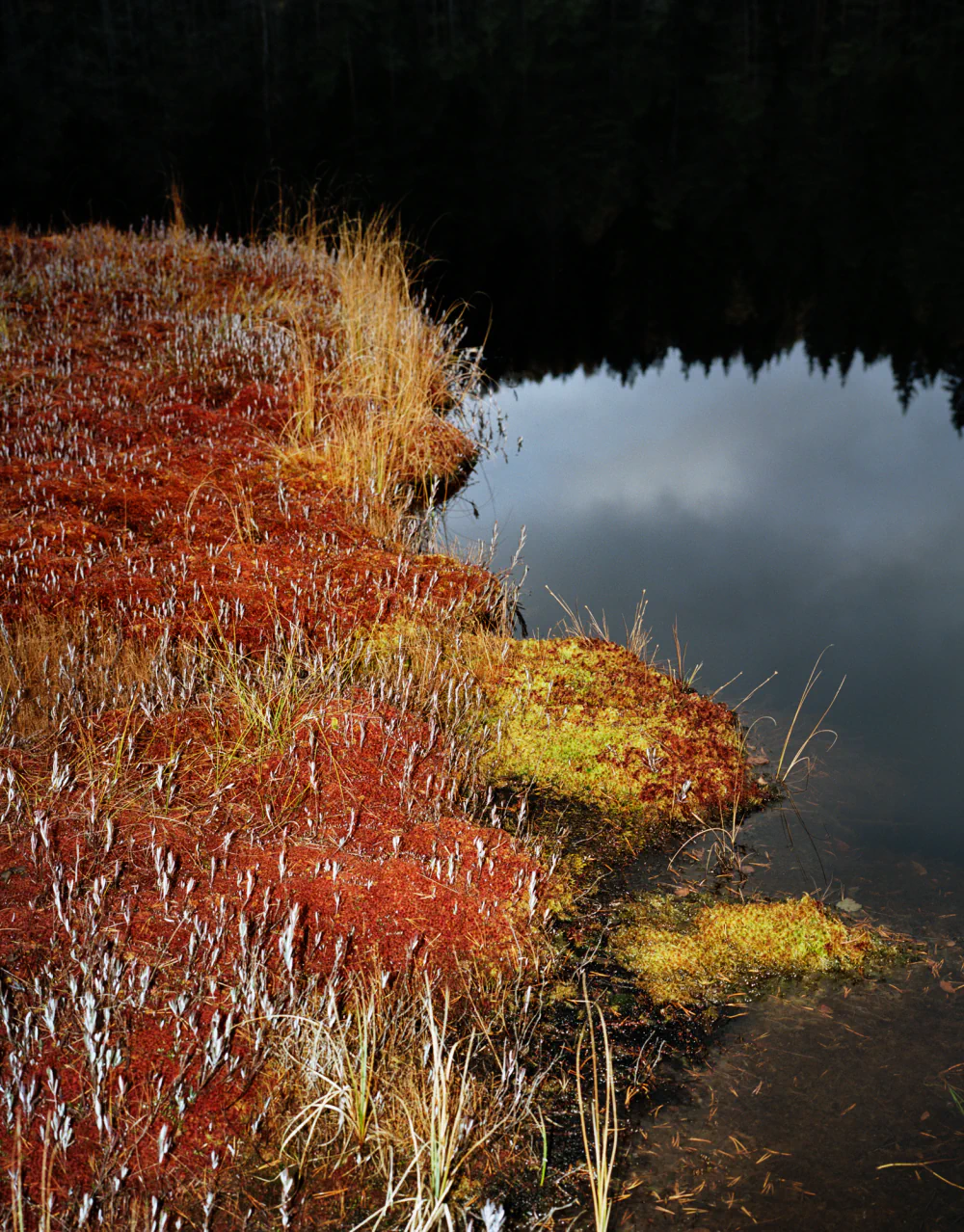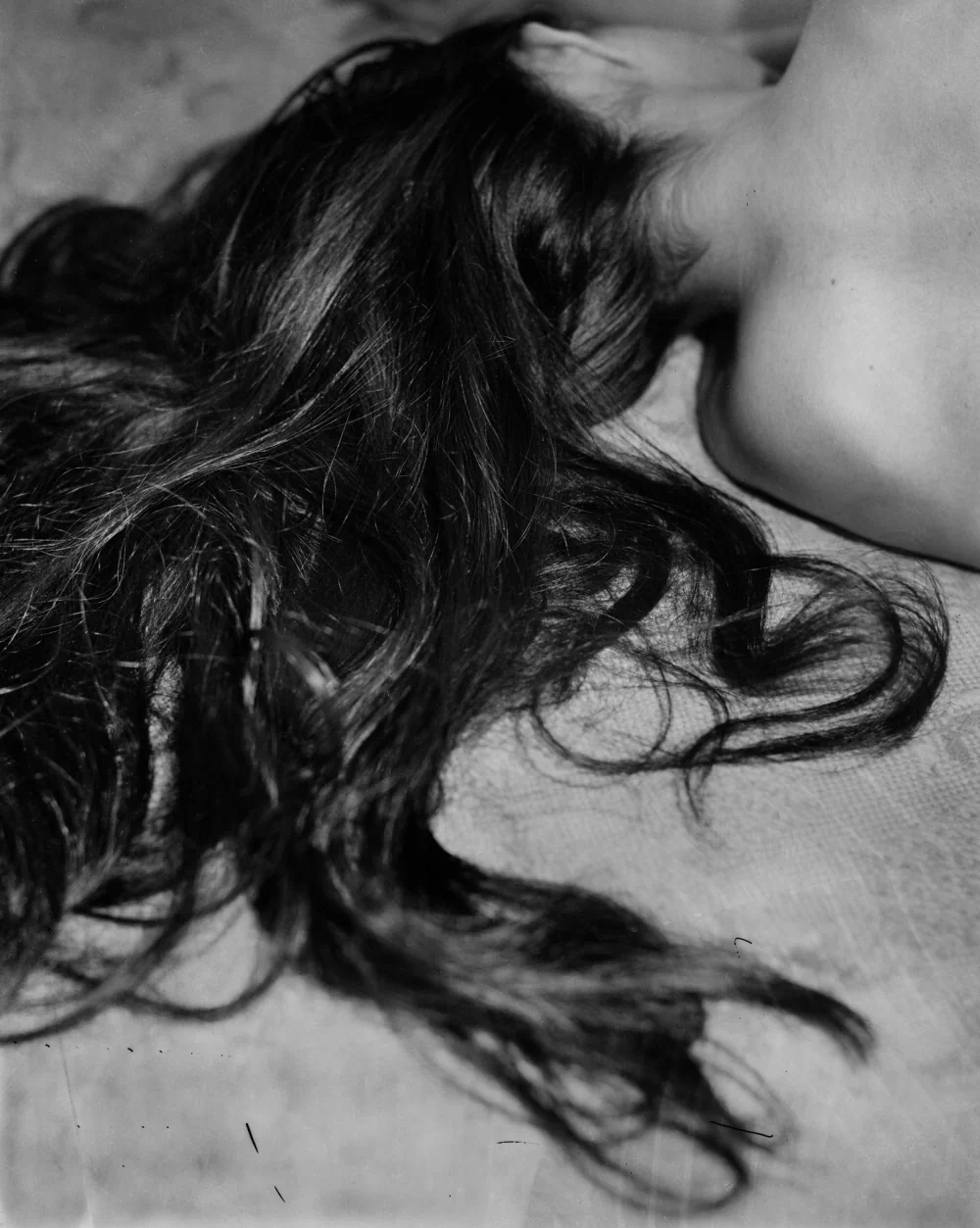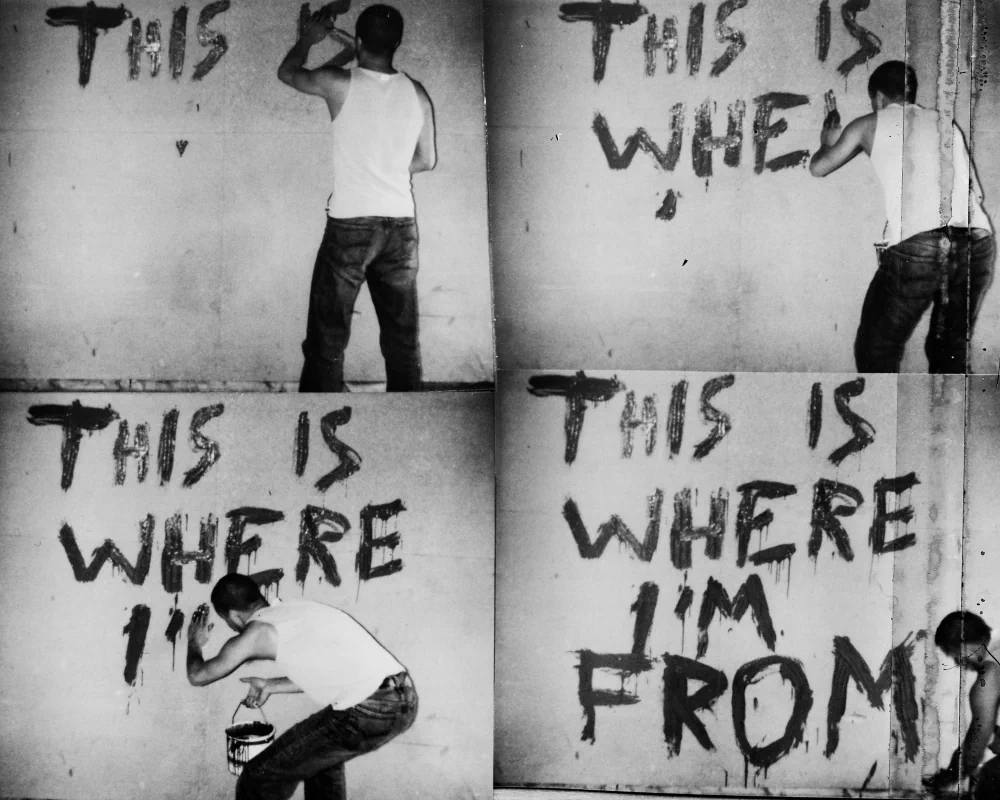
Settled between forests, fields, and lakes, this work unfolds from within a life in transition, where watching children grow becomes inseparable from observing the passing of time itself.
Doubt and time operate not as obstacles but as essential tools, shaping a way of seeing that moves between silence and language, between what can be named and what resists articulation.
Within this space, photography emerges as a form of shelter, a place to inhabit rather than simply document.
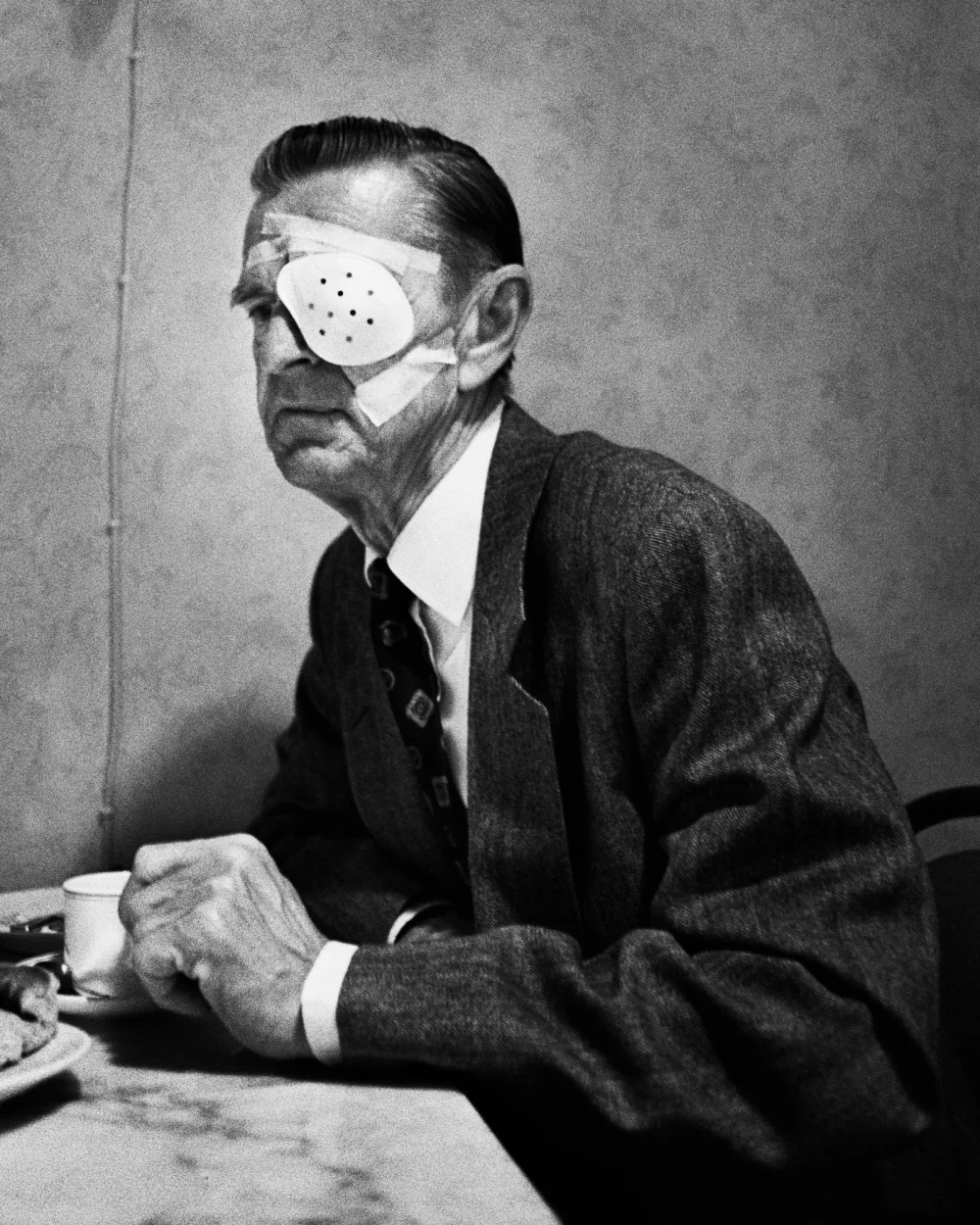
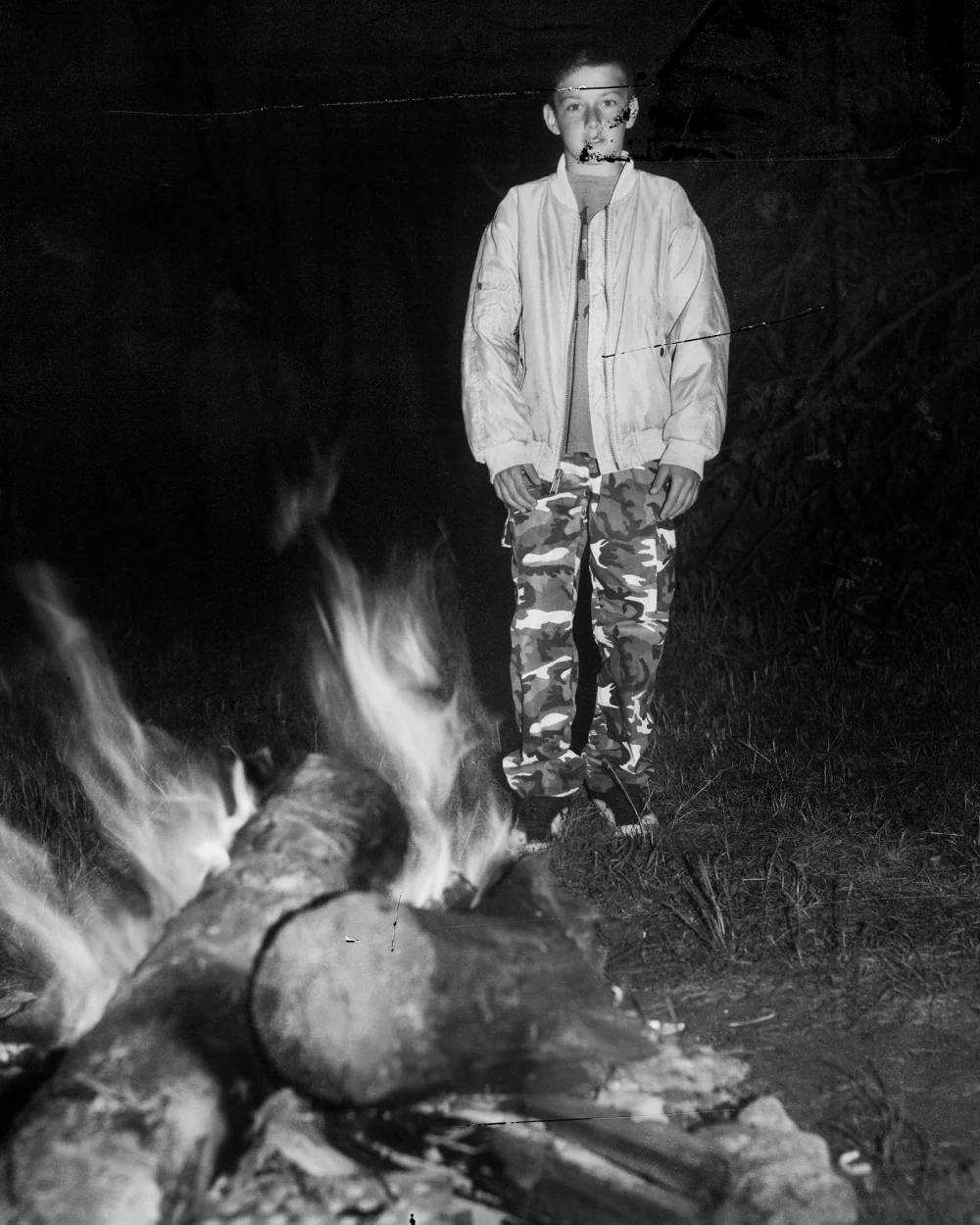
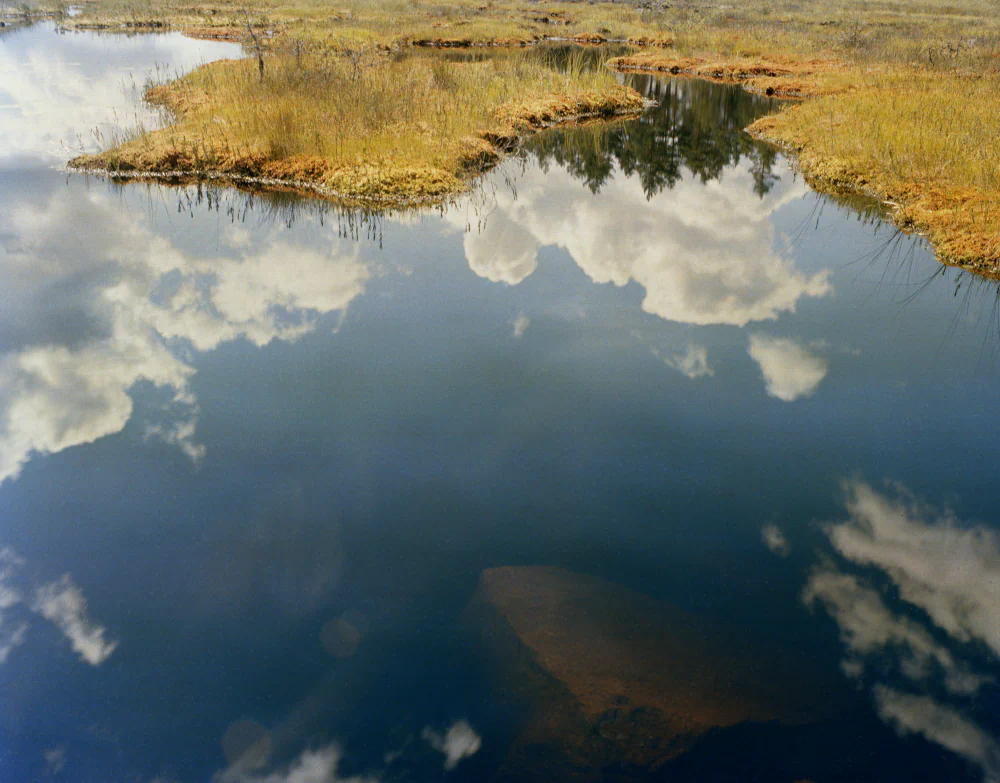
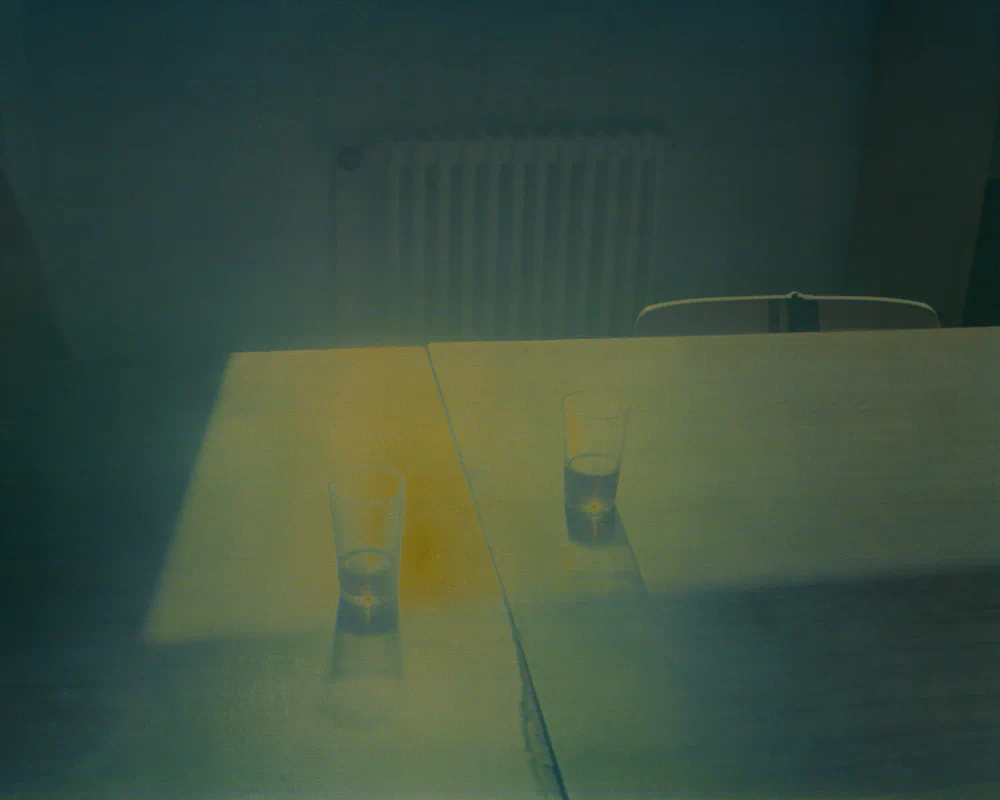
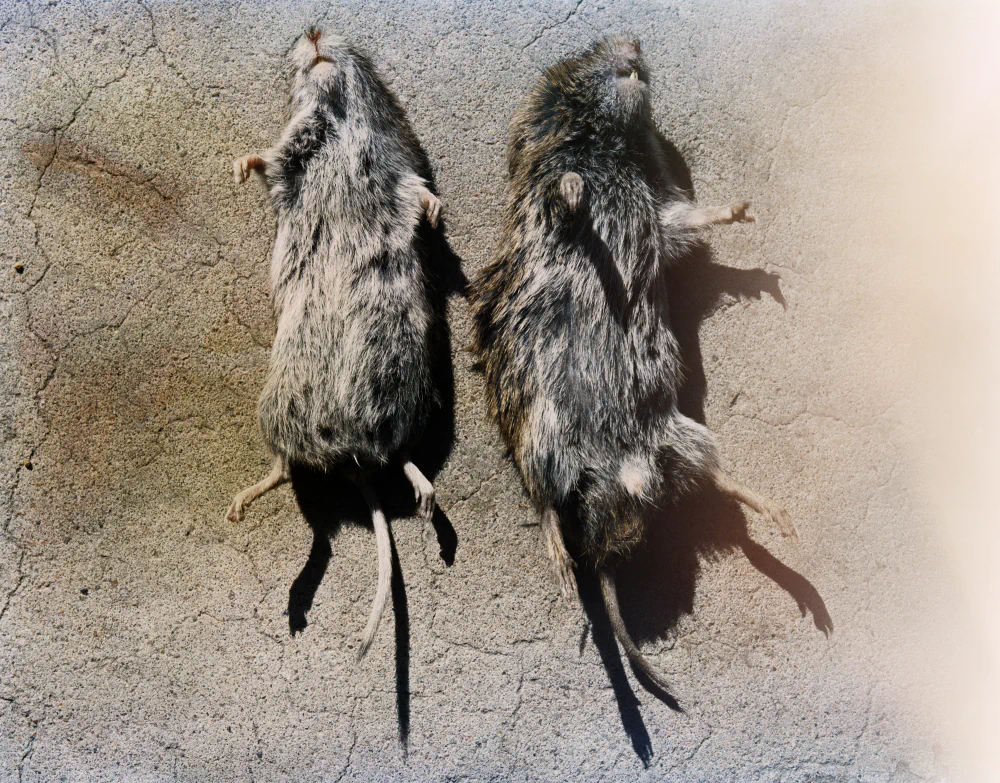
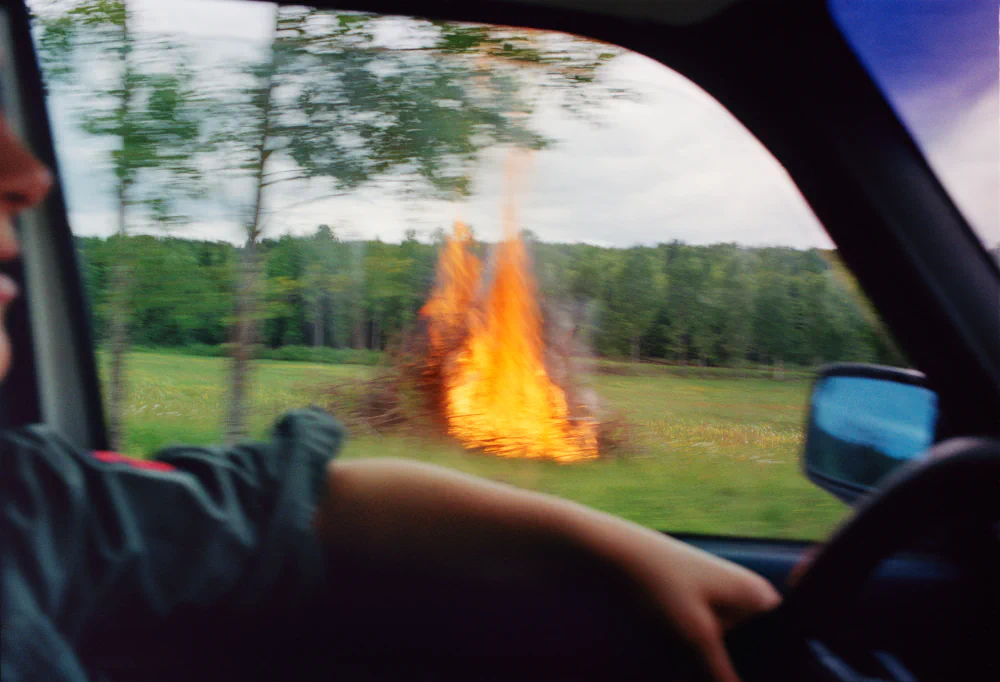
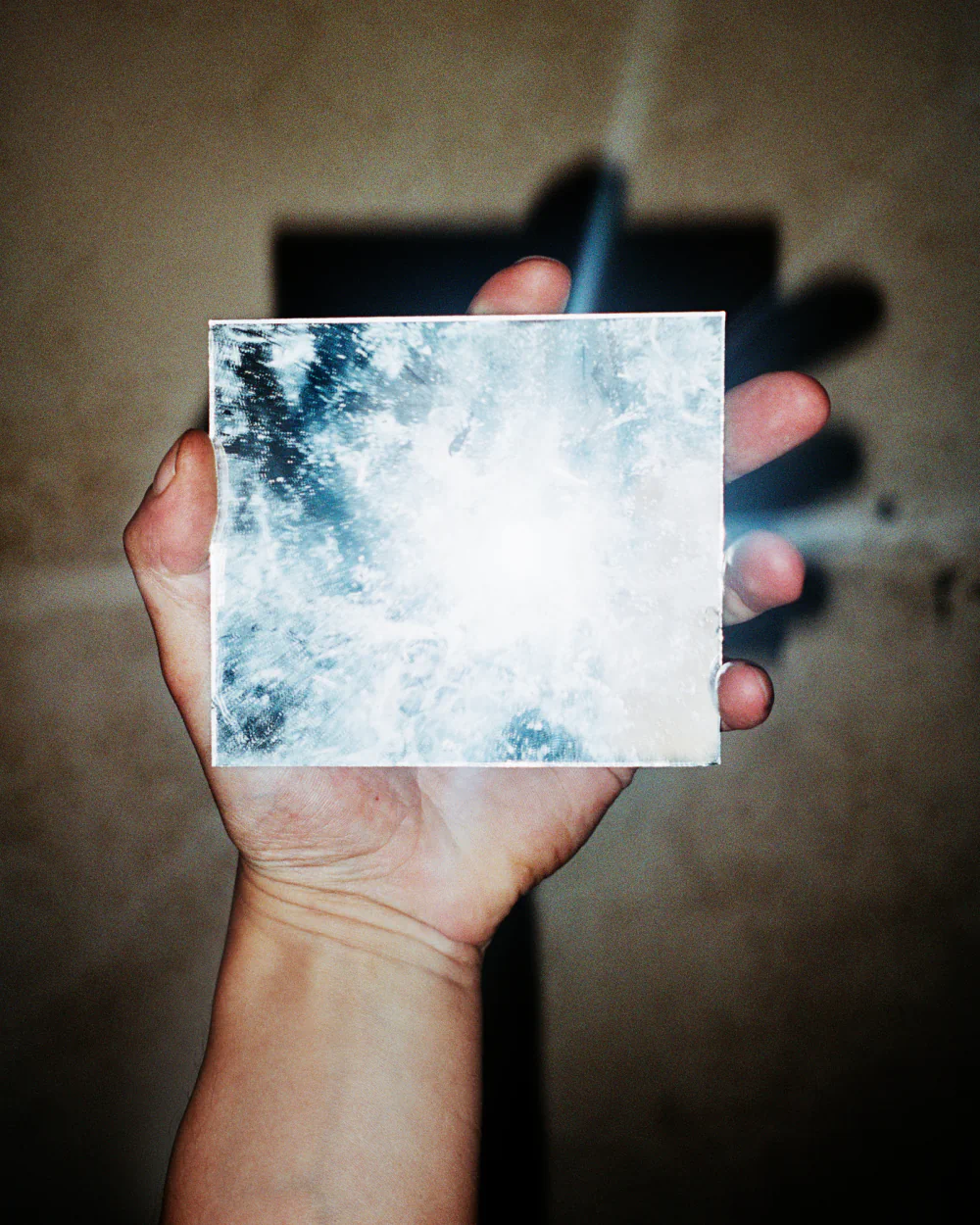
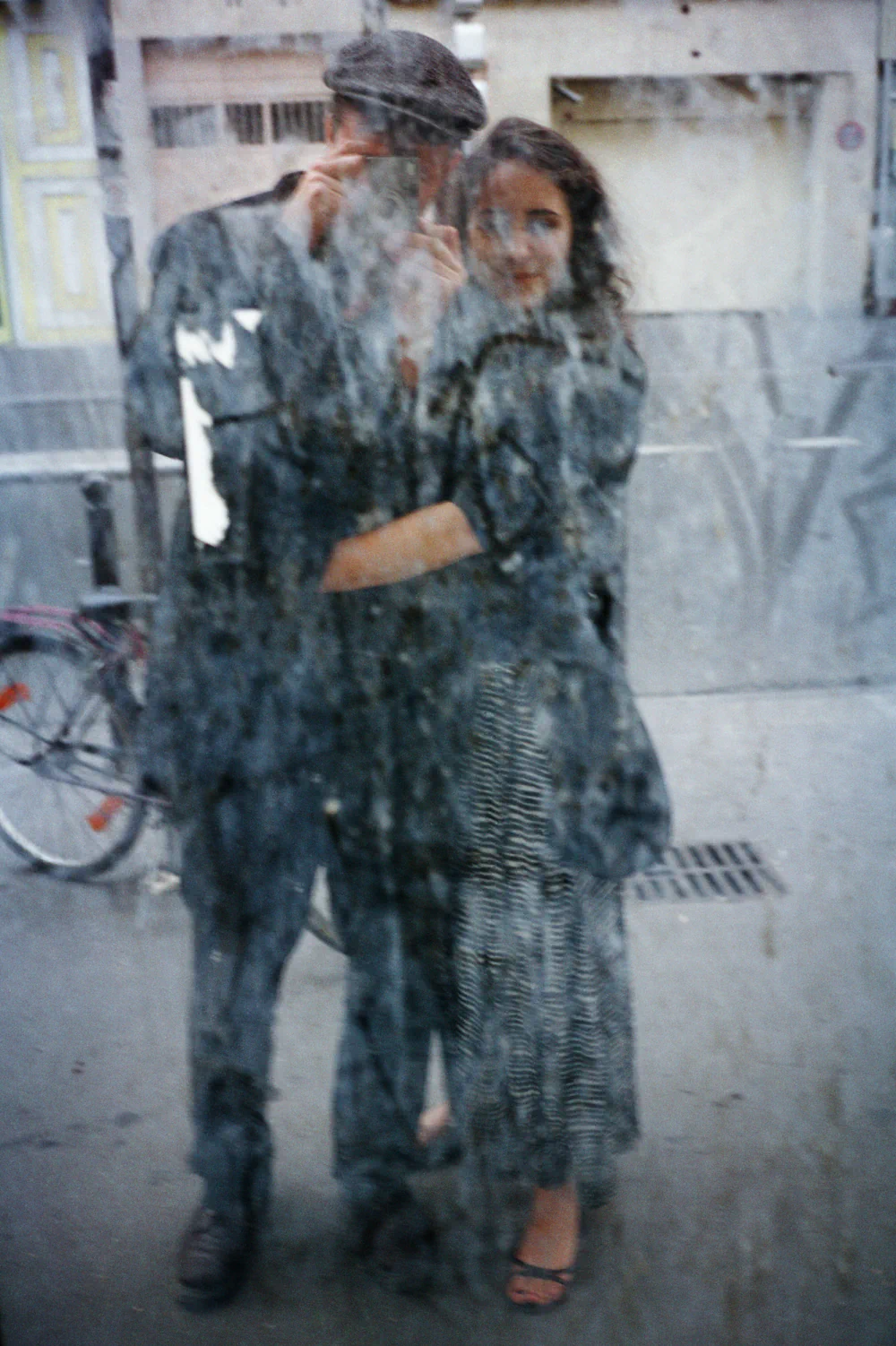
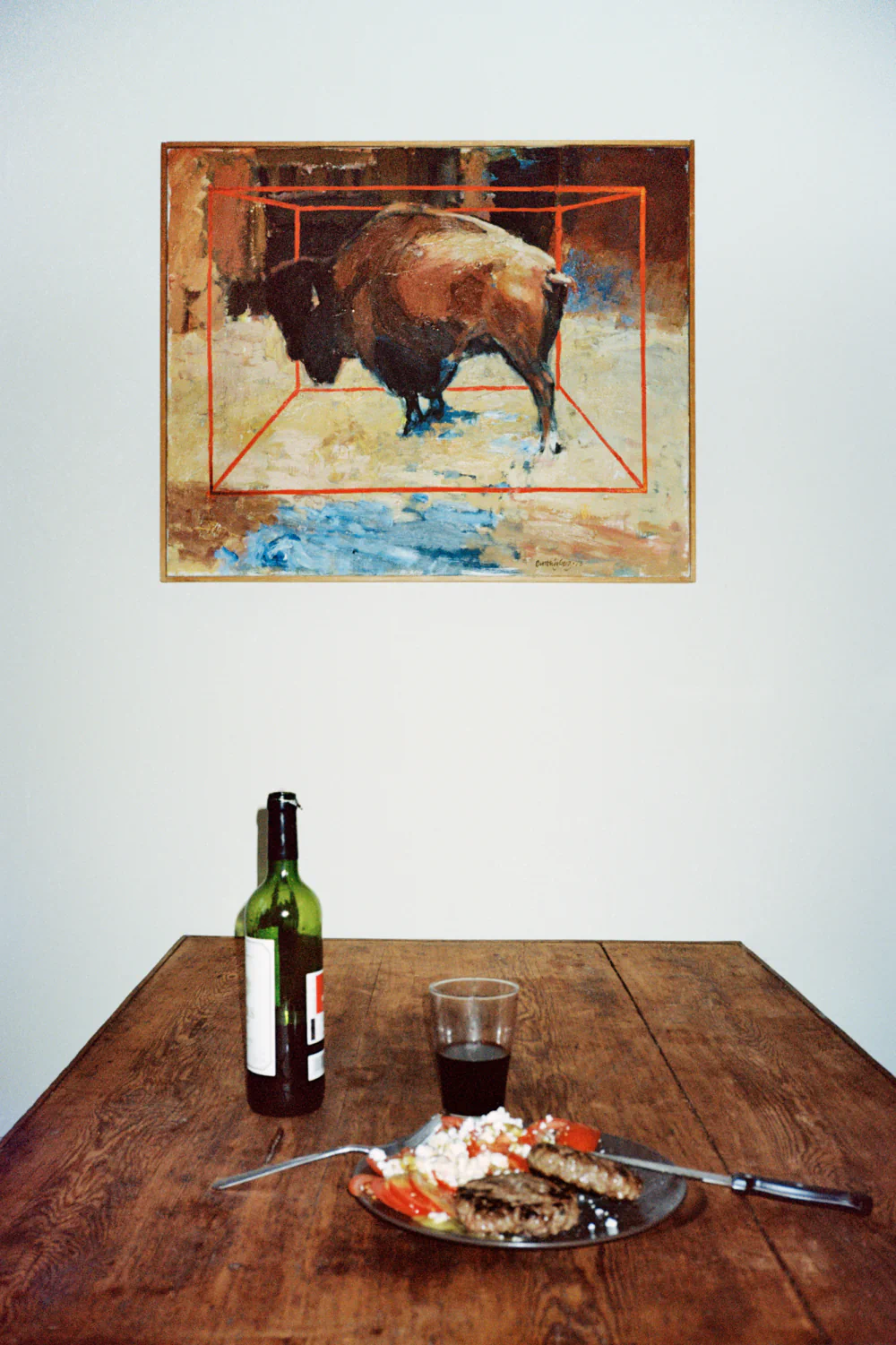
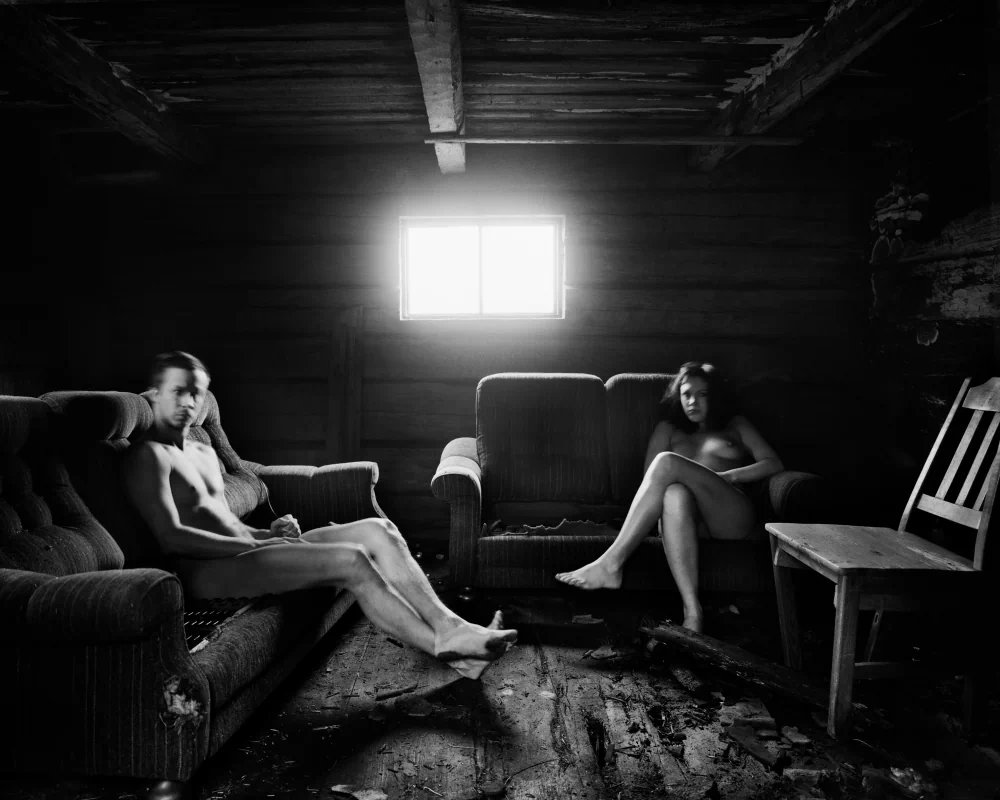
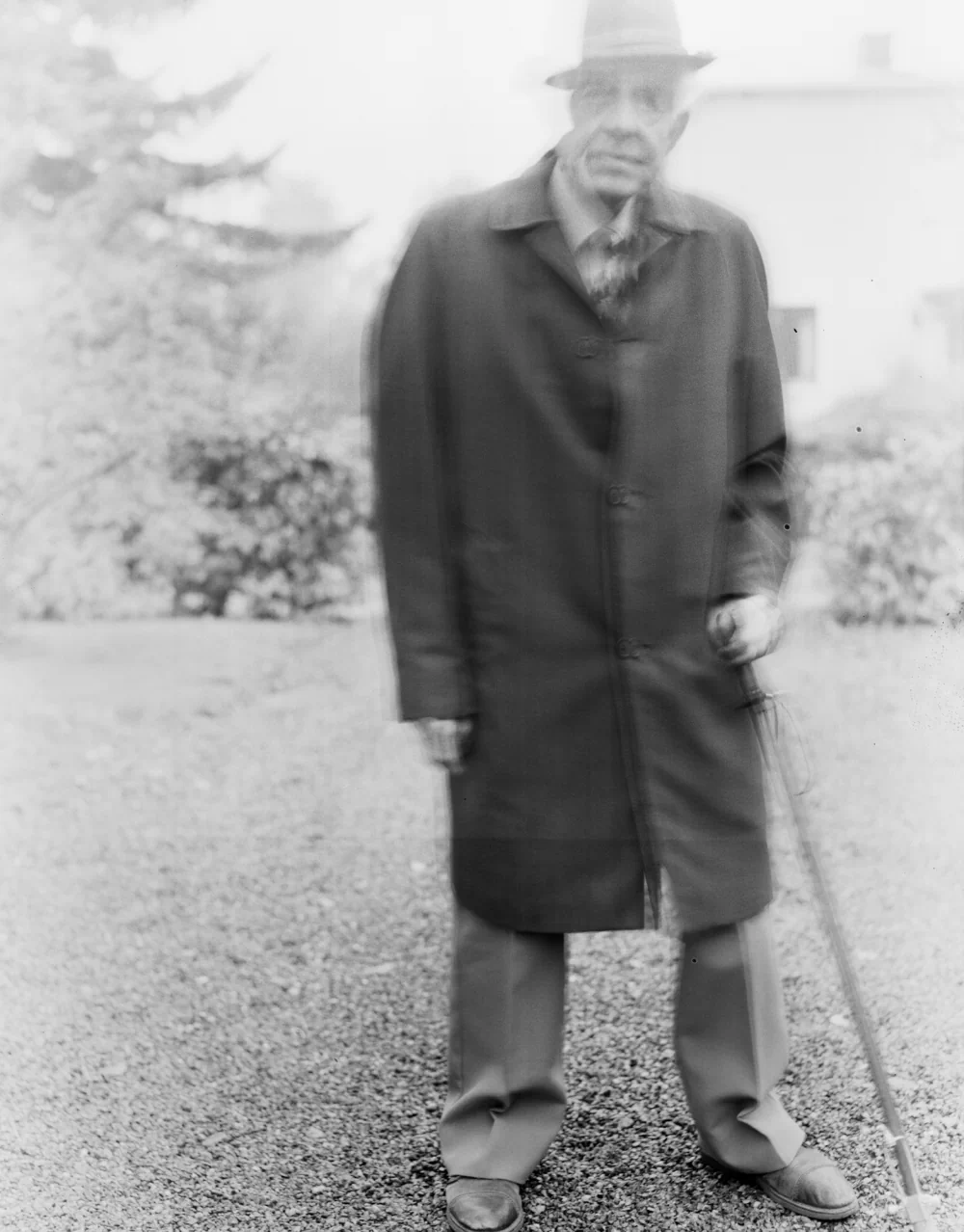
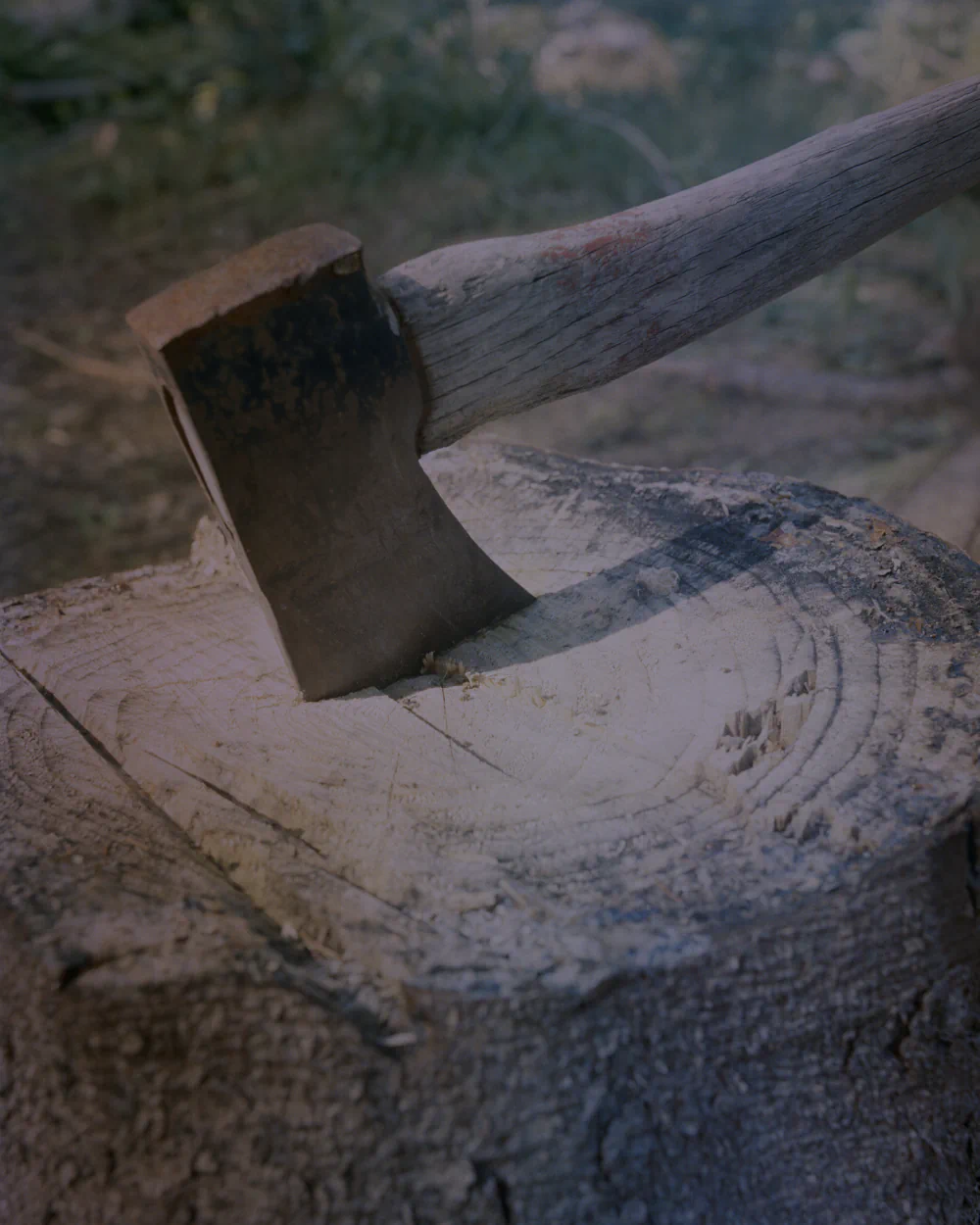
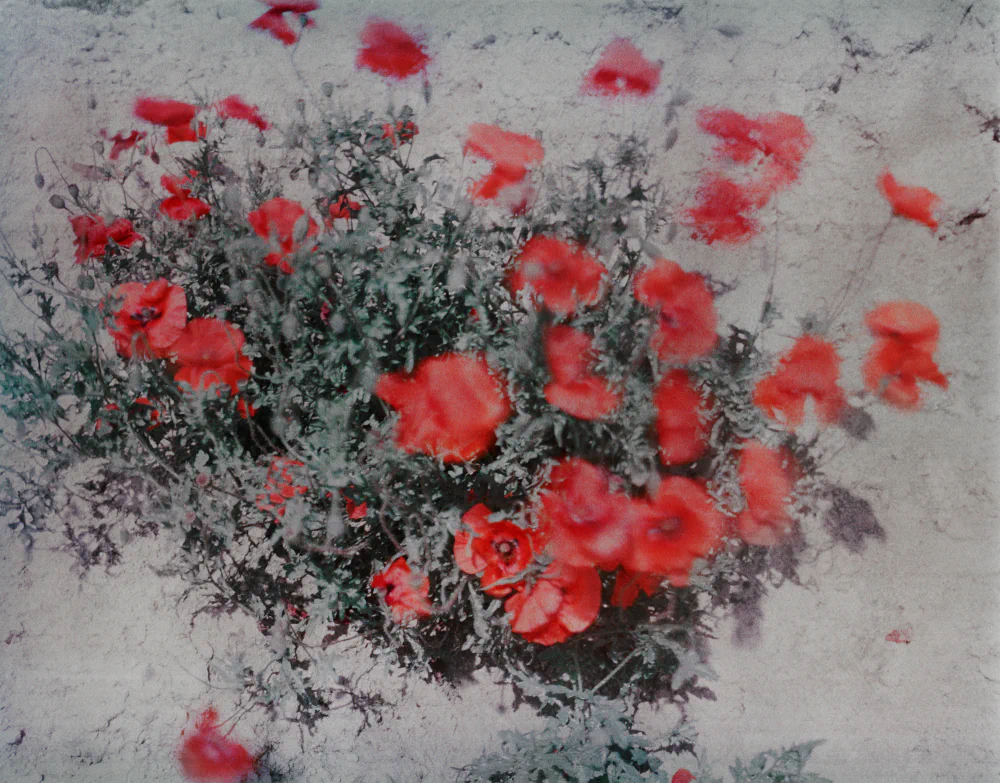
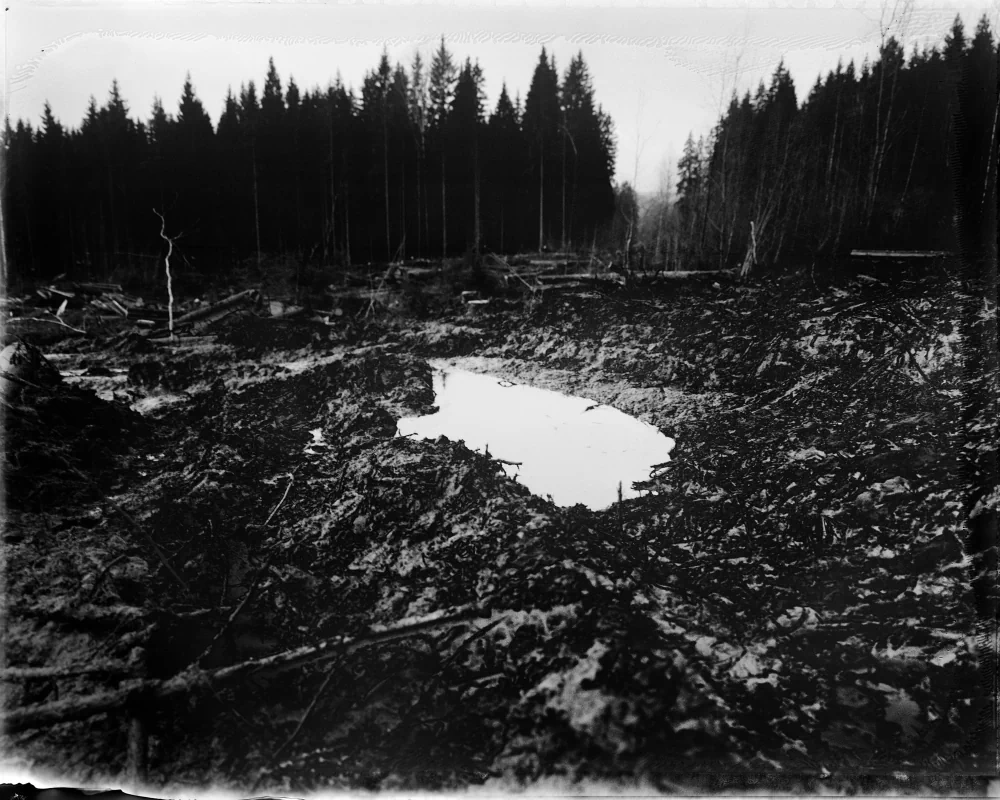
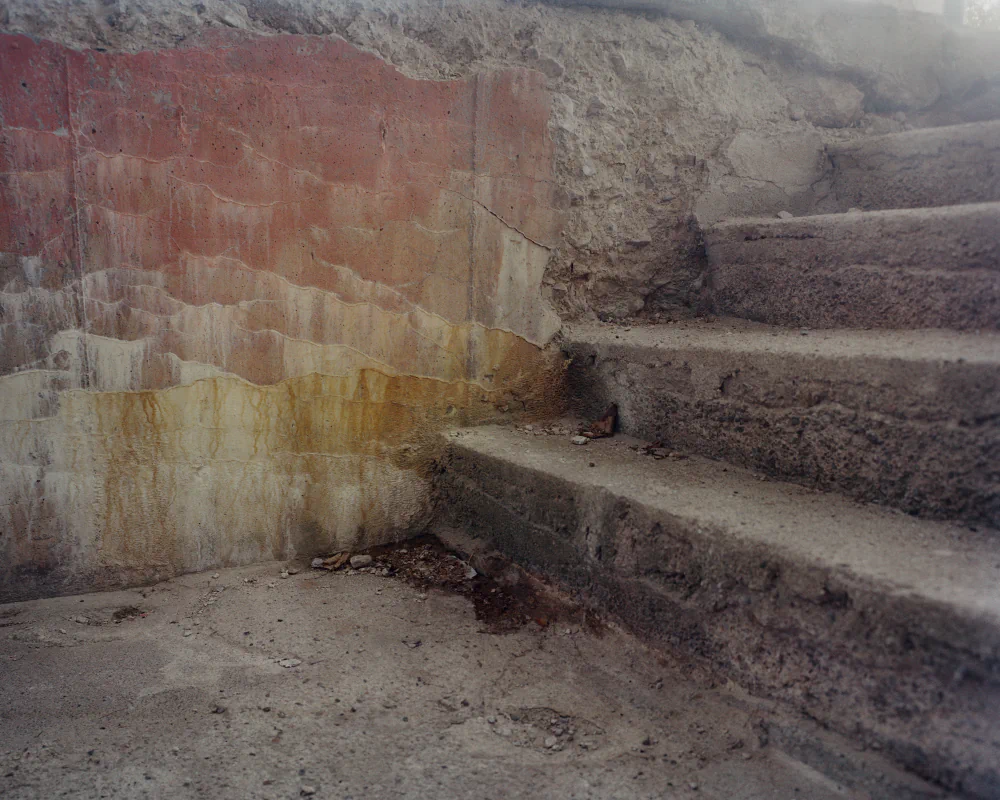
Rooted in a deeply autobiographical impulse, Tout Va Bien expands into a visual language that is equally metaphorical, reaffirming the belief in photography as a form of visual poetry. The work is structured through tension and contrast: black and white images coexist with color; moments of quiet natural beauty collide with visceral, intimate scenes such as the flash-lit presence of blood-red placentas following the birth of twins. These juxtapositions resist resolution, inviting sustained engagement rather than offering fixed meaning.
The sequencing does not guide but provokes. It opens a fragmented narrative where connections are not imposed but discovered, allowing each viewer to construct their own pathways between images, from page to page. In this sense, Tout Va Bien is less a statement of certainty than a reflection on perception itself, where the act of looking becomes a way of navigating memory, presence, and the quiet instability of lived experience.