HomeAuthor

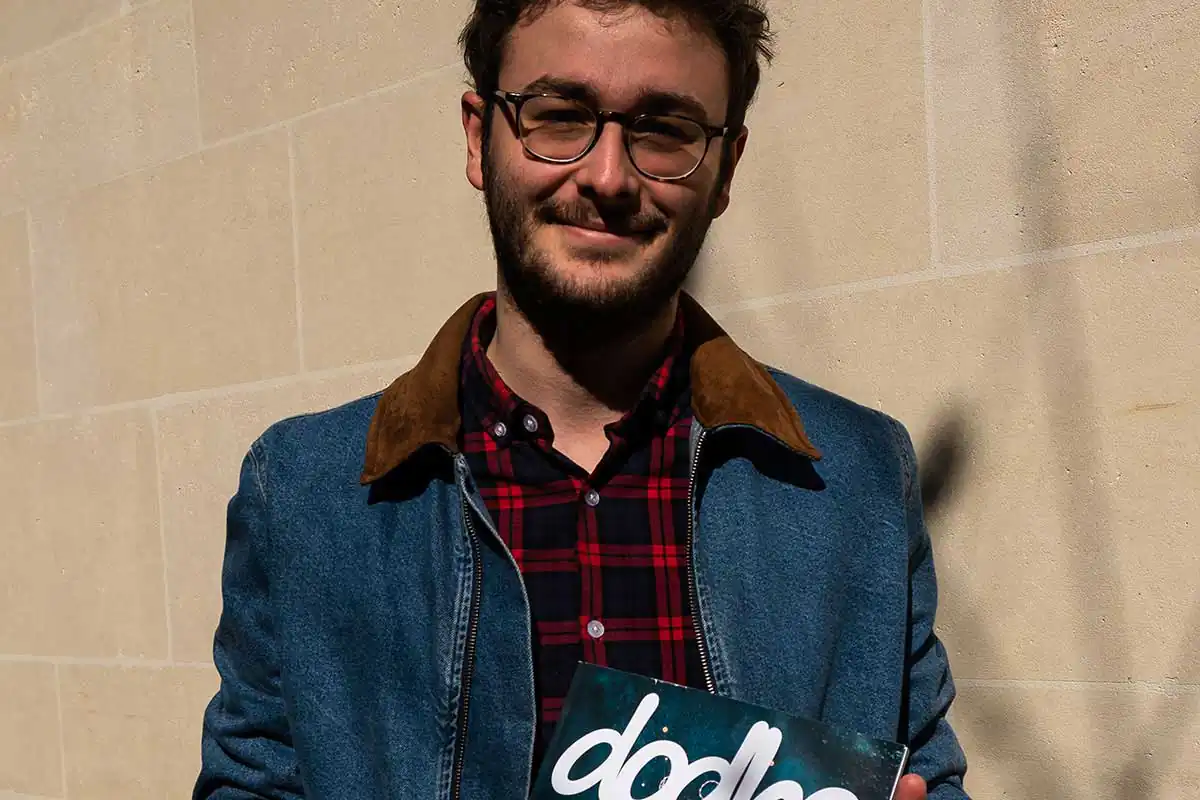
Francesco Scalici

A recent MA graduate from the University of Lincoln, Francesco has now focused on landscape photography as the basis of his photographic platform. An author for DODHO magazine, Francesco’s interest in documentary photography has turned to writing and has had various articles, interviews and book reviews published on platforms such as: ‘All About Photo.com’, ‘Float Magazine’ and ‘Life Framer Magazine’. Currently on a photographic internship, Francesco has most recently been involved in the making of a short film titled: ‘No One Else’, directed by Pedro Sanchez Román and produced my Martin Nuza.


Meet Pauline Petit: A Master of Photographic Art
We're excited to introduce Pauline Petit, a renowned French artist born in 1986 in Normandy. Best known for blending photography, illustration, and painting, she has made significant strides in the art world since becoming a professional portrait photographer in 2007.


Interview with Sara Camporesi; published in our print edition #20
A photographer passionate about art, for a long time she has combined this interest with the spontaneity of visual storytelling, conceived not only as a classic account of experiences but as a combination of personal and creative shots conveys the secret appeal of urban places and museums, revealed through images and words like a “photographer narrator”.


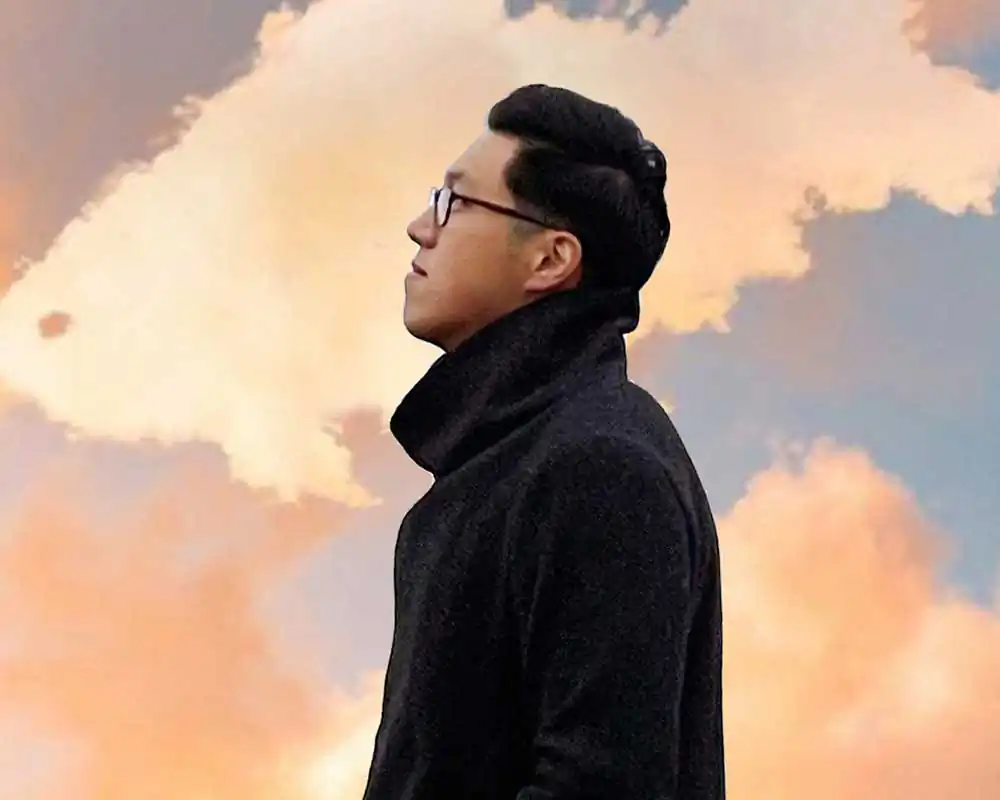
Interview with Ted Chin; Digital Artist.
Dali is definitely one of my inspirations when I was learning about surreal art. However, jellyfish has nothing to do with his artwork. The gentle floating of clouds and jellyfish creates a sense of calm.


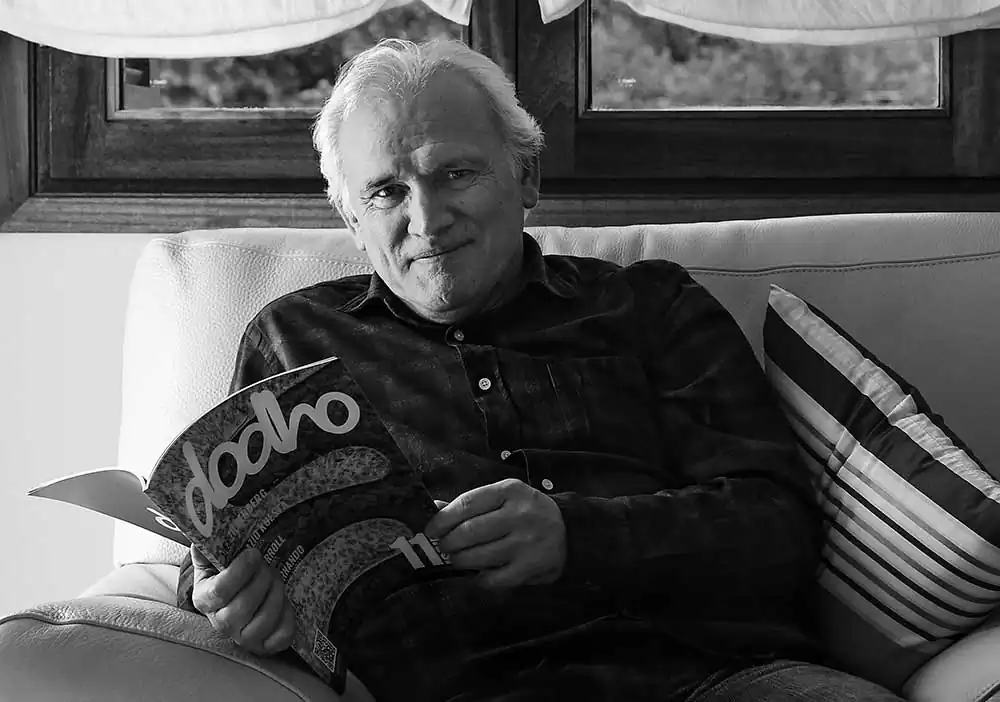
Interview with Ovi D.Pop; Published in our print edition #11
I am a very visual person; I have always been. I believe the human form and especially the female form is most fascinating and worth exploring in photography. However, I don`t like to be conventional and I believe that rendering it in a traditional manner in a photo is unsatisfying.

Interview with Joxe Inazio Kuesta; Published in our print edition #11
Walking through one of the camps I saw a kind of shack in which there were many people queuing. I approached them and noticed that they were waiting to dispatch what they had been granted in another shack. They had a sort of voucher and were waiting their turn to collect materials; mainly, canvas covers to build or repair their homes.

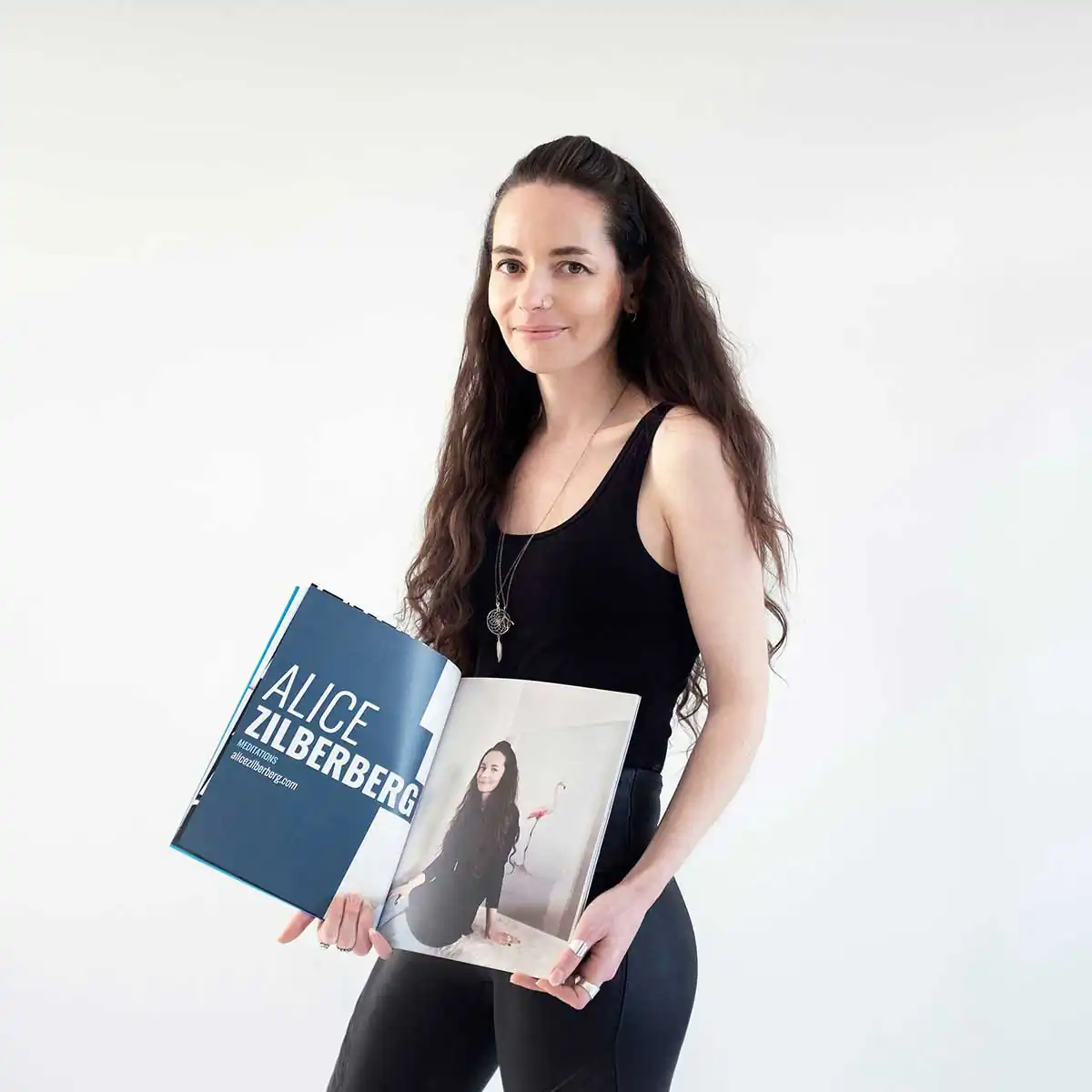
Interview with Alice Zilberberg; Published in our print edition #11
I probably use every tool imaginable to shape the images. It’s really a variety of techniques that come together that creates the affect I like. I clean up the surfaces very laboriously, and I do a lot of dodging and burning to make more minimalistic and smooth. I also do color shifting. The end product looks a world different than the raw files.


Interview with Hal Gage; Published in our print edition #10
I think my work touches on the relationship between all of these elements; the imagined, death and the landscape. The theme of death is something which has come about indirectly, as a result of my interest in other ideas such as dystopia, memory and the uncanny. 


Interview with Jo Lauren; Published in our print edition #10
I think my work touches on the relationship between all of these elements; the imagined, death and the landscape. The theme of death is something which has come about indirectly, as a result of my interest in other ideas such as dystopia, memory and the uncanny. 

Interview with Tommy Ingberg
I don’t usually have a recognizable face in my pictures, the faceless or unrecognizable man works as a device to make the viewer relate, someone they can replace with themselves, or someone they can chose to observe from a distance.


David Godichaud was born in Fontainebleau (France) in 1973. He started a carreer of photographer ten years ago, after graduating in Science Research first and from the photojournalism program of the International Center of Photography in New York next.

Interview with Julia Fullerton Batten
My photographic style encompasses cinematic lighting, powerful colour combinations, careful choice of models and the use of settings and props which enhance the visual story I am telling.