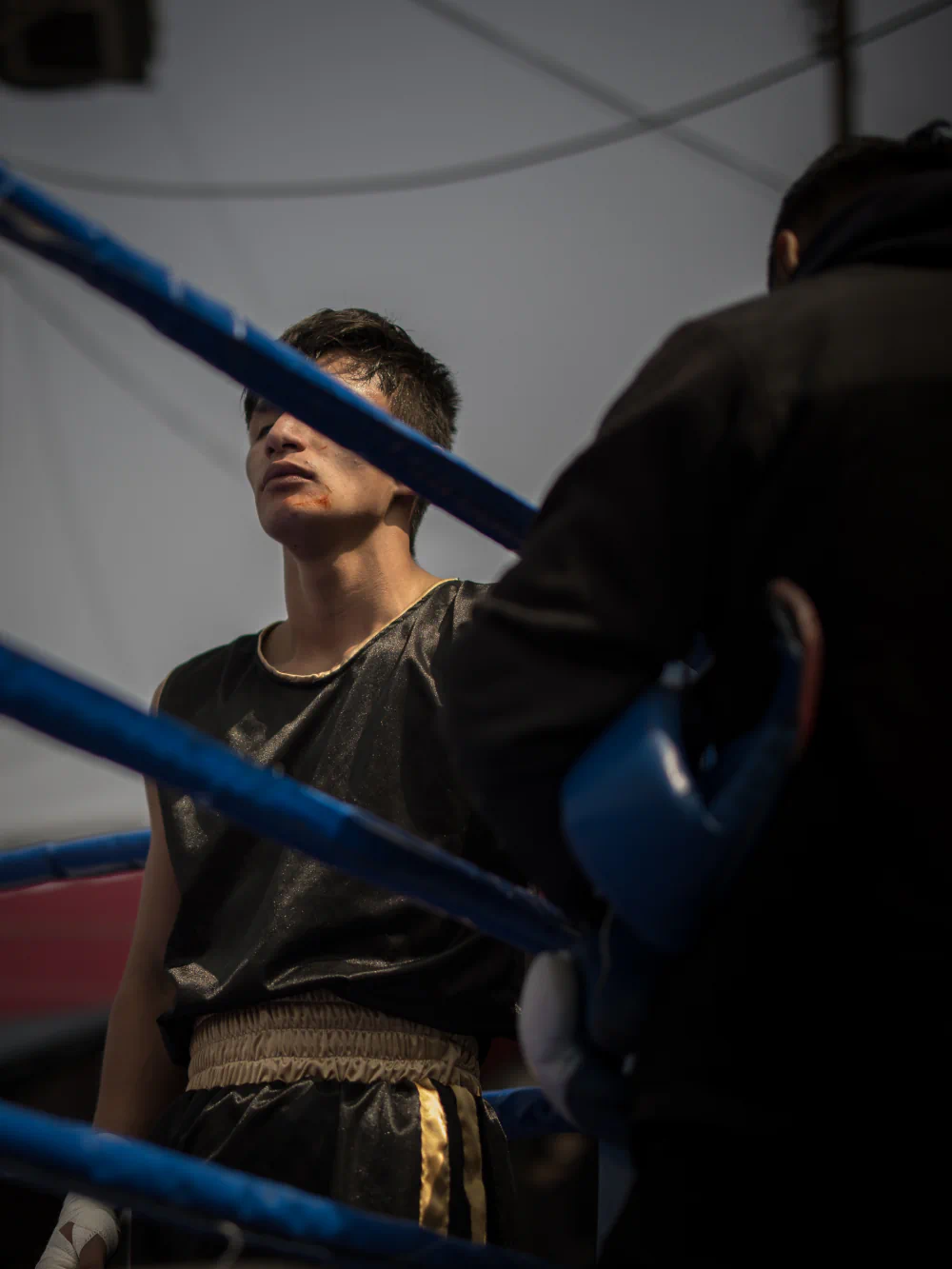
Tepito, one of Mexico City’s toughest neighbourhoods, is the historic cradles of Mexican boxing. Here, boxing is not merely a sport; it is resistance, identity, and, for many, the only path toward dignity and survival.
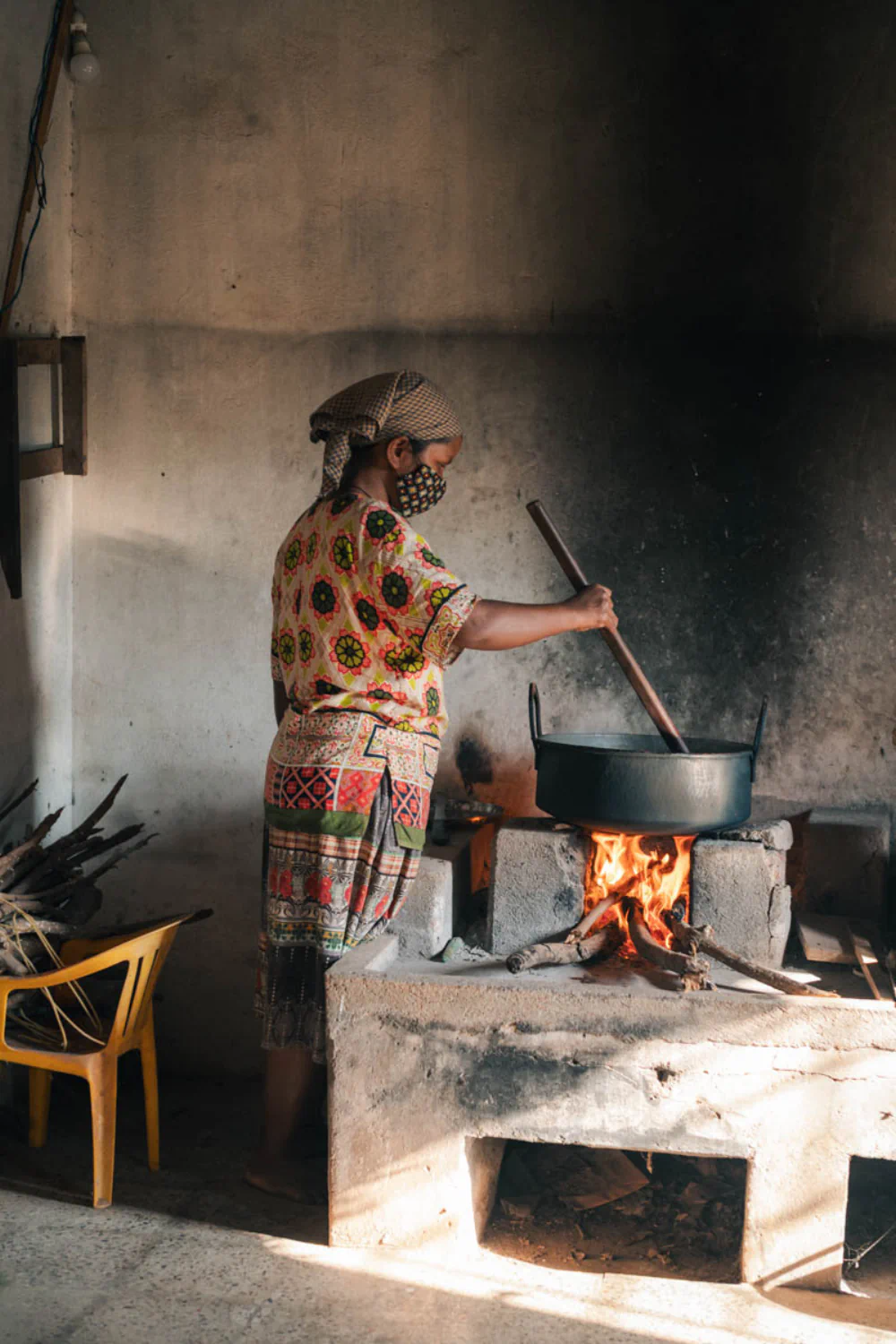
Through intimate portraiture of its diverse citizenry, the proud Goans, the new infusion of migrant labor and cosmopolitan influence of city folk, the faces become a living archive, a document of visual ethnography that charts an identity of a place caught in an incandescent friction of contemporary times.
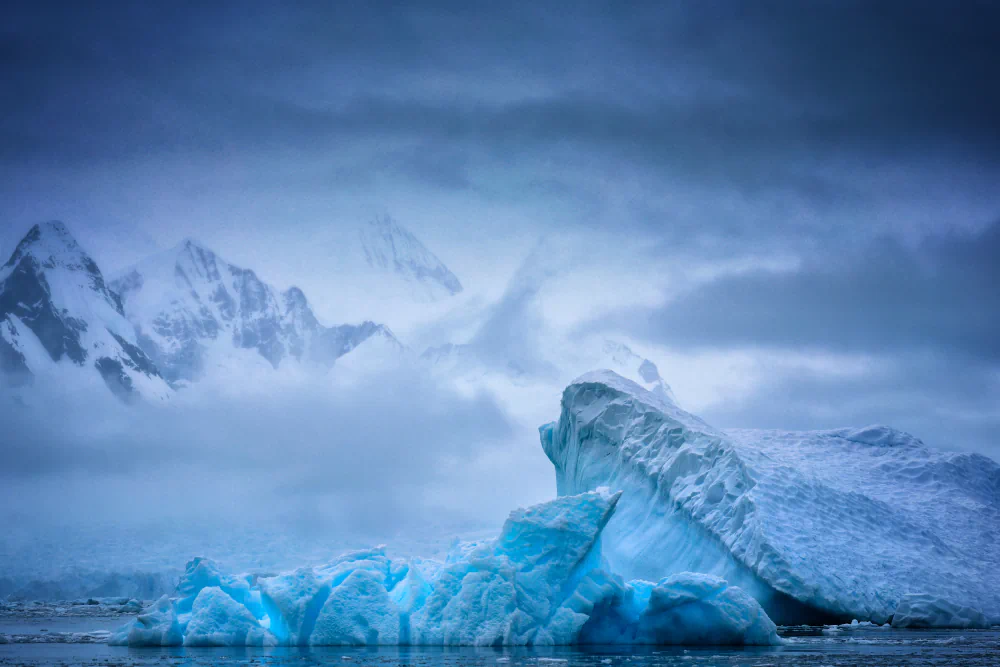
The Frozen Gallery of the Southern Ocean. Antarctica serves as the world’s most exclusive open-air gallery, where the art is sculpted by the relentless forces of gravity, wind, and tide. These floating cathedrals are not merely blocks of frozen water; they are ephemeral sculptures that defy human imagination.
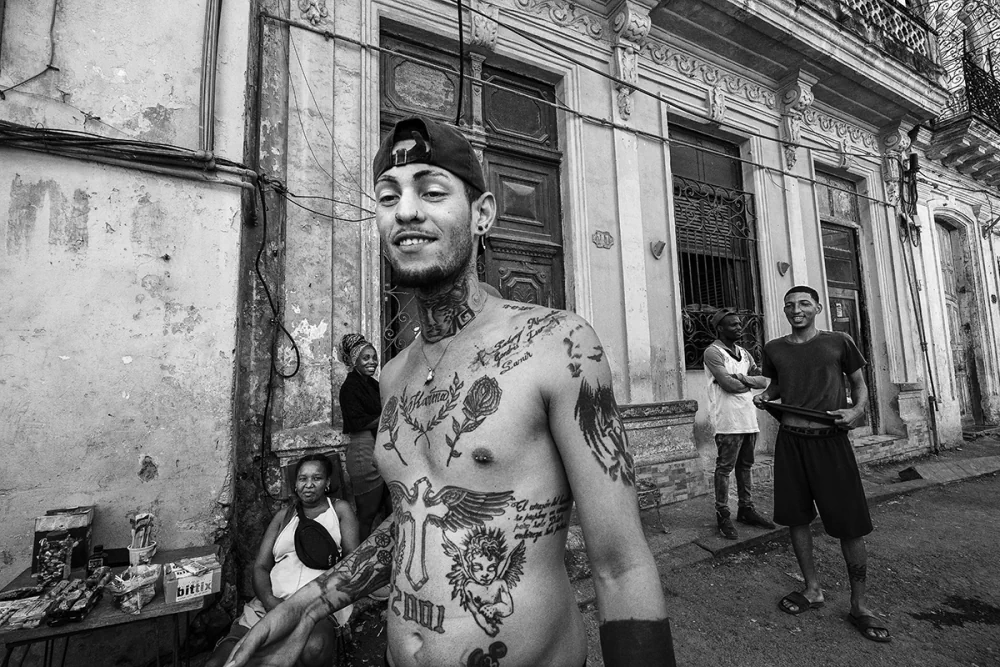
For over three decades, Myriam Aadli has developed a rigorous photographic practice rooted in the humanist tradition while critically reactivating its relevance in a contemporary visual landscape marked by acceleration and image saturation.
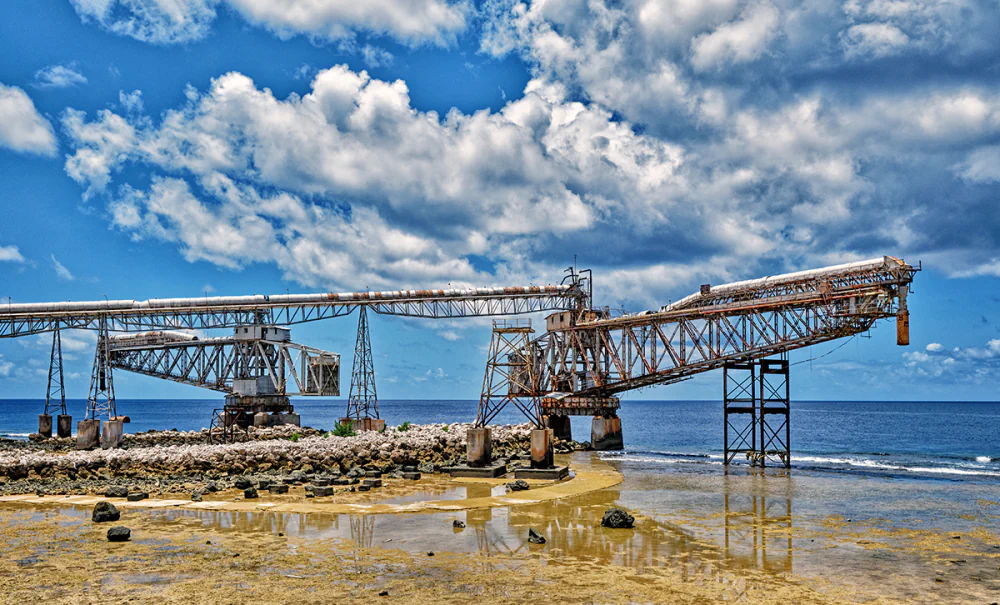
The small Pacific country of Nauru is a raised limestone island only 21 km² in area, with a maximum elevation of 71 metres above sea level, first inhabited by the Nauruan people about 3,000 years ago.
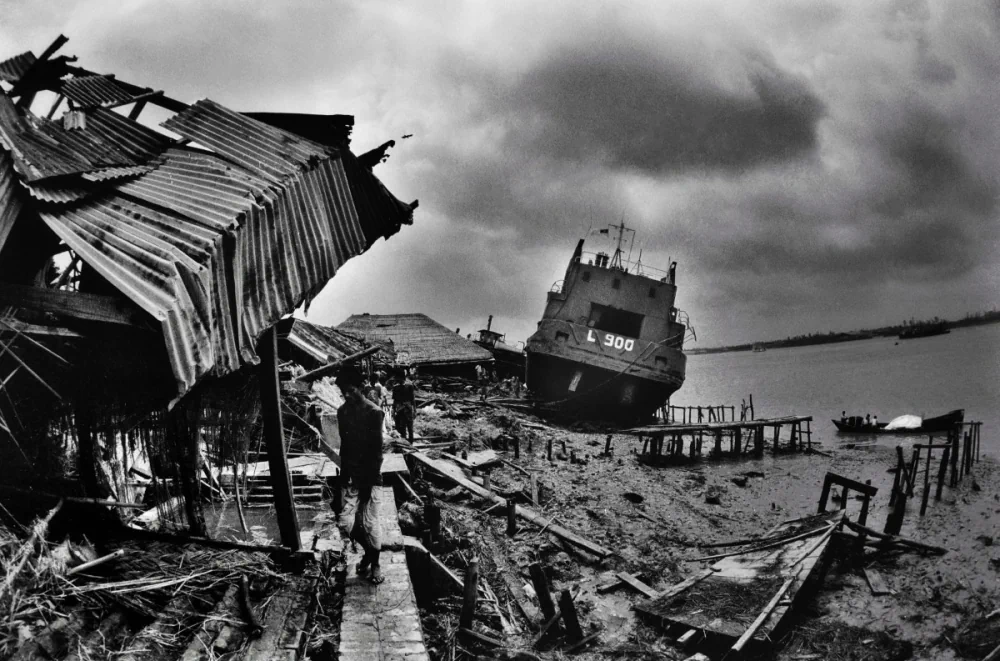
On 29 April 1991, when Cyclone Gorky struck the coastal belt of Chattogram, I was a 21-year-old second-year medical student. The storm had formed just days earlier in the Bay of Bengal, on 24 April, before intensifying into a Category 5–equivalent cyclone, with winds reaching up to 260 km/h.
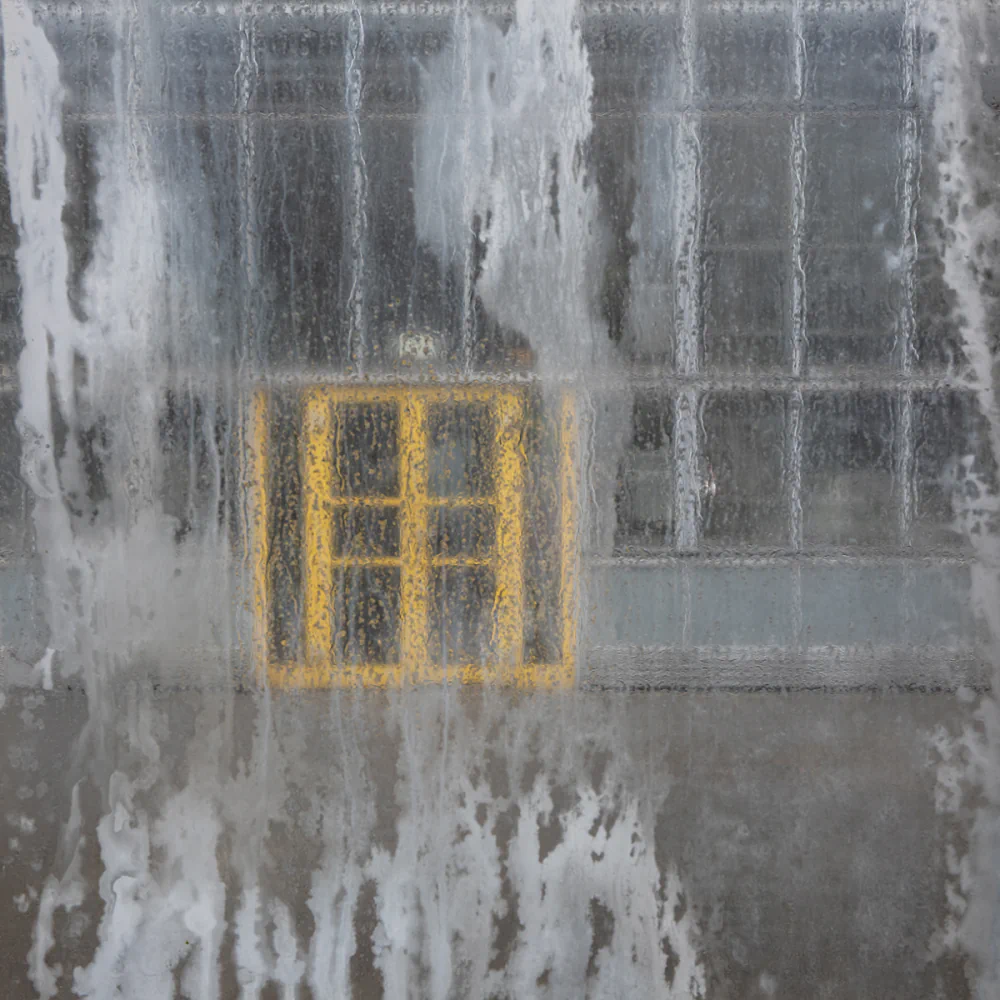
The series "Water as a Scriptor" is a conceptual study of "auto-generative" art, where the photograph serves as a silent witness to a complex dialogue between light, moisture, and biological pathfinding. By eschewing digital manipulation in favour of a rigorous "in-camera" process, these works document a microscopic calligraphy etched upon the translucent membrane of glass.
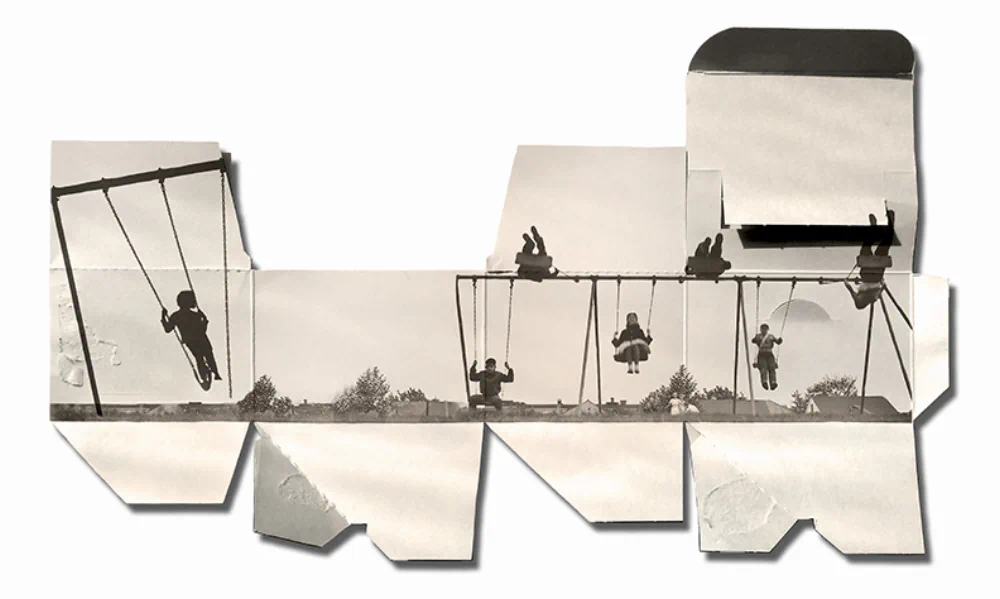
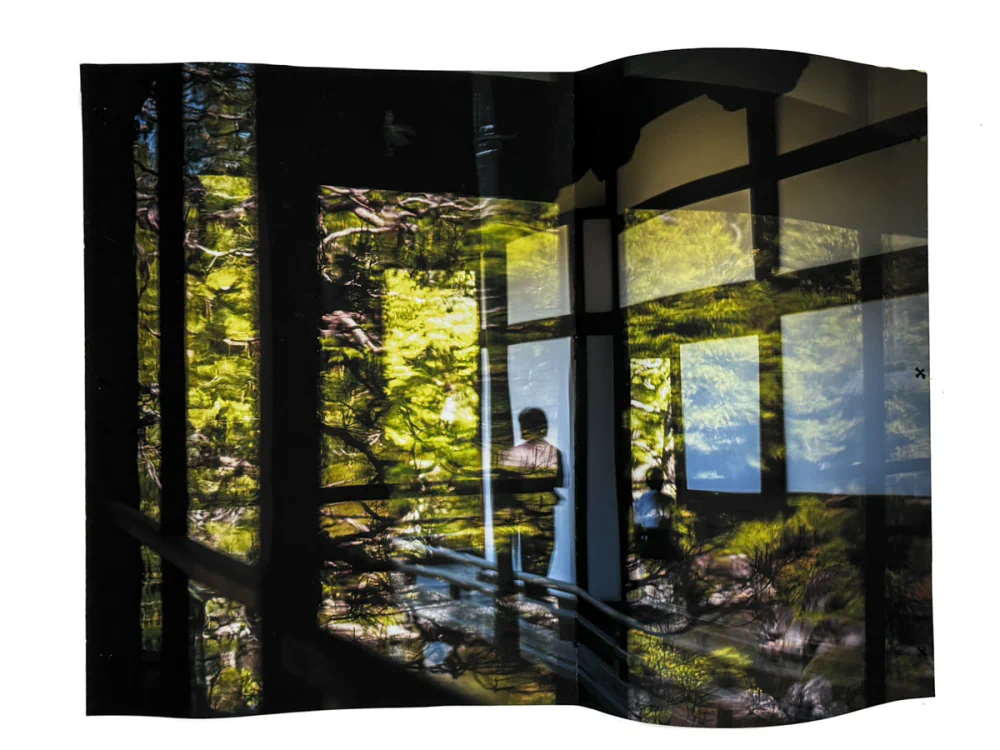
My photographic collages serve as a metaphor for anticipation, those moments when the unknown is being revealed. Pivotal moments when life turns a corner into new and exciting phases, heightening our awareness and bringing us fully into the moment of discovering what comes next.
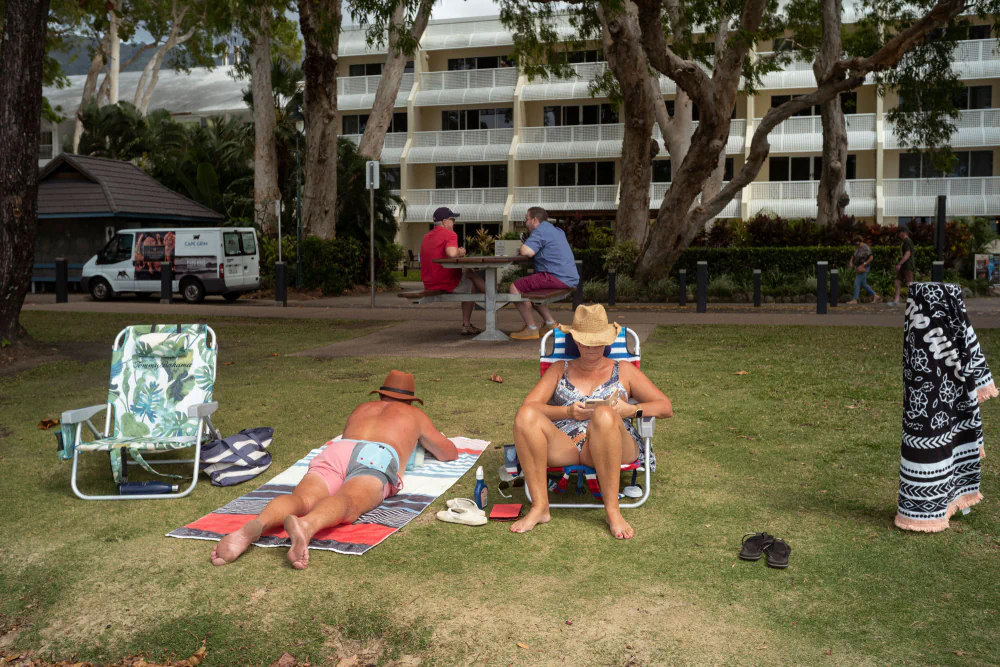
Mapping Dissonance: America 2025 is a visual archive of an extraordinary year in America. This project began in January 2025 as an exploration of life increasingly lived through screens. I wanted to document the forces shaping our everyday lives that were so difficult to make visible: AI beginning to hold our ideas and our intellect — and us letting go.
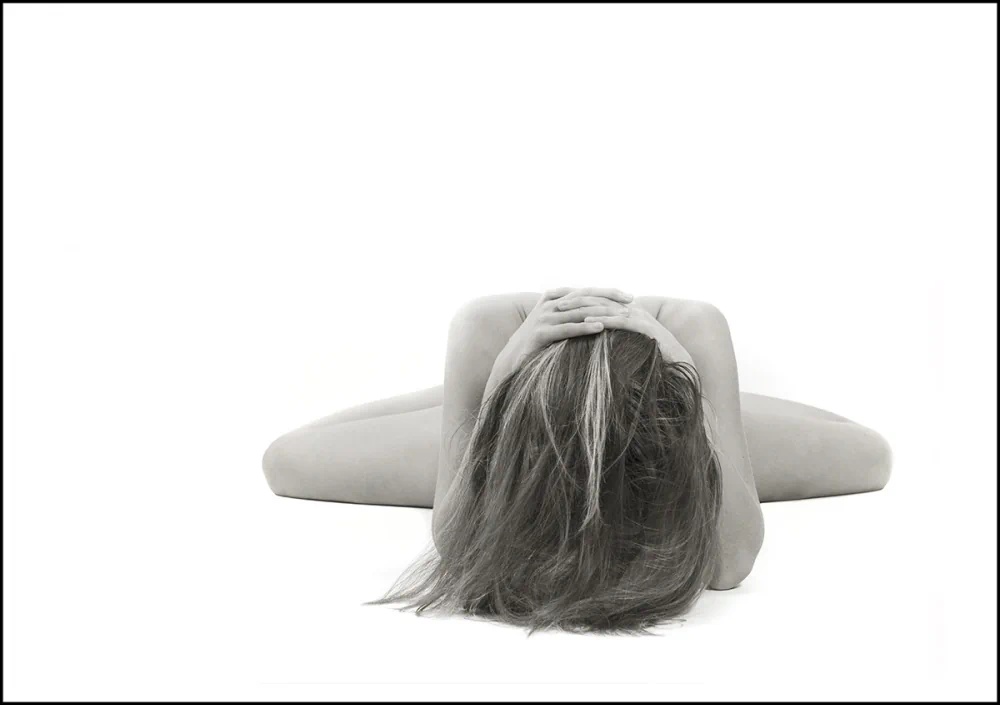
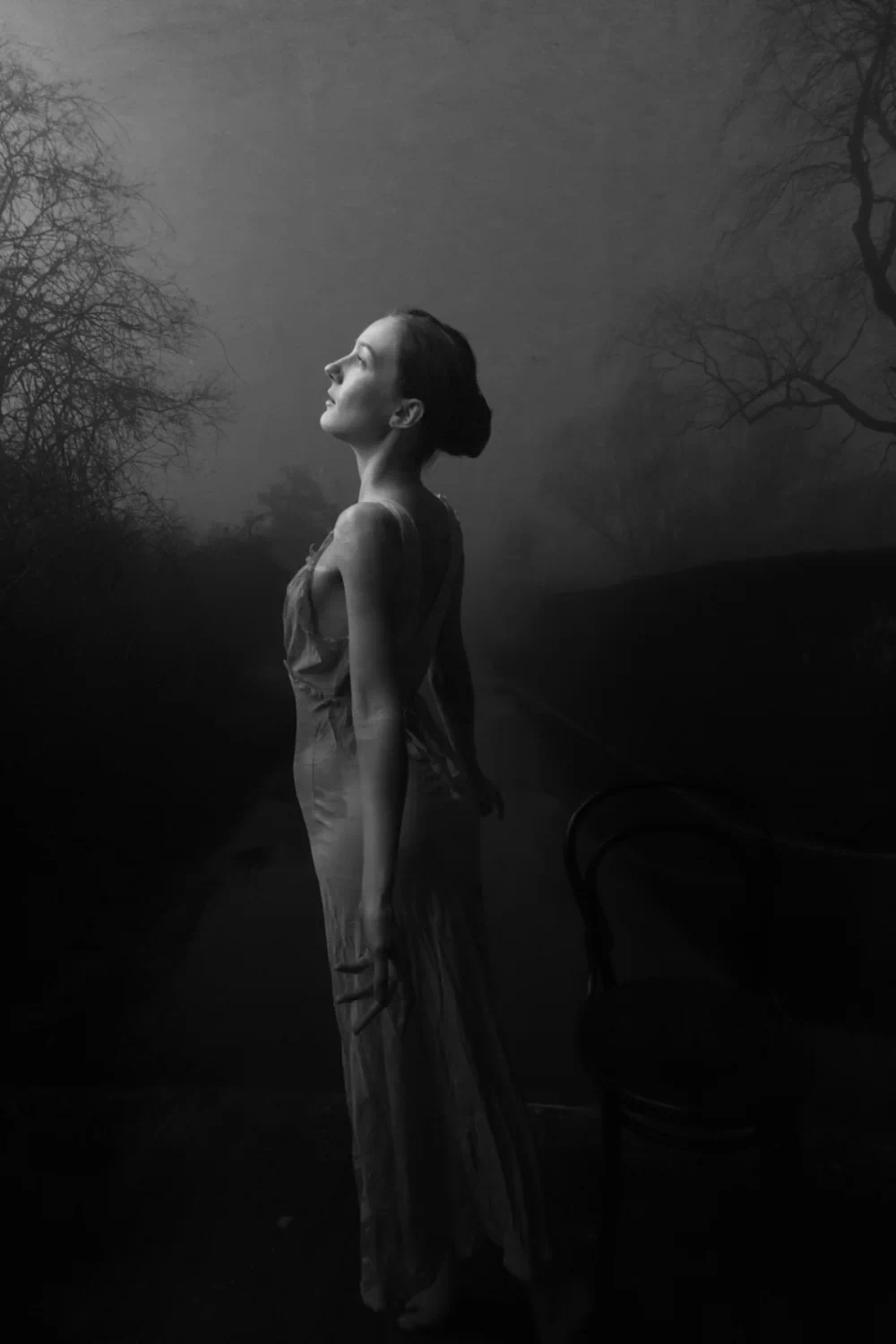
I’d like to describe myself as a ‘two-dimensional sculptor’ who prefers to work with female dancers, since they are able to combine power with grace in a very natural way. My style is strongly influenced by my background as a graphic designer: it is rather simple and direct.
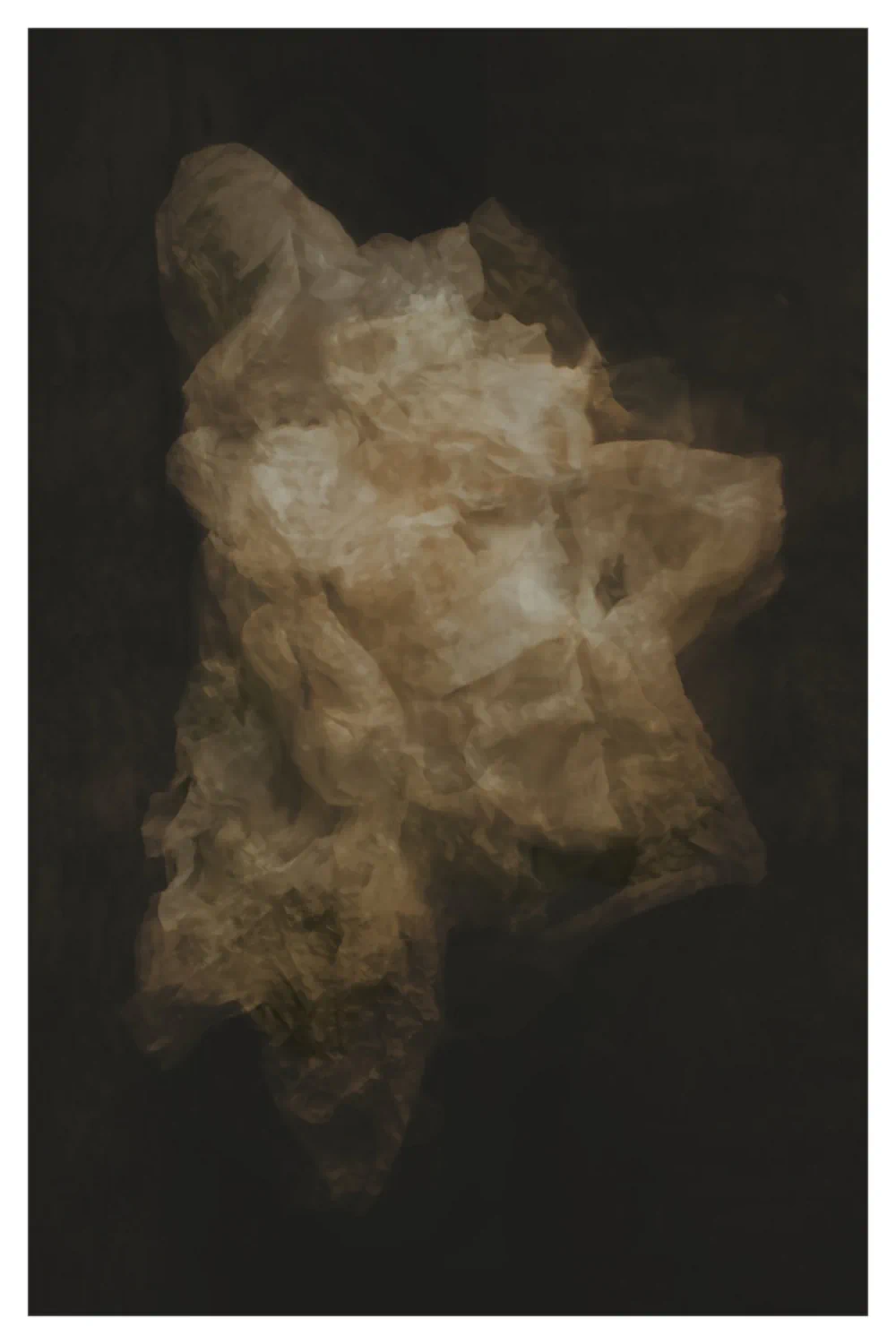
Abyssal Saints is a series of multiple-exposure, light-painted photographs that explore the liminal spaces where emotion, trauma, and autistic perception, his own way of sensing and processing the world, begin to take shape.
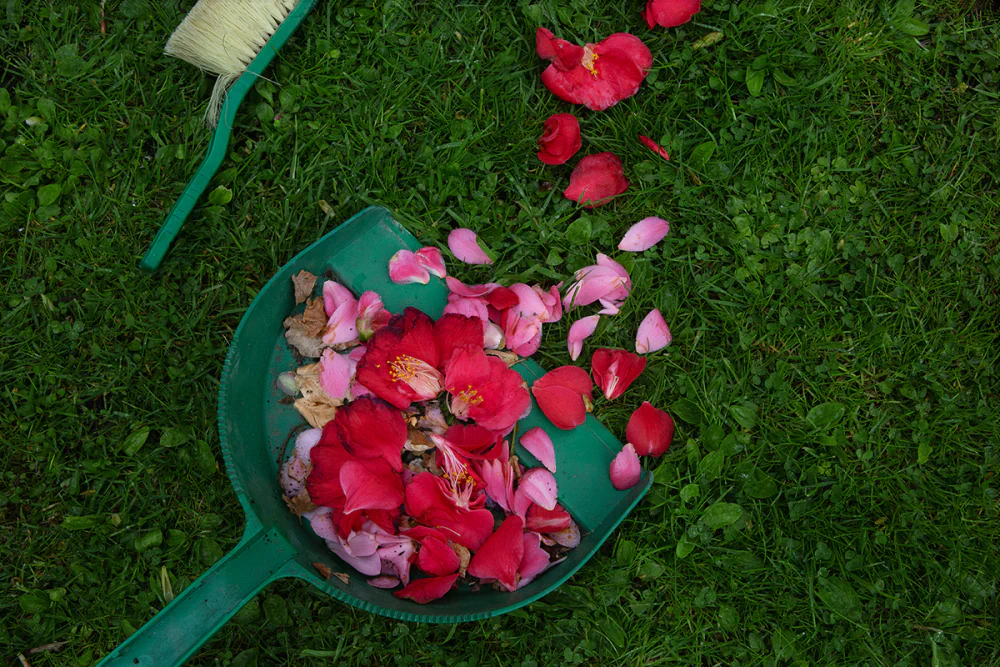
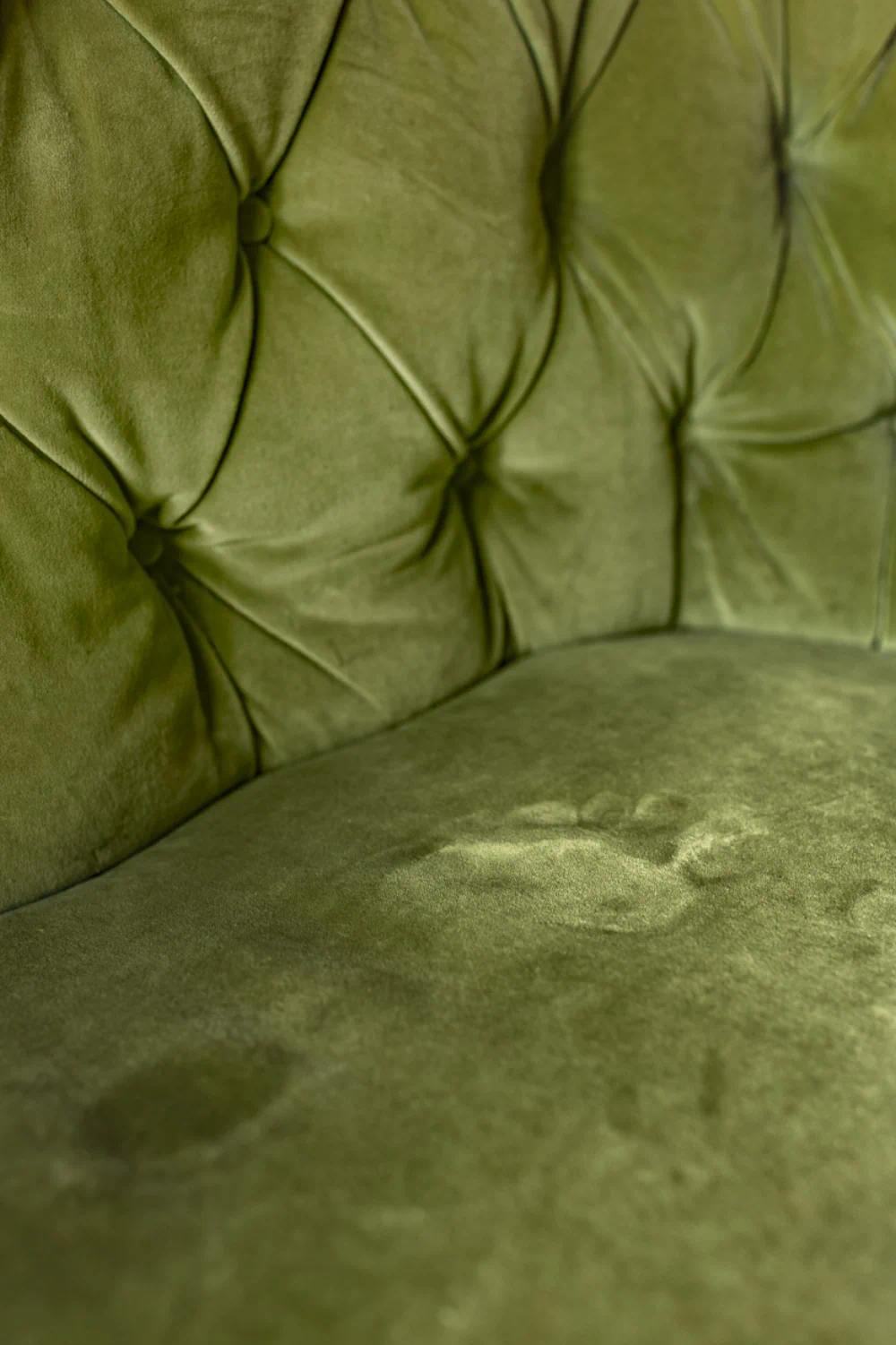
The work questions how culture, domesticity, and religion can create divisions between humans and the natural world, as well as between individuals and their own organic nature. The series gently reflects on what is considered socially acceptable, both historically and in the present.
In this series, she aims to explore the significance of personal mythologies, those quiet, internal narratives that shape how individuals understand themselves and the world around them. She is drawn to the spaces where memory, emotion, and perception blur, where the body becomes both subject and landscape, and where nature mirrors interior states.
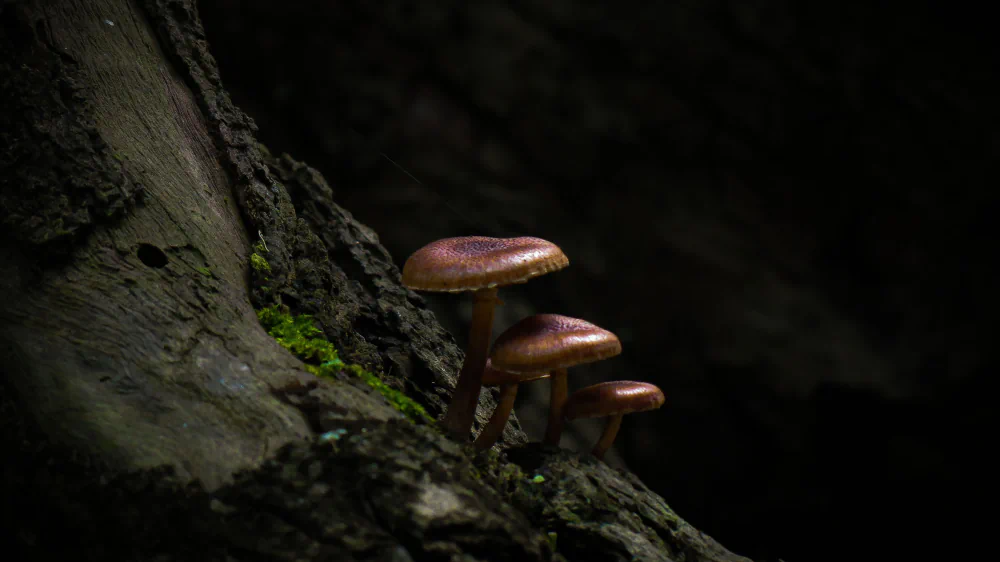
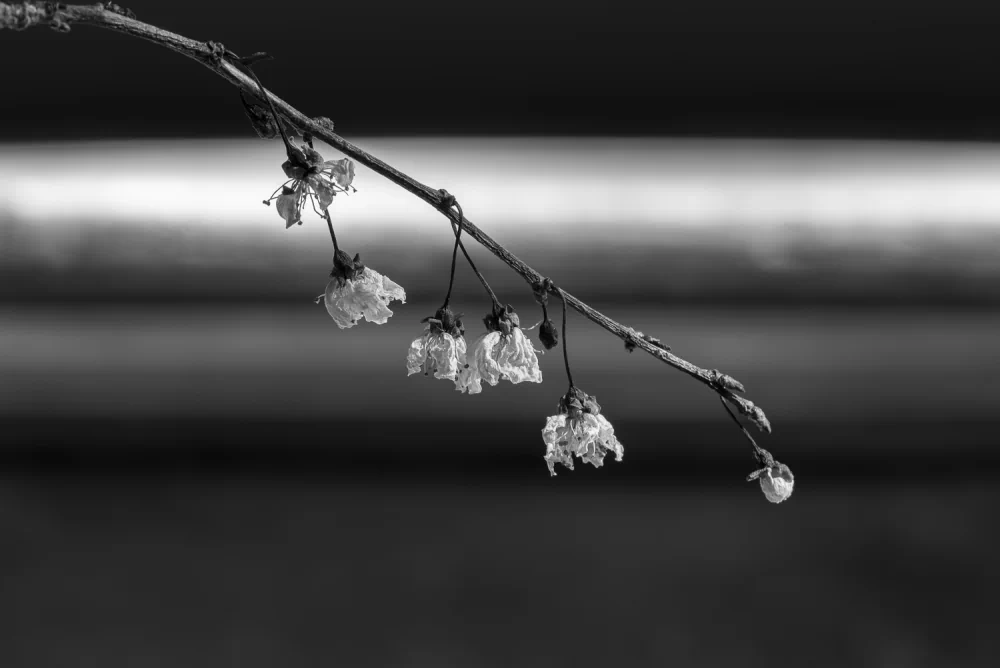
There are presences that are very small, almost indistinct, yet carry a feeling that is difficult to name. He is not drawn to grand or impressive scenes, but rather to very small details. As someone drawn to nature and quietness, he tends to photograph simple, modest things, or those that exist in a very subtle way.
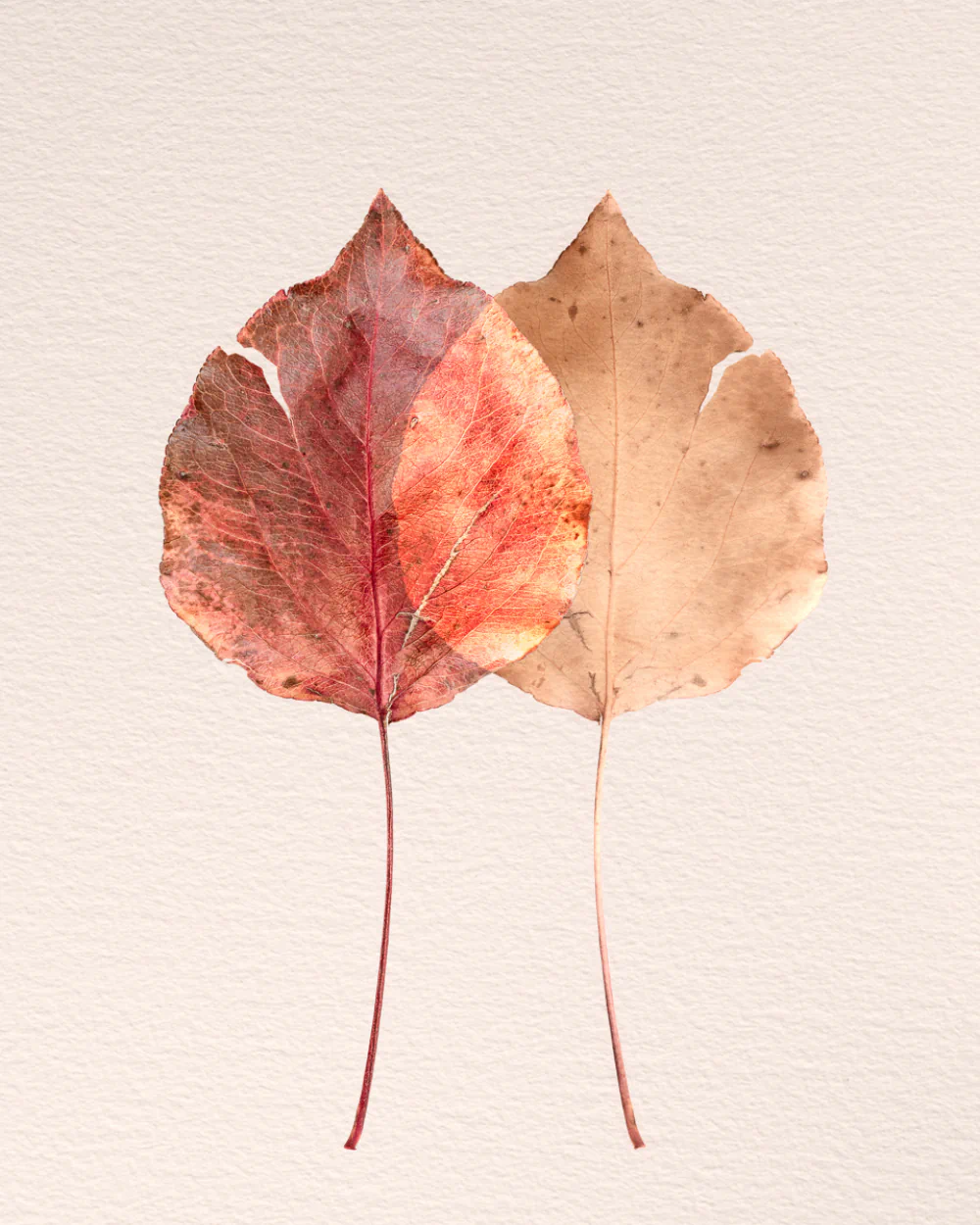
Silent Selves is a series of twelve minimalist photographs organized into four thematic subjects. Through close observation of fallen autumn leaves, the work reflects on identity, change, and the subtle transformations that occur beneath the surface of everyday life.
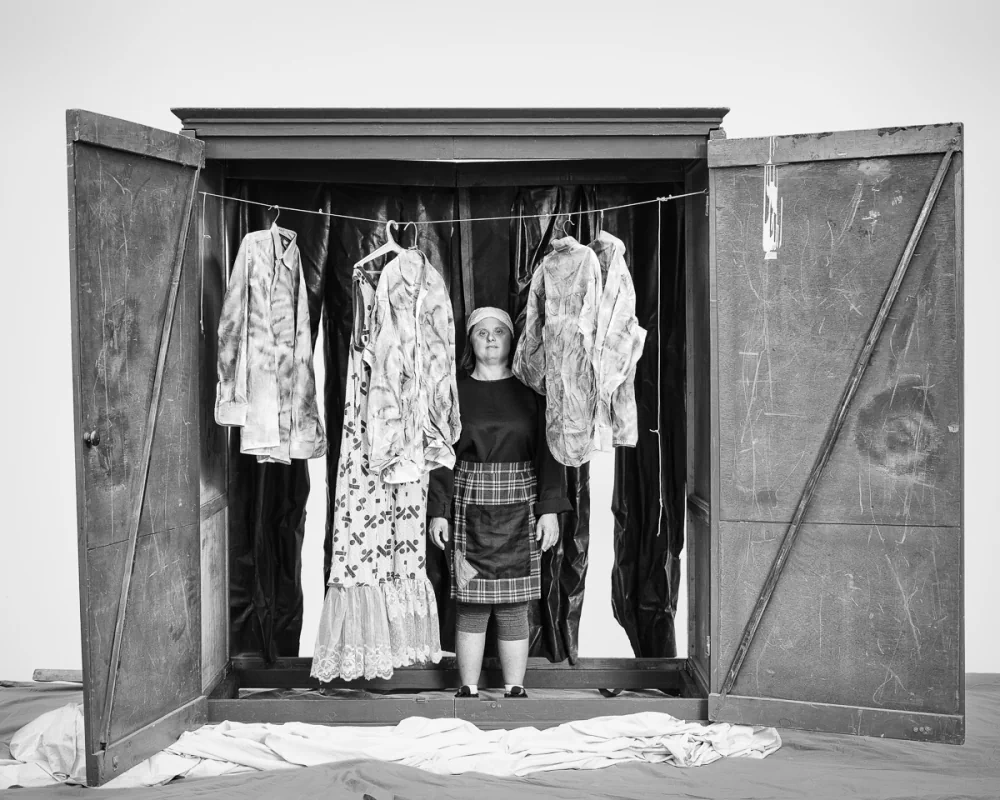
Laundry Room documents a unique theater initiative in the town of Pionki in the Masovian Voivodeship of Poland. Around three percent of the population lives with intellectual disabilities, a proportion reflected in the town itself. Twenty-five years ago, local authorities created a support center to provide assistance and meaningful social participation for these individuals.
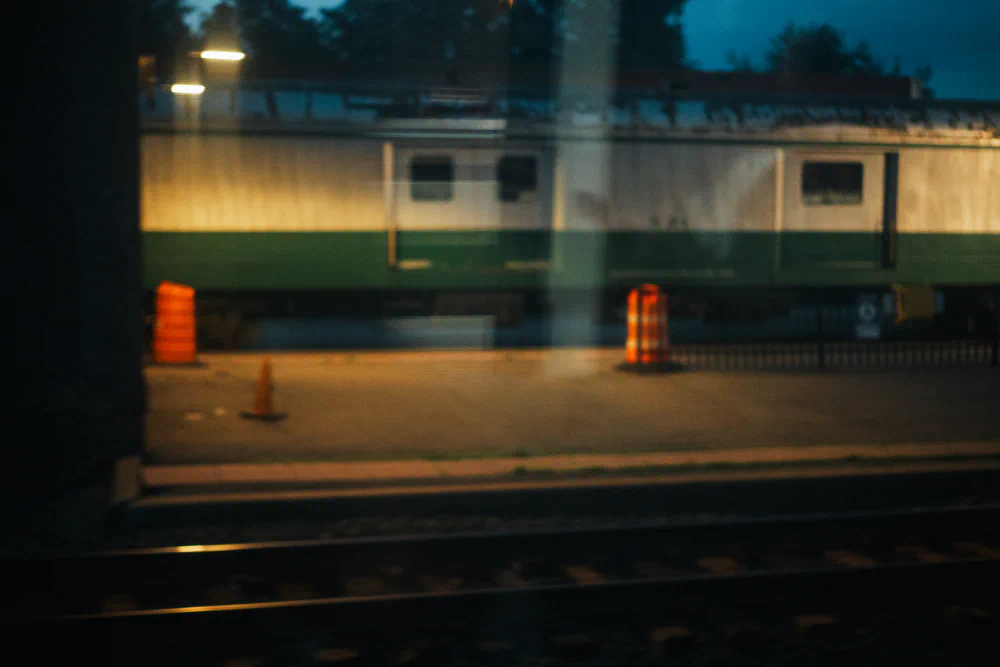
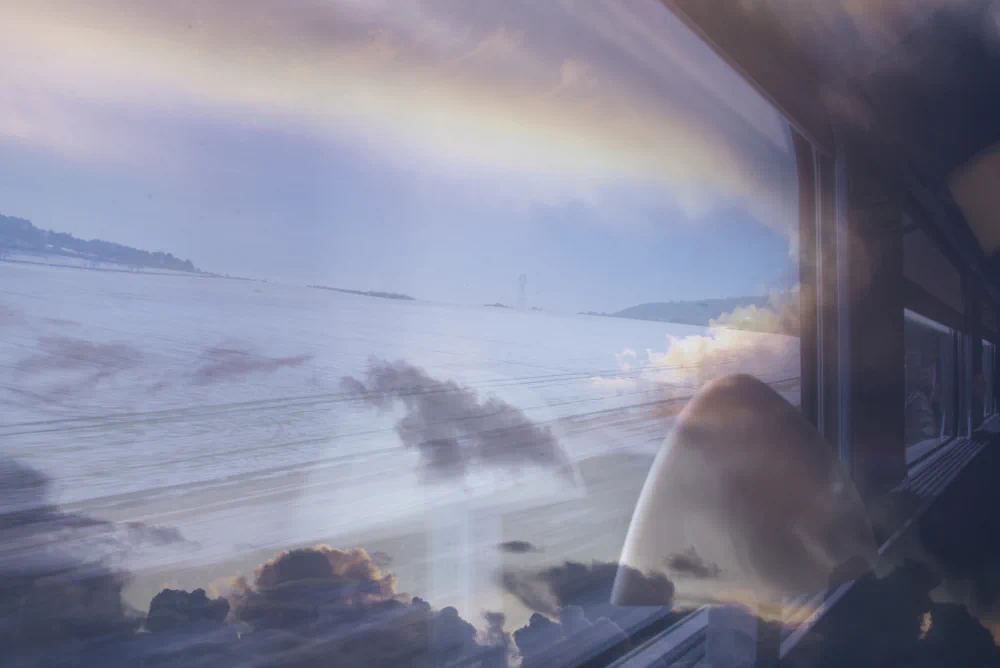
Through the Glass: America by Rail documents a cross-country journey through the United States aboard the national rail service Amtrak. Founded in 1971, Amtrak connects hundreds of cities across the country, offering a slower and more observational alternative to travel by air or automobile.
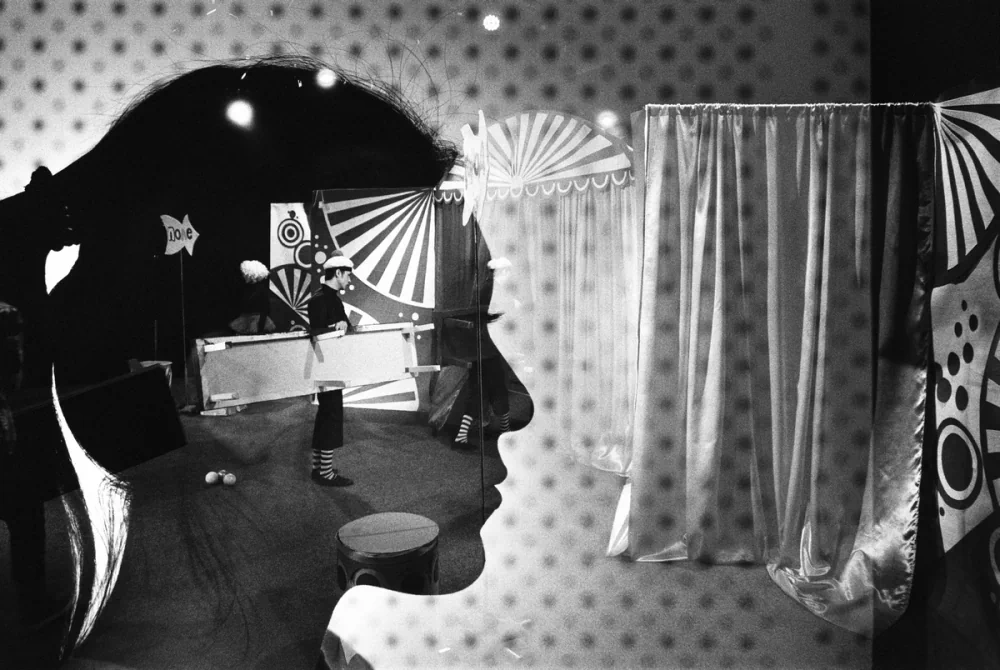
Total Theater is a personal investigation into the layered identities that exist within the world of theater. The project began in 2023, when the artist returned to a theatrical environment twenty-five years after studying acting. Although he ultimately chose a different path in life, that early experience left a lasting mark on his personality and perception.
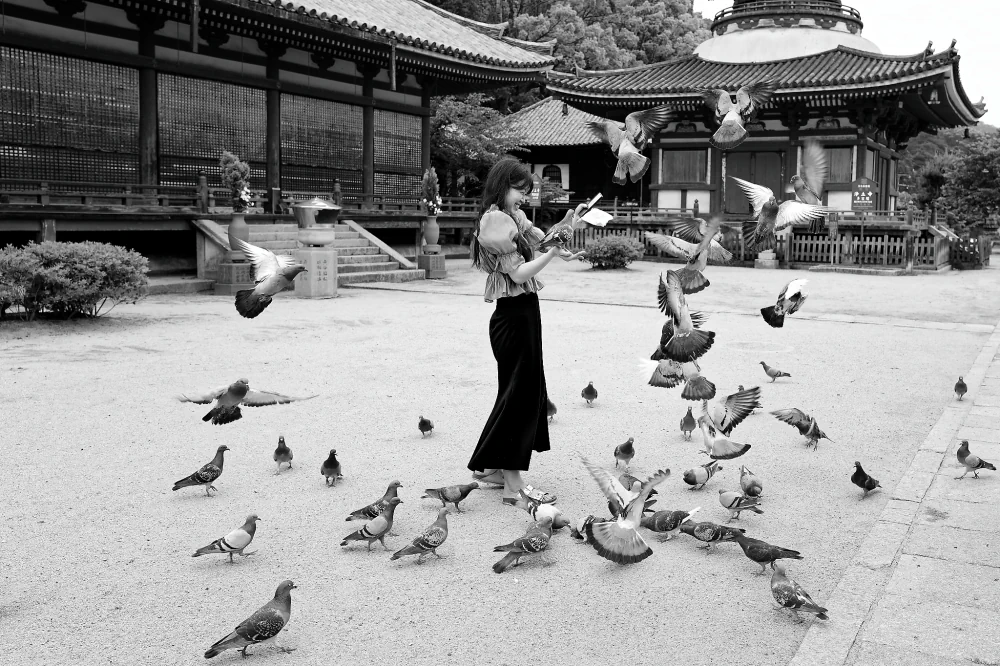
Japanese Travel is a photographic diary born from a journey through Japan, guided not by itinerary but by attention and silence. The project draws inspiration from a haiku by Matsuo Bashō, whose brief verses capture fleeting moments of perception and transform them into enduring reflections.
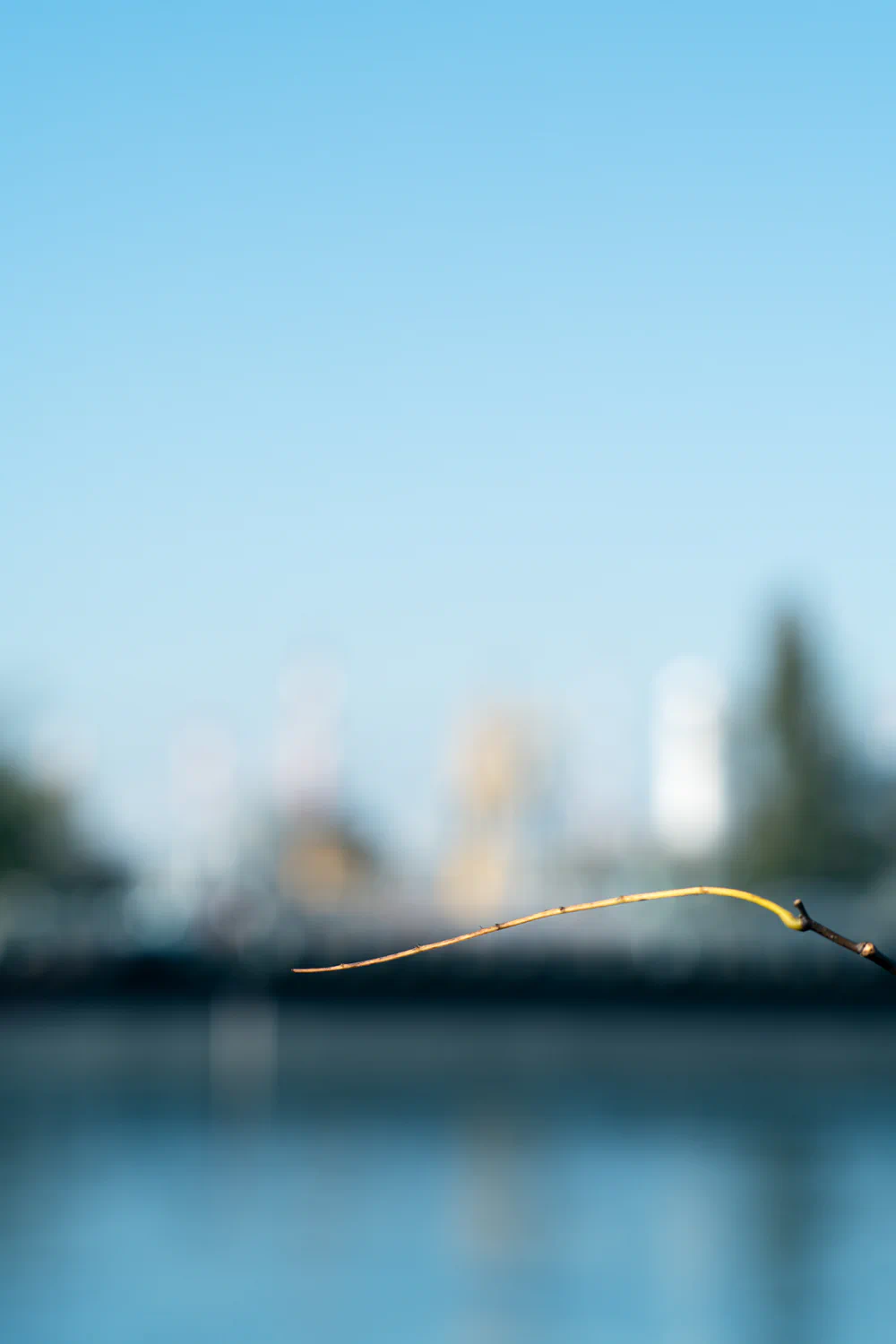
How does one’s position determine what is seen and how it is perceived? And how does this, in turn, shape the understanding of things? These questions form the starting point of this series of works. The images were photographed along the Grand Canal of Alsace, located in the tri-border area of Germany, France, and Switzerland.
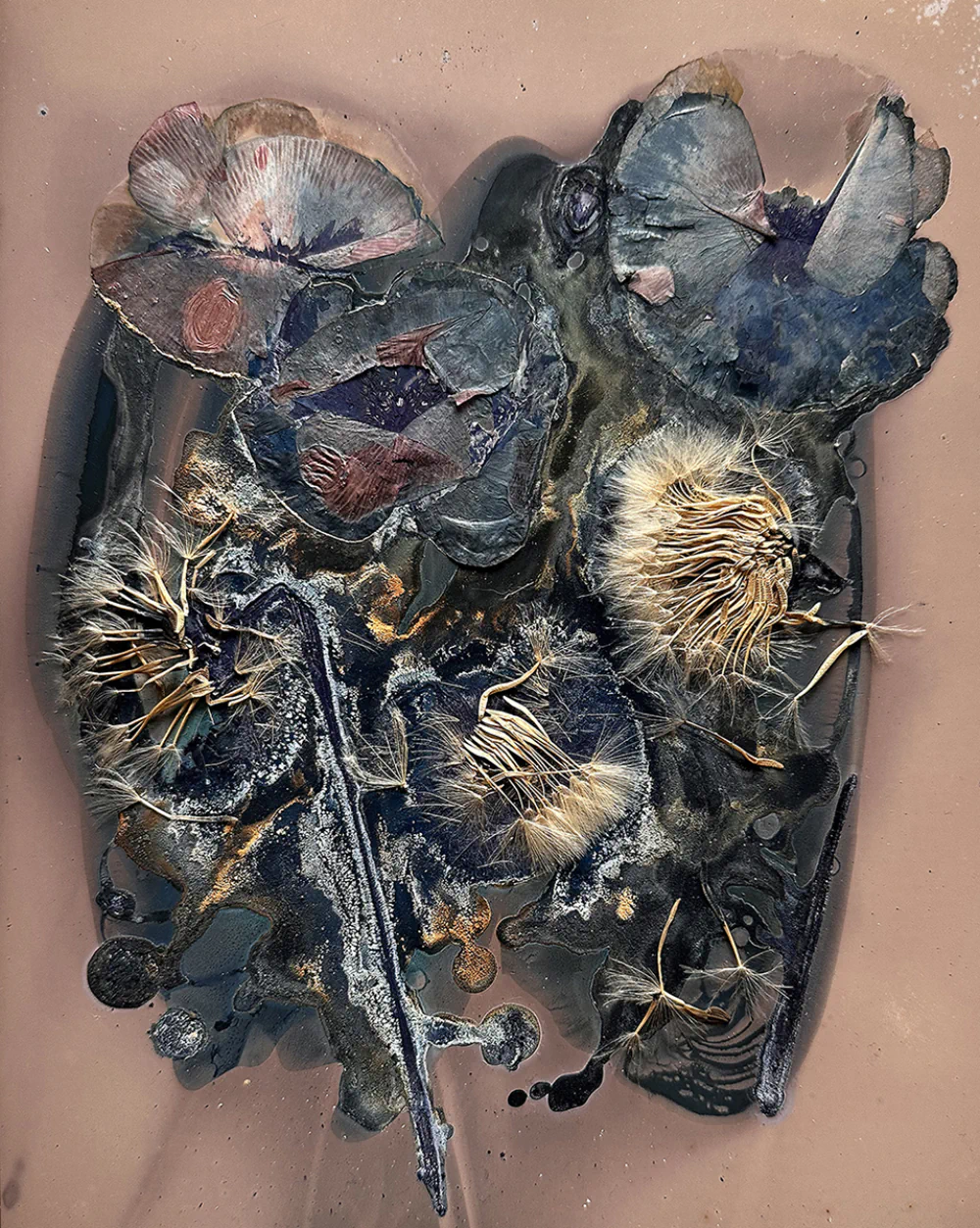
The Most Beautiful Anthropocene is a body of work in which nature itself becomes the author of the image. Rather than photographing landscapes in a conventional sense, the project allows environmental forces to physically produce the photograph.
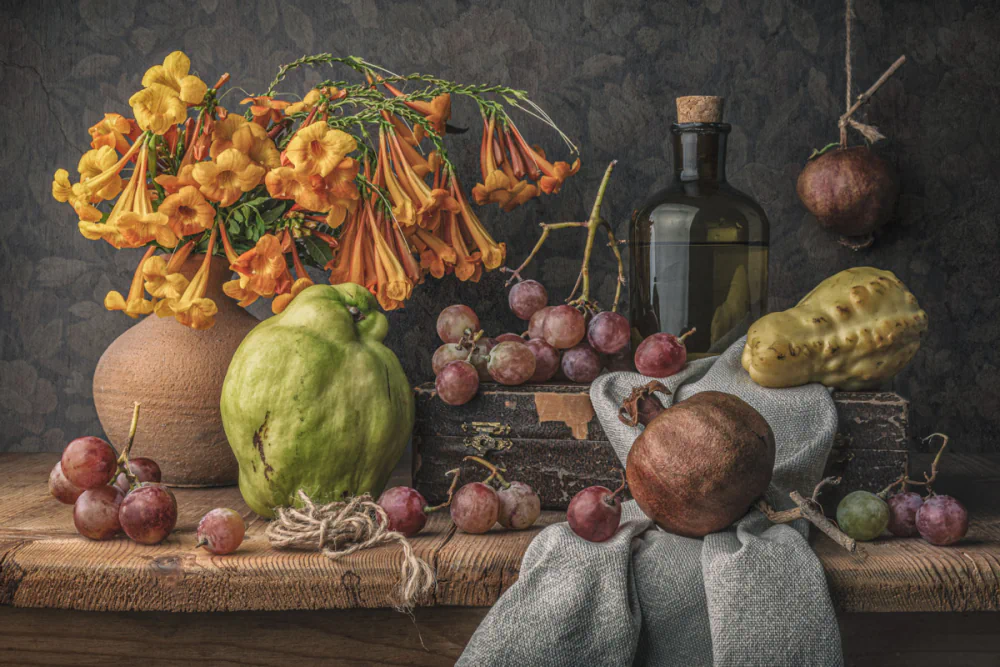
Echoes of Stillness is a still life photography series that constructs carefully staged visual narratives through light, color, and composition. Each image is deliberately orchestrated, with multiple elements arranged to create a balanced and cohesive scene where objects interact and guide the viewer’s eye through the composition.
Peripheral Visions is a reflection on time, perception, and the fragile place human life occupies within the vast scale of the universe. The project begins with a simple observation: time seems to pass, stretch, and contract according to our experience of it. Seconds slip by, moments expand, and what appears constant reveals itself to be deeply subjective.
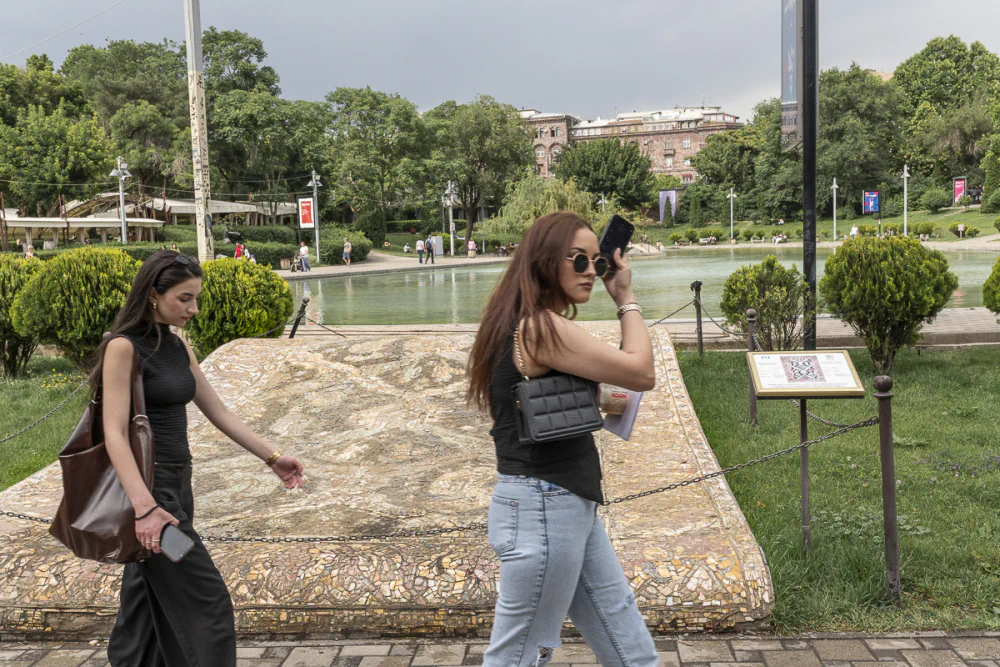
This project explores the tradition of Armenian carpet weaving as a living connection between past and future. In Armenian culture, carpets are far more than decorative objects. They represent continuity, memory, and identity, providing both spiritual meaning and material comfort across generations.
Soft Focus is a photographic exploration of memory, atmosphere, and the subtle emotional traces left behind by everyday moments. Inspired in part by the sensibility of Impressionist painters such as Claude Monet and Berthe Morisot, the series approaches photography not as a tool for precise description but as a medium capable of translating fleeting sensations into visual form.
Faded Feast is a self-portrait series that explores the complexities of human connection through the language of touch, movement, and emotional proximity. The work examines how intimacy exists not only in physical contact but also in the invisible exchanges that occur between bodies, emotions, and memory.
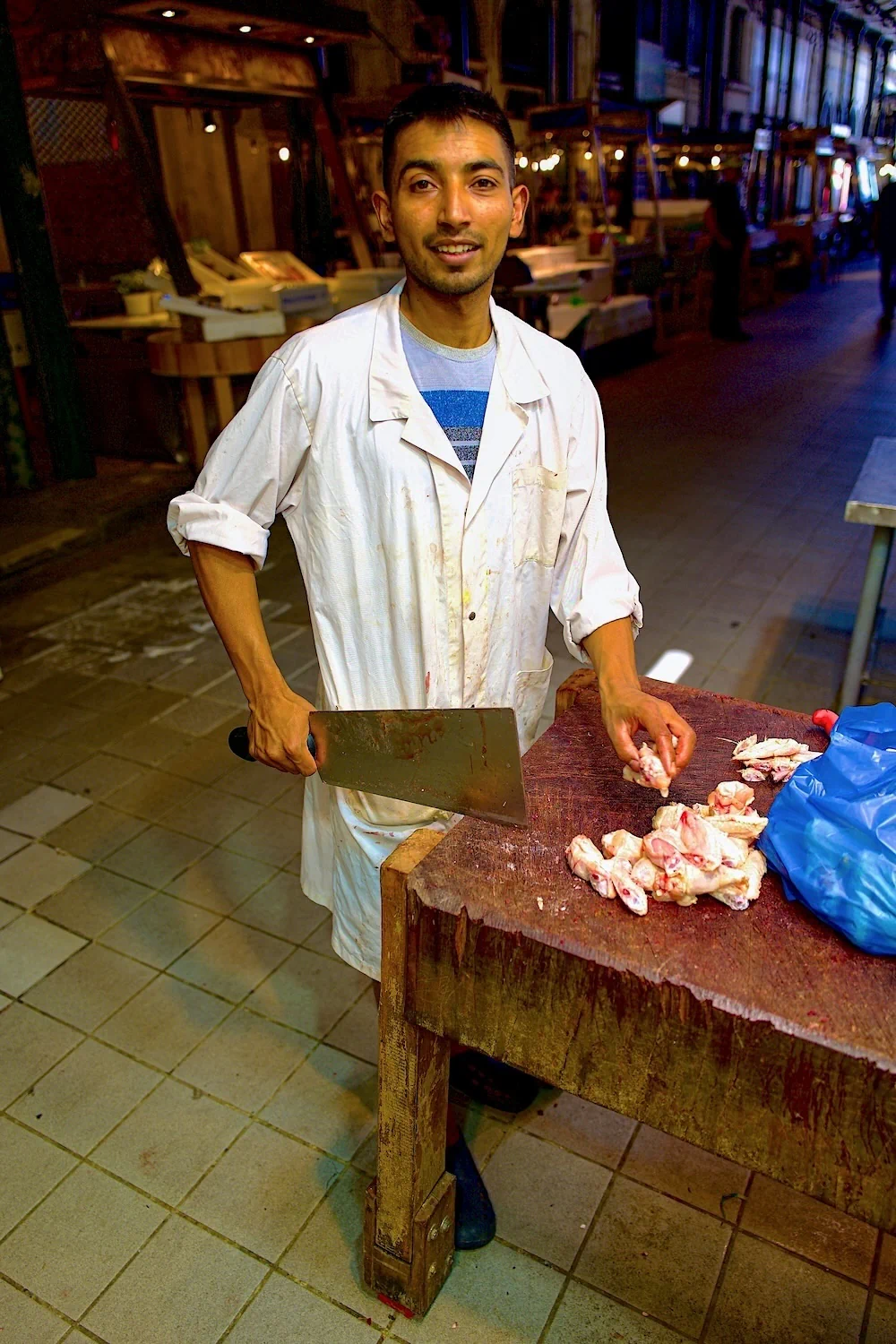
The New Athenians is a photographic exploration of contemporary Athens, a city where ancient history and rapid social transformation coexist in striking ways. With a population of around three million, Athens carries the weight of its classical past while simultaneously navigating the realities of economic crisis
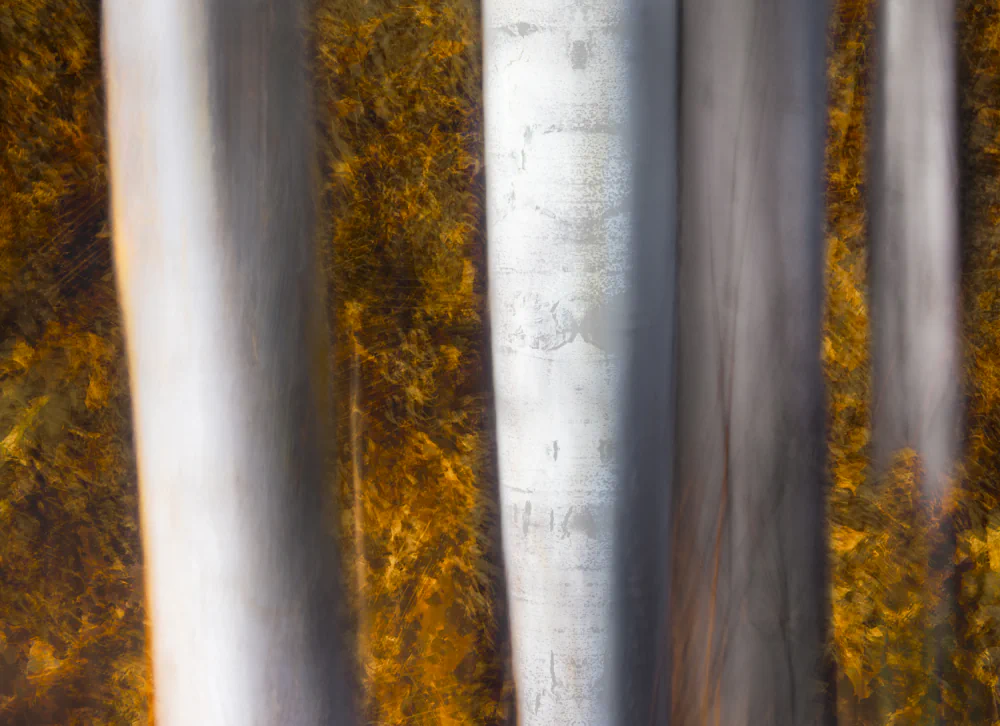
Ghosts of the Forest explores the quiet, almost mystical atmosphere found within aspen groves. Walking among these pale trunks often feels like crossing a threshold between the physical world and something just beyond perception.
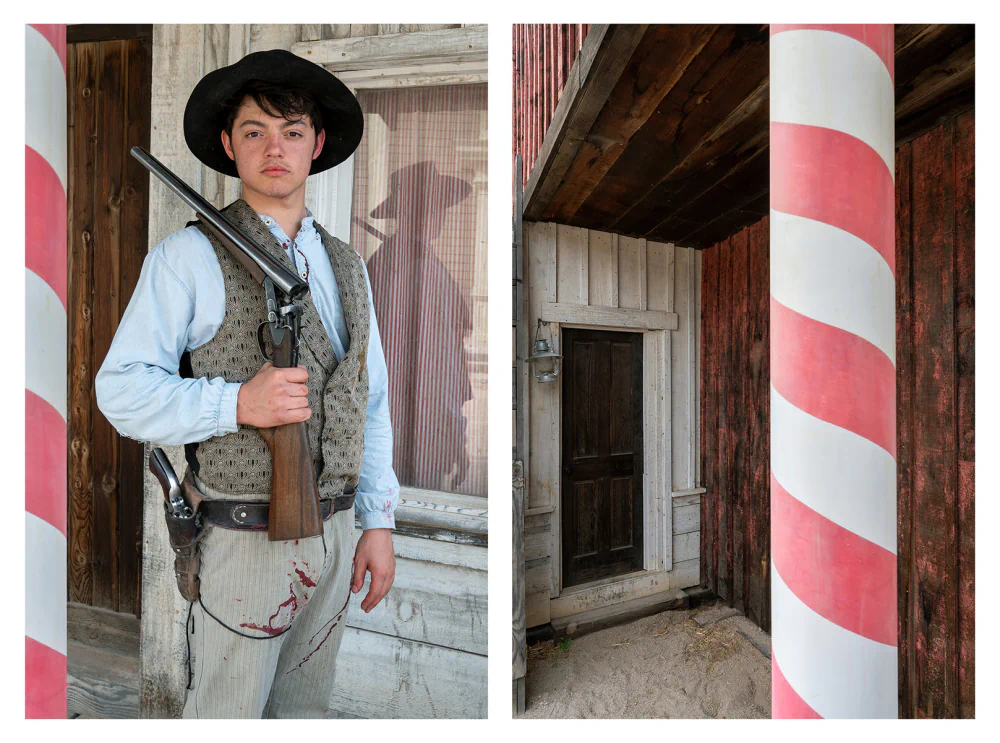
Cowboys | After Barbed Wire examines the mythology surrounding the figure of the cowboy and its persistent role in shaping cultural identity and gender narratives. The project explores how a historical reality that lasted only a brief moment in time evolved into one of the most enduring and influential archetypes in the global imagination.
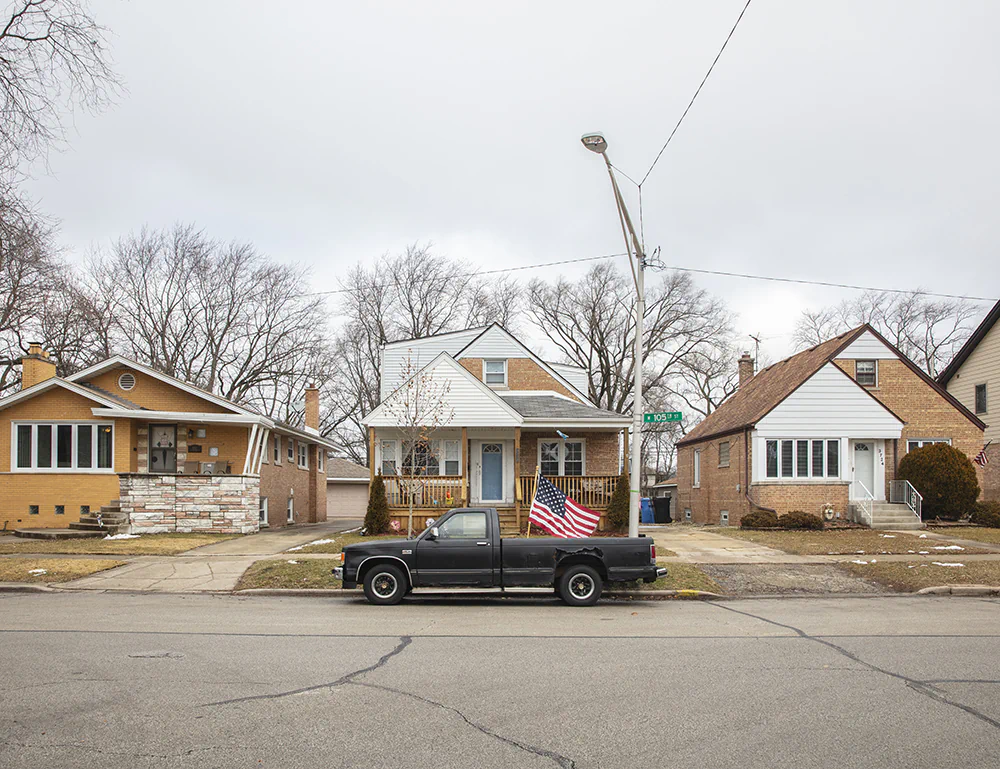
I spent the first twenty years of my life in a small farming community in southwest Iowa. From as early as I can remember, I felt a strange form of spatial dysphoria, as if I had been born in the wrong place. Even though my hometown and the surrounding communities were all I knew, it never felt like home or like the place where my life was meant to unfold.
In Conversations with Myself, Jo Ann Chaus constructs a complex visual narrative of introspection and identity. The series unfolds as an intimate yet exposed journey, where the artist turns the camera toward herself not to perform, but to investigate the layers of self shaped by memory, expectation and experience.
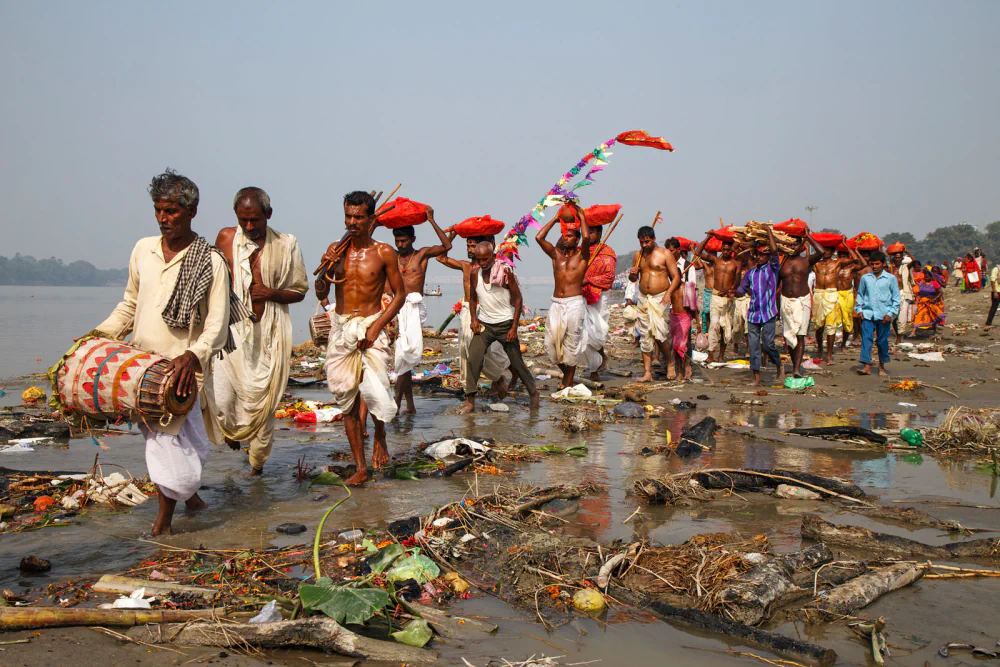
The Sonepur Cattle Fair, also known as the Sonepur Mela, is one of the largest and most famous livestock fairs in Asia. It takes place every year in the Indian state of Bihar, in the small town of Sonepur (also spelled Sonpur), which lies close to the city of Patna.
I transcribe some of my dialogues with mystery. I do so in the form of fragments from a personal diary. It is my way of writing. It is not a dialogue of words responding to words, but of words responding to a presence. Presence always comes first.
With his camera under the driver’s seat or on his shoulder as he moves from one place to another, Josh Robenstone captures moments that exist in fractions of time, constantly and everywhere.
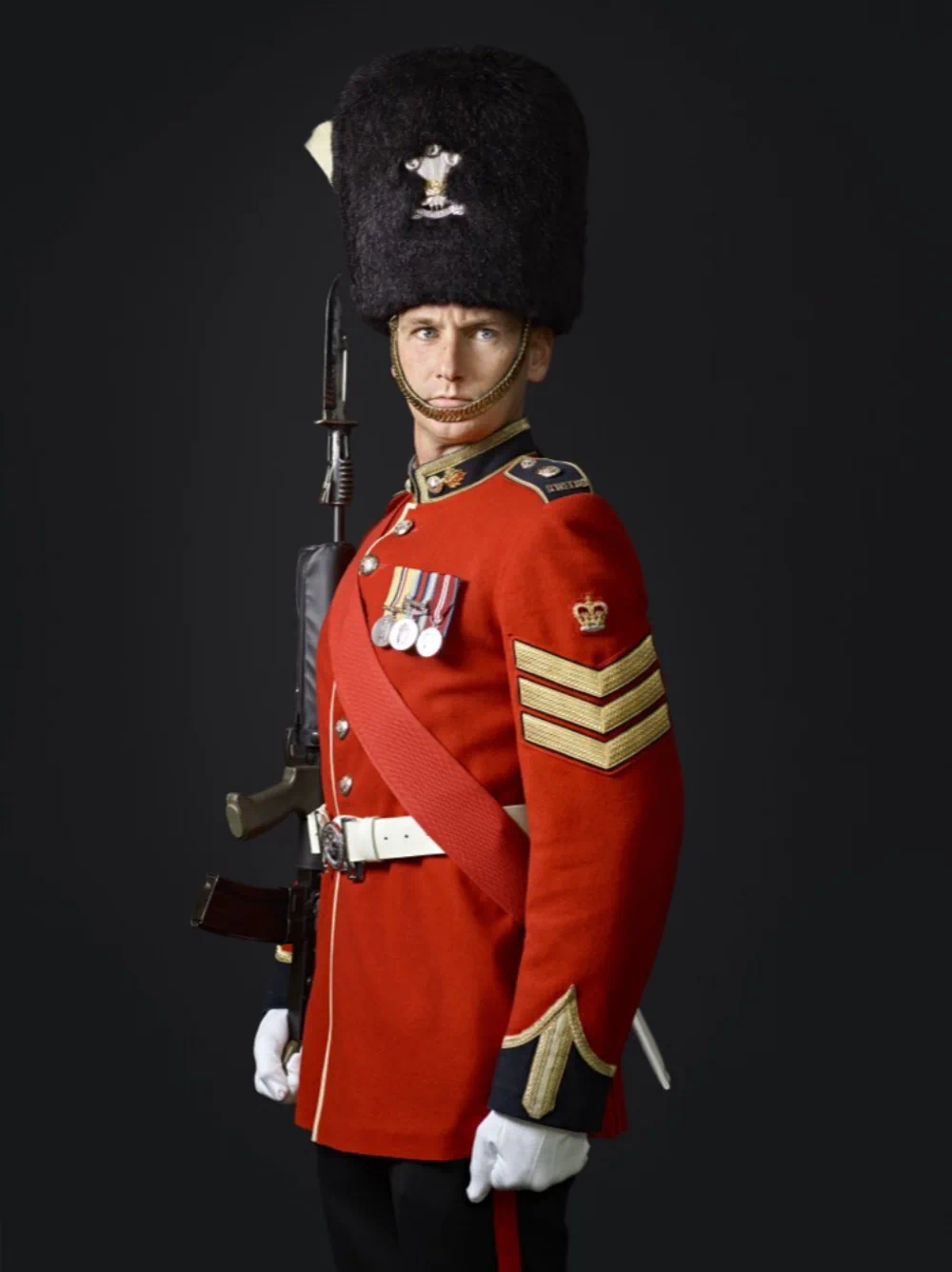
It has now been eight years since the completion of Soldiery, a sweeping portraiture project that consumed over three years of Rory Lewis’s life between 2016 and 2019. The British Army is a proudly diverse institution steeped in heritage, pageantry, and unyielding tradition. With Soldiery—which culminated in both a nationwide exhibition and a published book—Lewis set out to create a contemporary reflection of historic military portraiture.
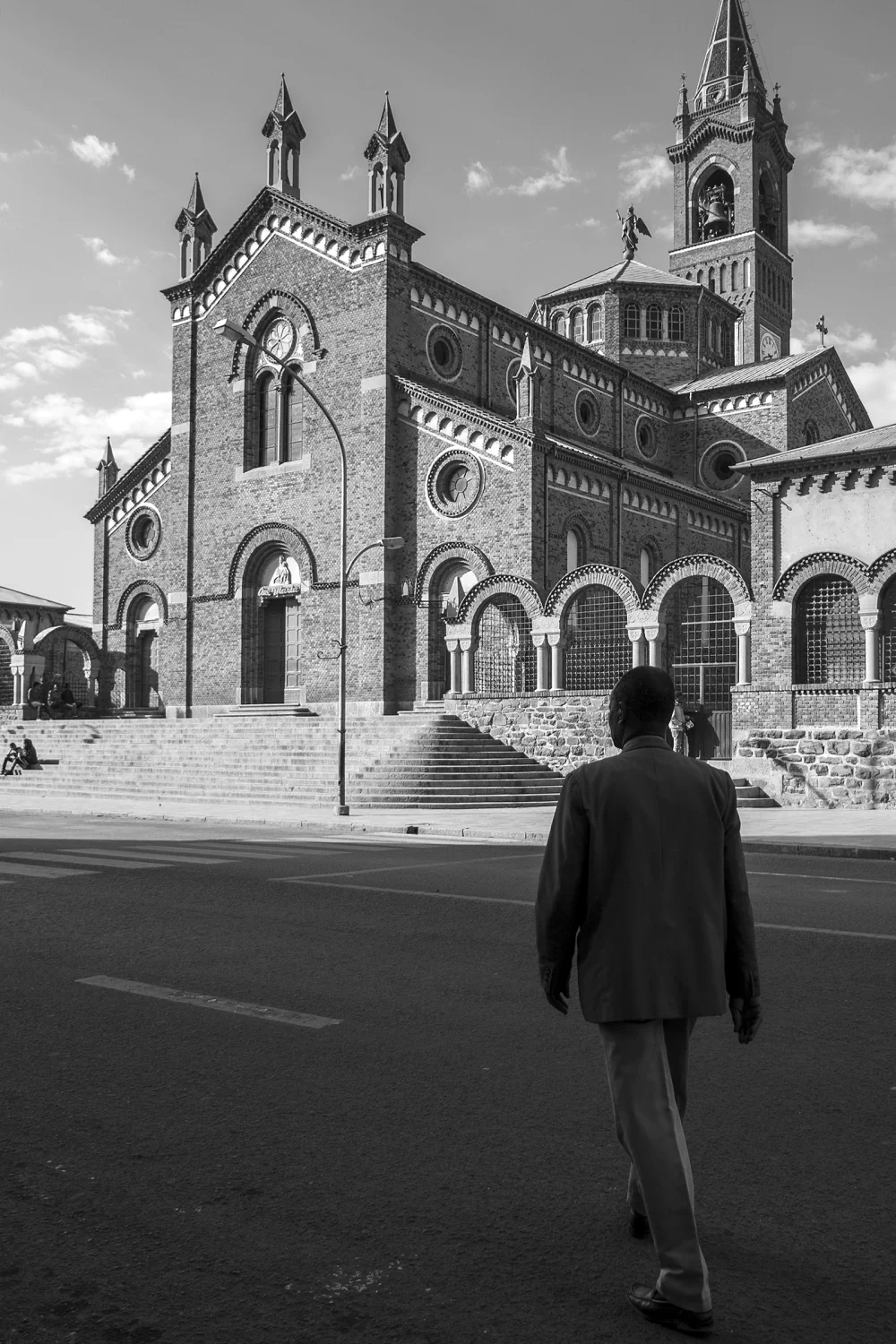
In 1890 Eritrea became an Italian colony, with Massawa as its capital. A few years later, because of its cooler climate and its position at around 2,300 meters above sea level, Asmara was chosen as the administrative centre of the colony.
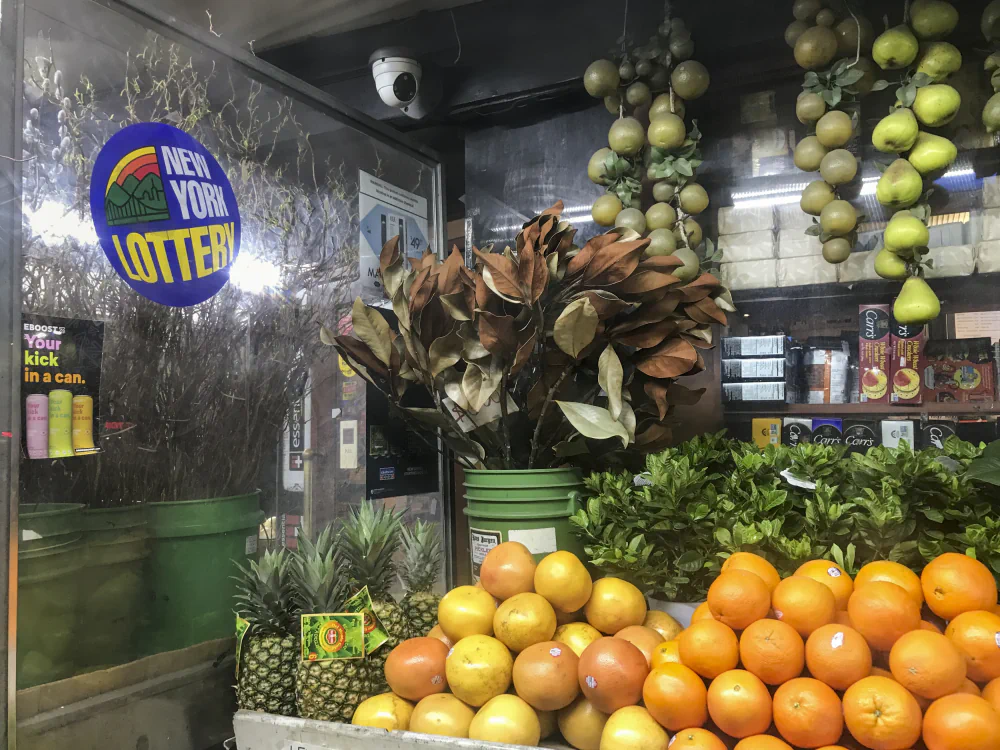
“Deli Flowers After Dark” was created during late-night walks in Manhattan, photographing flowers, plants, and night-shift workers in run-down New York City delis (small grocery stores, mostly open 24/7, similar to the “Spätis” found in Berlin).
At a recent solo exhibition of my photographs in Minneapolis, a psychiatrist introduced himself and said that he felt I capture who people really are. People who push convention are especially appealing to me. My background as a documentary filmmaker has helped me find subjects and make them feel comfortable.
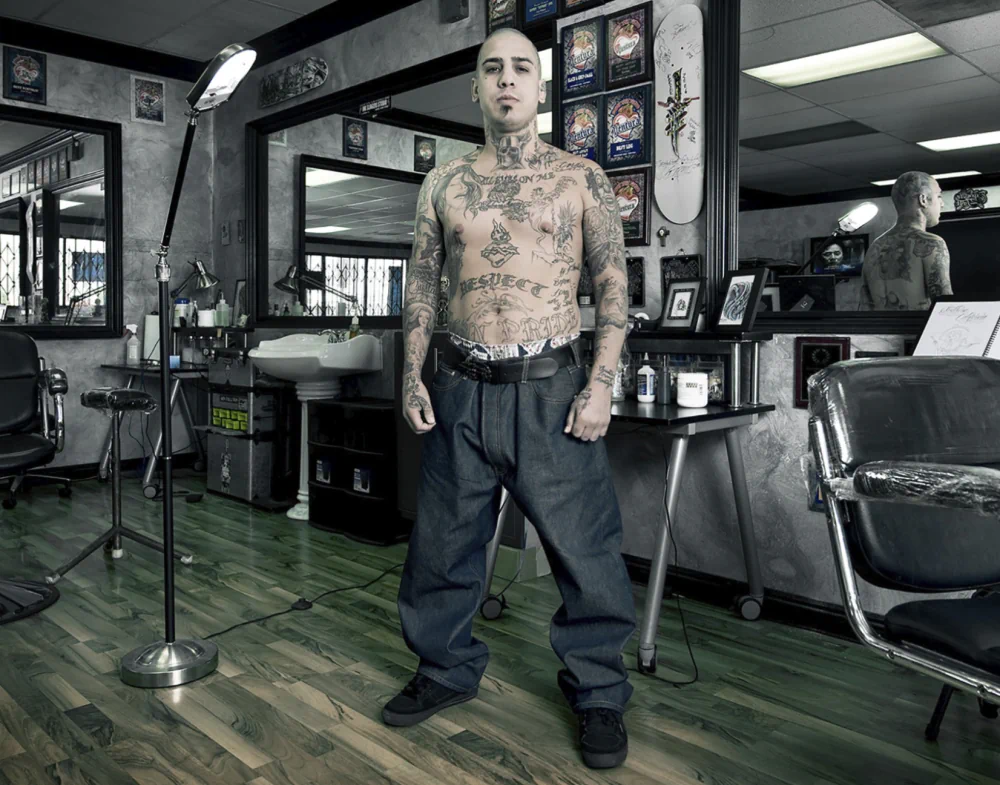
I first learned about Manny Jimenez in a story published in the Los Angeles Times. The article described his remarkable journey from a former gang member growing up in East Los Angeles to someone who had transformed his life through a deep love for the art of filmmaking.
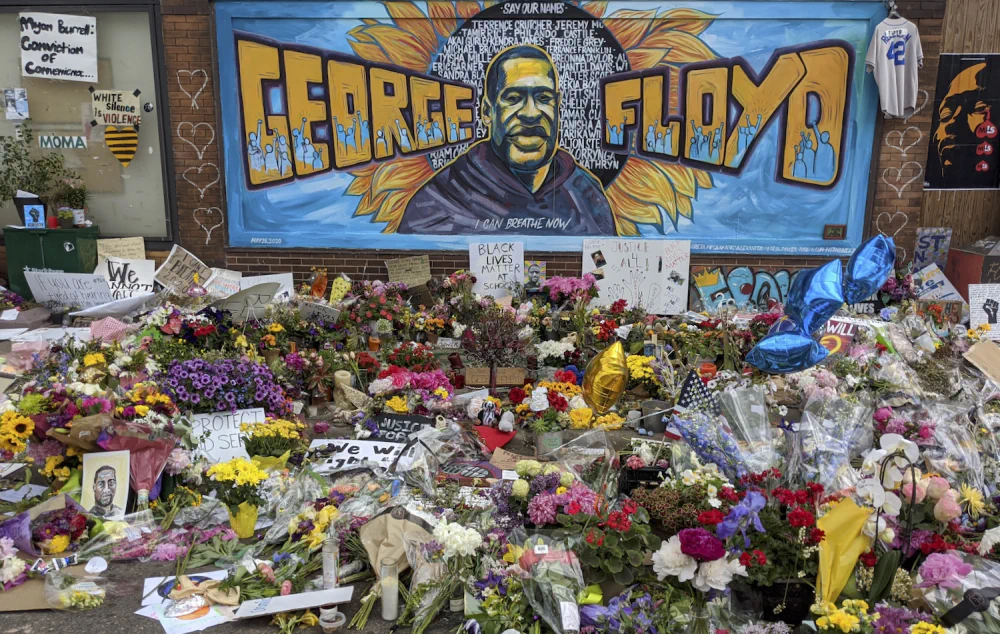
On May 25th, 2020, George Perry Floyd Jr., a Black man from Minneapolis, Minnesota, was murdered by Derek Chauvin, a White city police officer. Captured on video by a bystander, the broad daylight image of George Floyd pleading for his life while officer Chauvin knelt on George’s neck spread across the nation and the world.
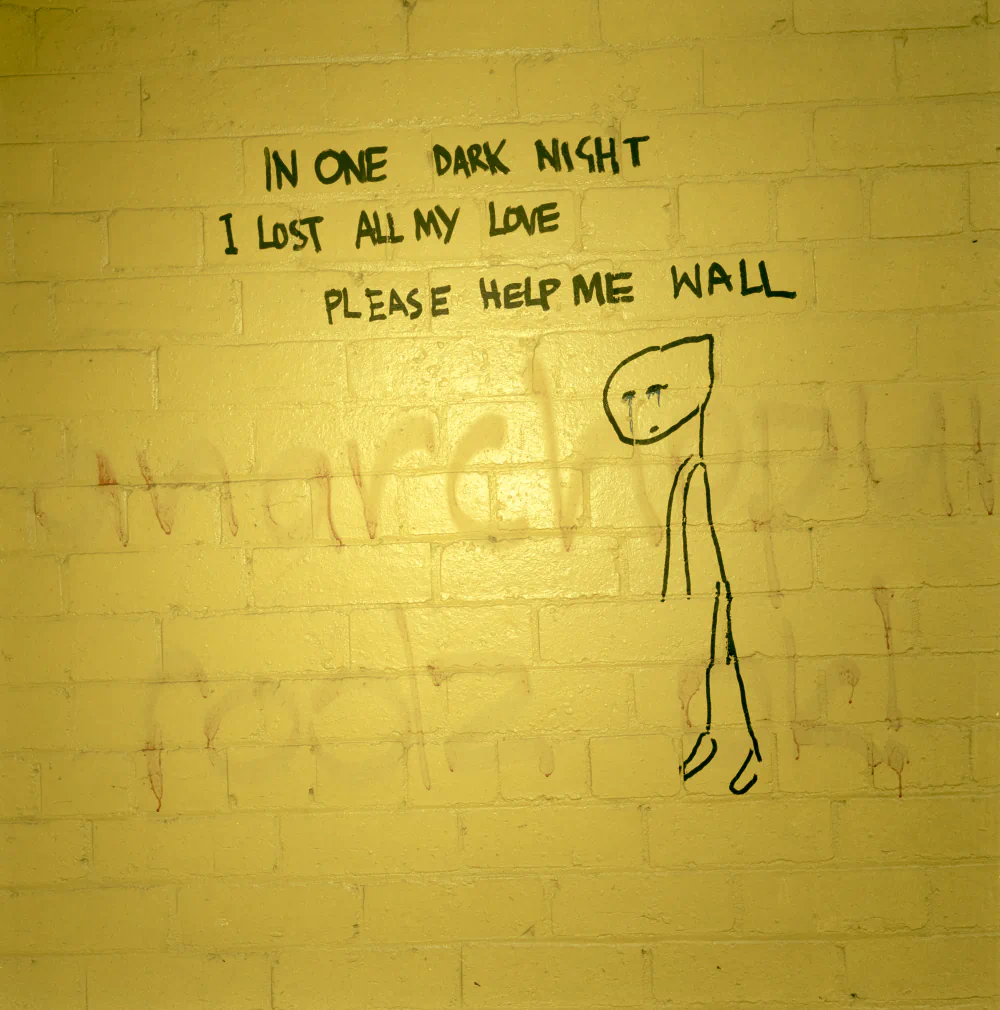
I use photography as a way to express my love affair with sadness. When I was young, my parents had a very bitter divorce which had a devastating effect on my soul. For the longest time I found it impossible to express those feelings of loss. My catharsis is that I photograph in the shadow of my father’s absence.
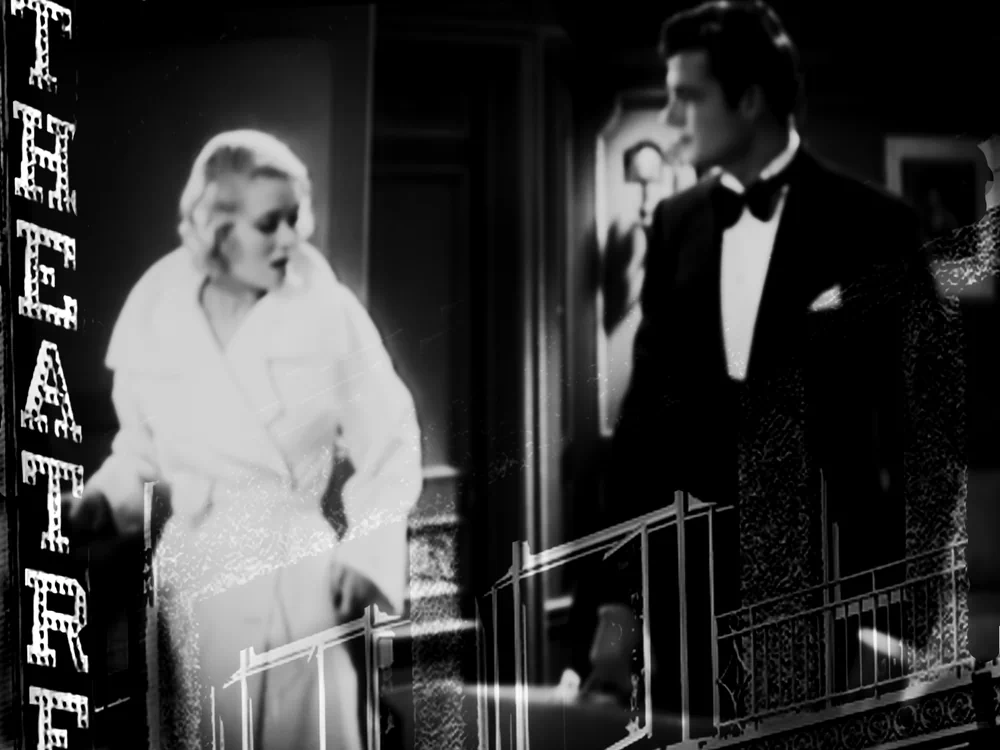
The theater grows quiet as the curtains part, the mechanical clicking turns into a steady hum, and a giant screen crackles to life with light, sound, and movement. The pure magic of being transported into another exciting reality was the gift of the Golden Age of Hollywood.
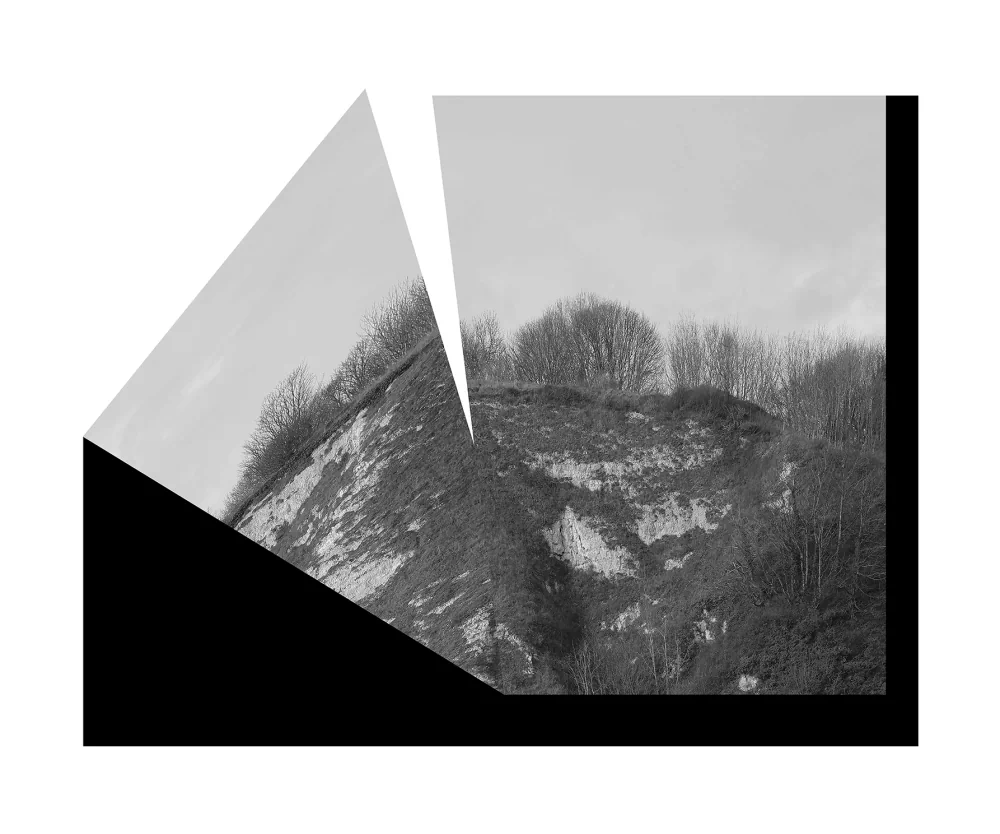
Disrupted Landscapes is a black and white photography project that Mandy Williams began in 2020. The photographs draw on landscapes from the south coast of England, with a particular focus on the White Cliffs of Dover and the Dover Strait.
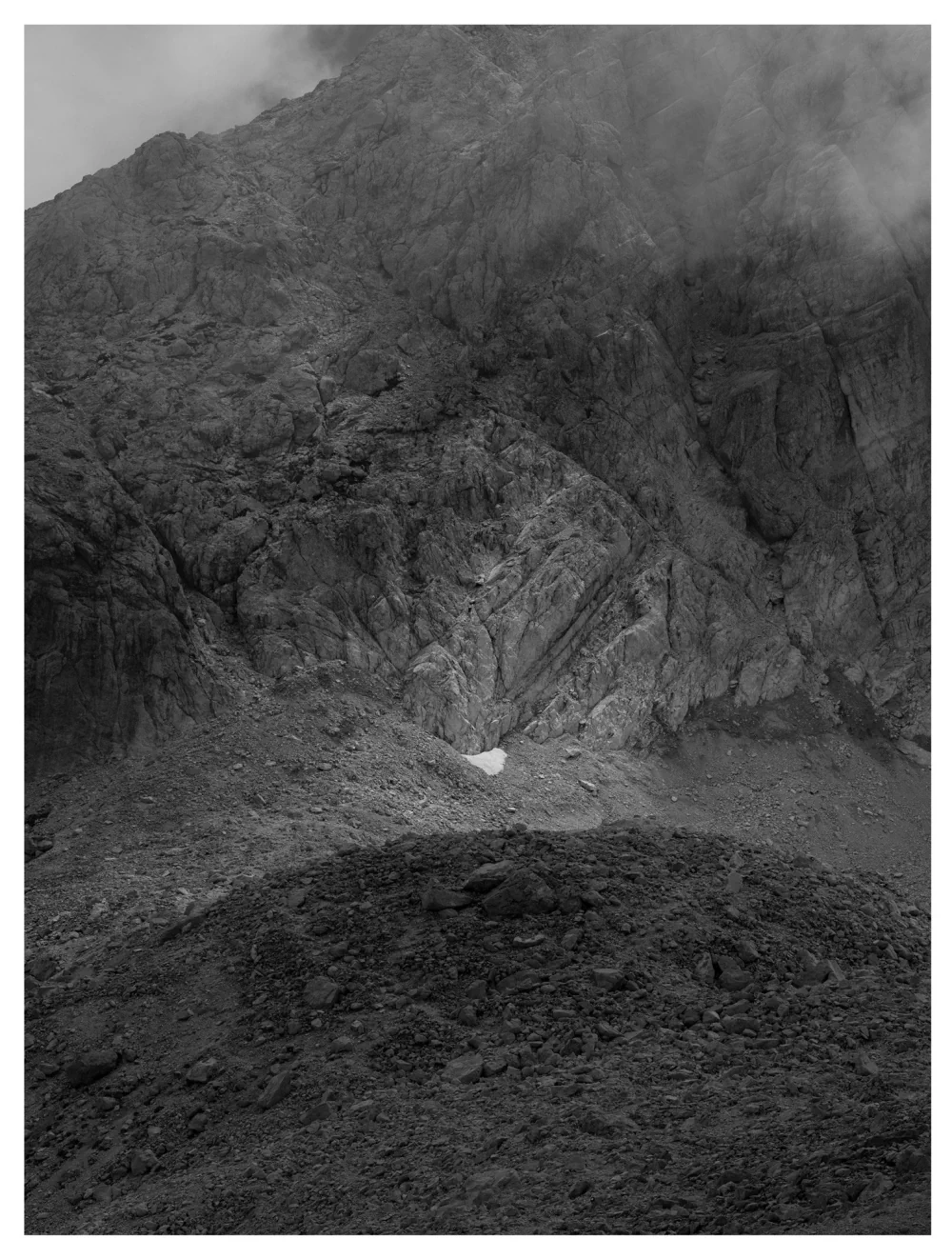
How do we mourn for more than human deaths when all that remains of loss is empty space? Once Was explores the hollow land left behind when glaciers melt, and the grief and guilt that coalesce in the bare earth revealed by their erasure.
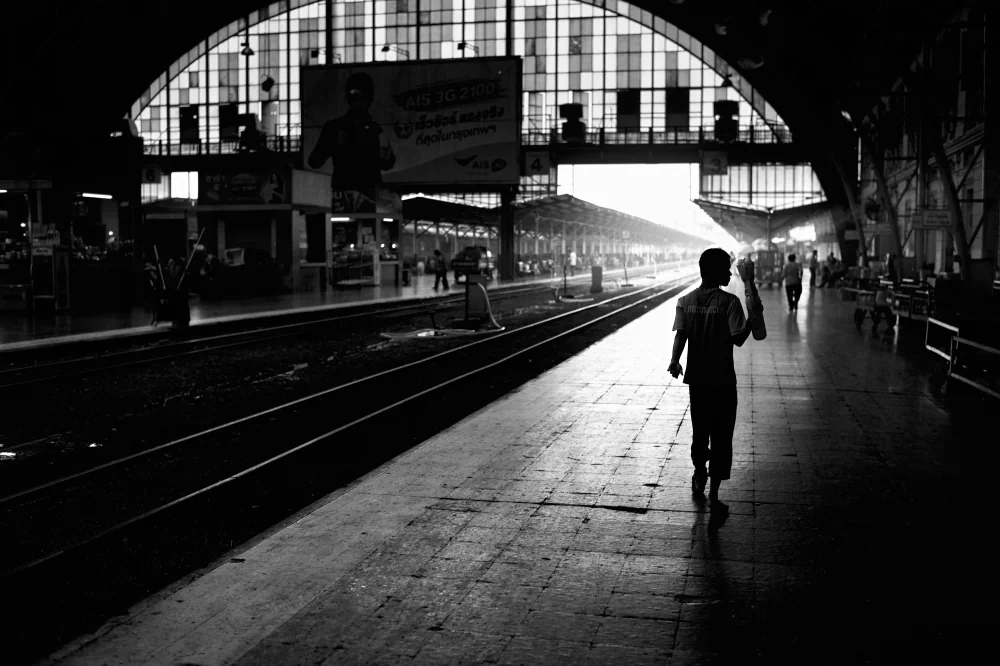
Between 2012 and 2014, Franky Tsang travelled to Bangkok several times each year to document the work of a small non profit organisation known as The Hub. Located in one of the city’s densely populated neighbourhoods beside Bangkok’s central train station, the organisation began as a community initiative to support local children growing up in difficult circumstances.
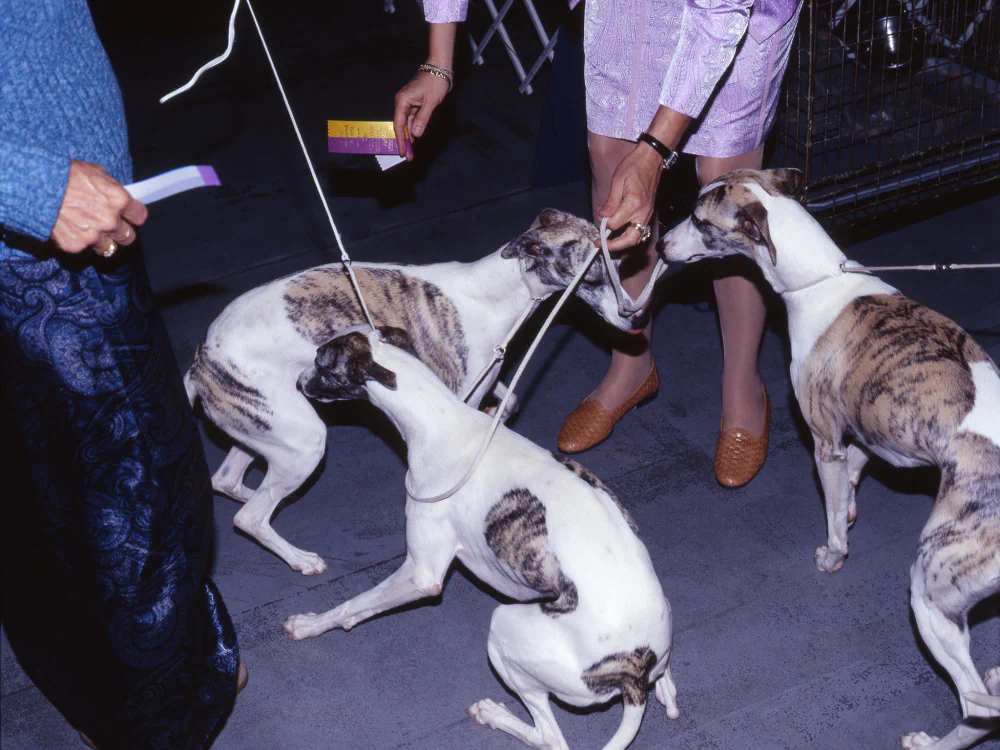
Between 2005 and 2025, Martin Andersen photographed international dog shows across Europe and North America. What began almost accidentally became his first serious attempt at a photographic documentary
“Thresholds” is an invitation, a reminder, a celebration, and a plea. It is about salvation. This body of work explores the relationship between humans and the natural world at a critical moment when both individual and planetary health hang in the balance.
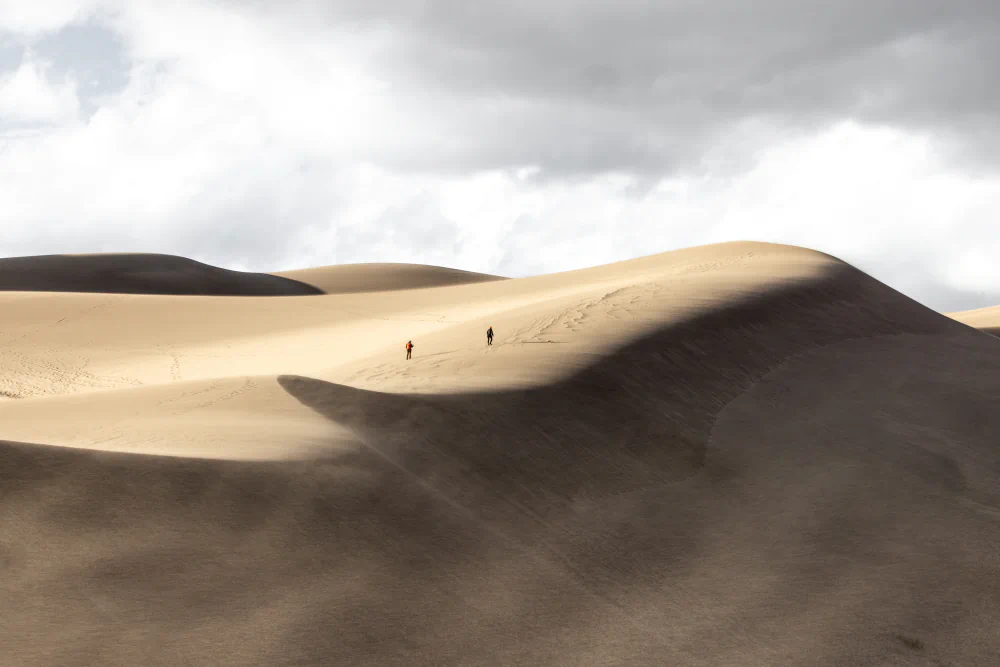
The desert carries different meanings depending on whether one has truly experienced it or only imagined it from afar. Only by standing within it does its complexity begin to reveal itself. What may initially appear as an endless and uniform expanse gradually unfolds into a landscape rich with subtle variations of light, texture, and form.
We use cookies on our website to give you the most relevant experience by remembering your preferences and repeat visits. By clicking “Accept”, you consent to the use of ALL the cookies.
This website uses cookies to improve your experience while you navigate through the website. Out of these, the cookies that are categorized as necessary are stored on your browser as they are essential for the working of basic functionalities of the website. We also use third-party cookies that help us analyze and understand how you use this website. These cookies will be stored in your browser only with your consent. You also have the option to opt-out of these cookies. But opting out of some of these cookies may affect your browsing experience.
Necessary cookies are absolutely essential for the website to function properly. This category only includes cookies that ensures basic functionalities and security features of the website. These cookies do not store any personal information.
Any cookies that may not be particularly necessary for the website to function and is used specifically to collect user personal data via analytics, ads, other embedded contents are termed as non-necessary cookies. It is mandatory to procure user consent prior to running these cookies on your website.