On the eve of the bicentennial of photography, Días Tras Días asserts itself as a contemporary act of resistance and creation, reaffirming the relevance of analog photography in a world saturated with ephemeral digital images.
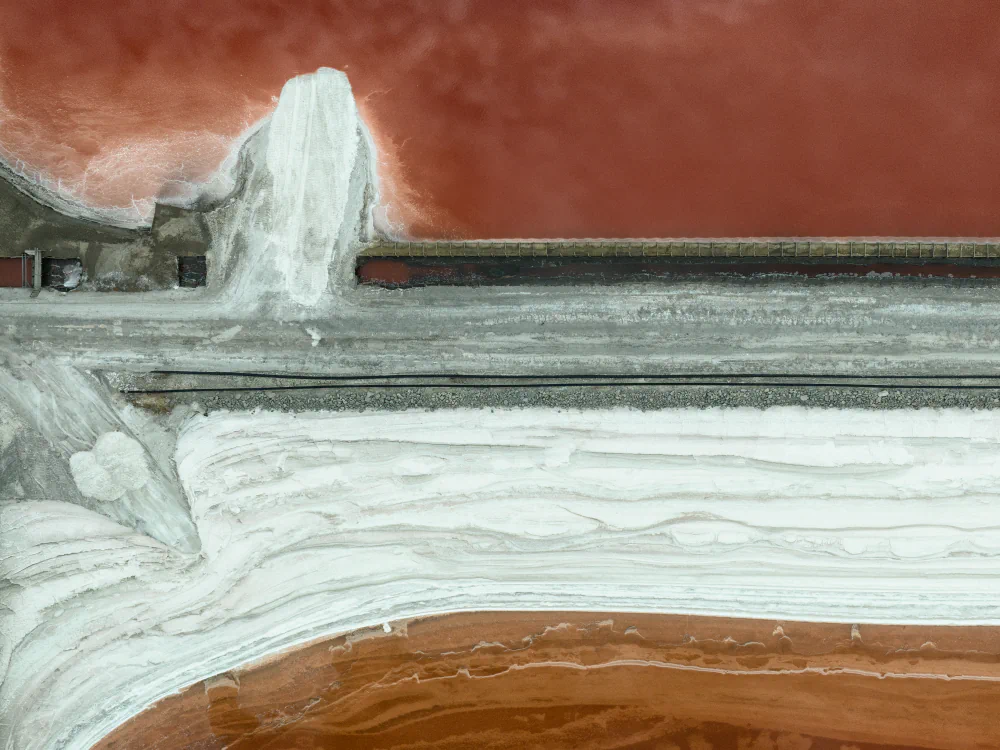
Visible from the artists’ home in the hills above Silicon Valley, the San Francisco Bay coastline reveals an otherworldly mosaic, a fractured geometry of vivid reds, oranges, and whites as far as the eye can see. The scene, extending over 40,000 acres, is the unintended art of 150 years of industrial scale salt mining.
Point North was developed during Simone Darcy’s residency at the NES Artist Residency in Skagaströnd, northwestern Iceland, and through an extended road trip around the country with her two children.
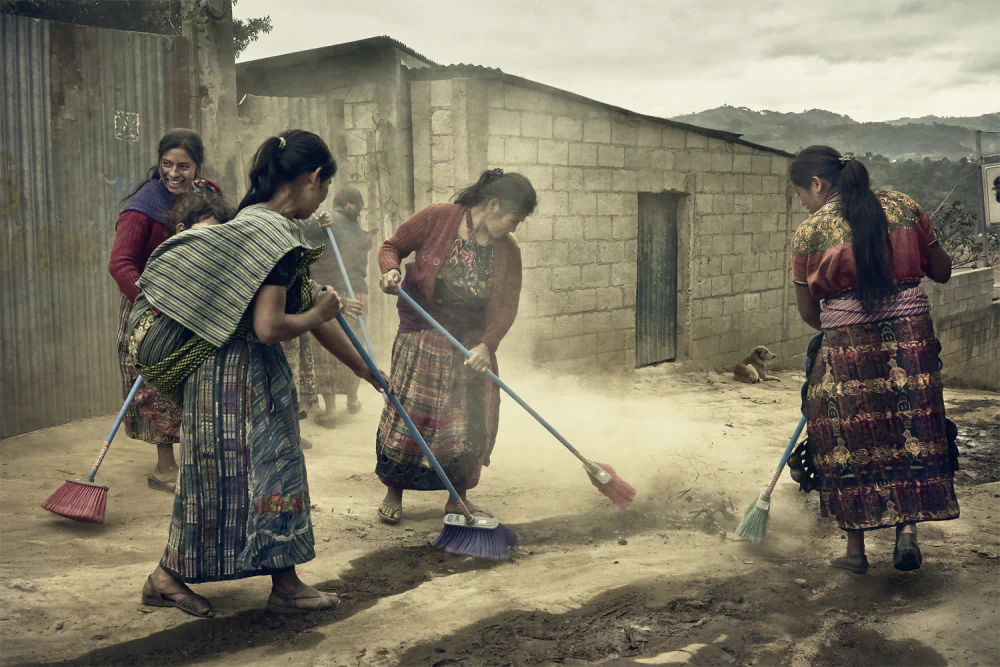
This body of work is a visual exploration of everyday life and tradition in Guatemala. Through these images, he seeks to reveal the resilience, dignity, and warmth of the people and communities he encounters.
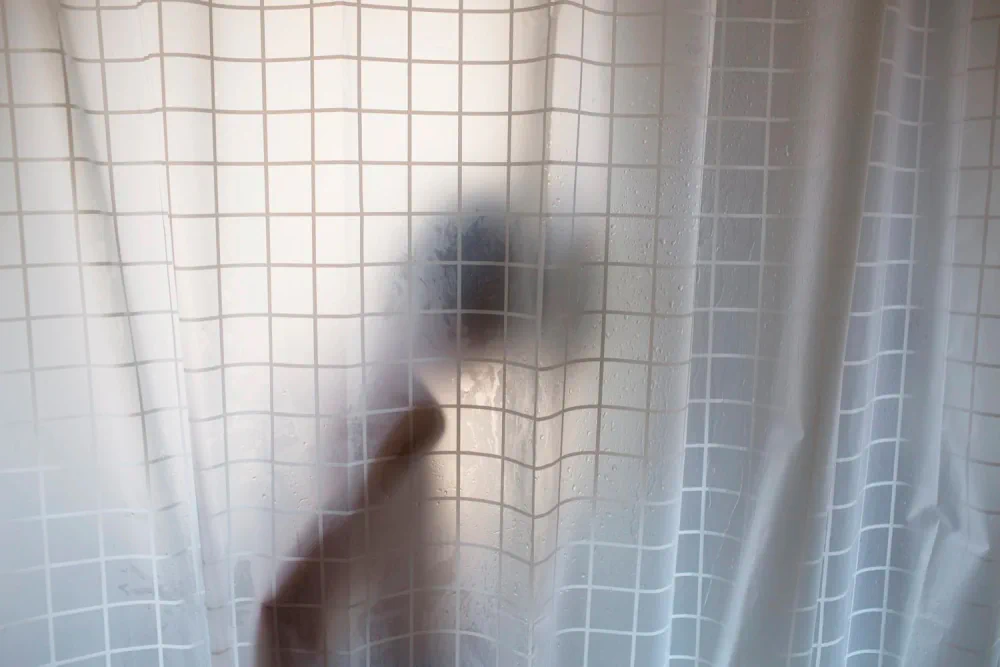
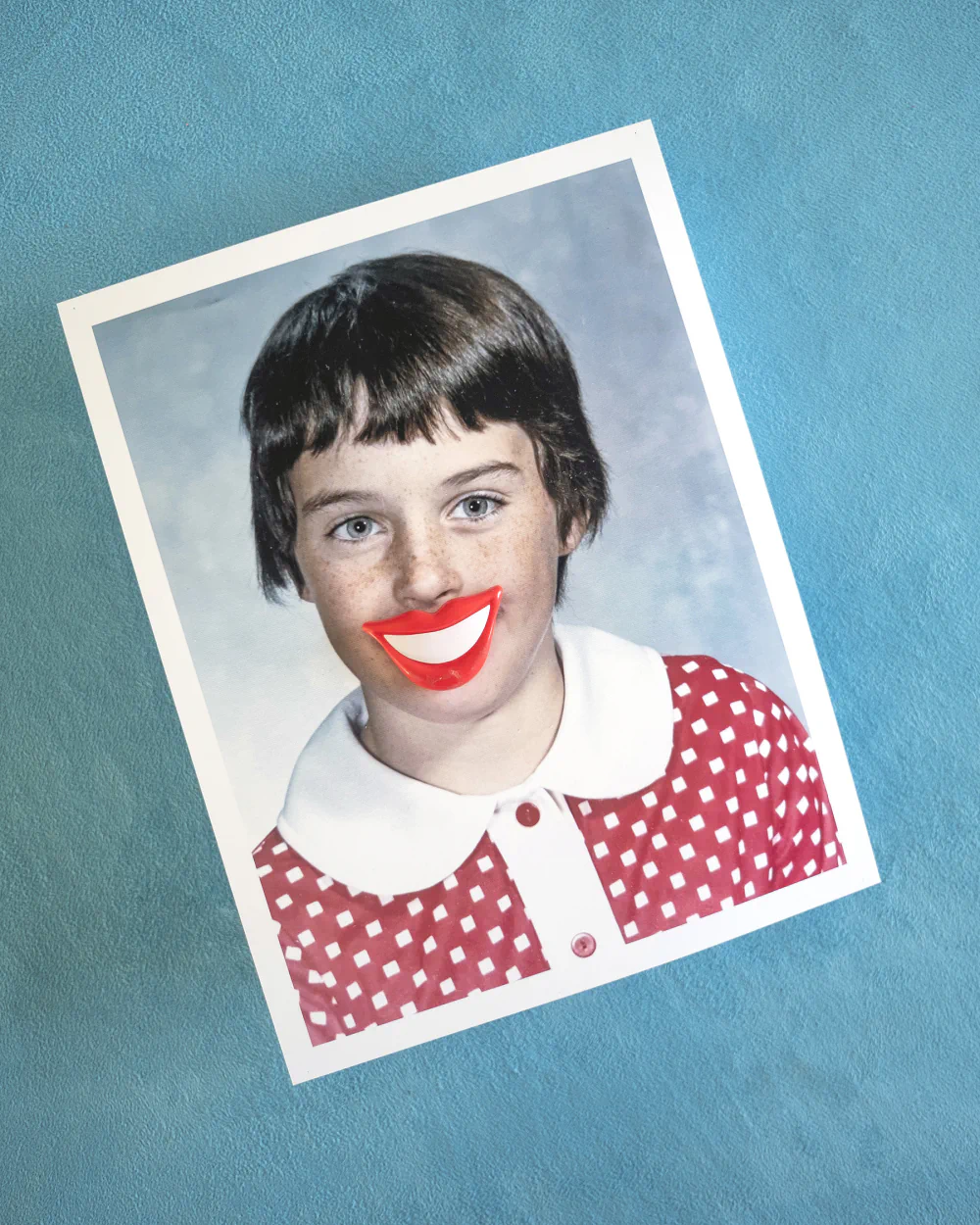
How to Draw a Perfect Circle is about perfection, control, and the grip they have had on her life. She grew up as the classic “good girl” — successful, smart, pretty, and kind — yet also a people pleaser who followed every rule, voiced no opinions, and ignored her own needs.
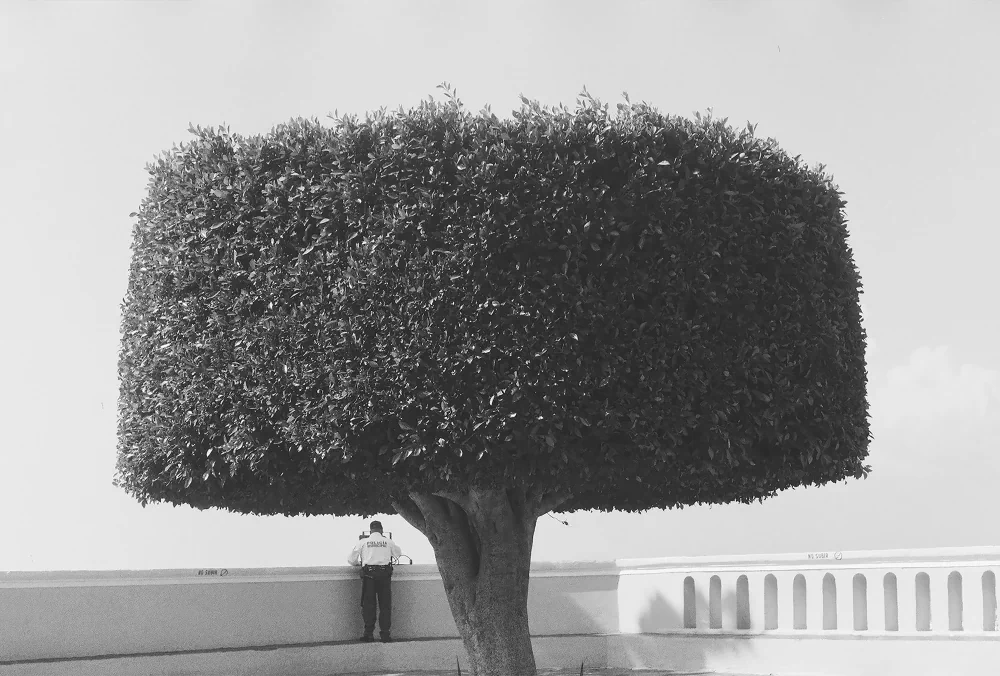
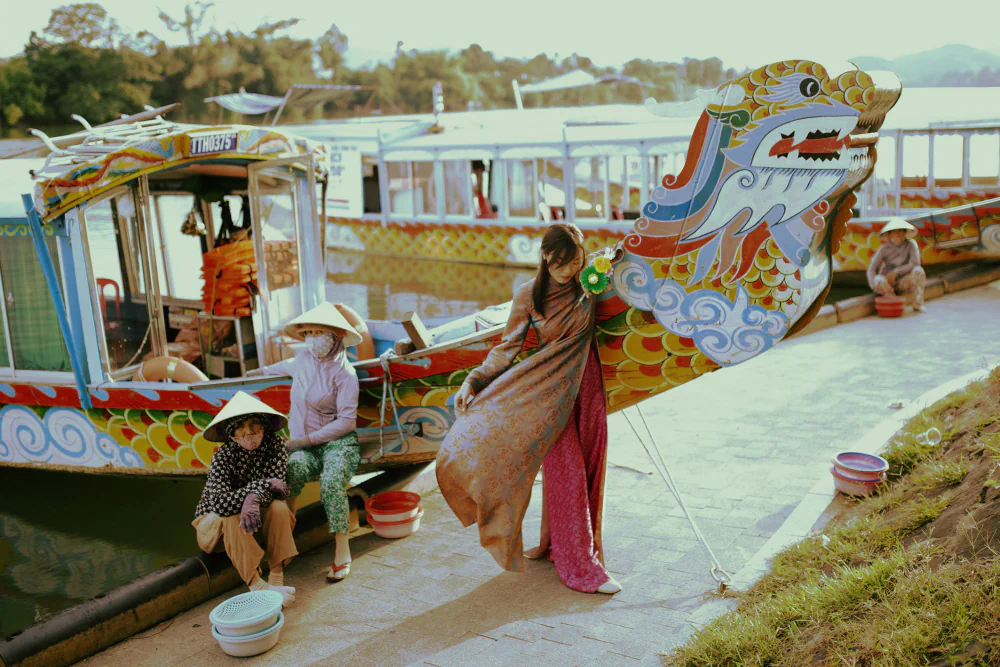
Each country has its own characteristics, shaped by natural conditions such as climate, altitude, and the color of vegetation, all of which influence human life. In addition, artificial factors such as architectural forms, politics, and social structures also affect people’s moods and expressions, along with other elements including religion and culture.
"The Vacuum Landscape" is an investigative photographic research project that retraces the historical and physical contours of plantation fields in East Java. By forging a critical bridge between the clinical silence of Dutch colonial archives and the visceral reality of contemporary field research in Indonesia
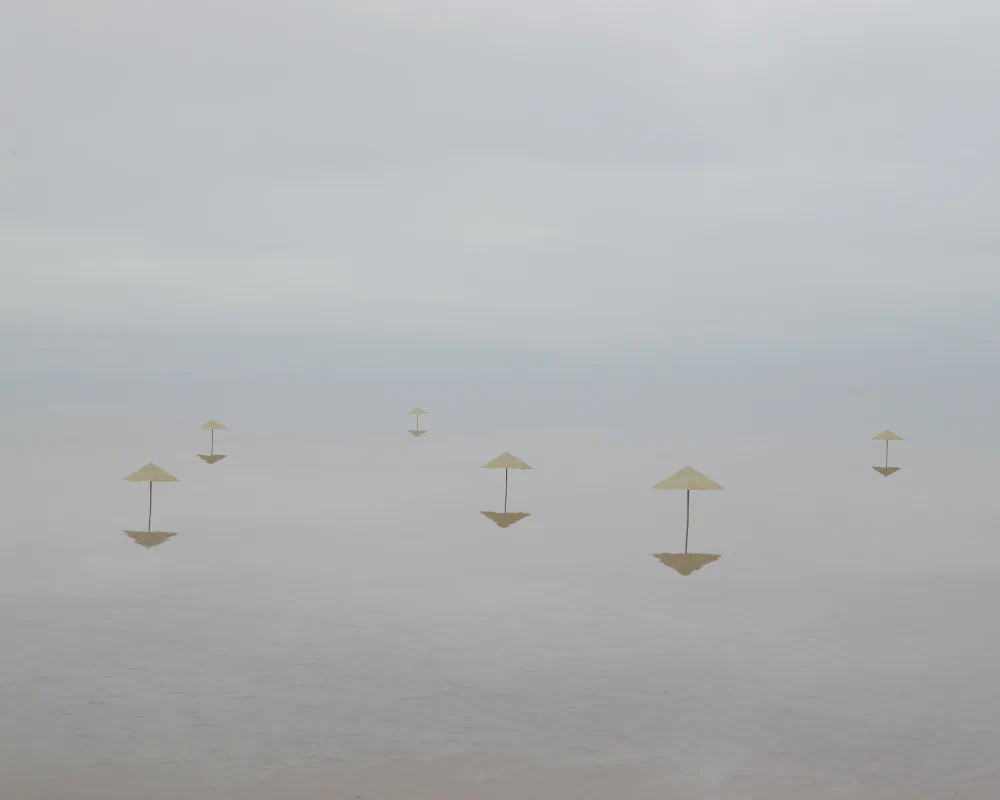
For the project Shoal, he created structures based on representations of the typical post-Soviet landscape and installed them on the silt banks of the Aral Sea. Today, the post-Soviet landscape, constituting a ghost of utopia, epitomizes the current mundanity of the countries of the former Soviet Union.
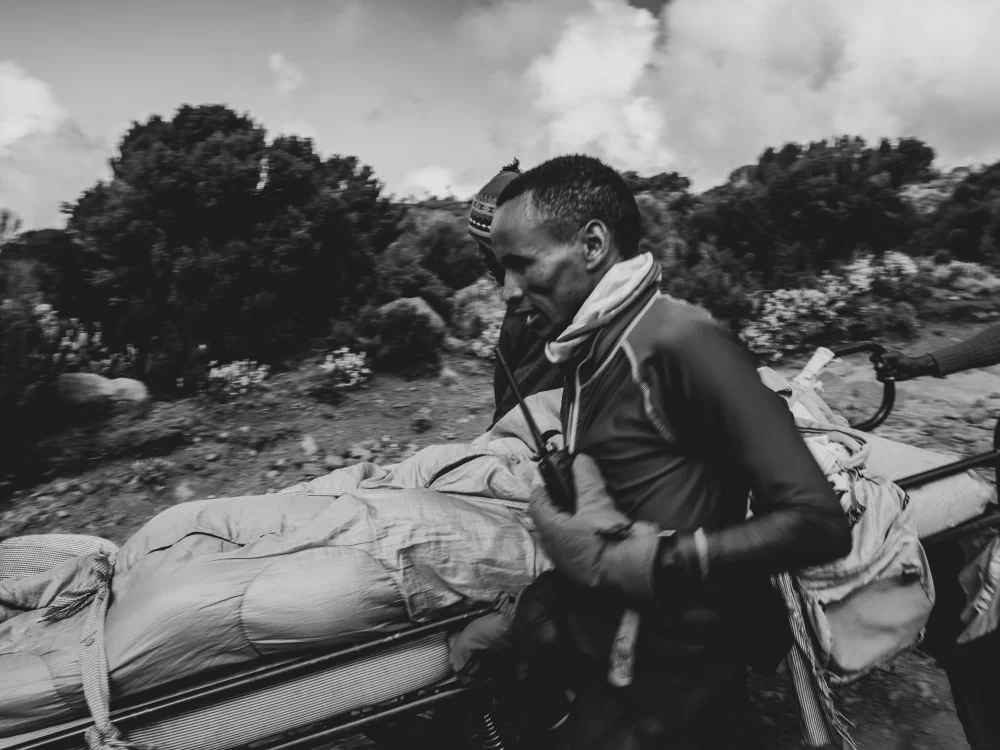
The Porters of Kilimanjaro is a photography project dedicated to the work of the people without whom reaching Africa’s highest peak — Uhuru Peak (5,895 m a.s.l.) — would not be possible. Every ascent of Kilimanjaro relies on the labor of local support teams: guides, cooks, and porters.
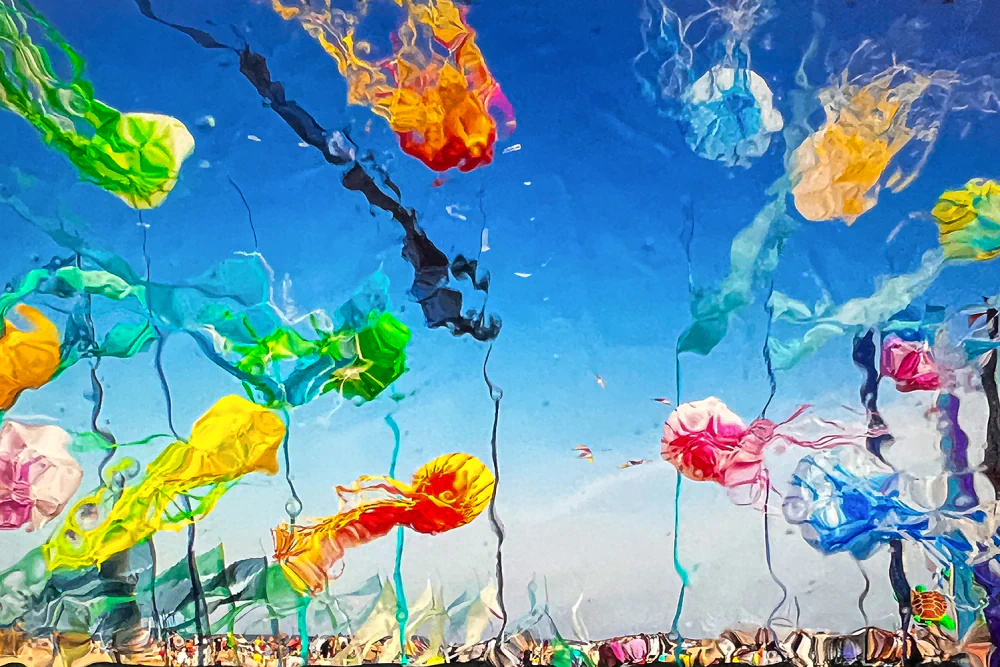
There is a moment, between the breath of the earth and the call of the blue, when reality decides to shed its precision and become vision.
In this portfolio, the sky is not a boundary but a liquid canvas. He chooses to look at the world through a veil of glass, crafted and caressed by his own hands, to rediscover that lost carefreeness that belongs only to a child's gaze.
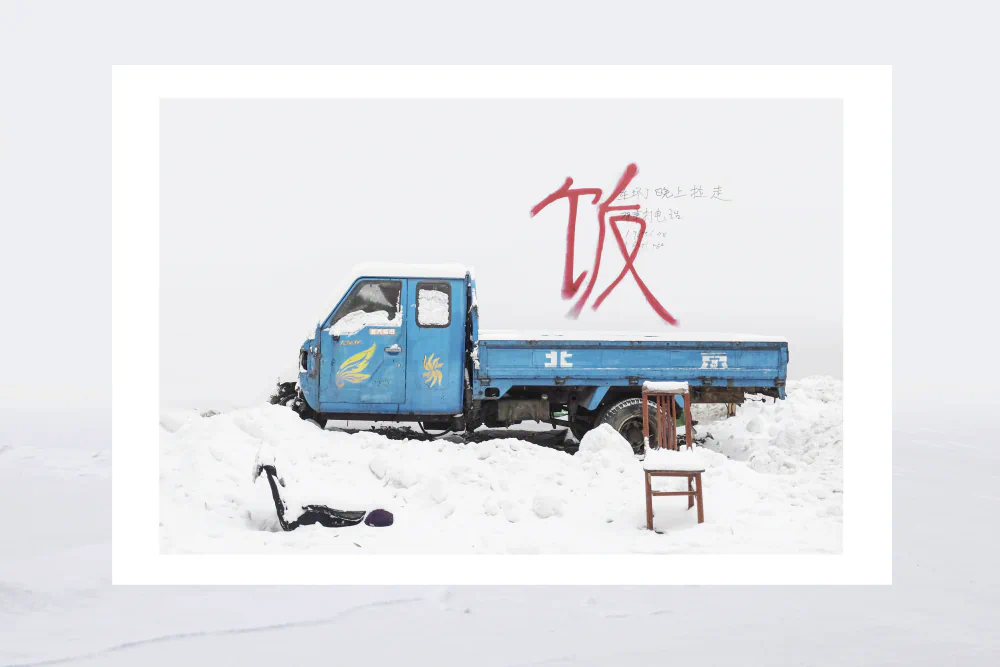
I grew up in Harbin, a city in northeastern China, and it has shaped my earliest and deepest understanding of winter. Whenever snow arrives, I step into it. For me, snow is both a playground and a laboratory. Over the years, I have consistently used art to document my hometown and my favorite season.
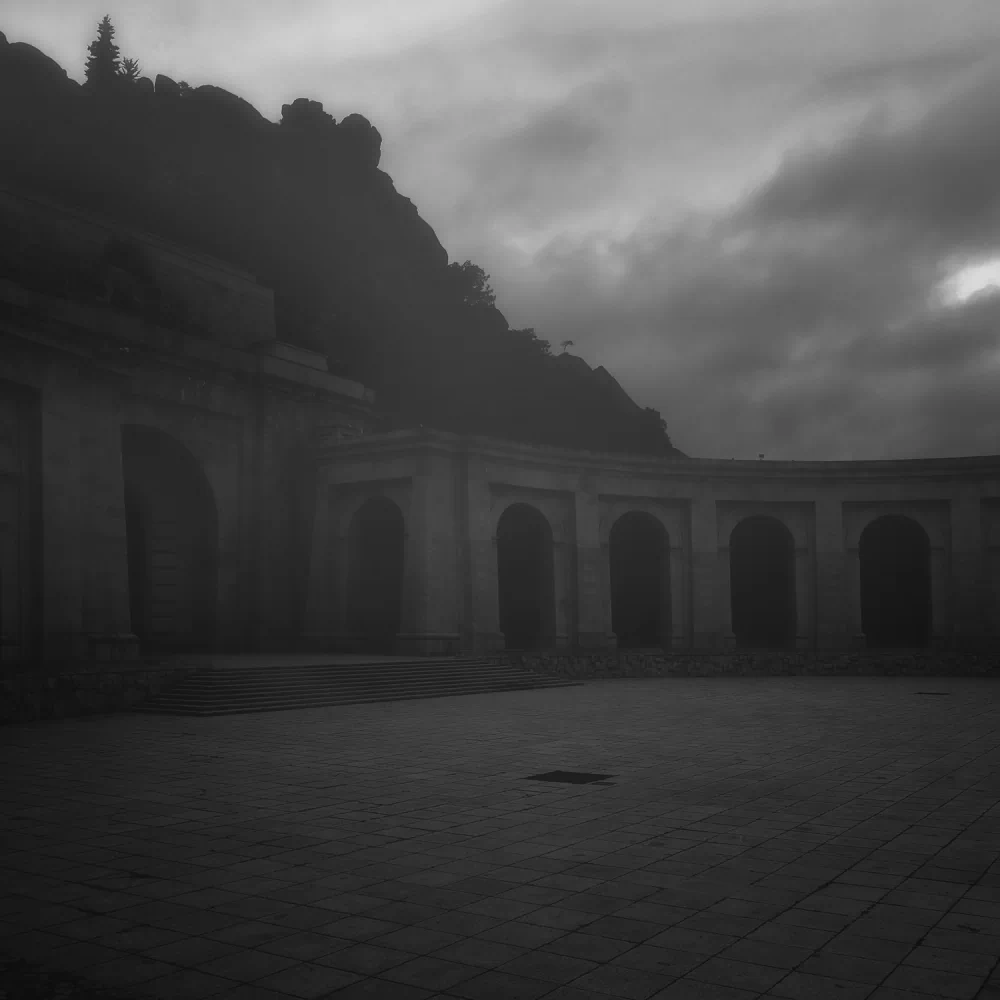
This series of thirteen photographs engages with the Valley of Cuelgamuros not as a static historical site, but as an unstable field of memory, power, and unresolved trauma. Shrouded in mist, stripped of spectacle, and rendered with sober visual restraint, the images appear at first glance almost indifferent—monumental architecture reduced to grey mass, form hovering between presence and disappearance.
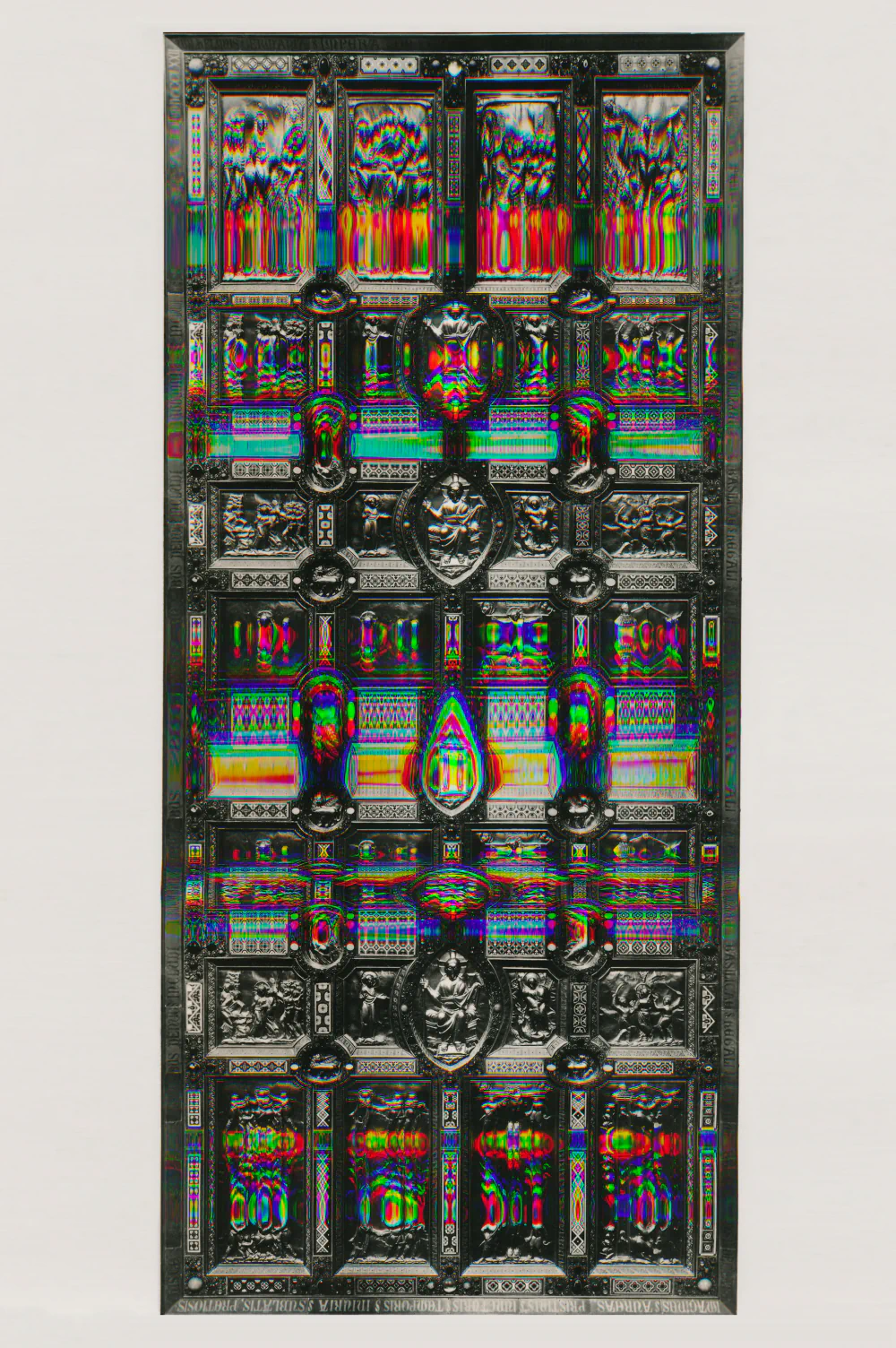
The original images in the photographs were sourced from old postcards purchased by Gao Yutao at second-hand markets in Germany. These postcards depict sacred relics housed in Aachen Cathedral, each bearing a long history stretching back through the ages.
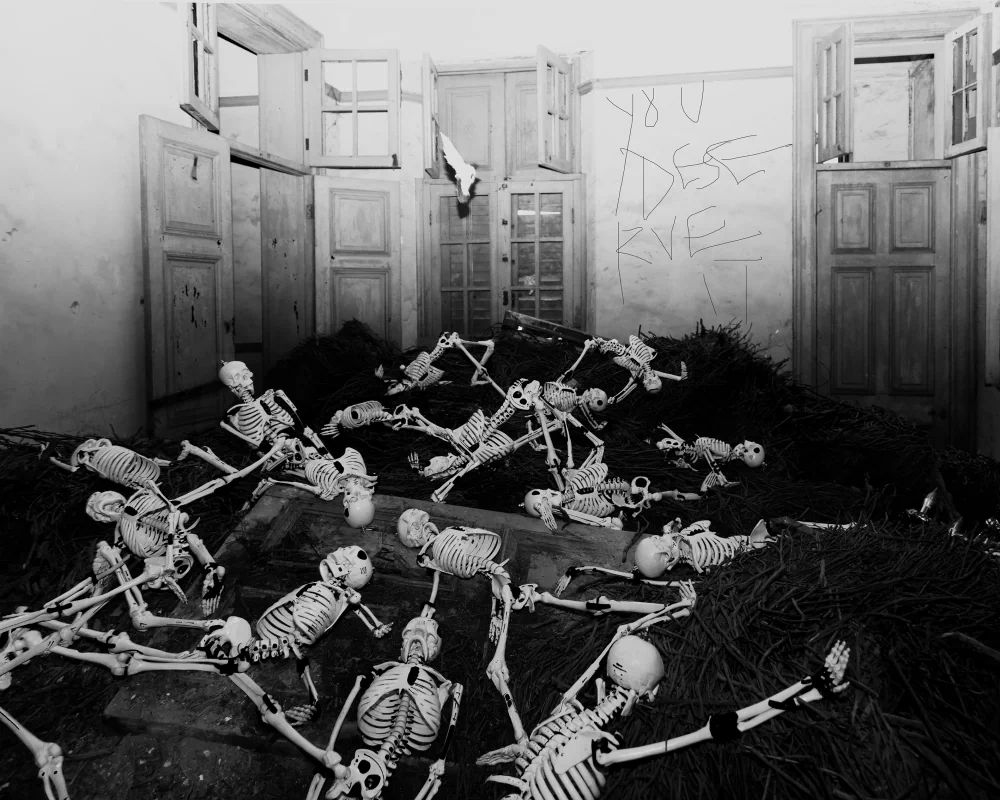
The Ruins of Lost Souls is a series of black-and-white collage images that involves the use of generative AI technology to produce surreal details. It is inspired by research into traditional taboos, body discrimination, and the bullying of marginalized people explored in Hung’s previous series, The Skeletons in the Closet.
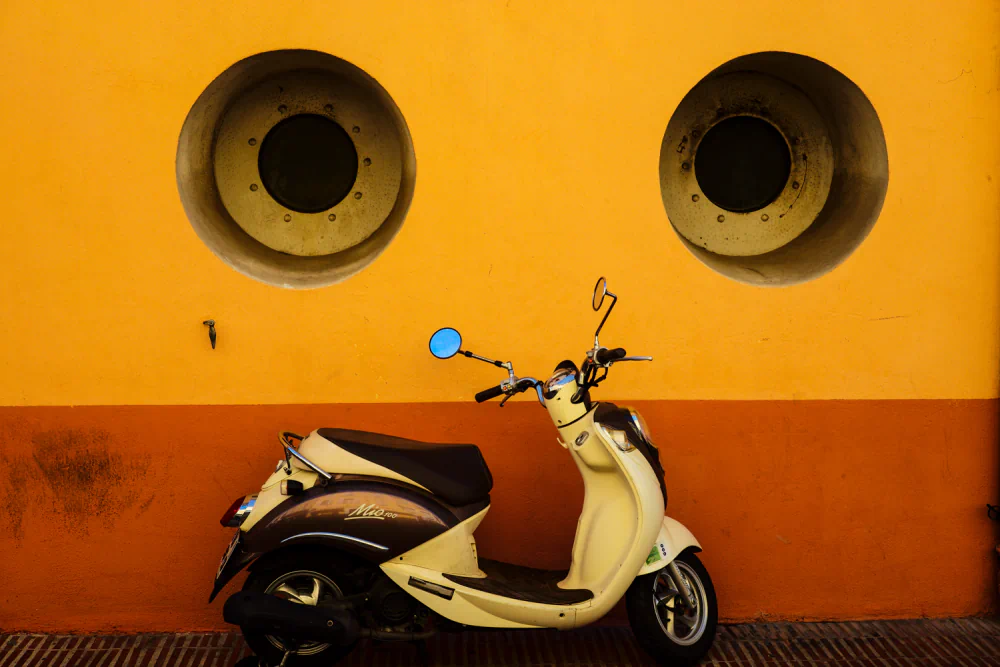
Finding the Extraordinary in the Ordinary… Street scenes are Jean-Pierre Daunis’s main source of inspiration, which he photographs in an instinctive way. He allows himself to be guided by his sensitivity in an attempt to render everyday life more aesthetic.
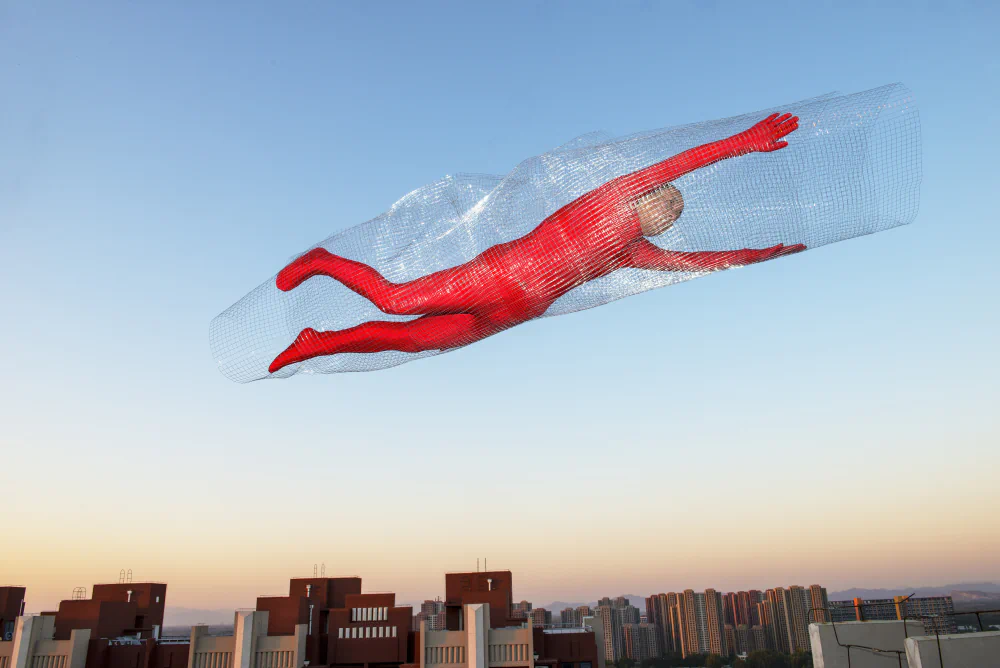
My artistic practice uses high-altitude technologies as a medium to allow the physical body to break free from the shackles of gravity and achieve free flight in the air. This is not merely a visual expression, but a concrete exploration and philosophical response to the cultural concept of transhumanist art in the intelligent age.
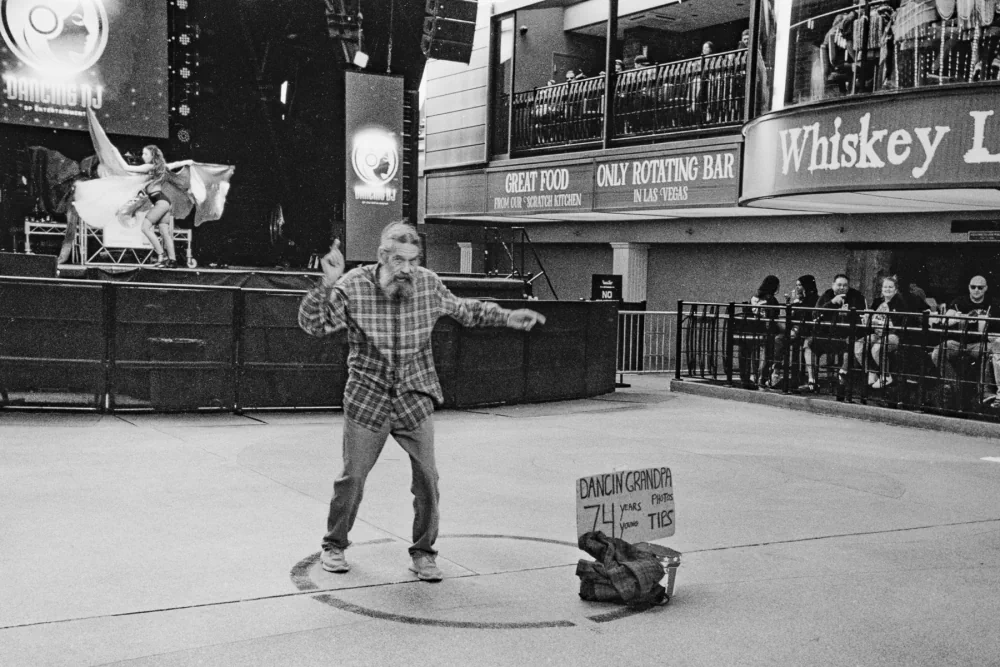
Las Vegas is a lifelong project rooted in my childhood memories. In the early 1960s, my parents regularly drove seven hours from San Diego through the Mojave Desert to spend weekends in the downtown casino district off Fremont Street, long before corporate redevelopment reshaped the area.
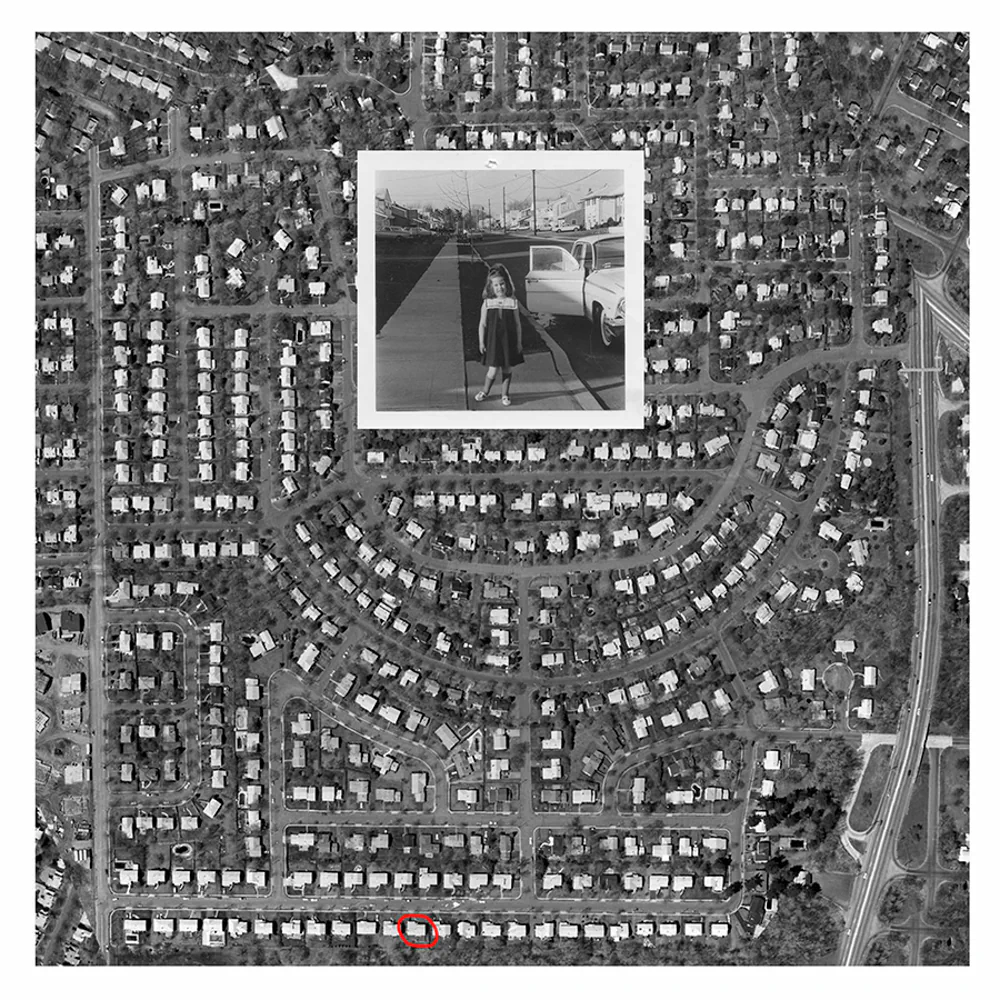
Columbus Drive uses photography and weaving techniques to literally reweave stories about childhood in suburban New Jersey during the 1960s and 1970s. Using her archive of family snapshots, the artist reprints the photographs digitally on canvas and slices them into strips.
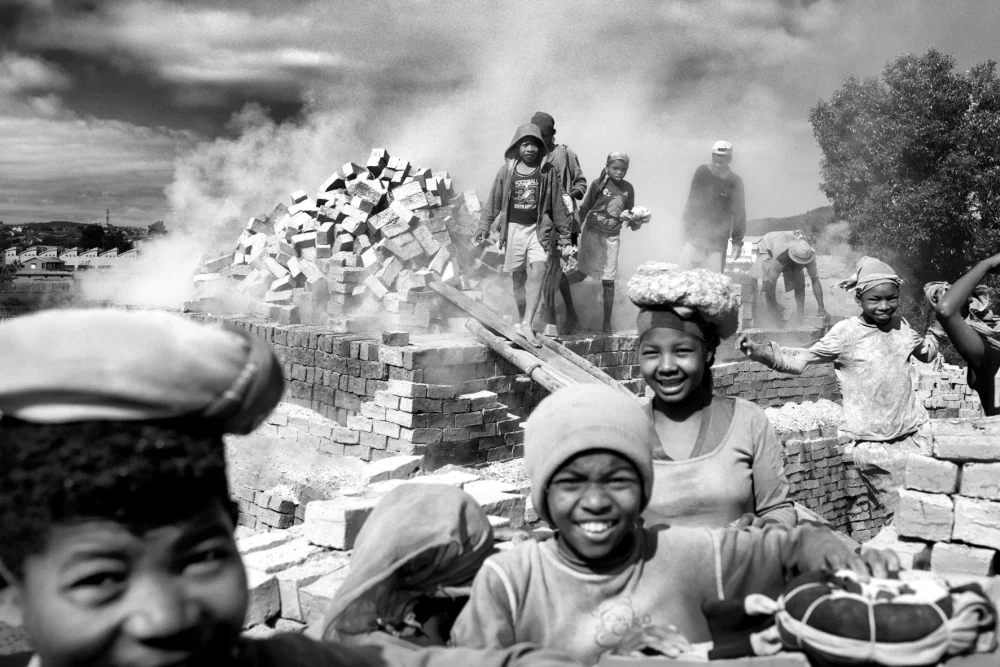
As much as he can, he tries to bring his lens closer to what makes up the essential yet often invisible pieces of the rural puzzle. On the outskirts of Fianarantsoa, at dawn, brickmakers are already at work, before the heat becomes overwhelming.
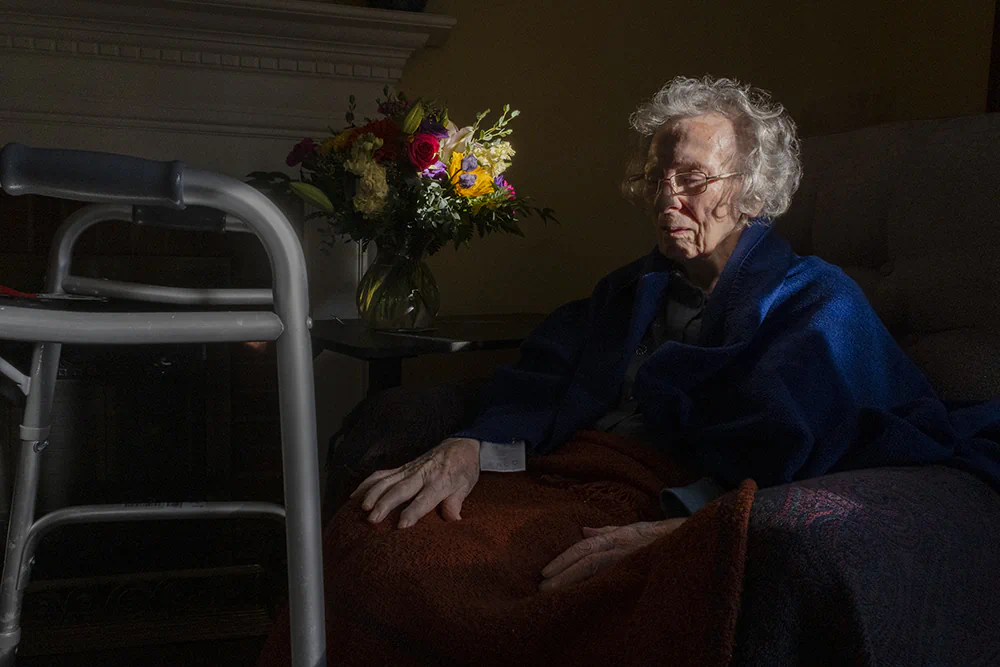
The complexities of aging—and the quiet, sustained labor of caregiving—often unfold beyond public view. These experiences are deeply human, yet they rarely linger in the spaces where we are invited to look closely.
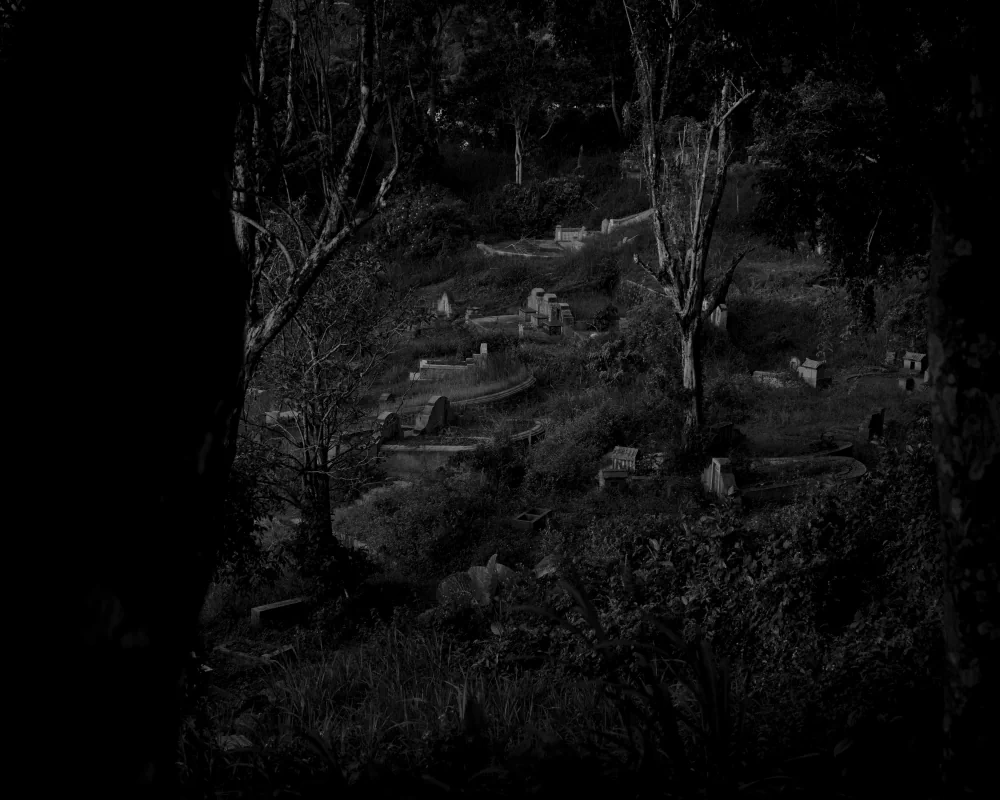
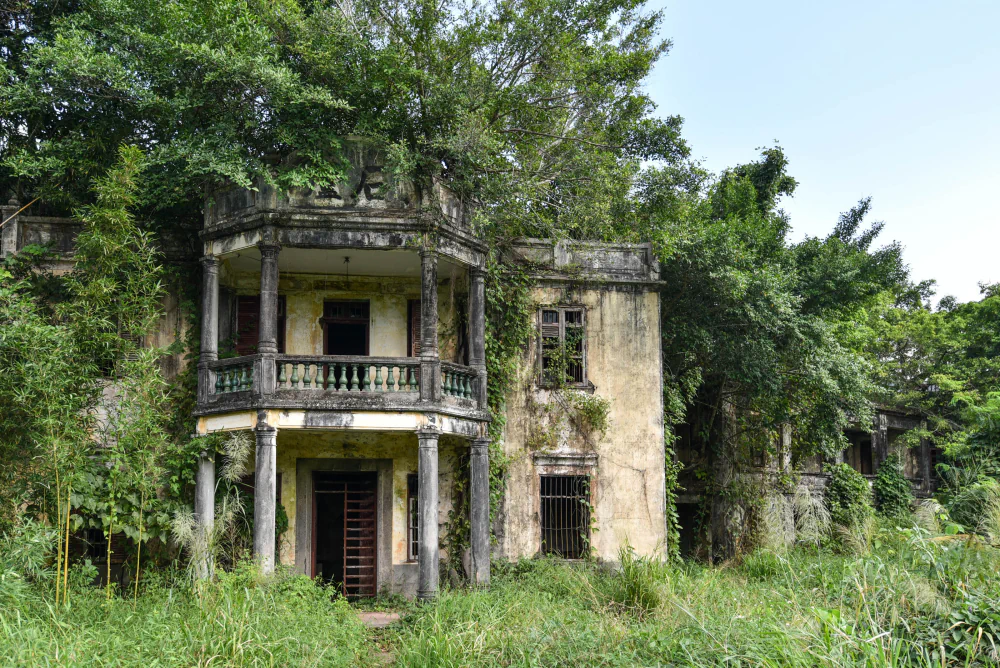
Stefan Irvine’s photo book, Abandoned Villages of Hong Kong (瓦落叢生), published by Blue Lotus Editions, is an invitation to explore the forgotten corners of this vibrant city and to discover the haunting beauty hidden within its parks and islands.
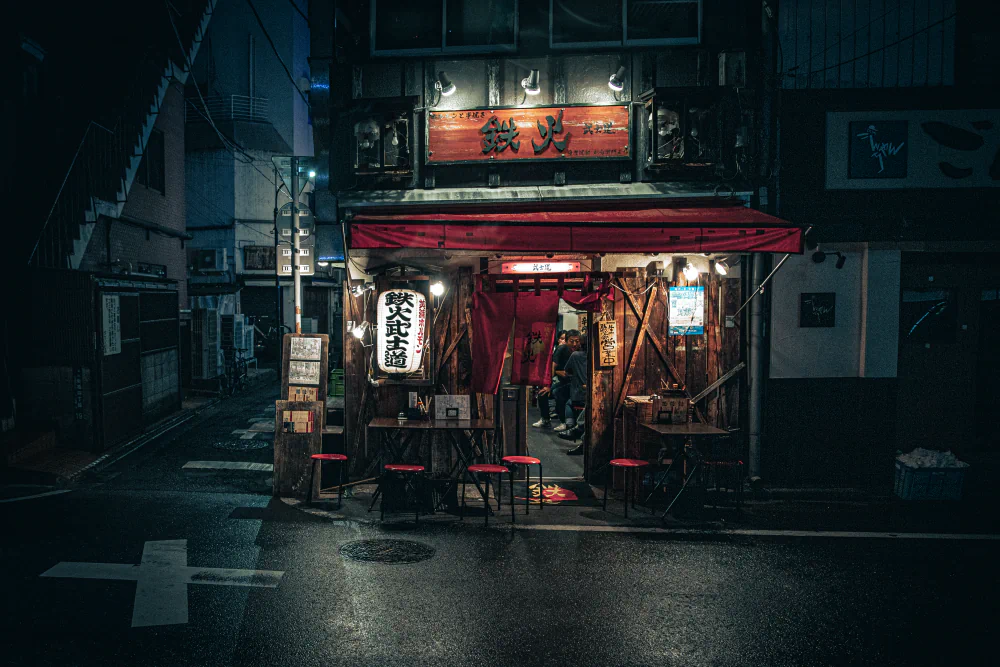
Moving through Japanese cities after dark reveals a landscape shaped as much by absence as by illumination. In In the Shadow of Neon, light fragments the urban environment, while darkness invites speculation about what remains unseen.
“The koan is intended to synthesize or transcend the dualism of the senses. It is to be nourished in those unknown recesses of the mind which lie beyond the threshold of the relatively constructed consciousness, and where no logical analysis can ever reach. Its objective is the arousing of doubt and pushing it to its furthest limits.”
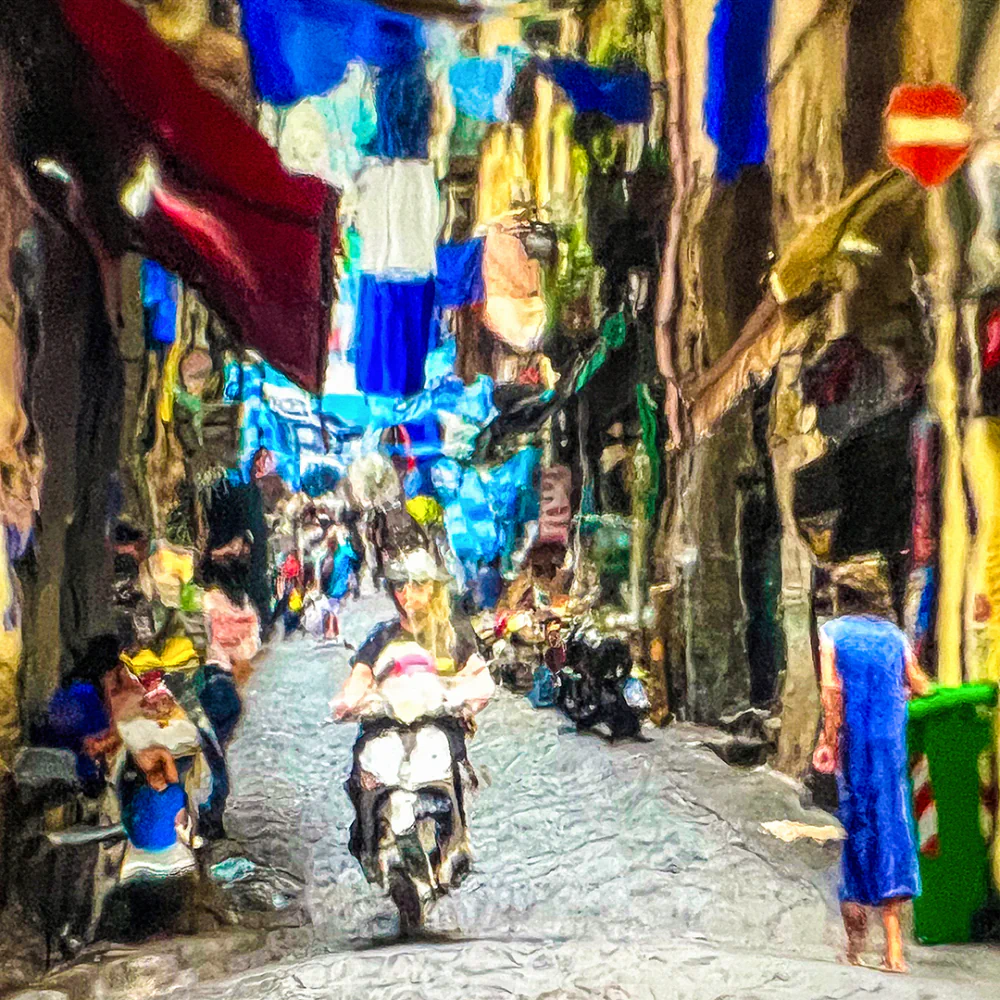
Ten years after the passing of Pino Daniele, Naples continues to vibrate on the frequencies of his “music of feeling.” From this lingering echo emerges the photographic series Among the Thousand Colors of Naples, a project that abandons the rigor of documentary realism to embrace a dreamlike, almost Impressionist dimension of the city.
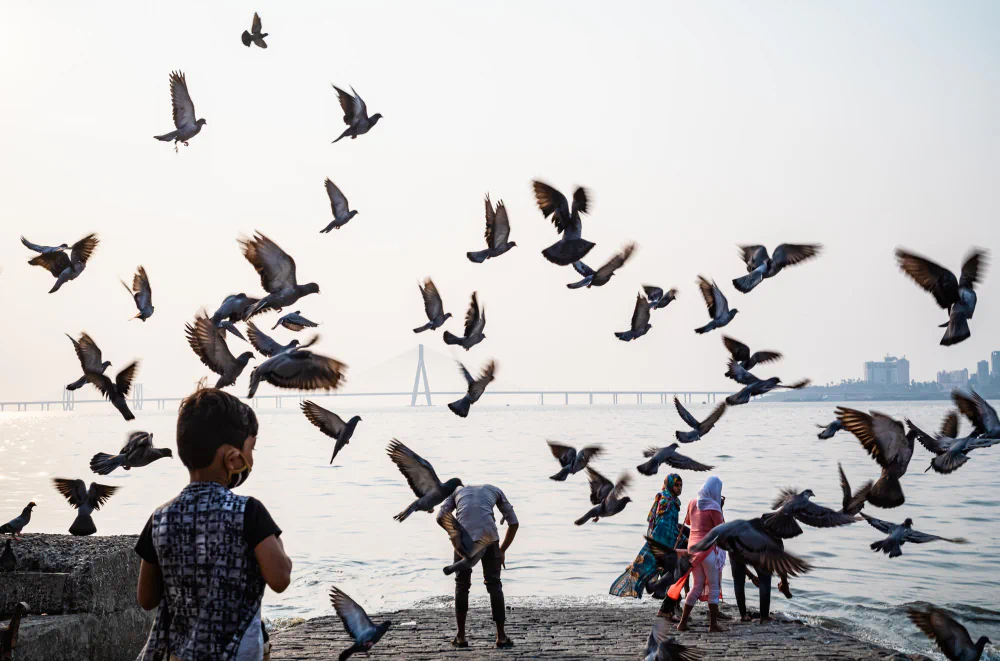
A sprawling, chaotic city of contradictions, often defined by the height of its skyscrapers or the glamour of its film industry. Yet, for those who truly know its rhythm, the real Mumbai is not found in the air-conditioned boardrooms of Nariman Point or the redeveloped residences of its suburbs.
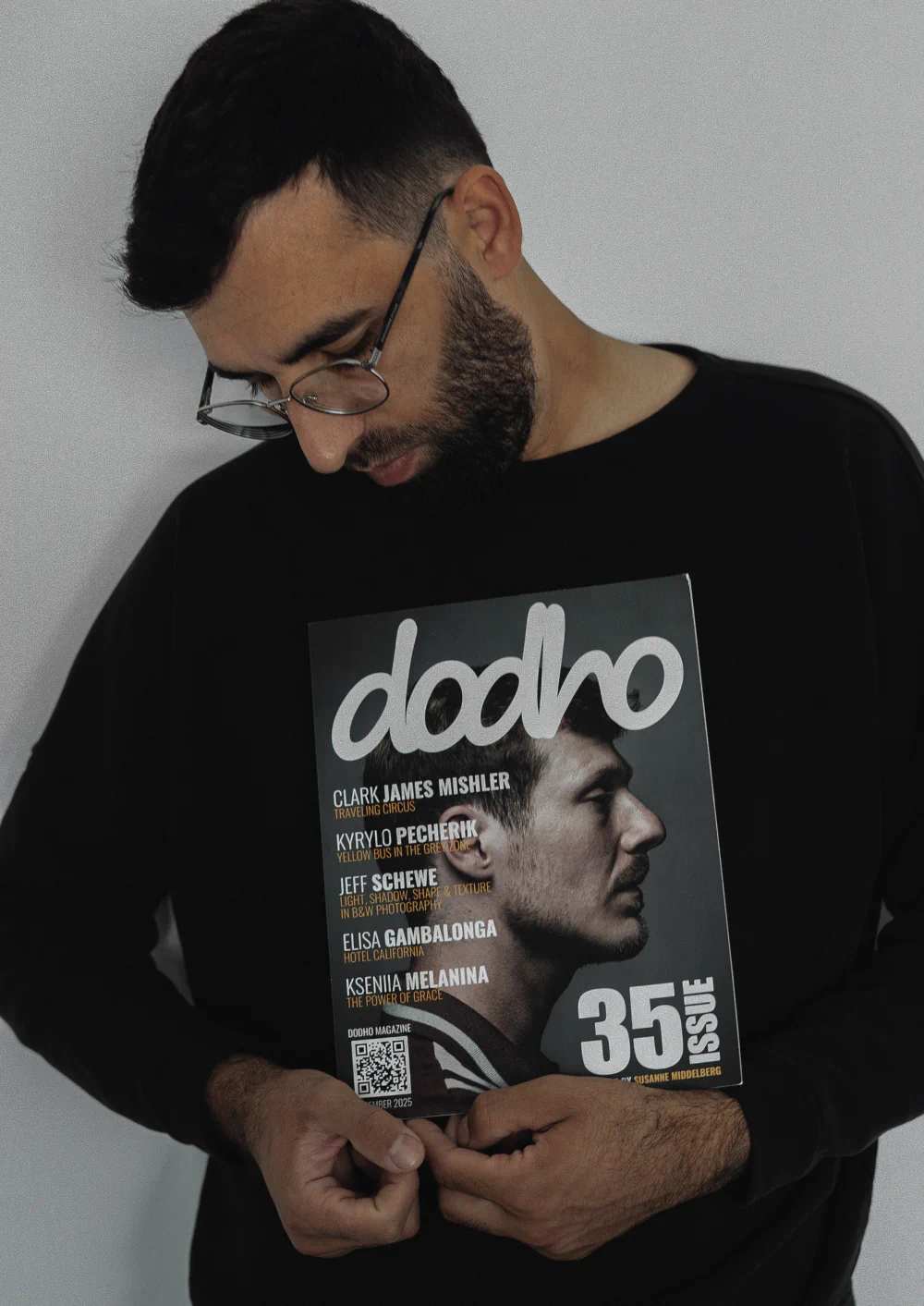
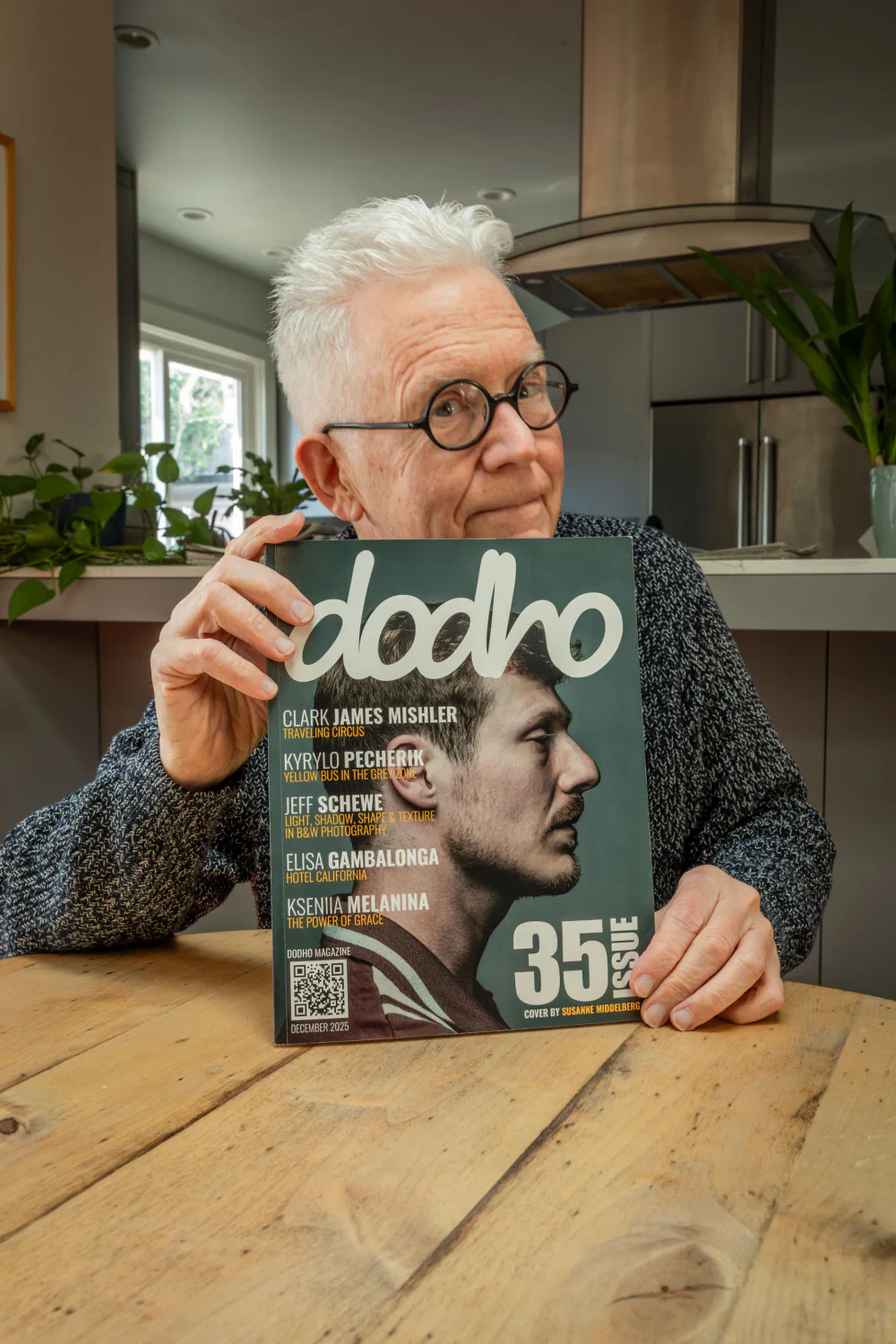
Kyrylo Pecherik is one of the featured authors of Issue 35 of Dodho Magazine. Born in Odesa, Ukraine, he began photographing everyday life during his school years, later working as a photo correspondent for regional newsrooms across the country. Since 2022, his work has continued to focus on documenting people and situations shaped by the war.
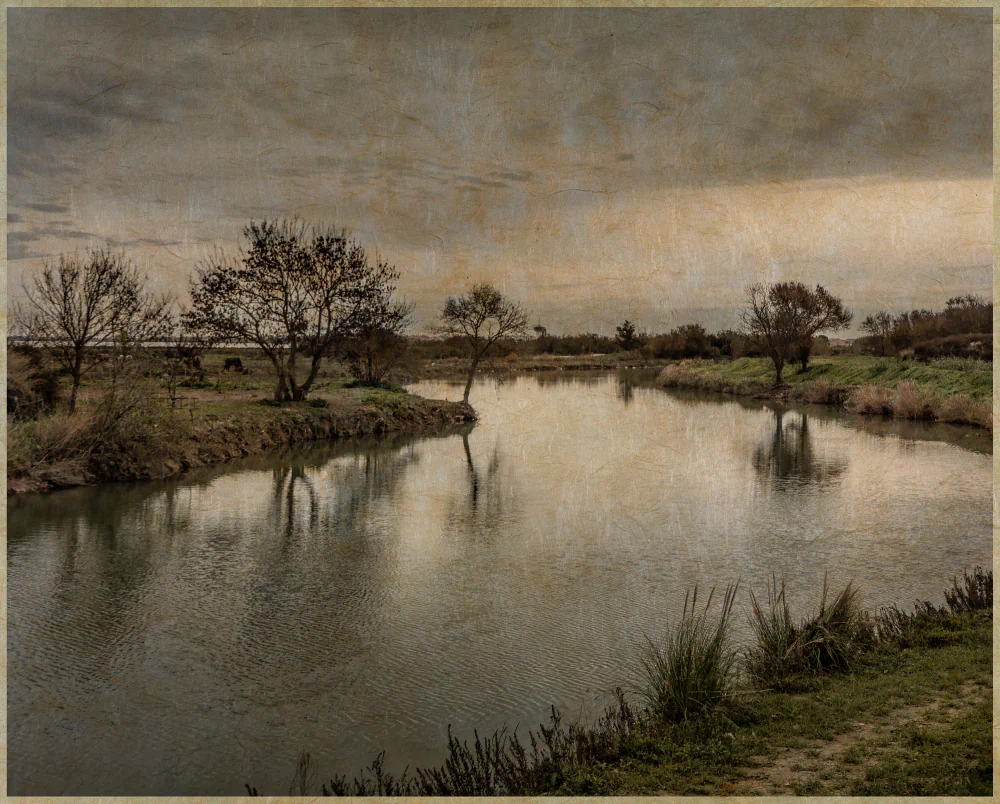
This work is the result of an artistic residency commissioned by the Transit photography collective, with a creative grant from the city of Montpellier, France. A residency is a process of research. The aim was to focus on the city of Montpellier and its rapidly changing urban space.
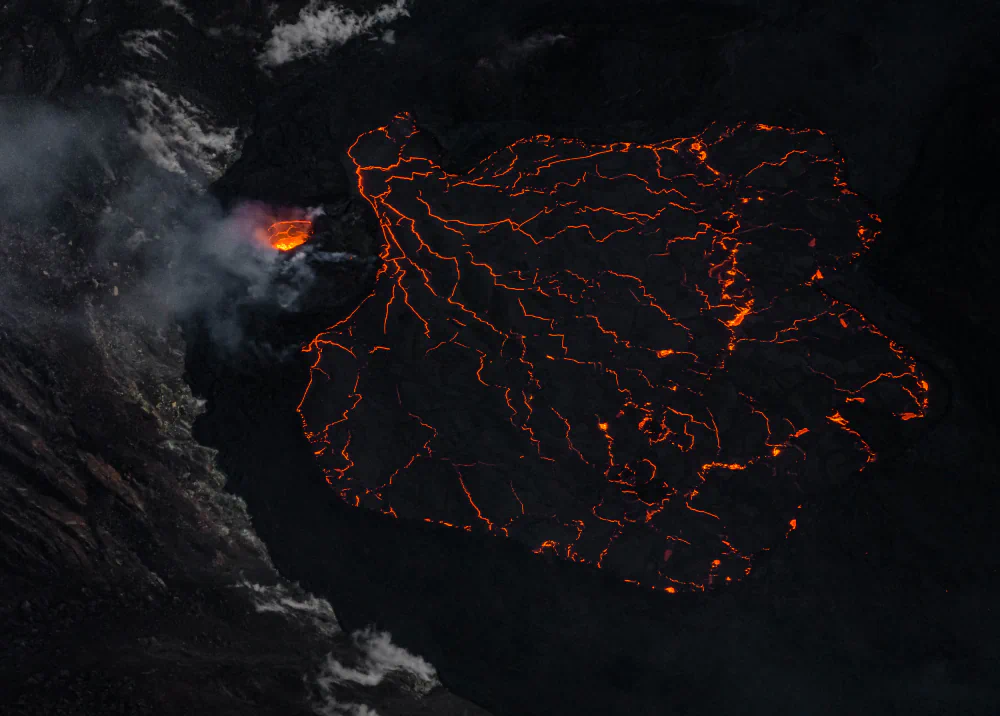
In the Beginning…After moving from Ohio to Hawaiʻi in 2007, I began rethinking the origin of land itself, imagining a time when it existed in a fluid, molten state, shaped through volcanic evolution and continual transformation.
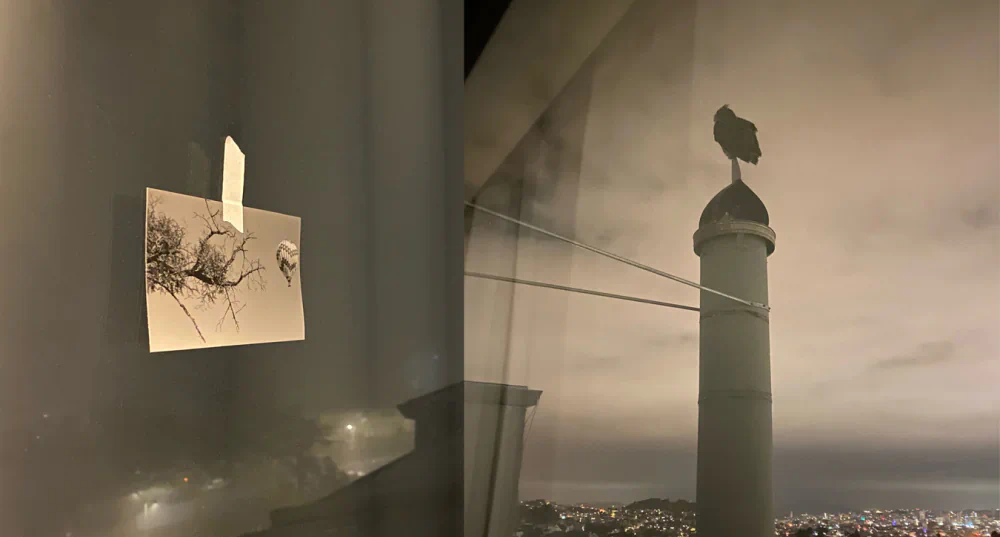
Waiting—long, tiresome months and years of waiting—for the news, for the vaccines, for any break in the narrative, for good developments, for positive change, for our lives and everyone else’s, and simply looking outward.
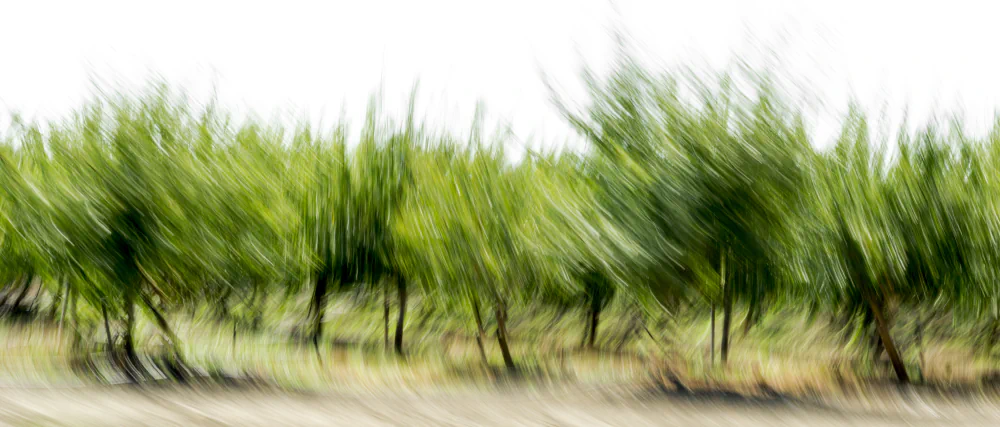
Using Intentional Camera Movement (ICM)—a photographic approach that combines a slow shutter speed with deliberate camera motion—65 MPH is a body of work created while traveling as a passenger through California’s San Joaquin Valley.
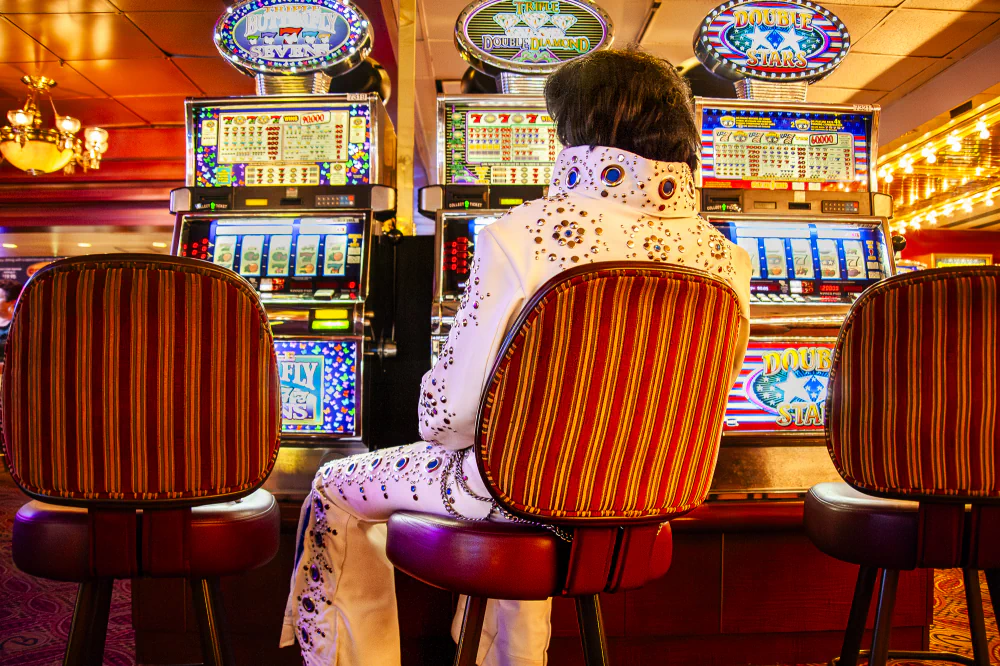
CASINOLAND – Tired of Winning is the result of a thirty-year-long photography project in which Michael Rababy documents American gambling culture. Rows of shrill slot machines, glowing billboards, and gaudy splendor appear alongside exhausted faces, weary expressions, and lost games.
In many countries, suicide rates among the elderly are disproportionately high, yet older adults are often excluded from discussions on mental health and suicide prevention. However, for the families and loved ones left behind, each suicide leaves broken hearts and unanswered questions.
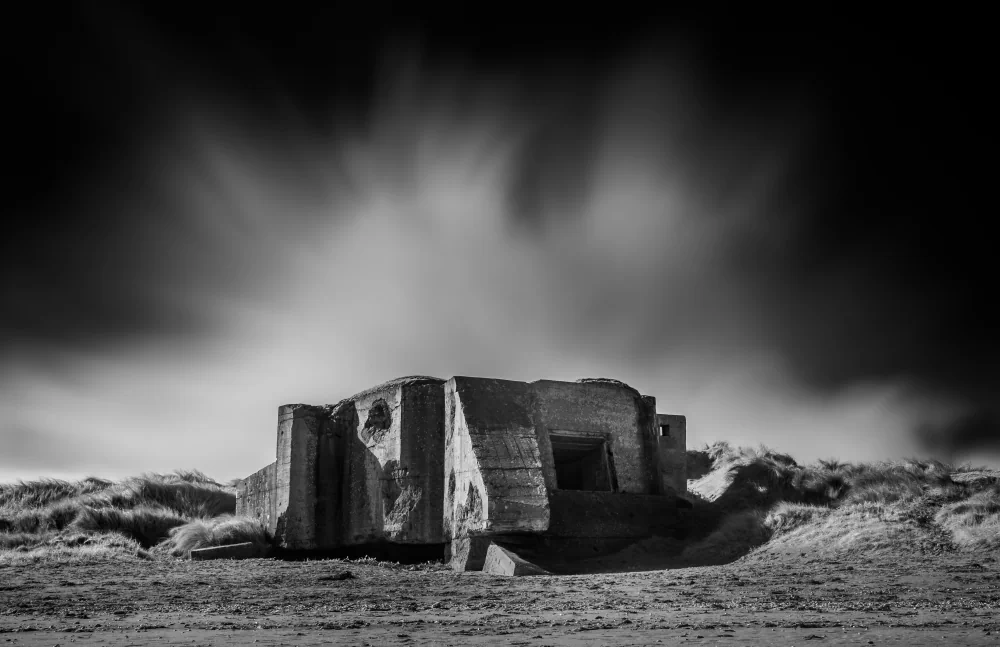
In the annals of history, there are moments that define not just a generation but an entire era. June 6, 1944, forever etched into the collective memory as D-Day, was one such moment. The beaches of Normandy bore witness to a pivotal chapter in the history of humanity.
Kseniia Melanina is one of the featured artists in Issue 35 of Dodho Magazine. Her work develops through a progressive and conscious relationship with photography, understood not only as a technique but as a way of seeing and thinking about the world.
The term epiphany originally referred to a moment of divine insight—a sudden, luminous break in the ordinary fabric of existence through which something transcendent becomes visible. Over time, its secular usage gained prominence, particularly through the works of Irish novelist James Joyce.
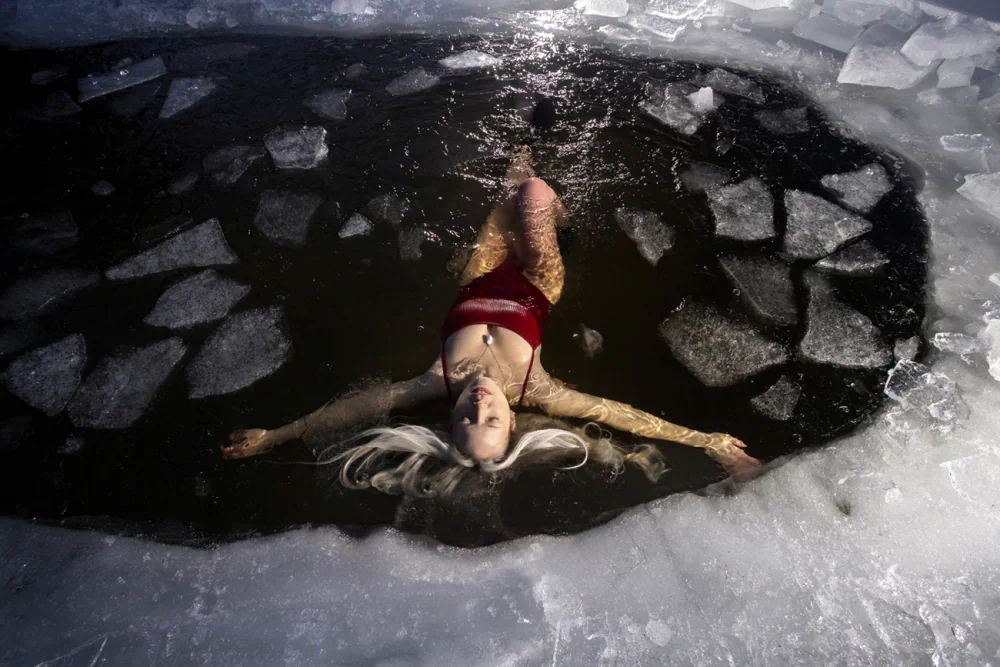
The small swimming hole varies in size from about six to ten feet wide throughout the winter, depending on the enthusiasm of the cold-water plungers chipping away at the ice each day. Yet the range of human experience within this small area is remarkable.
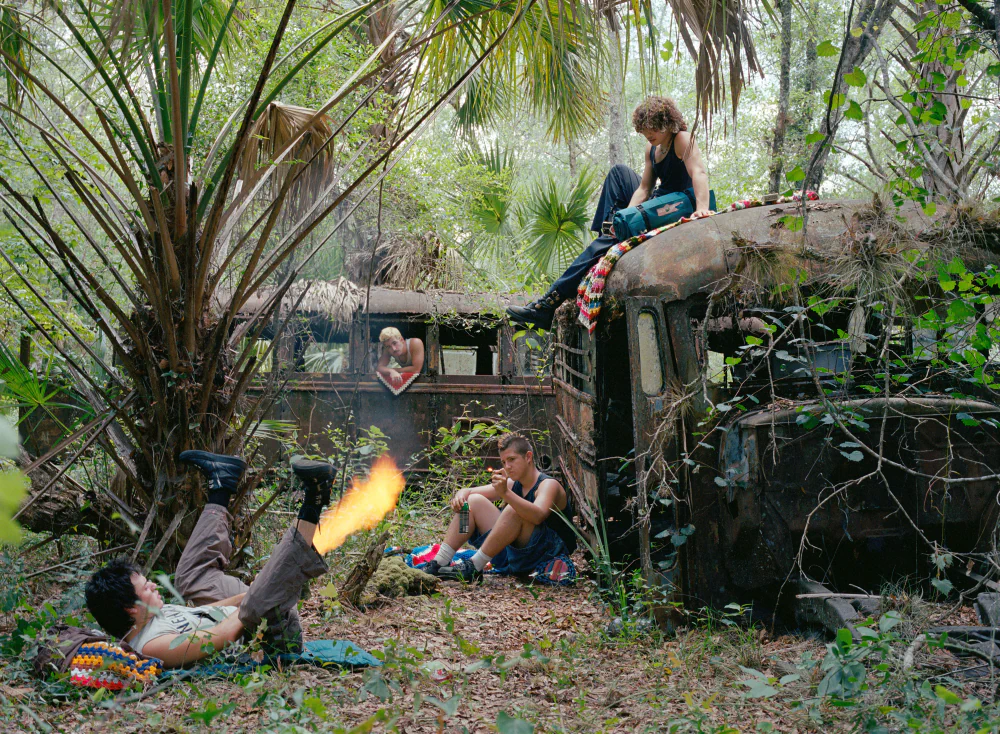
Florida Boys, an ongoing photographic project by Josh Aronson, examines how the American landscape participates in the formation of identity, particularly masculinity, belonging, and coming of age in the contemporary South.
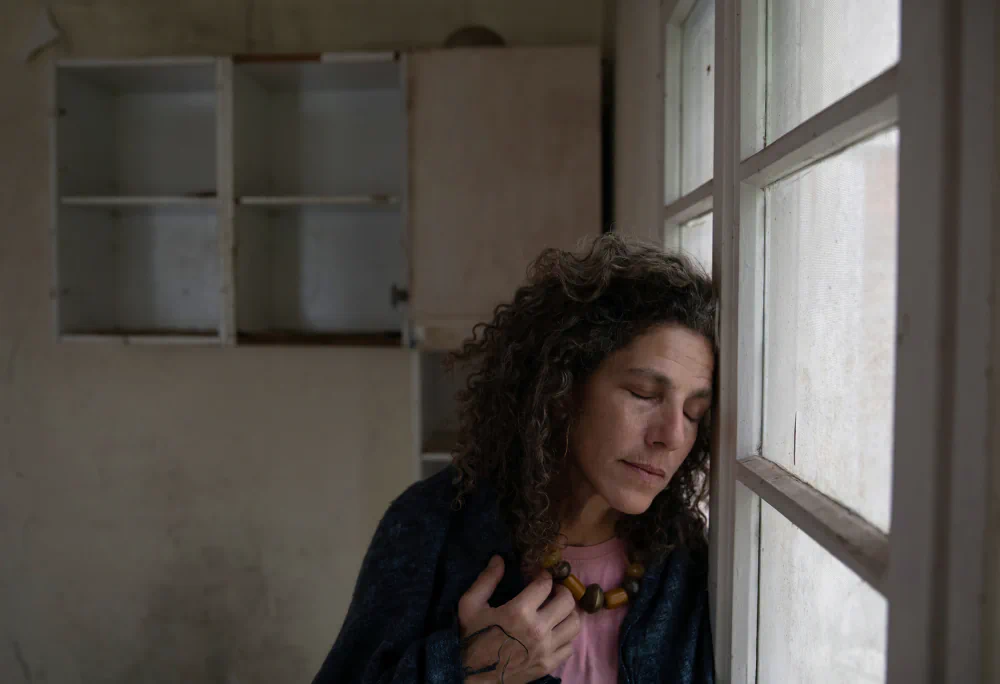
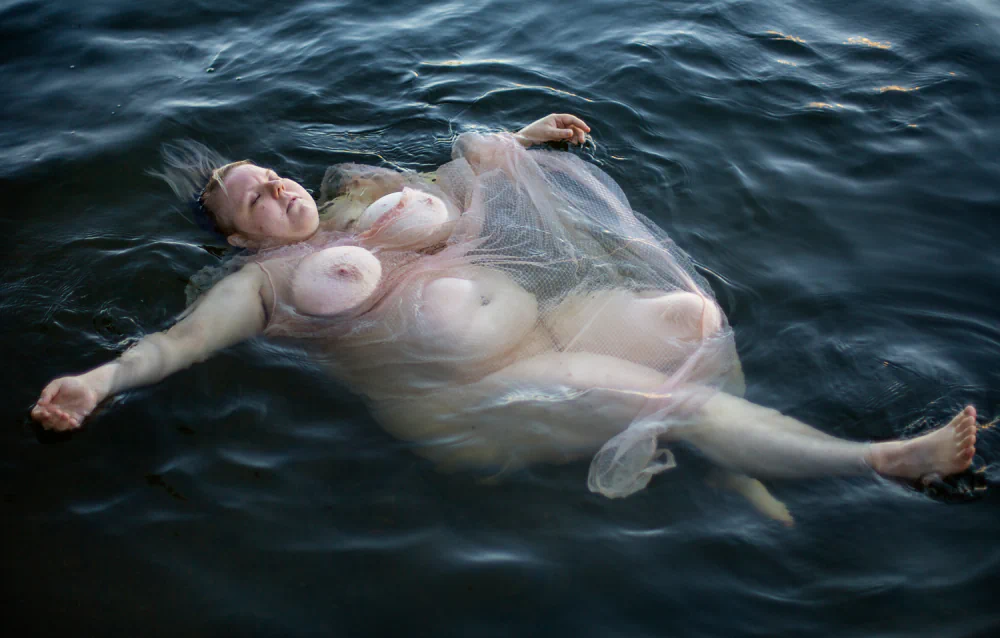
In Midlife, Carucci confronts the realities of aging and transition. Over seven years, she turned the camera on herself and her family to explore common themes of physical change, identity, and mortality, particularly from the perspective of womanhood in midlife.
For more than three decades, my photographic practice has been shaped by a persistent desire to test the limits of the medium. In the late 1990s, I engaged deeply with emerging digital technologies, pushing and exhausting all the possibilities the digital world could offer.
Clark James is one of the featured authors of Issue 35 of Dodho Magazine. His work is rooted in a documentary tradition based on time, proximity, and sustained observation, where photography becomes a tool for understanding people through their environment, their work, and their shared rituals.
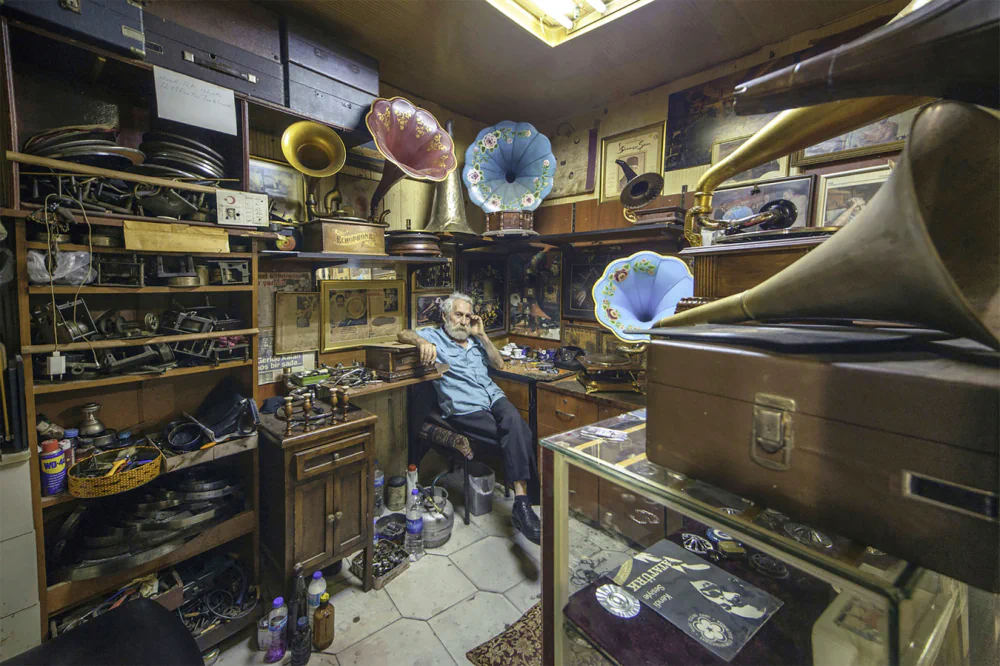
In his photographic series The Guardians, Antaki presents profound and intimate portraits of artisans and shopkeepers, whom he sees as custodians of unique “urban temples.” These modest spaces—shops, market stalls, and workshops—exist far from conventional landmarks, yet they embody the authentic cultural fabric of their communities.
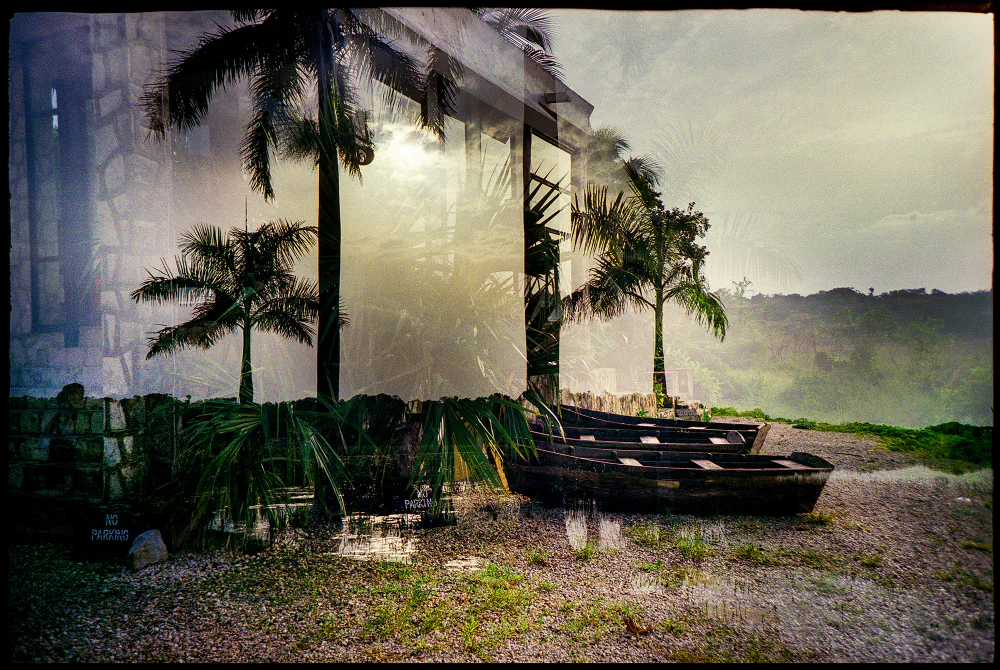
Eclectic is a ten-year series of double-exposure photographs depicting street environments from different cities, as well as countryside and beaches around the world. Each location reveals its own personality, whether marked by liveliness or calm, through its colors and the elements that make it unique.
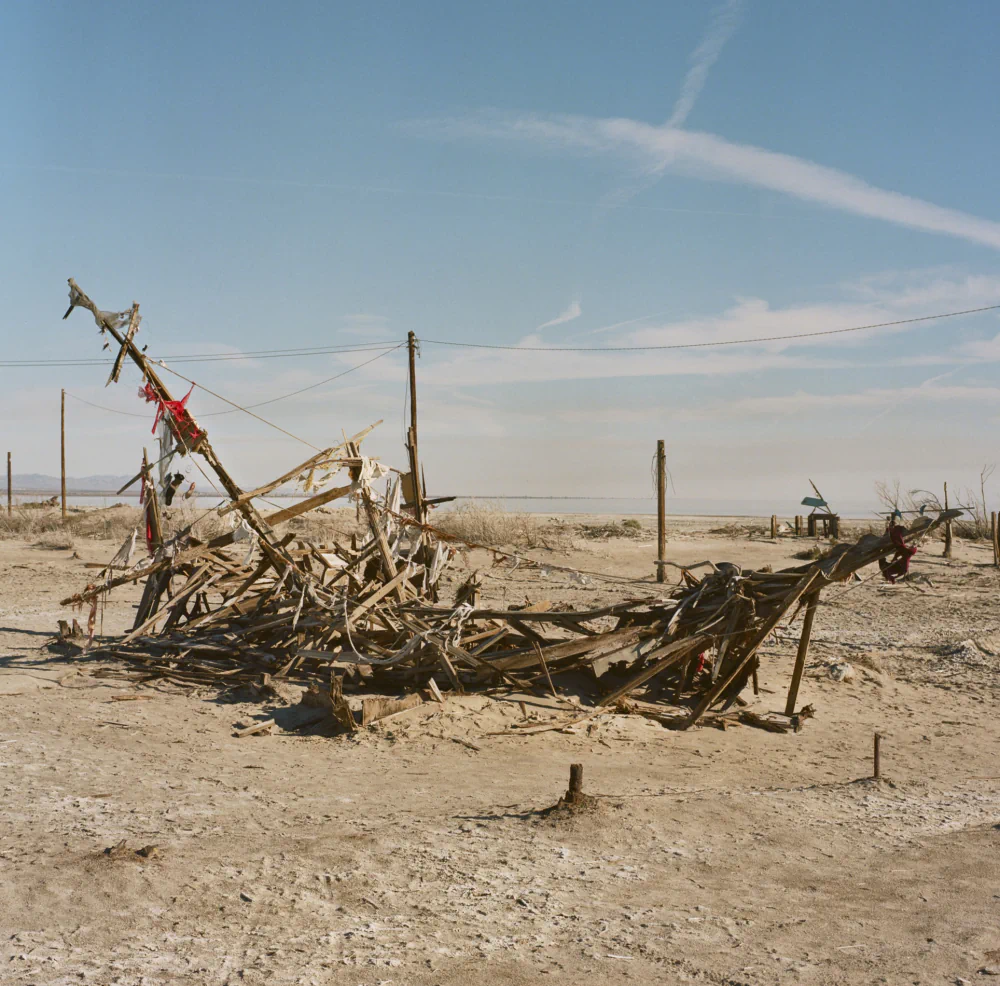
Bombay Beach was once a popular getaway for beachgoers until the 1980s, when the draining of the Salton Sea and rising salinity destroyed the lake’s ecosystem and drove businesses and private landowners out of the area, rendering Bombay Beach a ghost town. Despite this, by 2018 it was experiencing a kind of rebirth, with an influx of artists, intellectuals, and hipsters who transformed it into a bohemian playground.
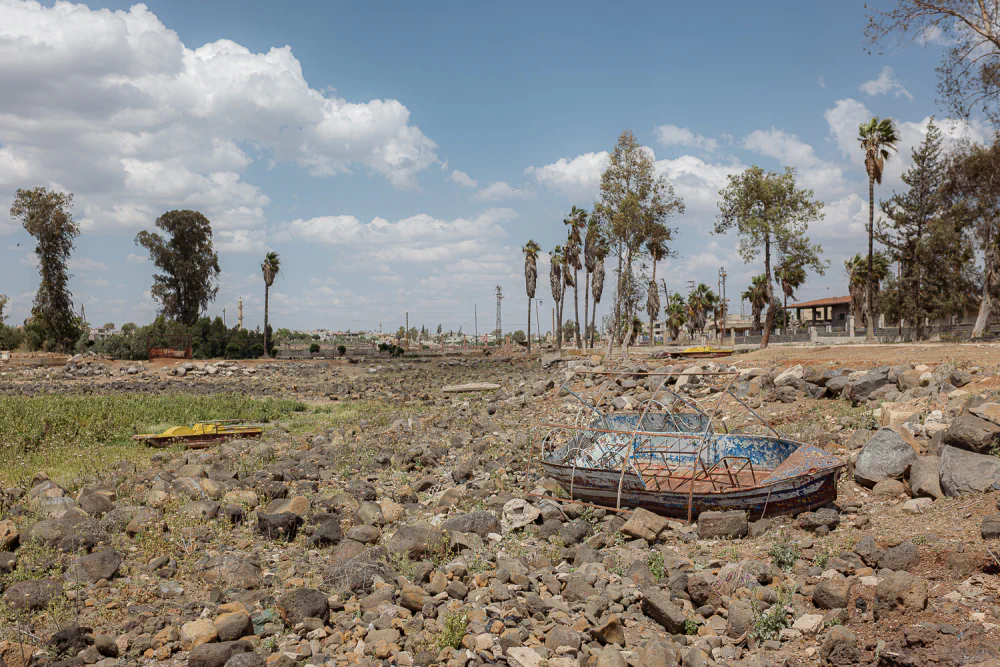
Drought in Daraa. After years of war, climate change threatens southern Syria’s breadbasket. The Daraa region was once among the most fertile and greenest areas in Syria. For centuries, its fields and orchards supplied vegetables, fruit, and meat to the country’s markets and for export.
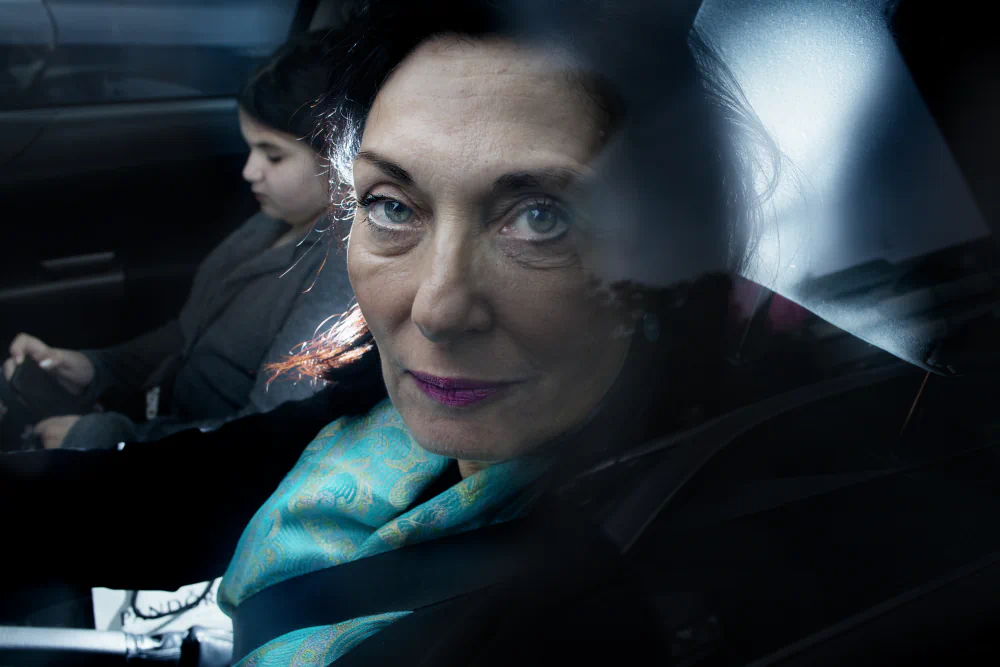
The Outside of the Inside is an ongoing portrait project that explores how inner experience becomes visible on the surface of the face and body. Through a series of carefully composed portraits, the work examines presence, vulnerability, and the complexity of being seen.
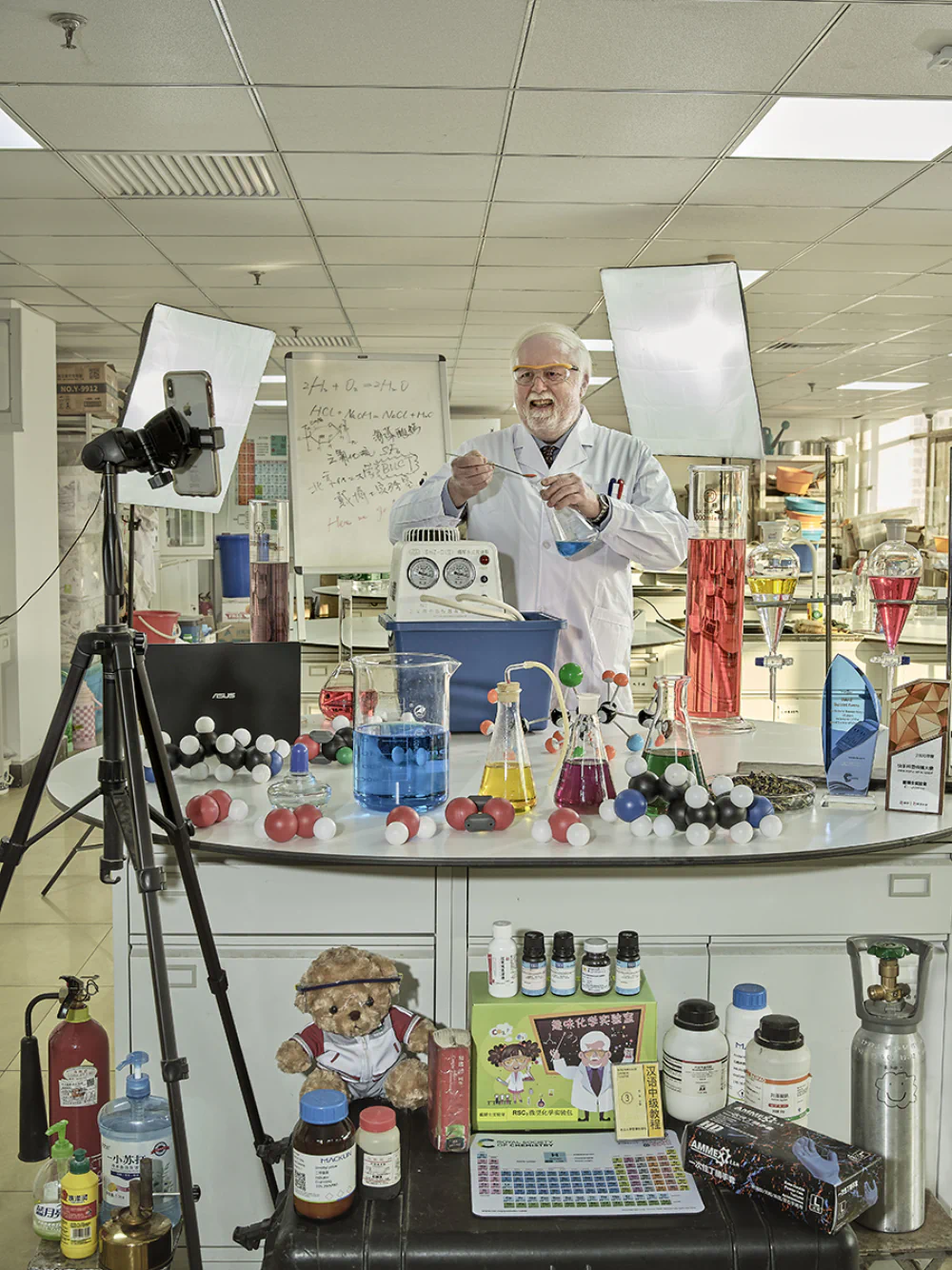
My work series, The Stuffs of Live Streamers, features nine live streamers in China from the post-pandemic period of 2021, a time when outdoor travel and activities were still heavily restricted. The pandemic dramatically changed people’s lifestyles over the previous two years.
This body of work reflects on mortality, the human condition, and our culture’s obsession with materialism. Through imagery inspired by Dutch and Spanish painting, it expresses the transience of our existence by exploring our shared relationship with food.
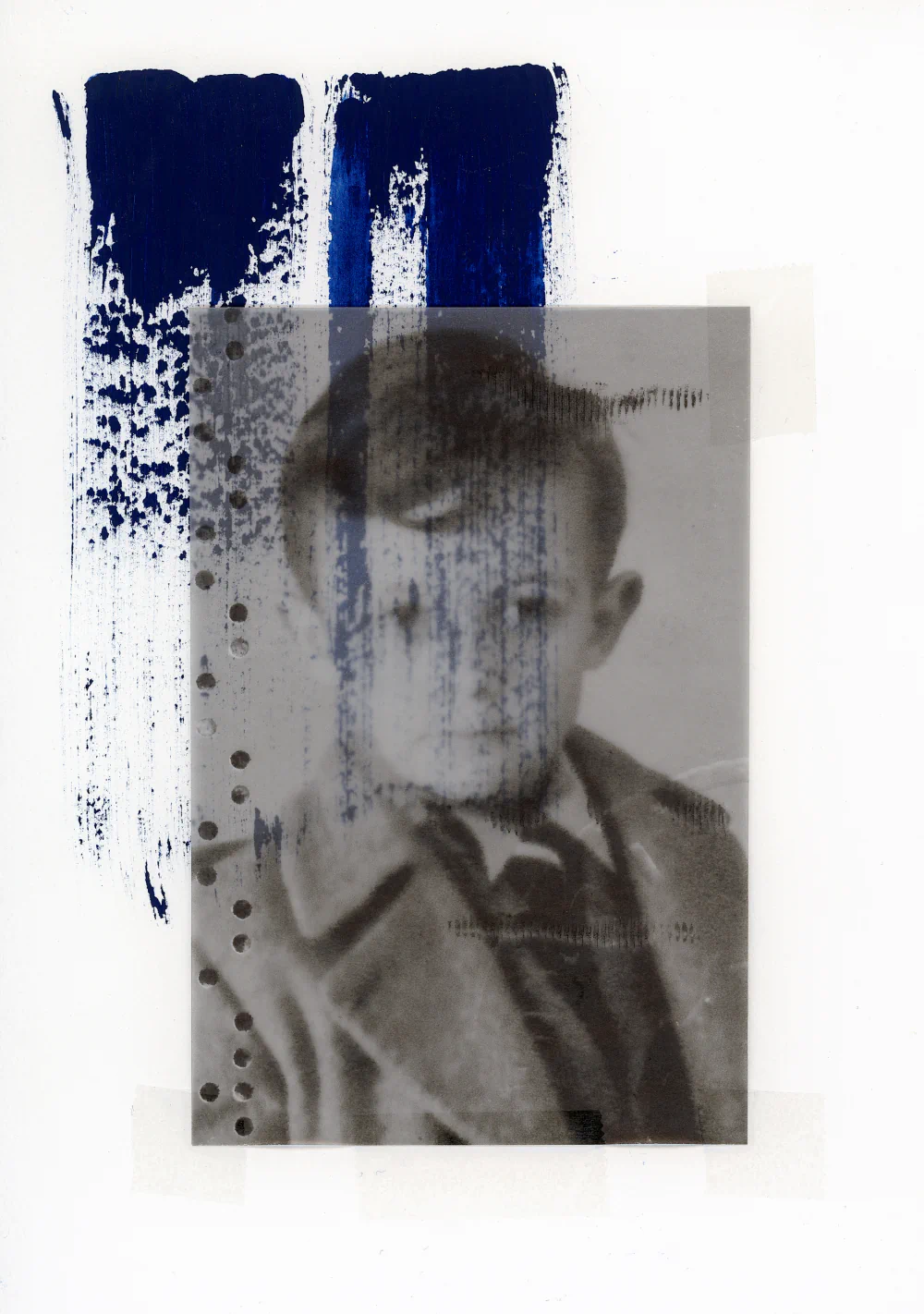
It began with a name I did not recognize, scribbled inside a book that once belonged to my grandfather. The book had traveled with me for over thirty years, unopened and untouched.
We use cookies on our website to give you the most relevant experience by remembering your preferences and repeat visits. By clicking “Accept”, you consent to the use of ALL the cookies.
This website uses cookies to improve your experience while you navigate through the website. Out of these, the cookies that are categorized as necessary are stored on your browser as they are essential for the working of basic functionalities of the website. We also use third-party cookies that help us analyze and understand how you use this website. These cookies will be stored in your browser only with your consent. You also have the option to opt-out of these cookies. But opting out of some of these cookies may affect your browsing experience.
Necessary cookies are absolutely essential for the website to function properly. This category only includes cookies that ensures basic functionalities and security features of the website. These cookies do not store any personal information.
Any cookies that may not be particularly necessary for the website to function and is used specifically to collect user personal data via analytics, ads, other embedded contents are termed as non-necessary cookies. It is mandatory to procure user consent prior to running these cookies on your website.