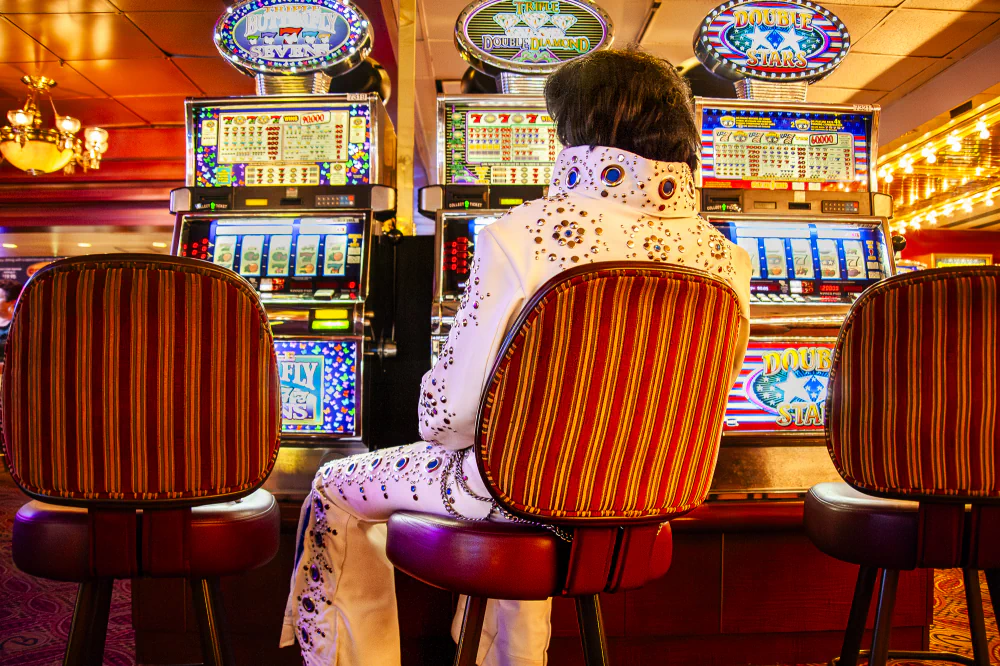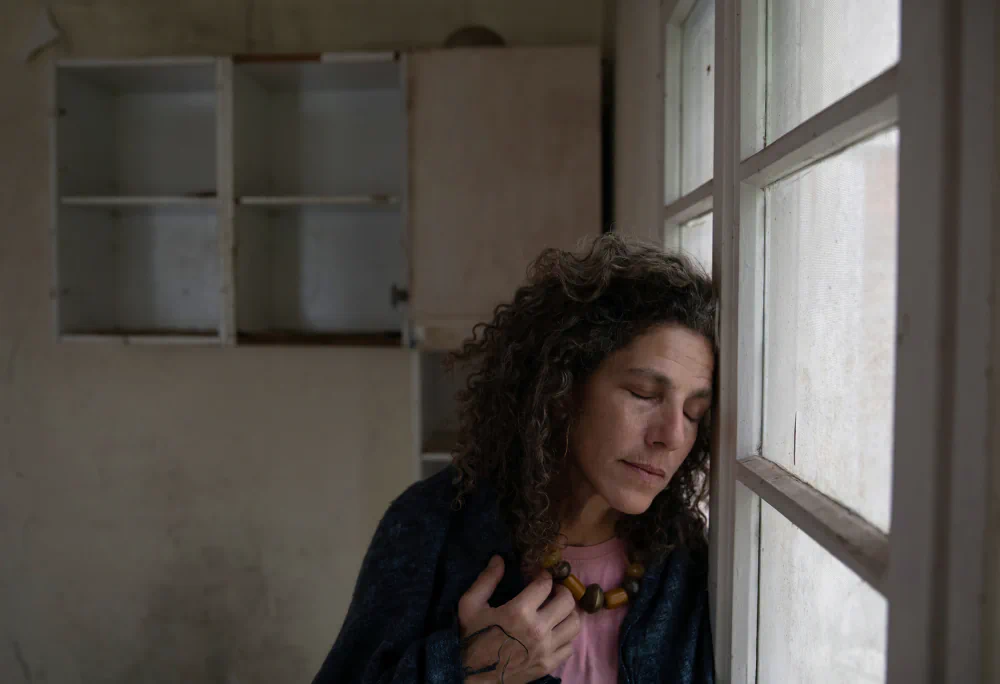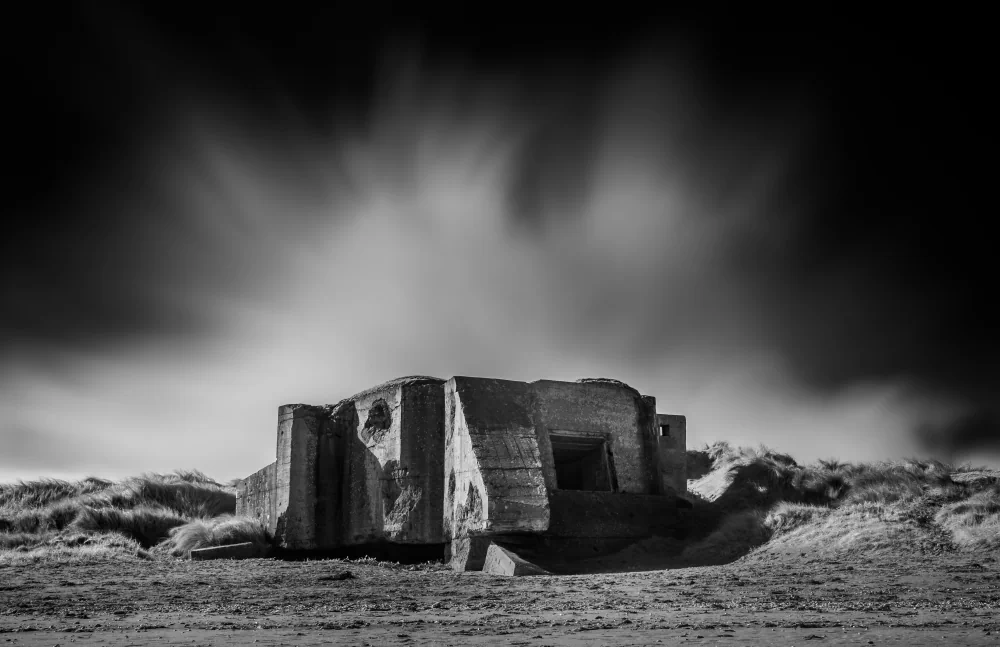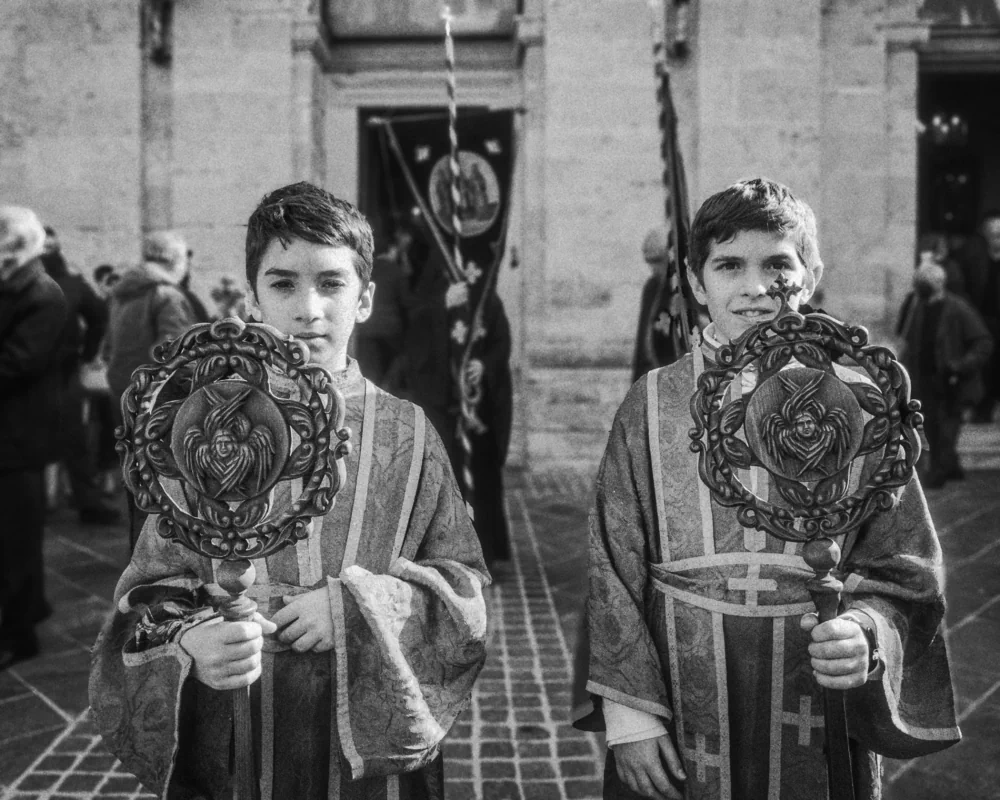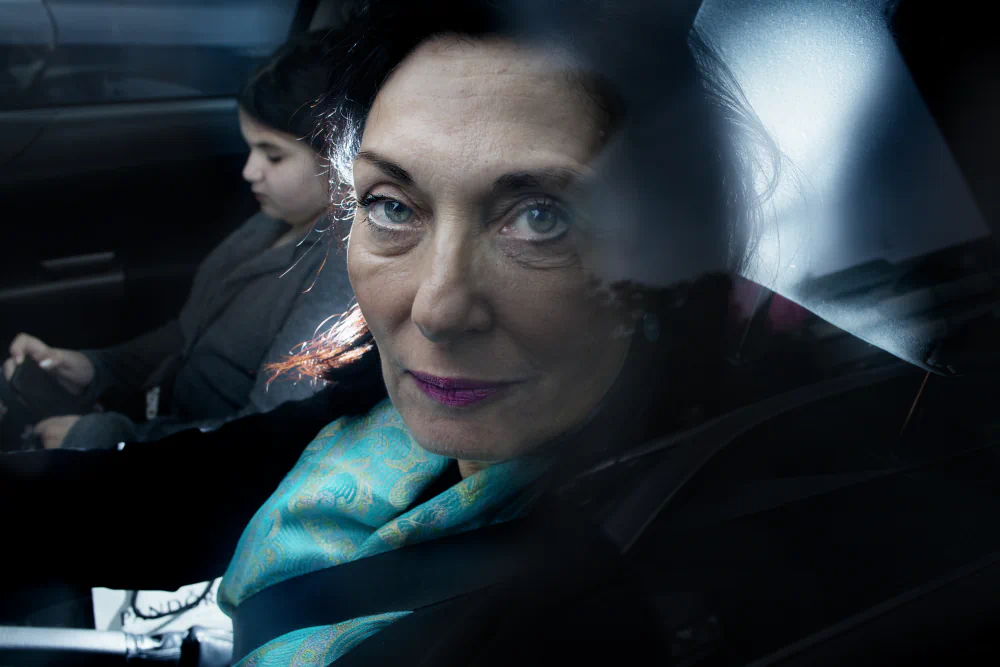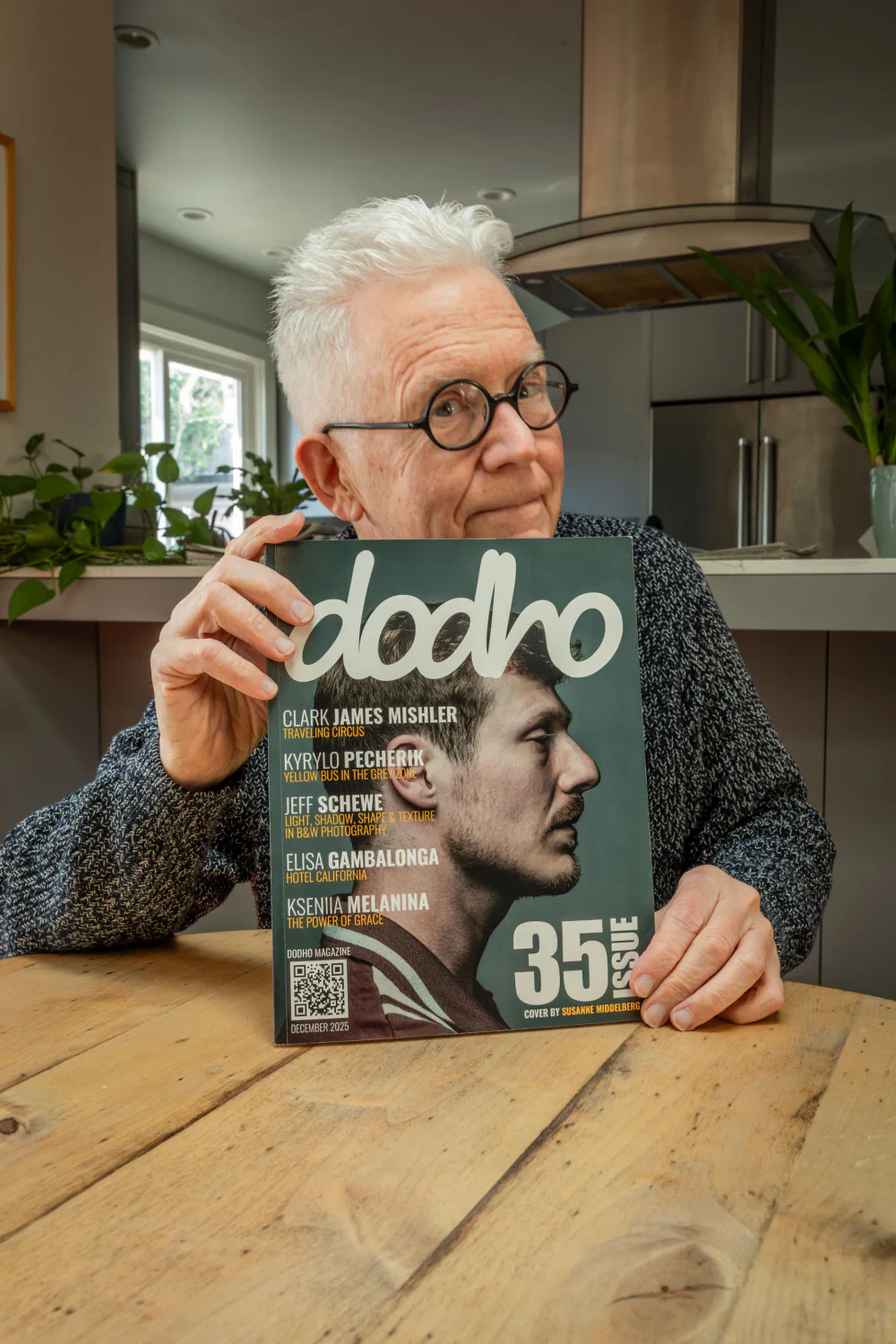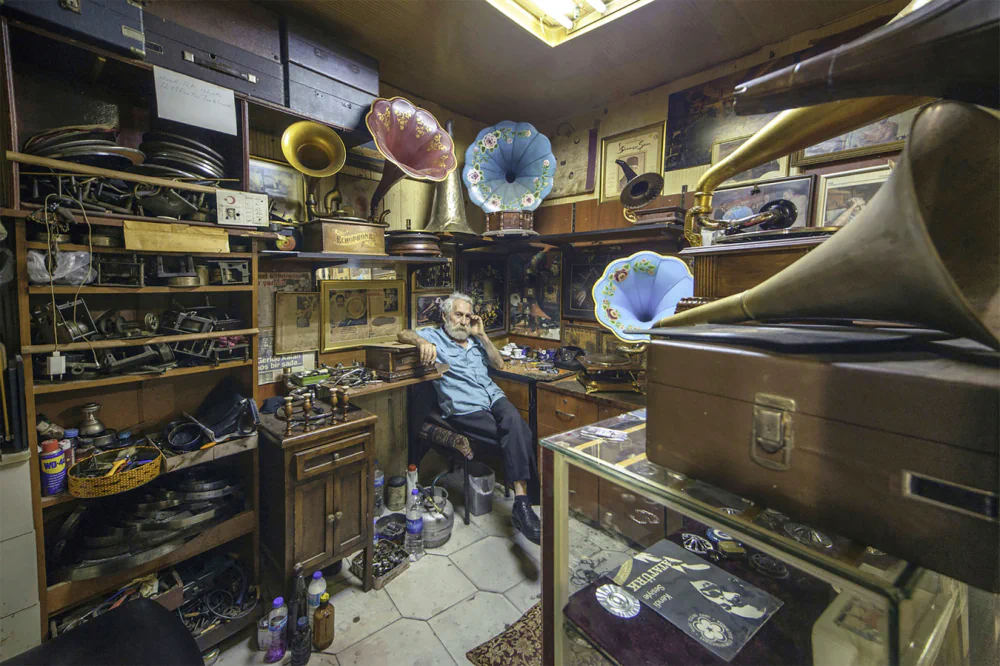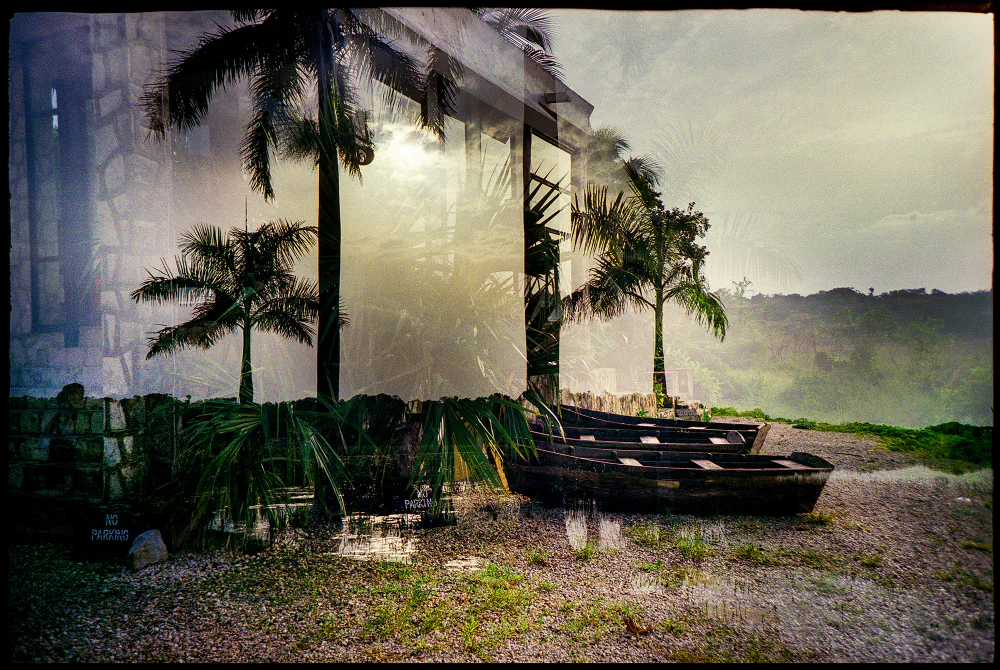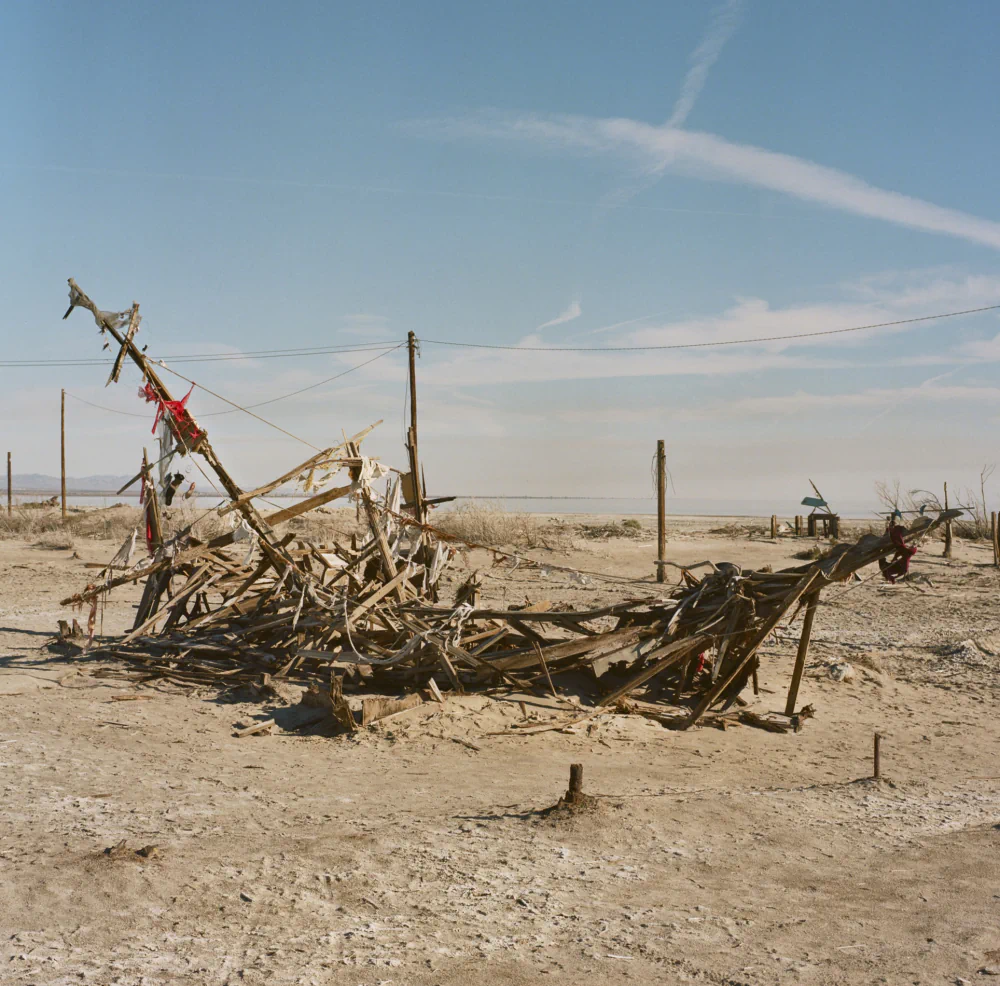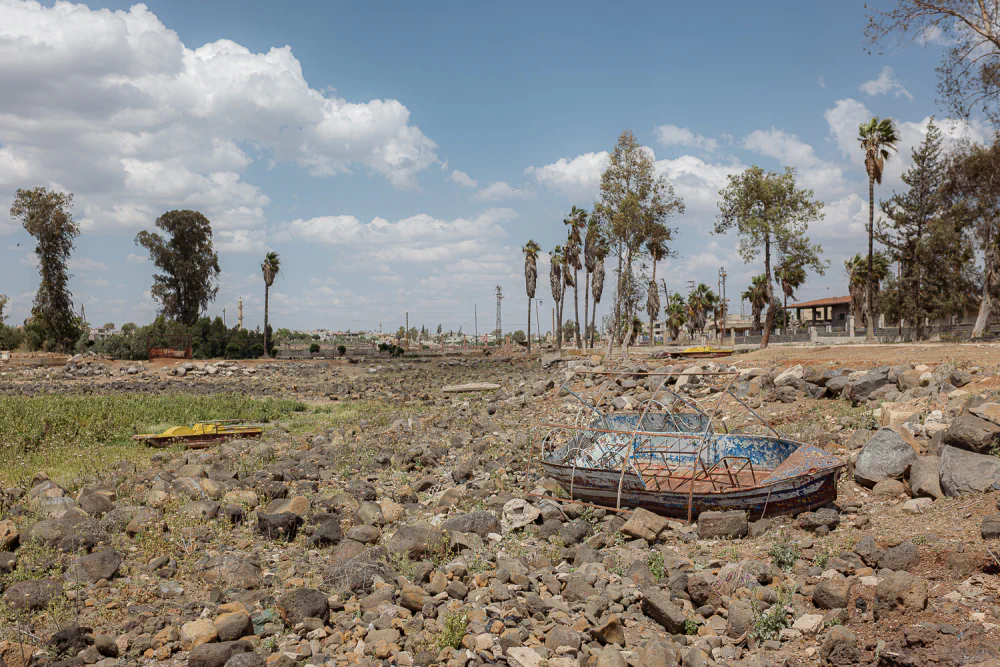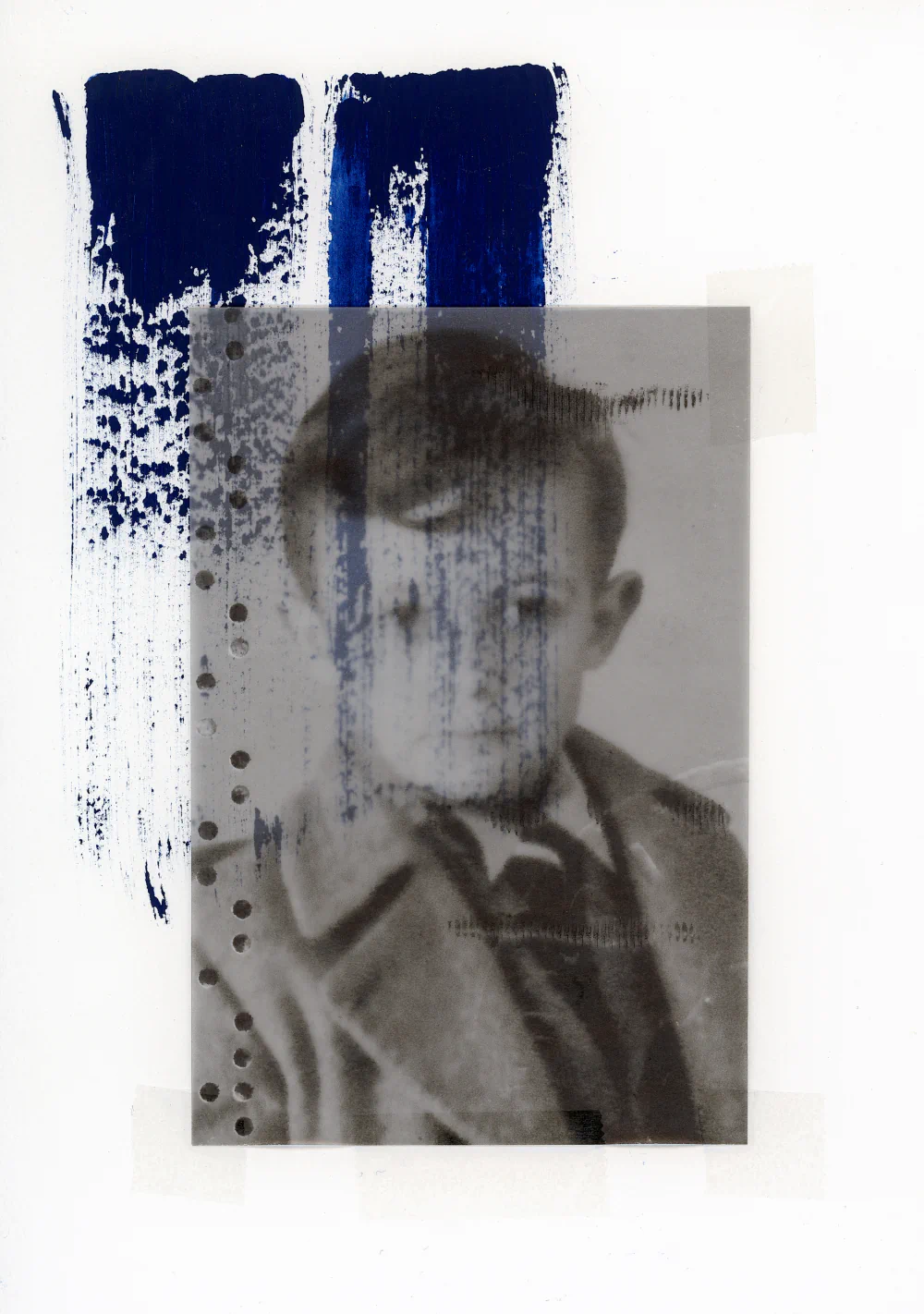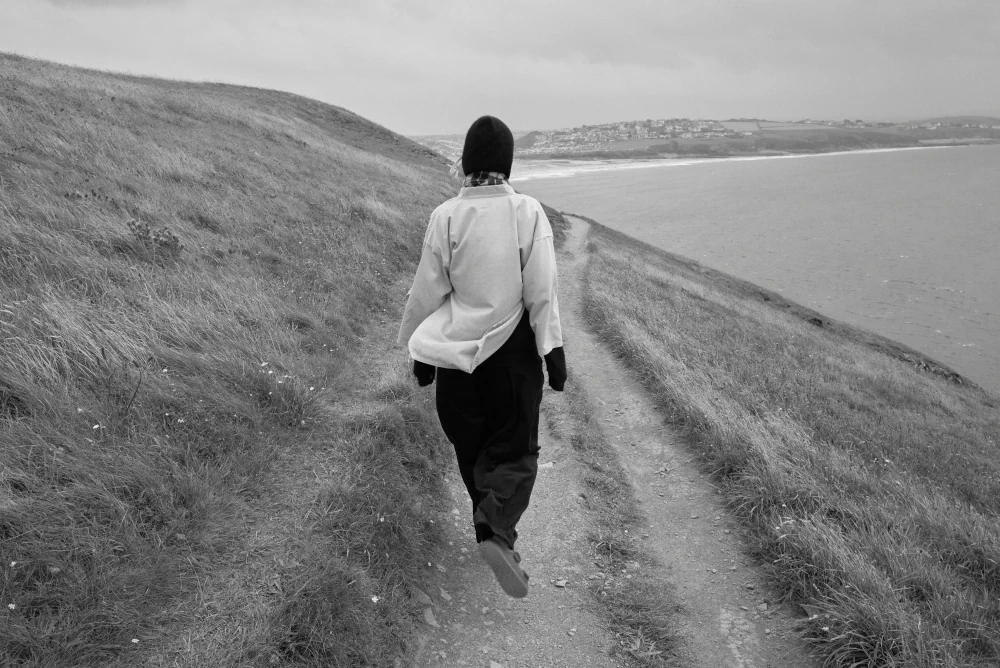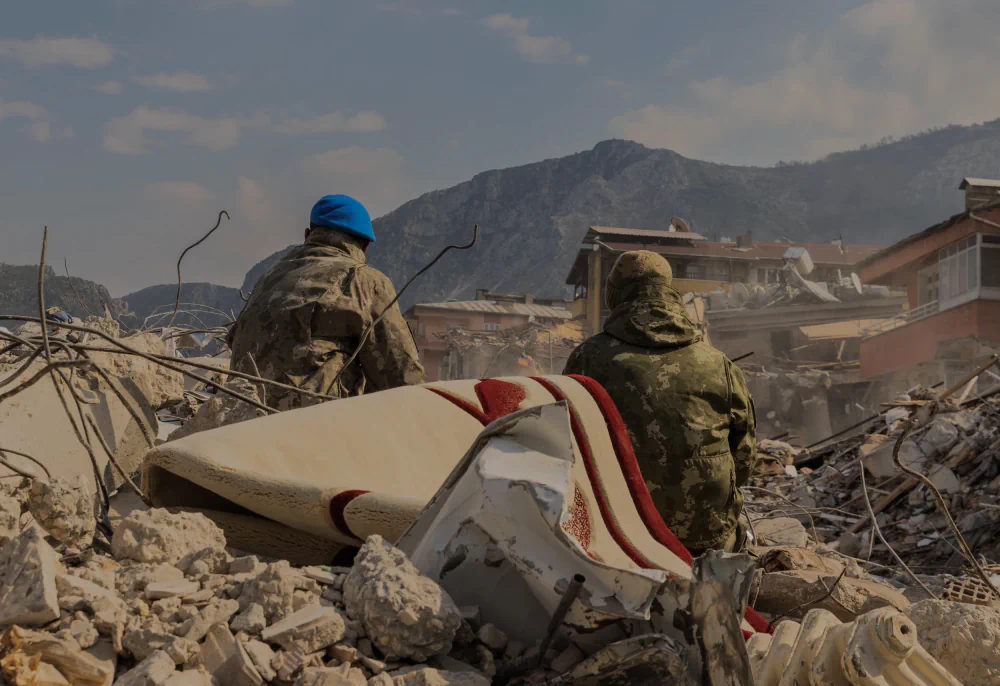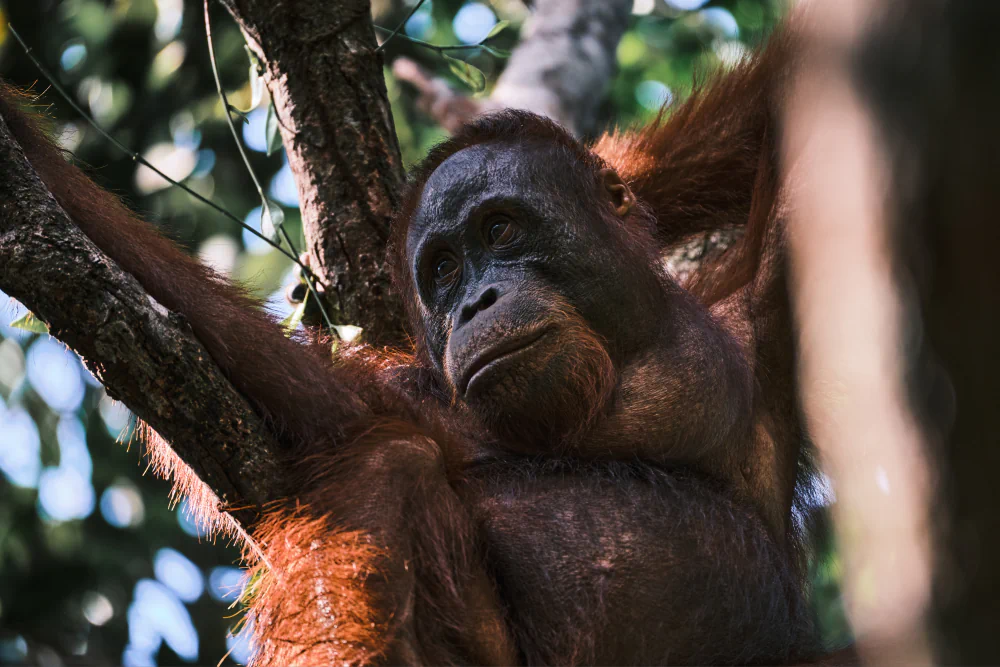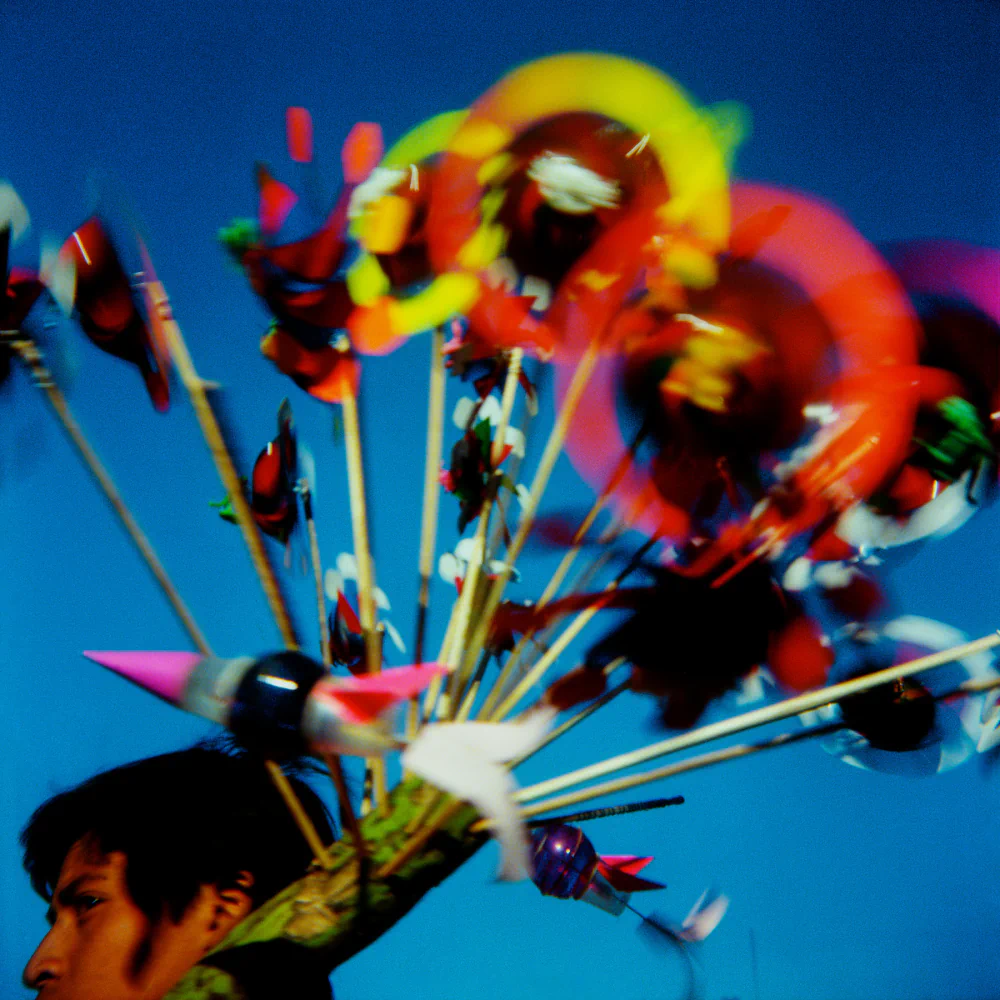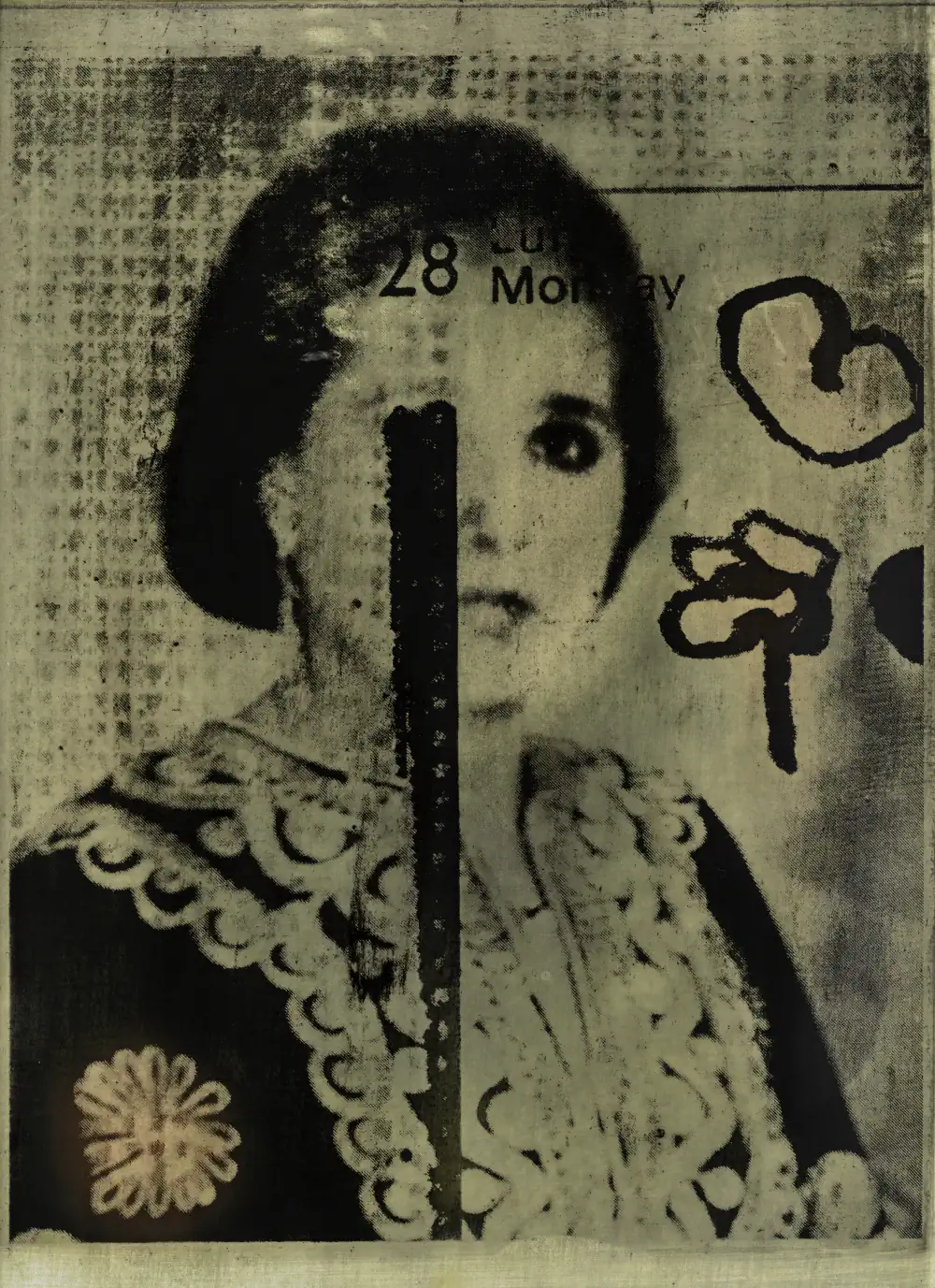

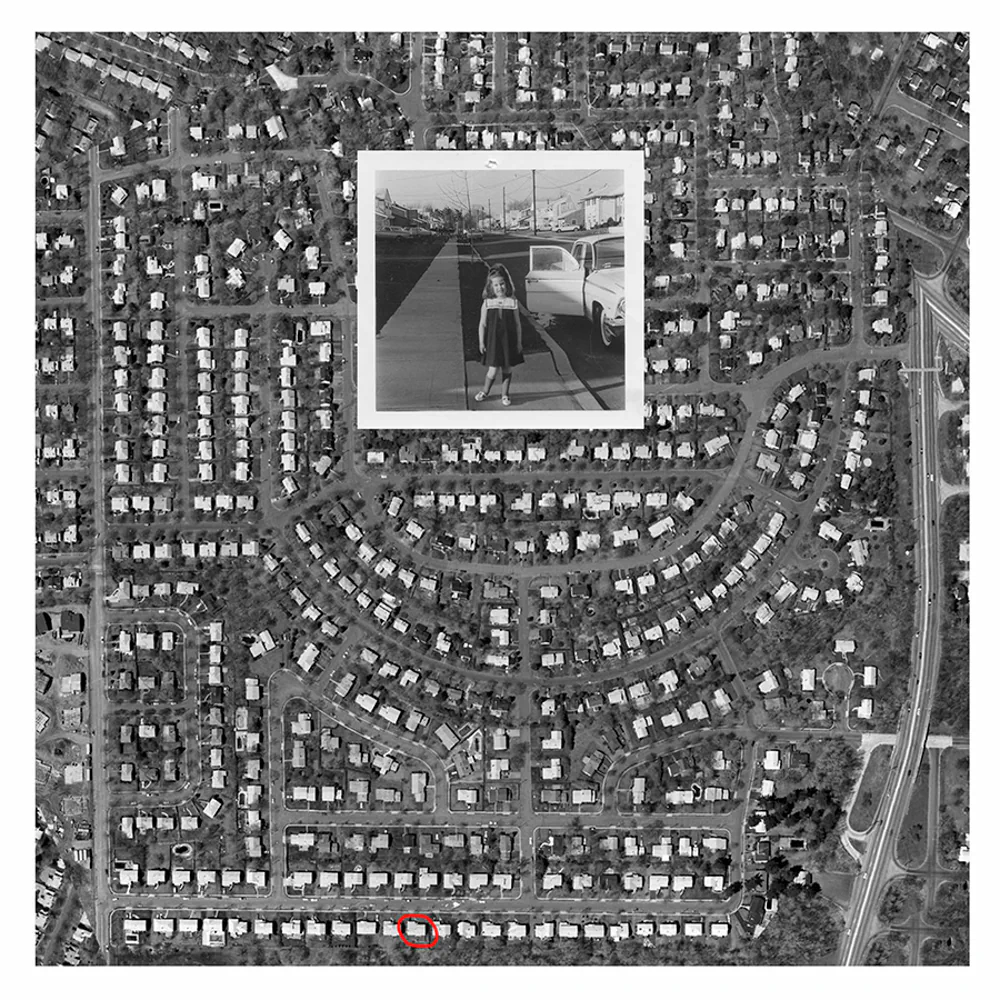
My Mother’s Tender Script is a photographic and archival project that explores memory, illiteracy, and resilience through the life and traces of my mother, Shukriya (شُكْرِيَة), a Yemeni woman who never received formal education.
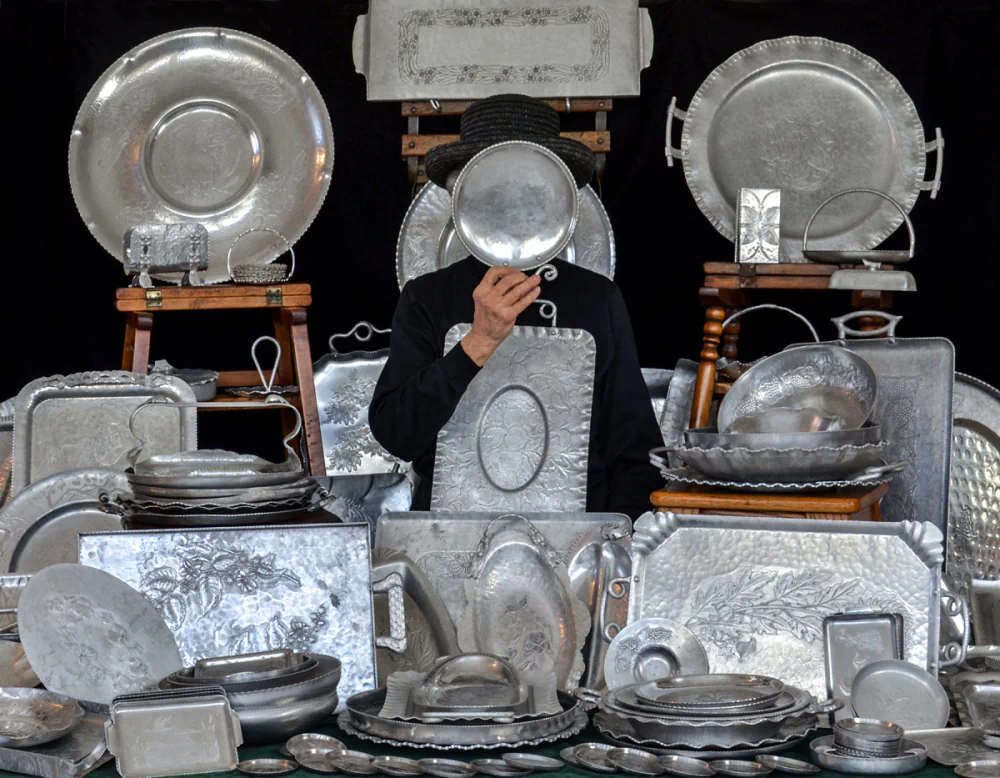
Sometimes life presents something unexpected, like a small gift fully wrapped with a bow on top. I entered the collector’s world of Andrea M. Noel after a friend thought I might be interested in photographing her collections.
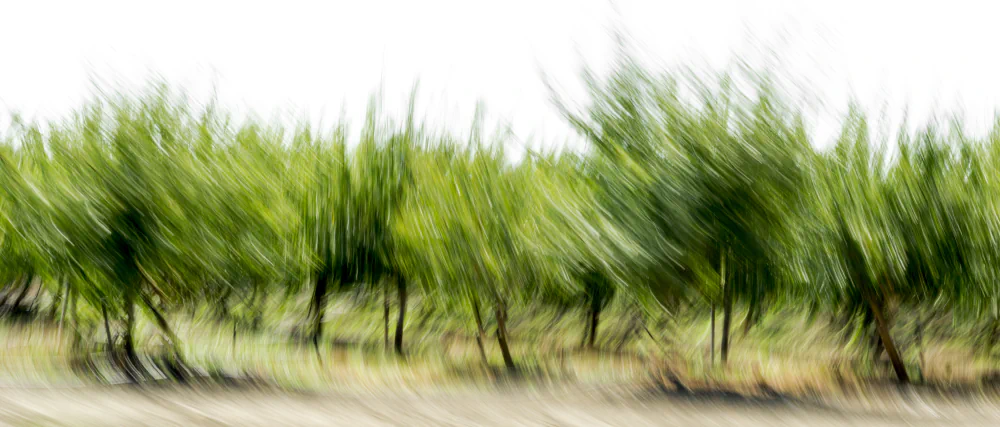
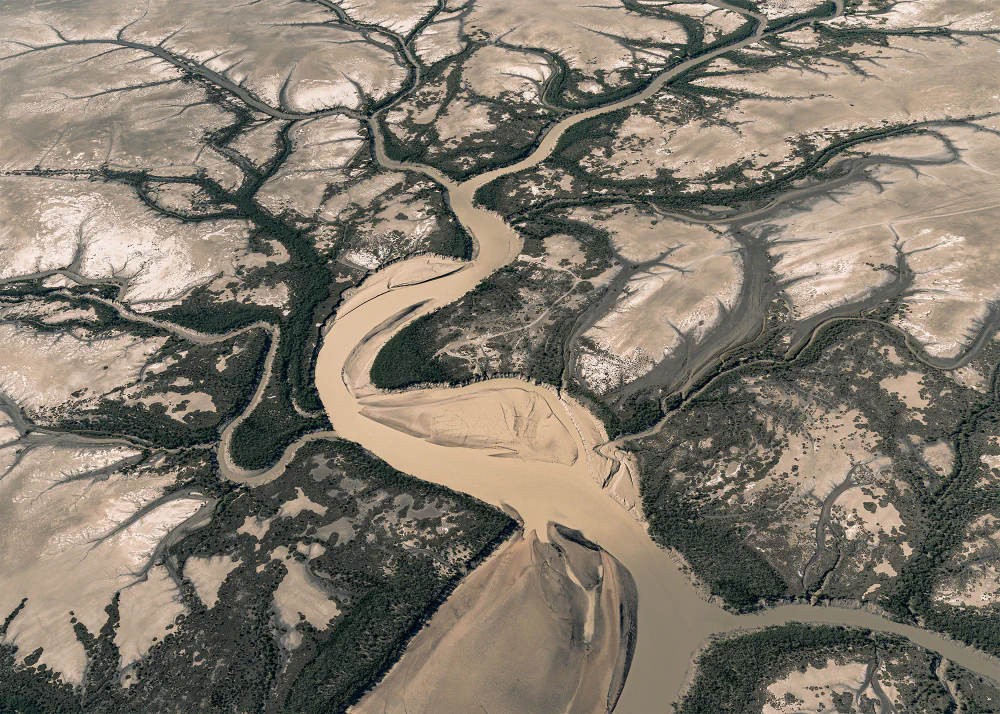
Roots is an abstract aerial photography series created from images taken in Western Australia. Working from the air allows me to step away from the physical experience of the landscape and observe it from a bird’s-eye view.

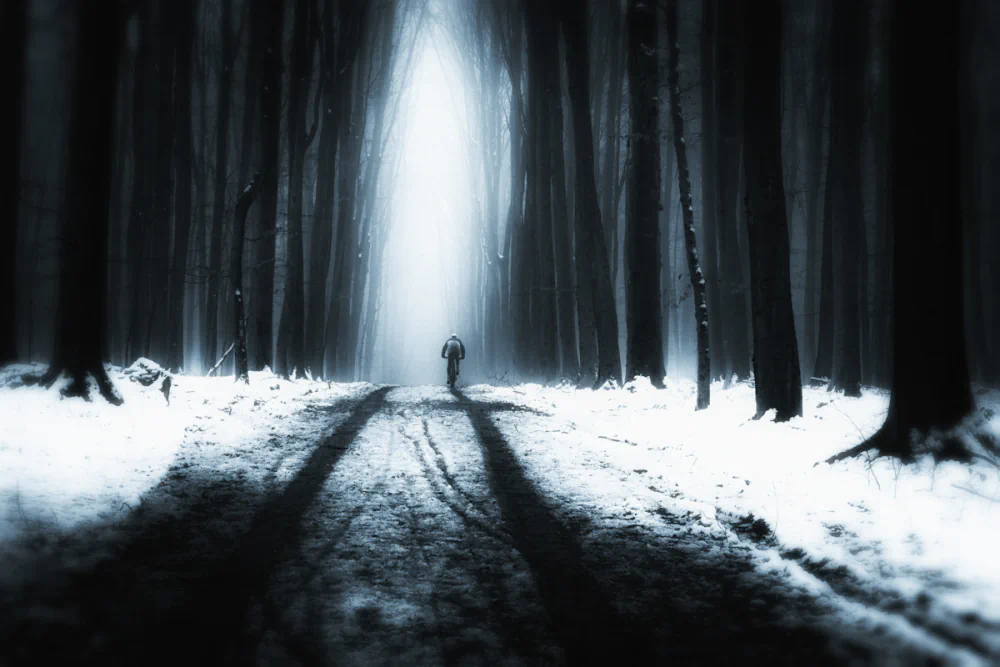
I went to the woods because I wished to live deliberately, to confront only the essential facts of life, and see if I could not learn what it had to teach, and not, when I came to die, discover that I had not lived. I did not wish to live what was not life; living is so dear.
As an artist working in the genre of staged photography, I construct, light, and photograph miniature tableaux in my studio to address the questions and contradictions of life. Despite the fact that I never depict actual humans in my photographs, the human psyche and condition are undeniably central to my work.
In the late 1970s, as a 33-year-old doctor directing a rural 120-bed hospital in Chókwè, Mozambique, I was responsible for the health of some 300,000 people. The intensity and isolation of that work left lasting memories that followed me throughout my life.
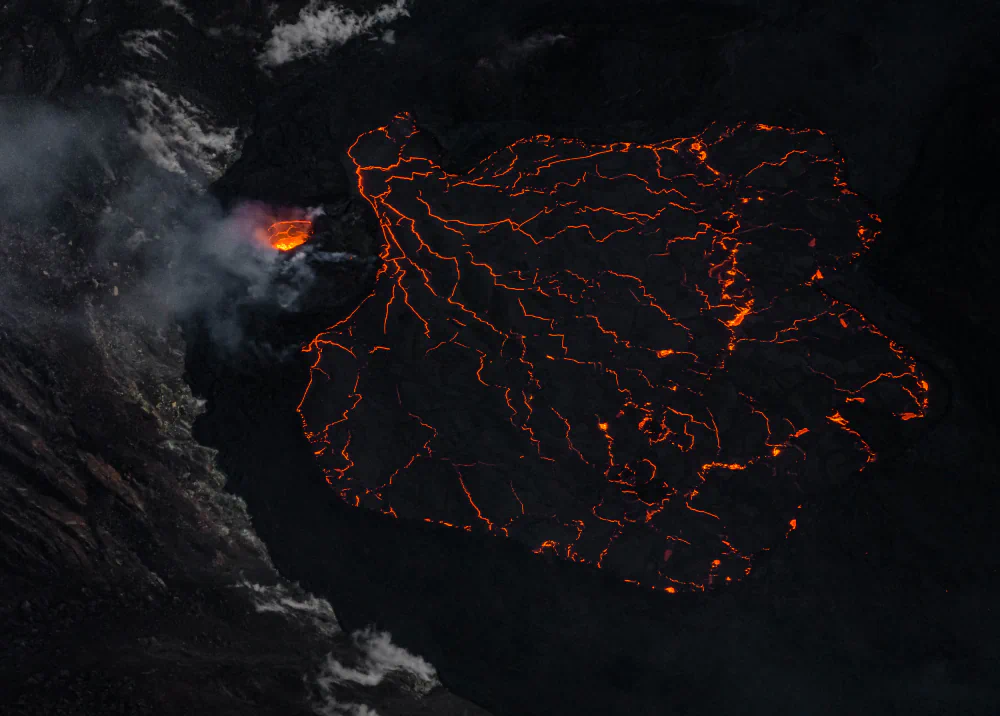
Elemental draws the viewer into the primordial landscapes of Iceland and Patagonia, where the earth still reveals its volcanic and glacial origins with raw immediacy. These terrains, vast and untamed, radiate a fierce beauty that can be, at times, both restorative and menacing.
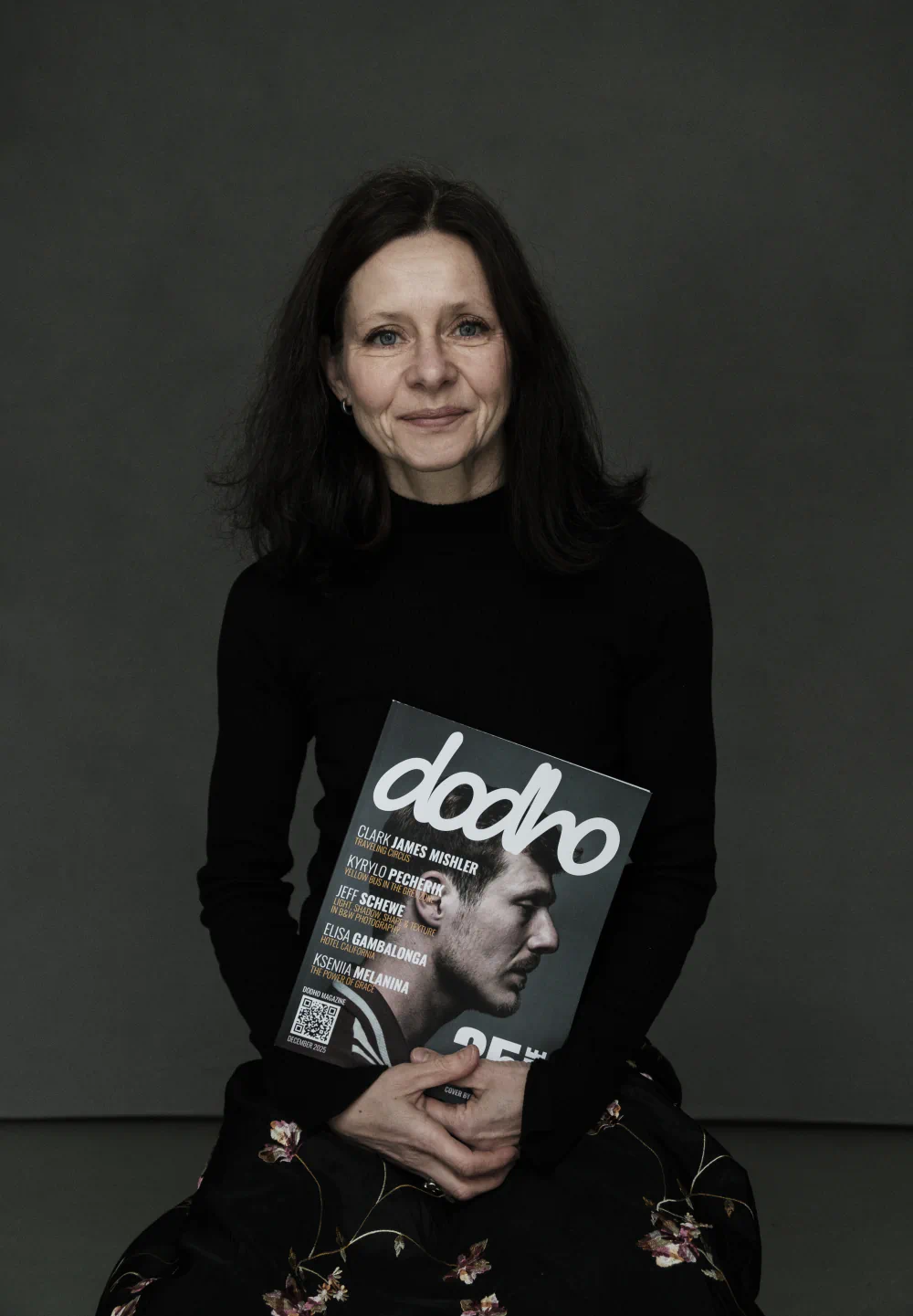
Her work unfolds in a fragile yet profound territory, where photography becomes a space for inner exploration, almost suspended between performative gesture, materiality, and emotion. Guided by a sensitivity shaped by the body, space, and introspection, Gambalonga constructs images that move forward with delicacy but without concessions, exploring light and shadow, presence and absence.
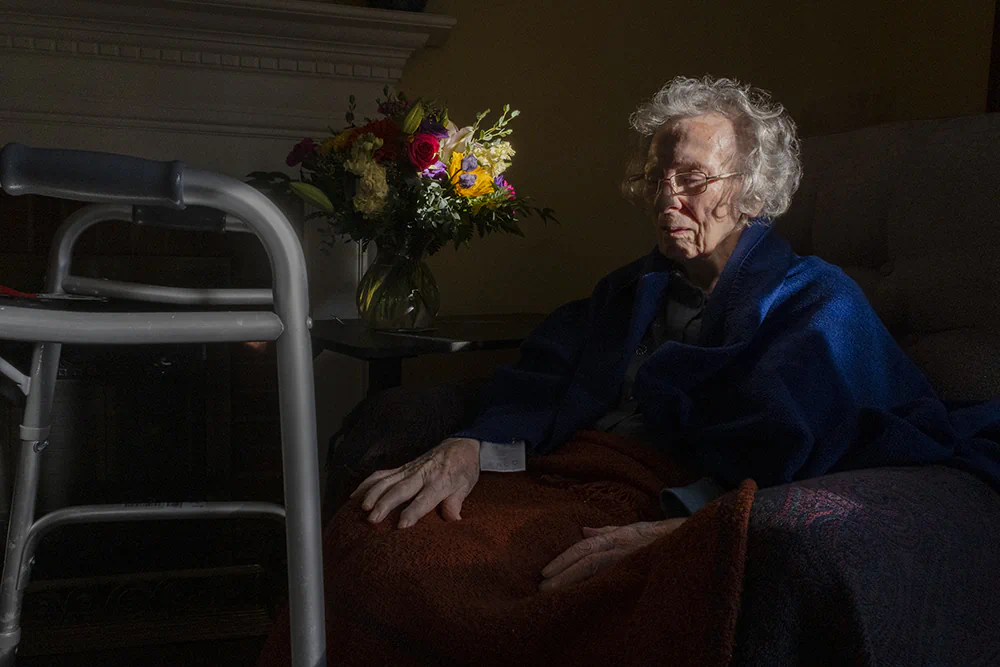
In this project, Grandma attempted many things she had never done before. Naturally introverted, she had spent most of her life avoiding attention and remaining within the safety of routine and familiarity. Being observed—especially through a camera—was never something she actively sought.
The islands appear without warning, an archipelago drifting just beyond the edge of the map, where geography begins to blur into memory. They exist somewhere between what we have seen, what we think we remember, and what might have been invented along the way.
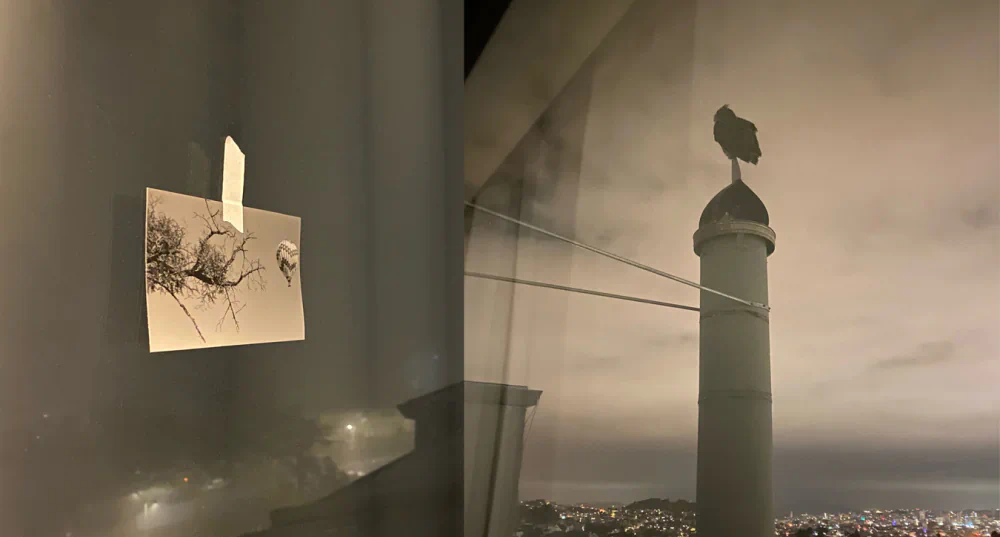
As the day silently retreats like defeated armies, yielding to the sovereignty of night; I take refuge in the dream of you once more to avoid vanishing away amongst the melancholic phantoms of the city running around in a desperate hurry.
My images are part of a personal journey in which I search for answers to fundamental questions about life, its meaning and purpose, and later attempt to understand the ultimate nature of reality.
The Earth is a collaborative project with Chinese fashion designer Ma Ke, initiated in 2007 and grounded in a shared belief that different artistic disciplines can converge toward the same essential truth.
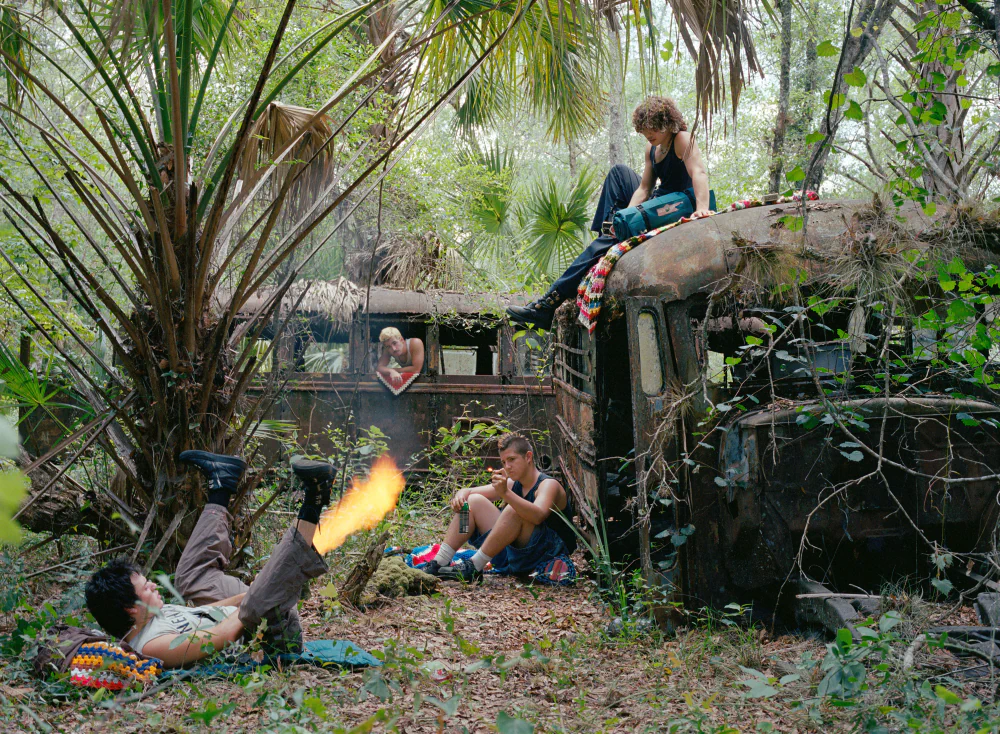
He found himself on the margins of society over a decade ago. When he is not with a group of friends in an abandoned gardening colony, he repeatedly seeks a way to stand on his own feet. He has a good heart and a proud look. He treats others the same way they treat him.
The imagery in The Submerged was produced in Mid Wales, in a coastal and hilly area located at the end of the railway line. “There is a beach on the west coast of Wales where, as the tide retreats, strange shapes emerge from the sand. Black snouts, wizened arms, and many-limbed lumps push out of the shallows.
Nedret Sekban, the prominent Turkish painter featured in my The Man and the Sea series, was born and raised in Trabzon, an old port city on the Black Sea. The sea has shaped not only the geography of his childhood but also his inner world and artistic vision.
Research has shown that elders in the LGBTQ+ community are often more likely to experience loneliness, exclusion, and fear when turning to health and welfare services. The men pictured in this series are all over seventy and identify as gay.
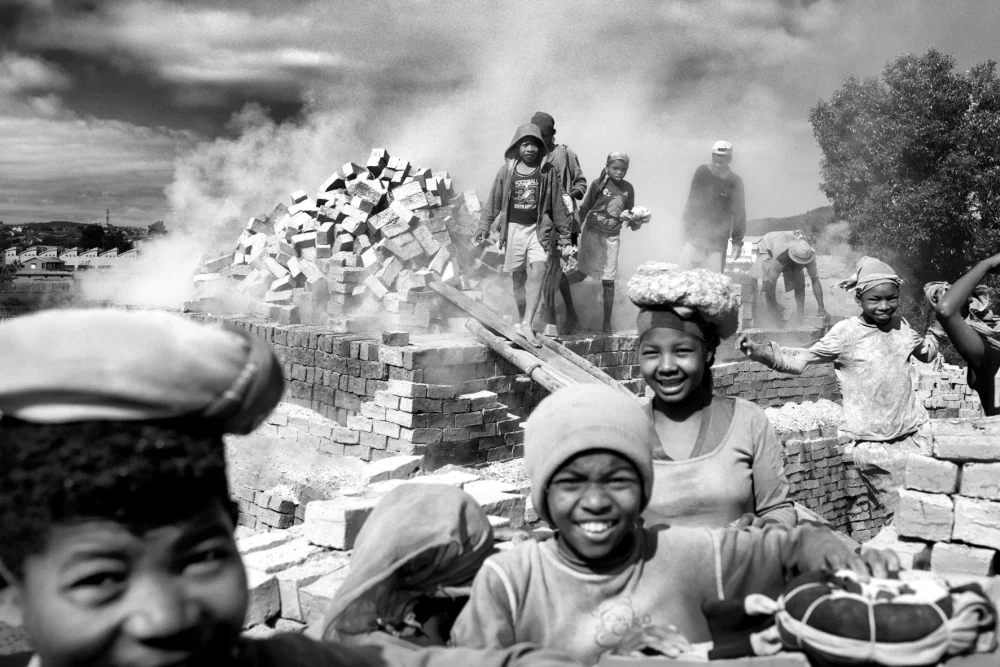
The war in Sudan has created a vast refugee emergency along the border with South Sudan. As violence, hunger, and the collapse of basic services continue inside Sudan, hundreds of thousands of civilians have fled south in search of safety.
On September 5, 2025, Typhoon No. 15, Peipah, struck the Kanto region, bringing record-breaking rainfall and strong winds to Kamakura, Kanagawa Prefecture. The Japan Meteorological Agency issued heavy rain and flood warnings, urging strict vigilance against landslides and flooding in low-lying areas.
Bangla Road on the island of Phuket, Thailand, is a place of two worlds. During the day, it is like any other street, but after sunset, this 400-meter stretch of road transforms into a lively, almost forbidden world.
Portuguese colonization and the Atlantic slave trade are the historical reasons underlying the presence of Black African people in Brazil. Although the law abolishing slavery dates back to 1888, Brazil still suffers from institutional and societal racism today.
“The love of wilderness is more than a hunger for what is always beyond reach; it is also anexpression of loyalty to the earth, the earth which bore us and sustains us, the only paradise we shall ever know, the only paradise we ever need, if only we had the eyes to see.”
This series grew out of a need to slow down. A need to step aside from constant movement, from the pressure to react, produce, and explain. We were looking for a place where time feels less linear, where the rhythm of the outside world softens enough to make space for stillness.
In the procession of the Christ of Health, we breathe gratitude and devotion, intrinsic realities that are part of my town, Zaraza. Every first of January, its devotees, impatient, rise at dawn. The aromatic vapor of coffee permeates the house, entering our nostrils as we prepare to attend the Rosary of Dawn, a moment of profound introspection that anticipates what will come after.
FLORA X explores the quiet symmetry between human anatomy and the natural world.
The project reveals an inner beauty that exists beneath the surface—the beauty we are born with, shaped by nature itself, not by cultural expectations or shifting ideals.
In the undergrowth behind my house, the world holds its breath as summer’s vibrant crescendo fades into autumn’s hushed reverence. It is a season of transformation, not just for the trees shedding their emerald cloaks for a fiery display, but for the very soul of the landscape itself.
“All Roads Lead to Milan” is a photographic journey through the main access routes of a city in constant evolution.
Milan, if you look closely, is a small city. Its beating heart is not limited to the elegant streets of the center; it is also defined—and perhaps above all—by what surrounds it.
“LIBERTÉ, ÉGALITÉ, FRATERNITÉ” is a photographic and multimedia project that narrates the life, values, and ethics of the underground community of the Cataphiles and, more broadly, the Parisian underground scene. Guided by the journey of Eriz, a young explorer, we are taken from the surface into a parallel world made up of tunnels, technical galleries, and self-managed spaces.
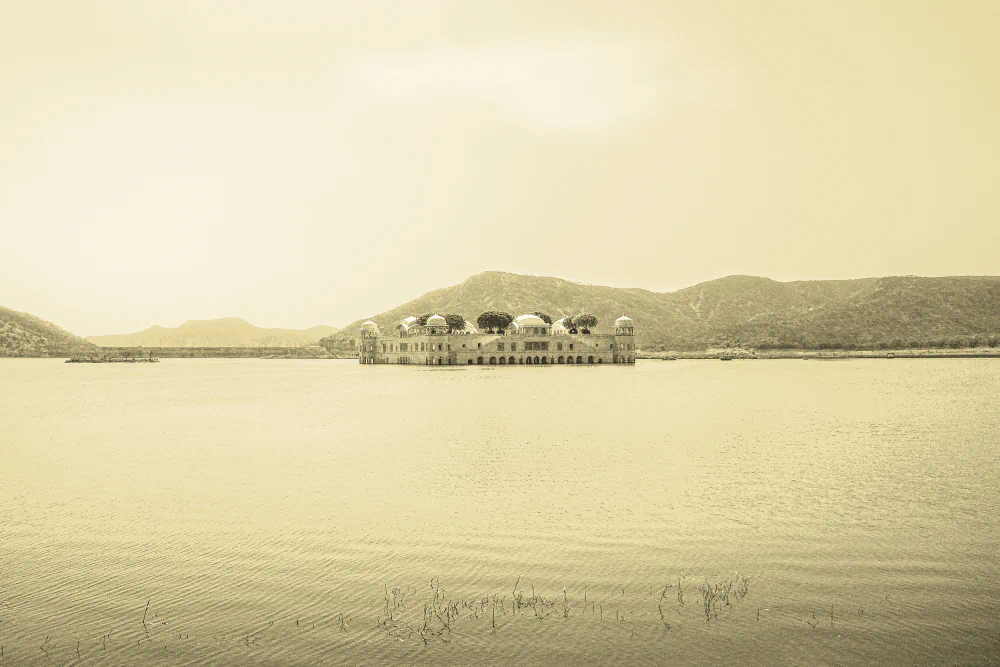
Near the historic town of Kanchipuram in India, a small village surrounded by farmland is bringing an ancient temple back to life. Believed to have been buried for over a millennium, the temple is now being restored by local people and volunteers using the same type of resonant black stones
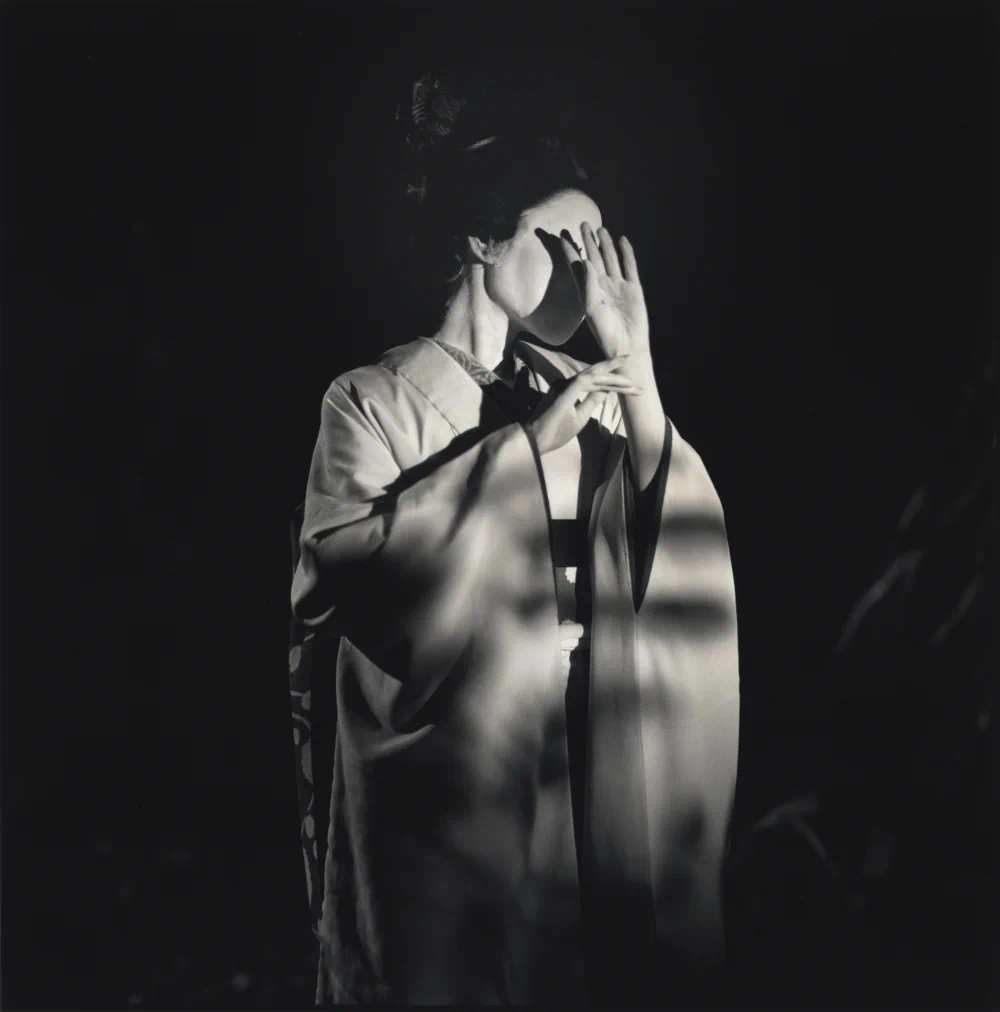
The series Perilumen unfolds as a photographic exploration of the boundaries of visibility and the fragile relationship between gaze and light. The images move between black and white not as a stylistic filter, but as an intentional conceptual space where luminosity and darkness collide, overlap, and penetrate one another.
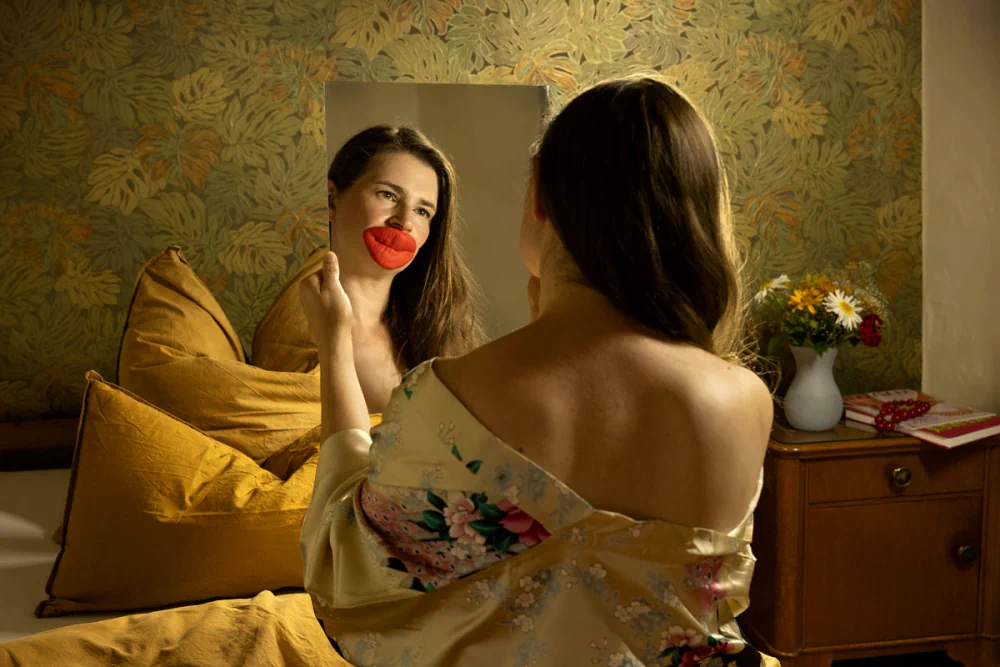
With Persona, I continue my exploration of identity and the tensions between the visible and the invisible, between what we show and what we are, which I began with my series Je est un autre (2017). This new project questions the social mask, its density and its fragility.
In West Bengal, there is a village where women known as Chitrakar are the bearers of a tradition dating back over 2,500 years: the painting of singing scrolls called Patachitra, or scrolls.
Midlife Crisis: The Emotions is a conceptual fine art series that explores the unspoken struggles men face in midlife — a turbulent phase where vulnerability, resilience, and healing collide.
Through stark black-and-white portraits, the work reveals the internal landscapes men rarely express openly, offering a raw reflection on identity and transformation.
I was born and raised in Ganzhou, Jiangxi, the center of CSR, where the "Long March" began. "The Communist Party came out of here" is how they put it.
Patriotic education filled my schoolbooks, and party emblems with red stars and signs about the "Long March" appeared on almost every street corner.
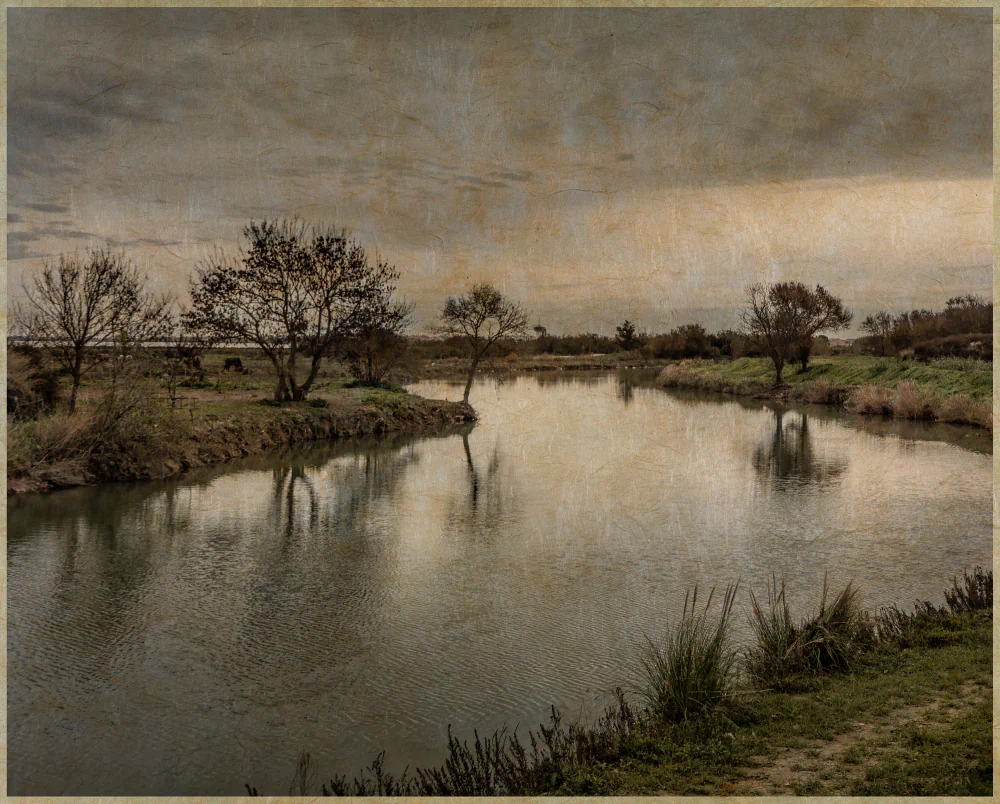
For as long as I can remember, I dreamed of capturing the beauty of rural southern France — the same beauty that once inspired Toulouse-Lautrec and Van Gogh. Their brushstrokes carried not only color but also longing, a search for the timeless beauty hidden in ordinary landscapes.
This project was made during a recent artist residency at the Pouch Cove Foundation in remote Newfoundland, Canada. Using a makeshift still-life table covered with a paper tablecloth in the live/work space that became my home during my stay.
His work centers on people, their struggles, and their environments—stories that resonate far beyond the frame. Recognized with countless international awards, including Nikon, POYI, and World Press Photo, his career is synonymous with excellence.
A Life Less Ordinary is a year-long fine art photography odyssey across the American West, exploring the mythic interplay between solitude, transformation, and wild nature.
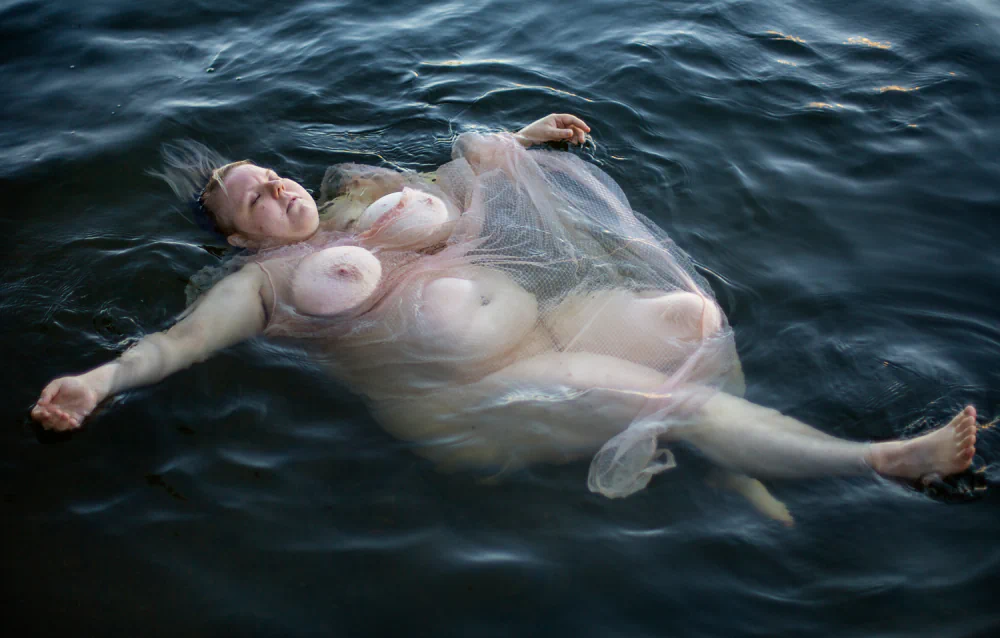
By photographing from above and allowing the water to abstract the figures, Seif sets himself apart from the multitude of photographers who have tried to reinterpret the nude figure by placing it underwater.
Jeltema transforms the act of photographing into a craft of patience and poetry. She creates silver-gelatin contact prints, albumen prints, experimental works, and hand-colored pieces, each carrying the physical trace of time.
The Sorrows of This Field Are Yours. After Russia invaded Ukraine, I moved from Poland to Georgia, another country that had experienced an invasion by Russia in 2008. Given the circumstances of the past three years, Russian imperialism and aggression toward its neighbors have become deeply personal issues for me.
Subconscious captures the adrenaline and vibrancy of city life, juxtaposed with the unspoken loneliness, tension, and dilemmas lurking beneath the surface. Through her introspective street photography, Betty delves into her soul and subconscious
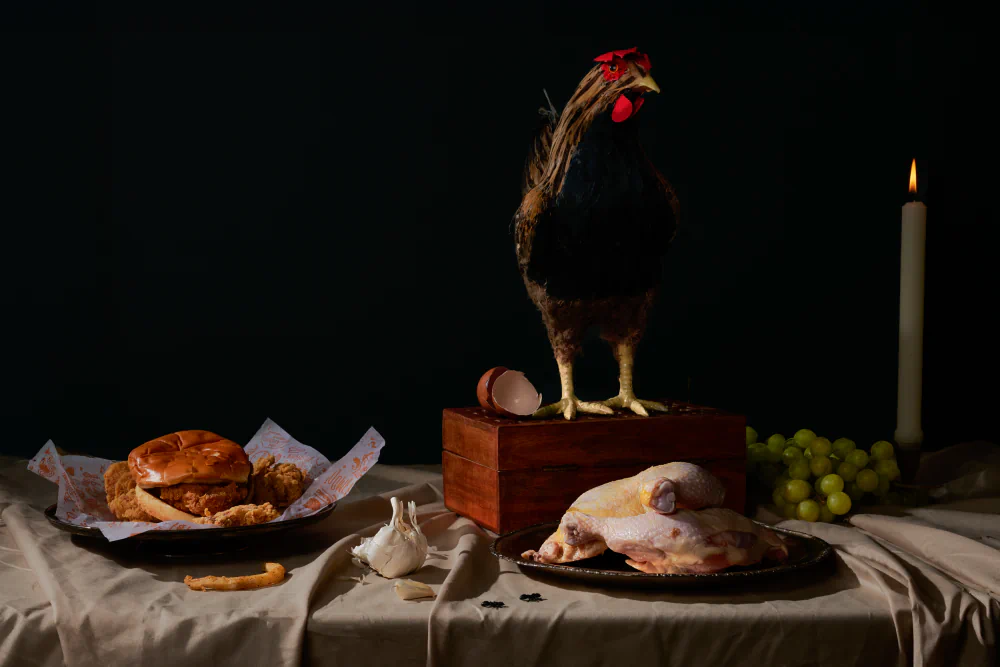
Cibografia is my way of seeing. A visual language that uses food to speak of matter, shadow, and light. A continuous search for meaning in what is usually consumed too quickly.
In this edition, we meet Italian photographer Salvatore Montemagno, born in Gela and now based in Montichiari. A self-taught artist, his work draws from 20th-century painting and the stillness of cinema, crafting portraits that resonate as whispers rather than proclamations.
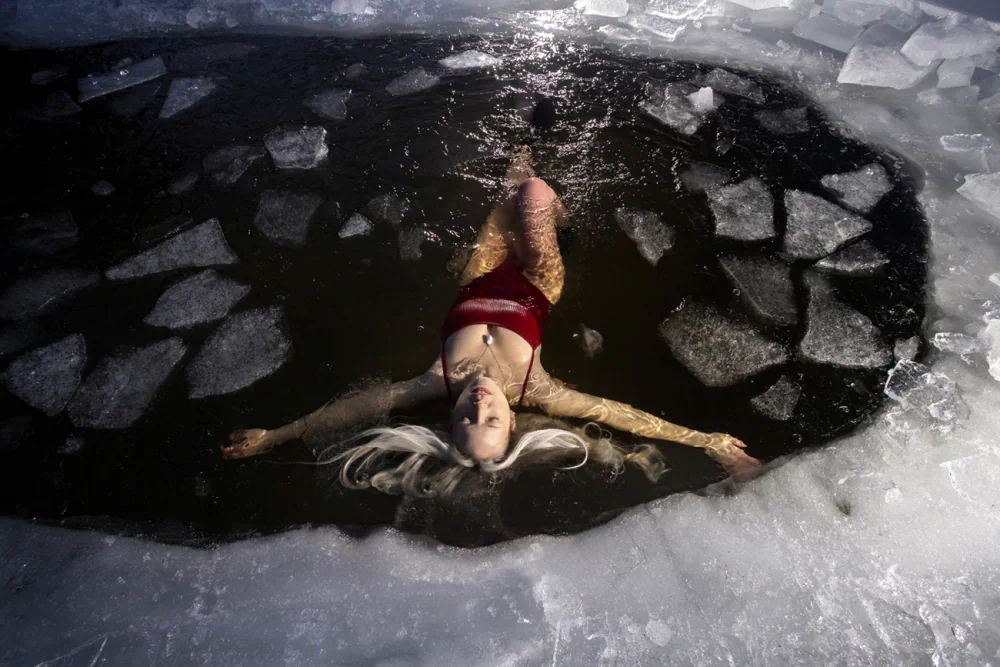
Sunken Beauty. Where beauty dissolves and memory lingers a visual meditation on transformation and release. A flower opens in silence. Submerged in water, surrounded by pigment, smoke, and ice, it drifts like a memory slowly taking shape.
In times saturated with noise, the series “The Art of Silence” invites us on a journey into the peace of nature. Each photograph offers a pause, a refuge, where silence, as an act of listening, allows us to rediscover the essential in simplicity.
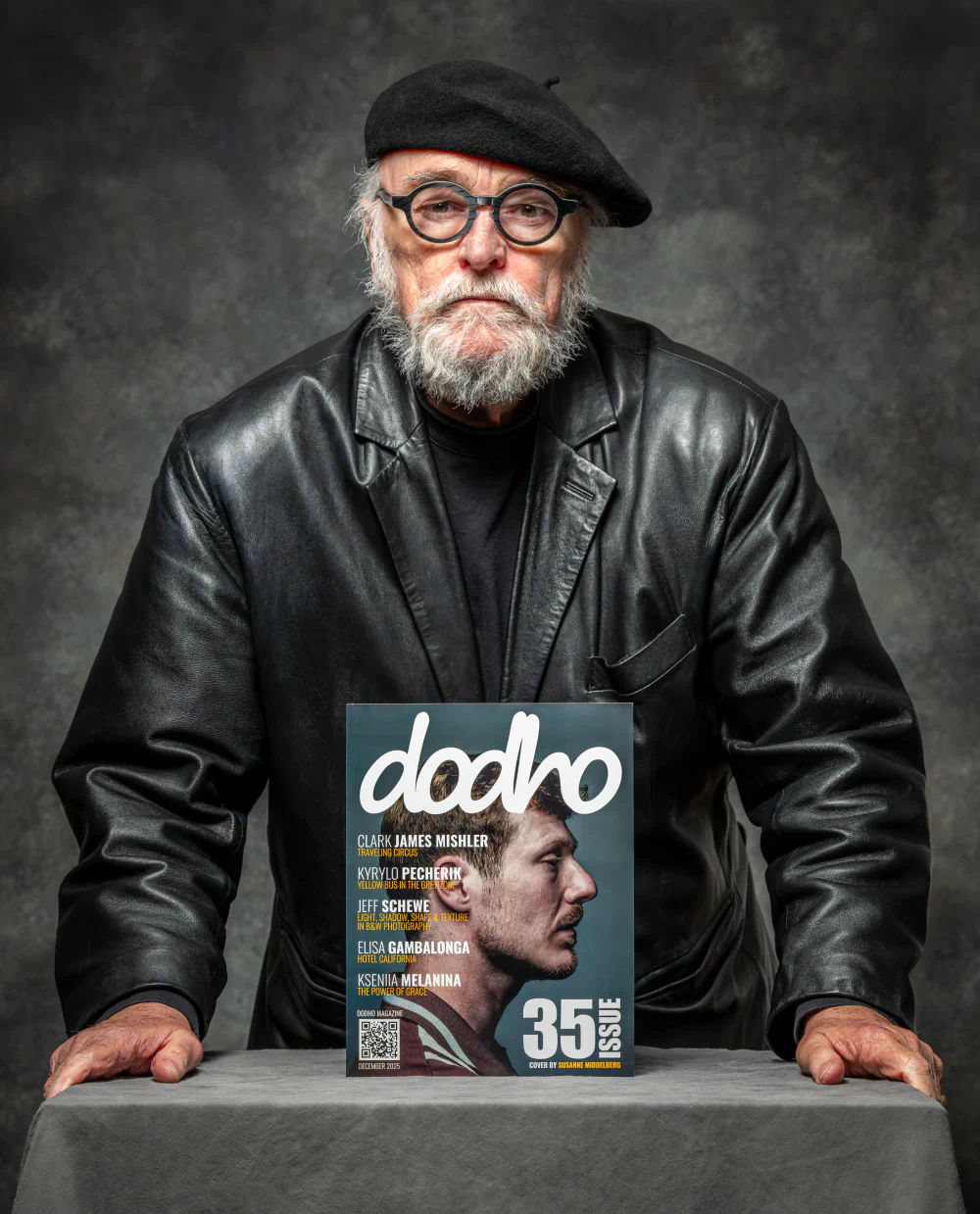
What a strange being! I think he comes from Plato's cave. Does he pay rent there, or does he live for free? He always wears black. Is he in permanent mourning? Who died? I'm not interested. I'm alive, and very happy to be even if it means I pay rent. I have another doubt: does my ego pay rent to live in me? I've never seen a penny from him.
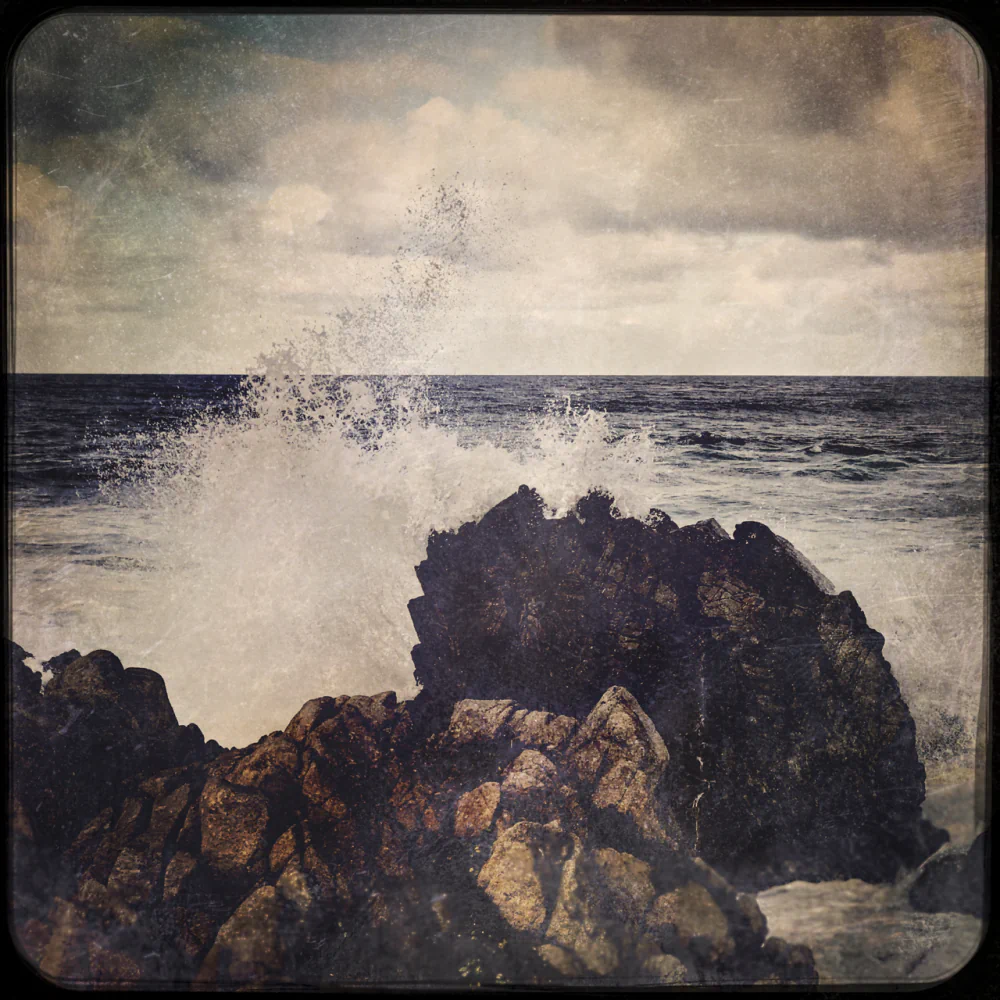
For me, Polaroids are not just photographic objects: they are “effects” of personal memory. They have reopened a window to childhood, not so much out of nostalgia, but because of that sense of urgency and immediacy that only certain images possess.
We use cookies on our website to give you the most relevant experience by remembering your preferences and repeat visits. By clicking “Accept”, you consent to the use of ALL the cookies.
This website uses cookies to improve your experience while you navigate through the website. Out of these, the cookies that are categorized as necessary are stored on your browser as they are essential for the working of basic functionalities of the website. We also use third-party cookies that help us analyze and understand how you use this website. These cookies will be stored in your browser only with your consent. You also have the option to opt-out of these cookies. But opting out of some of these cookies may affect your browsing experience.
Necessary cookies are absolutely essential for the website to function properly. This category only includes cookies that ensures basic functionalities and security features of the website. These cookies do not store any personal information.
Any cookies that may not be particularly necessary for the website to function and is used specifically to collect user personal data via analytics, ads, other embedded contents are termed as non-necessary cookies. It is mandatory to procure user consent prior to running these cookies on your website.