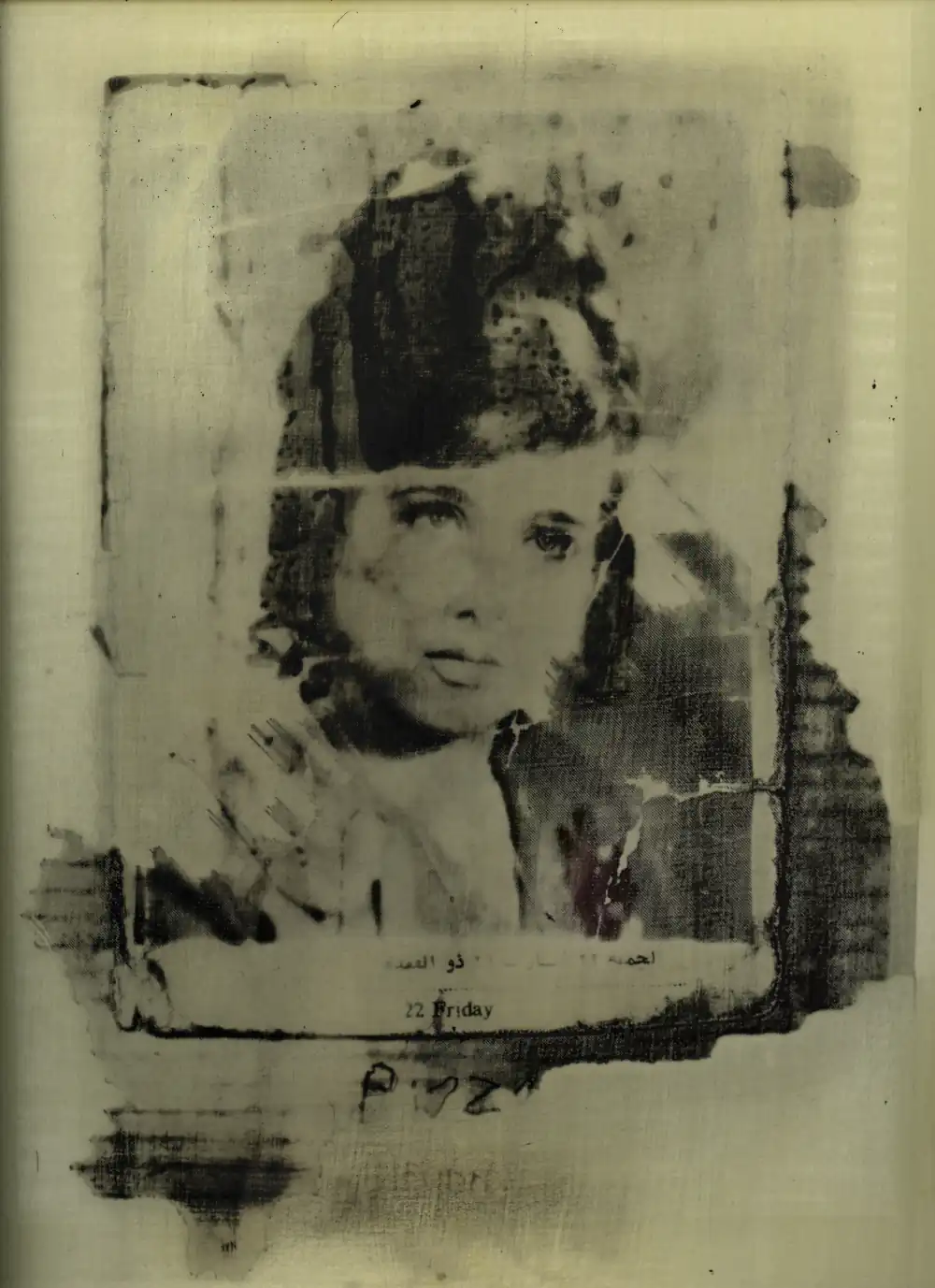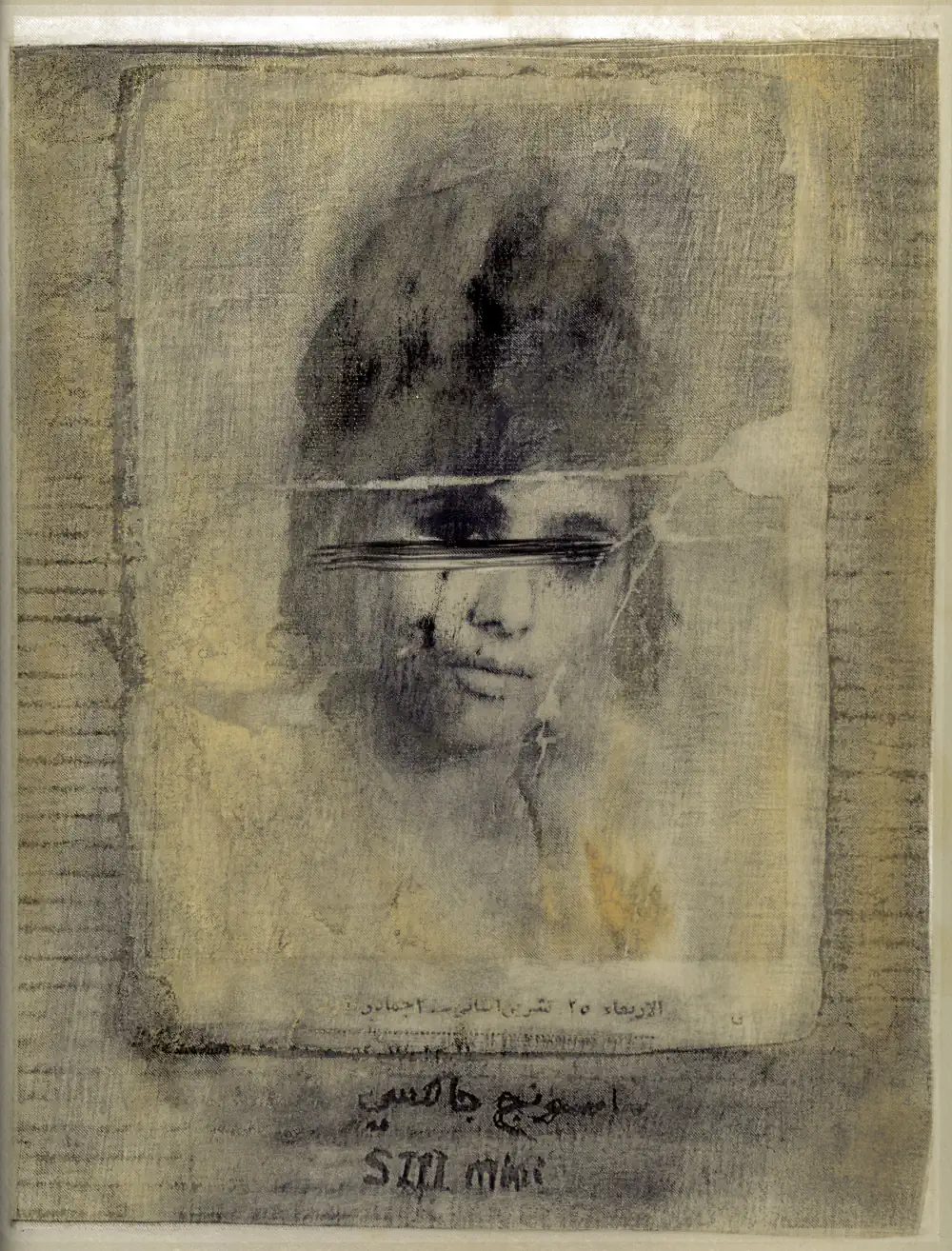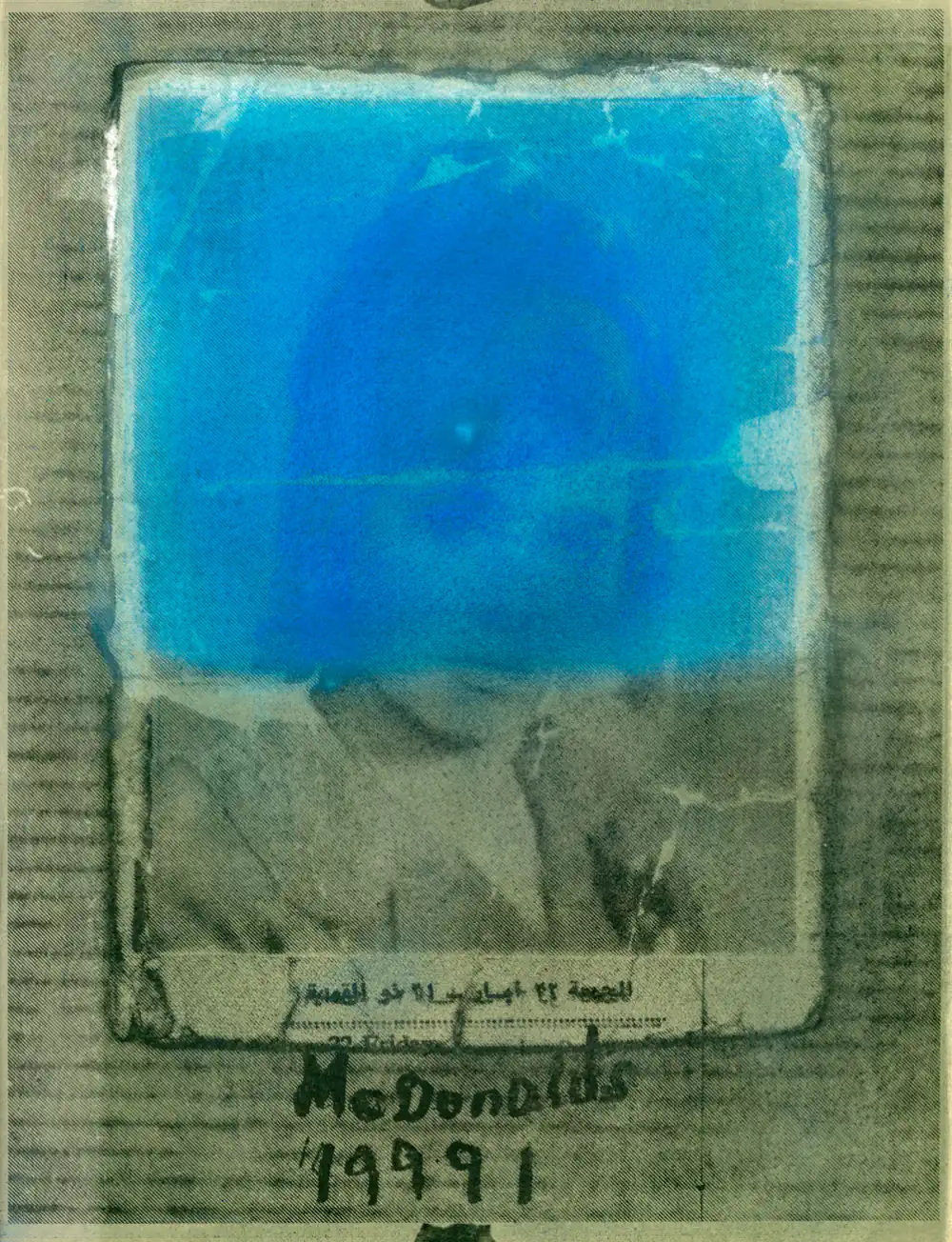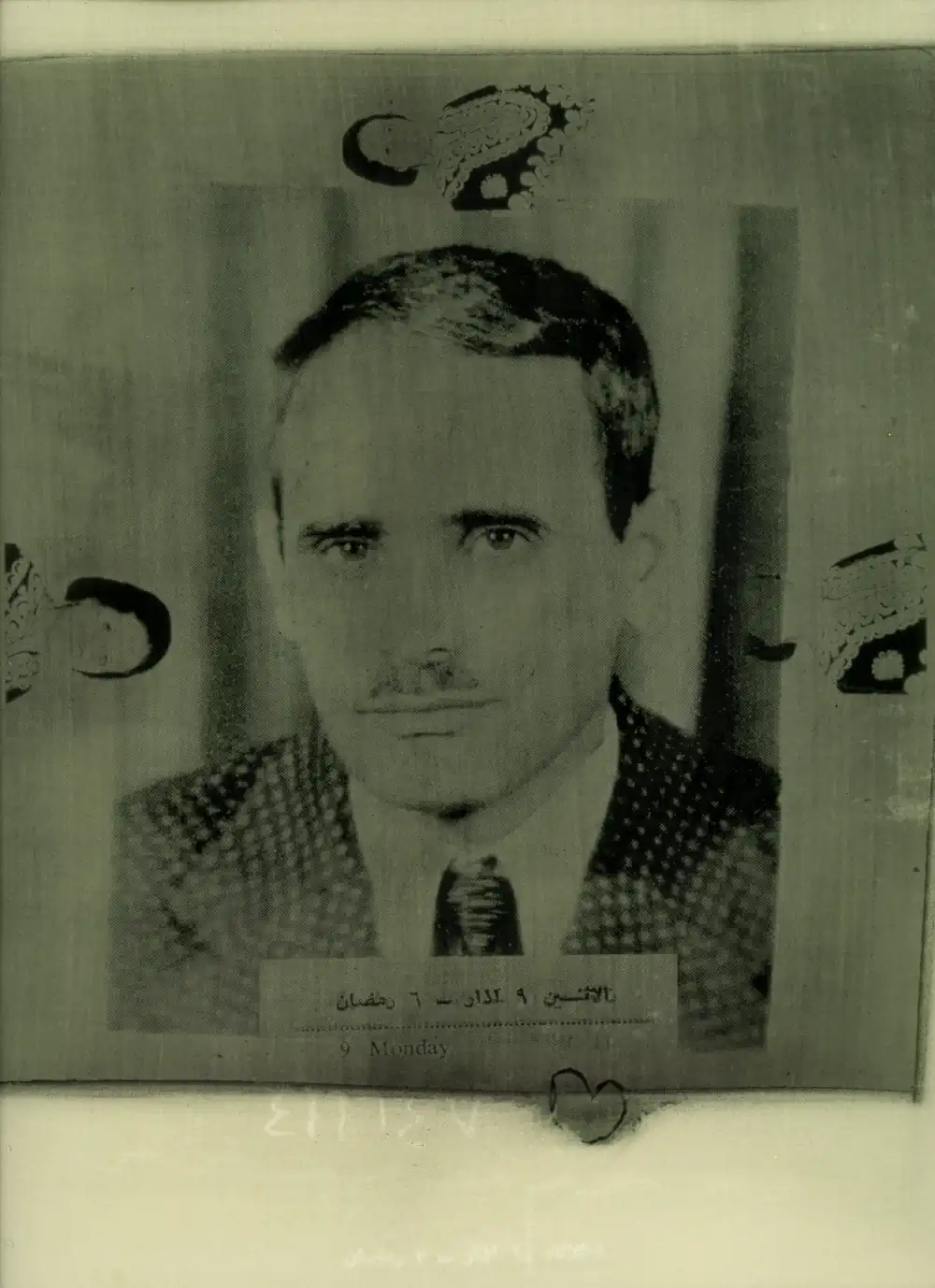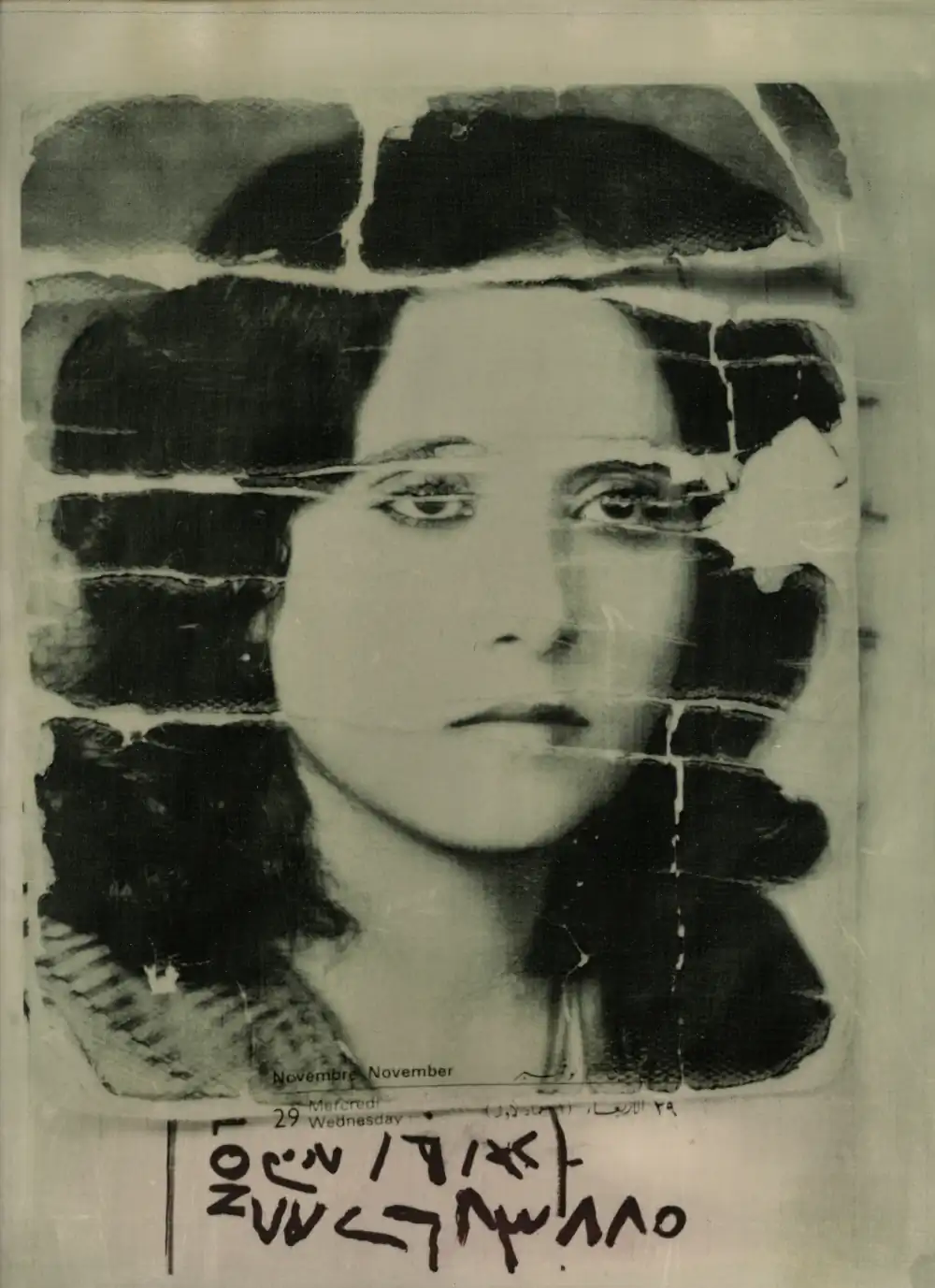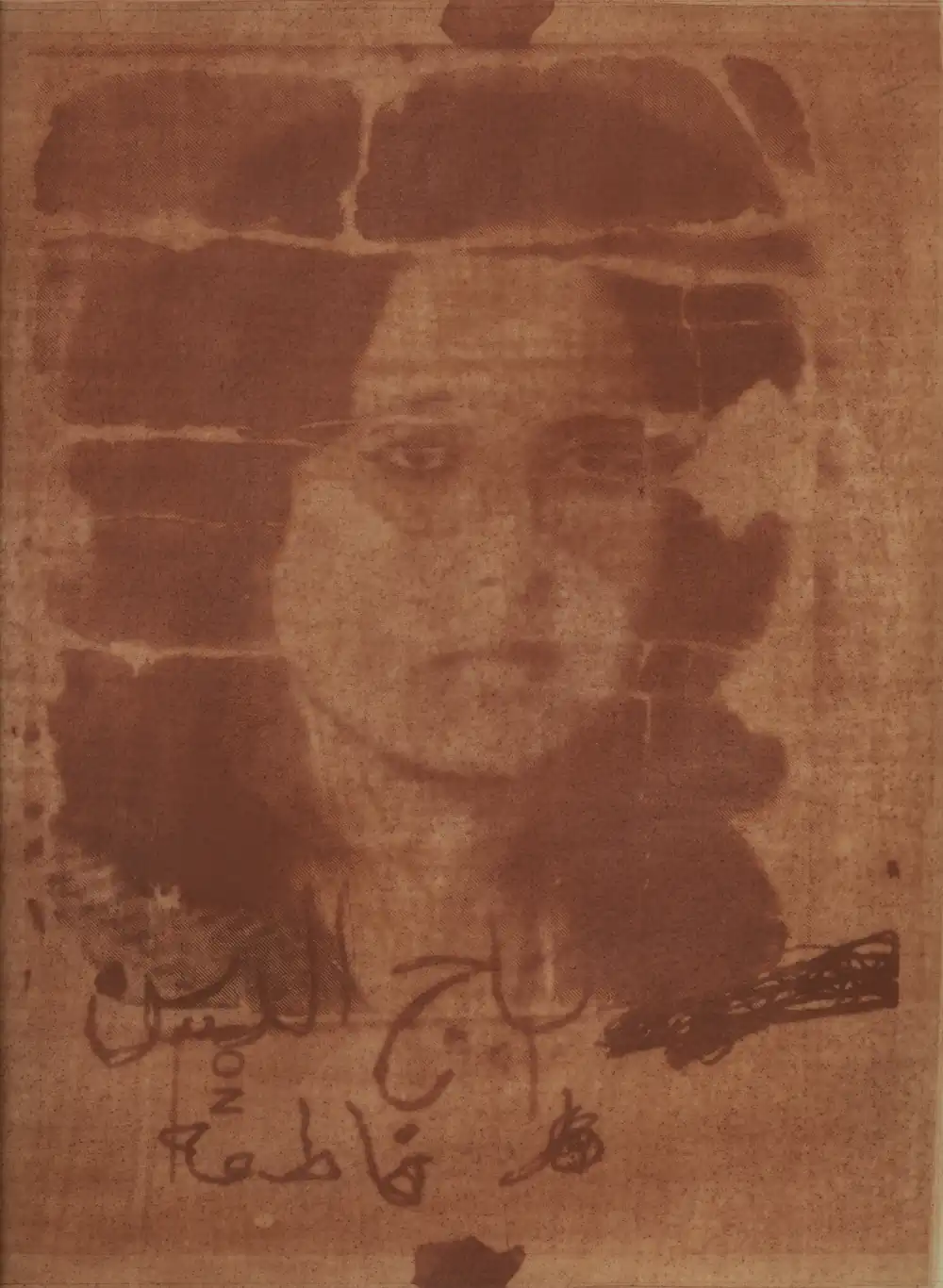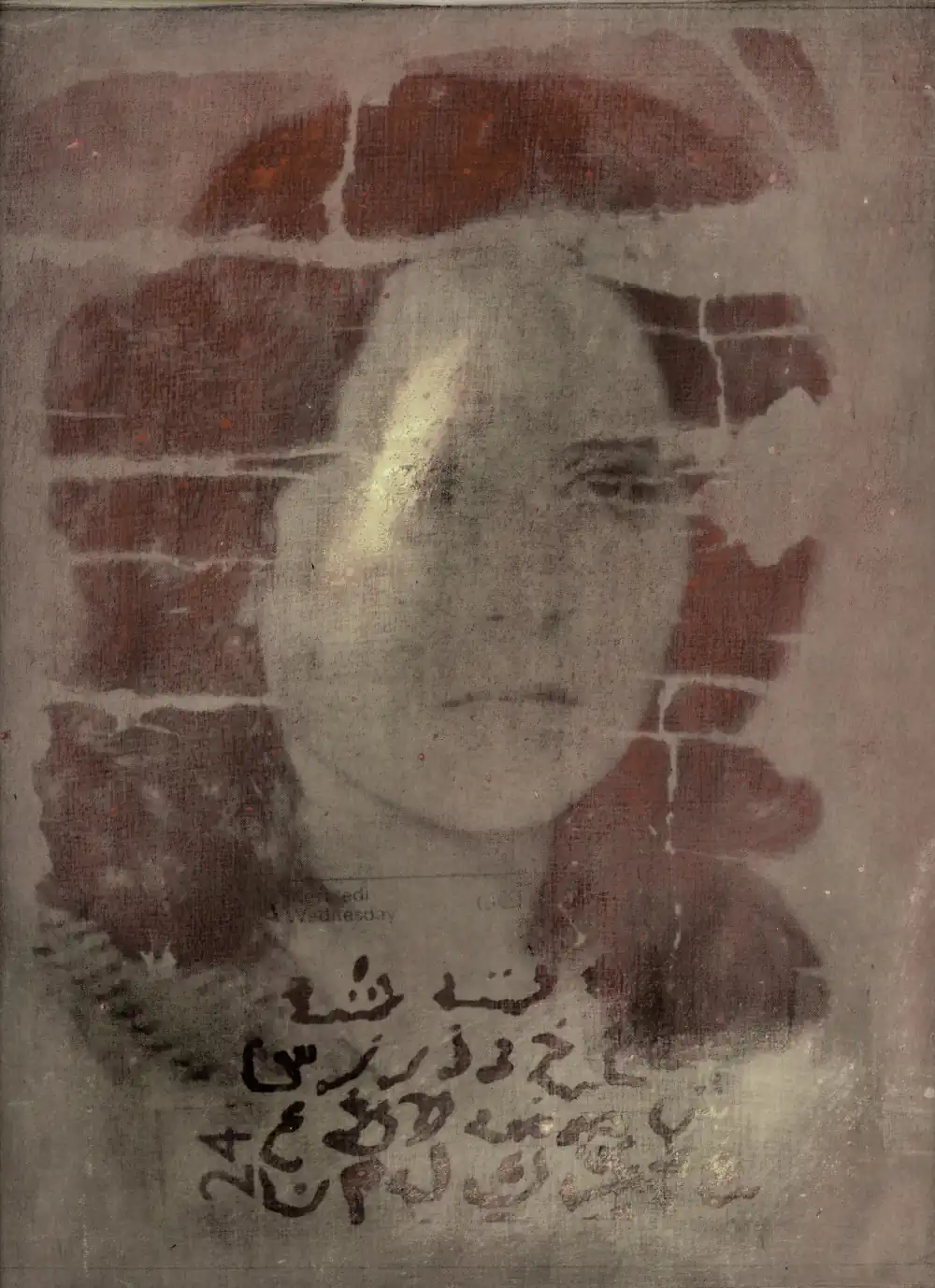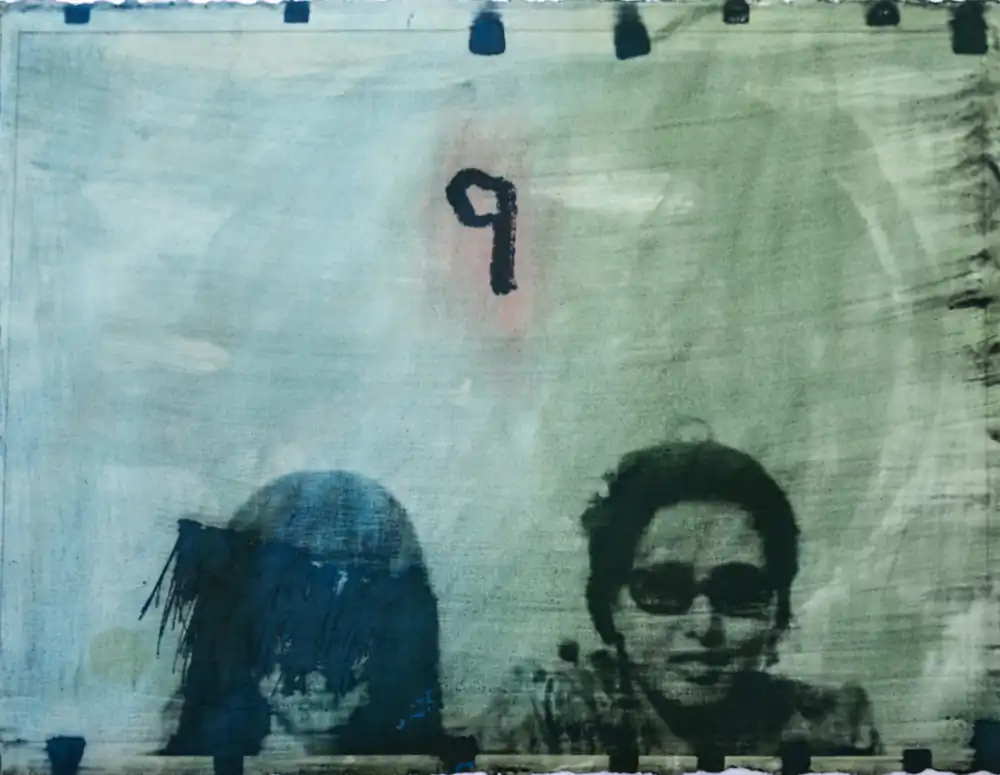
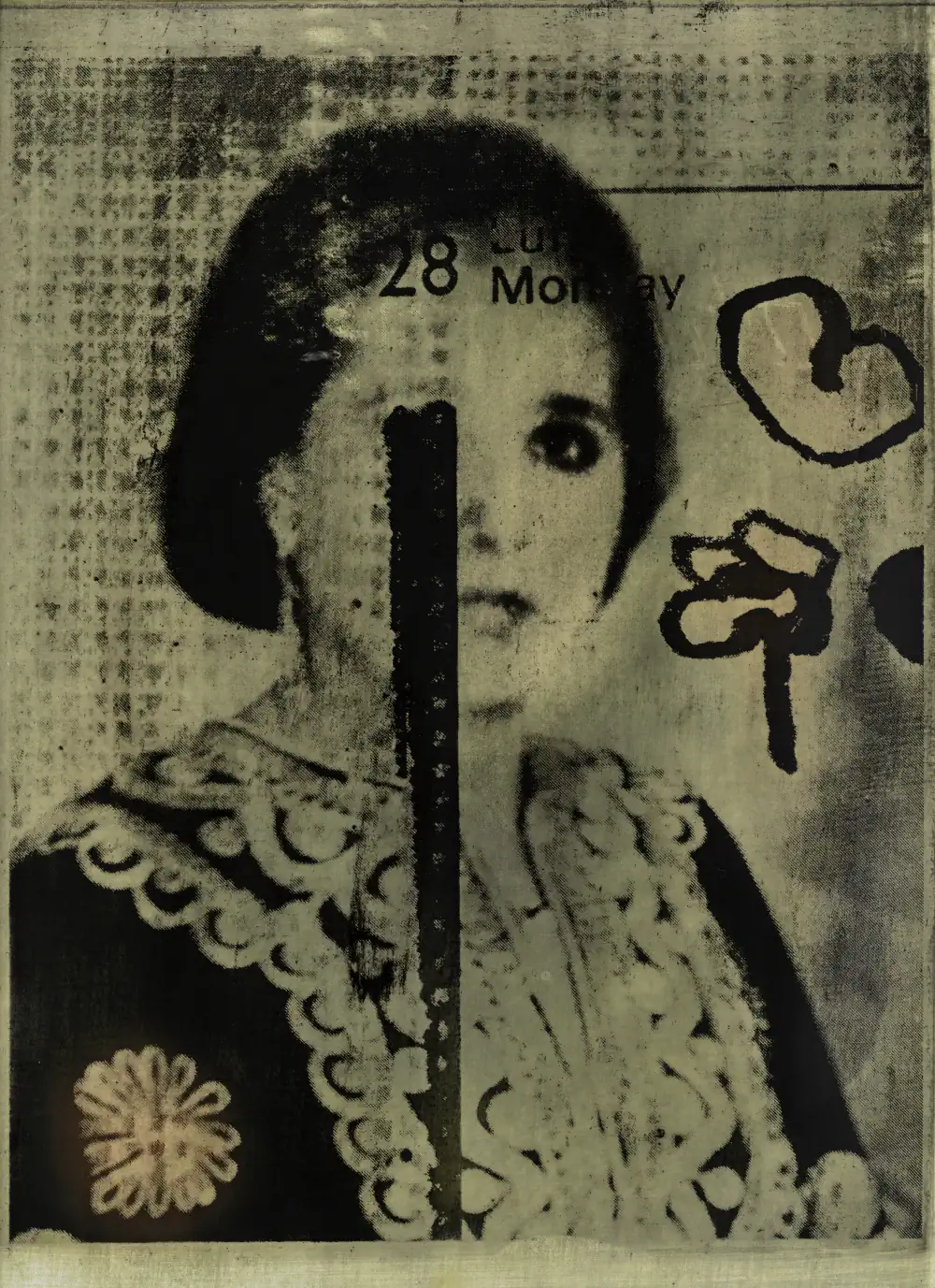
My Mother’s Tender Script is a photographic and archival project that explores memory, illiteracy, and resilience through the life and traces of my mother, Shukriya (شُكْرِيَة), a Yemeni woman who never received formal education.
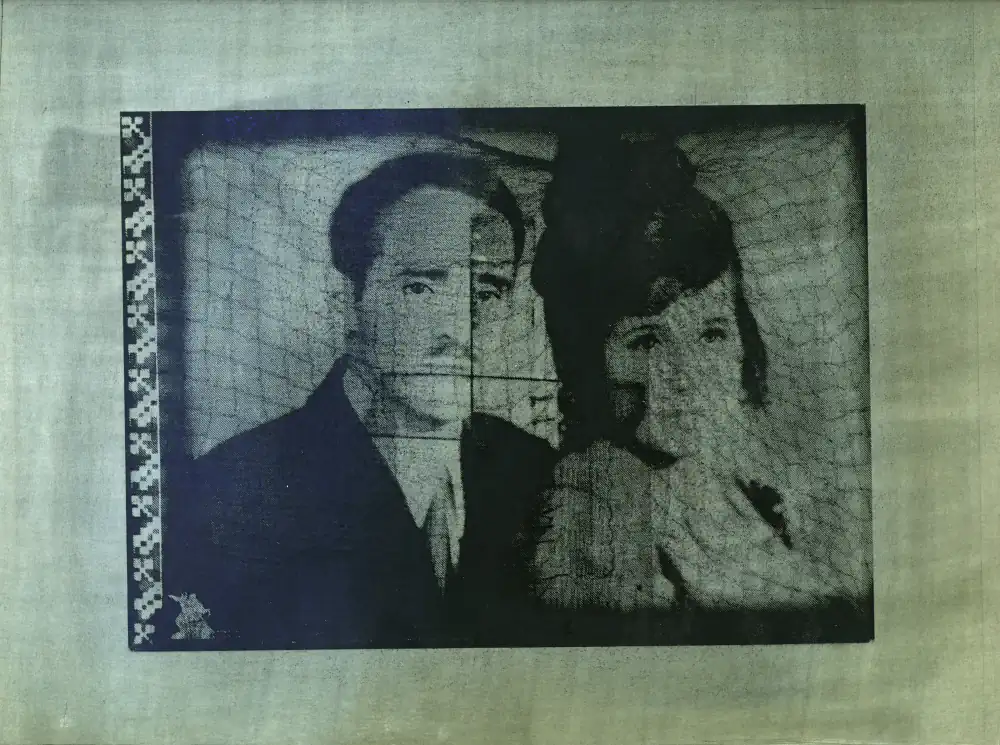
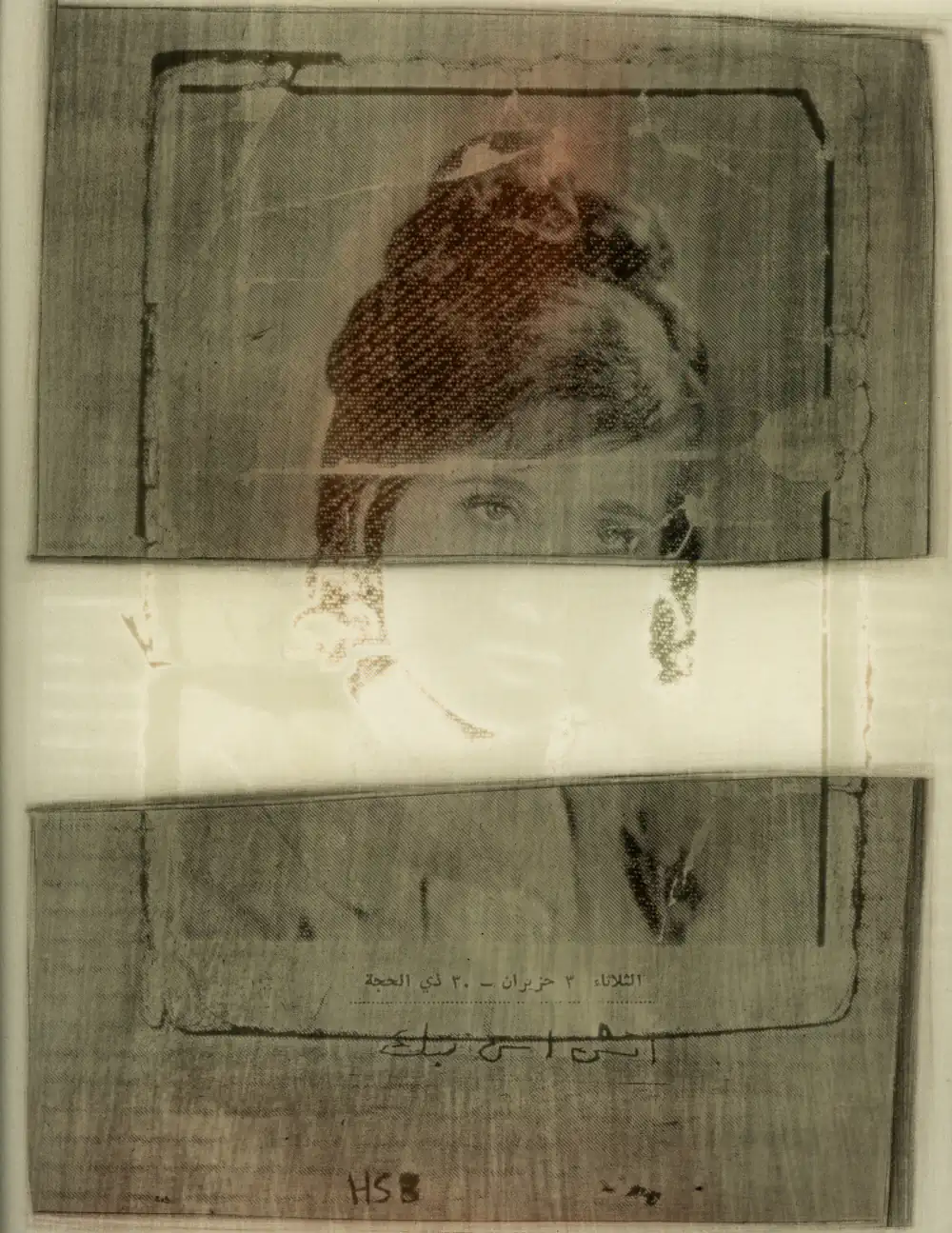
The work draws from her personal archive—handwritten notes, drawings, and an address book she carried with her throughout her life—and merges these intimate materials with her photographic portraits using historical and alternative photographic processes.
My mother’s life was shaped early by forces beyond her control. She was married at a young age, as was customary, and soon after experienced the loss of her first husband. Widowed while still young, she was left to navigate a world that offered women little space to grieve, reflect, or rebuild independently. When she married again, this time to my father, she entered a household shaped by books, writing, and intellectual exchange. My father, sixteen years her elder, was an educated writer and journalist. Between them existed a deep emotional bond, but also a gap—one created by age, literacy, and access to education.
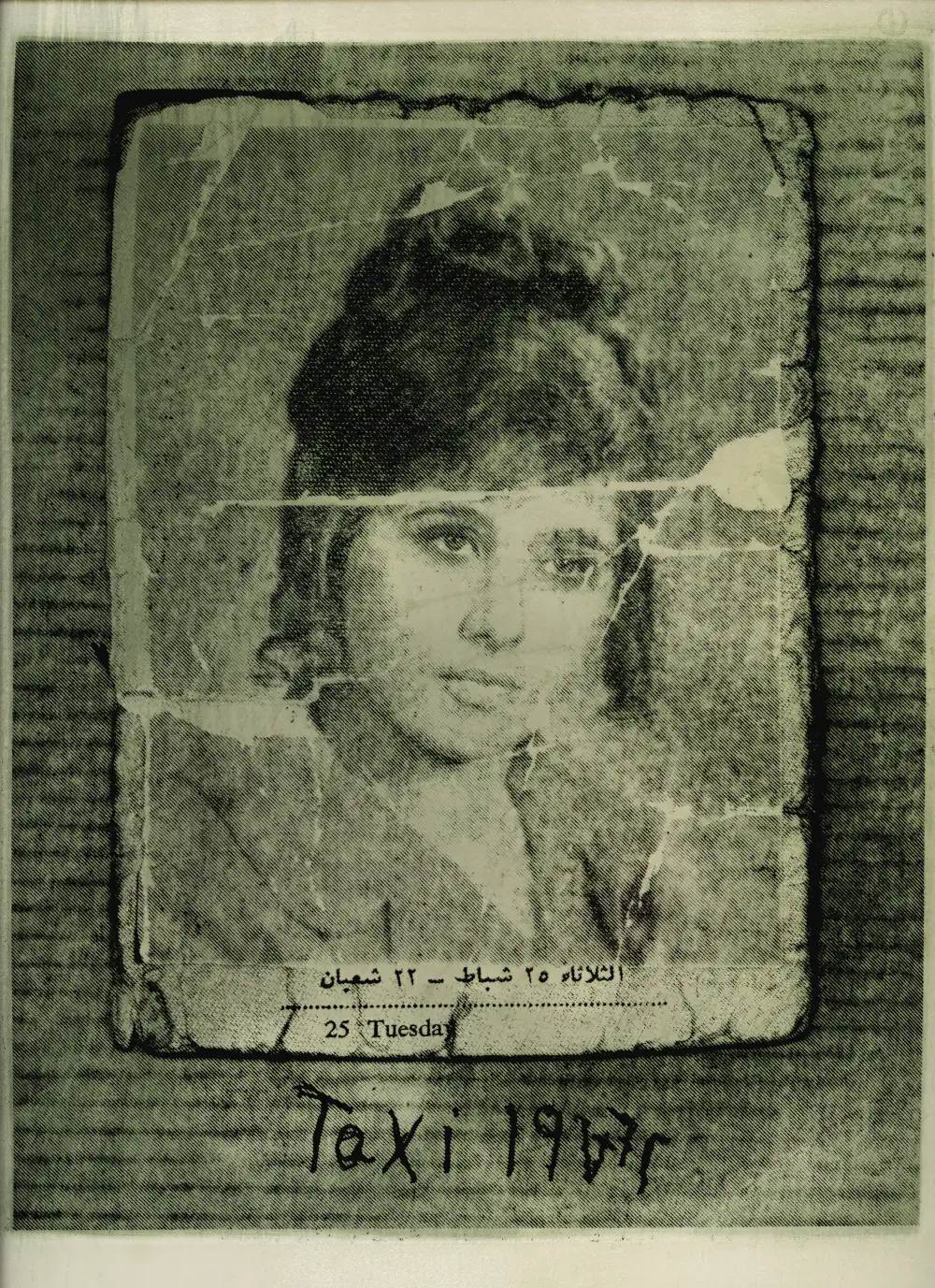
Although she was illiterate, my mother was acutely aware of the importance of memory, presence, and being seen. During visits to Egypt, she made a deliberate choice to enter professional photography studios to have her portraits taken. These formal images—carefully posed, intentional, and dignified—asserted her existence at specific moments in time. They now form the foundation of this project, standing in quiet contrast to the fragility of her handwritten address book: one shaped by intention and visibility, the other by survival and repetition.
In a society that often limited women’s autonomy, my mother found subtle ways to claim space. She dressed fashionably, posed confidently for the camera, and preserved these images as markers of selfhood. Yet while her image could be fixed through photography, words remained elusive. Instead of formal literacy, she relied on memory, repetition, and transcription. Her address book became her private system of knowledge—a personal archive that allowed her to navigate daily life and remain connected to others.
The address book was far more than a list of names and numbers. It was a living document containing fragments of her world: pharmacies, groceries, taxi drivers, television programs, banks, neighbors, and relatives. In a time before mobile phones in Yemen, this object functioned as a tool for survival. She repeatedly wrote the same words, names, and numbers, etching them into memory through repetition. This act was not mechanical; it was intentional, persistent, and deeply human.
I repeat her image throughout the series, inspired by how she etched words into memory through repetition. Retaining the authenticity of her handwriting and drawings, I blend her portraits with the script from her address book, layering her presence onto each image. Through this process, her body, memory, and handwriting coexist—none dominating the other. The repetition mirrors her own gestures, transforming what might appear as limitation into an act of quiet resistance.
The project also reflects a broader social and political reality. Yemen has long struggled with widespread illiteracy, particularly among women. After the 1962 revolution, efforts to expand access to education led to gradual improvements over the following decades. However, since 2015, the war in Yemen—intensified by the rise of the Houthi movement—has devastated the nation’s educational system and severely undermined decades of progress. Mass displacement, the disruption of schooling, and the persistence of early marriage have once again placed girls and women at the greatest disadvantage, reversing hard-won gains in literacy and access to education.
By centering my mother’s personal archive, My Mother’s Tender Script resists abstraction. It grounds these larger histories in one woman’s lived experience. Her life was not defined solely by what she lacked, but by what she built: a system of memory, connection, and care that allowed her to navigate the world on her own terms. Though she never learned to read or write formally, her memory was sharp, her will unyielding, and her presence unmistakable.
Revisiting her handwritten notes and photographs has transformed my understanding of education itself. Learning is not confined to classrooms or textbooks. It also lives in repetition, observation, memory, and the ways we hold onto one another. This project honors my mother not as a symbol of loss, but as a woman who forged meaning within constraint—whose tender script continues to speak through these images.
About Asiya Al Sharabi
Asiya Al Sharabi is a Yemeni-born artist and photographer based in the United States. Her work examines memory, identity, and the lived experiences of women shaped by displacement, tradition, and resilience. Drawing from personal and archival materials, she often works with alternative photographic processes and text to explore how history, language, and the body carry inherited stories. Formerly trained as a journalist and photographer, her practice bridges documentary sensibility with conceptual inquiry. Her ongoing project My Mother’s Tender Script has received international recognition and is forthcoming as a photobook. [Official Website]