

The acceptance of diversity in our society is still a pending task. There are still corners of society and movements of thought that are unfortunately coming back into vogue, that hypocritically fill their mouths with do-goodism but who still think that “the different ones” are “waste” from our society.
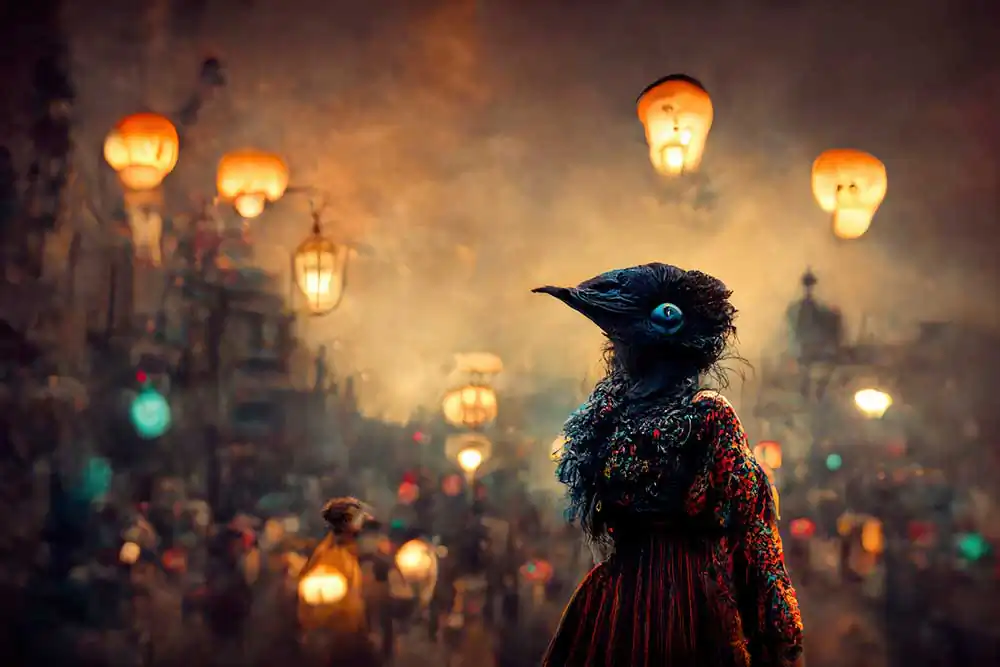
When I saw David Lynch’s film with the same title as this article, I was a young Computer Science student at Pisa University. The film revolutionized me in a brutal way and made the concept of “diversity” acquire another dimension in my life. Many years later, Life gave me the greatest gift that I could ever have imagined. It made me the father of a boy with Down Syndrome. Since then, I have fought daily so that his and the diversity of all his colleagues with intellectual disabilities is accepted, respected and helped.
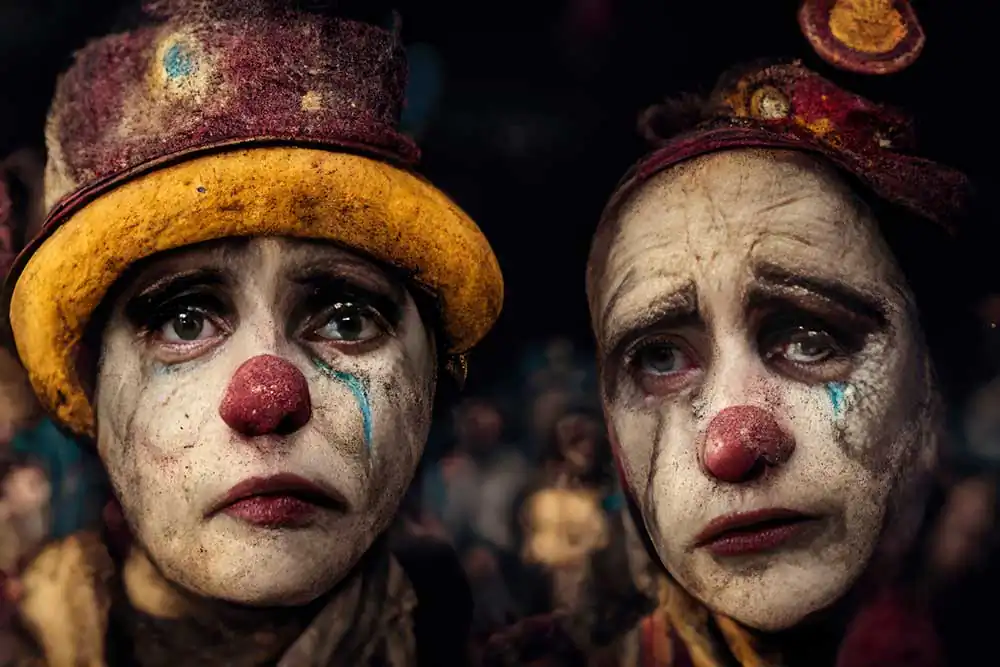
My visual proposal is part of this personal struggle; the process I executed to think, design, realize and comment this image series helped me to externalize thoughts, worries, sensations, frustrations, hopes, anger, impotence, gratitude, love; in this sense this series is the result of a self-therapy which gives me greater strength to continue fighting and believing.
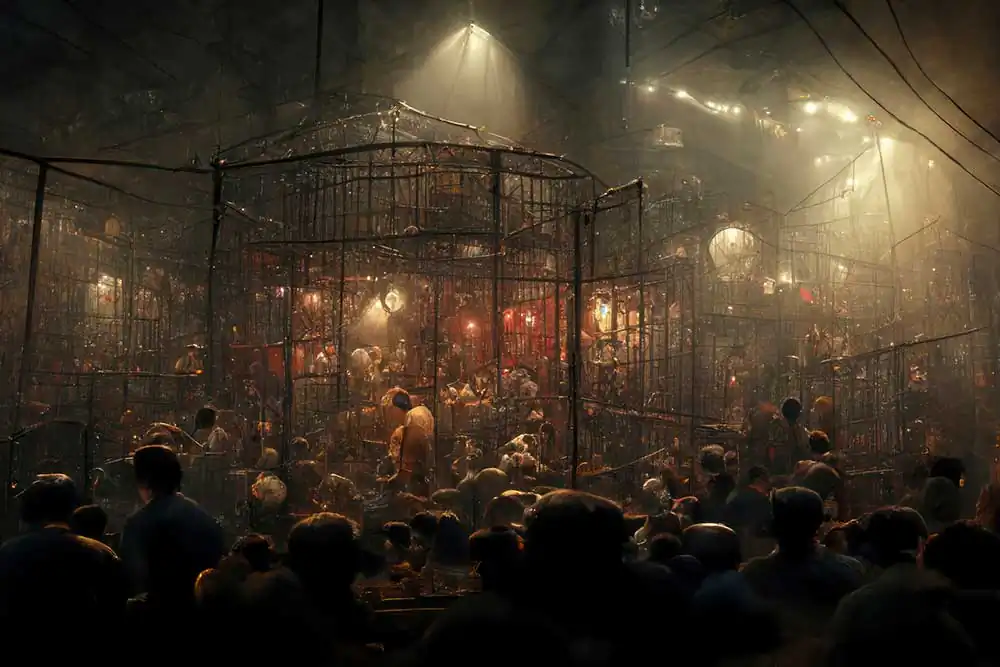
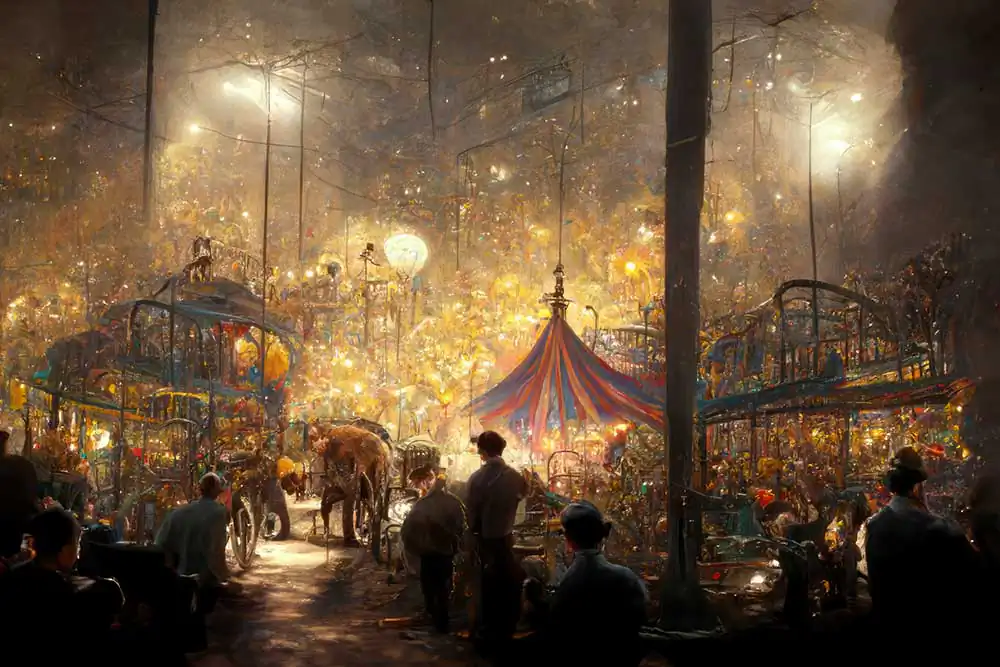
At the end of 19th century, when Joseph Carey Merrick (“the elephant man” in the David Lynch movie) lived, “diversity” was a “freak show” and “the different” poorly lived in the most marginal and dark places; they were considered closer to animals than to humans. They were exploited and badly treated in circuses because, at that time, the show was the absurd and diversity was the attraction.
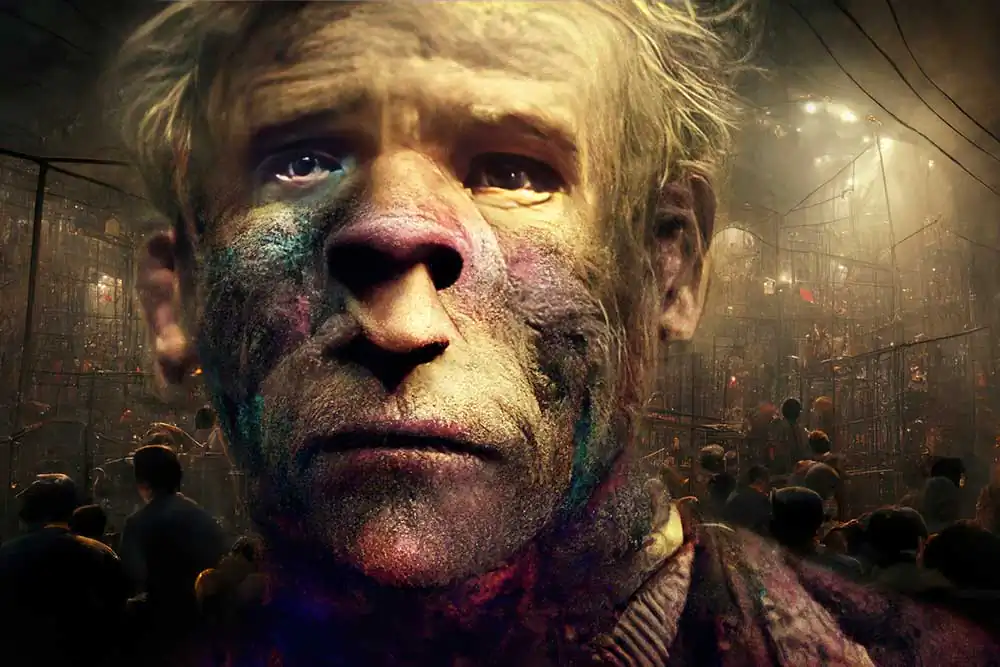
Joseph Carey Merrick’s suffered from Proteus syndrome, a congenital disorder that causes excessive skin growth and abnormal bone development. His outward appearance did not allow people to go further and discover his innate amiability and his above-average intelligence. His mother was a fighter, making sure her son went to school and was “accepted”; when his mother died, Joseph was only 11 years old and from then on, his life was an ordeal that he only found a little peace in the last two years of his life.
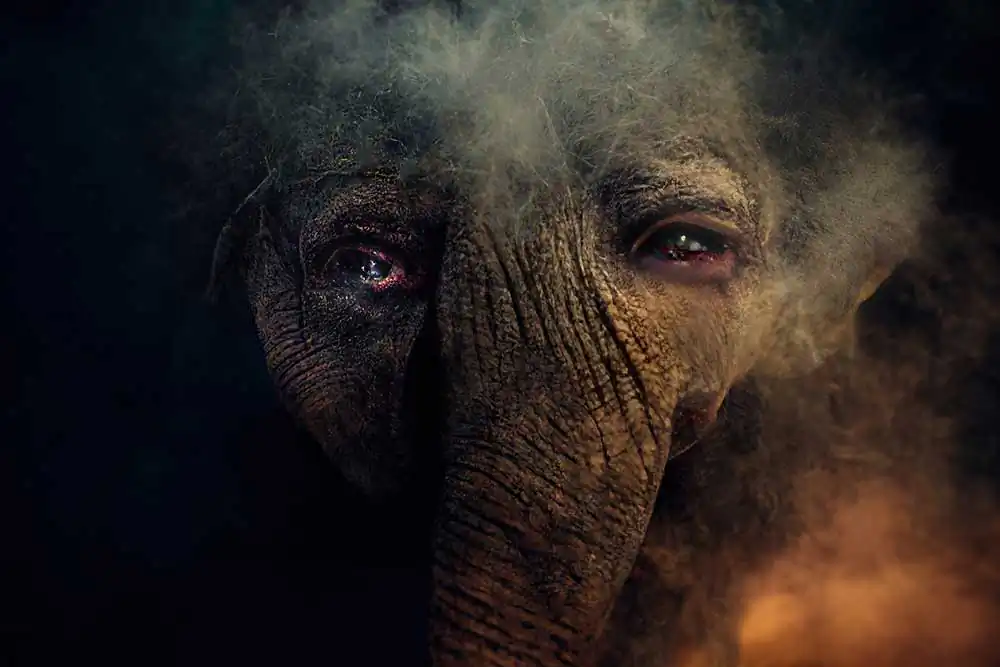
The result of my visual work on this topic wants to make the viewers think by placing them in front of a mirror, to take a journey through time, which in turn allows us to travel to the darkest corners of our own being and understand to what extent we are really willing to accept diversity and to evaluate how much we really think that “the different” are persons with their own dignity and with the right to be accepted for what they are and for what they can offer to others.
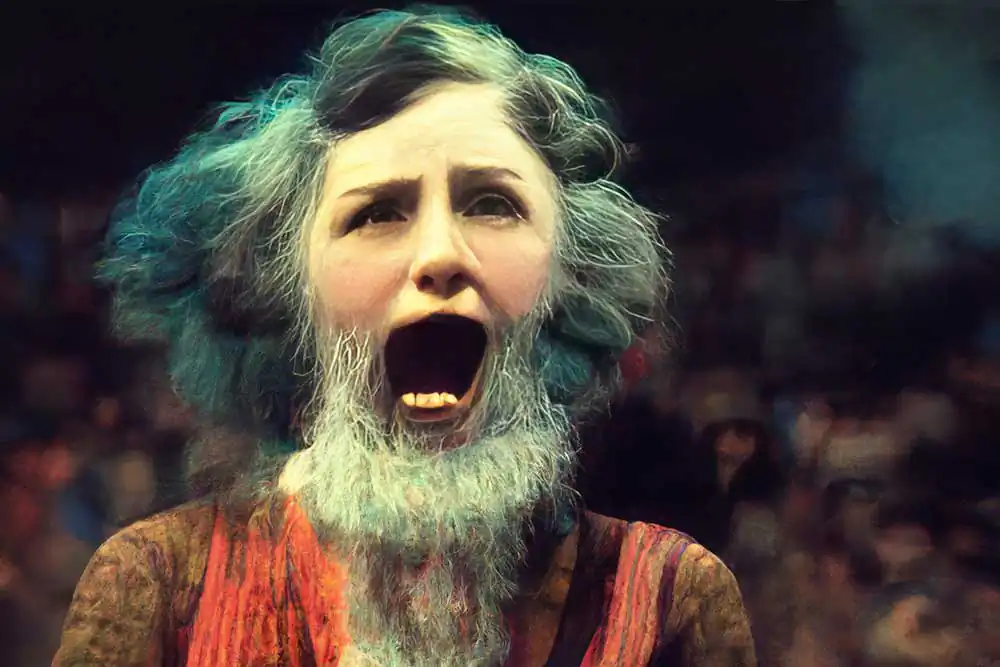
My son has the ability to calm me down, to make me focus on the essentials, to see learning as a fascinating but patient achievement that is not without difficulties; time takes on another dimension with him and patience, perseverance and constancy are the tools to teach him to progress. With him you learn to praise slowness and you understand that true love is what they know how to convey: without pretensions, without expecting anything in return, simply offering themselves for what they are, giving you their cuteness and reading in their eyes and in their behavior, the full happiness of being with them. Pure essentiality!

Giuseppe Satriani
Giuseppe Satriani is a conceptual photographer and visual artist based in Bilbao, working under the name Umbra Mentis. His practice combines photography and AI not to generate beautiful images, but to introduce into photographs what does not exist or cannot be photographed, recovering what images exclude: disorder, the impossible, and the deliberately suppressed. His work is held in public and private collections, including Tecnalia Foundation, Espacio RAW, Centro de Fotografía Isla de Tenerife and Médecins Sans Frontières in Madrid. He has exhibited in Spain and internationally, and received recognition from MUSE Awards, Fotonostrum and IGPOTY. [Website]