
HomeAuthor

Dodho Magazine


5 photographers to rediscover through Mongolia
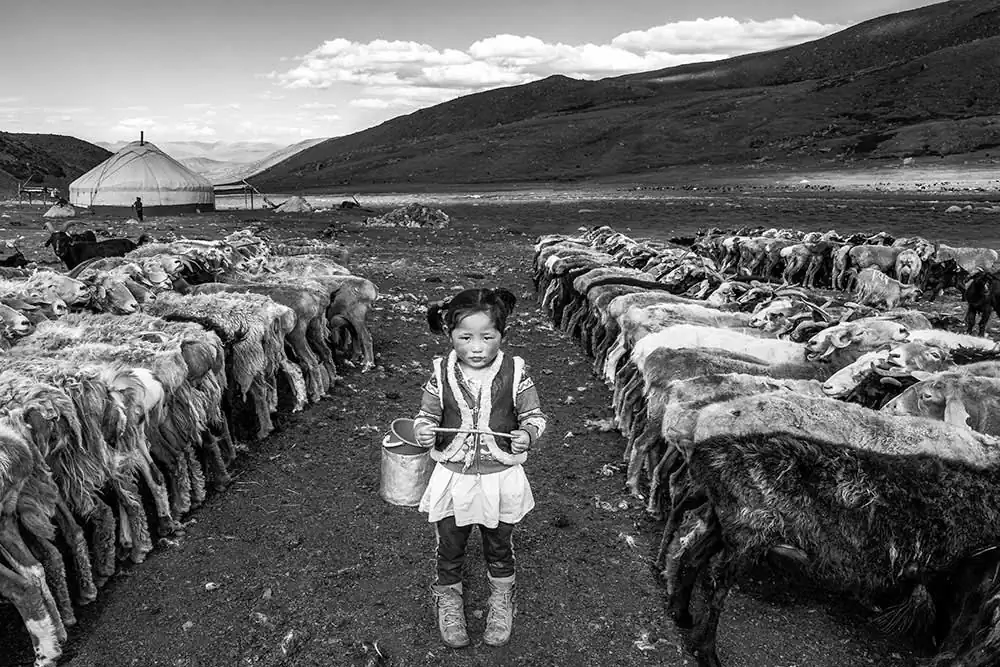
Five photographic projects revisit Mongolia beyond clichés, exploring nomadic life, childhood, spirituality, and migration through long-term, attentive approaches. Together, they reveal a complex territory shaped by movement, resilience, and lived experience rather than fixed narratives.


The perfect image says nothing
The pursuit of perfection often leaves photographs empty of meaning. When every element is resolved and optimized, the image closes itself, leaving no space for doubt, interpretation, or lasting engagement.


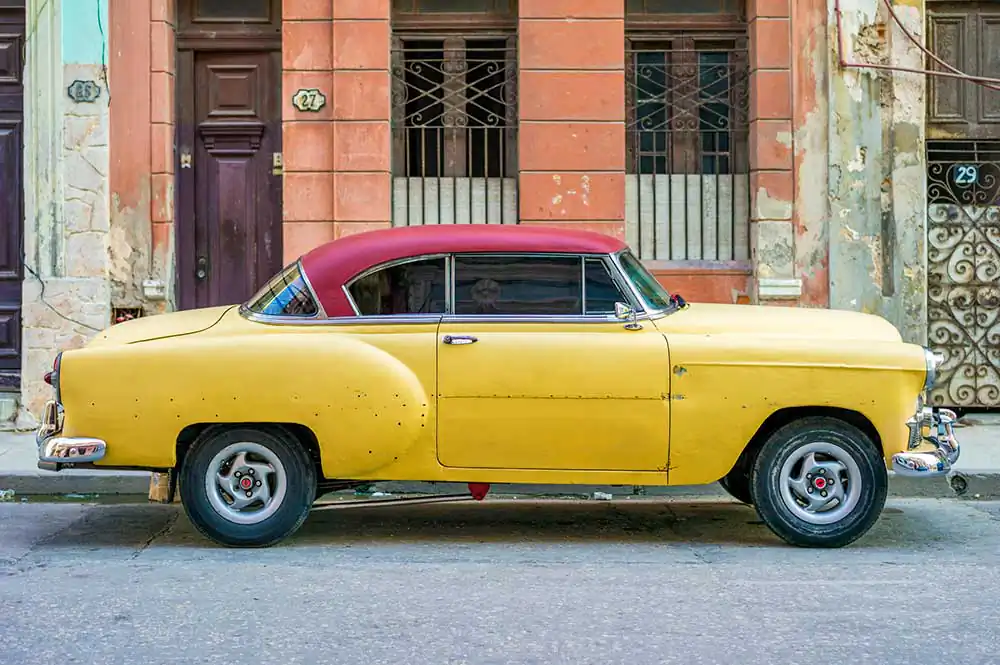
5 photographers with projects developed in Cuba
Five photographers explore Cuba through long-term projects that move beyond clichés, focusing on time, adaptation, and human presence. From vintage cars to intimate portraits, these works approach the island as a lived, complex reality rather than a visual stereotype.


Lee Friedlander and photography as a closed system
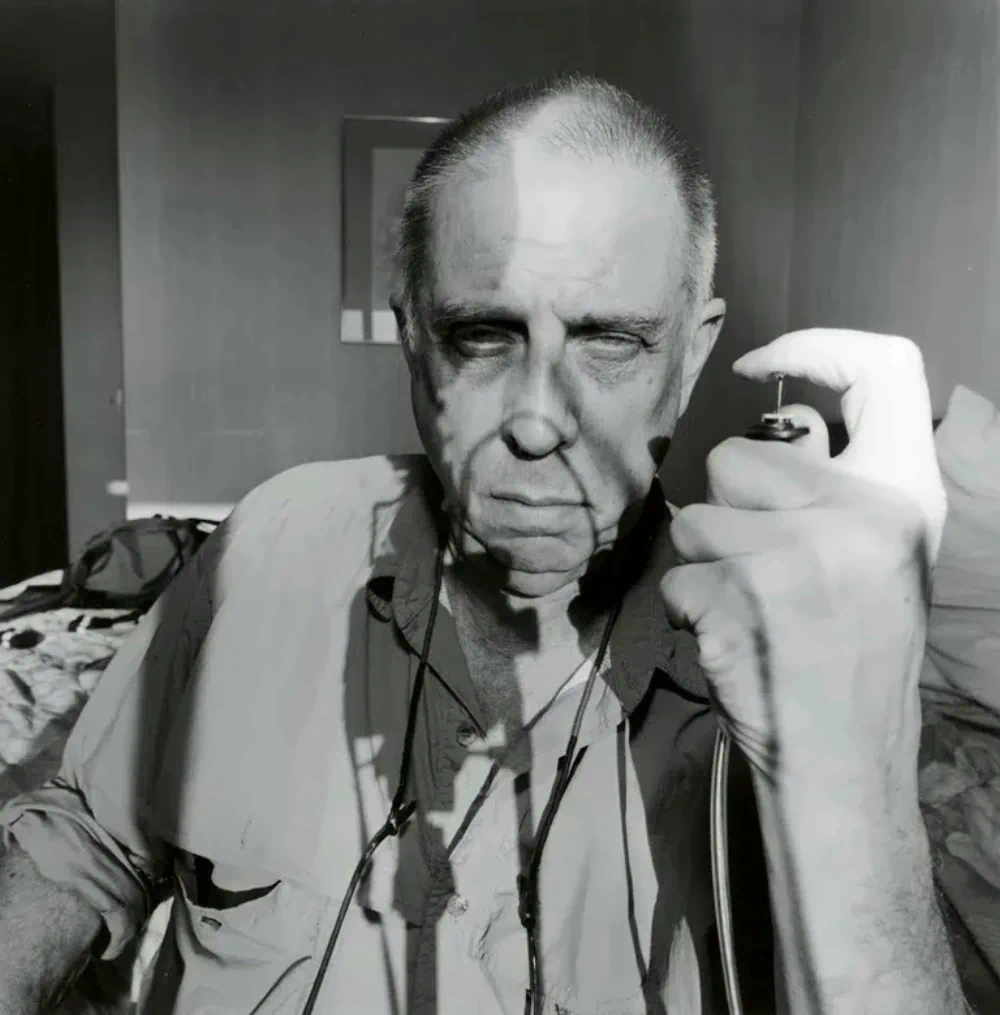
Lee Friedlander treated photography as a self-contained system rather than a transparent window onto reality. Through reflections, obstructions, and visual density, his work exposes how seeing is structured, mediated, and shaped by the limits of the photographic medium itself.

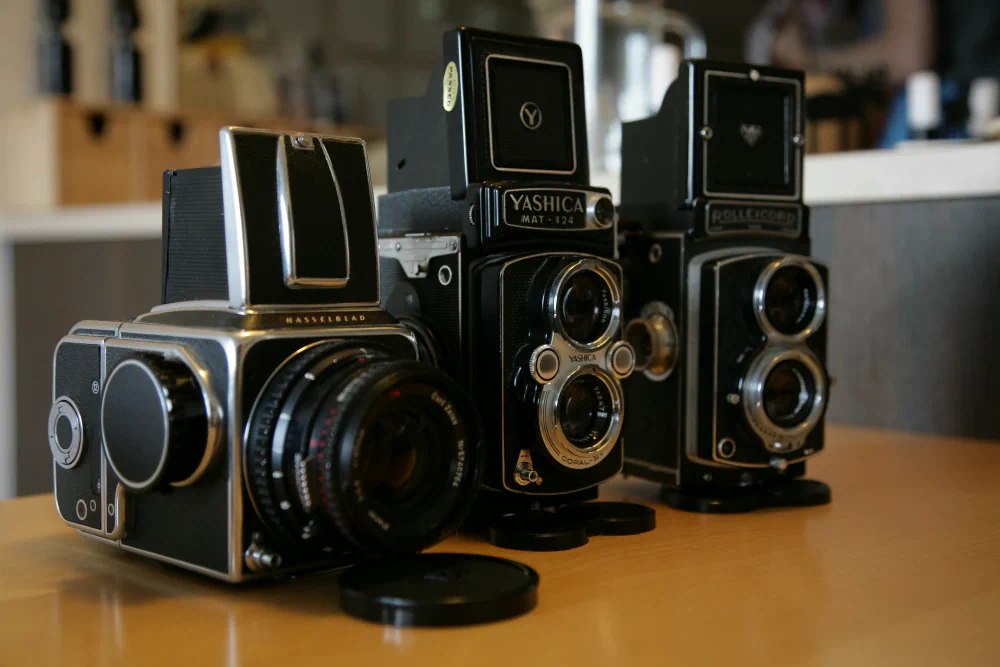
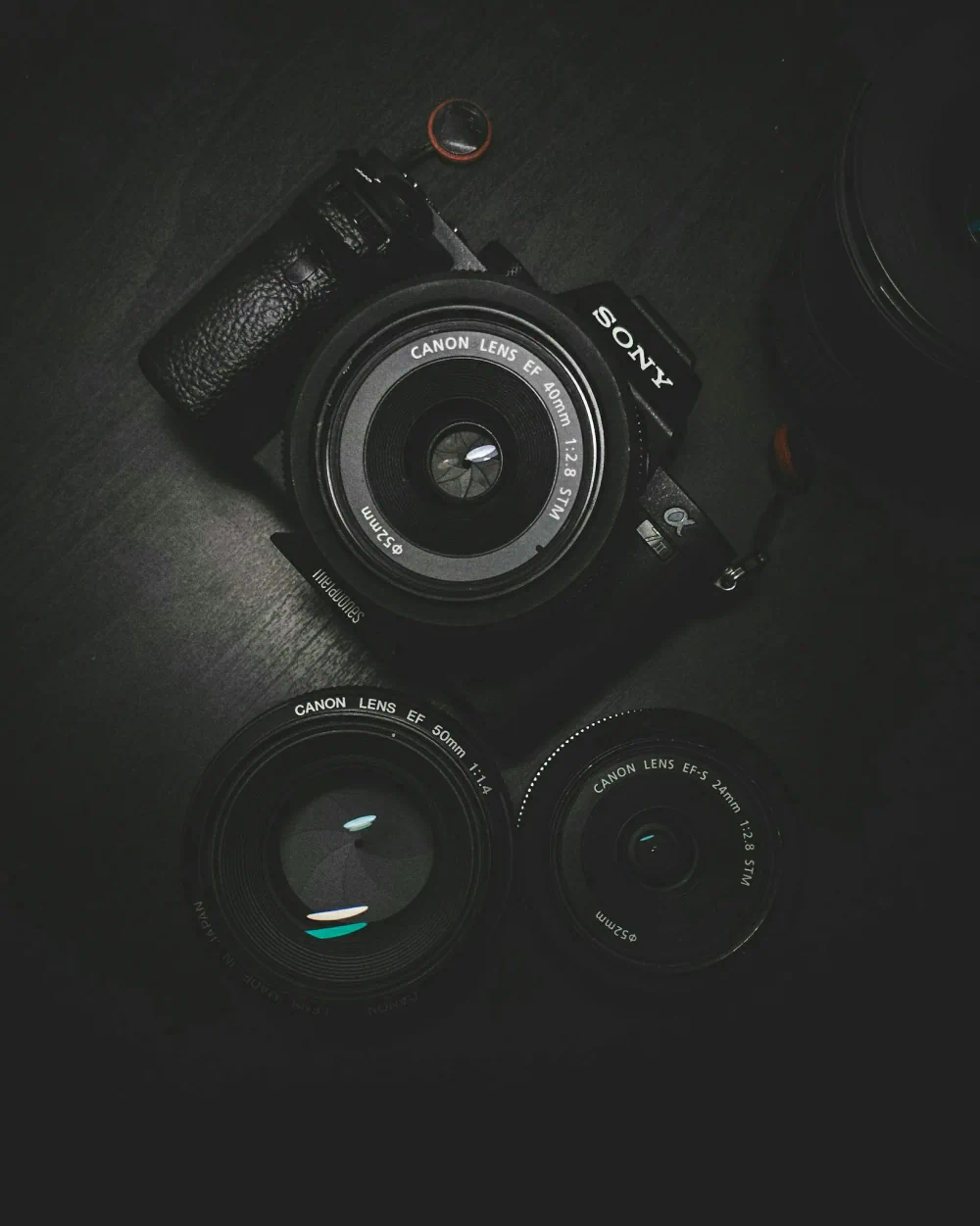
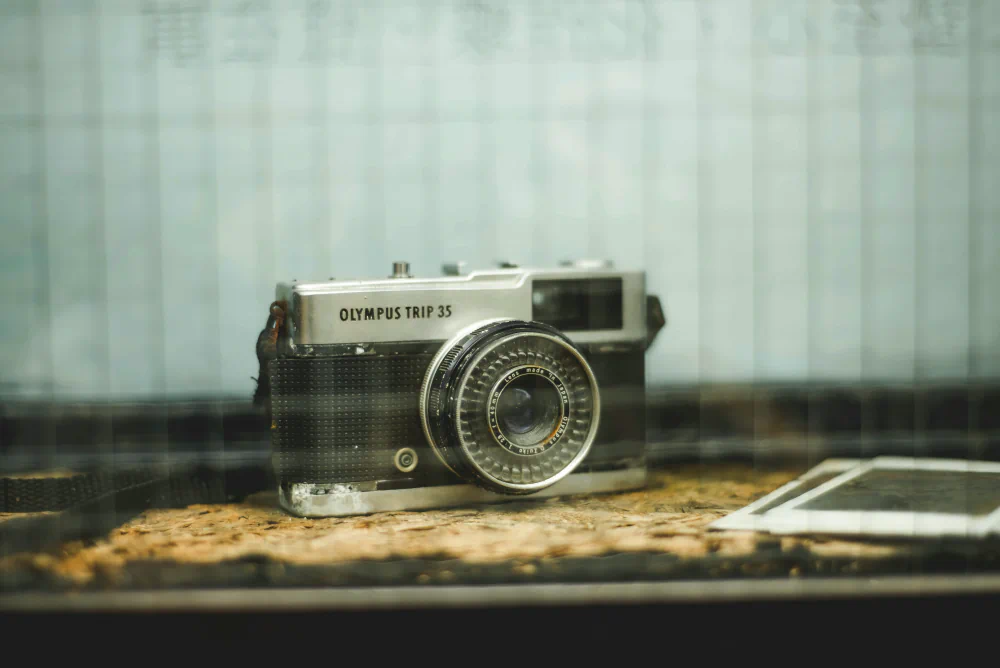
Every camera educates the photographer differently
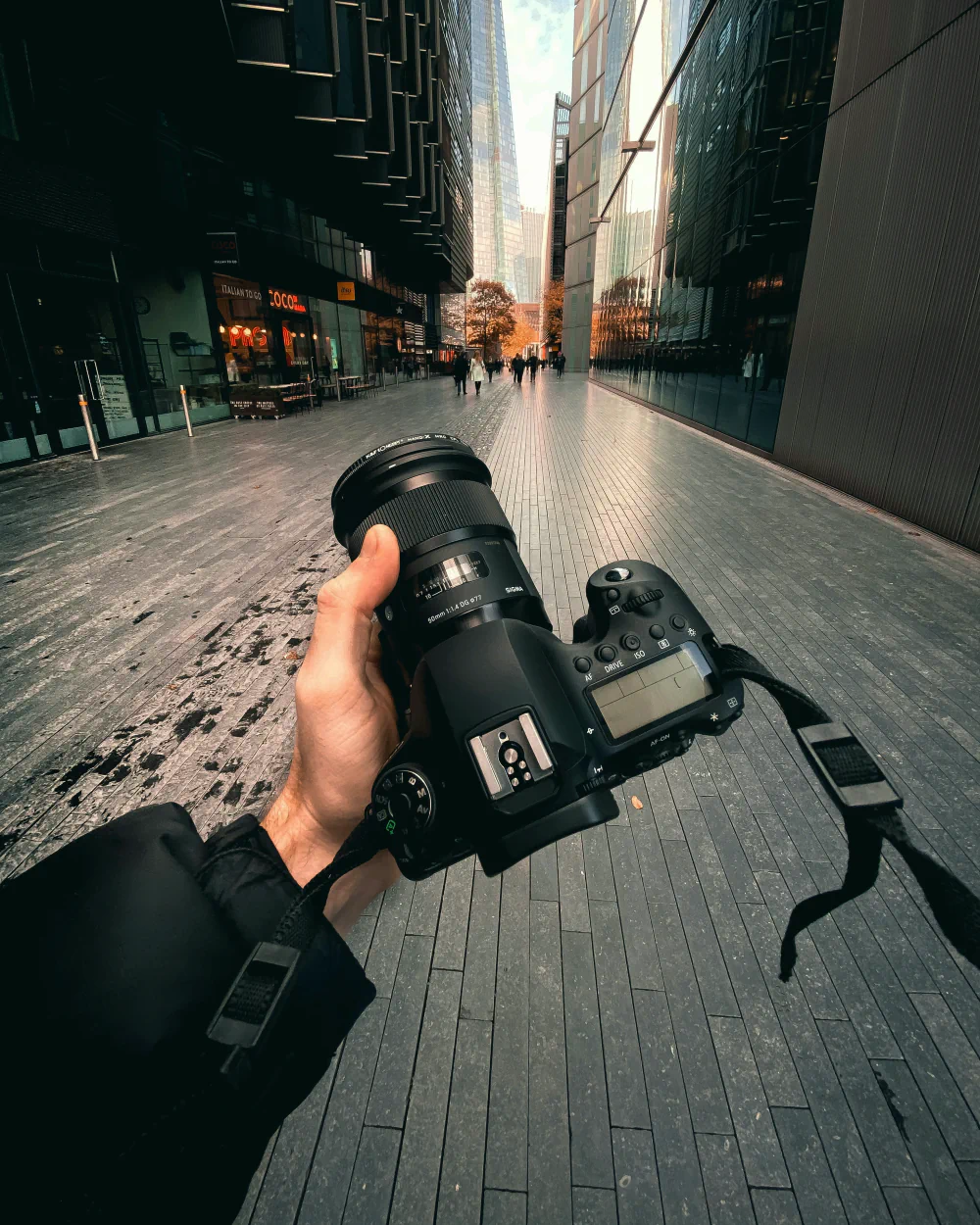
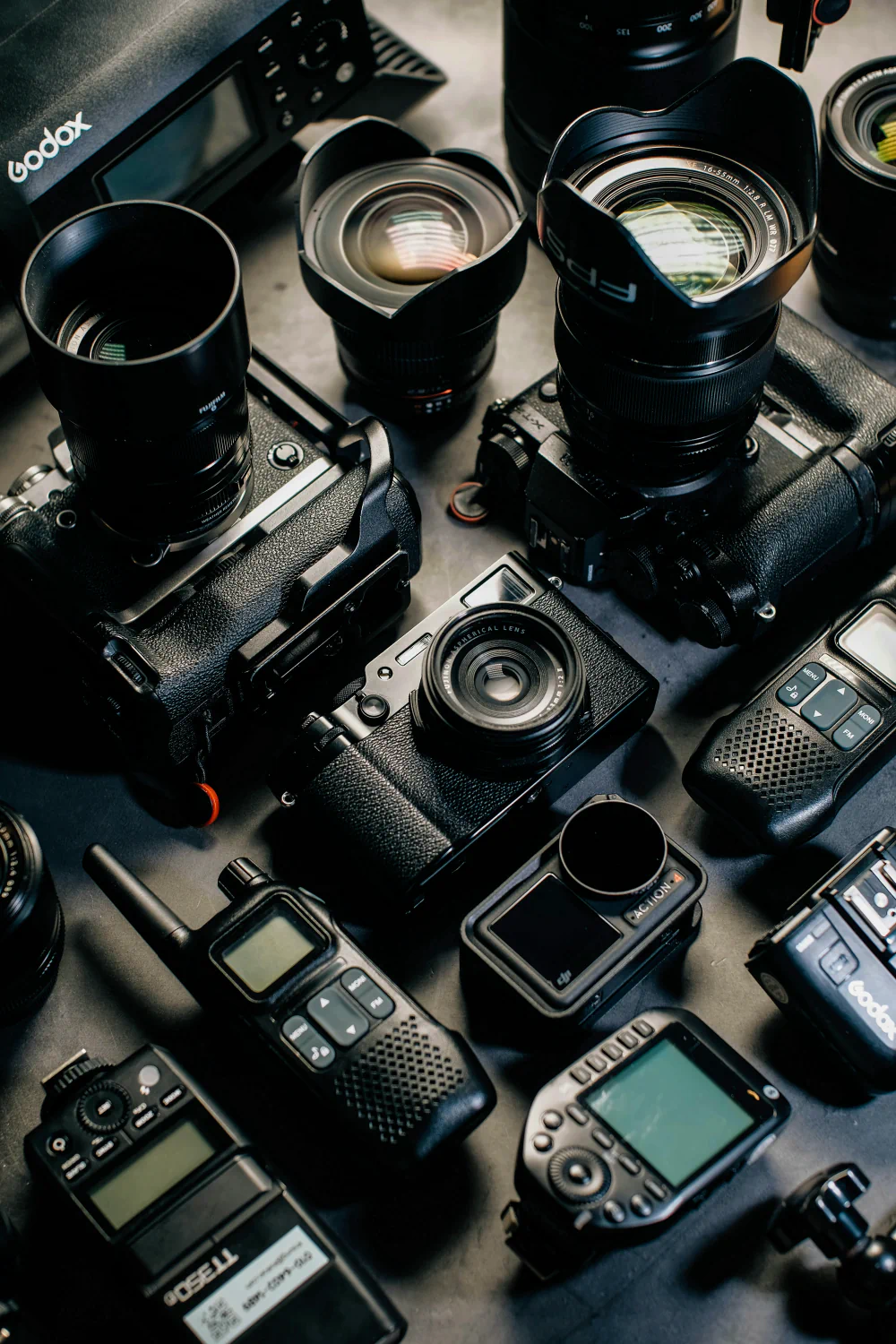
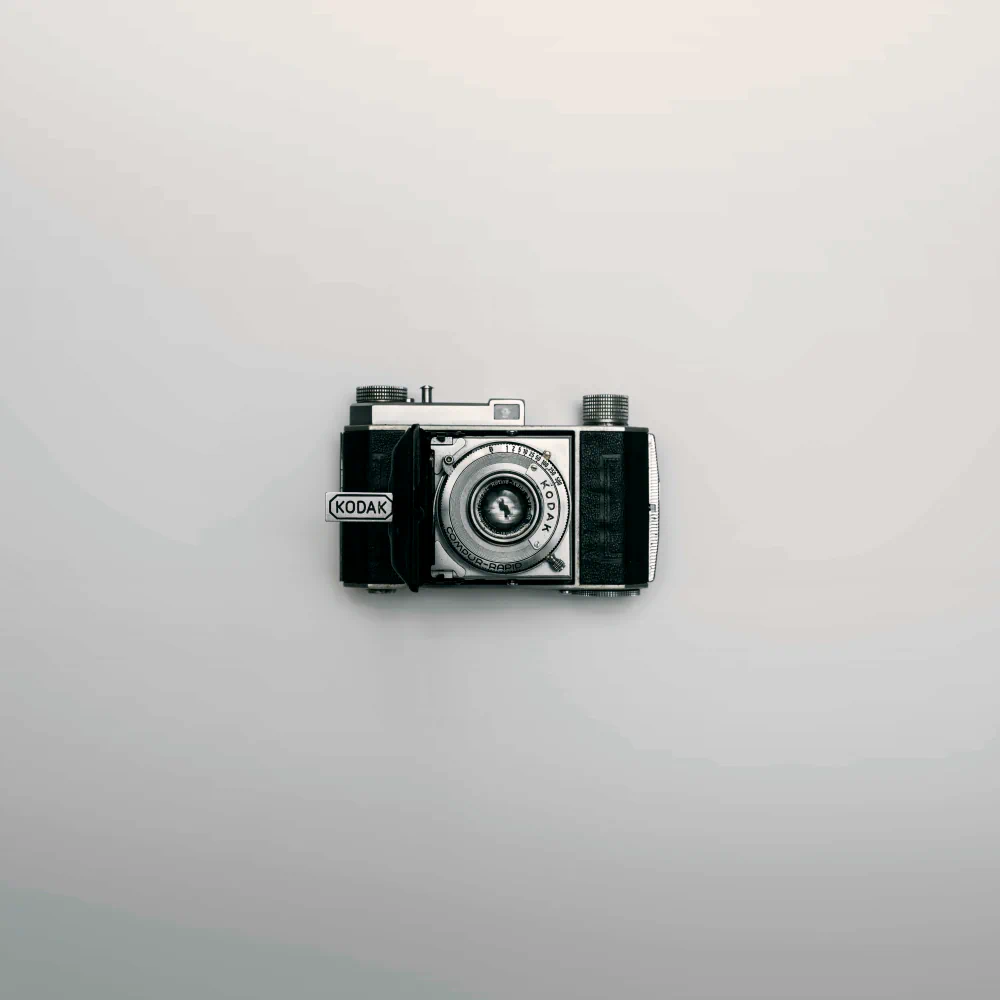
Every camera shapes how photographers see, decide, and behave. From large-format slowness to smartphone immediacy, each tool carries its own visual pedagogy, quietly educating the photographer and influencing not just aesthetics, but ways of seeing.

GuruShots: Still Life
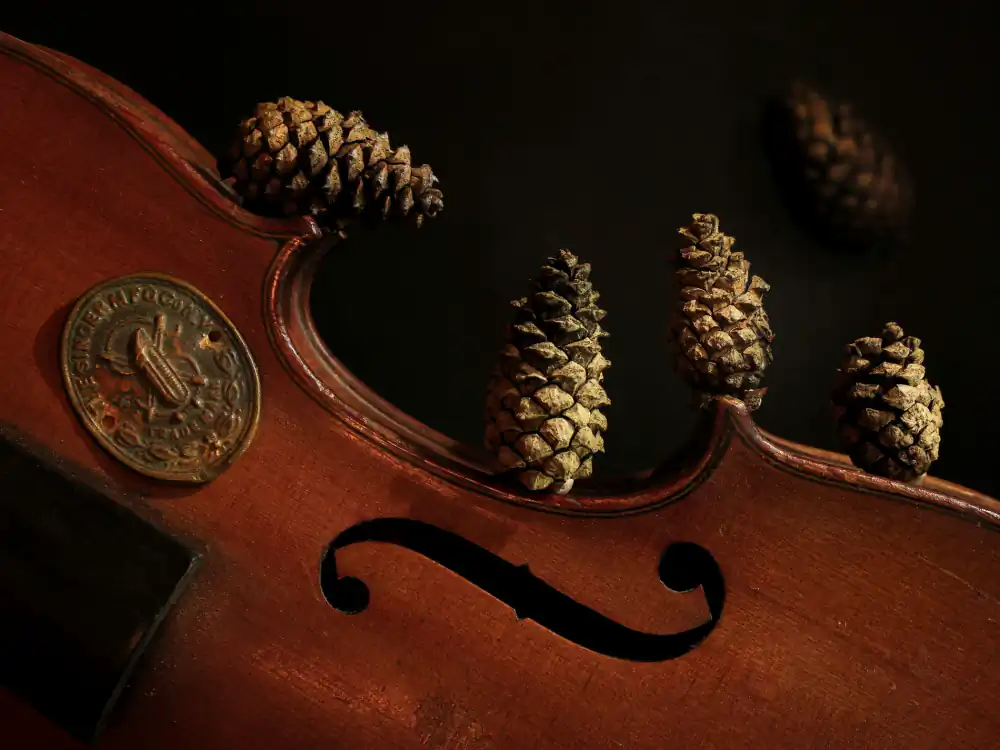
Dodho Magazine partnered with GuruShots "The Worlds Greatest Photo Game" in a photo challenge contest titled "Still Life"  Over 100,000 photos were submitted. GuruShots is a platform for people who love taking photos.

Brassaï understood the night as an autonomous visual language
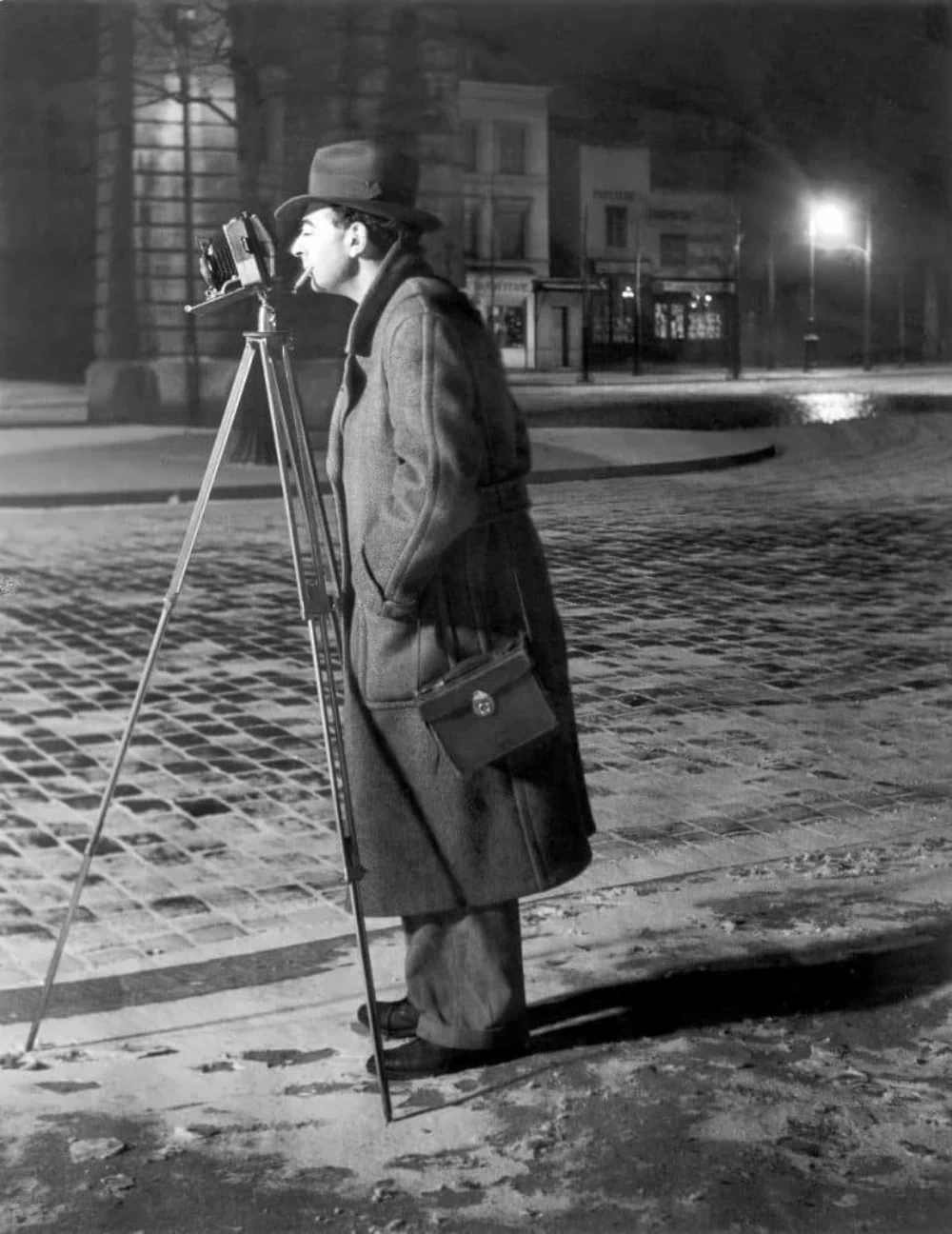
Brassaï did not photograph the night as a backdrop, but as a language with its own rules. By embracing darkness, blur, and ambiguity, he transformed nocturnal Paris into an autonomous visual world and redefined how photography could represent presence beyond clarity.

Chim’s Children of Europe: David Seymour’s Humanist Vision of Postwar Childhood
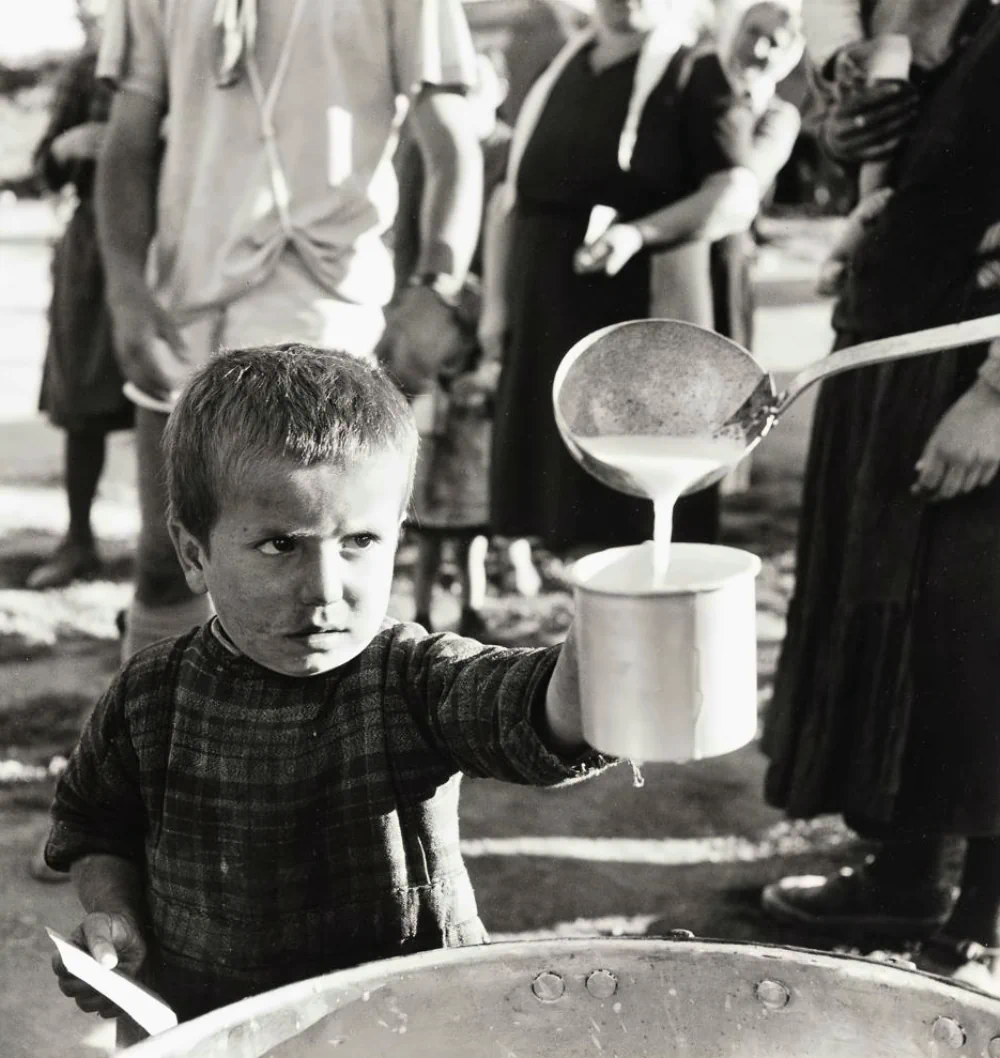
Chim’s Children of Europe (1949) features original prints and rare archival material by Magnum co-founder David “Chim” Seymour, documenting the lives of children across post-World War II Europe. On view at The Image Centre in Toronto from January 14 to April 4, 2026, the exhibition presents a powerful visual testament to resilience and recovery
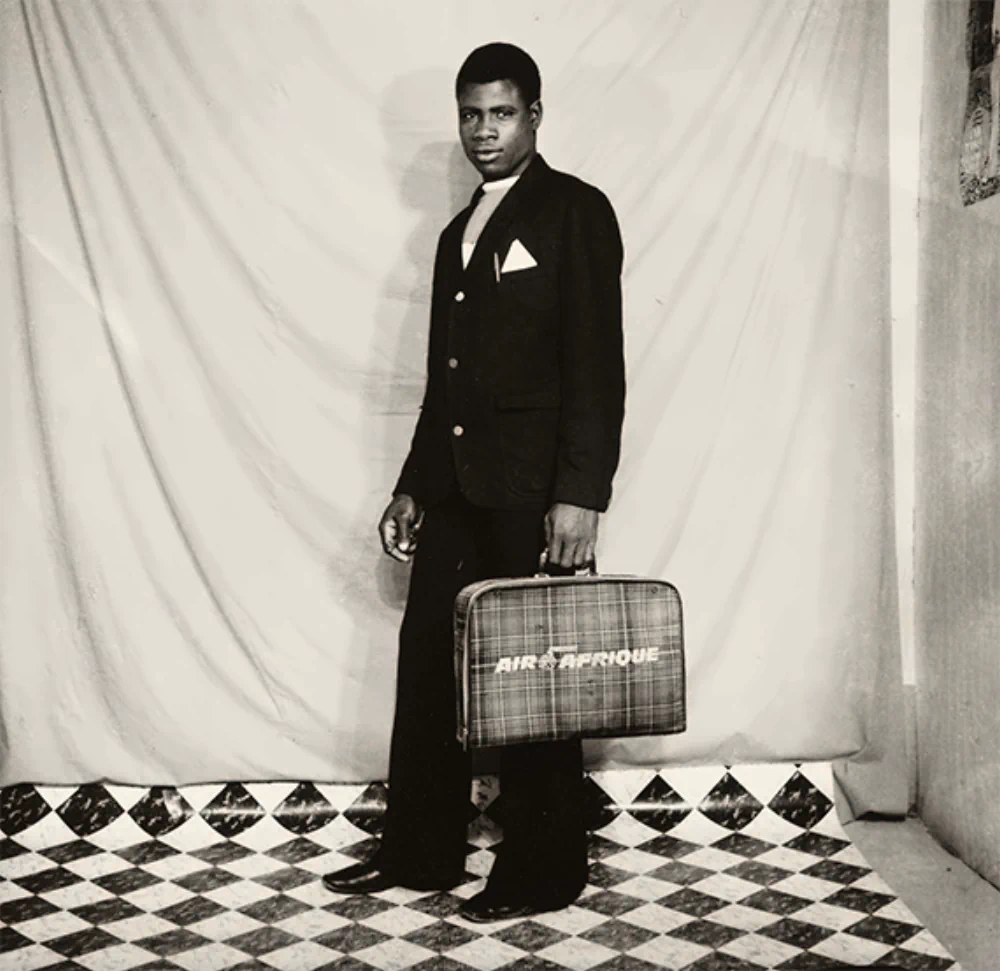
The waist-level camera changed visual history
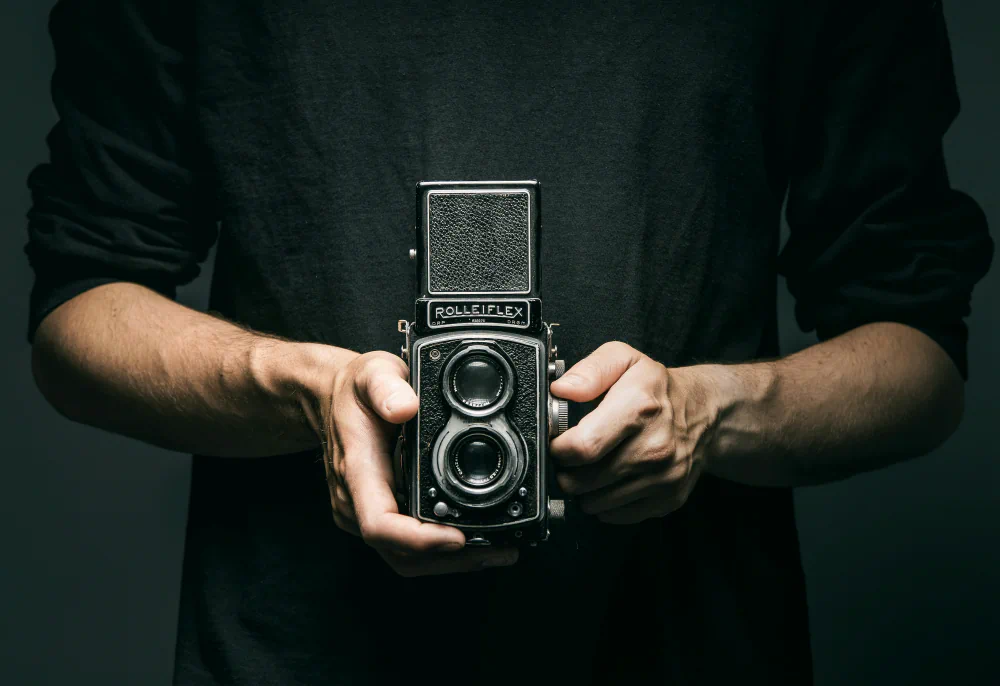
The waist-level camera transformed photography by reshaping the relationship between photographer and subject. By lowering the gaze, it softened authority, encouraged intimacy, and introduced a quieter, more observational way of seeing that permanently influenced visual culture.


When technical limitation was a creative advantage
Before infinite resolution and instant feedback, photography was shaped by constraint. Technical limitation forced commitment, sharpened intention, and turned imperfection into language. In revisiting those limits, we rediscover how restriction can still be one of creativity’s most powerful tools.

Photographic humanism as a universal truth
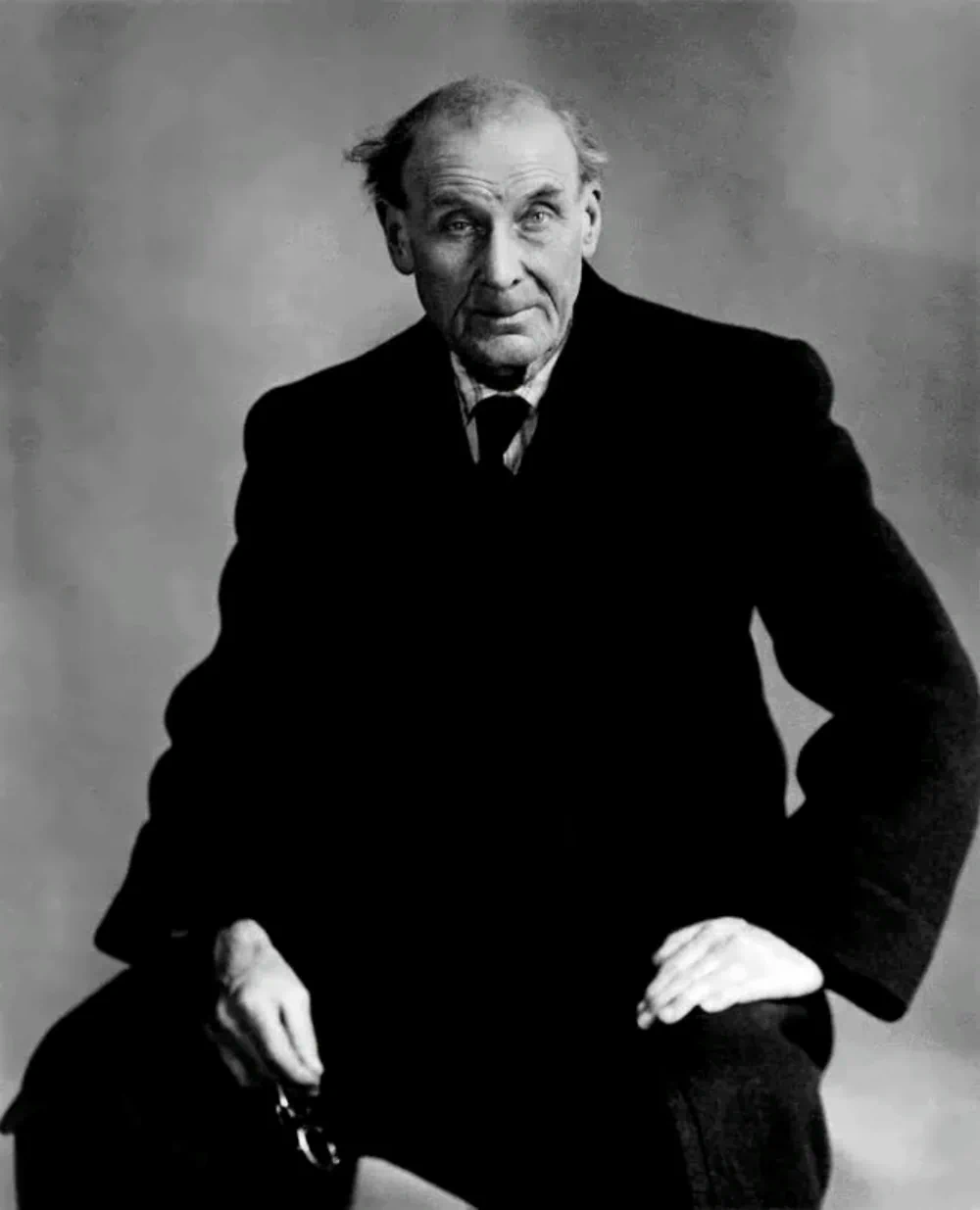
Photographic humanism is not a style or a nostalgic tradition, but an ethical way of looking at the world. In an era dominated by speed, algorithms, and visual saturation, it insists on presence, dignity, and connection, reminding us that photography can still be a space for understanding the human condition beyond spectacle and consumption.


5 Spanish photographers to discover now
A selection of five Spanish photographers whose work explores territory, memory, identity, and everyday life through sustained, thoughtful projects that privilege depth, attention, and lived experience over immediacy.

Ideas of Africa at MoMA: Portrait photography and political imagination
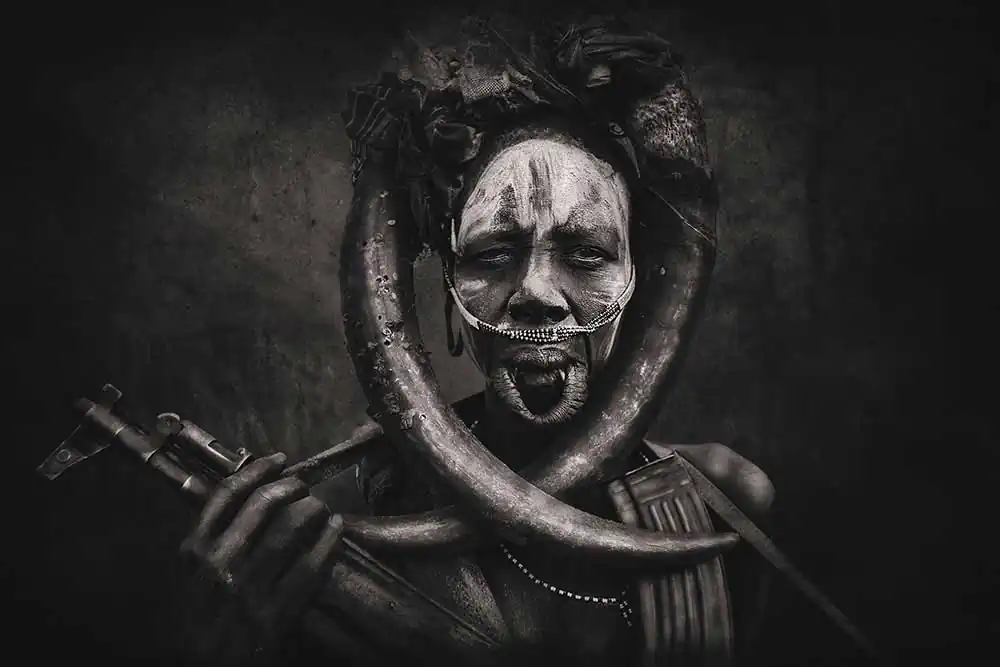
MoMA presents Ideas of Africa: Portraiture and Political Imagination, an exhibition that explores how portrait photography shaped political identity, cultural expression, and Pan-African solidarity from the mid-20th century to today, bringing together historical and contemporary voices across Africa and its diaspora.

The real story behind the most reproduced images
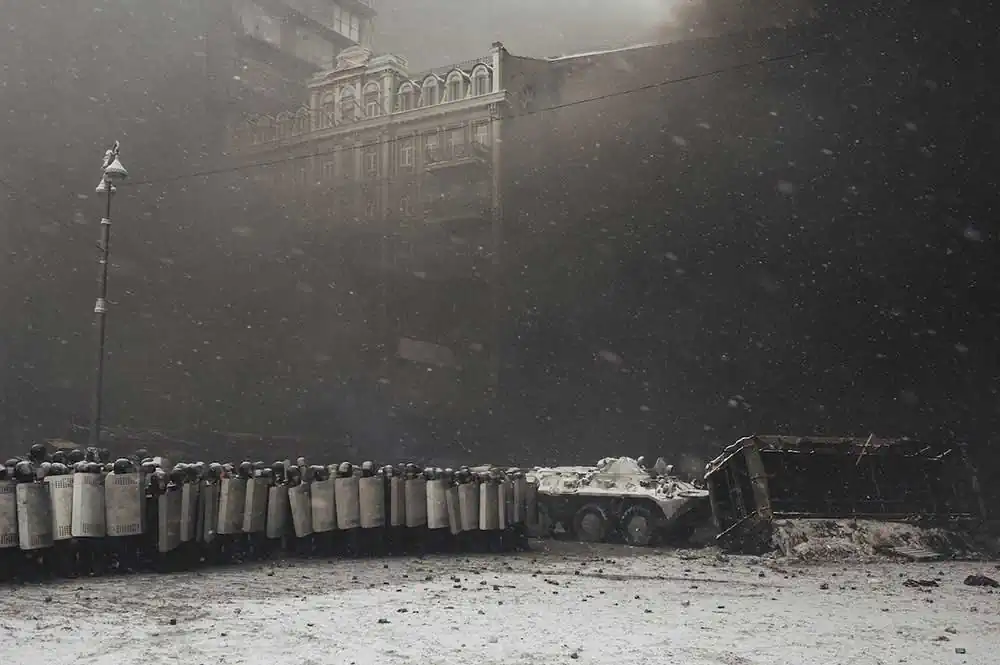
The most reproduced photographs in history are not necessarily the most truthful ones. Iconic images are selected, repeated, and stripped of context until they become simplified symbols, shaping how photography, history, and collective memory are understood.


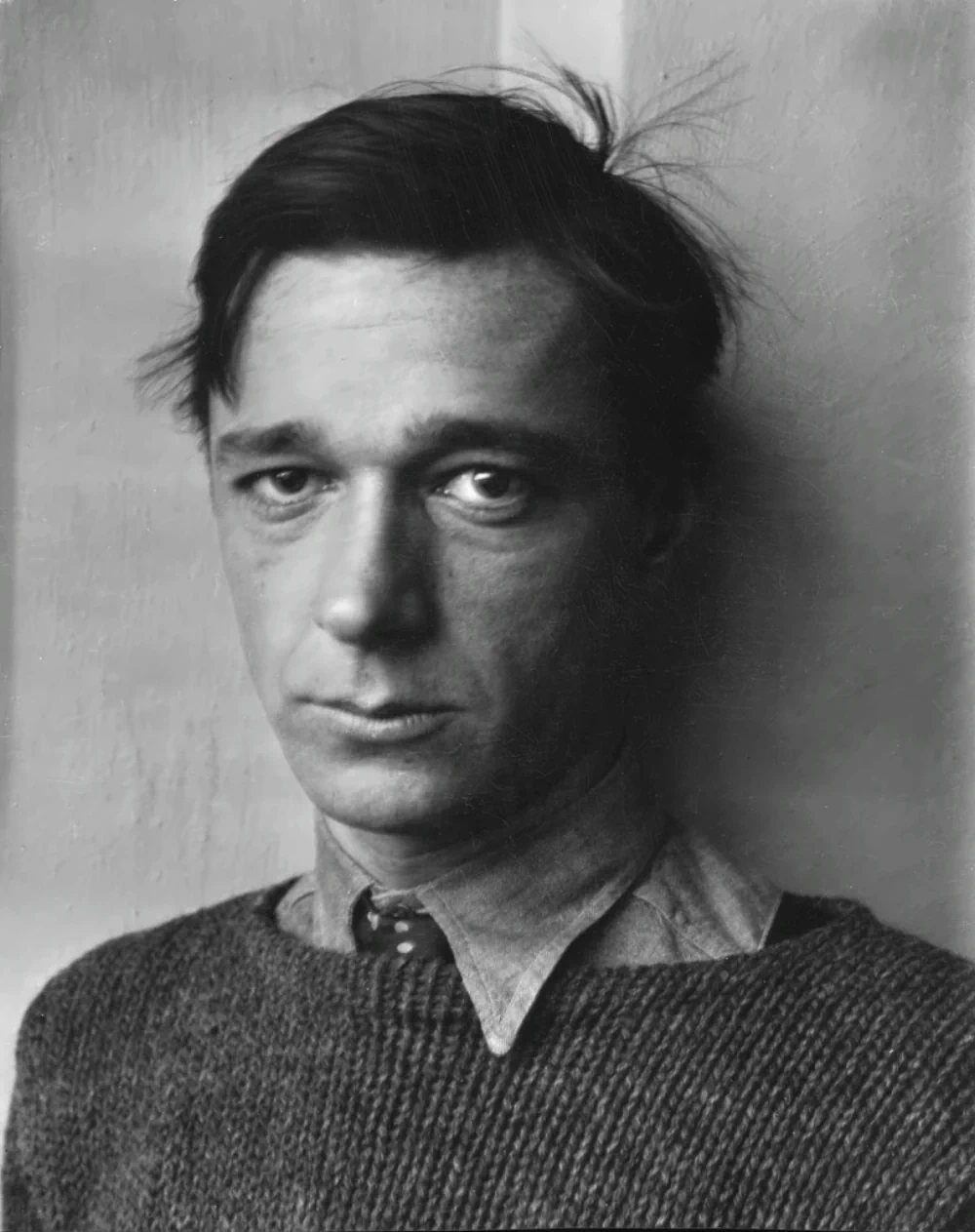
Walker Evans and the ethics of looking without intervening
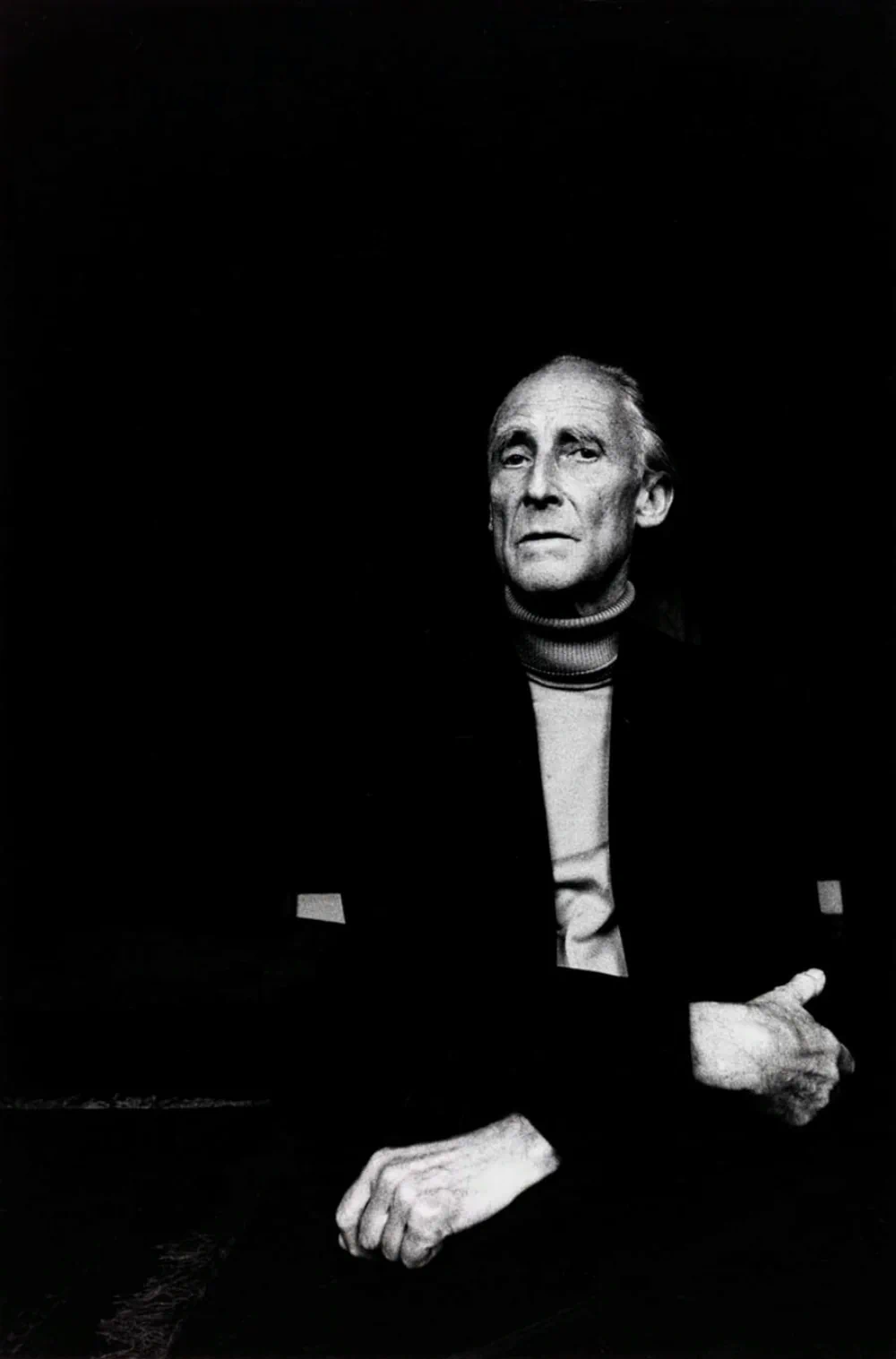
Walker Evans’s work raises a lasting ethical question in photography: is it possible to look without intervening? Through restraint, distance, and refusal of sentimentality, his images challenge the idea that documentary photography must persuade, act, or dramatize in order to be responsible.


Documentary photography as objective testimony
Documentary photography is often seen as objective proof, yet this text questions that assumption, revealing how every image is a constructed, situated interpretation of reality rather than neutral testimony.


Winners: Fine Art Awards
We are pleased to officially announce the winners and finalists of the prestigious Fine Art Awards, celebrating the finest talents in photography. This recognition represents a hallmark of excellence in the field.

Street photography as a pure genre
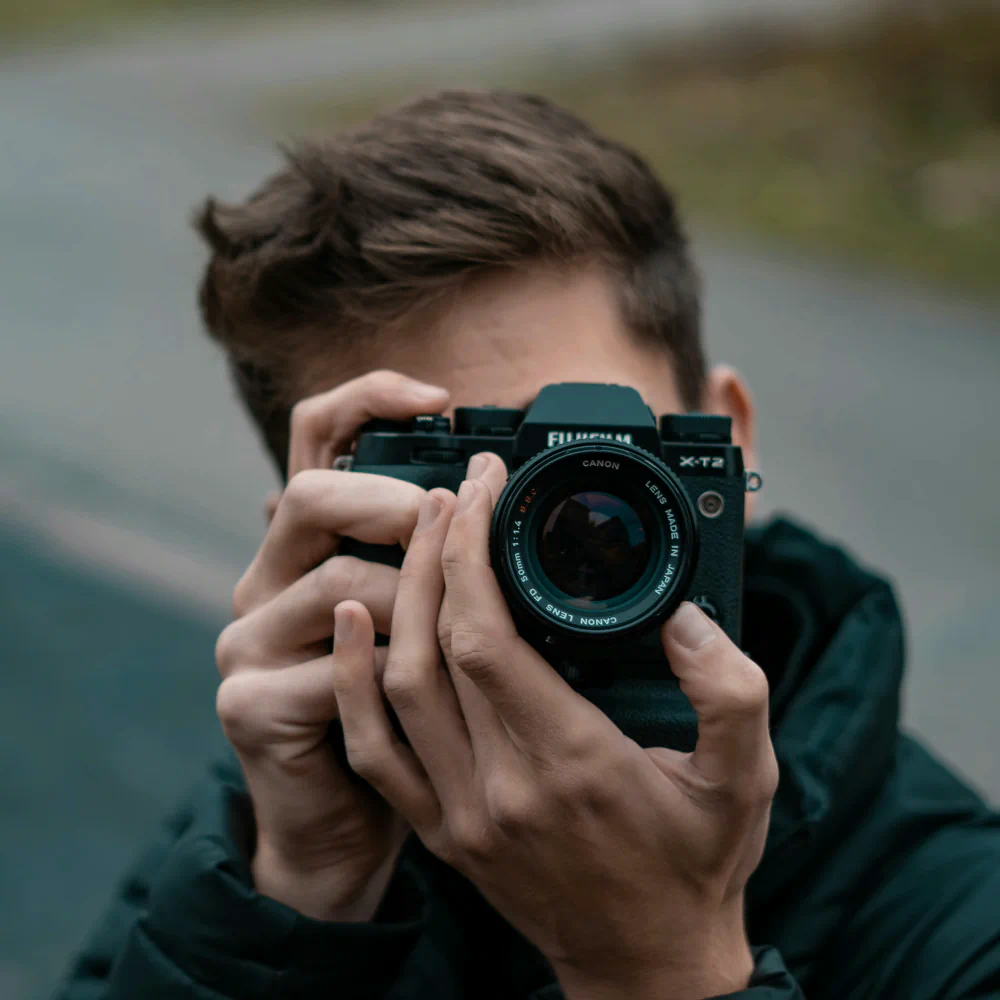
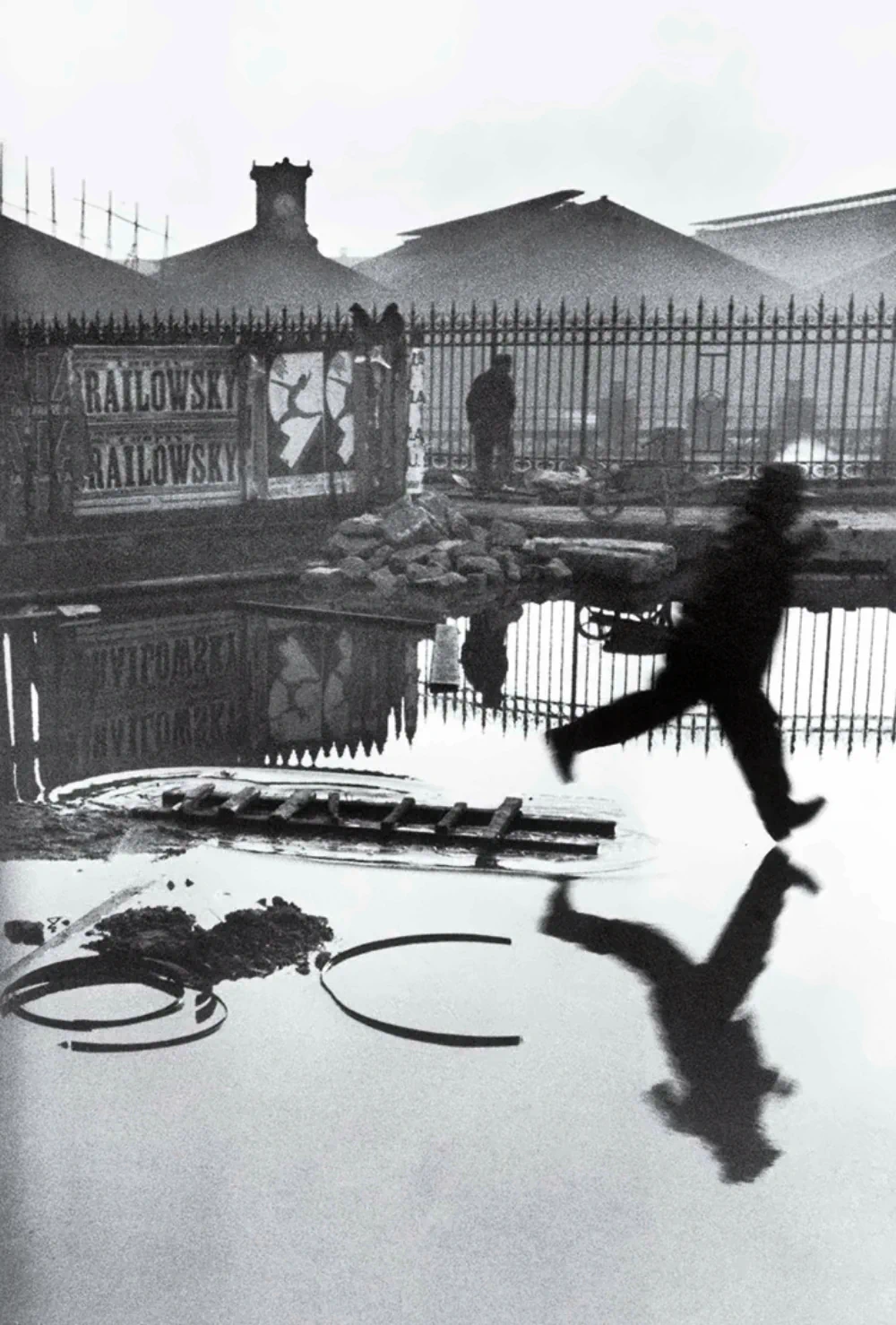
Street photography is often misunderstood as images simply taken in public spaces. This text argues for street photography as a pure genre, defined not by location but by intention, ethics, time, and a disciplined way of seeing.


Erotic Photography and the Art Market
Erotic photography reveals how the art market negotiates desire, value, and legitimacy. Between provocation and institutional acceptance, these images expose the tensions that define what is allowed, collected, and celebrated within contemporary visual culture.