


India is often defined through its overwhelming use of color, a visual intensity that has shaped its global representation.
Yet, when color is removed, what remains is not a diminished version of reality, but a deeper one.
Black and white photography does not negate India’s complexity; it reframes it. By stripping away chromatic information, these works force attention toward structure, gesture, texture and expression, revealing a different layer of meaning that is often obscured by visual saturation.
The projects gathered here share a common strategy: they reject color in a context where color is dominant. This decision is not aesthetic alone, but conceptual. It allows the photographers to move beyond spectacle and approach India as a space of human intensity, where ritual, labor, belief and identity emerge with greater clarity. What appears is a more distilled vision of the country, one that privileges presence over ornament.
Ritual and the Edge of Existence
Spiritual practices beyond social boundaries
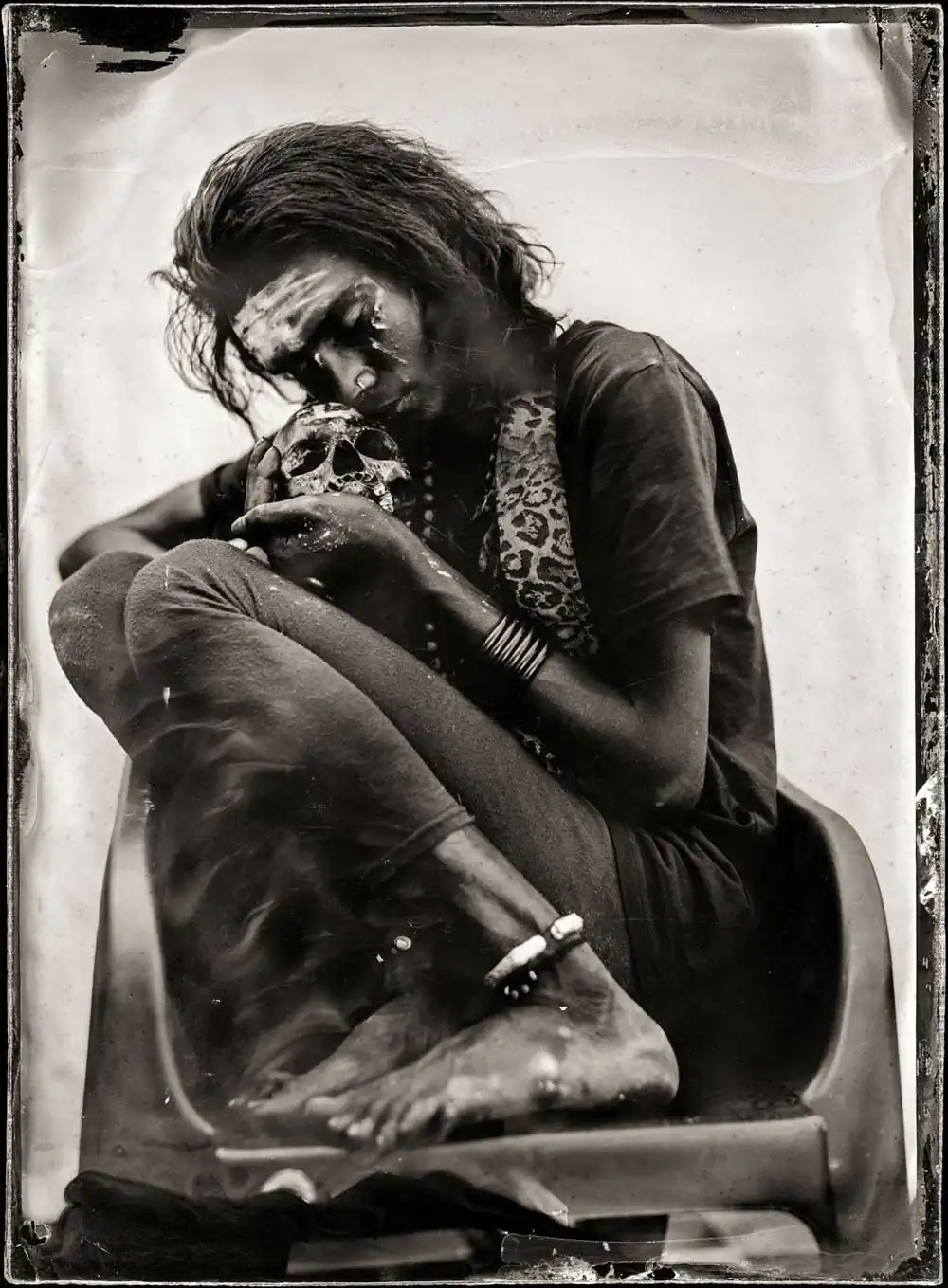
In Aghori by Jan Skwara, black and white becomes inseparable from subject matter. The Aghori ascetics, existing between life and death, embody a radical form of spiritual practice that rejects social norms. Their rituals, performed in cremation grounds, confront the viewer with themes of mortality, transformation and transcendence.
The use of wet plate collodion reinforces this temporal dislocation. The images appear as relics from another century, aligning technique with subject and suggesting that what is being documented belongs to a world already vanishing. Photography here is not only representation, but an act of preservation against disappearance.
The Human Condition in Everyday Life
From street to portrait, the body as central narrative
In The Indianalog Project by Keivan Cadinouche, monochrome becomes a tool to explore shared human experience. By removing color, the photographer emphasizes gesture, gaze and interaction, constructing images that move beyond cultural specificity and enter a more universal register.
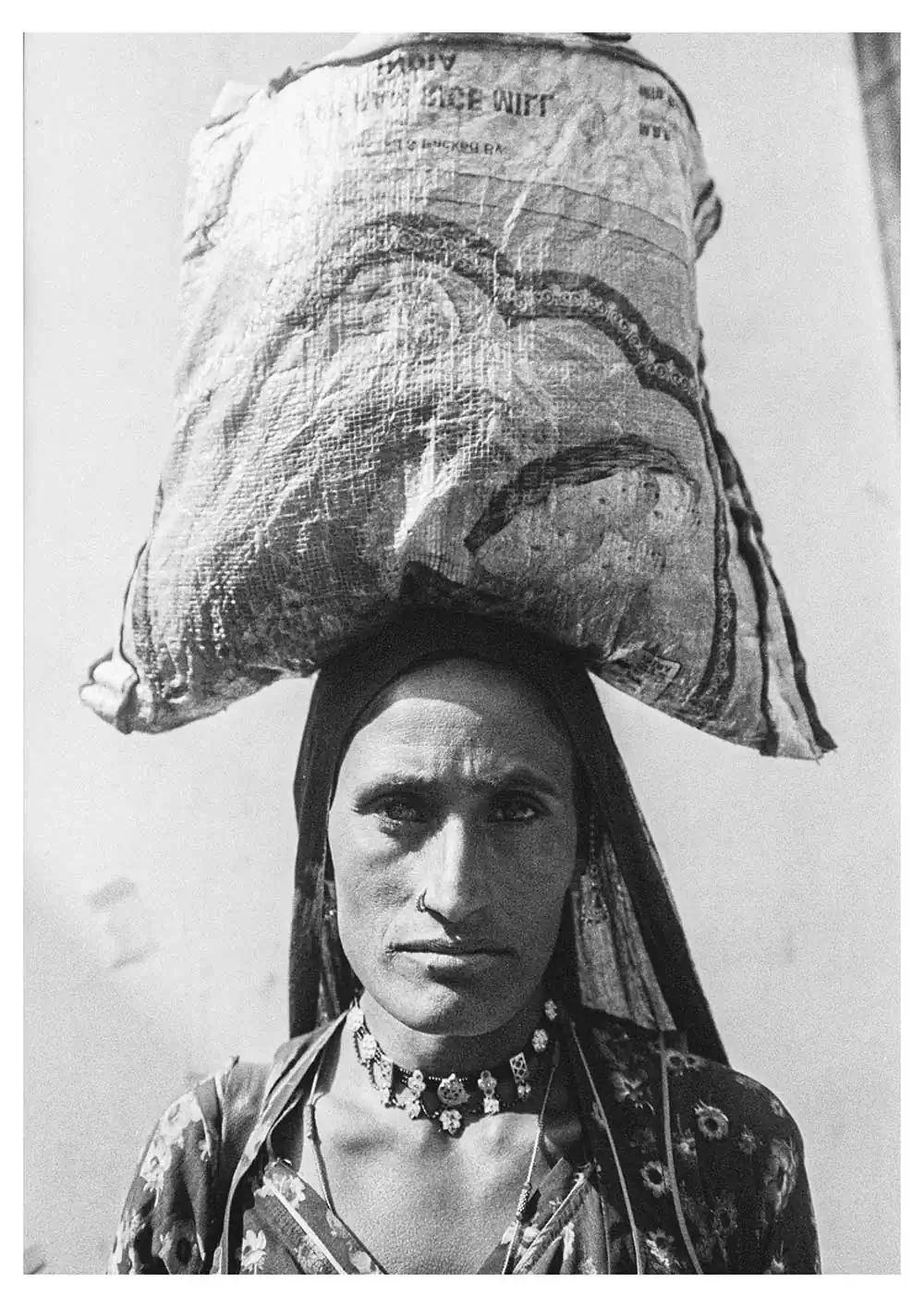
A similar approach can be found in Impressions of India by Marco Campi, where daily life unfolds without theatricality. The absence of color reinforces the rawness of the scenes, allowing hardship and poetry to coexist without distraction. These images do not seek to aestheticize reality, but to reveal it in its immediacy.
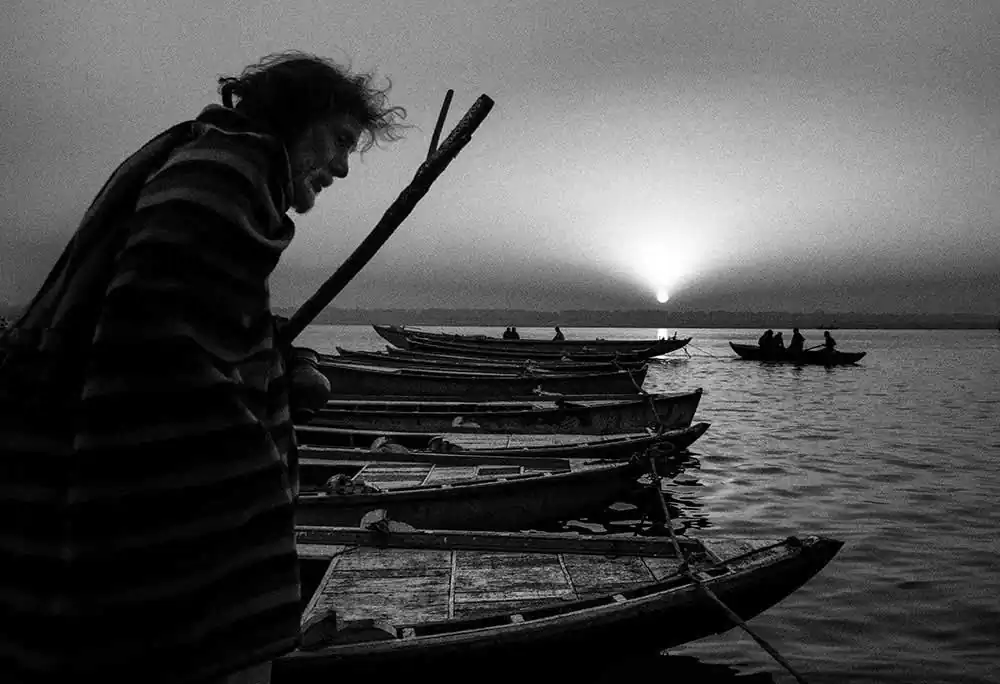
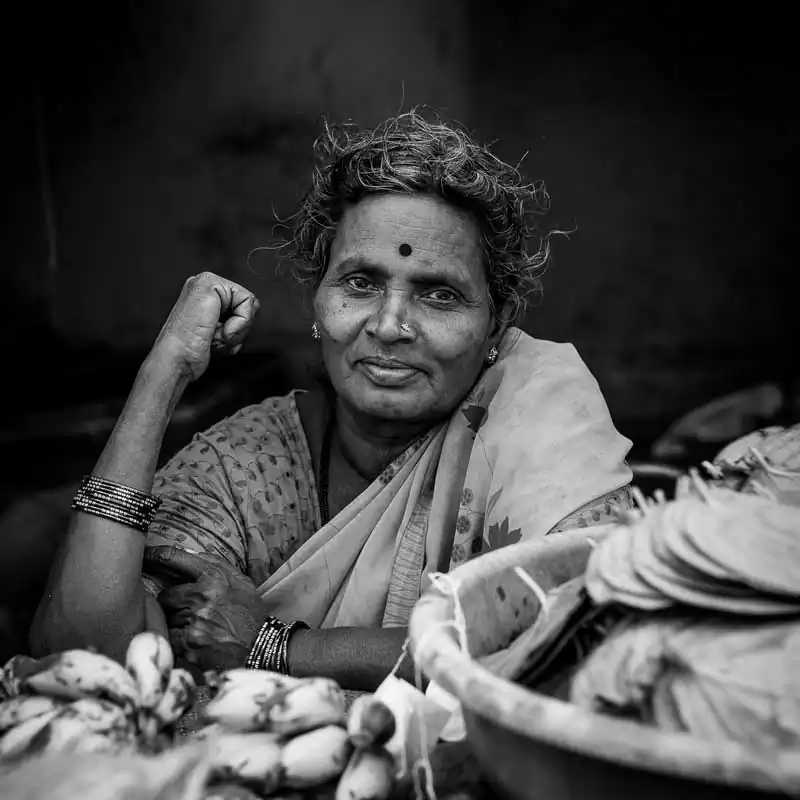
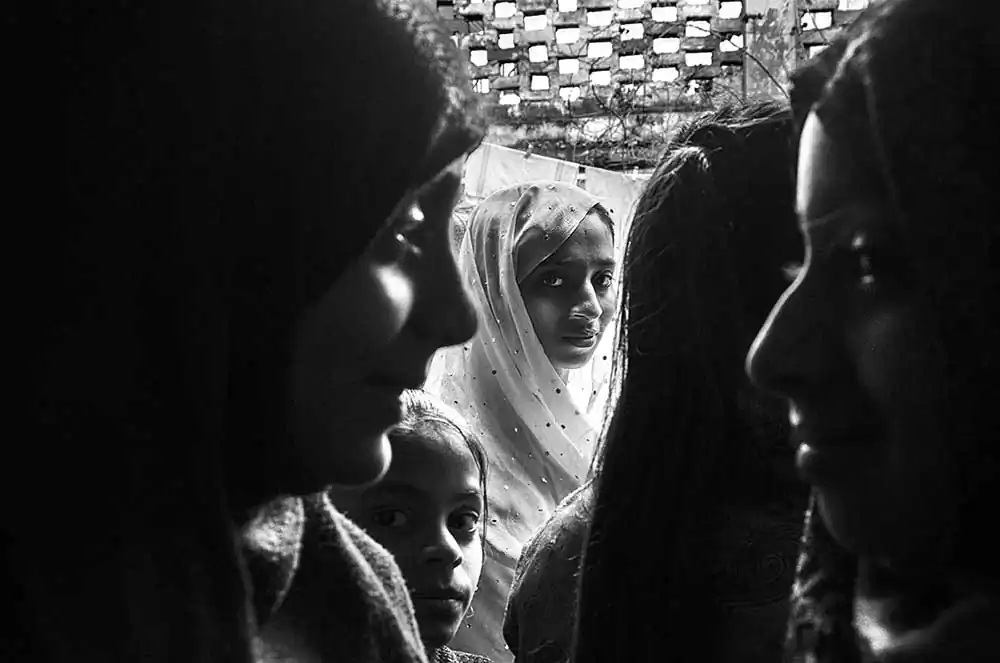
This focus on the human face reaches an intimate intensity in People of India by Jean-Pierre Duvergé, where proximity dissolves distance between subject and viewer. The portrait becomes an encounter, a moment where identity is not constructed but revealed. Black and white here functions as a language of reduction, eliminating the superfluous to focus on expression alone.
Architecture, Space and Atmosphere
When the city becomes structure and light
In Udaipur – The Venice of India by Victoria Knobloch and Jagdev Singh, the city is transformed into a study of form and reflection. The absence of color shifts attention toward geometry, light and spatial relationships, revealing the architectural elegance of Udaipur beyond its usual exotic representation.
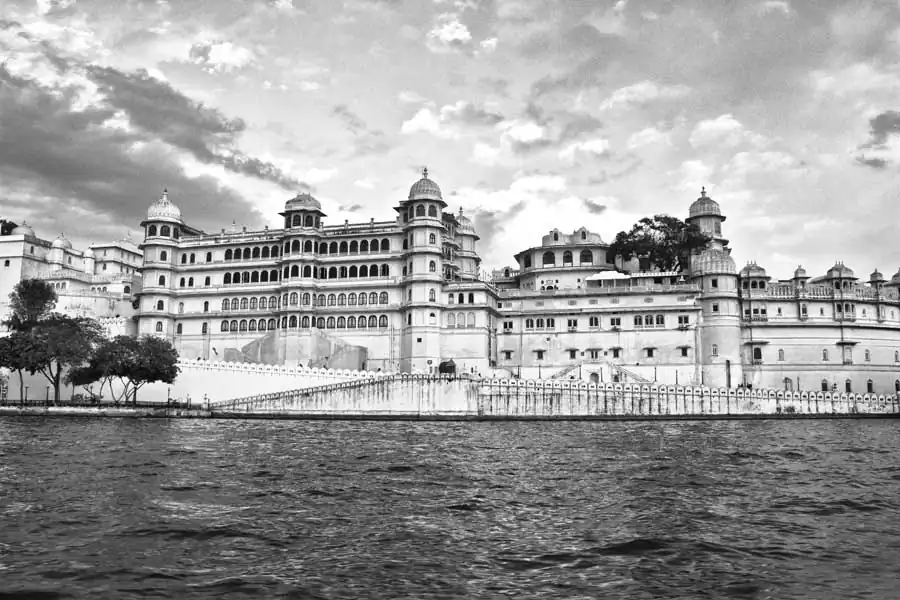
Similarly, Bodhgaya by Victoria Knobloch presents sacred space as a field of contemplation. The monochrome palette reinforces the spiritual atmosphere, allowing the viewer to focus on gesture, repetition and the quiet intensity of devotion.
Labor, Craft and Disappearing Traditions
Black and white as a tool to document what is fading
In Swan Song of the Badlas by Taha Ahmad, photography becomes a form of testimony. The artisans of metallic embroidery, once central to a flourishing tradition, are now reduced to a handful of aging practitioners. The absence of color aligns with the narrative of decline, stripping the images of distraction and focusing on gesture, labor and environment.
Black and white here is not nostalgic but precise. It emphasizes the material conditions of work, the physical toll on the body and the fragility of cultural heritage under the pressures of modernization. The images operate as both document and warning.
Faith, Community and Collective Energy
Ritual as movement and shared experience
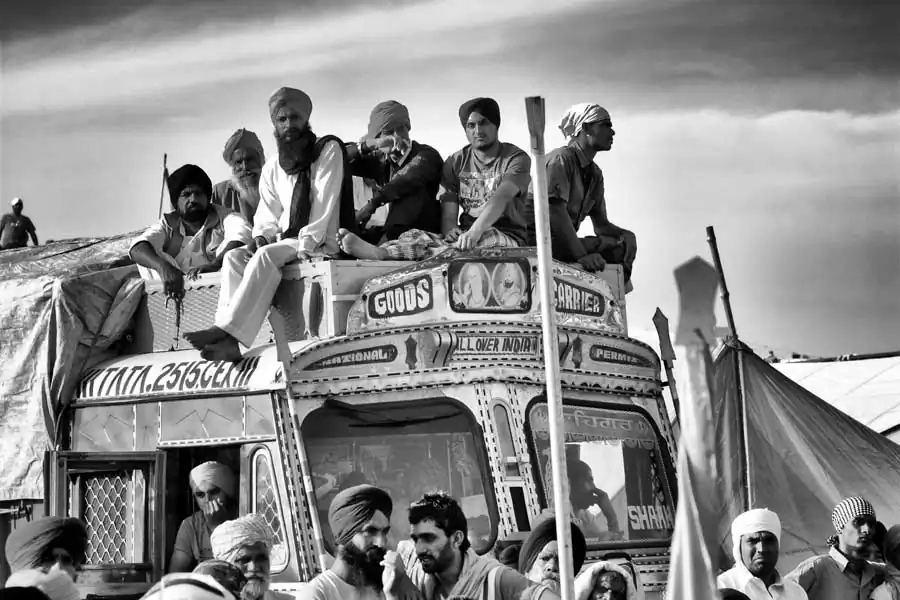
In Hola Mohalla by Jagdev Singh, the collective dimension of faith becomes visible through movement and density. The event, charged with energy and devotion, is rendered in monochrome to emphasize rhythm, repetition and physical presence rather than spectacle.
What emerges is not the color of celebration, but its structure. Bodies, gestures and spatial dynamics construct a visual field where faith is experienced collectively. Black and white allows this intensity to be perceived without the distraction of chromatic excess, revealing the underlying choreography of ritual.
Beyond Color, Toward Essence
India as a field of human intensity
These projects demonstrate that removing color from India does not reduce its richness; it redefines it. Black and white photography allows a shift from surface to structure, from spectacle to substance. What becomes visible is not less, but more: more attention to the human body, to gesture, to space and to time.
India, in this context, is no longer perceived as an explosion of color, but as a dense field of relationships where identity, belief and labor unfold with clarity. The absence of color becomes a method of seeing, one that reveals the enduring intensity of life beyond its most immediate visual markers.