

Asia is home to some of the most diverse and dynamic photographic practices in the world.
Stretching across vast geographical territories and encompassing an extraordinary range of cultures, languages and histories, the continent provides an inexhaustible source of stories for photographers.
From ancient traditions that still shape everyday life to rapidly evolving megacities and complex social transformations, Asian photography often reflects a constant dialogue between past and present, between cultural memory and contemporary reality.
What makes Asian photography particularly compelling is the variety of perspectives through which artists interpret their surroundings. Some photographers explore deeply rooted traditions and spiritual landscapes, while others focus on urban life, identity, migration or the fragile relationship between humans and nature. In many cases these projects emerge from personal journeys, where the camera becomes a tool to understand cultural belonging, historical change or the invisible connections between individuals and the environments they inhabit.
The photographers featured in this selection represent a wide spectrum of Asian photographic voices. Coming from countries such as Japan, Vietnam, India, China, Korea, Indonesia and Thailand, their projects demonstrate how the photographic medium can capture both intimate personal narratives and broader social realities. Each story reveals a different dimension of life across the continent, yet all share a common commitment to observation, curiosity and visual storytelling.
In Oshichi by Michiko Chiyoda, the photographer draws inspiration from traditional Japanese puppet theatre. After encountering a doll used in Ningyo Joruri performances, Chiyoda became fascinated by the tragic story of Oshichi, a young girl who was executed for committing arson in a desperate attempt to see her lover again. Through her images, Chiyoda transforms this historical narrative into a poetic visual interpretation that reflects on love, obsession and the powerful emotional stories embedded within Japanese cultural traditions.
A contemporary fine art approach appears in Directing Sunlight by Cao Dien, where the Vietnamese photographer explores the idea that beauty extends beyond conventional representations of the human face. Dien’s images focus on light, atmosphere and composition, creating carefully crafted scenes that blur the boundary between photography and cinematic storytelling. His work reflects a generation of Asian photographers who move fluidly between disciplines such as film, visual art and digital culture.
The majestic landscapes of northern India form the setting for Sound of Silence by Jagdev Singh. Set in Ladakh, a remote region in the Himalayas often described as the land of high mountain passes, the series captures a world defined by immense scale and profound stillness. Monasteries scattered across vast valleys, frozen streams and towering peaks create an atmosphere where silence itself becomes a visual element. Singh’s photographs reveal the spiritual and emotional resonance of this extraordinary landscape.
Humanitarian concerns emerge in Stranded in Greece – Greece Refugee Crisis by Gili Yaari, a project that documents the migration crisis affecting Europe. As thousands of refugees from Syria, Afghanistan and Iraq arrived in Greece seeking safety and opportunity, Yaari’s photographs recorded the human dimension of this historical moment. His images focus not only on the scale of displacement but also on the resilience and determination of individuals navigating uncertain futures.
Traditional performing arts become the subject of Kabuki Players by Hiroshi Watanabe, a series dedicated to amateur Kabuki actors across Japan. Unlike the famous professional theatres of Tokyo, these performers belong to small local groups who dedicate their time and resources to maintaining a centuries old cultural tradition. Watanabe’s portraits capture the devotion and passion behind these performances, revealing how cultural heritage continues to survive through community commitment.
Themes of identity and cultural transformation appear in Unintended Homecoming by Hai Zhang, a project developed after the photographer returned to China following years of living in the United States. Through his journeys across towns, cities and villages, Zhang attempts to reconnect with a country that has changed dramatically during his absence. The photographs reflect the complexity of understanding one’s cultural identity in a rapidly evolving society.
Another documentary perspective appears in Mongolia by Madoka Ikegami, which focuses on the Tsaatan people, a nomadic community of reindeer herders living in the forests of northern Mongolia. Their traditional way of life has survived for centuries but now faces new challenges from environmental changes and modern regulations. Ikegami’s images document both the beauty and the fragility of this ancient culture.
Nature and perception intersect in Weightlessness by Yosuke Kashiwakura, a poetic series inspired by the movement of jellyfish in aquariums. Floating silently through water, these creatures evoke the sensation of drifting through space. Kashiwakura’s photographs transform these delicate organisms into abstract forms that invite viewers to reflect on the mysterious beauty of the natural world.
The spiritual dimension of Japanese culture appears again in Shinji Ichikawa: The Essence, where the photographer explores the idea that invisible forces inhabit everyday objects and landscapes. Influenced by Japanese beliefs in kami, spiritual presences that exist throughout nature, Ichikawa’s images evoke an atmosphere of quiet mystery.
Experimental portraiture becomes the focus of Expression by Binh-Dang, a series that captures fleeting emotional moments when subjects suddenly submerge their faces in water. In these fractions of a second, the photographer seeks to reveal an authentic human expression that exists beyond conscious control.
Narrative storytelling appears in A Determined Man by Kazunori Nagashima, a conceptual series centred around a mysterious character whose story remains deliberately ambiguous. The images invite viewers to construct their own interpretations of the protagonist’s situation.
Cultural heritage takes centre stage in Haenyeo: Women of the Sea by Hyung S. Kim, which documents the lives of the legendary female divers of Jeju Island in South Korea. For generations these women have harvested seafood from the ocean without breathing equipment, embodying a tradition of resilience and independence that continues to fascinate photographers and historians alike.
Urban life and contemporary street photography appear in Jakarta through my phone by Aryan Pramudito, where the Indonesian photographer uses a smartphone to capture the vibrant rhythm of everyday life in one of Southeast Asia’s most dynamic cities.
Finally, humour and quiet observation define Street Photography by Akkara Naktamna, a series inspired by the playful visual language of Elliott Erwitt. Through subtle moments and ironic scenes, Naktamna transforms ordinary situations into unexpected stories.
Together these photographers reveal the extraordinary diversity of contemporary Asian photography. Their projects demonstrate how the medium continues to evolve across the continent, connecting tradition, experimentation and storytelling in ways that reflect the complexity and richness of Asian cultures today.
Oshichi by Michiko Chiyoda (Japan)
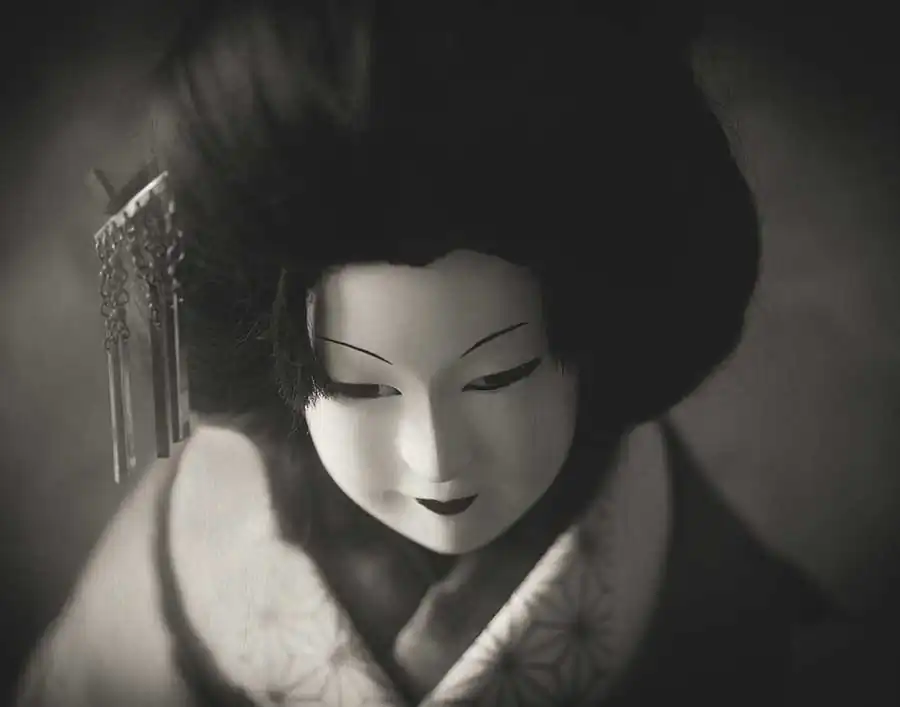
One day, Japanese photographer Michio Chiyoda came across a doll that had been used in ‘Ningyo JORURI’ Puppet Theater. The doll was so captivating that Chiyoda’s eyes were glued on ‘it’. ‘Oshichi’ is a name of the doll and ‘she’ played as a 16-year-old girl who was put to death by burning at the stake for committing arson. Oshichi did arson because she was dying to see her lover. More……
Directing Sunlight by Cao Dien ( Vietnam)
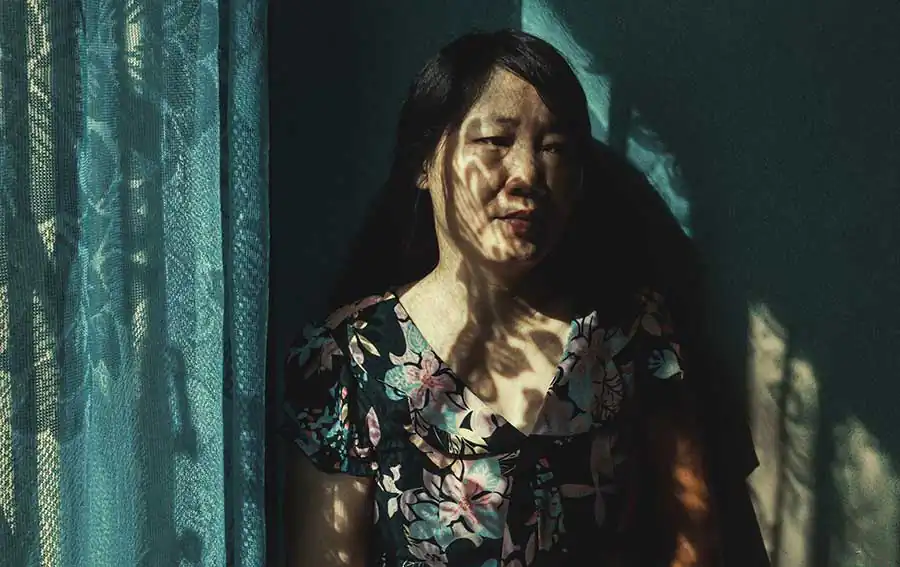
Can Dien was born and raised up in Vietnam but he just moved to the United States a couple months ago to study screenwriting. In Vietnam, he did color grade for MVs and short films and he began to take pictures when he studied in high school but that was just for fun. About two years ago, he became really passionate in photography. His photography style mainly focuses on fine art and his philosophy is ” Beauty is not necessarily about the face “. More…..
Sound of silence by Jagdev Singh (India)
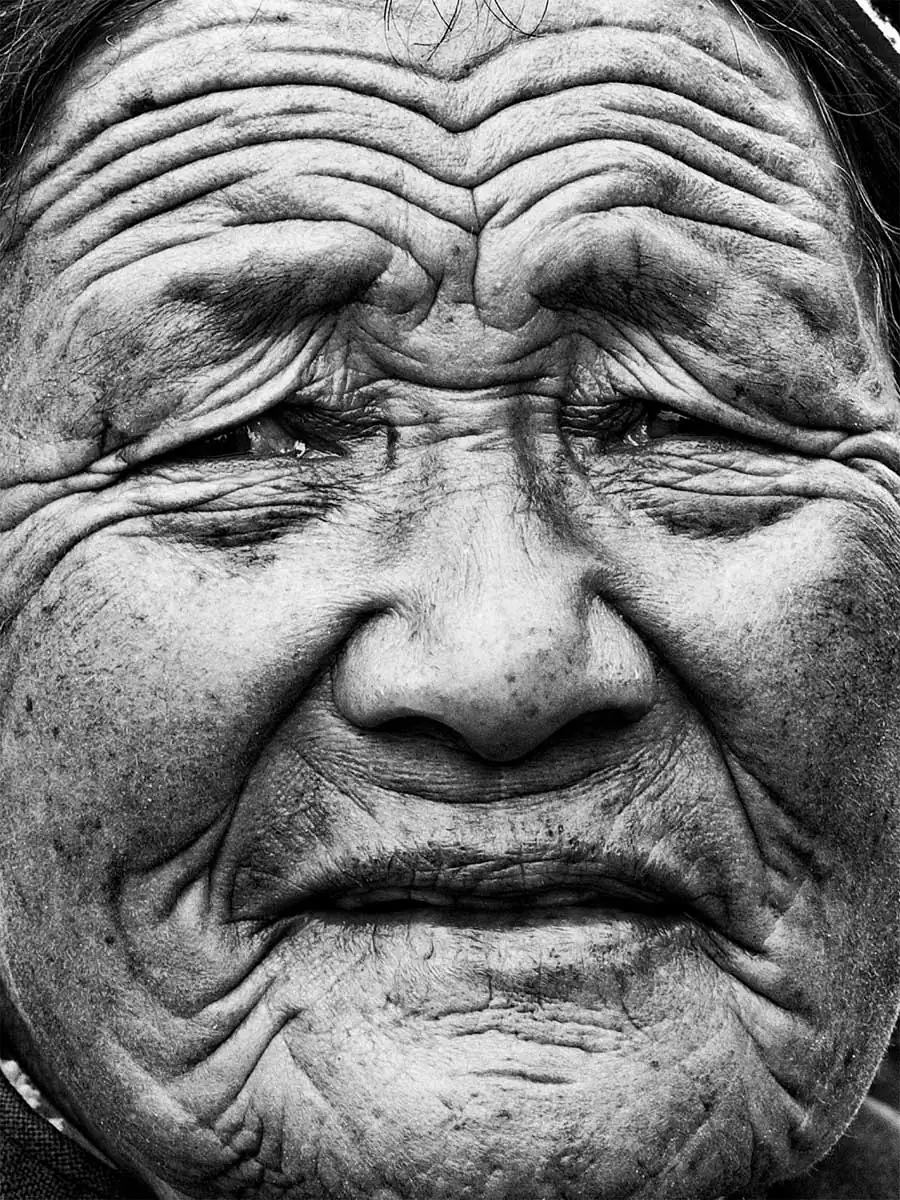
The land of high passes in Ladakh, India in the shadow of the Himalayas impregnates nature in its most immaculate form. The boundless beauty of the mystic peaks, fathomless vastness, cloud shadows playing hide n seek on mountains all during the day, the chill of the air, the stillness of the peaks, frozen streams and far flung monasteries located deep in the valley, leave one spellbound and awesome. The invincible vastness of nature carrying the subtle deep silence is breathtaking. A deep harmony resonates between the silence of the immaculate nature and several far flung monasteries spread in the area. More….
Gili Yaari : Stranded in Greece – Greece Refugee Crisis (Israel)
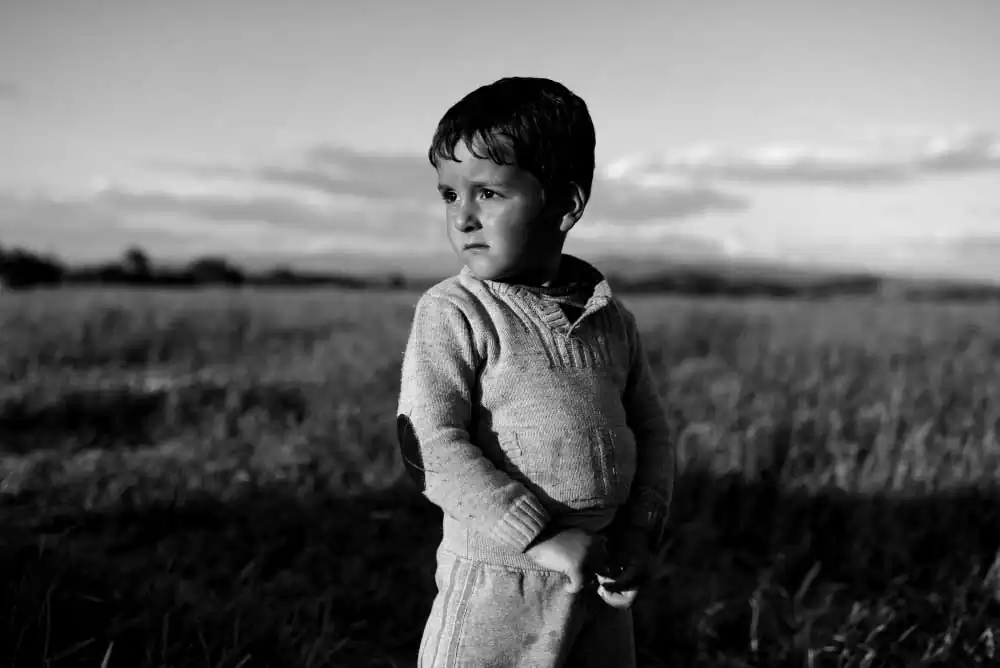
Greece has become a flashpoint for the migrant crisis in Europe over the past year. More than 1 million people illegally crossed into Europe in 2015 alone, with some 800,000 of them arriving via Greece. Most of the migrants were coming from Syria, Afghanistan and Iraq but also from other countries. They are fleeing wars and violence in their home countries in hope for a better future. The situation in Greece has grown complicated following a deal between the EU and Turkey in March 2016 that stipulates all new arrivals to Greece must either apply for asylum in the country or risk being sent back to Turkey. More….
Kabuki players by Hiroshi Watanabe (Japan)
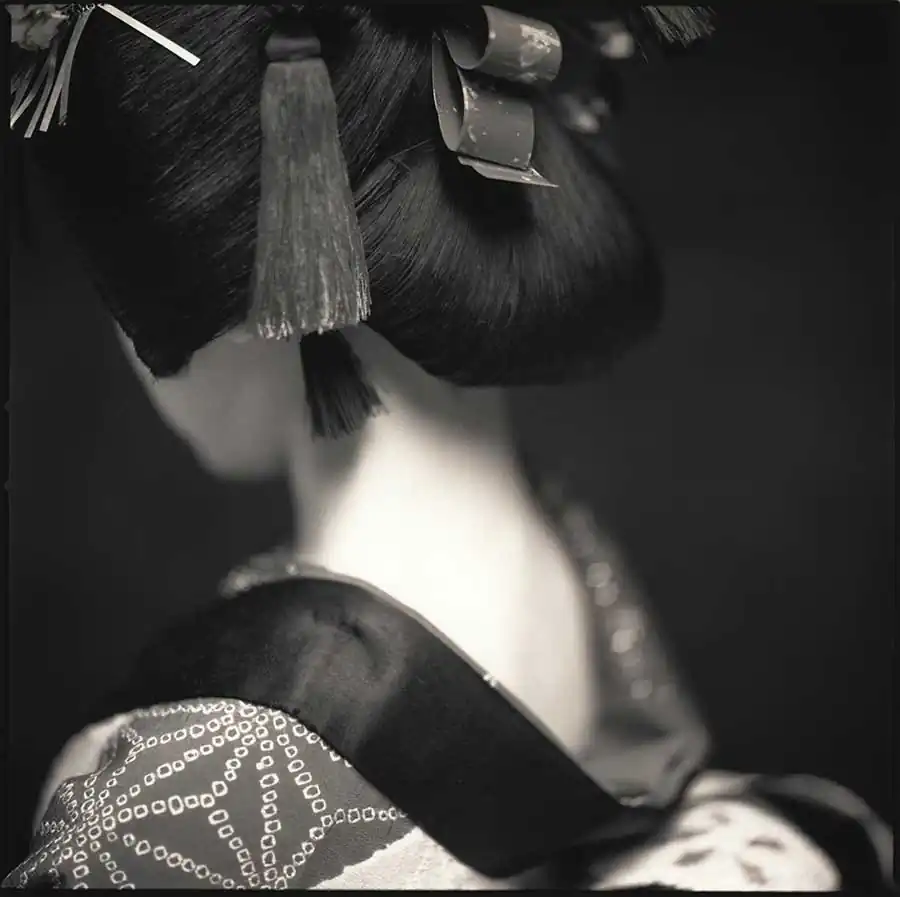
Those Kabuki players seen in the photographs are not with the mainstream Kabuki companies in Tokyo. They are with localized small groups located in various parts of Japan. They are not professional actors and they don’t get paid for their plays. They actually spend quite a lot of their own money to be in the plays. Kabuki is known for lavish make-up, costumes, and stage set-ups. As such, those who want to be in the plays must be committed and prepared. More….
Unintended Homecoming by Hai Zhang (China)
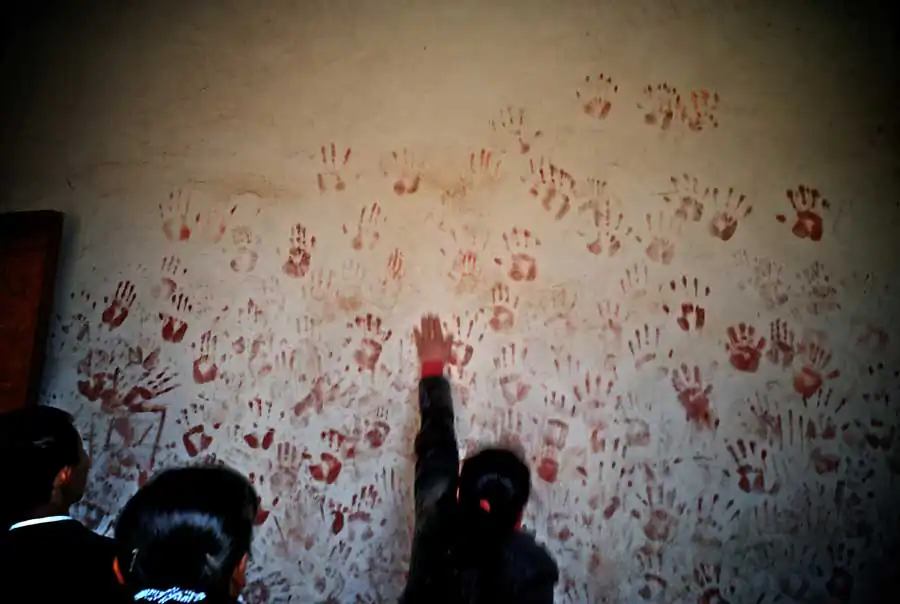
Hai Zhang- I grew up in China and moved to the US in 2000 when I was 23-year old. In 2008 with a fellowship from Rafael Vinoly Architecture Research Fellowship in New York, I started to make frequent trips back to China to take photographs for the research project focusing on urban housing/development. With the specific research assignments, the way to photograph was rather with specific purpose. But also I got chance to wander in many Chinese towns, cities and villages with camera in hand, and continued the journey regardless the fellowship was concluded up in 2010. At the beginning, I was hoping photography could help me and the others to understand the phenomena of the country that I had missed in the past decade, and to grasp the sense of today’s “Chinese-ness”. But instead of getting a progressively clearer image of what I have been hoping to achieve over the years, I am often puzzled and frustrated by the misalignment between the images and my actual experience. More….
Mongolia by Madoka Ikegami (China)
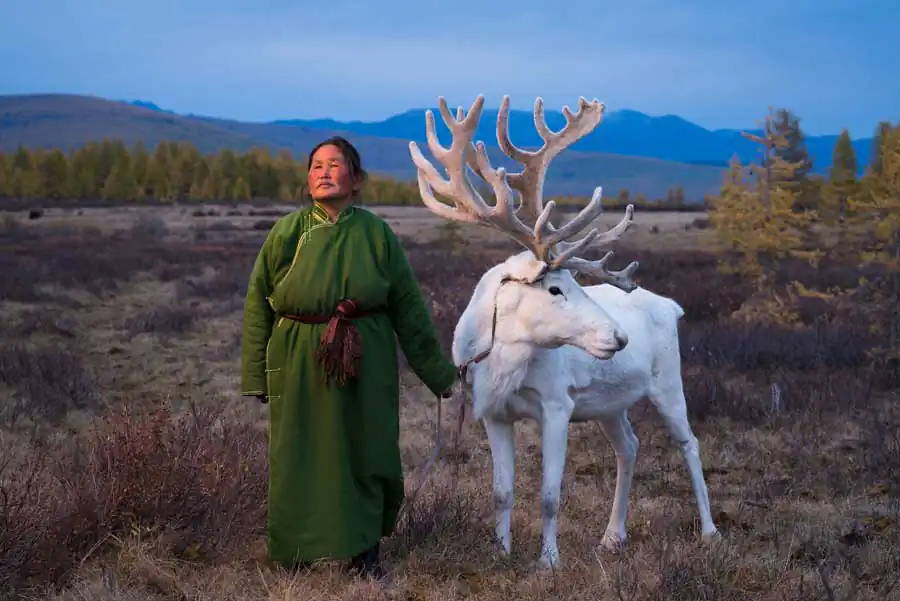
This is a series of portraits and general shots of the Tsaatan and Mongolian people who live in and around the forests of the East Taiga region of Khovsgol province in northern Mongolia.The Tsaatan ethnic minority are one of the last remaining groups of nomadic reindeer herders in Mongolia, and have been maintaining their traditions for thousands of years.They seasonally migrate within the forests of the Taiga according to weather and food conditions for their reindeer, which they depend on for milk and transportation. They face challenges to their traditional way of life, with recently introduced laws aimed at conservation limiting their ability to hunt wild animals for food, and climate change affecting their habitat and possibly exposing reindeer to disease. More….
Weightlessness by Yosuke Kashiwakura (Japan)
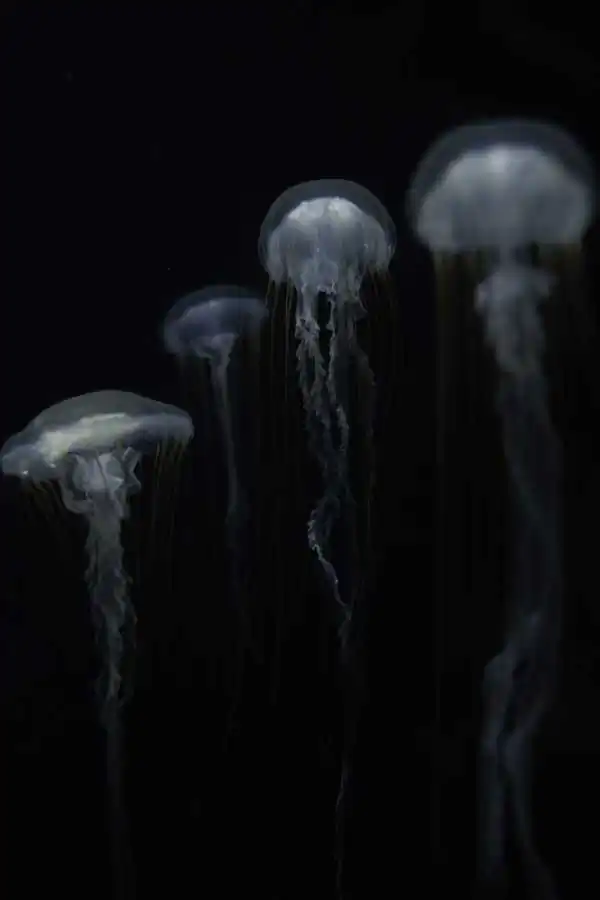
When gazing at the jellyfish floating in their tanks at the aquarium, I find myself in a peculiar mood. These jellyfish appear as if they could be alien life forms drifting through space, or perhaps even spaceships.I never tire of looking at them, floating up and down silently. The majority of we people currently live within the safety zones called human society. Here, we can look at rare and mysterious creatures of nature behind the safety of glass walls. Here, there is no need to venture out into the savanna, no need to dive deep into the depths of the ocean. However, what we see beyond these zoos and aquariums are life itself. There, I believe there are still many mysterious and strange things to discover. More….
Shinji Ichikawa : The essence (Japan)
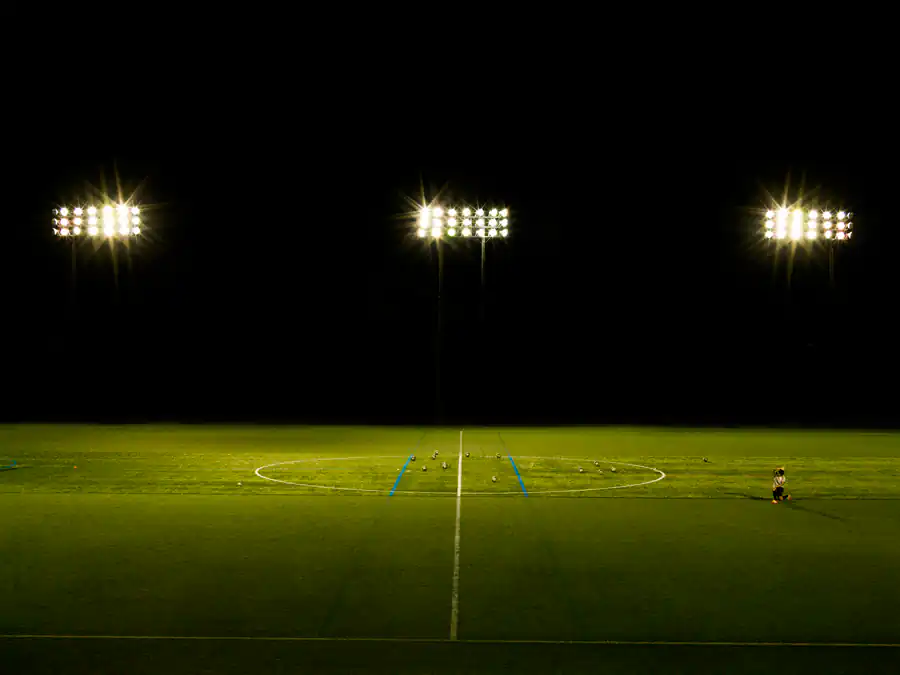
Shinji Ichikawa -I was born to a family who ran a photo studio; thus, I was raised in an environment surrounded by photography. The town where I was born and grew up is famous as the spot where Japanese spirits would come to gather from all over the country in the tenth month of the old calendar. Growing up in a place like that, I am powerfully drawn to the world of the surreal, to things that are mysterious and out of ordinary. Japan is reputedly home to innumerable spirits, known as kami, and it is believed that these spirits inhabit all sorts of entities. Sensing the truth of this, I sometimes find that the people and things I encounter are difficult to approach, catching my attention as they exude something of this unseen world. !. More….
Expression by Binh-Dang (Vietnam)
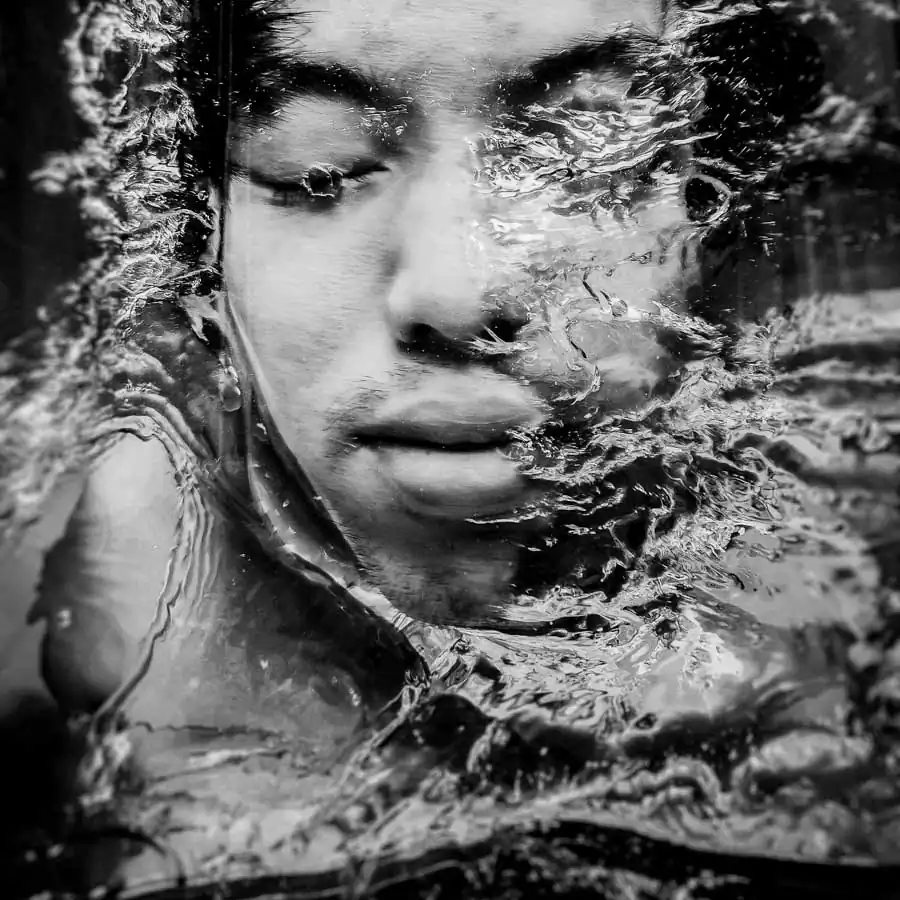
By inviting people to join the experiment without of reason and to simply let their faces drop suddenly into the water, I really want to explore original moments in which there is the least control of the mind. This series is searching for a “variant” portrait without distorting the subject, but instead, looking at the subject as the unique authenticity/truth. At times, we want to put our faces into the water, this process is similar to washing off substance from the face and even from the spirit. Most of the time in this process, in 1/100 of a second, there exists the original essence, which is connected to the formation of each individual. More….
It seems to me that before the photograph can exist as art, it must, by its very nature, choose whether it is to be a record or a testimony. Whatever special lens are used, and however the subject is thereby distorted, the camera only knows how to relate things directly. However abstract the composition, therefore, the individual meaning of the objects related inevitably remains as a kind of indispersible precipitate. The photographer’s whole job is to filter this off by one of two methods. The alternatives are the record and the testimony.
Yukio Mishima (Japanese author, poet and playwright.) – From the Introduction to Eikoh Hosoe’s “Ordeal by Roses” (1971). Cited in: “Creative Camera International Year Book 1978”, Coo Press, London, 1977, p. 74.
A determined man by Kazunori Nagashima (Japan)
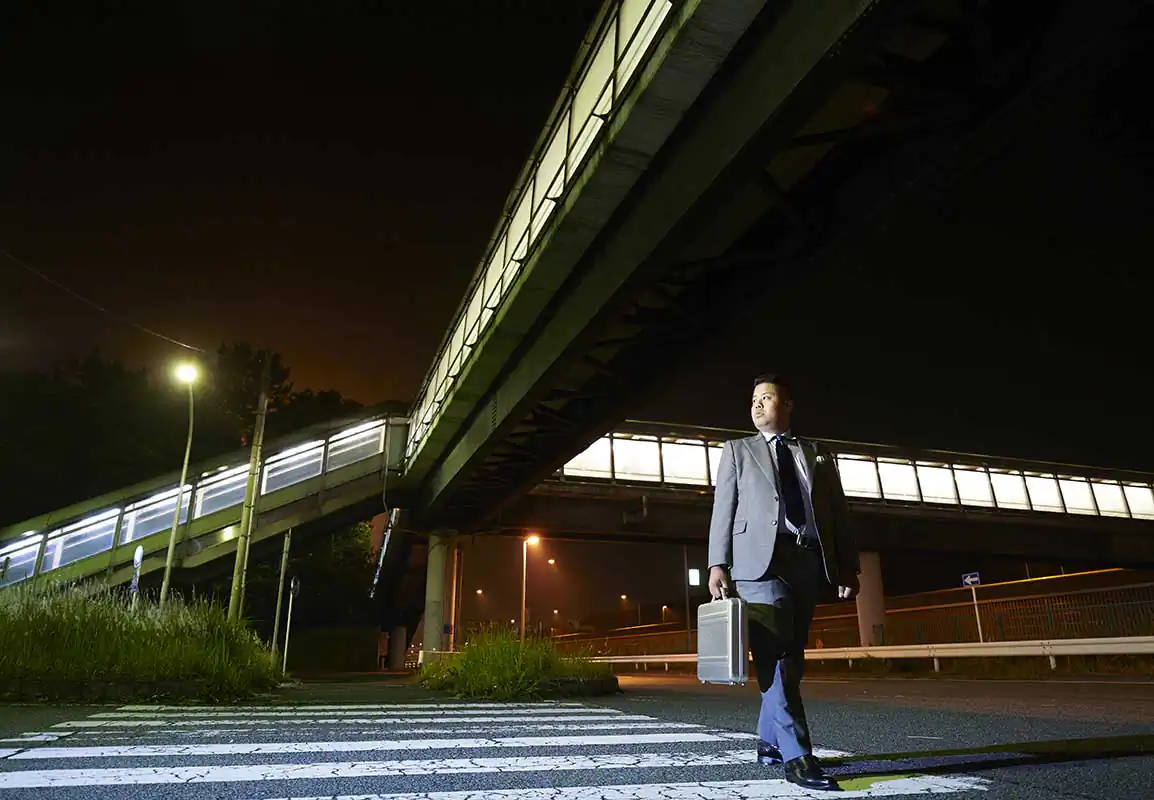
The distinctive man is characterized as a guy who has determined to do something important for him. Even the context is not specified exactly in the photographs, we could imagine and relish his hiding situation and consideration like a daydream.The main character is set as an accountant at the edge of town. Even if you recognize him as a detective or an agent, it doesn’t really matter. The prior point of the series is the man has a huge problem and he has got to solve it. More….
Hyung S. Kim – Haenyeo: Women of the Sea (Korea)
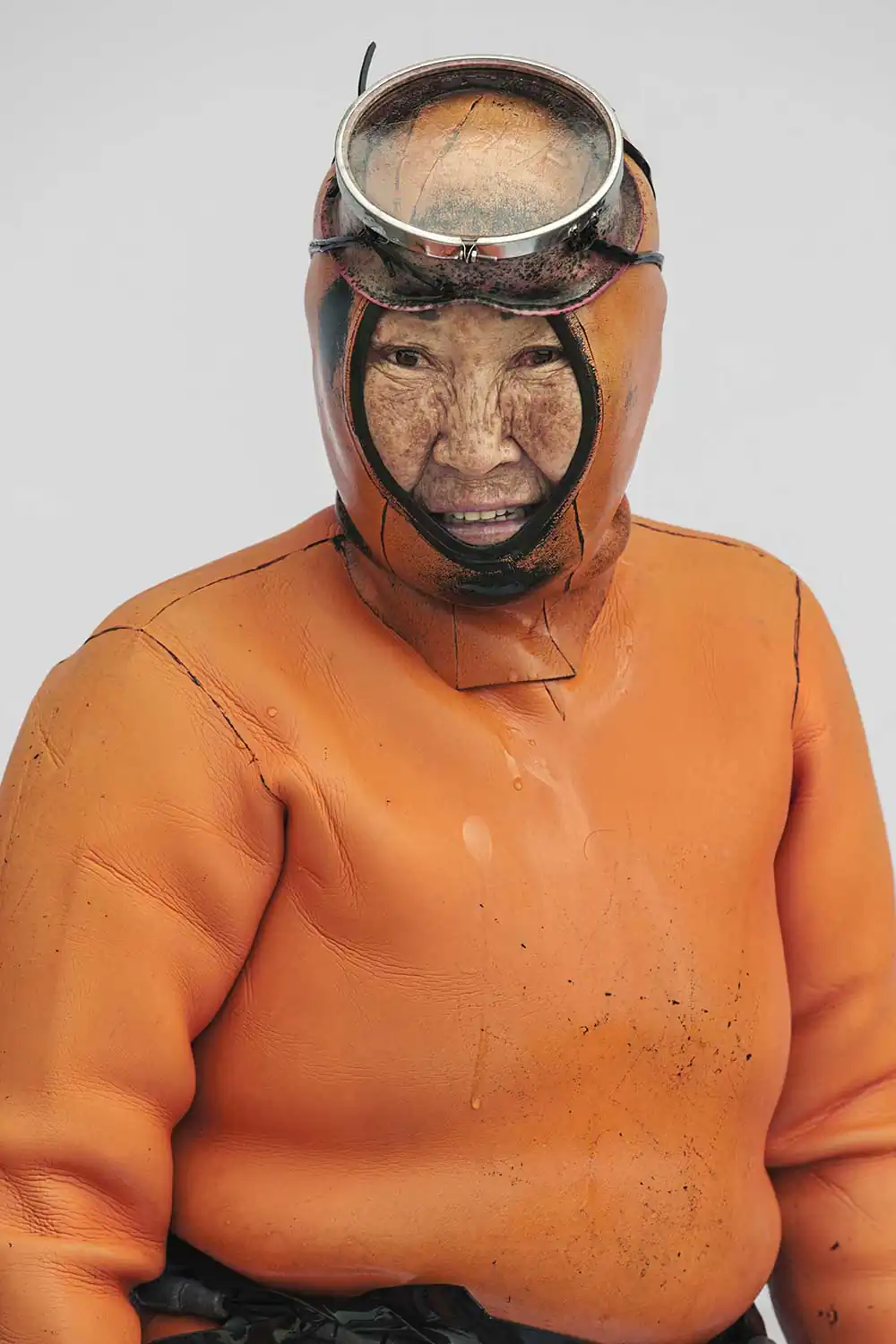
The photographer, Hyung S. Kim who was inspired by the historical and geographical uniqueness of “Haenyeo” known as a female diver for living, has been residing in Jeju Island since 2012 capturing photos of Haenyeo’s everyday life. There has been multitude of publications and video clips about Haenyeo in the past but Hyung S. Kim has taken a new perspective on Haenyeo. More….
Aryan Pramudito : Jakarta through my phone (Indonesia)
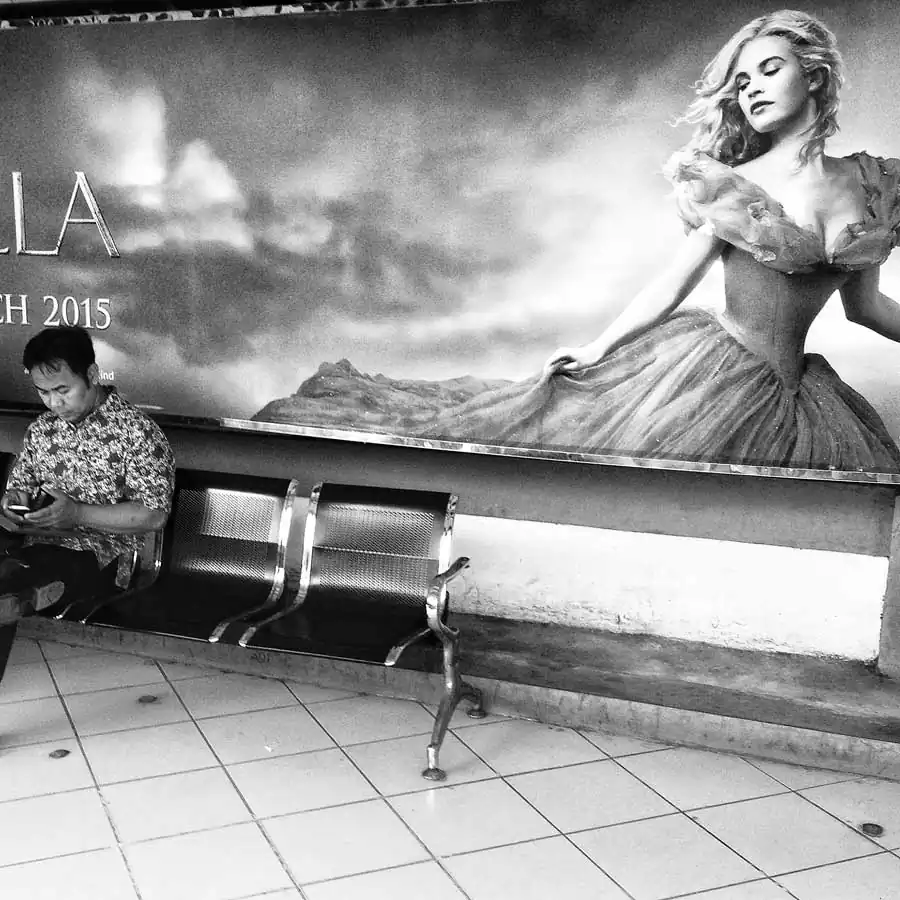
It was on sunny afternoon of March 2015. That was my first time I fall for street photography. It was a Shumay food hawker made me fall in love. My name is Aryan Pramudito. I was born in Jakarta Indonesia on 1978. I am an Indonesian advertising agency slave who lives in Jakarta. I just start my street photography journey for about 2 months. Living in Jakarta, is like heaven for street photography savy. I never realized that until one day i point my iphone 5 to a street food hawker and find it interesting. More….
Akkara Naktamna : Street Photography (Thailand)

Akkara Naktamna – I was born in Bangkok, Thailand in 1979 and started shooting in 2008 which was influenced by a photo book “Dog Dogs” by Elliott Erwitt, and a comedy movie named “Pecker”. As I remember it, I bought a point and shoot camera after reading that book and went out to shoot everything I found; even though I didn’t know yet what is street photography.I think that photograph is the reflection of photographer; so if I’m a quiet person, my photographs are more quiet. While other photographers approach a crowd to find a beautiful light and shadow, nice emotion of life, or scene of noisy town, I seek the difference way and humour is a thing I found. Elliott Erwitt’s work always influences me about this; it likes a newspaper comic, quiet, clever, funny, and ironical. My work is changing a silent thing to be an unexpected story. You may laugh on it and doubt that are being ridiculed in the same time. More….