HomeAuthor

Dodho Magazine


Long Exposure Photography: 5 Contemporary Artists Exploring Time and Landscape
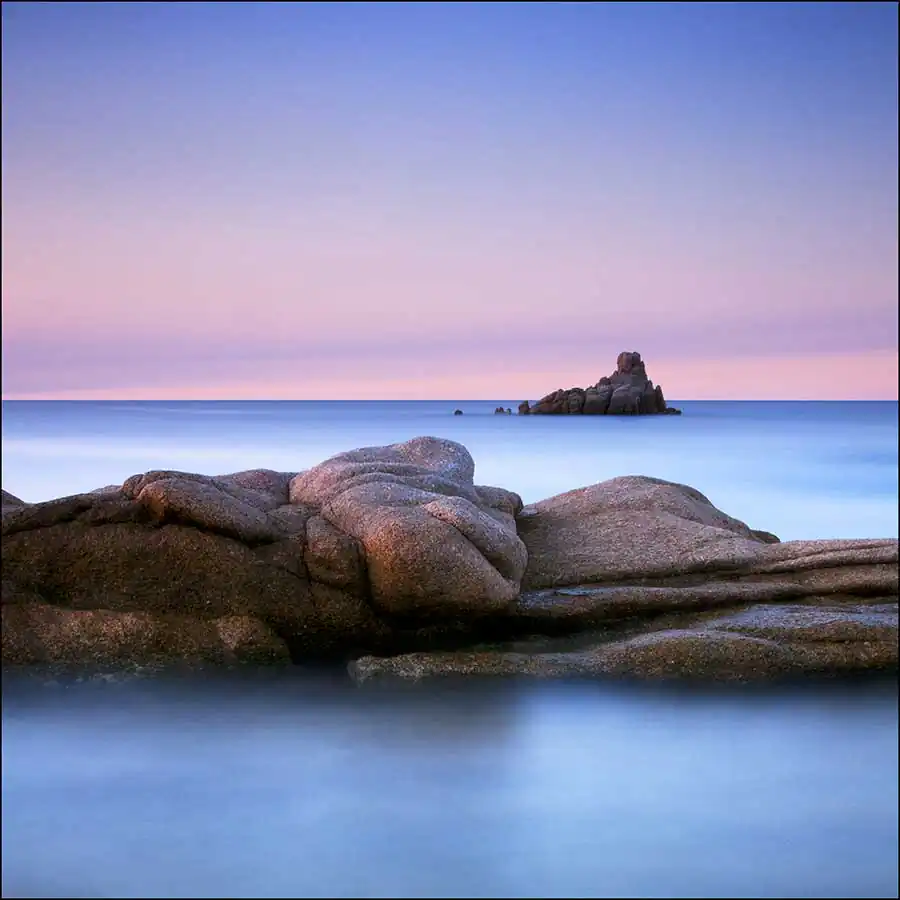
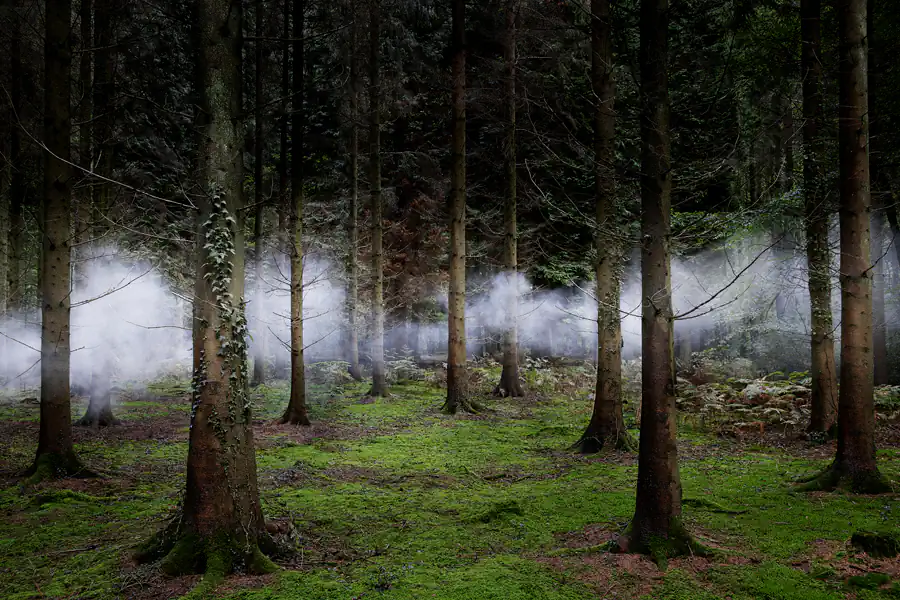
Long exposure photography transforms movement into atmosphere and time into structure. In these five projects, water becomes silk, dancers dissolve into light, and landscapes shift toward abstraction. Through duration rather than instantaneity, each artist reveals how extended time reshapes perception and deepens the emotional resonance of the image.
The Most Iconic Photographs of the 20th Century
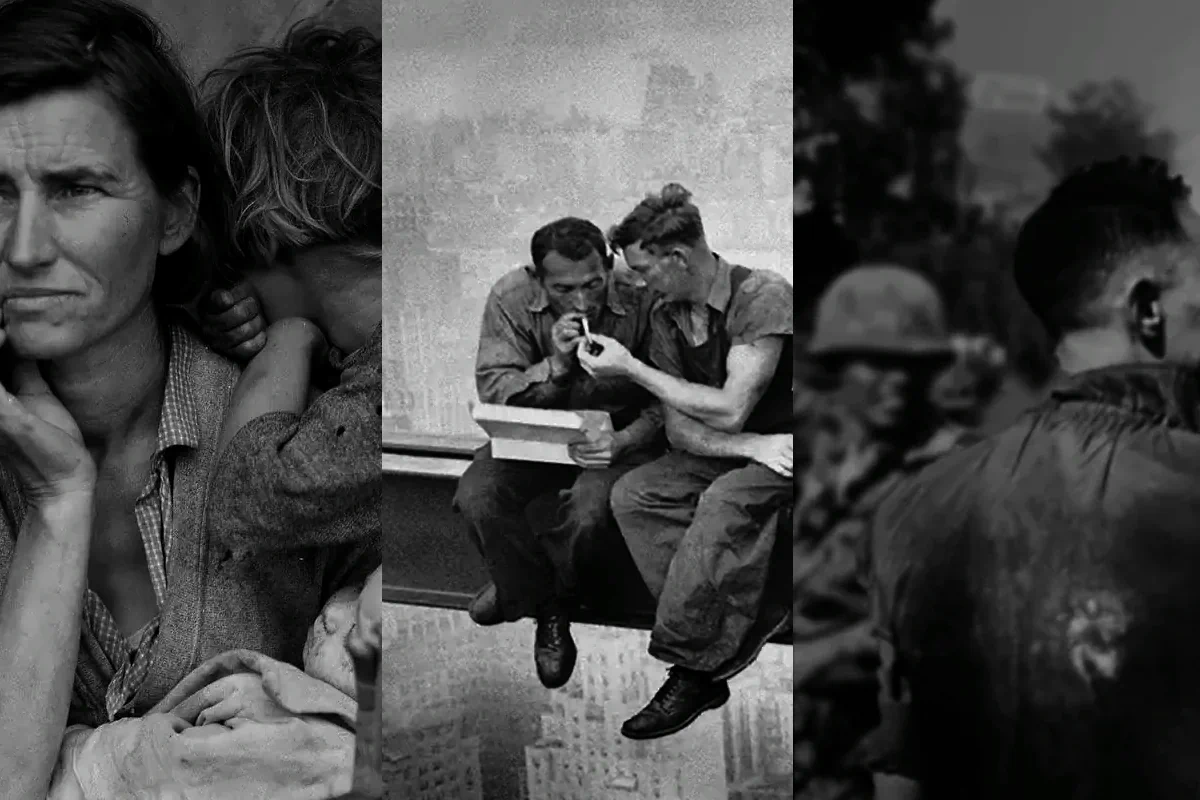
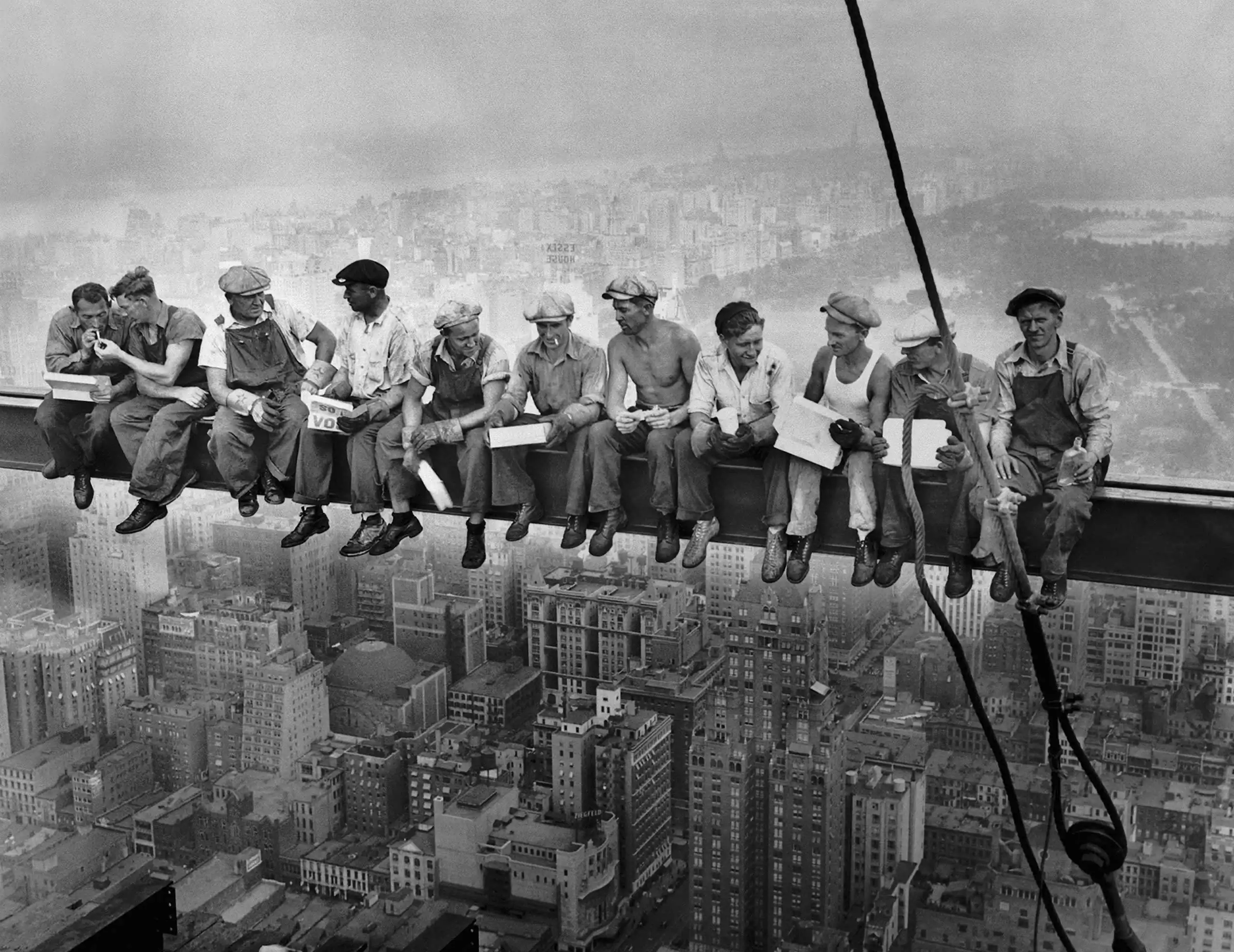
From Lunch atop a Skyscraper to Migrant Mother and Abbey Road, the most iconic photographs of the 20th century did more than document history. They shaped it. This article explores the images that defined modern memory and examines how they became enduring cultural symbols.


Who Built the Myth of Lunch atop a Skyscraper?
Taken during the construction of 30 Rockefeller Plaza in 1932, Lunch atop a Skyscraper remains one of the most famous images in American history. This essay examines its uncertain authorship, its staged promotional context, and the historical realities of immigrant steelworkers who helped build the New York skyline during the Great Depression.


30 Color Street Photographers Defining Contemporary Urban Photography
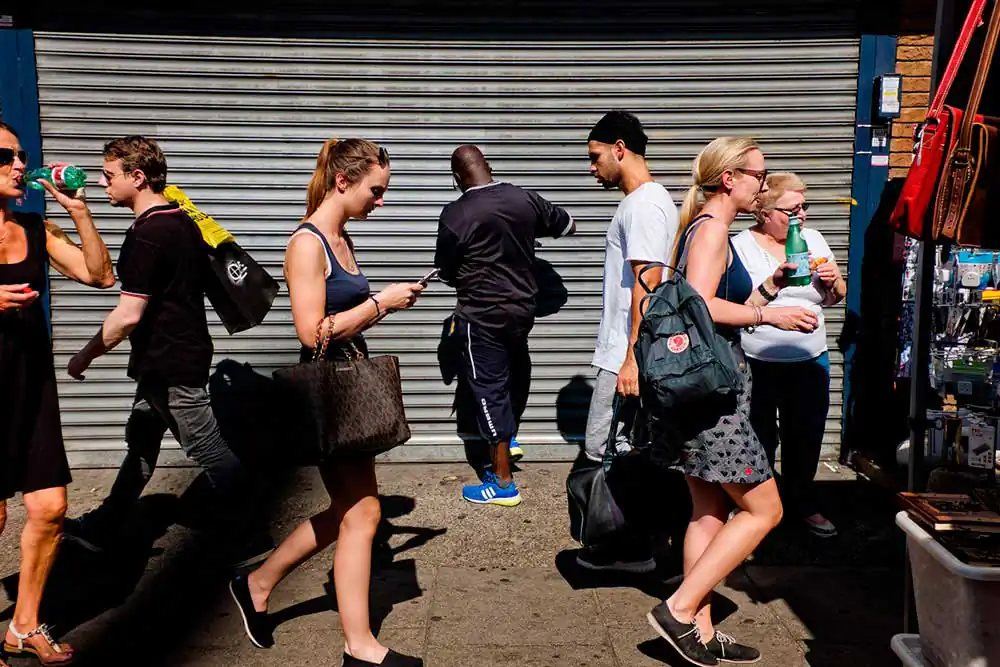
Color street photography has become one of the most compelling ways to interpret the contemporary city. Moving beyond the classic black and white tradition, these 30 photographers use color as a visual language to reveal identity, culture, and urban rhythm, offering a current perspective on life in public space.

From Leica I to Leica M4: How Leica Shaped the Language of Street Photography
From the Leica I of 1925 to the Leica M4 of 1967, Leica cameras progressively removed technical barriers between the photographer and the street, transforming photography into a fluid, observational practice. This evolution did not simply produce new models; it helped establish the working method and visual language that still define street photography today.


5 photographers working with self-portrait
Five photographers use self-portraiture as a working method rather than self-display, exploring identity through performance, memory, embodiment, and confrontation. Their projects reveal the self as unstable, layered, and continuously negotiated.


Medium format taught photography to think slowly
Medium format photography is not about aesthetics or resolution, but about mindset. By slowing down the photographic process, medium format teaches photographers to think with intention, responsibility, and clarity, transforming photography from a reactive act into a conscious decision.

5 photographers documenting Ukraine from within
Five photographic projects document Ukraine from within lived experience, focusing on displacement, survival, and civilian life shaped by war. Rather than spectacle, these works offer sustained, intimate testimony from inside a conflict that continues to unfold.

Bill Brandt: distorting in order to tell the truth
Bill Brandt used distortion not as a stylistic effect but as a method to expose power, tension, and inequality. By bending space, bodies, and light, his photographs reveal truths that faithful description alone could never show.


Photography as visual appropriation of the other
Photography often turns difference into visual material, extracting meaning from the other while retaining control over representation. This article examines how images can appropriate presence, identity, and experience, even when produced with ethical or humanist intentions.


5 photographers to rediscover through Mongolia
Five photographic projects revisit Mongolia beyond clichés, exploring nomadic life, childhood, spirituality, and migration through long-term, attentive approaches. Together, they reveal a complex territory shaped by movement, resilience, and lived experience rather than fixed narratives.


The perfect image says nothing
The pursuit of perfection often leaves photographs empty of meaning. When every element is resolved and optimized, the image closes itself, leaving no space for doubt, interpretation, or lasting engagement.


5 photographers with projects developed in Cuba
Five photographers explore Cuba through long-term projects that move beyond clichés, focusing on time, adaptation, and human presence. From vintage cars to intimate portraits, these works approach the island as a lived, complex reality rather than a visual stereotype.


Lee Friedlander and photography as a closed system
Lee Friedlander treated photography as a self-contained system rather than a transparent window onto reality. Through reflections, obstructions, and visual density, his work exposes how seeing is structured, mediated, and shaped by the limits of the photographic medium itself.

Every camera educates the photographer differently
Every camera shapes how photographers see, decide, and behave. From large-format slowness to smartphone immediacy, each tool carries its own visual pedagogy, quietly educating the photographer and influencing not just aesthetics, but ways of seeing.


GuruShots: Still Life
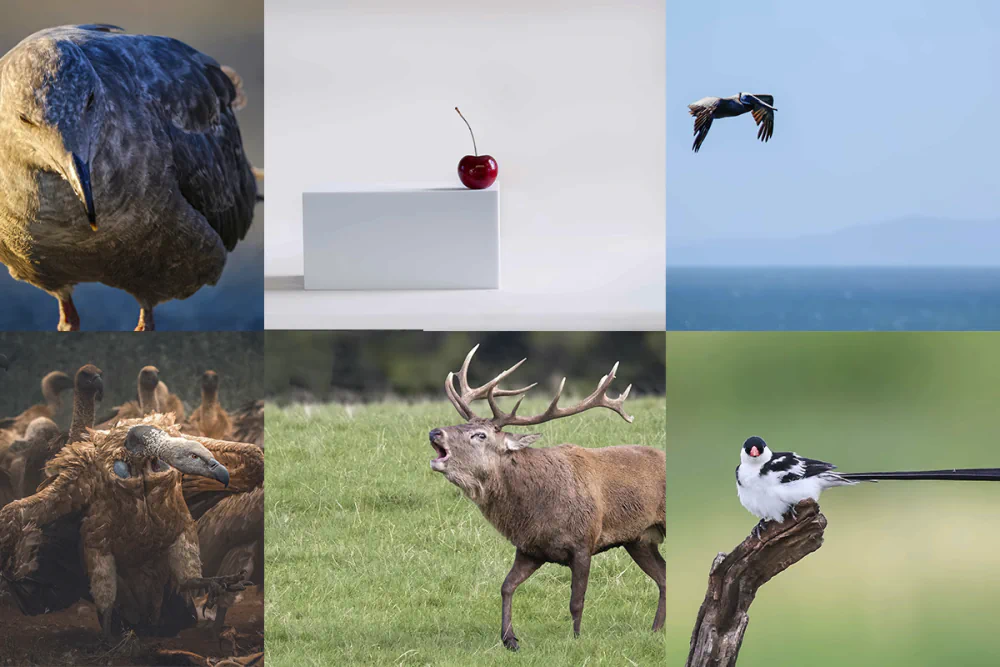
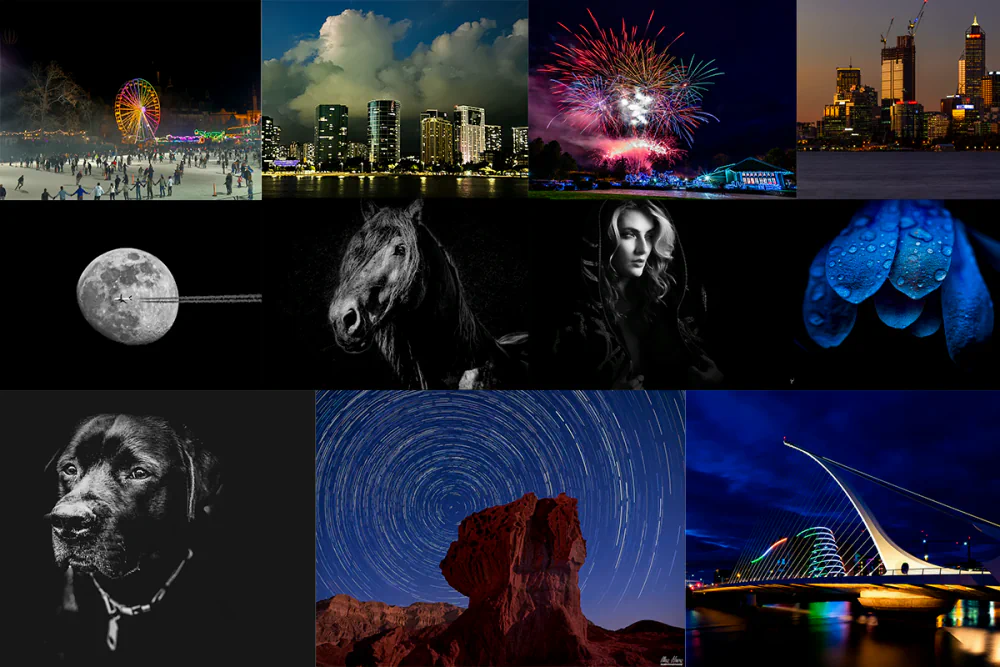
Dodho Magazine partnered with GuruShots "The Worlds Greatest Photo Game" in a photo challenge contest titled "Still Life"  Over 100,000 photos were submitted. GuruShots is a platform for people who love taking photos.

Brassaï understood the night as an autonomous visual language
Brassaï did not photograph the night as a backdrop, but as a language with its own rules. By embracing darkness, blur, and ambiguity, he transformed nocturnal Paris into an autonomous visual world and redefined how photography could represent presence beyond clarity.

Chim’s Children of Europe: David Seymour’s Humanist Vision of Postwar Childhood
Chim’s Children of Europe (1949) features original prints and rare archival material by Magnum co-founder David “Chim” Seymour, documenting the lives of children across post-World War II Europe. On view at The Image Centre in Toronto from January 14 to April 4, 2026, the exhibition presents a powerful visual testament to resilience and recovery

The waist-level camera changed visual history
The waist-level camera transformed photography by reshaping the relationship between photographer and subject. By lowering the gaze, it softened authority, encouraged intimacy, and introduced a quieter, more observational way of seeing that permanently influenced visual culture.


When technical limitation was a creative advantage
Before infinite resolution and instant feedback, photography was shaped by constraint. Technical limitation forced commitment, sharpened intention, and turned imperfection into language. In revisiting those limits, we rediscover how restriction can still be one of creativity’s most powerful tools.

Photographic humanism as a universal truth
Photographic humanism is not a style or a nostalgic tradition, but an ethical way of looking at the world. In an era dominated by speed, algorithms, and visual saturation, it insists on presence, dignity, and connection, reminding us that photography can still be a space for understanding the human condition beyond spectacle and consumption.


5 Spanish photographers to discover now
A selection of five Spanish photographers whose work explores territory, memory, identity, and everyday life through sustained, thoughtful projects that privilege depth, attention, and lived experience over immediacy.

Ideas of Africa at MoMA: Portrait photography and political imagination
MoMA presents Ideas of Africa: Portraiture and Political Imagination, an exhibition that explores how portrait photography shaped political identity, cultural expression, and Pan-African solidarity from the mid-20th century to today, bringing together historical and contemporary voices across Africa and its diaspora.

The real story behind the most reproduced images
The most reproduced photographs in history are not necessarily the most truthful ones. Iconic images are selected, repeated, and stripped of context until they become simplified symbols, shaping how photography, history, and collective memory are understood.