


Tibet exists today not only as a place, but as a condition. It is a geography marked by political tension, cultural erosion and spiritual persistence, where identity is constantly negotiated under the pressure of external forces.
To photograph Tibet is to confront this fragile equilibrium, where tradition is not static but under threat, and where memory becomes one of the last territories that cannot be easily occupied.
The photographic works gathered here construct a fragmented yet deeply coherent narrative. They do not attempt to define Tibet as a singular entity, but rather reveal it as a dispersed reality, extending across borders, generations and states of belonging. From the faces that risk disappearing to the communities that survive in exile, from ritual practices to landscapes shaped by isolation, these projects expose a culture that persists precisely because it is under pressure.
The Face as a Vanishing Archive
Portraiture as resistance against cultural erasure
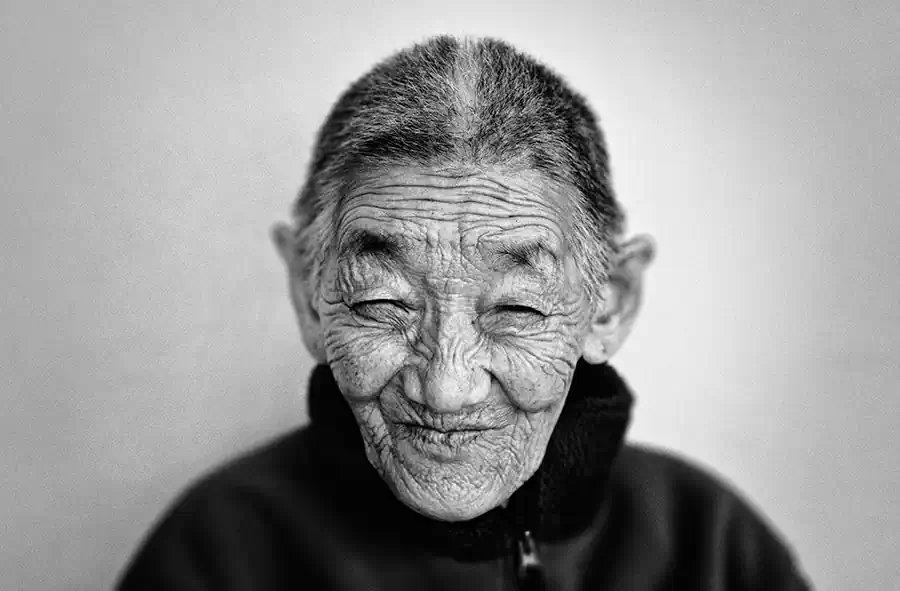
In Vanishing Faces Tibet by Larry Louie, the human face becomes a site of urgency. The work addresses a critical shift, where globalization, urbanization and political assimilation threaten not only landscapes but identities themselves. What is at stake is not simply cultural change, but the potential disappearance of ways of life that have existed for centuries.
These portraits function as an archive of presence. Each face carries traces of language, tradition and worldview that may not survive the pressures of homogenization. Photography, in this context, becomes an act of preservation, not nostalgic but necessary, insisting on the value of diversity in a world that increasingly moves toward uniformity.
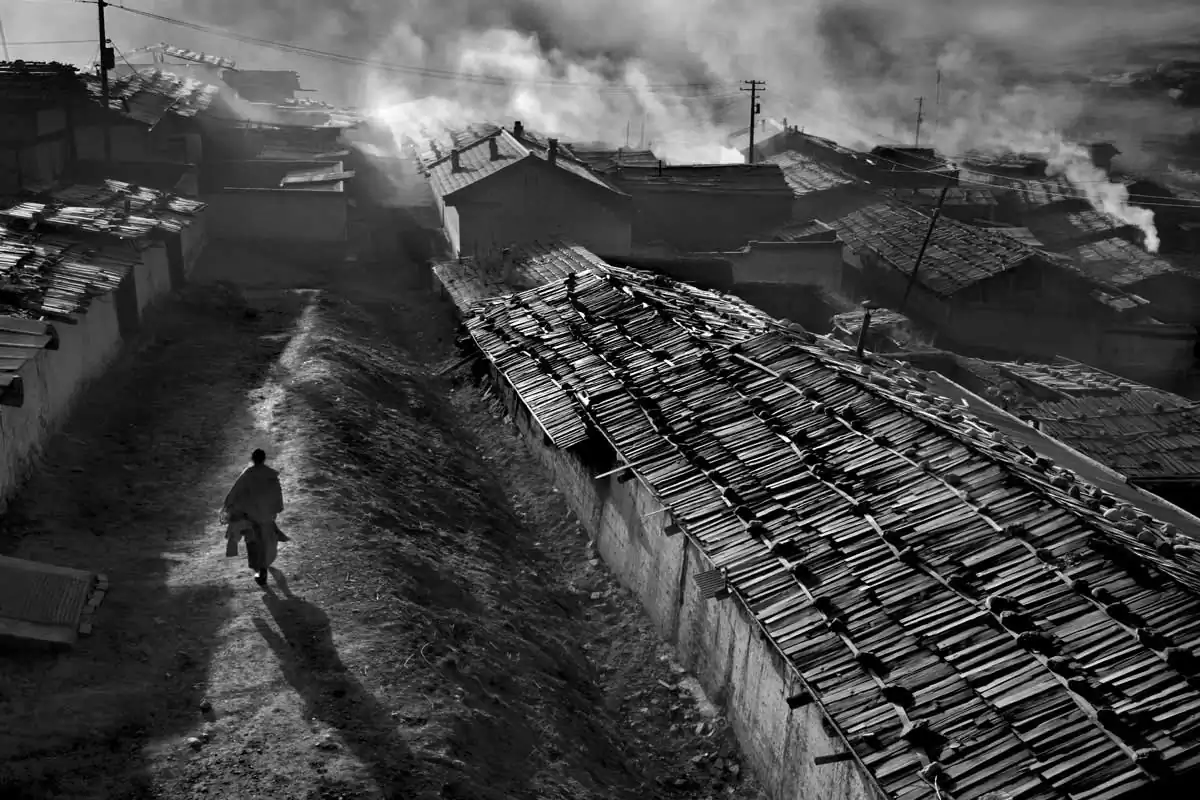
The Body in Exile
Identity reconstructed far from its origin
A displacement of territory defines A Long March—Uprising Day celebration of the exiled Tibetans, in India by Joydip Mitra, where Tibetan identity is performed and reaffirmed outside its original geography. The annual march commemorating the 1959 uprising is not merely a political act but a ritual of memory, sustained across generations who have never physically known their homeland.
This condition introduces a paradox: a nation that exists in absence yet persists through collective imagination and resistance. The emotional intensity of the march, oscillating between protest and mourning, reveals how identity can survive displacement, even when the possibility of return becomes increasingly abstract.
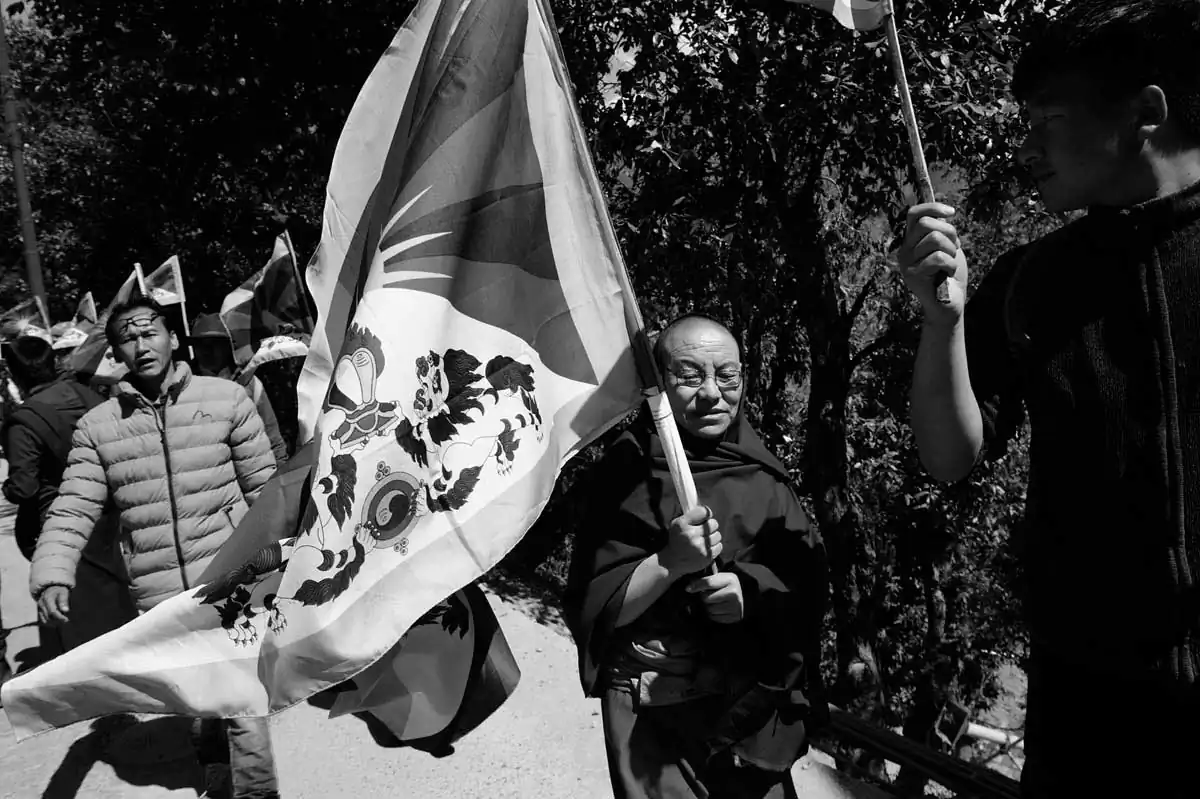
A related but more contemplative perspective appears in Tibetans in Exile by Victoria Knobloch, where exile is not only political but spiritual. The project traces the continuity of Tibetan Buddhist life across Nepal and India, showing how ritual, faith and communal structures become mechanisms of preservation. These images do not merely document displacement; they reveal how exile can also become a space of regeneration, where culture survives by adapting without surrendering its essence.
The Sacred Landscape
Spirituality as spatial and architectural presence
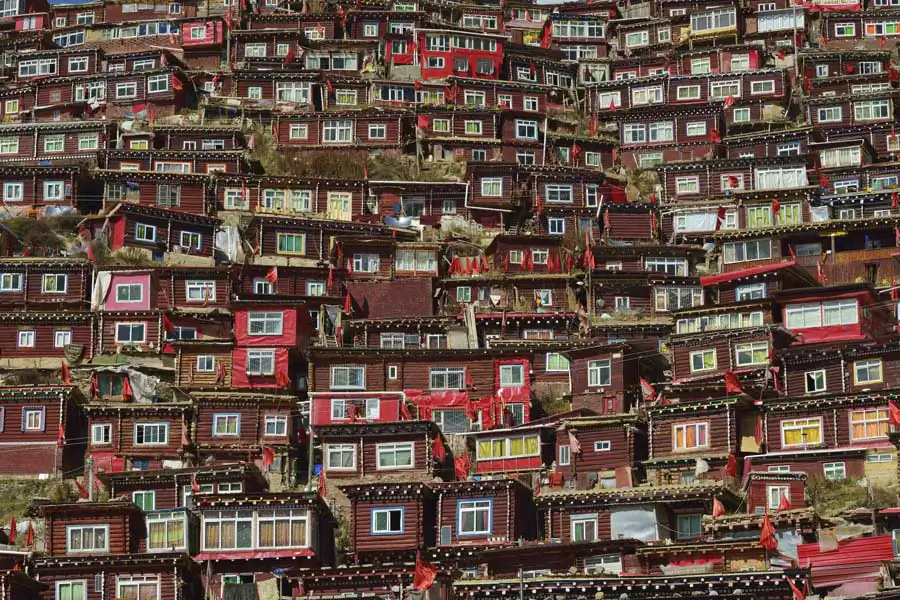
In Little houses of Tibetan Buddhist nuns and monks by Shinya Itahana, the landscape itself becomes an extension of spiritual practice. The vast accumulation of monastic dwellings in Larung Gar forms a visual rhythm that suggests both scale and silence, turning architecture into a manifestation of devotion.
What is striking here is the way spirituality is embedded in space. The valley does not merely contain the religious community; it is shaped by it, transformed into a living topography of contemplation and discipline. Photography reveals not only the material density of the site, but the invisible force of the teachings that sustain it.
Childhood and Character in Harsh Terrain
The formation of identity through environment
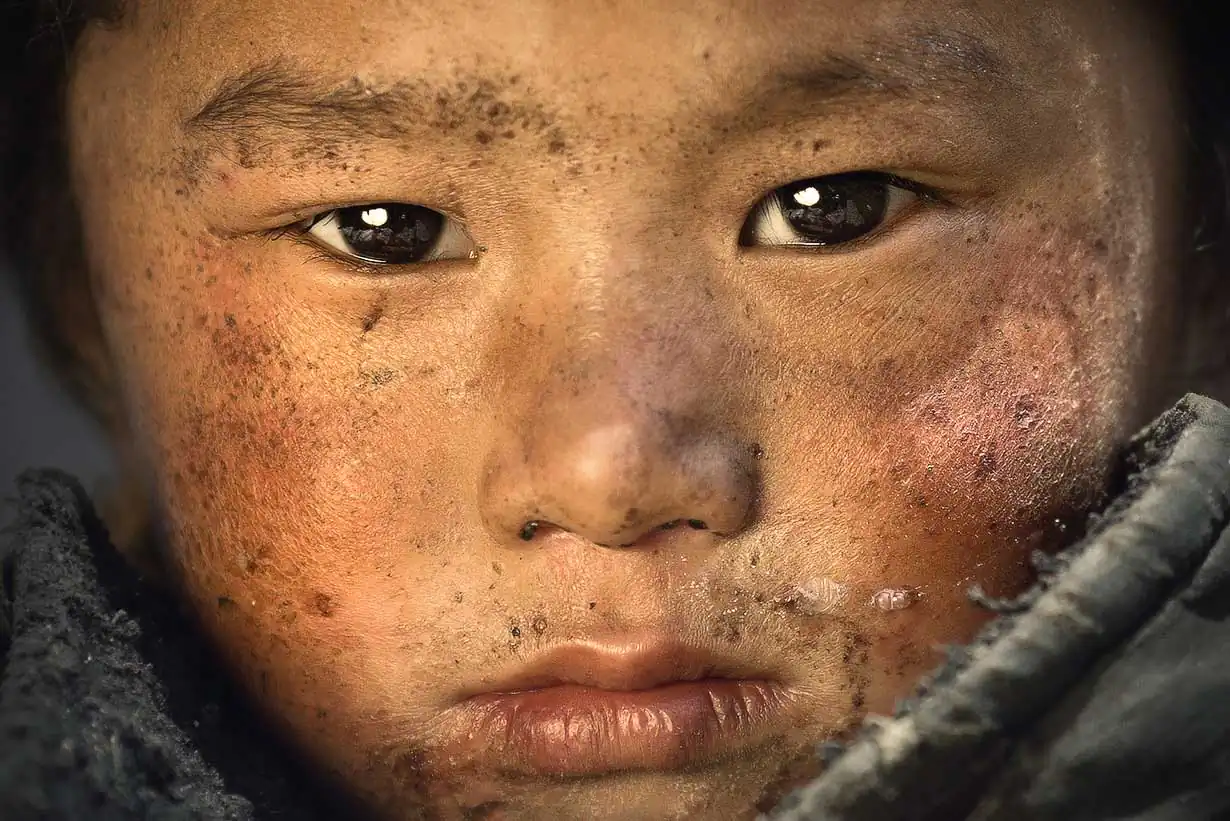
Ethnic Tibetan boys; Wind-hardened by Anton Jankovoy shifts attention toward childhood, yet without sentimentality. The boys portrayed in the Himalayan environment are shaped by altitude, labor and exposure, developing a self-sufficiency that contrasts sharply with the protected structures of industrialized societies.
These images suggest that identity is not simply inherited culturally, but formed materially through terrain and daily life. The harshness of the environment is not presented as deprivation alone, but as a formative force that produces confidence, resilience and coherence. Childhood here becomes one of the clearest expressions of cultural continuity.
The Borderlands of Tibetan Influence
Culture extending beyond political definitions
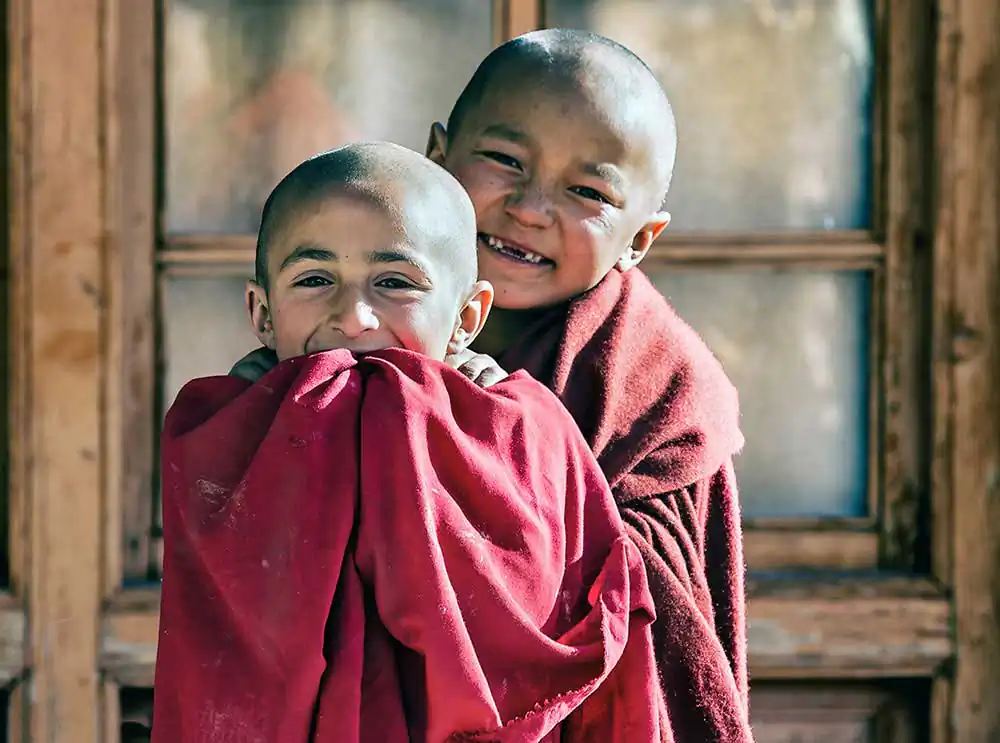
Tibetan identity is not confined to the borders of Tibet itself, and this becomes especially clear in Ladakh; Culture and Landscape by Aga Szydlik. Ladakh appears as a cultural threshold where Tibetan Buddhism, mountain geography and layered histories converge, producing a region that is both connected to and distinct from Tibet.
The significance of this work lies in its broader understanding of cultural geography. Tibet is not only a nation or a political question, but a civilizational field whose traces extend through architecture, ritual, language and landscape. Photography allows these continuities to become visible, especially in places where identity survives through proximity rather than official recognition.
Myth, Ethnicity and the Politics of Difference
How remote communities become sites of projection
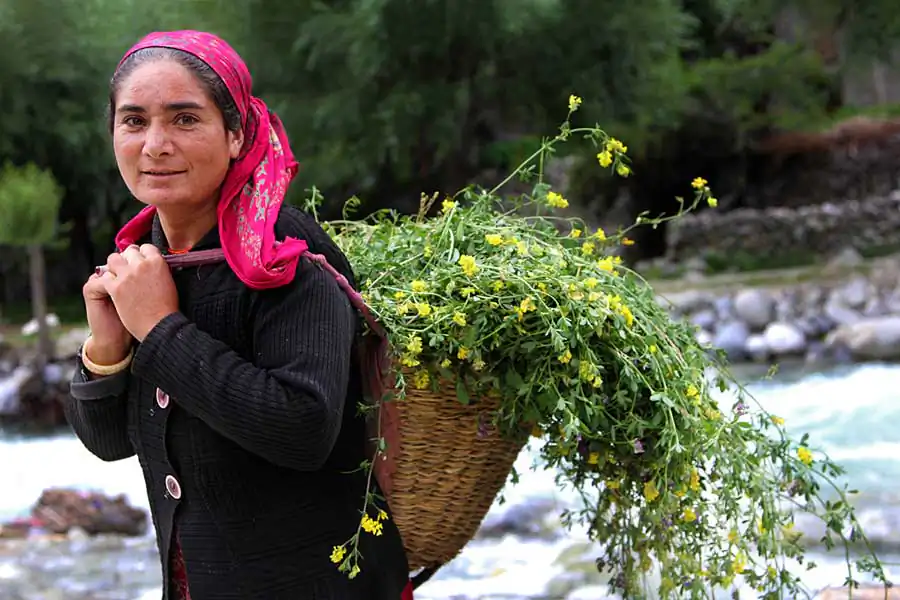
In Portrait of the Aryans by Abhishek Nandy, the focus turns to the Drokpa communities of Ladakh, often framed through myths of racial purity and historical exception. The project touches a delicate threshold where anthropology, legend and visual fascination intersect.
What makes this work compelling is not only the distinctiveness of the community, but the way it reveals the politics of looking itself. Remote peoples are often burdened by narratives imposed from outside, projected onto them by history, ideology or exotic desire. Photography here has the difficult task of approaching difference without turning it into spectacle, preserving complexity where myth has long simplified reality.
Conclusion: Tibet as Presence Under Threat
A culture sustained through memory, ritual and resistance
Taken together, these projects suggest that Tibet is best understood not as a static image of tradition, but as a field of pressures where culture persists through adaptation, remembrance and collective will. Faces, rituals, dwellings, marches and landscapes all become carriers of a continuity that is never guaranteed.
Photography does not solve the conditions it records, but it can resist disappearance by making visible what power, development and time would prefer to dissolve. In that sense, these works are more than representations of Tibet. They are acts of attention toward a culture that continues to endure precisely because it refuses to vanish quietly.