
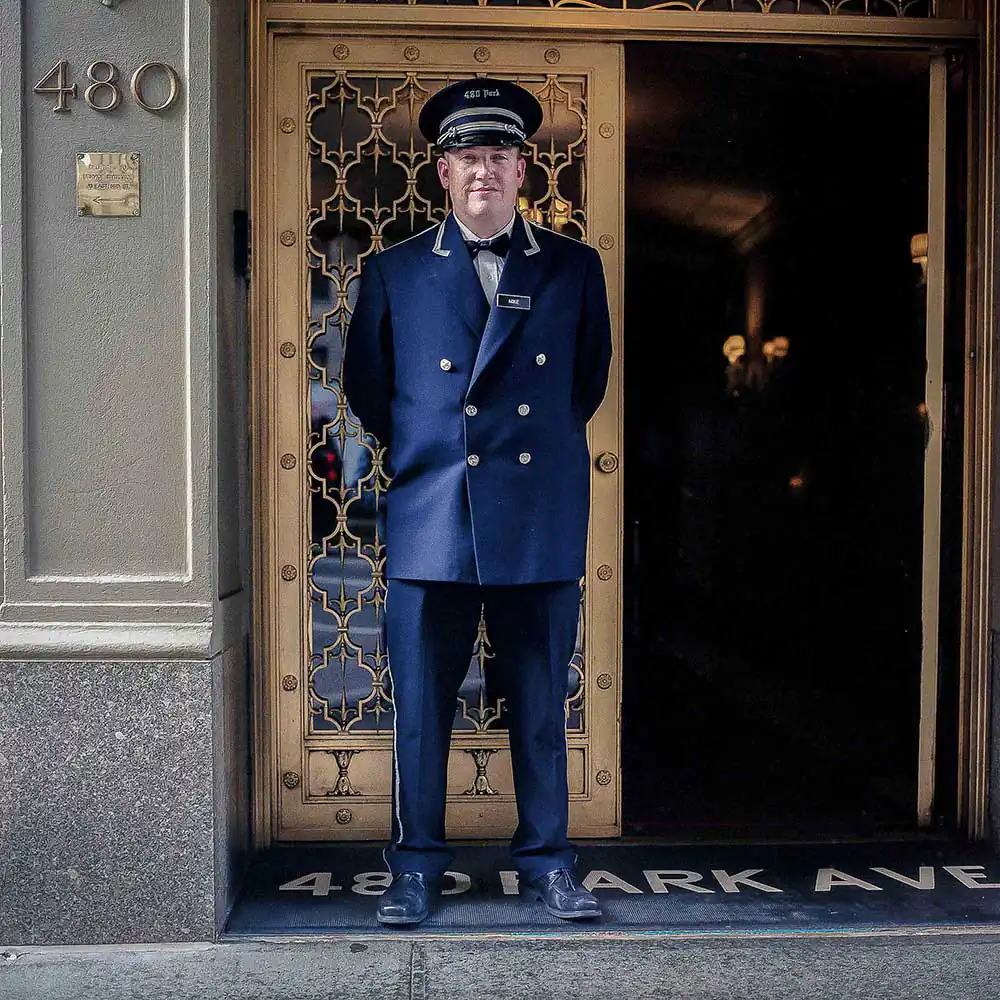
Doormen from Park Avenue New York City by Sam Golanski
Between busy traffic and streams of yellow cabs at Park Avenue in Manhattan you can spot very dapper looking gents standing calmly at the entrances to multimillion condos of Upper East Side area of New York City. These doormen are the brand of their own, they guard, maintain the buildings and the most look after everyday needs and privacy of the residents.Park Avenue for decades has reputation to attract property buyers among actors, bankers and generally speaking wealthy people from all over the world. Photographer Sam Golanski in 2016 decided to take a closer look into the topic of a doorman while living in NYC… Read More
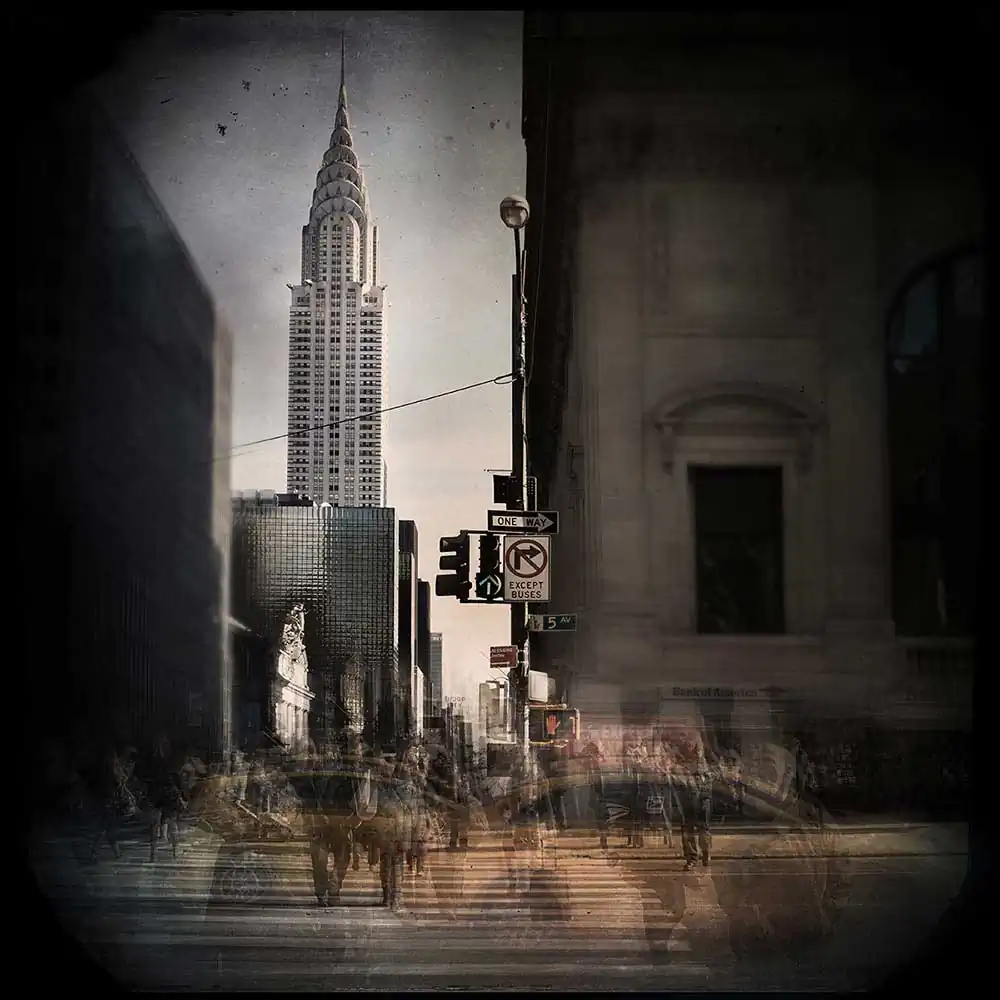
New York by Christopher Tamas Kovacs
Observing the photographs of Canadian photographer Christopher Tamas Kovacs means introducing oneself to a parallel dimension, in a world where shadows fall within a carefully separated entity. Space and time are completely distorted and merge into a sort of eternal cycle where one has the vision of a future and a past that overlap. In this series “ New York ” Christopher confronts the use of color which is quite a departure from all of his previous works which are in black and white, in fact, he is well known as the creator of the all black and white fine art photography. This work showcases a very unique color palette which gives off a plethora of energy that somehow mixes together the lives of the city with shadows in a seemingly unresolved dualism which is obscured by the static nature of buildings… Read More
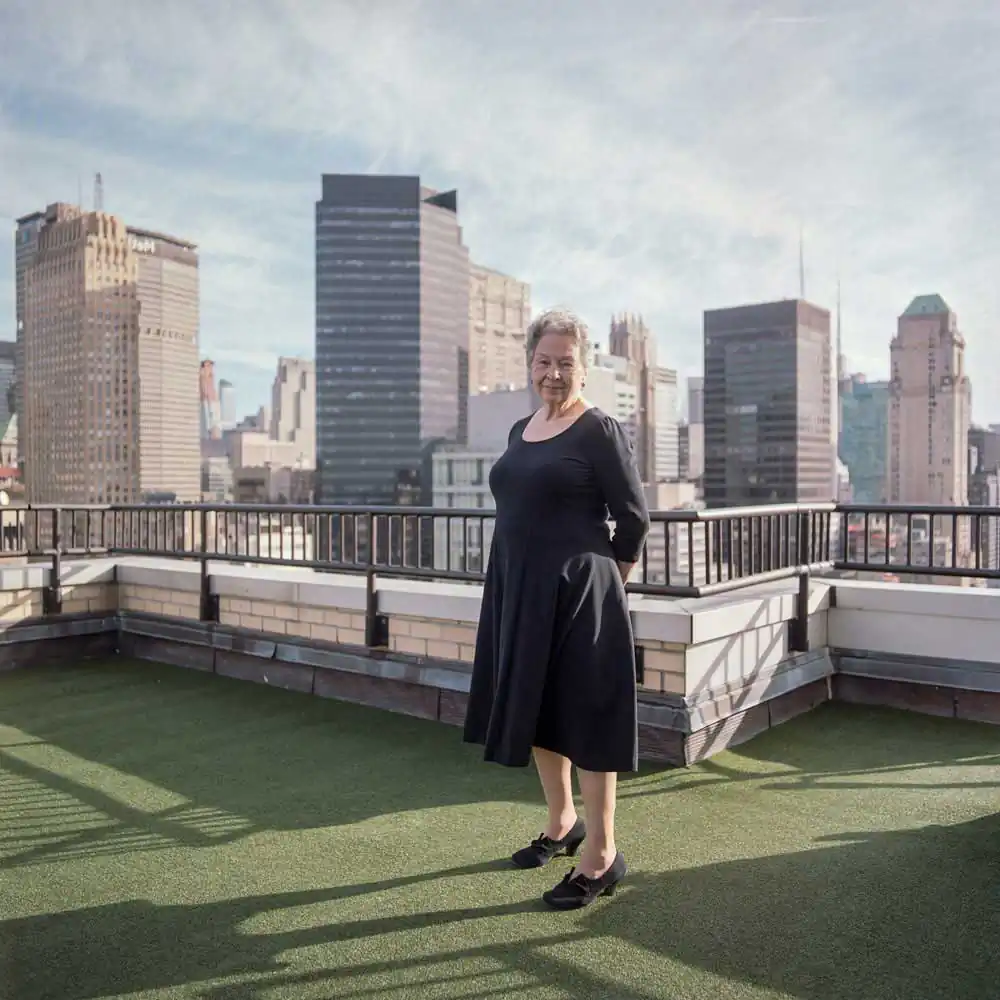
New York Psychics by Thomas Freteur
Every single person who lives in New York has probably wondered at least once why there are so many signs offering esoteric and mystical services spread around the city. The little Keano flyer, which you can see in the corner of many advertisements’ frames in most subway trains, was the starting point of my journey within the community of New York’s psychics. I met about thirty psychics – after my first researches and encounters on that topic, I found so much articles about fake practises in psychic shops that I intentionally decided to avoid these ones – from Midtown to the Bronx going through Queens. They are Tarot card readers, mediums, palm readers, healers, etc. I found them via Google, Yelp and word of mouth. Eventually I portrayed half of the ones I met… Read More
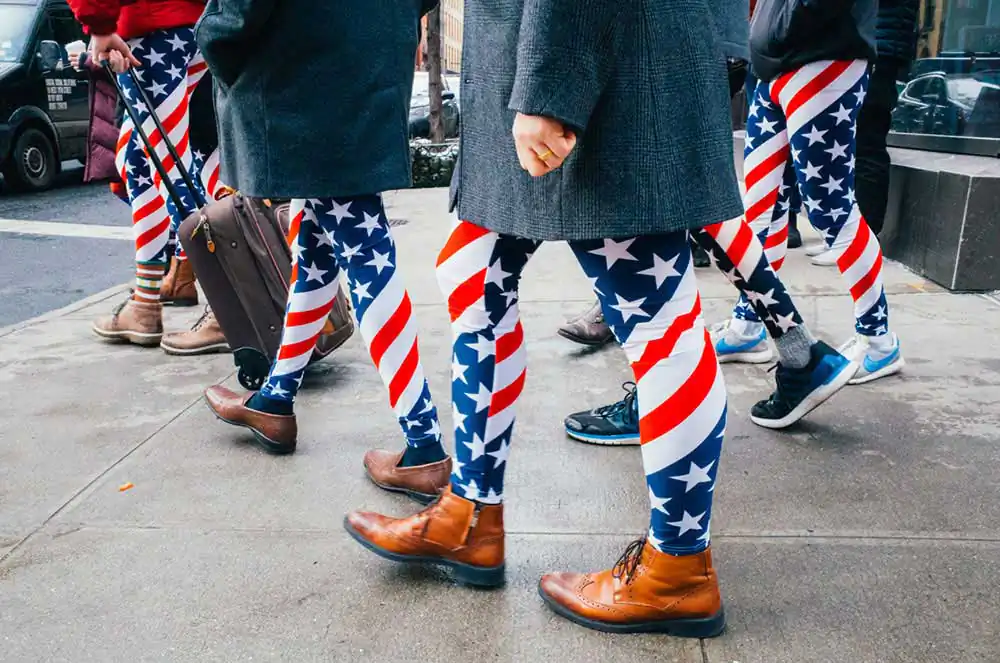
Sidewalk Theatre: Street photography from New York City by Mathias Wasik
There are few cities that inspire the modern world as much as New York City does. It’s ever growing, ever rising – a kaleidoscope of American culture. With my series “Sidewalk Theatre” I explore the play that unfolds day by day against the backdrop of New York’s restless concrete jungle. My aim is to expose both the glossy surface and darker underbelly of American culture while portraying a witty, affectionate satire of a diverse and fast-paced city. I shoot mostly in color, with crisp, vivid colors. I put people at the very center of my photography. Secluded from the current of the masses, the focus suddenly lies on this individual. And with the image the story unfolds and enters a dialogue with the spectator… Read More
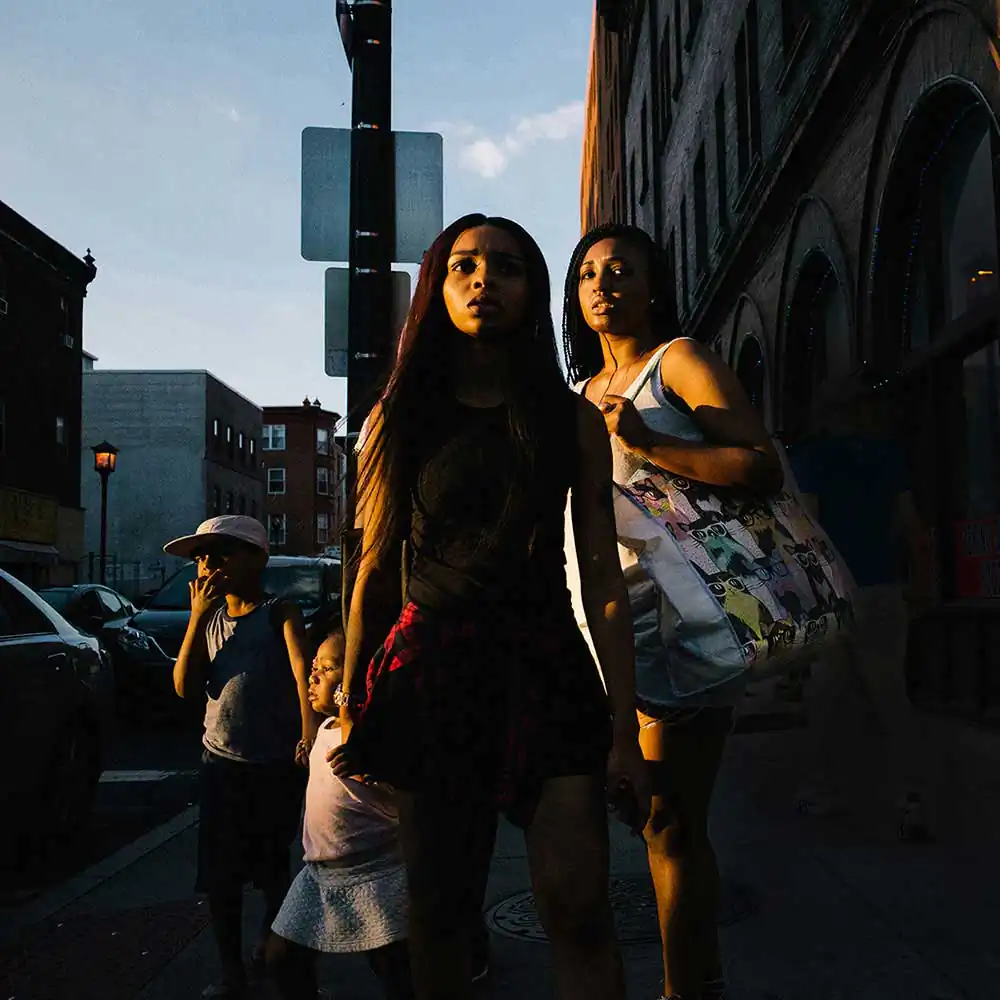
New York City² by Rokas Jankus
A lot of the people seemed somehow lost to me, either geographically, mentally or even physically. It’s that second before they recognise you, taking the picture, somehow giving you an intimate moment with a person you never gonna see again in your life. They open up, like it would be the most private place, in fact being the least private environment one can imagine. While working as an intern in New York City I shot primarily candid street scenes. That’s what I like to do the most. I am highly interested in people’s interaction with different environments, as an observer… Read More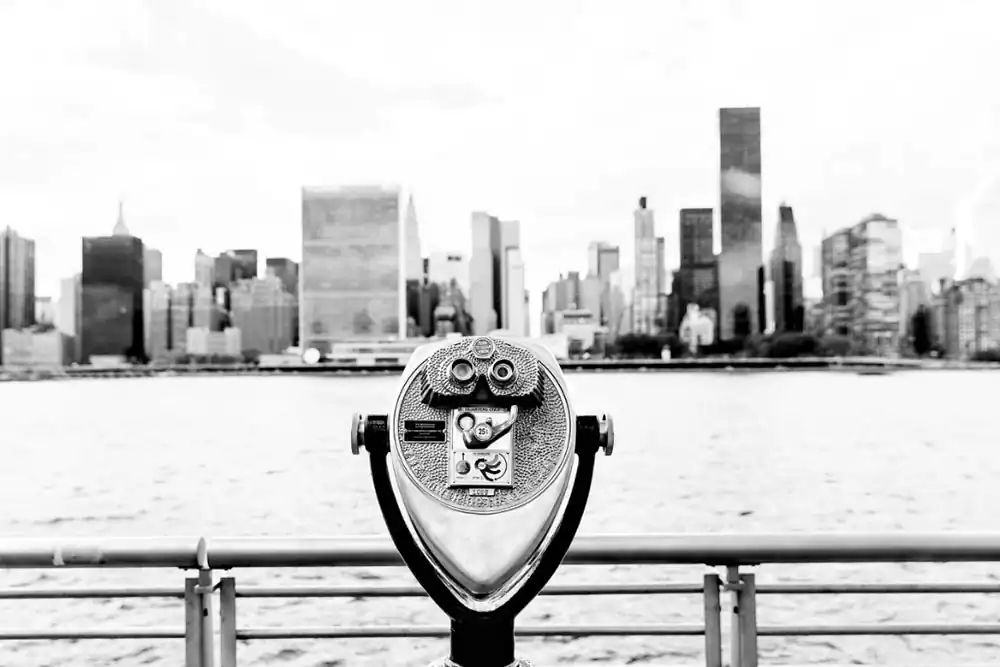
Josef Buergi Captures New York’s Soul in The New York Mosaic
New York City, a vibrant tapestry of cultures, thrives on relentless energy. It’s a photographer’s paradise, and black and white street photography captures the essence of this dynamic metropolis in a unique way. The absence of color directs the viewer’s gaze to form, light, and shadow, highlighting the city’s architectural drama. Towering skyscrapers pierce the sky, their sharp lines contrasting with the geometric patterns of fire escapes and brickwork. Black and white emphasizes the interplay of light and shadow, transforming ordinary street scenes into graphic compositions. A lone figure standing against a stark building façade creates a timeless image of urban solitude.,, Read More

New York; From my window by Paul Kessel
After a career in clinical psychology and university teaching, I began photography late in life. (one-month shy of my 70th birthday). I always owned a camera before this time but rarely used it. In 2008 I started photography courses at The International Center of Photography in NYC and never stopped until ten years later. Originally, I was interested in portrait photography but discovered street photography and became immersed in it… Read More
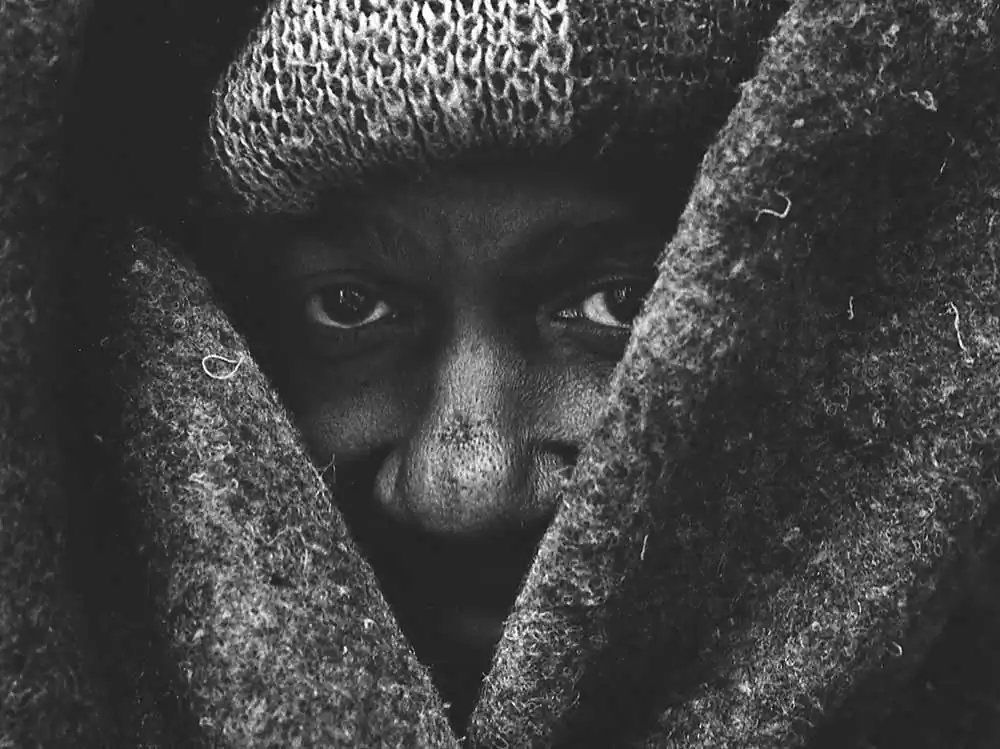
Homeless in new york by Steve Hoffman
Working in New York City it is impossible to miss the homeless. They are everywhere ,on the street, in doorways, and in the train stations all over the city. There are several organizations that work with and feed the homeless. One organization that has been working with the homeless for more than 30 years is the Coalition for the Homeless. They have an outreach program that delivers hot meals 7 days a week 365 days a year. During my time working in New York I worked as a volunteer for the Coalition … Read More
New York; Red Hook by Lisa Cutler
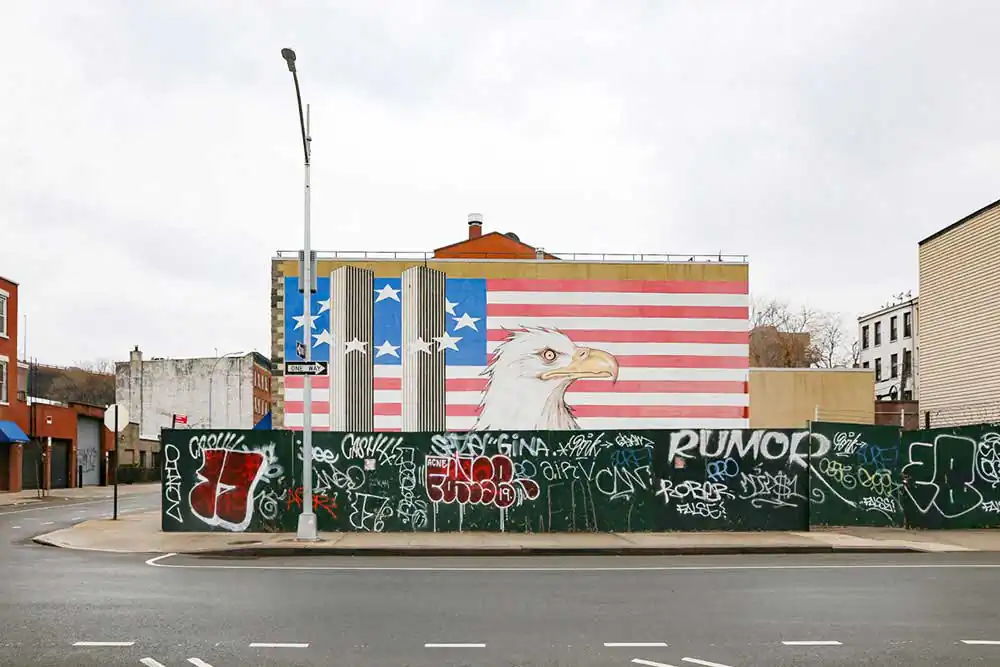
I discovered Red Hook by chance, making a wrong turn getting off the Smith Street Train Station in Brooklyn. Over the course of the next two years, I returned to photograph this urban, gritty wonderland. I find a post industrial part of the city where the story is in the quiet details. Roode Hoek, as named by the Dutch colonists who settled there in the 1600s, was named after the point of land that stuck out into the New York Bay, and the red clay soil upon which everything is built. On the surface it seems somewhat desolate, but is in fact in a constant state of flux and activity. It’s an especially disorientating space; constant change makes physical markers for navigating the streets unreliable. What was there one week, would be gone the next. However, there is the looming Gowanus Expressway. If you look, you can find it almost everywhere… Read More
New York; Sole Harlem by Louise Amelie & Aljaž Fuis
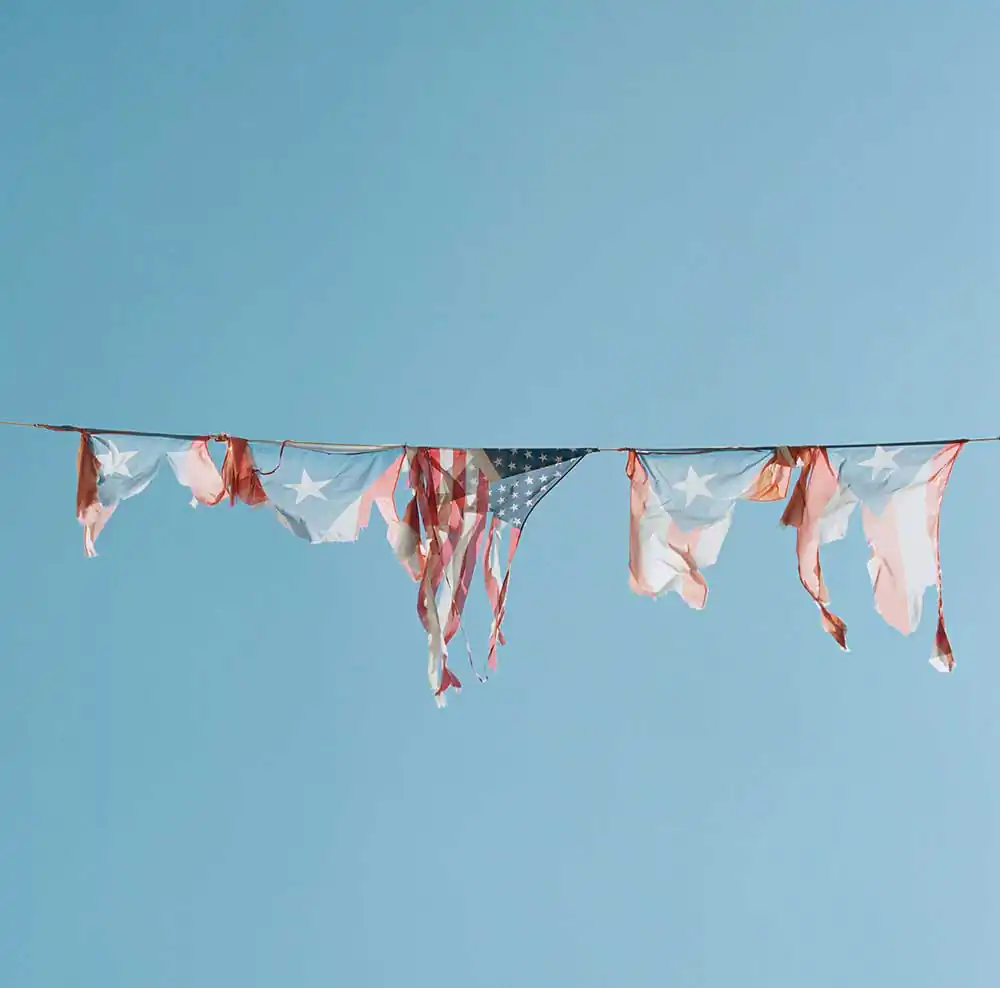
The one and only, unique and pure – just Harlem, and nothing else. The title introduces Harlem as a magical place of longing that only works and lives within, and cannot carry its characteristics to the outside world. The words do not only convey the uniqueness of this place, but also the ambiguity of the word as in sole or bottom. The sole, meaning the streets of Harlem, is defined as the setting of the photographic staging. It is staged because a place like Harlem cannot be regarded independently from everyone’s abstract ideas about it, disregarding whether or not they have been there. That is why Harlem has to fight with and try to combine our anticipations and clichés with what is at bottom of the streets – which, in the first place, is home. Harlem is home for people with their own individual perspective on their district of New York. Sole Harlem portrays the people and their home, their soul, and thus visualizes Harlem’s sound… Read More