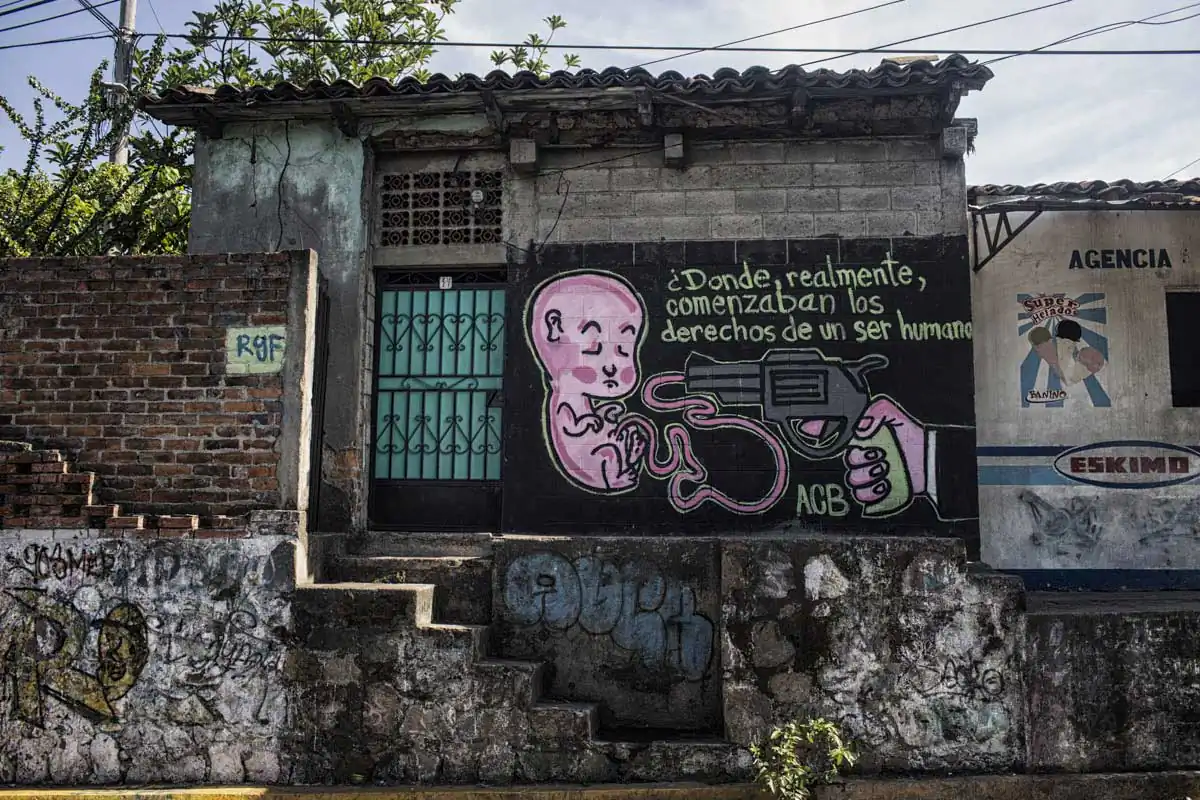
El Salvador's Abortion Ban in the age of Zika. The argument over when the human life begins is one of the most contentious in our world today. There are 66 countries that prohibit abortion under nearly all circumstances—though almost all of them exclude cases where the mother’s life is in danger.
The argument over when the human life begins is one of the most contentious in our world today. There are 66 countries that prohibit abortion under nearly all circumstances—though almost all of them exclude cases where the mother’s life is in danger.
But in six of these nations, there are no exceptions. This dramatic repression of reproductive rights in El Salvador, Nicaragua, Dominican Republic, Chile, Malta, and the Vatican forbids the practice even in situations of rape, incest, unviable fetus, or risk to the mother’s life.
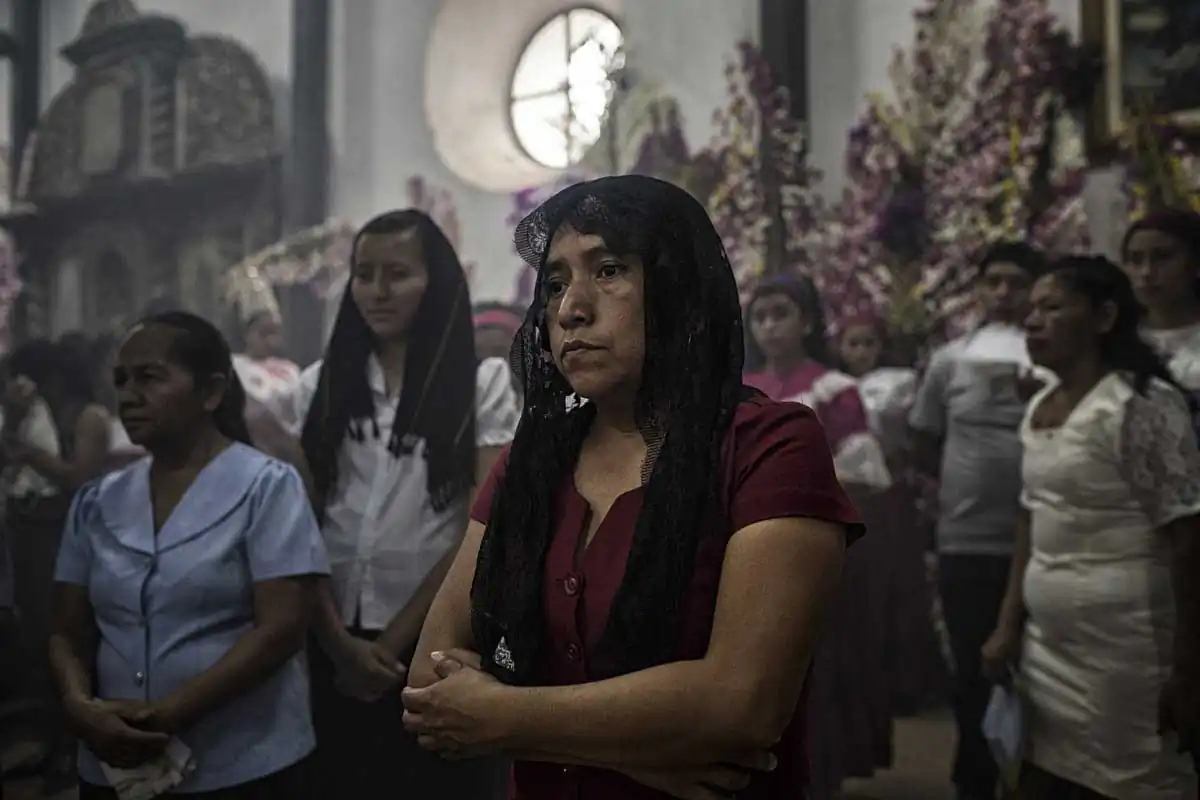
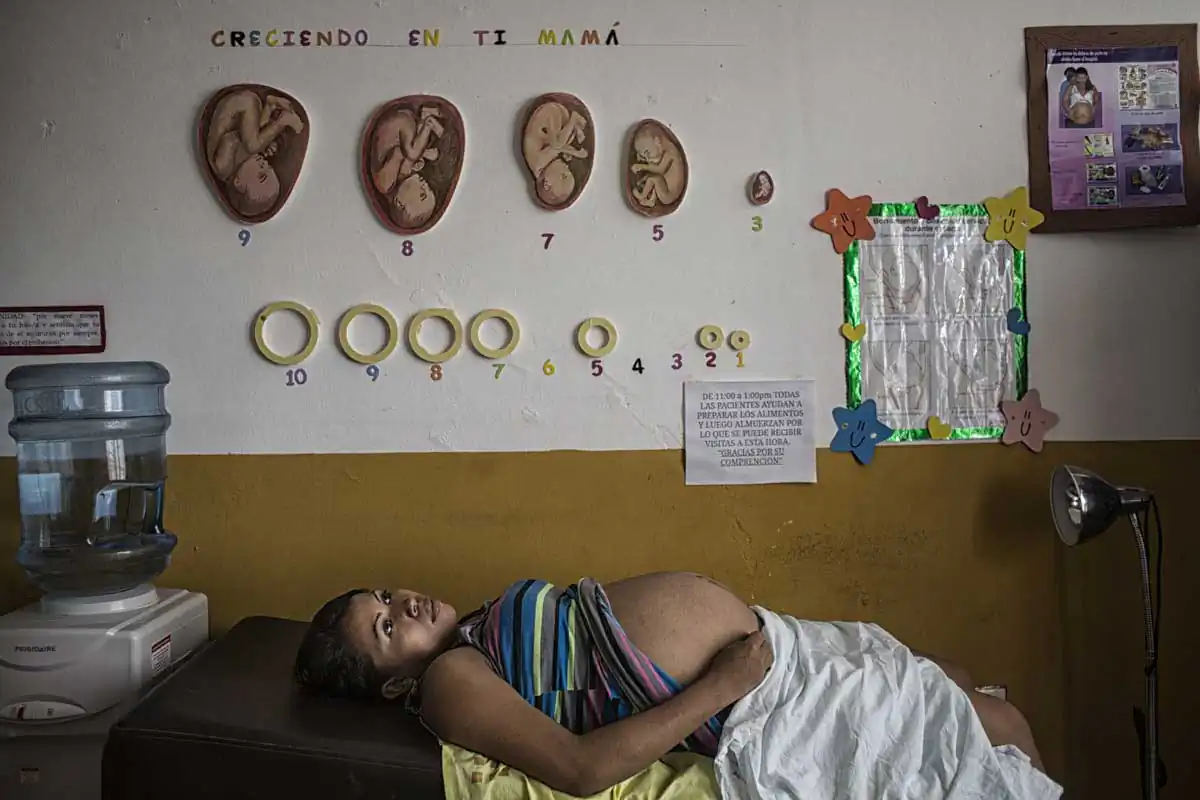
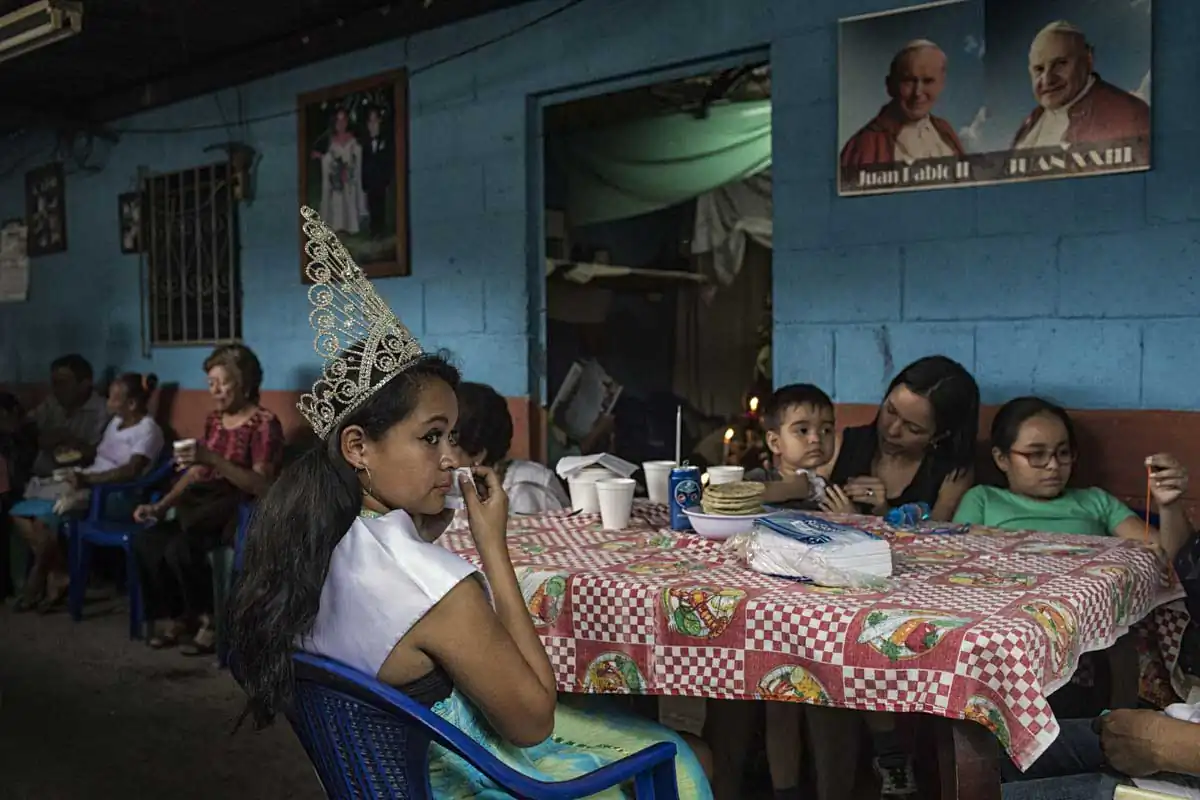
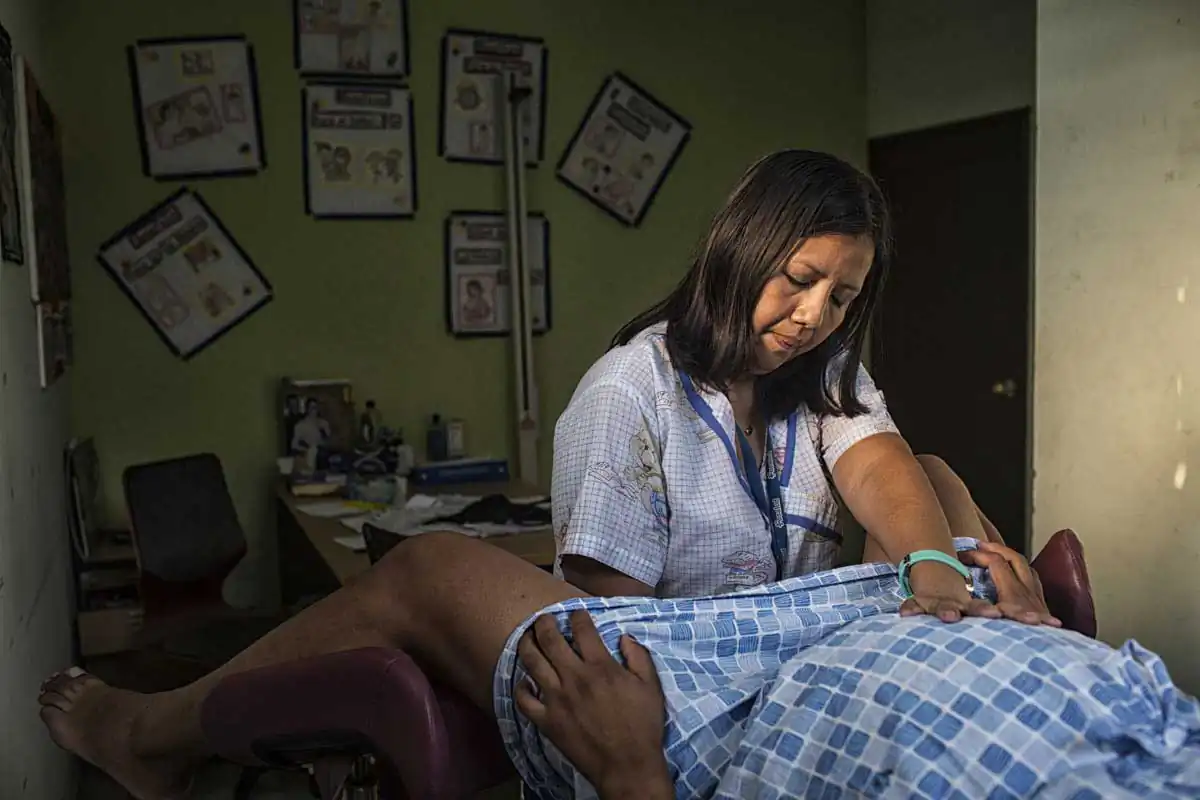
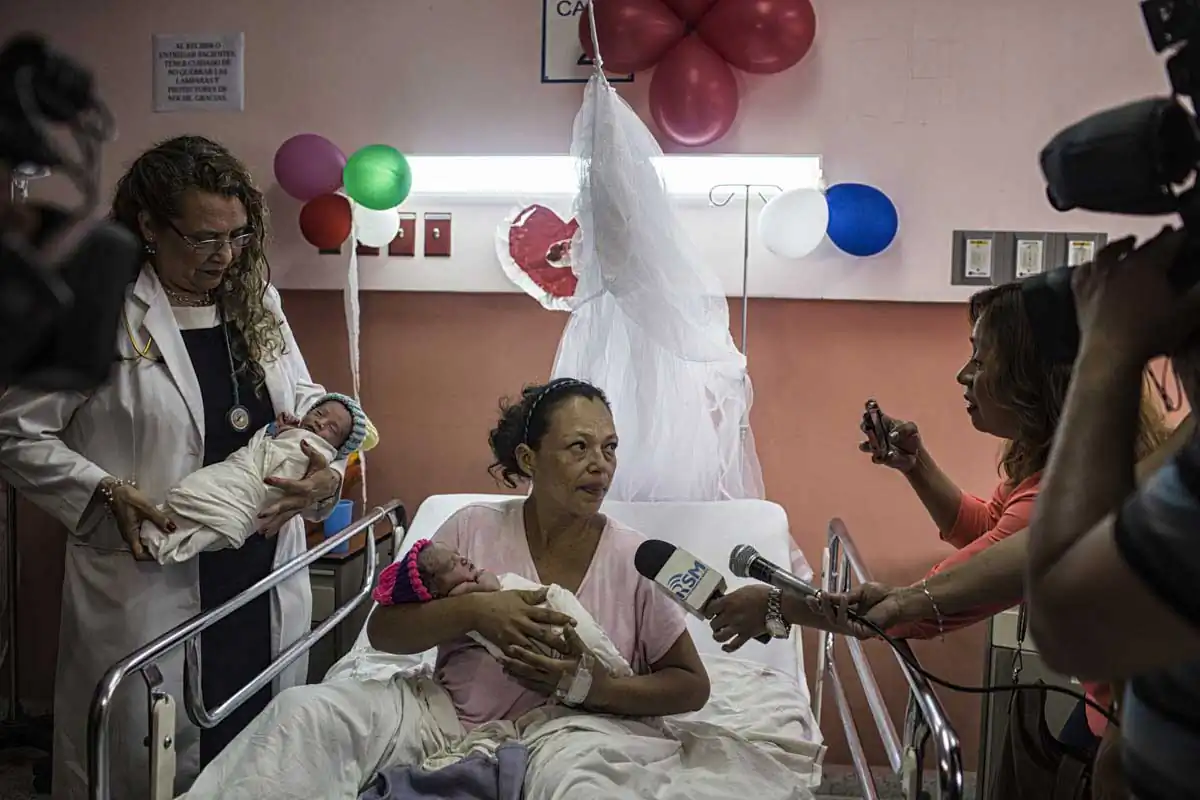
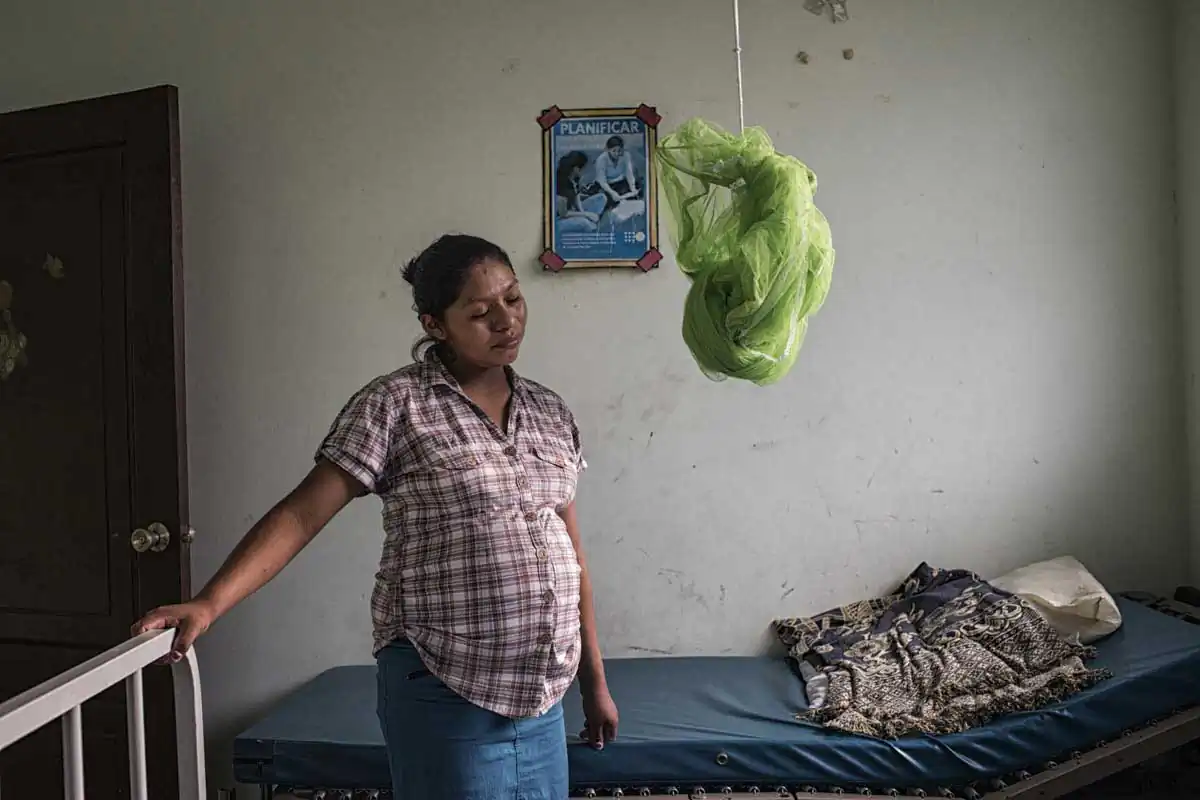
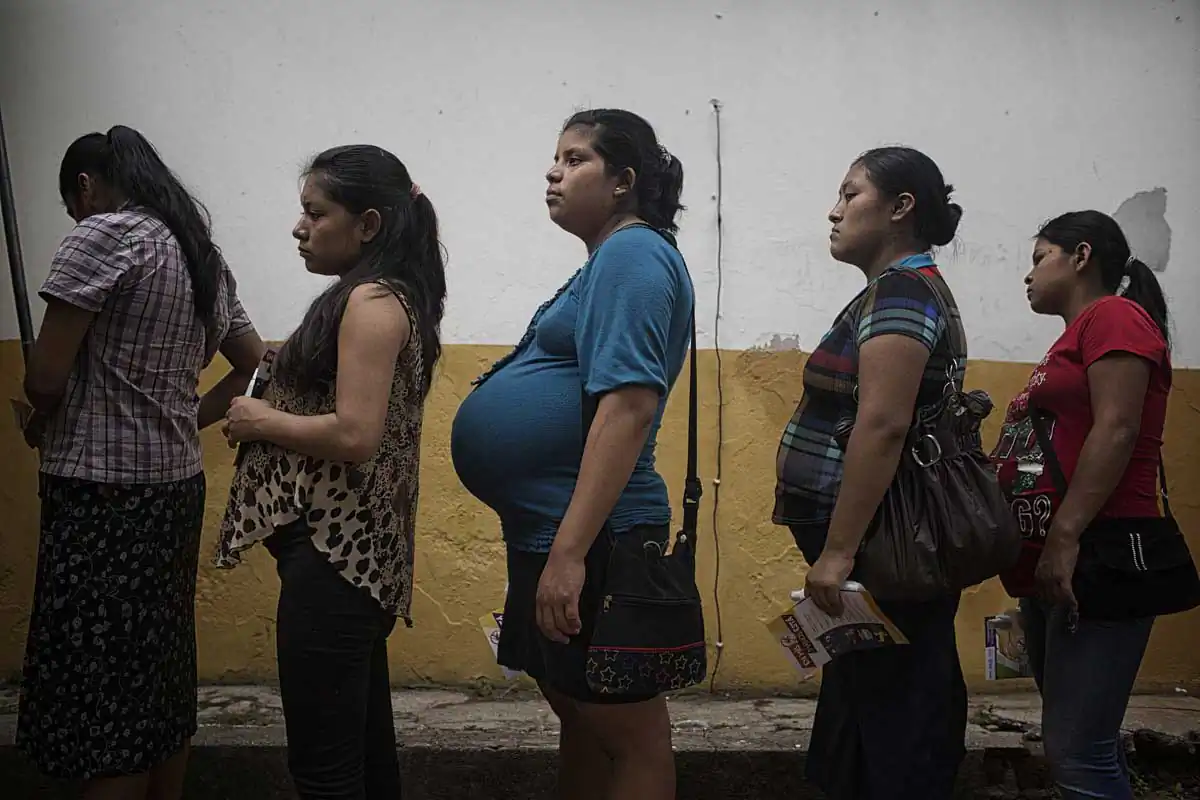
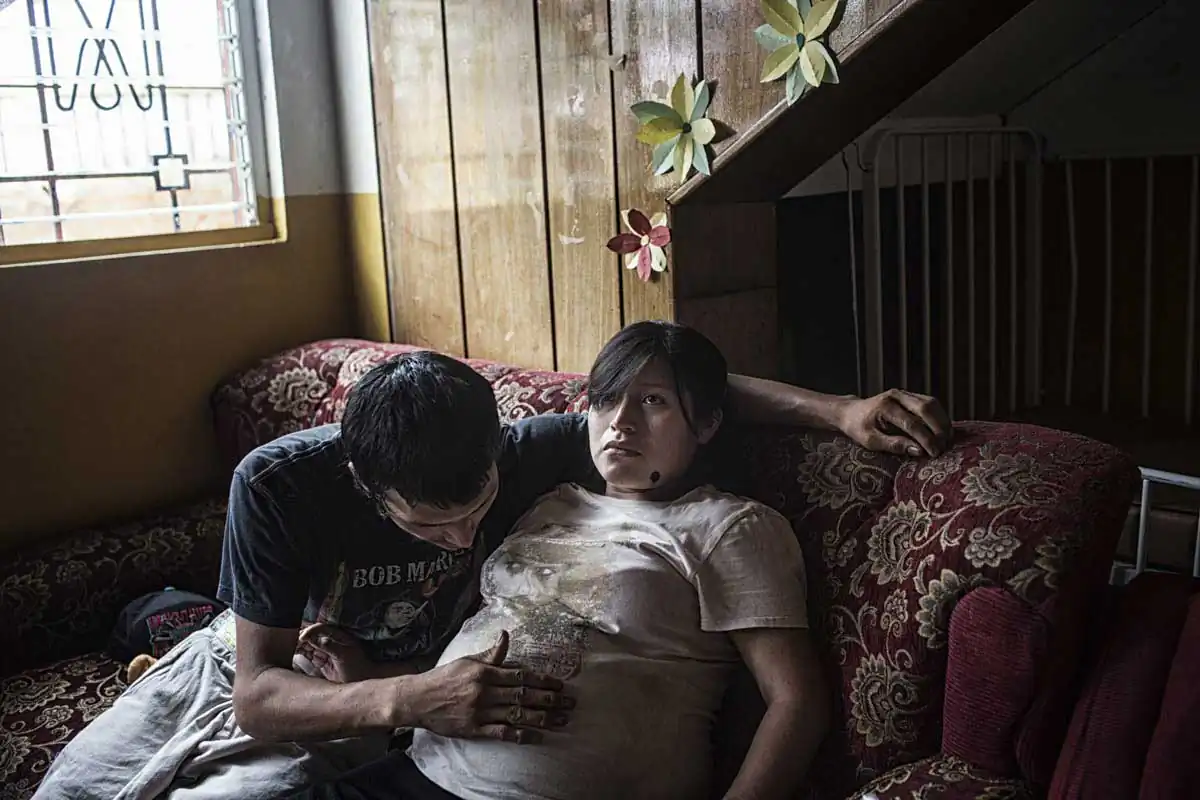
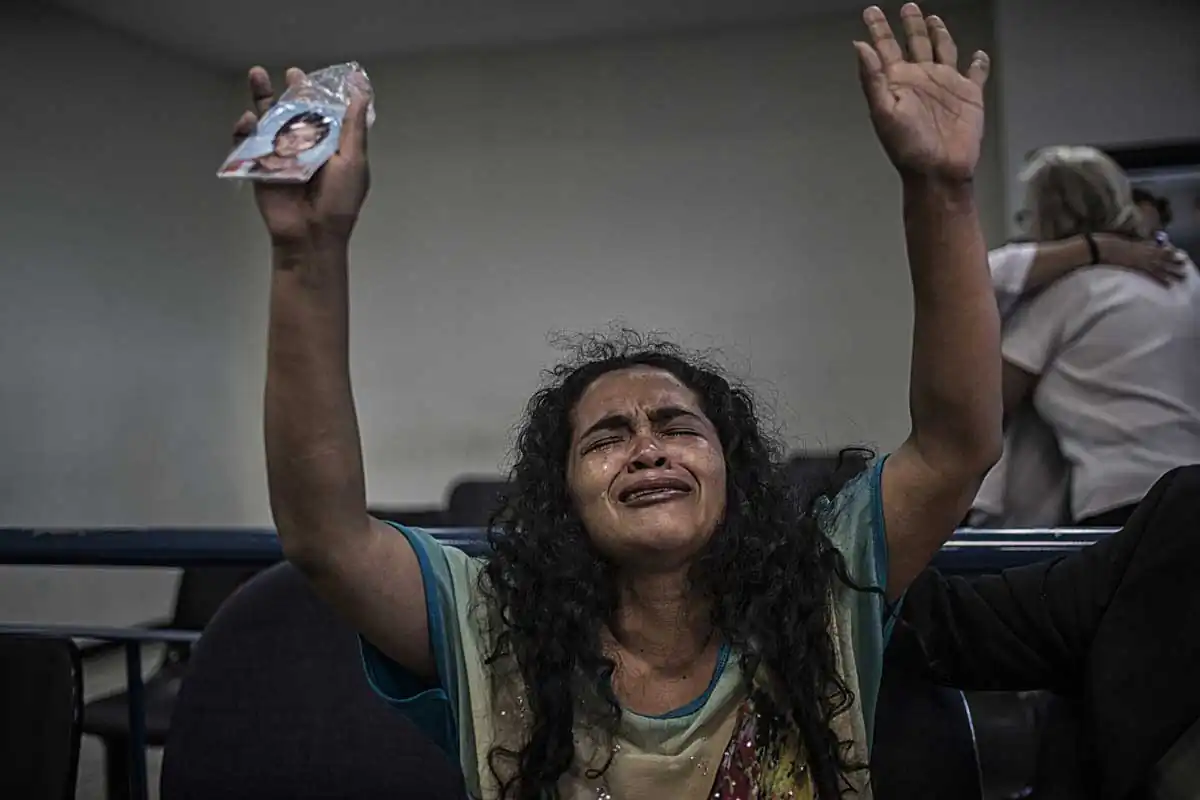
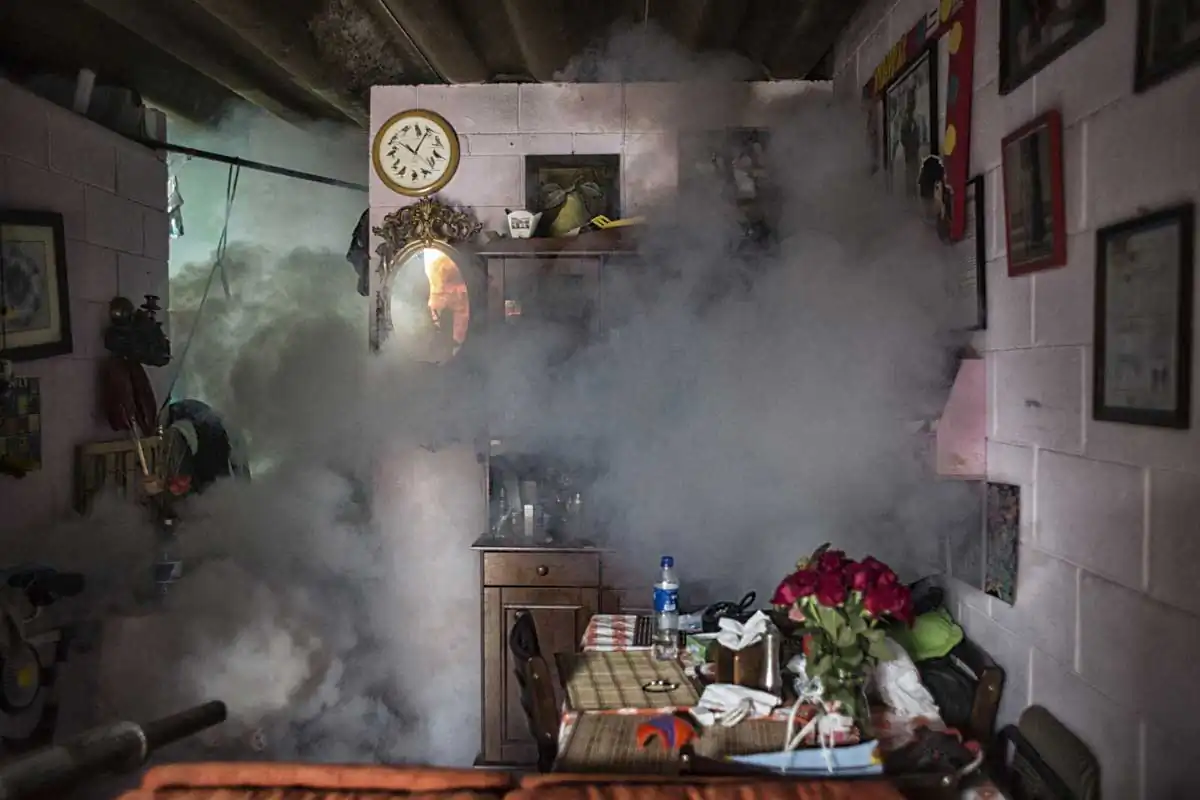
Earlier this year, during the height of the spread of the mosquito born illness, Zika, the Salvadoran Ministry of Health recommended that women abstain from pregnancy for almost 2 years. The statement was met with outrage at the idea that women in El Salvador are in fact in charge of their own reproductive lives. Pregnant women in today’s El Salvador face a number of challenges from Zika virus, which has been linked to the condition of microcephaly in newborns, to the constant threat of gang violence. Many are victims of rape, often associated with gang initiations as well as high levels of incest, with many, alarmingly between the ages of 10 and 14. Over half of all reported suicides are of pregnant teens. However the most important threat to women’s reproductive rights is by far the State’s criminal ban on abortion. Since El Salvador’s absolute abortion ban came into law in 1998, some 150 women have been prosecuted under it. Doctors and nurses in public hospitals are required by the law to report any suspicious alteration to the authorities and provoking criminal charges which can lead to between 6 months to 7 years in prison. It is the poorer class of women who suffer the most, as doctors in private hospitals are not required to give information. Some women are even sentenced to up to 50-year prison terms for what are essentially still births. They are known as the “Mata Niños,” roughly 25-30 women imprisoned and serving between 30 to 50 year sentences on homicide charges for allegedly killing their newborn children. Prosecutors argue against the nature of science, accusing women of willing themselves to expel their premature babies, creating an environment where women are persecuted for the mere natural failures of their own bodies. A woman who contracts Zika while pregnant not only worries for the well being of her unborn child but for the increased risk of miscarrying and then being suspected and possibly accused of intentionally aborting. But then again Zika is perhaps the last of many women’s worries in El Salvador. [Official Website]
We use cookies on our website to give you the most relevant experience by remembering your preferences and repeat visits. By clicking “Accept”, you consent to the use of ALL the cookies.
This website uses cookies to improve your experience while you navigate through the website. Out of these, the cookies that are categorized as necessary are stored on your browser as they are essential for the working of basic functionalities of the website. We also use third-party cookies that help us analyze and understand how you use this website. These cookies will be stored in your browser only with your consent. You also have the option to opt-out of these cookies. But opting out of some of these cookies may affect your browsing experience.
Necessary cookies are absolutely essential for the website to function properly. This category only includes cookies that ensures basic functionalities and security features of the website. These cookies do not store any personal information.
Any cookies that may not be particularly necessary for the website to function and is used specifically to collect user personal data via analytics, ads, other embedded contents are termed as non-necessary cookies. It is mandatory to procure user consent prior to running these cookies on your website.