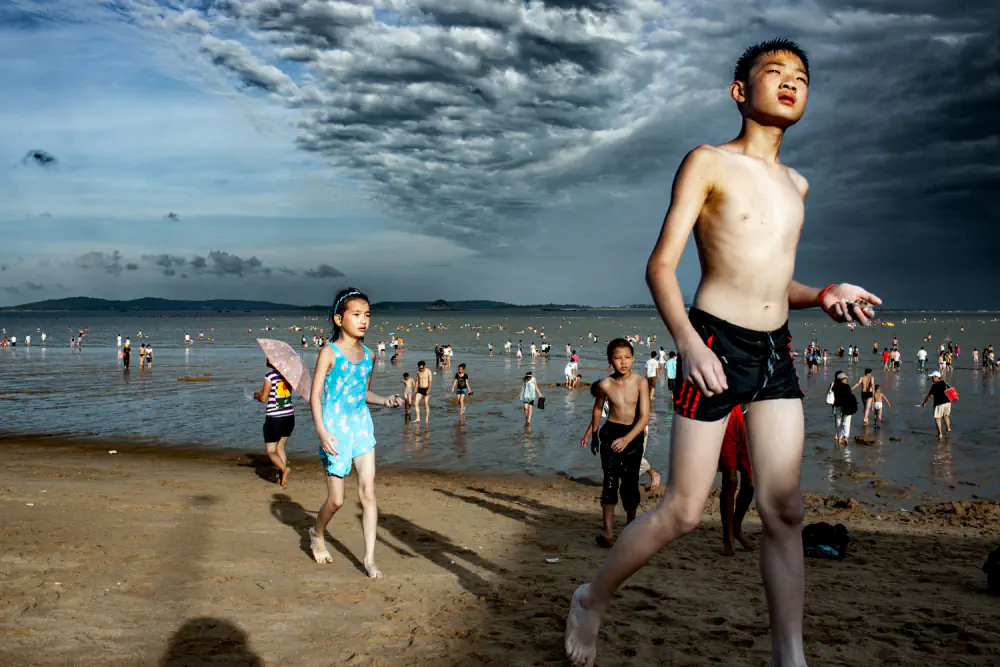


The island and megacity of Xiamen and the Taiwanese island of Kinmen lie barely six kilometres apart.
From the Taiwanese perspective, this is referred to as the Frontline of Democracy.
Yet Xiamen lies on the other side of that so-called line, in what is supposedly barbarism.
Xiamen is one of China’s four original Special Economic Zones. Established in 1980, it opened its doors to foreign trade and investment, while Beijing largely refrained from interfering in the operations, production, and trade of the companies established there. As a result, Xiamen experienced enormous population growth and rapid economic development. Xi Jinping himself has praised Xiamen as an attractive, modern, international city of high quality. It is also home to one of China’s most prestigious universities. Anything but barbarism, then. Yet Taiwan lies unmistakably close by.
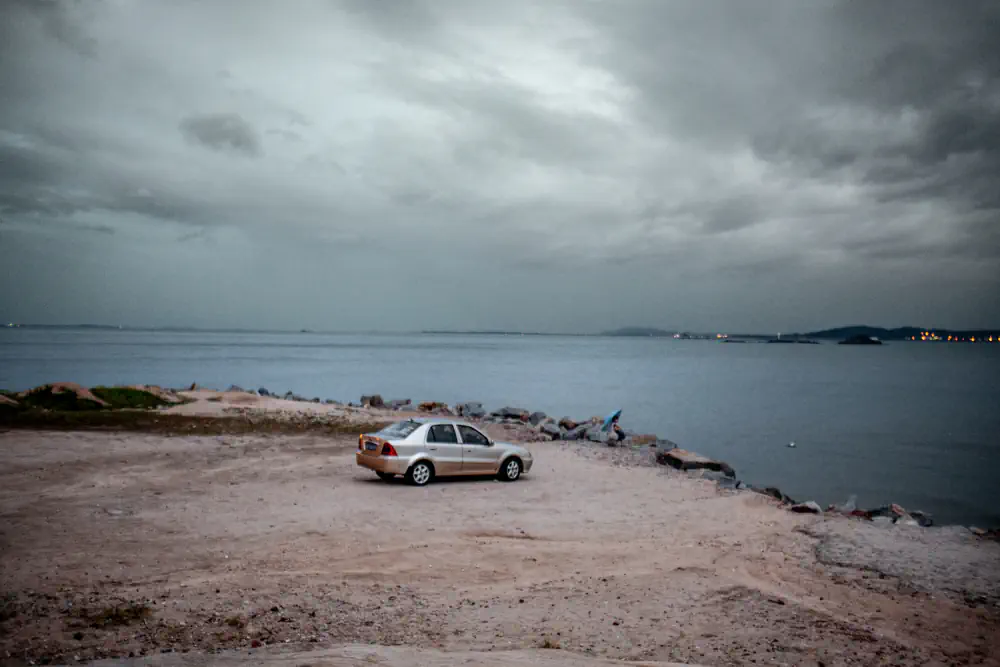
When Verdickt photographed this series on Xiamen Beach a few years ago, he was barely aware of what it meant. A few years after making Xiamen Beach, he travelled to Taiwan to better understand its significance within Chinese history. It is a subject that continues to stir deep emotions in China, fuelling a muscular form of Chinese nationalism. It even cost him a Chinese friendship. Once, a geopolitical and military conflict took place here—a conflict that was never resolved and that, with the recent rumblings of war, could flare up again. Xiamen Beach could once more become a frontline.
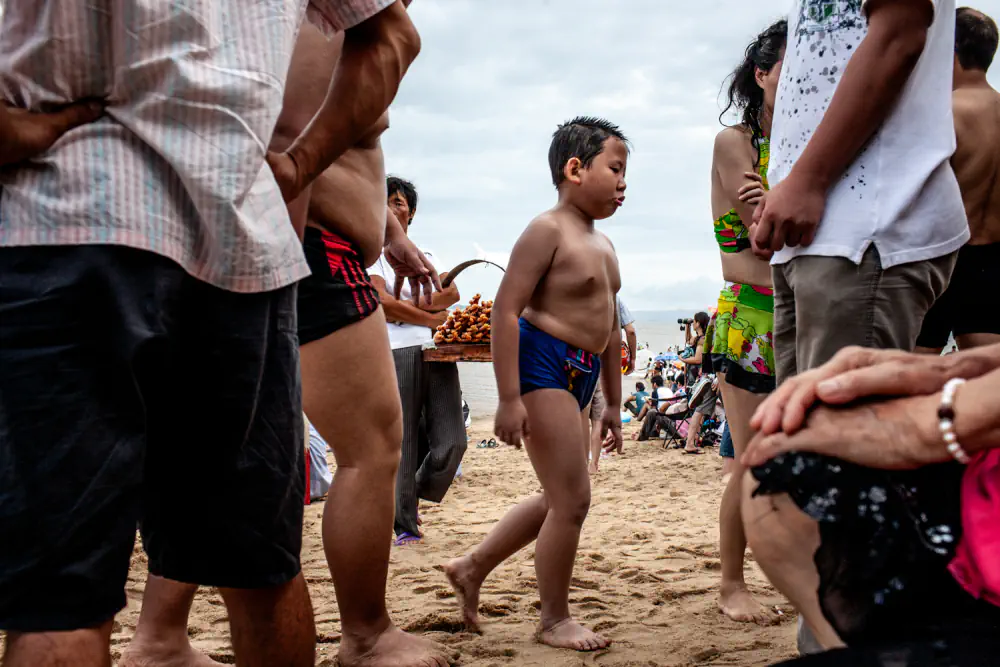
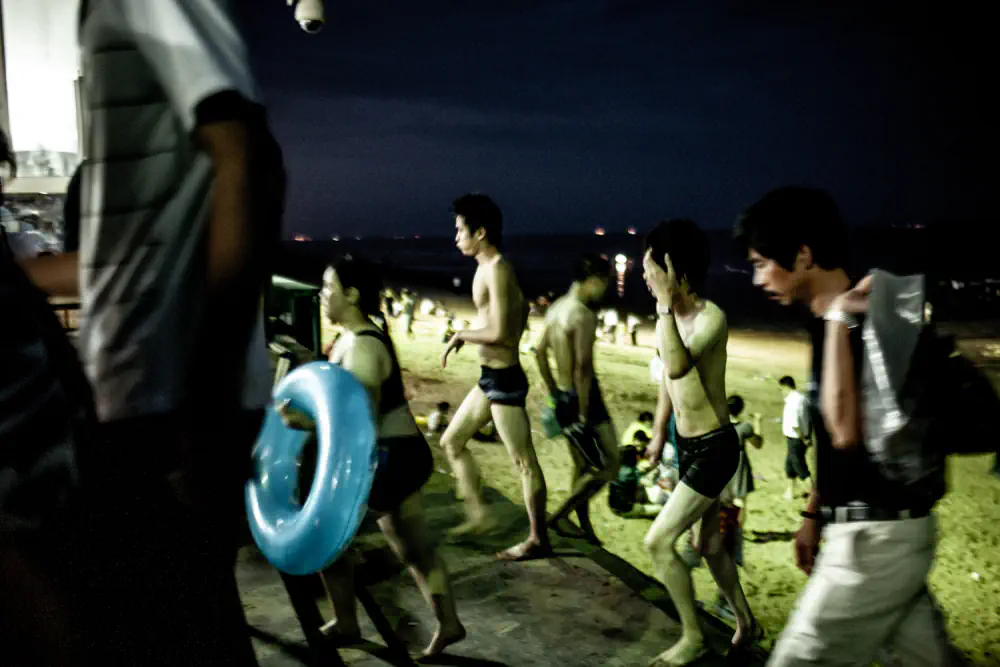
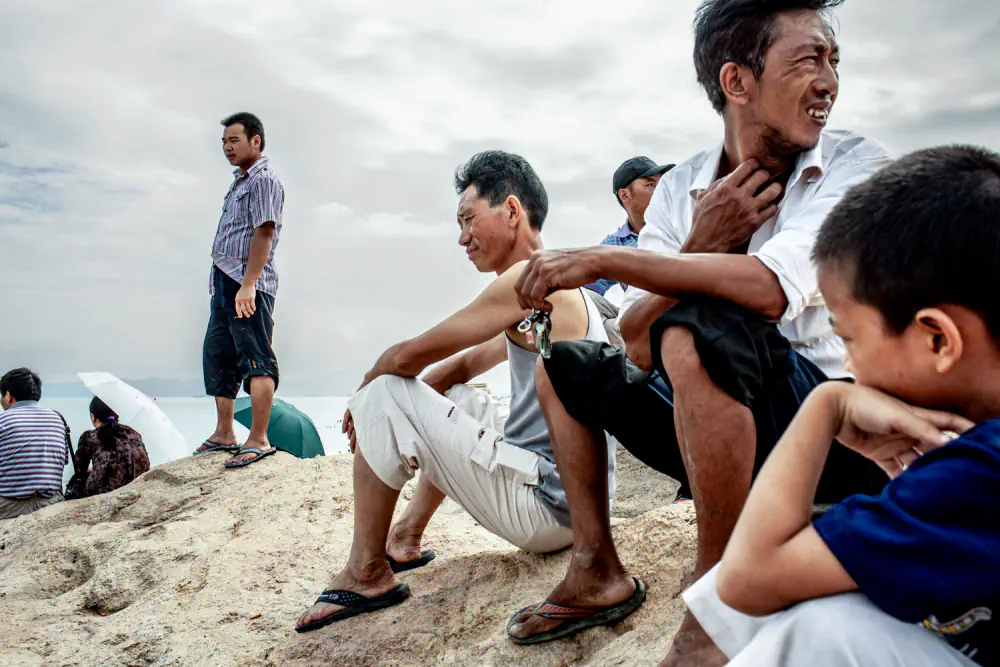
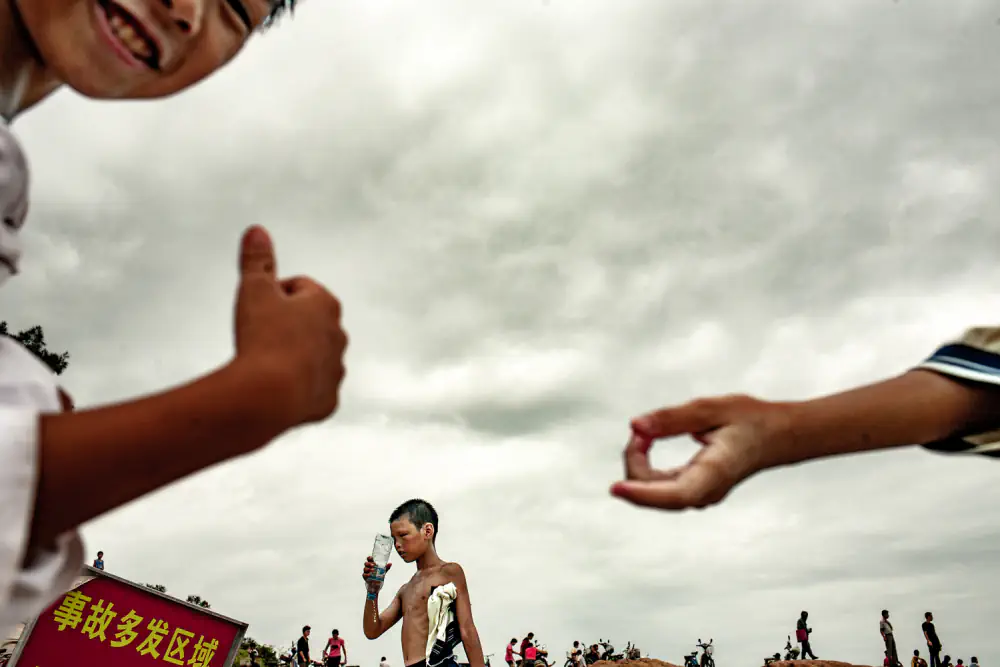
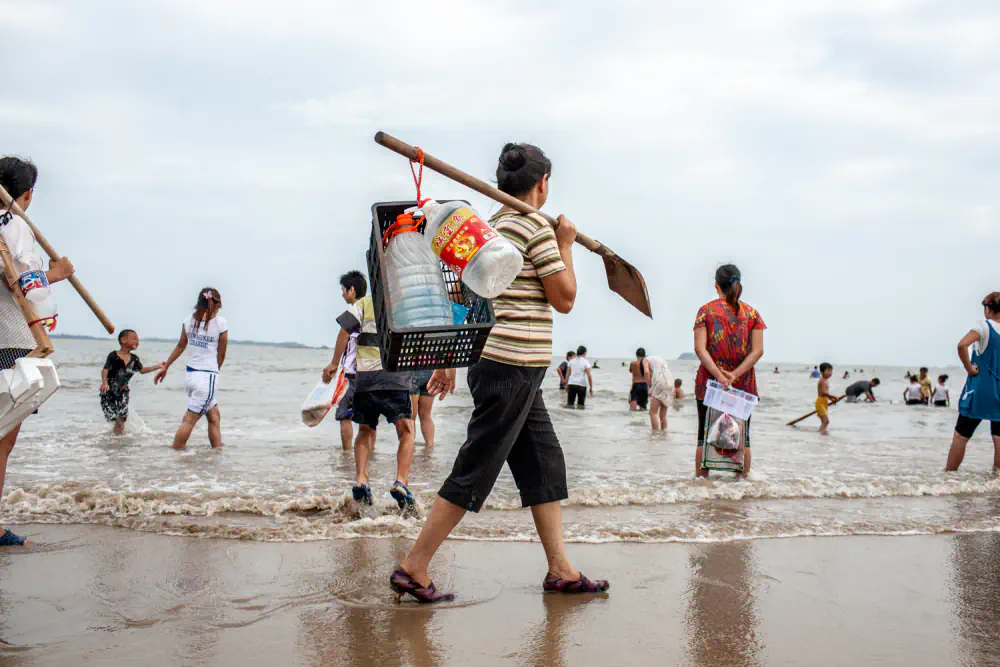
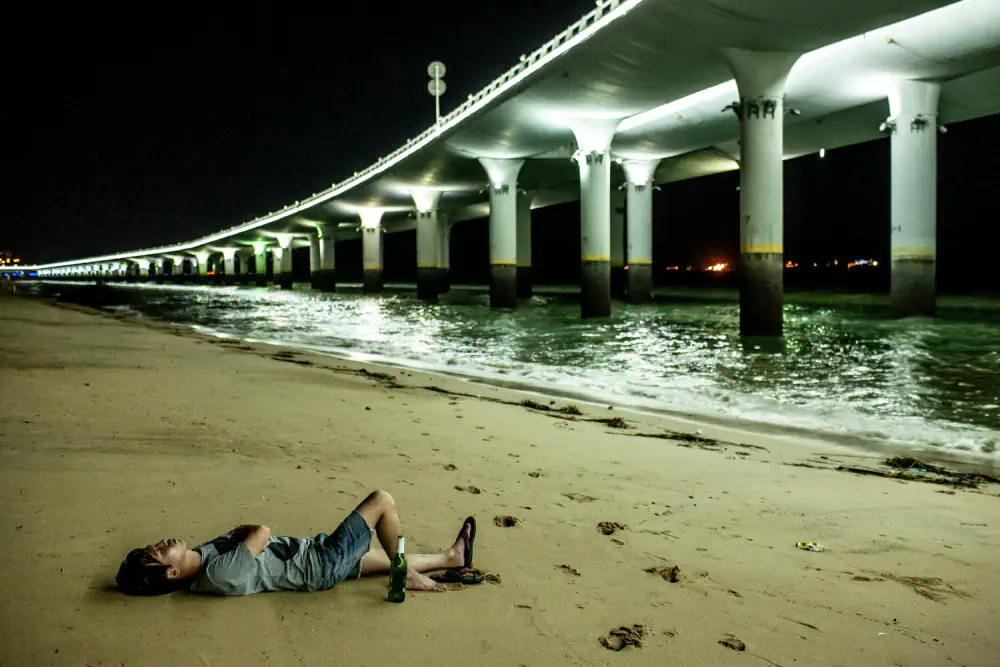
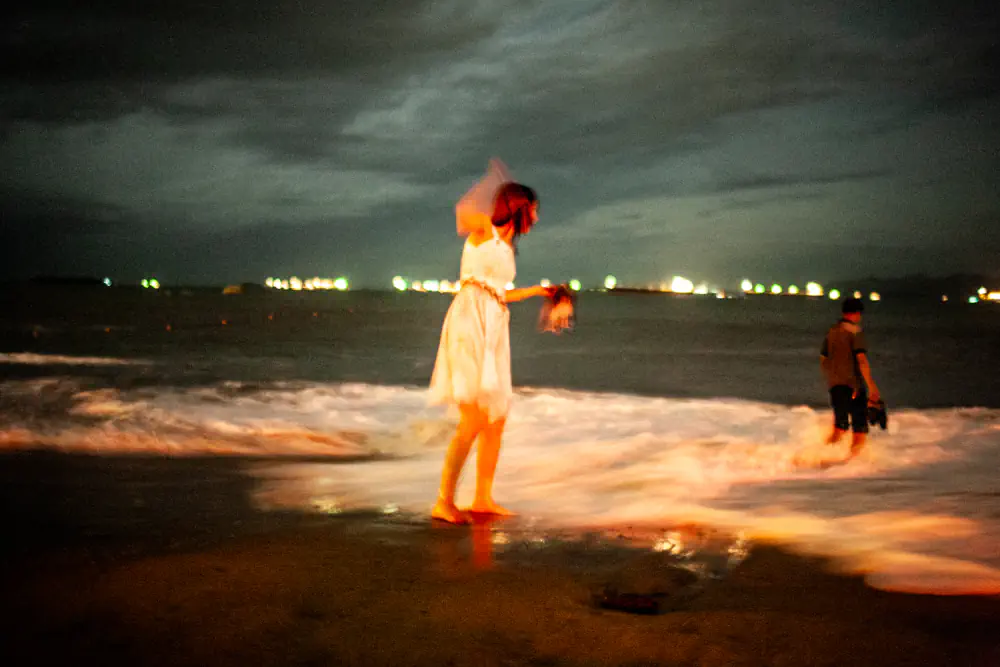
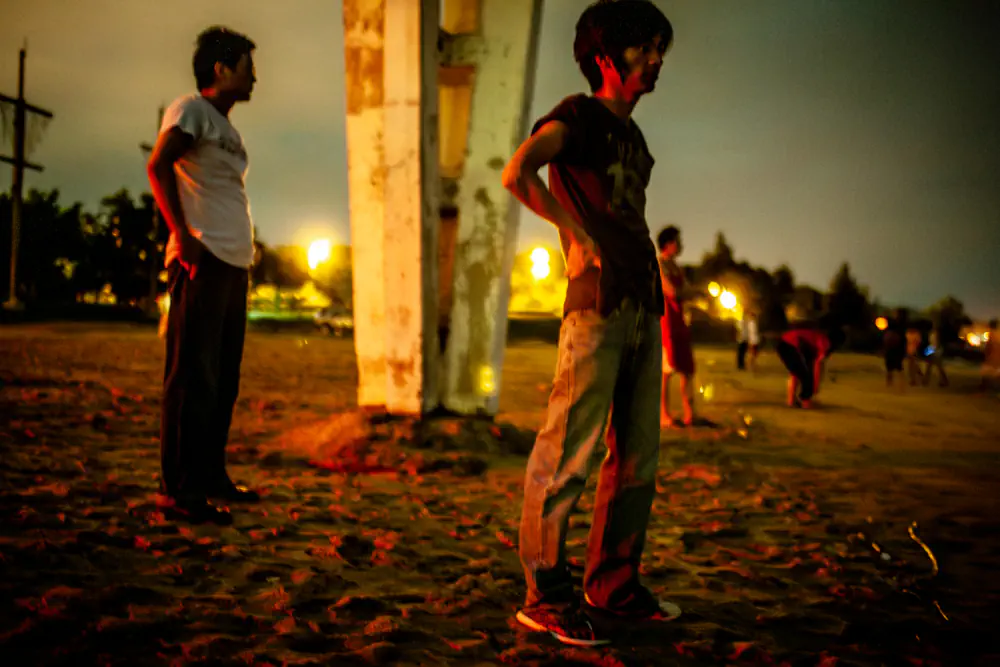
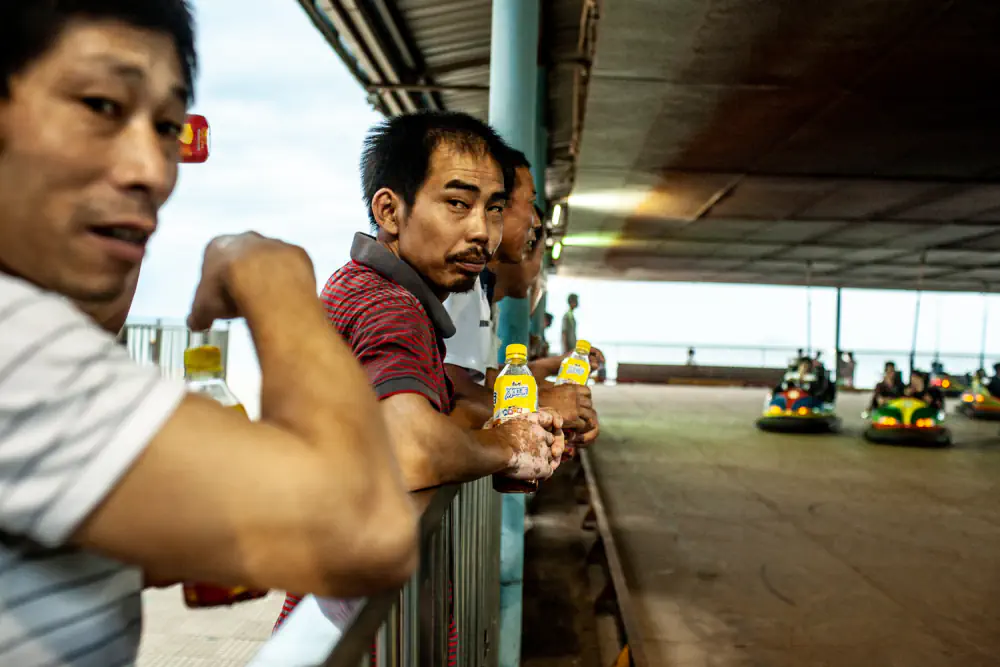
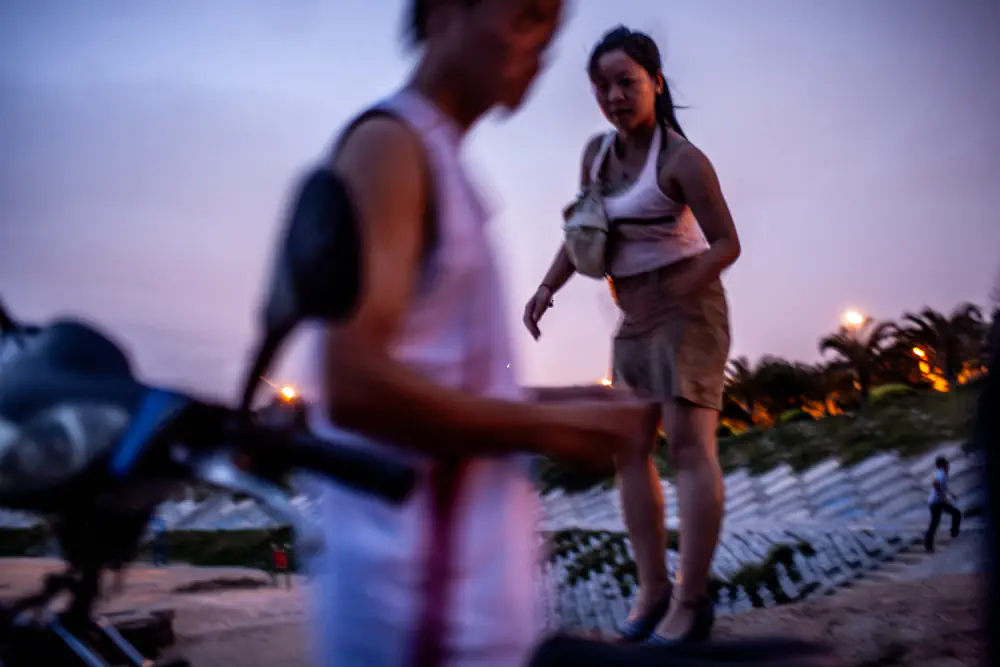
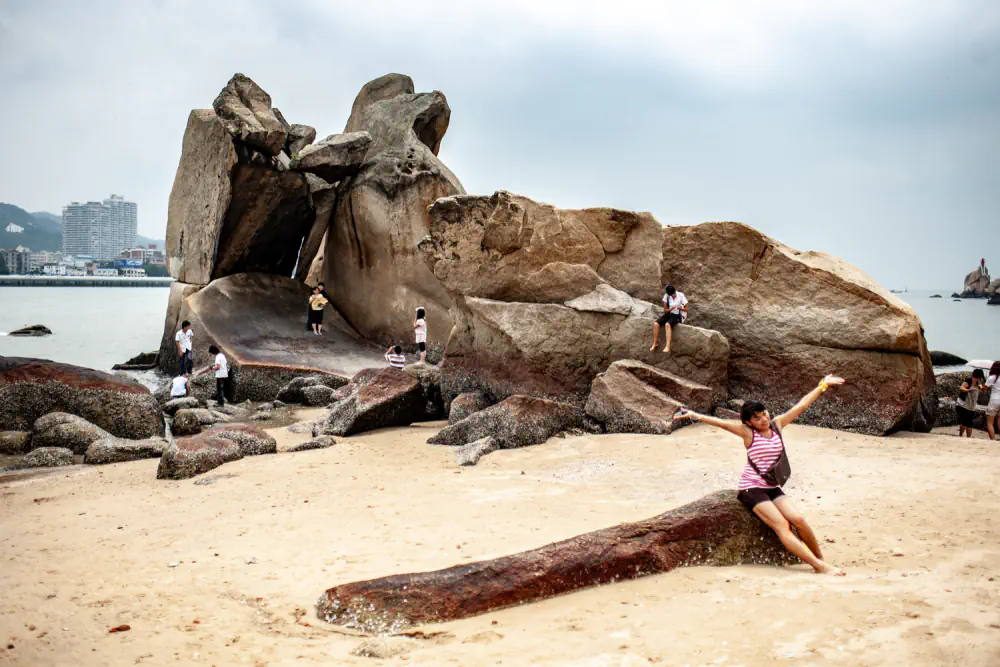
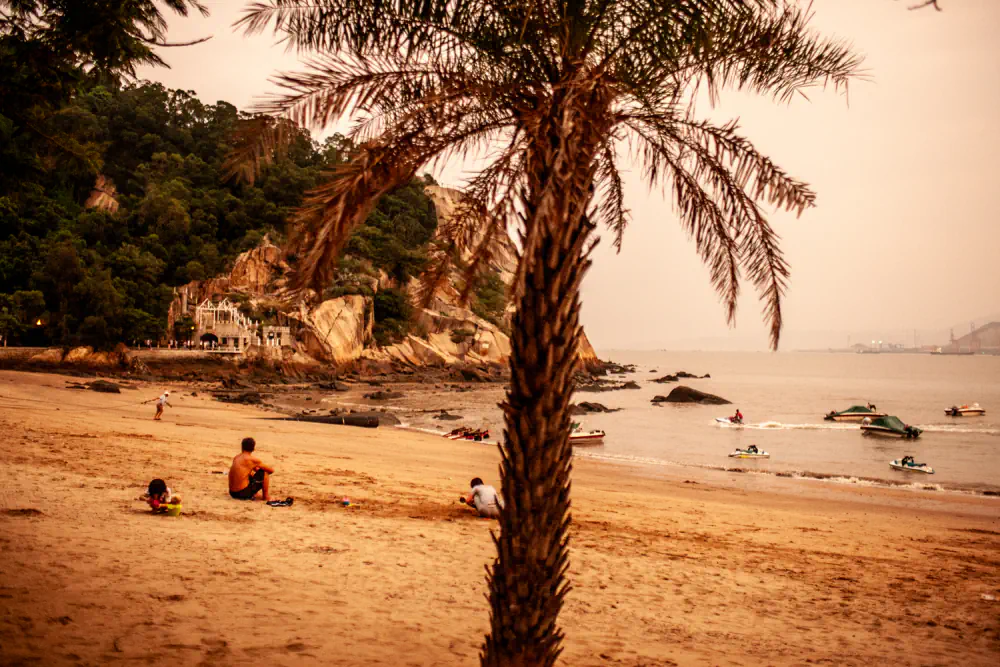
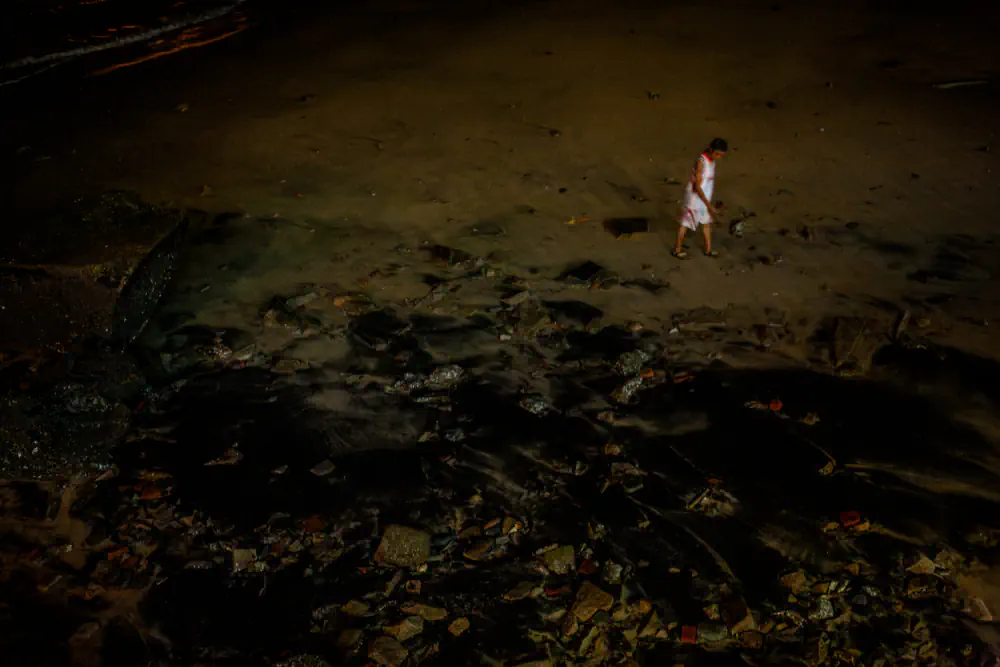
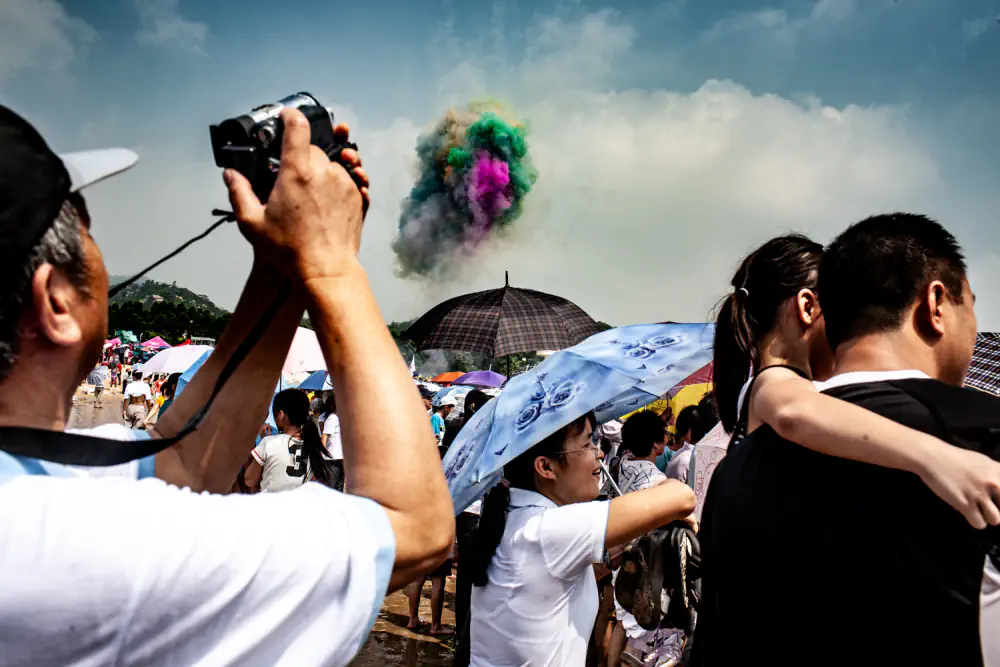
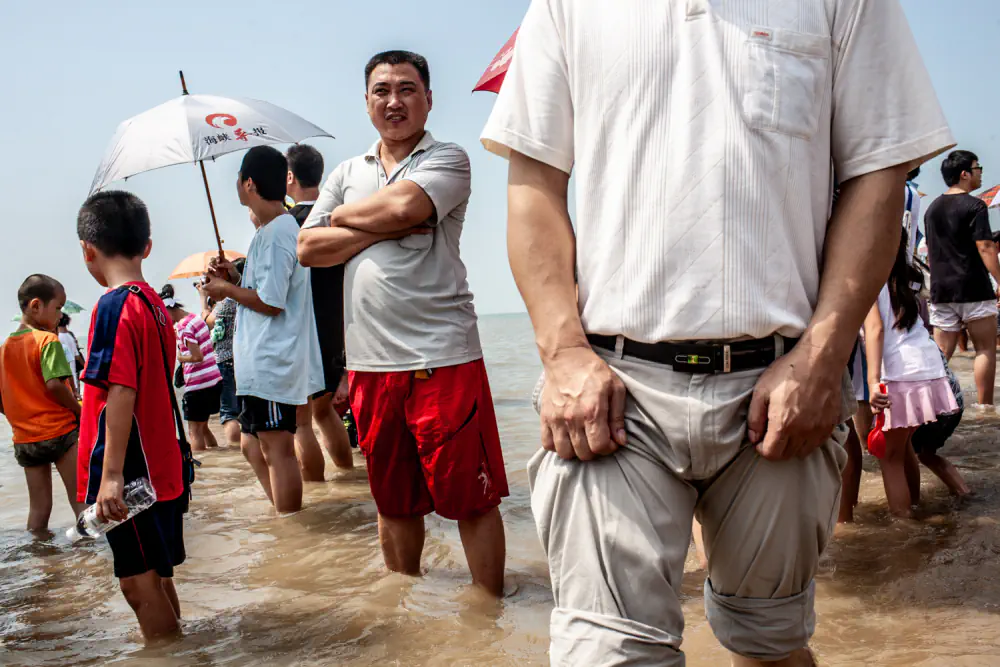
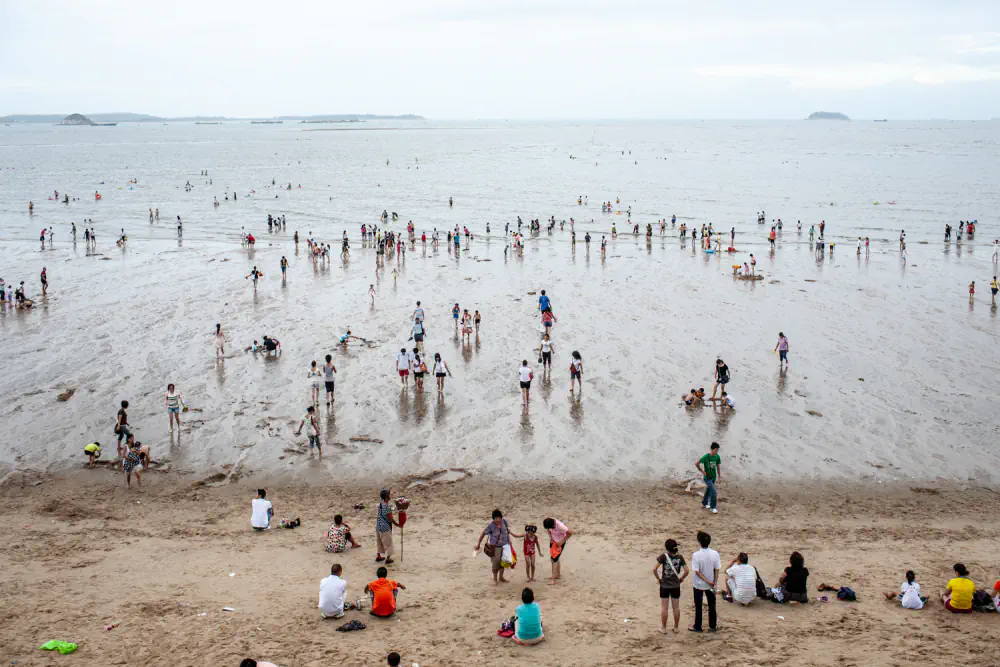
Fortunately, none of that is happening now. Xiamen Beach is simply a beach, much like any other in the world, albeit with a distinctly Chinese character. The noise of the city gives way to the sound of the sea, the murmur of crowds, the kitsch of bad music, and the cacophony of amusement parks. The beaches of subtropical Xiamen are places where Chinese construction workers enjoy a day off, where students seek the solitude of the night—or, on the contrary, the company of others. Families with children come here to enjoy themselves at amusement parks, while restaurants fill with hungry visitors. Here, the temperature is just a little cooler than in the sweltering heat of Xiamen itself.
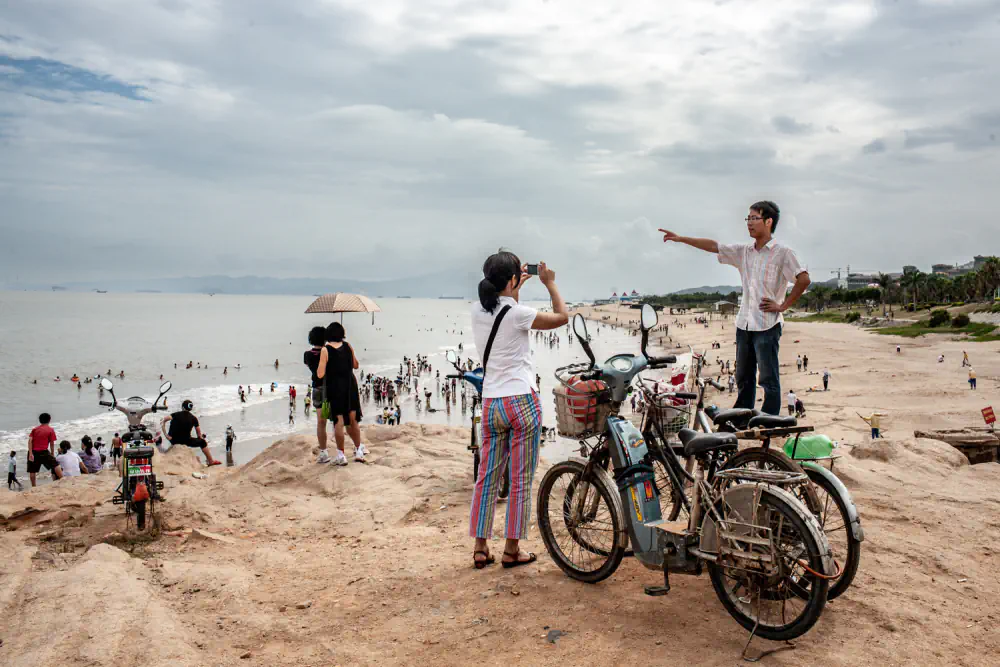
The sea slows down the hectic existence of the perpetually busy Chinese city dweller. Xiamen Beach is a place where the blue sky is visible, where air pollution and the worries of everyday life seem to disappear, if only for a while. In one of the photographs, a young man can be seen pointing at something in the distance.
Taiwan is always nearby.
About Franky Verdickt
Franky Verdickt is a Belgian photographer, born in 1971, known for his conceptual documentary photography, in which he often examines the relationship between humanity, nature, and society. Verdickt obtained his master’s degree in photography from LUCA School of Arts in Brussels in 2007.
His work is characterized by a critical perspective on the ways in which people shape their environment and how ideologies and utopian ideas influence the landscape. Verdickt combines reality with subtle irony, giving his images not only a documentary quality but also a poetic and philosophical dimension.
One of his best-known projects is The South Street Village, a series that has received international recognition. His work has been awarded the LensCulture Exposure Award, among other distinctions, and he was nominated for the Moscow International Foto Awards (MIFA).
In 2015, Verdickt published his book Nobody Likes to Be Hindered by Worldly Troubles, in which he explores people’s search for harmony and perfection within their living environment.
Verdickt’s photographs have appeared in renowned media outlets such as Knack, NRC Handelsblad, De Volkskrant, Die Zeit, and Libération. He has also exhibited his work around the world.
In addition to his personal projects, Verdickt works as a freelance photographer for various clients. His practice continues to seek a balance between journalistic reportage and artistic interpretation, giving him a distinctive place within contemporary photography. [Official Website]