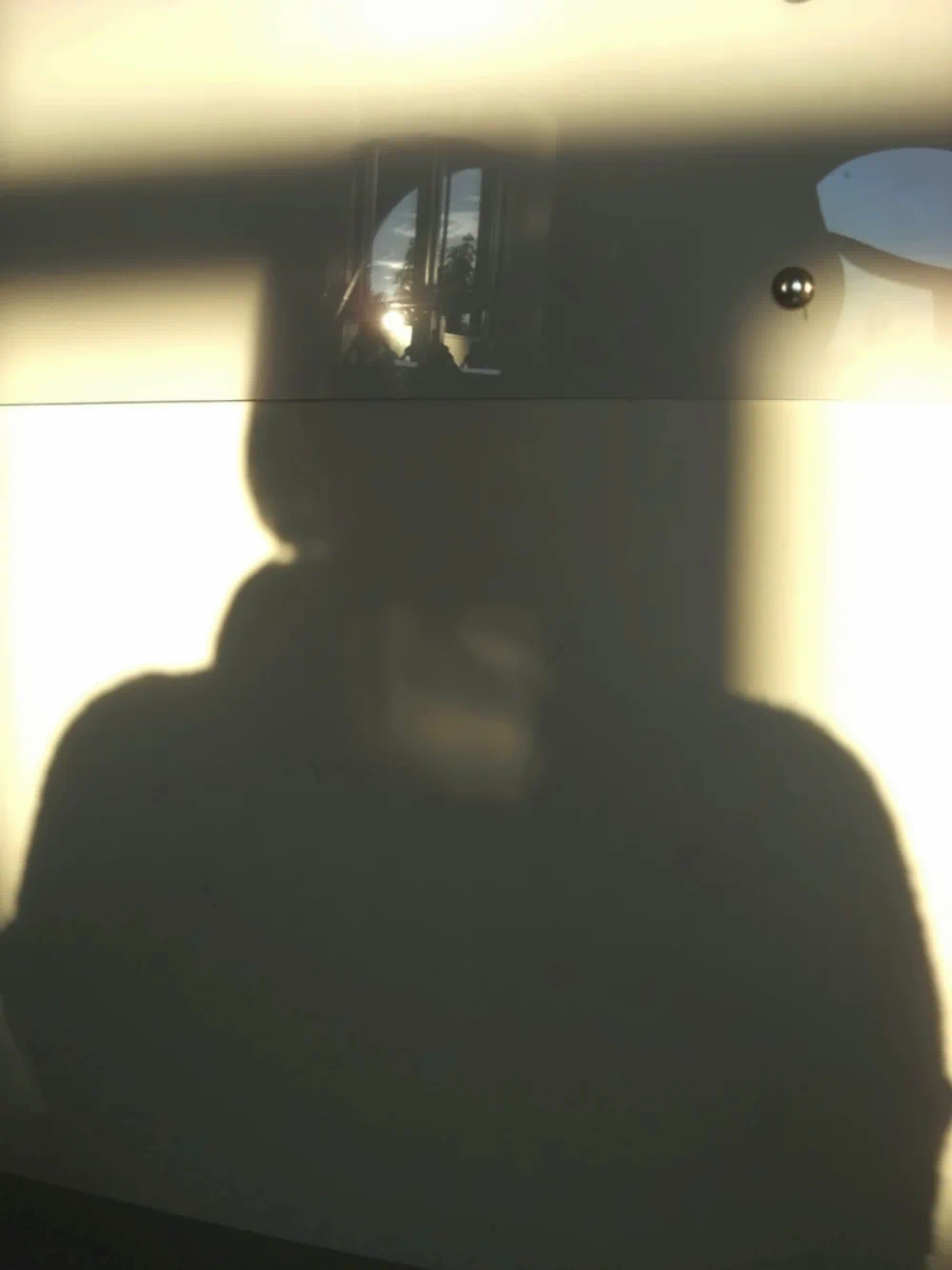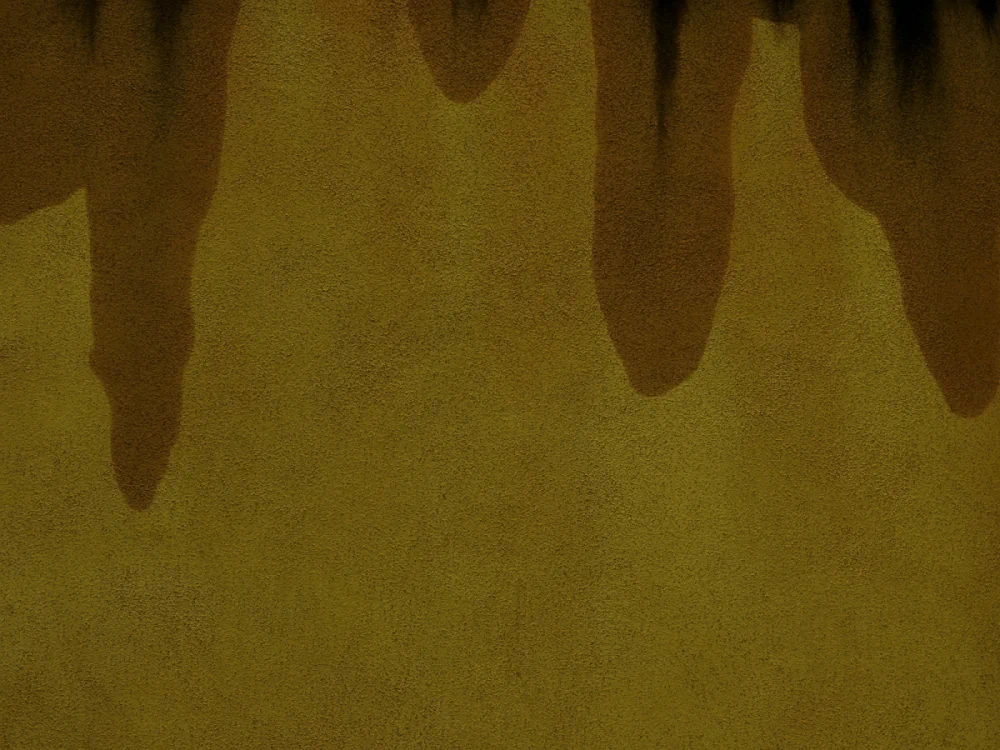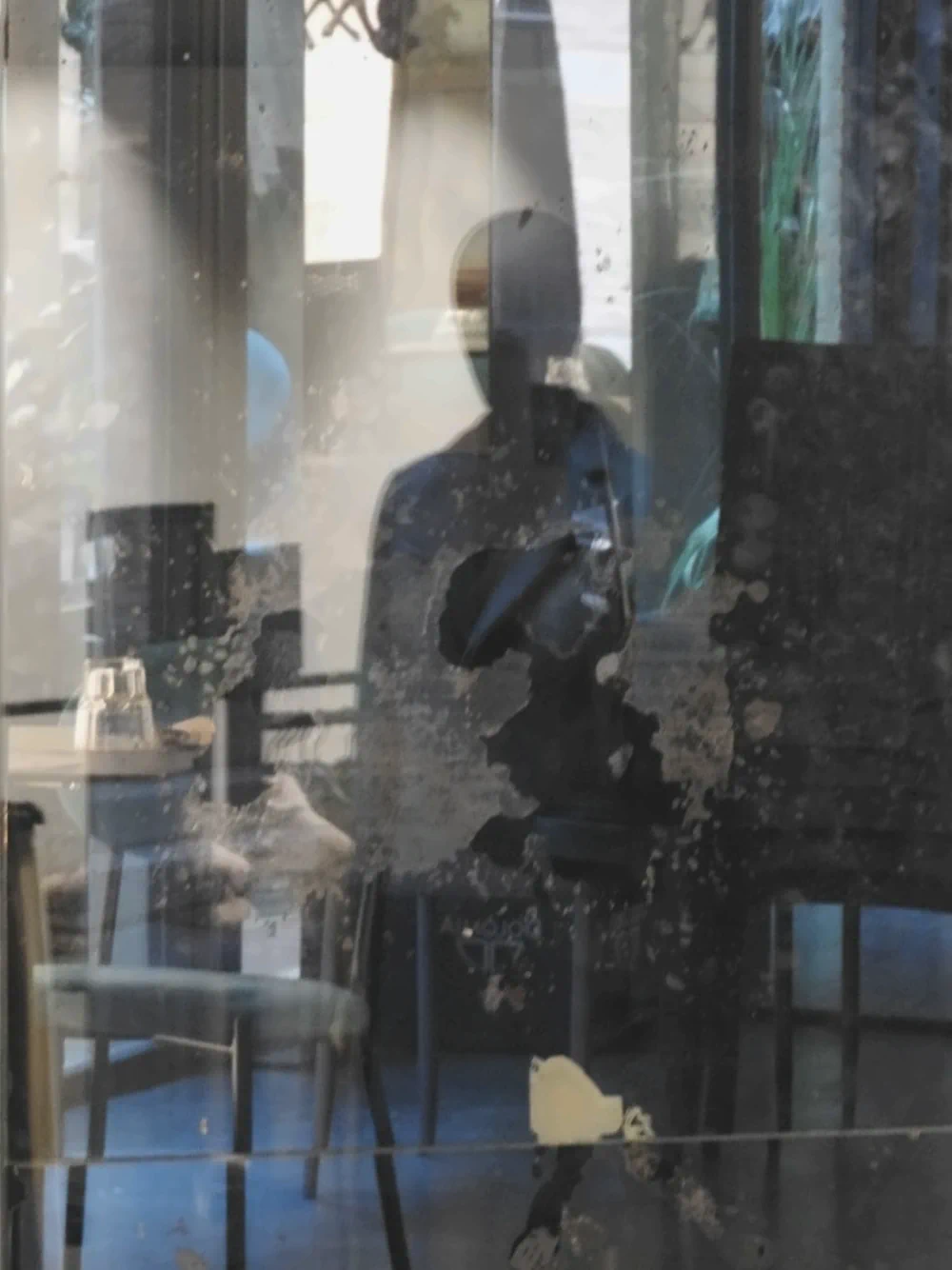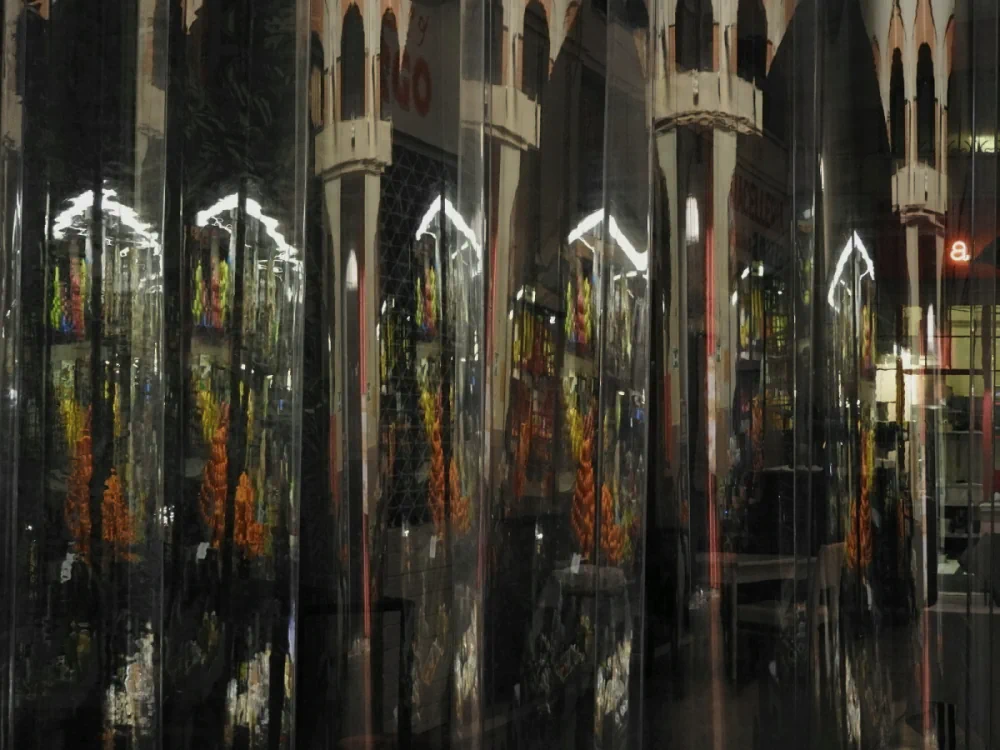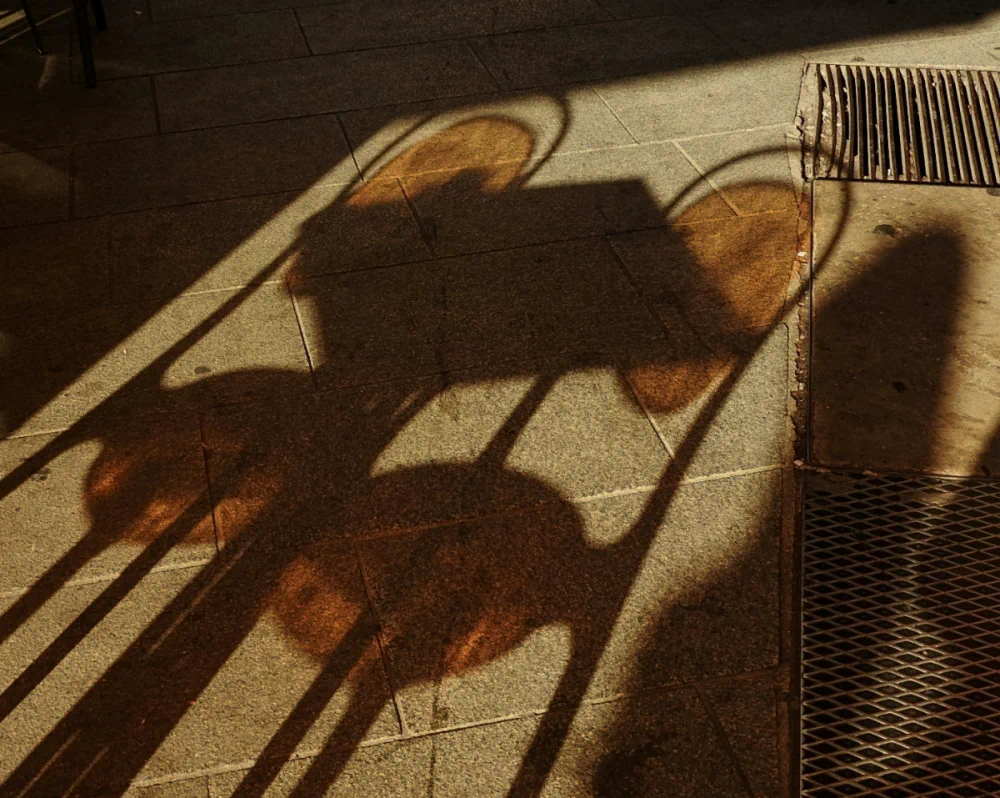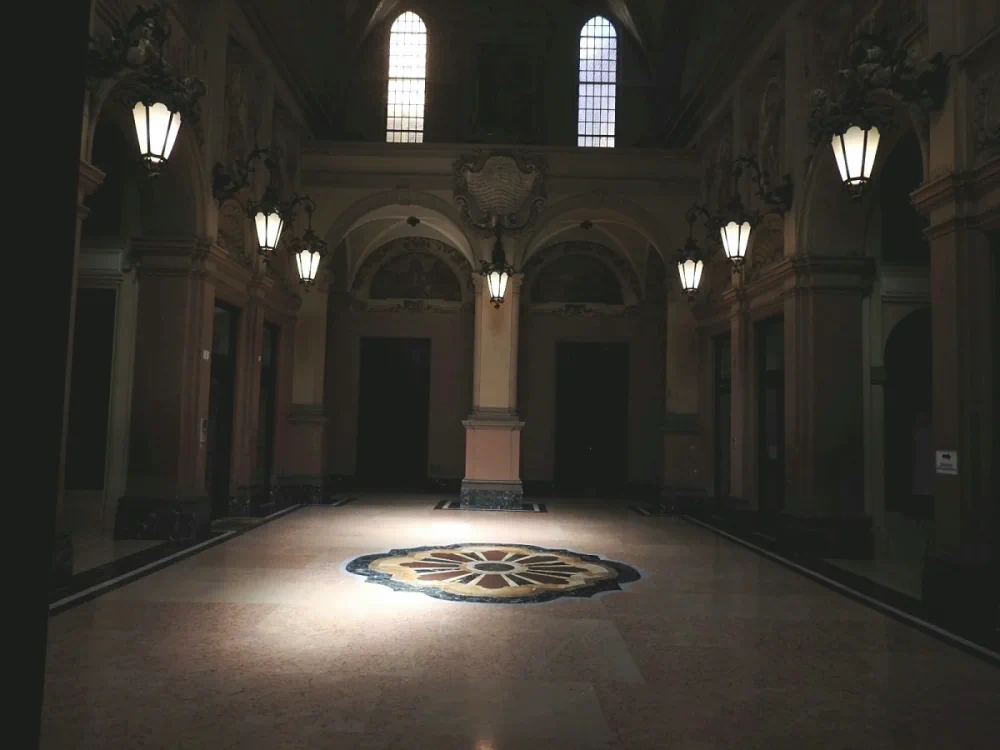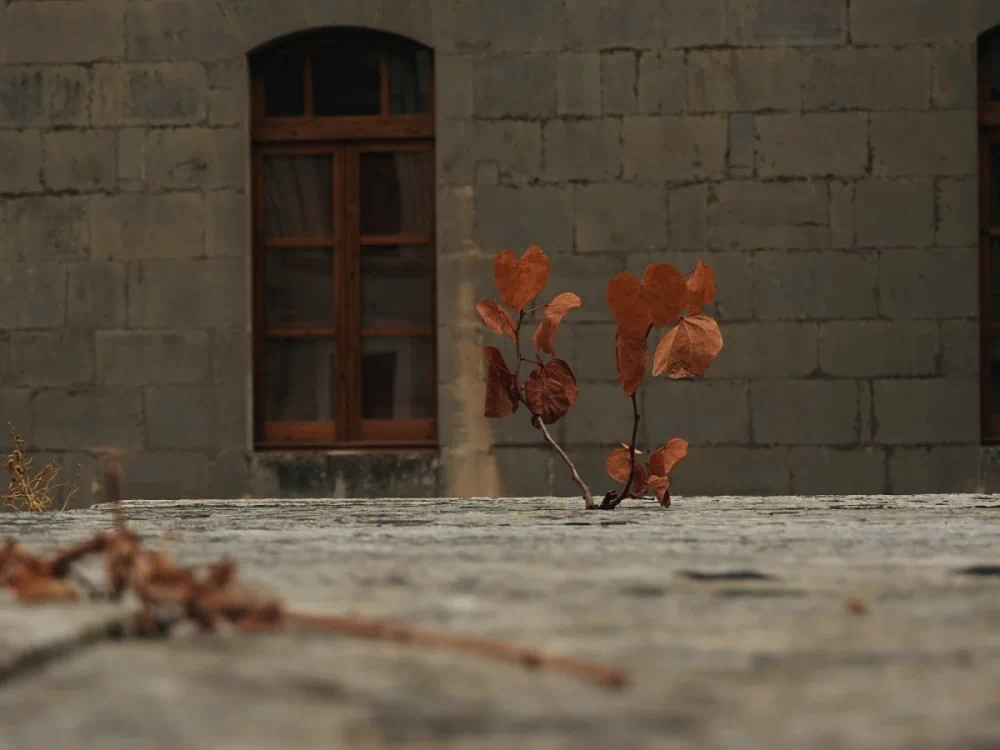

This work is a sequence of perceptual states in which form is not stable but in continuous transformation.
It is not constructed around subjects or narrative situations, but around conditions of visibility. The images emerge as events of perception: surfaces, reflections, fragments of light, and shadow that appear without stabilizing into fixed meaning.
The sequence opens with surfaces and thresholds. Walls, fields of color, and luminous zones establish an initial condition in which the visible is not yet organized. The image is not yet directed toward recognition, but remains in a state of emergence, where light defines space before it defines objects.
Perception then enters a more immersive phase. Light becomes more concentrated, and forms approach without stabilizing. What appears remains uncertain, suspended between emergence and dissolution. The image does not resolve into clarity but maintains a tension between presence and instability.
Gradually, recognizability begins to weaken. Figures lose definition, contours dissolve, and what remains are partial presences: stains, blurs, and fragmented traces of form. The image no longer holds onto identification but shifts toward a more fragile state of visibility.
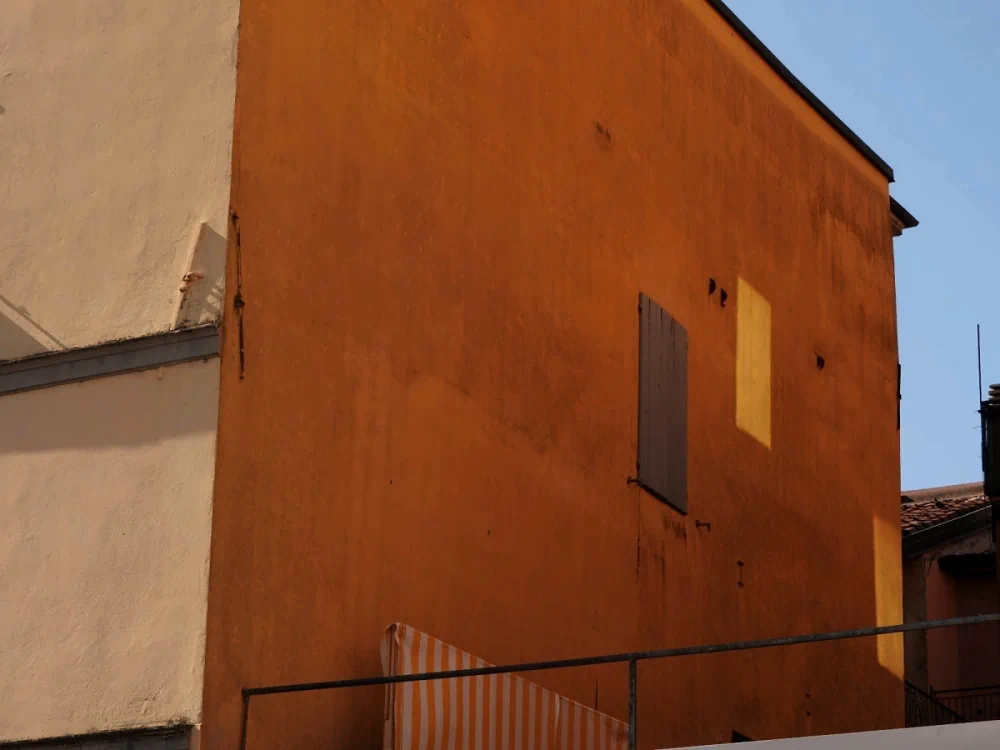
At the center of the sequence, visibility appears indirectly. Reflections, shadows, and fragmented bodies or spaces replace direct representation. The image operates through displacement rather than depiction. What is seen is never fully present in itself, but is always mediated, divided, or partially withdrawn.
From this central point, the sequence begins to open again. Space expands, and perception becomes more rarefied. The intensity of visibility decreases, not toward absence, but toward a different density of appearance. What remains is less about recognition and more about the persistence of visual phenomena.
The closing images introduce a final shift. The visual field becomes more lateral, fragile, and suspended. There is no resolution or closure, but rather a residual presence that remains active without concluding the sequence.
Throughout the work, the image is not used as a tool for description or interpretation. It does not explain what is seen, nor does it construct a narrative around it. Instead, it remains within the moment of appearance itself.
The work can be understood as an exploration of visibility as an event: something that happens, stabilizes only briefly, and then transforms again. What is at stake is not what the image represents, but the conditions under which something becomes visible at all.
The image does not describe or interpret: it happens.

About Loredana Sansavini
Loredana Sansavini is an Italian photographer working in the field of contemporary photography. Her research focuses on the relationship between perception, presence, and representation, with particular attention to spaces and subjects that resist immediate interpretation.
Her work often investigates environments in which their intended function has been reduced or suspended. Through a minimal and rigorous visual language, she explores how images can reveal what remains when action, narrative, and intention are no longer central.
Rather than constructing scenes, her approach is based on observation and attentiveness to what is already present. This process allows subtle perceptual shifts to emerge, in which the visible is defined not by what it represents, but by how it is encountered.
Alongside her photographic practice, she has pursued, for many years, a path in disciplines related to attention and awareness, which influence her way of seeing and working with images. Without being explicit, this dimension contributes to a method that privileges clarity, precision, and a reduction to the essential.
Her work is oriented toward an essential and open visual language in which meaning is not imposed but allowed to emerge through the act of looking.
She expresses her deep gratitude to Franco Bertossa and Beatrice Benfenati of the Asia Association in Bologna, whose teaching continues to guide her way of seeing, cultivating attention, and approaching the photographic image. [Official Website]