

Street photography is often defined too quickly and too narrowly. It is commonly described as photography taken in the street, in public space, or in everyday environments.
Yet such definitions fail to explain why the genre has remained central to photographic culture for more than a century. Street photography is not merely about where photographs are made, but about how photographers engage with reality. It is a sustained practice of attention directed toward the unpredictable, the ordinary, and the socially shared.
The genre exists because modern life created the conditions that made it necessary. The expansion of cities during the nineteenth century transformed human experience in ways that had never previously occurred at such scale. Industrialization reorganized time, transportation compressed distances, and anonymous crowds replaced the slower, more localized rhythms of premodern societies. These changes produced a new visual environment characterized by simultaneity, fragmentation, and constant movement. Photography, especially after the invention of lightweight cameras, became the medium best suited to respond.
Street photography emerged not as a stylistic choice but as a cultural response to this transformation. It allowed photographers to register fleeting encounters, transient gestures, and spatial relationships that reflected the reality of modern urban existence. The camera became a tool for understanding how individuals lived together without necessarily knowing one another.
Unlike studio-based traditions, street photography does not construct meaning in advance. It depends on situations that unfold independently of the photographer’s intention. A moment may appear, align, and vanish within seconds. The photographer must recognize it without controlling it. This reliance on contingency distinguishes the practice from other forms of image-making that depend on planning or direction.
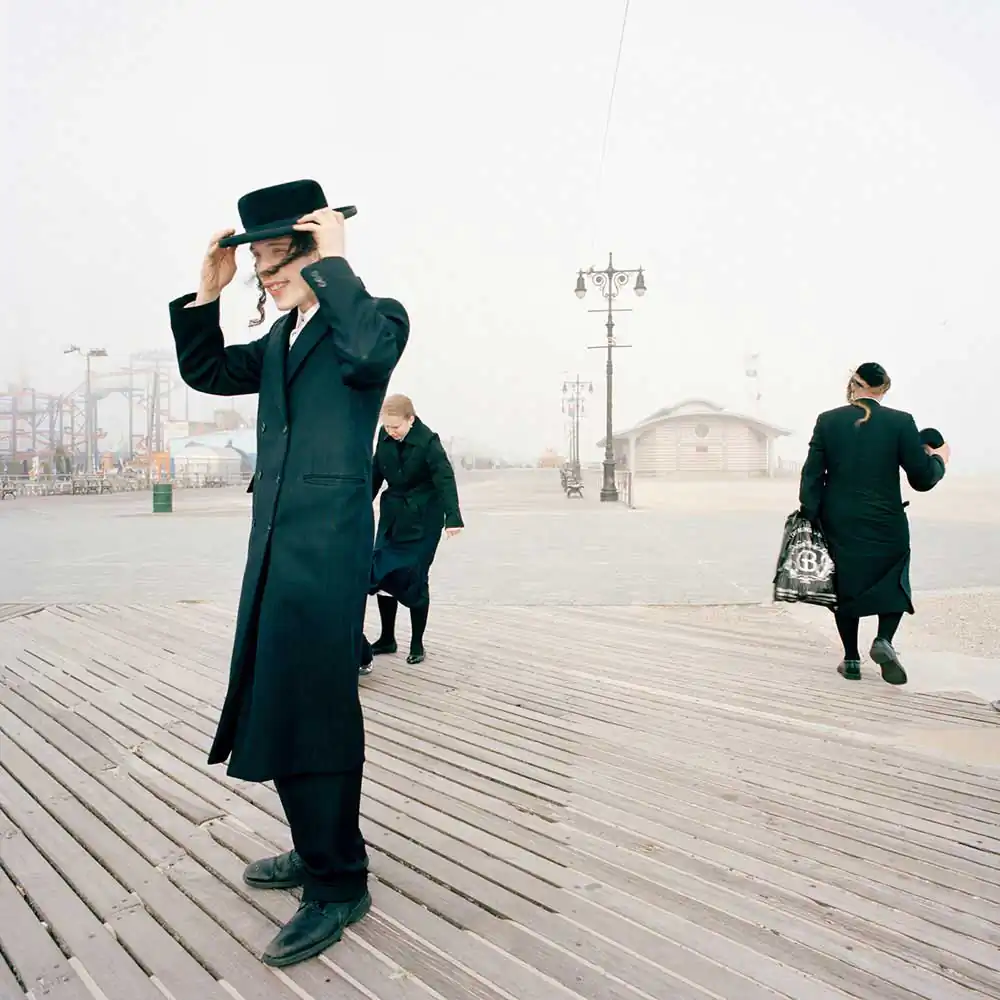
Yet this unpredictability does not imply randomness. Street photography is grounded in method. Photographers develop habits of movement, returning repeatedly to particular streets, neighborhoods, or intersections. They learn how light behaves at certain hours, how people circulate through space, and how visual relationships emerge gradually through familiarity. Observation becomes an embodied practice shaped by walking, waiting, and sustained presence.
Because it operates in shared environments, street photography inevitably raises ethical questions. The act of photographing strangers without prior interaction introduces tensions between visibility and privacy, between witnessing and intrusion. These tensions are not peripheral to the genre but fundamental to it. Street photography forces photographers to confront responsibility in real time, making ethical awareness inseparable from visual awareness.
At the same time, the genre provides a powerful means of observing how societies function informally. Street photographs reveal how individuals occupy public space, how they negotiate proximity, and how cultural norms manifest through everyday behavior. These images rarely narrate events; instead, they capture fragments that, collectively, form a visual sociology of urban life.
Although early histories emphasized a limited set of European and American cities, street photography has developed into a global practice shaped by diverse cultural contexts. Each environment produces its own rhythms of interaction, its own spatial logic, and its own visual sensibilities. The street is not universal; it is culturally constructed, and photography reflects those differences. Over time, the aesthetic assumptions associated with the genre have also evolved. Classical approaches often emphasized formal balance and clarity, seeking moments where composition and meaning converged precisely. Contemporary photographers, however, frequently embrace ambiguity, fragmentation, and unresolved narratives that mirror the complexity of contemporary perception.
The city itself plays an active role in shaping the image. Architecture, signage, infrastructure, and circulation patterns influence not only what can be photographed but how it appears. Urban space is not a passive backdrop but a collaborator that structures visual experience and guides the photographer’s attention. Technological transformation has further altered these dynamics. The proliferation of smartphones, surveillance systems, and digital platforms has made image-making ubiquitous, changing how people behave in public and how photographs circulate. Street photography now exists within a world already saturated with visual recording, making intentionality more important than access to technology.
Throughout its history, the genre has occupied an ambiguous position between artistic expression and documentary record. It neither explains reality nor invents it. Instead, it interprets lived experience through selection, framing, and timing. This hybridity allows street photography to function simultaneously as observation and reflection. Its visual language has also diversified. While early street photography is often associated with black and white imagery, contemporary practice incorporates color as an essential element of urban perception, acknowledging the chromatic complexity of modern environments.
Street photography also functions as a form of memory. By isolating fleeting situations, it preserves fragments of everyday life that later acquire historical meaning. The images become records not of monumental events but of lived experience, allowing future viewers to encounter past realities through ordinary moments.
Many of these images reveal a paradox central to urban existence: cities bring people together physically while leaving them psychologically separate. Street photography has long explored this coexistence of proximity and solitude, capturing moments of introspection within crowded environments.
As societies evolve, the everyday life documented by street photography evolves as well. Changes in technology, work, mobility, and communication continually reshape how public space is inhabited. The genre records these transformations not through spectacle but through subtle shifts in behavior and atmosphere.
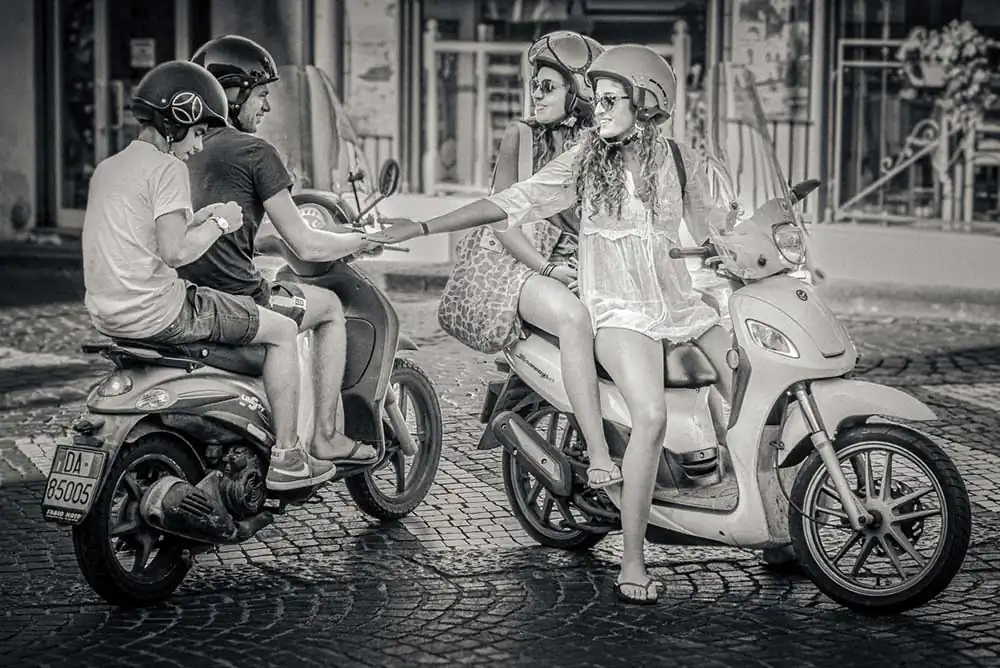
Visibility itself remains one of the central concerns of the practice. Every photograph determines who appears and how they appear, revealing underlying dynamics of power, recognition, and attention embedded within public space. Taken together, these perspectives demonstrate that street photography is not a fixed genre but an evolving framework for understanding how individuals share space, how societies change, and how meaning emerges from everyday experience. It persists because the conditions it examines—movement, coexistence, unpredictability—remain fundamental to modern life.
In an era defined by image saturation, street photography continues to matter precisely because it resists passive seeing. It demands attention, patience, and interpretation. By selecting moments from the continuous flow of public life, it transforms the ordinary into a form of knowledge about how we inhabit the world together.
Street photography also persists because it addresses something fundamental about perception itself. In contemporary life, attention is constantly fragmented. Screens, notifications, and mediated experiences compete for cognitive space, reducing the amount of time individuals spend truly observing their surroundings. Street photography resists this condition. It is built on sustained looking. The photographer must remain present long enough for relationships between people, objects, and environments to become visible.
This requirement transforms the act of photographing into a discipline of awareness. Rather than collecting images, street photographers learn to filter reality, distinguishing between what is merely visible and what is visually meaningful. This distinction is crucial. The street offers an infinite number of possible images, yet only a few contain the tension, ambiguity, or resonance capable of sustaining attention beyond the instant of capture.
The genre therefore depends less on access and more on perception. Anyone can stand in a street; far fewer can recognize when something significant is unfolding within it.
Another reason for the continued relevance of street photography lies in its relationship to time. Unlike staged photography, which constructs a controlled present, street photography captures time as interruption. Moments appear incomplete, gestures unresolved, narratives fragmentary. These qualities mirror the structure of lived experience itself, where meaning rarely arrives fully formed.
Street photographs do not explain events. They suggest them. They operate through implication rather than conclusion, leaving viewers to reconstruct context from limited visual information. This openness is not a weakness but a defining strength. It allows photographs to remain active over time, inviting reinterpretation as cultural conditions change.
The genre also reveals how public space functions as a shared psychological environment. Streets are not merely physical infrastructures; they are arenas of behavior shaped by expectation, habit, and collective negotiation. People adjust posture, speed, and attention depending on where they are and who surrounds them. Street photography visualizes these invisible agreements, making social choreography visible.
In this sense, street photography overlaps with anthropology, architecture, and sociology without becoming reducible to any of them. It observes without formal research structures, yet its images often reveal patterns that structured analysis later confirms.
The evolution of cities has only intensified these dynamics. Global urbanization has produced environments where historical layers coexist: traditional practices persist alongside rapid technological change. Street photographers working in such environments encounter visual contradictions that cannot be simplified into single narratives. Their work reflects coexistence rather than resolution.
This coexistence is central to why street photography cannot be defined stylistically. Some photographers emphasize geometry and formal structure; others focus on psychological presence or social commentary. The genre accommodates these differences because it is defined by engagement with public life rather than adherence to aesthetic rules.
Digital culture has introduced additional complexity. The ease of producing and distributing images risks reducing photography to continuous output. Street photography, when practiced seriously, moves in the opposite direction. It requires selection, editing, and refusal. Most moments are rejected so that a few can be understood.
This editorial discipline separates sustained photographic practice from casual image production. A strong street photograph rarely emerges from a single encounter. It is often part of a longer engagement with a place, a recurring return that allows the photographer to see beyond novelty.
Street photography therefore functions not only as image-making but as a way of inhabiting environments attentively. It transforms the city into a site of inquiry rather than consumption.
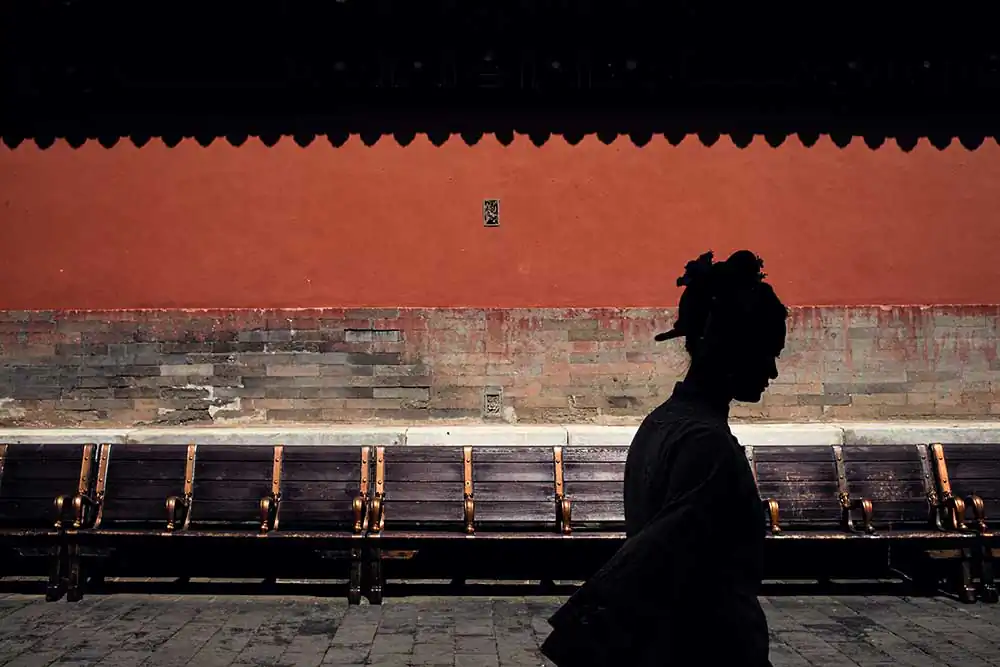
Its endurance across decades suggests that, despite technological change, the fundamental human condition it addresses has not disappeared. People still gather, cross paths, wait, avoid one another, perform routines, and improvise within shared spaces. As long as these behaviors exist, there will be photographers attempting to understand them visually.
Street photography is ultimately less about documentation than about recognition. It recognizes that meaning often appears where nothing extraordinary seems to occur. It recognizes that public life contains subtle tensions that cannot be staged. And it recognizes that seeing is an active process requiring time, patience, and interpretation.
For these reasons, street photography remains one of the most adaptable and intellectually resilient forms of photographic practice. It continues to evolve because the environments it observes continue to change, ensuring that its subject is never exhausted.