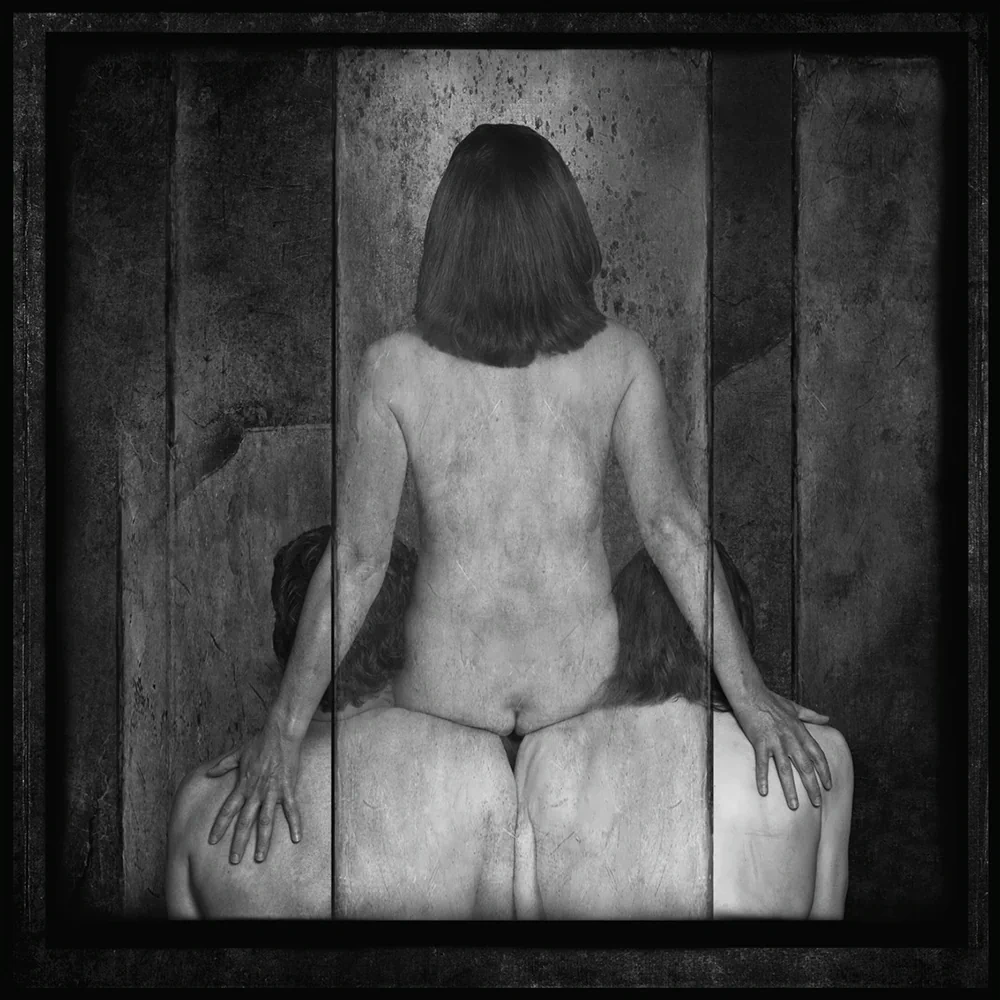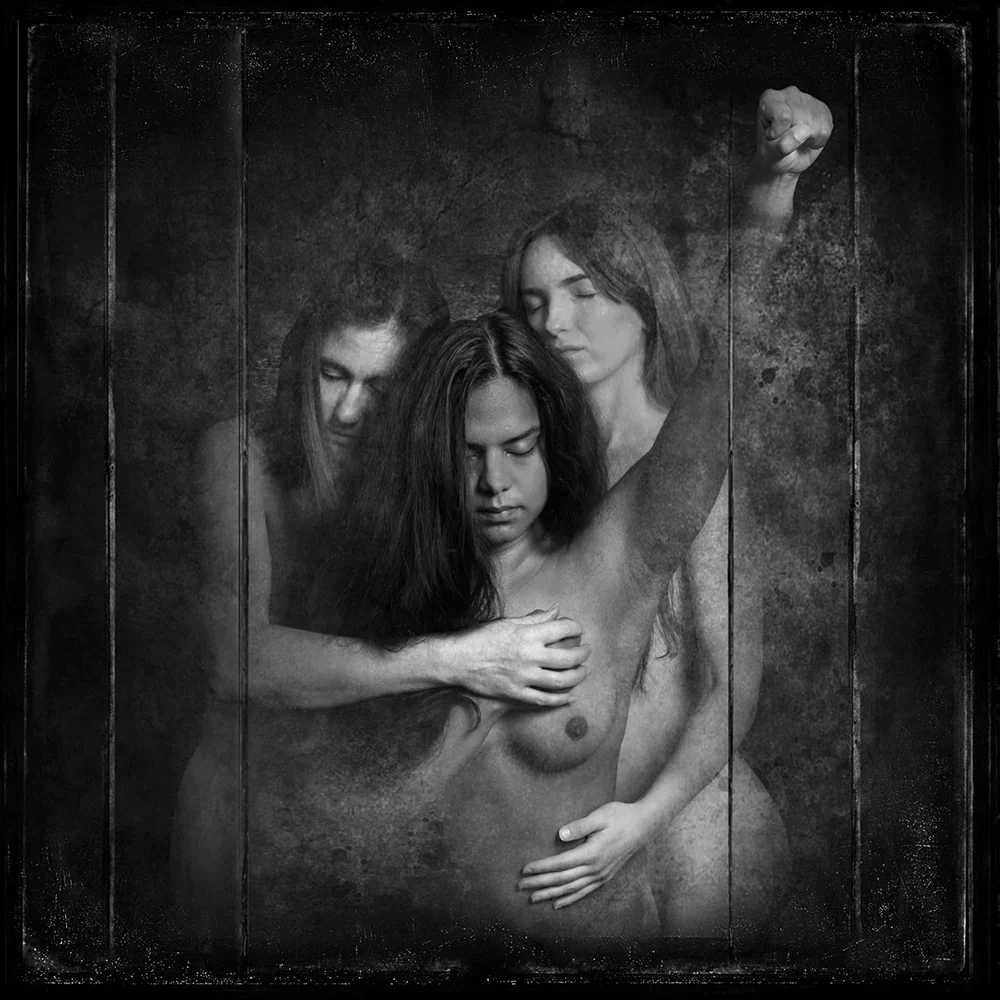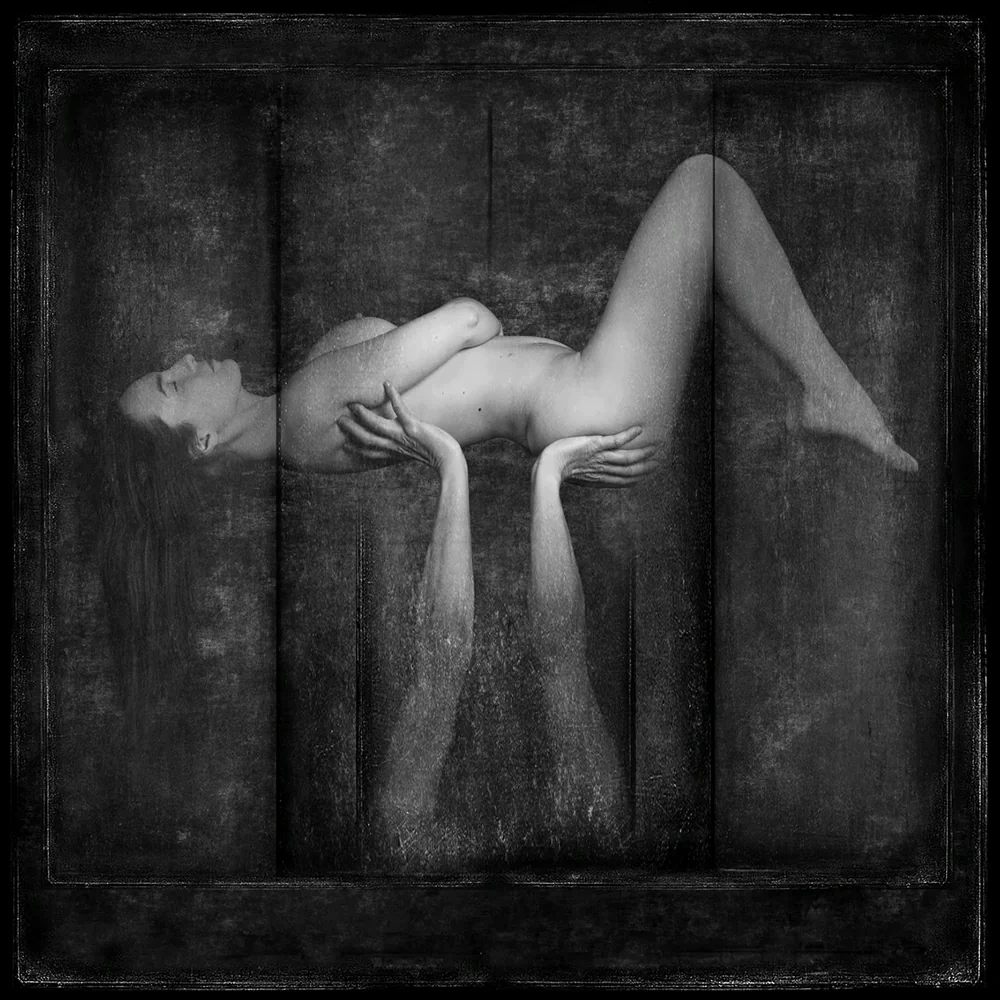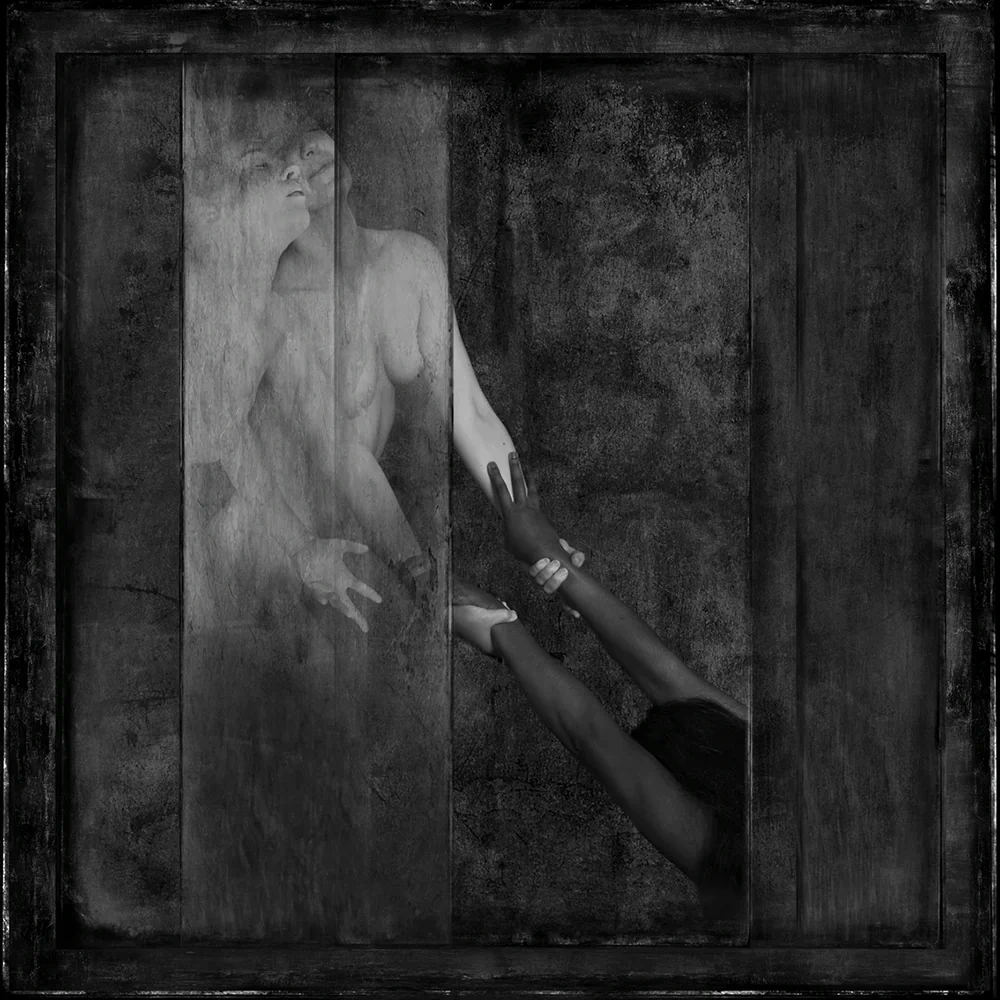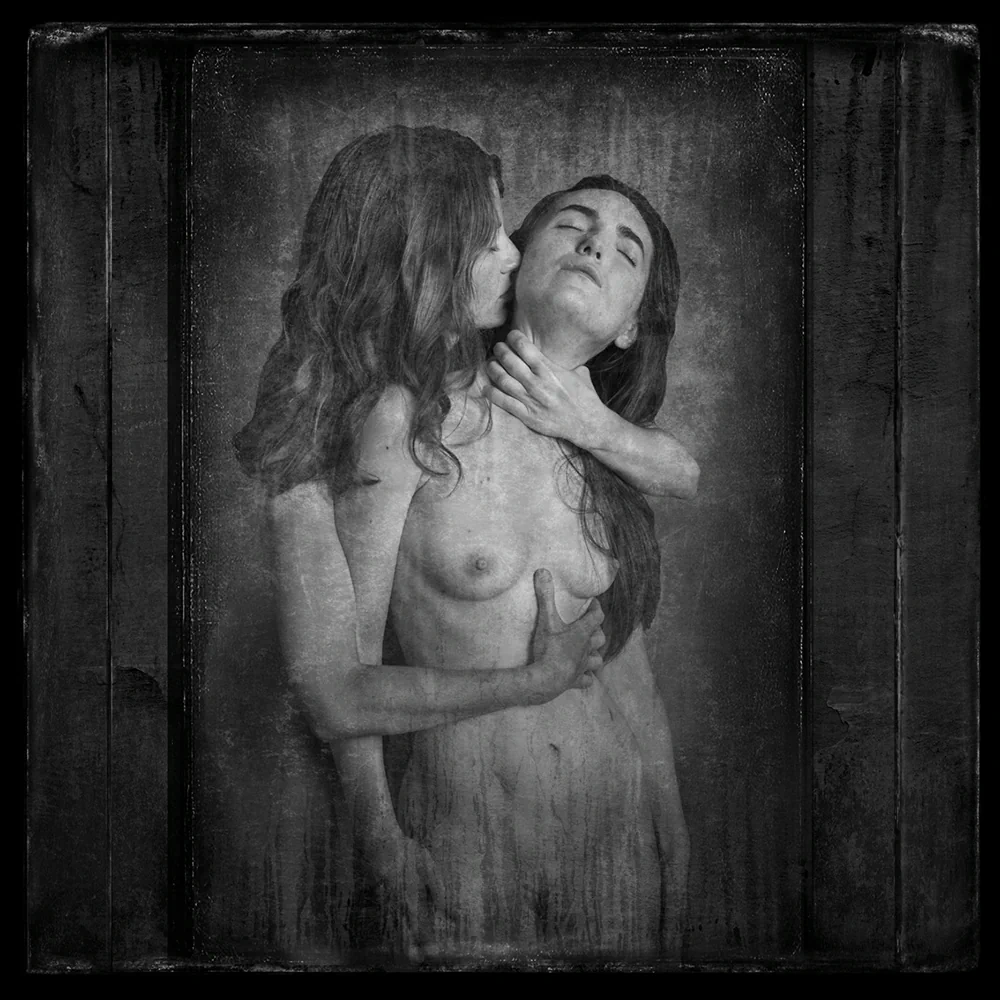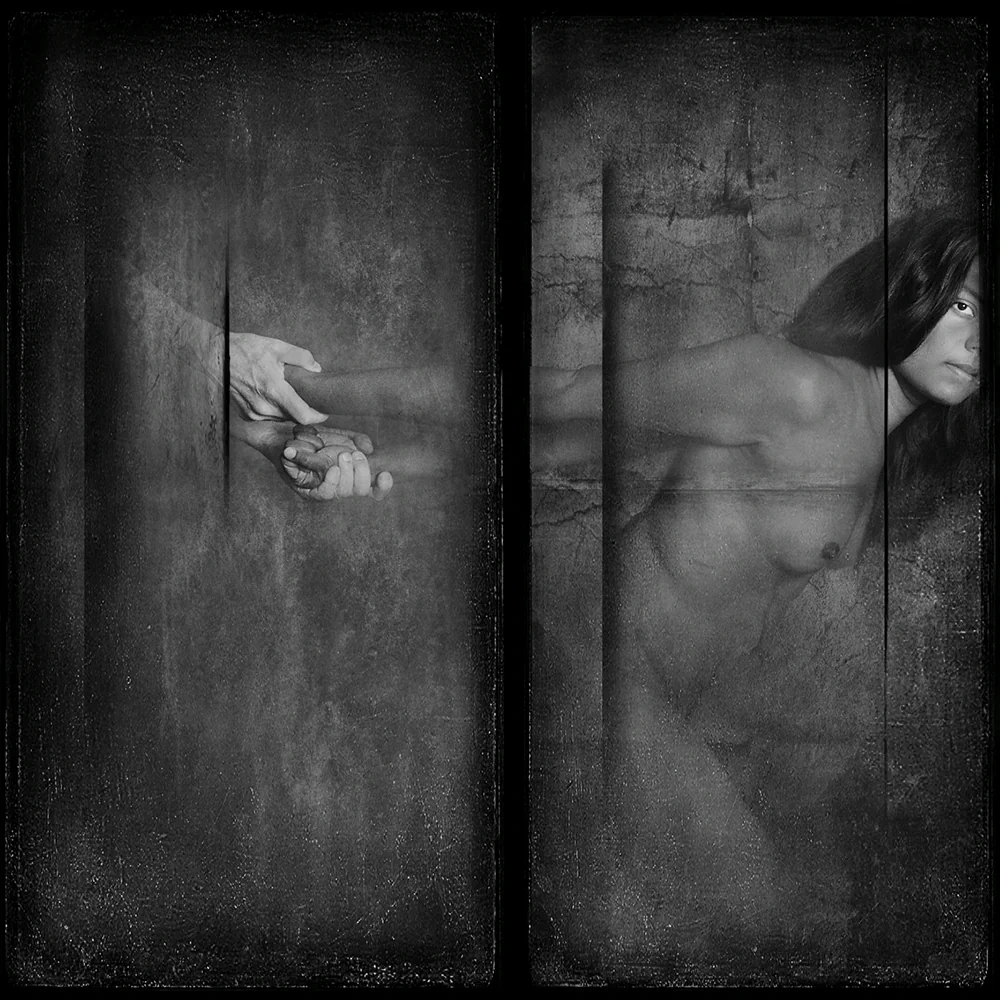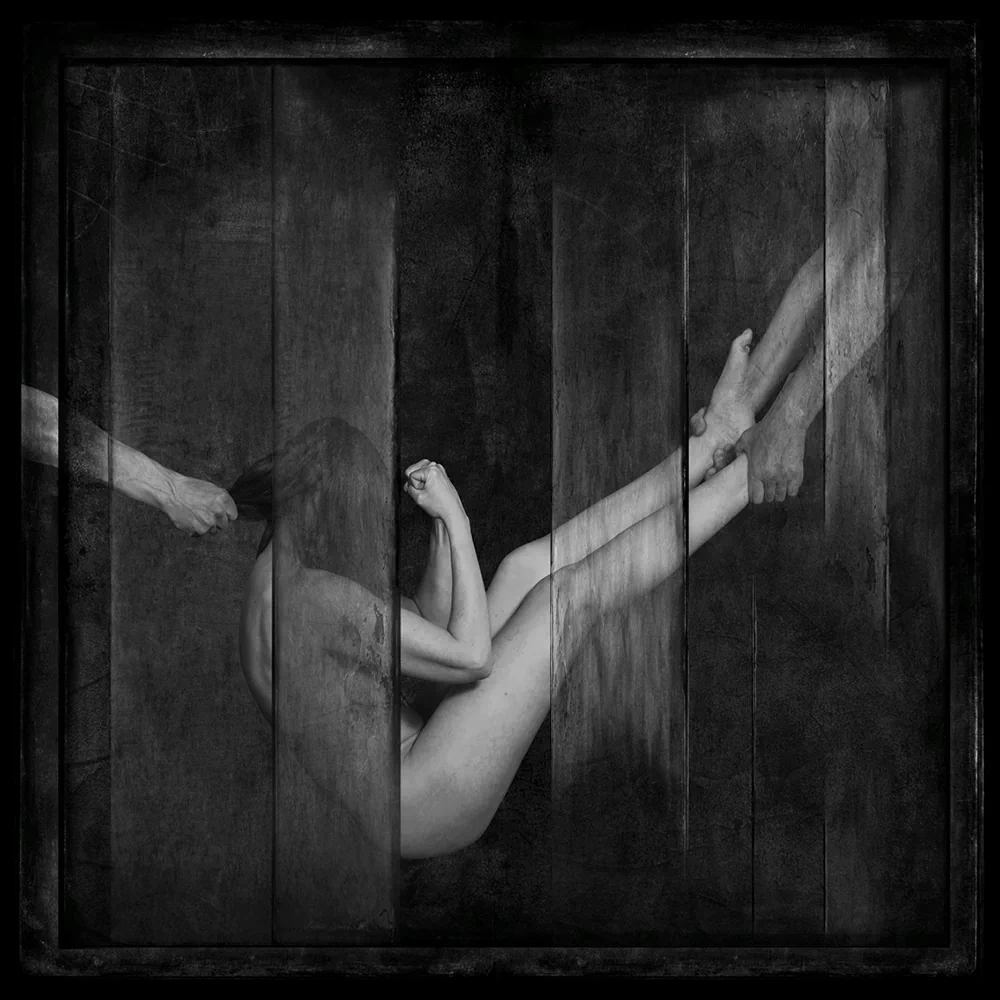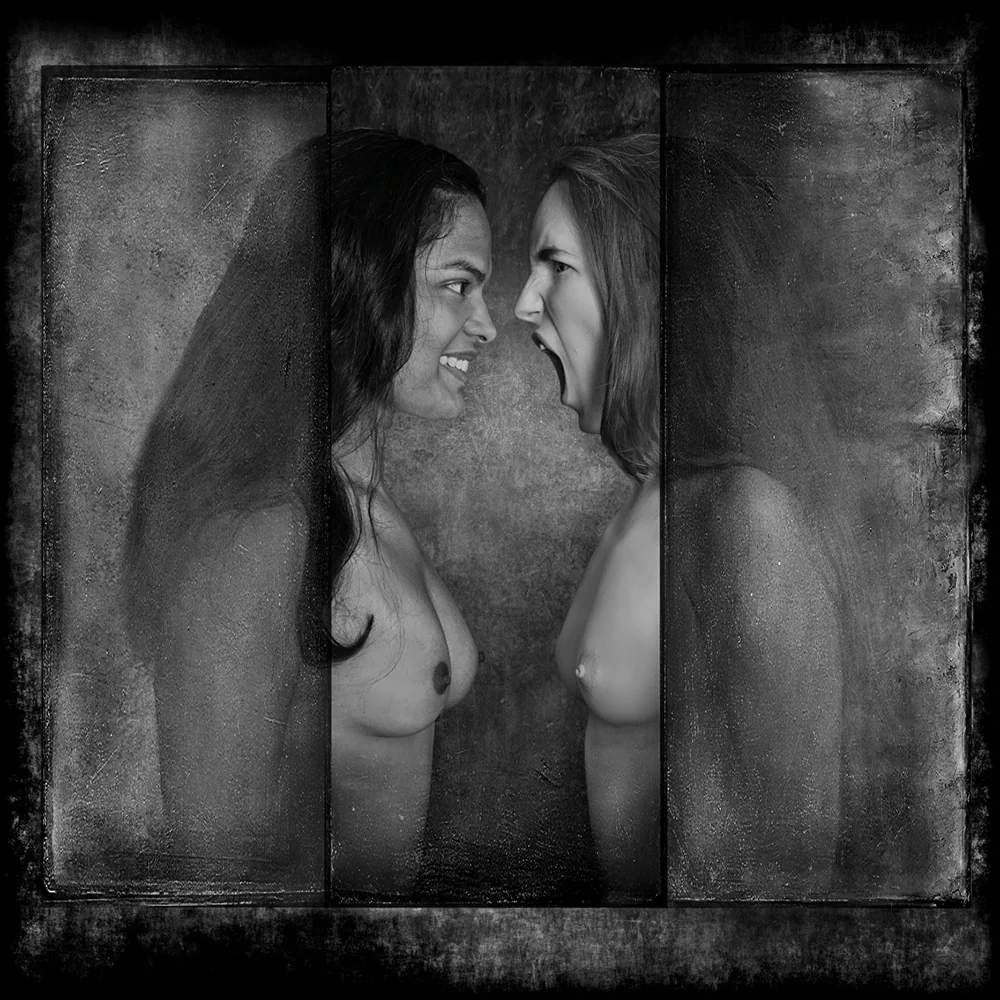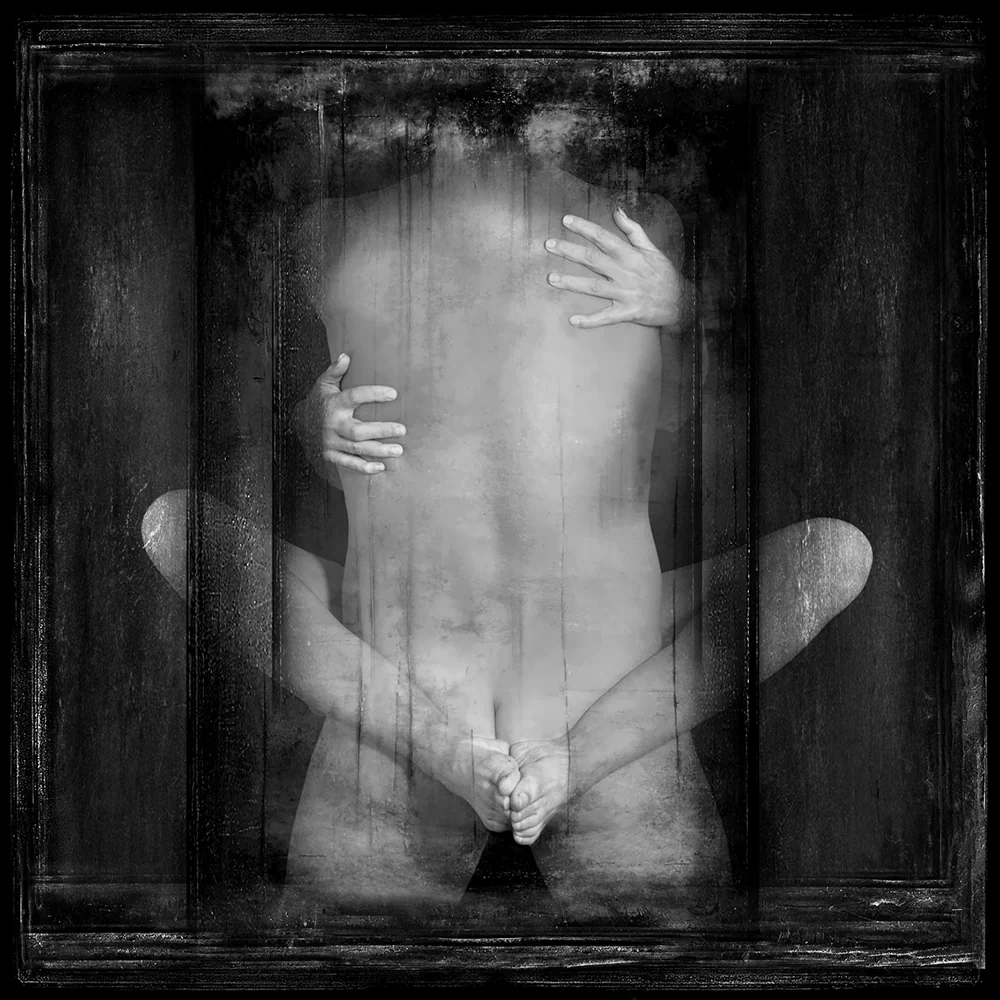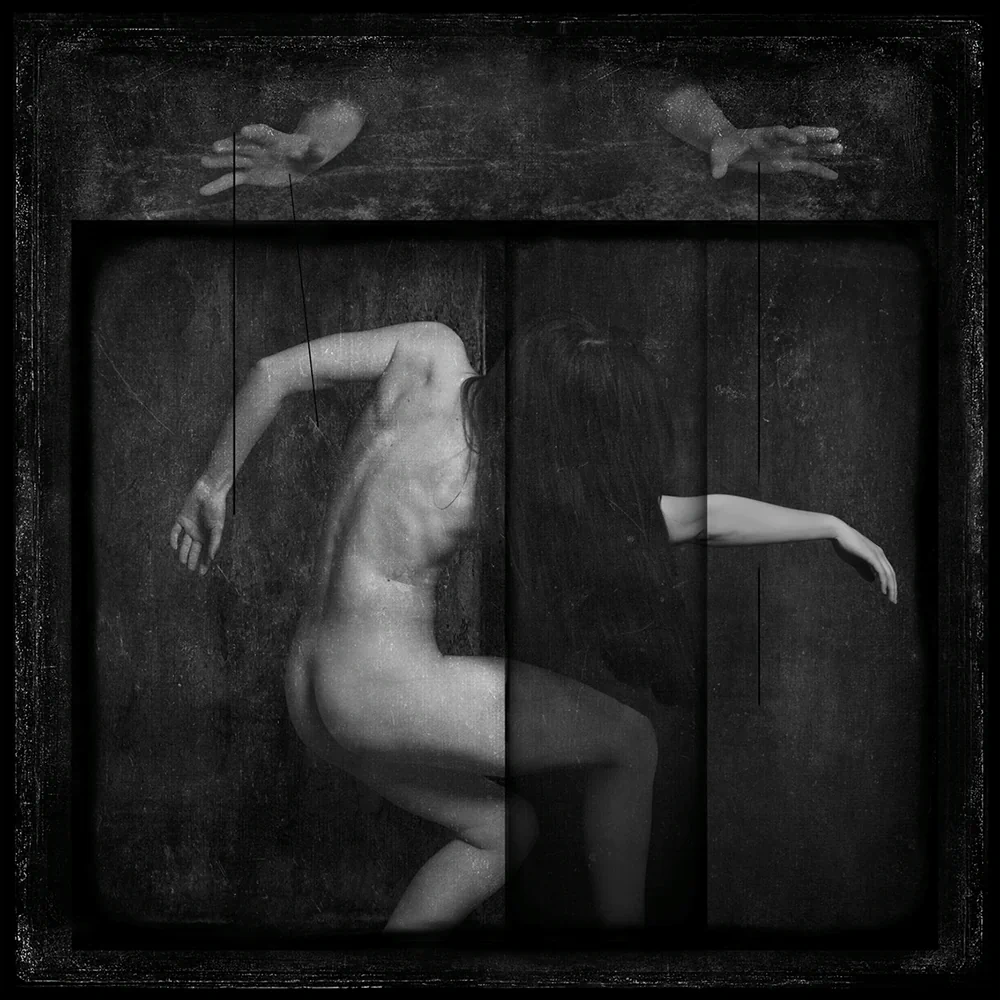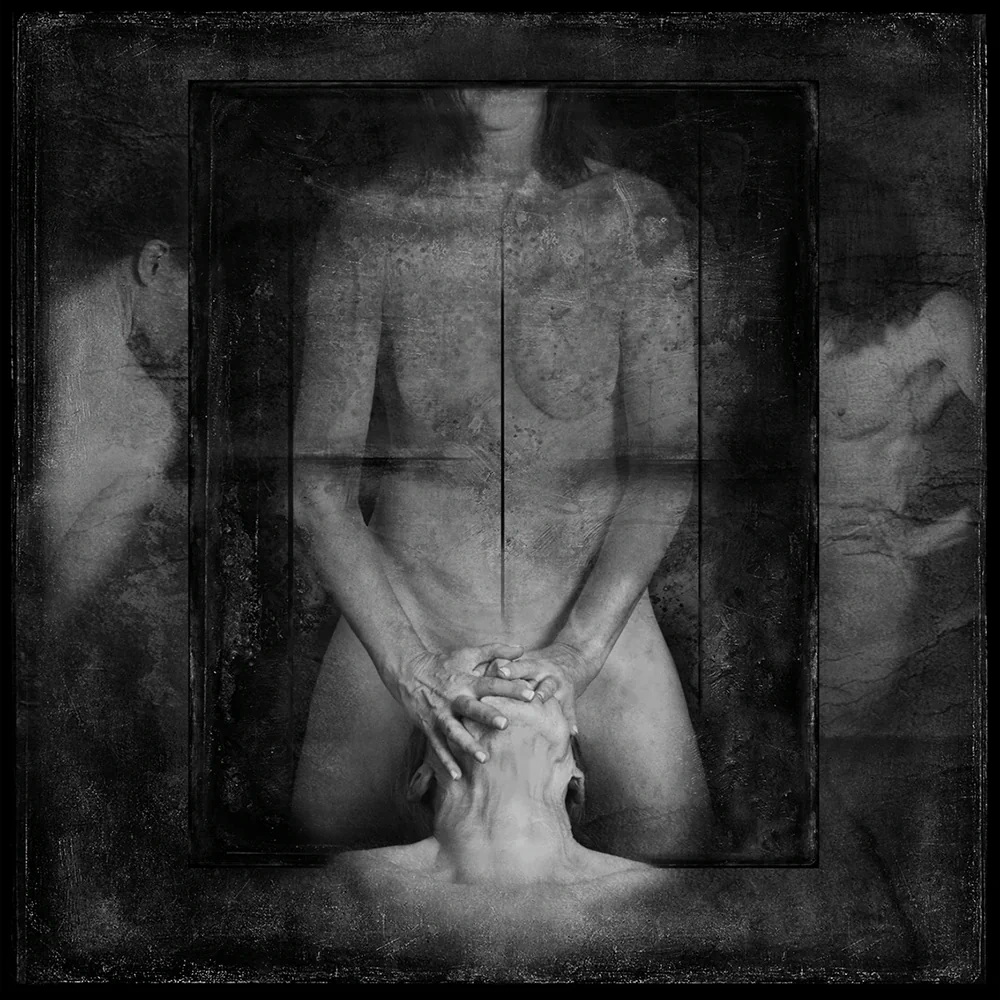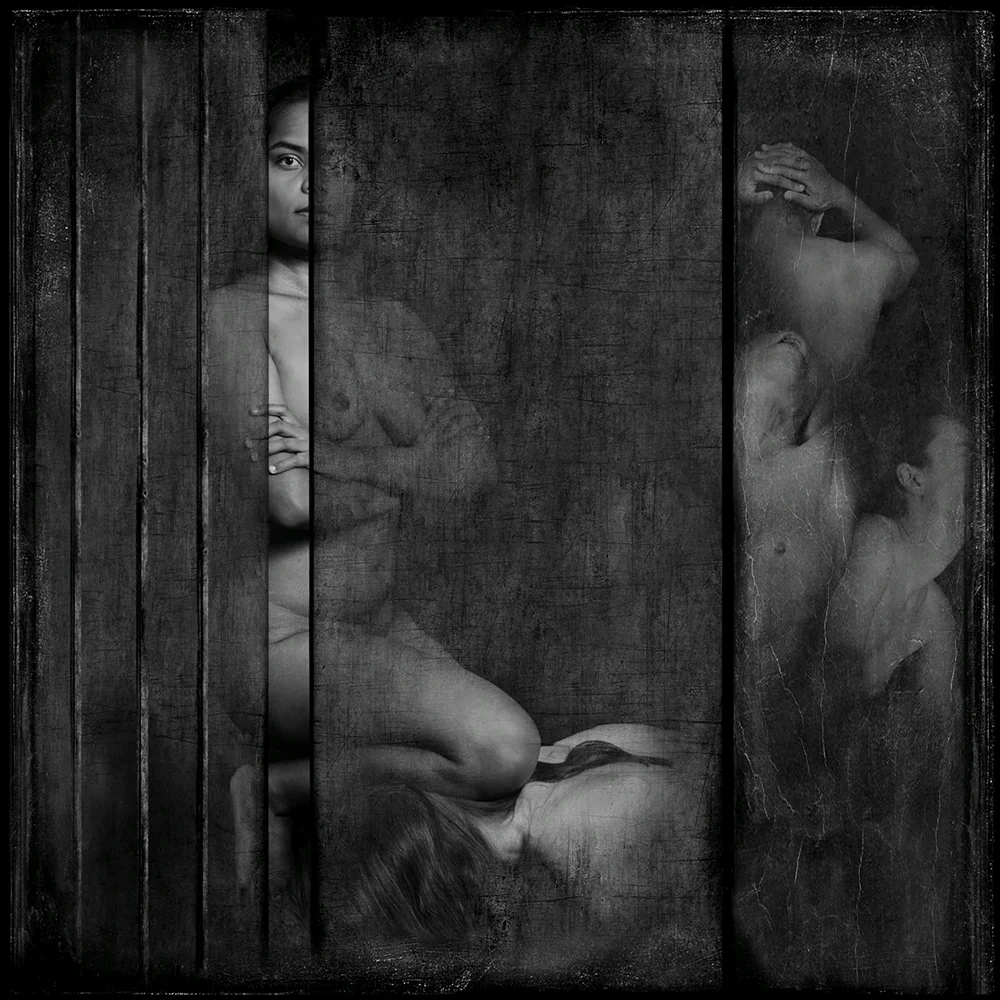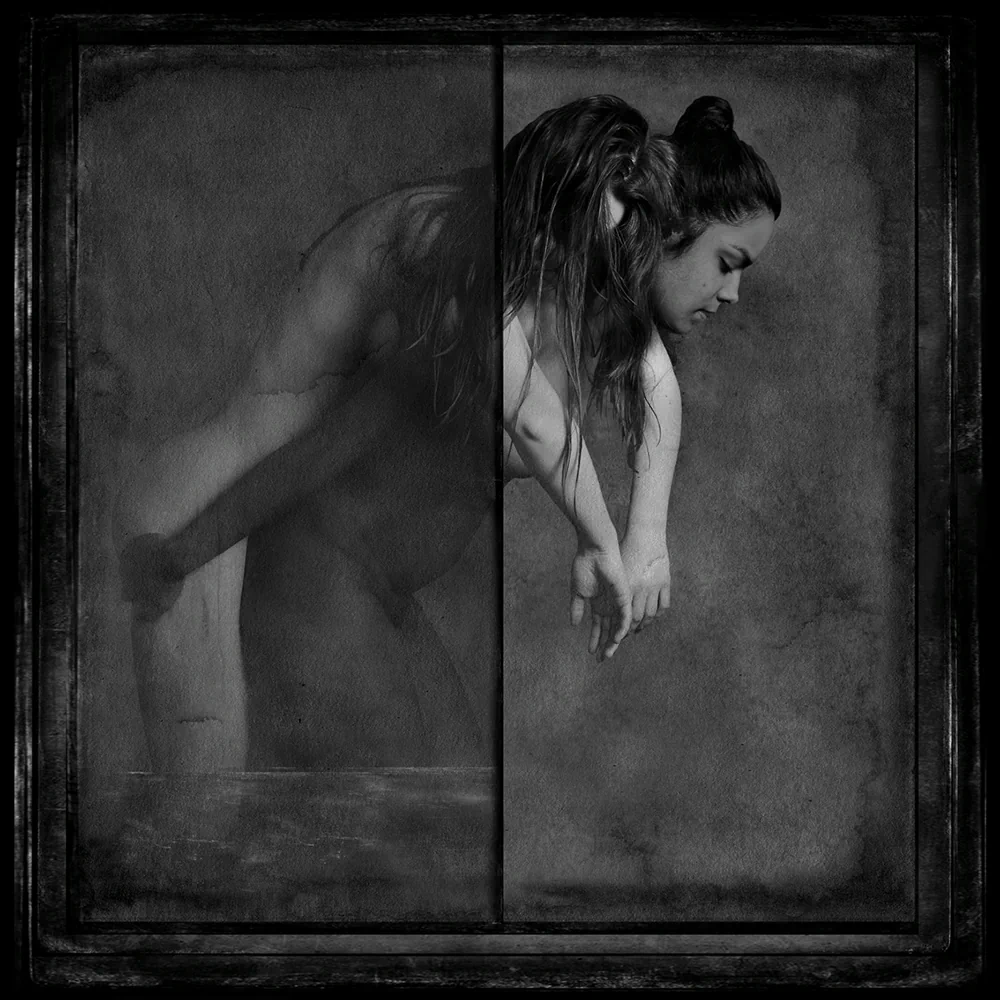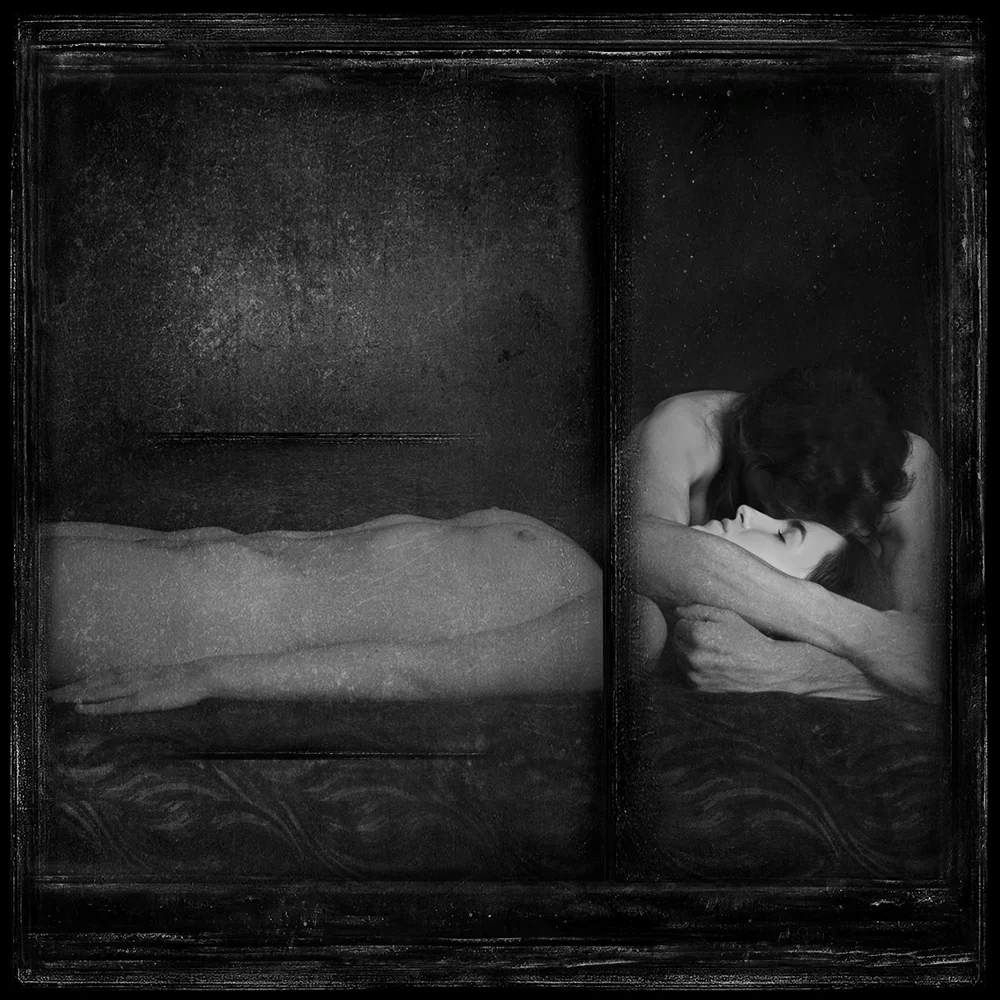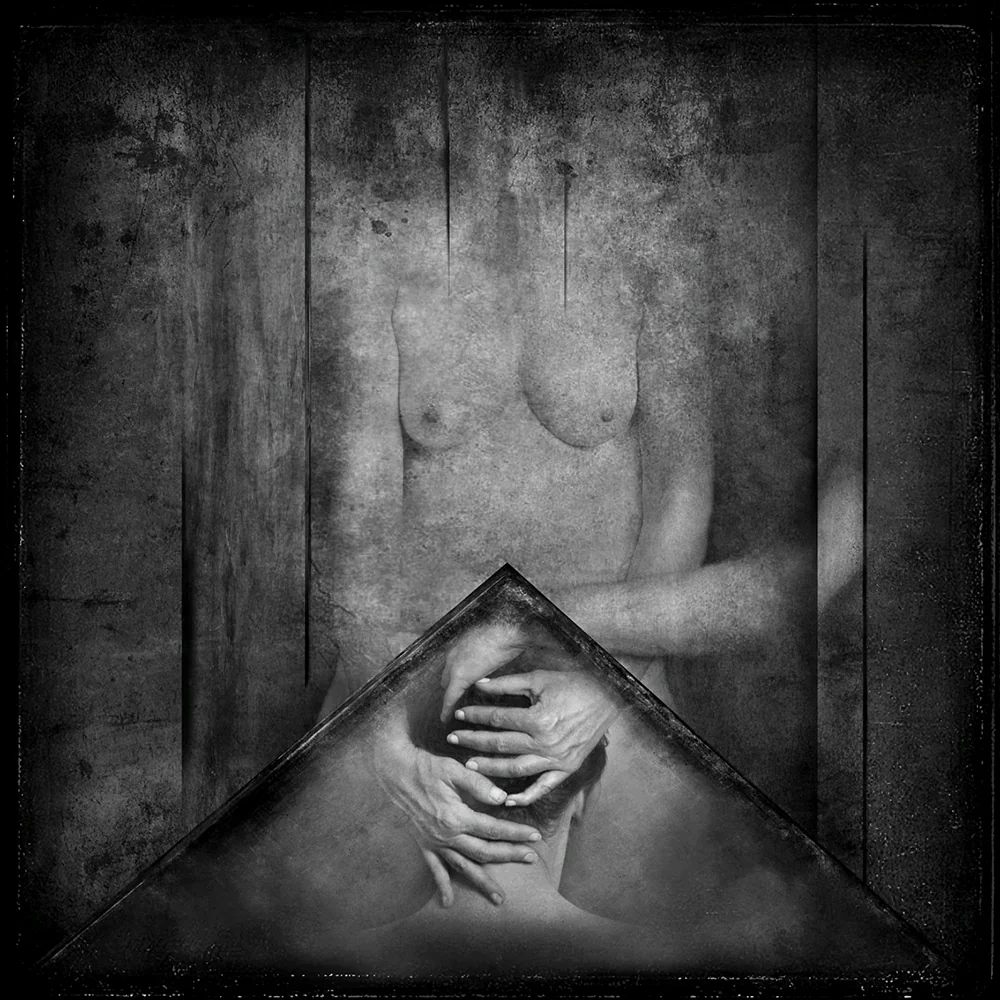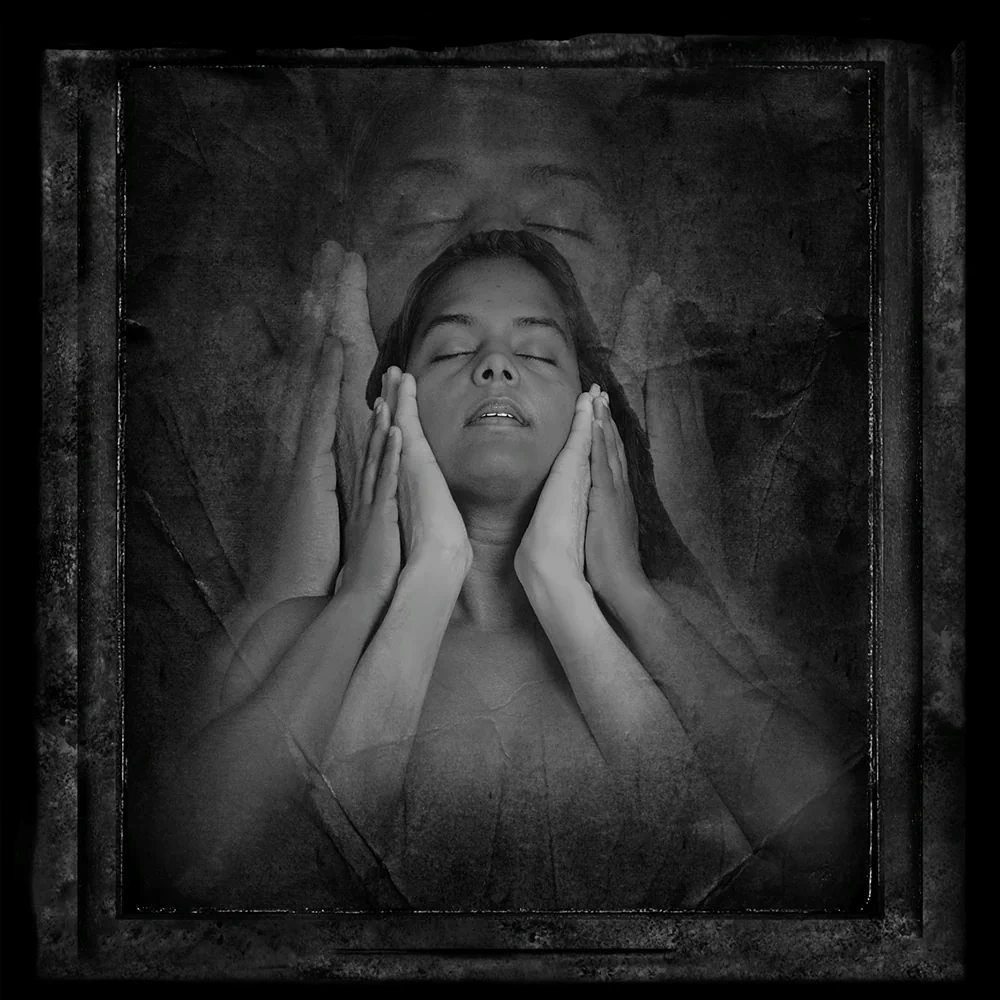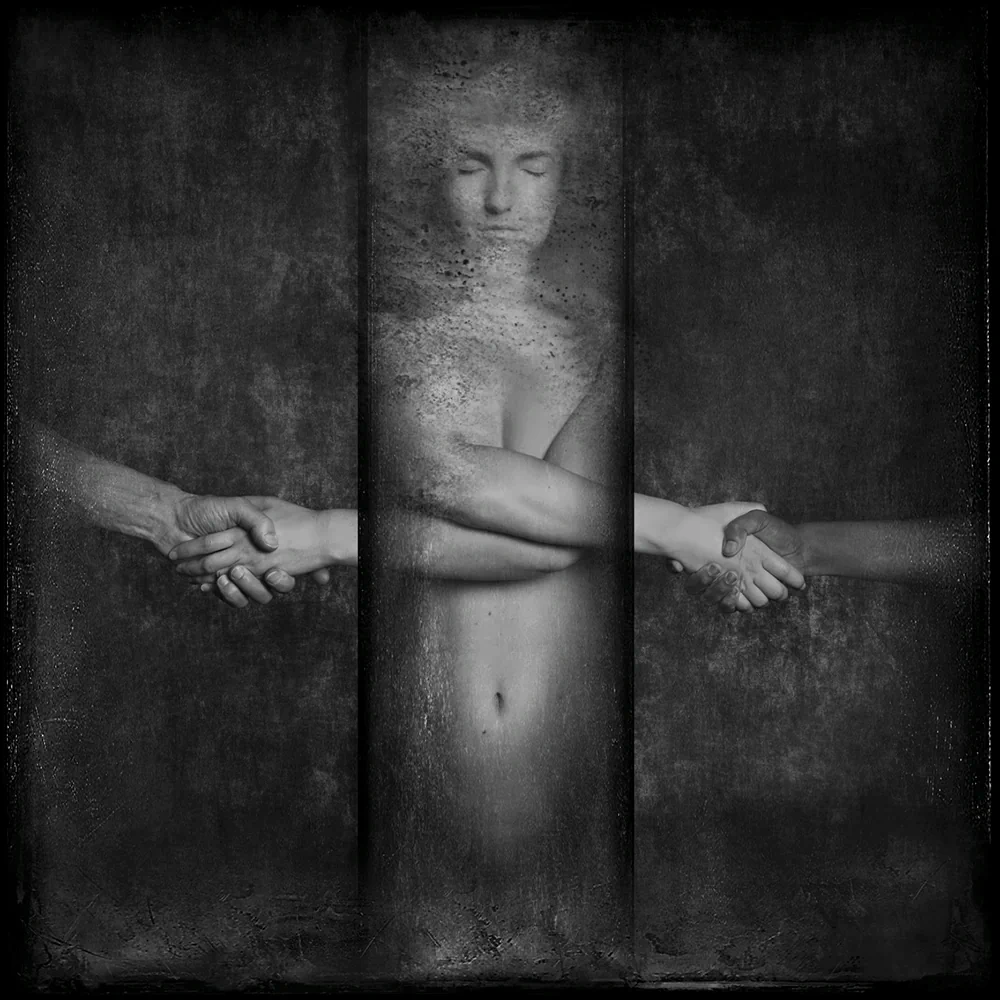
In series such as Le goût de l’Éternel (2017) and Transiency (2020), photographer Jef Paepen explores the realm of allegory—literally “image + speech,” since the Greek verb allègorein means “to speak in images.
” (Dis)Connection (2022–2023) is bathed in the same Symbolist atmosphere, in which symbols—a motif, a sound—are employed as signs that viewers must attempt to understand.
More than simply recording a situation in the studio, where the photographer invites one or more models to pose, each of these images is a scene that asserts meaning. The titles of the pictures reveal something, but to truly decipher the tableaux vivants, one must observe, read, and interpret the repertoire of gestures and poses.
A century and a half ago, Symbolism in the visual arts set the course and established the rules. In this artistic movement, which has continued to this day, complex reality is reduced to a minimum of elements that are relatively easy for the viewer to understand. Movement is frozen in a gesture or facial expression. The flow of time stops; the multitude of possible stories is reduced to a single motif. It is not the exciting and confusing complexity of our existence that Symbolism maps out, but one emotion at a time, one psychological affect at a time. The signs and props used for this purpose have become part of our cultural heritage; one might even call them “archetypes.” Ask a toddler to act out the emotion “sadness,” and a pout appears. “Happiness” produces a grin or wild leaps. On stage, despair and bewilderment are played out again and again through ingrained gestures and expressions. The viewer stands there watching it happen. No footnotes are needed: what you see is what you get. In Greek theatre and Japanese Noh theatre, masks have exactly the same function: each represents a single emotion.
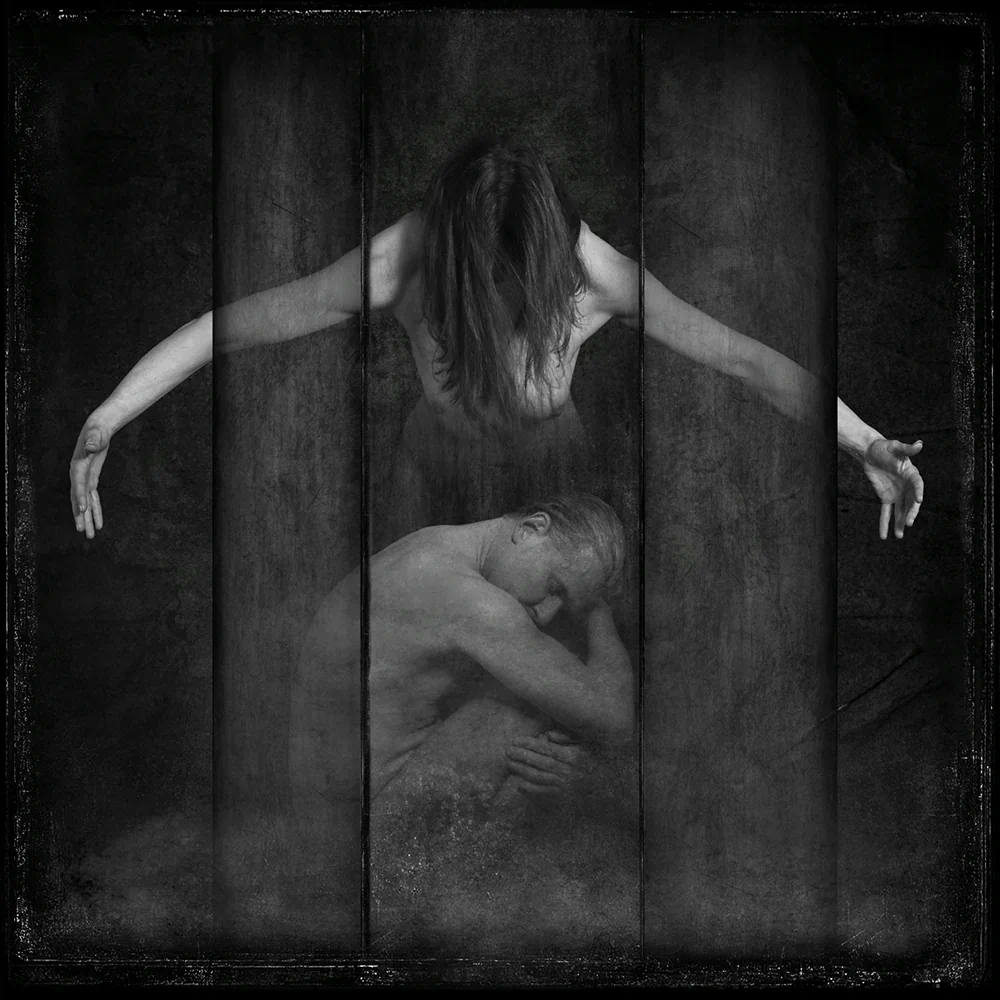
These conventional gestures are effortlessly recognisable: the comforting hand, the welcoming arms, the grasping claw, the introspection and despair conveyed by a crooked back, the squinted eyes, lust’s impatient waiting, the protection offered by a chest. Reaching out and lashing out, nurturing and carrying. A figure emerging from a dark background. Looking away and looking back. The illumination of an aura, suggesting liberation or redemption.
This emphatic character constitutes both the weakness and the strength of the repertoire of symbolic imagery—weakness because of its predictability and repetition, strength through its recognisability and the expectation that each artist will do something different, something unique with it. Symbols and allegories become variations on a theme, much like in music.
This is the universe in which Jef Paepen creates his images. His raw material is the naked human body: a resilient body that does not have to be perfect, but always charms through its uniqueness. As for the shape of the photographs, in (Dis)Connection they are pleasingly square, a reassuring ratio that evokes solidity. Their palette consists of intense, expansive blacks and charcoal or pastel greys, tempered or heightened by screens that suggest frosted glass, gauze, or draperies. His inspiration comes from the time-honoured shadows of sorrow, longing, and comfort that run through the condition humaine, but just as often from unexpected reflections on current events. His gurus—though it is uncertain whether he knows all of these artists—include Wiertz, Frédéric, Redon, Khnopff, Puyo, and Steichen. It does not matter. Jef Paepen continues to work devotedly on his own oeuvre. It will take a lifetime.