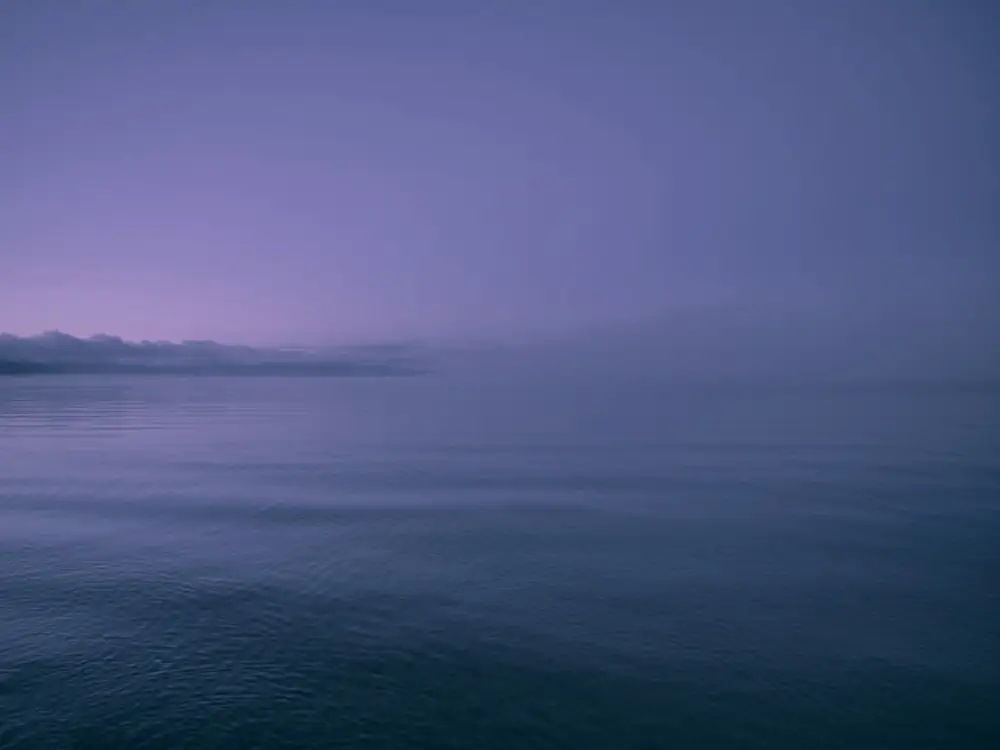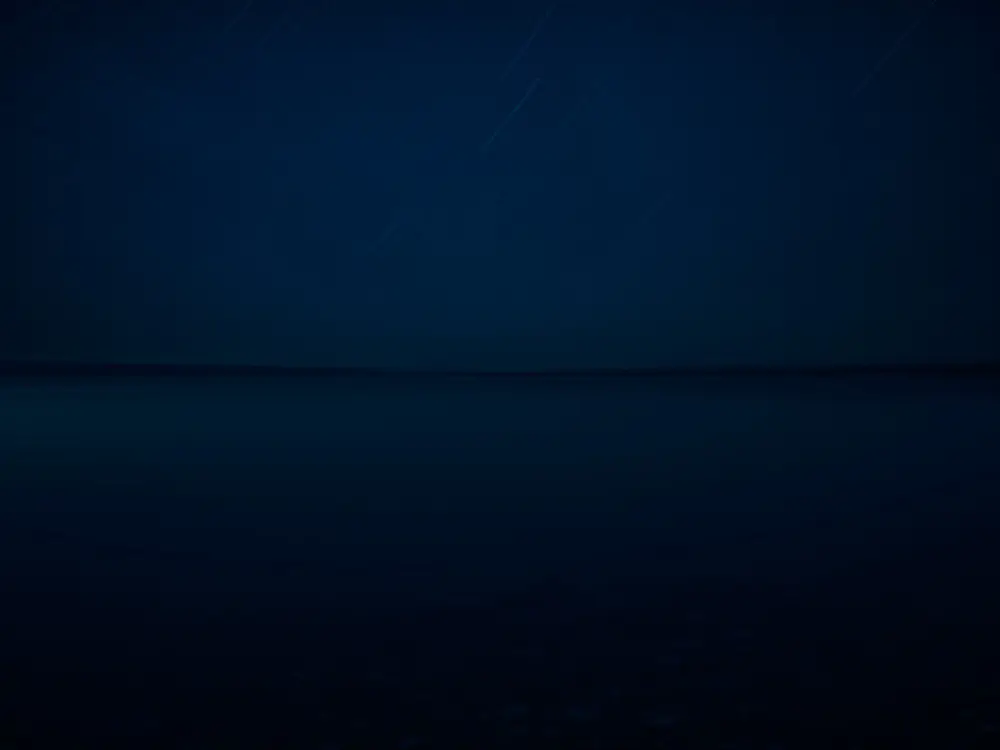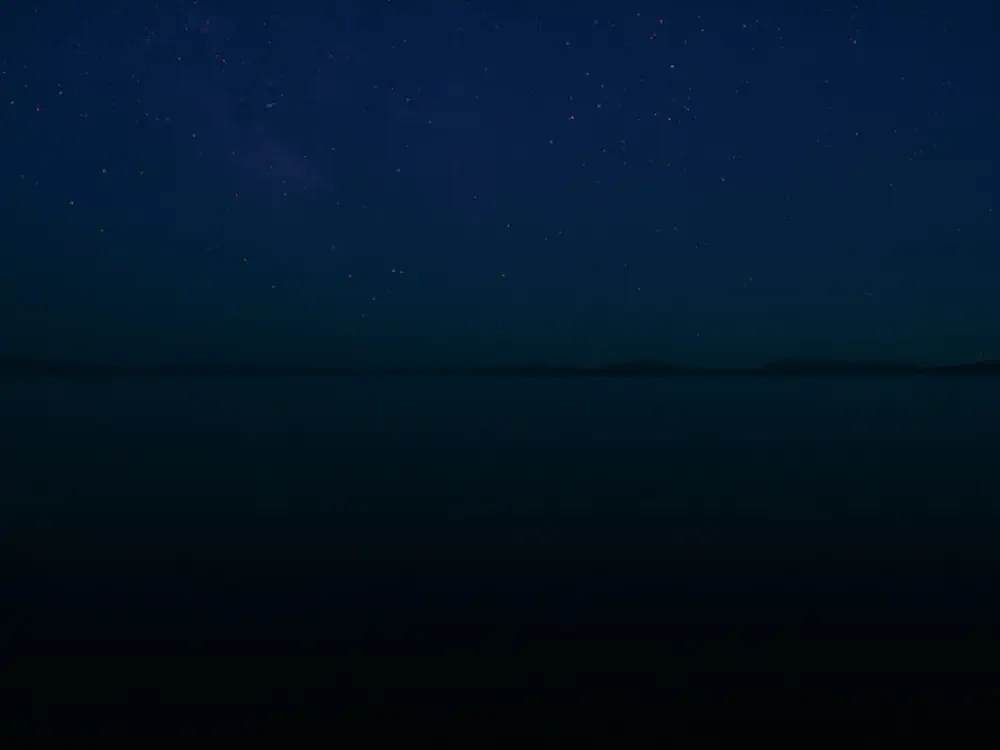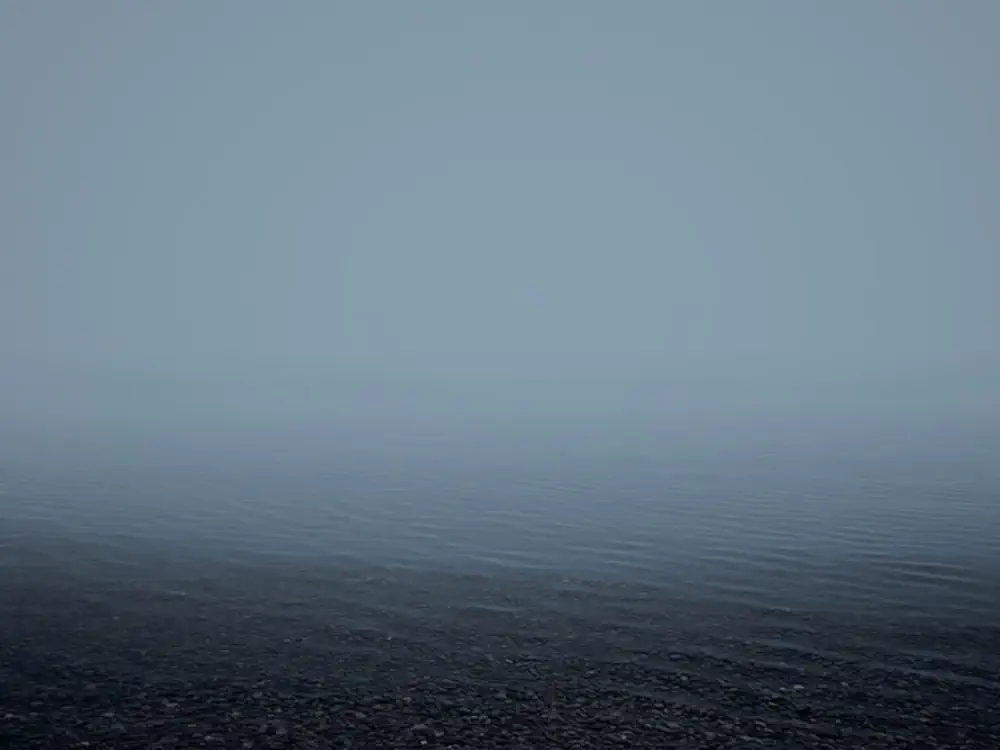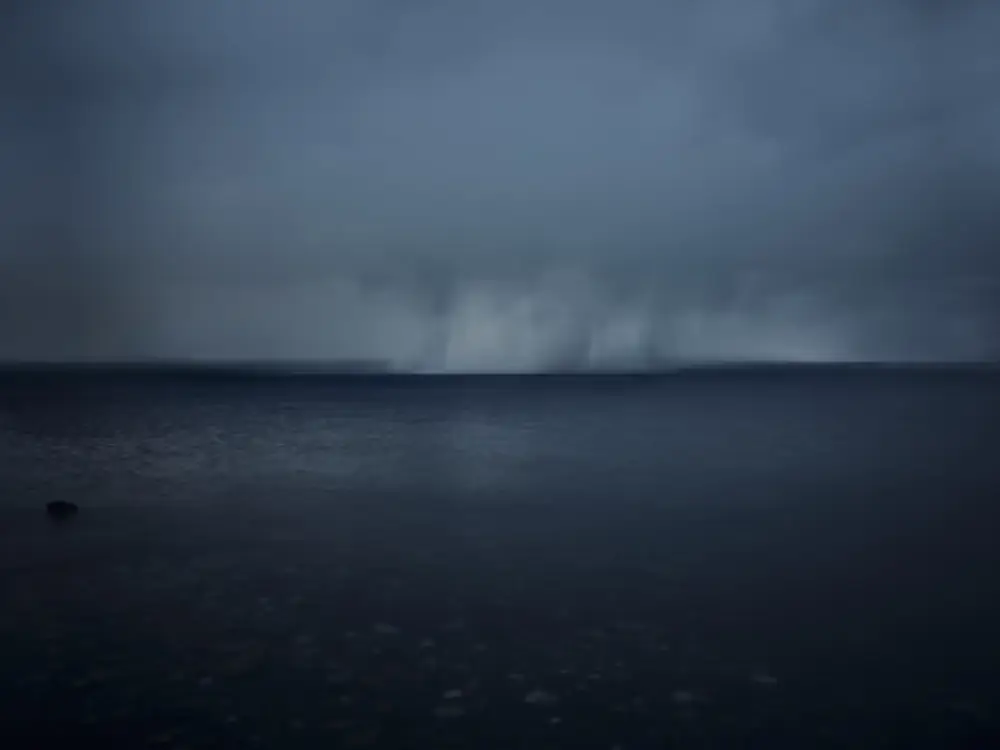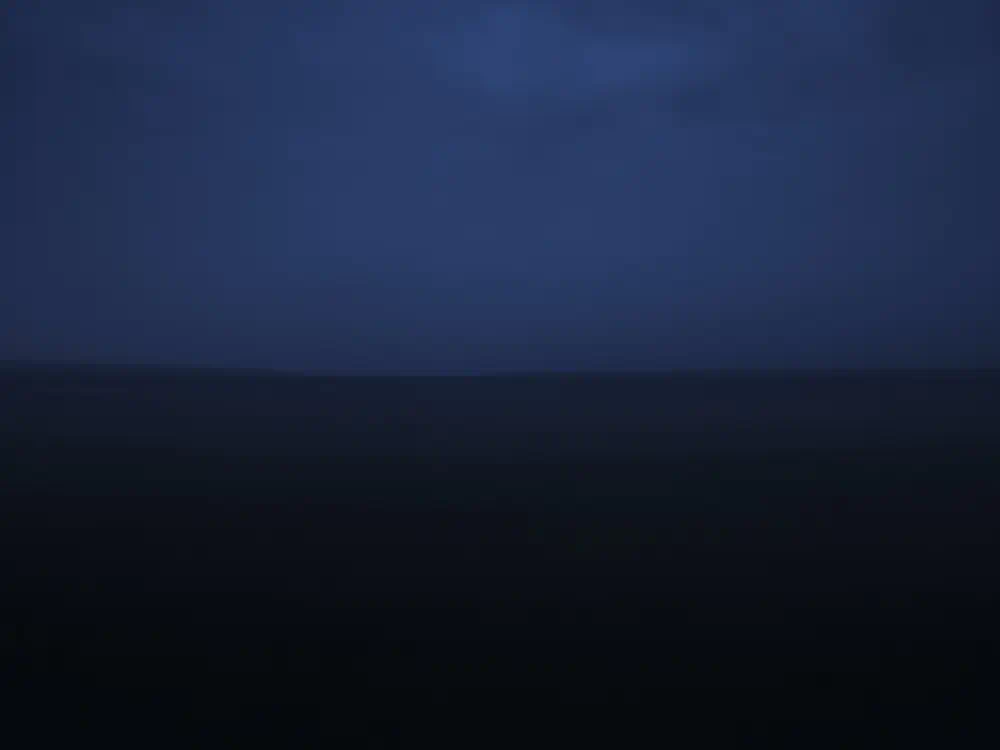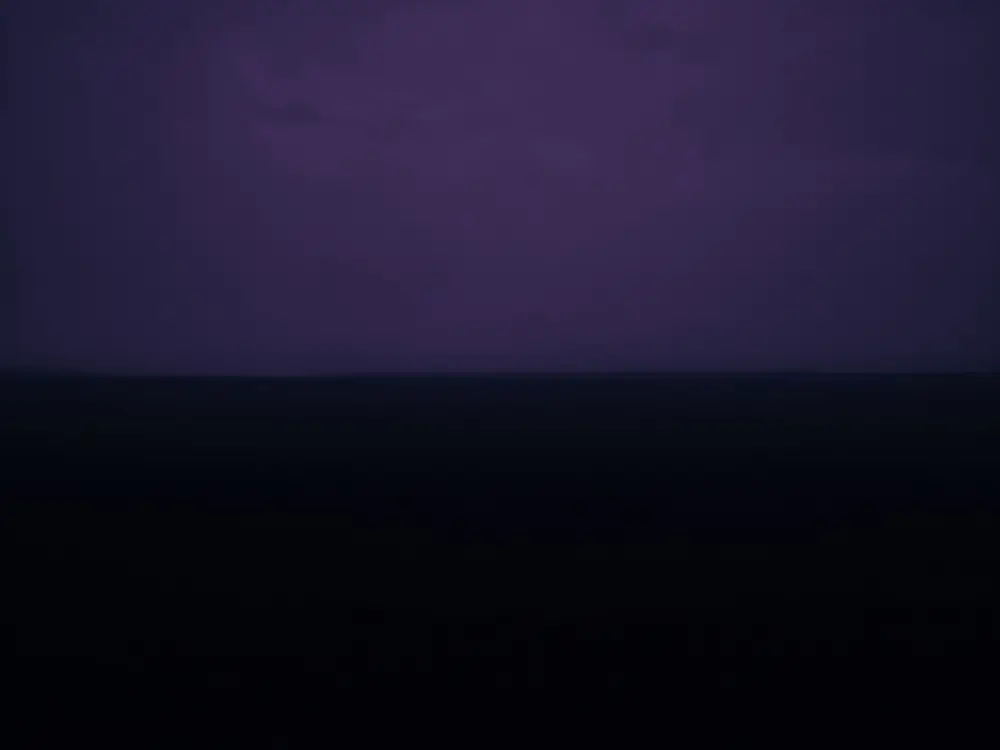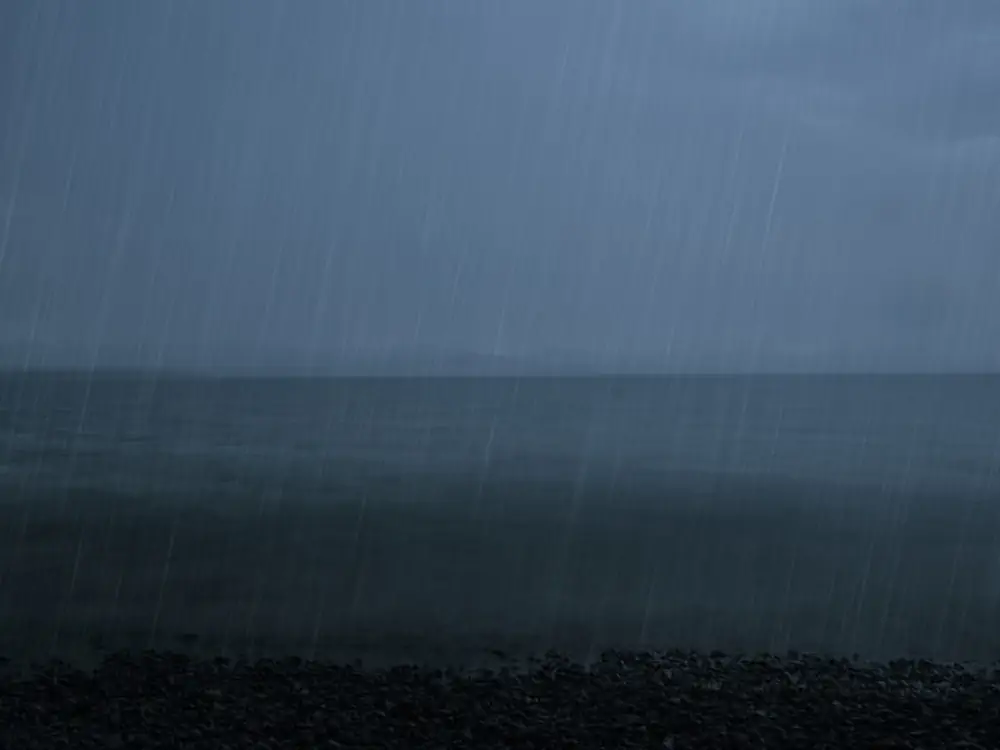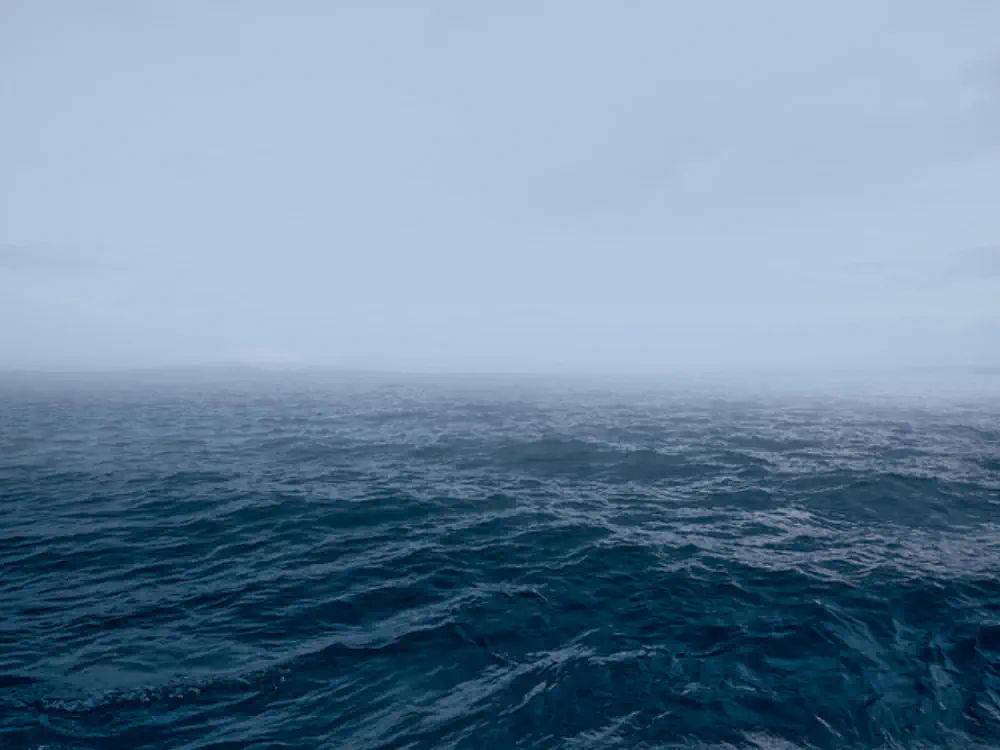

Exhale is an ongoing series of long-exposure photographs made along Yellowstone Lake, exploring the relationship between time, memory, and the way we perceive landscape.
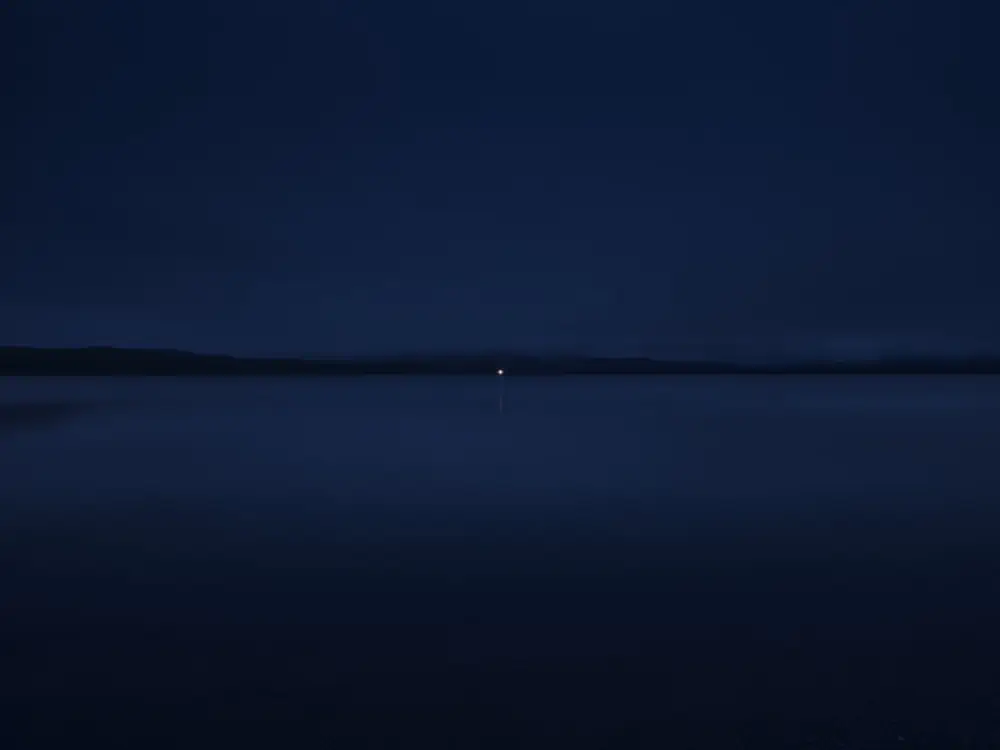
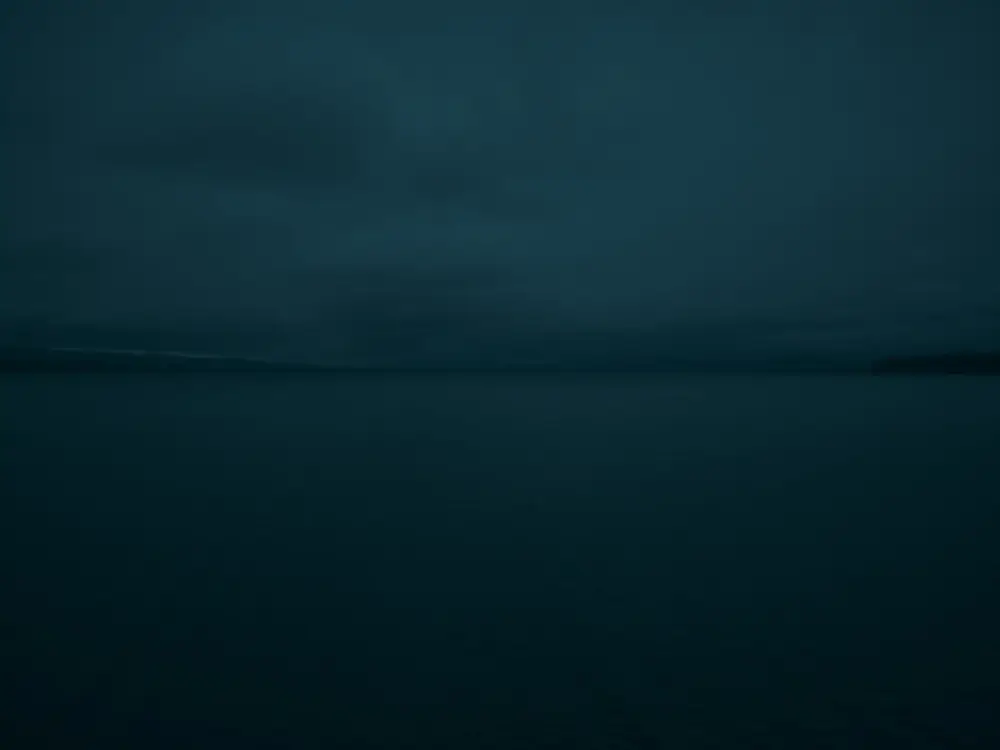
The photographs begin with recognizable elements—water, sky, distant landforms, fog, and horizon lines—but long exposures gradually strip away the information we normally use to identify a place.
What remains is quieter and more ambiguous: an atmosphere, a sensation, or a memory of a landscape rather than a literal representation of one.
I am interested in the moments when a landscape becomes difficult to place. We tend to approach photographs of nature expecting them to tell us where we are, but Exhale deliberately works against that expectation. The horizon is often centered, and the compositions are reduced to a few essential forms, allowing the images to exist somewhere between landscape photography and abstraction. Mountains become soft interruptions in a field of tone. Water loses its surface detail and becomes almost atmospheric. Clouds and fog merge with the horizon, making it difficult to distinguish where one element ends and another begins.
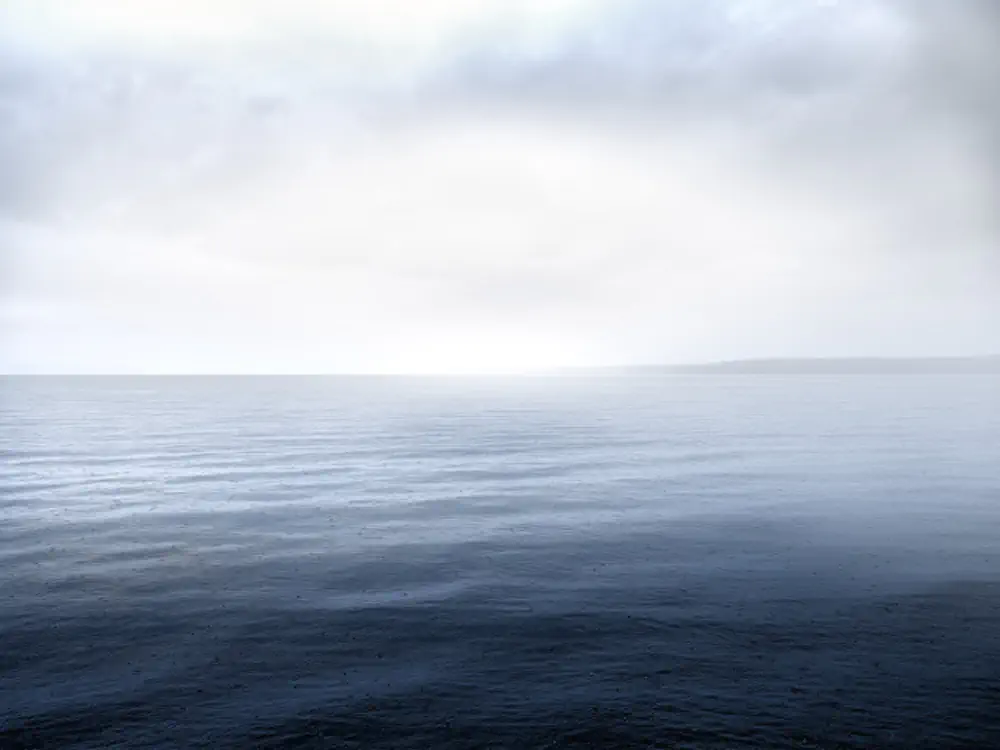
Long exposure is central to this process. Rather than freezing a moment, I allow the camera to accumulate time within a single frame. Movement in the water and atmosphere is translated into subtle shifts of tone and texture, creating an image that could not exist at any single instant. The resulting photographs are records of duration as much as records of place.
That relationship to time is important to the series. Memory rarely preserves a landscape exactly as we experienced it. Instead, details disappear, edges soften, and certain sensations remain while the specifics become increasingly difficult to recall. I wanted the photographs to operate in a similar way—to suggest a remembered place without attempting to reconstruct it precisely.
The title Exhale came from this idea of release. There is a physical sensation associated with exhaling: the moment when tension leaves the body and attention shifts inward. I wanted the work to create a similar experience for the viewer. The photographs ask for a slower kind of looking. There is little visual information competing for attention, and very little happens within the frame. Rather than directing the viewer toward a particular event or narrative, the images create space for stillness, reflection, and personal interpretation.
I am particularly interested in what happens when a photograph does not immediately reveal everything it contains. In a visual culture increasingly defined by speed, constant information, and instantaneous recognition, these images are intentionally slow. They do not ask the viewer to identify a location or understand an image immediately. Instead, they encourage a period of uncertainty—a moment of simply looking.
Although the photographs are rooted in the physical landscape of Yellowstone Lake, Exhale is ultimately less concerned with documenting Yellowstone than with using landscape as a vehicle for exploring perception. The place provides the starting point, but the finished photographs are intentionally detached from geography. They exist somewhere between what was physically present, what the camera recorded, and what the viewer brings to the image.
In this sense, the series is about absence as much as presence. What has disappeared from the photograph can be as important as what remains. The longer I spend working with the landscape, the more I am drawn to these thresholds: between land and water, visibility and obscurity, presence and absence, observation and memory. Exhale occupies that space, using the camera not simply to describe a landscape but to slow down our experience of it.
About Jonathan Knight
Jonathan Knight is a Denver-based photographic artist whose work explores time, memory, perception, and the emotional experience of landscape. Originally from Wichita, Kansas, Knight studied photojournalism at Kansas State University before earning graduate degrees in Regional and Community Planning and Landscape Architecture. His background in landscape architecture continues to influence his photographic practice, particularly his attention to space, scale, composition, and the relationship between humans and the environments they inhabit.
Knight works primarily with long-exposure photography, using extended exposures to transform moving water, atmosphere, and light into simplified compositions that exist between representation and abstraction. His photographs often reduce the landscape to a small number of essential forms, inviting a slower, more contemplative way of looking.
His work has received more than two dozen international awards and has been exhibited at institutions and galleries, including the North Carolina Museum of Art, Southern Alleghenies Museum of Art, Arts Benicia, R Gallery Boulder, and the Chania International Photo Festival in Greece. His photographs and projects have been featured in publications including Colossal, Professional Photographer Magazine, Elements Magazine, and Nikon Poland’s Szeroki Kadr.
Knight’s ongoing bodies of work include Exhale, Waterfalls, Dunes, and Human/Nature. Across these series, he uses the photographic process to examine how landscapes are experienced, remembered, and interpreted rather than simply documented. [Official Website]