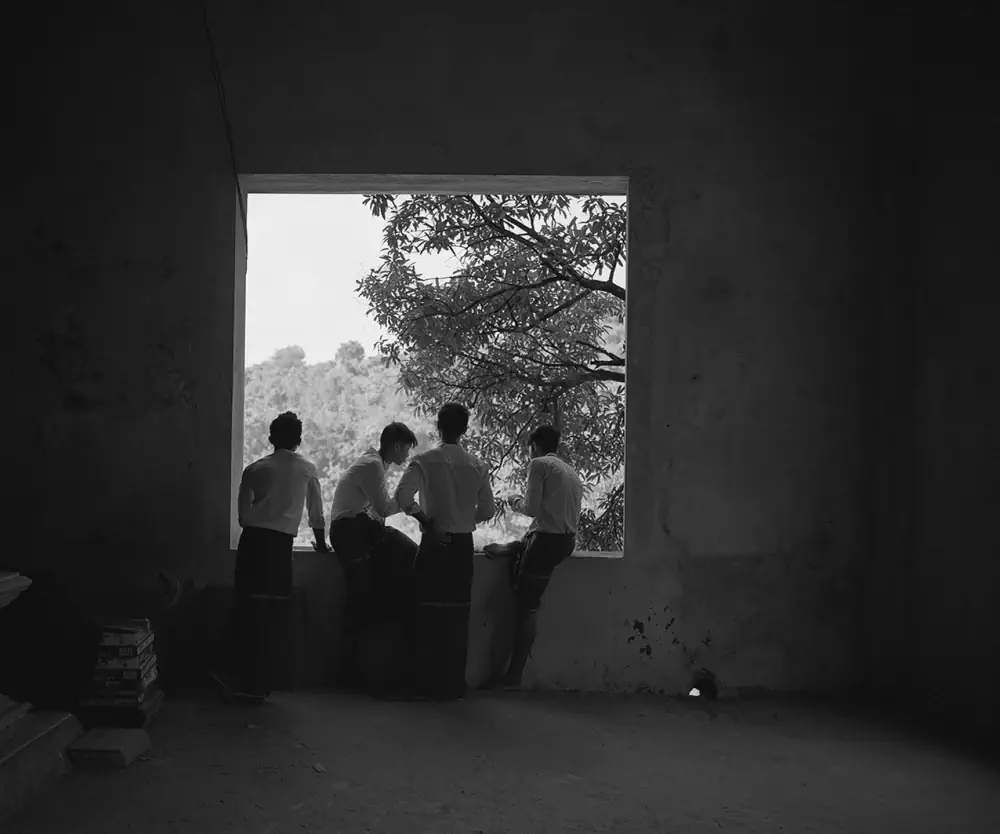

There is history, and there is geography. The former is a matter of passing time.
It tells us about events of greater or lesser importance, set in motion and experienced by human beings. The latter is a matter of permanence. It describes the world through what it appears to offer as enduring.
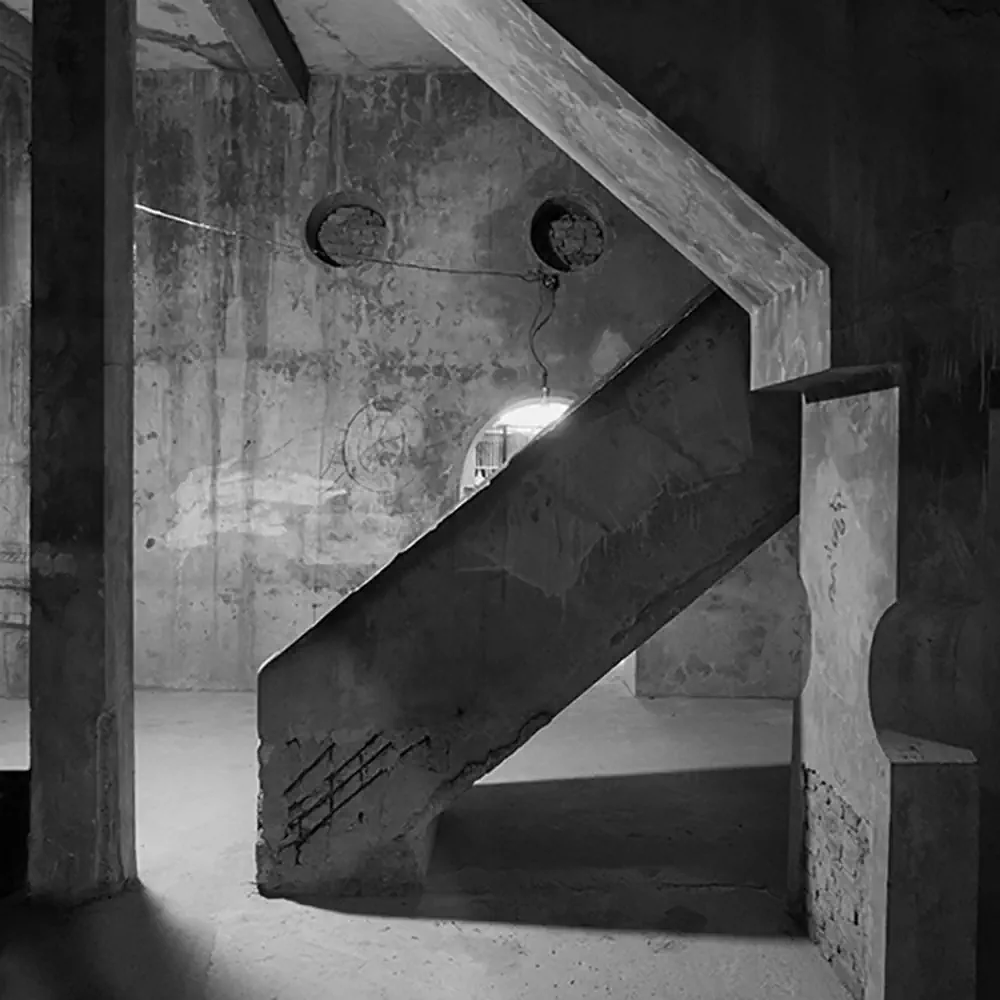
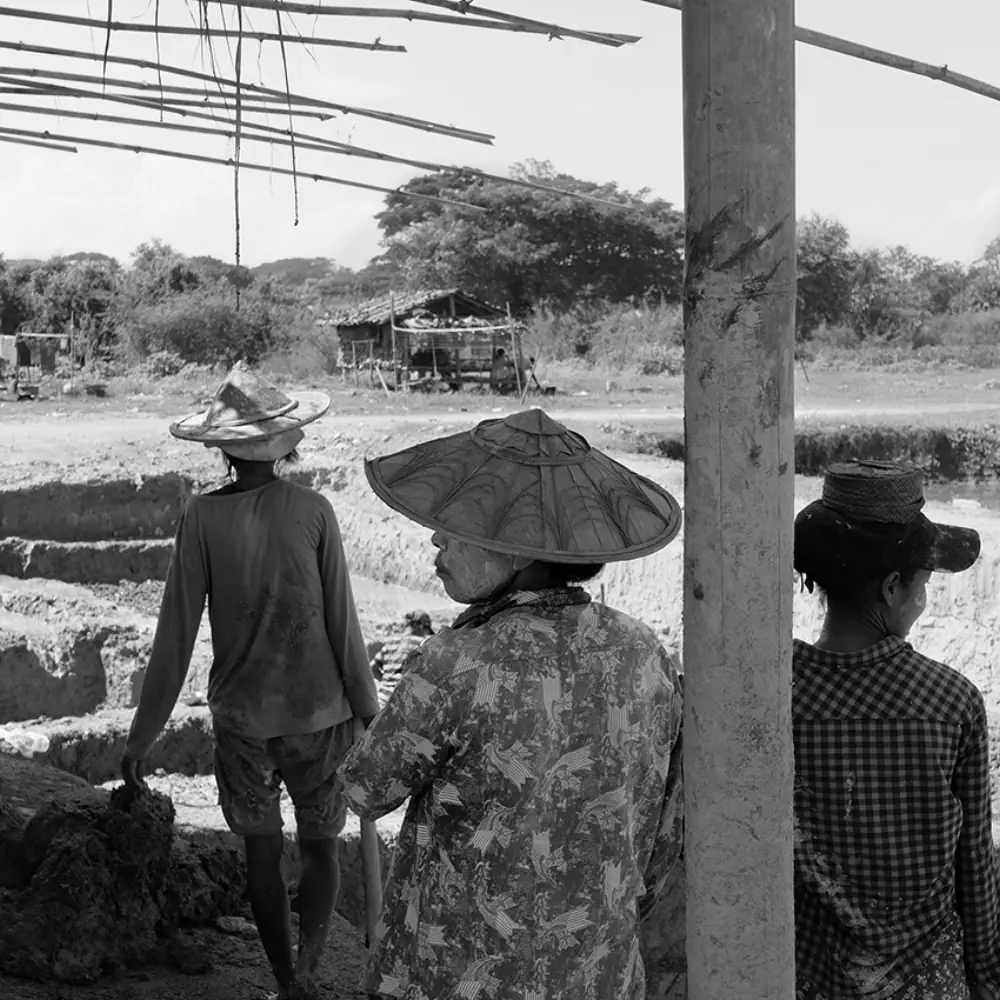
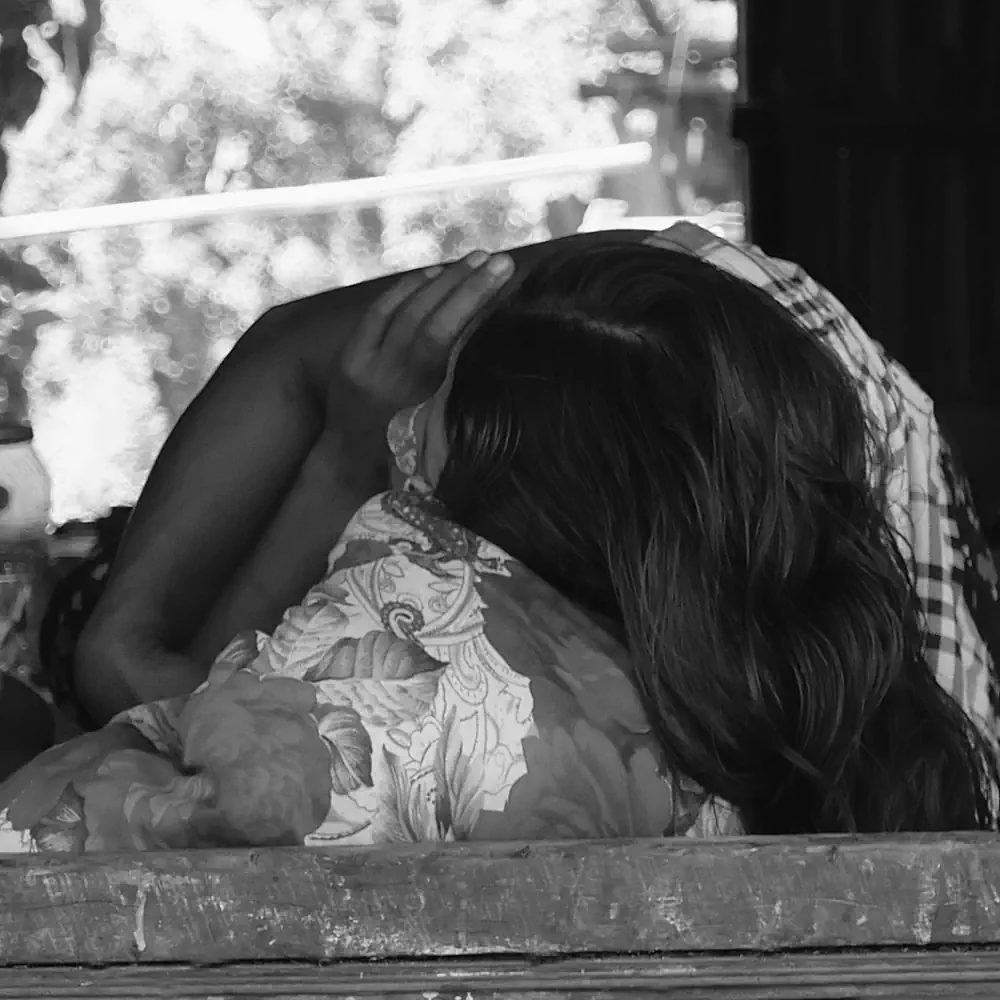
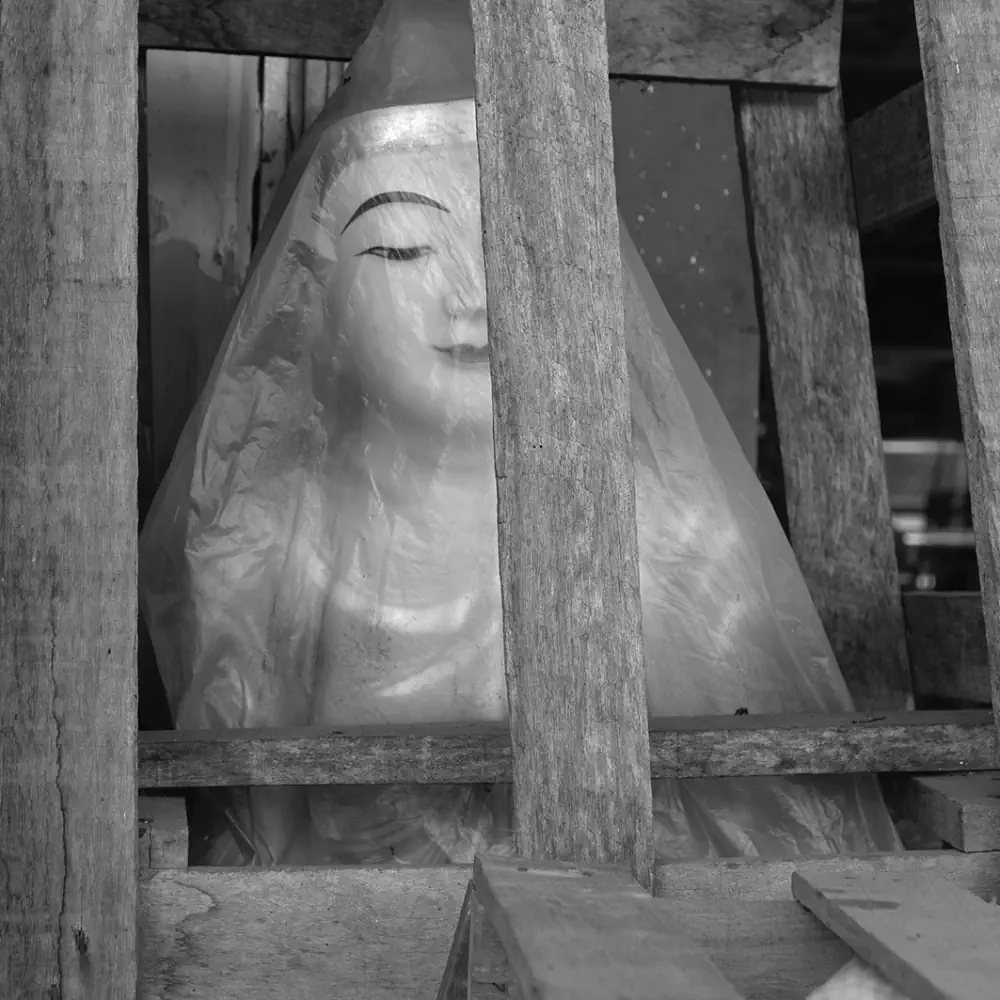
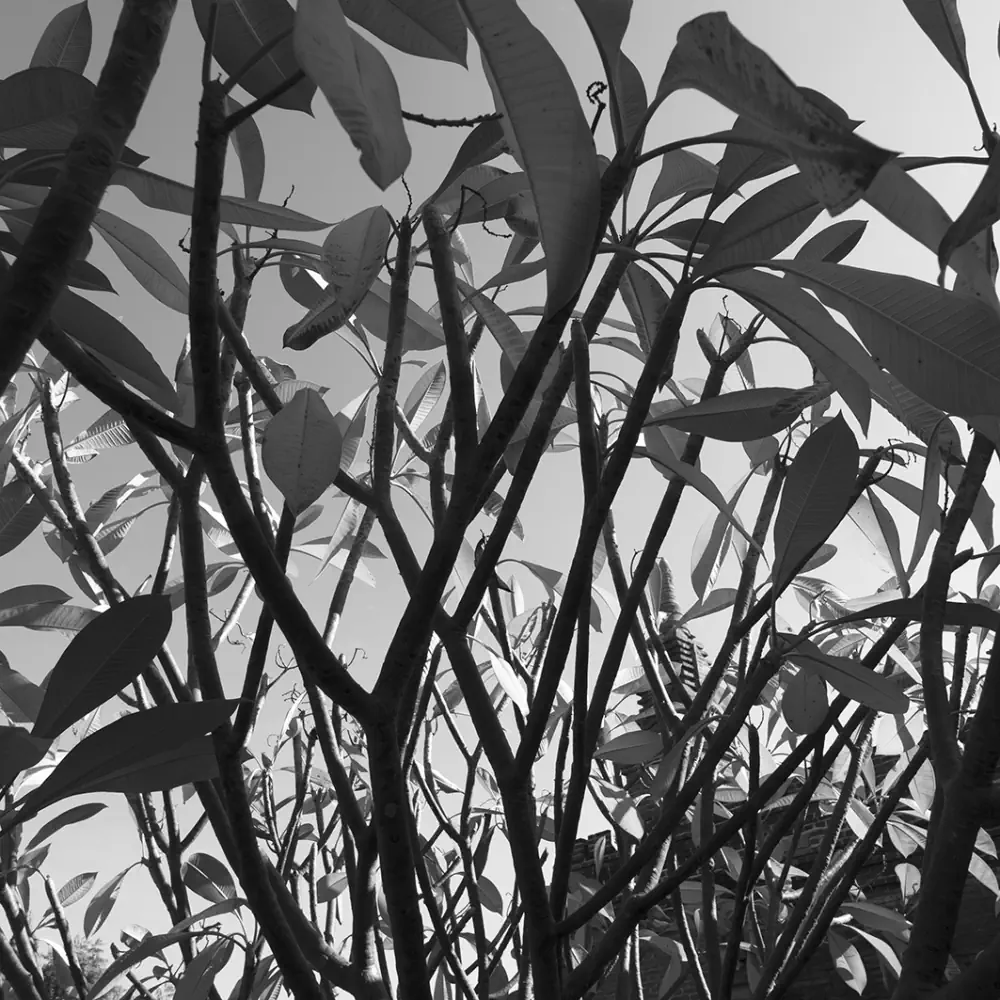
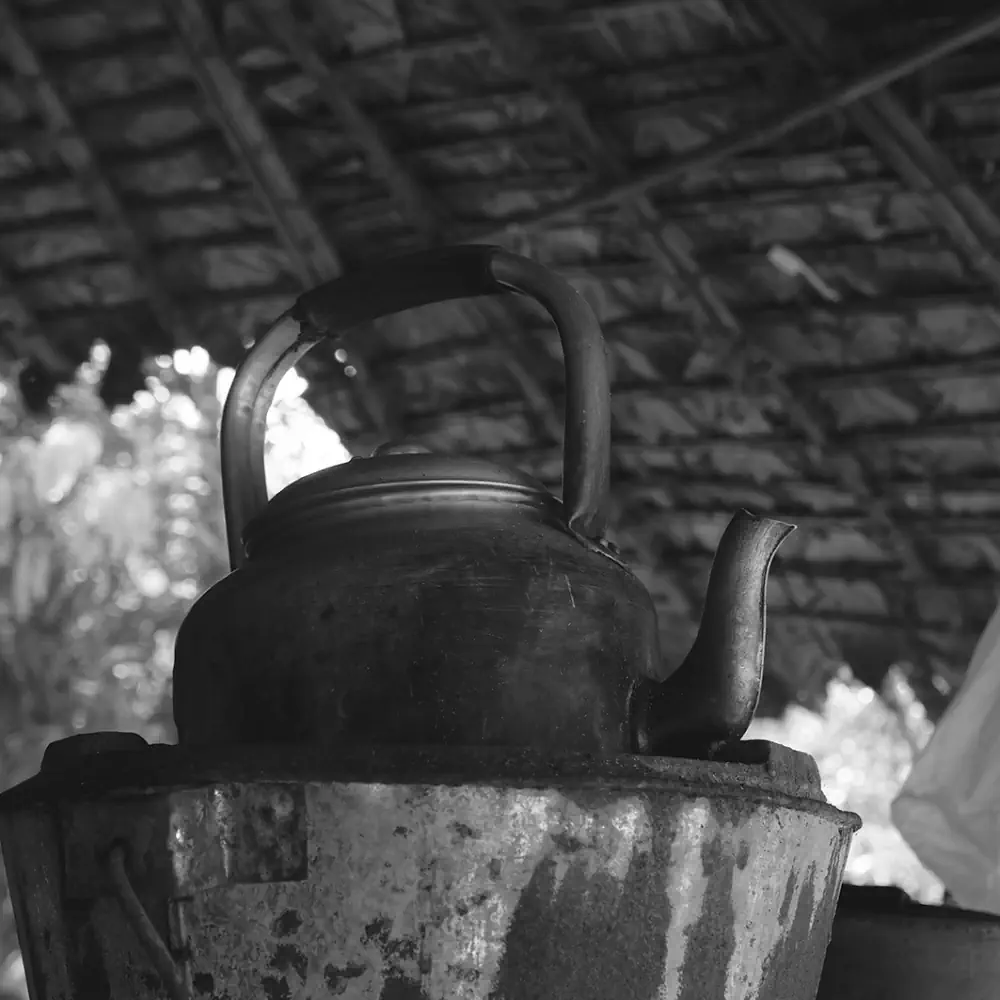
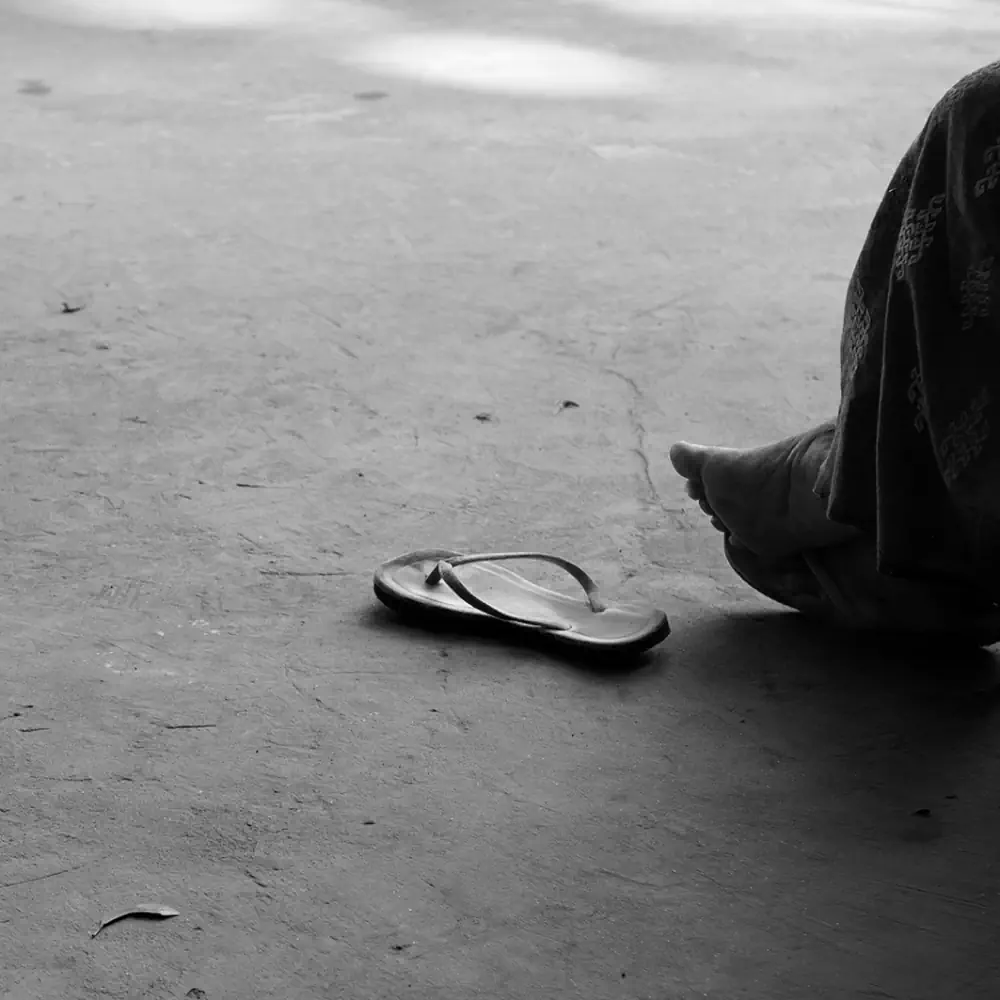
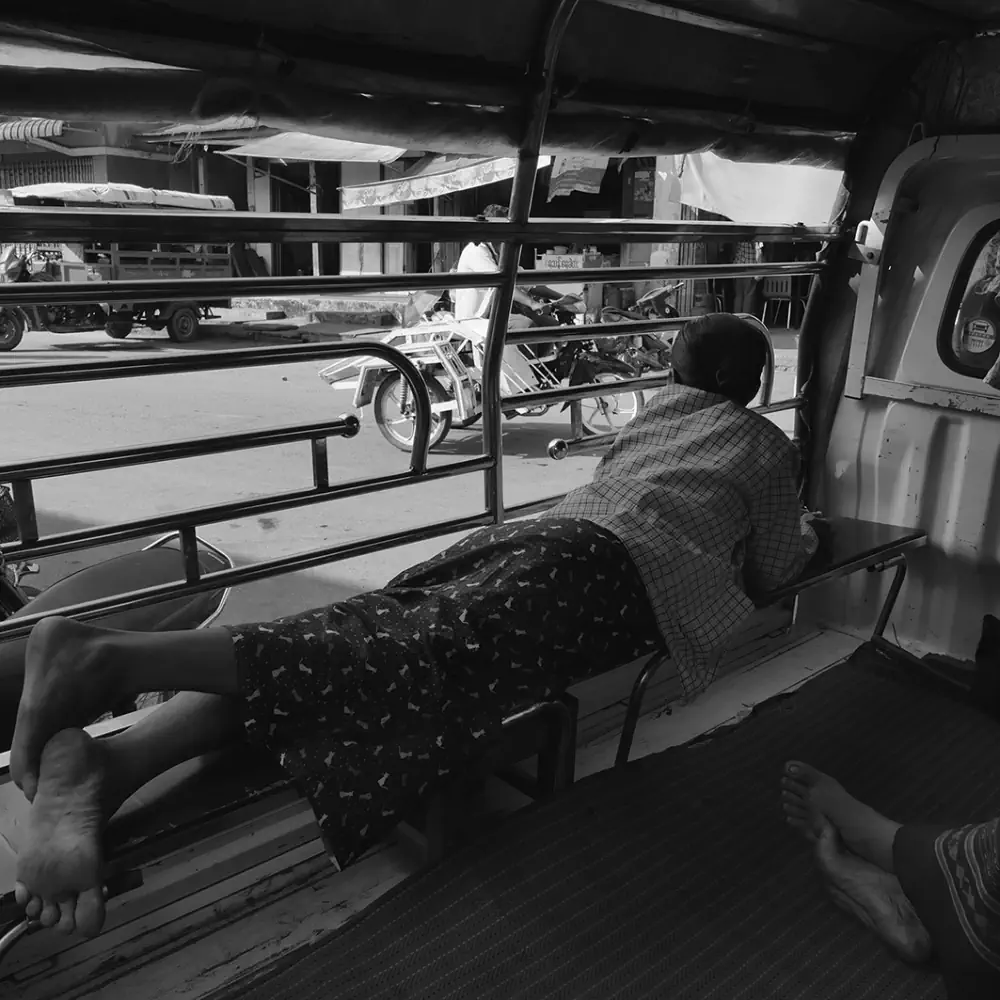
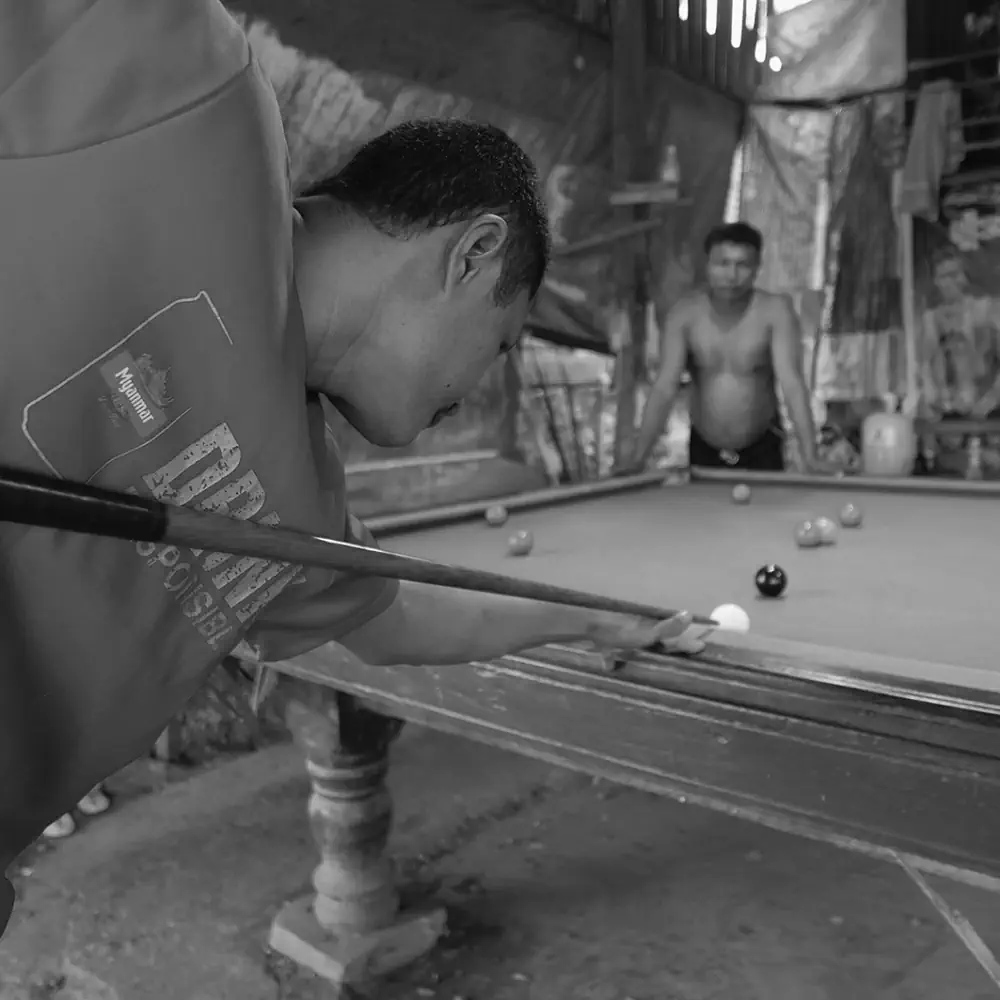
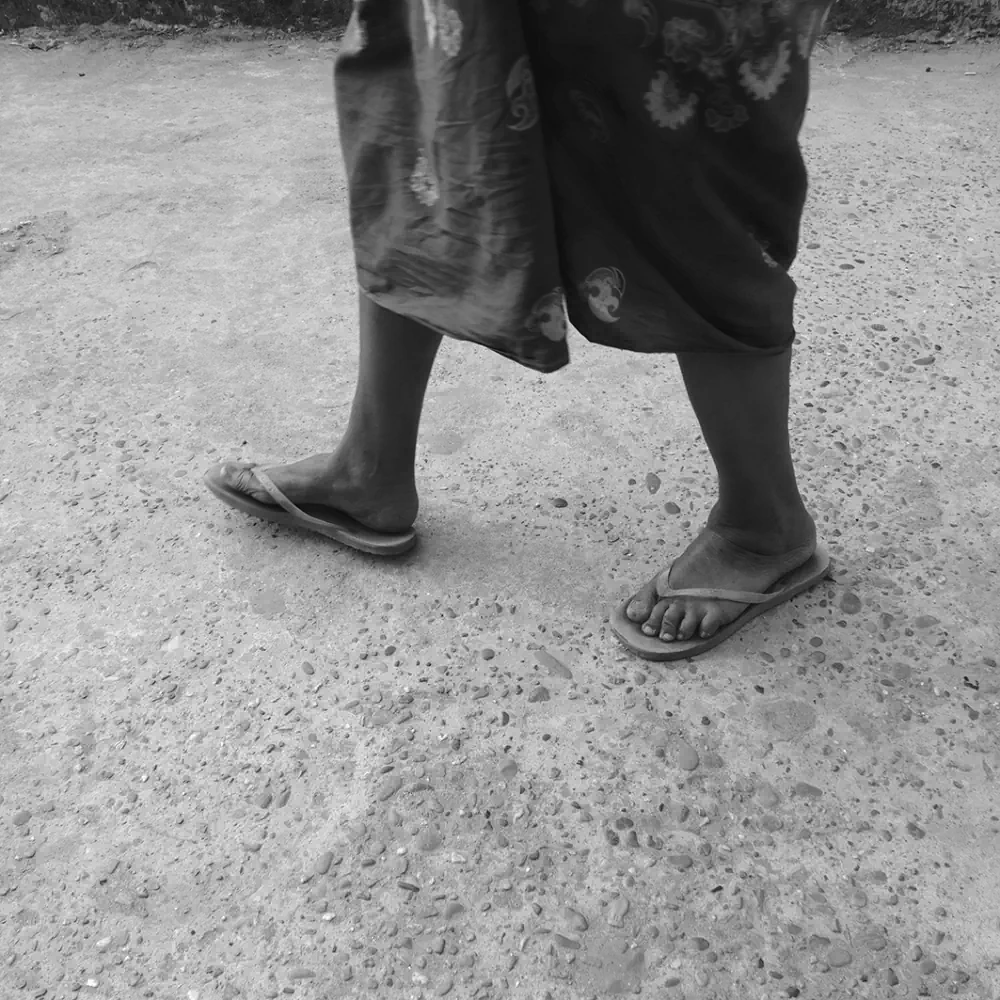
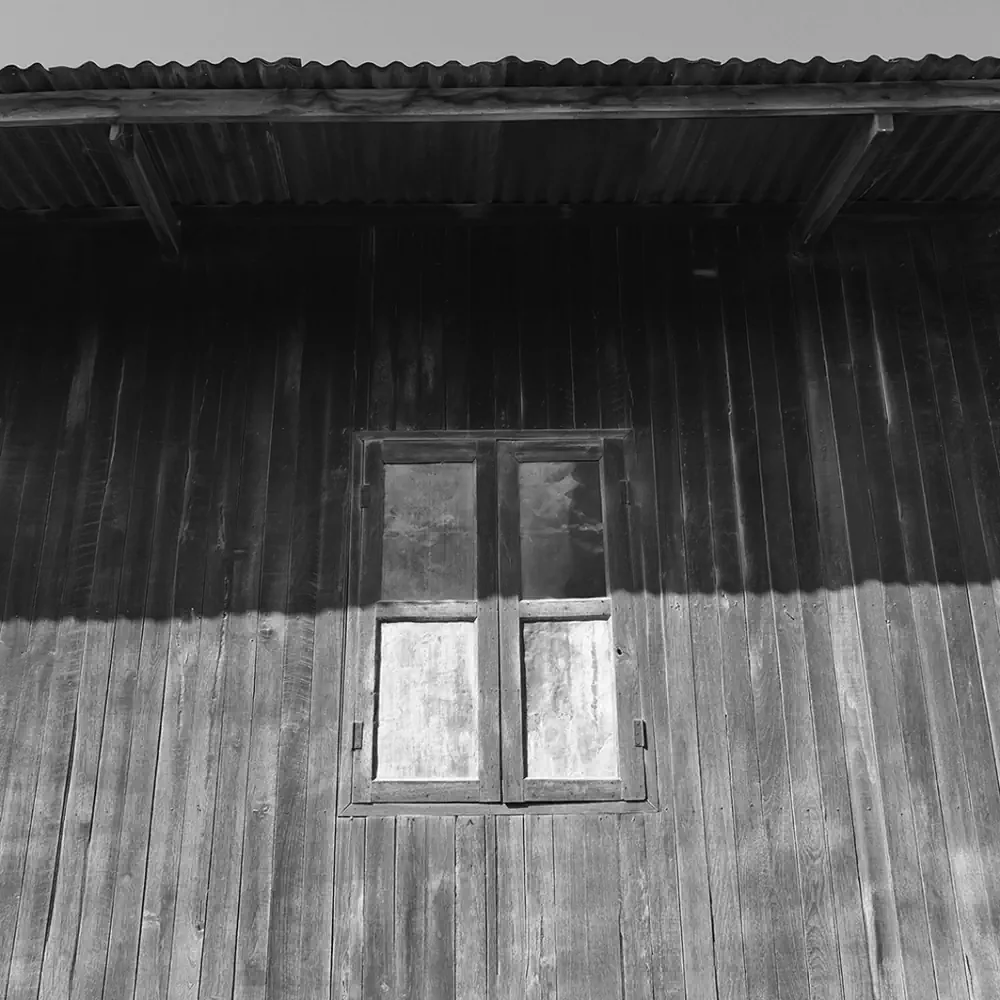
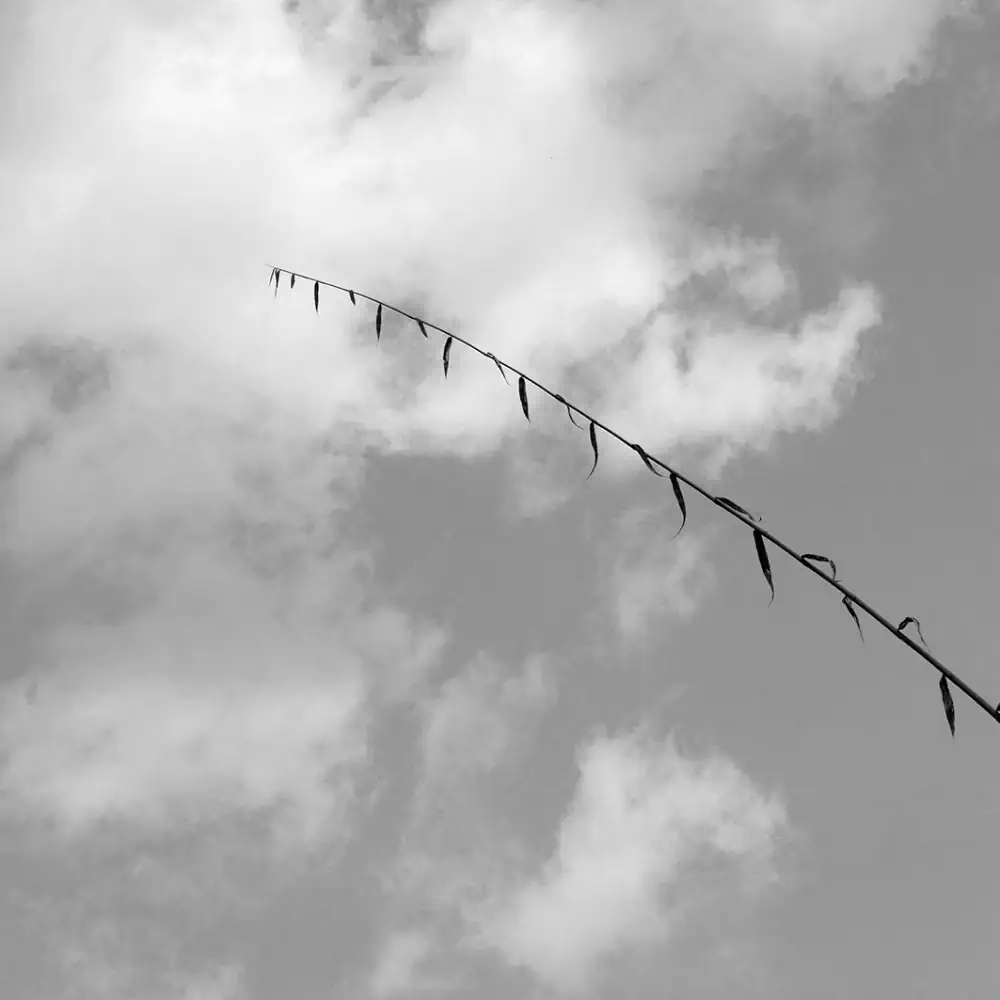
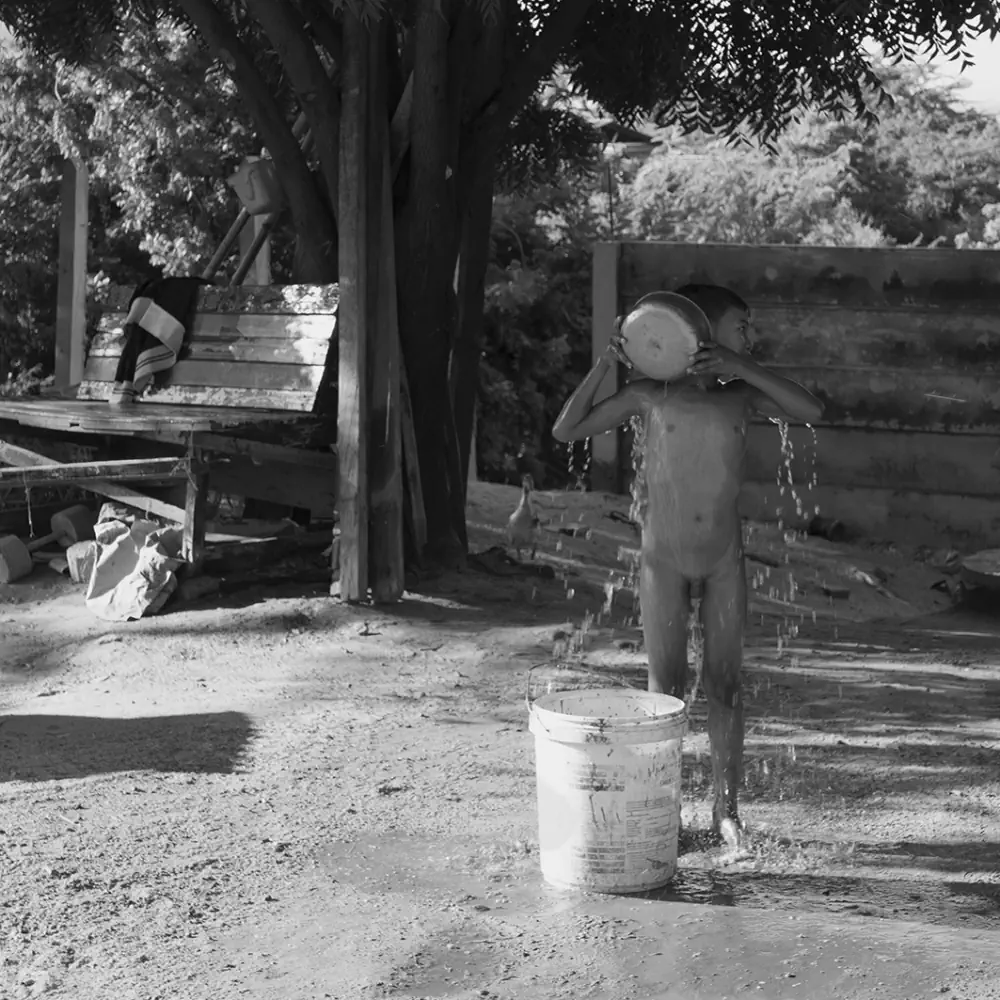
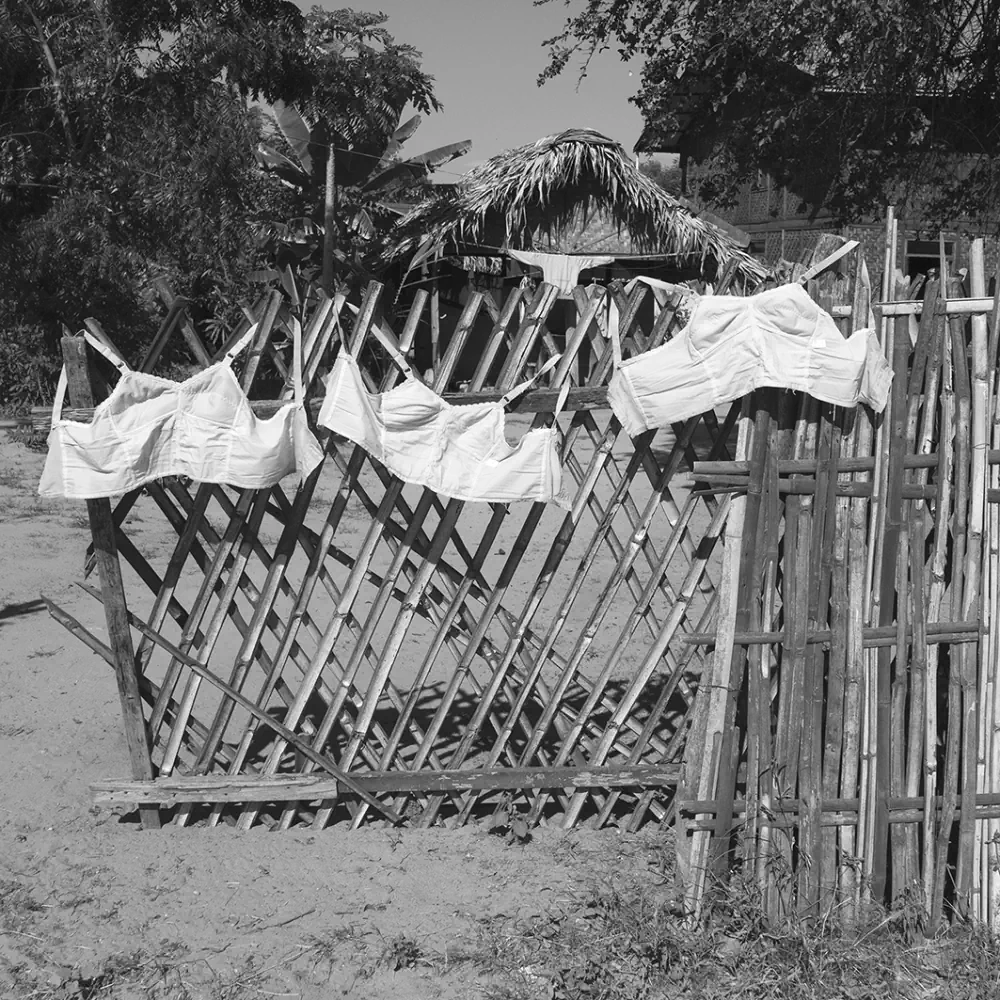
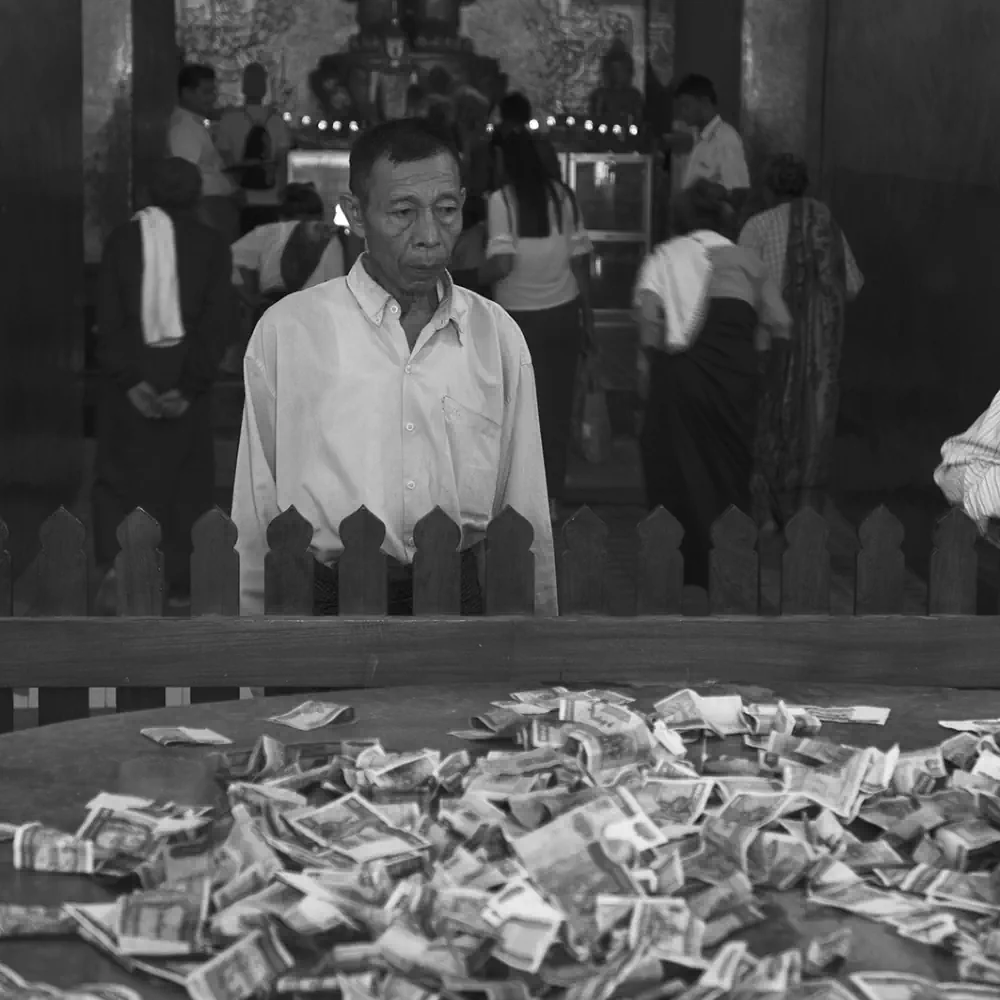
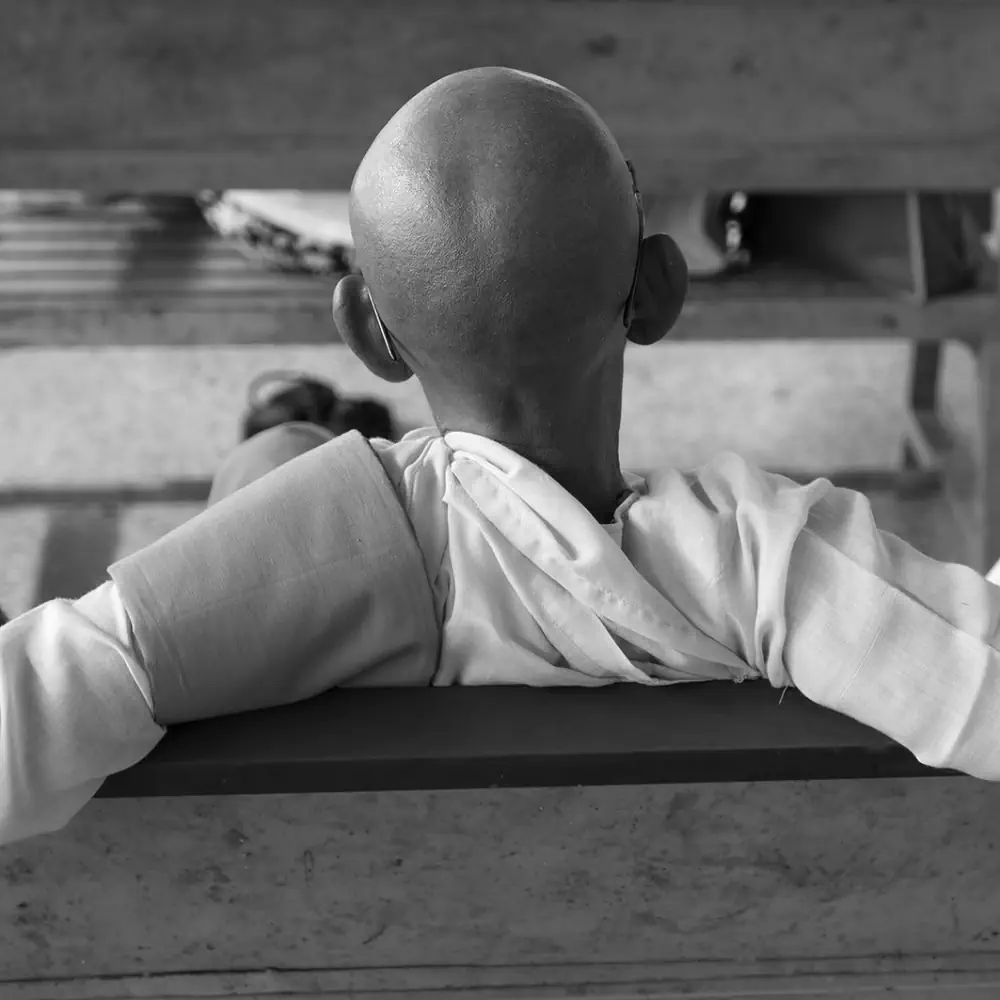
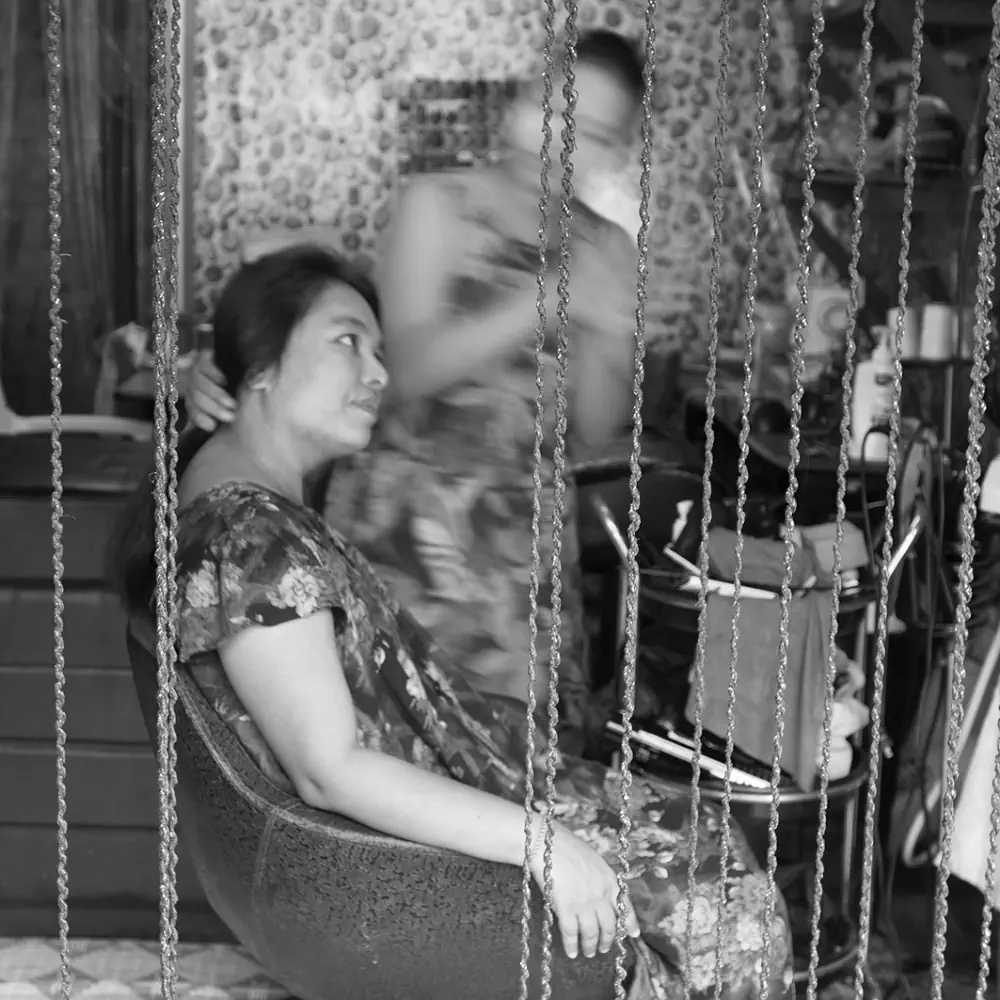
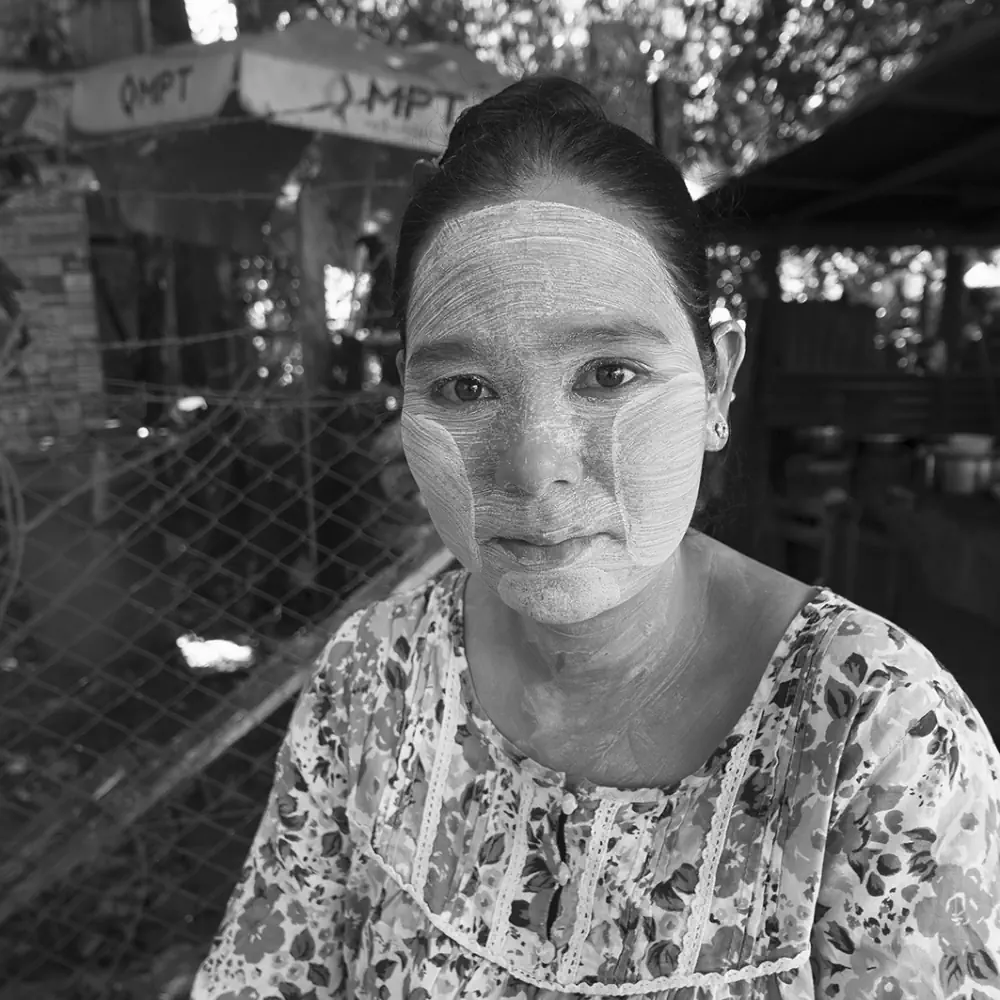
Baudoin Lotin’s photographs belong resolutely to the realm of geography. What they show us exists outside time because they retain from it only the brief instant that restores things to their immutable poetry. Outside time, but not outside place, because what we see derives its full meaning from a recognizable and identified territory. Here, Mexico, where he has travelled regularly for more than thirty years. There, the Great Lakes region of the Congo, or the Maramureș region of Romania.
It is therefore no coincidence that the great photographer and filmmaker Paul Strand comes to mind. This is less because Strand also worked for many years in these same regions of the world than because, in his art, he moved from history towards geography. As a young man in New York at the beginning of the twentieth century, Strand became aware of the impact of human ambition on the environment. His photographs depicted both the advance of modernity and those left behind by the new urban order. Later, in revolutionary Mexico, where he lived for a period of time, he produced an exemplary historical document, moving beyond the surface of everyday events to better reveal the deeper currents of the era.
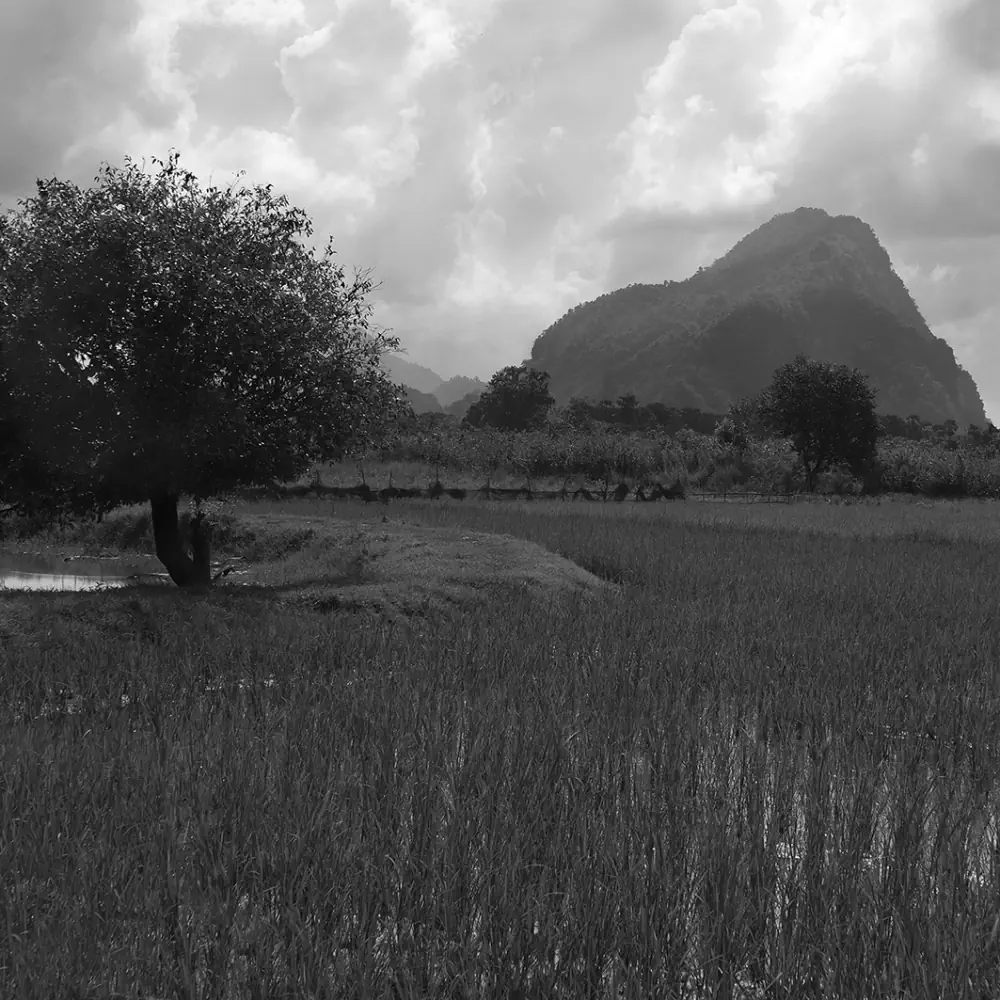
This awareness of history made him an obvious target during the McCarthy era in the immediate post-war period. By the time he reached his sixties, he was compelled to settle in Europe. Uprooted, he spent the rest of his life searching throughout the world for what binds people to a particular land. In Italy, France, and the New Hebrides, this city dweller in search of an ideal village gradually outlined what might be called a human geography.
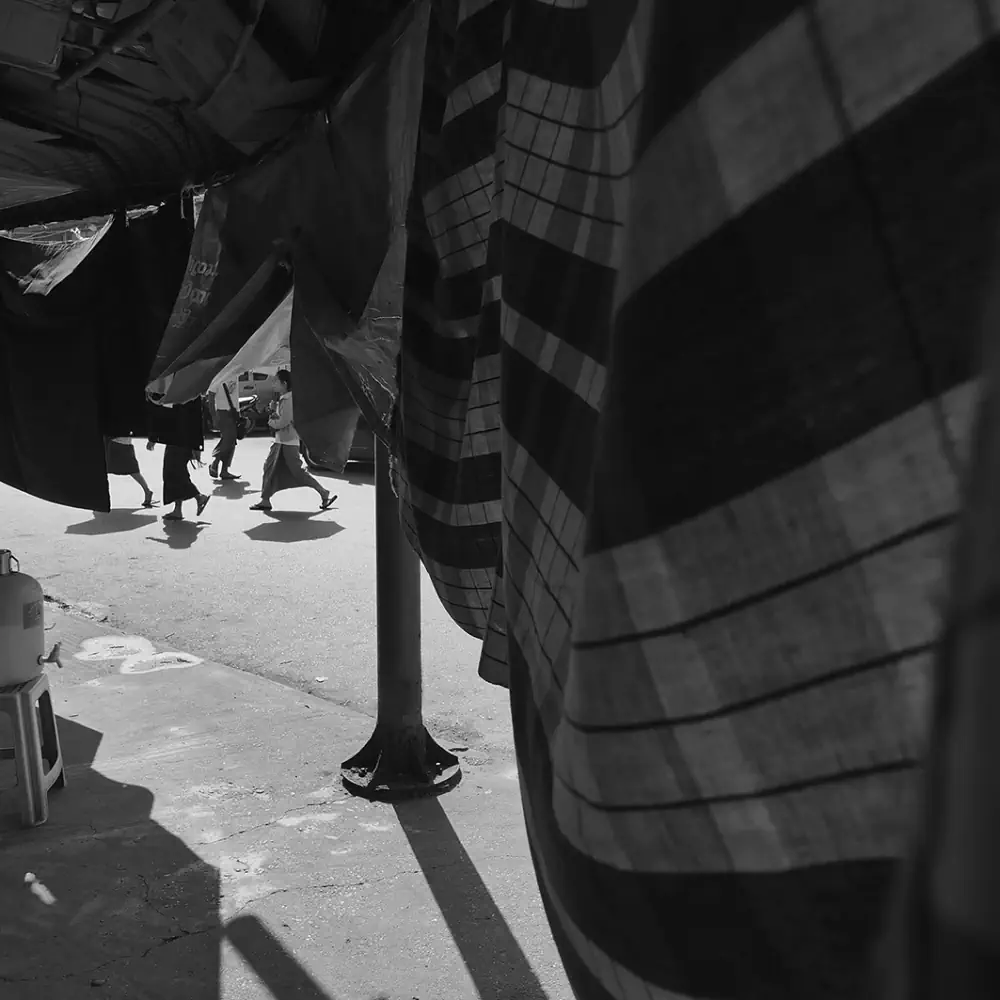
From his earliest journeys, Baudoin Lotin situated his work within this way of observing the world from the measured distance characteristic of Strand’s mature years. Yet from the outset, he seasoned this restraint with a touch of visual madness. This is what prevents his geography from ever becoming static. On the contrary, it takes its forms from the movements of life and the chance encounters of passing moments. His Mexico, moreover, defines a geography of wandering—on the road, as befits his generation—close to that of Bernard Plossu. Yet this wandering takes place along unexpected paths within the image itself rather than through travel and open roads.
Lotin constantly reminds us that there is always another way of seeing things. His approach to framing clearly reveals a desire to move beyond clichés and generalizations. His human geography has nothing to do with stereotypical humanism or nostalgia for a vanished past; instead, it is rooted in the magic of encounter.
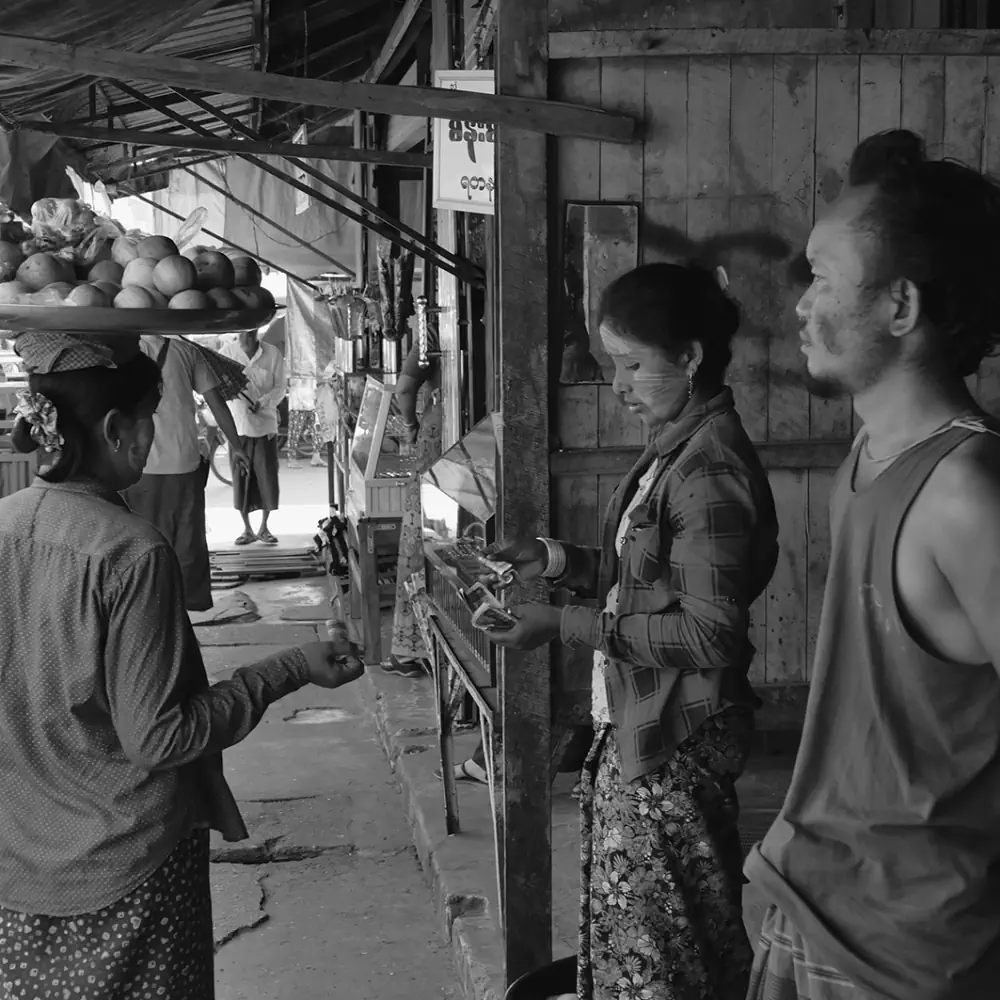
When he travels to the Maramureș region, it is indeed with the intention of preserving a record of the ancestral practice of families making hay together and leaving it to dry in haystacks, much as he remembers from his own childhood. Yet what he shows us possesses a remarkable lightness. The tradition that weighs so heavily in Paul Strand’s Romanian images acquires, in Lotin’s work, a sense of carefree spontaneity and even playfulness, simply because he refuses to pin people down like butterflies. His portraits emerge from instantaneous photography, from the fleeting moment rather than the rigid pose. Above all, they bear witness to a shared experience.
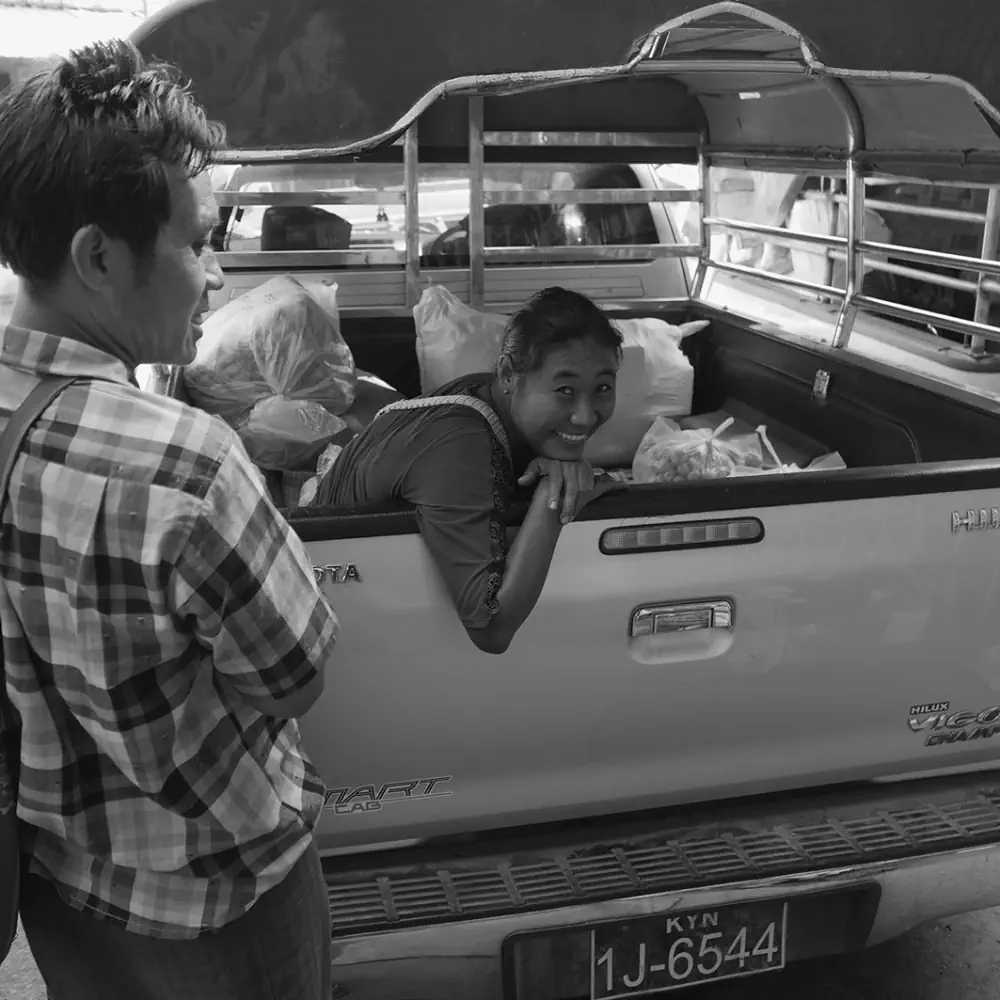
The same is true of those “magical moments”—in his own words—spent with the communities living along the shores of Lake Kivu. In Africa, “being with” means something; indeed, it means almost everything. Outside the collective “we,” there is little possibility of genuine connection. Lotin understands this well and adapts his way of photographing accordingly. The spontaneity that conveyed discretion and respect in Romania might, in the Congo, be perceived as mistrust or disdain.
By moving as close as possible to women sharing jokes, men at work, or children at play, and sometimes actively seeking their gaze, he inevitably enters into a relationship with them. They understand this too, and by accepting the exchange, they return his gaze through direct portraits, offering the image of an alter ego rather than that of a stranger.
Such images—and this is remarkable—take us from human geography to a geography on a human scale. Better still, they lead us towards a topography of human encounter: the very encounter that lies at the heart of photographic practice as Baudoin Lotin conceives it. [Official Website]