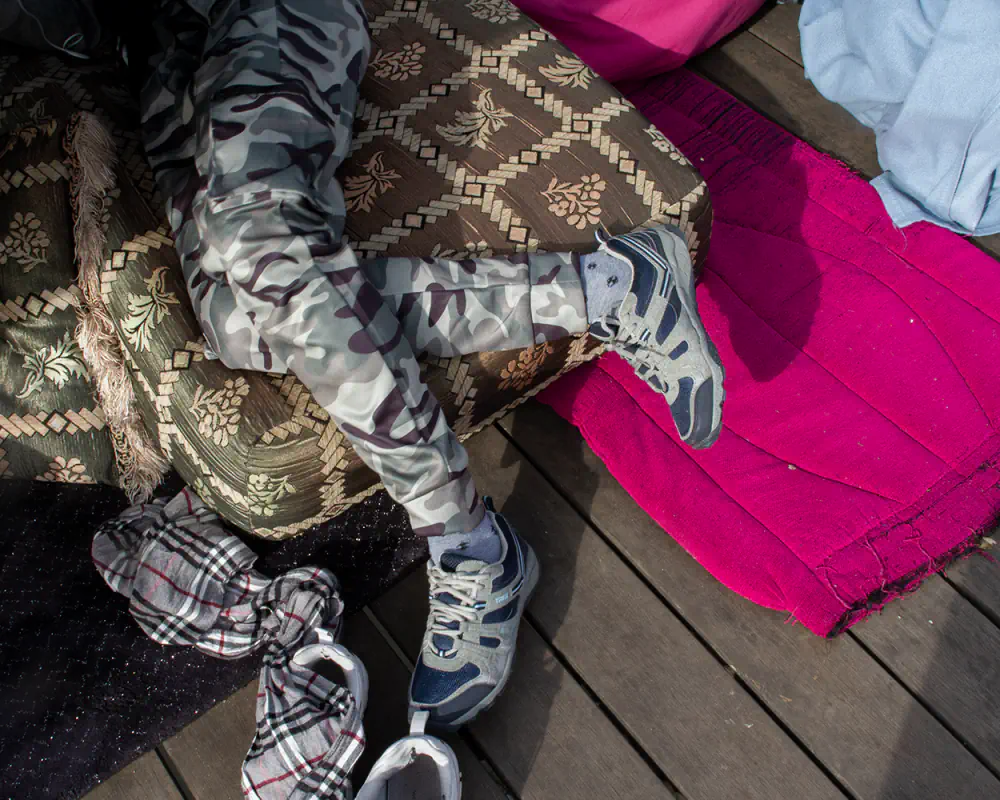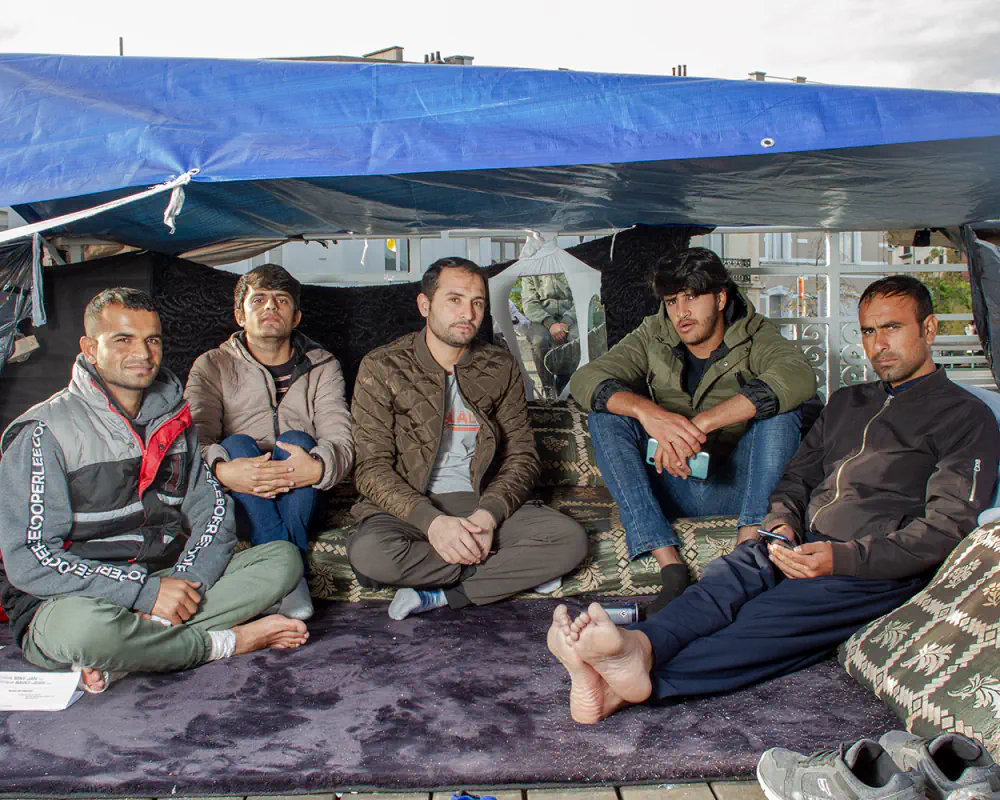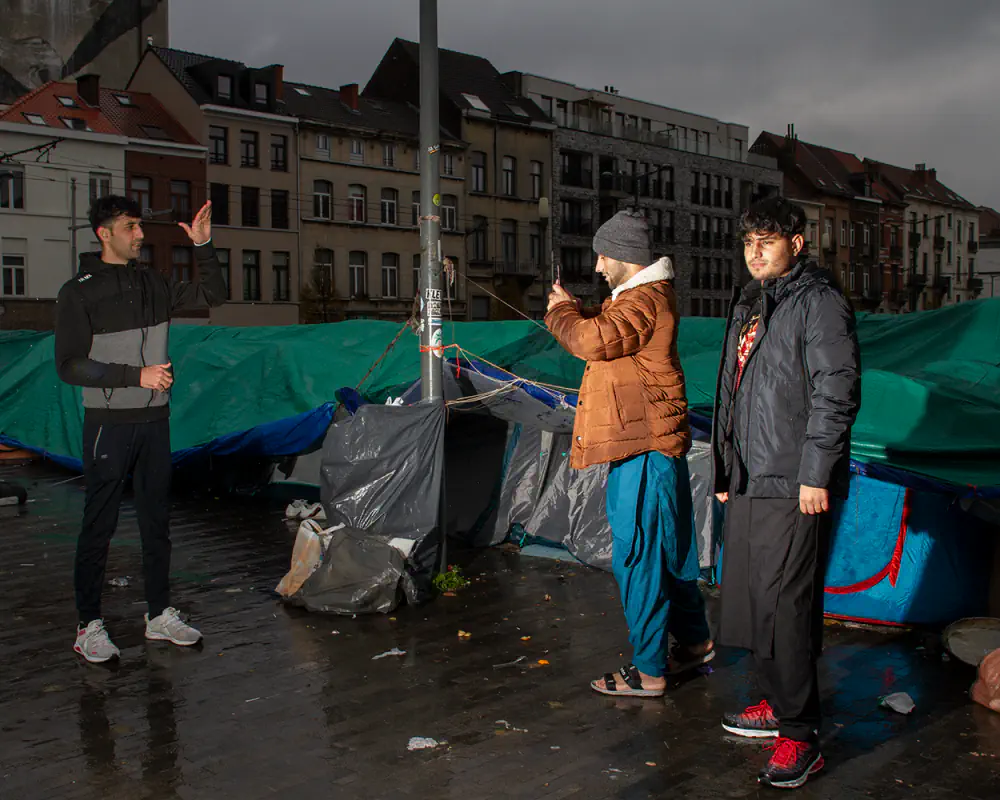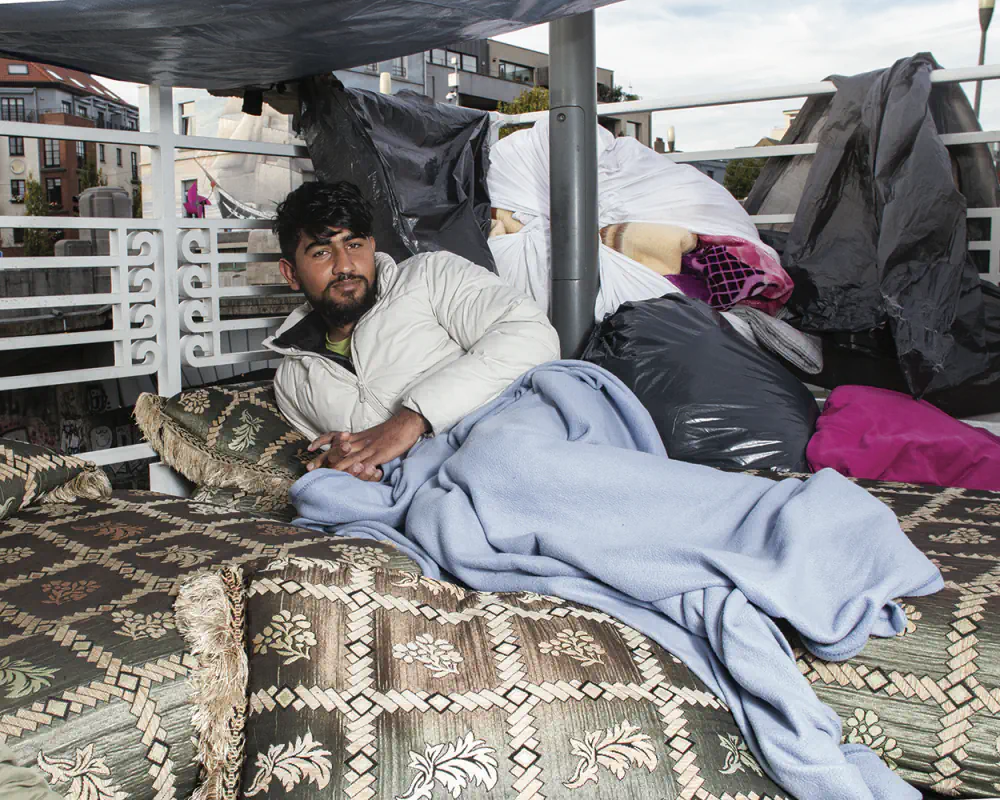
Azadi means “freedom” or “liberty” in Pashto.
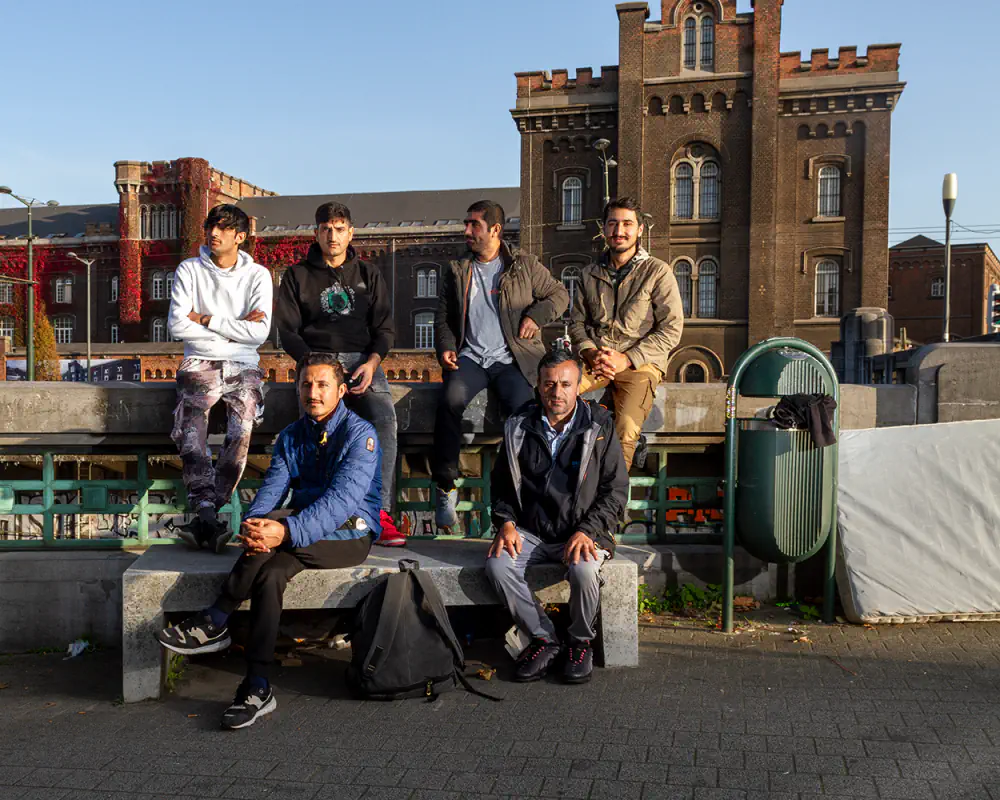
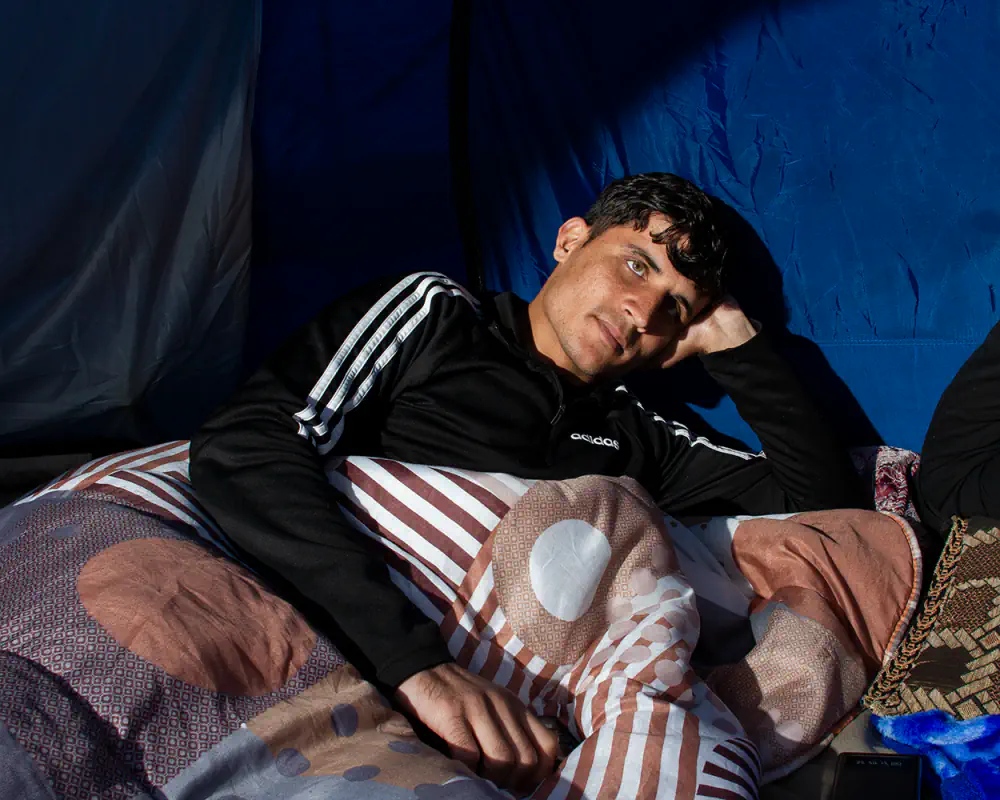
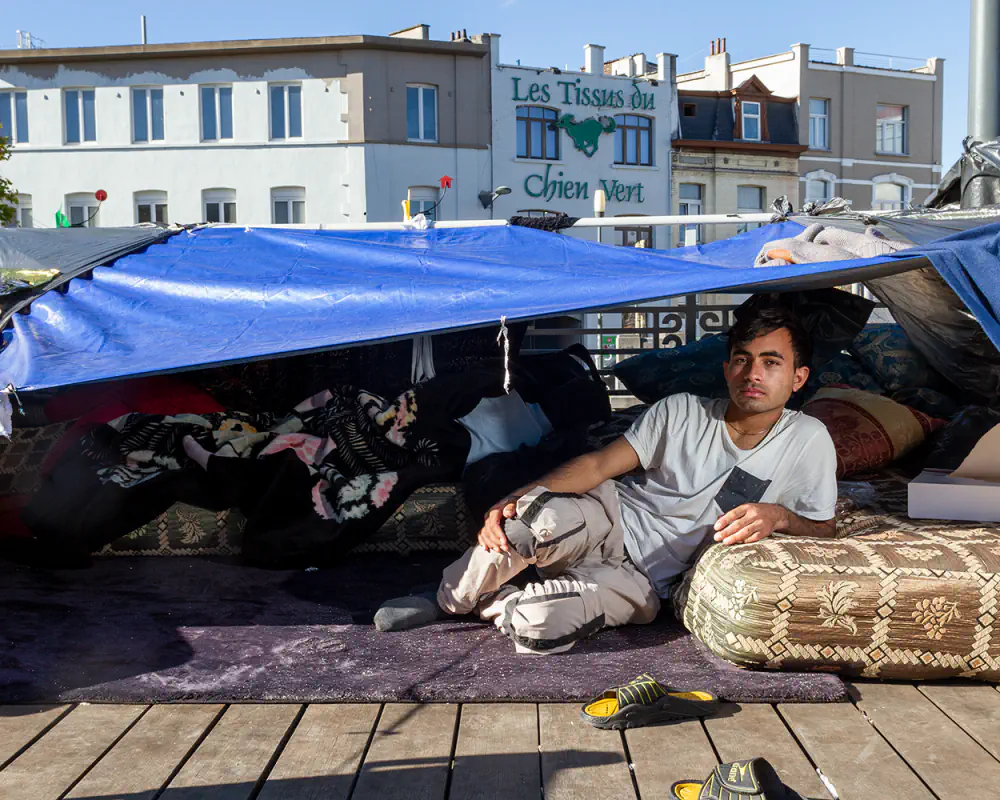
I began this project in September 2022. I met a group of young men from Jalalabad, Afghanistan, in Nangarhar Province, in the city centre of Brussels. They noticed my camera and asked if I could join them.
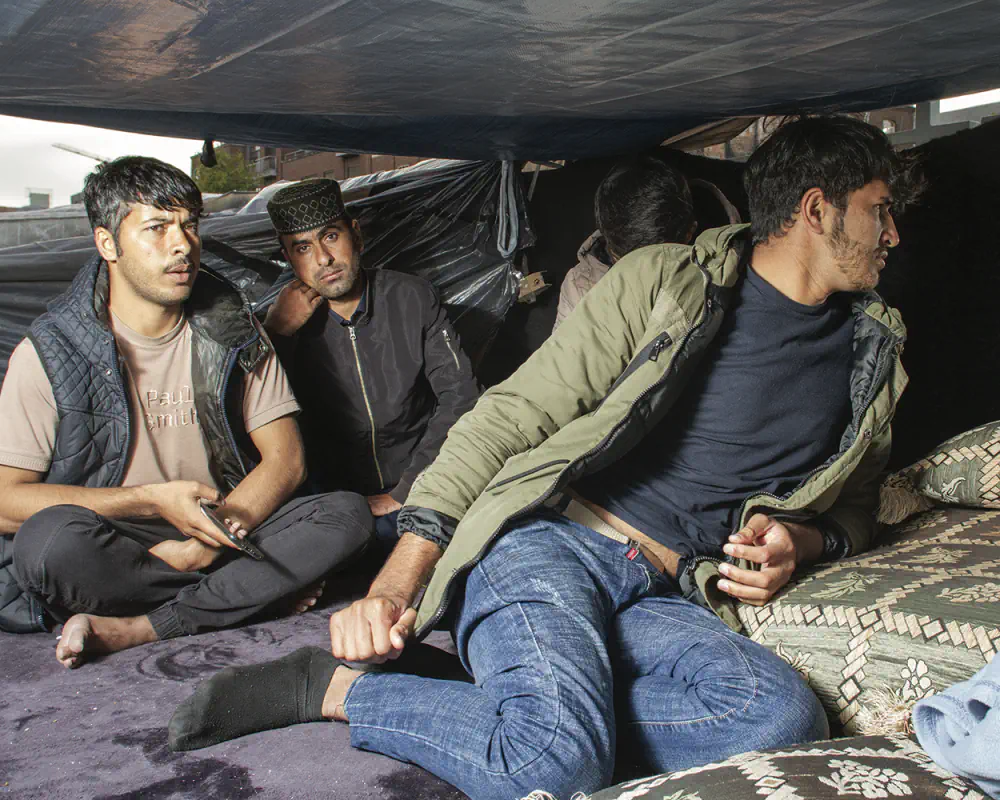
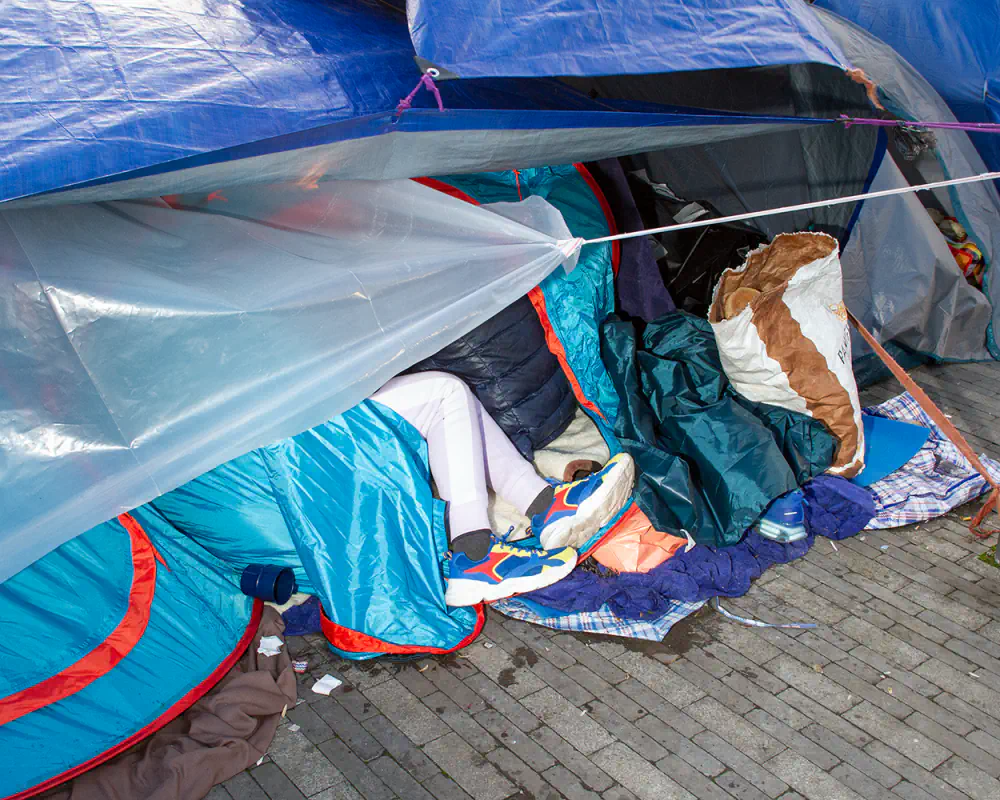
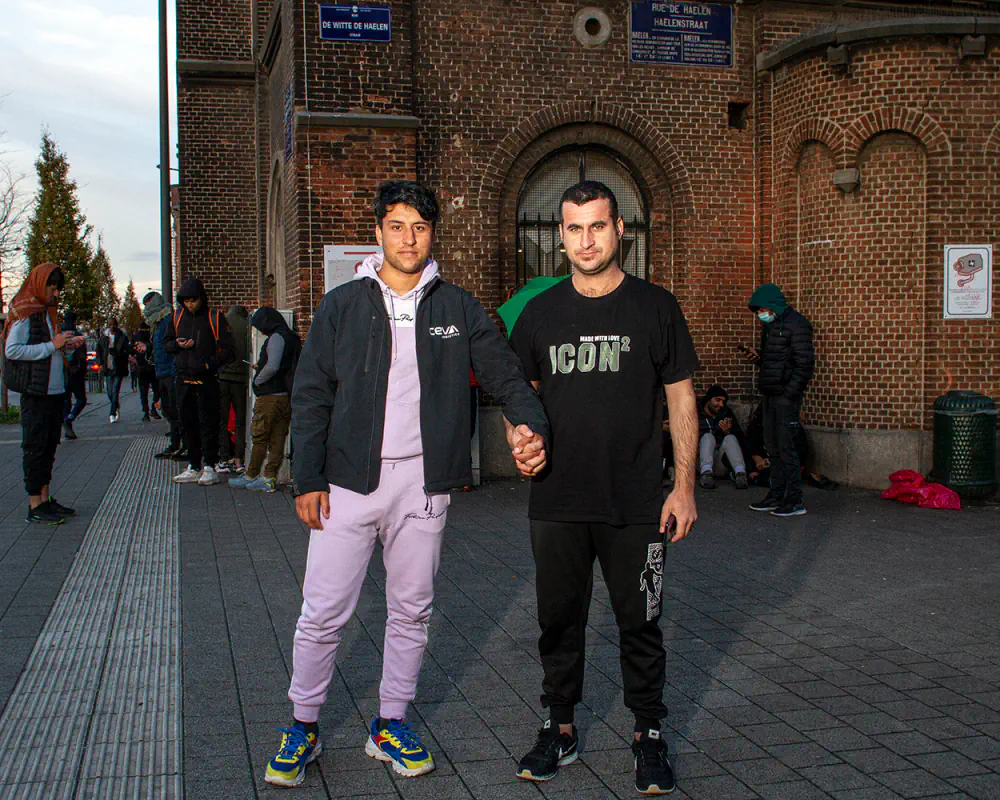
I photographed them for three months. I remember that the winter that year was particularly harsh and rainy. They were living in tents in front of the building that is now used by FEDASIL, the Federal Agency for the Reception of Asylum Seekers. Their living conditions were terrible, and it took the government six months to make a decision and help them find a safe place.
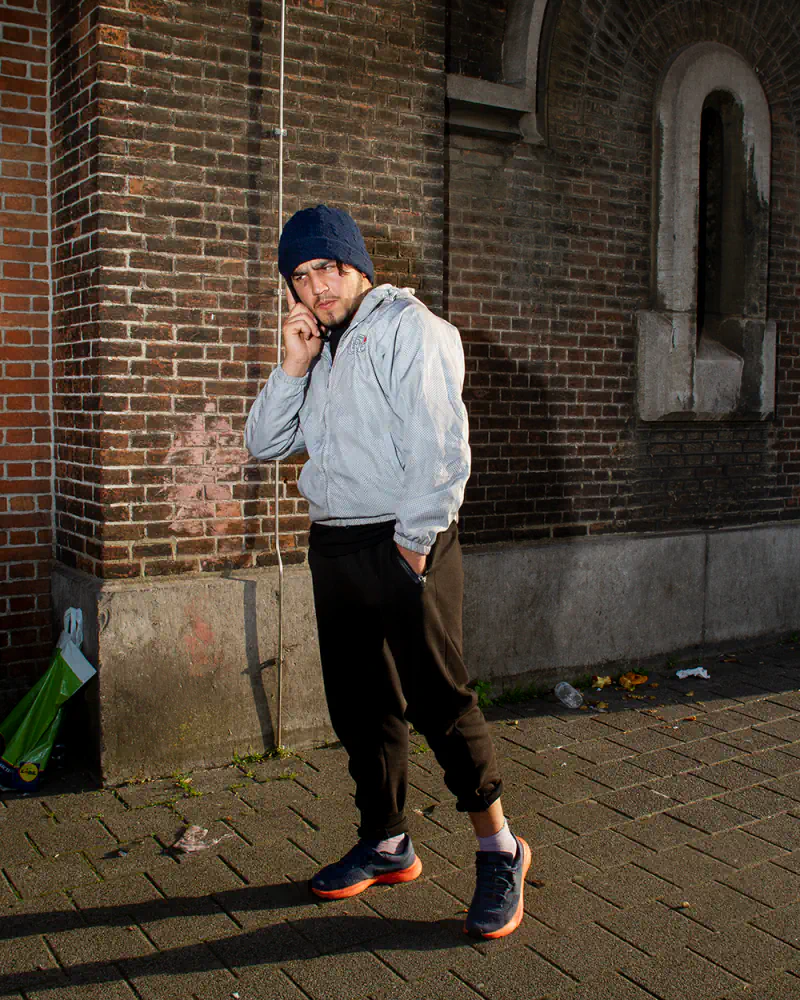
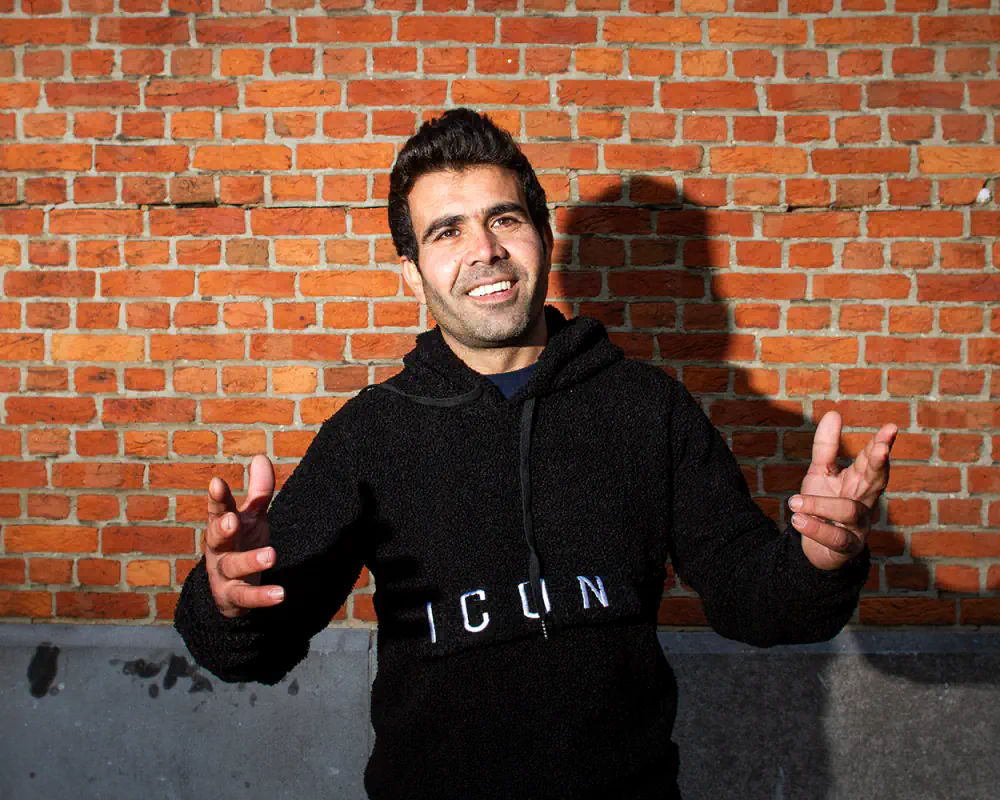
Gradually, photography became part of our time together. They enjoyed posing, and it was truly amazing to see how happy it made them. The camera became less a tool for documenting their situation and more a reason to meet them. They trusted me and allowed me to tell their story.
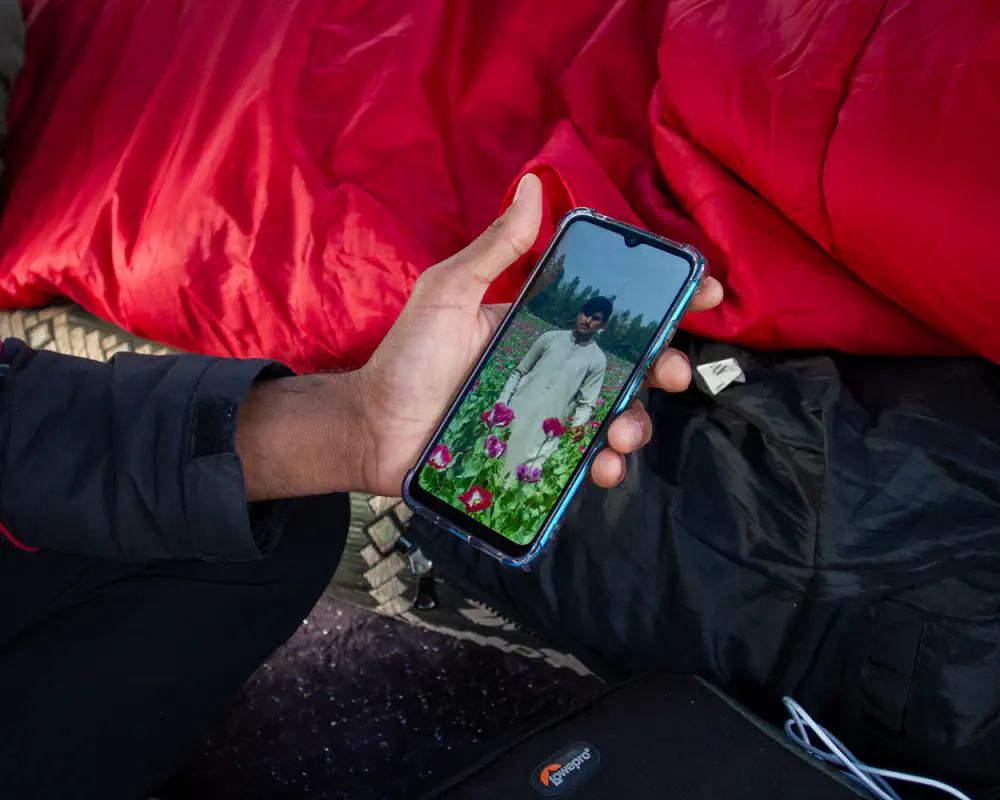
The main reason they left Afghanistan was that the Taliban’s takeover in 2021 forced them to leave their homes and jobs. They wanted to preserve their freedom. They knew that they would be among the first people the Taliban would decide to persecute. Most of these young men had been police officers or military personnel trained by the American army. Since then, the situation in Afghanistan has remained extremely difficult.
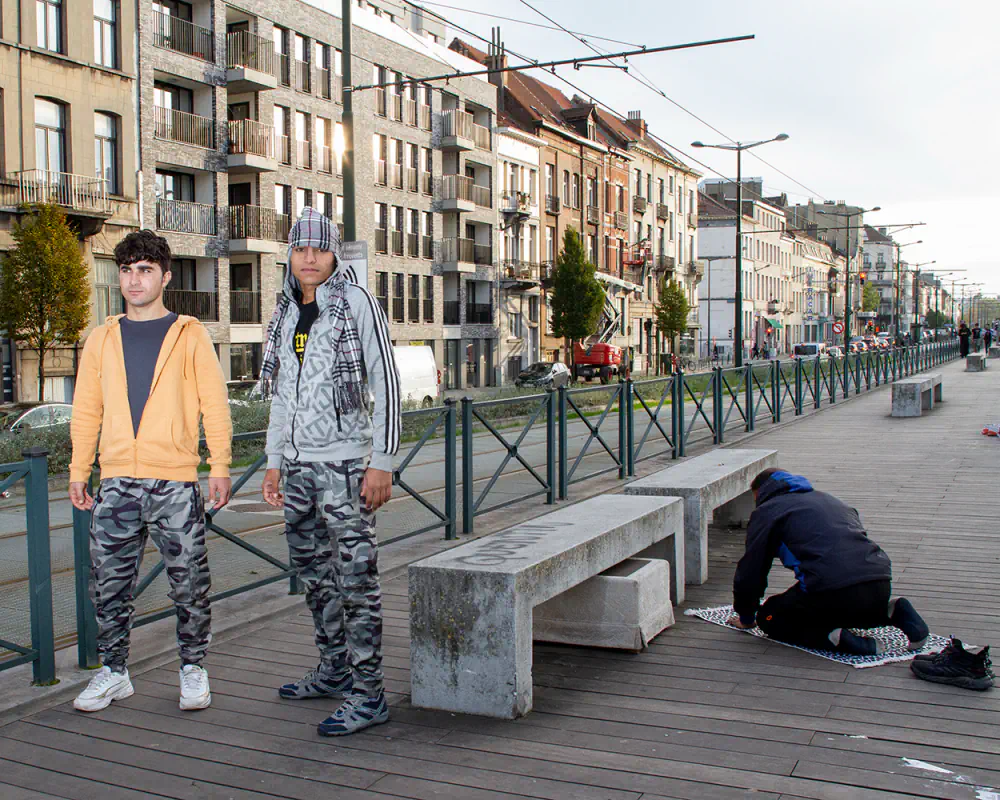
Through this work, I primarily wanted to focus on the dynamic that developed between these young Afghan men and myself. Of course, showing their living conditions was inevitable and important, but it was neither the main focus nor my primary motivation. My intention was, above all, to understand the relationship we could establish with one another and to break through the barrier of the simple “photographed subject–camera–photographer” relationship.
Photography became, first and foremost, a medium through which we could communicate about something that recurs throughout this series of images: their Afghan identity.
As I continued documenting these young men, I came to understand something. Their primary motivation was to proudly show where they came from. Some wore traditional clothing, while others chose to be more explicit, wearing the colours of the Afghan national flag or other symbols connected to their culture and history.
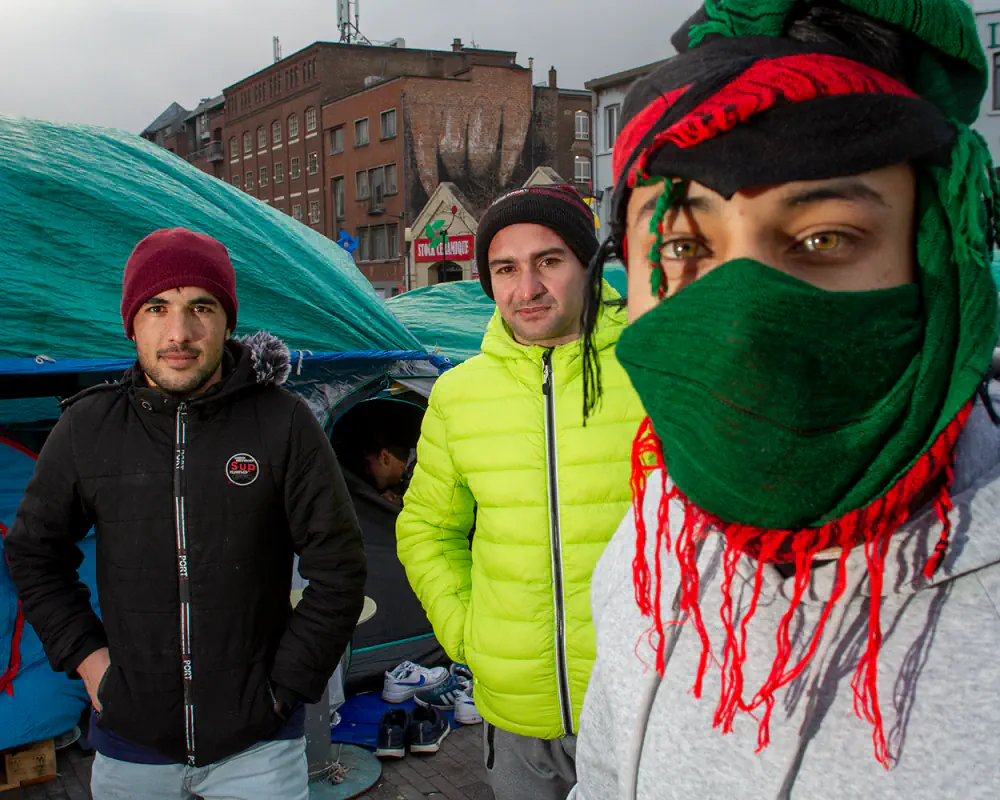
I made this work at a time when I had begun writing a short essay about the role of photography and the image in the construction of an individual’s identity. I was interested in the importance and responsibility of the photographer in relation to the bond they create with the people they photograph, as well as in the motivations behind making these images.
I usually work with film, and consequently, the final result takes time to emerge. During this period, it can be difficult to maintain complete transparency with the people being photographed.
For this particular project, I decided to work digitally. Being able to show them the photographs directly on the back of my camera allowed me to build their trust. In the evenings, after photographing them, I would send them low-resolution versions of the images taken just a few hours earlier via WhatsApp.
This work is dedicated to Sadad, Sahel, Jan, and Tassal.
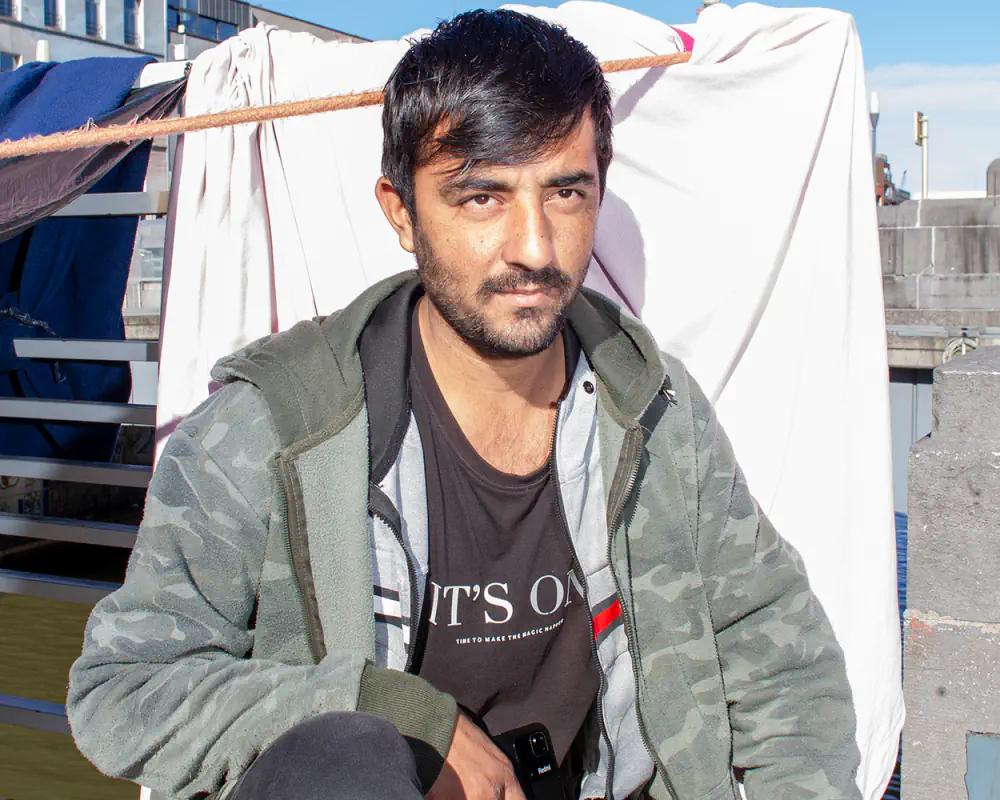
About Daniil Zozulya
Daniil Zozulya is a Belgian photographer based in Brussels, primarily working in documentary photography, while also exploring fashion, the music industry, and portraiture.
He completed a bachelor’s degree at ESA Le 75 in Brussels before pursuing a master’s degree in Documentary Photography and Fine Arts at KASK between 2021 and 2024.
His photographic practice focuses on the ways in which human beings evolve, interact with, and adapt to their environments. [Official Website]