
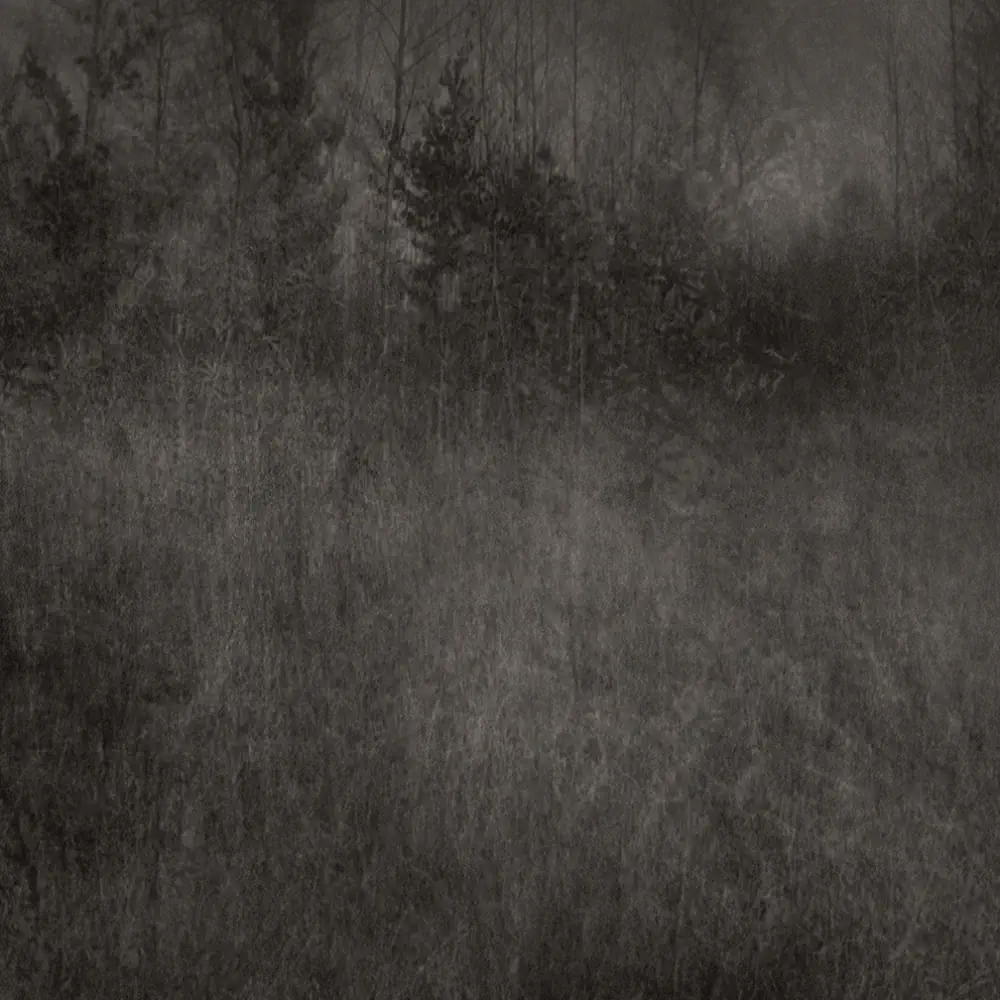
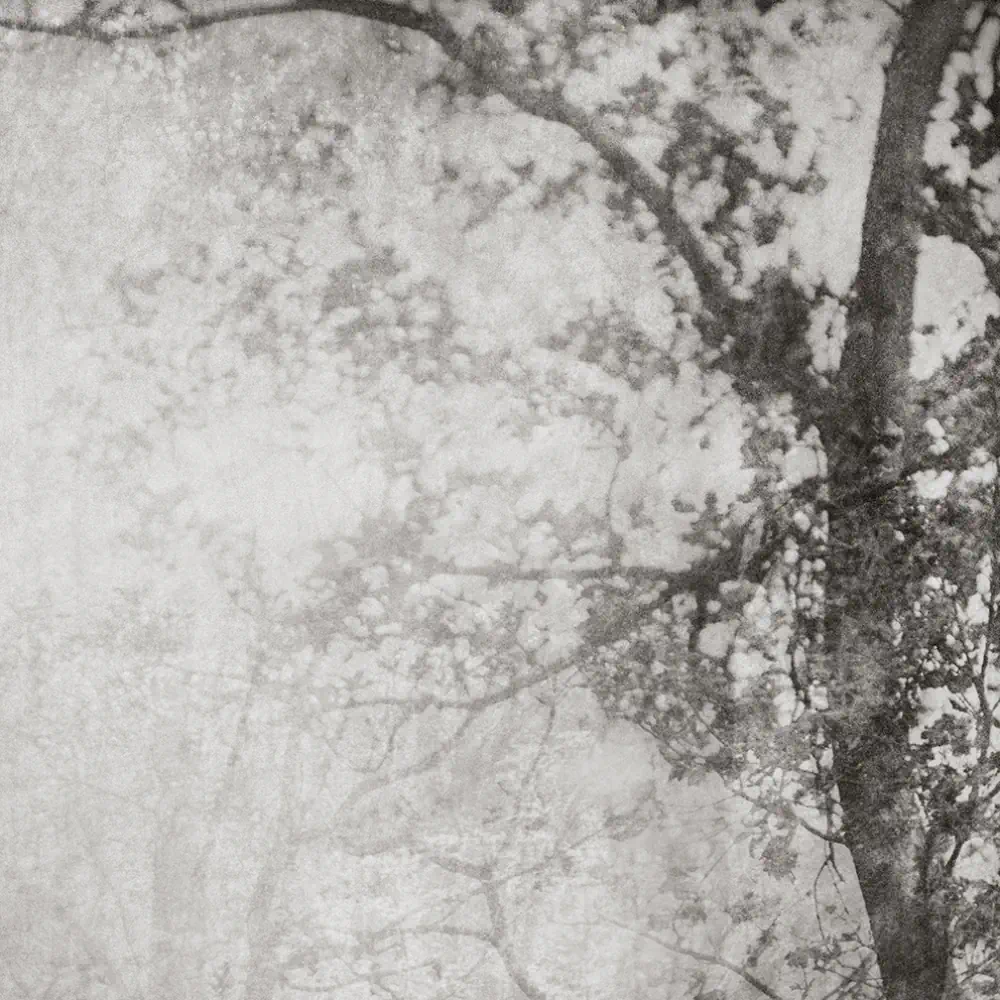
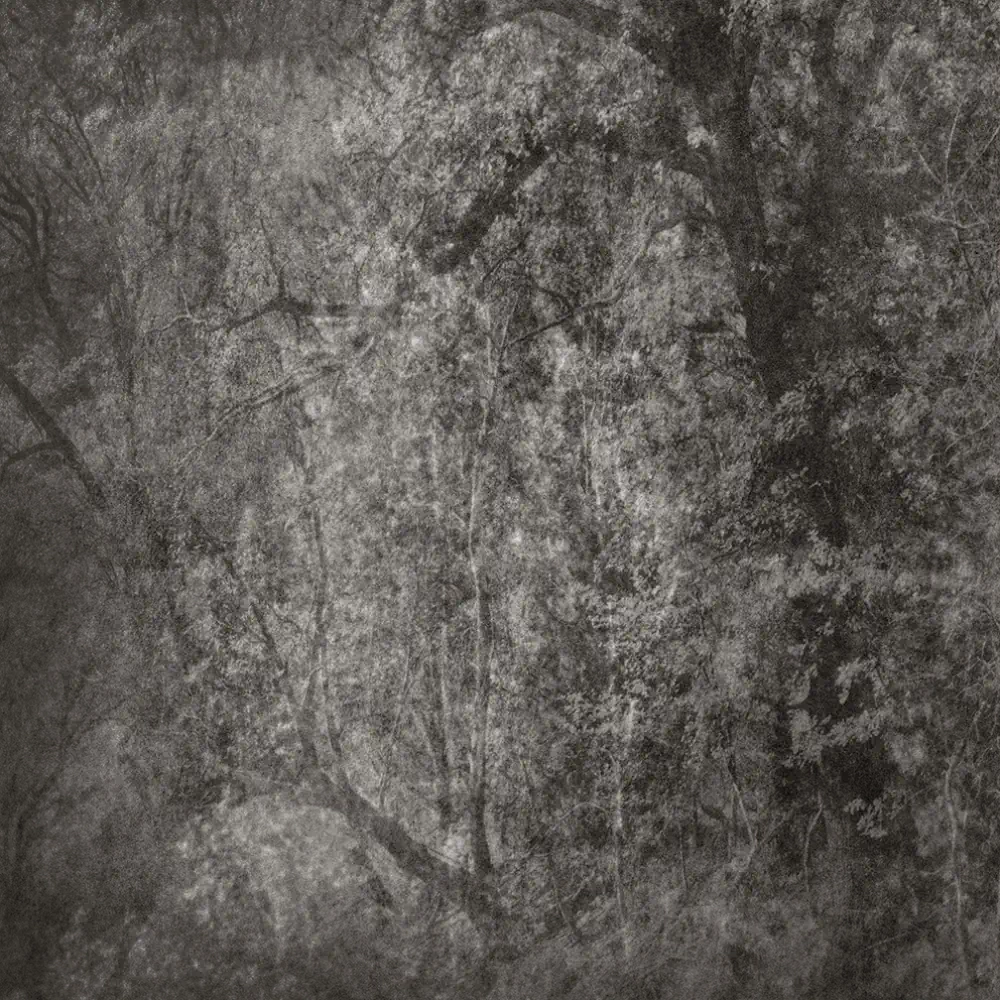
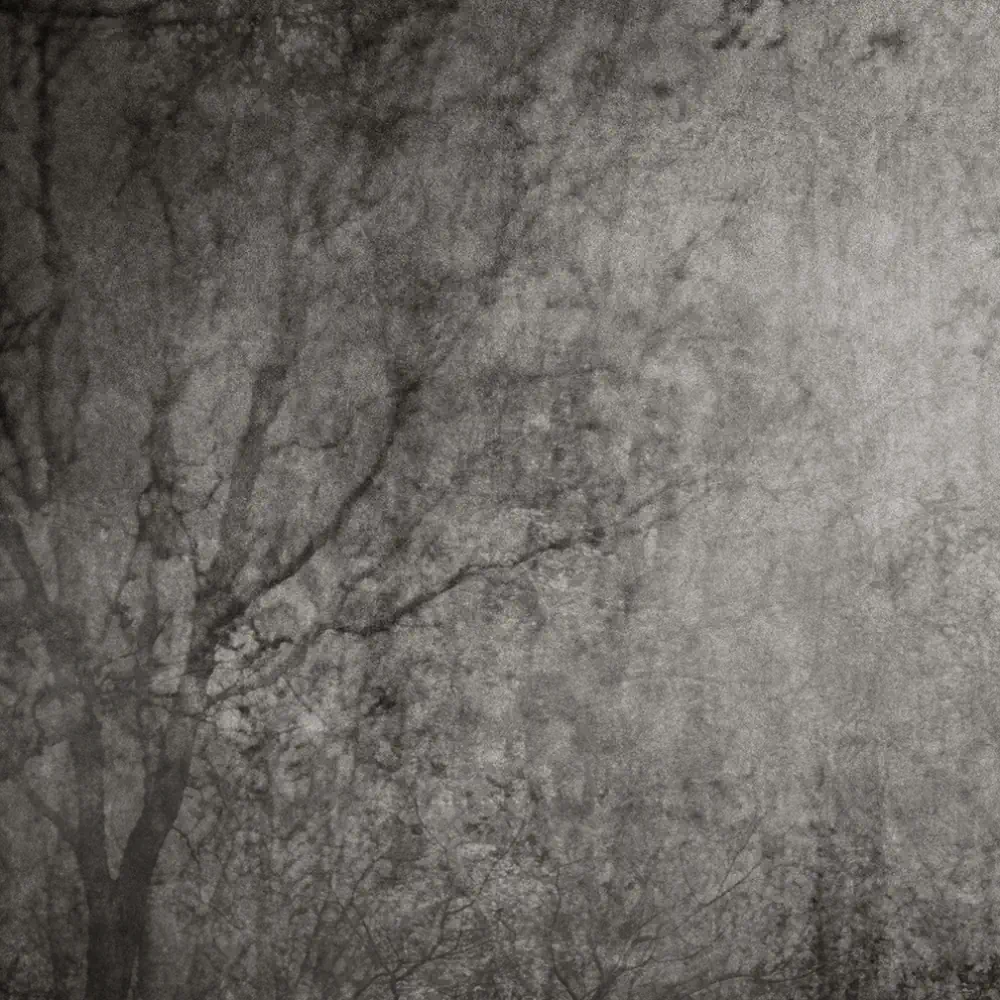
Napaea is a series of black-and-white photographs in which I explore landscapes, trees, plants, and forests as places of silence, transformation, and uncertainty.
Rather than documenting nature as it appears, I am interested in creating images that suggest another way of experiencing it—one in which time becomes fluid, familiar forms become ambiguous, and the landscape seems to exist somewhere between memory and reality. I search for this space between what is seen and what is sensed.
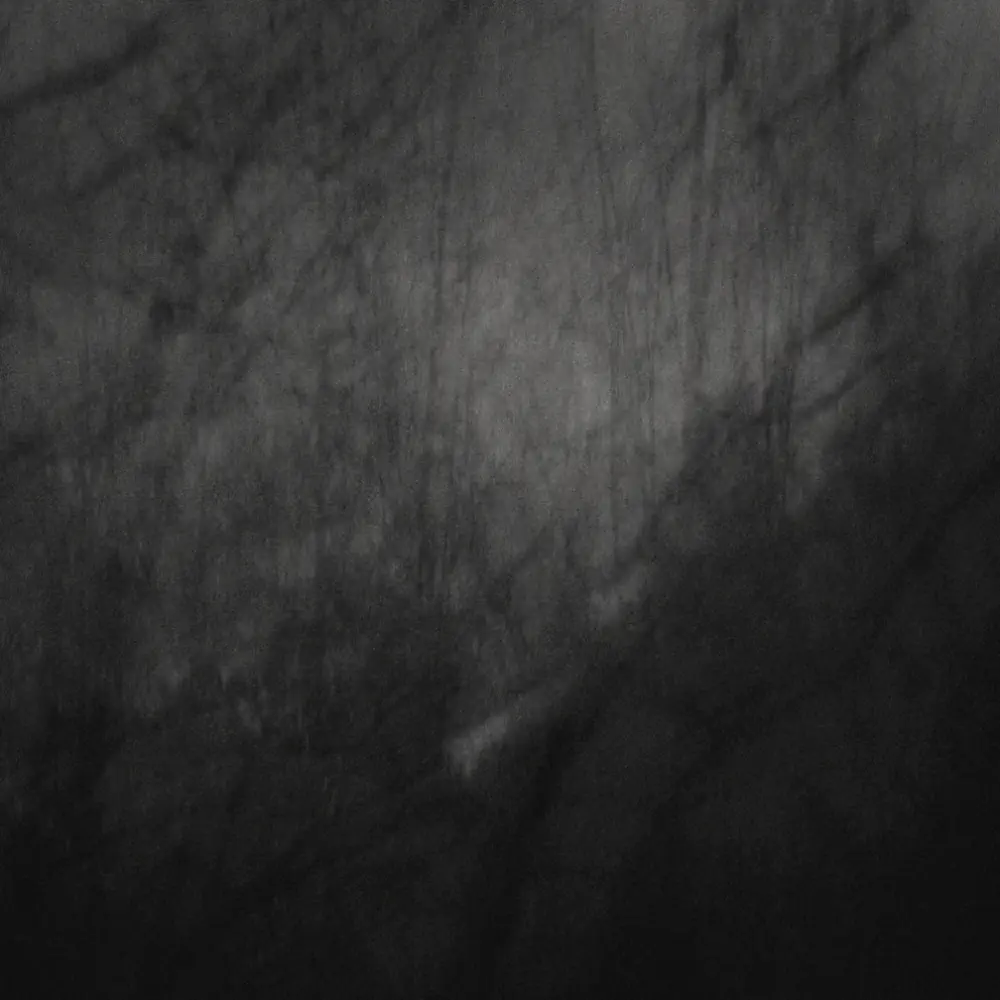
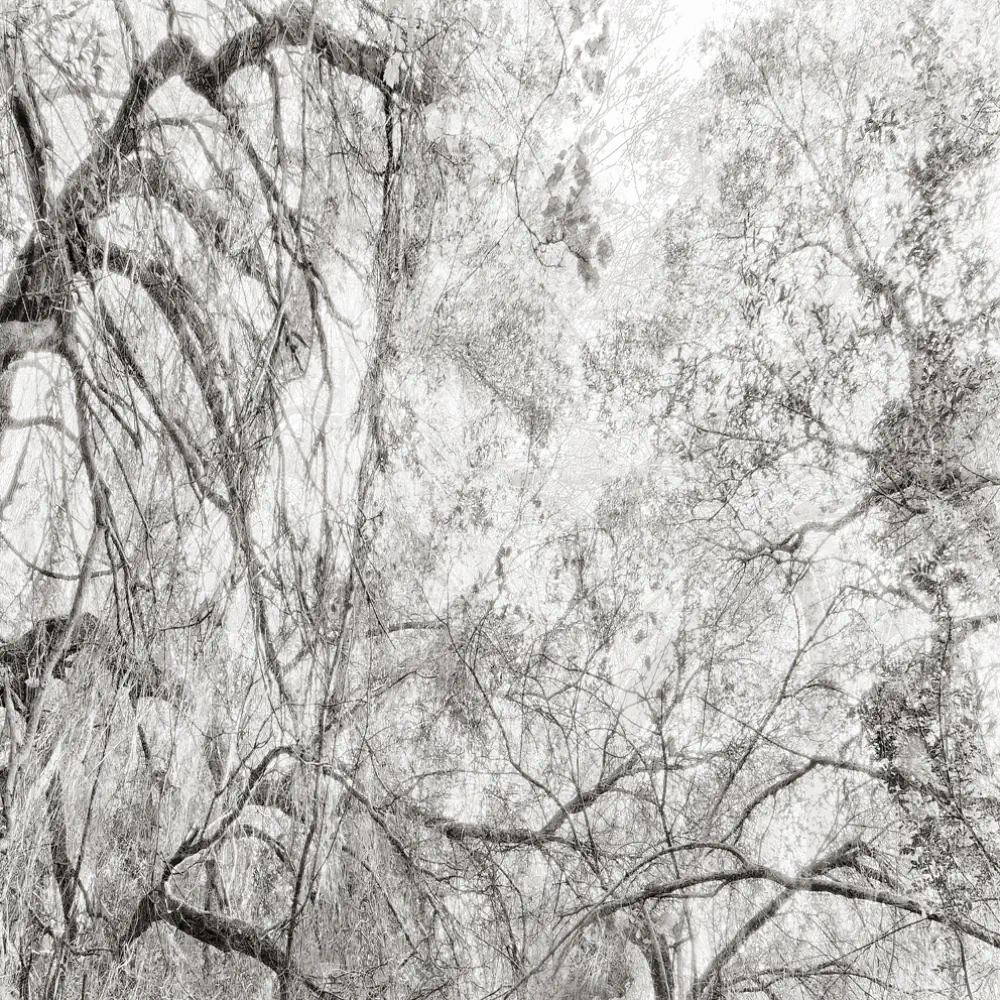
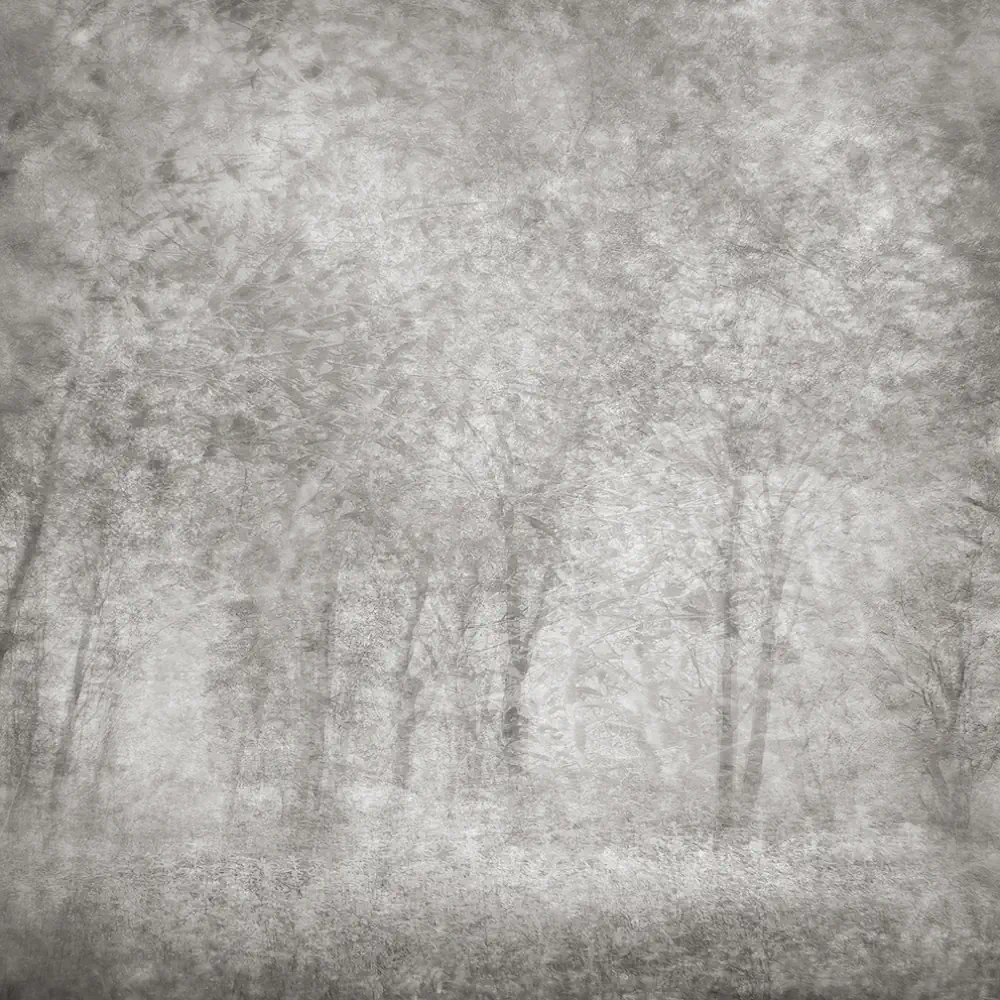
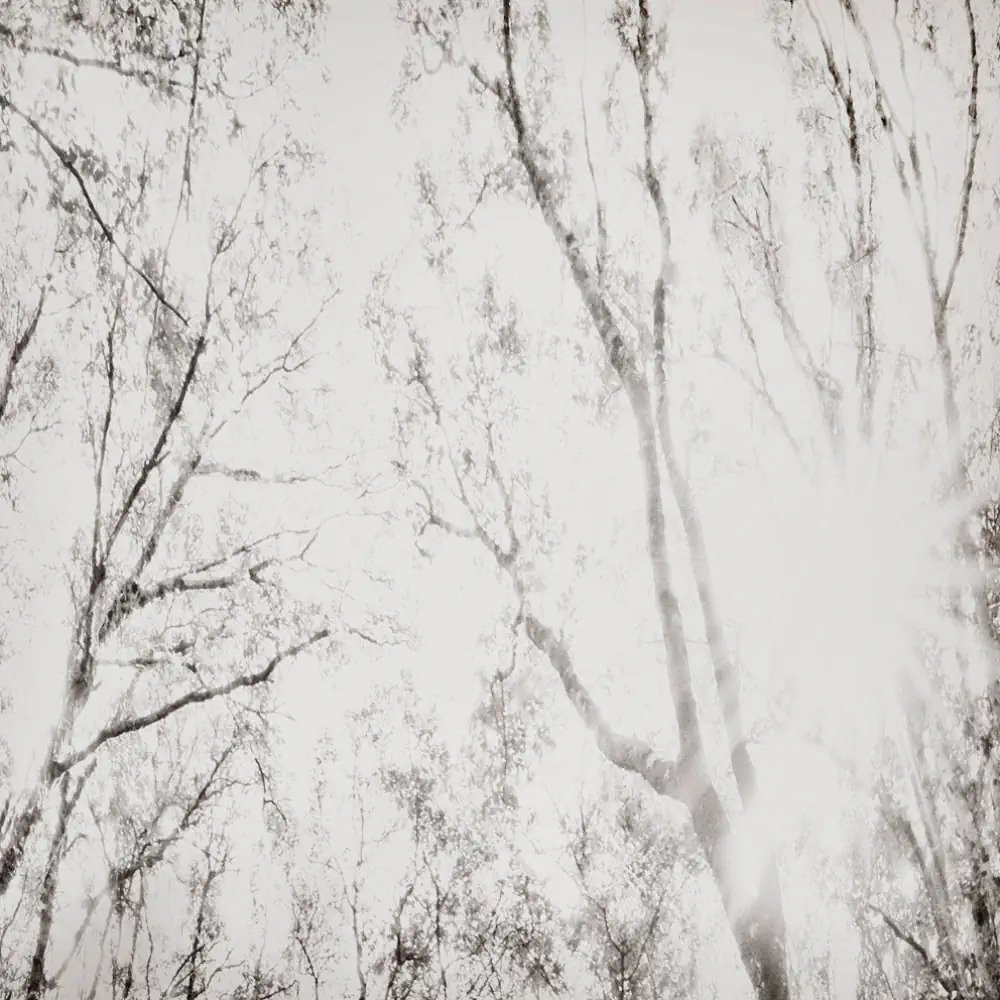
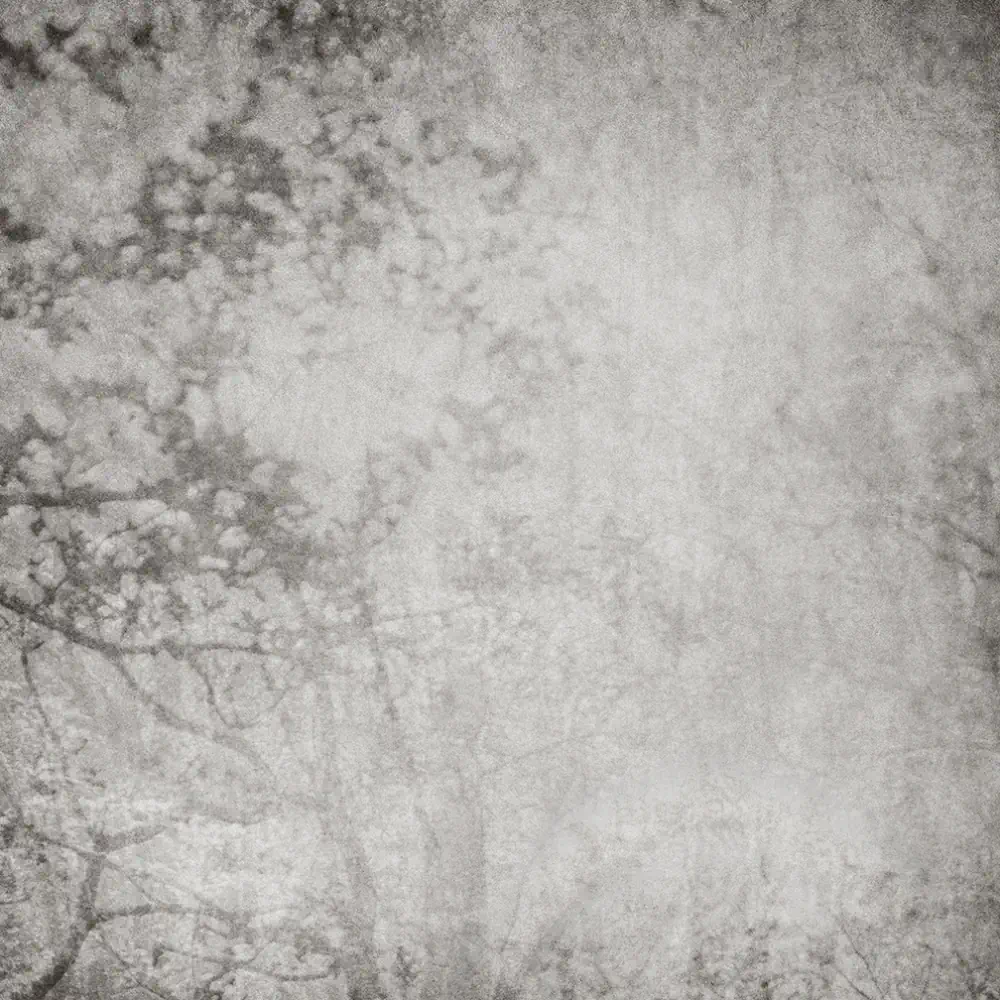
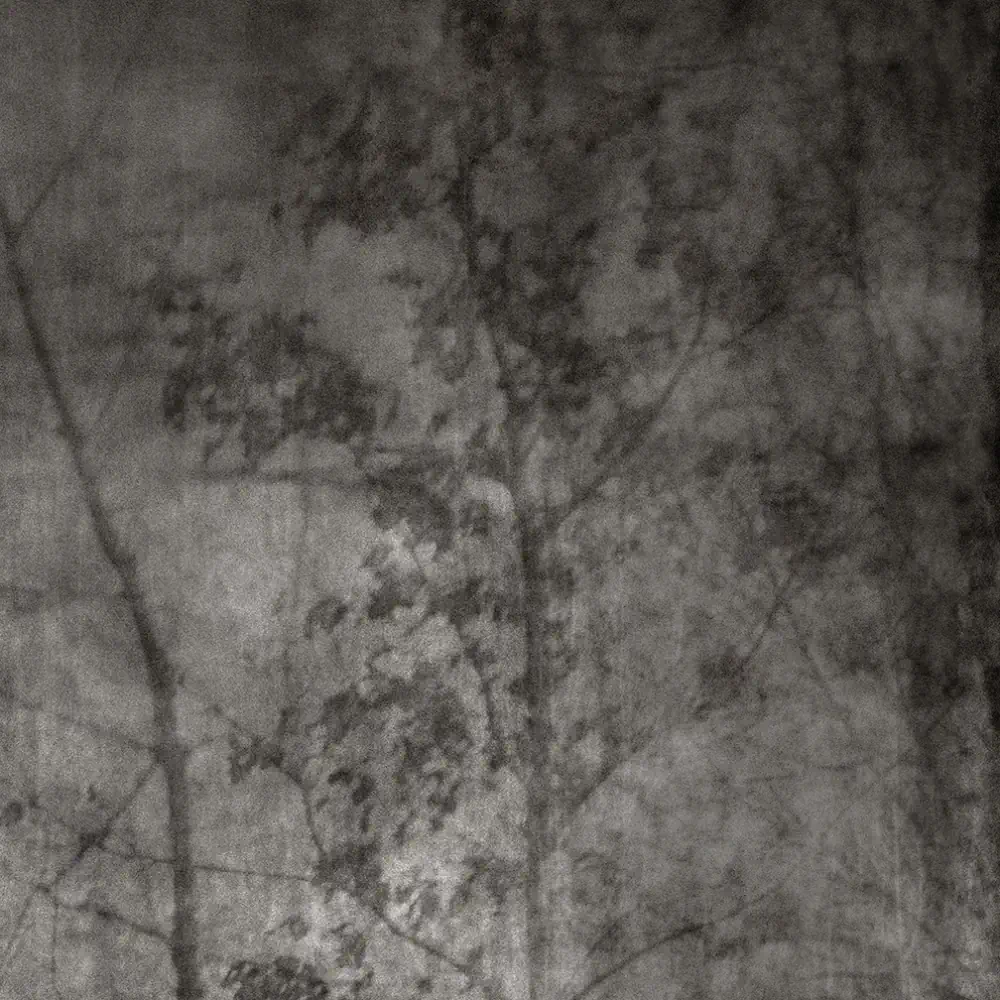
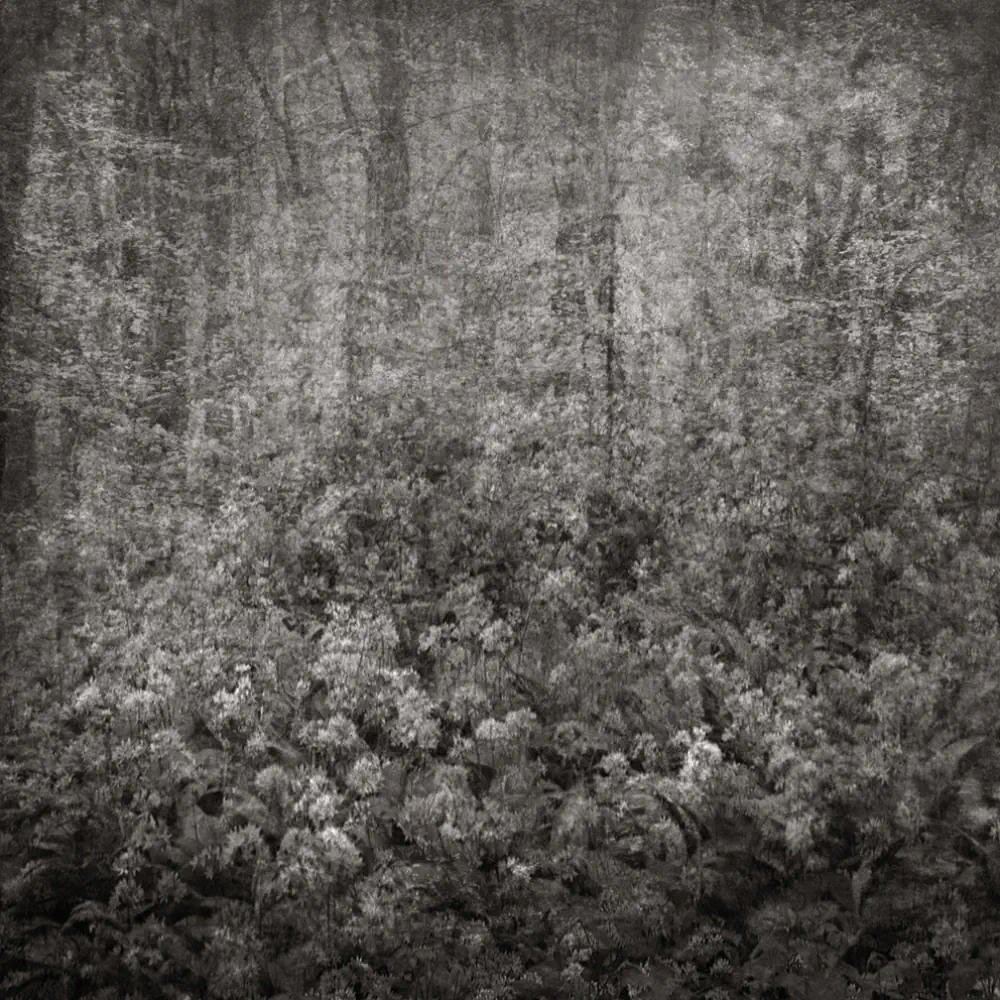
By reducing the landscape to shades of black, white, and grey, shape, texture, light, and atmosphere remain. Trees become silhouettes, plants become abstract structures, and forests can appear almost like imagined spaces. Light moves across branches, shadows dissolve into darkness, and forms emerge from the grey. The photographs are therefore less about identifying a particular landscape and more about creating a feeling or an experience. They move towards something more internal: towards a landscape of memory, sensation, and imagination.
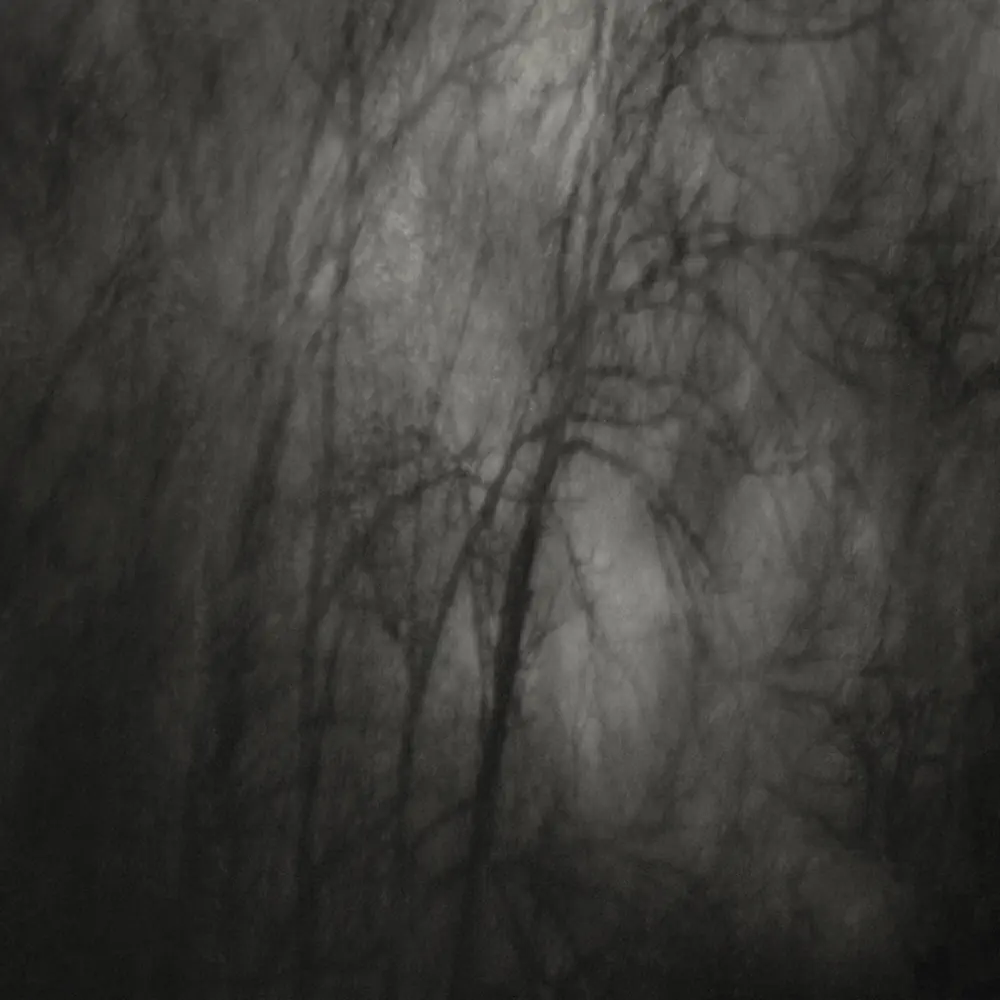
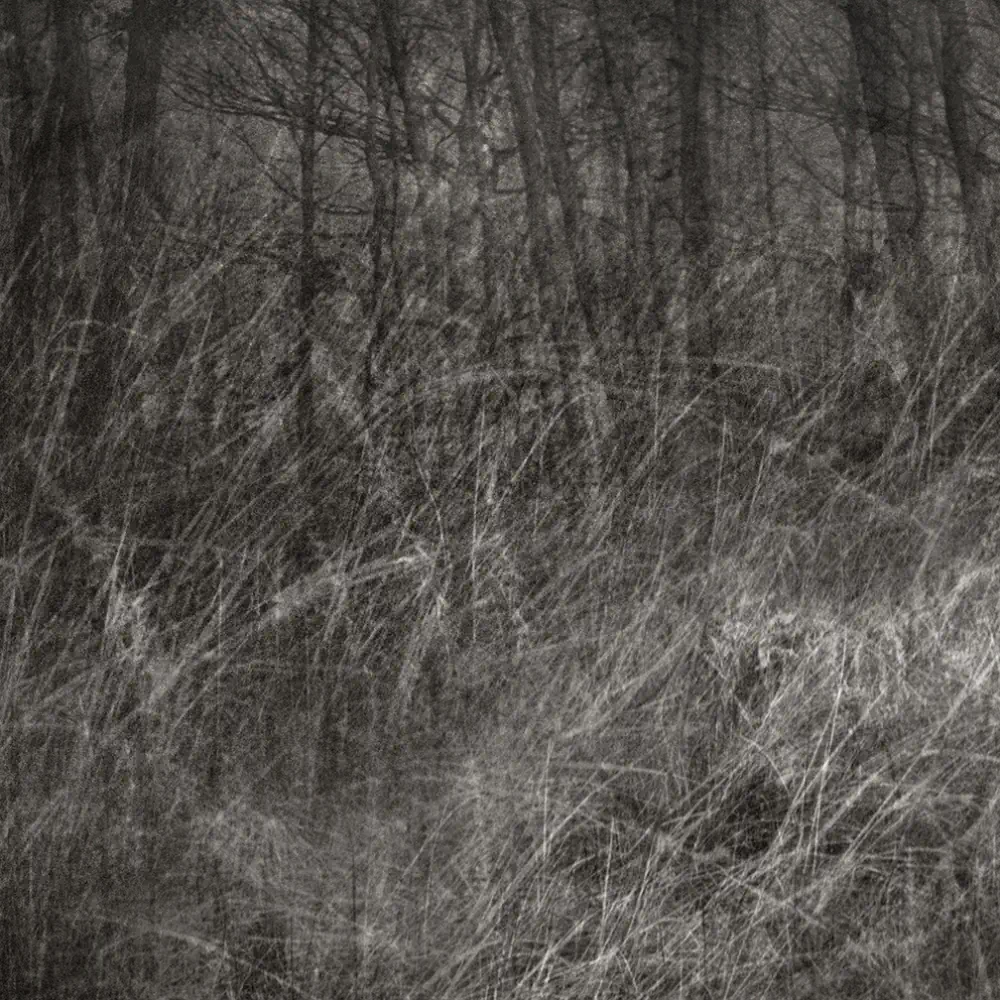
A long exposure time is crucial in Napaea. By allowing the camera to record over an extended period of time, movement is transformed into something that cannot be seen with the naked eye. Wind moving through leaves, branches shifting, or plants gently moving in space become blurred traces. Static elements remain relatively sharp, while everything that moves is translated into a different visual language and gathered into the image as traces. The resulting images seem to contain several moments at once—a passage of time.
This creates a tension between stillness and movement. A photograph traditionally suggests a single, frozen instant, but the long exposure time challenges that idea. The image becomes a record not of one particular moment, but of a duration. Time is no longer simply what happens before and after the photograph; it becomes visible within the photograph itself, a space in which time has accumulated. It is a place where the viewer is invited to enter slowly and perhaps, for a moment, experience a different kind of time.
In some works, I take this idea further by combining or printing different photographs on top of one another. Images made at different moments are brought together within a single physical image. Trees, branches, and plants overlap, disappear, and re-emerge. The boundaries between separate photographs become uncertain, creating images that feel suspended between different points in time. Sometimes the result resembles a memory that has been layered, altered, or partially forgotten.
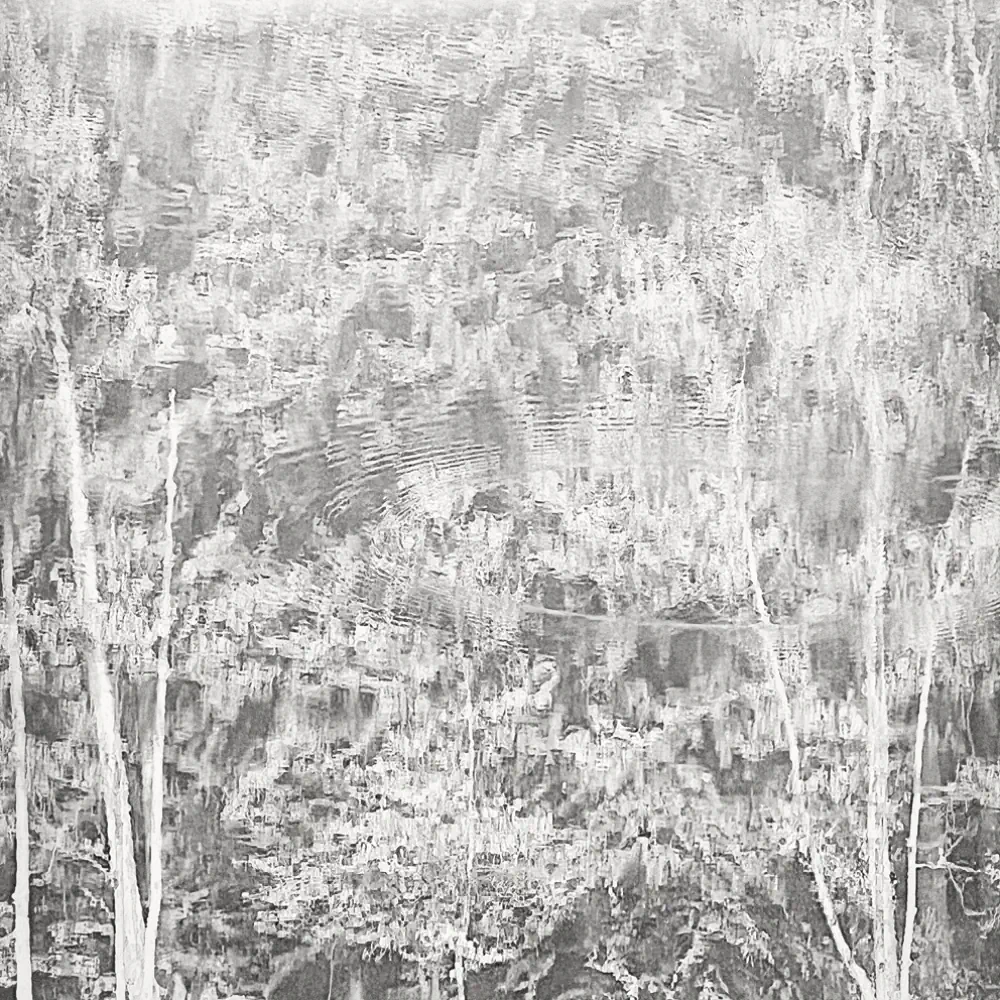
The landscape seems to exist simultaneously in different states—present and absent, sharp and dissolving, remembered and imagined. The layering also changes the way space is experienced. A forest may no longer appear as a clearly defined physical location, but as a psychological or imagined space. Depth becomes uncertain, and the viewer is invited to move between different levels of the image. What appears to be a branch may belong to another photograph; what seems distant may actually be closer. This ambiguity is intentional.
There is also something inherently mysterious about this transformation. Nature is everywhere around us, yet it remains beyond complete understanding. We enter a forest carrying our own memories, fears, and associations. The forest gives nothing back in a fixed form. It changes with the light, the weather, and our own state of mind.
Ultimately, I see Napaea as a way of questioning our perception of time and place. By stretching, overlapping, and distorting moments, I create landscapes that seem to exist outside ordinary chronological time. They might be fragments of the past, traces of the present, or images of a place that has never existed. In this space between reality and imagination, between waking and dreaming, the landscape becomes not only something we look at, but something we remember, sense, and experience.
What remains is not a landscape as we know it, but a place suspended between presence and disappearance—a place where we can come home and perhaps, for a little while, become a Napaea.
In Greek mythology, a Napaea is a female nature spirit, a nymph of the woods.
About Alexandra Cool
Alexandra Cool is a sculptor and photographer. She has been working for several years in Carrara, Italy, New York, and Corsica. Today, she divides her time between Belgium and the Auvergne region of France.
Cool has an intimate relationship with nature. Her respect for natural materials and their inherent beauty is a constant source of inspiration. Through her work, she seeks to reveal what is invisible and silent, while exploring the relationship between nature and human beings. At times, her work also takes on a clearly socially engaged dimension. [Official Website]
 11
11