A forest is not silent. Sometimes, it is afraid. A forest is often imagined as a place of tranquillity.
A place where time slows down, where humans can escape the noise of everyday life and reconnect with something primordial.
Trees, animals, light, and shadow become part of a seemingly timeless landscape.
But what if the forest is not at peace? What if the forest could feel fear?
Forest in Fear is a photographic project by Karel Mus that tells a real story. A story about a forest, the animals that lived within it, and a landscape that was already carrying the signs of its own disappearance.
When these photographs were made, the forest was still there.
The trees were standing. The animals were moving through the undergrowth. Light was finding its way between the branches. There was still a forest to photograph.
But the future of that forest had already been decided.
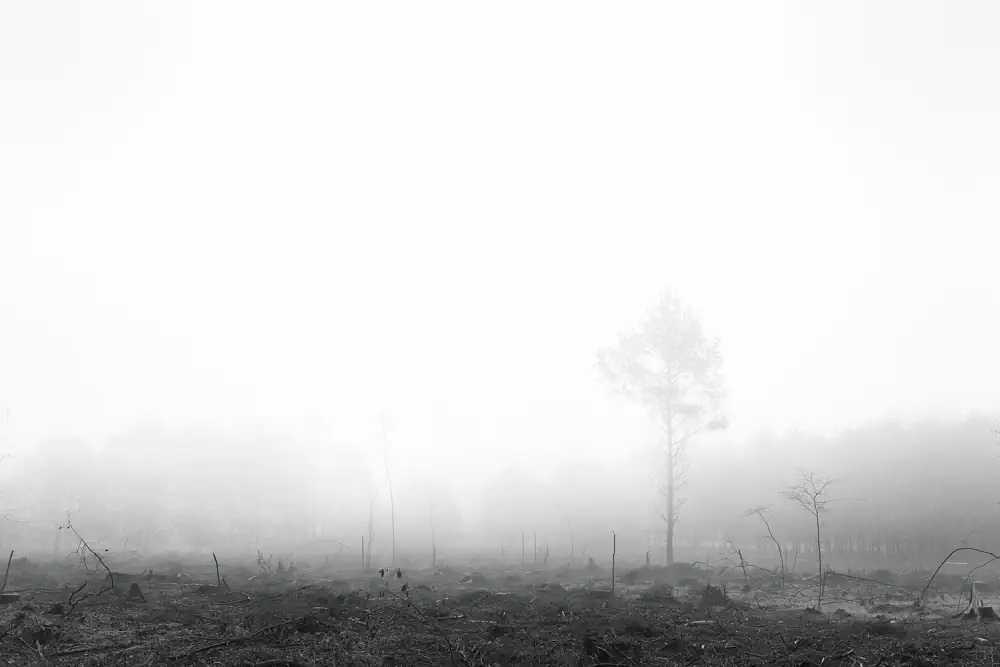
The forest has since been cut down.
This simple fact changes the way the photographs are seen.
What might initially appear to be an abstract or emotional interpretation of nature becomes, in retrospect, a document of something that no longer exists. The photographs have become witnesses. They preserve a place that has disappeared.
And perhaps that is what makes the images unsettling.
There is no need to depict chainsaws, fallen trees, or destruction. The absence comes later.
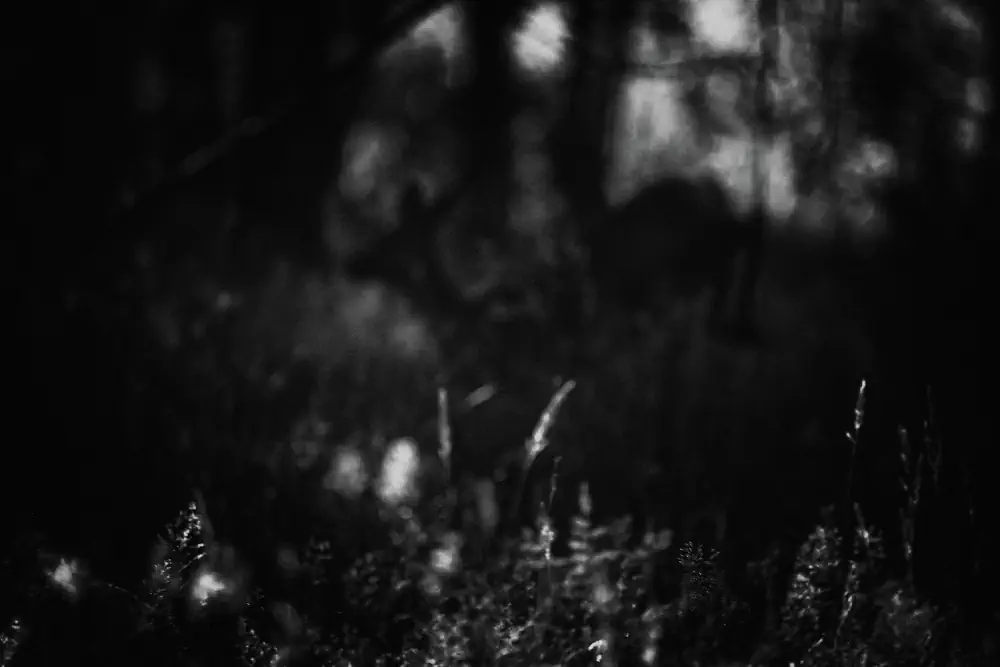
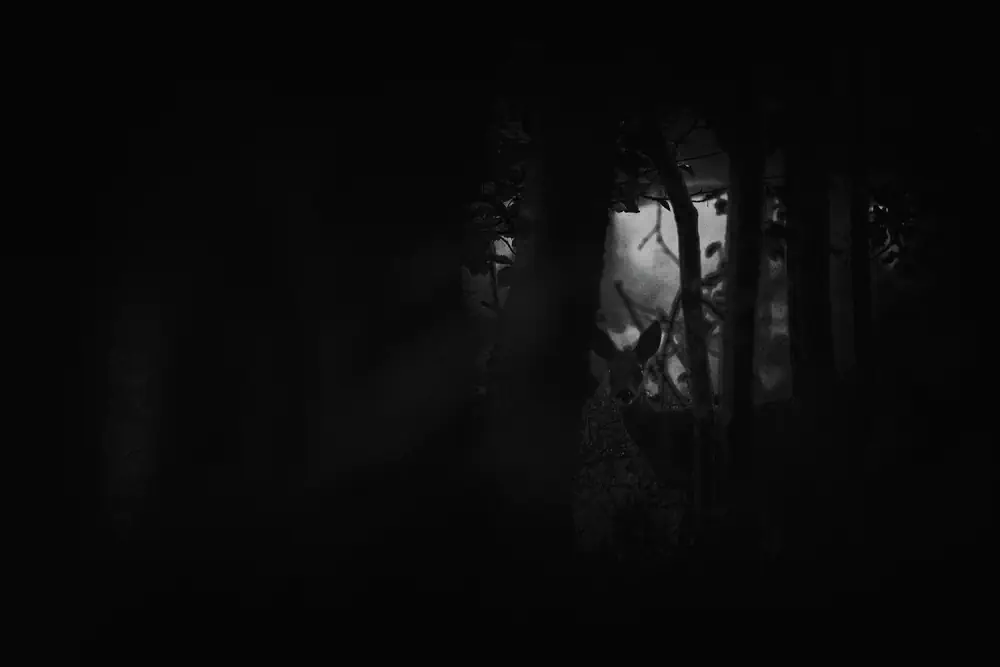
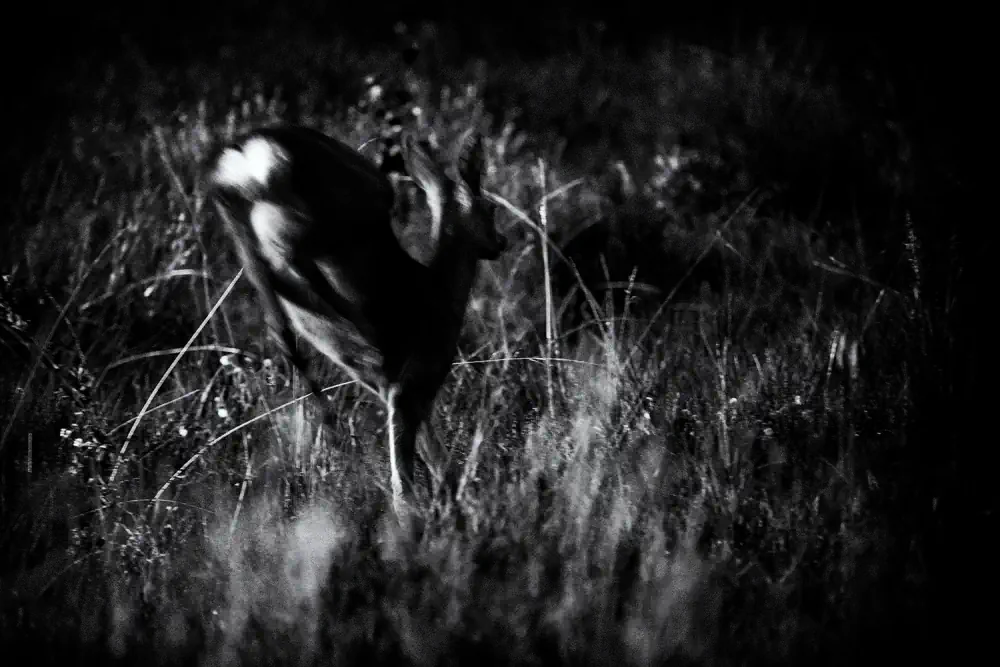
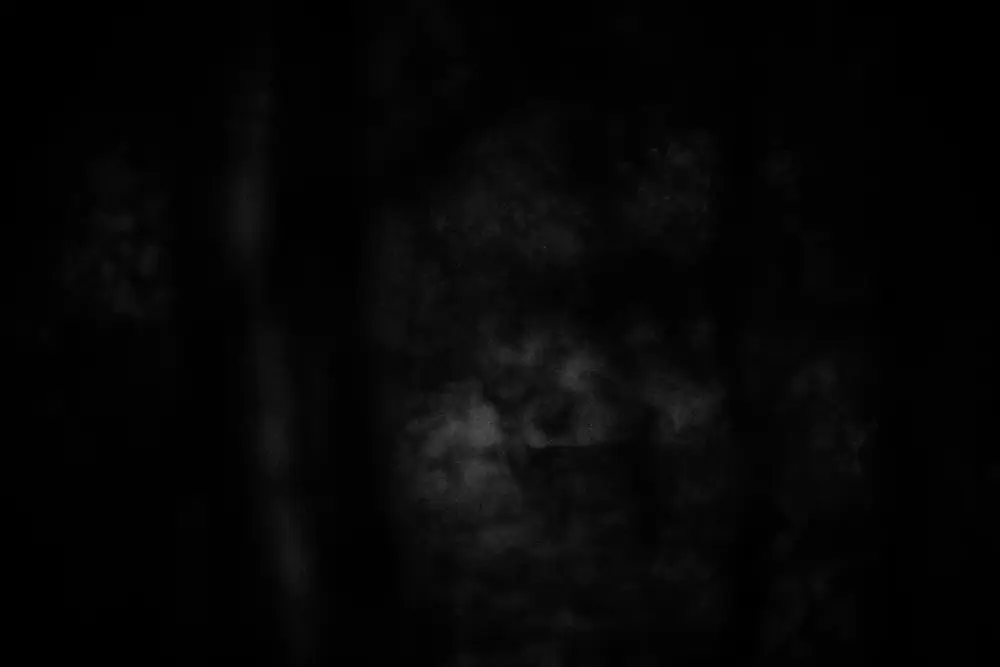
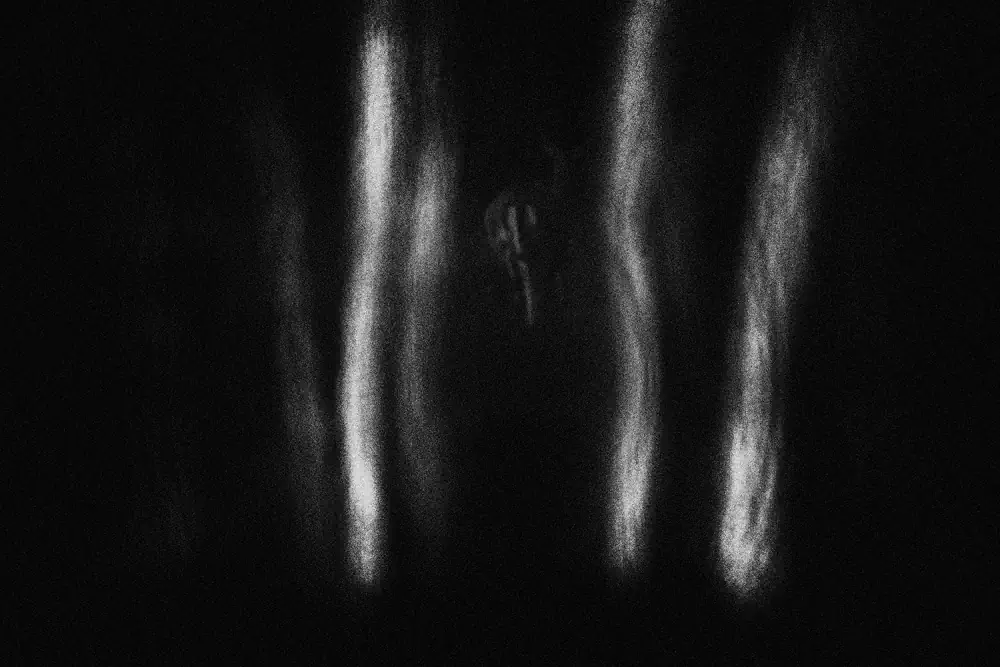
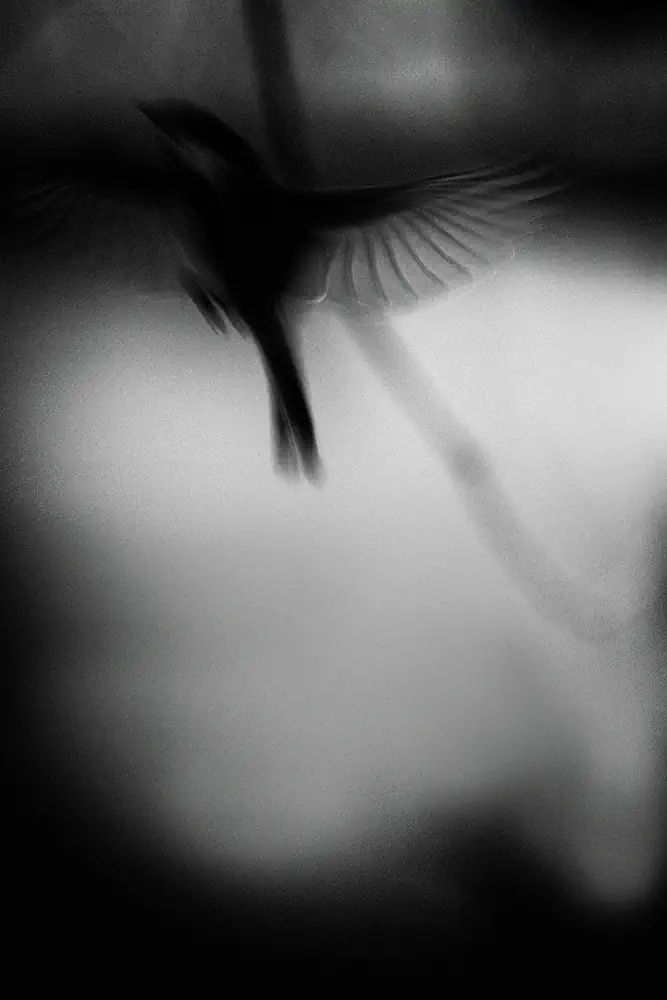
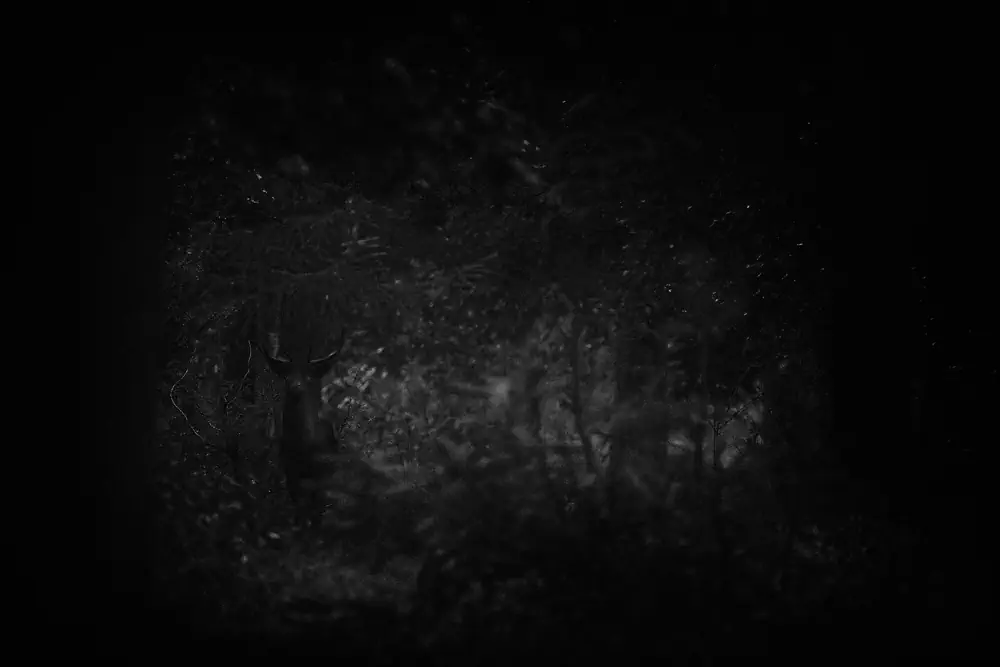
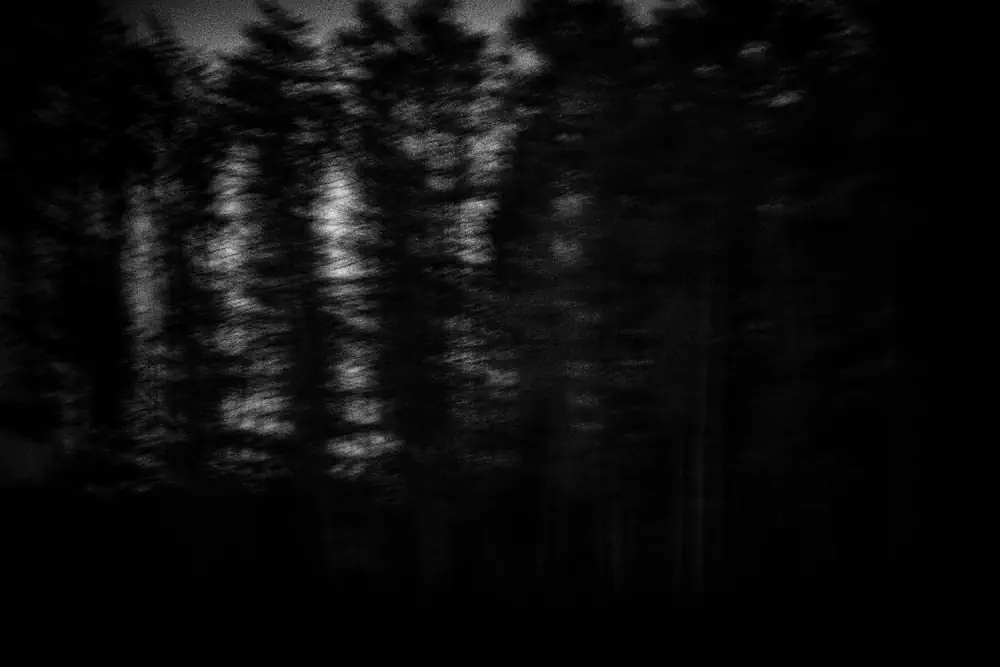
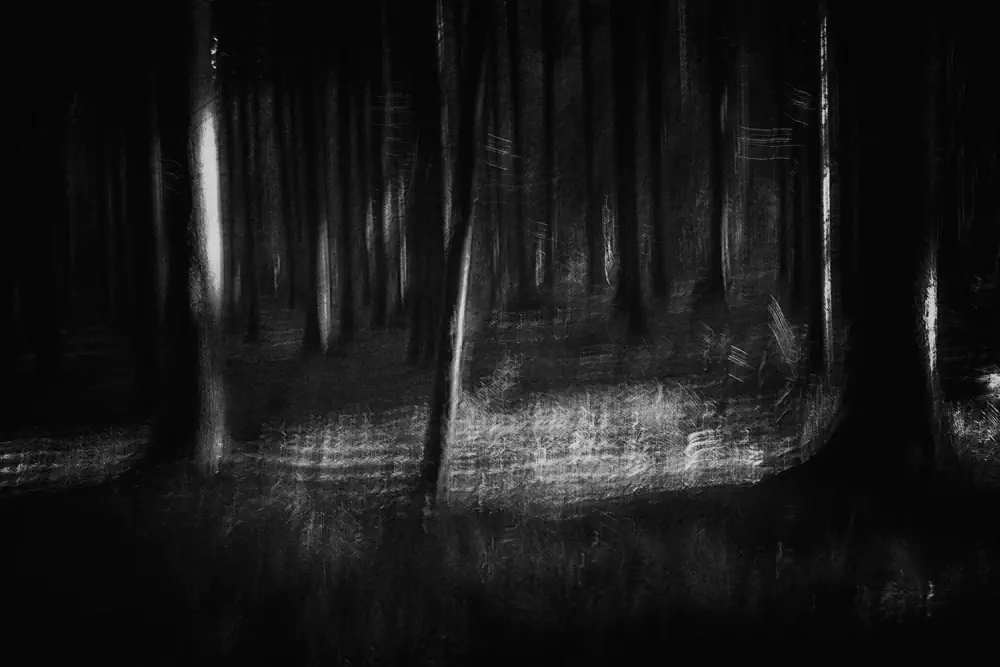
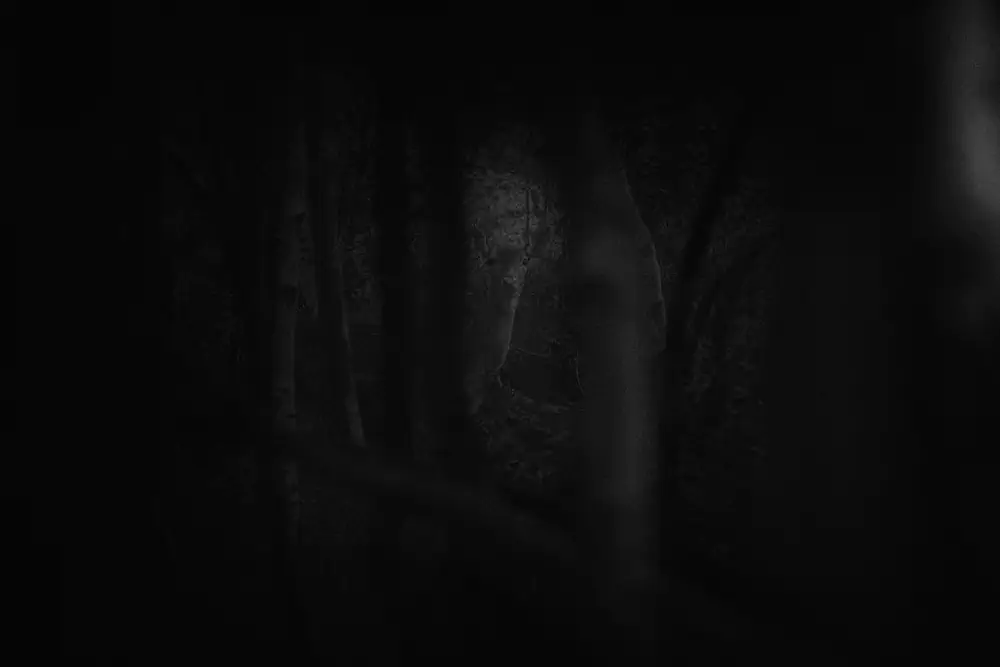
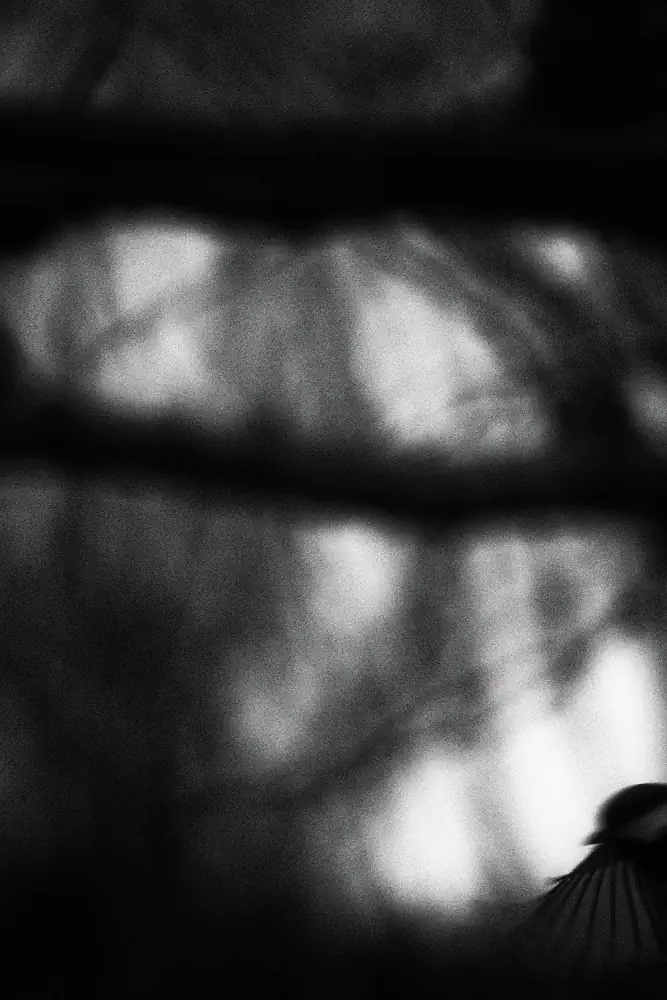
The photographs were made while the forest was still alive, yet somehow they already seem to anticipate its disappearance. The animals appear restless. Movement interrupts the image. Forms dissolve into darkness and blur. The forest feels uncertain, almost anxious.
It is as if something is about to happen.
And it did.
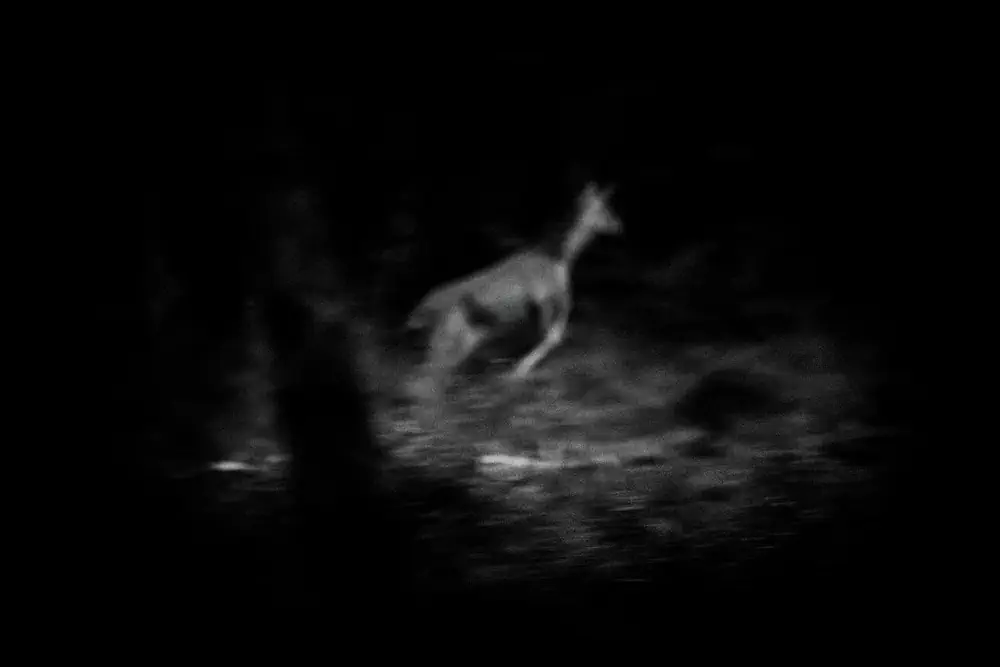
The title Forest in Fear therefore carries a meaning that goes beyond metaphor. The fear suggested by the images has acquired a physical reality. The forest that seems threatened in the photographs has actually vanished.
The animals have lost their habitat.
The trees are gone.
The place itself has become a memory.
Mus deliberately moves away from conventional wildlife photography. There is no attempt to capture animals in perfect detail or to present nature as untouched wilderness. Instead, movement, darkness, blur, and uncertainty become essential elements of the visual language.
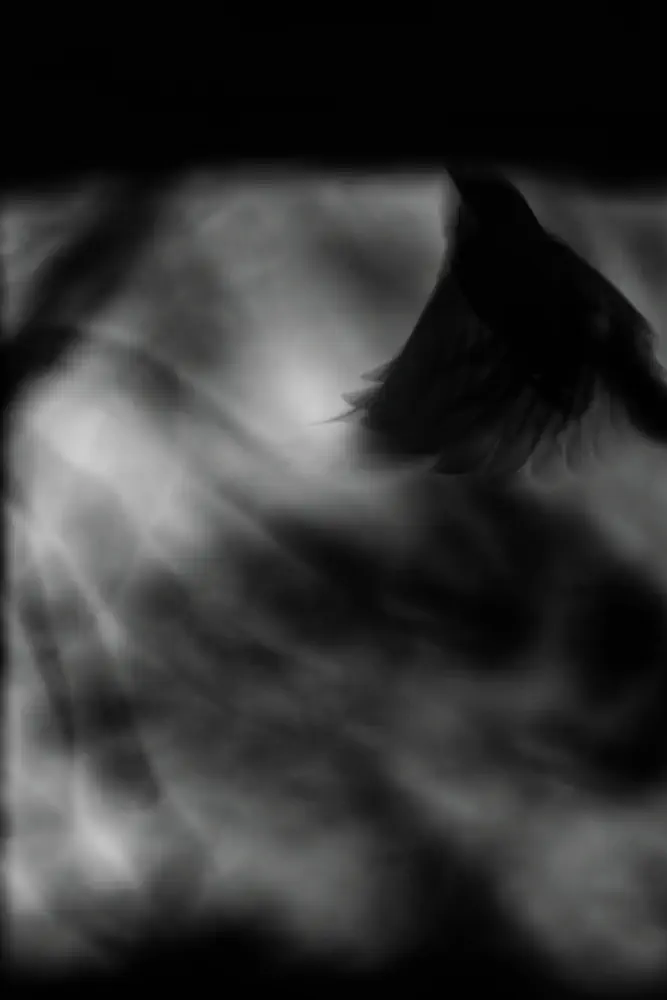
Blur is not an imperfection. It becomes a language.
Movement is not something to eliminate. It becomes an expression of anxiety.
Darkness is not simply the absence of light. It becomes a psychological space.
The animals are not merely subjects. They become witnesses to a changing world.
Their presence is fleeting, almost ghostlike. Sometimes they are clearly recognisable; at other moments, they seem to dissolve into the forest itself. This uncertainty reflects the fragile relationship between animal and habitat. Without the forest, the animal cannot remain the same.
The forest itself becomes a character.
It is no longer simply the background against which wildlife is photographed. It becomes a living presence, vulnerable and conscious of its own fragility.
And because we now know what happened to this particular forest, the images acquire another layer.
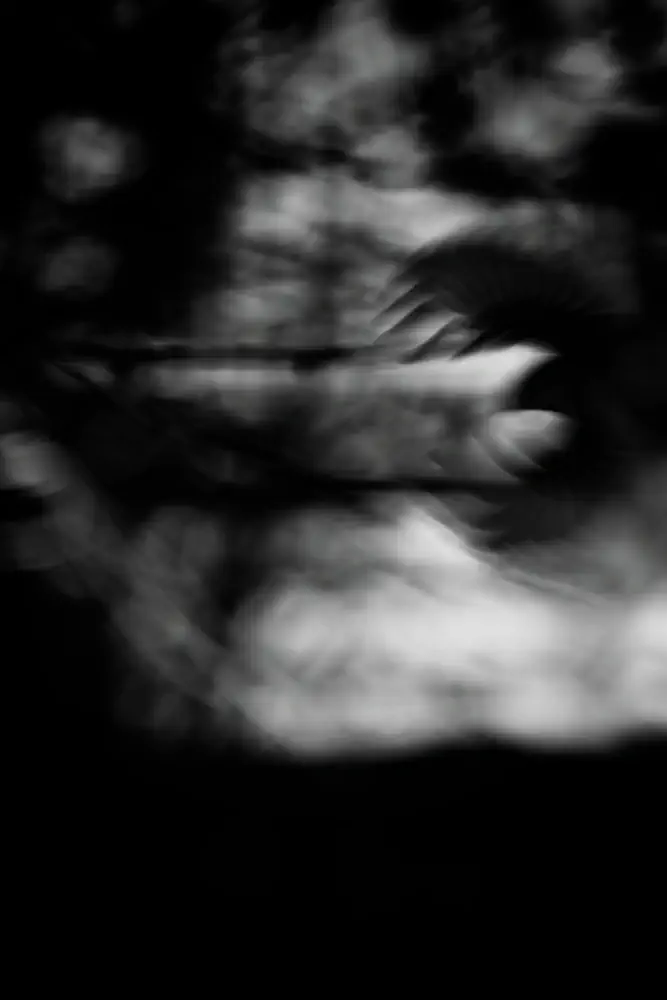
They become memories before they are memories.
At the moment the photographs were taken, the forest was still physically present. Today, the photographs are among the traces that remain of that landscape.
This creates an unusual tension between presence and absence.
We look at a photograph of something that existed.
We know that it no longer exists.
And suddenly, every tree becomes more than a tree.
Every animal becomes more than an animal.
Every movement becomes a reminder of something that has been lost.
The project is therefore not simply about deforestation. It is about the moment before disappearance—the uncomfortable space in which something is still alive, but its future has already been determined.
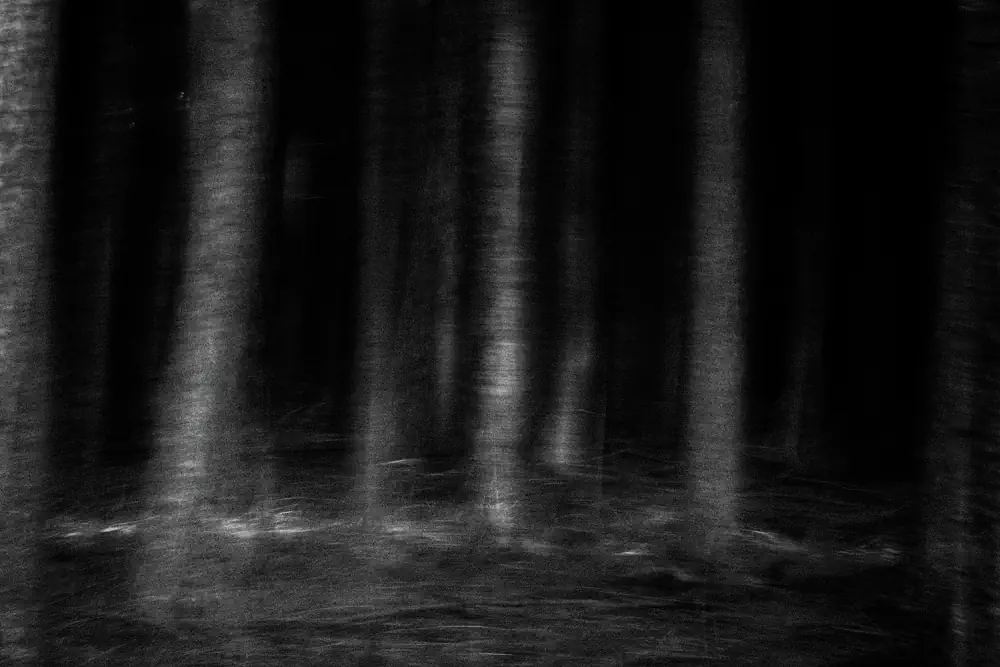
That makes Forest in Fear both a personal and universal story.
The forest in these photographs has a specific history, but its story could belong to countless forests around the world. Forests are cut down, fragmented, and transformed. Habitats disappear. Animals are forced to adapt to environments that are changing faster than they can.
Yet statistics and facts, however important, can remain distant from our emotions.
Photography can make absence tangible.
It can preserve what has disappeared.
It can make us look at a place that is no longer there and, for a moment, allow us to enter it again.
This is where Forest in Fear moves beyond documentary photography.
The work does not simply record what happened. It explores what disappearance feels like.
The photographs do not show the destruction itself. They show the world that existed immediately before it.
Perhaps that is why the images can feel almost prophetic.
At first, the viewer may sense tension without knowing why. Something seems unstable. Something seems to be moving away. The forest does not feel entirely safe.
Only when the story behind the photographs becomes known does that feeling become concrete.
The fear was not imagined.
The threat was real.
And the ending has already happened.
The forest is gone.
What remains are the photographs, the memories, and the question of what we choose to do with the forests that are still standing.
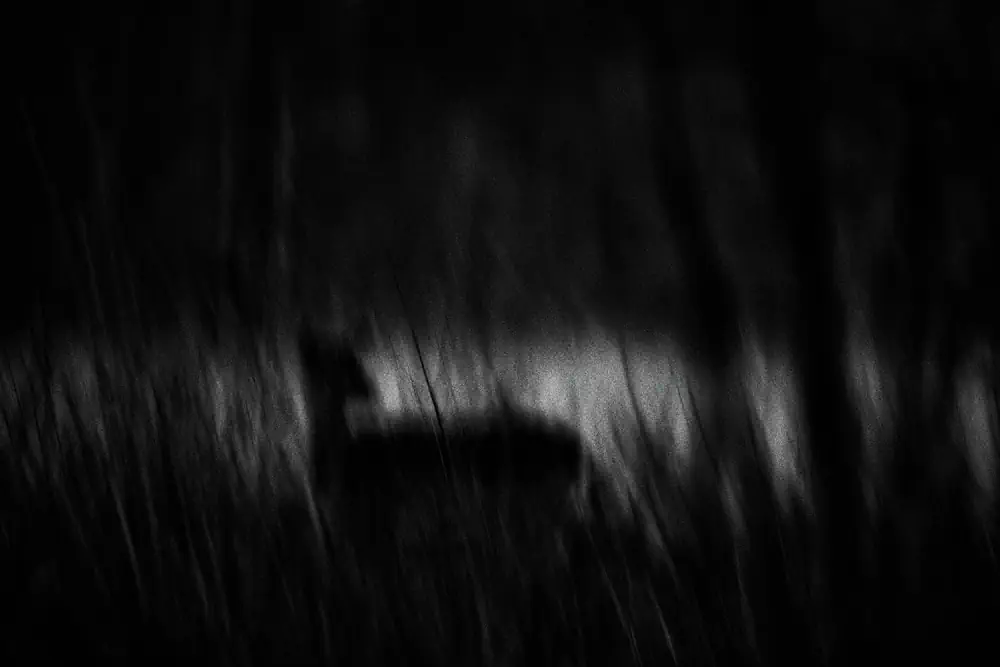
Forest in Fear is ultimately not a story about one forest that disappeared.
It is a story about all the places we believe will always be there.
Places we take for granted because they seem permanent.
Places that have existed long before us and that we unconsciously assume will continue to exist after us.
But they may not.
A forest can stand for centuries and disappear in a matter of days.
A habitat can be lost before we realise what we have lost.
And a photograph can suddenly become something more than an image.
It can become a memory.
A testimony.
A trace of a world that was once there.
Perhaps, then, the forest was not silent after all.
Perhaps it was telling us something.
Perhaps it was afraid.
And perhaps we simply did not listen.
About Karel Mus
The photographic work of Karel Mus moves within a field of tension between memory and imagination, between presence and disappearance. While photography has traditionally often been approached as a medium that documents or fixes reality, Mus deliberately chooses a different path. His images do not seek to explain or record; instead, they open up a space in which intuition, emotion, and association take centre stage.
In much contemporary photography, the viewer’s gaze is guided by context, technique, or narrative. In Mus’s work, the opposite is true. His images resist unambiguous interpretation and refuse to fully reveal themselves. By photographing the past—or rather, its traces, echoes, and emotional layers—visible reality gradually dissolves into abstraction. Landscapes, structures, and places lose their concrete meaning and transform into atmospheric images in which time and space become fluid.
This blurring is not an escape from reality, but an attempt to penetrate more deeply into what lies beneath the visible. The disruption of sharpness, time, light, and recognisability creates a mental space in which the viewer no longer needs to interpret rationally, but is instead invited to wander, feel, and project. The images therefore function not as answers, but as open questions.
Mus explores the way memories behave: fragmented, elusive, and constantly in motion. His work raises questions that deliberately remain unanswered. Are viewers looking at something that has disappeared, or at something that has yet to emerge? Are they inside a memory, a dream, or a possible future? What is real, and what is constructed from desire, fear, or nostalgia?
In this sense, Mus’s oeuvre connects with a broader tradition of artists who place the ambiguity of the image at the heart of their work. Yet his approach remains distinctly personal. His images carry a quiet intensity—dark, poetic, and suggestive—in which the absence of explicit information becomes precisely what gives the work its strength. Place, time, and technique are deliberately detached from the image so as not to confine its interpretation. The work does not seek to limit, but to open.
Karel Mus’s photography emerges from a process of slowing down and paying attention. By employing techniques that partially relinquish control, such as experimental exposure or working with a pinhole camera, he creates a visual language that moves away from immediate registration and closer to memory, intuition, and inner experience. What becomes visible is not merely a place or a moment, but a state of mind.
His works therefore do not form closed statements, but rather an ongoing dialogue with the viewer. Each image behaves as an open field in which thoughts, memories, and emotions can take root. The viewer is not a passive observer, but an active participant who helps shape the meaning of the work.
At a time when images are consumed and explained ever more rapidly, Karel Mus’s work invites viewers to slow down, to look without immediately wanting to understand, and to allow uncertainty, silence, and imagination to enter. It is precisely there that the essence of his oeuvre emerges: in the space between what is visible and what can only be intuitively sensed. [Official Website]