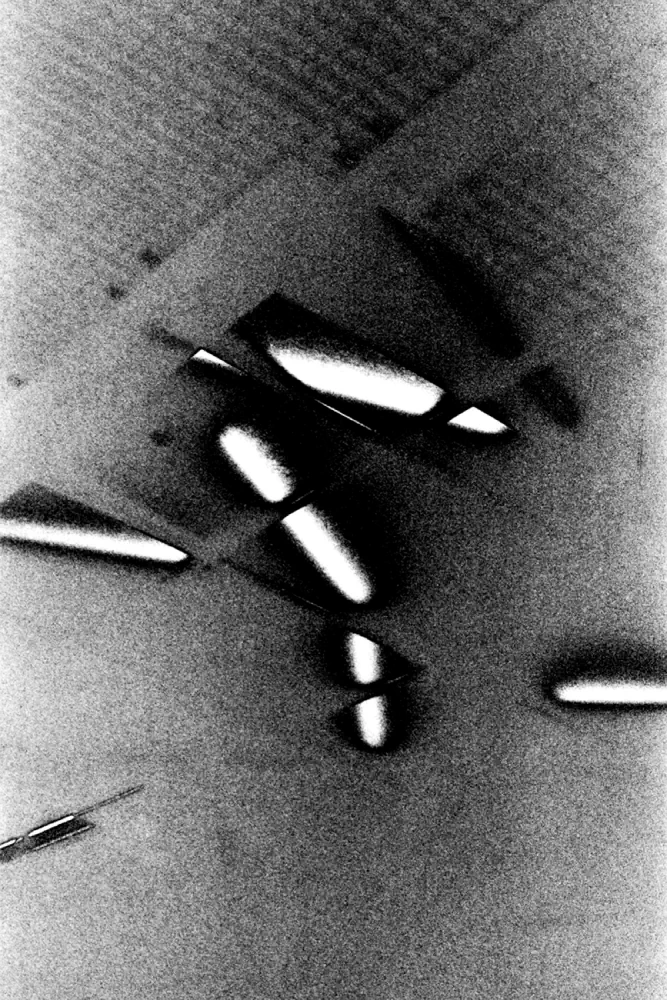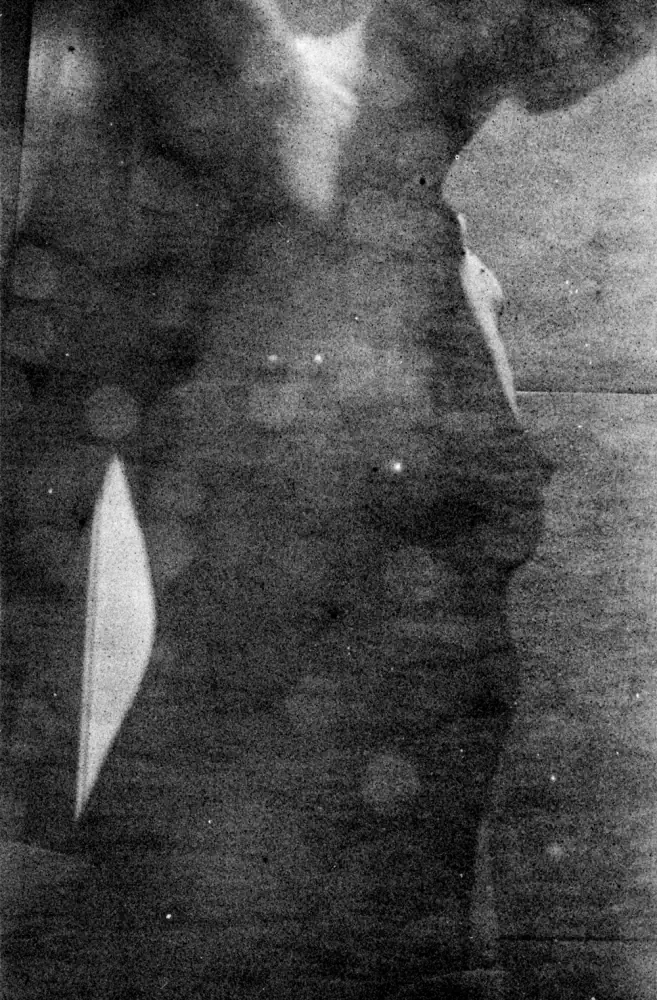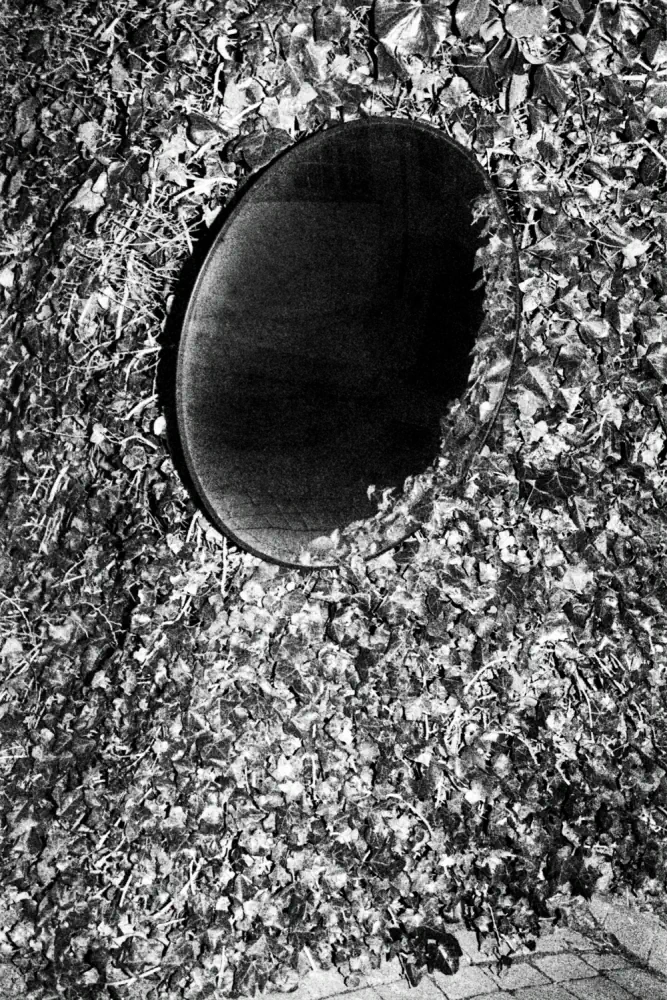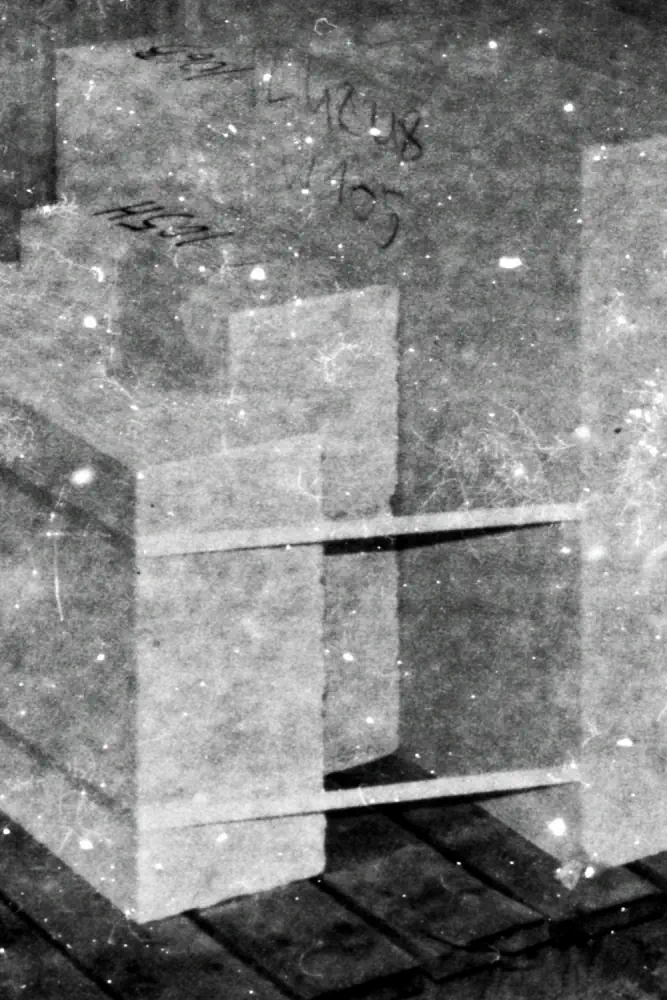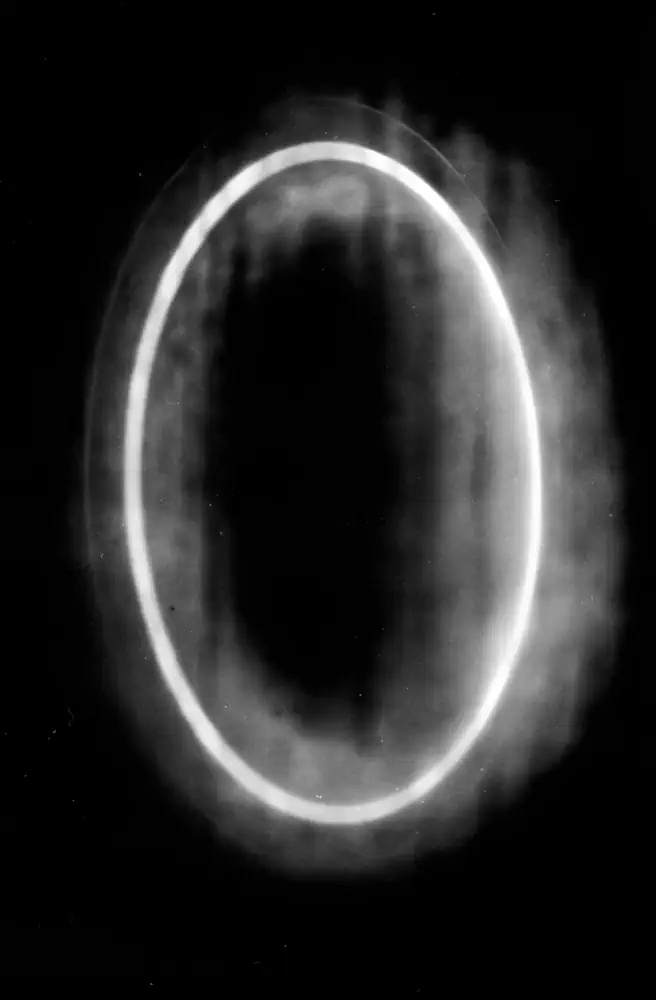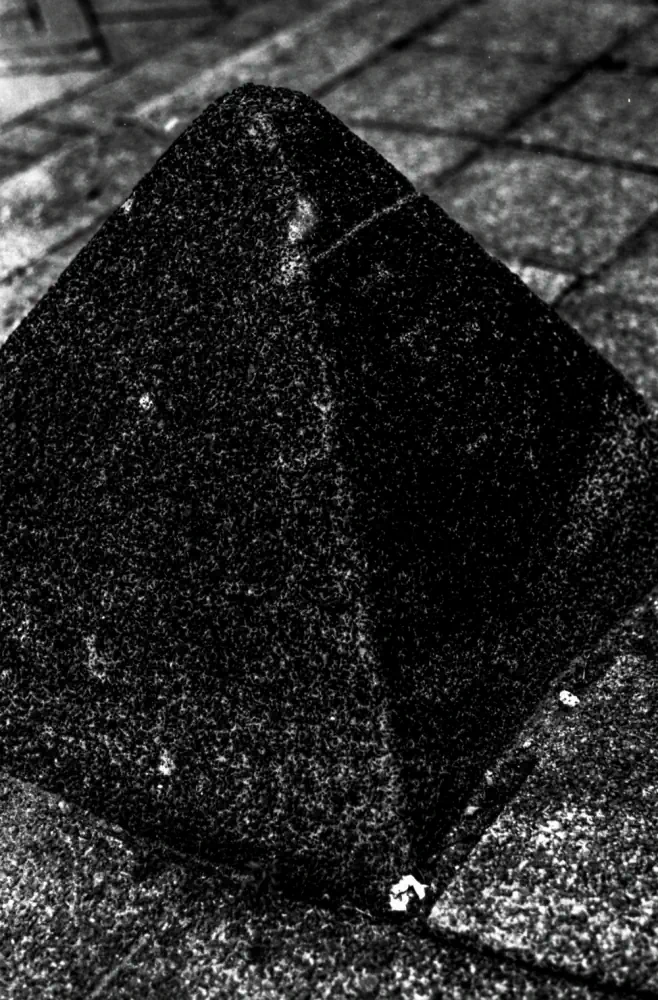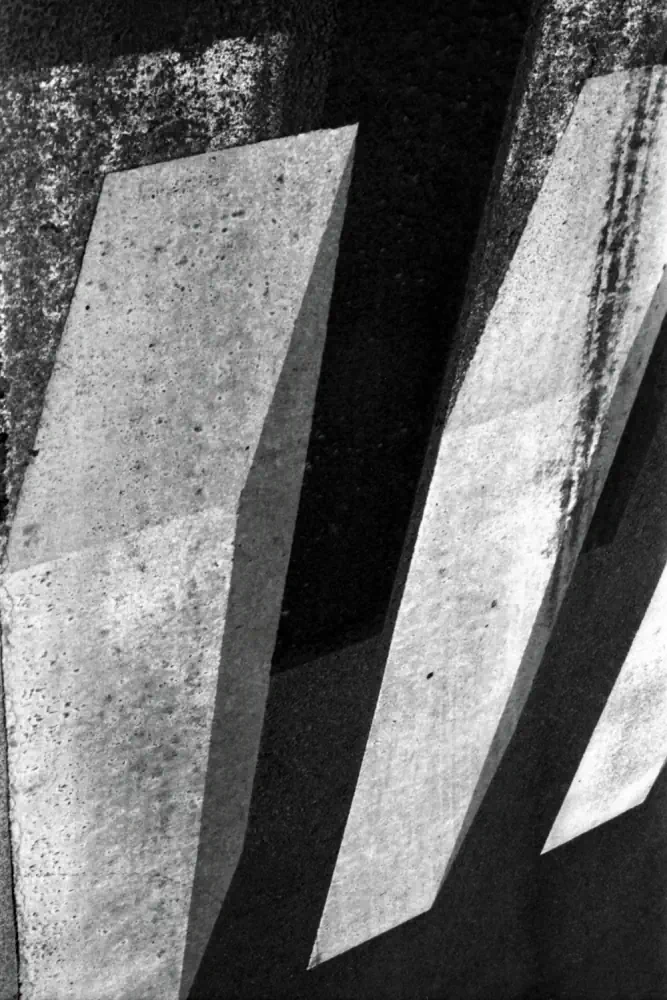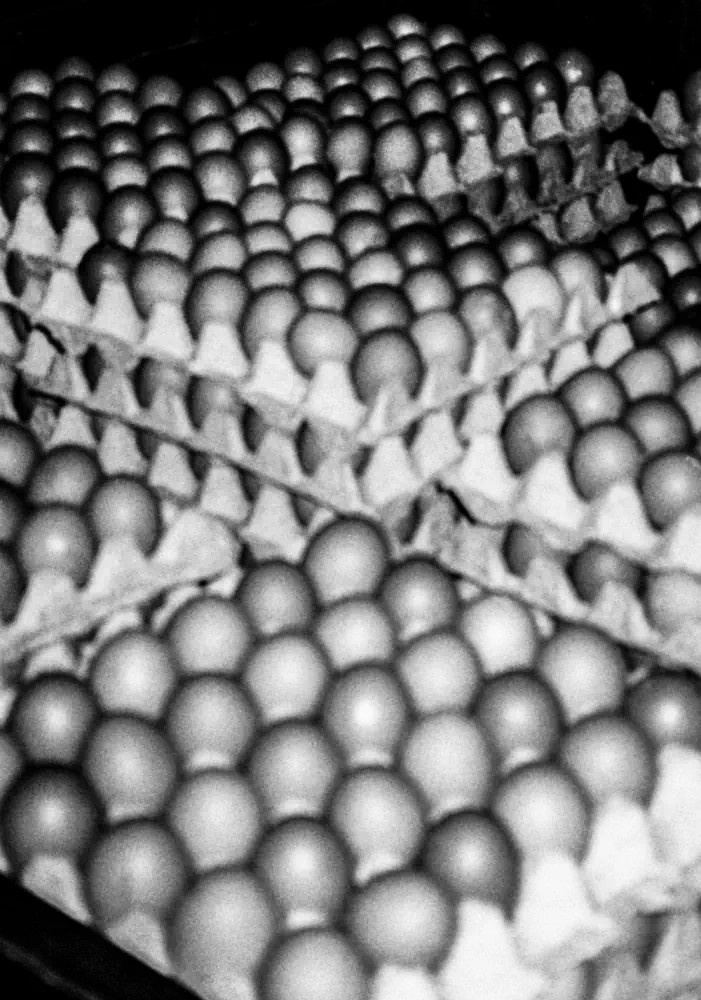
Portals of Displacement began with photographs that did not fit anywhere else.
While working on other series and researching plant-based film developers, I often made images that fell outside the direction of the project at hand.
They stood on their own, yet had no place within the visual language of those series. I thought of them as my “lost negatives.” Eventually, I began bringing them together.
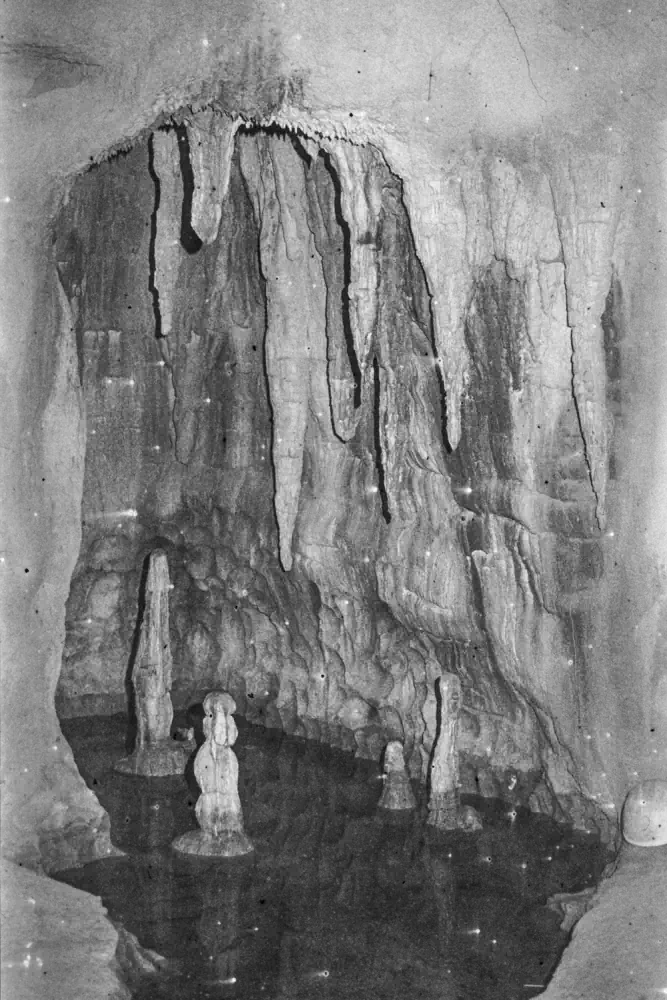
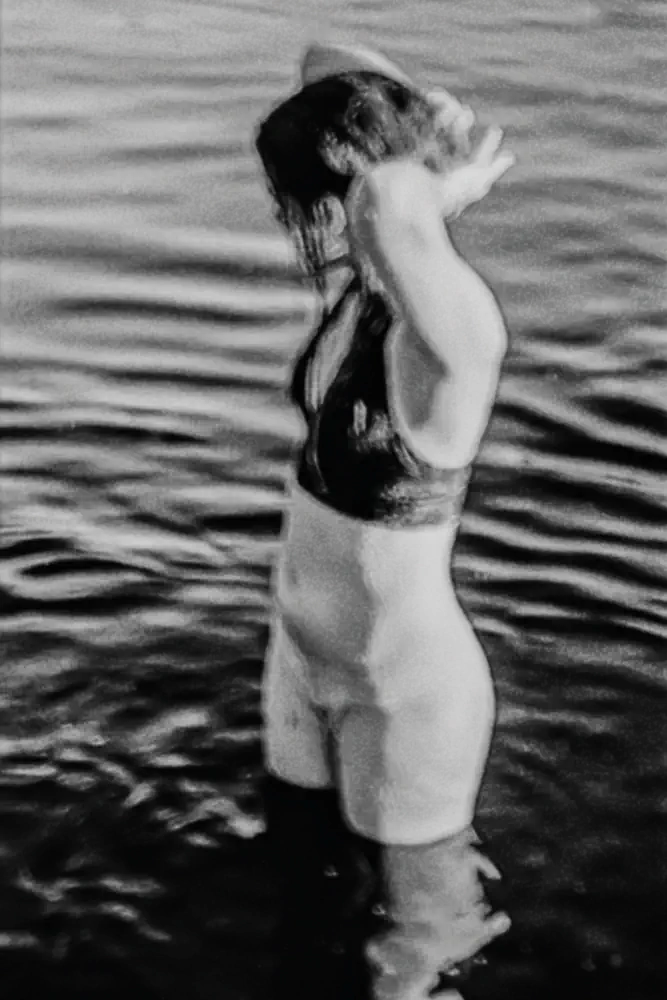
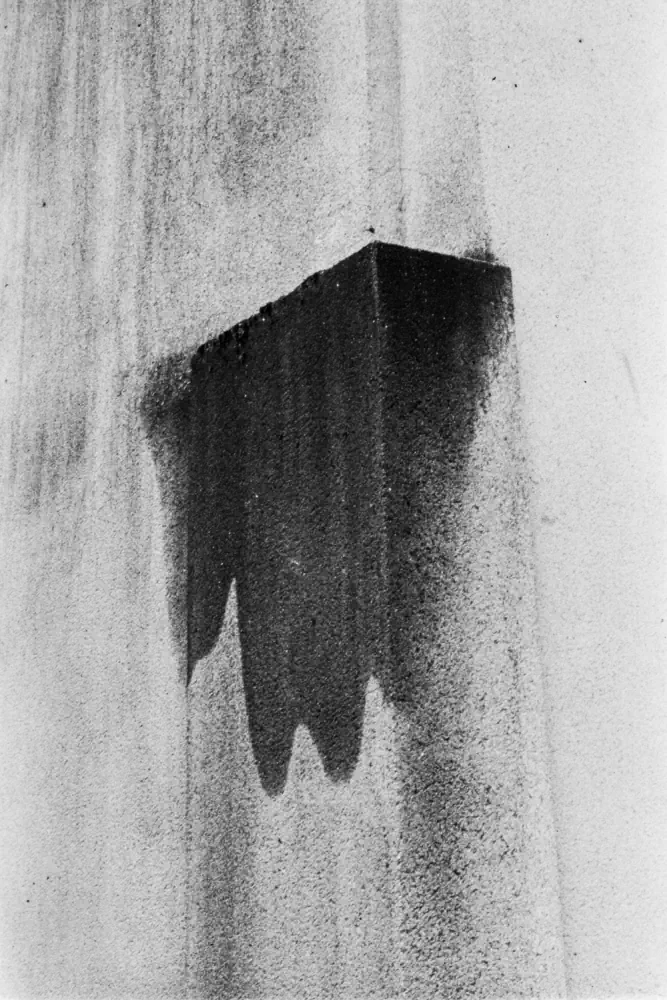
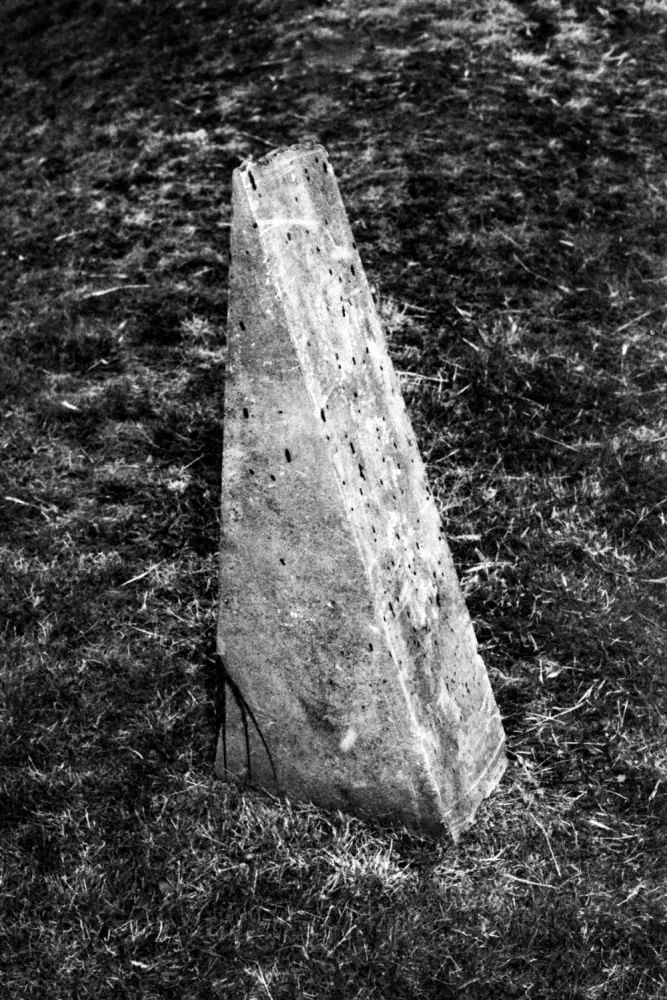
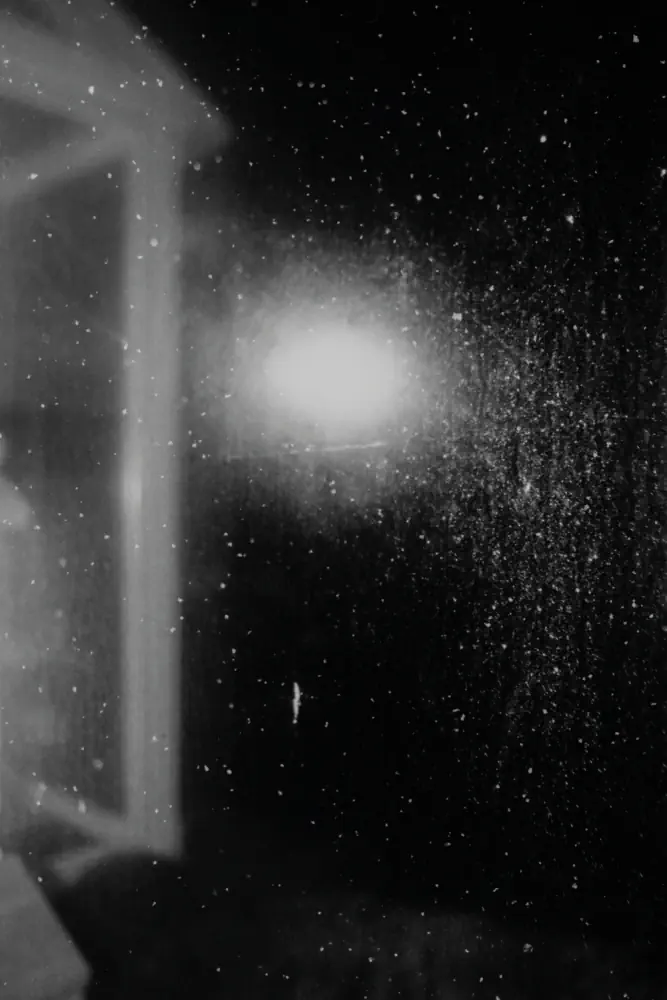
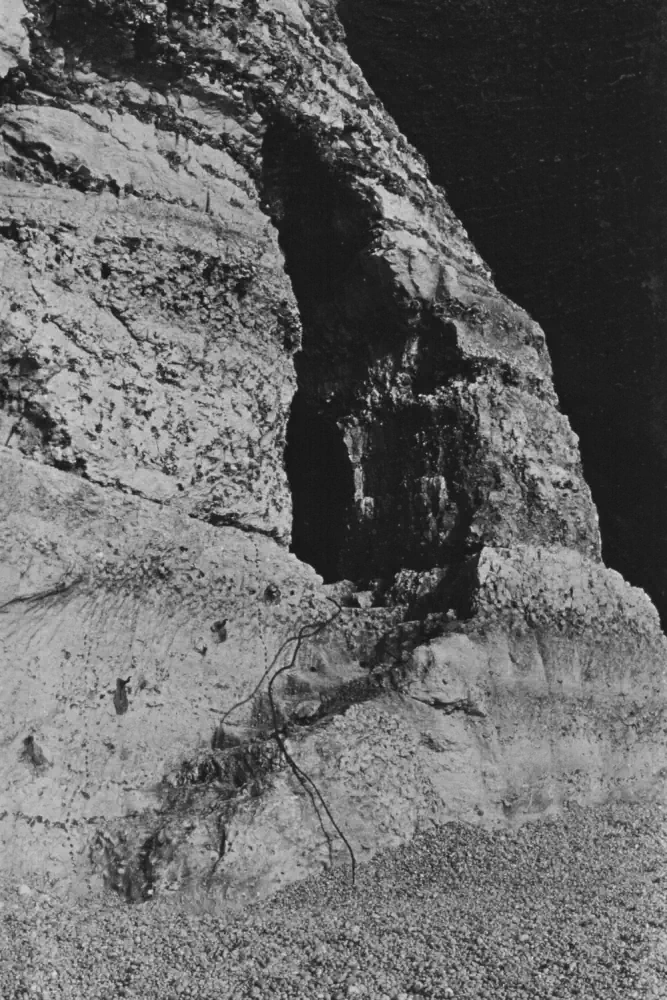
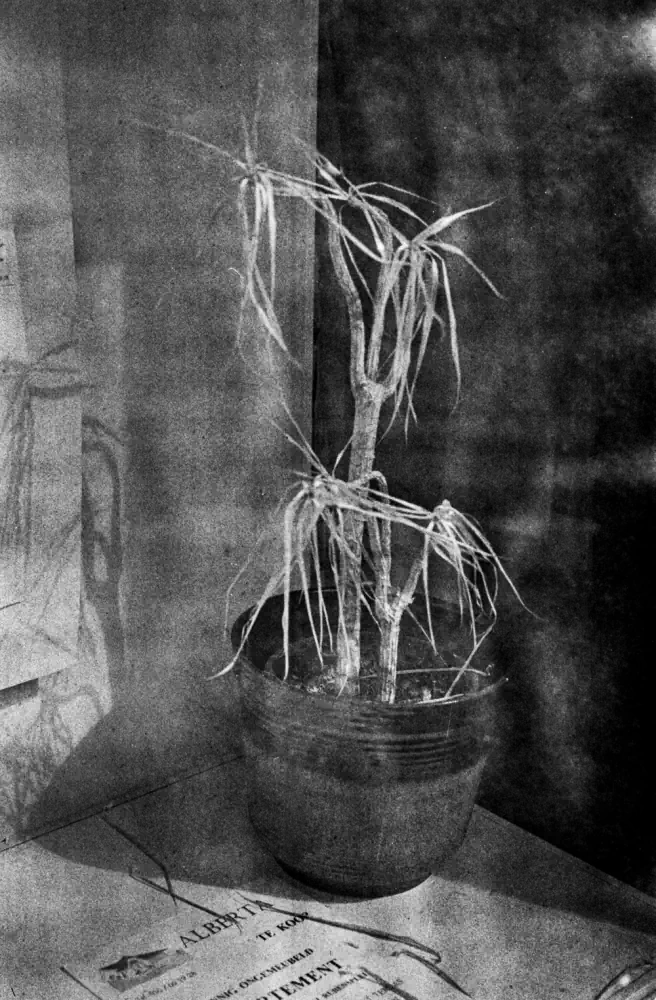
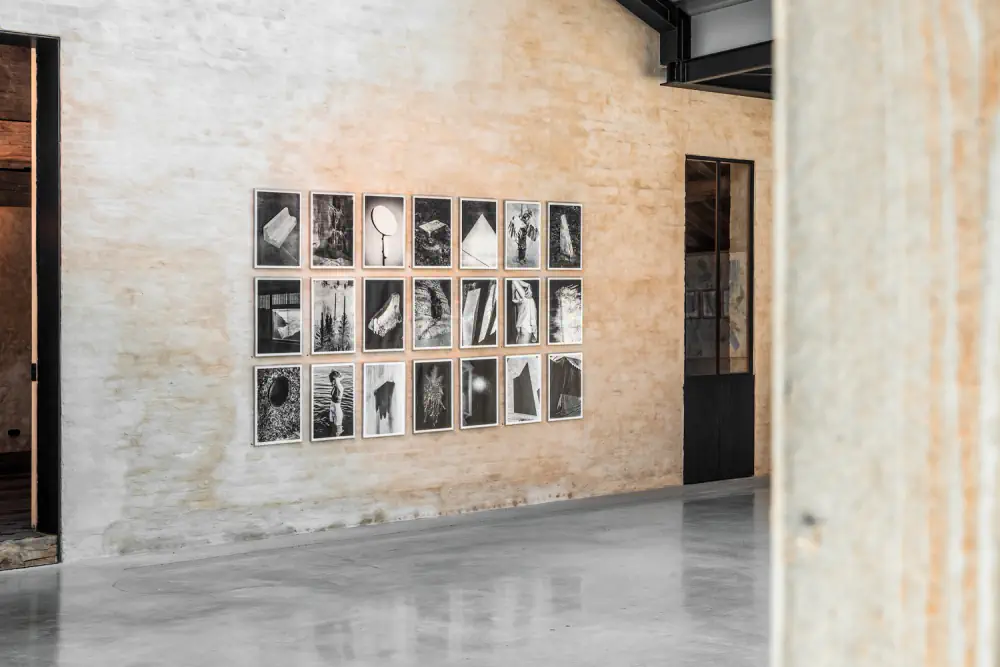
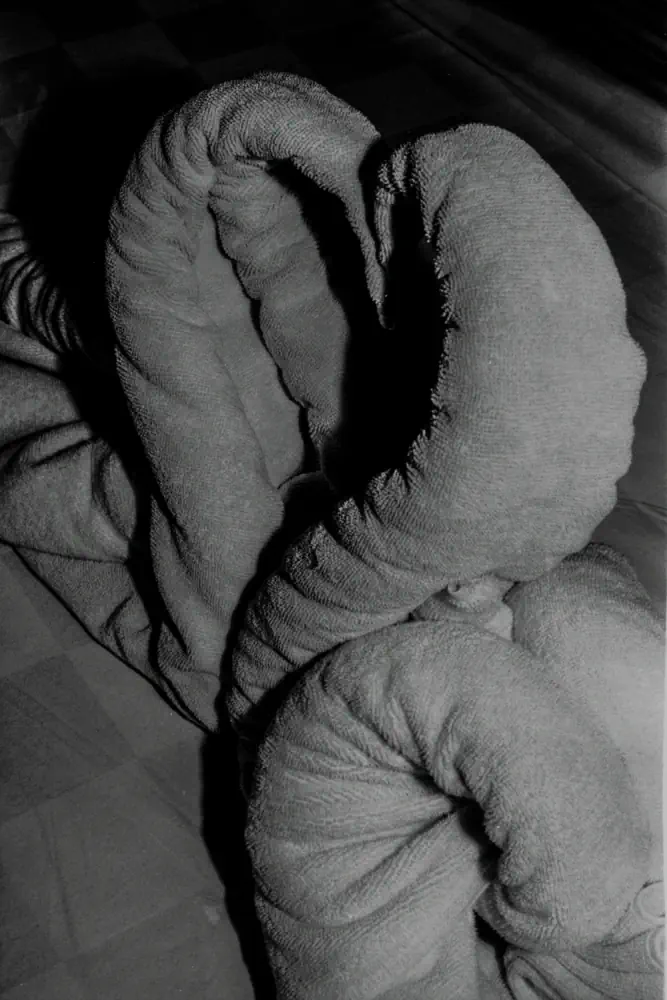
What connected these photographs was not a shared location or a predetermined story. There were recurring forms: circles, triangles, squares, concrete structures, and human figures appearing in similar poses. Images made under different circumstances seemed to recognise one another. A shape in one photograph could find an echo in another, while different subjects might share a less visible connection through the plant developer used to process the film.
I came to think of this growing collection as my own periodic table: individual elements, each with its own character and possibilities. The photographs could exist independently, but placing them together opened up relationships that were not apparent when they belonged to separate rolls of film. The collection gave them room to exist without requiring them to serve the story for which I had originally been working.
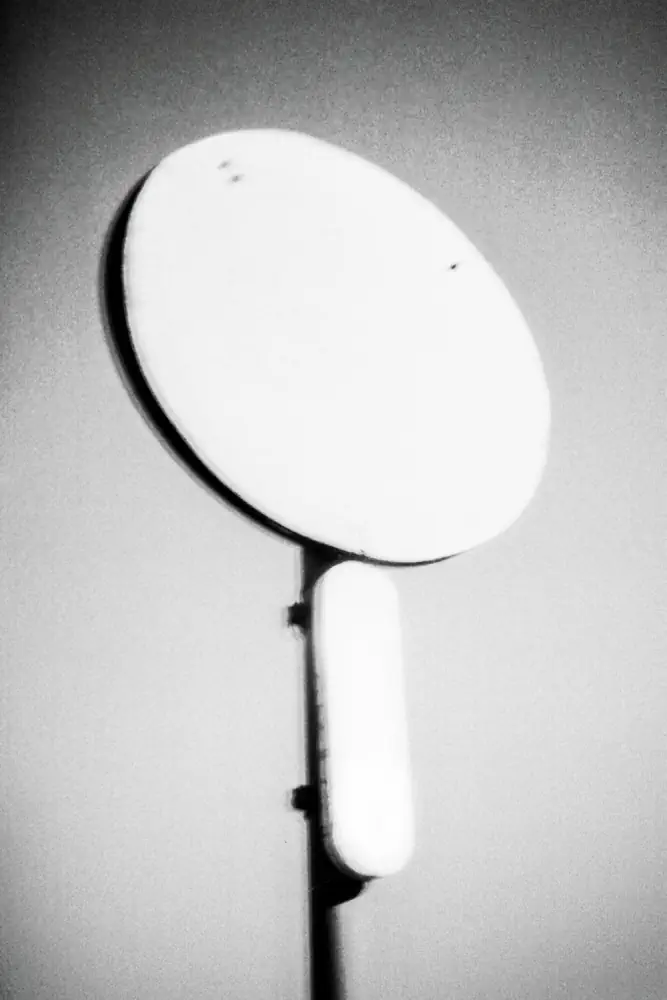
My attention often settles on things that are easy to pass by: a neglected corner, an isolated stone in a particular light, or a structure whose purpose has become unclear. Sometimes it is the subject itself that holds me; sometimes it is a meeting of light, surface, and form. Through framing, something ordinary can acquire an unfamiliar presence. It remains connected to the world in which I found it, while the photograph gives it another space to occupy.
More recently, I have begun to understand this attention in relation to my own experiences. I recognise something in what has been overlooked, misread, or damaged. Perhaps this helps explain why certain things keep drawing my eye before I can fully articulate their importance. Photographing them gives them attention, and working with the image allows possibilities to emerge that were not immediately visible. This understanding has developed gradually, through making and looking back at the work.
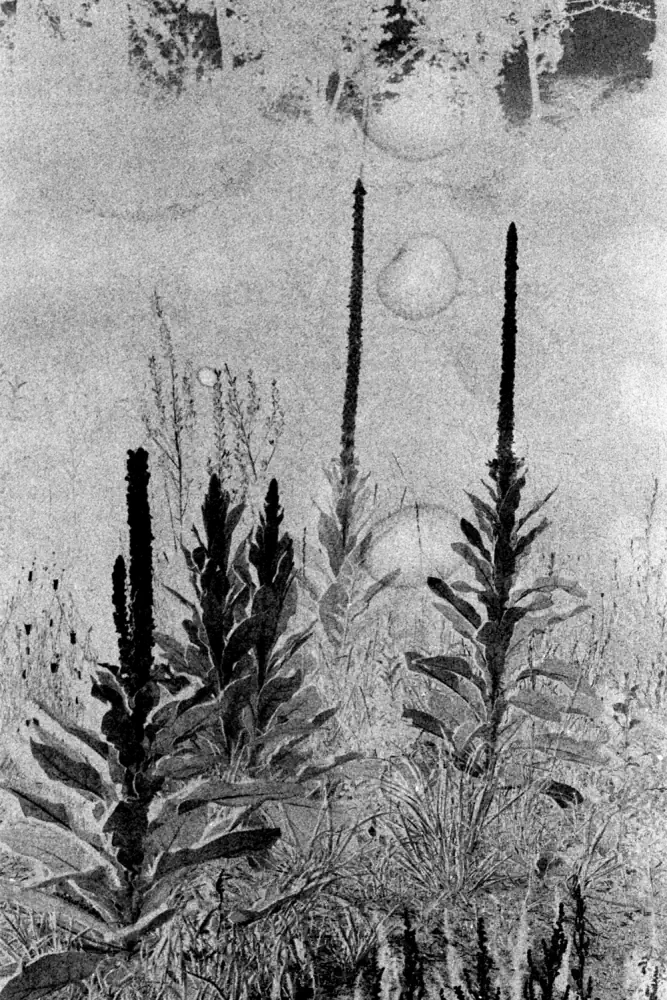
The material process was present from the beginning. The negatives were developed using different plant-based developers as part of my research into connecting photography with a tangible organic context. Plants participated in forming the image through the development process. The resulting negatives carried differences that became part of their individual character.
For me, a negative holds the possibility of further development beyond the darkroom. An image may remain in the collection for years before I find a process that brings something particular to it. Anthotypes, gum prints incorporating plant ashes, and photogravure on handmade paper offer different ways of approaching that possibility. I am interested in how organic material can enter the work again and continue to exist within its physical form.
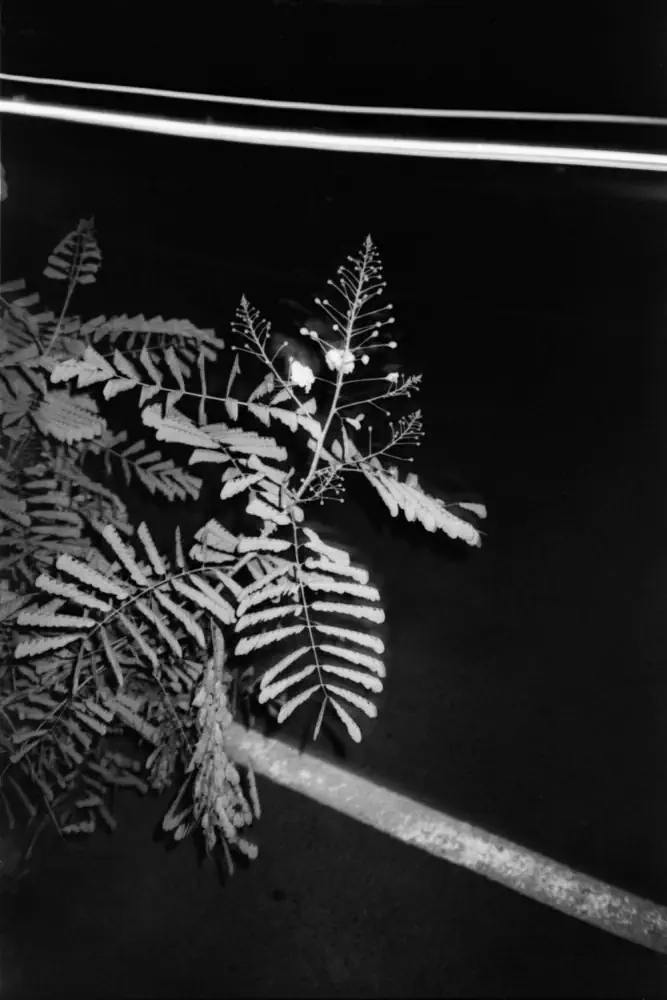
The choice of process depends on the individual image. I try to pay attention to what it might need: what a surface, a material, or a particular way of printing could make perceptible. This takes time, and the outcome is not always predictable. In more recent work, these transformations have produced physical pieces that can look substantially different from the original photographs.
The photographs presented here belong to that ongoing collection. They have their own presence, even where further material possibilities remain open. In clusters, and through abstract titles, I leave room for viewers to move between them and find their own associations. There is no prescribed route through the images.
Portals of Displacement has become part of what I understand as an archaeology of the image: returning to photographs, materials, and processes to discover what they still contain. The collection remains open. Each image can be encountered on its own, enter into a new relationship, or take another physical form. My role is to keep looking and listening closely enough to recognise when there is somewhere else for it to go.
About Nick Verhaeghe
Nick Verhaeghe (b. 1991, Knokke-Heist, Belgium) is a visual artist who explores and expands the boundaries of contemporary photography. He studied photography at LUCA School of Arts–Narafi and participated in an exchange programme at ESA Le 75 in Brussels.
Rooted in a family tradition of metalworking and craftsmanship, Verhaeghe’s practice combines historical photographic processes with techniques he invents and develops himself. Through research into chemistry, recovered materials, and unconventional supports, he creates works in which image and material evolve together. His practice increasingly brings photography into dialogue with metalsmithing, glass, and sculptural forms.
Verhaeghe describes this research as an “archaeology of the image,” connecting technical experimentation with memory, time, and transformation. His work has been presented at artgenève, BredaPhoto, FORMAT Festival, and the Photo Biennale Naarden. He has also held solo exhibitions at Art Resonance Gallery, Ingrid Deuss Gallery, and Art et marges Museum. [Official Website]