

The desert has always occupied a unique position in the visual imagination of photographers.
At first glance it appears to be the simplest of landscapes: an immense expanse of sand, rock and sky where life seems scarce and time almost suspended. Yet this apparent simplicity conceals an extraordinary complexity of forms, textures and histories. What may initially appear as a uniform terrain slowly reveals itself as a place of endless variation, shaped by wind, light and geological time.
For photographers the desert represents something more than a geographical location. It is a visual laboratory where natural forces create abstract compositions that often resemble works of sculpture or painting. Dunes rise and collapse under the action of the wind. Rocks erode slowly into unexpected geometries. Shadows stretch across the terrain transforming the landscape from hour to hour.
Perhaps more importantly, the desert invites contemplation. Its vast emptiness removes many of the visual distractions present in more populated environments. In the absence of dense vegetation or urban structures the photographer becomes acutely aware of subtle details: the rhythm of wind-shaped ridges, the delicate gradations of light across sand, the fragile traces of human presence scattered across immense territories.
Over the past decades many photographers have turned to deserts not simply as spectacular landscapes but as spaces for reflection and experimentation. In these environments the language of photography moves naturally toward minimalism and abstraction. Lines, curves and textures dominate the frame, often dissolving the boundary between landscape photography and fine art.
The projects gathered here explore deserts across different continents, from the Empty Quarter of the Arabian Peninsula to the Mojave Desert of California, from the dunes of Brazil to the stone landscapes of Judea. Each photographer approaches the desert with a distinct sensibility, yet all are drawn to the same paradox: the desert may appear empty, but it is far from silent.
Through photography these landscapes reveal stories of time, memory and transformation. Wind reshapes dunes, rust slowly consumes abandoned machines, and human history leaves faint traces across seemingly untouched terrain. The desert becomes a canvas where natural processes and human presence intersect.
Dunescapes by Mohammed Arfan Asif
The evolving geometry of wind shaped landscapes
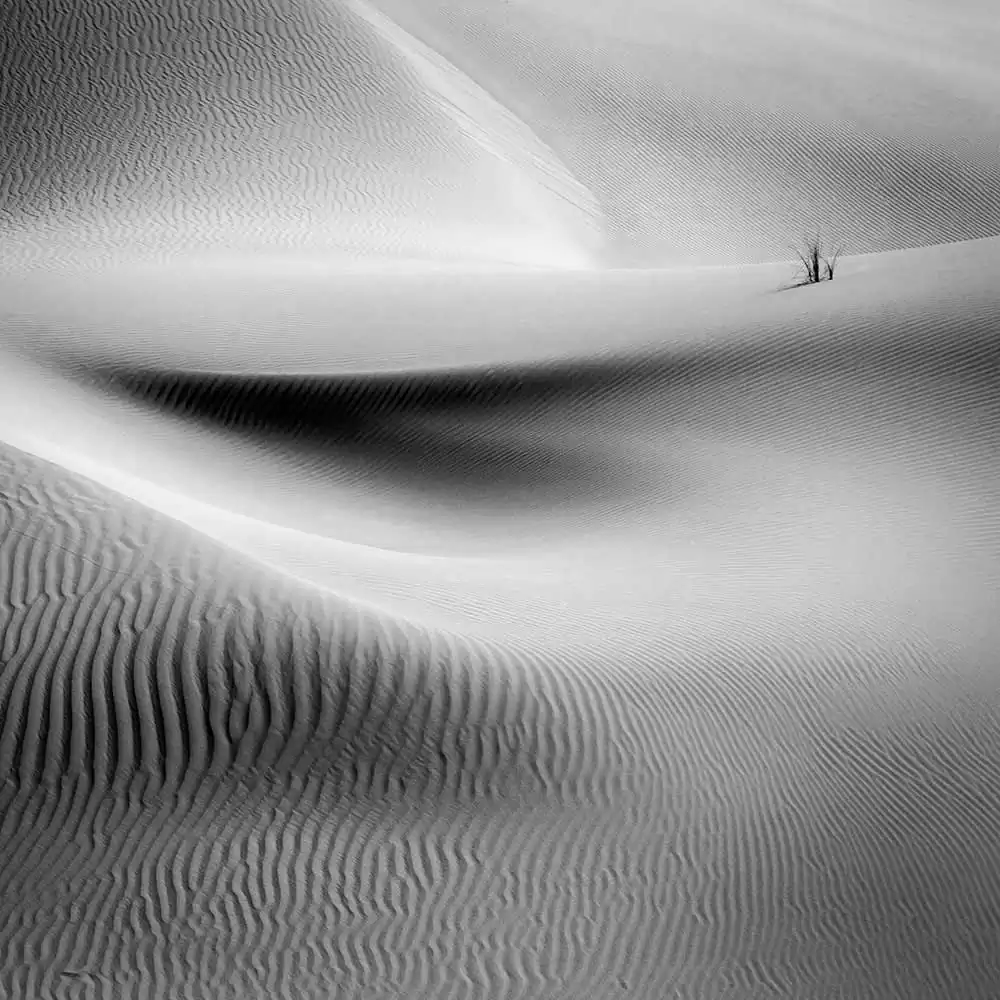
In Dunescapes by Mohammed Arfan Asif, the desert becomes an evolving study of form and introspection. For more than twenty five years Asif has photographed the vast expanse of the Empty Quarter in the United Arab Emirates, one of the largest sand deserts on Earth.
The dunes of this region are not static structures but dynamic landforms created and constantly reshaped by the wind. Their surfaces shift endlessly, generating curves, ridges and textures that transform the landscape into a living sculpture.
Asif approaches these formations through a monochromatic aesthetic that emphasises their essential qualities. Without the distraction of colour the viewer’s attention is drawn toward the interplay of light and shadow, the delicate lines carved by the wind and the subtle textures of the sand.
For the photographer the project is not a finished body of work but a long term philosophical exploration. Each visit to the desert reveals new variations of shape and light, reinforcing the idea that the landscape is never fixed but constantly evolving.
Oxidized by Ted Rigoni
Rust, memory and the forgotten artifacts of the Mojave Desert
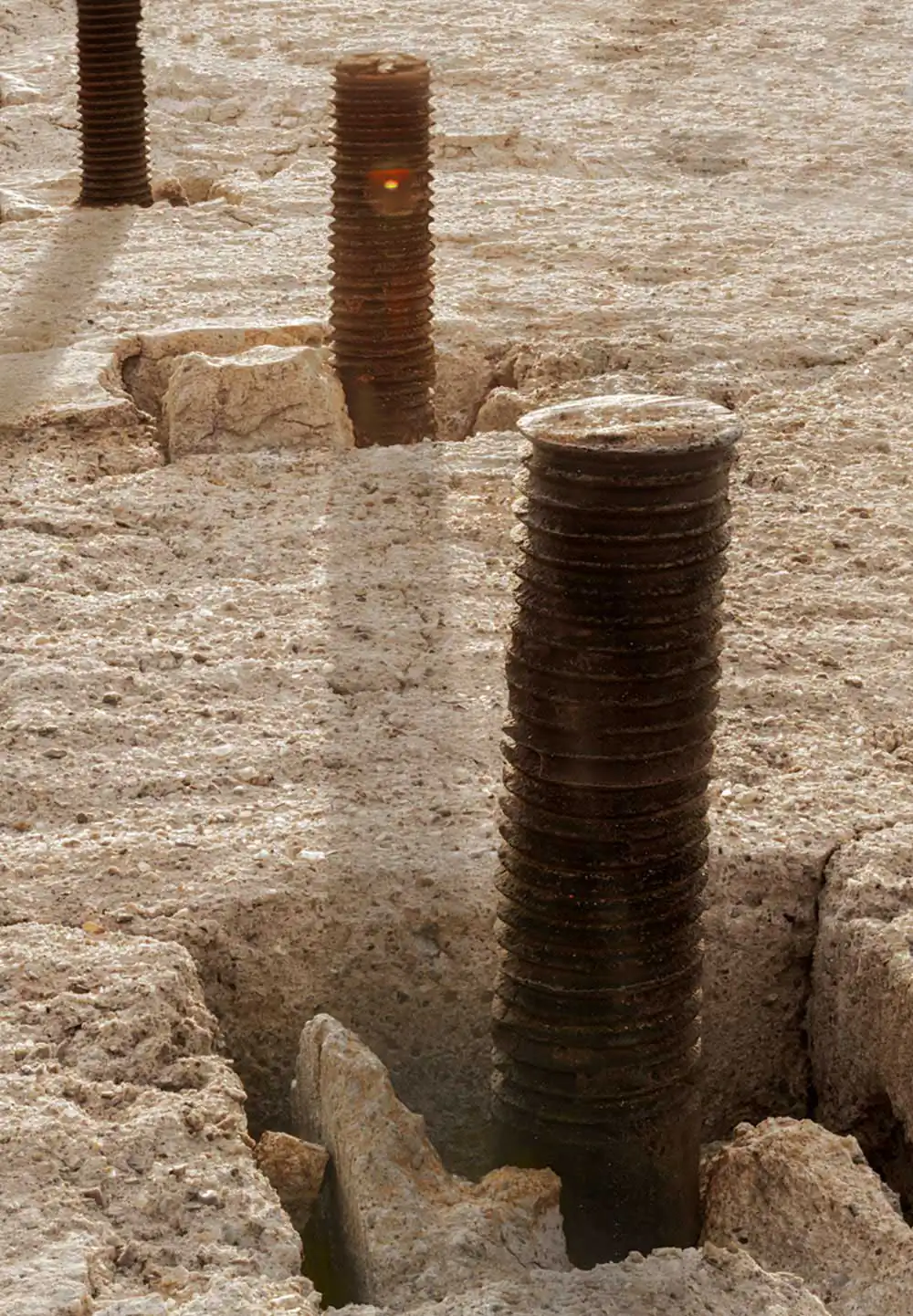
While many photographers focus on the natural beauty of desert landscapes, Oxidized by Ted Rigoni turns attention toward the remnants of human activity scattered across the Mojave Desert.
Rusted cans, abandoned mining equipment, discarded vehicle parts and corroded metal structures appear throughout the landscape. Over time the desert has transformed these objects through oxidation, covering them in layers of deep red rust.
Rigoni photographs these fragments with a painterly attention to texture and detail. Under carefully selected light the corroded surfaces reveal complex patterns that transform ordinary debris into unexpected works of visual art.
These objects also carry traces of history. They are relics of the pioneers, miners and farmers who once attempted to build lives within the harsh conditions of the desert. Today they remain as silent witnesses to those ambitions, gradually dissolving back into the landscape.
Desert by Romain Leclerc
The surreal meeting of ocean and dunes in Brazil
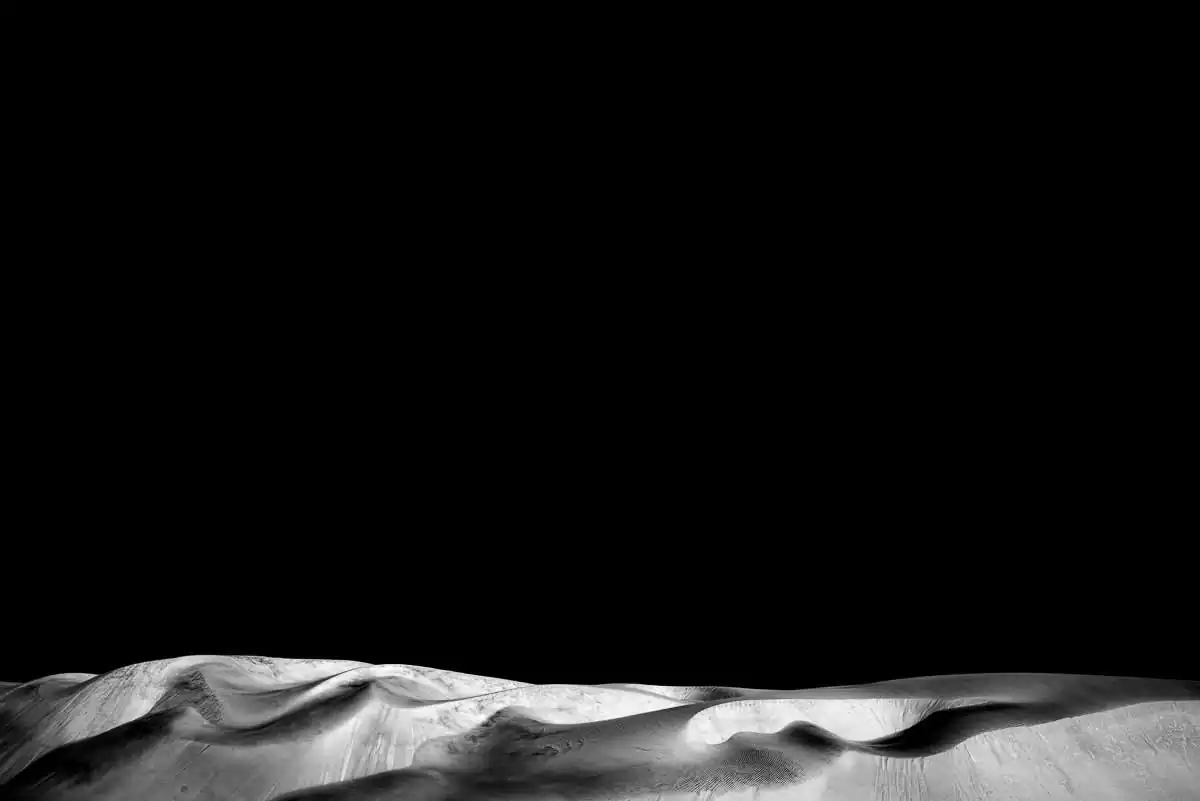
Desert by Romain Leclerc documents an unusual landscape in Jericoacoara, Brazil, where vast white dunes extend along the Atlantic coastline for hundreds of kilometres.
The juxtaposition of desert and ocean creates a visual environment that feels almost extraterrestrial. Leclerc emphasises this sensation by employing strong contrasts and isolating elements within the frame. Vehicles, people and animals appear only as silhouettes, reinforcing the surreal atmosphere of the landscape.
Although the dunes may appear similar at first glance, each formation possesses subtle variations of shape and structure. Leclerc’s photographs highlight these differences, transforming the dunes into abstract forms that resemble lunar terrain.
The series challenges the common perception of the desert as lifeless. Beneath its minimalist appearance the landscape supports both human activity and wildlife, creating a dynamic environment that continuously evolves.
Spirit of the Desert by Susanna Patras
The graphic minimalism of Death Valley
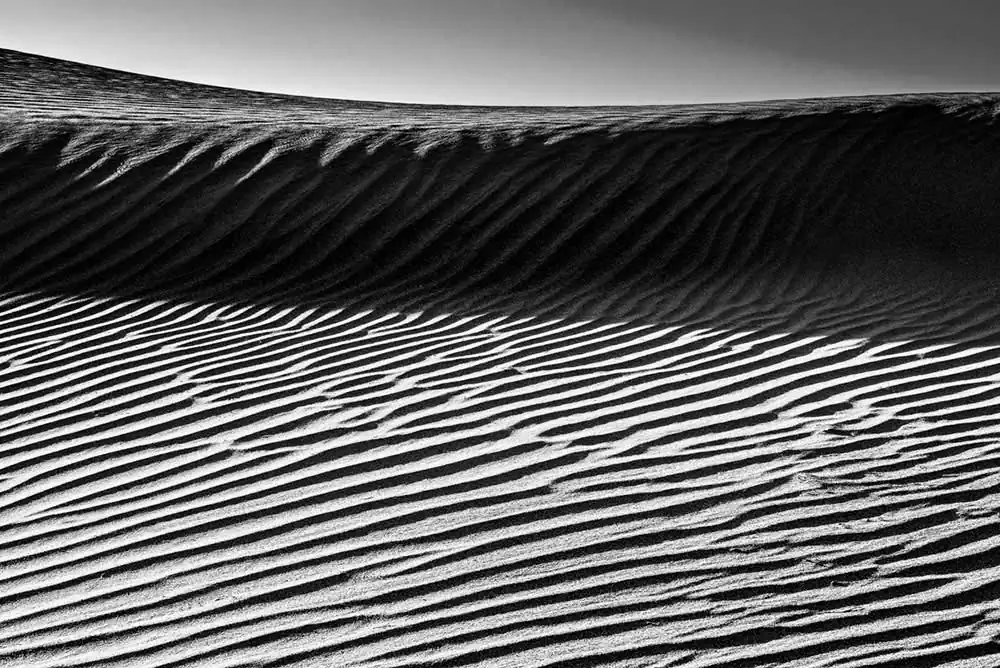
In Spirit of the Desert by Susanna Patras, the photographer explores the extreme environment of Death Valley, one of the hottest and driest regions in the Western Hemisphere.
The dunes of Death Valley possess a striking visual magnetism. Their rippling surfaces create patterns that resemble waves, serpentine lines or even human silhouettes. Under certain lighting conditions the landscape appears almost otherworldly.
Patras uses these qualities to create compositions that approach abstraction. The dunes become graphic elements within the frame, transforming the desert into a minimalist visual language built from curves, shadows and rhythm.
Through this approach the photographer reveals the strange beauty of a landscape often perceived as hostile or barren. In the right light the desert becomes a place of quiet visual poetry.
A Growing Desert by Jacqueline Zilberberg
The philosophical silence of the Judean desert
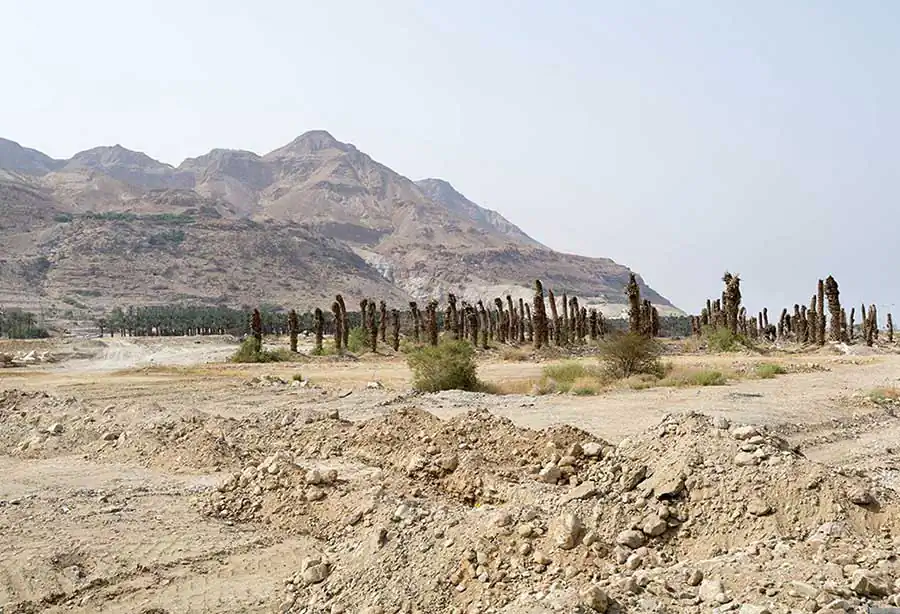
A Growing Desert by Jacqueline Zilberberg presents a more reflective exploration of the Judean desert in Israel. For the photographer and writer collaborating on the project, the desert became both a physical landscape and a philosophical metaphor.
Unlike shifting sand deserts, this terrain is composed largely of stone shaped slowly by wind and erosion. Changes occur over centuries, creating a sense of geological time that contrasts sharply with the rapid pace of modern life.
The project also reflects the experience of encountering this landscape as visitors from tropical environments. The silence and dryness of the desert produce a powerful sense of disorientation, emphasising the stark contrast between abundance and scarcity.
Within this landscape human presence appears through roads, wires and artificial plantations, subtle reminders of the complex relationship between development and nature.
The Lure of the Desert by Steve Silverman
A photographer’s lifelong fascination with the American Southwest
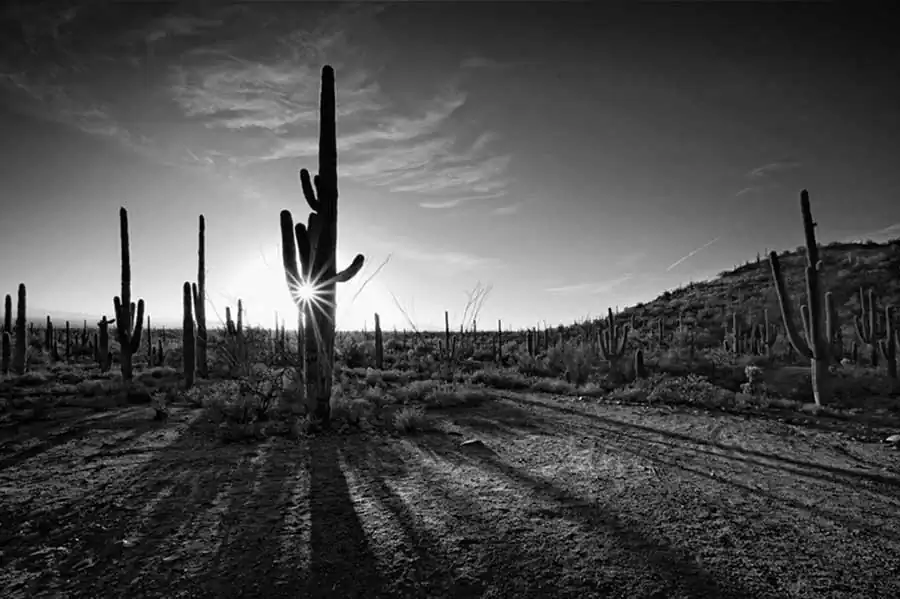
For Canadian photographer Steve Silverman, the desert of the American Southwest has become a recurring destination for photographic exploration. In The Lure of the Desert, he documents landscapes ranging from the Mojave Desert to the salt flats of Death Valley.
While many travellers associate deserts with emptiness or monotony, Silverman experiences them as deeply inspiring environments. Their unusual geology and vast scale create scenes that feel almost surreal.
Over more than a decade he has returned repeatedly to these landscapes, seeking remote locations far from tourist routes. Working in monochrome, he emphasises the dramatic textures and geological structures that define the desert terrain.
For Silverman the desert is not simply a subject but a personal connection that integrates mind, body and spirit.
Thresholds by Tracy Burke
Dunes as a meditation on the human condition

In Thresholds by Tracy Burke, dunes become a space for reflection on humanity’s relationship with nature.Although the photographs depict landscapes, the project is less about place than about perception. Dunes dissolve geographic specificity and transform into abstract forms that evoke humility and wonder.
Burke describes these environments as thresholds, liminal spaces where individuals become aware of their smallness within a vast natural world. In these moments the landscape becomes a catalyst for reflection on human existence.
For the artist, time spent in these environments represents a form of healing and reconnection with forces far greater than ourselves.
Landscape Inscribed by Peter Bogaczewicz
Reading the hidden histories of the Arabian desert
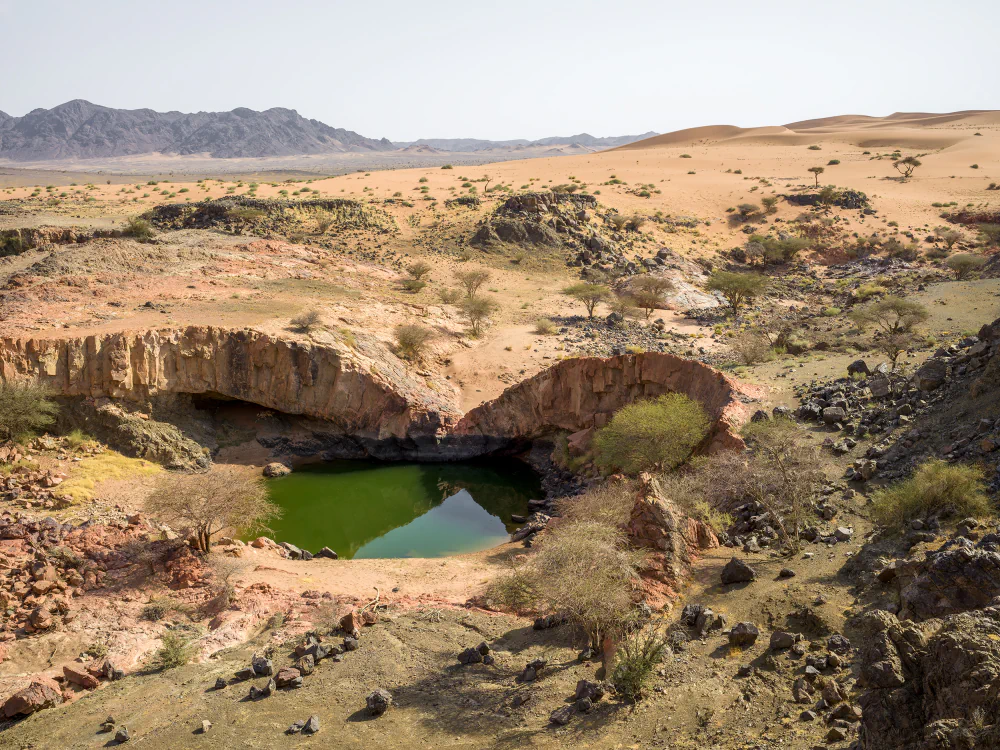
Landscape Inscribed by Peter Bogaczewicz approaches the desert as a vast historical archive. At first glance the Arabian desert may appear uniform and empty. Yet closer observation reveals a landscape rich with geological and cultural layers. Ancient routes, archaeological remains and traces of past settlements lie scattered across the terrain.
Bogaczewicz photographs these landscapes as if they were pages in a book. Geological formations record deep time, while subtle signs of human activity reveal the presence of past civilizations.
The desert emerges as a palimpsest where successive histories overlap. Through photography the landscape becomes readable, revealing the hidden narratives embedded within sand and stone.
The Desert as a Space of Time and Memory
Photography and the silent narratives of arid landscapes
Together these projects reveal how deserts continue to inspire photographers across the world. Far from being empty landscapes, deserts contain complex visual and historical layers shaped by wind, time and human presence.
Through dunes, rusted relics, distant horizons and abstract forms, these photographers explore the desert as both physical terrain and philosophical space. Their images remind us that the most seemingly barren landscapes often contain the deepest stories.