Self-portraiture has never been a neutral exercise. From its earliest photographic forms, it has operated less as a record of appearance than as a tool for negotiation: between the self and its projections, between inner life and social expectation, between what is shown and what remains unresolved.
The five projects gathered here approach self-portraiture not as self-display, but as a working method. In each case, the camera becomes a space of confrontation, transformation, and reconfiguration of identity.
In Conversations with Myself, Jo Ann Chaus uses self-portraiture as an act of embodiment rather than representation. By masquerading as another, she summons ideas and emotions that exist below conscious articulation. Her work does not aim to describe who she is, but to activate what flows through her. Channeling her mother and the women who came before her, Chaus inhabits inherited constraints shaped by family, society, and internalized expectations. Resignation and surrender coexist with strength and courage, not as opposites but as intertwined forces. The self-portrait becomes a site where personal identity merges with collective memory, where becoming matters more than definition.
Leanne Trivett S approaches self-portraiture through performance and narrative construction. In Experimental Self Portraiture, photography functions as an extension of her theatrical and vocal background. Her images are not spontaneous reflections but carefully composed scenes in which characters emerge through gesture, light, and tone. Working primarily in black and white or monochrome, Trivett S explores the relationship between detail and atmosphere, between presence and abstraction. The self appears fragmented and multiplied, shaped by roles rather than fixed identity. Here, self-portraiture is not introspective in the traditional sense; it is dramaturgical, unfolding through staged encounters with the self as character.
For Alicja Brodowicz, self-portraiture operates as a private archive. Self Portrait Diary is built from moments that may appear ordinary to an external viewer but are charged with personal significance. These images do not document physical change; they mark emotional and temporal thresholds. Each photograph anchors memories of specific events, people, sensations, and environments. Together, they form a diary where the self is defined not by continuity but by accumulation. The camera becomes a mnemonic device, preserving fragments of lived experience that resist verbal narration. The self-portrait here is quiet, restrained, and deeply interior.
Alex Lobo’s A Self-Portrait from Hell occupies the opposite emotional register. His work stages the self at a point of collapse, stripped of context and identity. The body appears contorted, exposed, and isolated within an undefined darkness. This is not a portrait meant to explain or redeem. It is a visualization of internal breakdown, of emotions that have accumulated without language until they become overwhelming. Lobo’s self-portrait does not ask to be understood psychologically; it confronts the viewer with the raw aftermath of psychic rupture. The self is no longer coherent. What remains is a physical manifestation of inner devastation.
In Made in the Shade, Chloe Meynier uses staged self-portraiture to interrogate historical and gendered frameworks. Set within Mid Century Modern interiors, her images evoke an era marked by aspirations for progress and freedom, while simultaneously exposing the rollback of female autonomy after wartime. By placing herself within carefully constructed domestic scenes, Meynier challenges inherited stereotypes associated with femininity and confinement. The absence of explicit narrative allows her characters to occupy roles traditionally denied to women. The self-portrait becomes speculative rather than descriptive, offering alternative identities that resist objectification and prescribed social function.
What unites these five approaches is not a shared aesthetic, but a shared understanding of self-portraiture as a tool rather than an outcome. None of these photographers use the camera to confirm who they are. Instead, they use it to test, fracture, perform, archive, or confront the self. Identity appears unstable, layered, and contingent, shaped by history, memory, performance, trauma, and desire.
In this context, self-portraiture is less about visibility than about process. The image is not an answer but a working space. These photographers do not present the self as a finished form; they expose it as something negotiated, provisional, and often unresolved. Through masquerade, performance, diary, confrontation, and staging, the self becomes a site of inquiry rather than affirmation.
Taken together, these projects remind us that self-portraiture remains one of photography’s most demanding practices. Not because it turns inward, but because it refuses simplification. The self, when placed in front of the camera, does not become clearer. It becomes more complex, more layered, and more open to question.
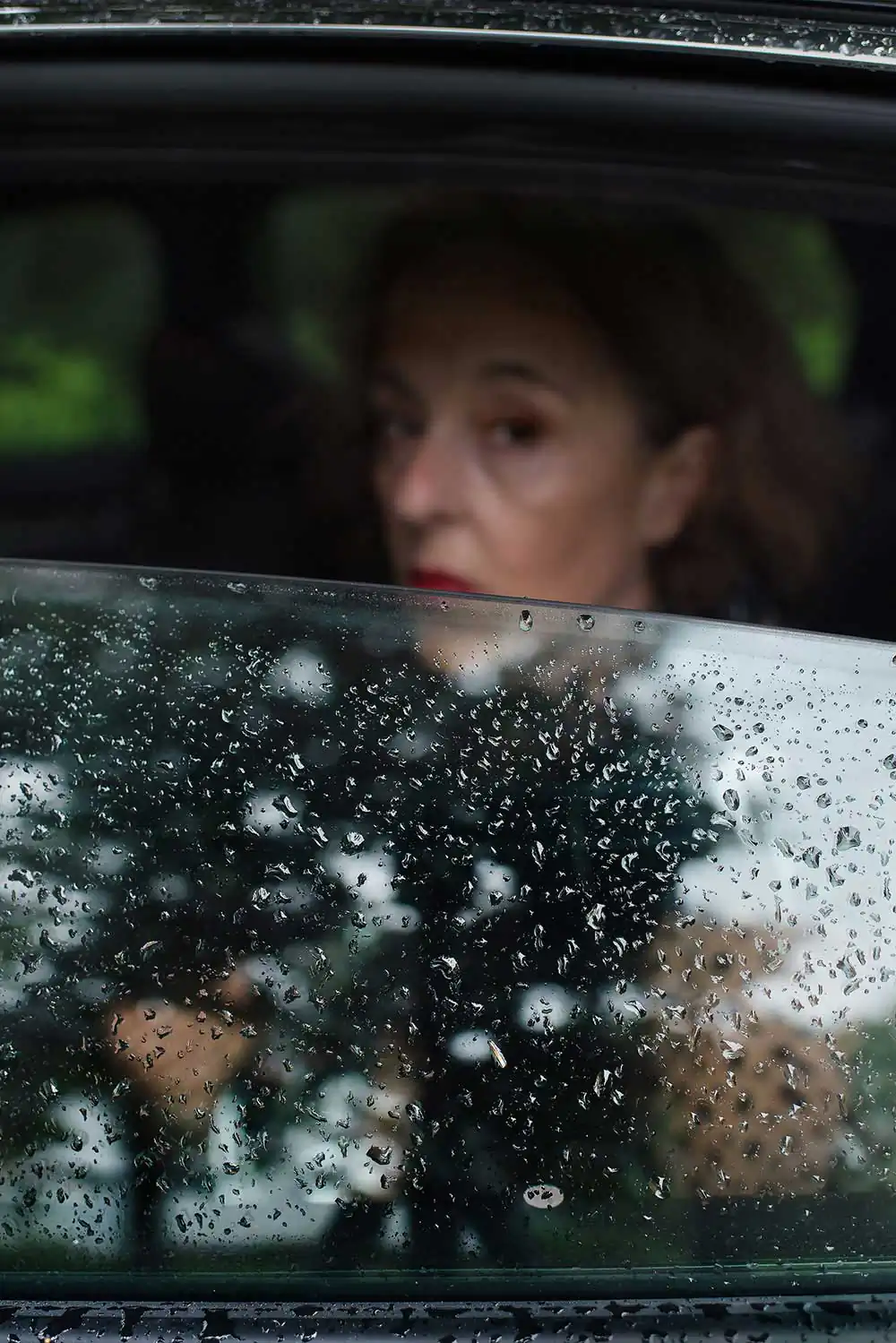
Conversations with myself by Jo Ann Chaus
Conversations with Myself, is a body of work in which I masquerade as another, summoning up unconscious ideas I’d neither examined nor expressed. This work represents a coalescence, of becoming. In looking at myself channel my mother, and every woman who came before me. I channel the constraints imposed on them, by society, family and themselves. I channel the resignation and the surrender, and I channel a coalescing of strength and courage… Read More
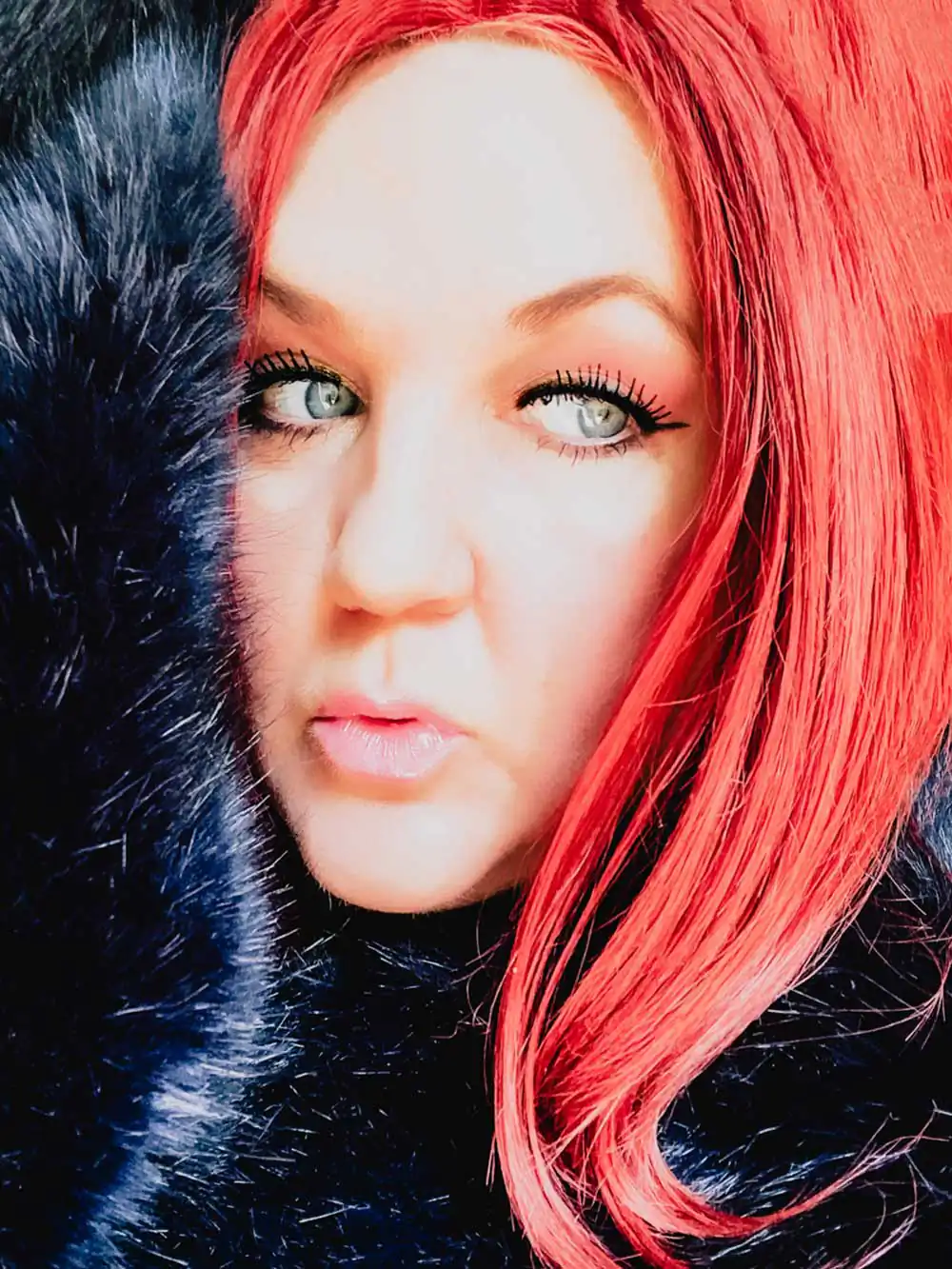
Experimental Self Portraiture by Leanne Trivett S
Leanne Trivett S, a proficient visual artist, employs photography as a narrative medium for her identity through Experimental Self Portraiture. She ventures into subjects in Black and White/Monochrome and crafts images that illustrate the interplay between minute details and color in the world. Her background in theatrical and vocal performance plays a crucial role in shaping her connection to herself and the creation of characters with compelling narratives. She has a fondness for capturing scenes from her plays, along with their outtakes… Read More
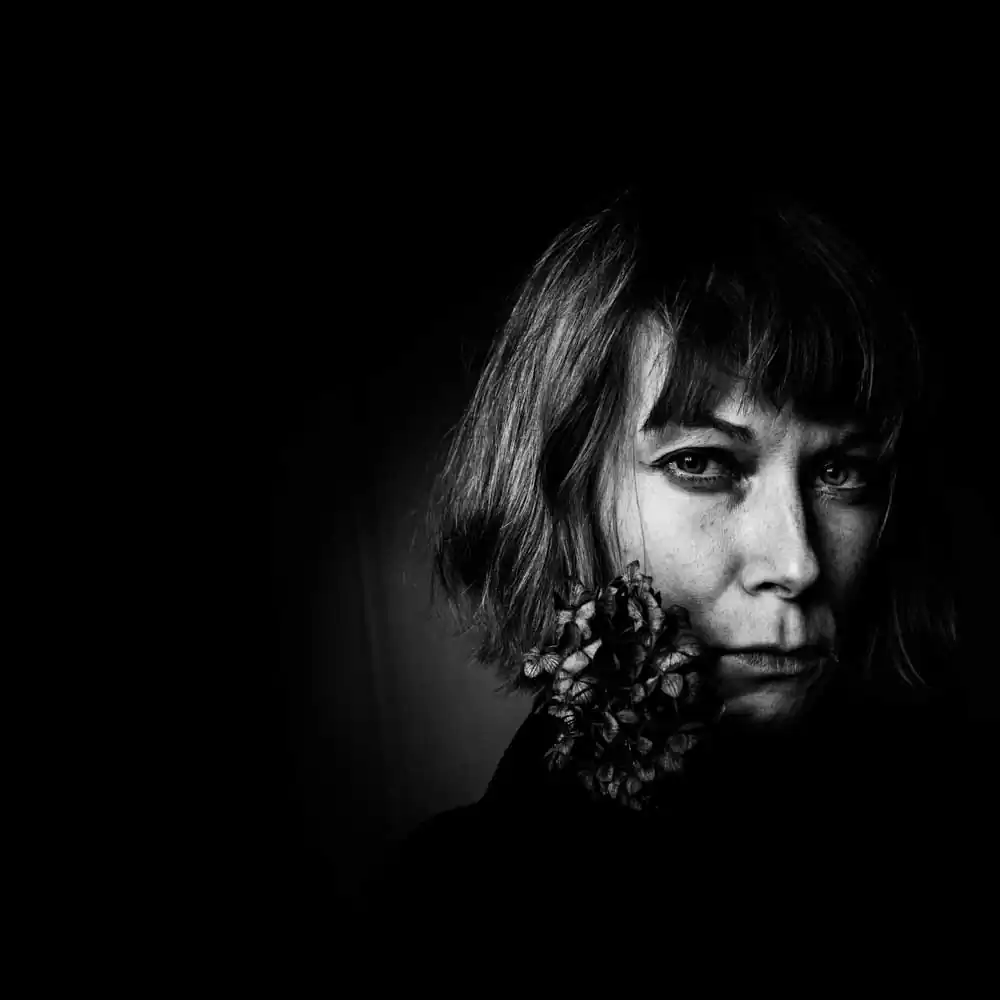
Self Portrait Diary by Alicja Brodowicz
A moment comes every once in a while when I feel the urge to make a self-portrait. However, these portraits are not about documenting physical appearance and changes in my looks; they mark significant moments in my life. Even though they may seem completely ordinary to the rest of the world, yet for me they are worth remembering. They evoke memories of very specific events, persons, smells, weather conditions, etc. Together, they make up a specific self-portrait diary where every photo is connected to a particular event in my life… Read More
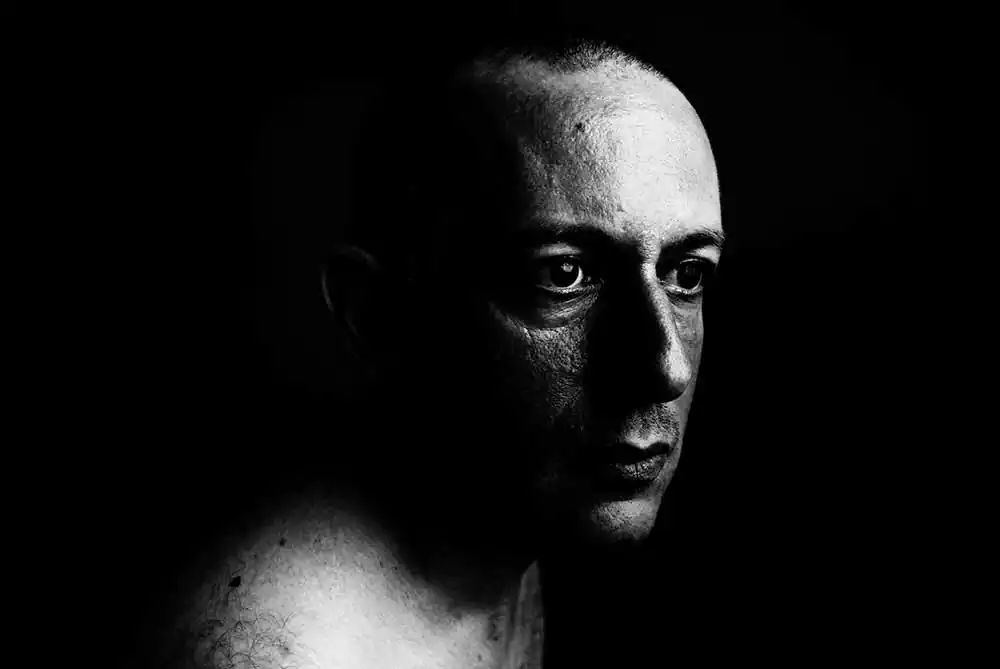
A self-portrait from Hell by Alex Lobo
Contorted with rage and emotional pain in an indefinite space in the darkness, helpless in a primal state of nudity, a man struggles with himself. Nothing we know about this individual. Perhaps he was a solid, emotionally stable person in the past. Maybe he even was a caring, warm human being. Maybe some kind of insecurity troubled him, maybe some aspects of his relationship with the world started to ashame and anger him, and maybe he had never developed the ability to express these feelings and they started to slowly, silently bottle up until they became unbearable and overwhelmed him. Maybe by the time he noticed it, he was no longer himself. This is what was left in the ground zero of a devastated mind… Read More
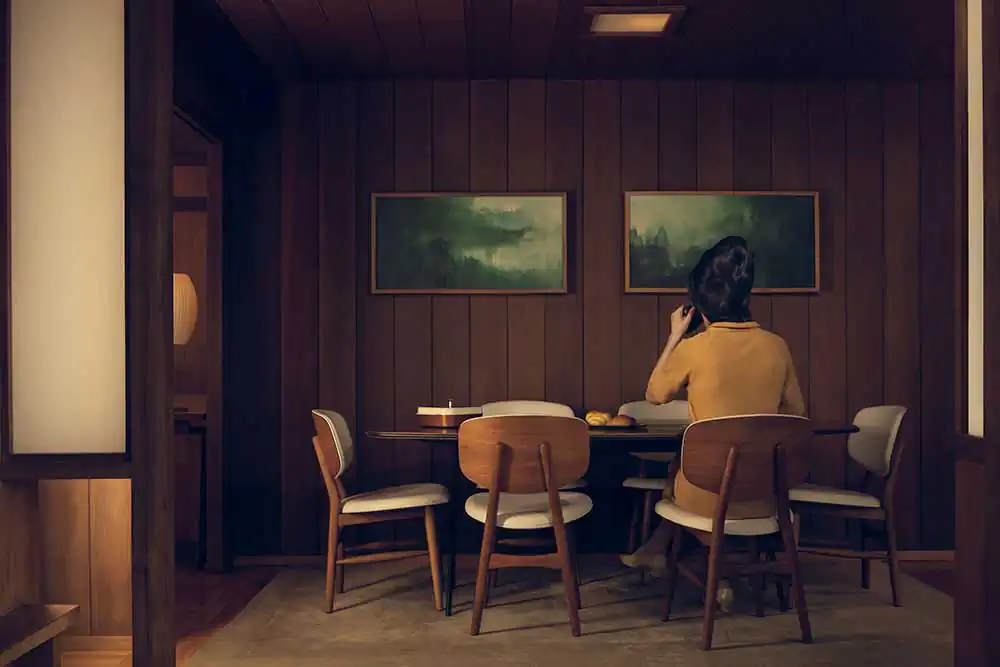
Self-portraiture; Made in the shade by Chloe Meynier
Through a mise-en-scene self-portraiture series, Made in the Shade depicts characters in Mid Century Modern settings, mirroring an era that was aspiring for change. Despite this societal urge to create a new modern lifestyle, women rapidly lost their independence gained during the war period and returned to domesticated environments to fulfill decades of gender role traditions. The carefully staged scenes attempt to challenge female stereotypes. The series offers a powerful lens through which the viewer contemplates these women in a non-objectified way and reconfigures their essence. The absence of context gives these characters the power to be architects, scientists, musicians, engineers, doctors, etc.; roles often identified as being fulfilled by men… Read More