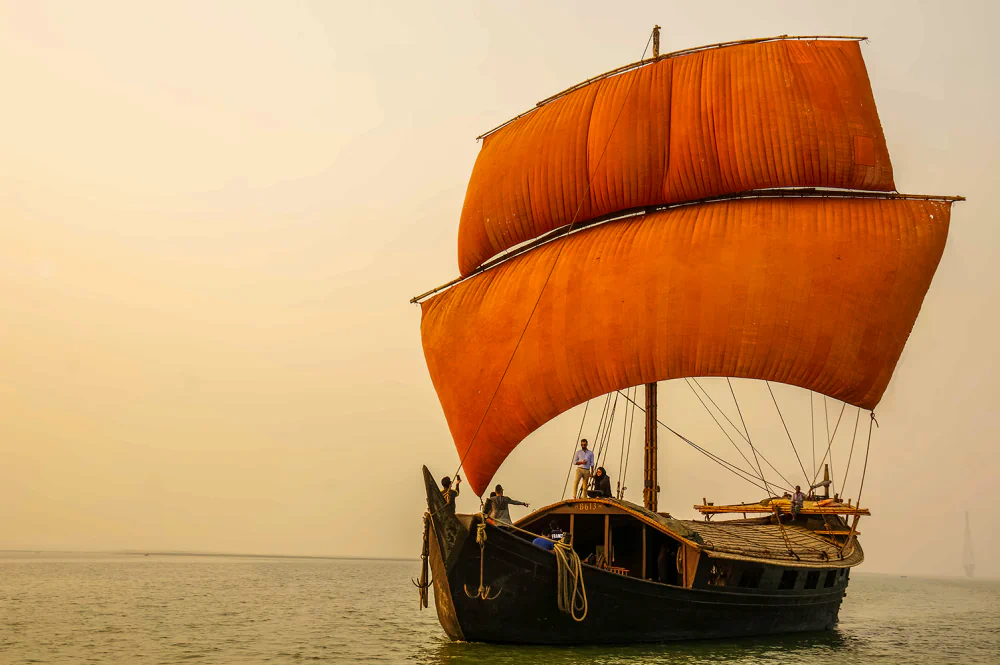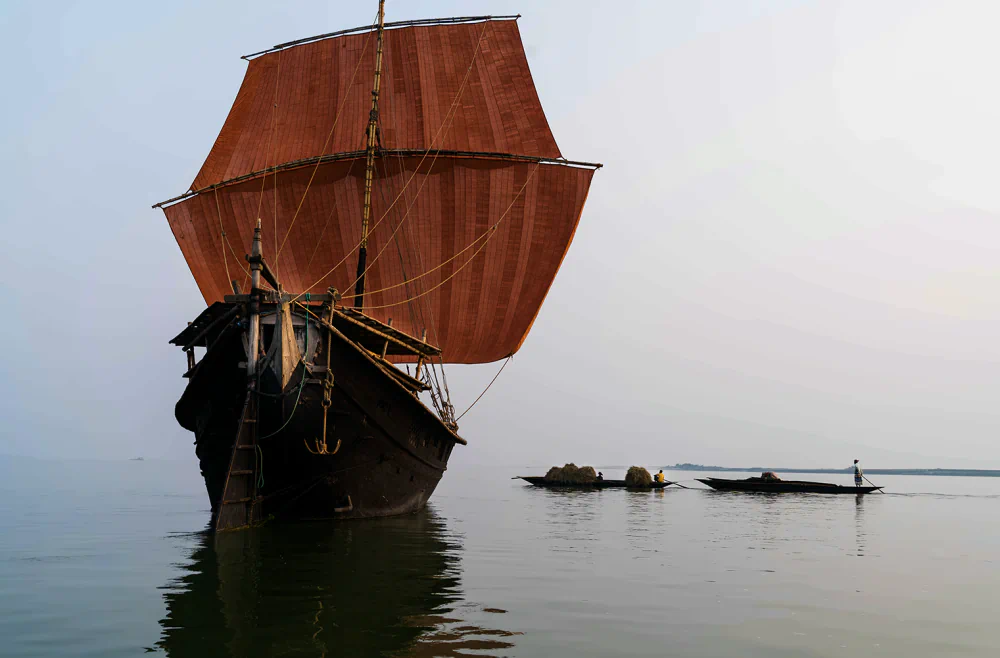


Before delving into the documentary, it is important to look back at the golden age of Bangladesh, when the country is said to have had around 1,400 rivers in the 11th century.
The famous Moroccan traveler Ibn Battuta, who arrived in Bengal in the 14th century, witnessed gigantic fleets.
In the 17th century, Chittagong was renowned for building war boats for the Sultan of Turkey. During its golden period, Bengal had one of the largest fleets of wooden boats in the region.
Today, however, this remarkable heritage stands on the brink of disappearance. Rapid urbanization, deforestation, pollution, the rising cost of timber, and the loss of skilled artisans have all contributed to its decline. A major turning point came in the 1980s, when cheap, faster diesel-powered boats became widely available in Bangladesh. As a consequence, many of the magnificent traditional sailing boats disappeared within a relatively short period.
Since the 1980s, numerous traditional sailing boats have gradually vanished. At the same time, the master craftsmen who carried generations of knowledge have become fewer and fewer. Once, more than sixty different types of traditional wooden boats could be found across Bengal. Today, only a handful remain.
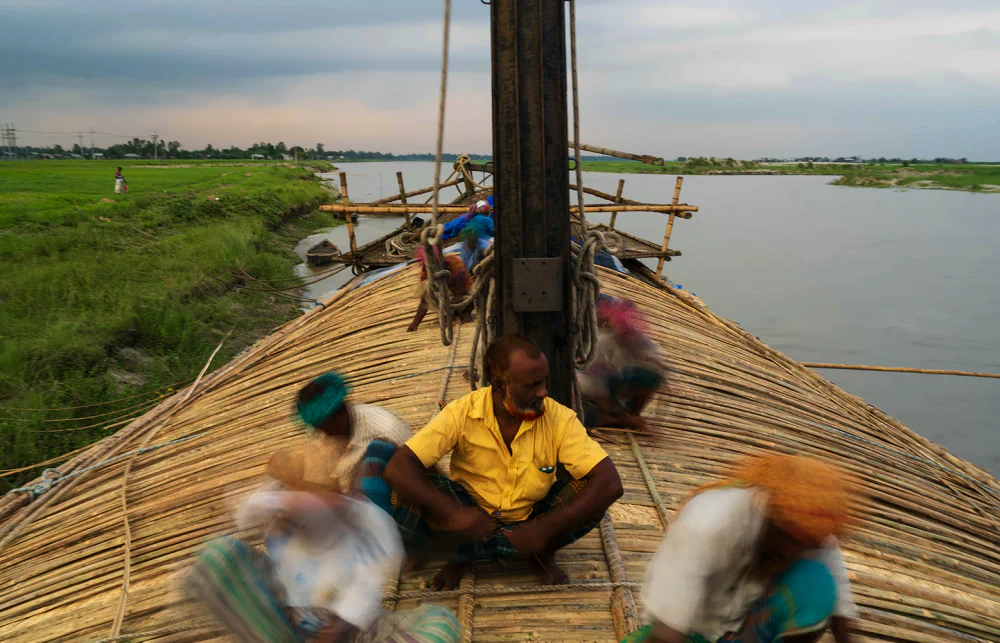
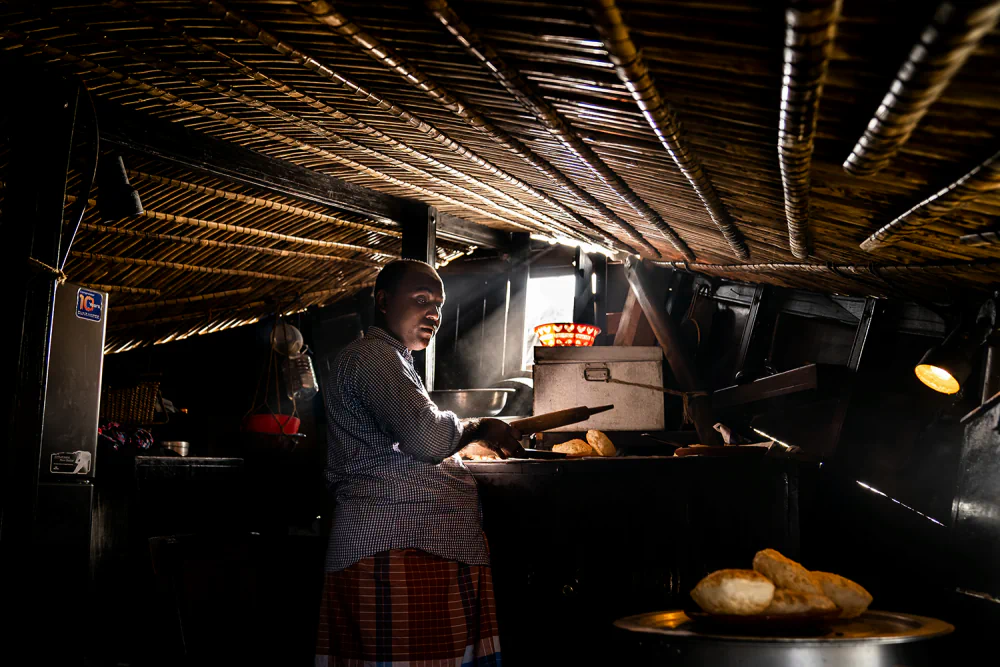
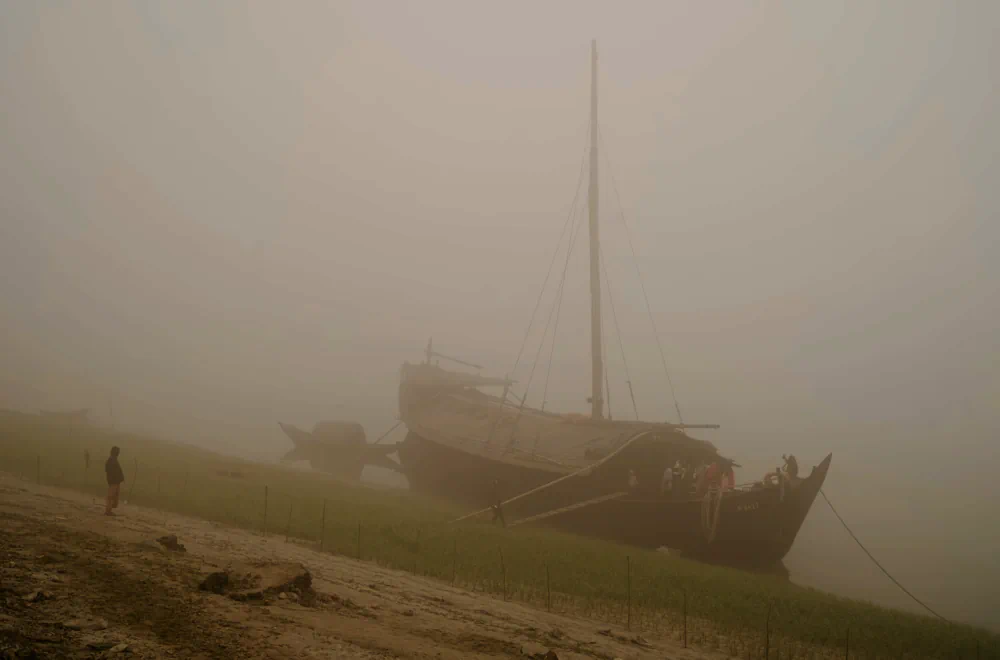
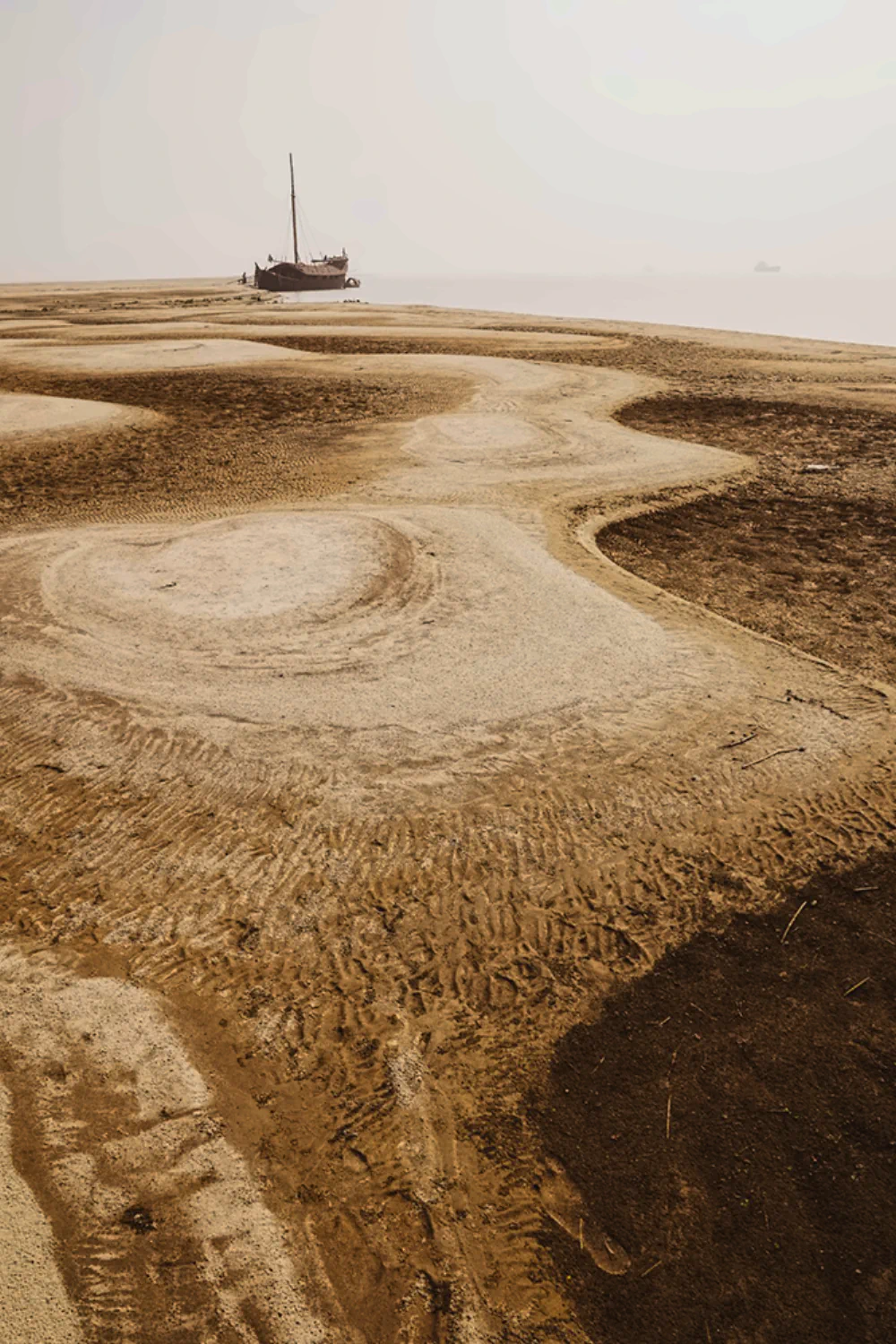
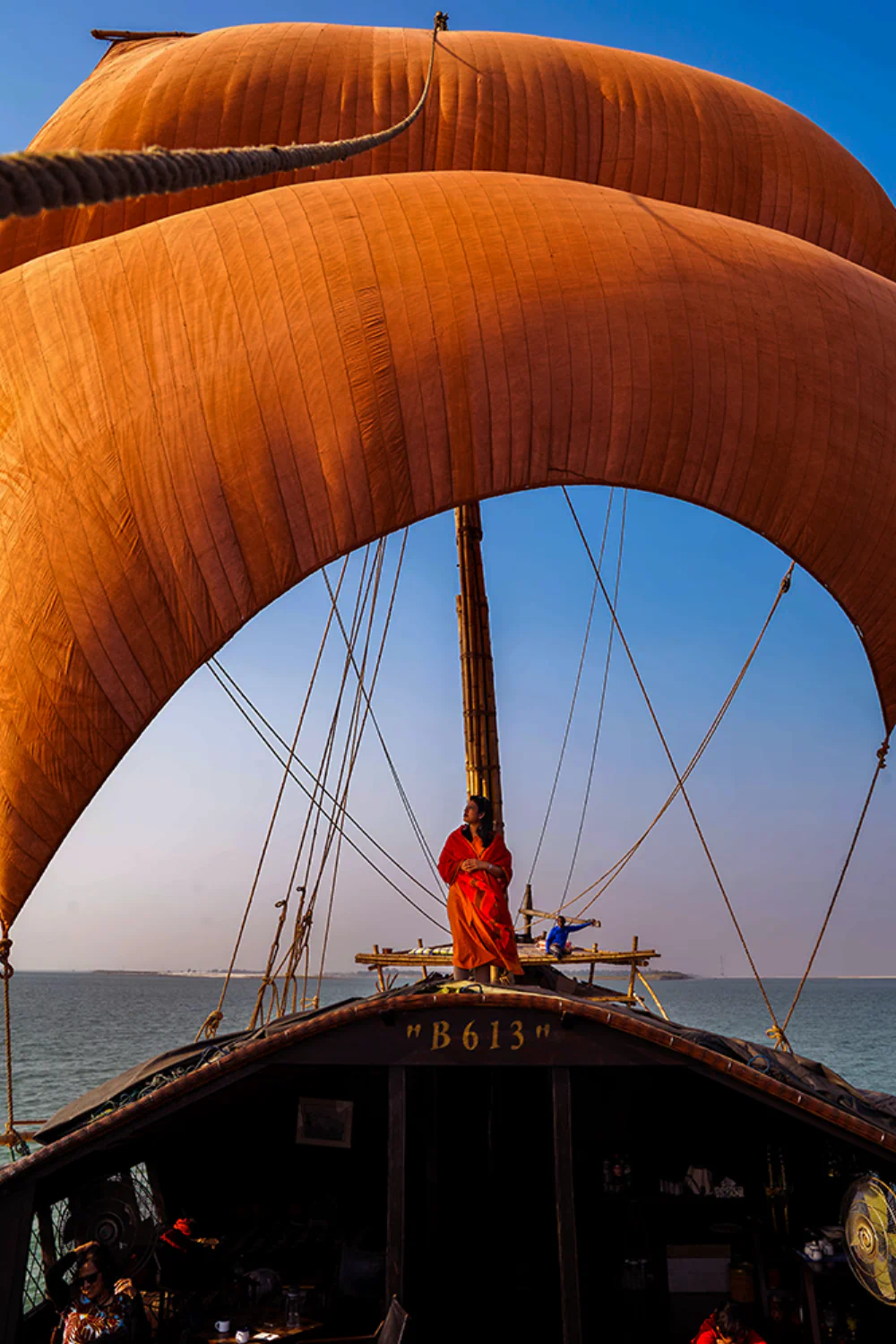
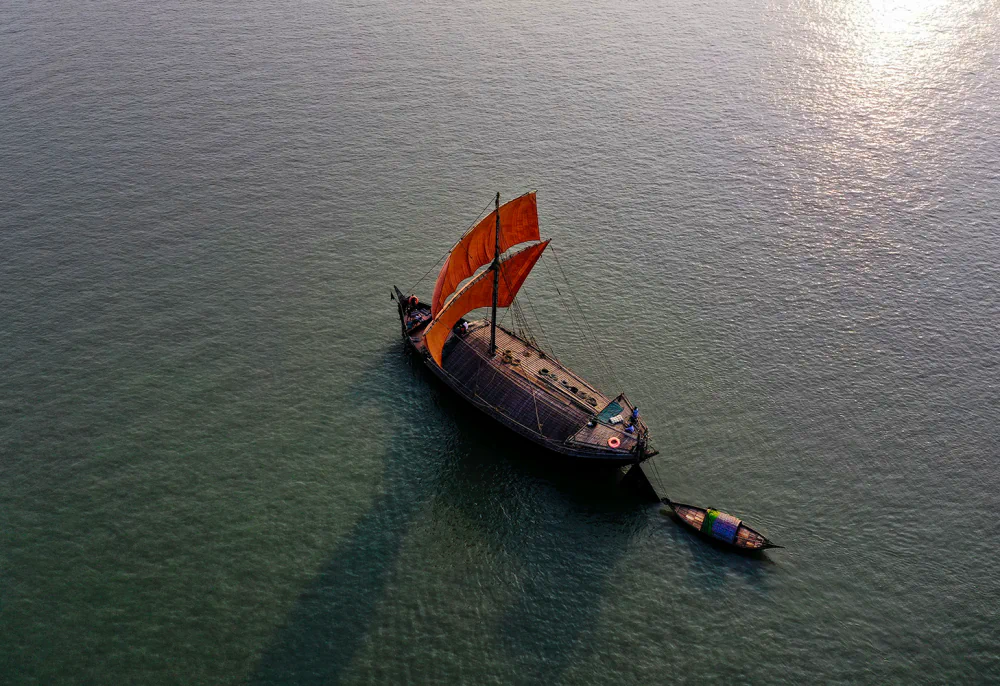
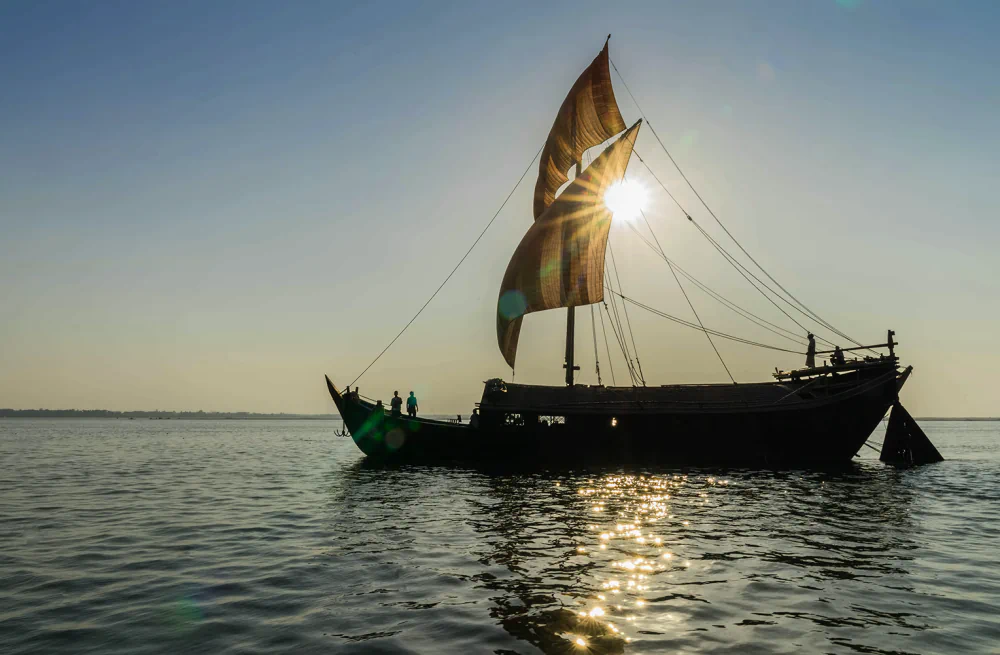
For more than eight years, I have been documenting the story of the last surviving Malar, one of Bengal’s most remarkable traditional wooden boats.
This long-term photographic project, The Story of Preserving Heritage, explores the disappearance of Bengal’s traditional wooden boats through the story of the last surviving Malar—one of the region’s most remarkable sailing vessels. Beyond the physical survival of a boat, however, the project investigates something more profound: the gradual loss of an entire cultural knowledge system.
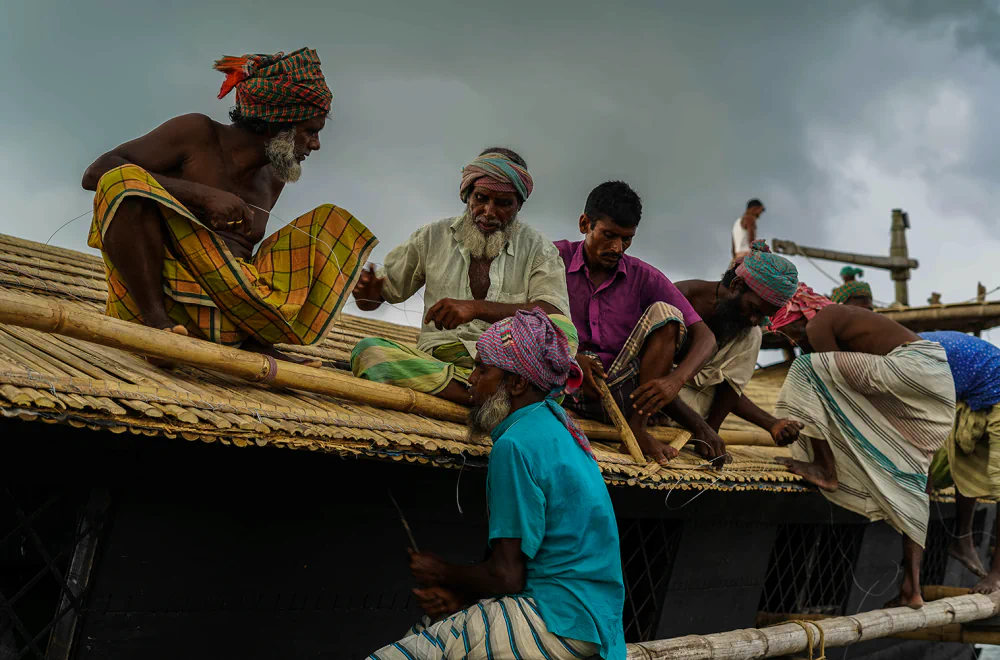
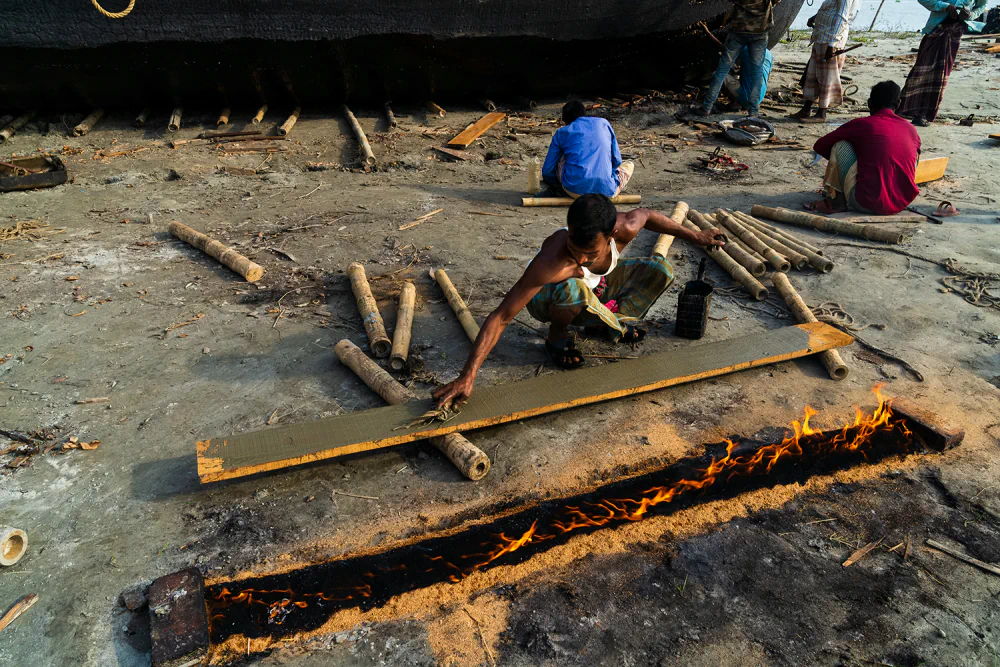
For generations, the construction and maintenance of traditional boats depended on knowledge passed down orally and practically from master craftsmen to younger generations. Measurements, techniques, materials, and skills were rarely preserved in written manuals. Instead, they lived in the hands, memories, and bodies of the artisans. The boat therefore represents more than an object of material culture; it is a vessel carrying intangible heritage—skills, traditions, social relationships, and collective memory.
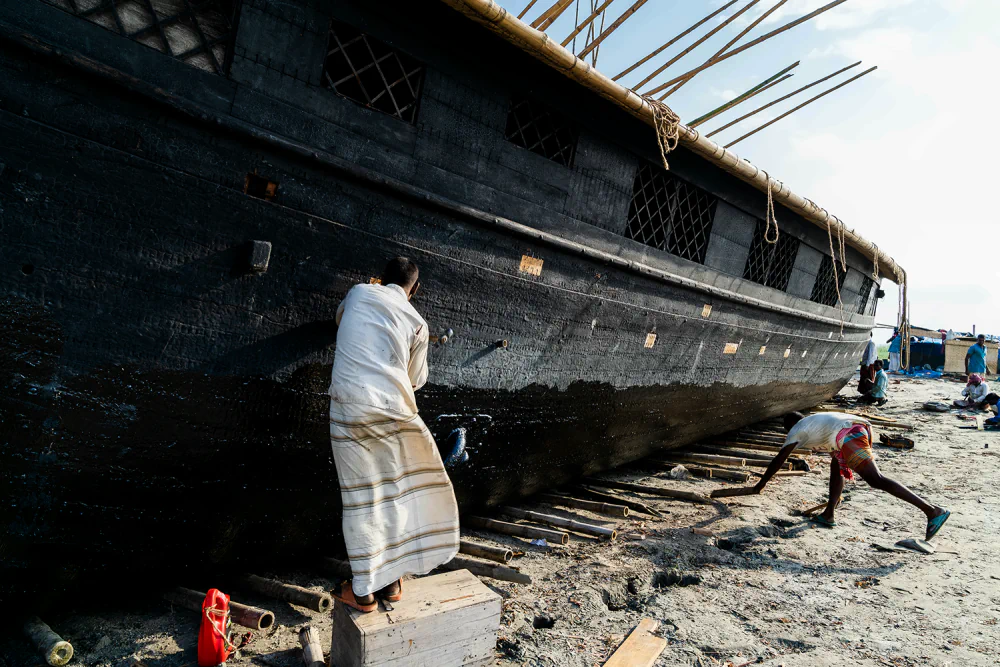
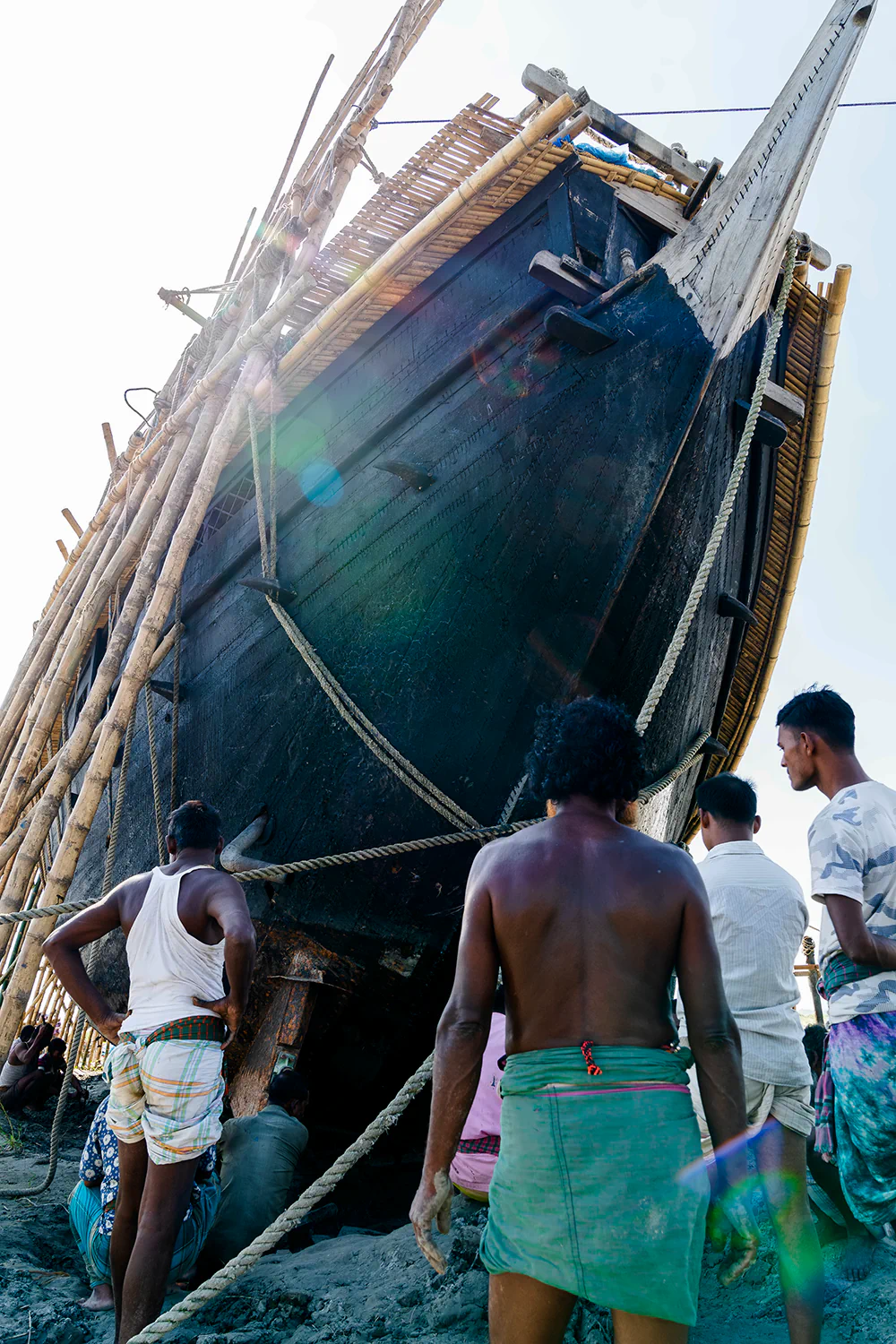
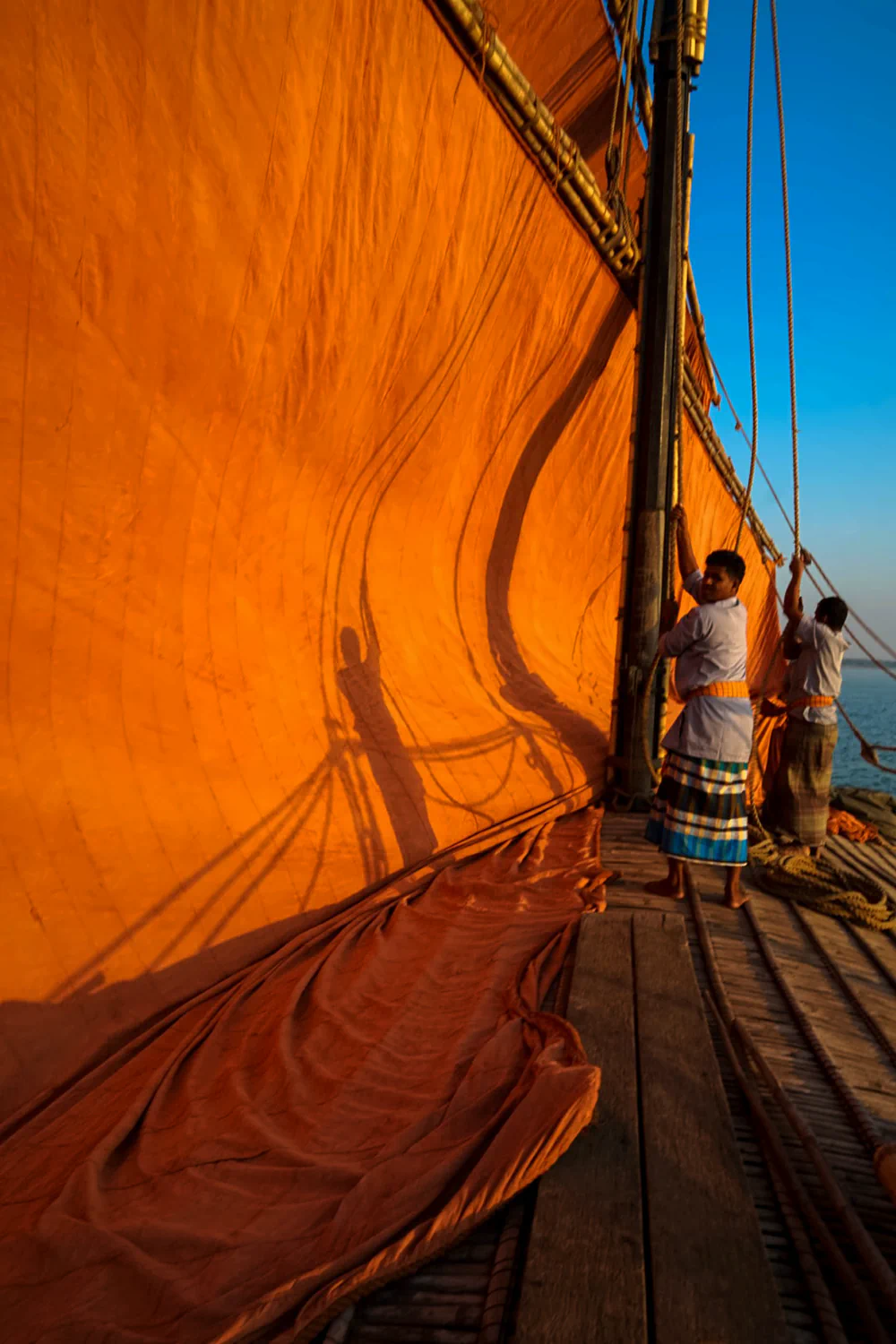
The Malar measures 93 feet in length and 23 feet in width. The boat was fitted with a 20-meter mast and two magnificent handwoven red-ochre sails covering 2,700 square feet, making it one of the largest traditional sailing boats in Bengal. Built using centuries-old techniques developed by the master carpenters of the Brahmaputra region, it embodies a unique system of knowledge passed down through generations.
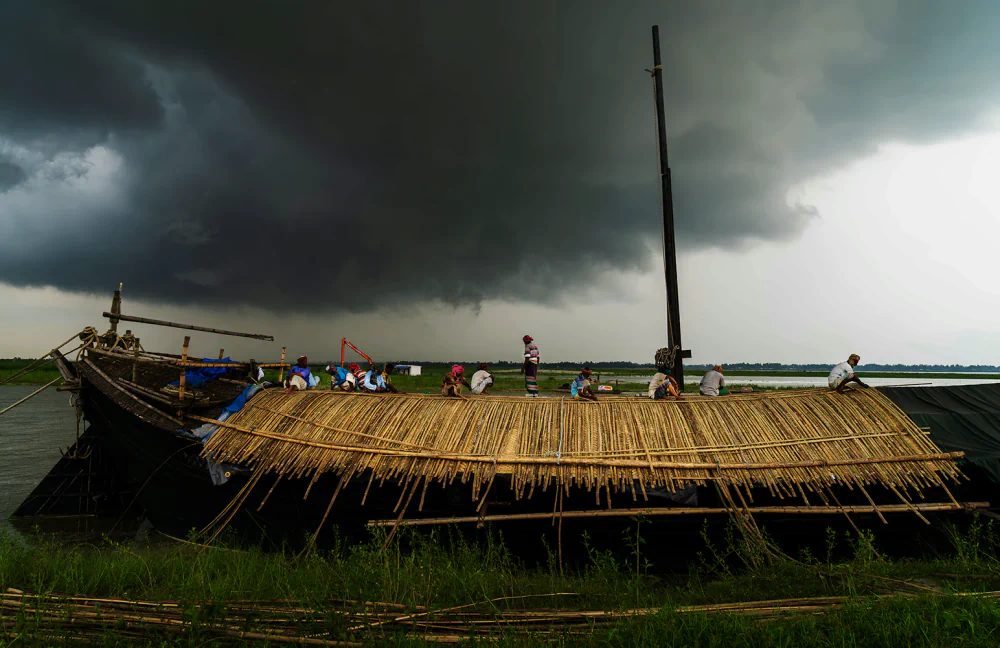
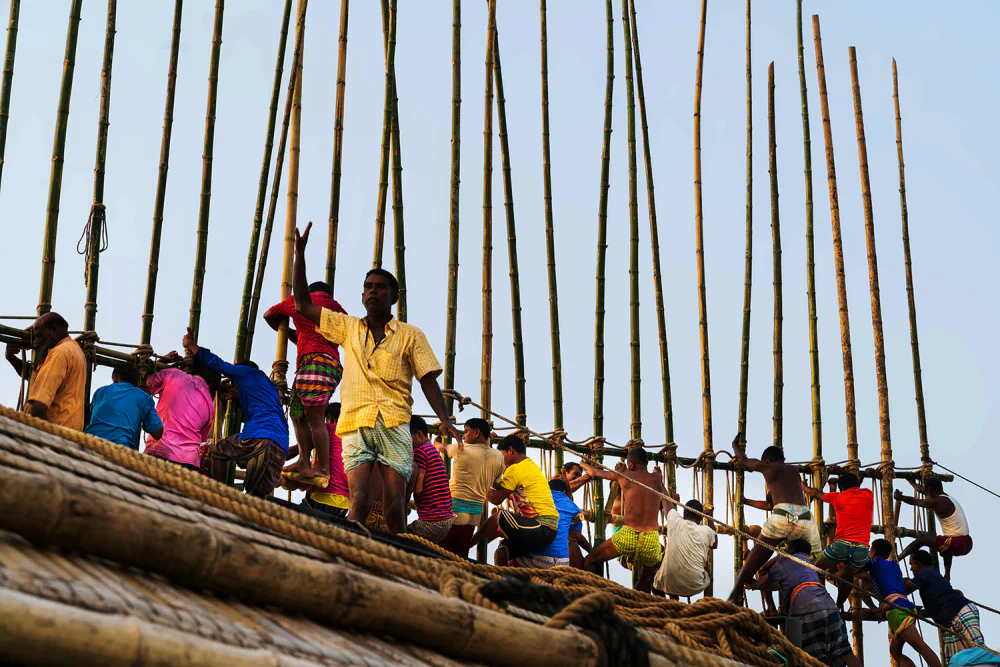
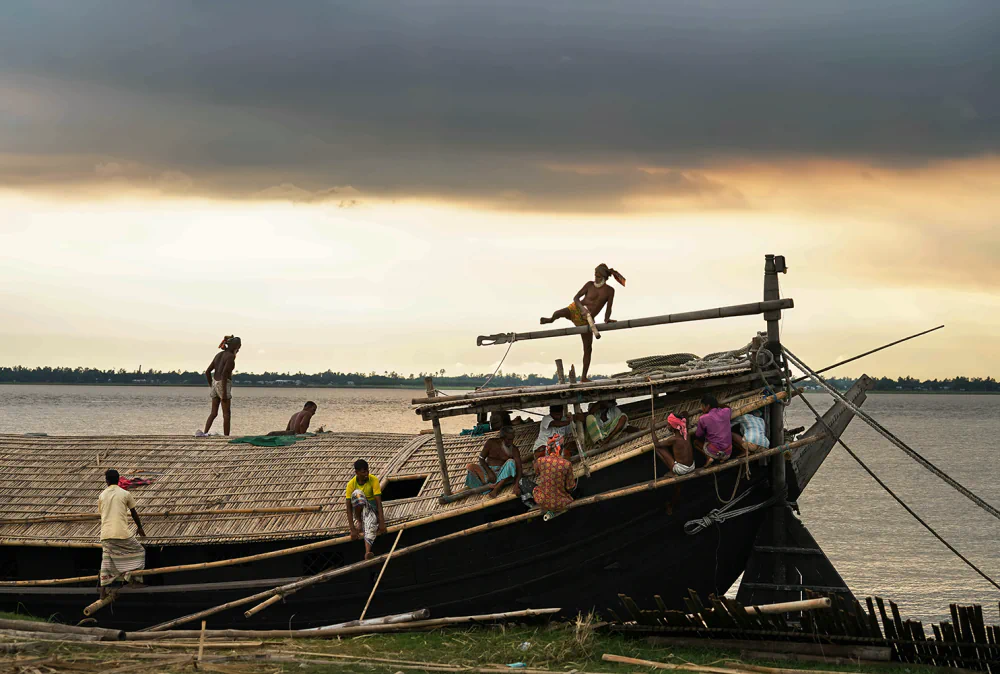
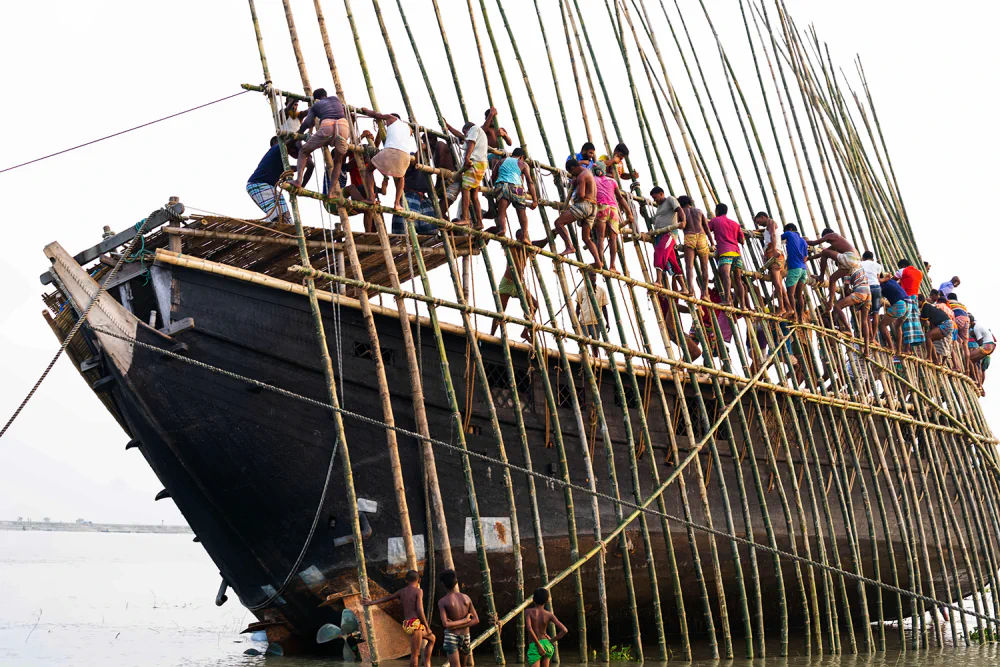
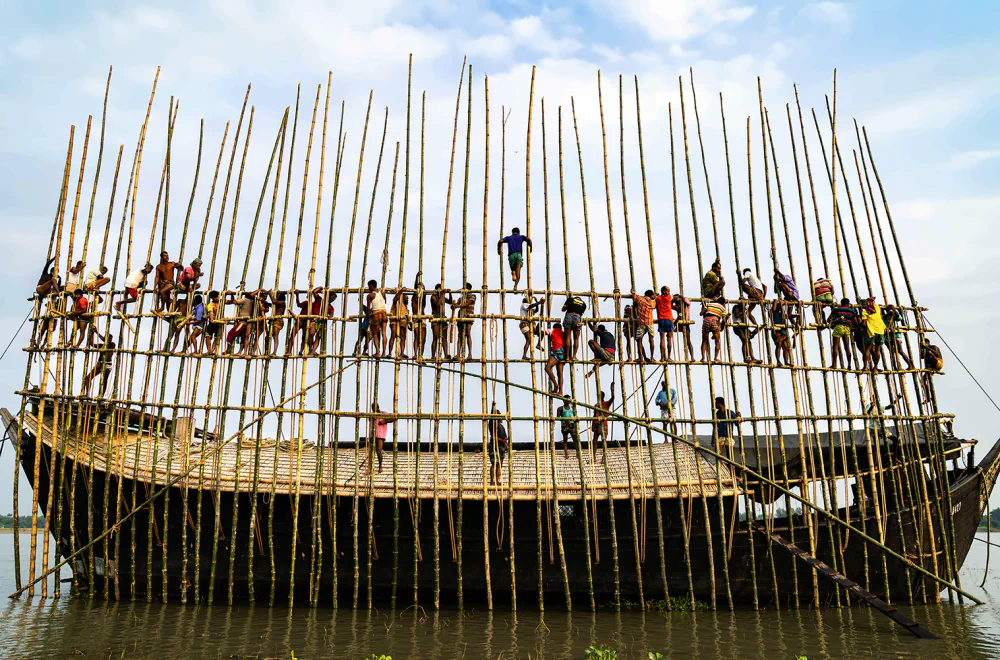
Every four years, the boat requires extensive repairs and overhauling to remain riverworthy. One of the most fascinating aspects of the restoration process is the traditional method used to turn the massive wooden hull. Bamboo scaffolding and human labor remain the only viable means of tilting and positioning the boat. More than one hundred skilled workers participate in this complex operation, which involves countless stages of repair, replacement, and maintenance.
The complexity and cost of maintaining such vessels help explain why this type of boat has become virtually extinct. For this reason, the Malar is not only a treasure of Bengal but also an important example of maritime heritage worthy of broader international recognition.
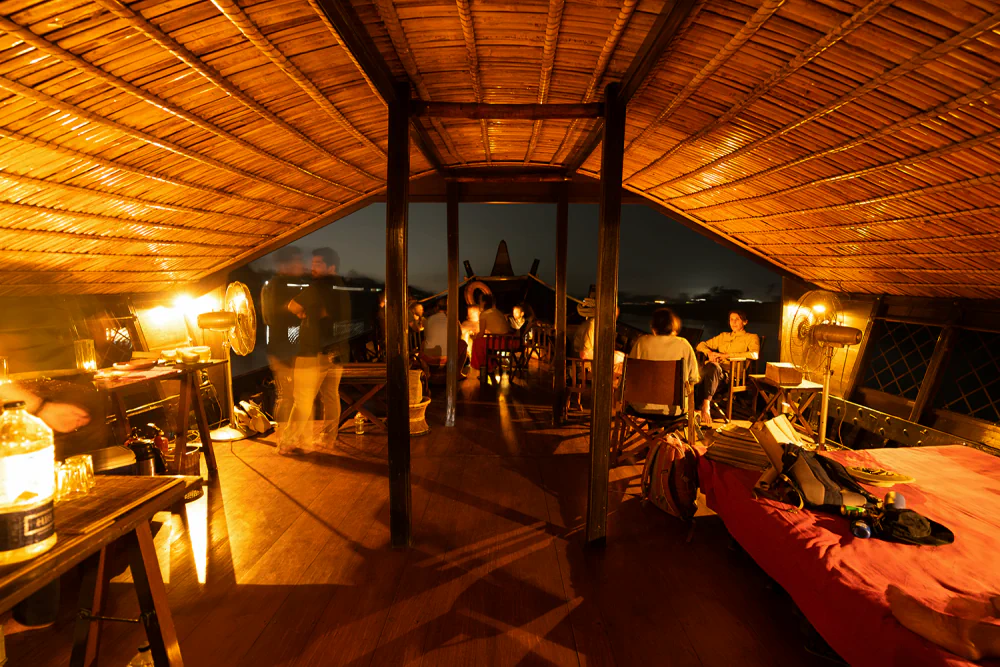
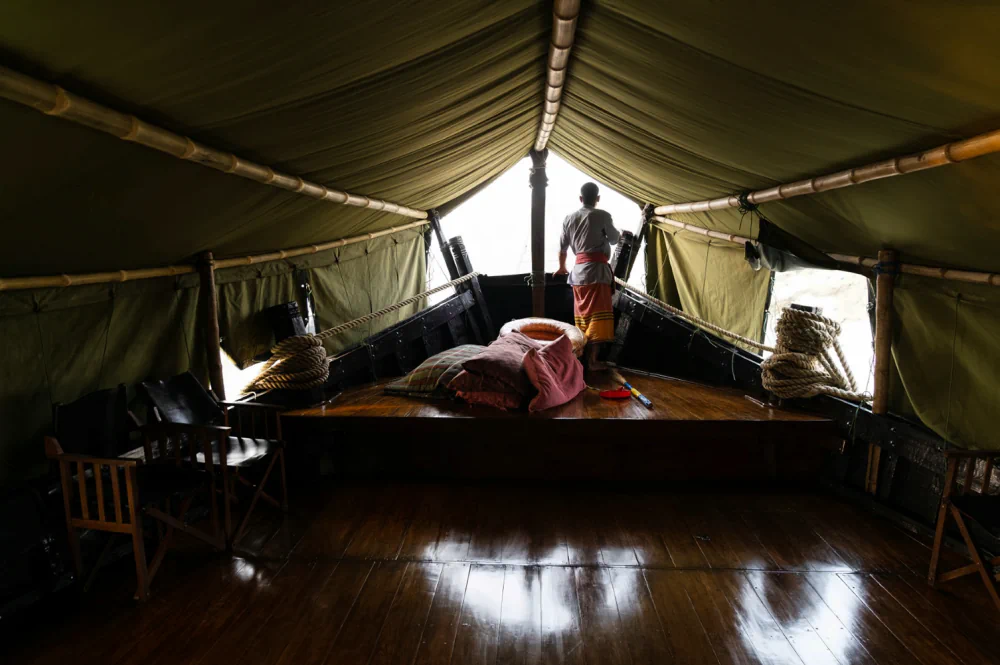
Today, the Malar is not merely a surviving wooden vessel. It is a cultural treasure and a living testament to the extraordinary nautical heritage of Bengal. Its preservation is a reminder that heritage is not found only in monuments and museums; it can also live in the hands of craftsmen, in disappearing traditions, and in the vessels that have carried the history of a civilization for generations. Today, the boat is also used for river tourism.
Ultimately, The Story of Preserving Heritage is an anthropological exploration of cultural survival. It documents a fragile moment in which traditional knowledge, material culture, and human memory stand on the edge of disappearance. Through photography, I hope to preserve not only the image of the last Malar but also the people and knowledge that give it meaning—before this extraordinary chapter of Bengal’s riverine civilization disappears forever.
About Md. Arifuzzaman Zaman
Md. Arifuzzaman Zaman is a Bangladeshi visual storyteller whose journey into photography began at the age of 35, when a small camera gifted by his sister-in-law sparked a lasting passion for visual storytelling. Inspired by literature, cinema, culture, rituals, and the poetry of everyday life, he has spent more than sixteen years documenting the lives, traditions, and resilience of communities across Bangladesh.
He first studied photography under renowned Bangladeshi photographer GMB Akash and later refined his documentary practice at Counter Foto. There, the mentorship and documentary approach of Magnum photographer Saiful Huq Omi profoundly shaped his way of seeing, influencing his long-term storytelling, visual research, and meticulous project development.
Working across documentary, street, travel, and cultural photography, Zaman explores themes of identity, heritage, spirituality, social justice, and human dignity. His work moves beyond stereotypes to reveal intimate narratives that celebrate resilience, question inequality, and preserve disappearing traditions.
His photography has received international recognition from the Xposure International Photography Awards, Urban Photo Awards, Budapest International Foto Awards, Global Photography Awards, Tokyo Foto Awards, One Eyeland Travel Photography Awards, 1839 Color Photography Awards, Life Framer, and Silver in the 12 Awards. His work has also been recognized by the World Food Photography Awards, the Photo Journalism Prize, and the Athens International Street Photo Festival.
Zaman’s photographs have been published by The Guardian, Forbes Magazine USA, National Geographic, The Daily Telegraph, South Florida Sun Sentinel, The Palm Beach Post, Frames Magazine, All About Photo, Amnesty International, Asahi Shimbun, Edge of Humanity, The Daily Star, and the Italian magazine Collater.al. His visual stories have also been featured by 121clicks.com and Edge of Humanity Magazine.
Most recently, his long-term documentary project The Fall of a Dictator was selected as a finalist for the Photo Journalism Prize 2026, recognizing his sustained commitment to documenting Bangladesh’s heritage and contemporary social and political realities with depth, empathy, and visual integrity. [Official Website]