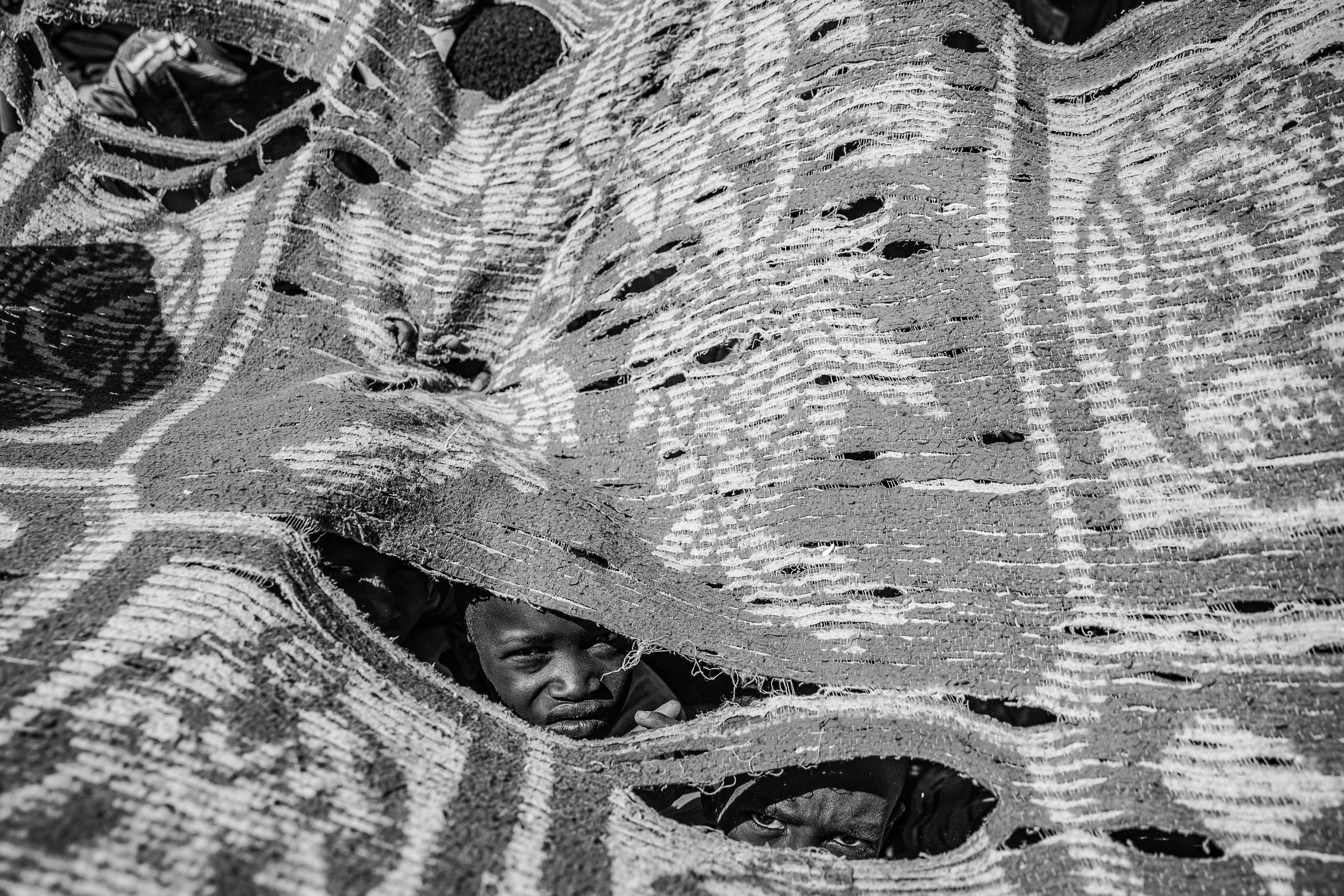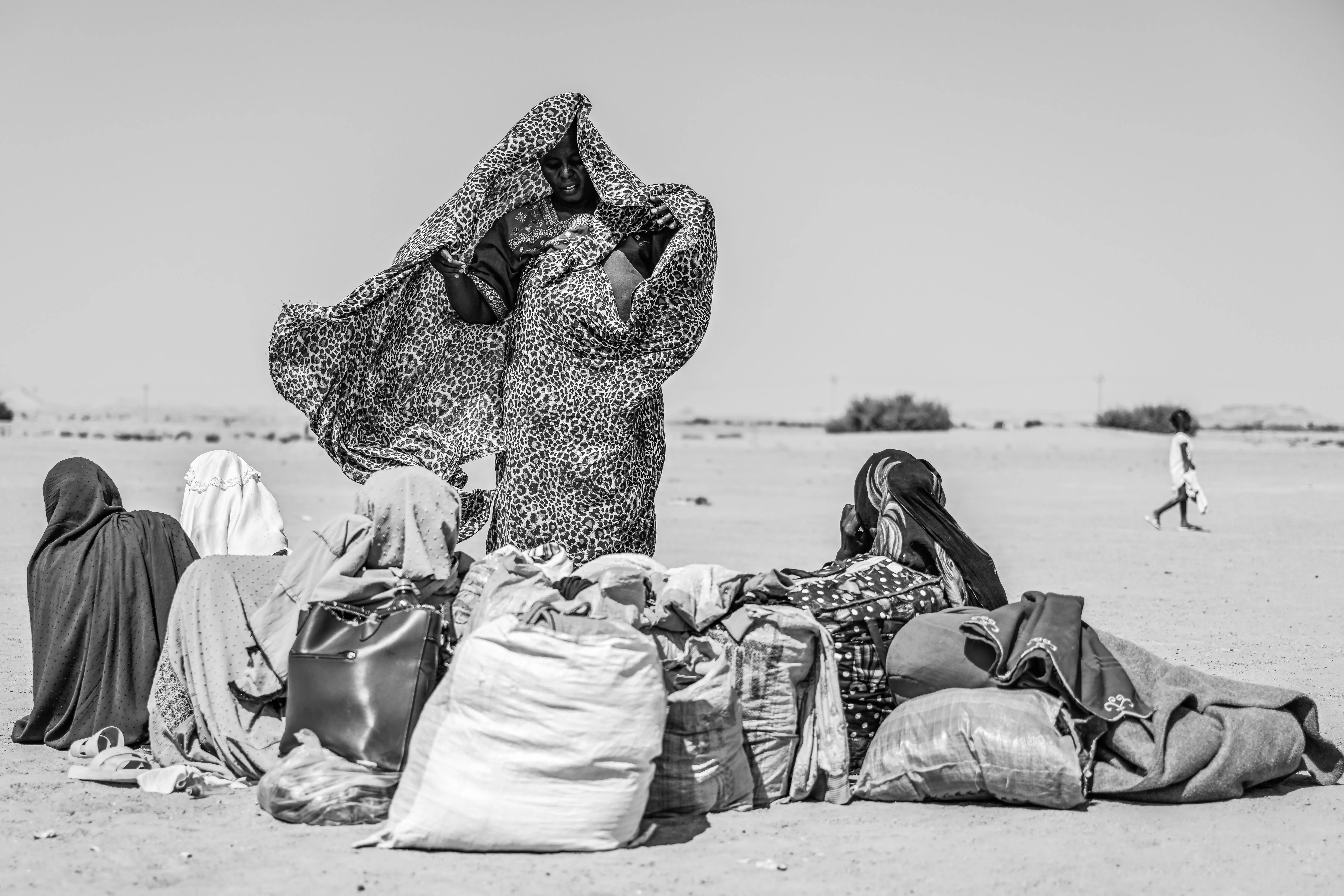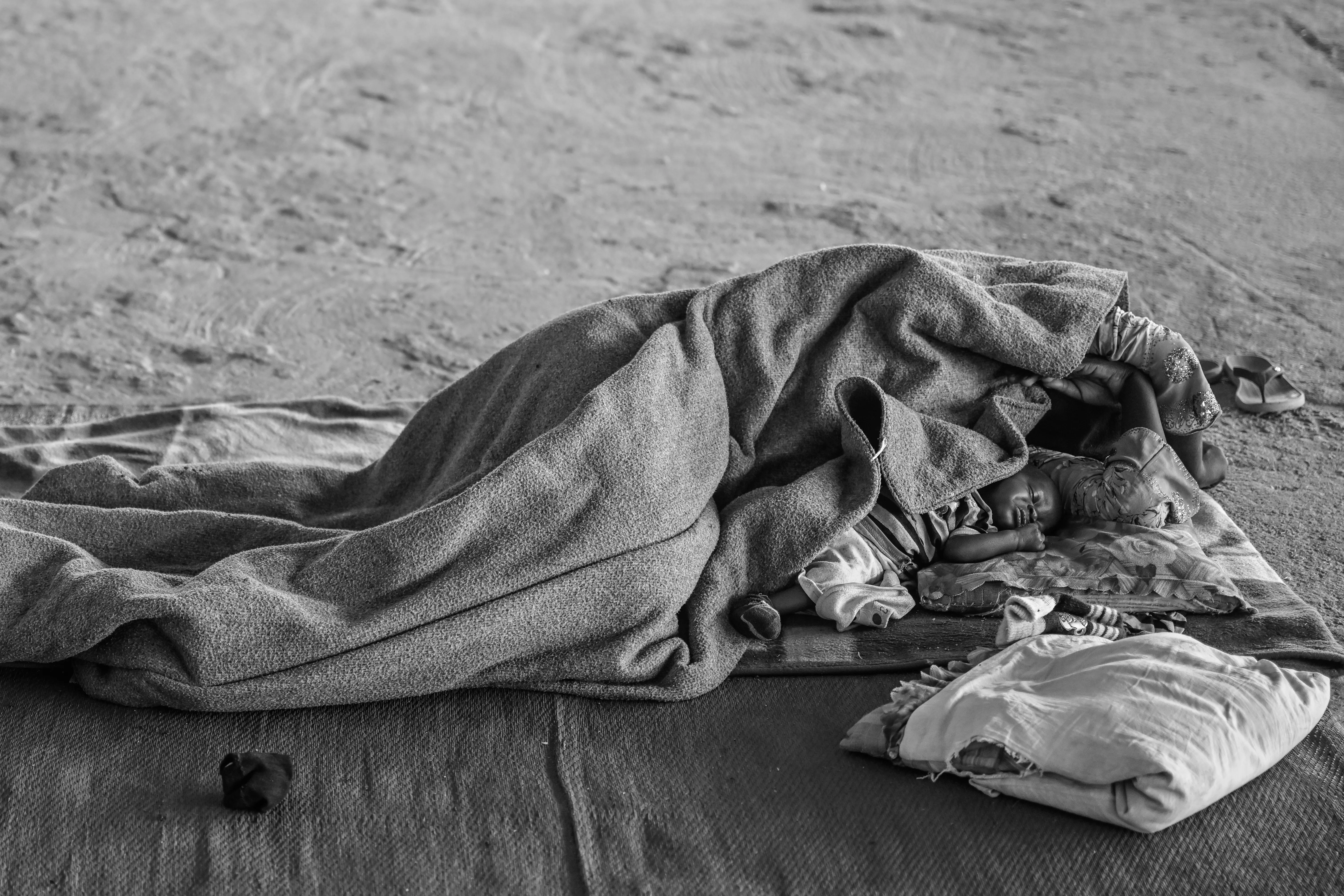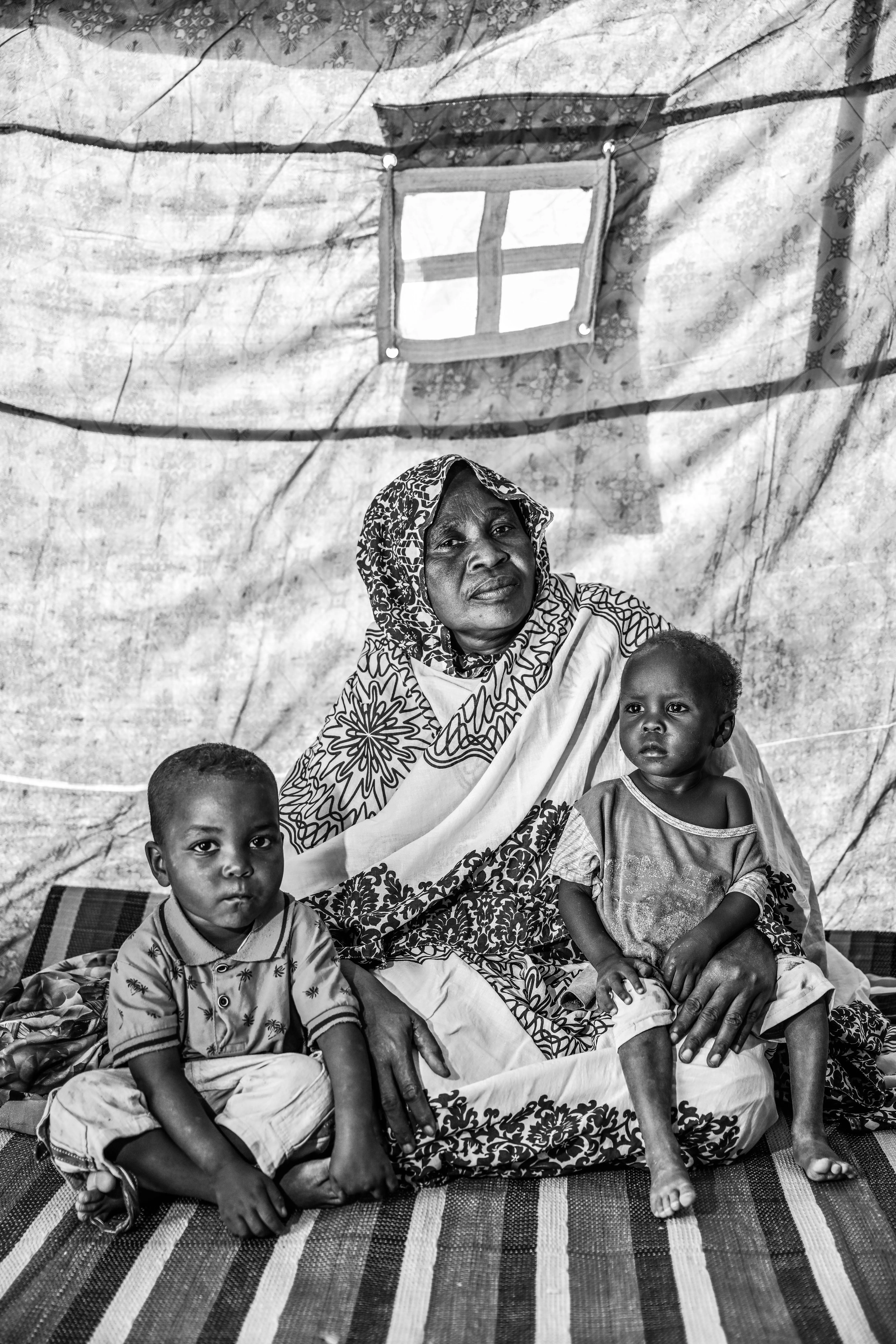
After the fall of Omar al-Bashir in 2019, Sudan briefly embodied the hope of a democratic rebirth driven by a powerful civilian revolution.
Protesters demanded justice, civilian rule and an end to decades of military domination. But this promise was steadily undermined from within.
In October 2021, the army—led by General Abdel Fattah al-Burhan and backed by his deputy, Mohamed Hamdan Dagalo, known as Hemedti—overthrew the civilian-led transitional government. The revolution was sidelined, and power returned entirely to military leaders.
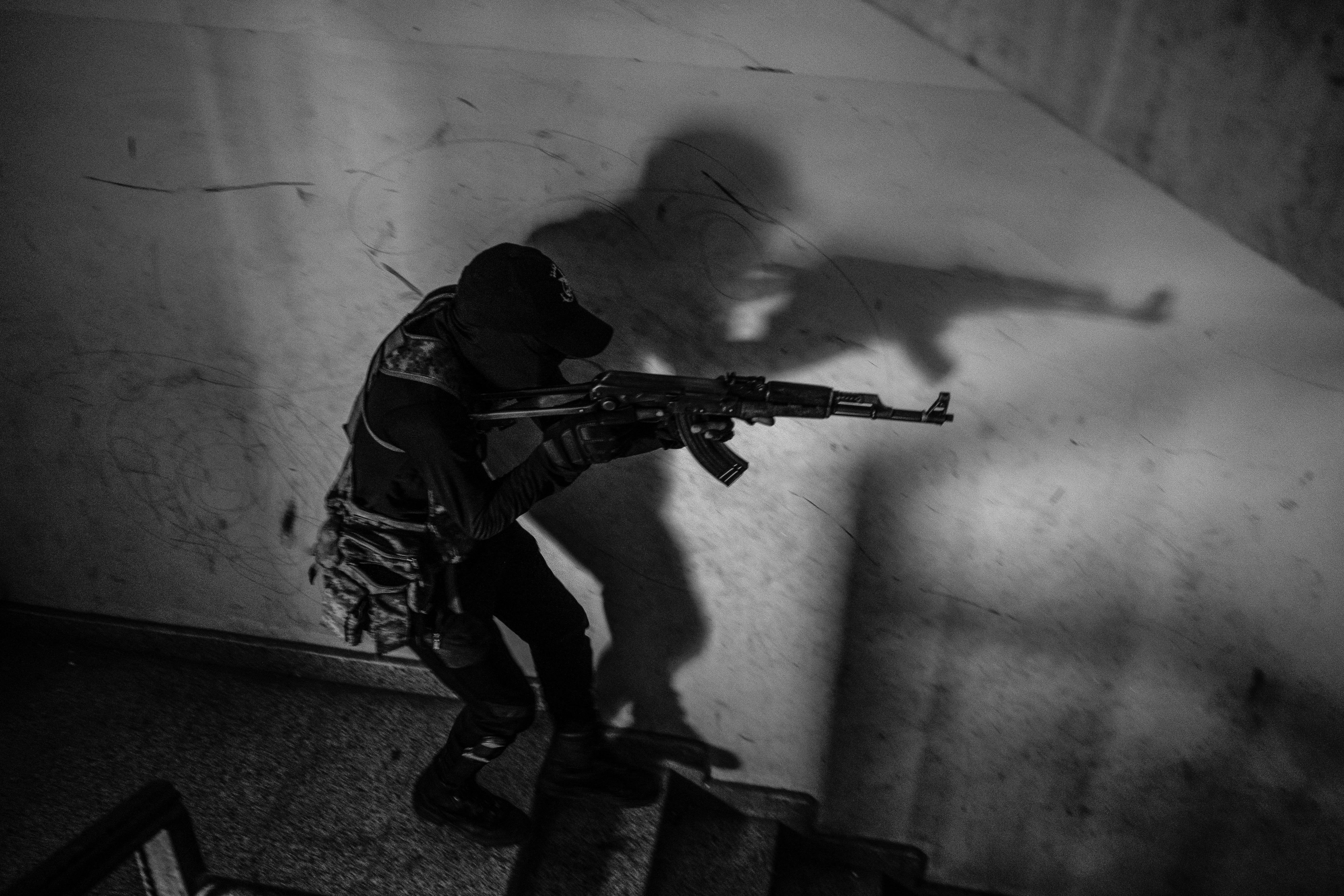
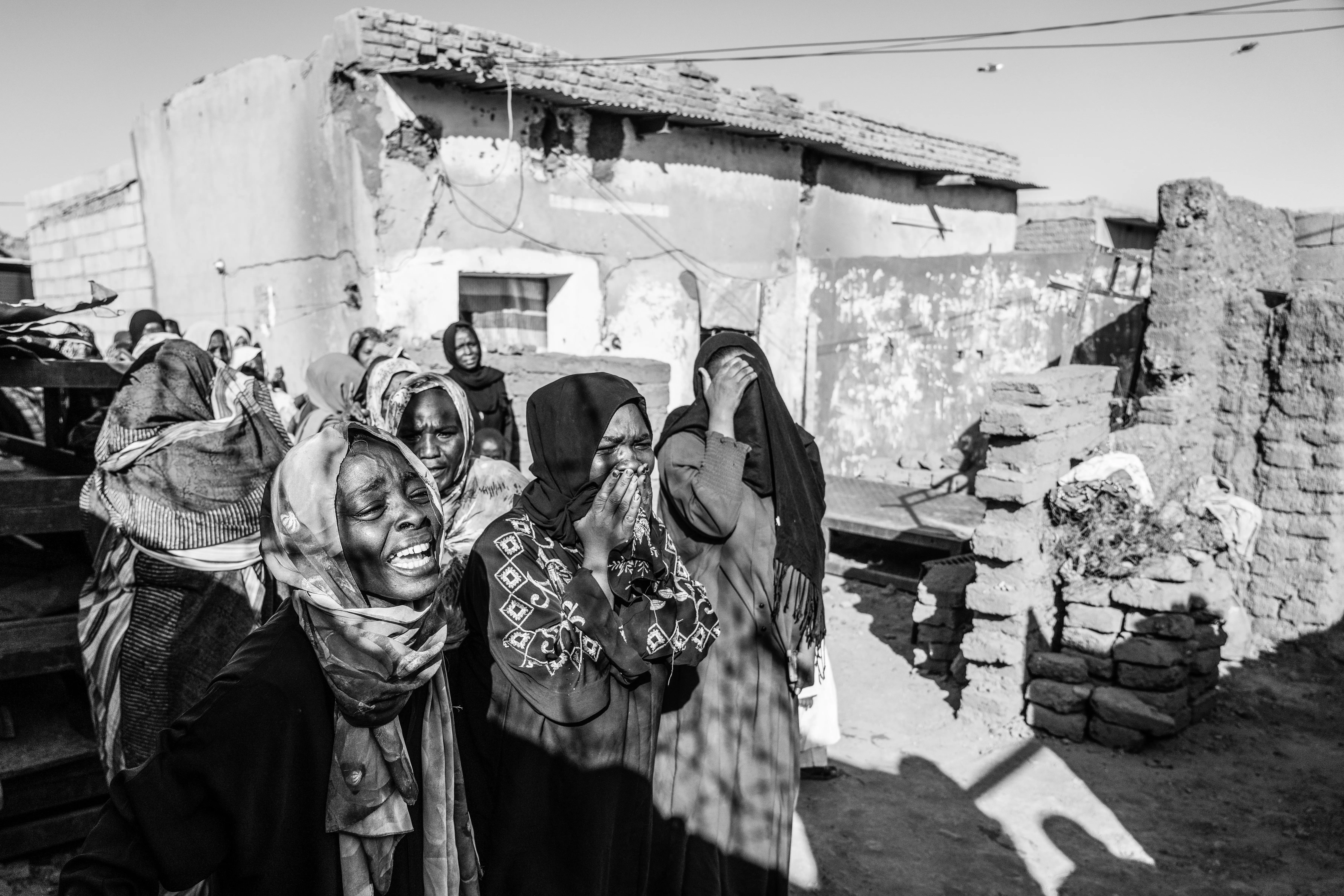
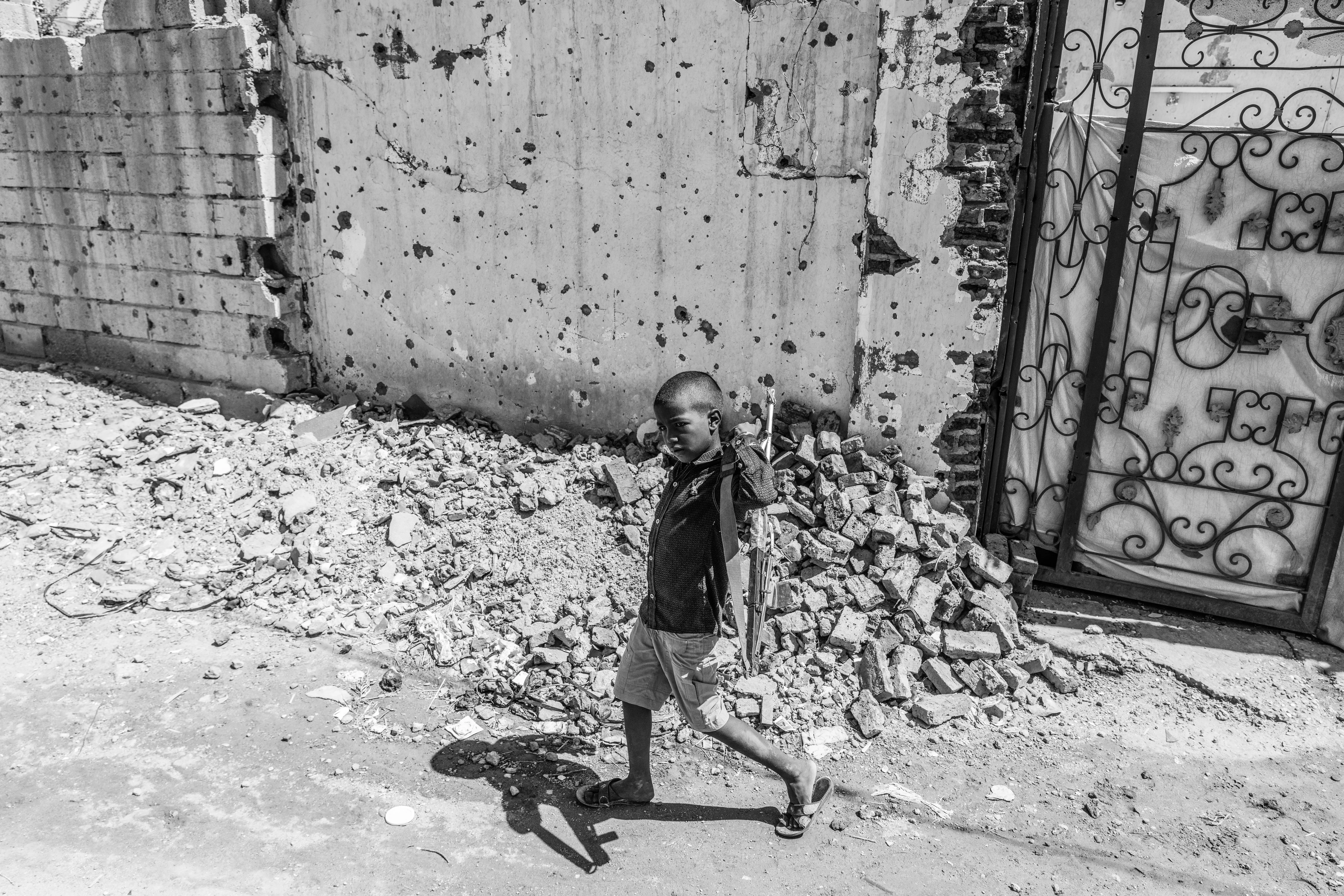
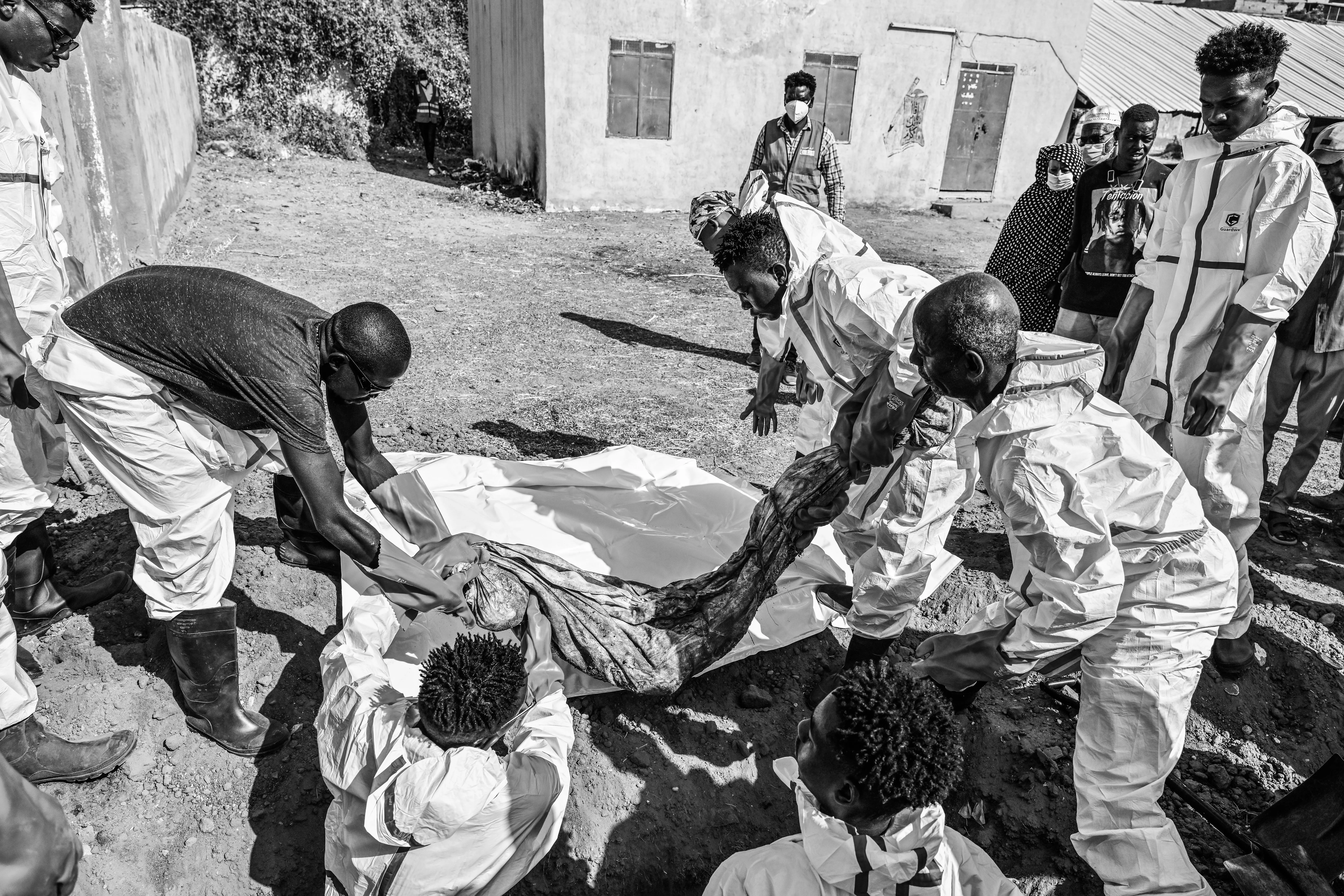
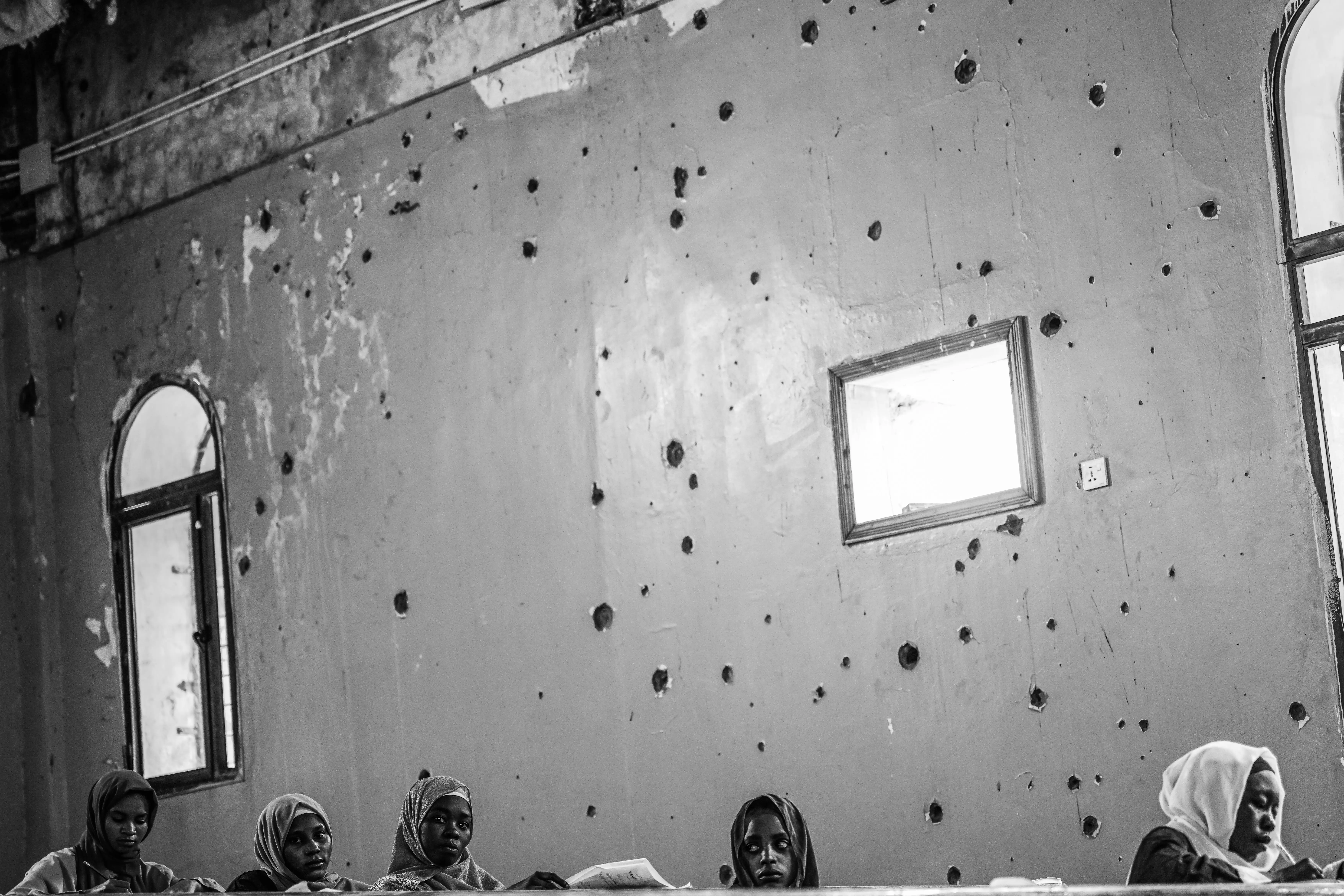
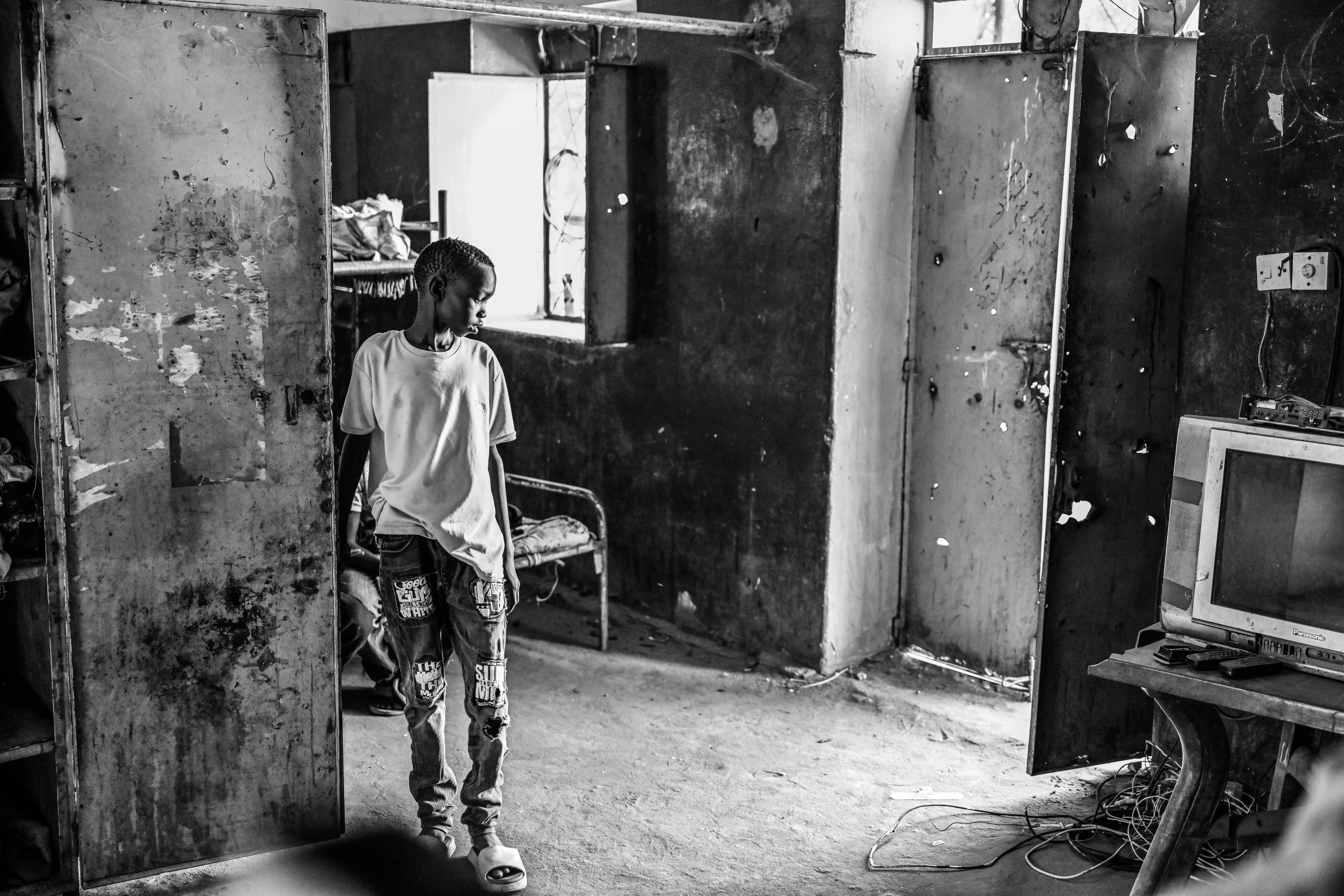
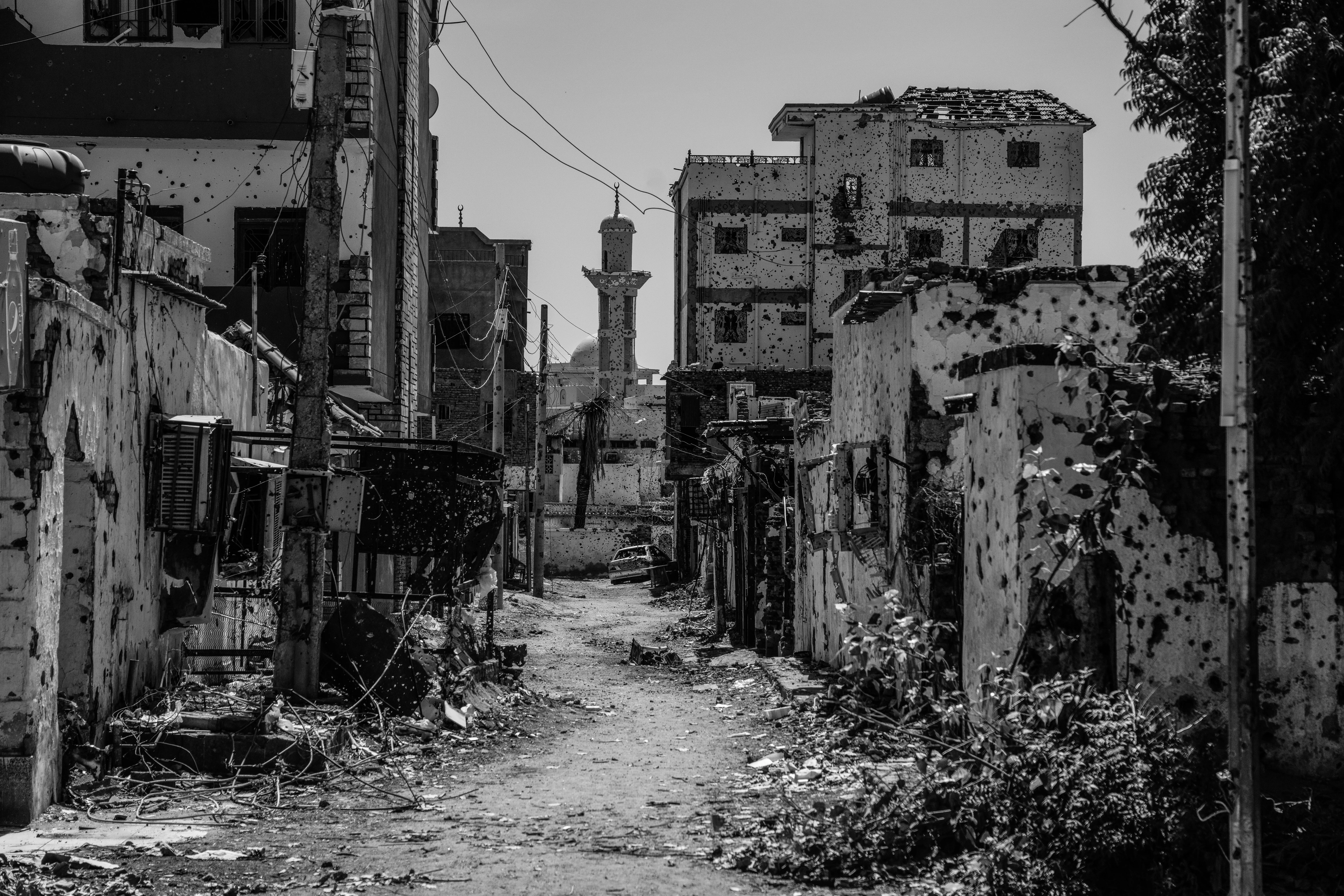
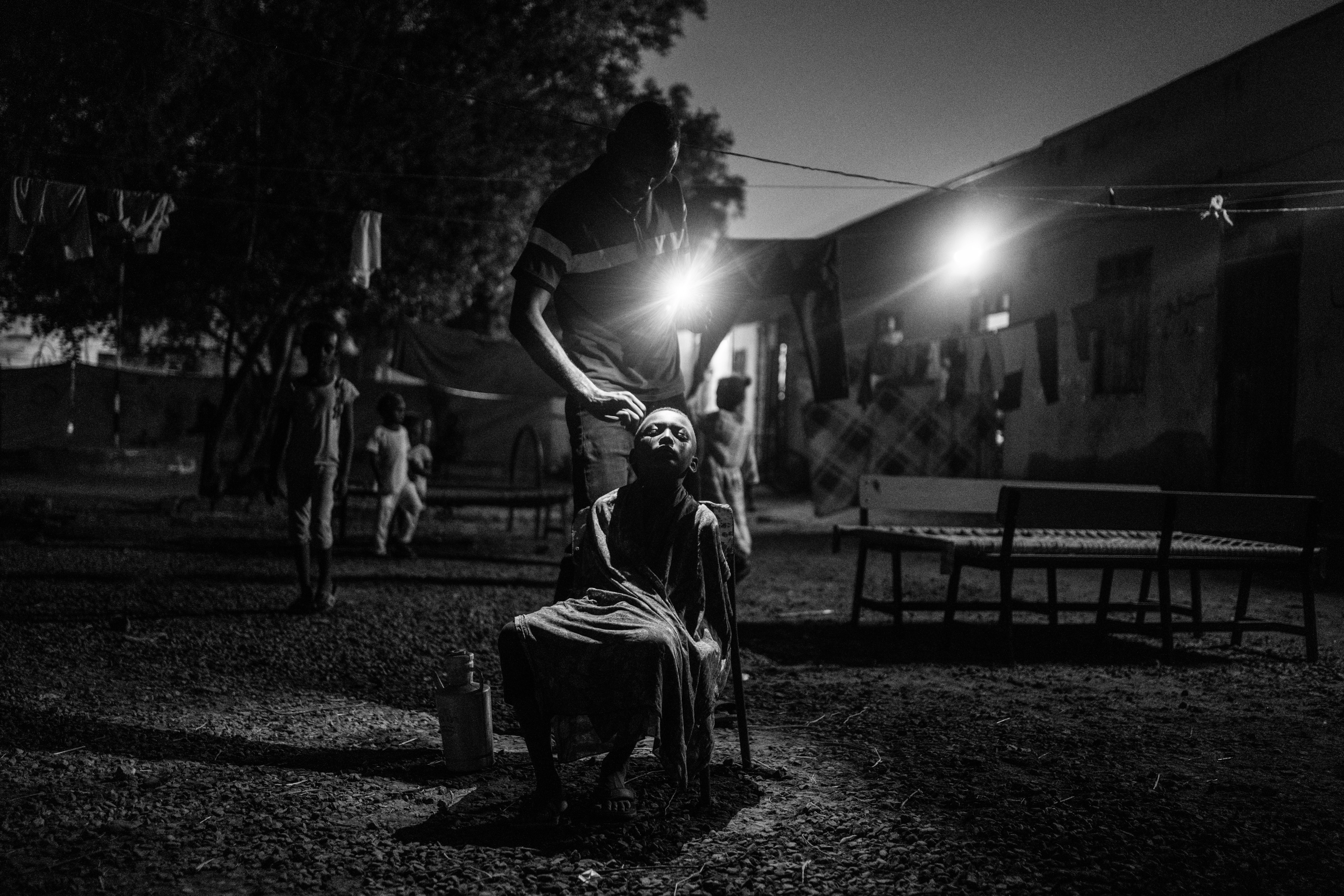
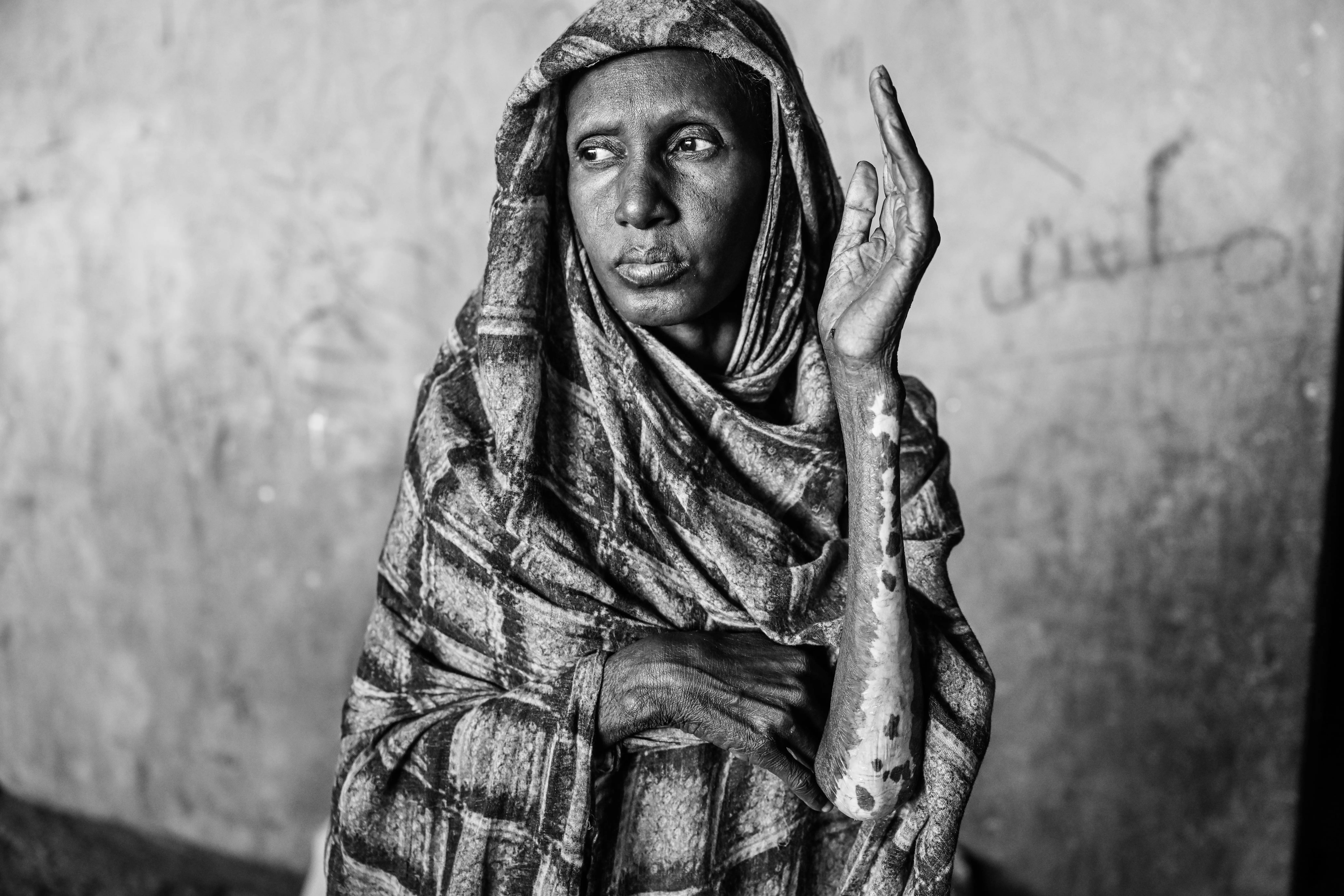
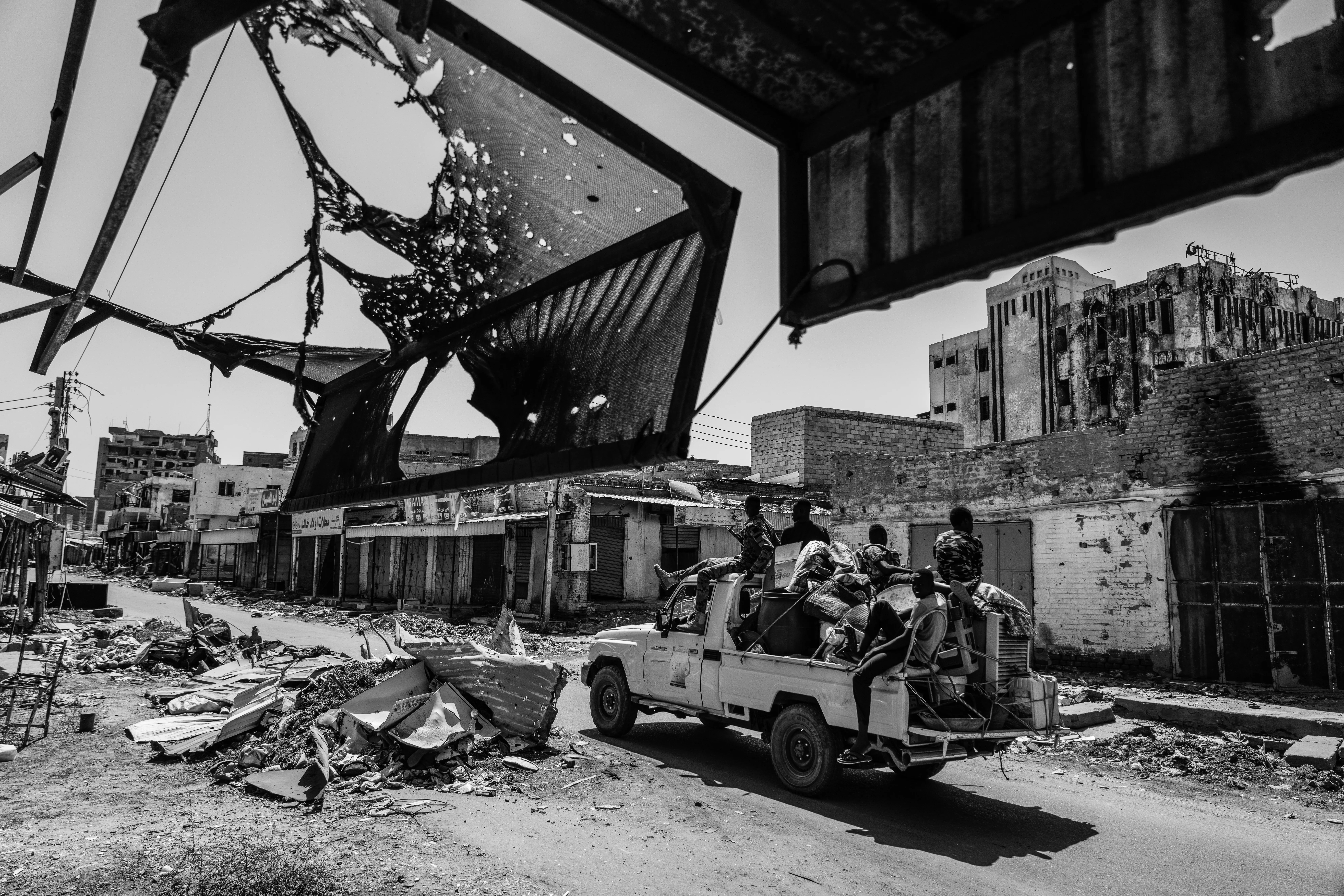
What followed was not stability but rivalry. The alliance between the regular army and the Rapid Support Forces (RSF), forged to suppress the revolution, collapsed under the weight of competing ambitions. On April 15, 2023, their confrontation erupted into open war. Khartoum became a battlefield, and the conflict soon spread across the country, devastating Darfur, Kordofan and central Sudan. Civilians were trapped between indiscriminate bombardment and militia violence.
The war is inseparable from the failure of the transition. The RSF, the successor to the Janjaweed militias, carried out massacres, ethnic violence and systematic looting—particularly in Darfur—while attempting to erase evidence of its crimes. The army, weakened and fragmented, bombarded cities it claimed to defend. Foreign powers fuelled the conflict by supplying arms and political backing, turning Sudan into a theatre of regional rivalries.
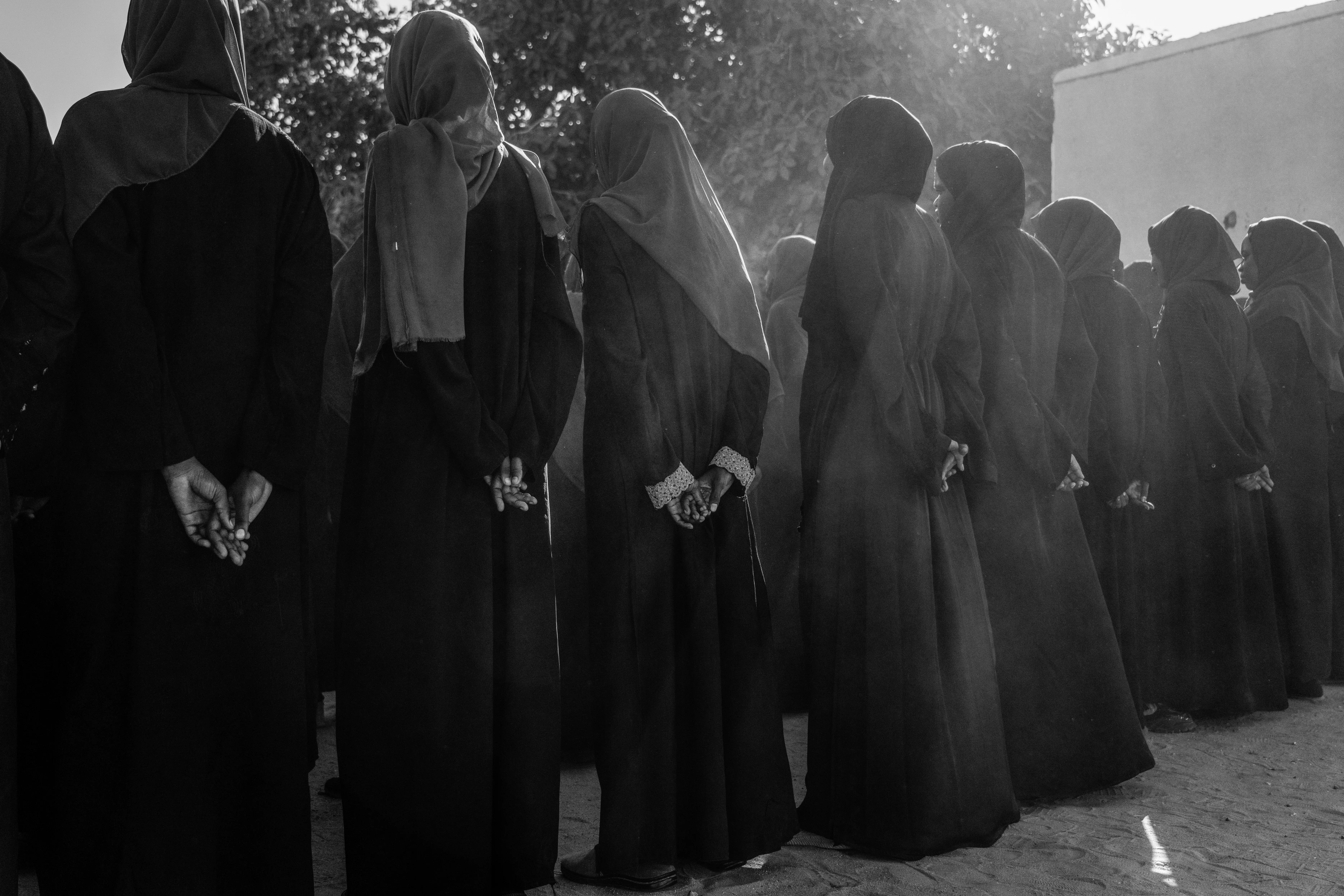
Today, Sudan is collapsing amid the ashes of its revolution. Millions have been displaced, famine threatens the population, and the civilian forces that once filled the streets have been silenced by weapons. What began as a popular uprising for dignity has descended into a brutal war between two military powers, neither of which represents the aspirations of the Sudanese people. (This photographic report was produced for Le Monde.)
About Abdulmonam Eassa
Abdulmonam Eassa is a Syrian-French photojournalist currently based in Damascus. He began his career during the five-year siege of his neighbourhood on the outskirts of the city, where government forces subjected the area to continuous bombardment, including chemical weapons attacks, in an effort to force rebel units to surrender.
A self-taught photographer, Eassa used his camera to document not only the suffering of civilians but also their resilience.
After making his way to France in 2018, he covered the Yellow Vest protests before reporting from conflict and post-conflict zones across Sudan, Ukraine, Turkey, Syria and Chad. Following the fall of the Assad regime in 2024, he returned to his homeland. Through his work, Eassa explores human stories, focusing on dignity, survival and shared humanity.
His work has appeared in major international publications and media outlets, including Le Monde, The New York Times, The Guardian and The Washington Post. His photographs have also been distributed by Getty Images and Agence France-Presse (AFP). [Official Website]