
Street photography cannot be separated from the city that generates it.
More than a backdrop, the urban environment functions as an active structure that influences how photographs are made, what they contain, and how they are interpreted. Streets, buildings, signage, transportation systems, and flows of movement form a visual framework within which human activity unfolds. The photographer works not only with people, but with the spatial logic that organizes their presence.
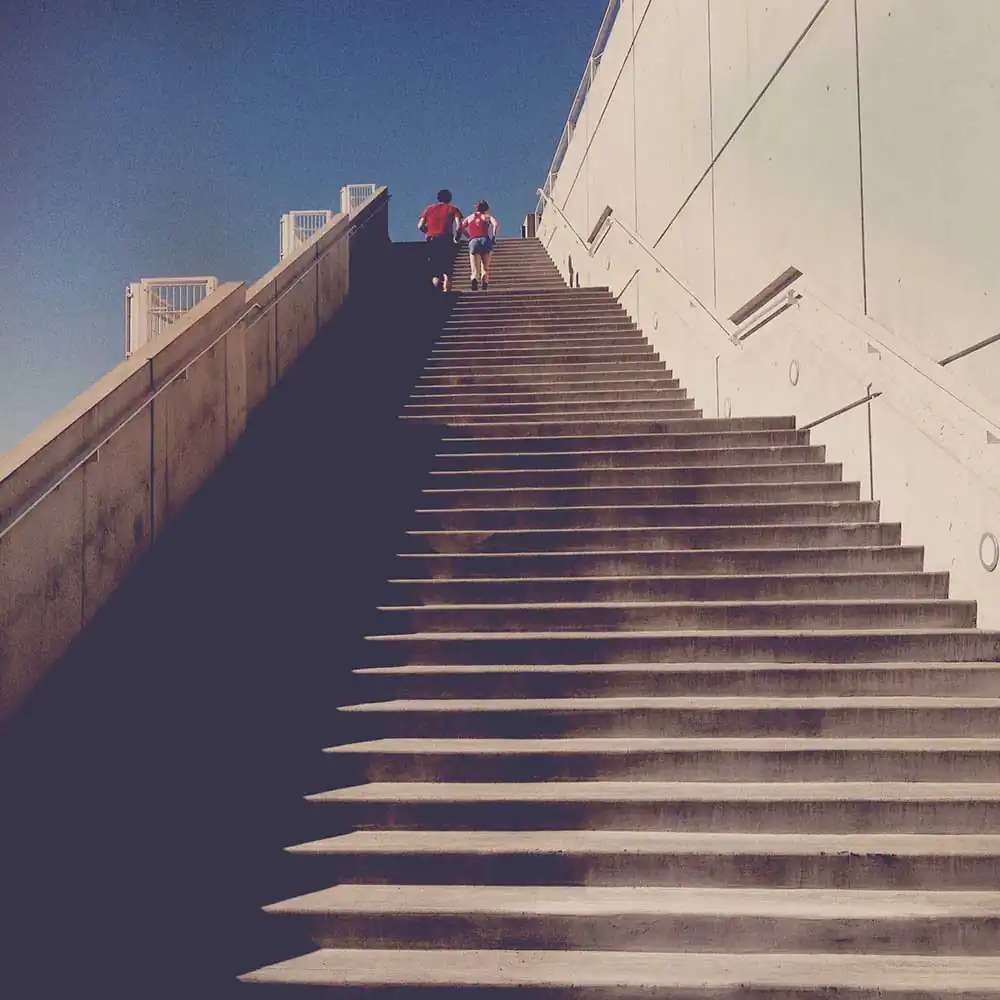
Cities are environments designed through planning yet constantly reshaped by use. Architectural grids suggest order, while daily life introduces unpredictability. Street photography emerges precisely at this intersection between structure and improvisation. The geometry of sidewalks, crossings, and façades provides a stage where unscripted interactions occur. Lines, shadows, and surfaces guide attention, often creating compositions before the photographer even raises the camera.
Urban density intensifies visual relationships. In crowded settings, bodies overlap, gestures collide, and fragments of different narratives occupy the same frame. This compression of experience produces images rich in tension and coincidence. A reflection in a window may double a figure; a passing bus may briefly conceal or reveal a scene; a narrow alley may isolate a subject from the surrounding flow. The city offers endless variations of proximity and separation, shaping how photographs register social space.
Light is another element profoundly affected by urban form. Tall buildings channel illumination into corridors, casting sharp contrasts between brightness and shadow. Artificial lighting transforms the atmosphere after dark, producing environments where color and texture behave differently from natural settings. Street photographers often respond to these conditions intuitively, recognizing how urban light alters perception and mood.
The design of public space also influences behavior, which in turn affects what can be photographed. Open squares encourage gathering, transit hubs create moments of pause and anticipation, and commercial streets generate repetitive patterns of movement. Each environment carries its own rhythm, and photographers learn to read these rhythms as part of their practice. Understanding where to stand becomes inseparable from understanding how space is used.
Historically, the rise of street photography coincided with the expansion of modern cities, where anonymity became a defining feature of public life. Individuals could move among strangers, participating in shared environments without personal connection. Photography captured this condition visually, revealing how urban space allows simultaneous visibility and detachment. The resulting images often show people occupying the same frame yet remaining psychologically distant.
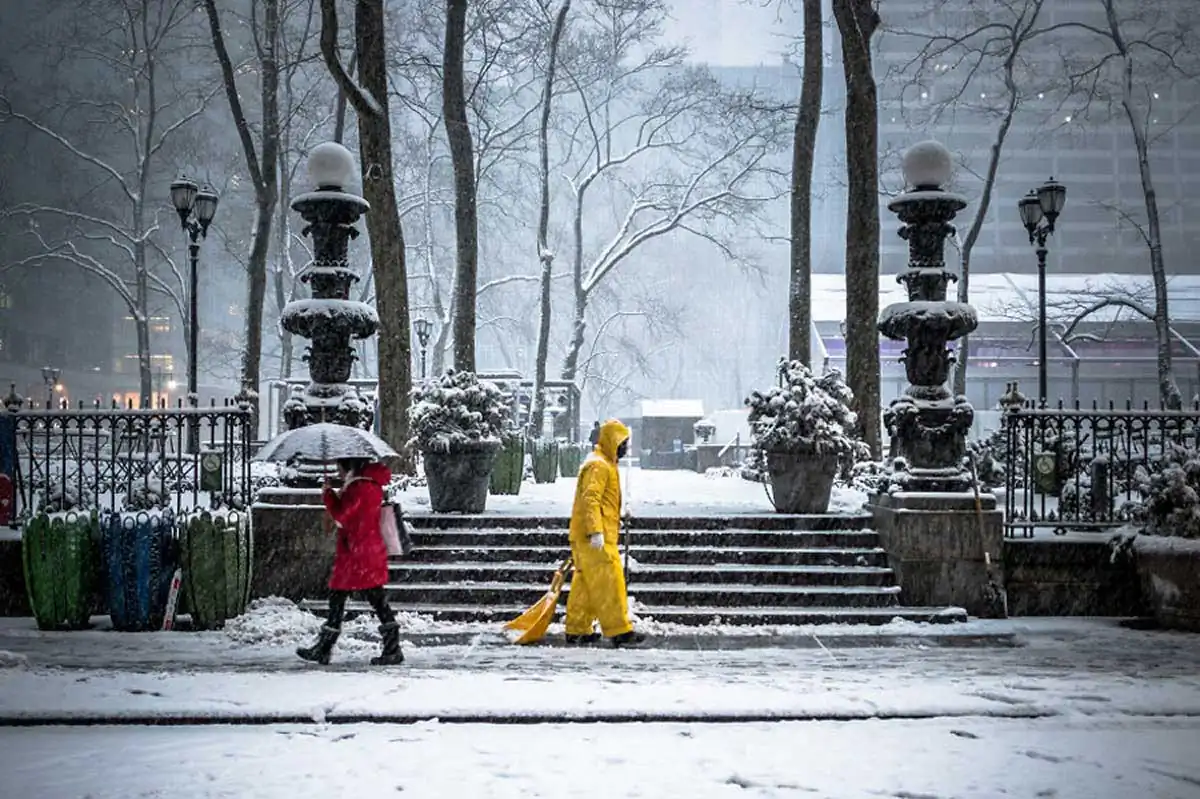
As cities have evolved, so too has the photographic response to them. Contemporary urban landscapes include digital screens, surveillance systems, and globalized architecture that produce new visual experiences. Photographers confront environments saturated with images and information, where representation is already embedded in the fabric of the city. Street photography now engages not only with physical space, but with layers of mediated reality.
Despite these changes, the essential relationship remains: the city shapes the photograph as much as the photographer does. Street photography is therefore not merely about observing people in public places. It is about understanding how spatial design, movement, and atmosphere interact to create the conditions under which images become possible.
In this sense, every street photograph is also a study of urban form. It records not only human presence, but the environments that structure how that presence appears. The genre continues to evolve as cities themselves change, reflecting the ongoing dialogue between architecture, society, and the act of looking.