
It is undeniable that, now more than ever, our future is filled with uncertainty.
Even in this context, as always, there are at least two ways of approaching the present in our society. The first, certainly the loudest and therefore the one that appears to enjoy the broadest consensus, is based on arrogant individualism and the law of the strongest. The alternative is an approach founded on community, interdependence, and trust in others.
My roots are in Lucania, a harsh land of hidden beauty, inhabited by people who generally live comfortably in the shadows and are generous with their actions rather than their words. I have lived in Euskadi for thirty years. When I arrived, I was immediately captivated by the music that permeated the air—a music that united people, places, and traditions, and that materialized in vast landscapes and in people who were sincere, if somewhat reserved, yet kind-hearted and deeply altruistic.
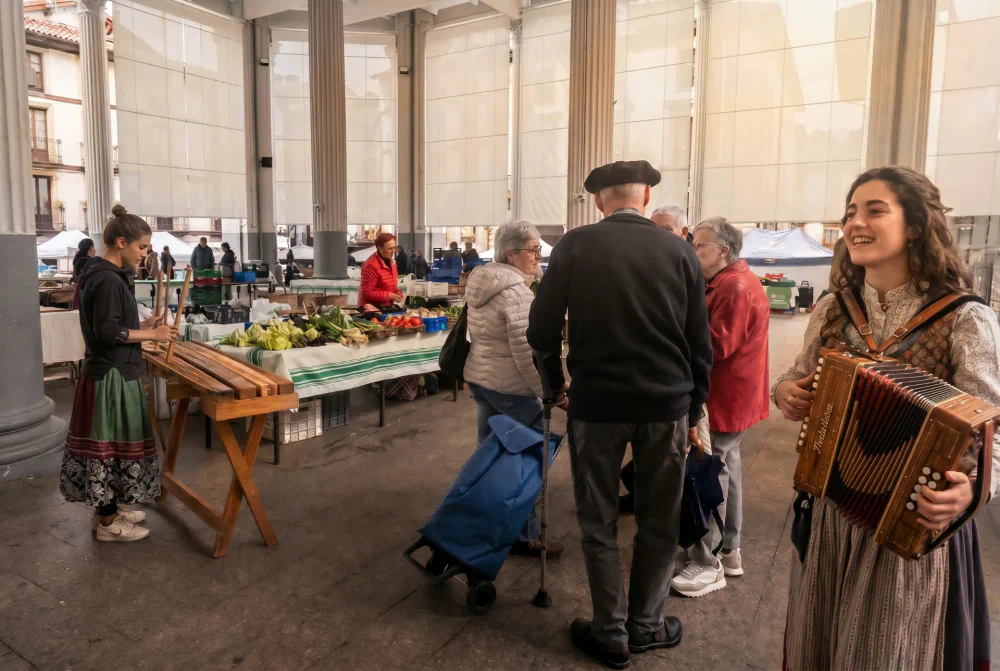
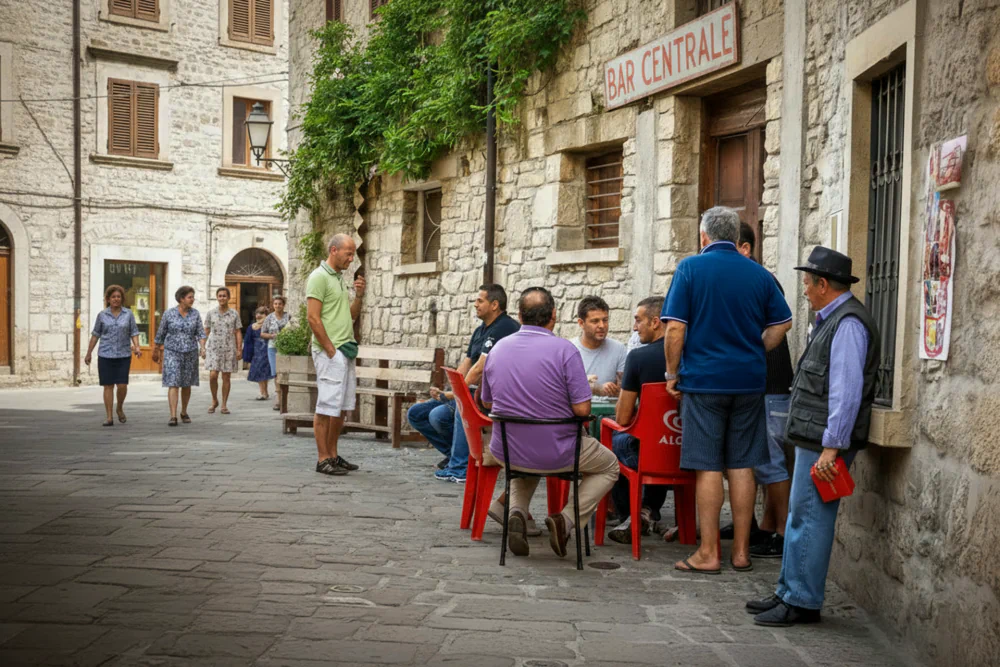
A few weeks ago, I attended a wedding in the hills of the Marche region, near Fabriano. It was the wedding of people who live for art—in this case, the performing arts—a completely different environment from the technological world in which I usually immerse myself in my daily life. Yet, in that setting, despite its whimsical atmosphere, there was a welcoming acceptance of diversity. I sensed how everyone was trying to contribute, in this case to the success of the celebration, according to their own unique nature.
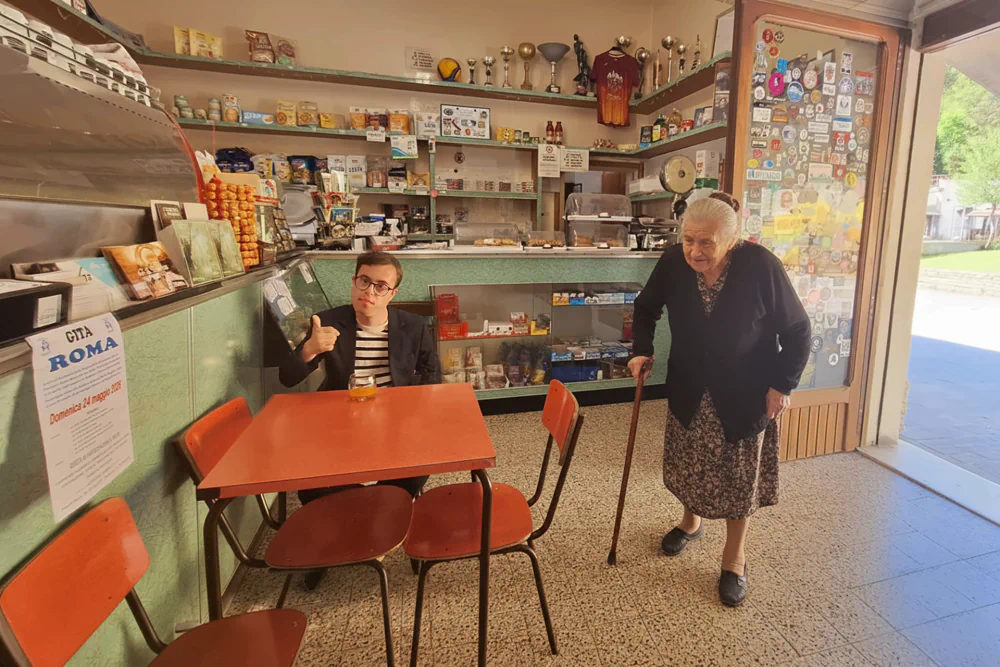
In the days before and after the wedding, I also had the opportunity to visit the valleys and villages of the area, with the explicit purpose of seeking the tangible expression of the community-based approach I mentioned earlier as a way of coping with future uncertainty.
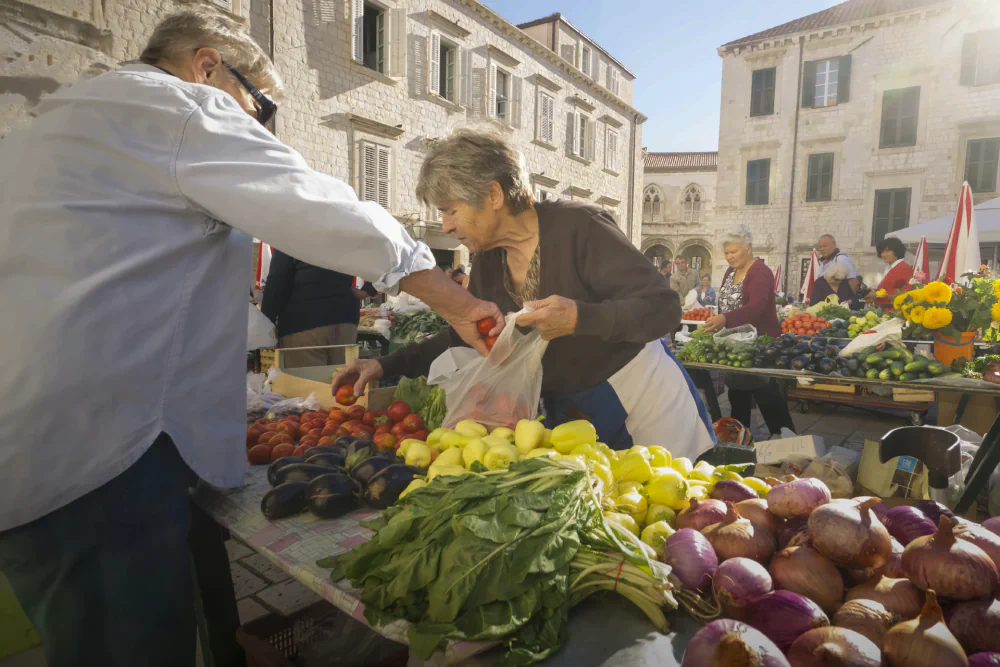
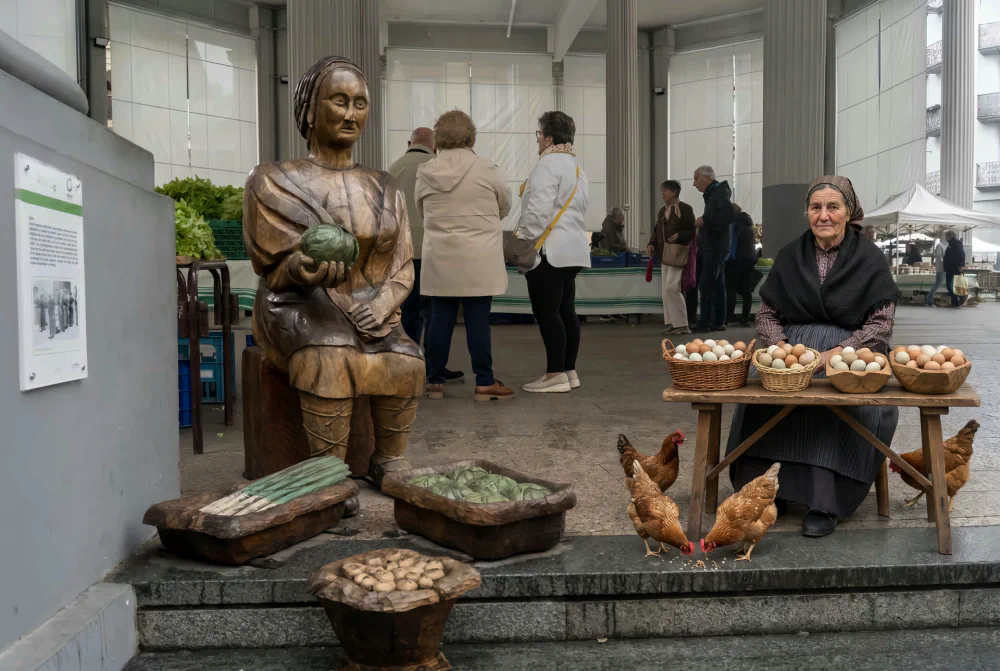
Indeed, behind those hills, as well as in Euskadi and my native Lucania, I found virtuous communities where people do not shout but speak; where people are happy because they follow their own aptitudes; where time is neither trampled nor wasted, but simply lived.
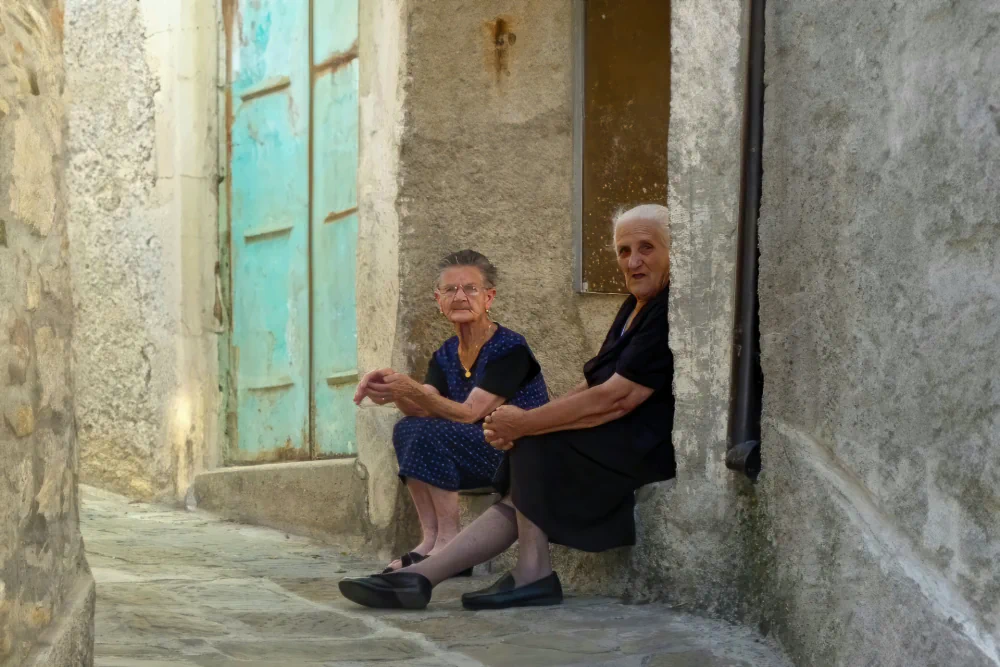
I like to call them “soul places” because, in those places, you can sense that people thrive on human relationships and breathe a profound spirituality born of shared intentions aimed at seeking the good not only for themselves but also for others. There, the rhythm of life is determined by the frequency with which shared rituals are experienced, allowing people to savor the essence of small things that, unlike great achievements destined to fade, hold within their simplicity a fragment of the infinite.
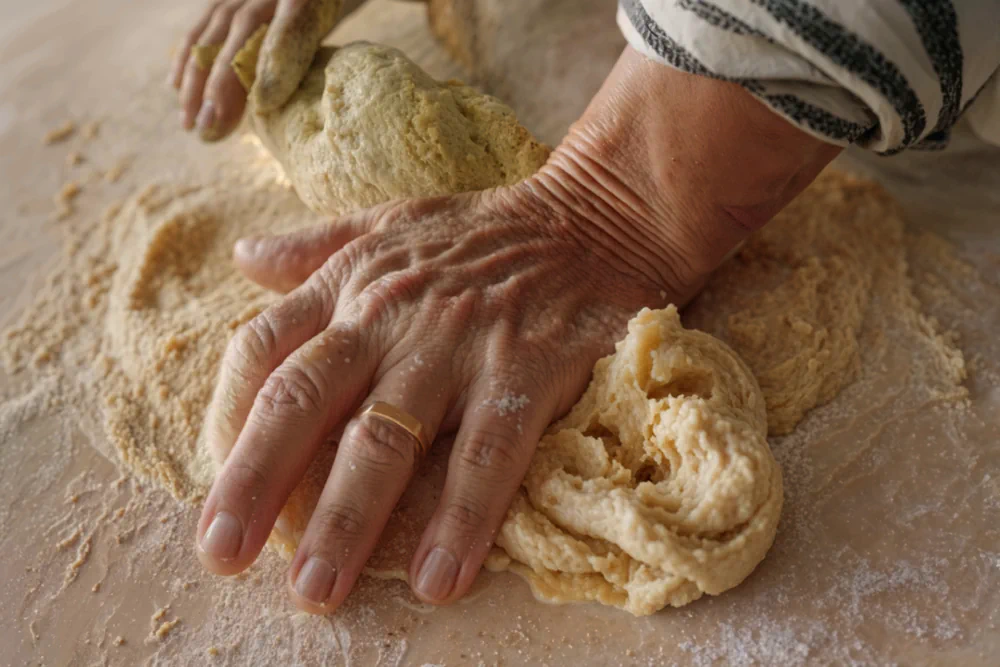
As I stood there, I thought about the arrogance of certain political leaders we are forced to endure every day, as well as the tech moguls who have sadly become icons for many people. These false idols believe that success means having enough wealth to usurp freedom, making it a slave to their own will while completely ignoring the impact their actions have on others. Instead, they maximize harm to others for their own benefit, moving ever closer to the false concept of god they have created for themselves.
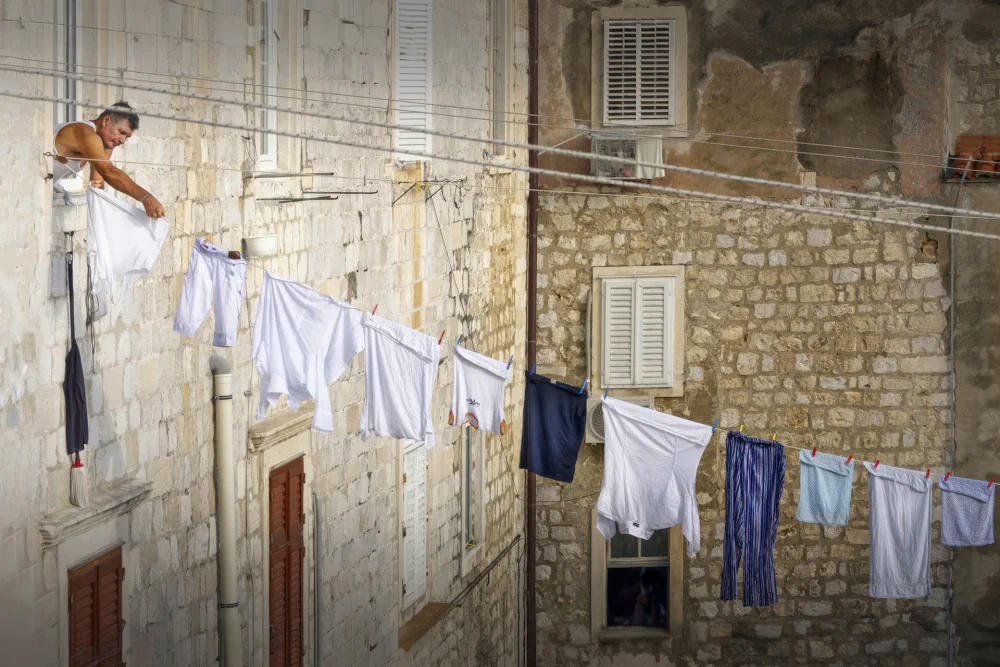
Deregulation, lack of transparency, and the monopoly over data dominate the market and shape people’s behavior. In short, they believe themselves to be omnipotent. These are the foundations of the success of these tycoons, who have completely forgotten technology’s potential to solve humanity’s problems. They do not even consider helping to address endemic poverty, the climate crisis, or fostering talent and creativity. For them, the message is simply: “We are the future, and thanks to us, your future is guaranteed. Idolize us.”
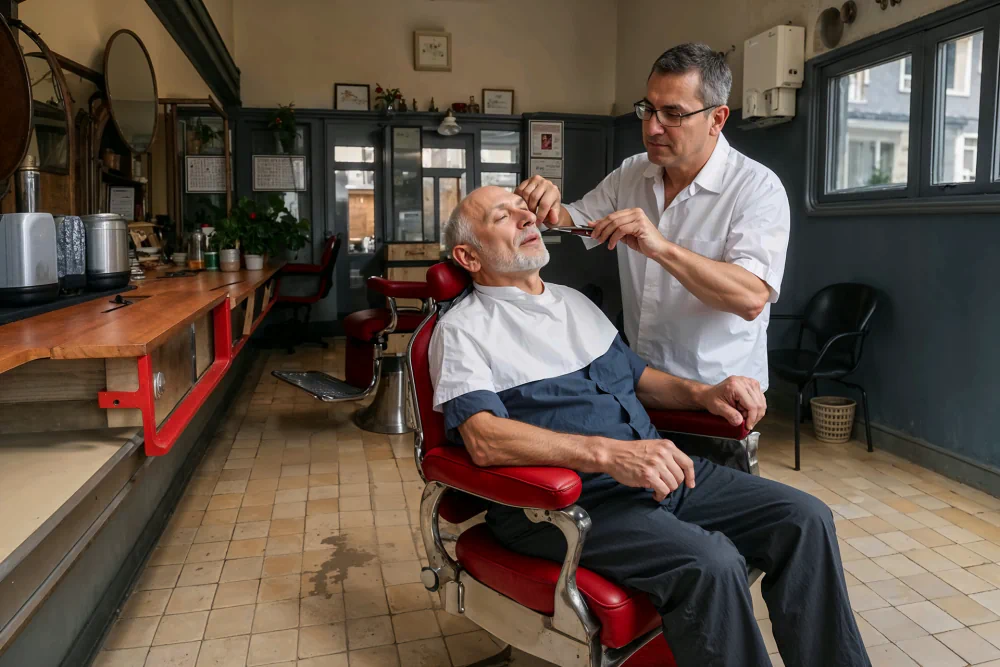
Instead—and fortunately—in those small villages of the Marche, in the deep green of Euskadi flowing into the blue of the ocean, in the essential landscapes of Lucania, and in many other corners of our small world, the people who inhabit these soul places understand that only by acting, and by offering the fruits of their actions to others, can we truly build the present. If we fail to build the present, the future either does not exist or remains empty, waiting for someone else to fill it with the ideas and values that best serve their interests. If we fear tomorrow, it is because we do not know how—or do not wish—to build today.
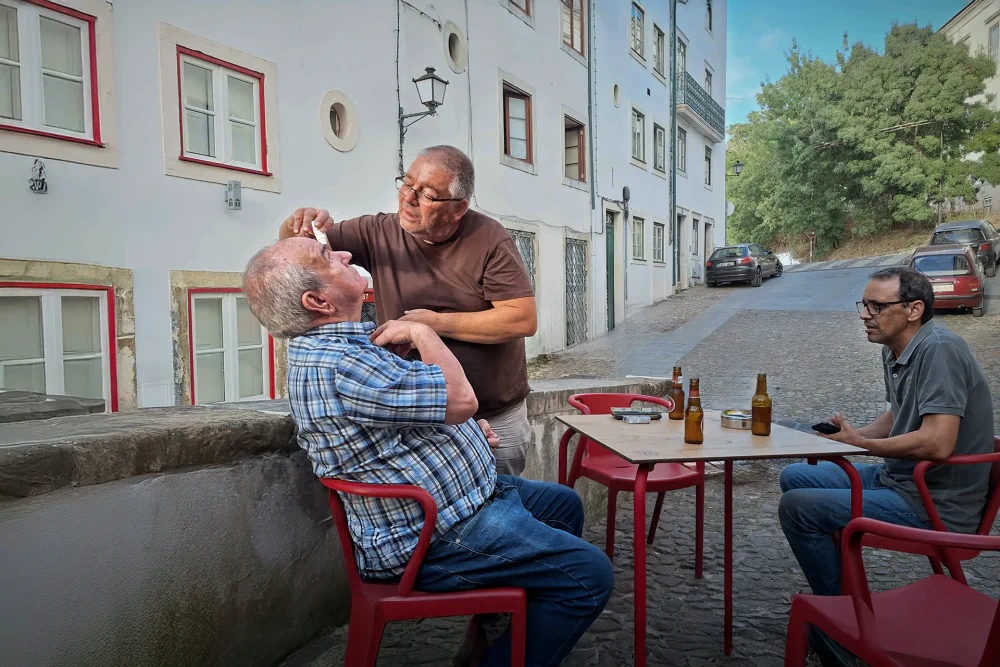
Life is not what it should be, but what it is. It is not what is captured in a video reel or a social media post, but what is lived here and now. It is the way we live our lives that makes the real difference.
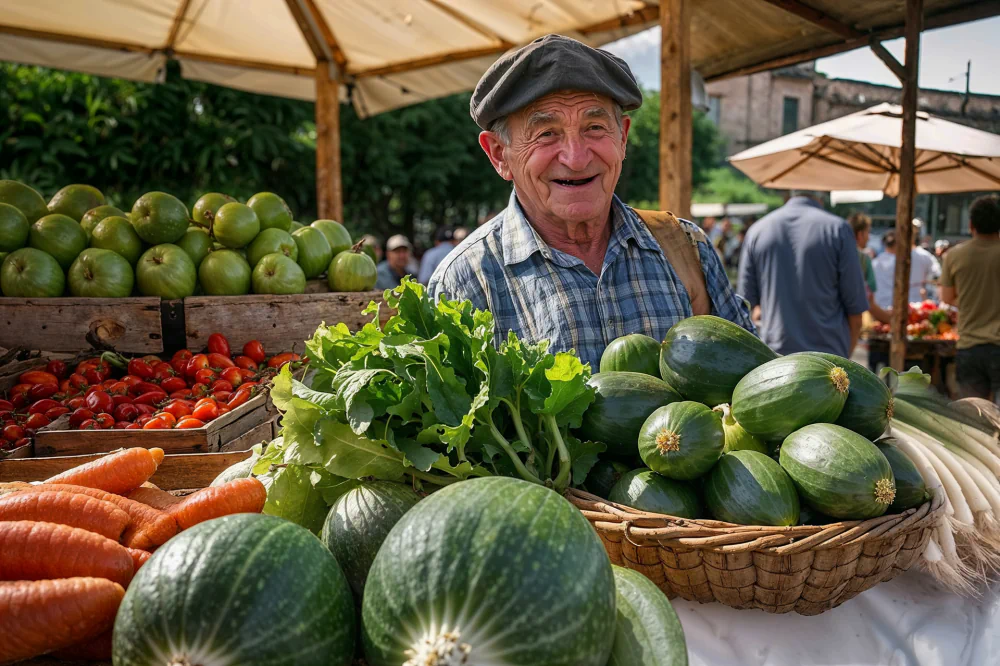
The logic of algorithms increasingly shapes our lives. The boundary between reality and falsehood is becoming ever more blurred. Fortunately, there is also a growing activism that opposes these paradigms, although, unfortunately, it has not yet developed a sufficiently clear narrative to effectively challenge the dominant model and create a form of resistance capable of disrupting the worldview that permeates today’s media landscape.
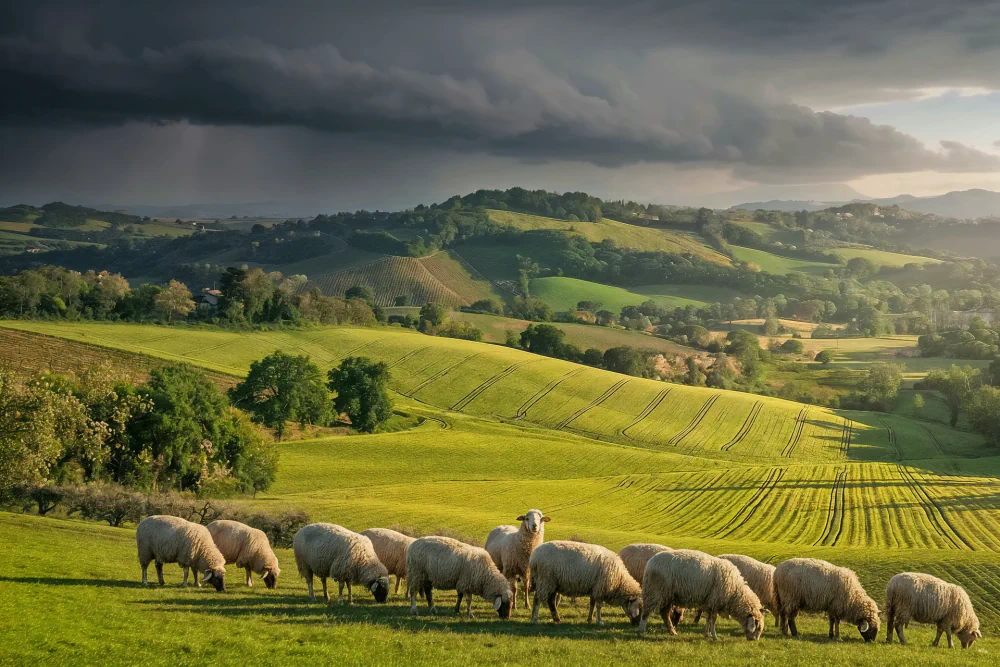
In that wedding in Fabriano, in those villages beyond the Marche hills, in the damp valleys of Euskadi, and in the clay-rich landscapes of Lucania, I found a way to begin constructing that missing narrative and perhaps to propose an alternative framework capable of making a genuine difference in the way we live our lives. Then came the Pope’s teaching, contained in his encyclical Magnifica Humanitas, which could serve as both a fitting guide and a solid point of reference.
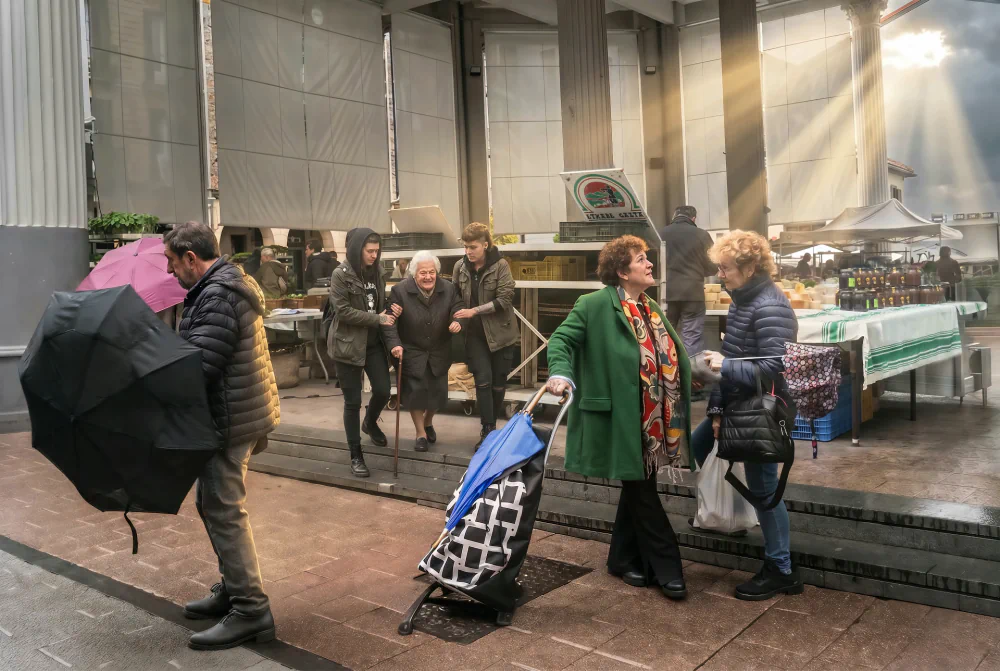
The journey is far from easy because it requires us to overcome our inertia, the comforts in which we sit, our indifference, and our fears, without any certainty about the rewards. Sometimes I think the easiest—and certainly the most comfortable and selfish—choice would be to retreat to one of those villages and allow life to remain forever close to my deepest feelings. To resist that temptation and instead become an active participant in the revolution of the soul places, I would need the enthusiasm of younger generations to draw me out of my shell so that we might try, together.
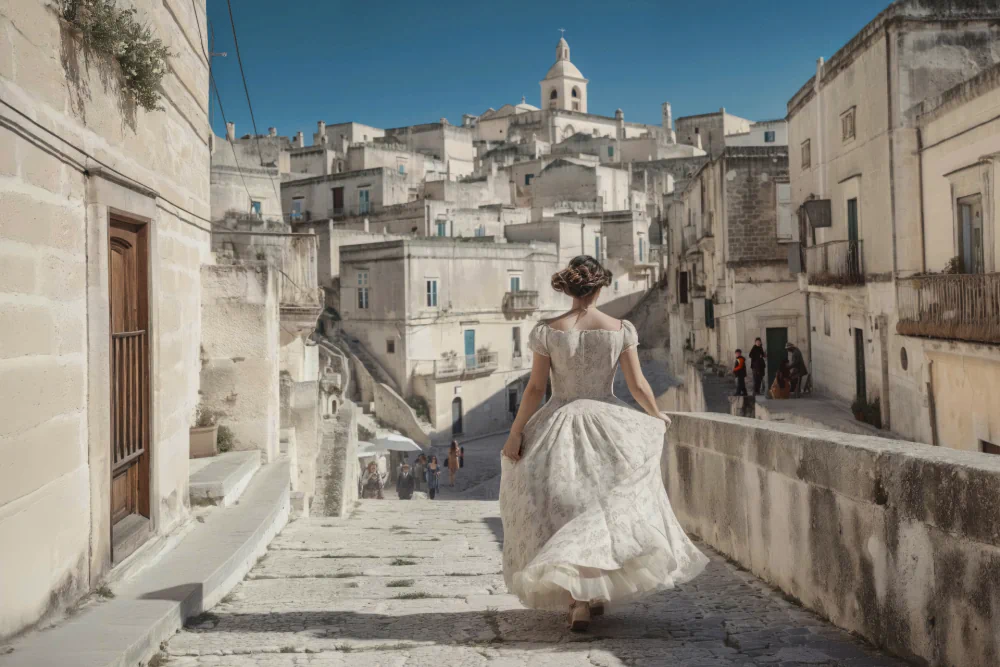
In the meantime, I will continue to reflect and write about this subject, and I will place my photographic practice at the service of this purpose, hoping at the very least to raise awareness and, perhaps, to find a community willing to begin this journey together.

Giuseppe Satriani
Giuseppe Satriani is a conceptual photographer and visual artist based in Bilbao, working under the name Umbra Mentis. His practice combines photography and AI not to generate beautiful images, but to introduce into photographs what does not exist or cannot be photographed, recovering what images exclude: disorder, the impossible, and the deliberately suppressed. His work is held in public and private collections, including Tecnalia Foundation, Espacio RAW, Centro de Fotografía Isla de Tenerife and Médecins Sans Frontières in Madrid. He has exhibited in Spain and internationally, and received recognition from MUSE Awards, Fotonostrum and IGPOTY. [Website]