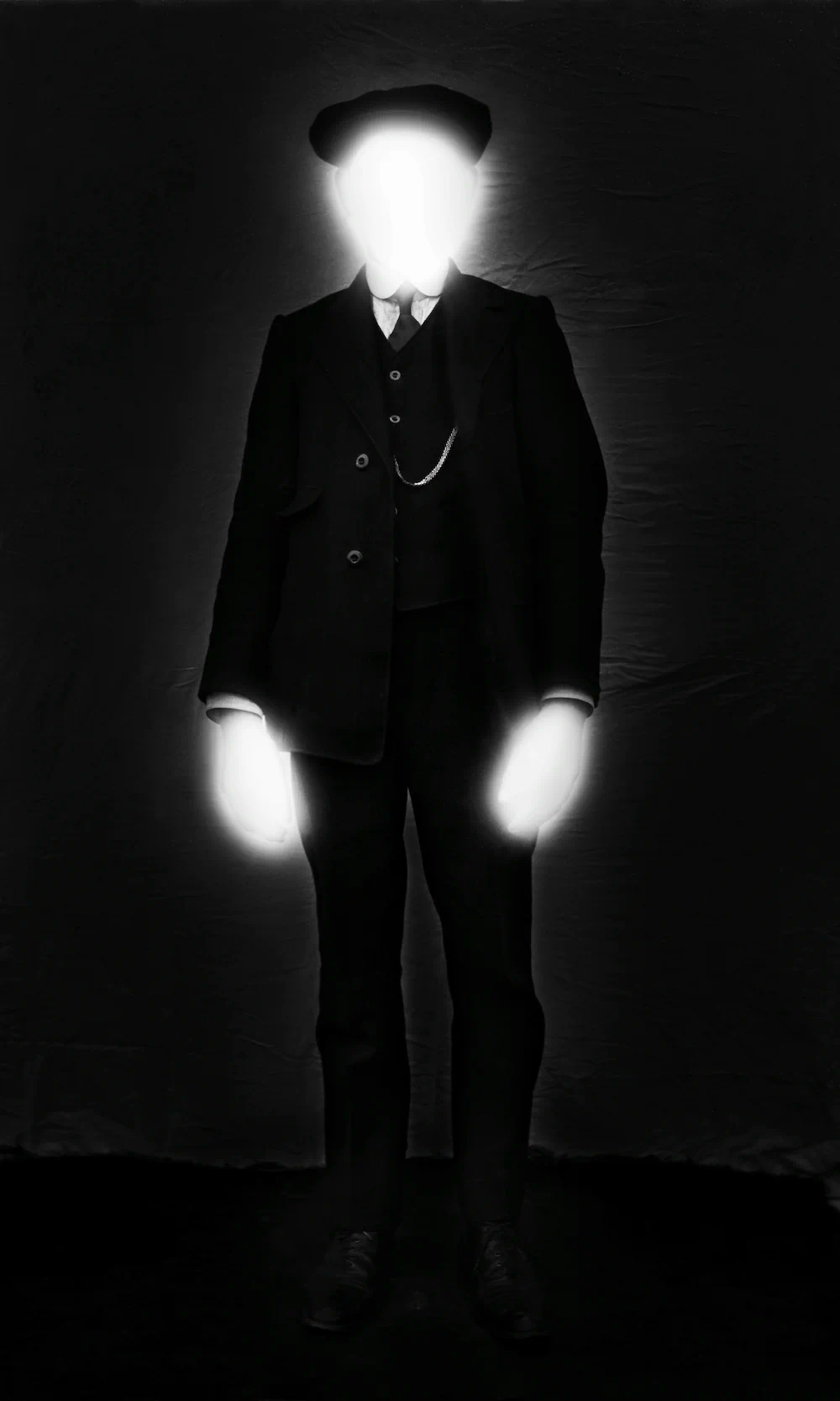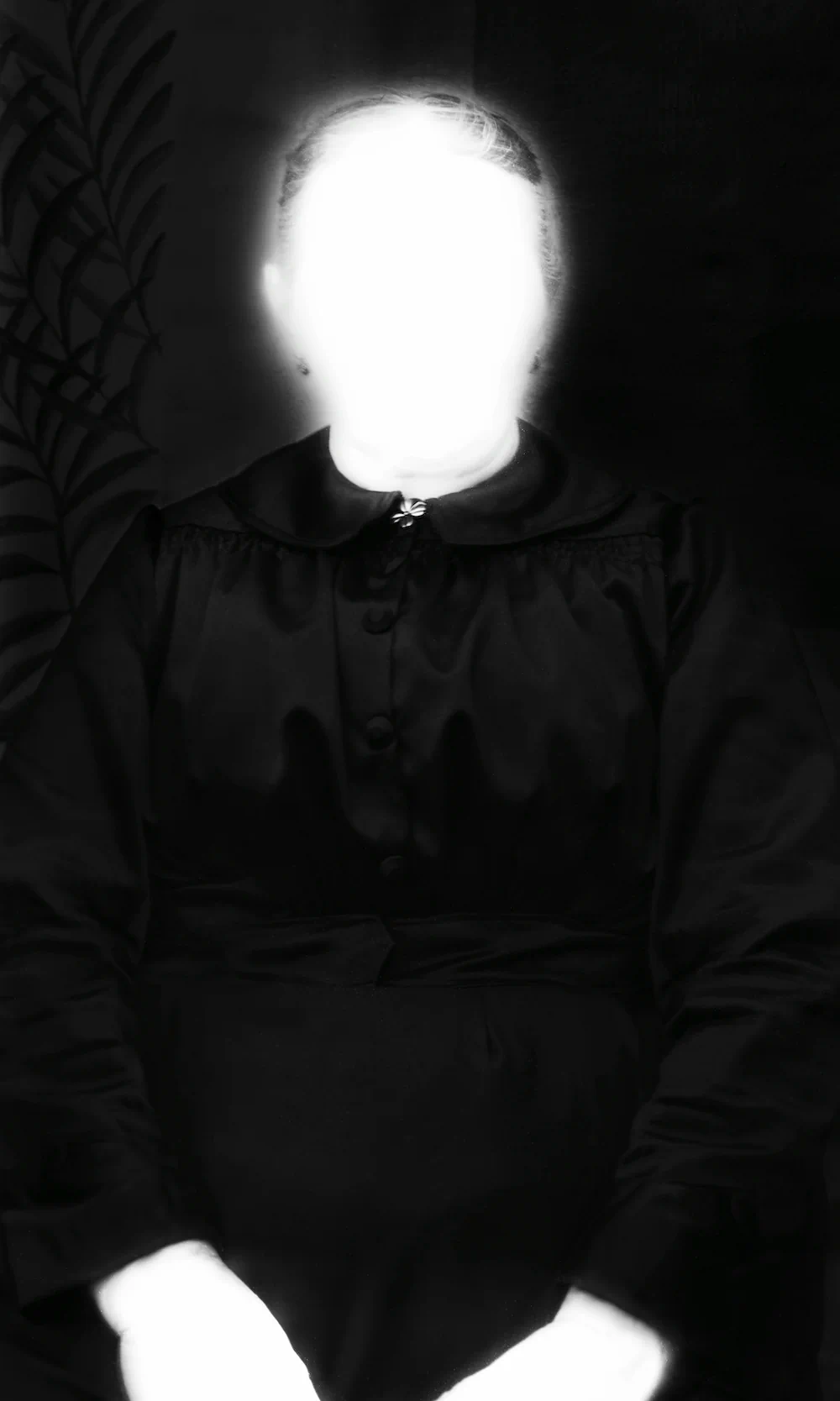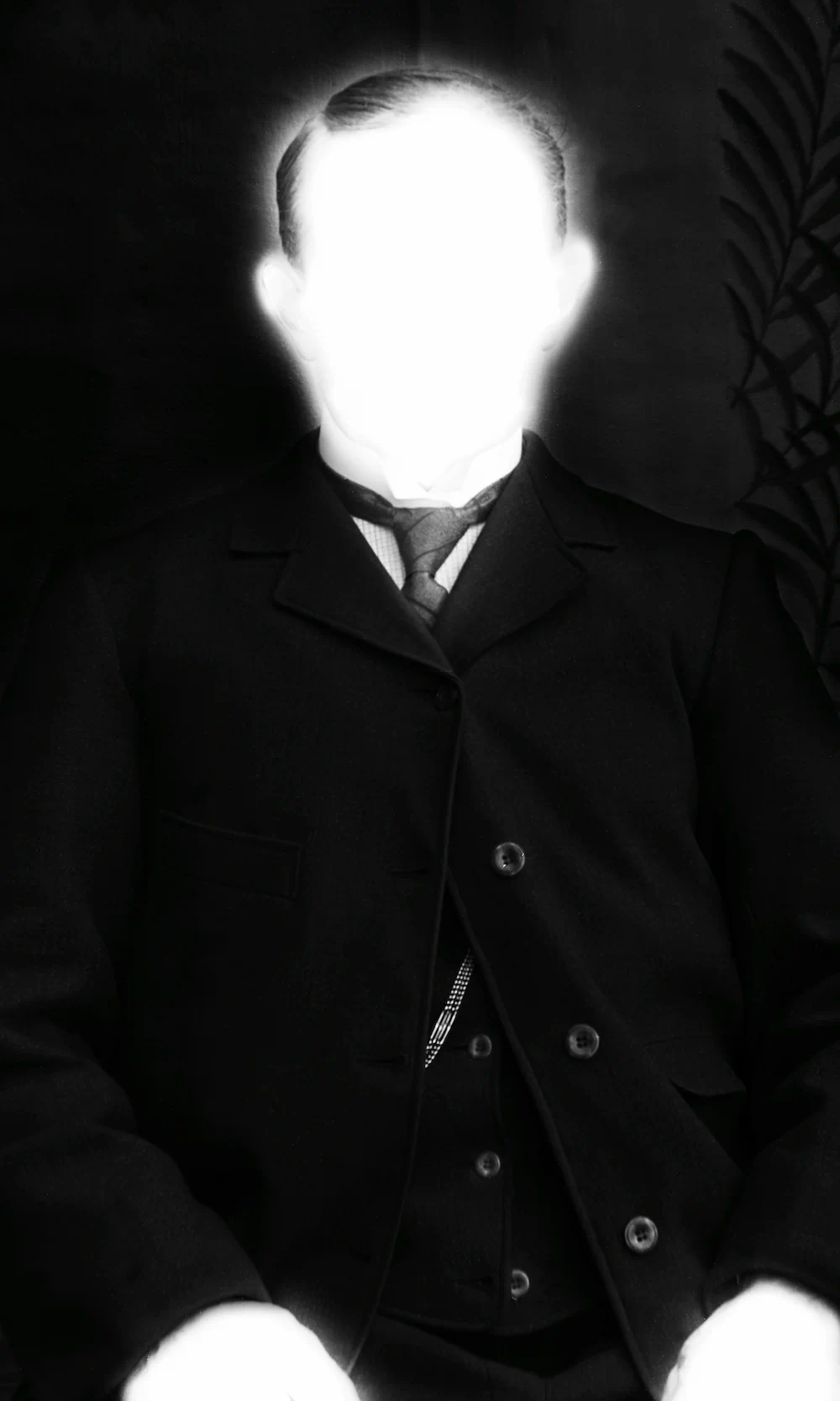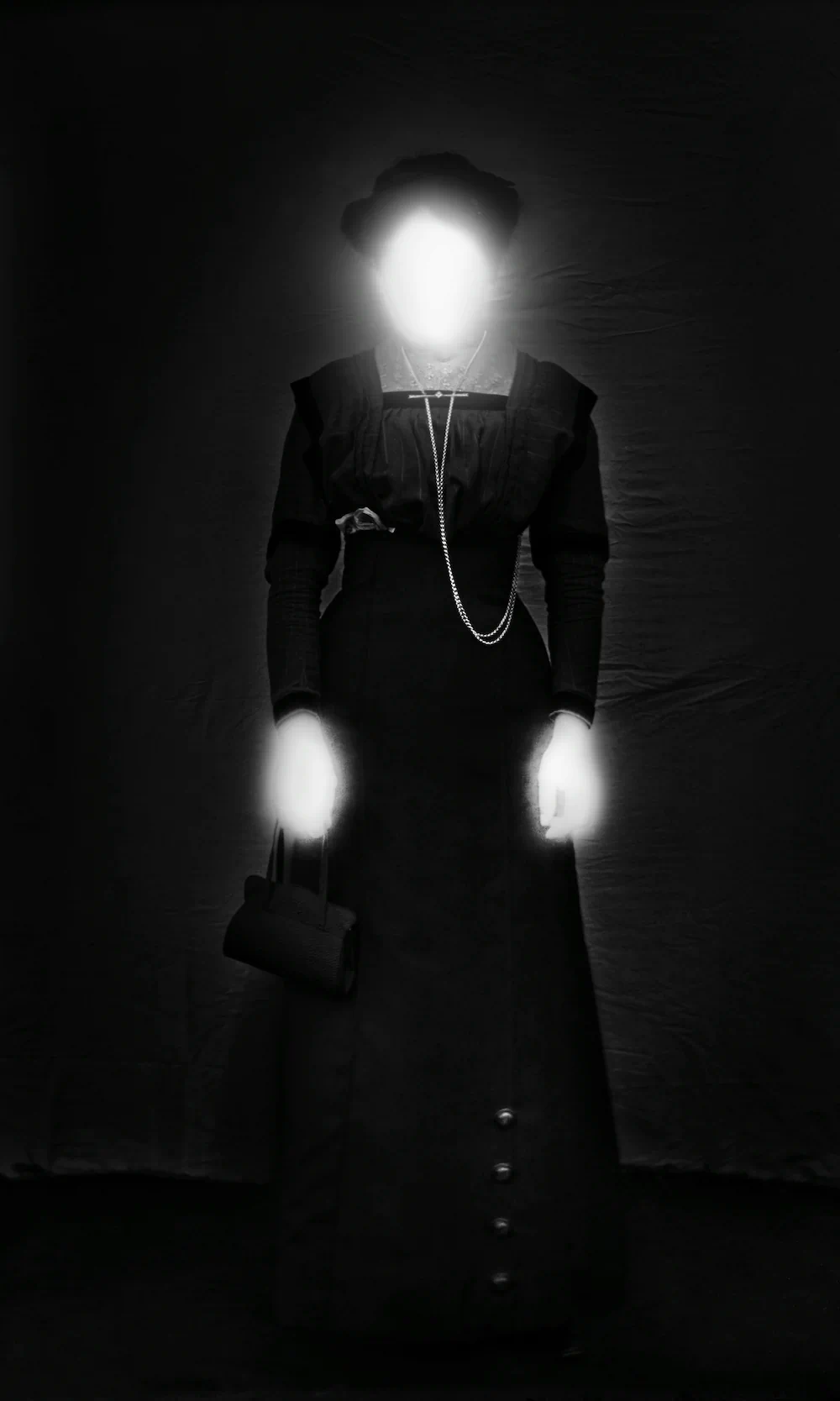
We all grow up carrying the weight of history.
Our ancestors remain with us—not only in stories, memories, and inherited traditions, but deep within the architecture of our minds and bodies, in the invisible chains of knowledge passed from one generation to another.
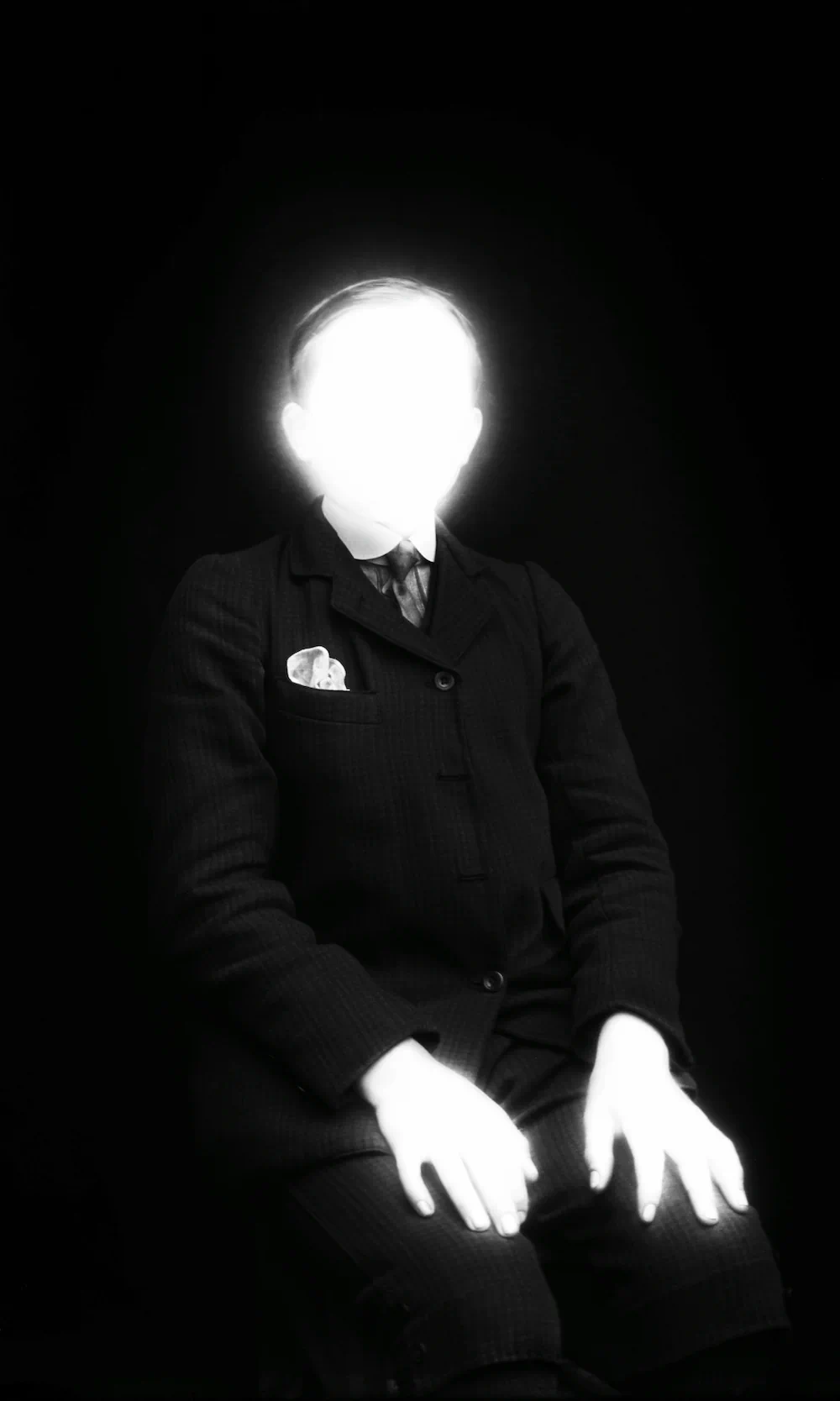
From time to time, emerging from the darkness, flashes of human presence reach us: fragments of human light, belonging simultaneously to yesterday, today, and tomorrow. They appear within the vast luminous space where our ancestors once stood and where our descendants will one day stand.
This light is not the light of intelligence, nor the frightening glow produced by violence and destruction. It is not simply the light of the sun, transformed and preserved within the matter of the earth. It is something older and more mysterious.
It is the light to which we have always belonged.
Even when we try to imagine ourselves as isolated beings, disconnected from history, from nature, and from one another, we cannot completely escape it. We may pretend to be blind creatures wandering without roots through an indifferent universe, but such a life is impossible. Our existence is shaped by everything that came before us, just as it will leave traces for everything that comes after us.
We are not orphans of the stars.
We are part of an immense continuum of human experience, memory, loss, desire, and hope. The past lives within us, while the future is already present in the choices we make today.
Perhaps, at the end of time, what we will recover is not knowledge, power, or certainty, but our faces—the recognition of who we have been, who we are, and where we belong.
And perhaps it is only through that light, carried across generations, that we will finally recognize ourselves again.
About Miguel Rozas Balboa
Miguel Rozas Balboa (b. 1971, Temuco, Chile) is a Chilean-Belgian photographer and filmmaker based between Berlin and Brussels. Working across documentary cinema, artists’ moving image, installation, and analogue photography, his practice explores the intersections of politics, media, memory, and visual representation.
Rozas’ work examines the social and political conditions produced by globalization and the neoliberal order, with particular attention to what remains outside dominant narratives and systems of visibility. Rather than simply documenting events, he is interested in spaces of silence, absence, and marginality, where overlooked gestures, peripheral landscapes, and invisible communities can reveal the structures underlying contemporary life.
His visual language is characterized by restraint, long duration, stillness, and an economy of means. By slowing down the act of looking, Rozas creates contemplative spaces that resist the accelerated circulation of images and the spectacle of contemporary media. Time becomes a material within his films and photographs, allowing viewers to encounter the complexity, vulnerability, and dignity of lives and places often excluded from conventional representation.
At the core of his practice is an ethical commitment to looking. For Rozas, the image is not a device for producing certainty, but rather a space in which ambiguity, memory, contradiction, and lived experience can coexist. His work questions established modes of seeing and invites a more attentive understanding of how images shape our perception of reality.
Rozas studied Visual Arts and Film in Chile, Germany, and France, attending ARCOS in Santiago, FH Würzburg, ESAV Toulouse, and Universität der Künste Berlin, where he completed a master’s degree. His films, photographic works, and installations have been presented internationally in museums, galleries, festivals, and independent art spaces across Europe, Latin America, and Asia.
Alongside his artistic practice, Rozas works as a director, cinematographer, and editor, collaborating with European broadcasters, artists, and cultural institutions on international projects. [Official Website]