Architecture of the End: Digital Collage as an Archaeology of the Present
Every era bears its own ghosts and its own fears.
Yet the fear of the end of the world remains a recurring, almost primordial constant that permeates all cultures and historical turning points.
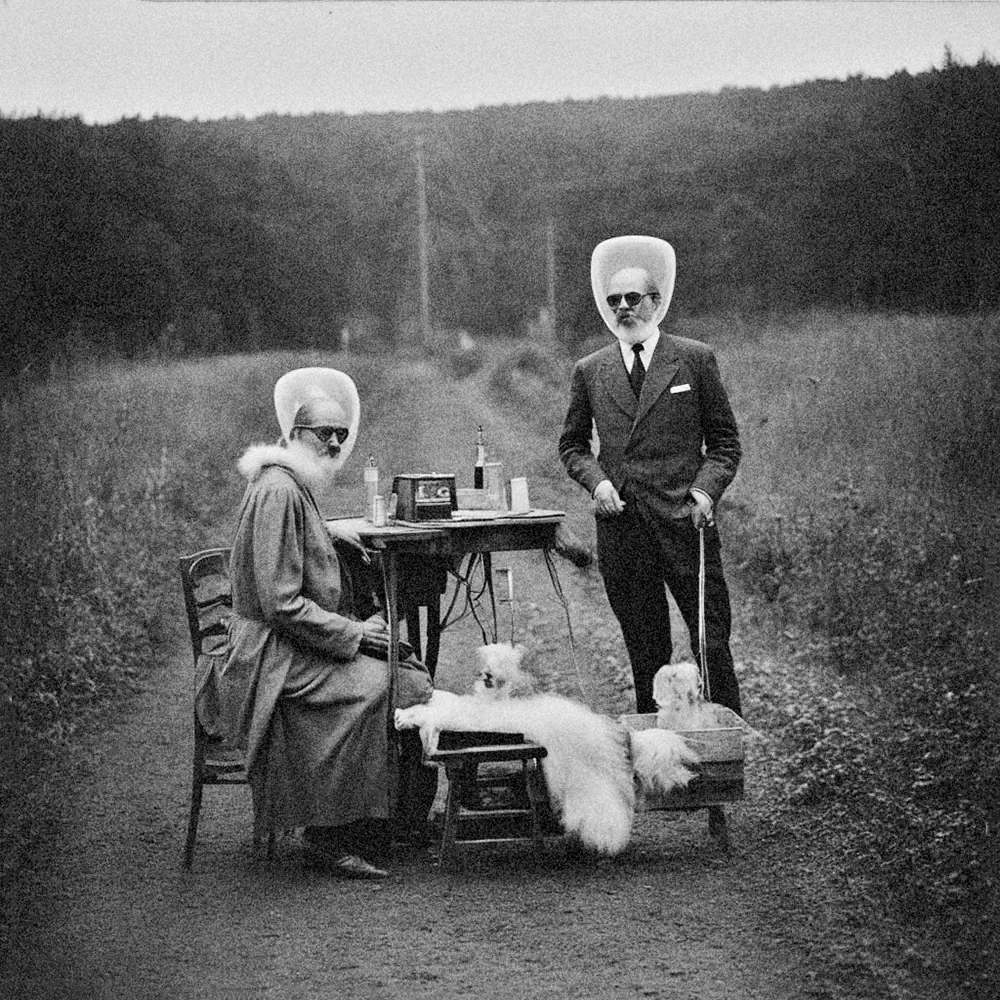
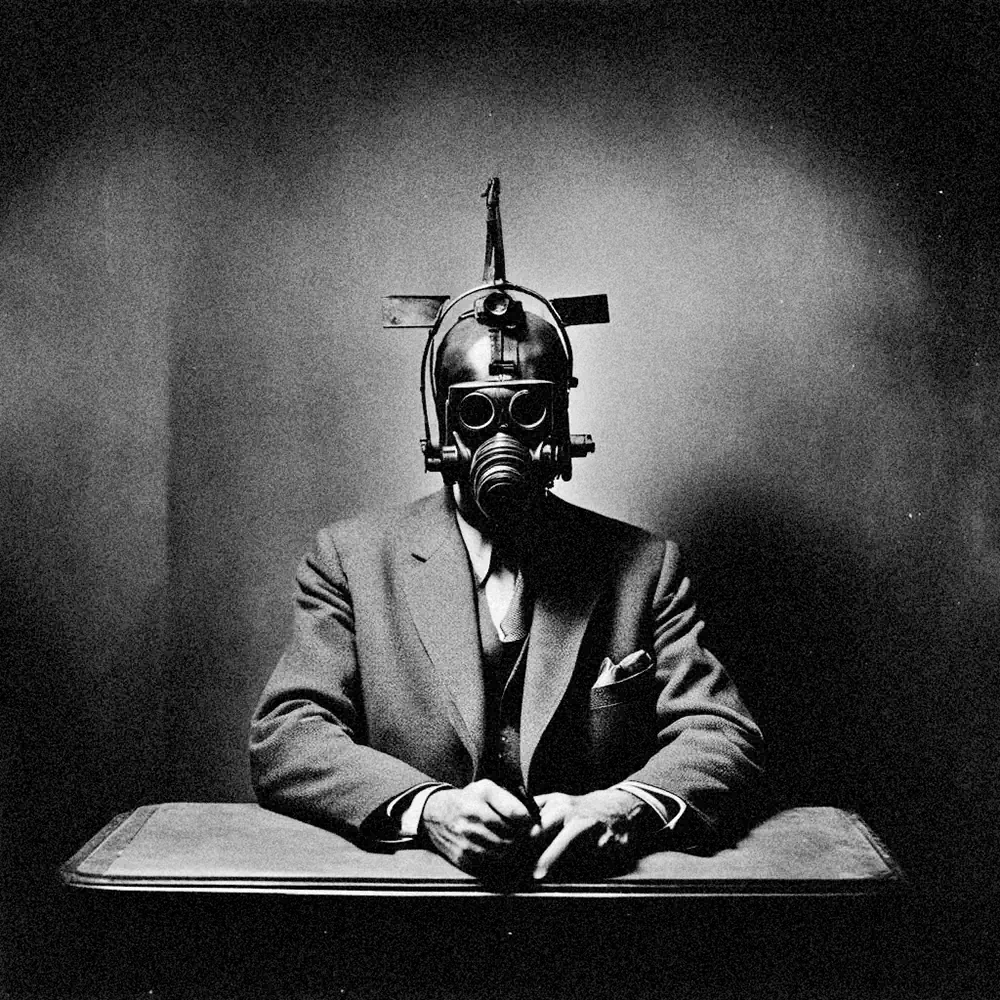
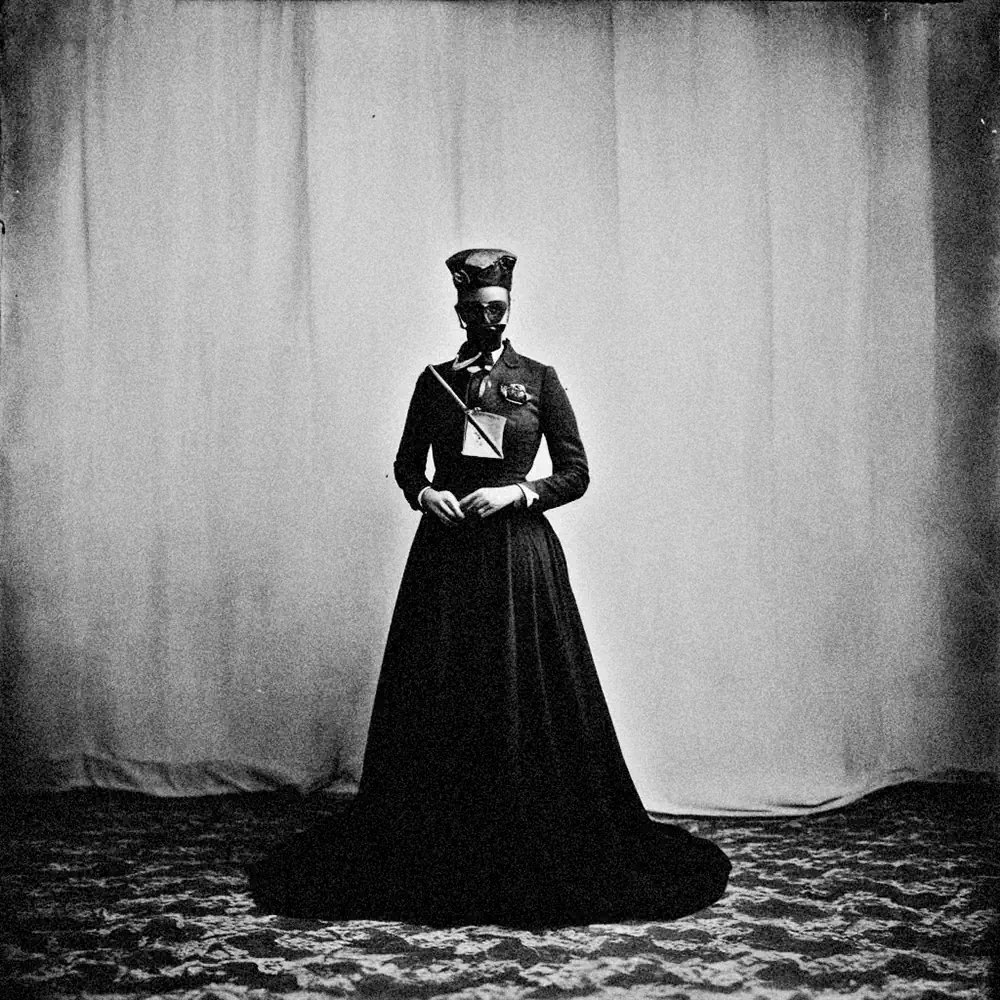
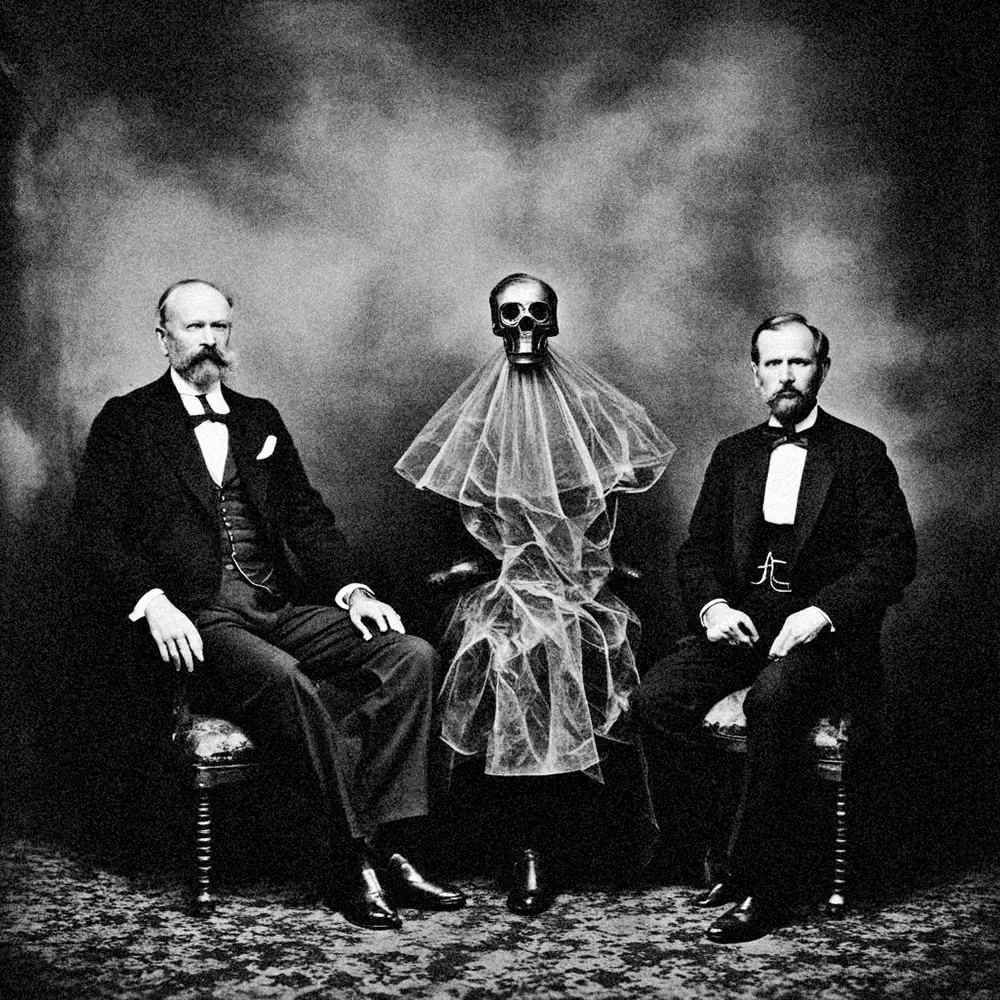
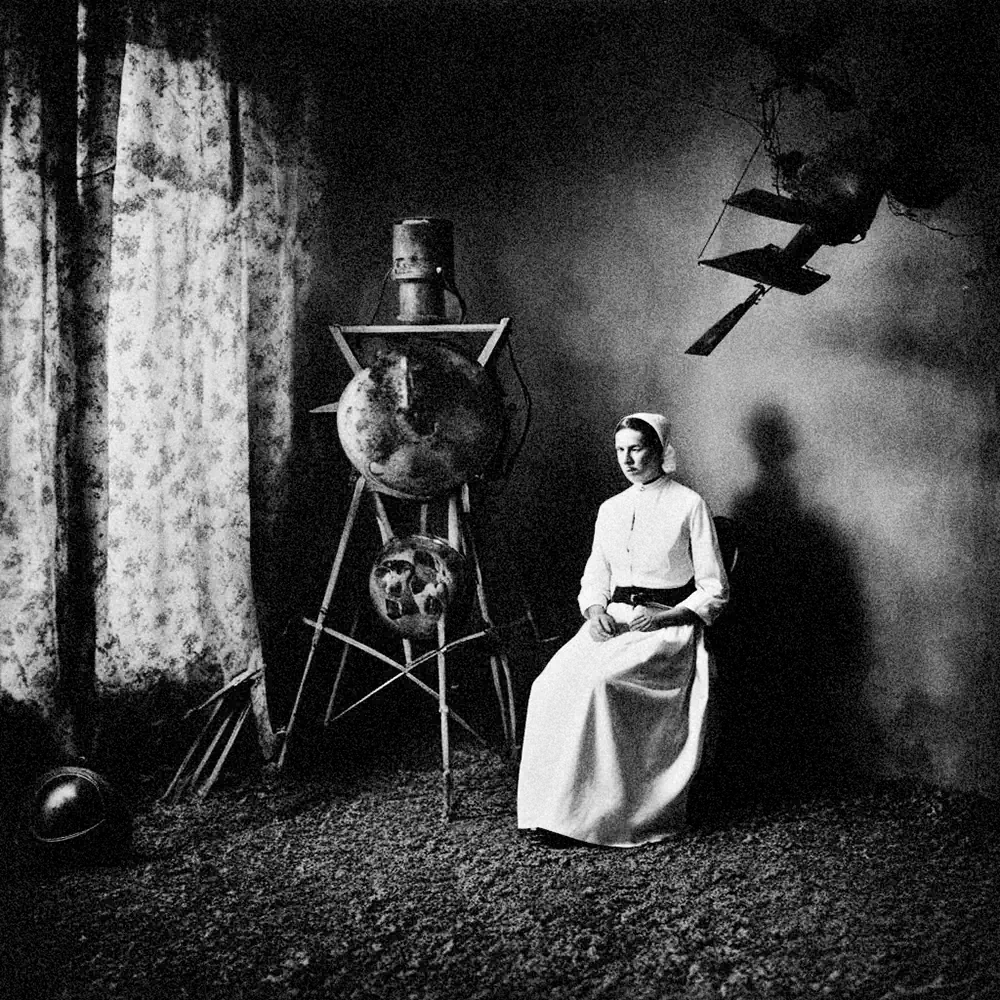
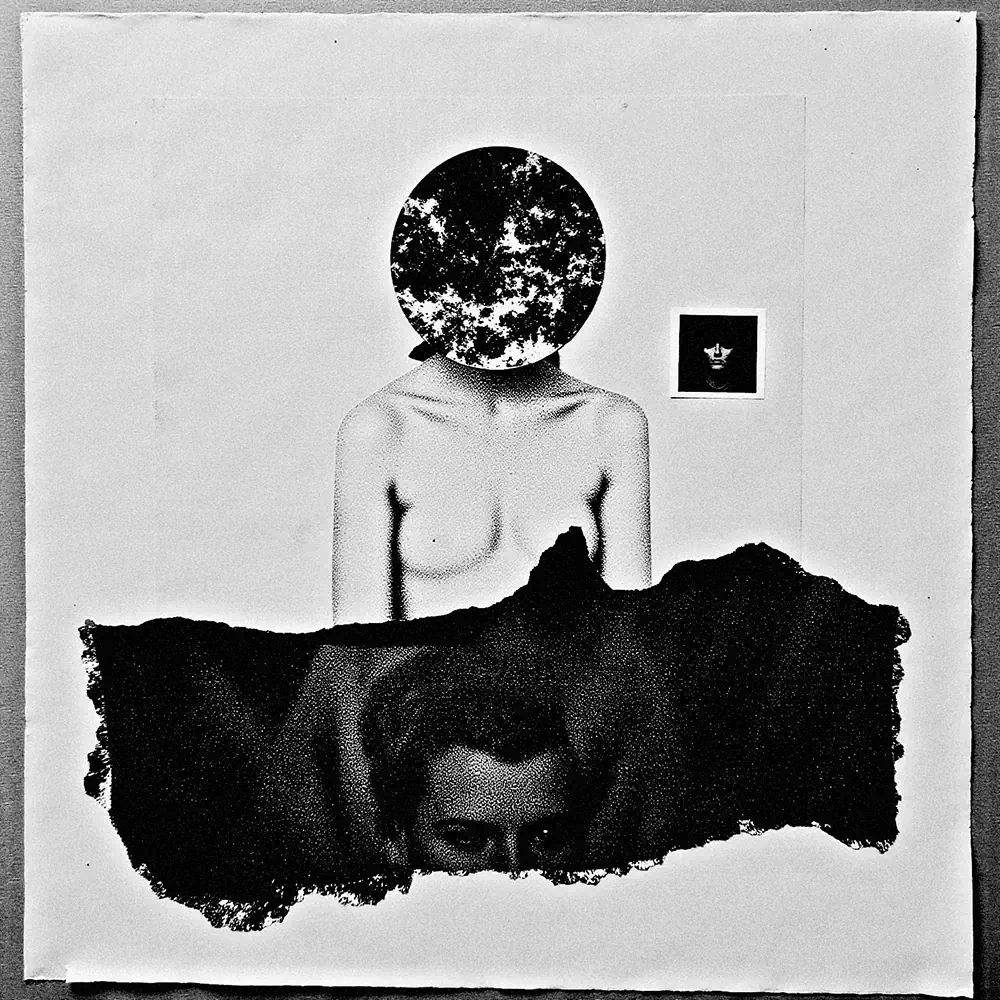
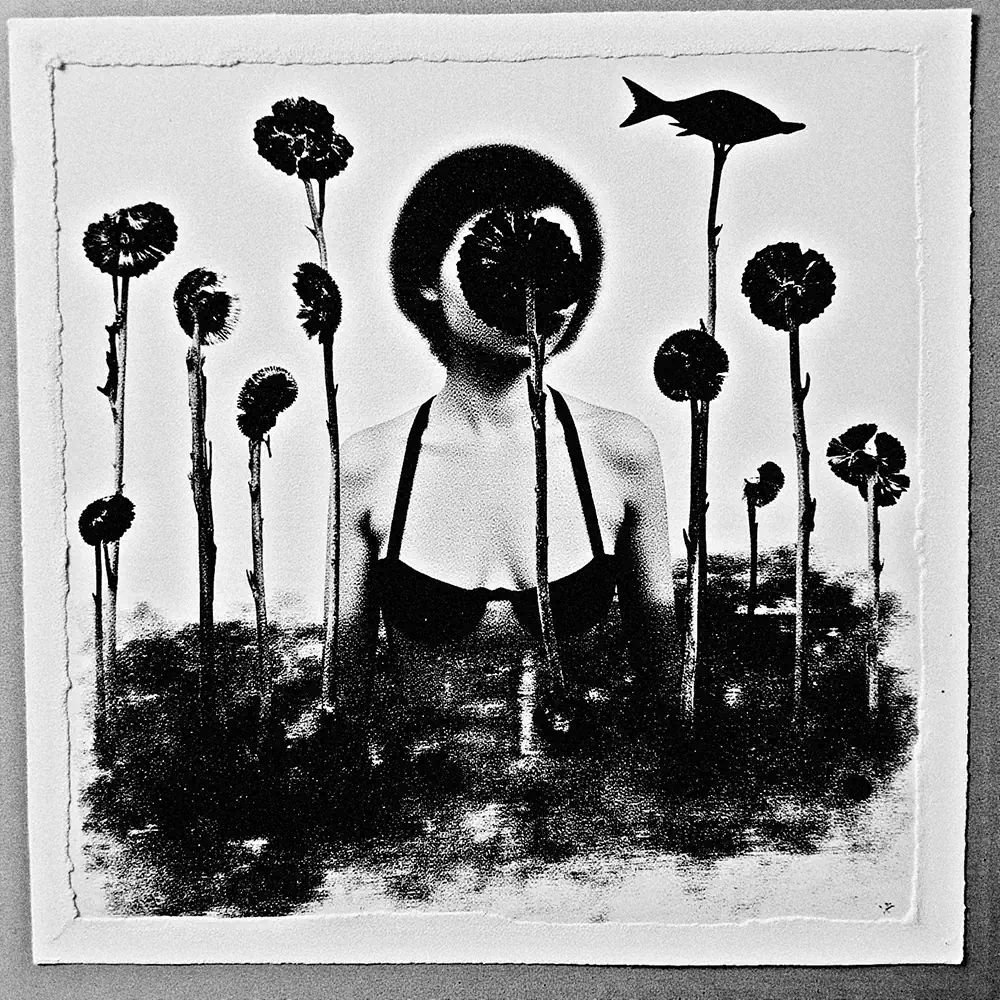
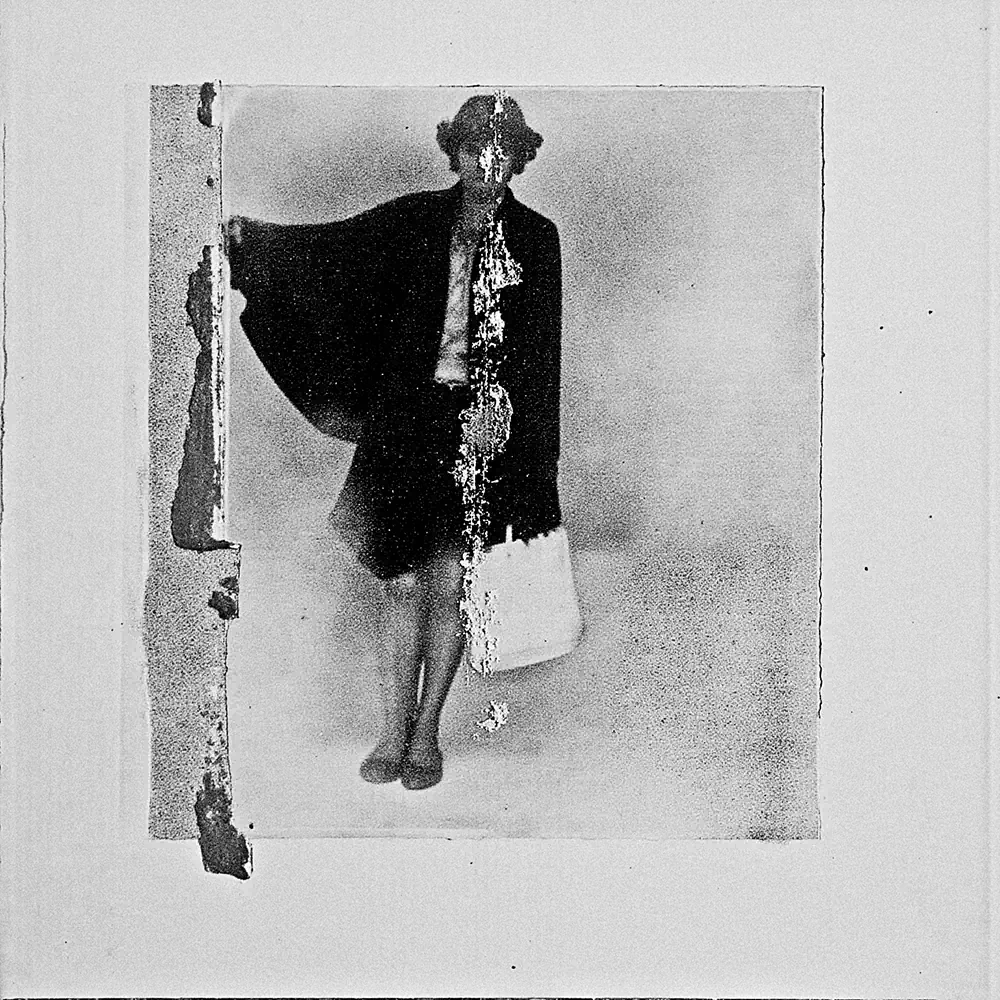
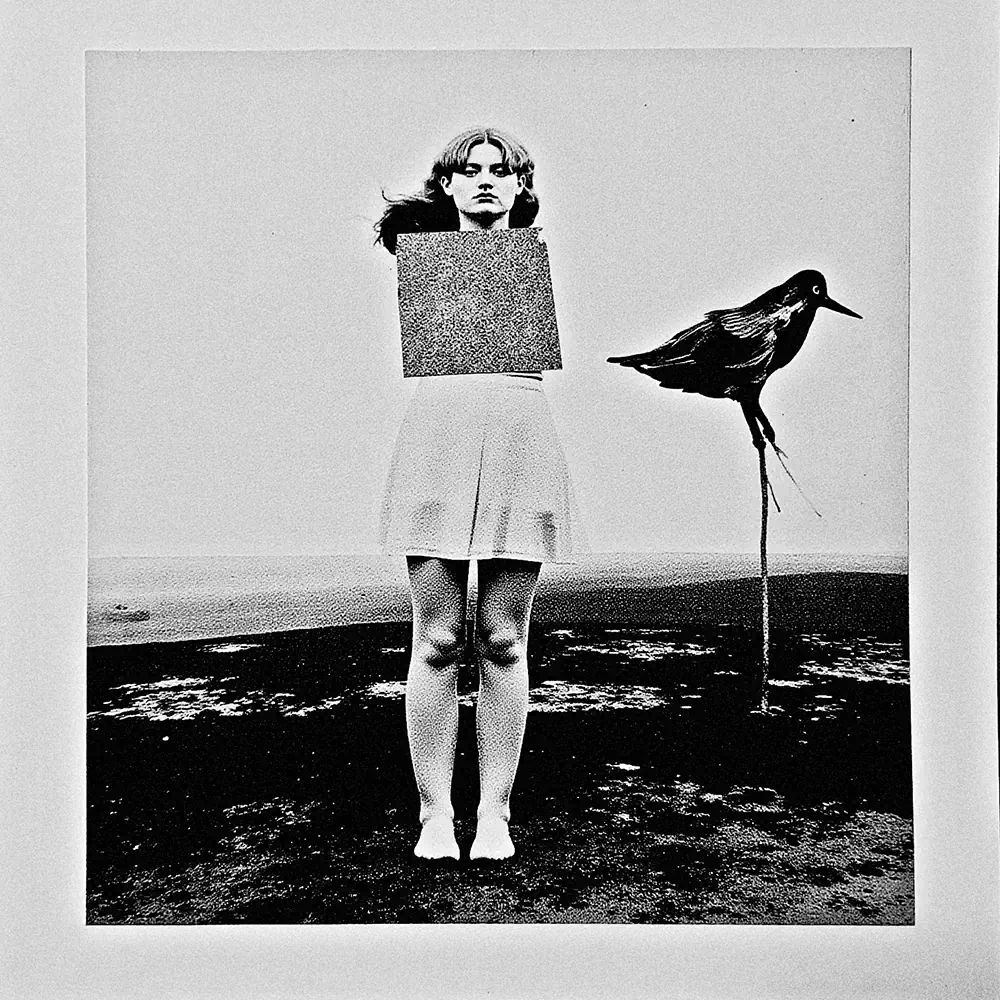
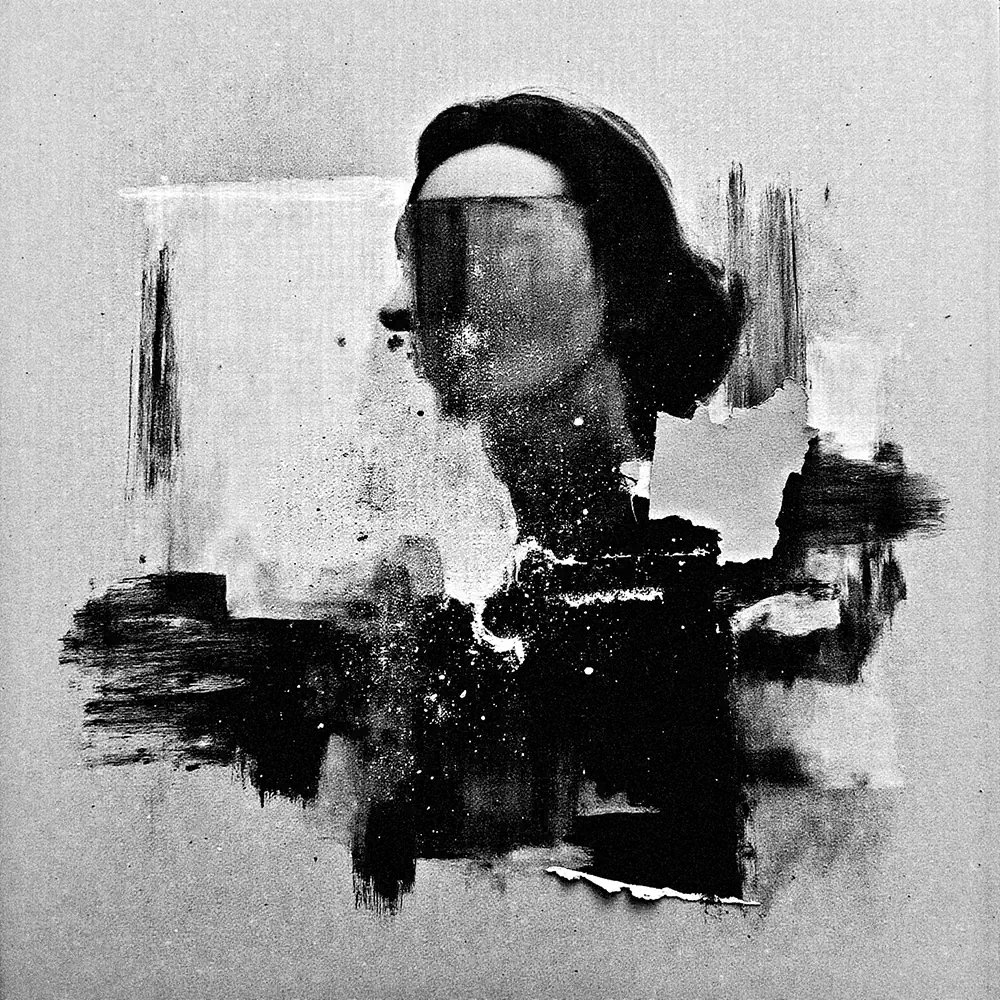
We are living through a decade that, without resorting to alarmism, offers abundant material for such reflections. Between algorithmic automation and the fragility of the human condition, climatic destabilization, wars of attrition, and the incessant flow of information, misinformation, and noise, this body of work was born: an artificial intelligence dystopia structured as a collage.
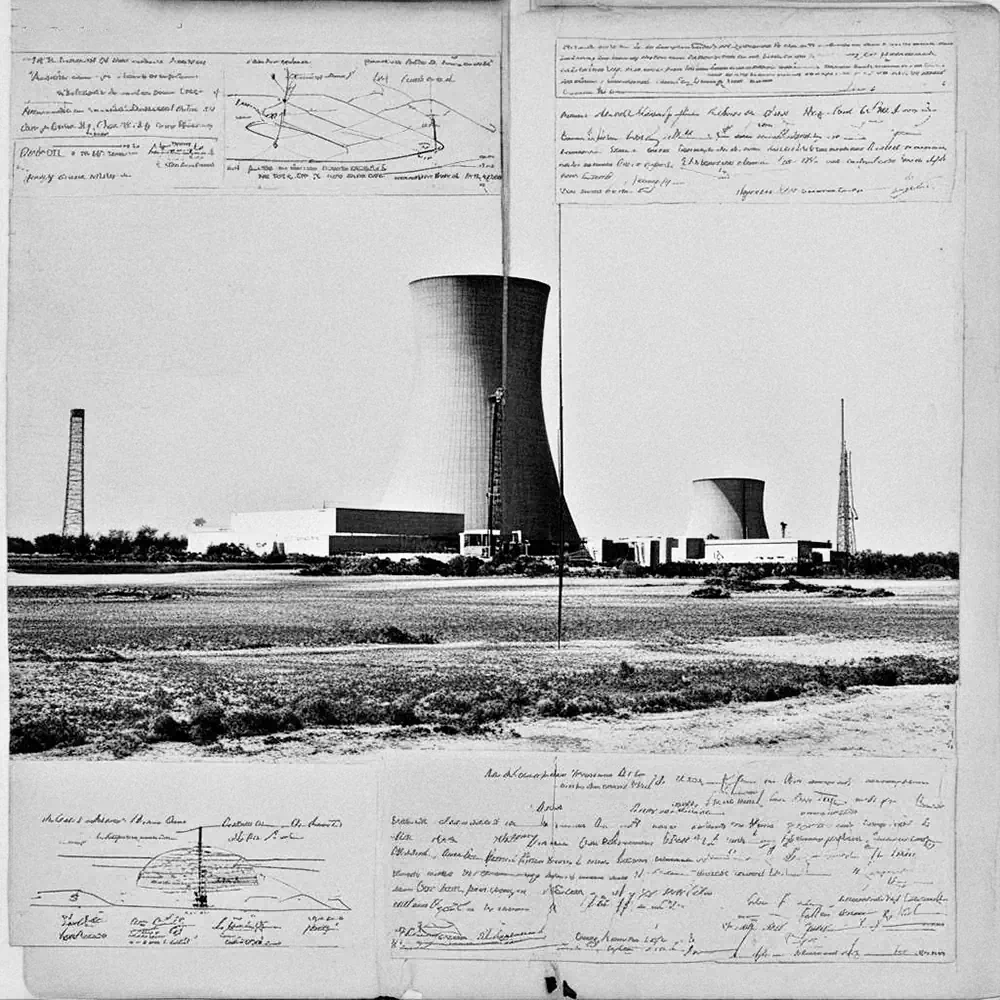
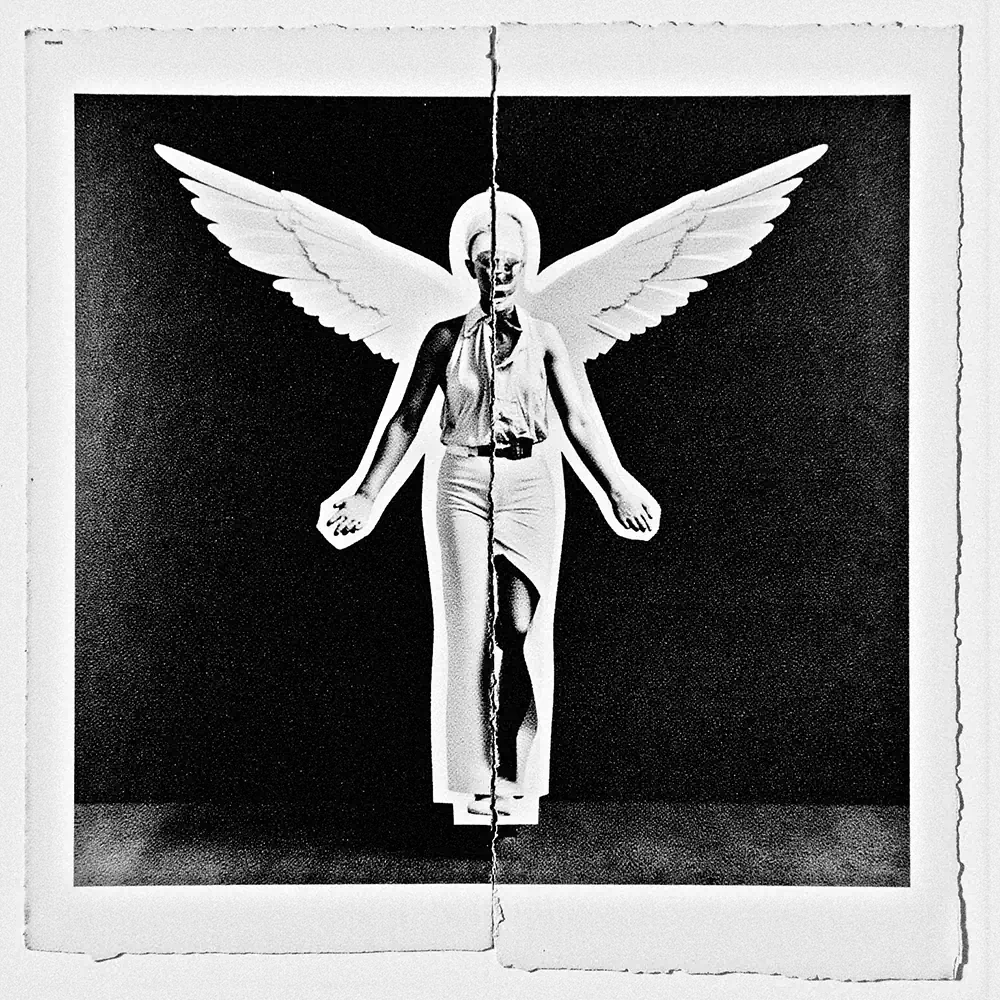
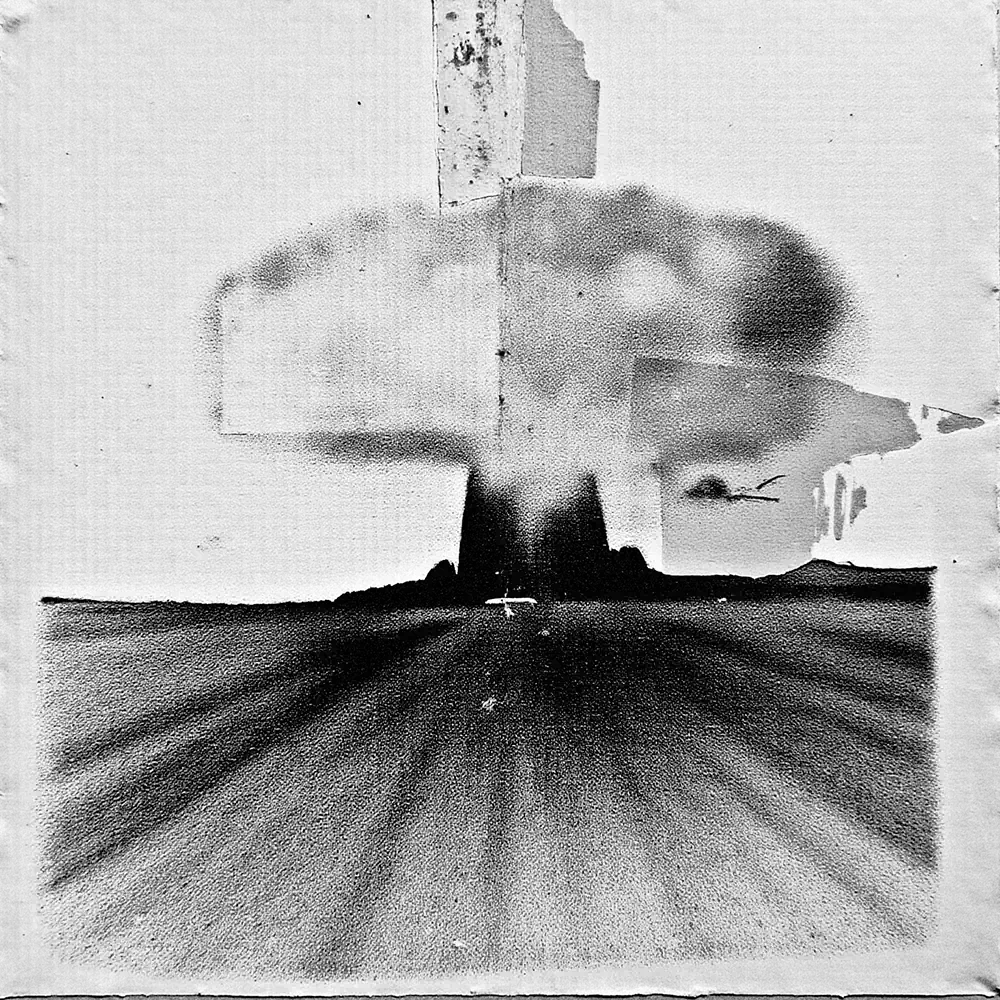
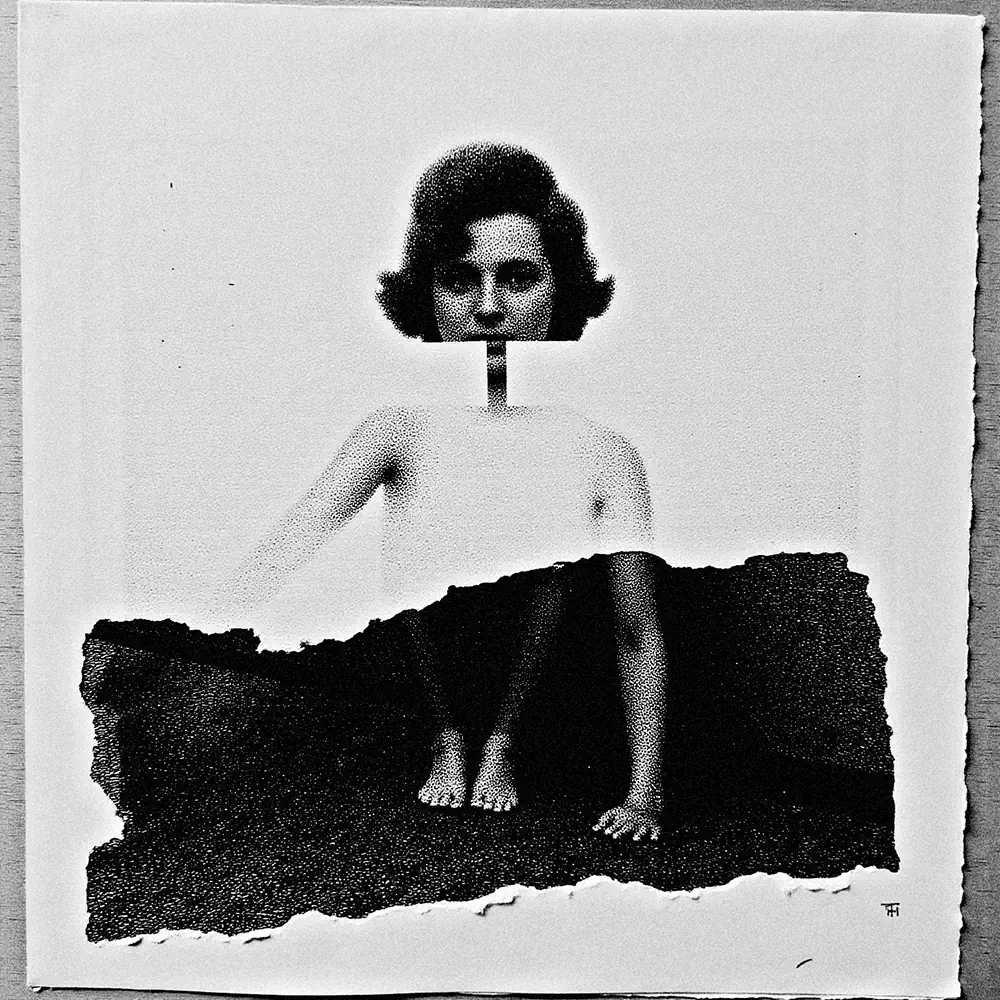
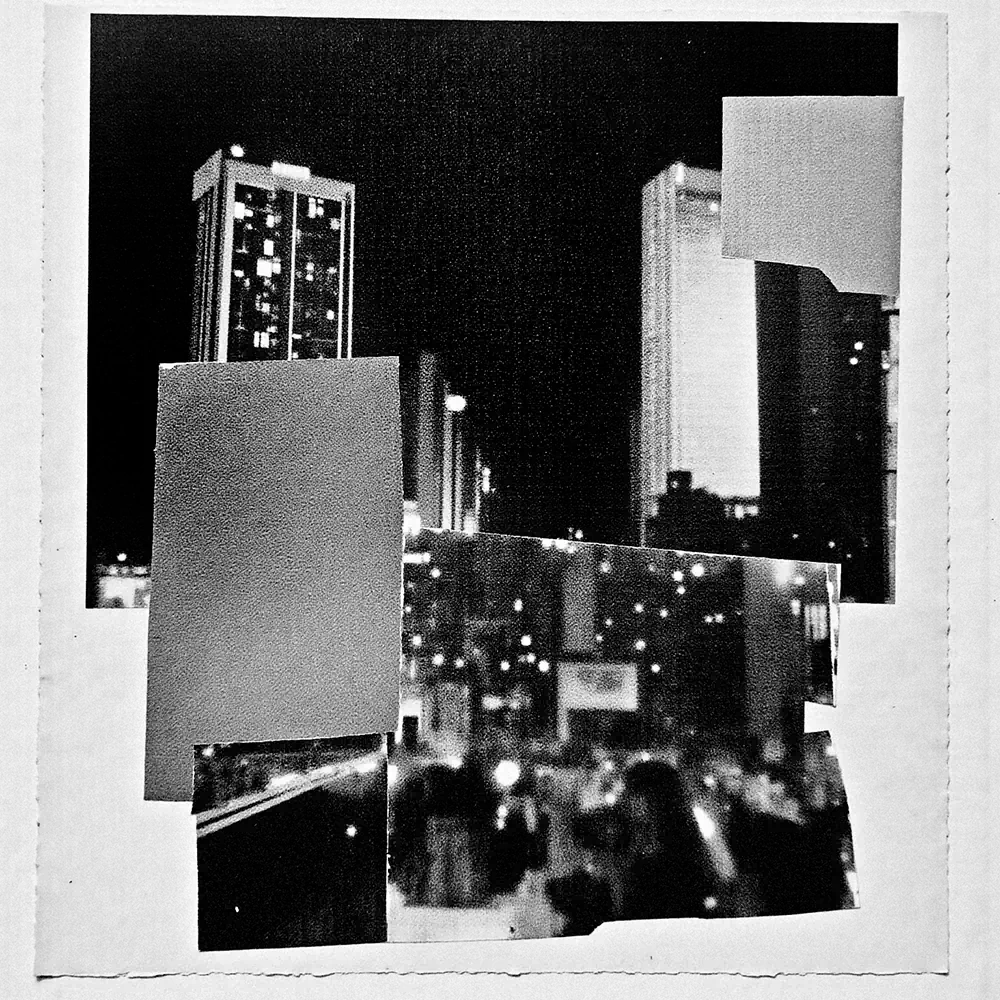
This is not merely a depiction of destruction but a world assembled from fragments, photographic remnants, and scattered narratives converging into a shared, ruined landscape. The figures inhabiting this space hover in a state of perpetual transition. At times, they function as cold artifacts from a probable, irrevocable future; at others, they serve as dark reminders of a present that is unraveling.
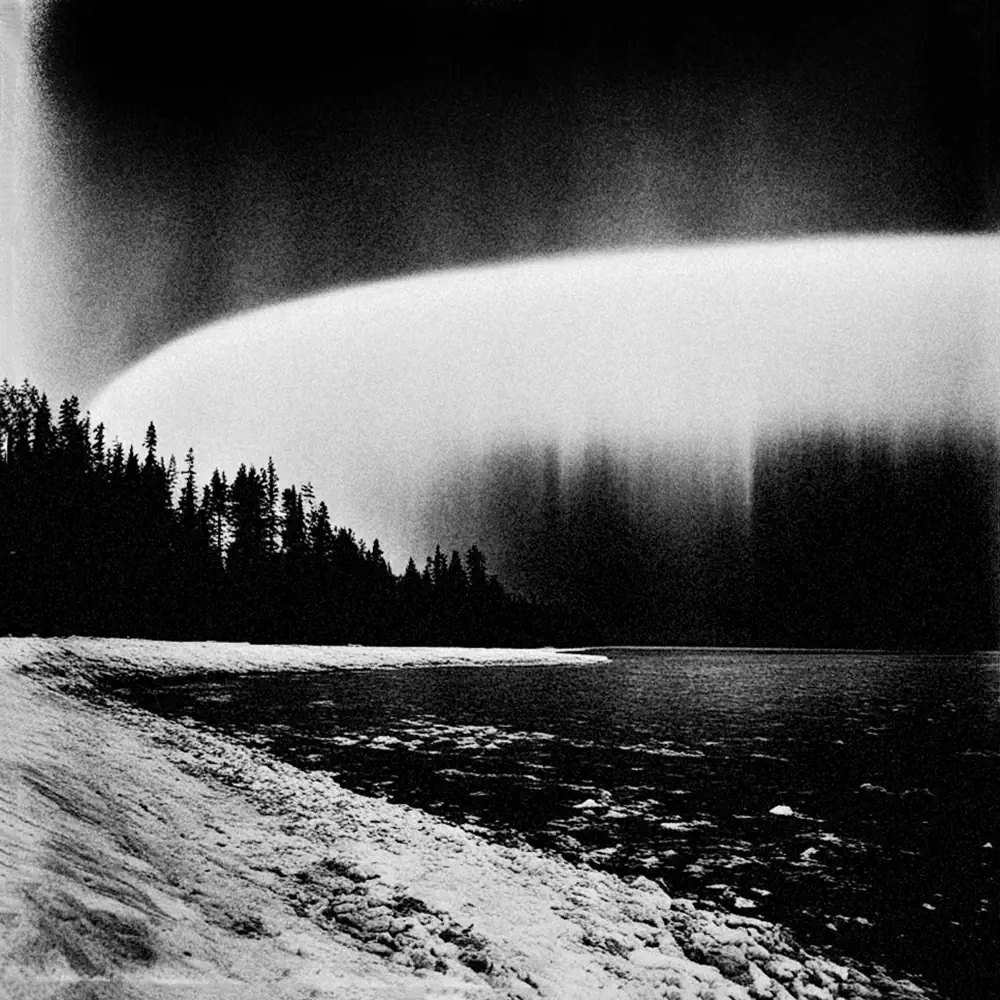
The Aesthetics of Fragmentation
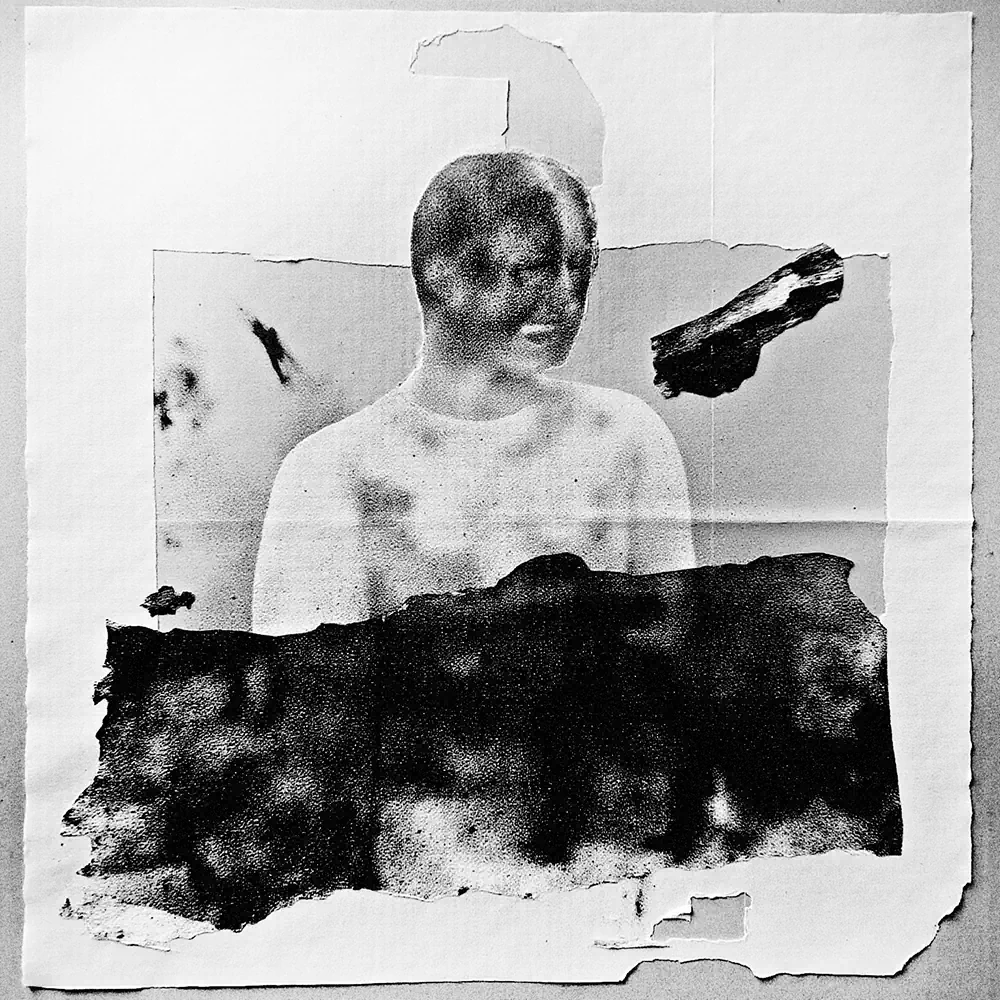
The visual approach draws its power from the tension between digital creation and the materiality of decay. Artificial intelligence is used here not as a tool for creating seamless spectacle but as a mechanism of memory.
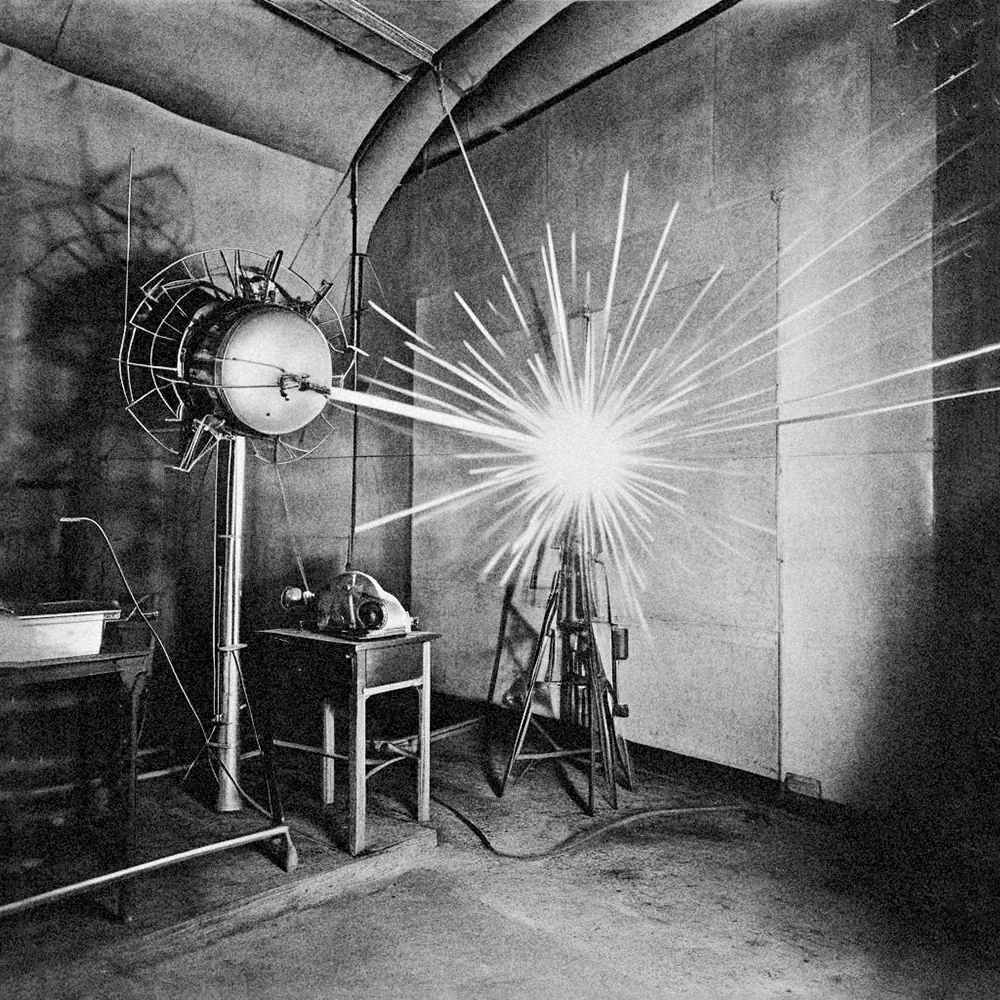
Through grain that evokes worn film, cut-paper surfaces, shadows, and surreal interventions, the images engage with the concepts of studium and punctum: they offer a cultural reading of our era while simultaneously piercing the viewer with a raw, uncanny detail.
It evokes the sensation of an archaeology of tomorrow. Skeletal figures, landscapes reminiscent of nuclear or geological cataclysms, severed bodies, and symbolic objects compose an archive of a society in a state of waiting. Technology intertwines with the ancient anguish of belonging and perishing.
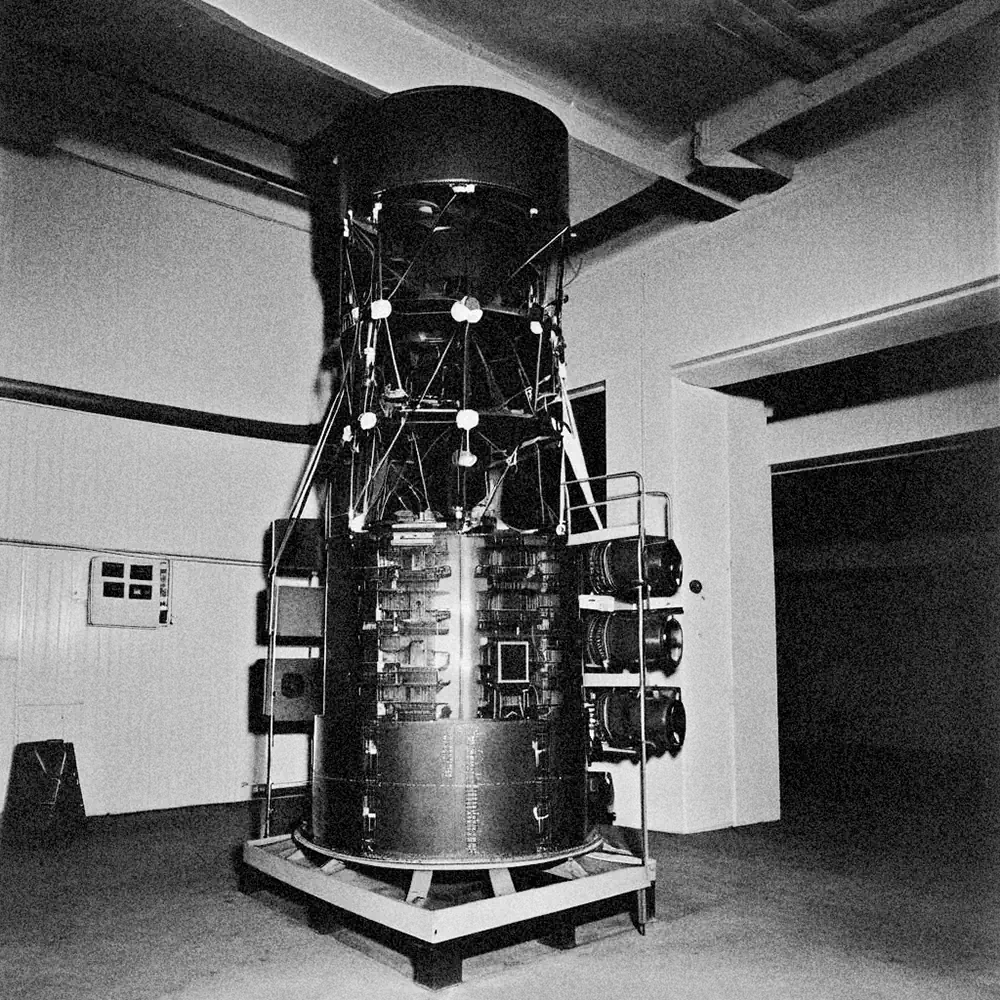
The Existential Background
Every narrative about the end of the world is, in reality, a narrative about survival. Not merely biological survival, but existential survival: the relentless human drive to produce meaning, articulate discourse, and create art, even when everything around us changes shape, dissolves, or loses its meaning.
As we grow up in a world that refuses to quiet down, the existential anxiety surrounding death and transience seeps into the cracks of everyday life.
This project constitutes an attempt to map precisely this anxiety. It is a visual confession of how we stand before the inevitable, trying to hold together the pieces of a shattering reality while transforming fear into aesthetic form and contemplation.
About Kostis Argyriadis
Kostis Argyriadis is a photographer born in 1981 in Thessaloniki, Greece. He attended ESP Photography School on a scholarship. He published his first book, Every Day, Every City, with Agra Publications, while his second book, DD-MMYYYY, and his third, To Love, Fear and Consume, were self-published.
He has held solo exhibitions both in Greece and internationally. His photobooks are now part of the permanent collections of the Tate Britain Library, the National Museum of Contemporary Art Athens (EMST), the Estonian Museum of Photography, the Greek Museum of Photography, the Benaki Museum, the Department of Visual and Applied Arts at Aristotle University of Thessaloniki, and the Basil and Elise Goulandris Foundation.
His photographic vision currently focuses on the triviality of everyday urban life and its patterns, alongside the absurdities and incongruities of reality and its transformations. [Official Website]