
Street photography is often associated with crowds, movement, and the density of urban life, yet many of its most compelling images revolve around solitude.
Cities gather thousands of individuals into shared environments, but that proximity does not necessarily produce connection. Instead, it frequently generates a paradoxical condition in which people exist alongside one another while remaining psychologically separate. Street photography has long been attentive to this tension between collective space and individual isolation.
Urban environments structure encounters that are brief, functional, and often anonymous. A person waiting at a crossing, seated alone in a café, or absorbed in thought while surrounded by activity can appear detached from the surrounding flow. Such scenes do not dramatize loneliness; they present it as an ordinary feature of modern existence. Street photographers recognize these moments not as exceptions, but as recurring elements of how cities are lived.
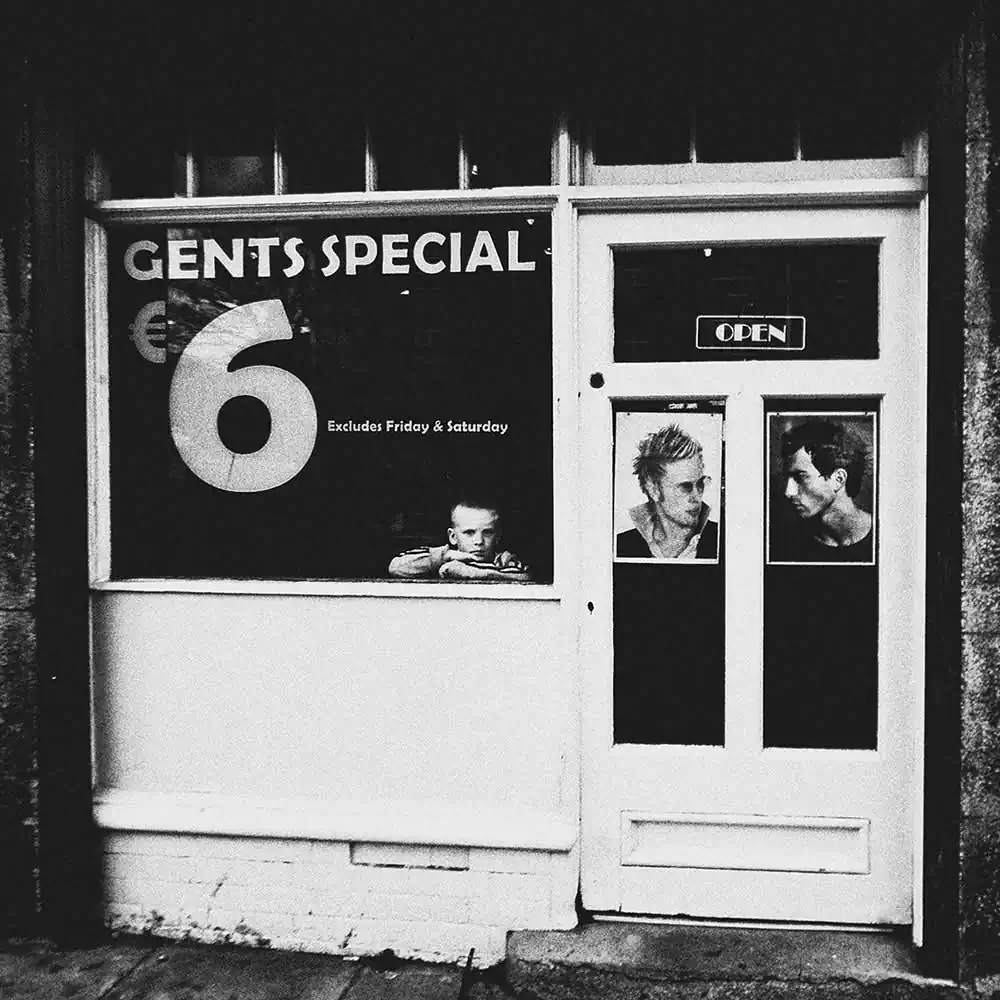
The visual language of the genre reflects this sensibility. Figures are often framed against expansive architectural backgrounds, emphasizing scale and distance. Reflections, shadows, or obstructions may partially conceal subjects, suggesting psychological withdrawal even within public visibility. These compositional choices are rarely accidental. They echo the experience of navigating environments where presence does not always imply participation.
Historically, this attention to solitude aligns with broader cultural reflections on modernity. As cities expanded during the twentieth century, writers, sociologists, and artists described the emergence of new forms of individual experience shaped by anonymity and fragmentation. Street photography translated these observations into images, capturing how urban life could produce both freedom and detachment simultaneously.
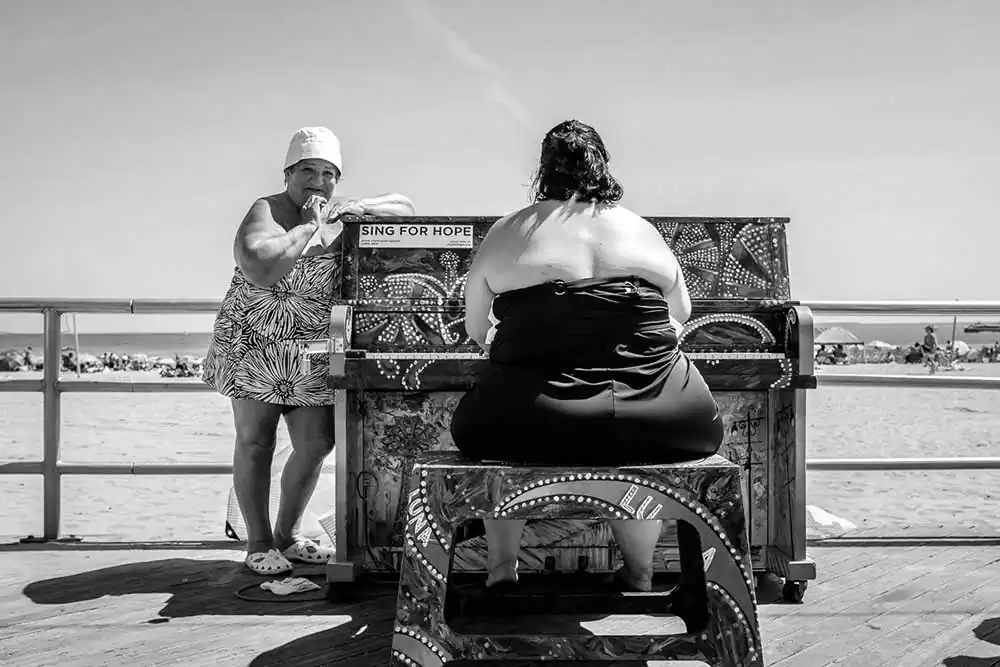
Contemporary practitioners continue to explore this dimension, often focusing on how technology mediates presence. Individuals connected to digital devices may appear physically near yet socially elsewhere, absorbed in remote interactions while occupying shared spaces. Street photography records these subtle transformations, revealing how the meaning of being “together” evolves over time.
At the same time, the genre does not present solitude solely as alienation. Many photographs convey moments of introspection, pause, or quiet observation that contrast with the surrounding activity. These images suggest that urban isolation can also create spaces of reflection, where individuals negotiate their relationship to the collective environment.
By examining both presence and separation, street photography offers insight into the emotional texture of public life. It shows that cities are not only sites of encounter, but also landscapes of individual experience unfolding within shared frameworks. The resulting images remind viewers that human presence in the street is complex, shaped as much by inner states as by visible interaction.