

Over the past two decades, attitudes toward women in Japanese society have changed significantly.
There has been a gradual shift away from seeing women primarily as objects of male desire toward recognizing them as individuals with their own agency.
Yet for middle-aged men who have lived through this period of transition, older and newer values can still coexist.
When a man photographs a woman, there is often a desire simply to photograph “a woman.” Through the act of photographing, the person in front of the camera can gradually become something else: not the woman herself, but an image of a woman shaped by what the man wants to see. These images are then accumulated, preserved, and possessed.
What, then, are these photographs?
Memories? Works of art? A collection? Or traces of a desire to possess an image of women?
In a Dream began with these questions.
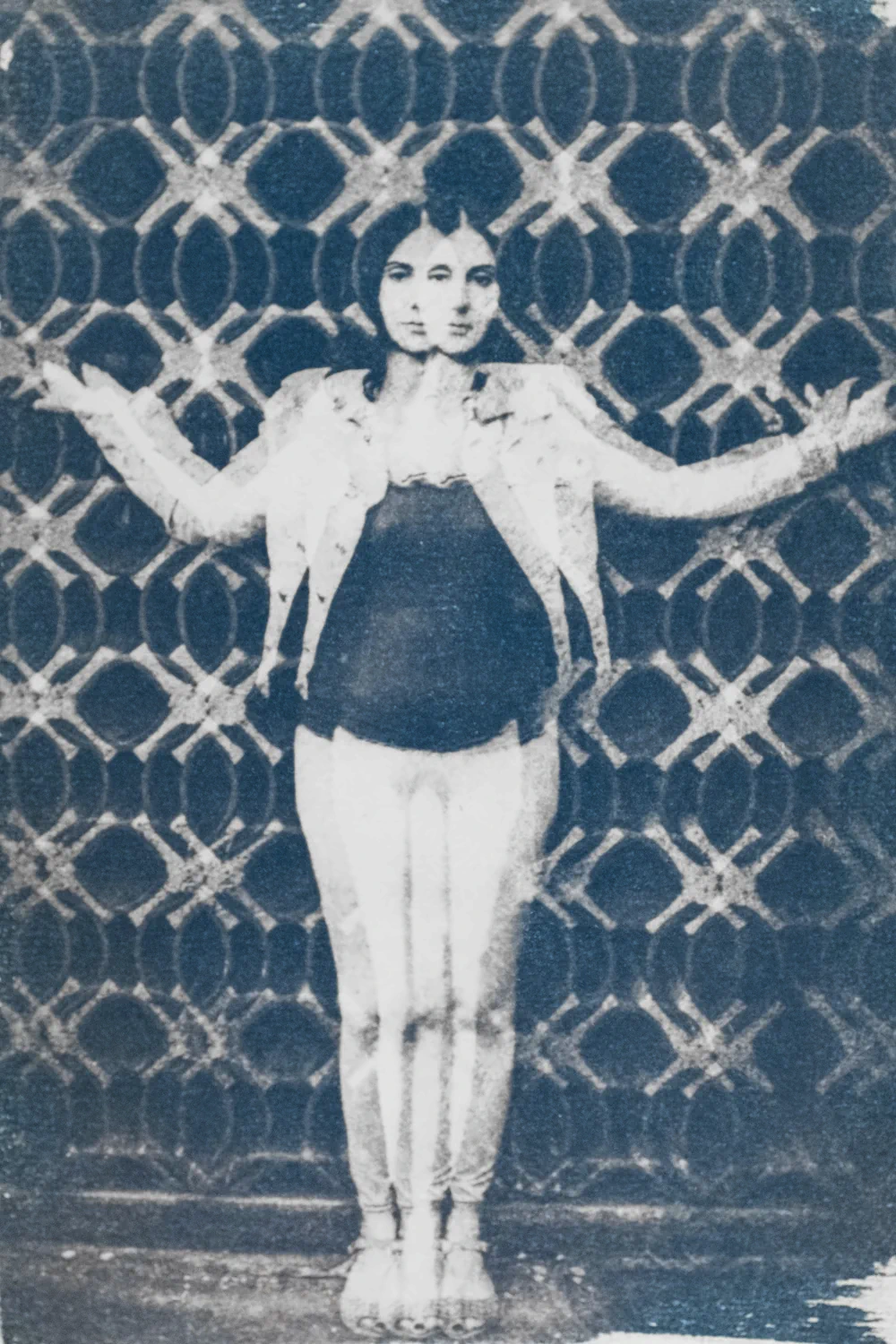
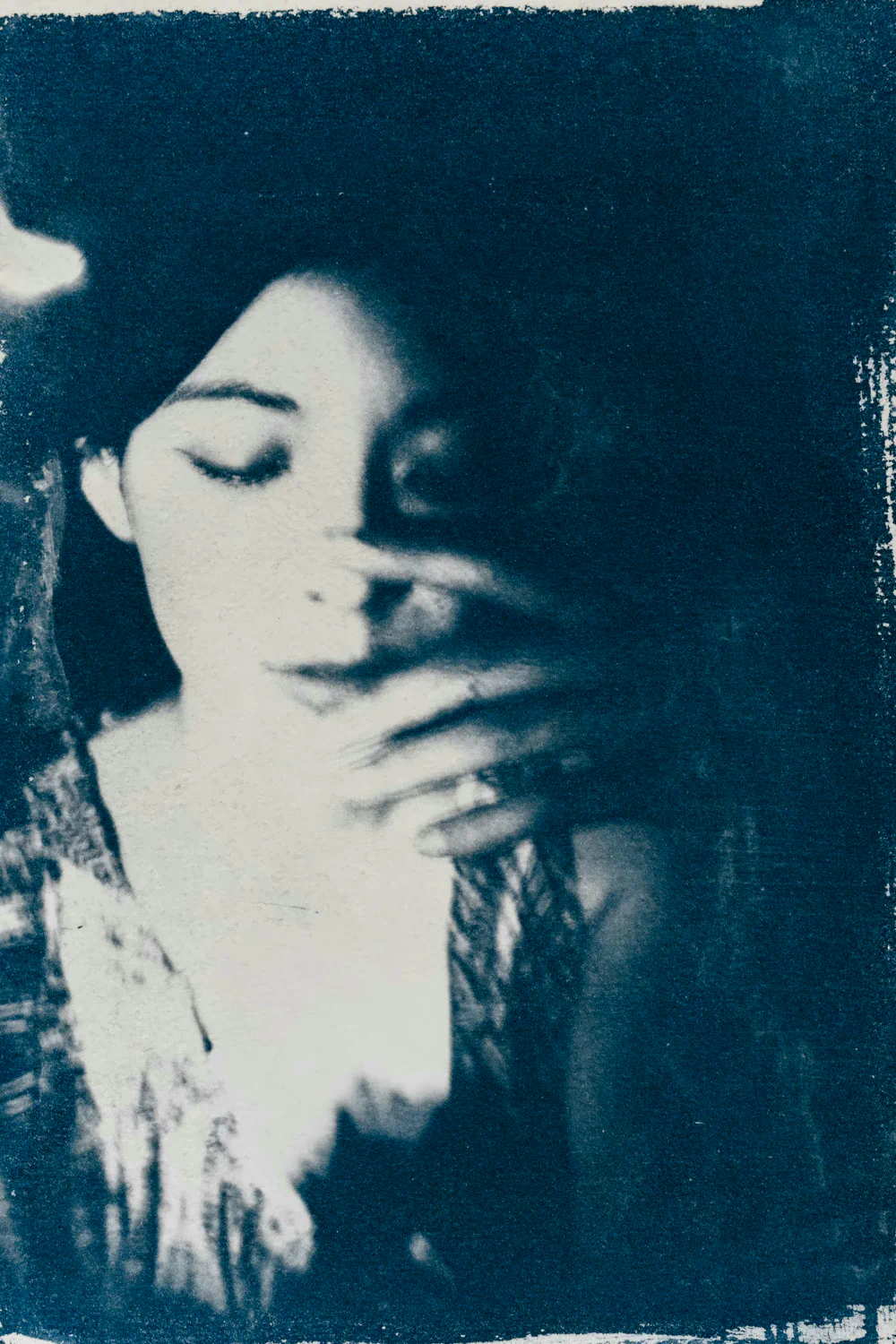
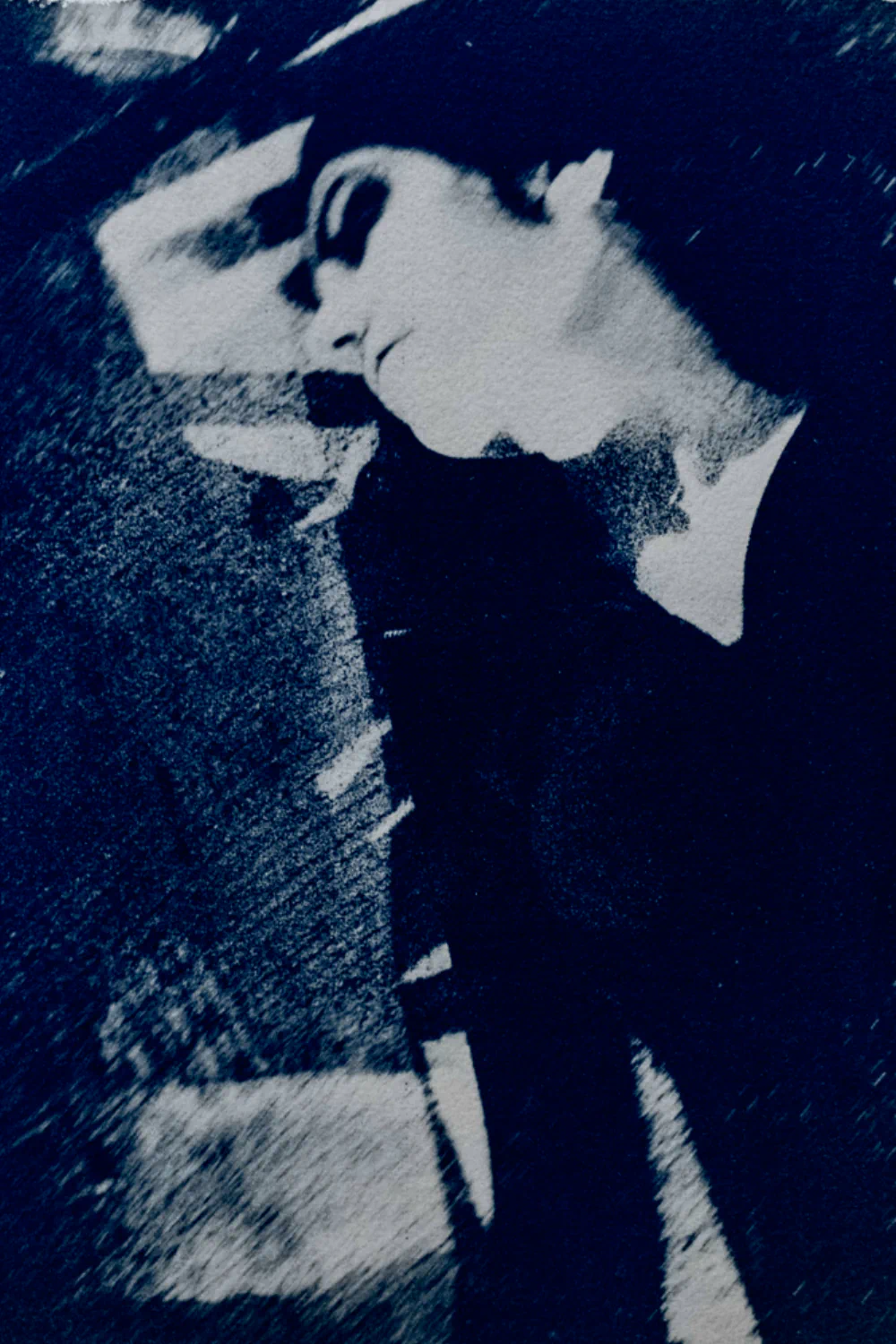
I transformed photographs of women into cyanotype prints and repeatedly intervened in the images—layering, shifting, obscuring, and altering them by hand. Through this process, the figures move further away from the actual individuals who stood before the camera. Their faces and bodies become unstable, fragmented, multiplied, or partially erased.

The intention is not simply to destroy the original portraits. Rather, the process transforms the photographed women into images increasingly shaped by male desire and fantasy. At the same time, the photograph itself becomes a physical object: something that can be made, handled, kept, collected, and owned.
The “dream” in the title refers to this imagined image of women that exists within the male mind.
The women appearing in these photographs are real, but the images are no longer entirely theirs. They have passed through the photographer’s gaze, choices, desire, and physical intervention. What remains is something between a real person and an imagined woman—a woman who exists, in a sense, within a man’s dream.
Even as social attitudes toward gender continue to change, an older way of seeing may still persist beneath the surface.
Do men truly see women as autonomous individuals, or do they still, somewhere within themselves, continue to see women as objects of their own desire?