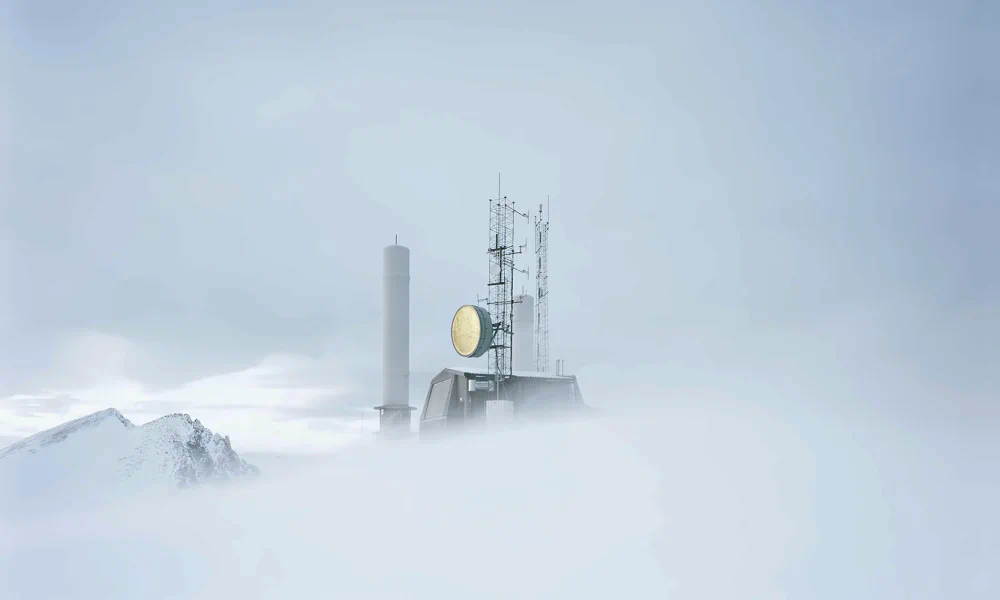


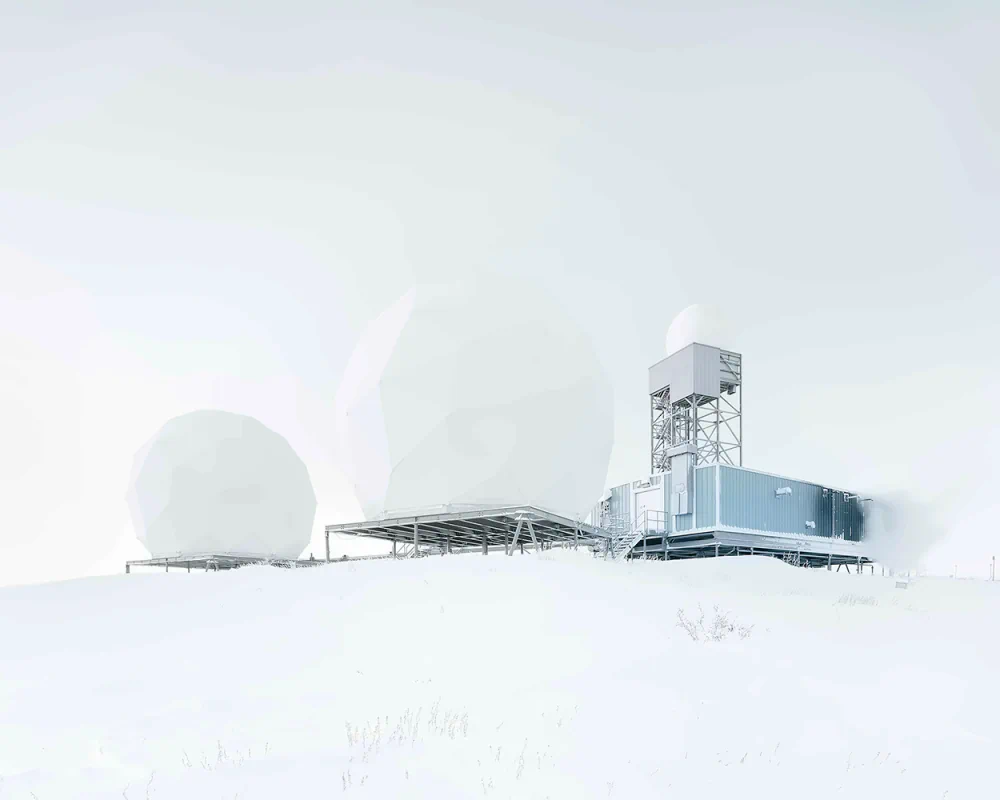
Gregor Sailer Explores Arctic Geopolitics in The Polar Silk Road

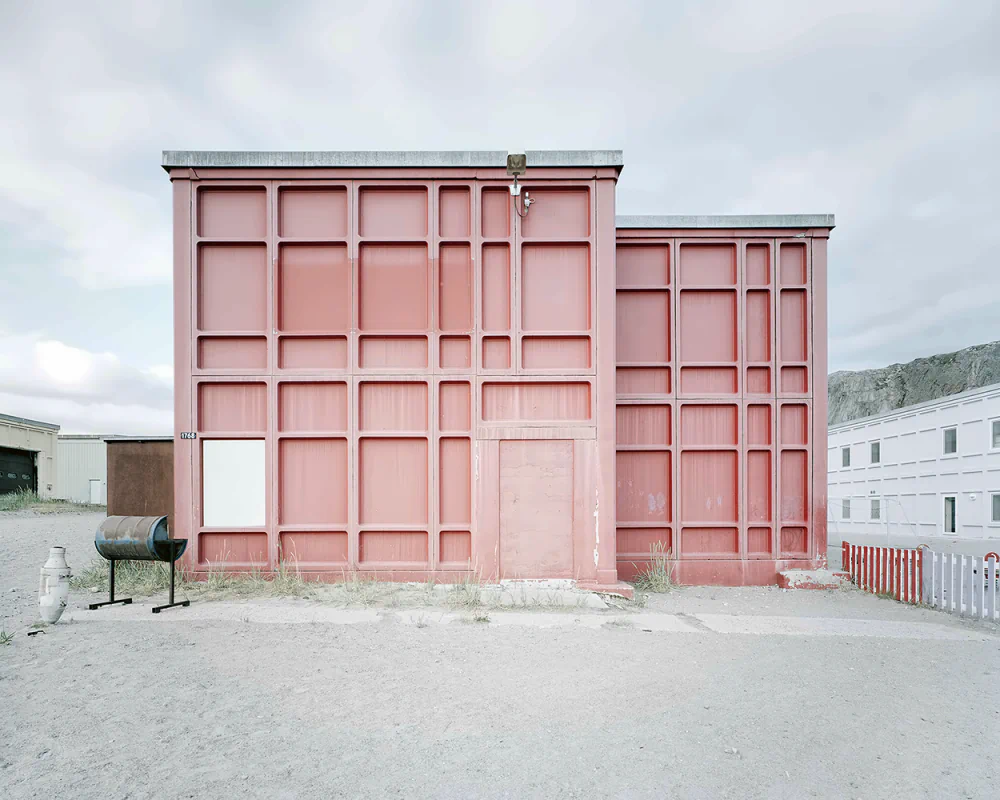
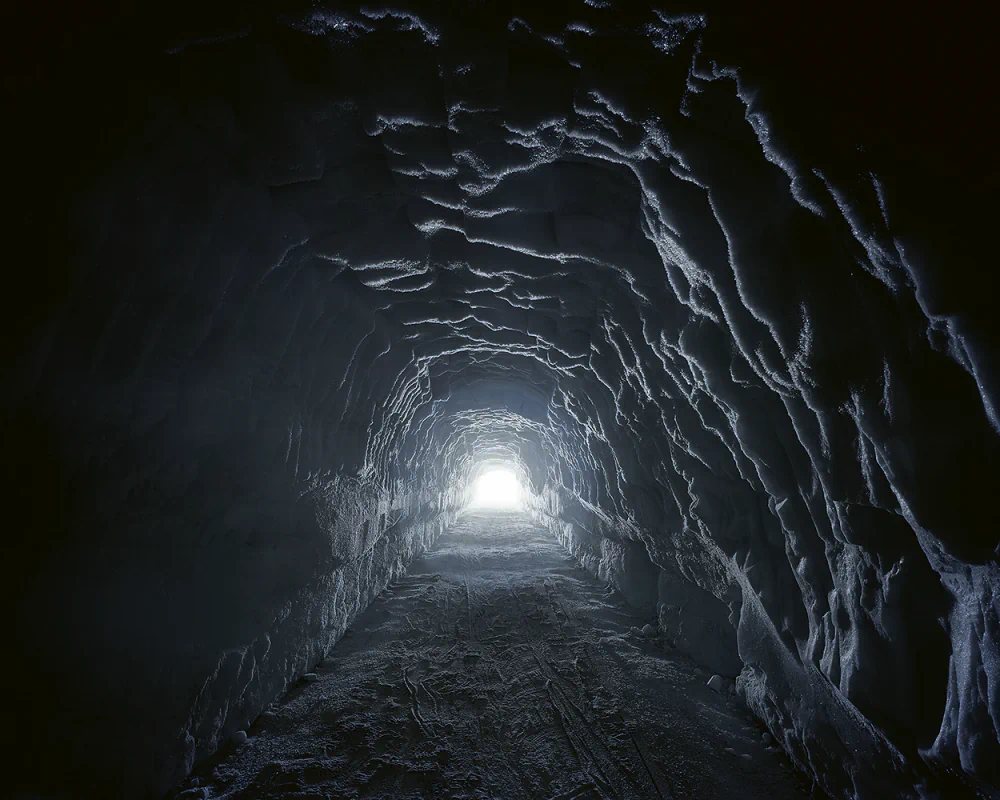
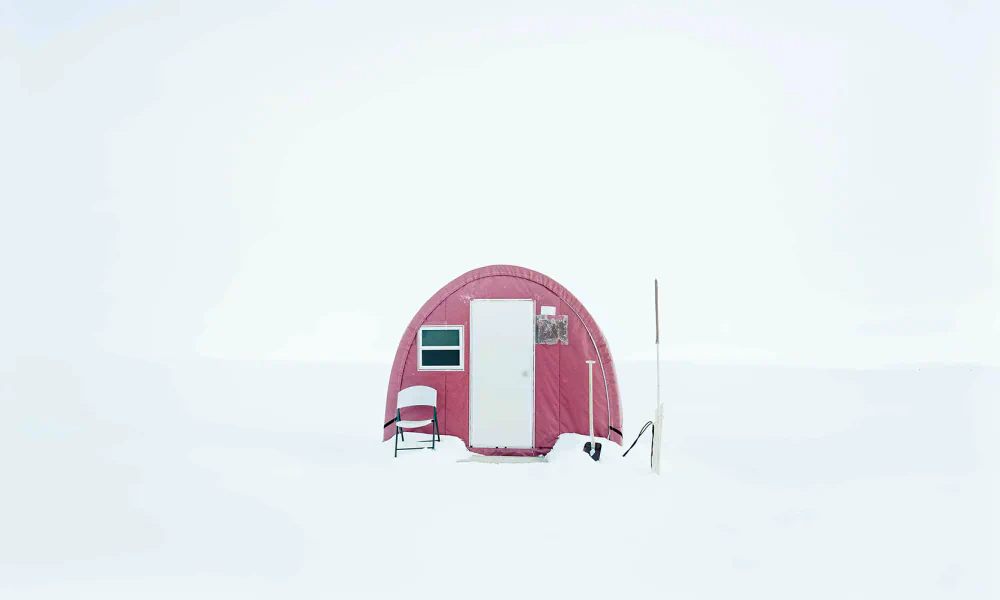
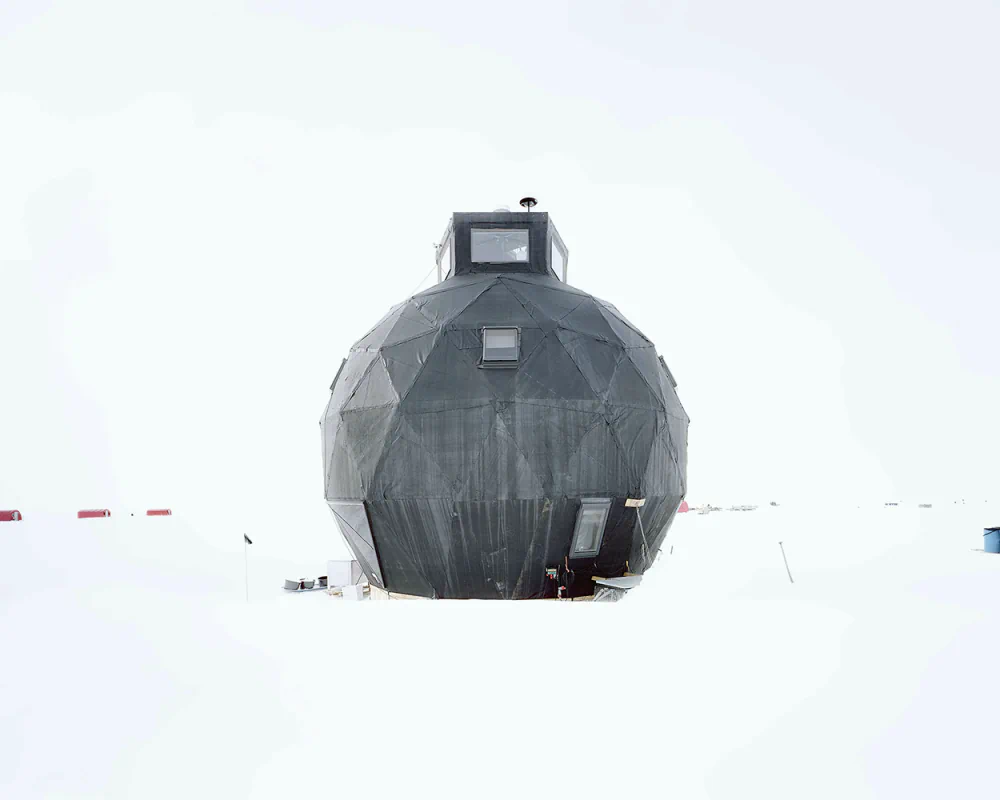
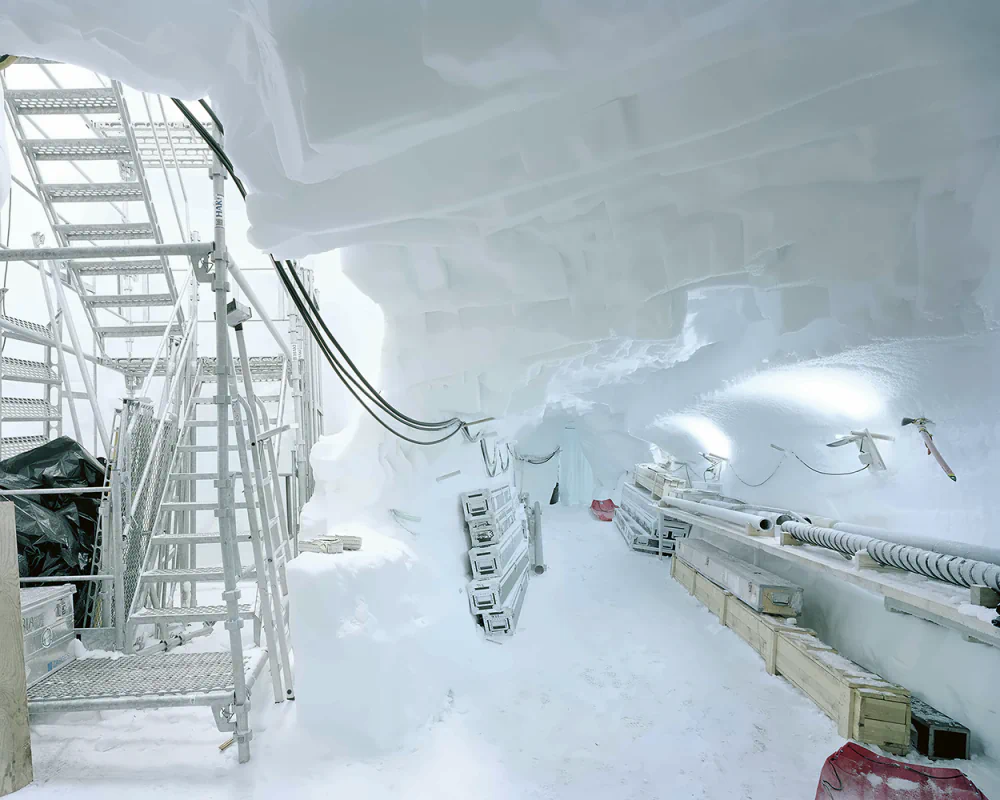
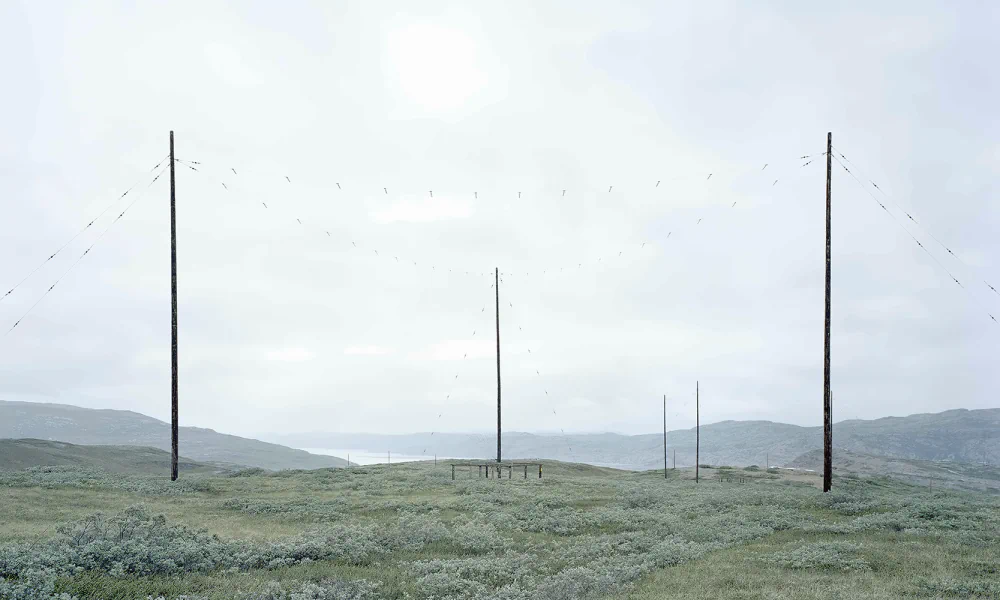
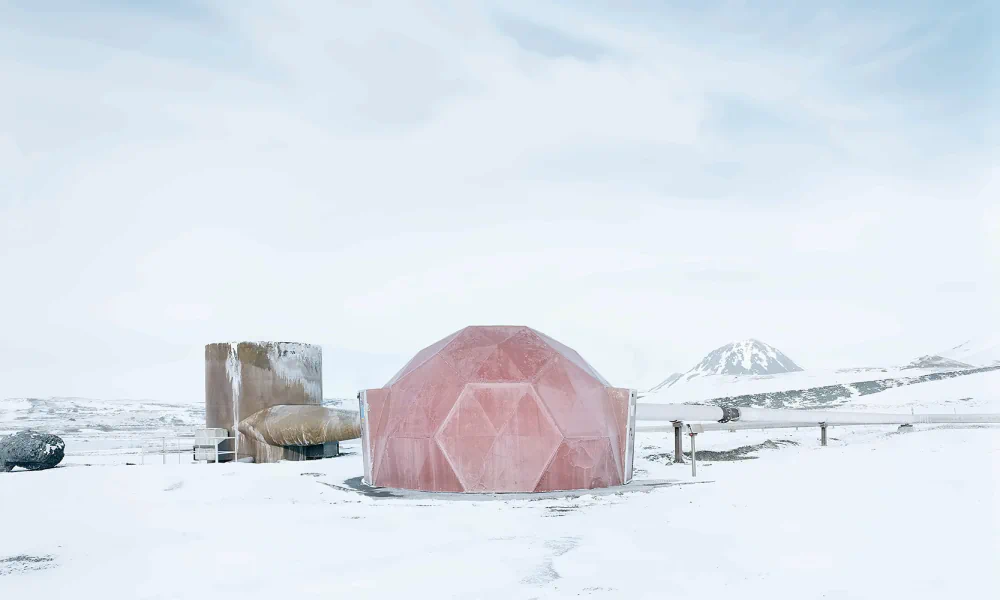
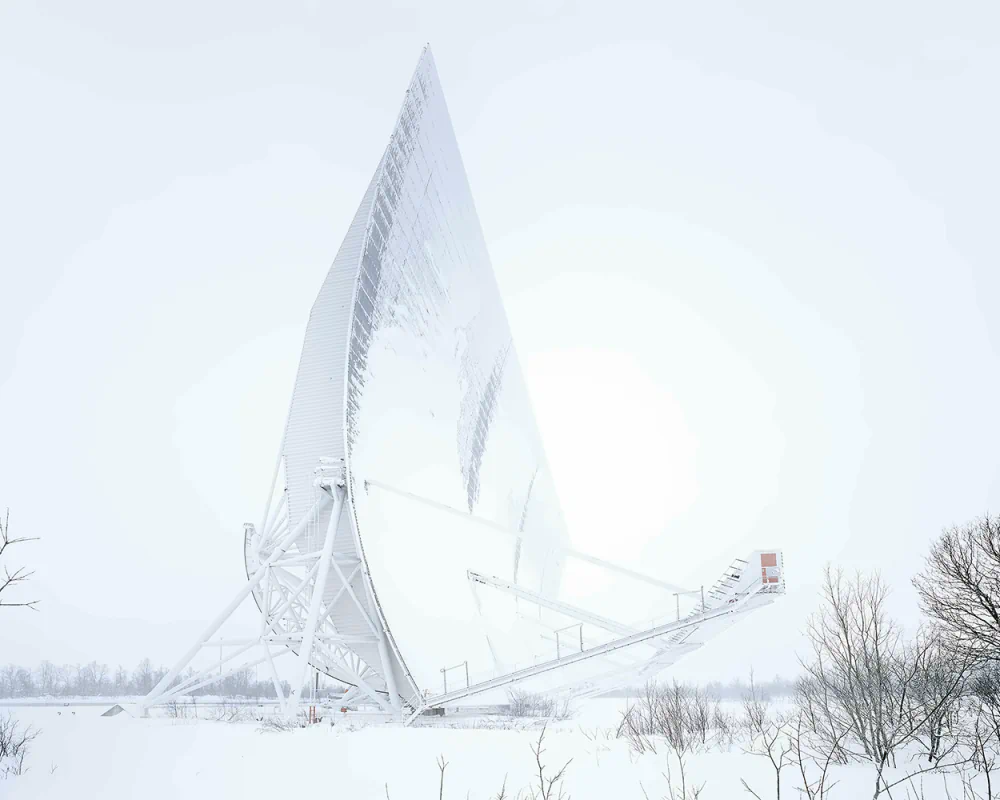
How the unpredictability of the Arctic confronts the expansion of the economic exploitation of Arctic regions. Temperatures of up to 55 degrees Celsius below zero, military restriction zones, extensive research, and the unpredictability of the Arctic made this project, created with an analog view camera, an enormous challenge.
Sep 1, 2026

How the unpredictability of the Arctic confronts the expansion of the economic exploitation of Arctic regions

Temperatures of up to 55 degrees Celsius below zero, military restriction zones, extensive research, and the unpredictability of the Arctic made this project, created with an analog view camera, an enormous challenge.

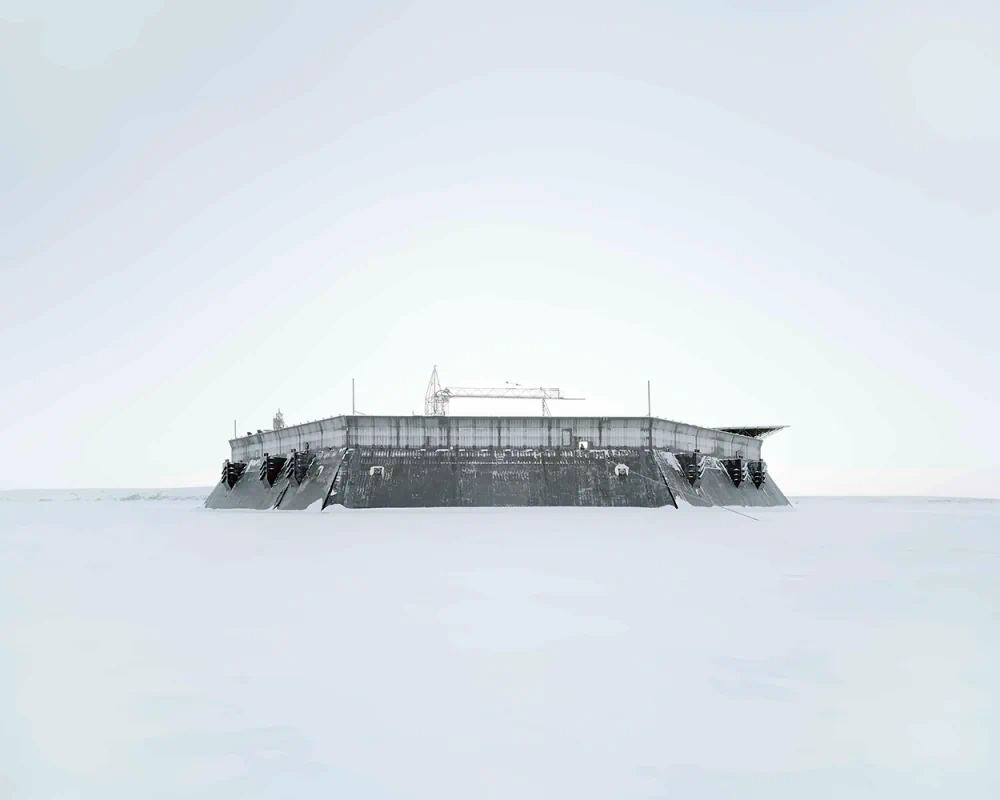
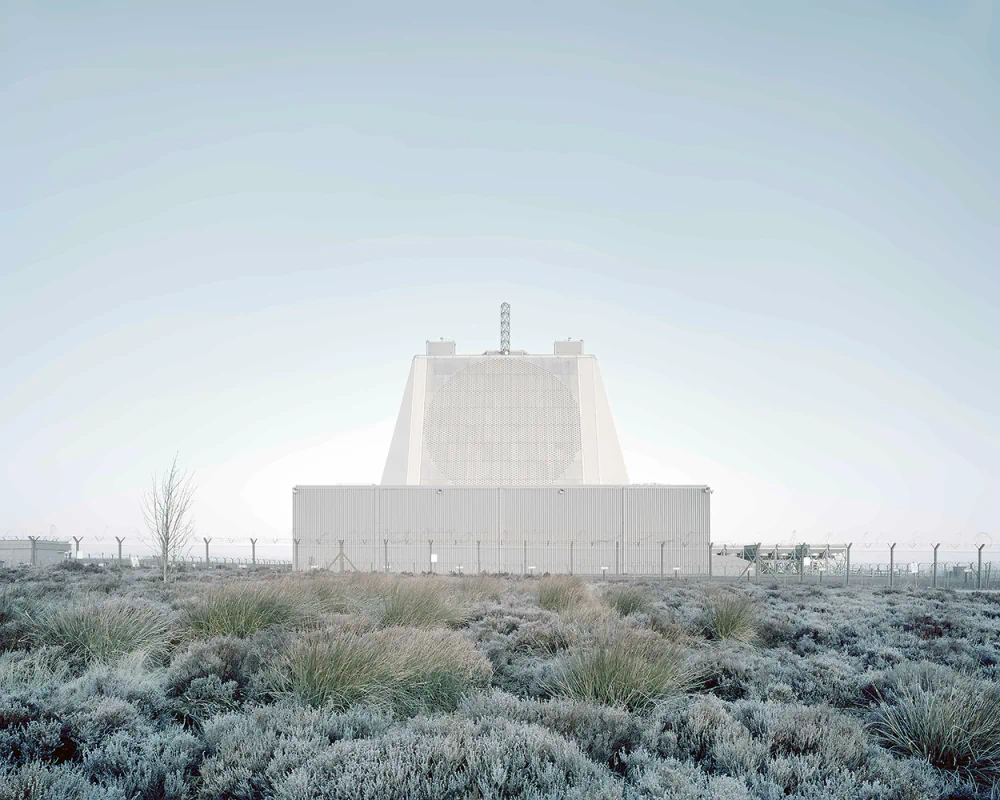
The Polar Silk Road deals with the economic exploitation of Arctic regions and the territorial claims of the respective neighboring states. The associated consequences include geopolitical tensions, as well as the expansion of military structures and research stations, which are highlighted in this project.

From the essay by Peter Schweitzer (published in The Polar Silk Road, Kehrer Verlag, Heidelberg, 2021):

“In recent years, the Chinese Belt and Road Initiative, a global transport infrastructure development program, has highlighted Beijing’s ambition of becoming one—or even the—imperial power of the 21st century. While this initiative is primarily directed at the inland areas of Eurasia and at parts of Africa, the notion of the Polar Silk Road—first proposed by the Chinese government in 2018—largely refers to shipping lanes through the Arctic Ocean. Today, these lanes include the so-called Northern Sea Route north along the Russian coast (previously known as the Northeast Passage) and the Northwest Passage north of North America. If sea ice loss continues at current rates, a Transpolar Sea Route across the center of the Arctic Ocean might become possible before midcentury.”

From the essay by Walter Moser (published in The Polar Silk Road, Kehrer Verlag, Heidelberg, 2021):

“Although he does not refer to it directly, Gregor Sailer’s project The Polar Silk Road, created between 2017 and 2021, picks up on this tradition of historical Arctic photographs. The parallels are fascinating: Sailer’s photographs also oscillate between factual documentation and aesthetic design, while at the same time addressing the centuries-old power-political aspirations in the Arctic—here, however, under the contemporary omen of global warming, which is melting the polar ice caps and rekindling the race for what is now.”

About Gregor Sailer

Gregor Sailer (born 1980) is a photographer working in the fields of art, science, and architecture. His work explores how buildings and structures can represent economic, political, and social ideas, and he often creates images in remote or hard-to-access locations.

From 2002 to 2007, Sailer studied Communication Design at the Dortmund University of Applied Sciences and Arts, specializing in photography and experimental film. He also completed a Master’s degree in Photographic Studies there in 2015.

Sailer’s work has received multiple awards and has been exhibited nationally and internationally in solo and group exhibitions, including in New York, London, Arles, Milan, Vienna, Prague, Berlin, and Budapest. Many of his photographic series have been published as photobooks, most recently Cockaigne, The Polar Silk Road, The Box, and Unseen Places. He lives and works in Tyrol, Austria. [Official Website] [BooK]
Follow what’s new in the Dodho community. Join the newsletter »

https://www.dodho.com/wp-content/uploads/2026/07/ban38.webp
https://www.dodho.com/wp-content/uploads/2026/07/awardspMONOdfds.webp