Greg McDonald is a writer, director, and photographer based in Los Angeles, whose practice moves fluidly between cinema and still imagery.
His filmmaking, defined by a visual, comedic, and satirical approach, builds character-driven narratives shaped by influences that explore the space between the absurd and the deeply human. His films have screened at international festivals, received multiple awards, and been broadcast on television as well as featured in specialized media outlets.
Alongside this, his photography has been exhibited in galleries and art spaces across the United States and Europe, establishing a body of work that resonates with his cinematic vision. His career also includes extensive commercial work, where he has directed and produced campaigns, audiovisual pieces, and branded content, leading projects from concept through to completion.
In this conversation, he reflects on the relationship between film and photography, the role of visual storytelling, and the challenges of creating in an increasingly saturated image landscape.
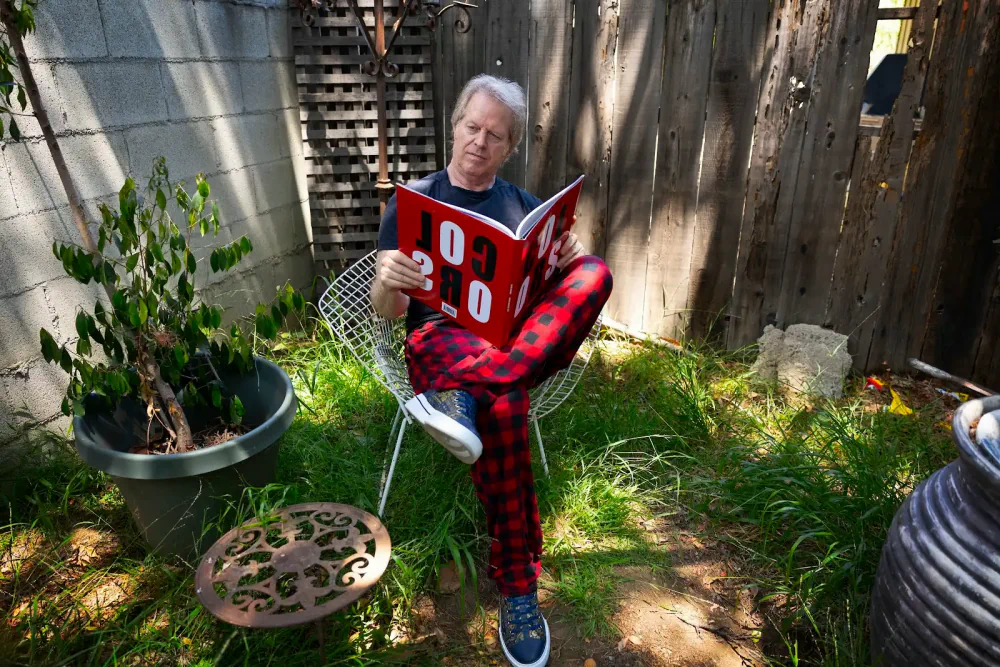
You work across filmmaking and photography. How do these two languages influence each other in your practice?
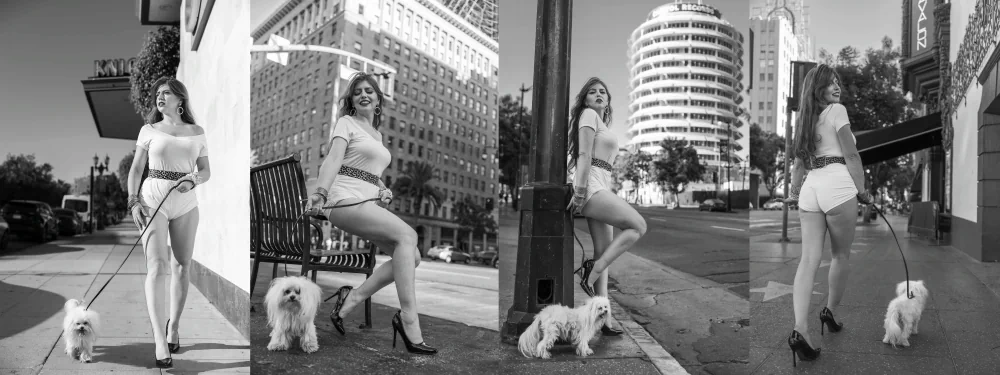
The influence of filmmaking on my photography is that it teaches me how to incorporate storytelling into a single image. The influence of photography on my filmmaking is that it shows me how to whittle down the meaning of a scene into one succinct key image that tells the story. Of course, there’s action and dialogue in filmmaking that reveal the story, but what photography has taught me is how best to get an idea across visually in the most concise manner. A scene may be long with many images, but there’s always just one or two key images within the larger scene that tell the story. If you took that frame and showed it to somebody, they would get at least the gist of it. Photography has taught me to identify those key images in films. It’s really what excites me about photography: latching on to some kind of concept or theme and developing a character that the actor or model will play and bring to life.
Your films are described as visual, comedic, and satirical. What draws you to that tone?
Life is absurd. It’s ridiculous. What is it? Don’t ask me, I don’t know. There’s humor everywhere, even in tragedy. You won’t see it at the time, but it’s there. I’m drawn to themes that use humor, satire, and dark comedy because humor doesn’t lie. For me, it’s the best way I know to expose the truth. It’s my gauge to tell me if what I’m doing is true or if I’m lying to myself. I can’t run from humor. It doesn’t let me hide from my true self. If there’s an element of humor, I know it must be true. If there’s no humor, then it’s a lie, because things are only funny if they’re true.
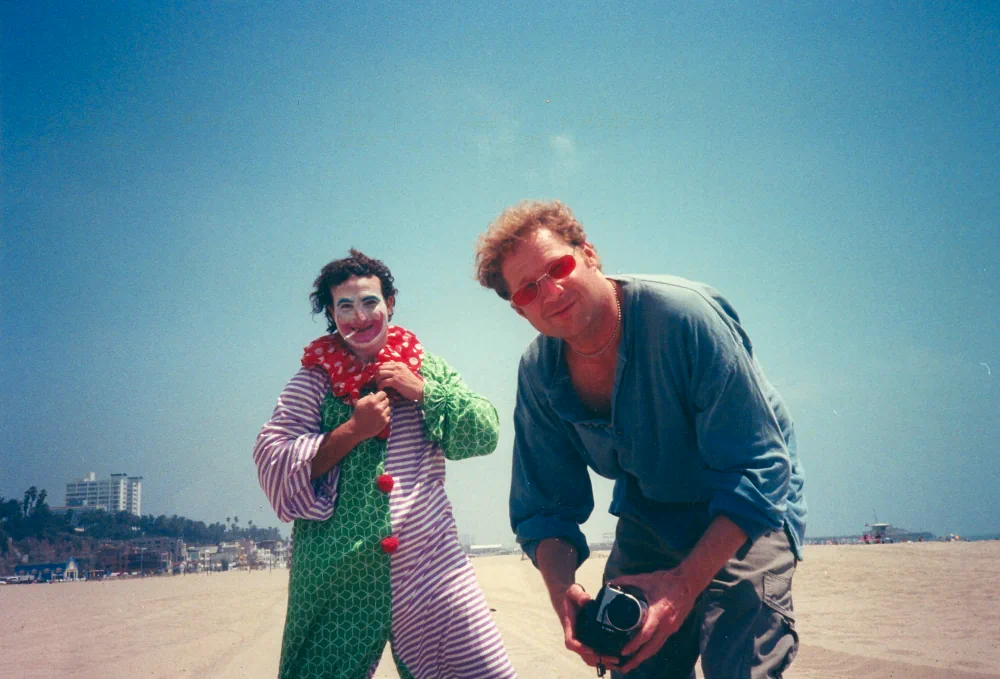
You mention influences like the Coen Brothers, Yorgos Lanthimos or Pedro Almodóvar. What have you taken from them, and what have you rejected?
I love those directors because they see humor the same way I do. It makes me know that I’m not alone. Another one is Federico Fellini, who is my favorite director of all time. But it’s not just humor. Their films show life: the good, the bad, and the ugly. Their films expose humanity. Even the most phantasmagorical and bizarre scene in a Fellini movie is still grounded in real life. It’s grounded in truth. It may not be your truth, but it is Fellini’s truth. Or the Coen brothers’ truth. Or Yorgos Lanthimos’ truth. That’s what I take away from them: not being afraid to reveal myself. To expose my truth. If I do, someone will identify with it. Even if you can’t imagine anyone else in the world thinking or feeling the same way as you do, if it’s true for you, it’ll be true for someone else. There will be another human being it connects with. So put it in your work.
How do you approach character when working in film versus still photography?
I really approach developing character the same way in film or still photography. After coming up with a theme or concept, I figure out what the character wants, what the obstacle is, what the backstory is, and what the consequences are if the character doesn’t get what they want. I work on this for myself so I have something to work with while I’m shooting and know where I’m going. Without this framework, I’m just trying to shoot pretty pictures. I give the basics of the story and the character to the actor or model and let them make their own choices. Most of this character work isn’t directly seen in the final images, but the choices drive the whole shoot. They’re there if we’ve done the work and committed to it.
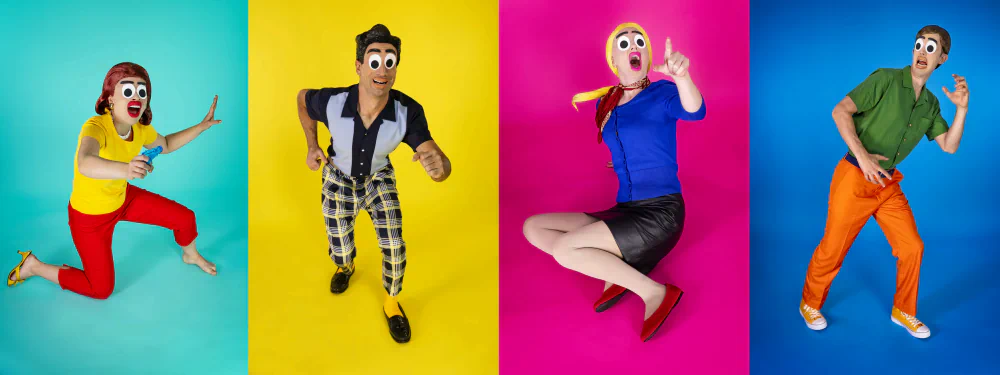
Your work has moved between independent film, commercial projects, and art photography. How do you navigate these different contexts?
With film or art photography, moving between them is easy since I’m trying to express something I feel. Most of the time I don’t start a project unless I have a firm grasp on what I want to express, although that’s not always the case. Sometimes I go into something with no idea what it’s about and discover it as I go. That’s exciting and a little scary. Commercial work is different. The key is understanding who the viewer is. You have to understand the brand’s audience, what they want, and what they’re expecting. All creative elements have to align with the brand and what it’s trying to accomplish. Sometimes that differs from what I want to accomplish. In those situations, you have to put your ego aside and trust that they know their audience better than you do.
In commercial work, you often lead projects from concept to completion. How important is control in your creative process?
If it’s a personal project, control isn’t really an issue because I’m involved in the whole process. But I always take input from everyone. I don’t have a monopoly on ideas. If someone on the crew has a good idea, I’ll use it. In commercial work, you have to accept that it’s not about you. It’s about what the client wants. Stand firm for what you think is best, communicate your vision clearly, and then do what the client wants.
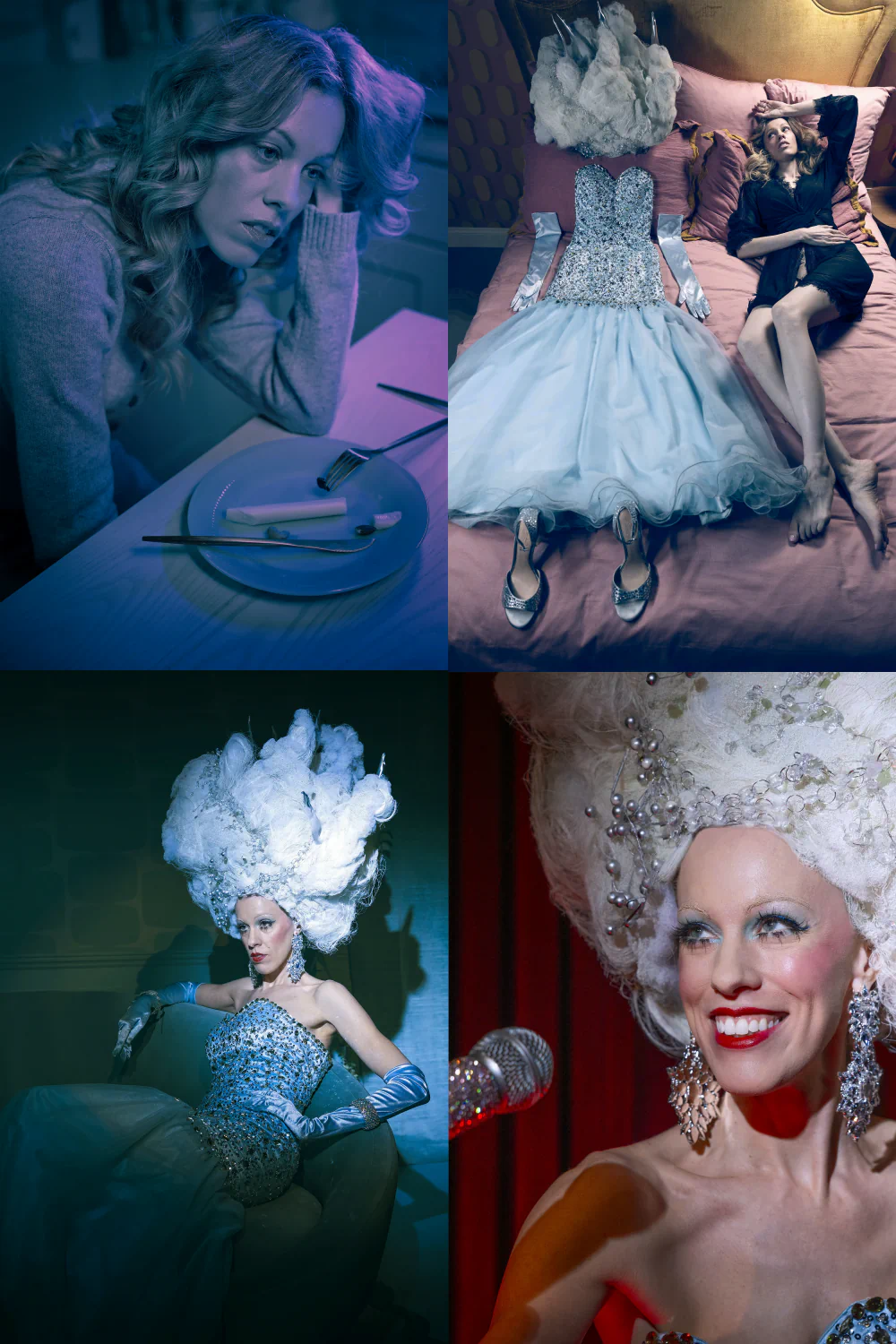
Your photography has been widely exhibited internationally. What role does the gallery space play in how your images are read?
How my work is displayed in a gallery is largely out of my control, so I don’t worry about it. One thing I’ve learned after seeing my work exhibited is to make the biggest print and frame the gallery will allow. Some photographs demand a larger scale. Others don’t. There have been exhibitions where I looked at my work and wished I had printed it larger. Of course, larger prints cost more and shipping becomes expensive, so it’s always a trade-off.
Do you think your still photography is an extension of your filmmaking, or a separate space altogether?
Still photography, for me, is an extension of filmmaking. I think of them in the same way and approach them similarly. With both, I’m trying to express something. They’re simply different avenues for doing so. If I were to use an analogy, filmmaking is like a novel, while a still image is like a poem. Both tell stories. A novel can explore more details and take more time. A poem must be concise and direct.
Satire often requires a precise balance. How do you avoid falling into cliché or overstatement?
The trick to avoiding cliché is to keep the character grounded in reality and truth. You do that by being very specific about the character, their background, the circumstances, and the world they inhabit. Characters feel cliché when they seem assembled from a collection of familiar tropes. Satire and dark comedy should walk the line between pain, truth, and humor, exposing the ridiculousness of life.
How do you see the relationship between narrative and image today, in a context saturated with visual content?
The world is saturated with visual content. One could scroll until the end of time and never reach the end of all the beautiful images that exist. So how does one stand out? I see narrative as the only way. Tell a story that means something to you. If your project doesn’t mean something personally, why are you making it? If you reveal your truth, whatever that truth may be, someone will connect with it. If your project is so specific that only you could have made it, then it will stand out. People remember emotions and how they felt. They don’t remember factual details. Tell a story that’s unique to you, and your imagery will create a feeling that stands out from purely beautiful pictures.
What role do editorial and curatorial platforms play in shaping a photographer or filmmaker’s trajectory?
Editorial and curatorial platforms play a huge role in shaping a photographer’s or filmmaker’s trajectory, but one should not try to follow trends or create work solely based on what they think will sell. That almost always results in hackneyed work. Find editorial and curatorial platforms that understand your work. These are the places where it can live, breathe, and find its audience. Don’t make social media your primary focus.
What is your view on platforms like Dodho Magazine within the current landscape?
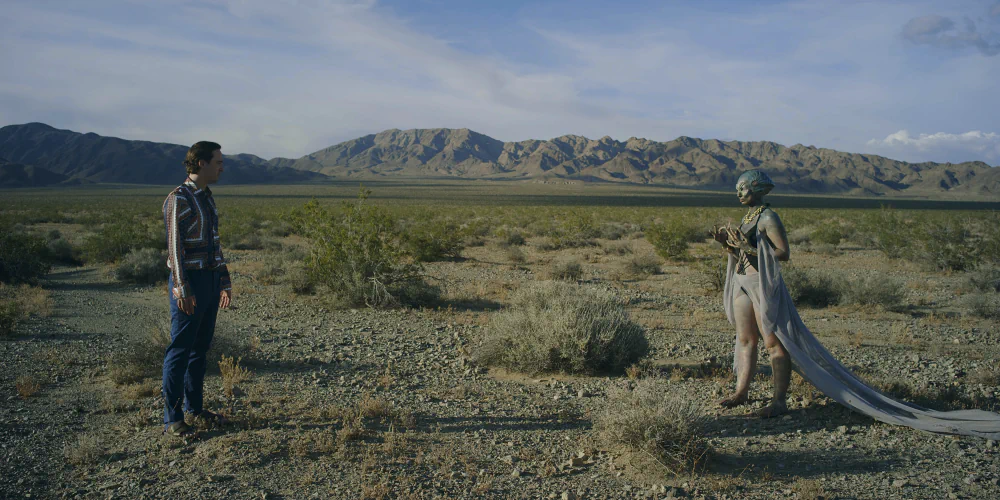
Platforms like Dodho Magazine are very helpful in my photography pursuits. They help me reach an audience I wouldn’t otherwise reach and provide outside recognition. When I talk to models, actors, crew members, and other creatives about working together, that recognition helps demonstrate that collaborating with me may not be a waste of their time.
After working across so many formats, what still challenges you creatively?
The most challenging part of creating a film or an art photography project is coming up with a unique idea or premise. Ideas themselves are easy. The key is finding an idea that means something to you. Once I have a theme or concept, everything else tends to fall into place. If the concept is unclear, the result will be undistinguished.
What advice would you give to artists trying to move between disciplines like film and photography?
My advice to anyone moving between film and photography is not to listen too much to advice and instead do what feels right for you and your work. Take an interest in as many subjects as possible. Think about what moves you and act on those feelings. Most importantly, create work that means something to you. Don’t be afraid to put yourself in your work and expose your own truths.
Looking ahead, what interests you most right now in your work?
People learn life as they go. You’re not the same person you were twenty-five years ago, and you’re not the same person you were one minute ago. As I get older, there’s less that interferes with my feelings, and I’m freer to express them. It’s exciting to apply these new ways of seeing the world to my work.
Thank you, Greg, for sharing your time and your perspective. It has been a pleasure to explore the connections between your work in film and photography. We look forward to seeing where your practice evolves next.