The Liquid Canvas and the Gesture of Light
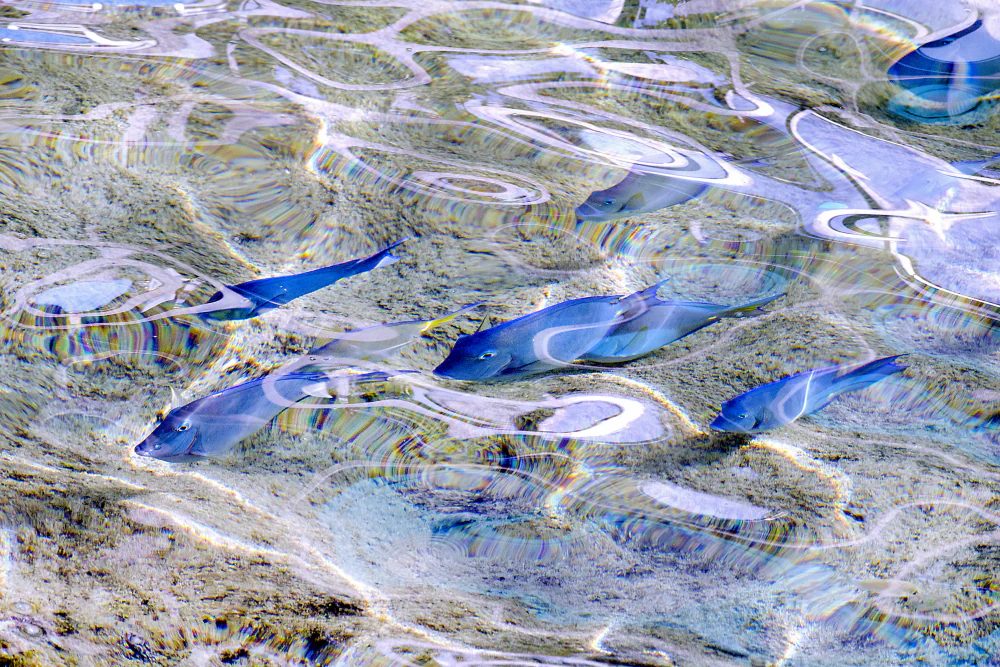
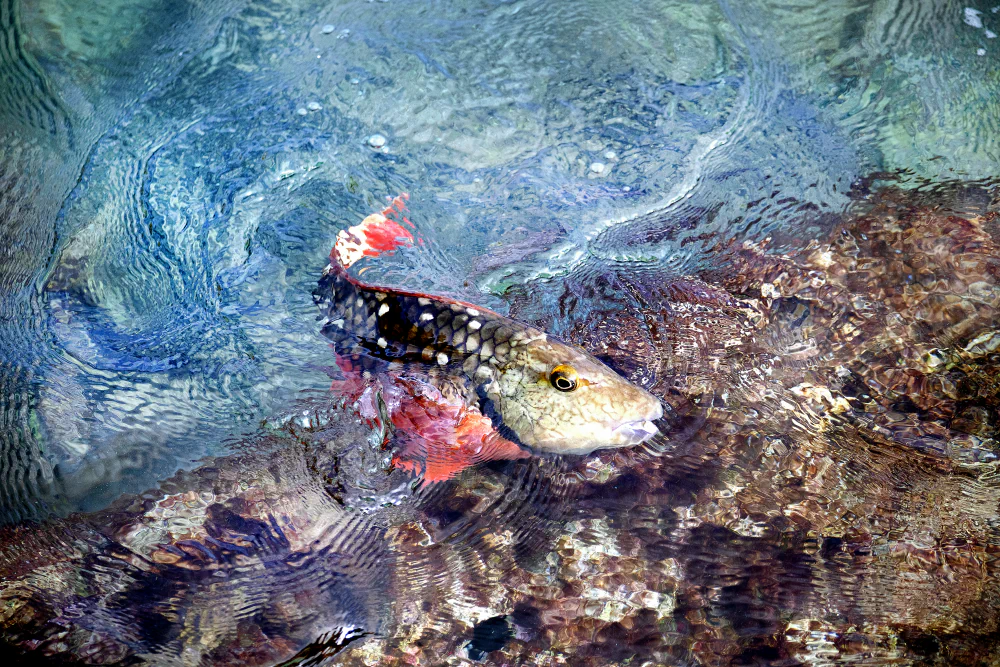
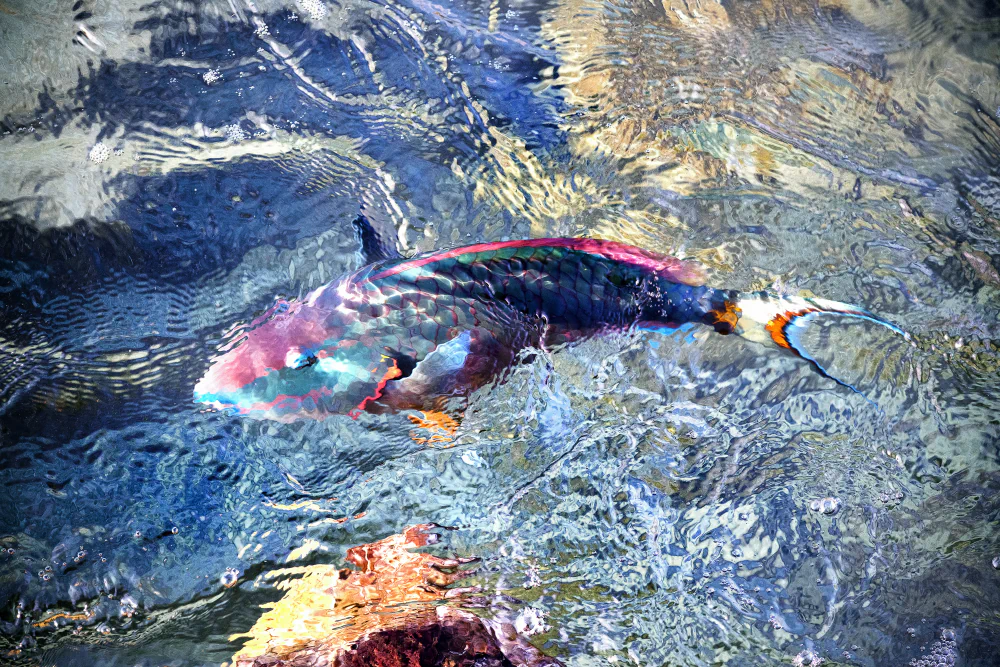
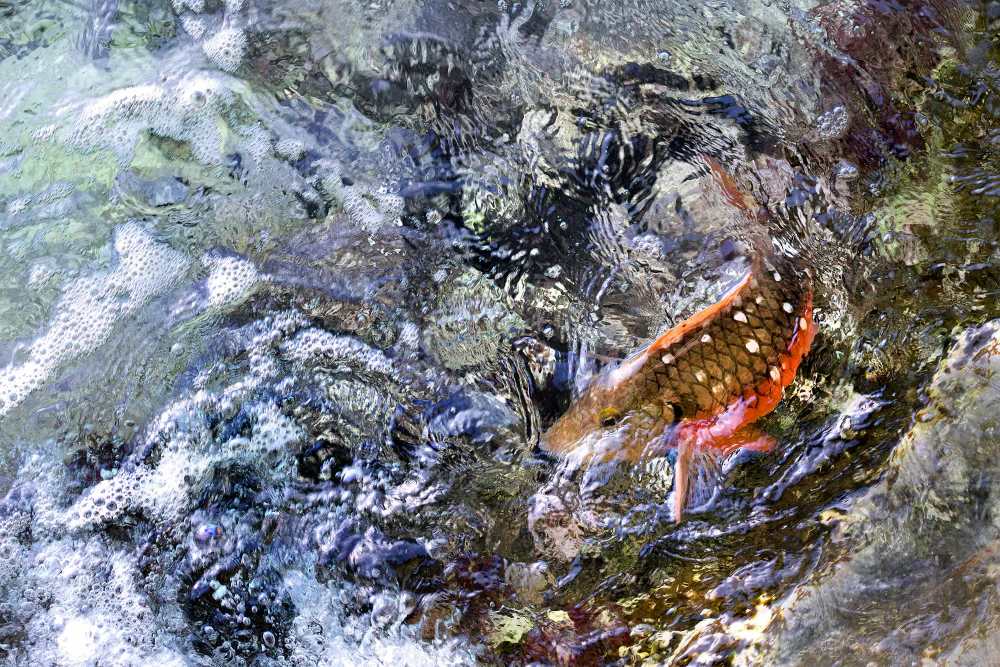
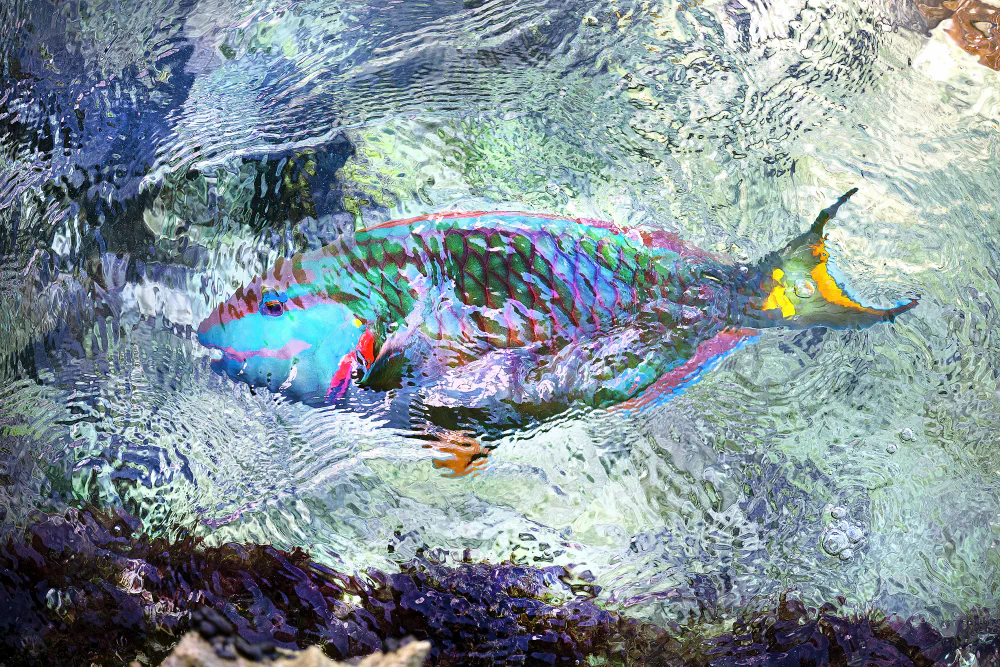
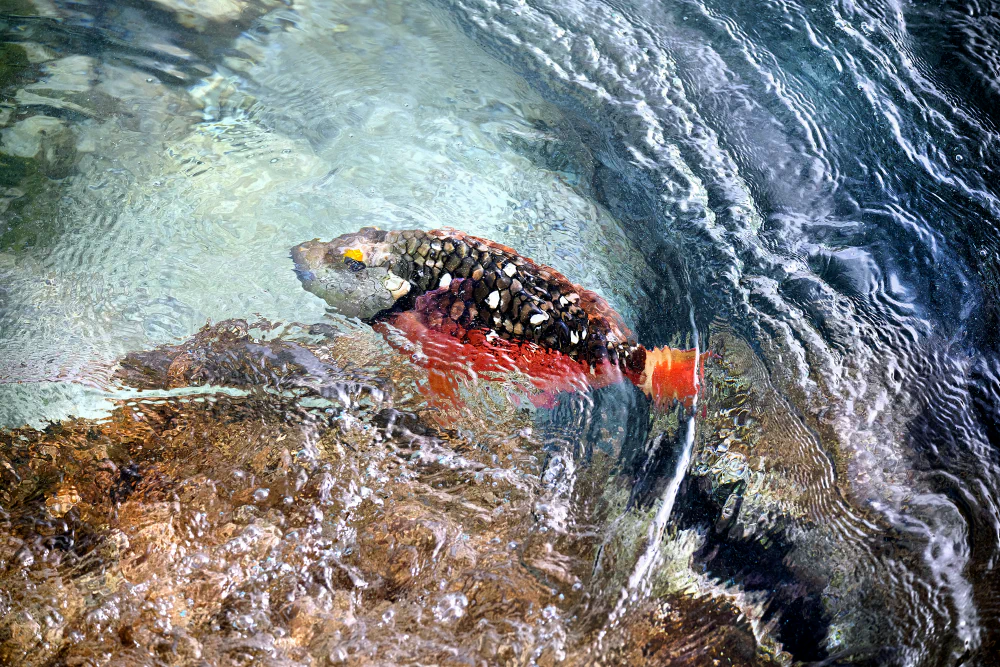
In contemporary photography, the surface is often treated as a passive container of reality. In Drawing Fish, however, the liquid medium operates as an active, fluctuating canvas—a dynamic force that refracts, bends, and transforms light. Over two decades of visual practice have led my work away from literal documentation and toward the investigation of the “multiplied essence”: that invisible thread connecting the physical world with its abstract energy.
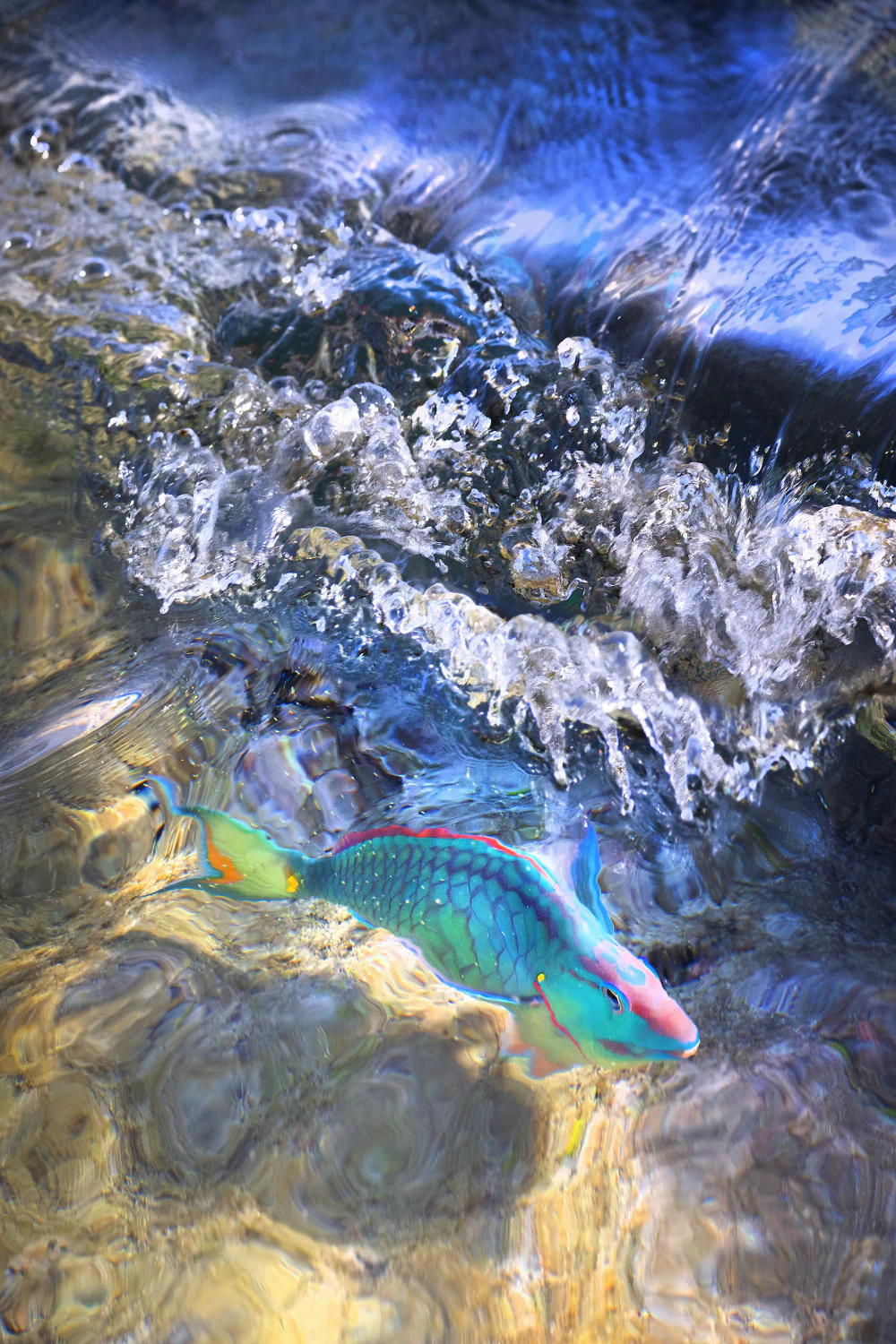
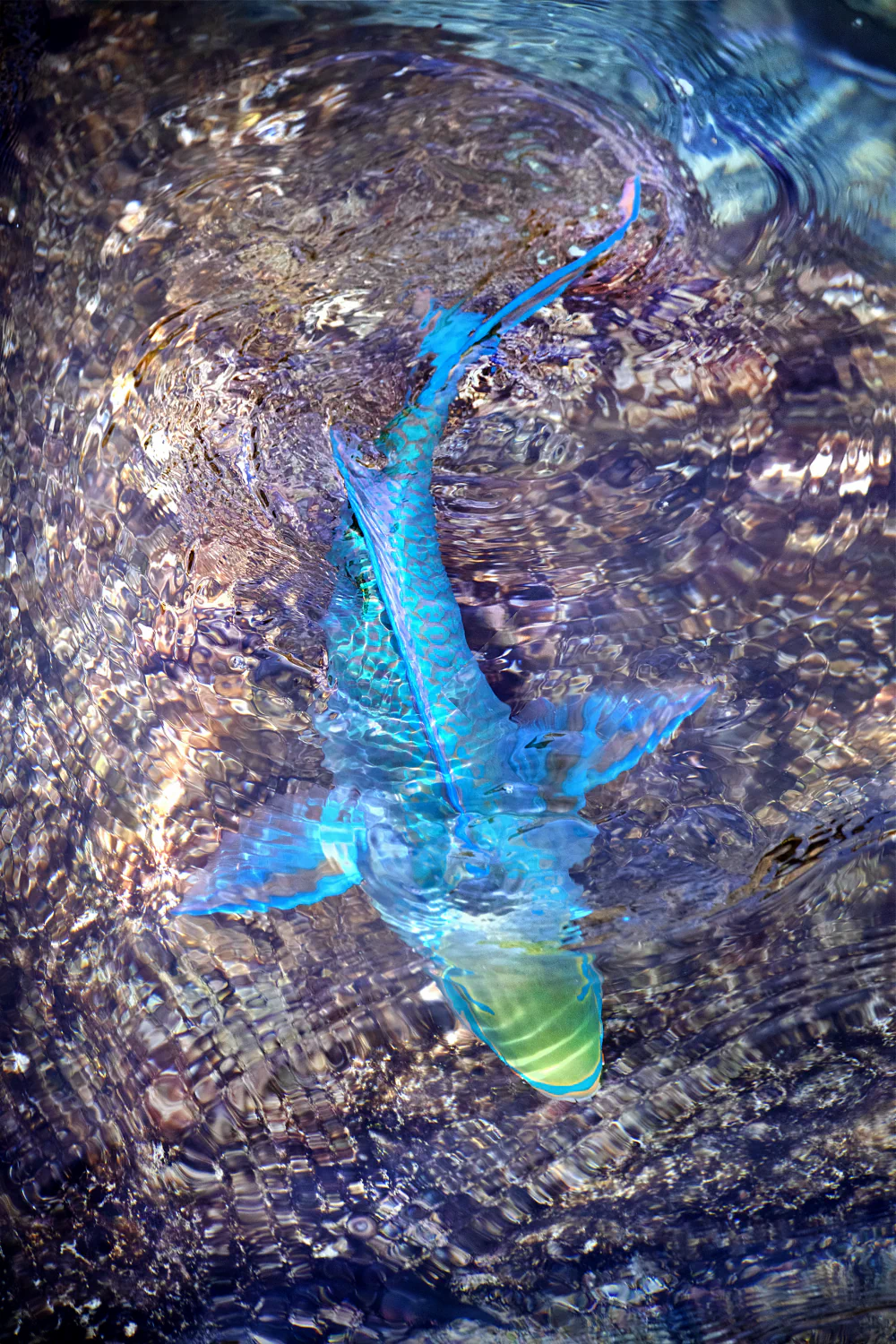
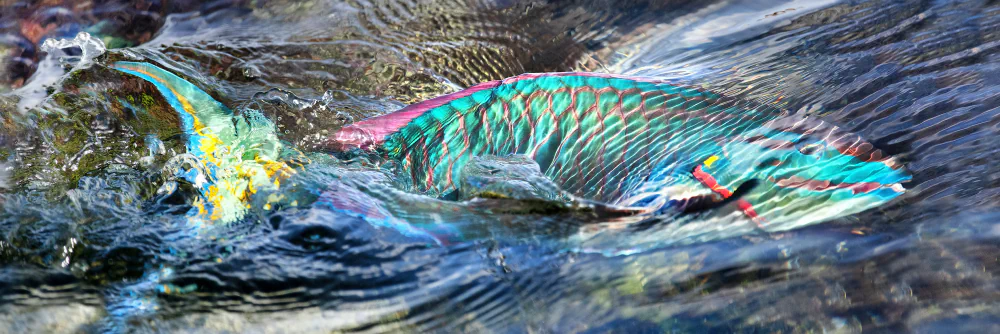
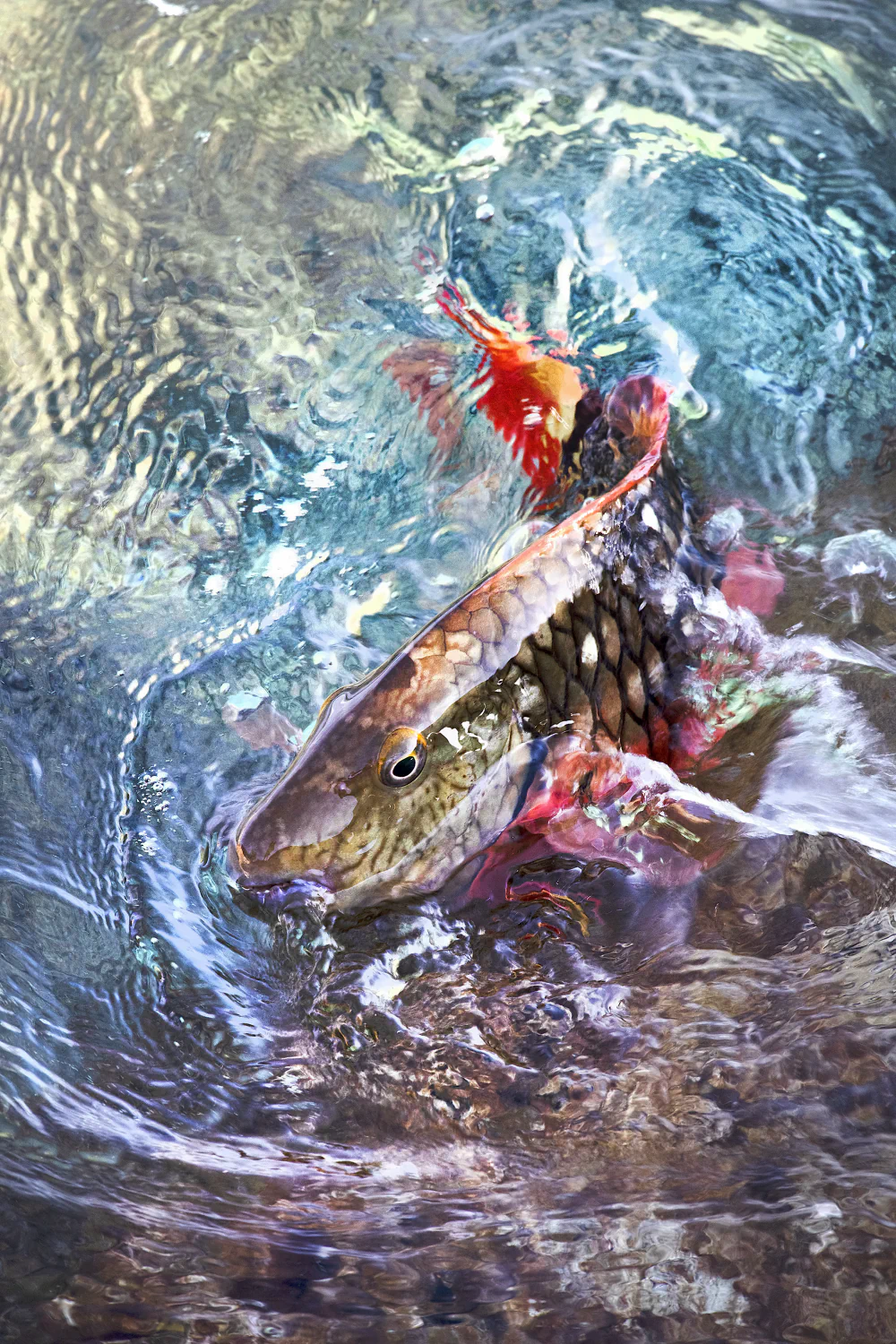
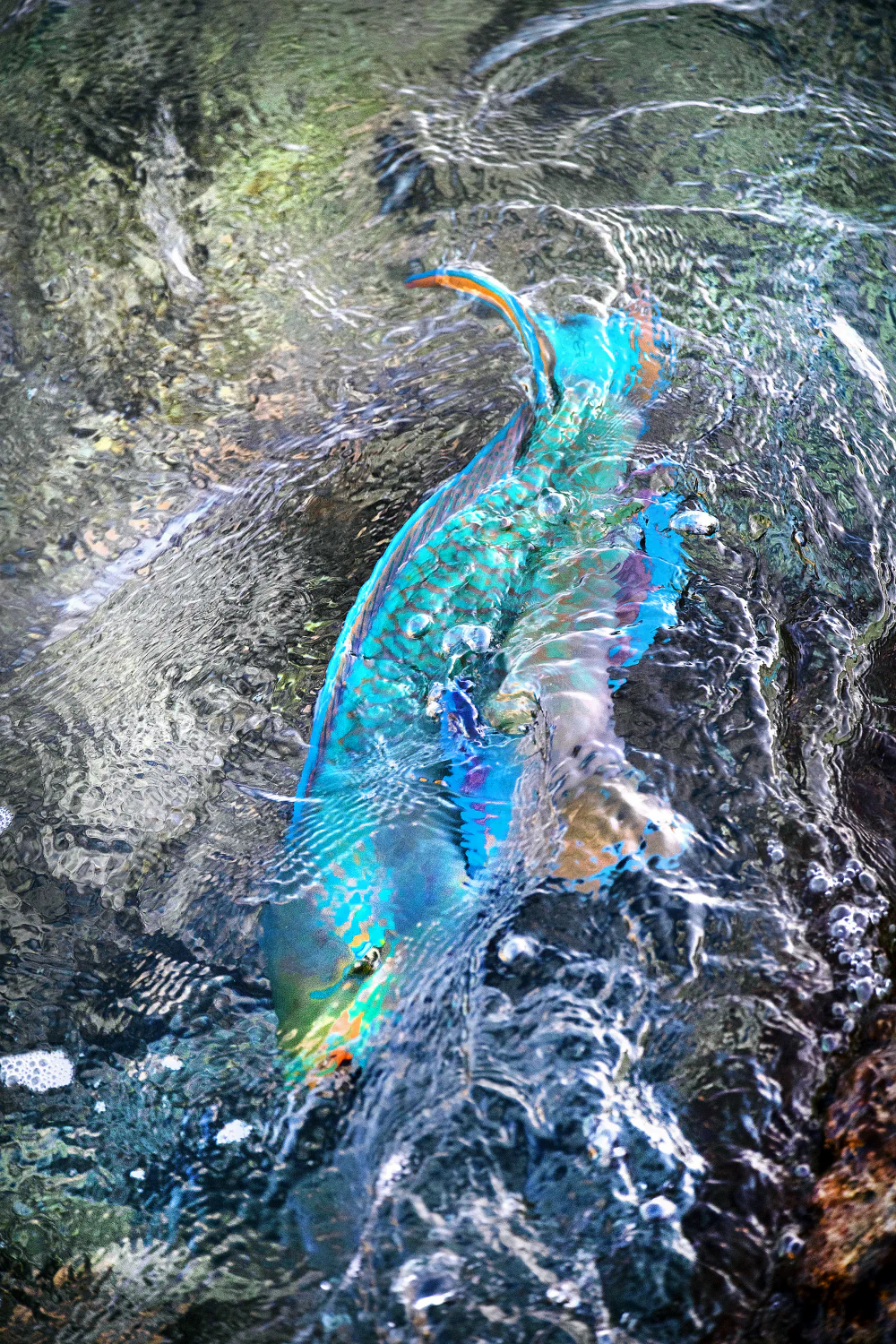
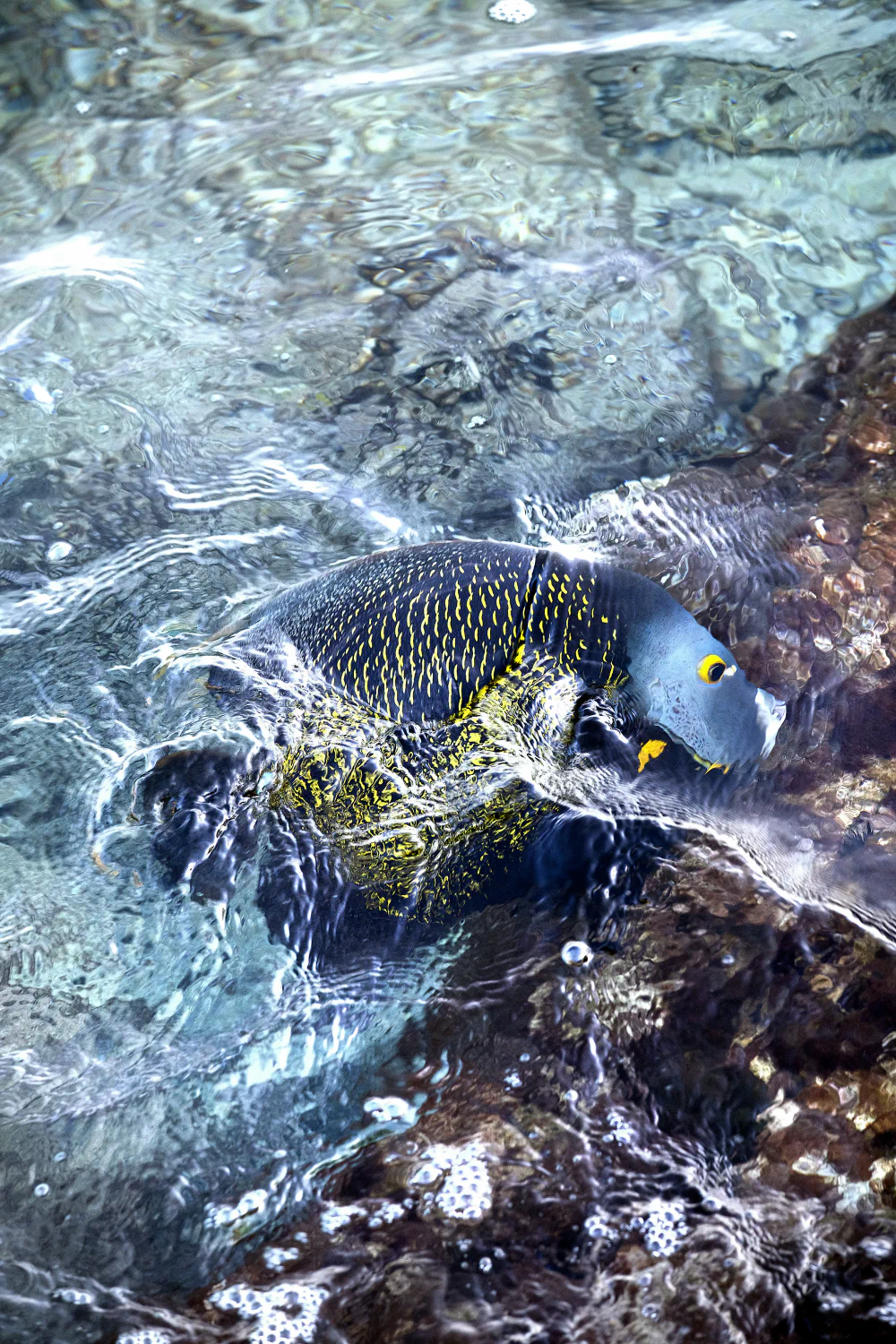
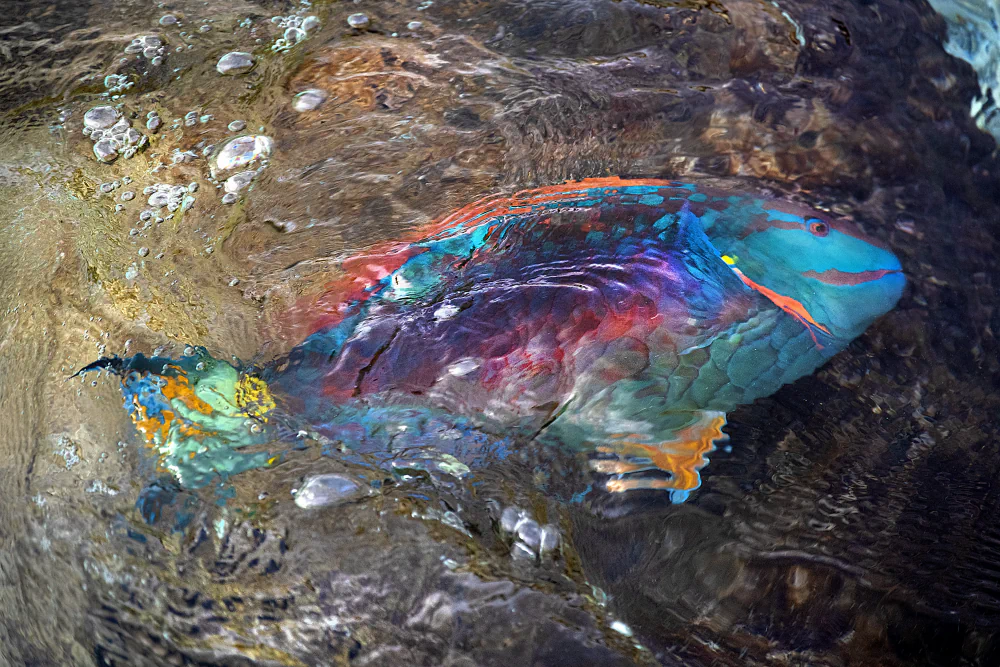
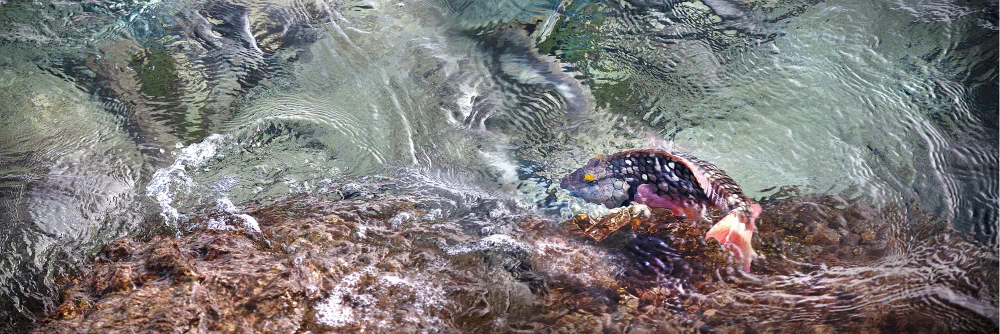
Water becomes a living pigment. It is not merely the habitat of marine life, but a dense optical lens that continuously redraws the contours of what lies beneath. By capturing the precise instant when surface tension intersects with movement, the photograph ceases to record an event and begins to register a stroke. The resulting compositions do not depict a subject; they reveal the energetic footprint left by living matter as it moves through space.
The Camera as a Calligraphic Instrument
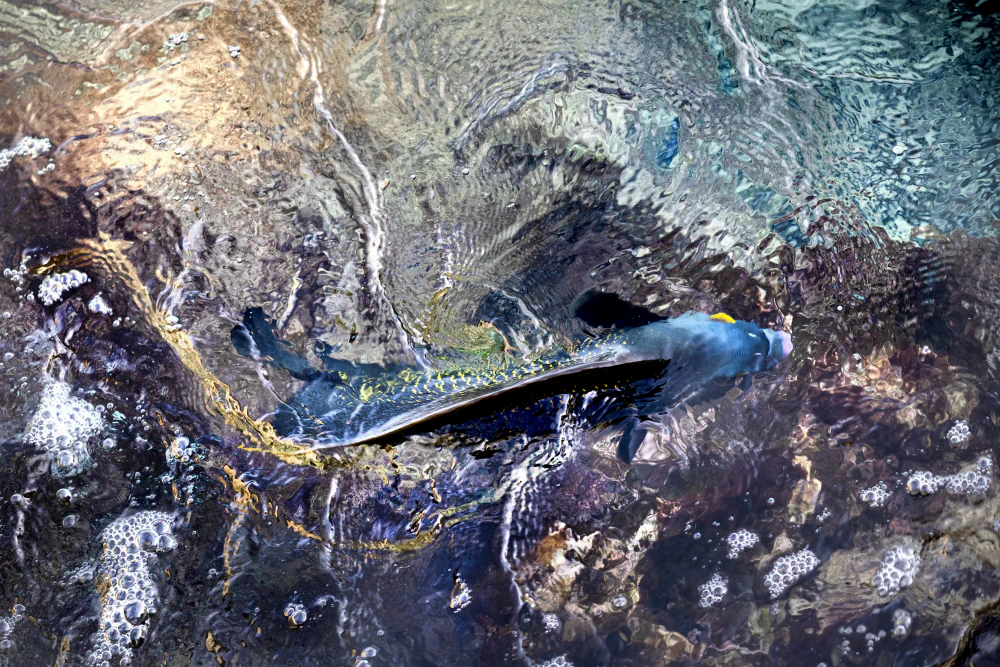
Historically, the camera has been understood as a recording device, an instrument bound to optics and mechanical fidelity. Drawing Fish challenges this boundary by repurposing the camera as a tool for gestural drawing and calligraphic mark-making. Rather than freezing time in a conventional sense, the shutter is calibrated to synthesize velocity, refraction, and anatomy into a single fluid stroke.
This approach draws a direct conceptual parallel with Eastern calligraphy and action painting. Just as a master calligrapher executes an unrepeatable mark on rice paper through a single, continuous movement of the wrist, marine life traces ephemeral paths across the water’s surface. The lens does not impose form; it surrenders to the spontaneous geometry of nature. Each line, curve, and burst of light represents a singular, irreproducible moment of natural draftsmanship.
From Marine Biology to Pure Abstraction
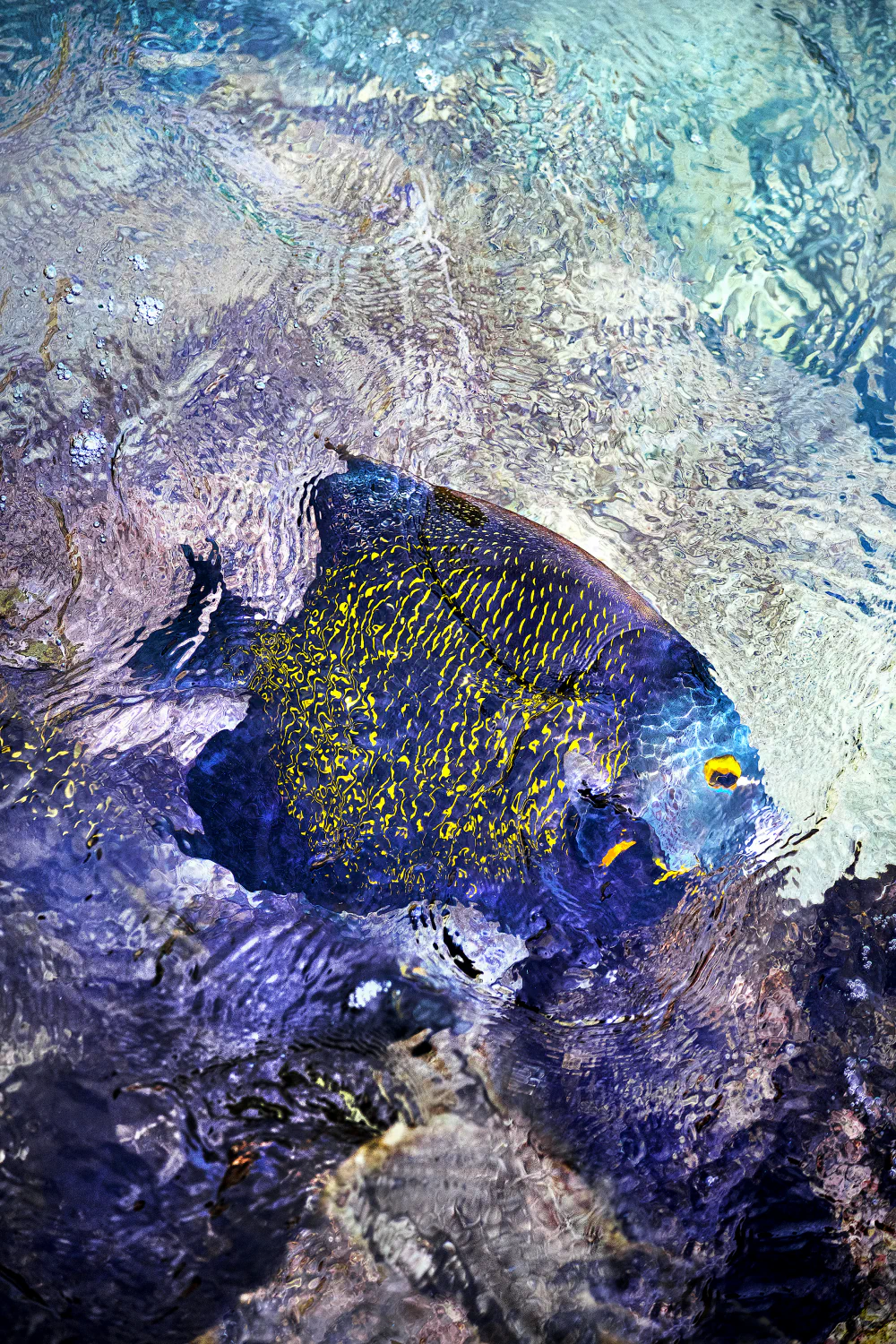
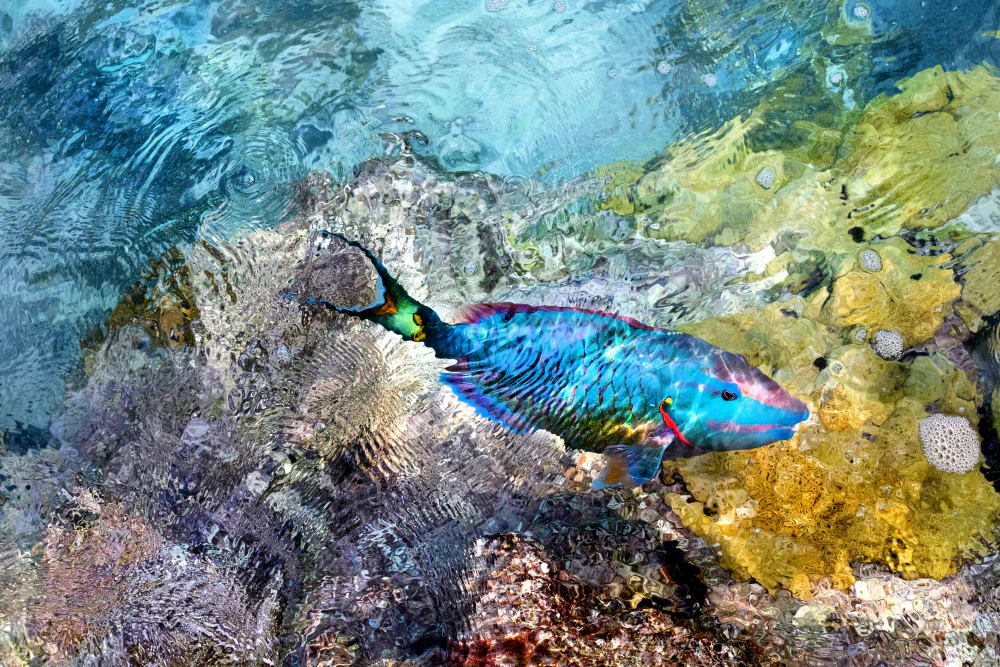
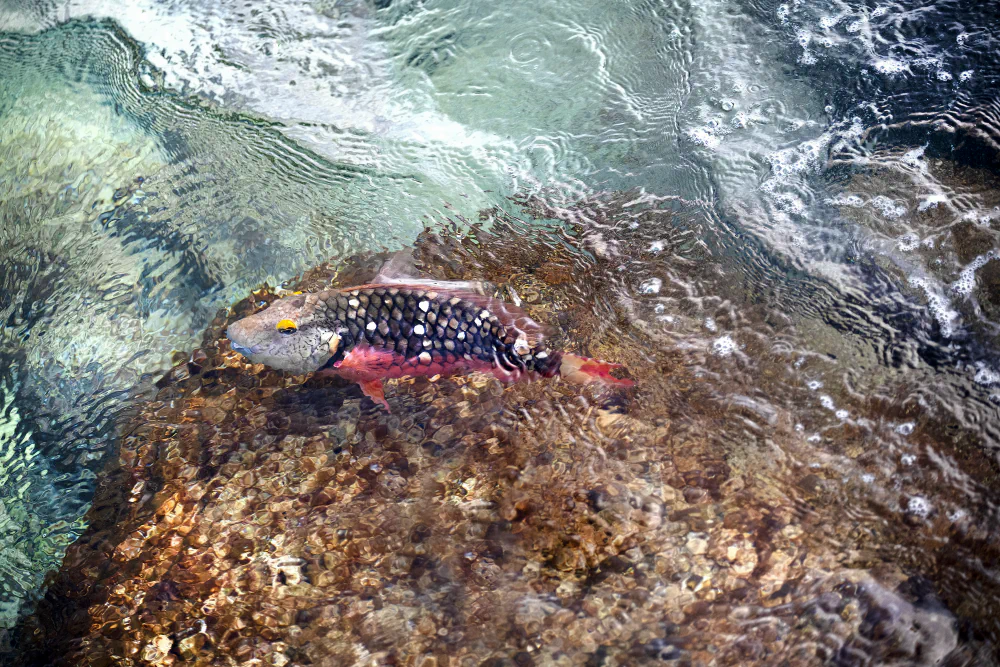
The transition from natural history to fine art abstraction requires stripping away the literal depiction of the species. While the origin of these marks lies in the biology of the Caribbean underwater ecosystem, the final image transcends ecological documentation. Scales, fins, and aquatic flora dissolve into rhythm, texture, and pure chromatic vibration.
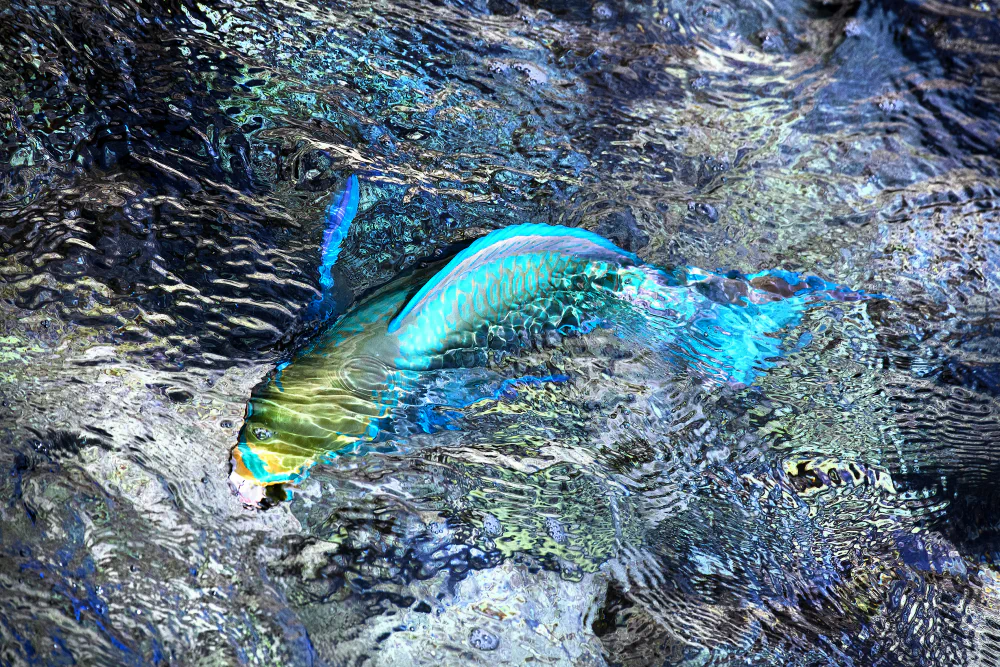
The series explores a spectrum of visual moods, from intense, high-voltage blues and greens (Drawing with High Voltage) to warm, luminous reflections where light fractures into gold (Colors on Gold). The organic forms do not exist as isolated entities; they are seamlessly integrated into the movement of the tide. This dissolution of the subject invites the viewer to abandon taxonomic recognition and engage in a purely aesthetic, contemplative experience.
The Spatial Object: Acrylic Encapsulation and Scale
A crucial dimension of Drawing Fish lies in its physical materiality and relationship with space. The artwork is conceived not merely as a flat photographic print, but as a three-dimensional, luminous object. Through museum-grade face-mounted acrylic mounted on an invisible aluminum frame, the image acquires a tactile depth that mirrors the optical properties of water itself.
When produced as a large-scale installation (up to 2.00 × 2.50 meters), the work directly engages with architectural space. The acrylic surface interacts with the ambient light of the room, creating shifting reflections that change as the viewer moves around the piece. The photograph is thus transformed into a spatial sculpture—an immersive window that bridges the boundary between interior architecture and the wild, unrepeatable calligraphies of the ocean.
About Federico Cabello
Federico Cabello (Caracas, Venezuela) is a visual artist and fine art photographer with more than two decades of experience dedicated to the exploration of light, form, and, above all, beauty in all its manifestations. His career is distinguished by an extensive publishing record that includes nine monographic books, establishing him as a significant figure in the documentation and artistic interpretation of the natural world.
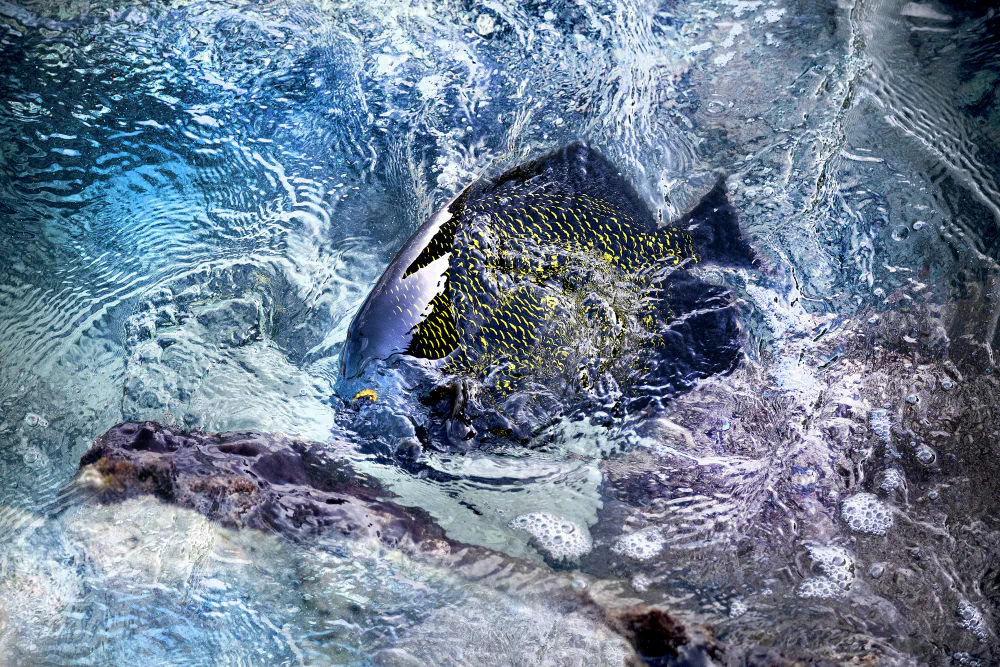
In his current practice, Cabello has evolved from documentary photography toward a profound artistic exploration structured around several major series. The Multiplied Essence examines architecture, art, sculpture, and nature through the fusion of two photographs, creating images that amplify the essence of the subject. Through the Glass captures unexpected visual relationships created by overlapping planes, while The Power and Beauty of Motion explores kinetic energy through abstract representations of movement. In Drawing Fish, light and motion are transformed into elegant, calligraphic compositions across the surface of the water.
Federico Cabello’s artworks are distinguished by their strong physical presence and sculptural quality. They are frequently presented as museum-grade face-mounted acrylic prints on invisible aluminum frames, enhancing both their visual impact and material refinement. Represented in more than 300 private collections worldwide, his work engages in dialogue with contemporary architectural spaces while combining the technical rigor of limited editions (1/7 + 2 AP) with a timeless artistic vision. [Official Website]