

My origins lie in the South of Italy, in Basilicata, where the pace of time is slower.
Basilicata has been forgotten and abandoned by the rest of the Italians for a long, long time. A region that suddenly took a leap in fame because oil deposits were discovered in Sauro’s Valley and because Matera and its “Sassi” entered (unfortunately) in the mass tourism circuit.
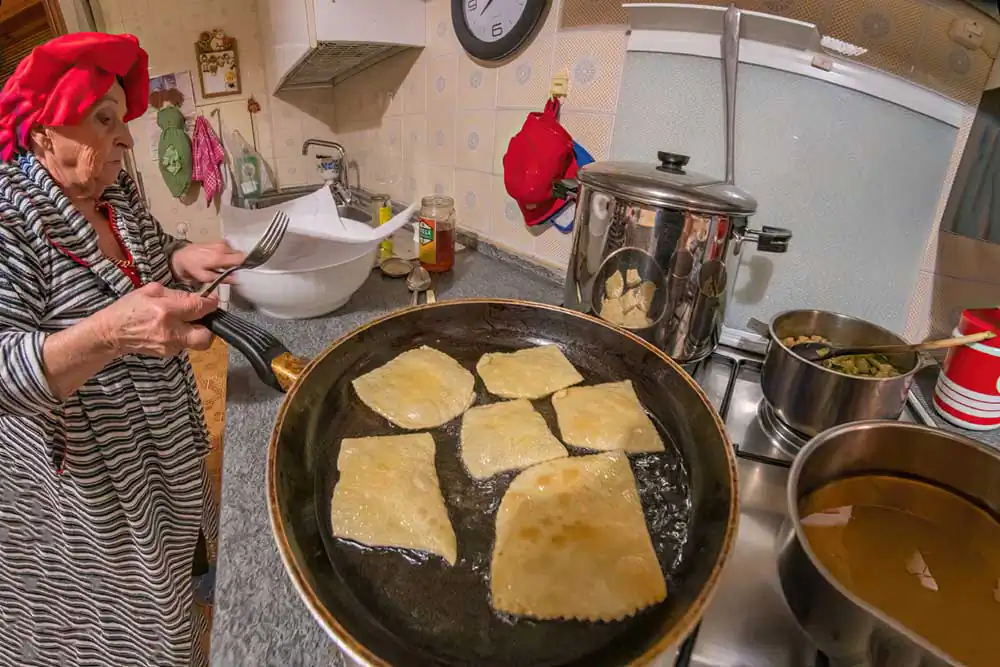
“I Lucani” (Basilicata inhabitants) are rocky and hard like its land that, if you know how to work it with the toil of your forehead, offers delicious fruits even if not abundant, which increases their value even more.
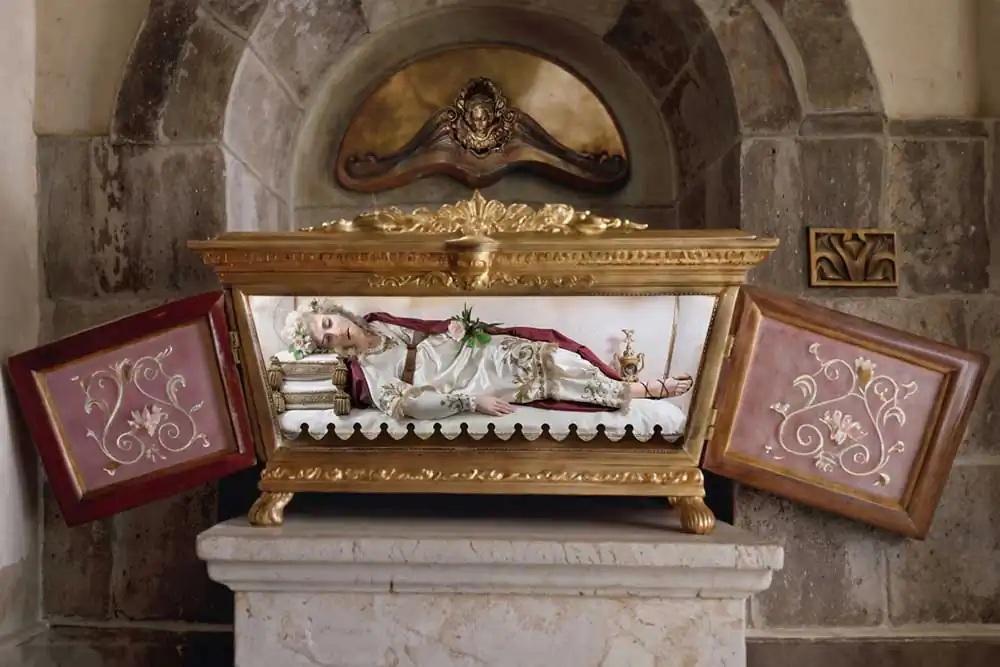
In this context, traditions, culture and ways of life slowly change at a pace that allows the prolonged coexistence of the new with the old, thus not generating a rift, but rather giving the opportunity to transfer part of the past into the future.
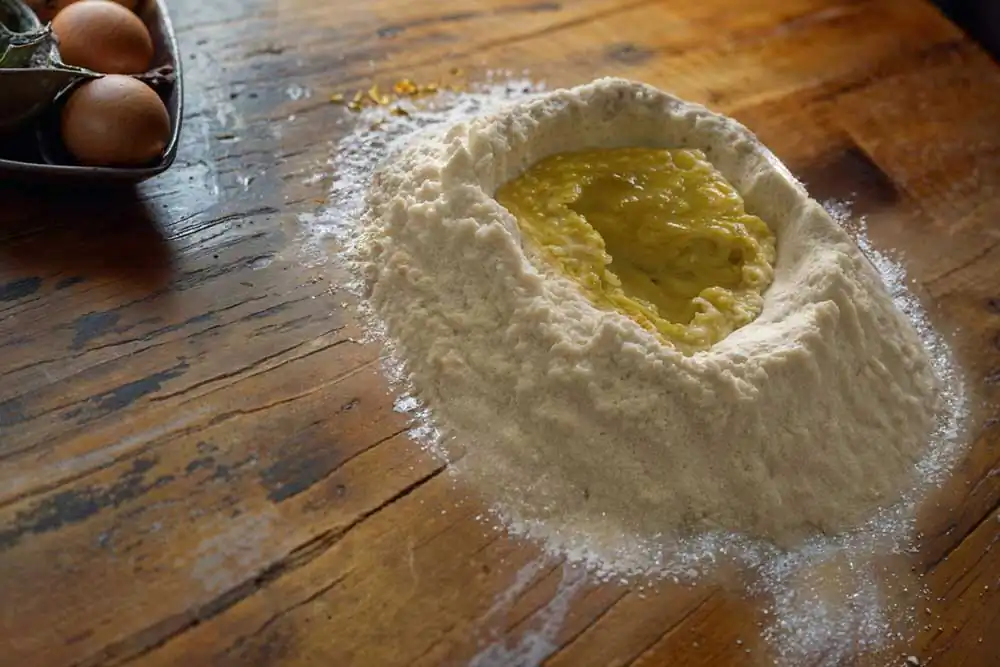
There, still lives a generation of women (in their 80s and 90s) who devoted their entire lives to the family, with a generosity and self-sacrifice that sometimes went so far as to cancel their individuality, but without ever complaining about it. These women were popularly called “casa e chiesa” (home and church), as if to highlight their total dedication to home and family and their spirit of sacrifice that they sanctified it, offering it to Jesus.
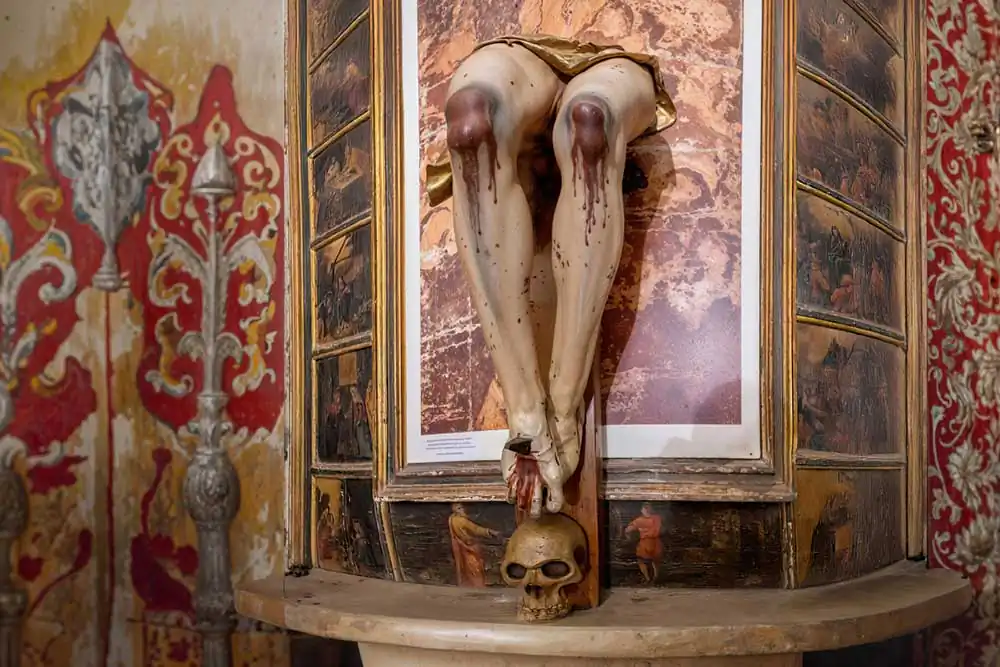
This generation which my mother also belongs to, has all my respect and love, and in this series I wanted to immortalize the spirit with which they lived, not so much through portraits, but through some daily gestures through which these women transform small things into great gifts for others and through their generosity, they themselves feel they have accomplished their task that made.
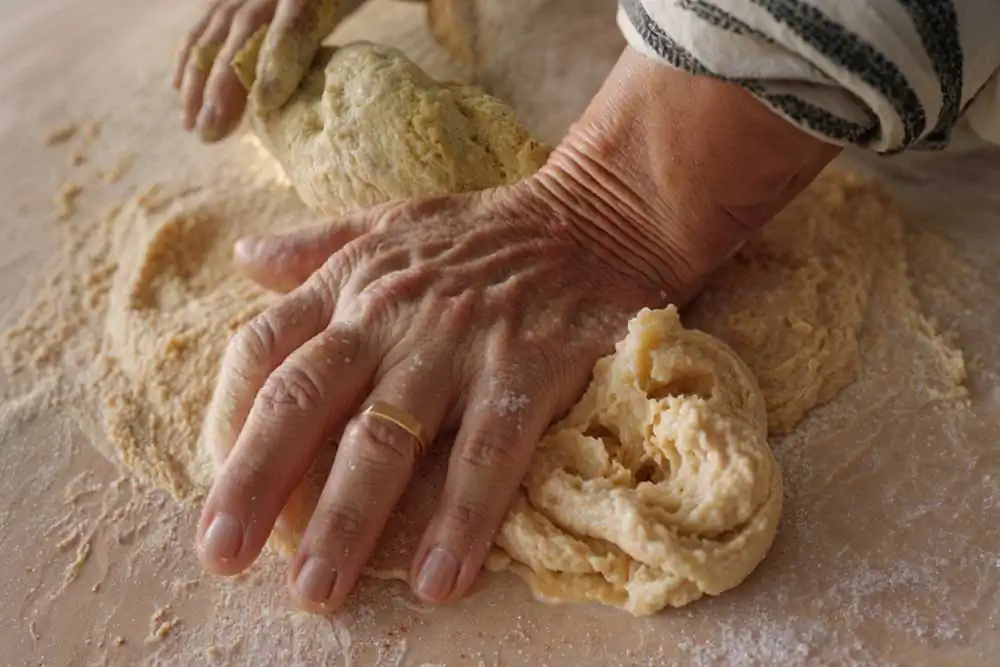
To the images of their gestures, I wanted to combine religious images; through this alternation of gestures and Christian iconography, I would like to reflect the need for faith of these women and their offering themselves to others and to Jesus as a gesture of love.
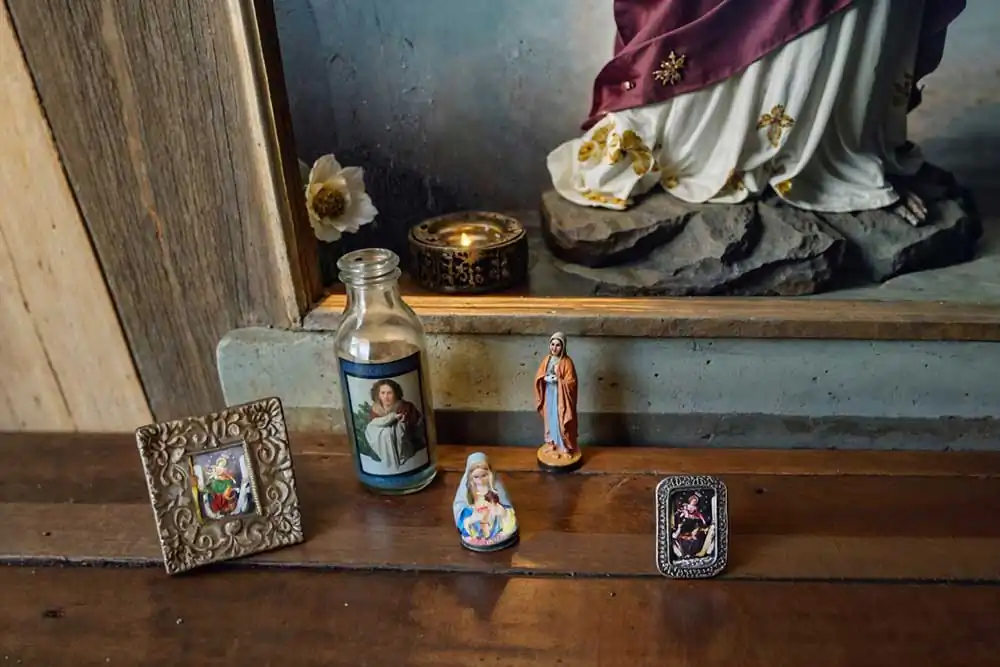
The Christian religion is shrinking in Europe because over time liturgies have prevailed over faith; the ecclesiastical fanaticism living in a certain type of Church, over love for others; priestly mediation over a personal relationship with a superior being. All this has diluted Christian values in vintage utopias, increasingly distancing living from feeling. Yet, when I return to Basilicata and get back in touch with these women “home and church”, I realize and deeply feel the serenity and inner peace that they possess and that they transmit to those who have the patience to listen to them.
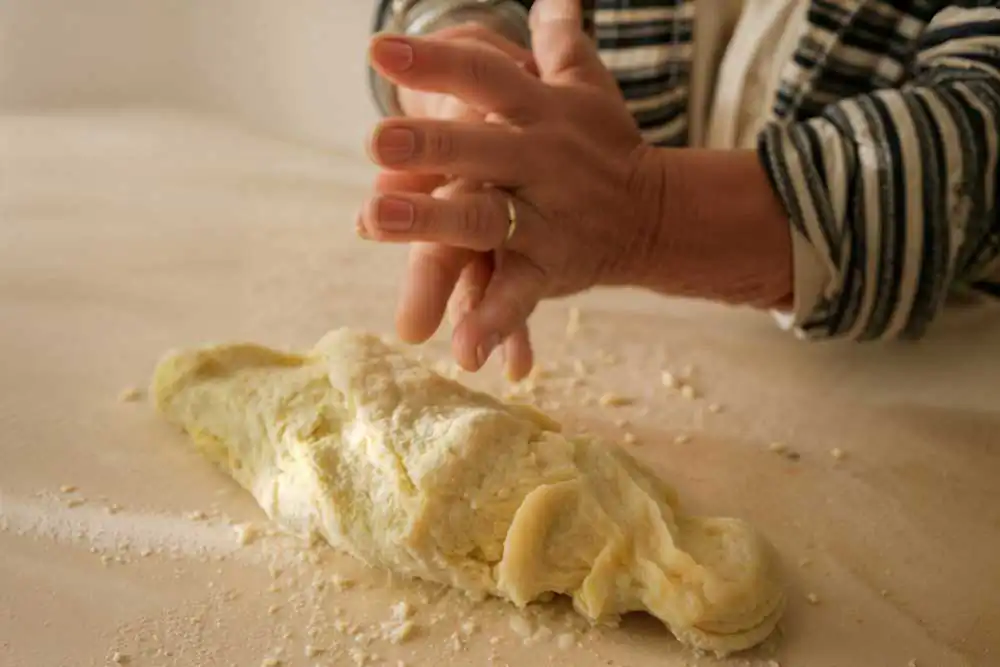
This is a facet of life today that is very marginal but is full of human depth; a subtle rhythm of daily life that is destined to disappear forever in a short time but that I hope leaves fragments of humanity to be incorporated into the life of today that will be our future.
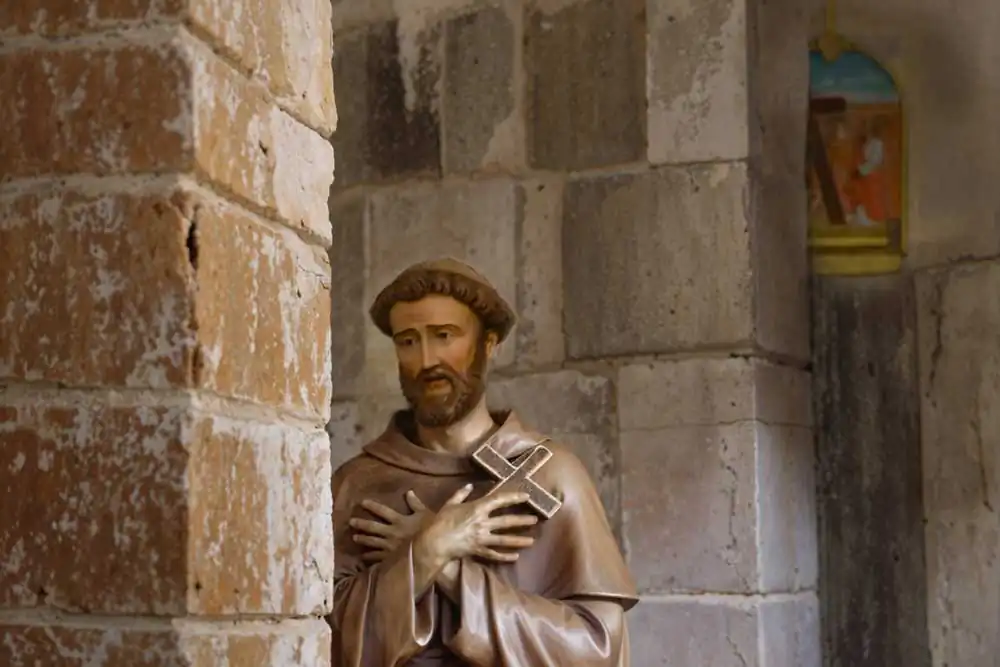
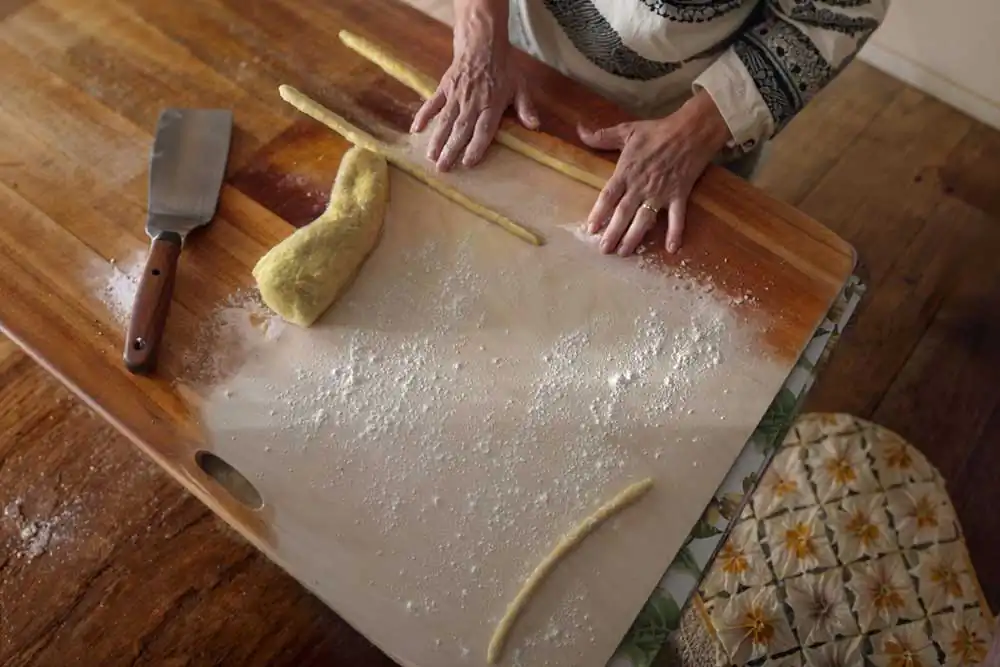
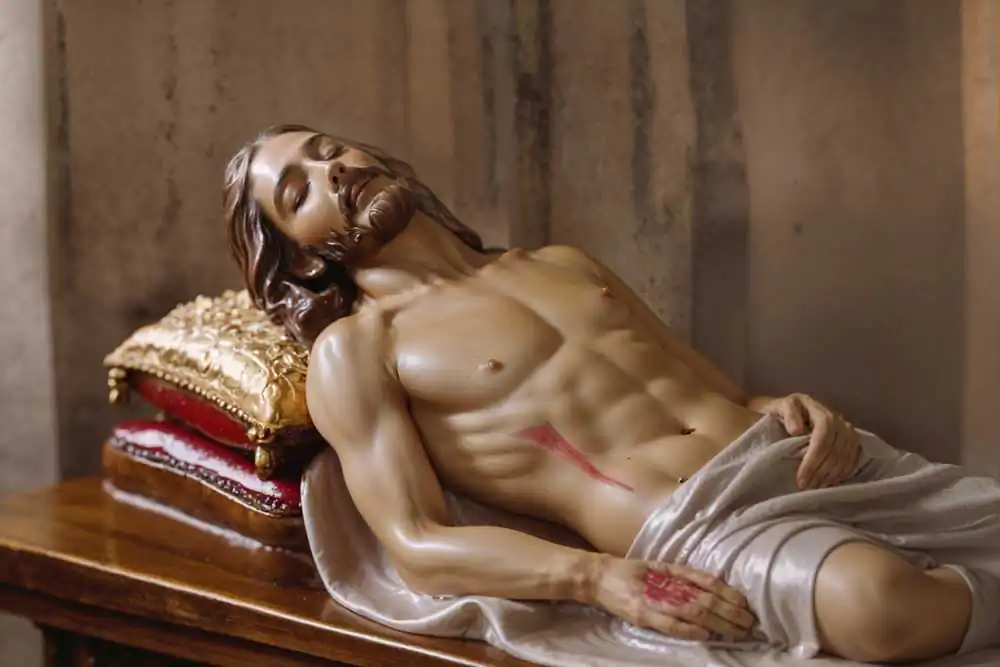

Giuseppe Satriani
Giuseppe Satriani is a conceptual photographer and visual artist based in Bilbao, working under the name Umbra Mentis. His practice combines photography and AI not to generate beautiful images, but to introduce into photographs what does not exist or cannot be photographed, recovering what images exclude: disorder, the impossible, and the deliberately suppressed. His work is held in public and private collections, including Tecnalia Foundation, Espacio RAW, Centro de Fotografía Isla de Tenerife and Médecins Sans Frontières in Madrid. He has exhibited in Spain and internationally, and received recognition from MUSE Awards, Fotonostrum and IGPOTY. [Website]