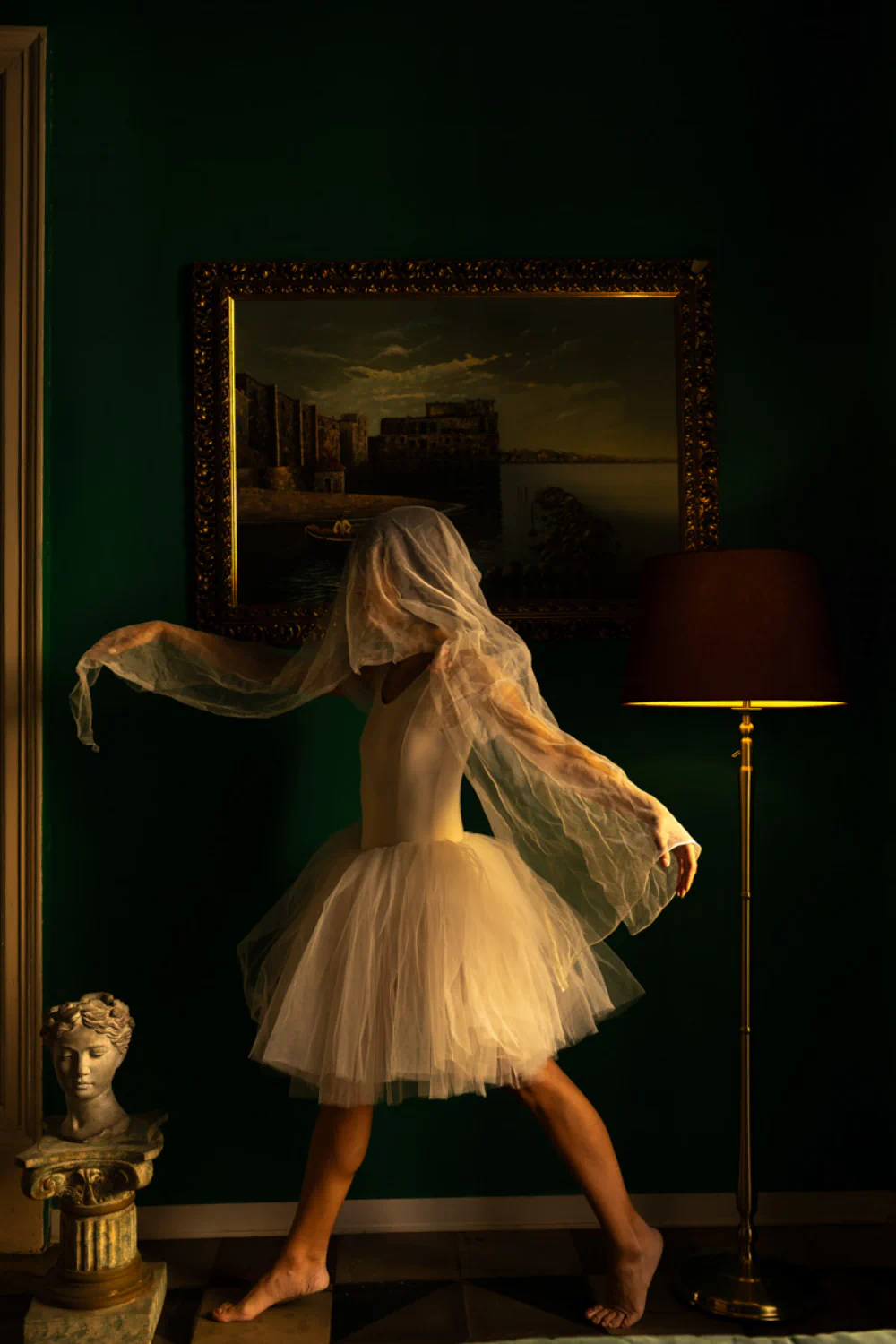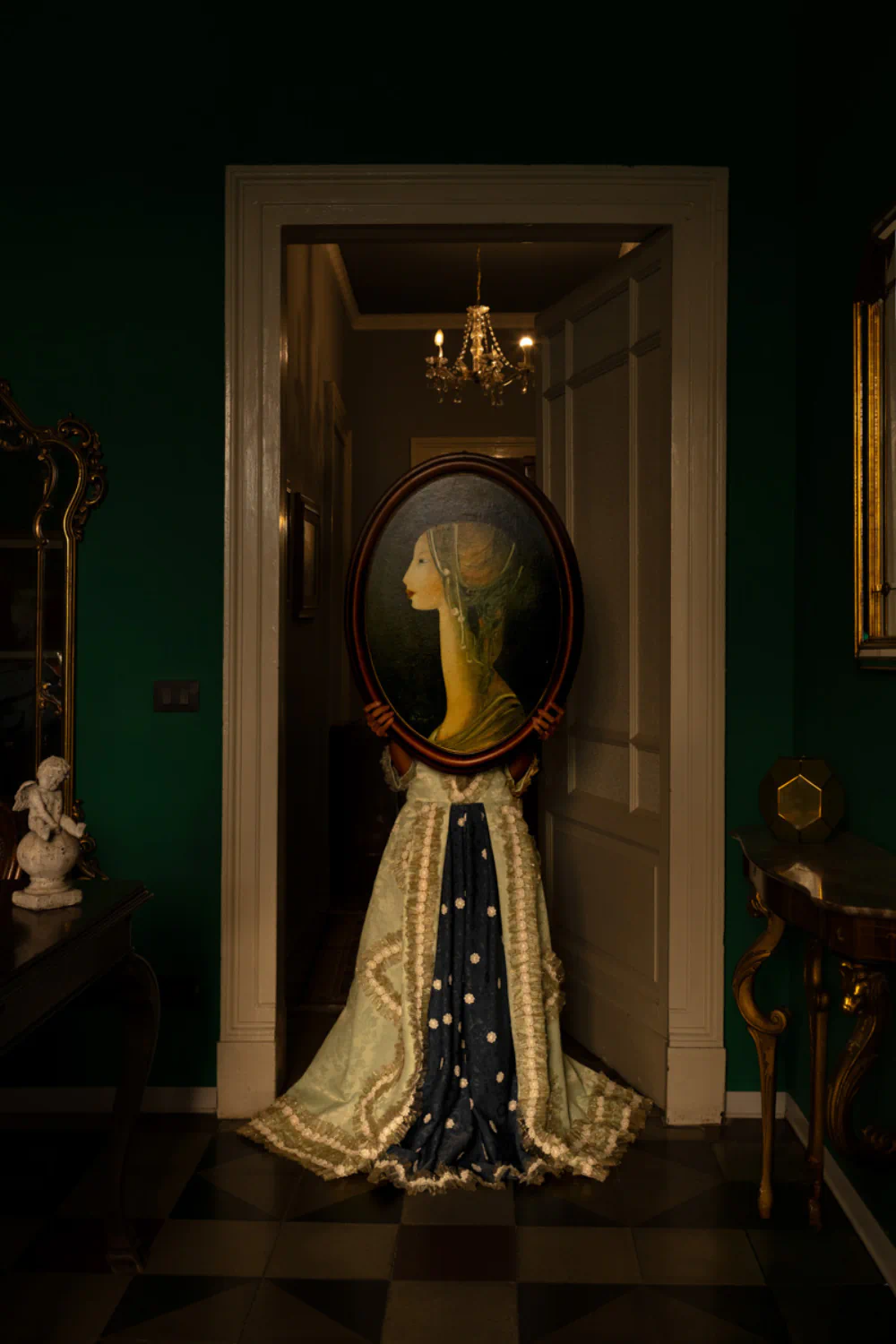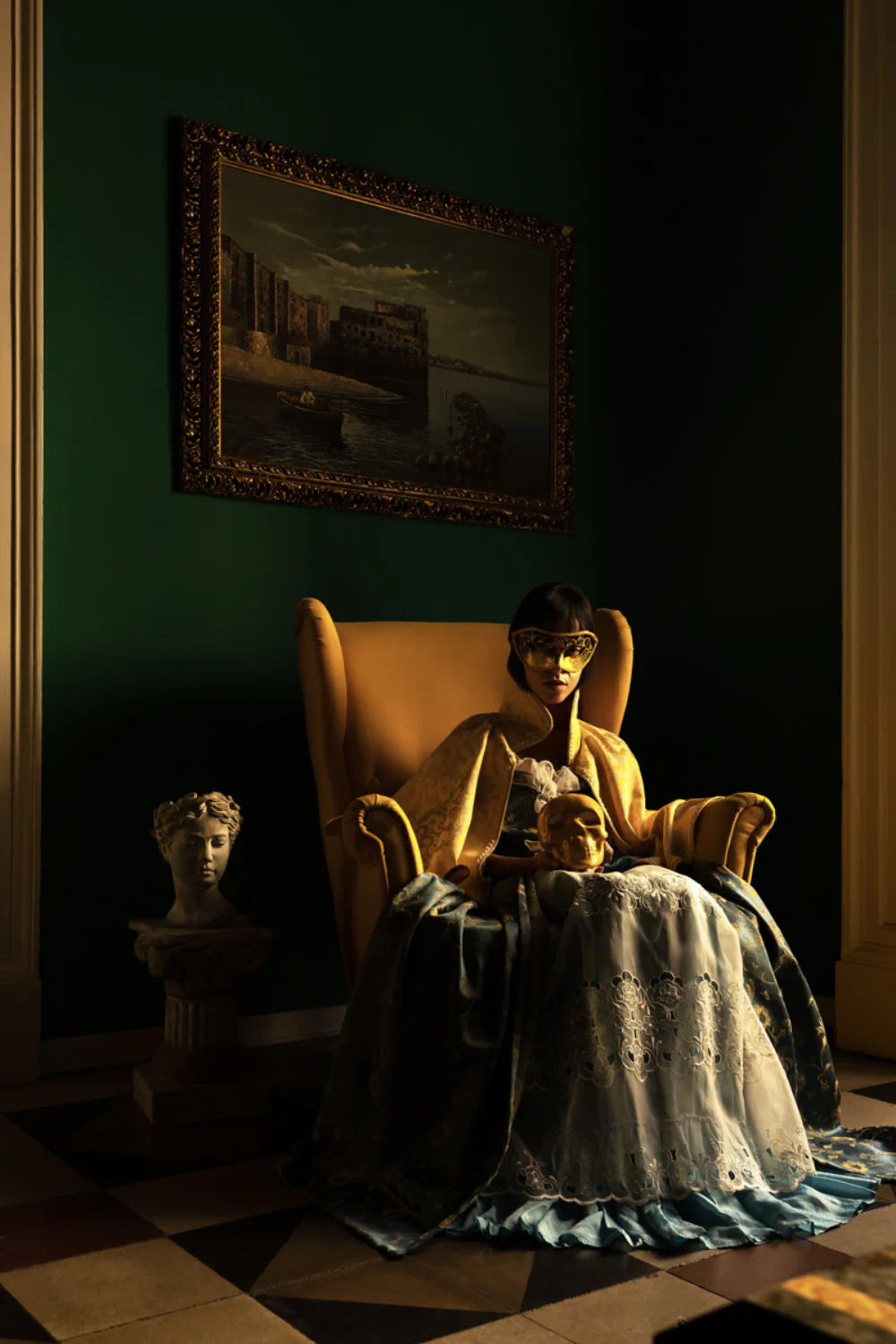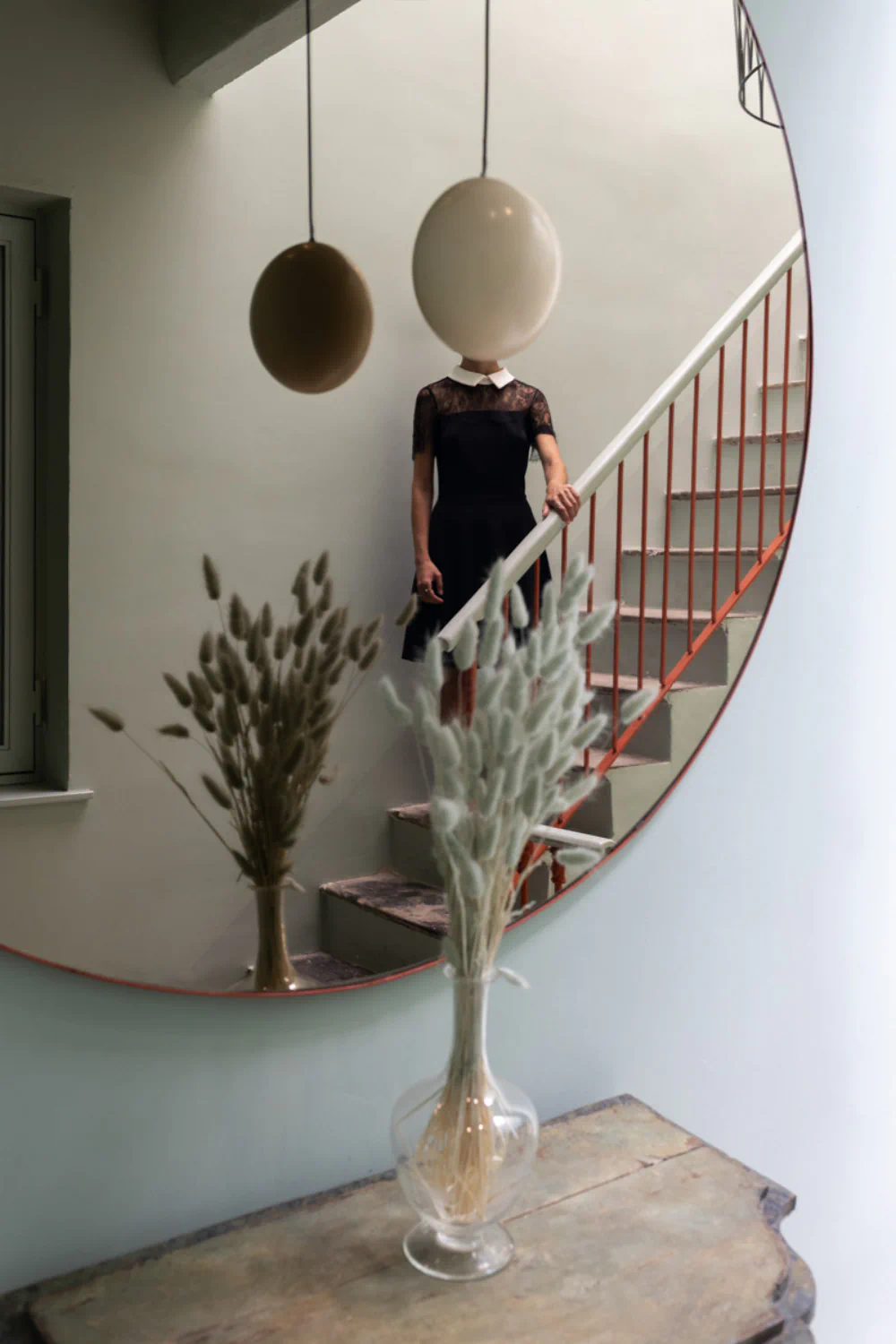


Borderline Ocean: What Remains of Childhood Trauma explores the enduring psychological consequences of early trauma such as neglect, abandonment, and abuse.
The project reflects on how experiences that occur during childhood do not remain confined to the past but continue to shape the present, influencing emotions, relationships, and identity long into adulthood.
Trauma leaves traces that reappear daily through memory, emotional instability, and fragmented self-perception, casting a shadow over the possibility of a stable future.
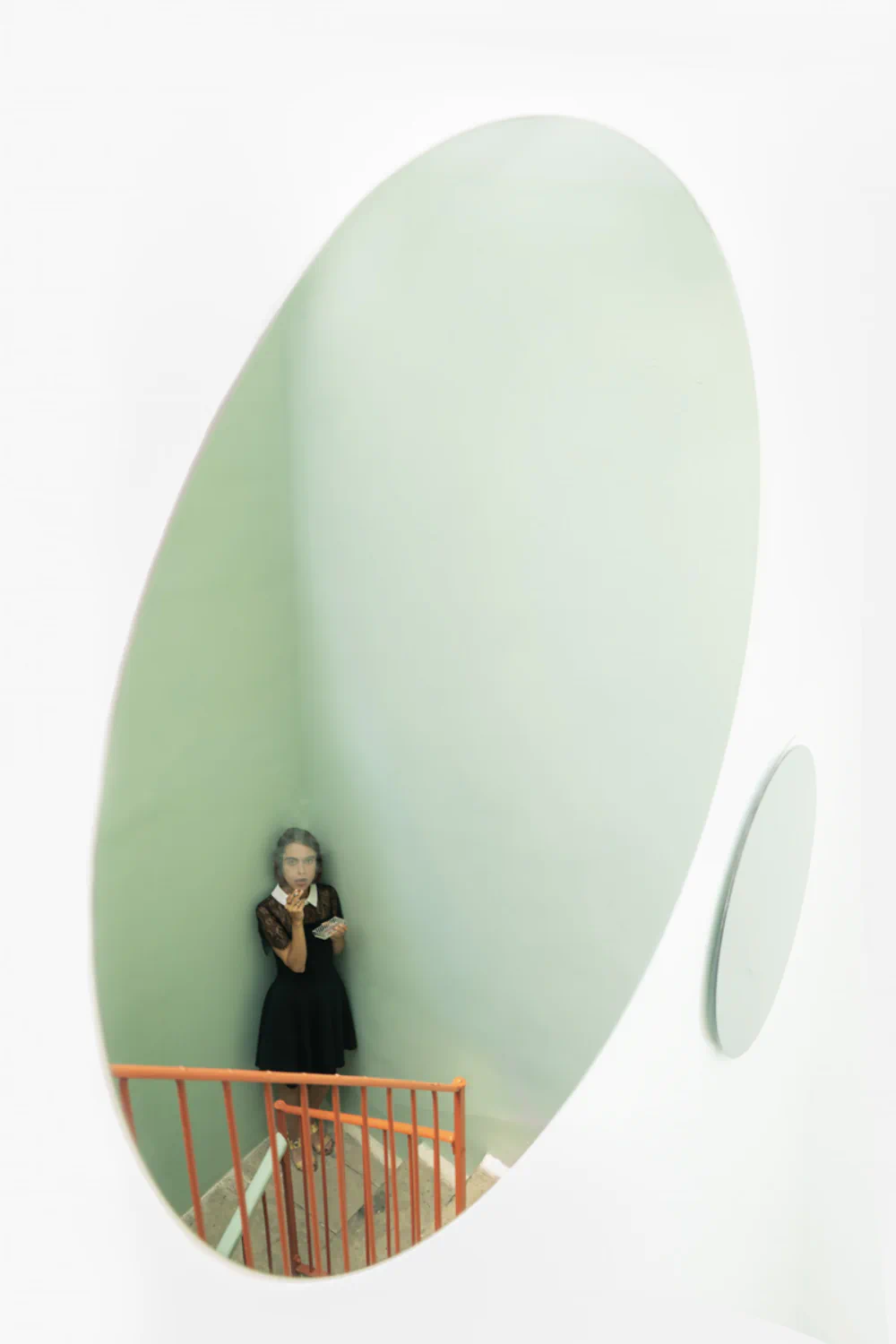
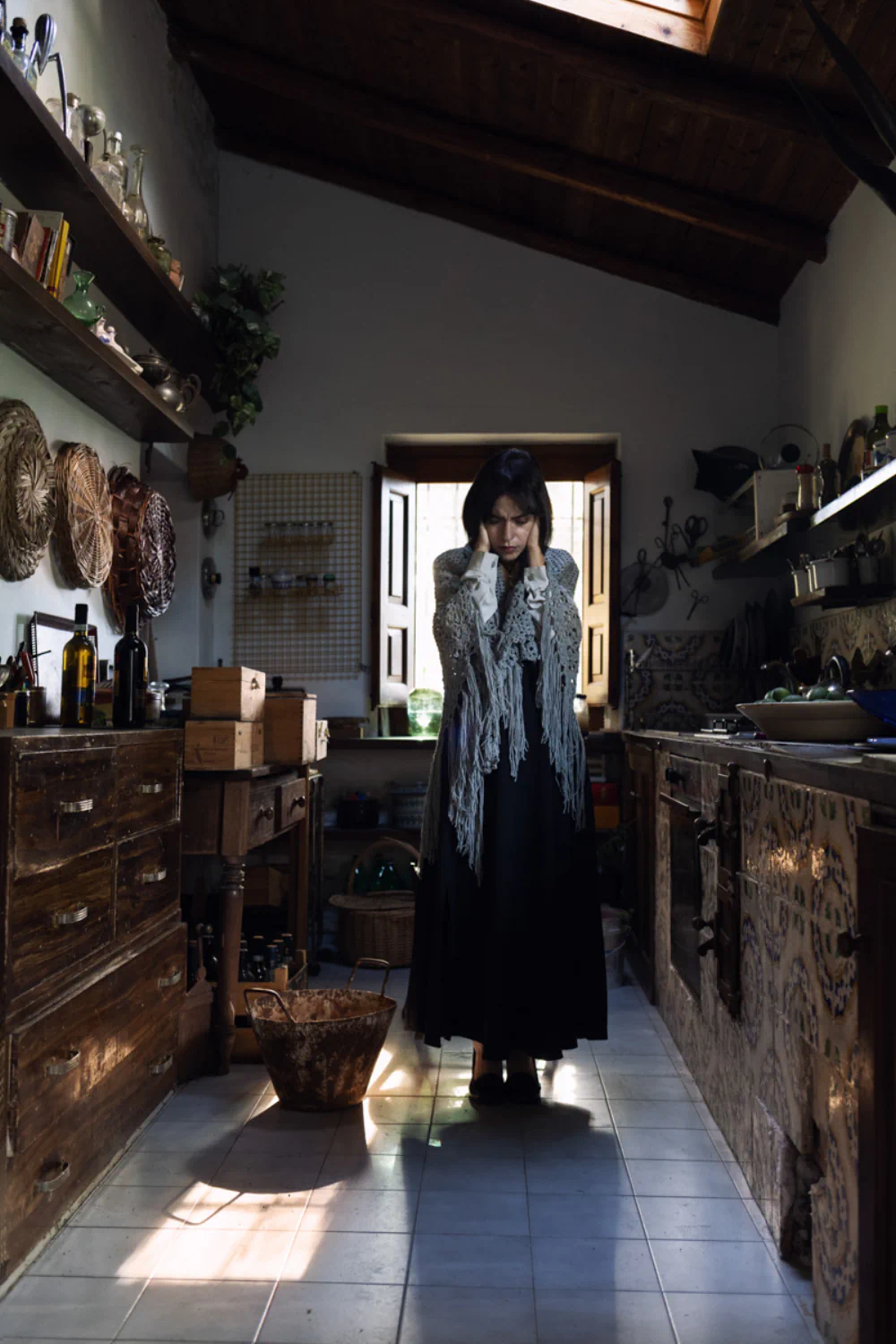
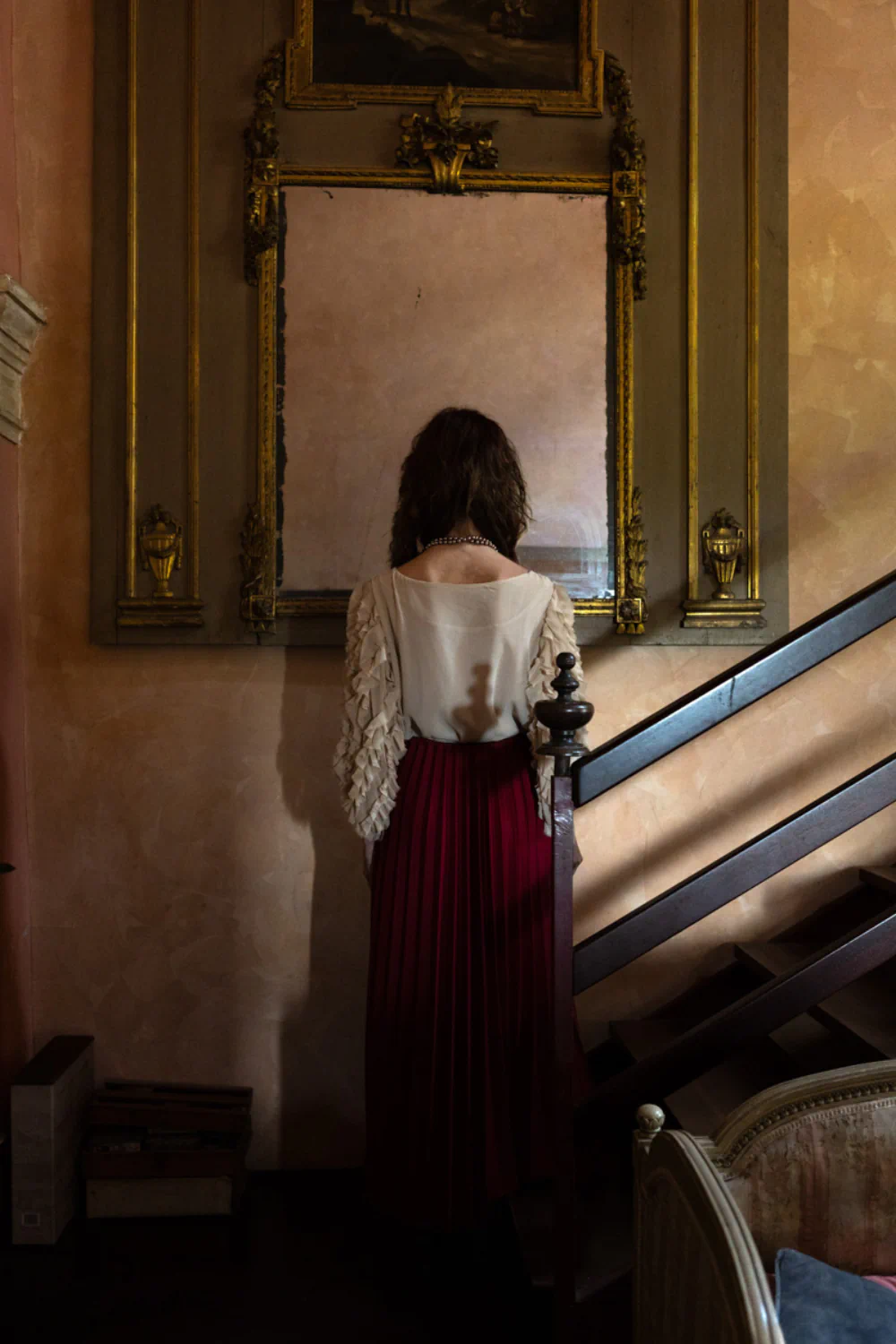
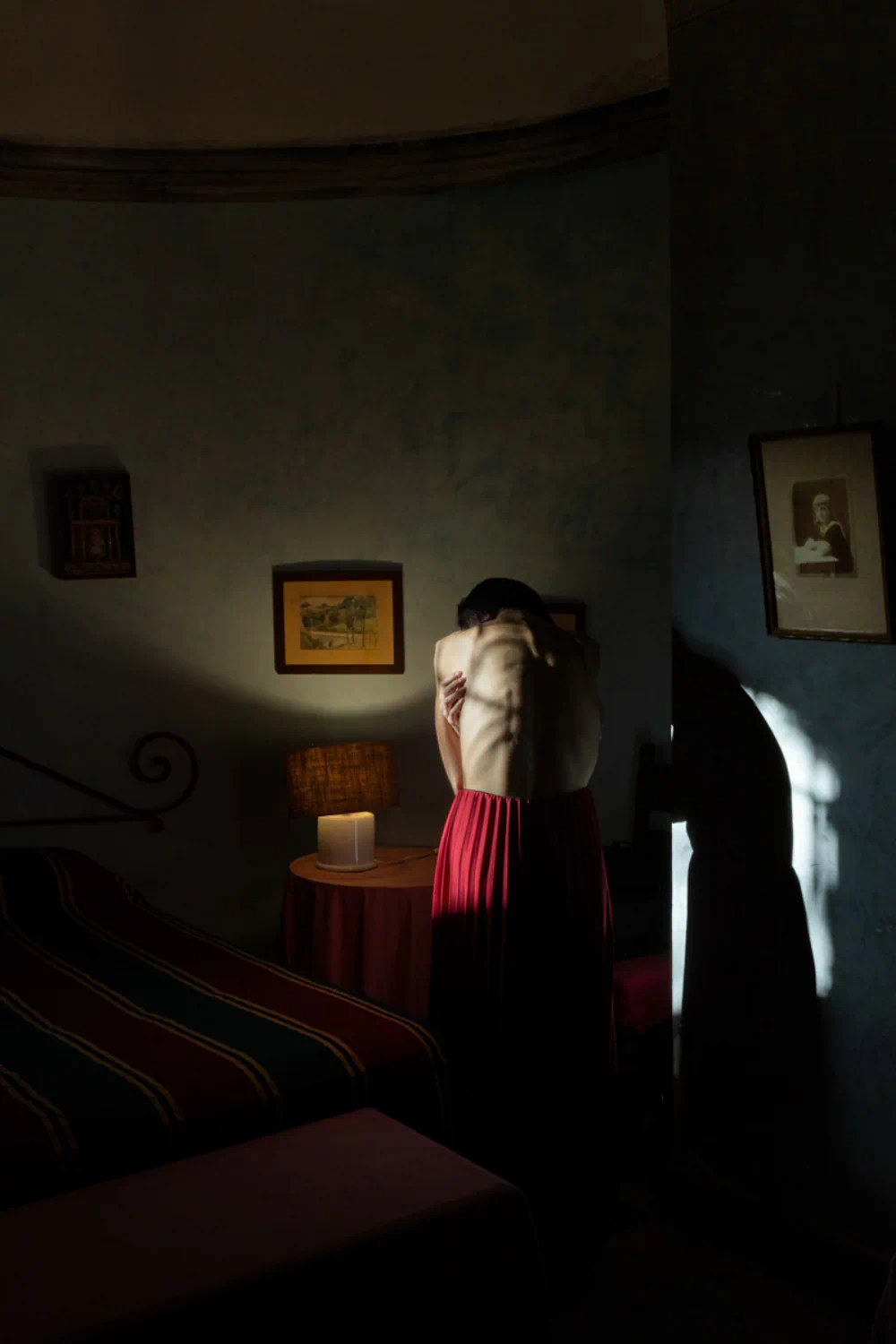
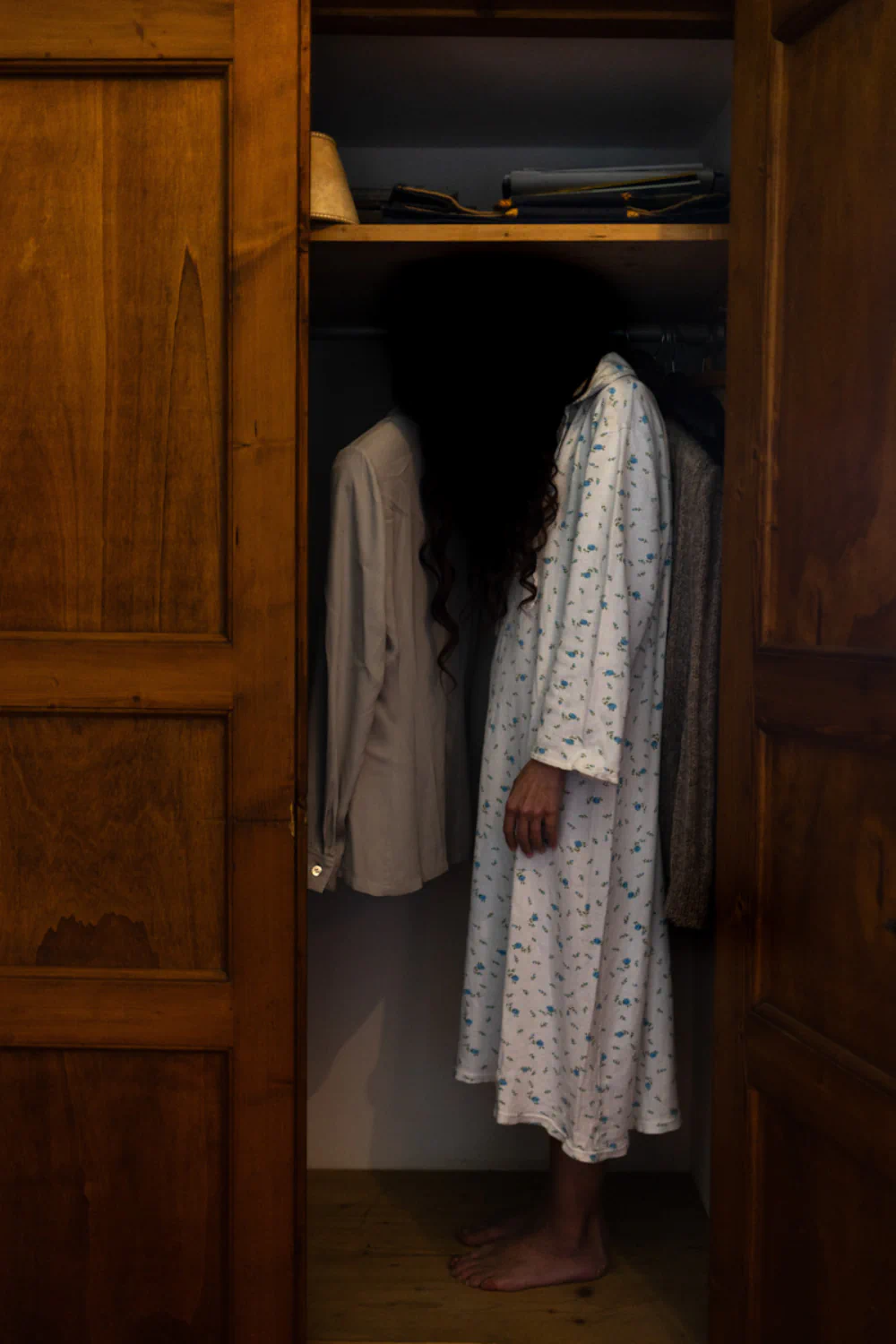
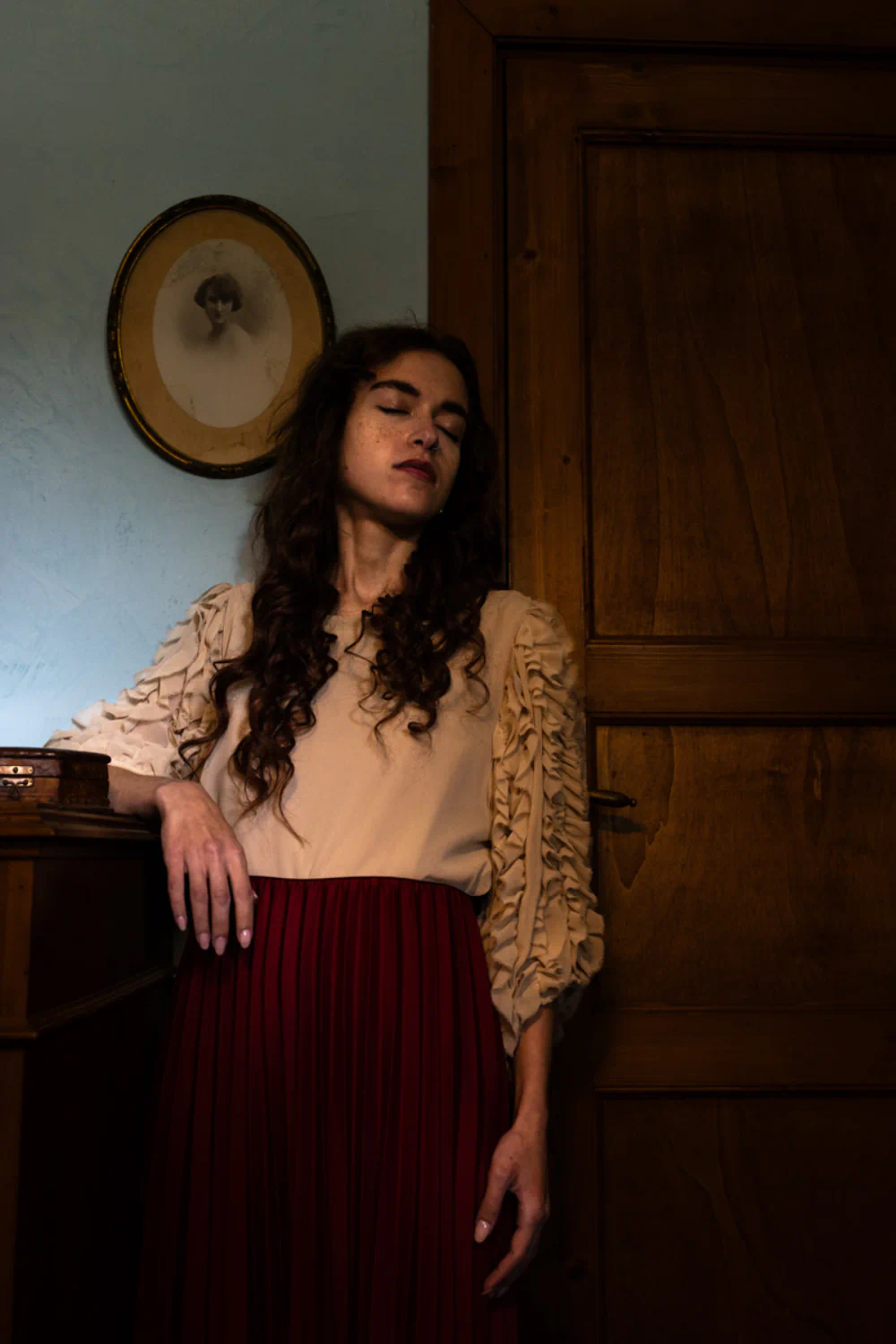
The images symbolically represent what persists after such experiences. They evoke psychological states that may evolve from borderline conditions toward severe dissociation or, in extreme cases, the threshold of psychosis. The work addresses themes such as fractured identities, internal voices, feelings of guilt and shame, emotional emptiness, and the conflicted relationship many survivors develop with their own bodies. Rather than documenting individual stories, the project adopts a conceptual language that protects the vulnerability of those whose experiences inspired the work while transforming their realities into universal symbols.
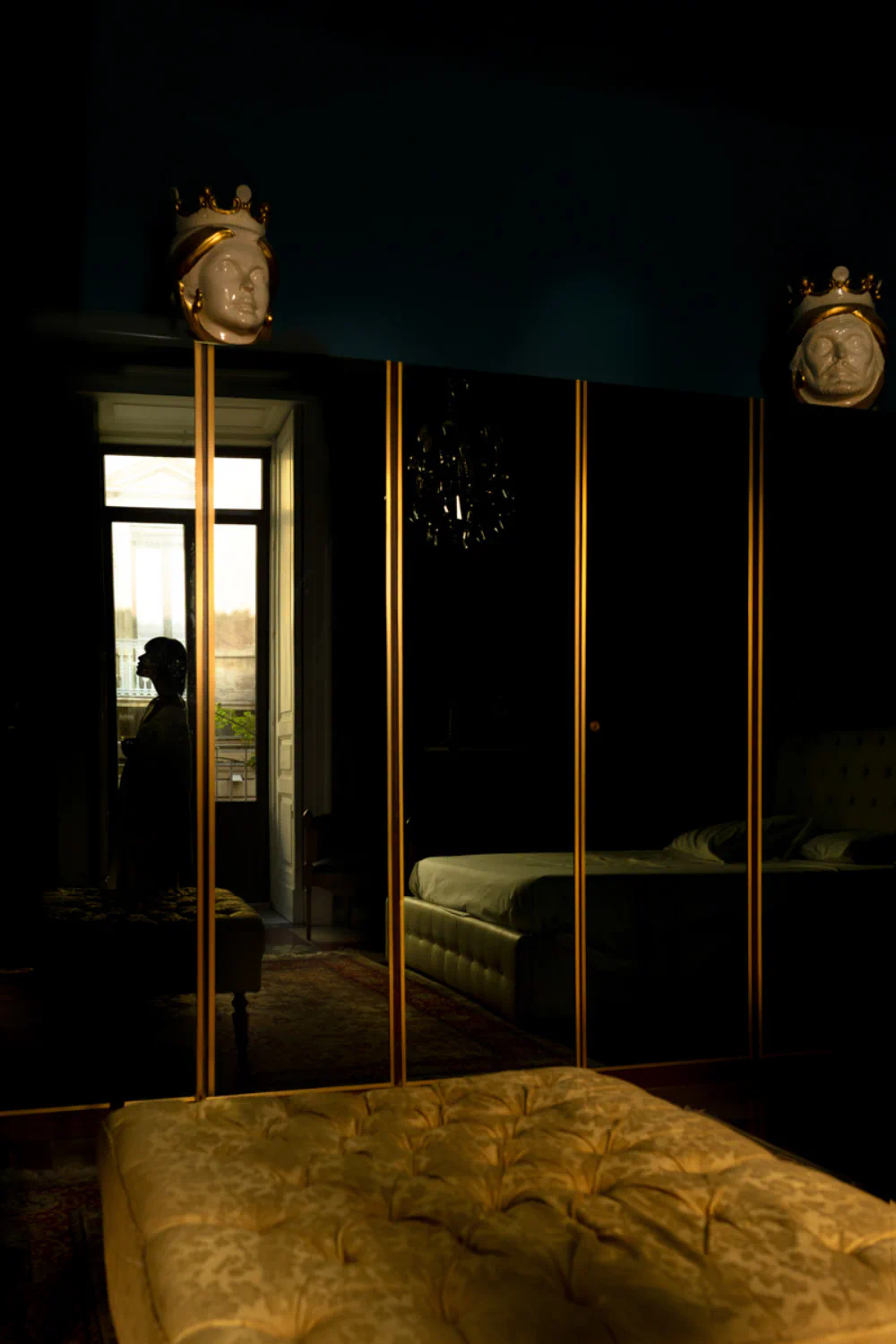
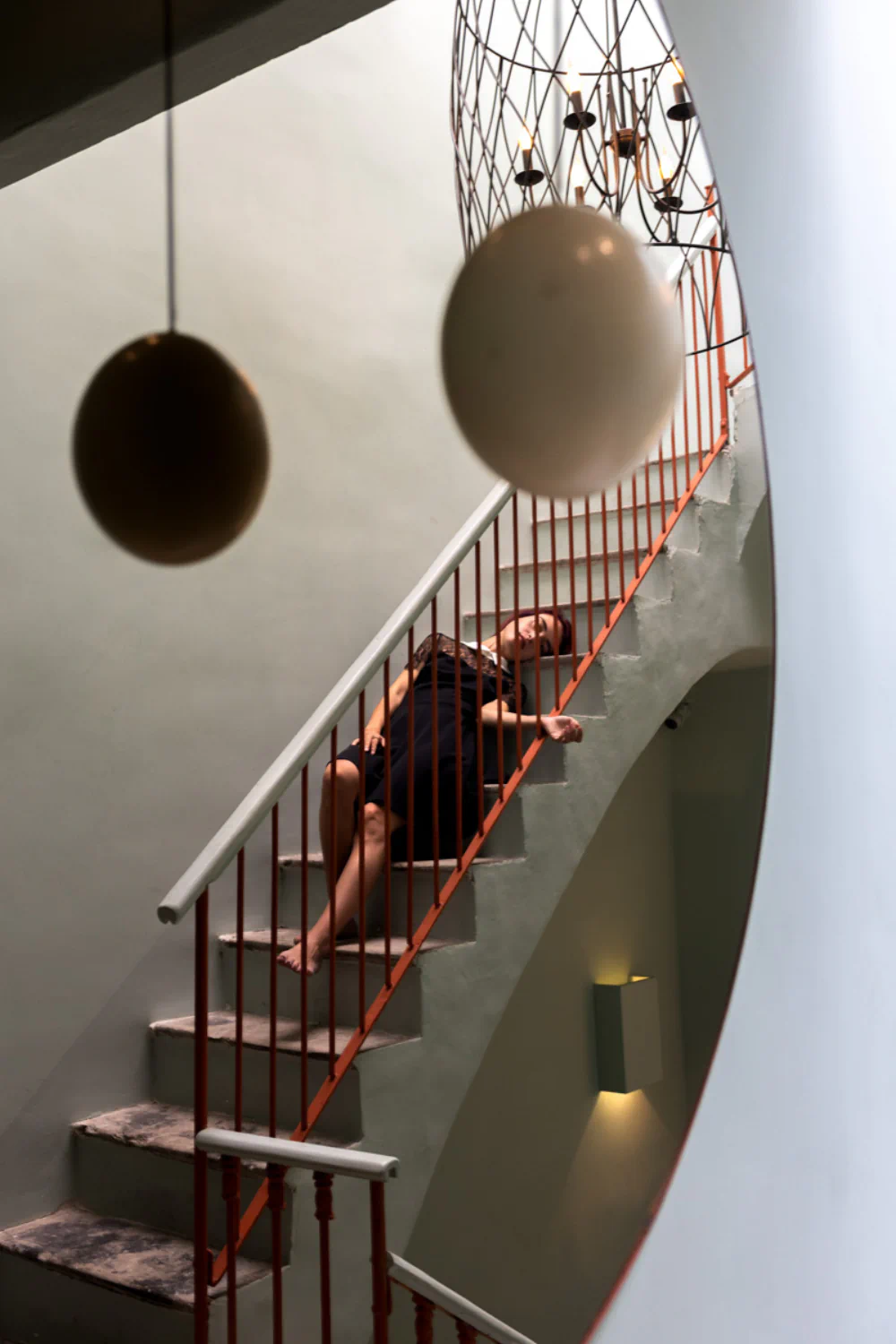
Recurring visual elements such as mirrors and reflections emphasize unstable identity and the fragmentation of the self. The contrast between black and white spheres evokes unresolved internal oppositions that the individual cannot reconcile. As the series progresses, the visual tension intensifies: shadows deepen, contrasts grow harsher, and the psychological atmosphere becomes increasingly claustrophobic. The body itself becomes a symbolic battlefield where emotions such as shame, anger, and guilt accumulate and struggle for expression.
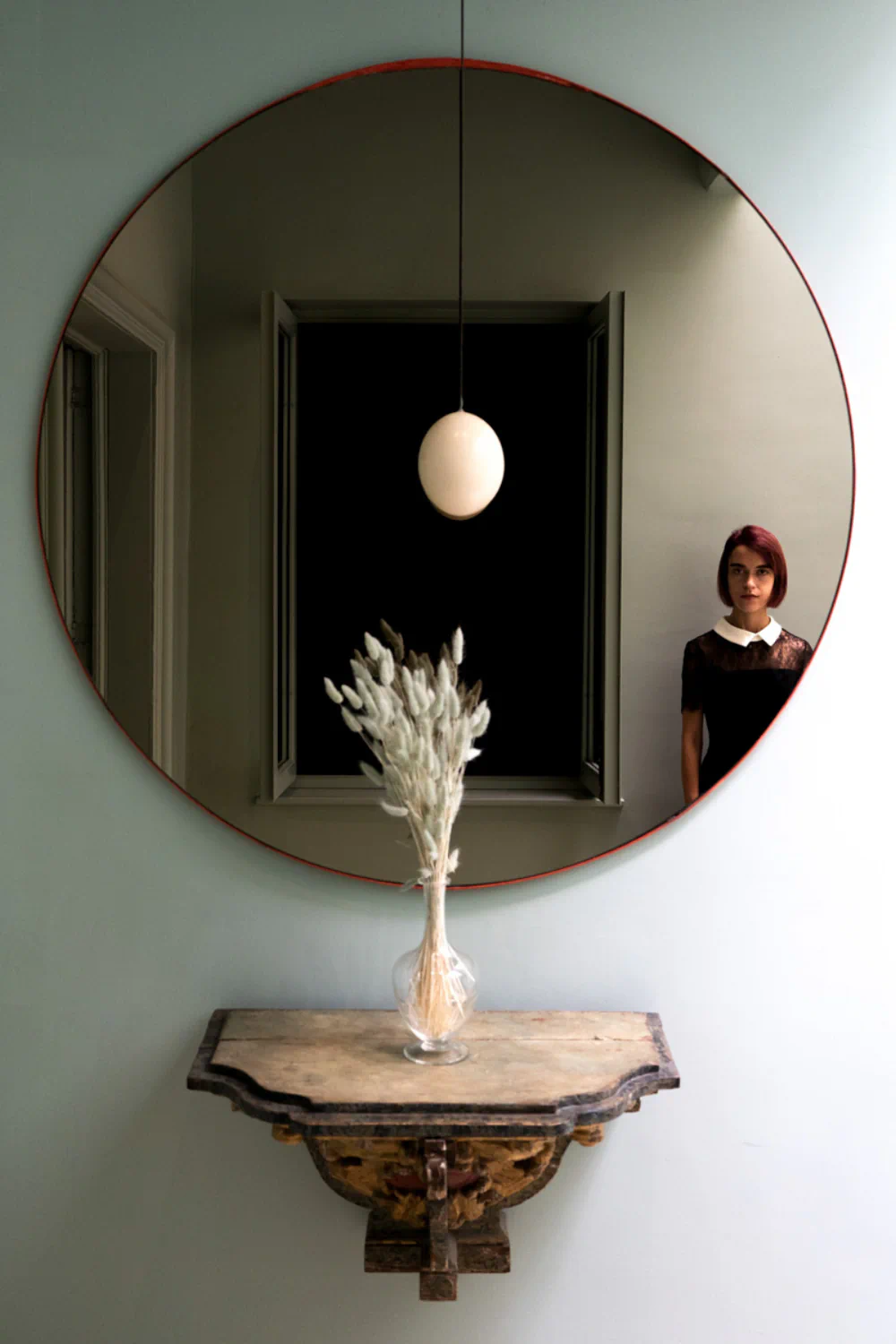
The project also reflects on the mechanisms of psychological adaptation. Unprocessed memories may return through intrusive thoughts, dreams, or emotional flashbacks. Internalized voices echo the same threatening tones once imposed by external authority. These responses are not weakness but survival strategies developed in environments shaped by fear rather than care.
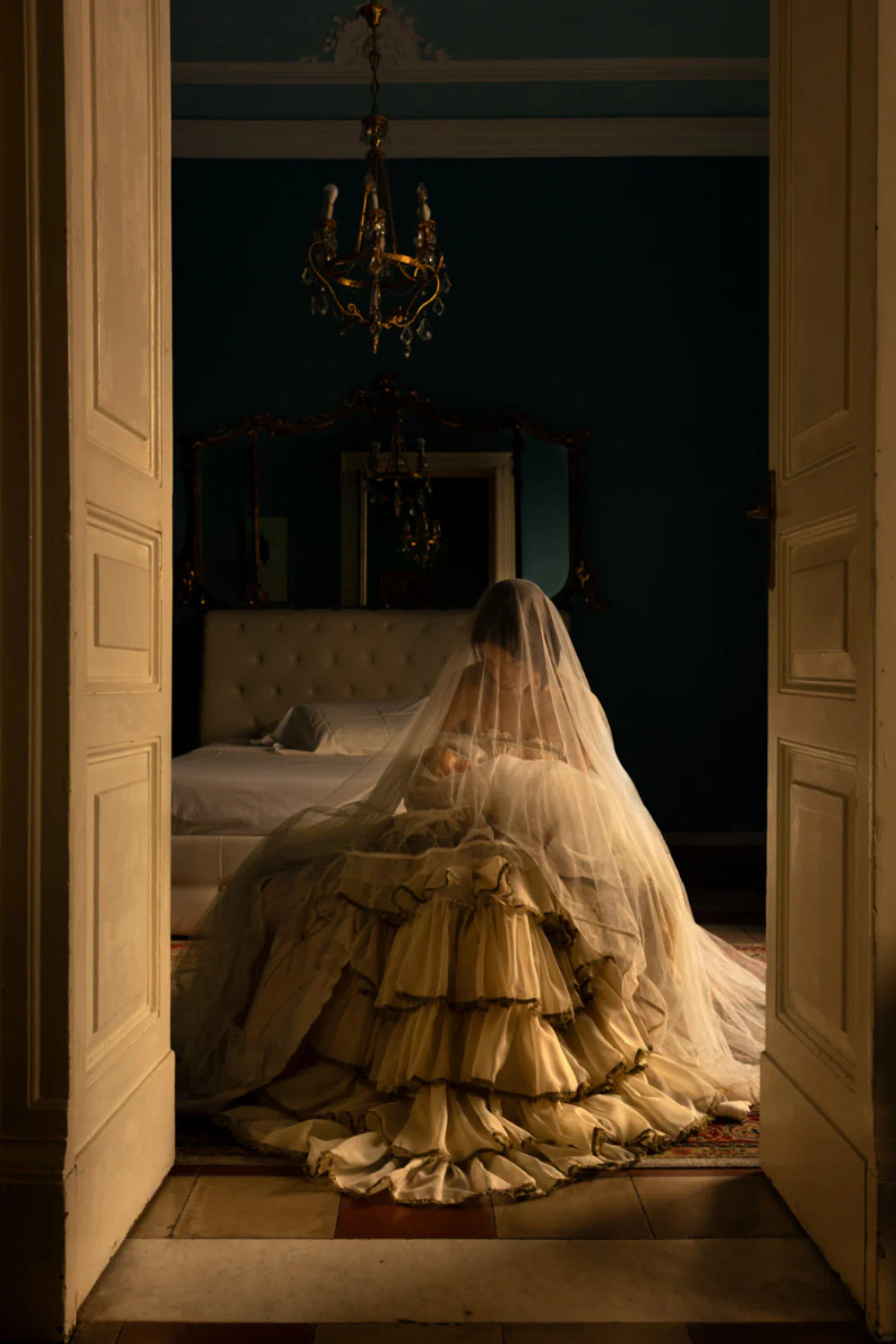
One of the central images introduces the figure of the “Internal Mother,” a concept rooted in psychoanalytic theory that represents an attempt at symbolic repair. The act of caring for a doll becomes a ritual of emotional compensation, a gesture that expresses the longing for protection that was once absent. Through these symbolic actions, the individual attempts to reconstruct fragments of identity while navigating the lingering effects of trauma.
The series concludes with the image Hamlet’s Doubt, a visual metaphor for the existential conflict experienced by those living with unresolved trauma. Like Shakespeare’s Hamlet, the subject stands between affirmation and collapse, between a socially constructed identity and an inner fragmentation that threatens coherence. The work ultimately questions how a fractured past continues to inhabit the present and whether healing is possible when the foundations of identity have been deeply compromised.
About Antonella Cunsolo
Antonella Cunsolo, born in Sicily in 1974, studied Psychology at Sapienza University of Rome, later specializing in psychotherapy and phototherapy. Her interest in photography began in childhood, encouraged by her father, who frequently photographed her. Over time, this early fascination evolved into a professional practice that combines psychological inquiry with visual storytelling.
She initially explored urban exploration and landscape photography before moving toward portraiture, studying with both Italian and international photographers. Her training also includes a specialization in fashion photography at the Kaverdash Academy.
Her artistic practice merges art and psychology, using conceptual photography to investigate complex emotional and mental states. Through symbolic imagery, she addresses themes such as anxiety, depression, dissociation, eating disorders, and trauma, seeking to give visual form to experiences that are often difficult to articulate.
She is the author of the books Io non muoio and Noi siamo bellezza. Her work has received numerous awards in national and international competitions and has been exhibited in galleries and museums. She continues to develop photographic projects that explore the intersection between psychological experience and visual narrative. [Official Website]