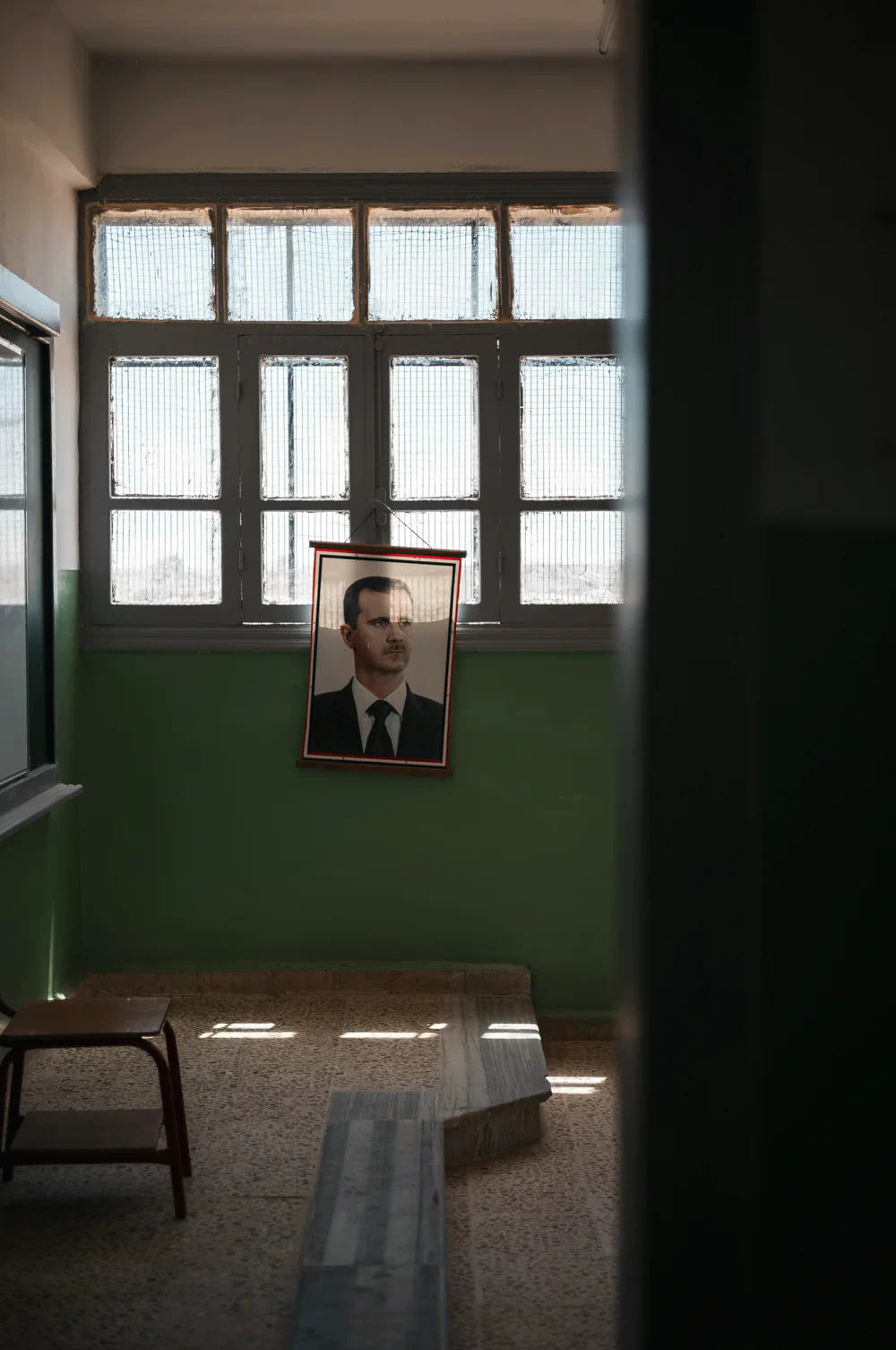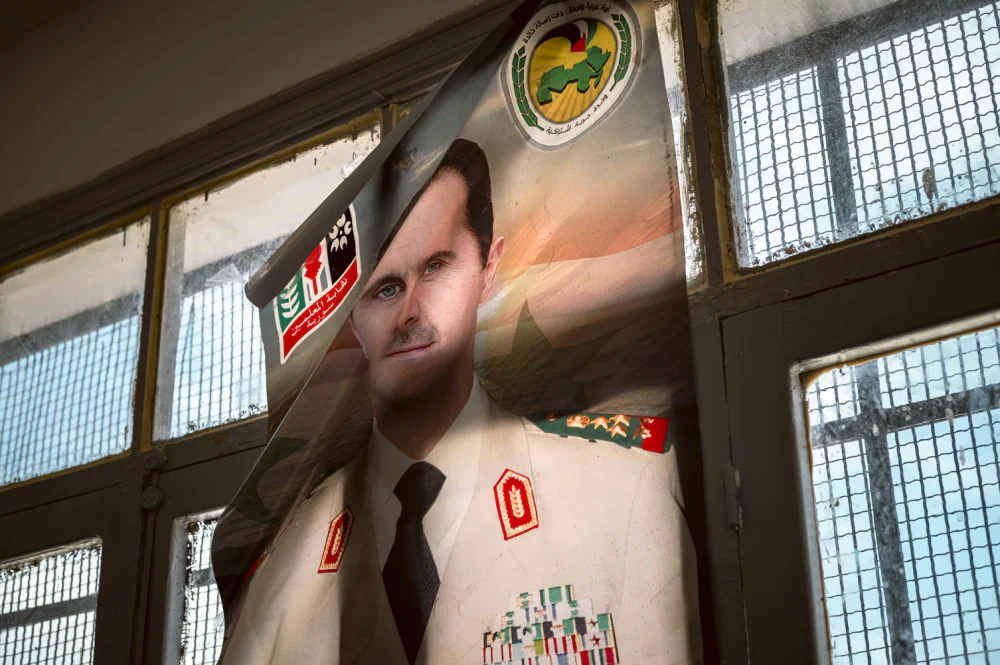
The first thing I noticed was the president. In June 2023, in the government-held parts of Syria, Bashar al-Assad’s face hung everywhere: on shop walls, in hotel receptions, over the windows of schools.
It reminded me of a city plastered with posters before a gig—except this was not advertising. He was watching.
I travelled to Aleppo with the writer Ulriikka Myöhänen, on assignment for Tekoja, the magazine of Finn Church Aid, four months after the earthquake that struck southern Türkiye and northern Syria on 6 February. We have reported together from many crises and share a stubborn working method: we refuse to decide in advance what the story will be. The earthquake was the reason for the trip. The story itself, we would find by listening.
Almost everyone we met—and we chose to listen mostly to women, in a country so often narrated through strongmen—wanted to talk about Aleppo itself. How it used to be. Why they had stayed or come back. What the city meant to them. Their answers were full of nostalgia, and of something more stubborn than nostalgia: a refusal to let go of love, whatever happens. We understood that Aleppo could not be a backdrop. It had to be a central character.
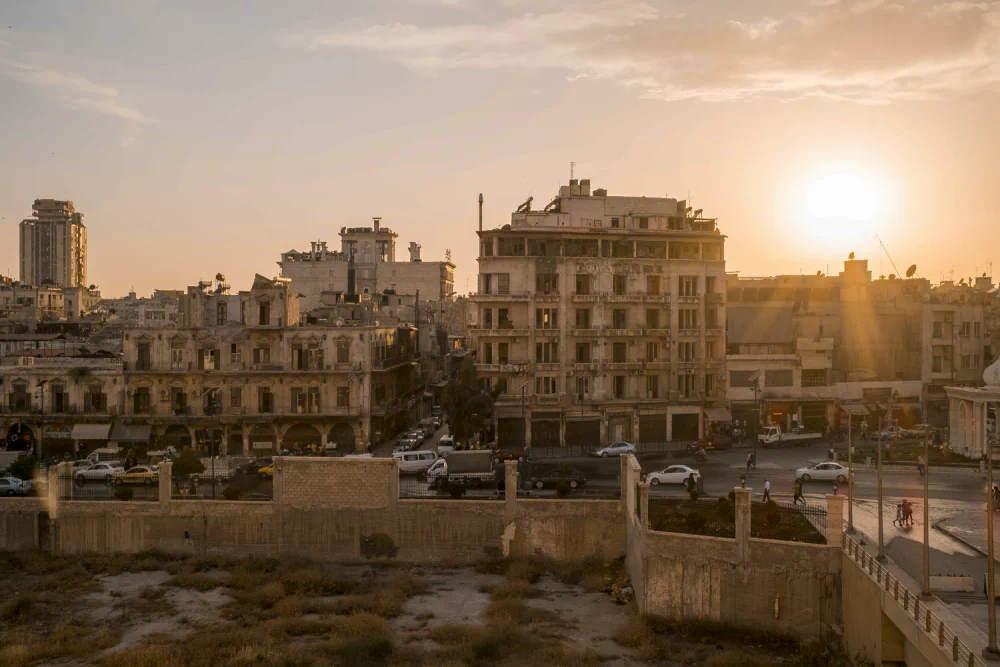
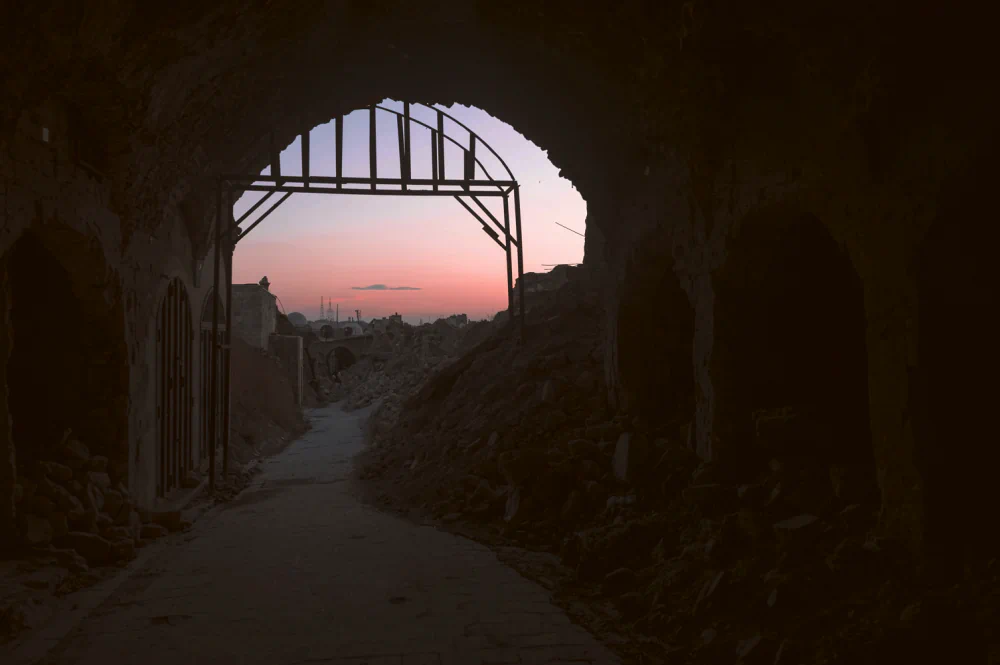
The city makes that easy. Aleppo is one of the world’s oldest continuously inhabited cities. In the al-Madina souk, a Silk Road marketplace whose roots reach back to the fourteenth century, you can imagine the whisper of merchants selling fabrics, porcelain, and perfume—and then you walk a narrow path through what fires, bombardment, and finally the earthquake have left of it.
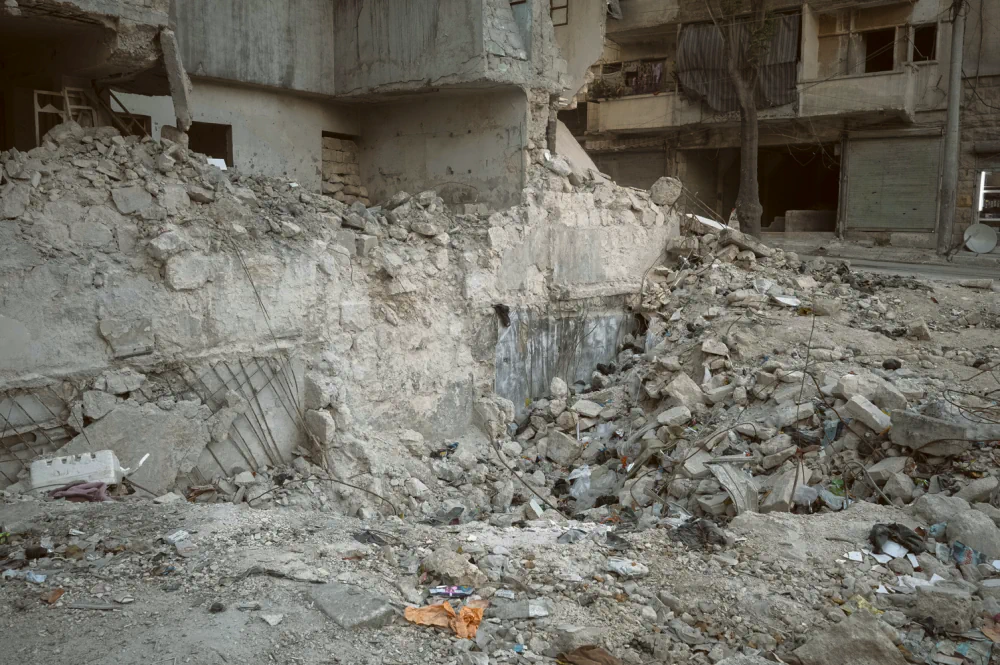
Between 2012 and 2016, the city was a battlefield; its people can still point out where the front lines cut through their neighbourhoods and where the snipers nested. Then, on a February morning, the ground itself turned on them. In Aleppo alone, more than 72,000 families lost their homes, and the arithmetic of recovery is brutal: average incomes of around thirty dollars a month, rents that have multiplied several times over, and homes that simply no longer exist.
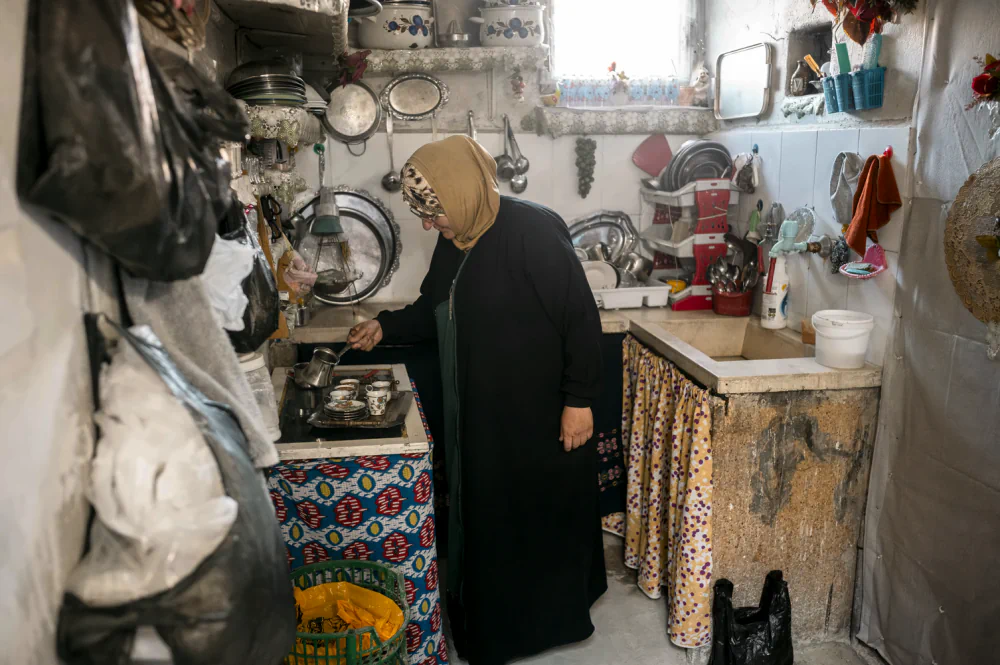
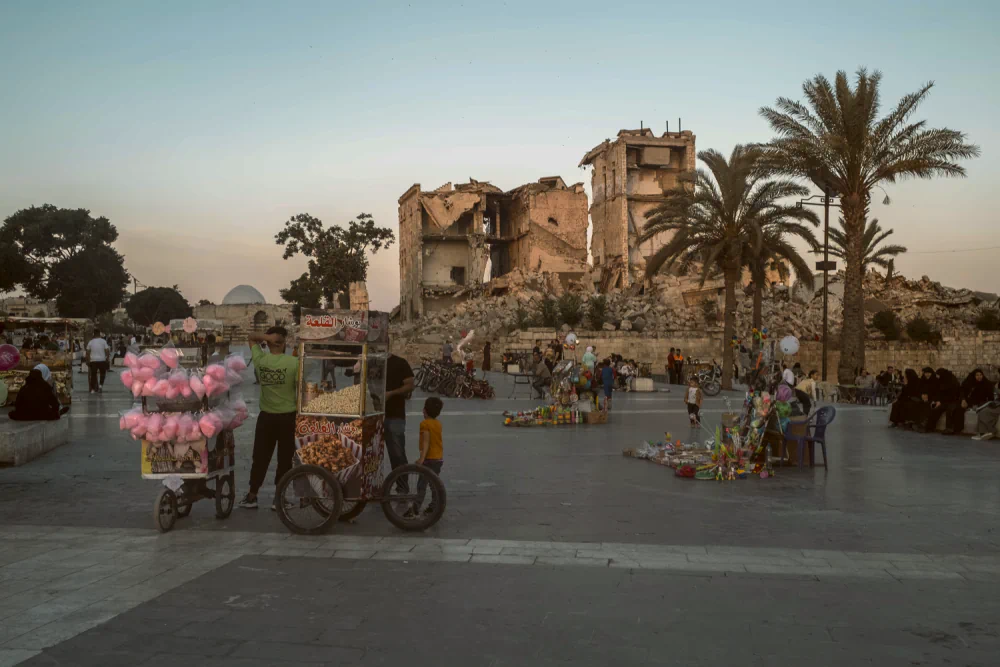
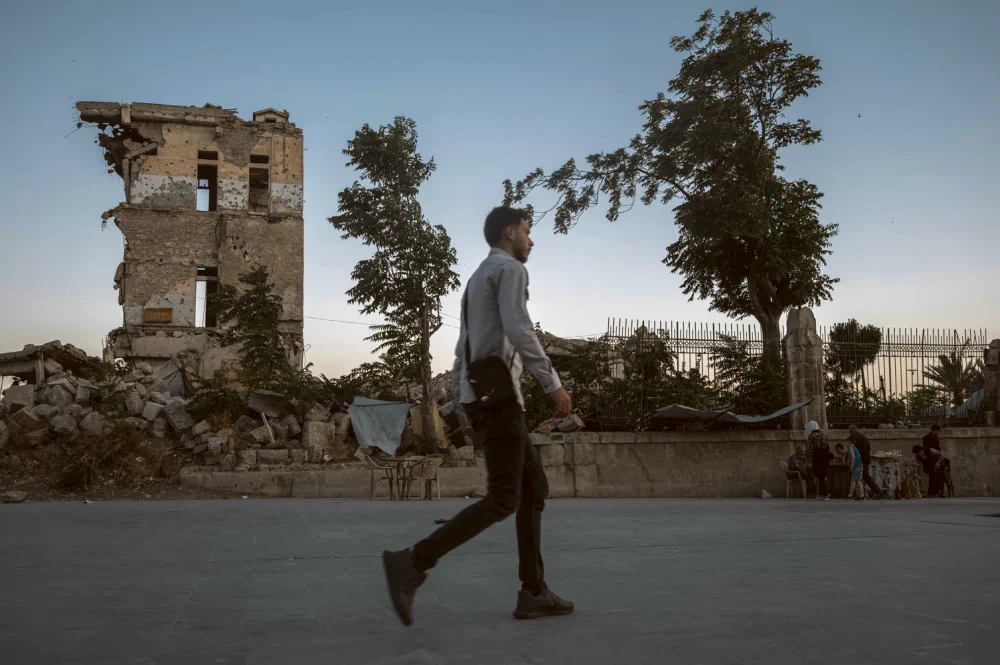
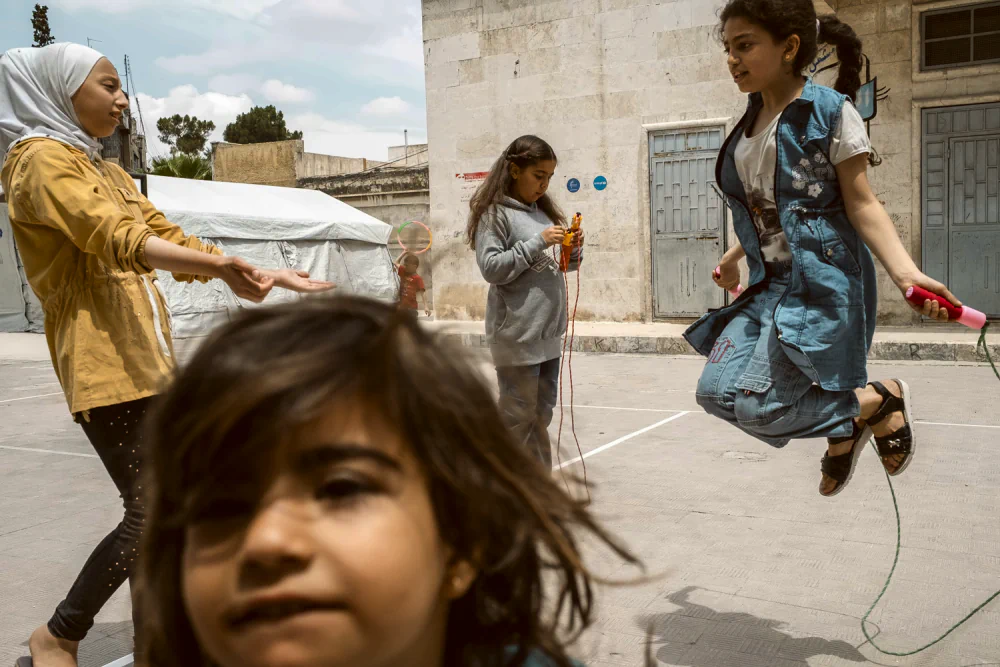
And yet the ruins are not what this series is about. They appear in the pictures because they appear in the city, but I was not photographing destruction. I was photographing the life that goes on in front of it, beside it, and on top of it. Children skipping rope in the courtyard of a school that had become an emergency shelter. A woman brewing coffee in an old-city home the earthquake had half taken from her. Evenings at the foot of the citadel—a medieval fortress that spent the war as a fortress again, an army garrison with the front line running below its walls—where families who can no longer afford the cafés open picnic boxes on the benches, and the cotton-candy carts do a steady trade in the dusk.
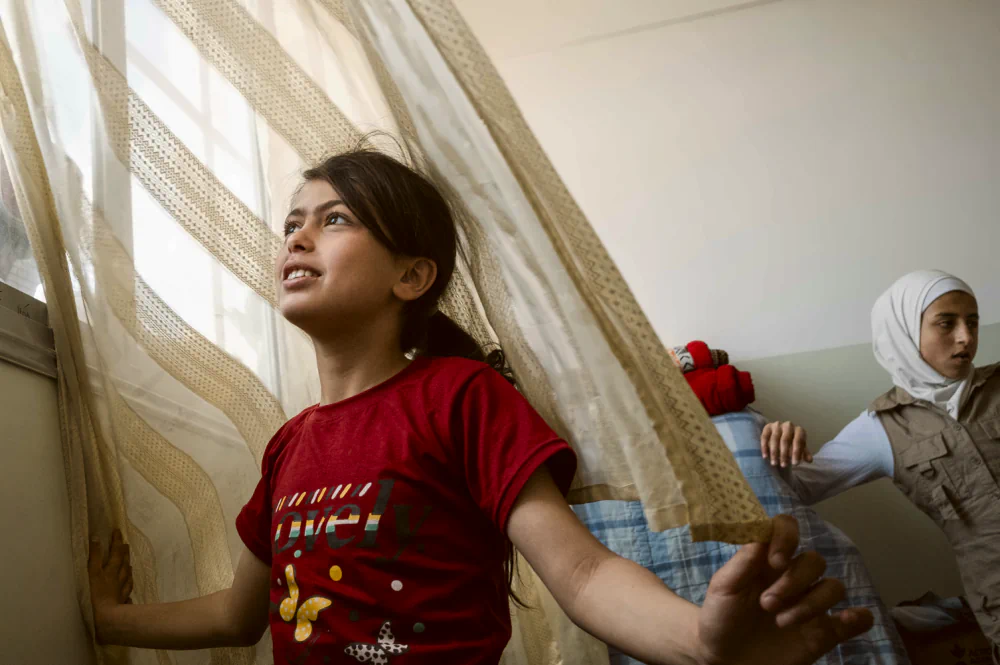
If the ruins are the city’s past, the children playing among them are its future, and they were everywhere. Their presence kept pulling Aleppo out of the past tense. So did the people who refused to imagine themselves anywhere else. One woman who, after the battles, had helped collect the bodies of her neighbours from the alleys told us she loved Aleppo so much she could never imagine leaving it. The series takes its name from her, and from everyone who said some version of the same thing.
Some pictures had to wait. Working in government-held Syria meant working under constant observation, and publishing my photographs of the regime’s omnipresent portraiture could have endangered the people we worked with. Those frames stayed in my archive. In late 2024, the regime fell. Aleppo, in the last days of November, was the first major city to slip from its grasp, and the portraits came down from the walls. The photograph I could not publish then opens the series now.
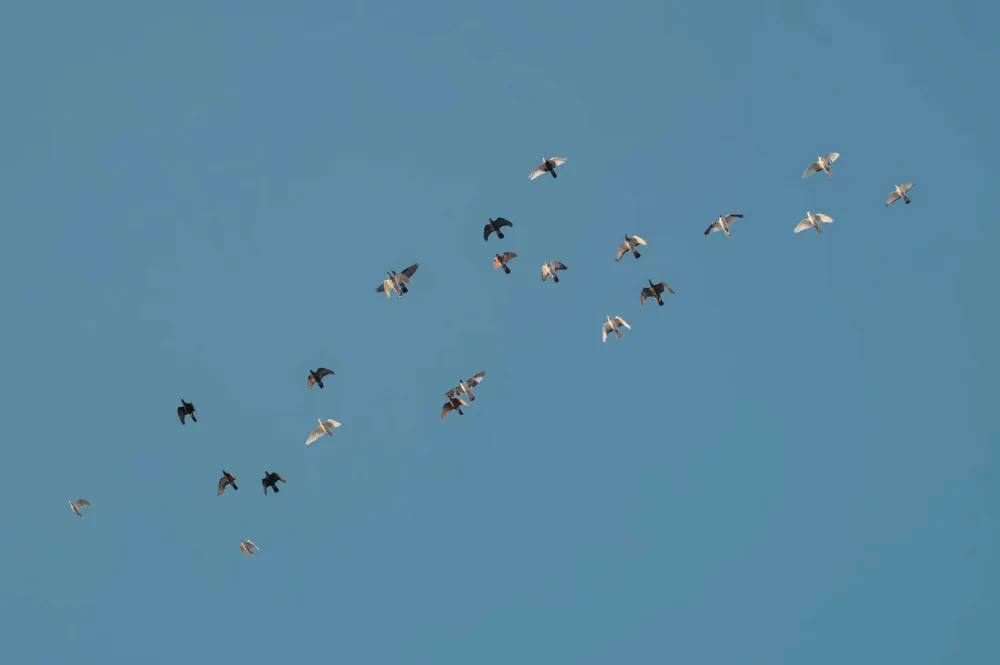
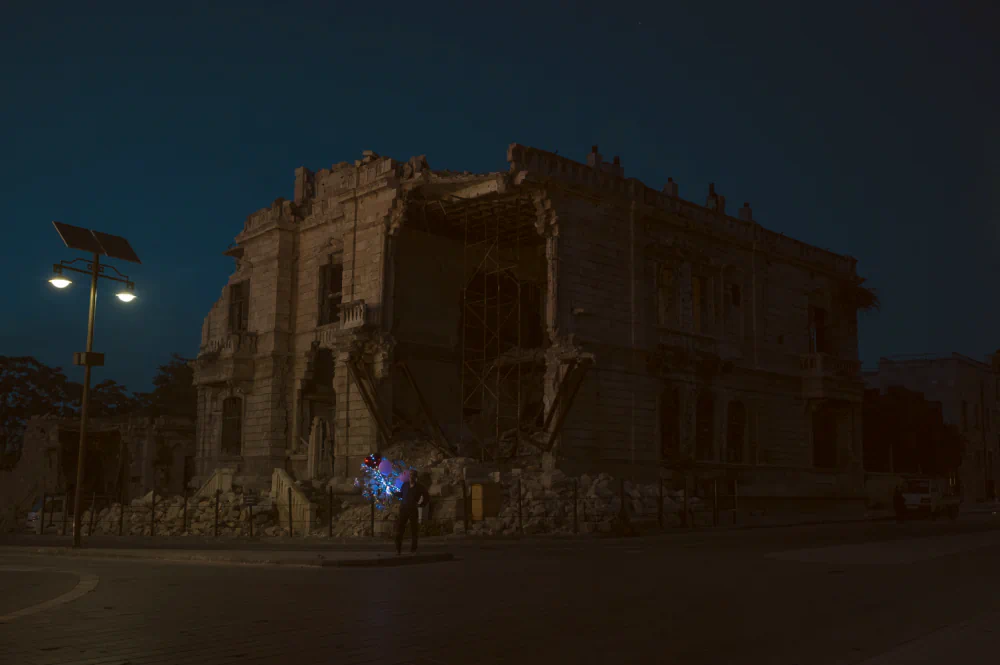
What has not changed is the thing I most wanted this work to say. Some places become so thoroughly defined by conflict and crisis, in the media and in our shared imagination, that it starts to feel as if nothing good could happen there anymore—as if the place itself had no future. It is never true. It was not true of Aleppo in June 2023, when the squares filled in the evening and a balloon seller’s lights were the brightest thing on the darkened street. It is not true now.
About Antti Yrjönen
Antti Yrjönen is a Helsinki-based photojournalist and documentary photographer whose work centres on civilian life amid conflict, displacement, and political upheaval. Editorial and humanitarian assignments have taken him to Syria, Ukraine, Somalia, Myanmar, and South Sudan.
Yrjönen looks for ordinary gestures, overlooked details, and visual contradictions—the ways people continue to inhabit their worlds even when those worlds are coming apart. Moving between public events and private spaces, his photographs place viewers beside his subjects rather than above them.
Alongside his long-form documentary work, he writes about visual culture, journalistic ethics, and press freedom. His photographs have appeared in The New York Times, National Geographic, the BBC, Le Monde, Schweizer Illustrierte, and Helsingin Sanomat. He has received several Finnish Press Photo of the Year awards, and his series Aleppo, My Beloved was recognised in the Finnish Magazine Media Association’s Magazine Story of the Year competition. [Official Website]