

How founder Elbert Alias brings web development and photography together in ISO100.
What would a photography website service look like if it were designed around photographers from the start? For ISO100 founder Elbert Alias, that question brings together his professional experience developing web products and his own photography.
You may know exactly how you want your photographs to look online without wanting to spend your time designing a website. Alias founded ISO100 to give photographers that control: a website under their own name, built around their work, with room to make it their own.
Working in both fields lets him approach the service from both sides: the choices a photographer wants to make, and the work the website should already have taken care of. The idea goes beyond somewhere to upload finished images. It brings editing and presentation together, so you can keep working on a photograph, see how it sits within a collection, and share the result from the same place.
Show the work your way
Social platforms give you a place to share photographs within a wider community. General website builders give you tools to design many kinds of sites. ISO100 starts with the photography portfolio itself, bringing image editing, galleries, and supporting pages together around that purpose.
You might want visitors to see a whole collection at a glance, or give each photograph more room. When choosing a photography portfolio website, it helps to consider both the result you want and how much website design you want to take on.
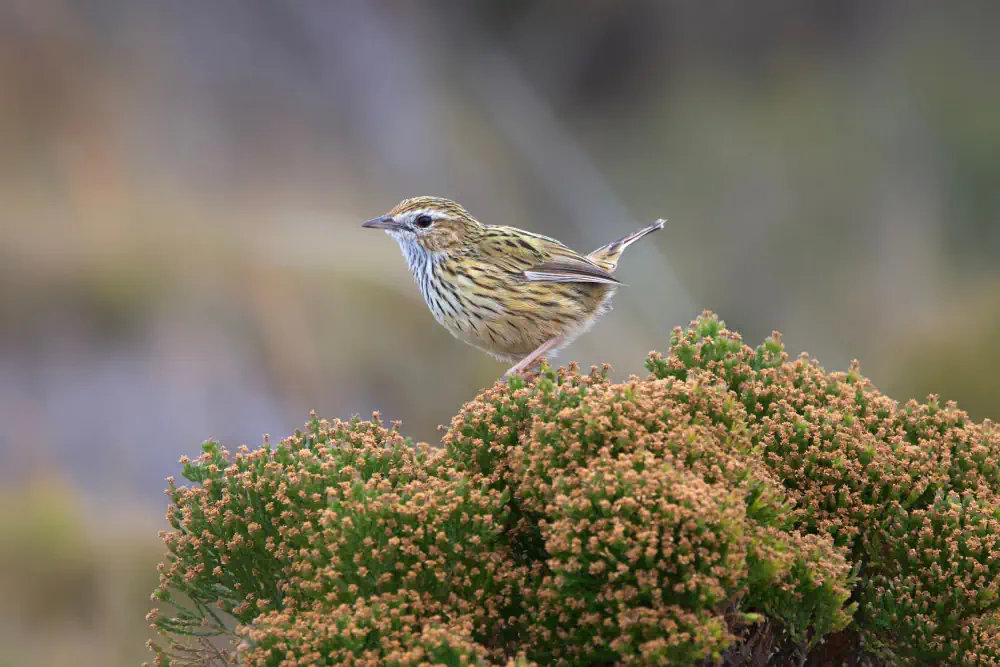
In ISO100, photographs fill as much of the screen as possible. Navigation stays minimal, with no like buttons over the images or comment sections drawing attention away. Someone can browse a collection, open a photograph for a closer look, and move on to another project.
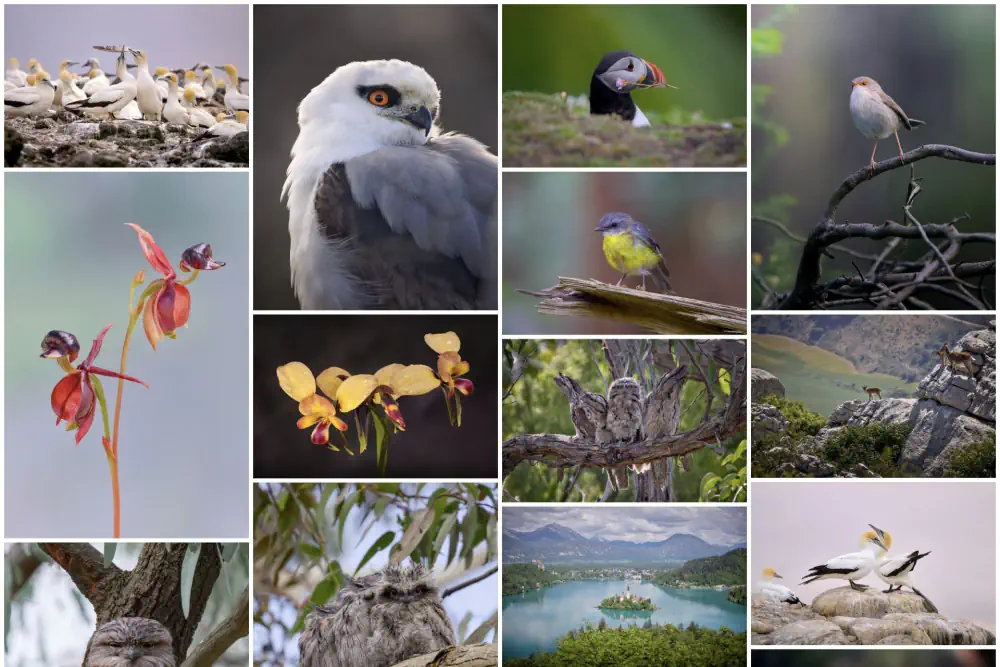
Each gallery can have its own cover and layout. You can show photographs in full with space around them, or choose a more uniform grid. Type, spacing, and image proportions can change without you having to rebuild the page. Each collection gets the presentation it needs, while the website still feels consistent.
Tell the story behind it
Sometimes you want to say more about a project than a caption allows. Separate pages give you room to write about how it began, the people involved, or what kept you coming back. You can also introduce yourself and your photography, or add an artist statement.
Captions can stay with individual images, along with camera settings when you want to share how a photograph was made. Visitors can begin with the photographs and read further when something catches their interest.
Make a change while you’re there
Sometimes you only notice an adjustment you want to make once a photograph is sitting alongside the others. With editing tools built into ISO100, you can make that change there and then, without another export and upload.
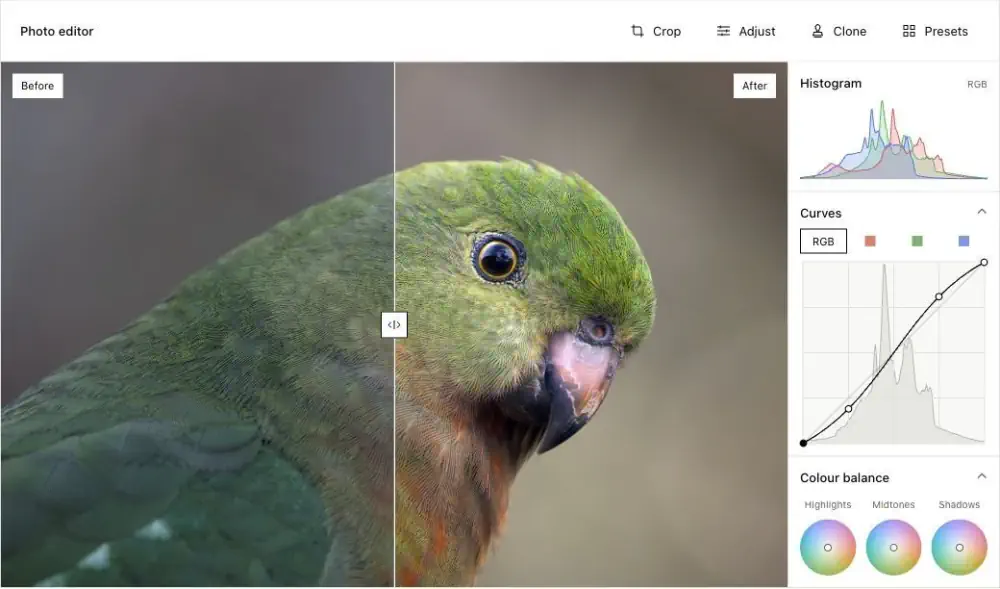
Controls familiar from Lightroom let you adjust tone and color while keeping the original intact. There is no need to give up an editing routine that already works for you; the tools are there whenever it helps to have them close at hand.
You can take your time with the collection, too. Changes stay in a private preview while visitors continue to see the current version of your website. When you are ready, publishing puts the updated photographs and pages online.
Keep coming back to the work
Some projects take years. Others begin with a few photographs and grow into something you did not expect. You may want to share them long before there is a finished series—or any reason to think about selling the work.
ISO100 lets you start publishing for free, without a trial deadline. Optional paid subscriptions support the business, giving photographers a way to support the service as their needs grow.
That might mean adding photographs after another trip, returning to an older collection, or giving a project a different presentation. The aim is for photographers to spend their time deciding what to show and how it should look, with the work of building and maintaining the website already handled.