
Life seems to move in cycles, and getting older also means looking back at one’s life and taking stock of it.
My fascination with photography began in high school.
At 17, I took a darkroom class after becoming intrigued by the darkroom my oldest brother, Friedrich, had set up in our childhood home. My first “real” camera was a Russian Zenit with a 50 mm lens that he had given me, setting me on the path toward becoming a photographer.
A journey to visit friends in the USA in 1982 turned into a longer stay after I met Renata Rainer, a photographer who had fled Austria with her parents in 1938. She introduced me to Ira Wunder, a black-and-white printer and photographer who offered me a year-long internship as a darkroom technician. Ira had learned his craft from Sid Kaplan, Robert Frank’s longtime printer.
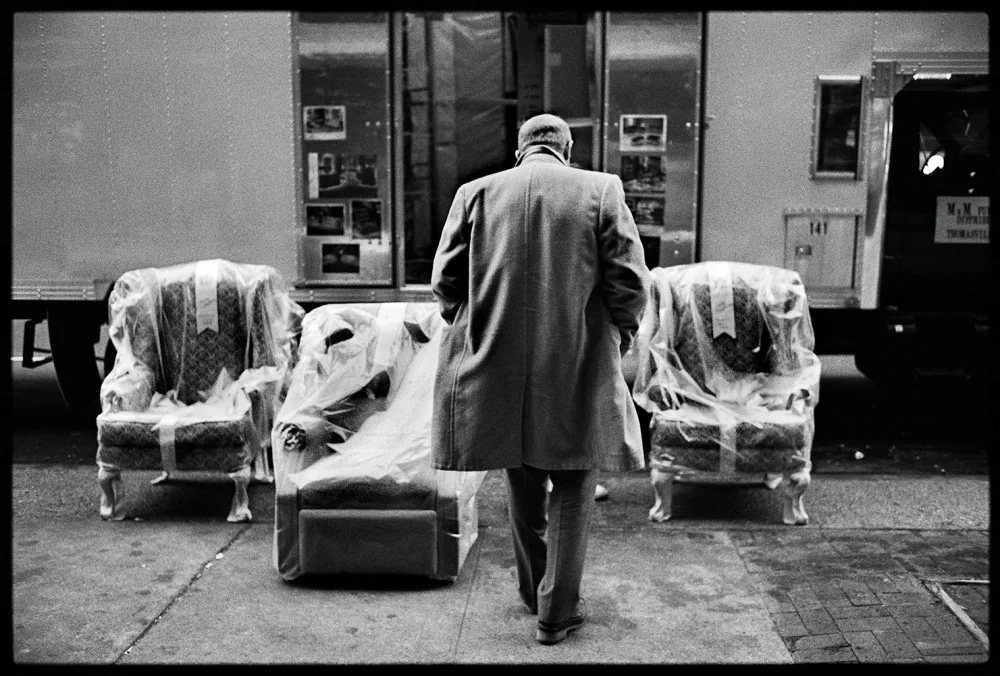
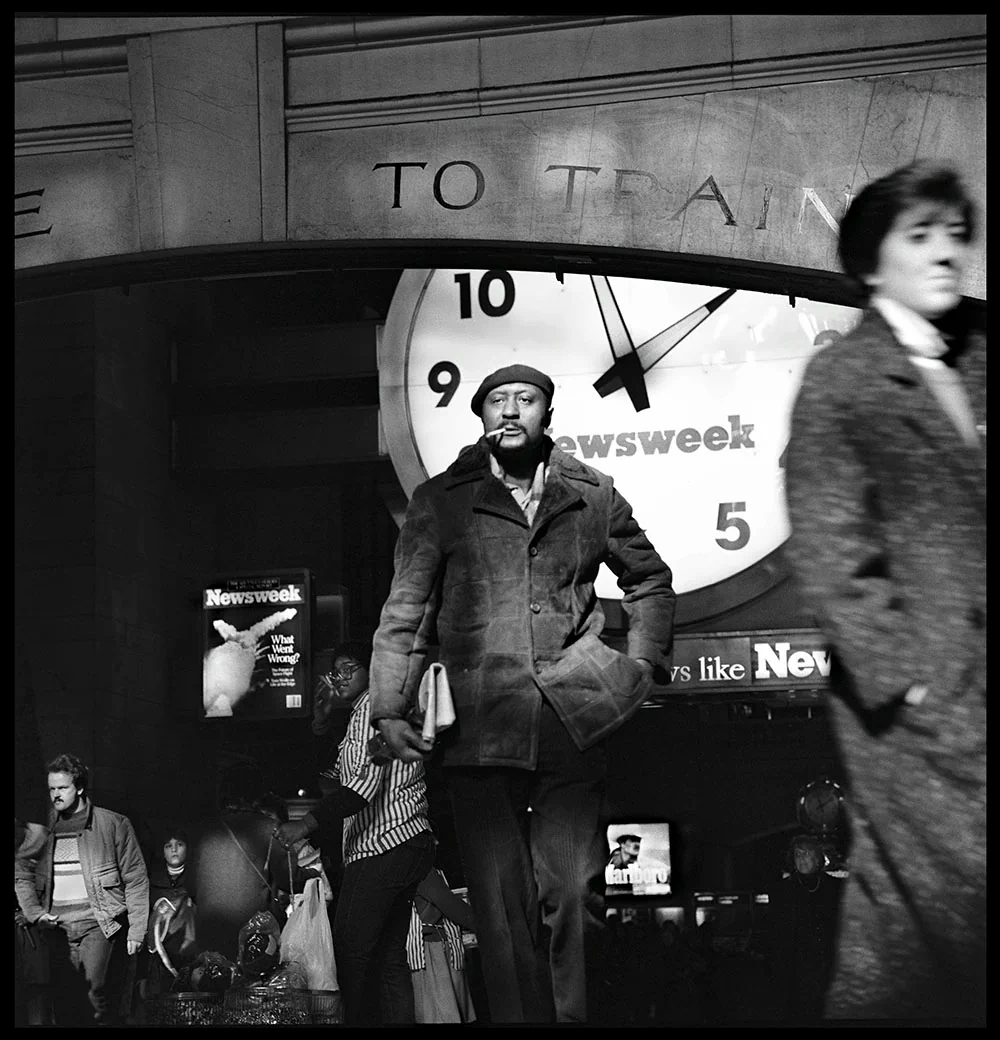
Almost every weekend was spent in Manhattan, learning photography and developing and printing my images. I still remember the clear winter sunlight cutting through the skyscrapers of downtown Manhattan and the joy of trying to capture it on a negative. Developing Kodak TRI-X film, making a contact sheet, selecting an image, and watching it appear in the developer tray was the ultimate creative experience. Although the manual process has largely been replaced by digital technology, that basic fascination has never changed.
Altogether, I spent five years working as a darkroom technician, eventually joining Schneider-Erdmann Lab in Manhattan, where Gary Schneider printed for photographers including Gilles Peress, Mary Ellen Mark, and Francesco Scavullo. It greatly improved my technical skills, but my goal was always to work as a photographer.
Through friends in New York, I met French photojournalist Jean-Claude Constant, who introduced me to photo agent Jocelyn Benzakin of JB Pictures. She encouraged me to shoot color slides because magazines preferred color and told me to send her film whenever I traveled.
That opportunity changed everything.
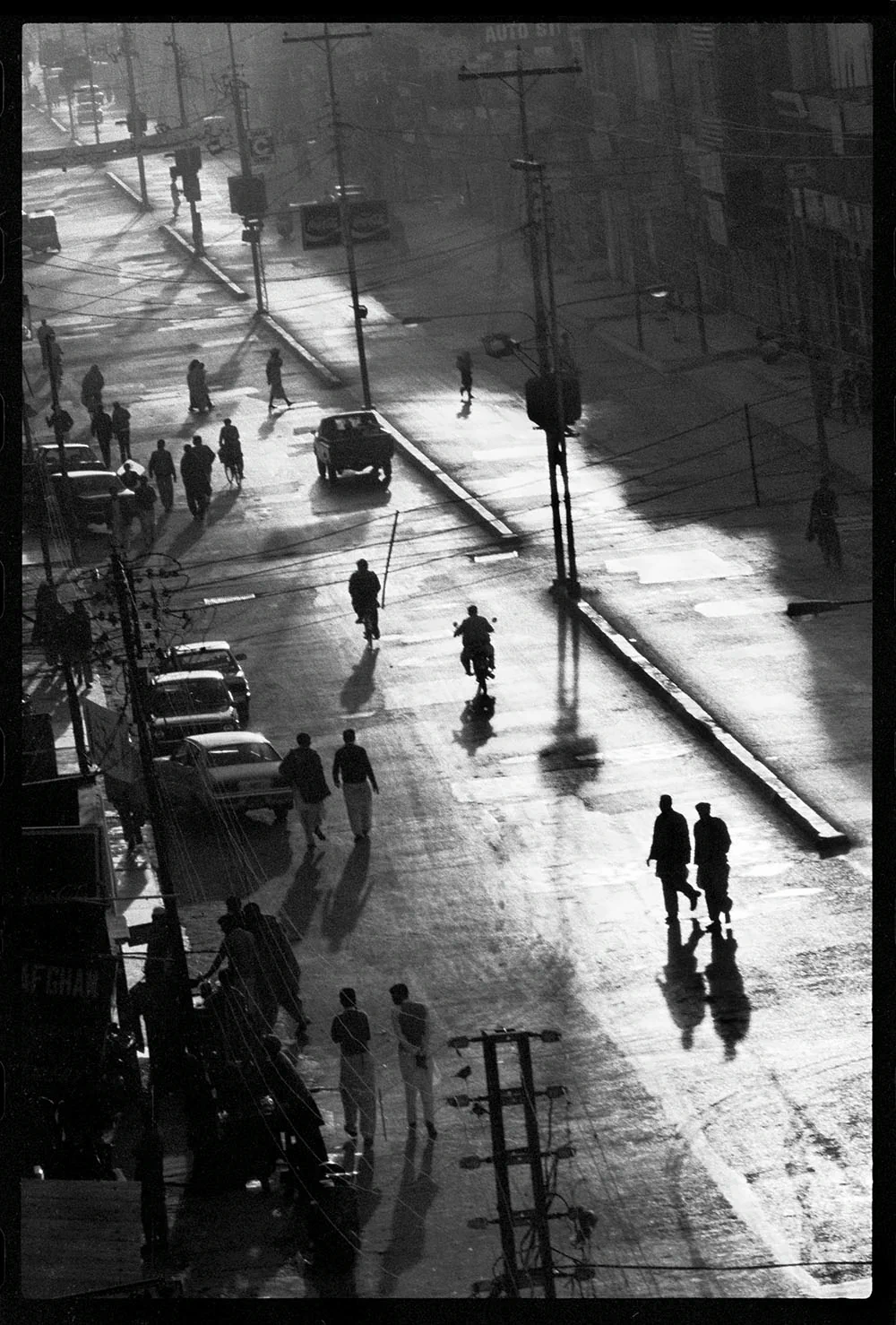
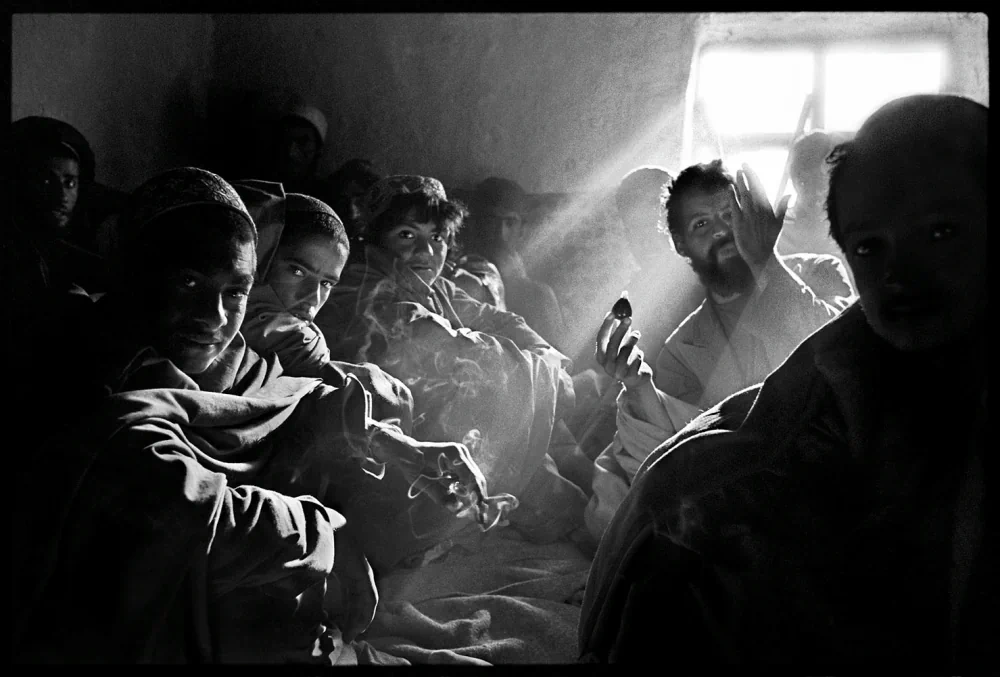
The Iranian Revolution and the Iran-Iraq War had been constantly in the news, and in 1987 I decided to travel toward Iran. Unable to obtain a visa, I remained in Pakistan, eventually reaching Peshawar, where freelance writers and photographers covering the Afghan war gathered at the Khyber Hotel. It was there that I began transforming from a photographer into a photojournalist.
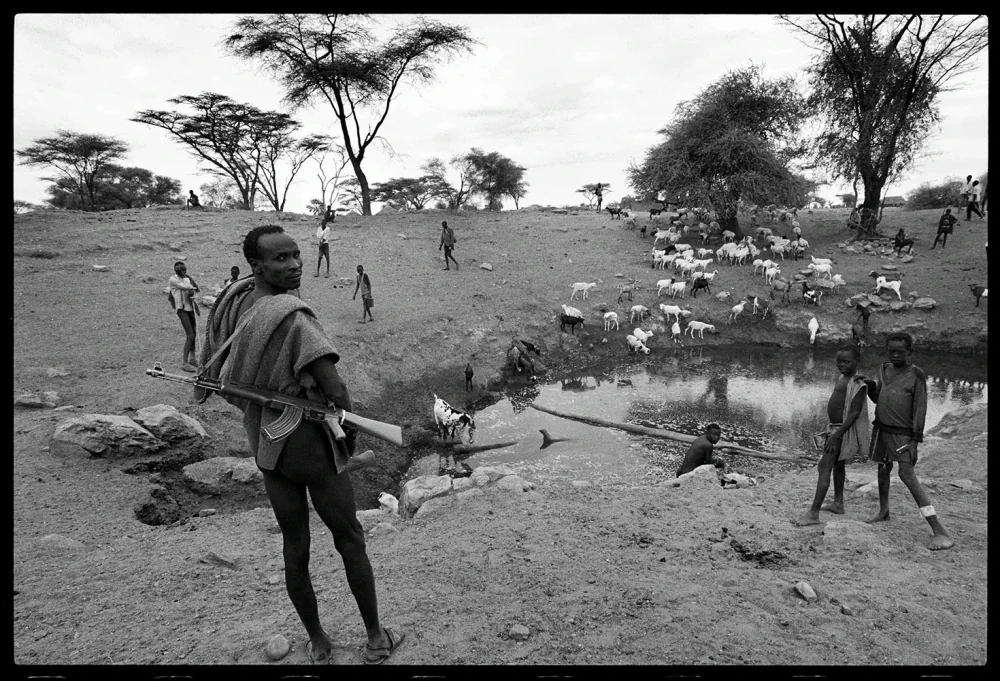
I eventually entered Afghanistan with the Mujahideen, carrying two camera bodies, a few lenses, and 25 rolls of film. Communication was often limited to gestures. I traveled with fighters to a base inside Afghanistan and accompanied them during attacks on Afghan forces. By the time I returned to Pakistan, I had been toughened considerably by the experience.
After returning to New York, Jocelyn Benzakin told me that my first published photograph had appeared as a double-page spread in Life magazine. At that moment, I knew I could make a career of photography.
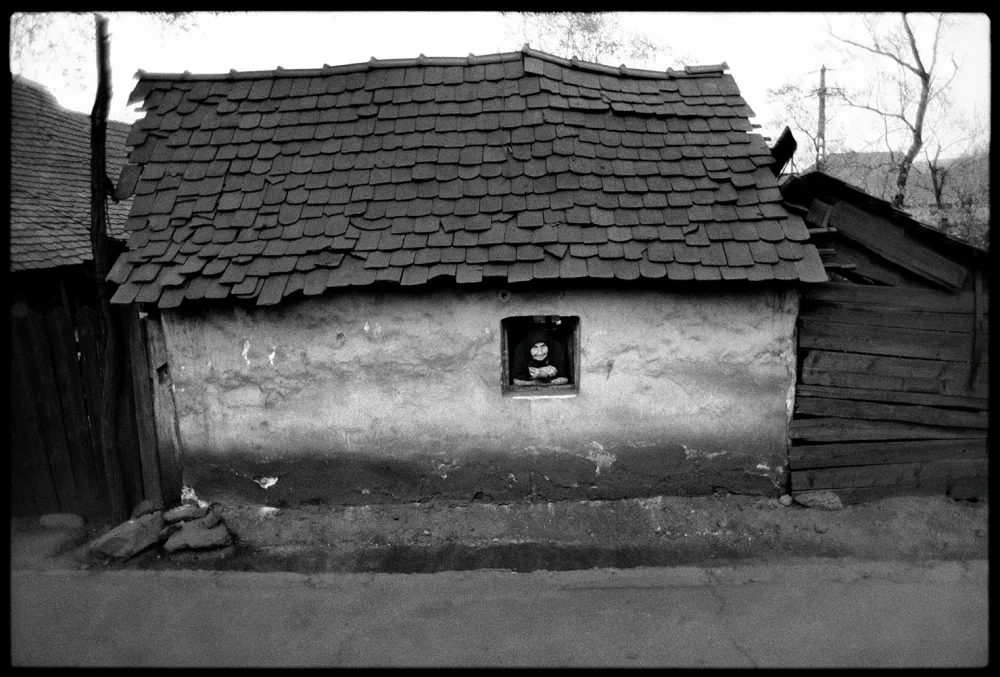
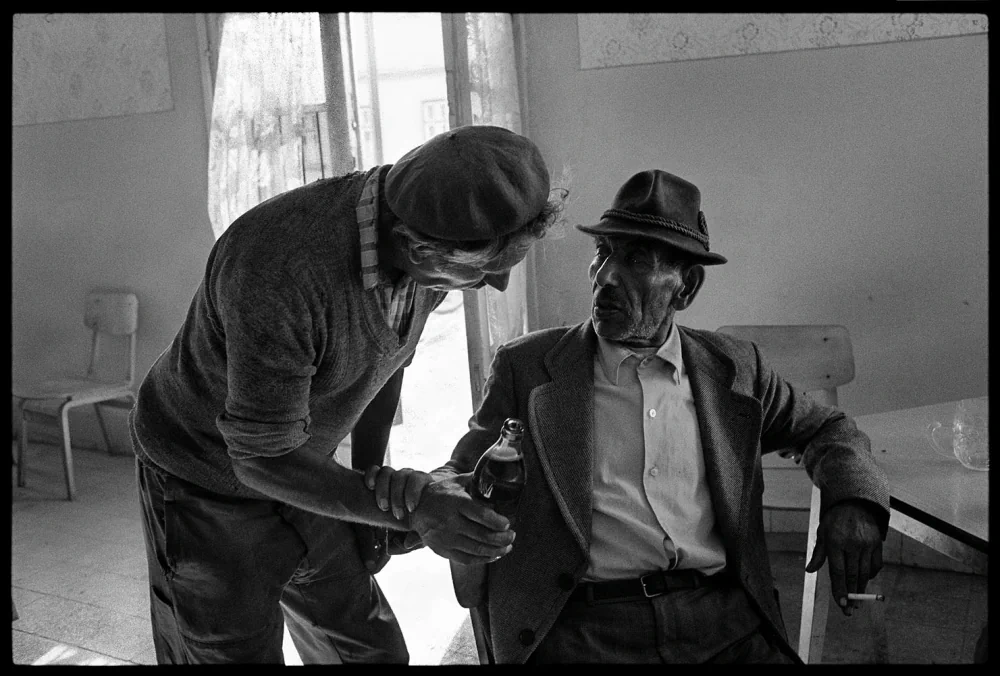
In 1988, I returned to Pakistan and Afghanistan, where I contracted Hepatitis A and spent six months recovering. My focus then shifted toward Eastern Europe. I photographed political and social changes in Poland, Hungary, Bulgaria, Turkey, Czechoslovakia, and Romania during the collapse of the Eastern Bloc.
In Romania in 1990, I gained access to an orphanage in the medieval castle of Brâncovenești. The conditions were horrifying: severely malnourished children lived in dark rooms with almost no care, while those who died were buried in unmarked graves. Experiences like this revealed both the importance and the emotional cost of documentary photography.
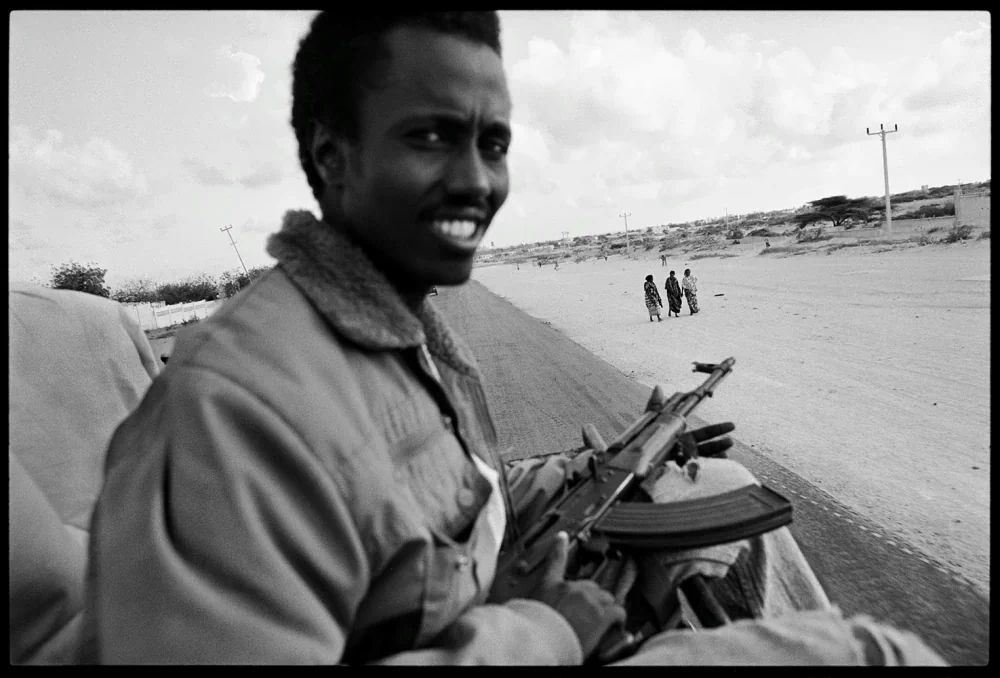
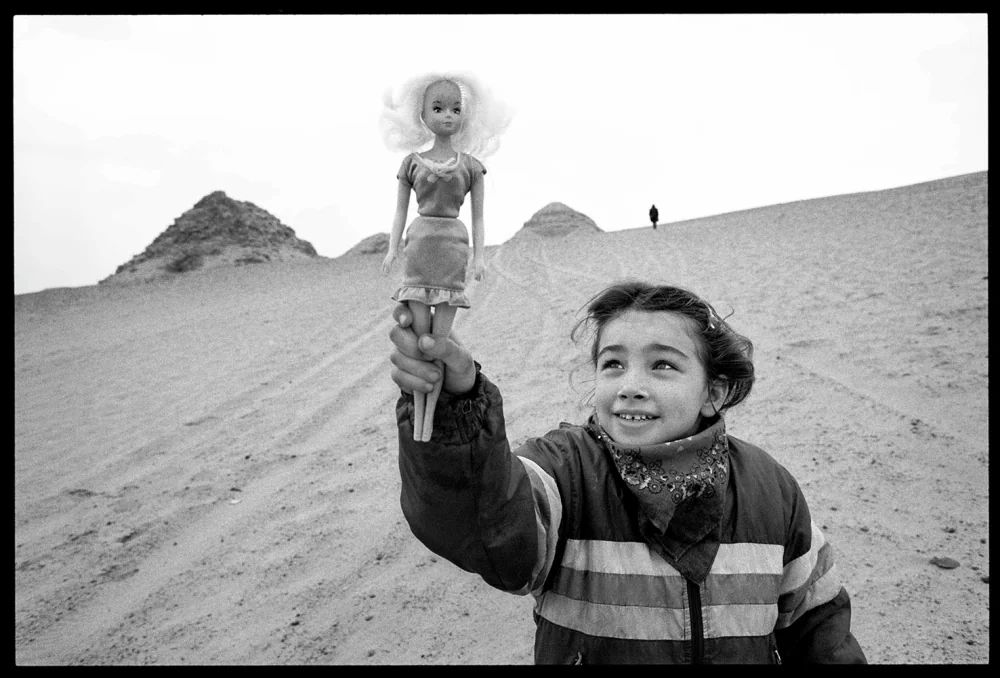
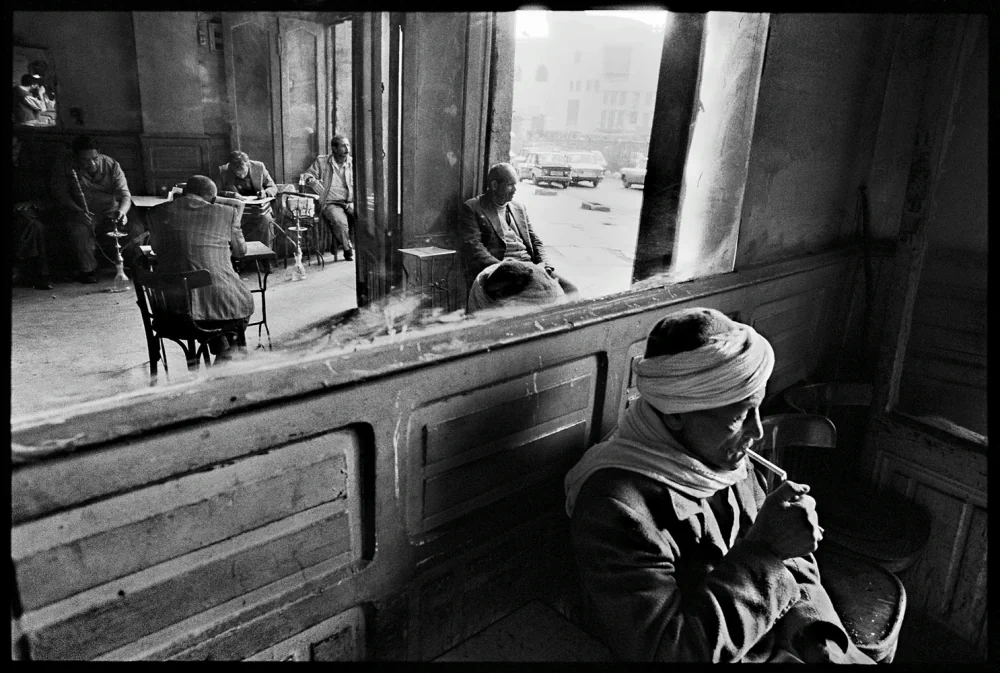
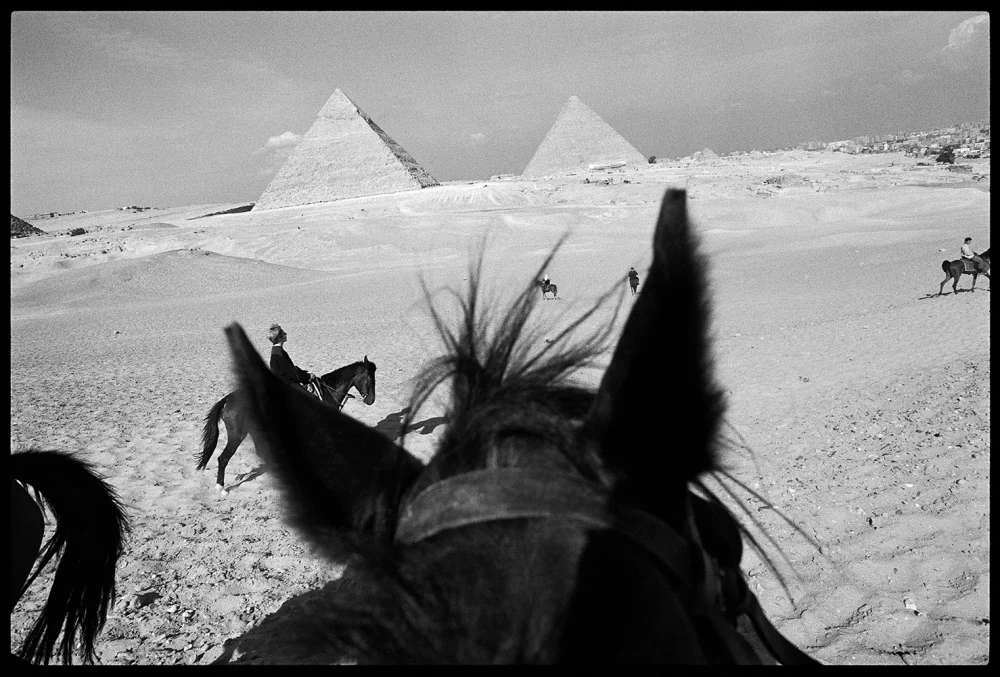
Egypt became another important chapter in my life. After several visits, I lived there from 1994 to 1998. During the Gulf War, I worked between Cairo and Amman alongside colleagues from JB Pictures. One of them, Gad Gross, was killed near Kirkuk in northern Iraq in March 1991. His death made clear that photojournalists were no longer always regarded as neutral observers and that the risks of the profession were very real.
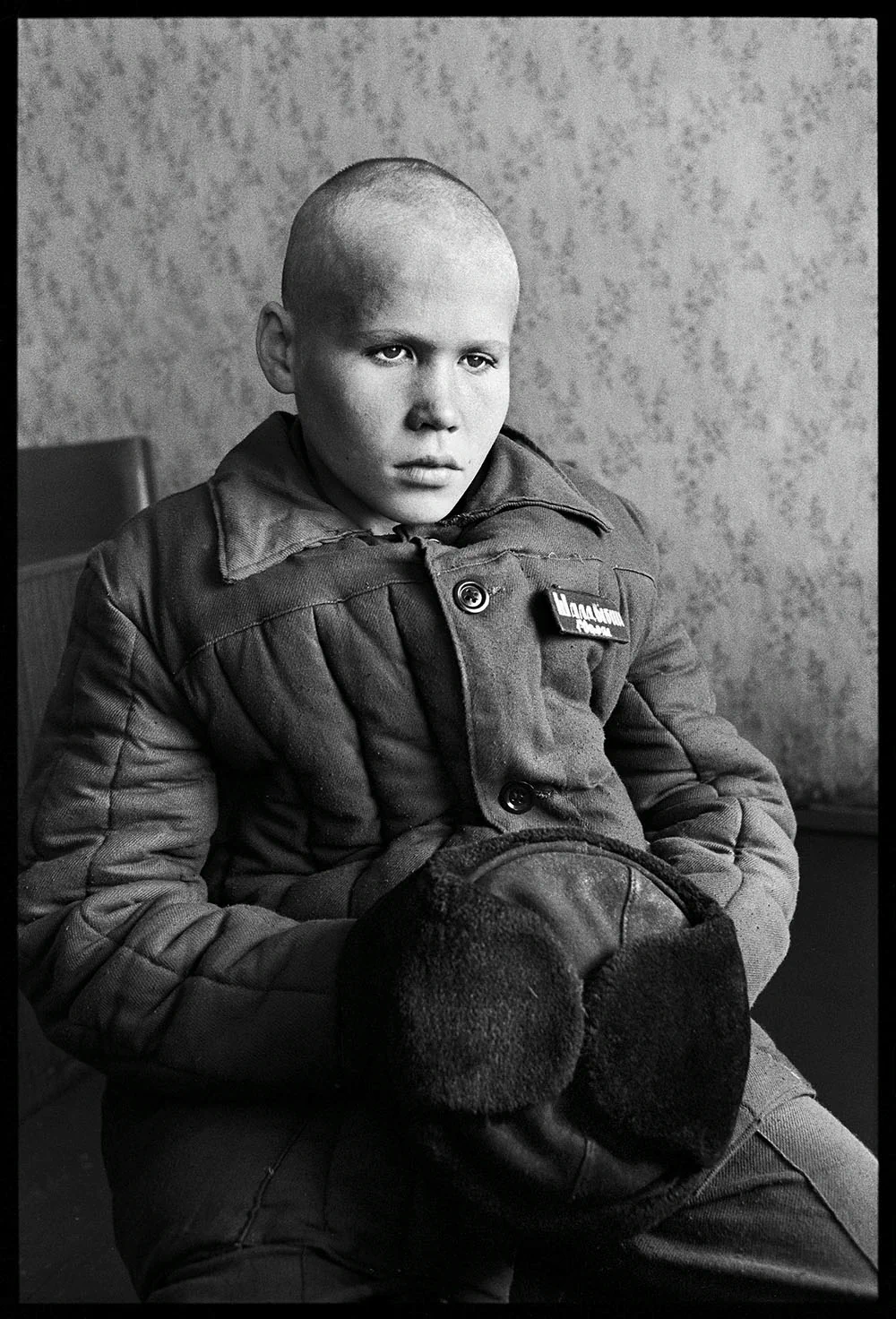
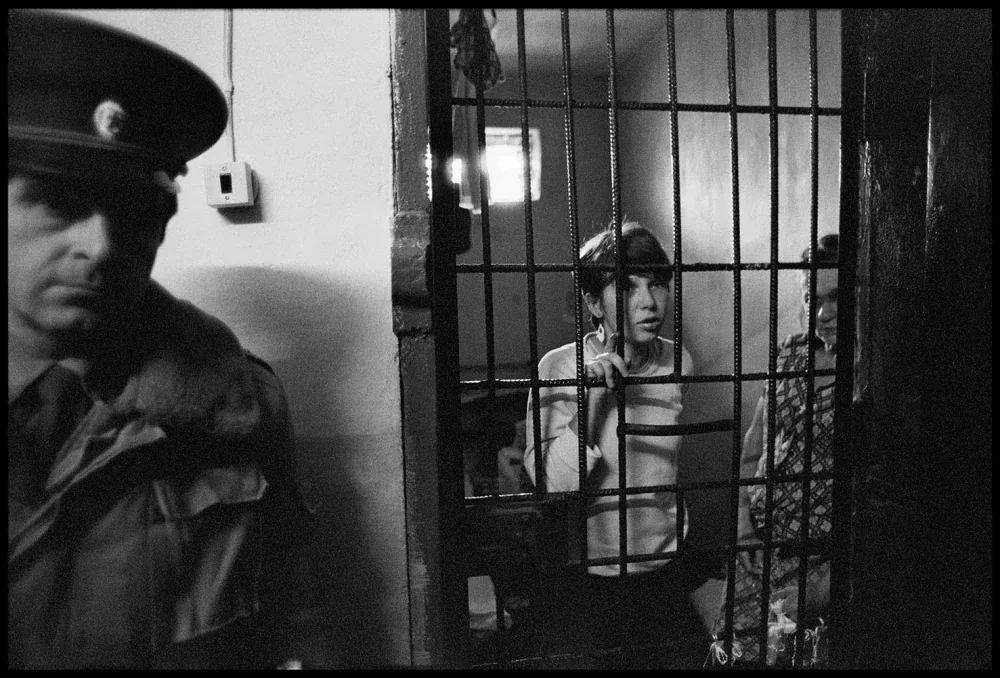
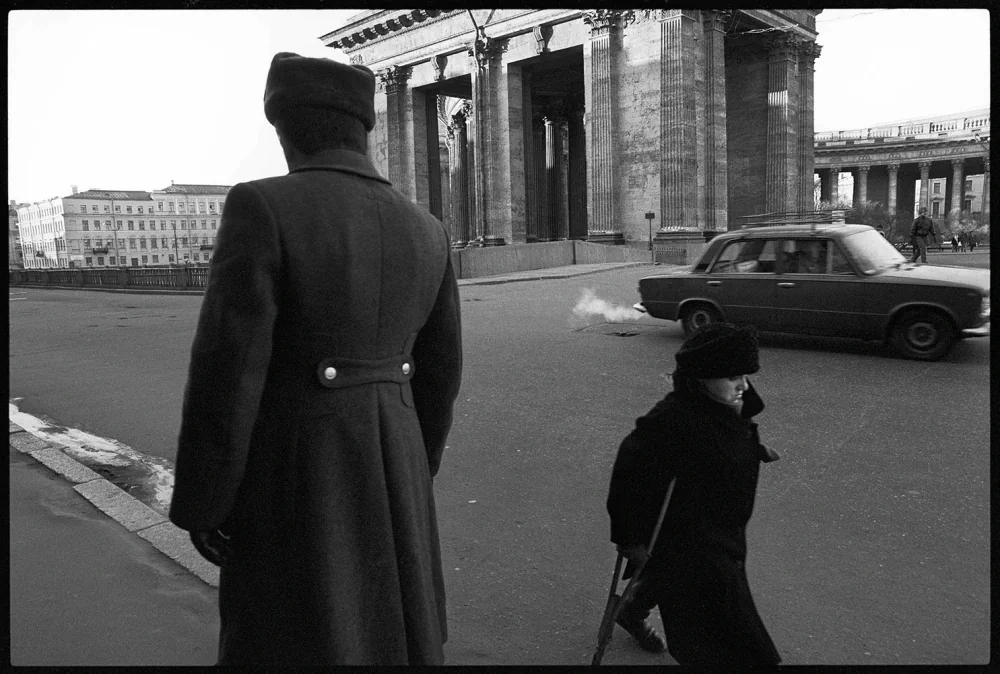
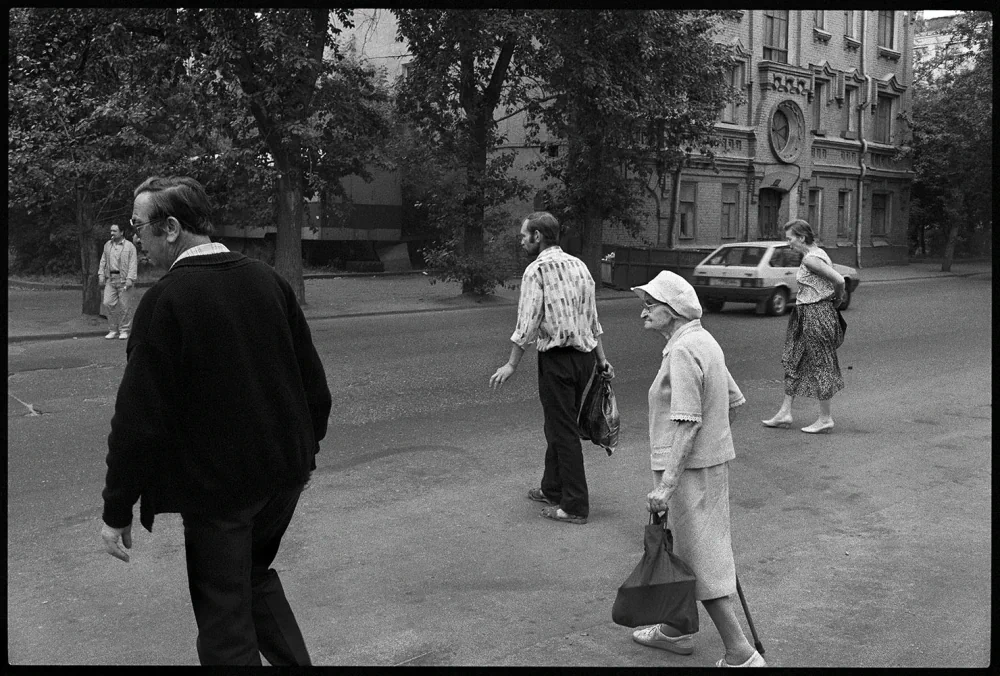
The breakup of the Soviet Union opened previously inaccessible regions to foreign photographers. During the early 1990s, I spent extensive periods traveling through Russia and the Commonwealth of Independent States. I photographed industrial regions such as Norilsk and covered the conflict in Abkhazia.
After the fall of Sukhumi in September 1993, I traveled to Georgia to document thousands of refugees crossing the mountains toward Svaneti. One morning, after I had spent the freezing night beside a fire with refugees, a woman who had lost almost everything shared a piece of bread with me. Moments like that made me feel that people genuinely valued the presence of a photographer documenting what they were experiencing.
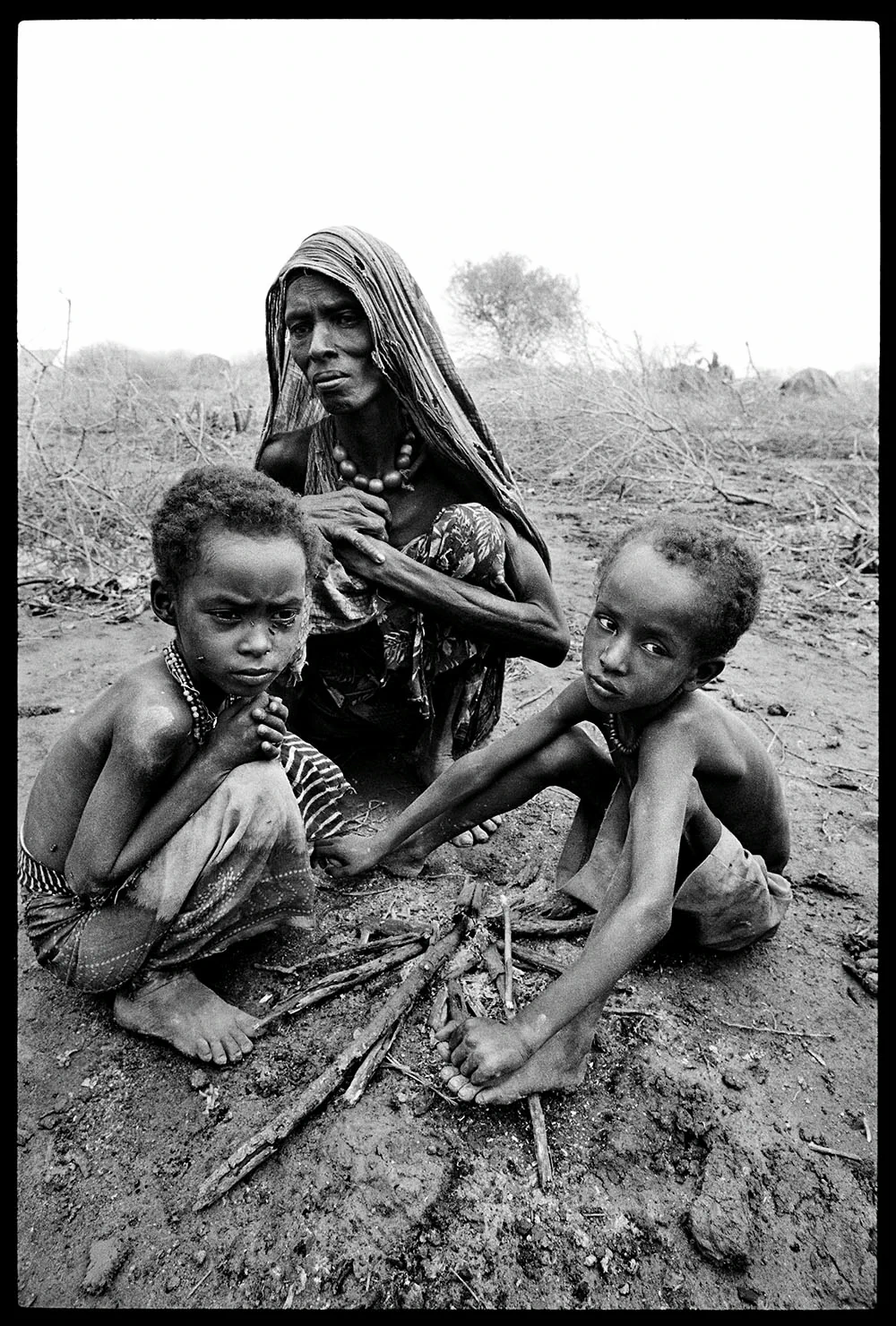
But photographing war, displacement, starving children, and death inevitably takes a psychological toll.
By the mid-1990s, opportunities began taking my career in another direction. Editors I knew from news magazines moved into travel publications and began offering me assignments. Travel photography became an important part of my editorial work until September 11, 2001, when that market largely collapsed.
By then, I was married and living again in Austria, raising two children. Later, my family moved temporarily to Bangkok after my wife accepted a teaching position there. My editorial career quickly revived, particularly through regular assignments for The New York Times. I traveled throughout Southeast Asia, produced a panoramic book about Bangkok, and began exhibiting more artistic work in the form of triptychs.
After returning to Austria, I increasingly focused on personal projects. I completed a book of triptychs about Thailand and developed my “Photopainting” series, using intentional camera movement to capture light in an expressive way. I also created a documentary project on Jewish life in Vienna, which became an exhibition at the Jewish Museum and a book published in 2012.
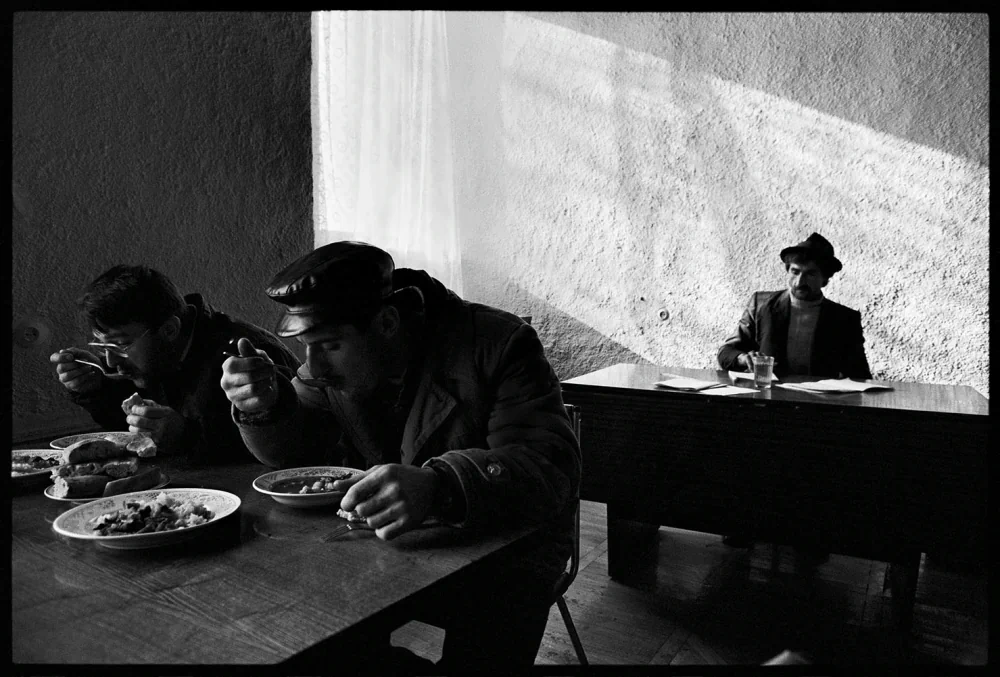
For photographers, one of the greatest challenges beyond making a living is remaining creative without constantly repeating oneself. The triptychs and photopaintings allowed me to break away from my established visual language. In recent years, I have also returned to digital black-and-white photography.
Life, however, continues to move in cycles. My first photographic journey in 1987 was originally intended to take me to Iran, but I never made it there. Nearly 30 years later, after meeting the Austrian ambassador to Iran in 2014, I was accepted into a residency program in Tehran and finally reached the country.
I immediately felt at home there. The warmth of the people and the extraordinary architecture contrasted sharply with an oppressive political system. My last visit was in 2022, and it will probably remain my last for the foreseeable future following the killing of Jina Mahsa Amini. During those years, I completed a project on old cinemas in Iran as an allegory of the Islamic Revolution.
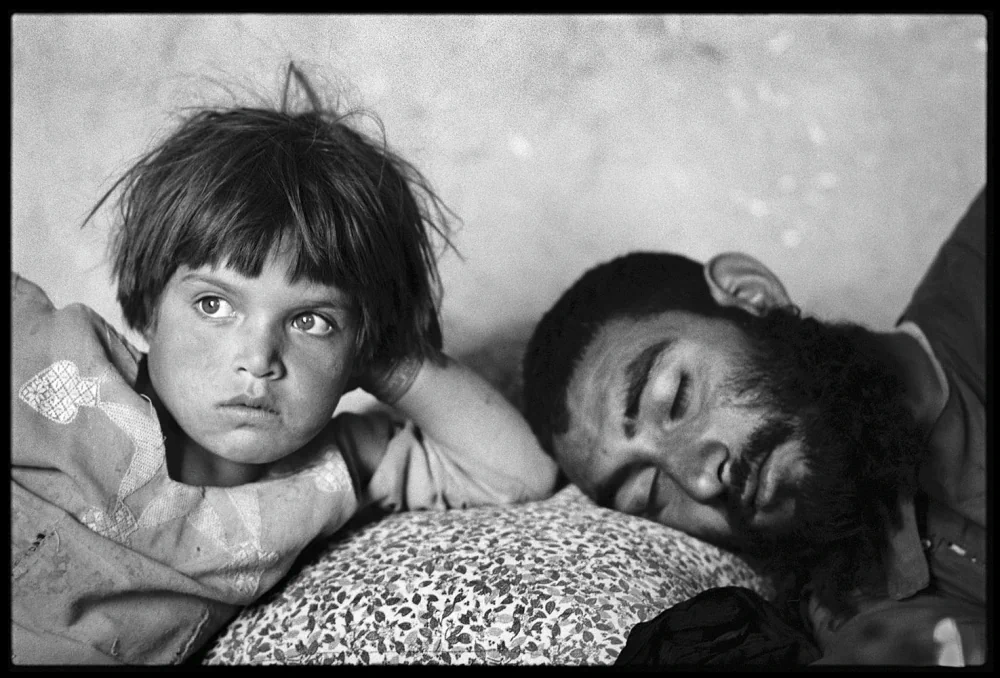
A portrait of a Sufi made in Dolab, Iran, in 2022 connects naturally with a portrait of a Mujahideen I photographed in Afghanistan in 1987. The fascination with faces has not changed, nor has the desire to photograph. What remains are the questions every photographer eventually confronts: how to avoid repetition, how to continue evolving, and how to remain creatively alive.
About Josef Polleross
Josef Polleross was born and raised in Austria, in the region north of Vienna known as the Waldviertel. He soon developed into a cosmopolitan photographer, residing successively in New York, Cairo, and Bangkok. Now based in Vienna, he is a master of many genres of artistic and journalistic photography.
In the 1980s, Polleross moved to New York, where he began working with the photo agency JB Pictures, launching a career as a photojournalist that took him around the world and placed his work on the covers of numerous international periodicals. His photographs accompanying political and social reports soon appeared in newspapers such as The New York Times and The Washington Post, as well as in magazines including Life, Newsweek, Time, Geo, Stern, and Der Spiegel.
Several years ago, Polleross turned his attention almost exclusively to artistic photography and to the classic format of the triptych. His triptychs have received widespread acclaim in numerous exhibitions in Austria and abroad, and his exquisite photobooks have also enjoyed great success. [Official Website]