Burundi Political Crisis by Paulo Nunes dos Santos
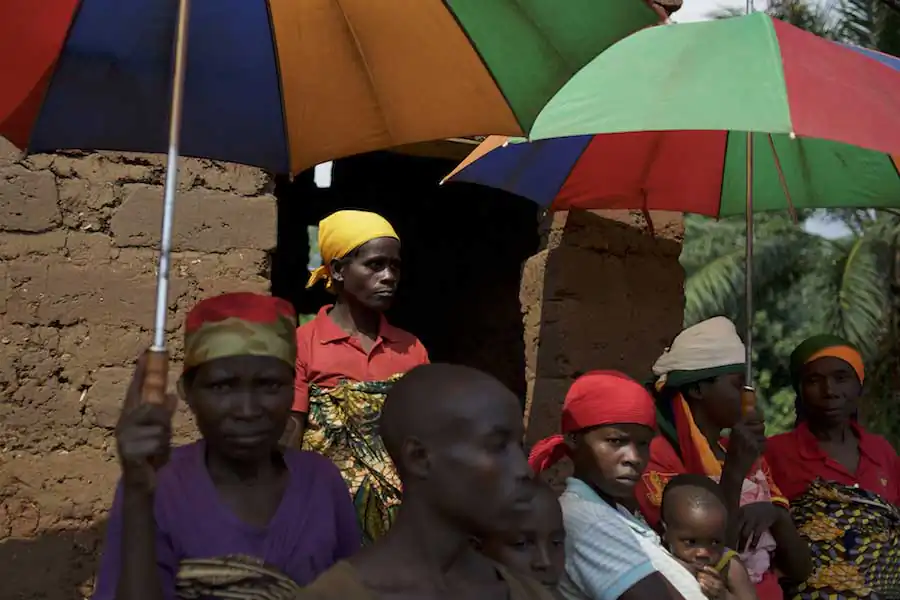
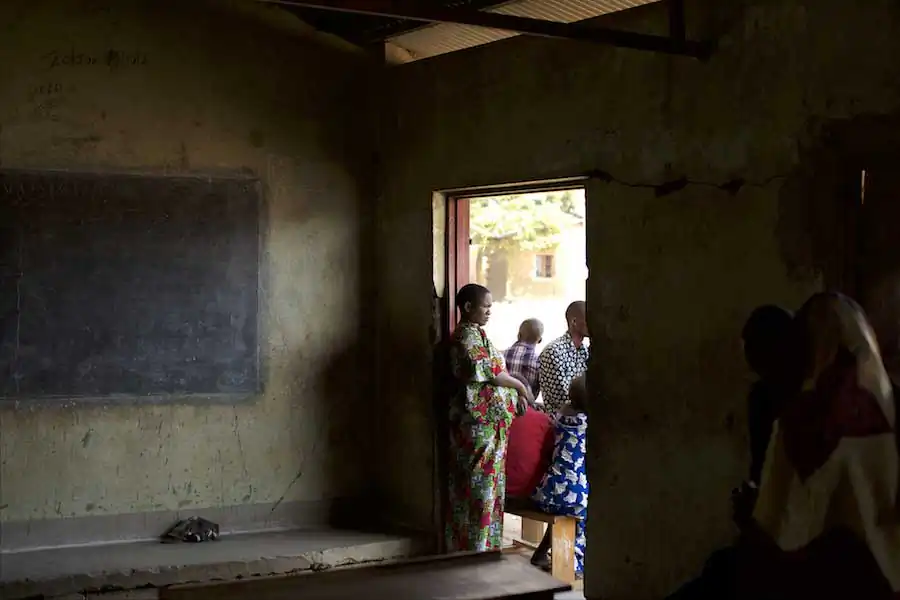
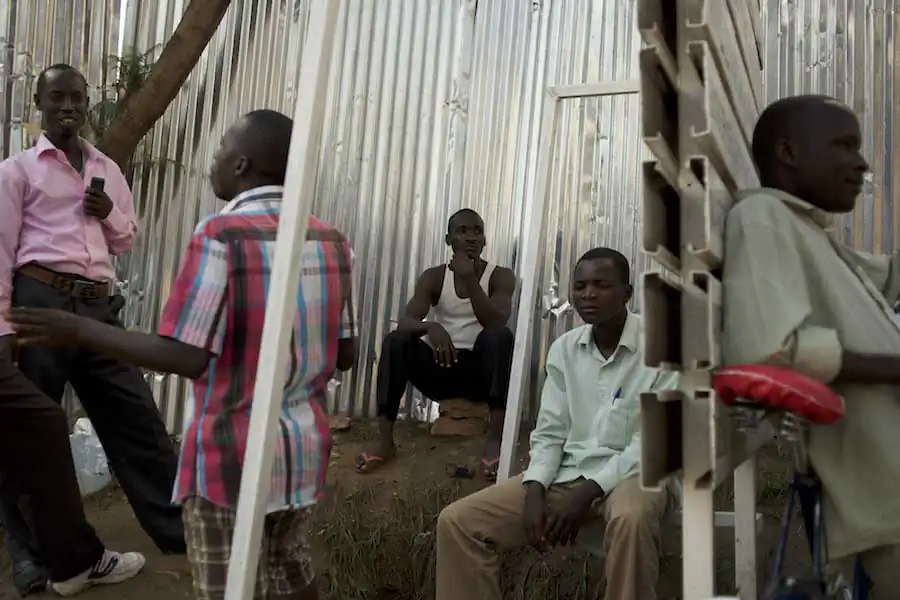
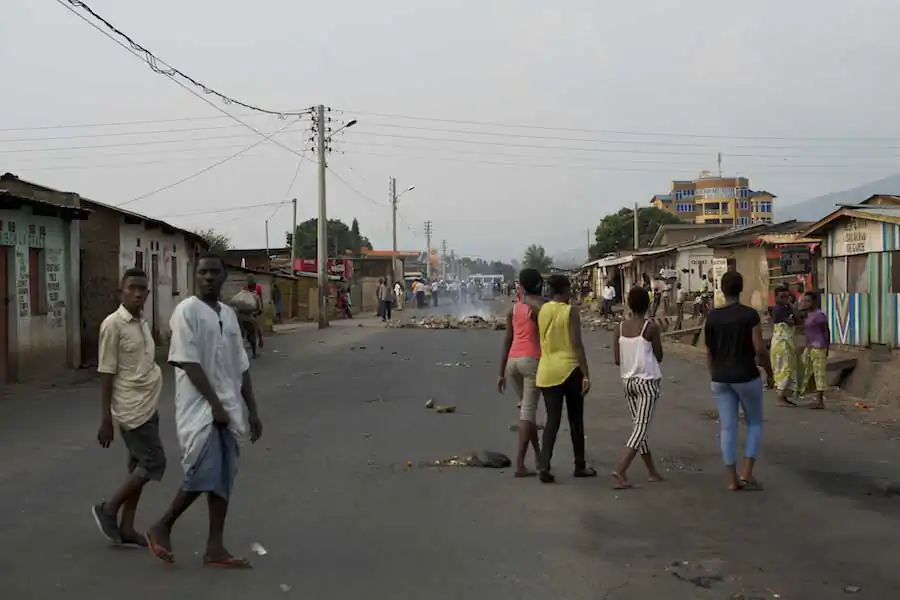
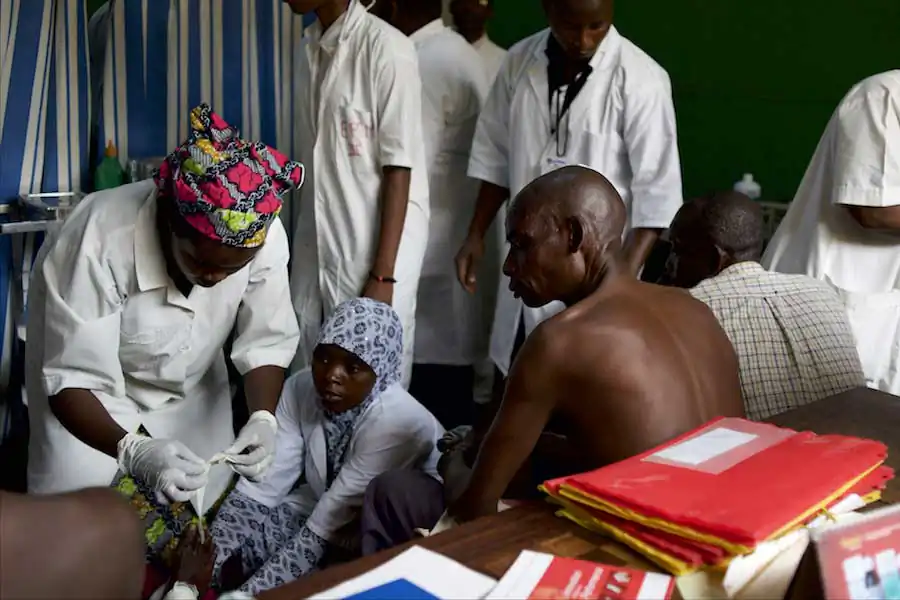
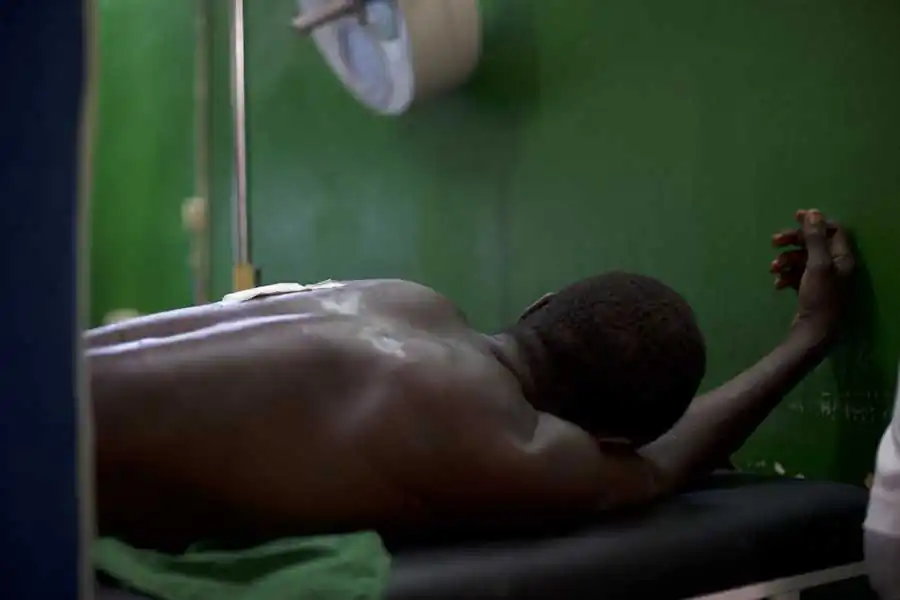
The small african nation of Burundi has been gripped by violence since April 2015 as when of Pierre Nkurunziza’s announcement of the intention to run for a third-term in office.
Nov 17, 2015
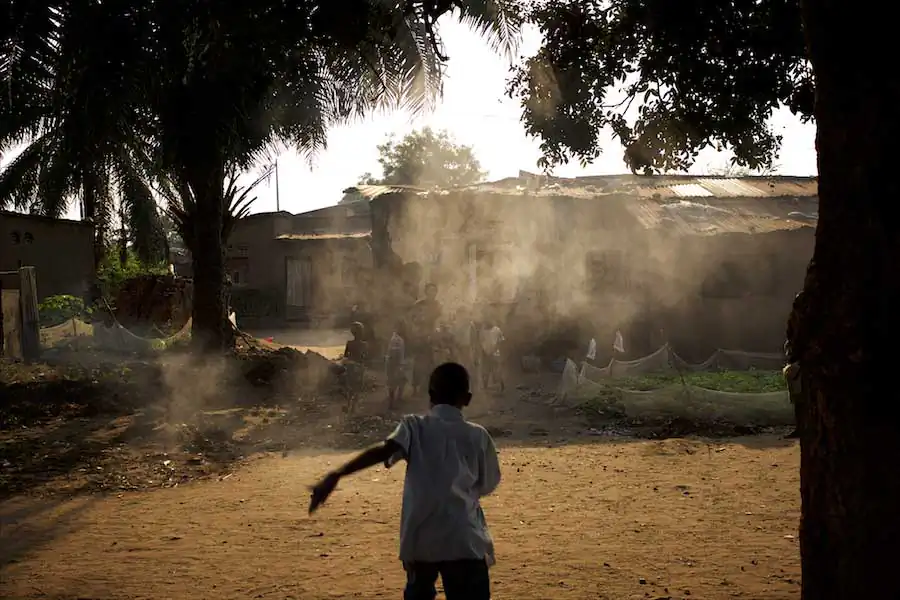
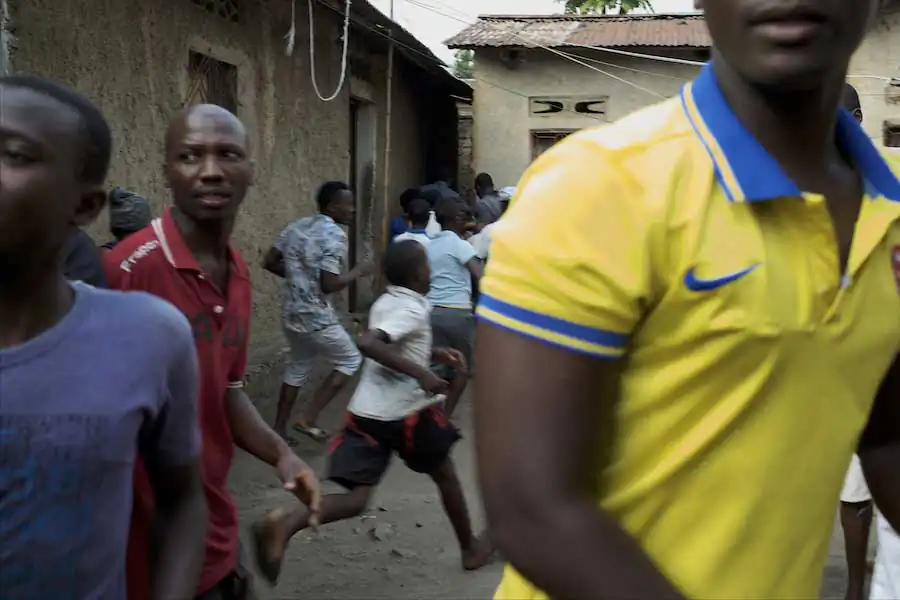
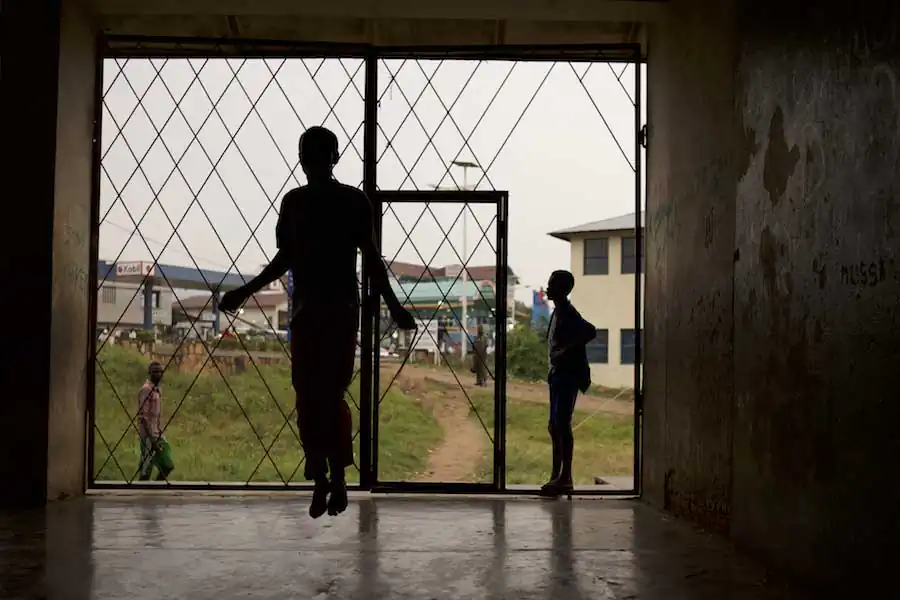
A child runs towards his house in the Chibitoke neighbourhood of Bujumbura. Cibitoke have in the past couple of moths been the scene of violent protests against the presidents third term bid.
The small african nation of Burundi has been gripped by violence since April 2015 as when of Pierre Nkurunziza’s announcement of the intention to run for a third-term in office.
A decision that the opposition immediately claimed to be anti-constitutional and a breached of the 2006 Arusha Peace and Reconciliation Agreement that ended a disastrous civil war which lasted 13 years and left more than 300,000 people dead.
Despite the street violence, a wave of assassinations and grenade attacks, a failed coup d’etat and against the international community’s advise, the presidential elections went ahead in July and Nkurunziza won a third term as leader, raising widespread fears that the impoverish country in the heart of central Africa’s troubled Great Lakes region could be plunged back into civil war. With the nation’s fragile peace under threat as tensions between the strong police force loyal to the president and the opposition political groups simmer under the surface, more than 210,000 people have so far fled the post-election violence to find refuge in neighbouring countries.
About Paulo Nunes dos Santos
Paulo Nunes dos Santos is a Dublin based freelance journalist & photographer. He graduated from Universidade Autonoma de Lisboa in 2002 with a masters in Communication Sciences/Journalism and has since traveled extensively documenting armed conflict, humanitarian crisis, political instability and social issues throughout the Middle East, Afghanistan, Africa, Southeast Asia, South America and Eastern Europe. He collaborates as an international correspondente with the Portuguese newspaper Expresso, contributes as a photographer with The New York Times and often publishes his work elsewhere internationally. His photos and feature stories have appeared in publications such as the The New York Times, TIME.com, Sunday Times, Le Monde, The Irish Times, Courrier Internacional and Al-Jazeera, as well as in a variety of corporate magazines and websites. [Official Website]
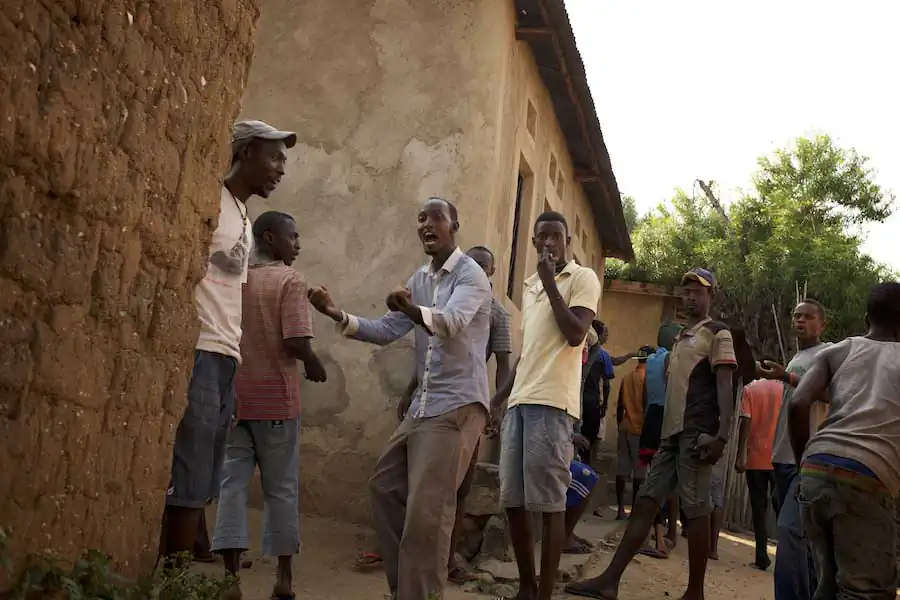
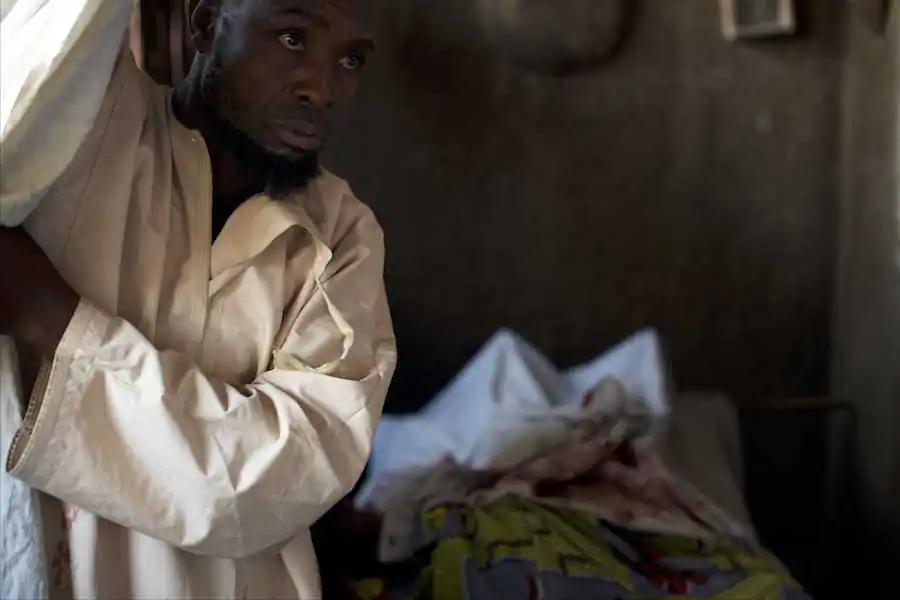
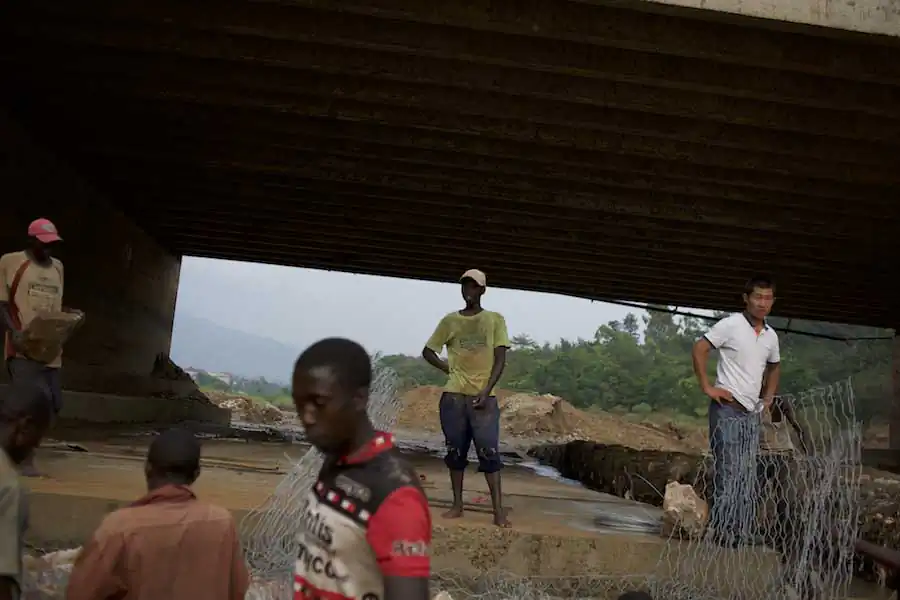
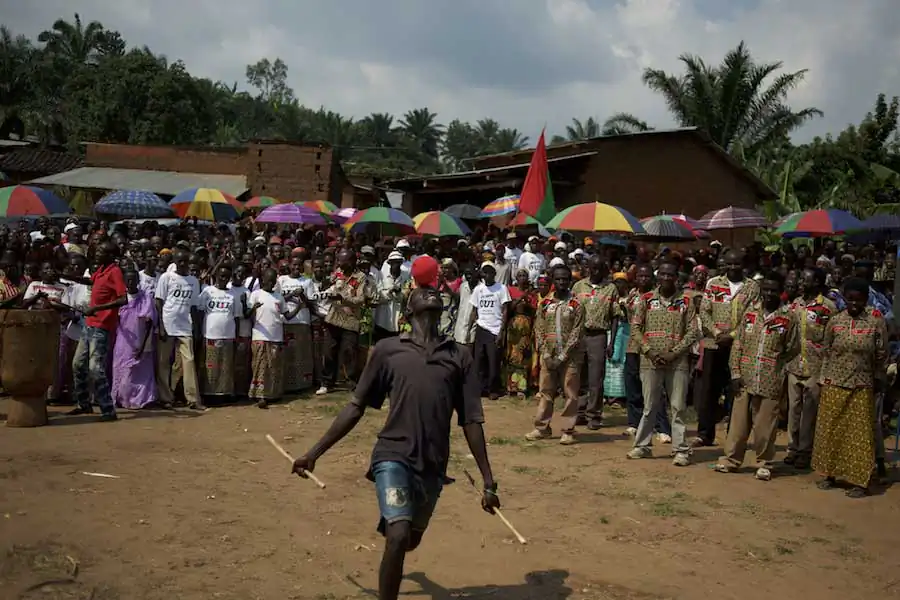
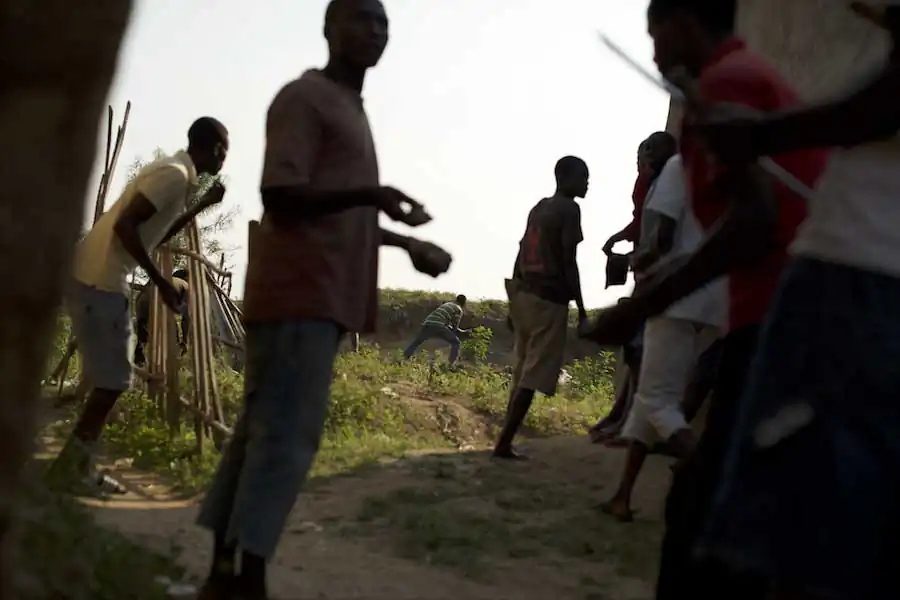
A child runs towards his house in the Chibitoke neighbourhood of Bujumbura. Cibitoke have in the past couple of moths been the scene of violent protests against the presidents third term bid.Demonstrators in Musaga, a district in Burundi’s capital Bujumbura that has been at the heart of violent protests against the presidents third term bid, react to sustained automatic fire allegedly fired by police forces.Locals react to gunfire shot by the Burundian National Police officers during a raid in Cibitoke neighbourhood, Bujumbura.A local man show’s the body of Abdul Masumbuko, a young man allegedly killed by a grenade he was handling in Jade neighbourhood in Bujumbura, June 28, 2005.Burundian university students, seeking shelter outside the US embassy in Bujumbura, build toilets and showers in the yard of a vacant building close by. The students moved to the area in early May because, they claim, the US authorities ensure their security, after their university was closed amid anti-government protests. The government closed the university at the end of April, citing “insecurity”.Local men are monitored by a Chinese engineer during the construction of a dam to prevent the erosion of the support pillars of a bridge in central Bujumbura, Burundi.A red cross volunteer exercises at a local school in central Bujumbura, Burundi.A man dances as supporters of Burundi’s ruling party CNDD-FDD (National Council for the Defence of Democracy – Forces for the Defence of Democracy) hold a rally in Rubiza. Burundi’s ruling party said on June 23 it had boycotted the restart of UN-led talks hoped to broker peace between rival parties following weeks of violence and ahead of elections on June 29. The troubled central African nation has been in crisis since late April over President Pierre Nkurunziza’s controversial bid to stand for a third consecutive five-year term.
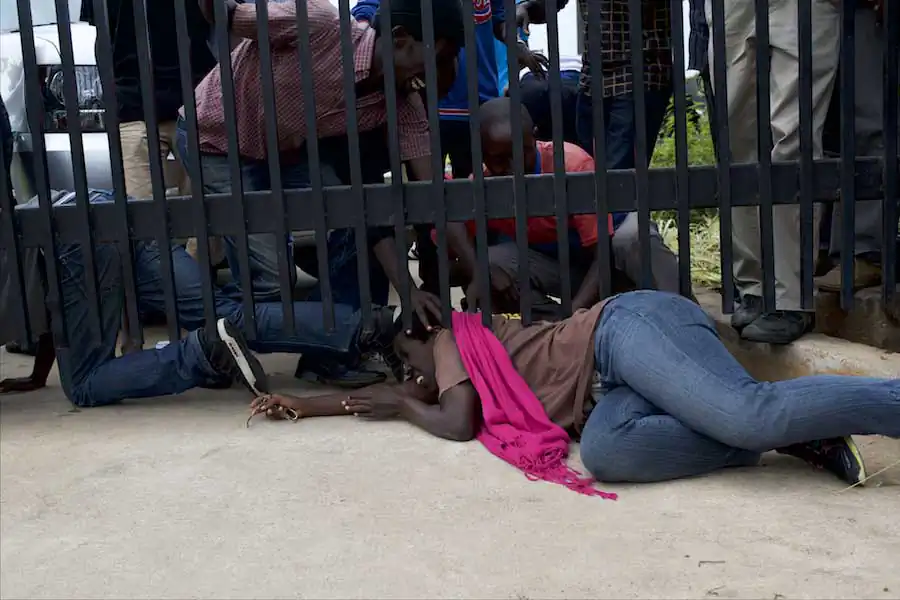
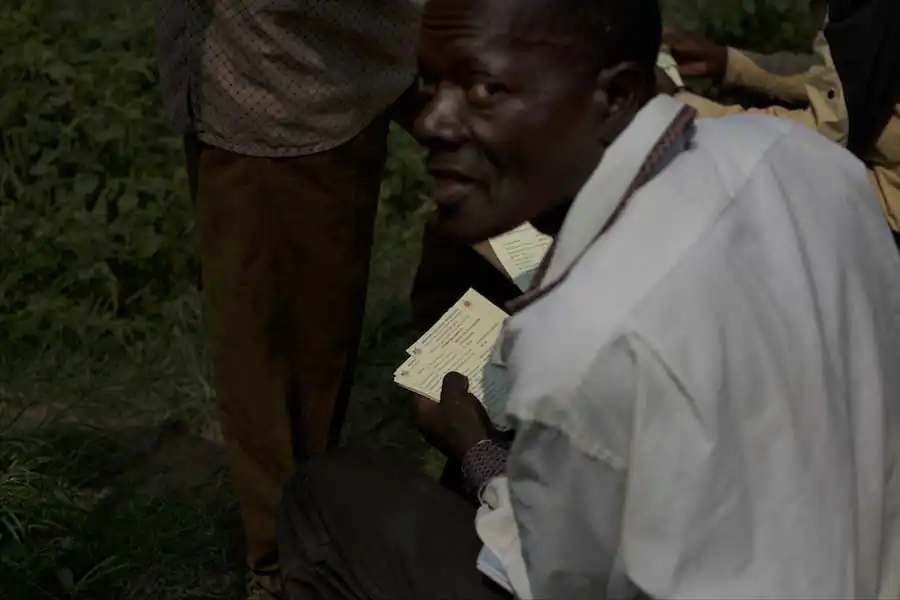
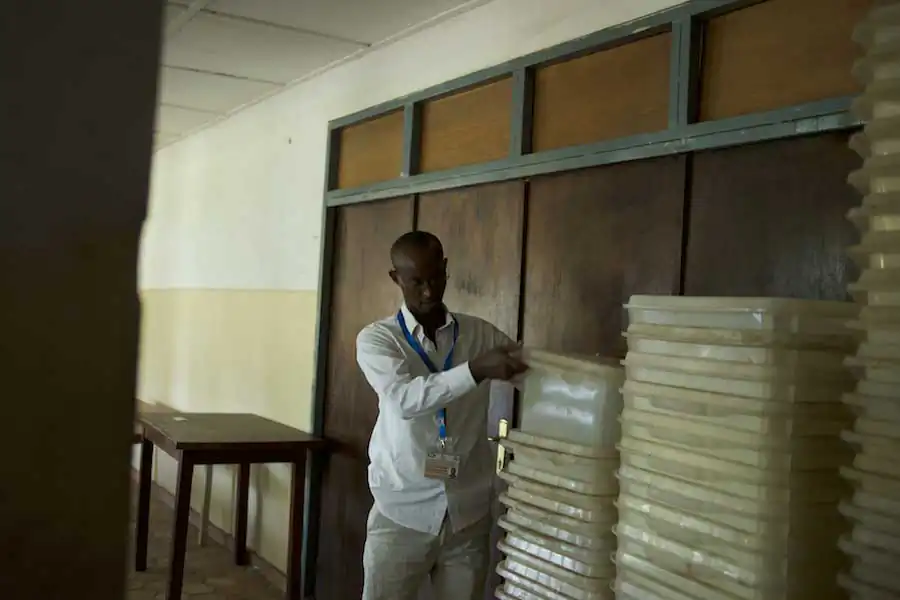
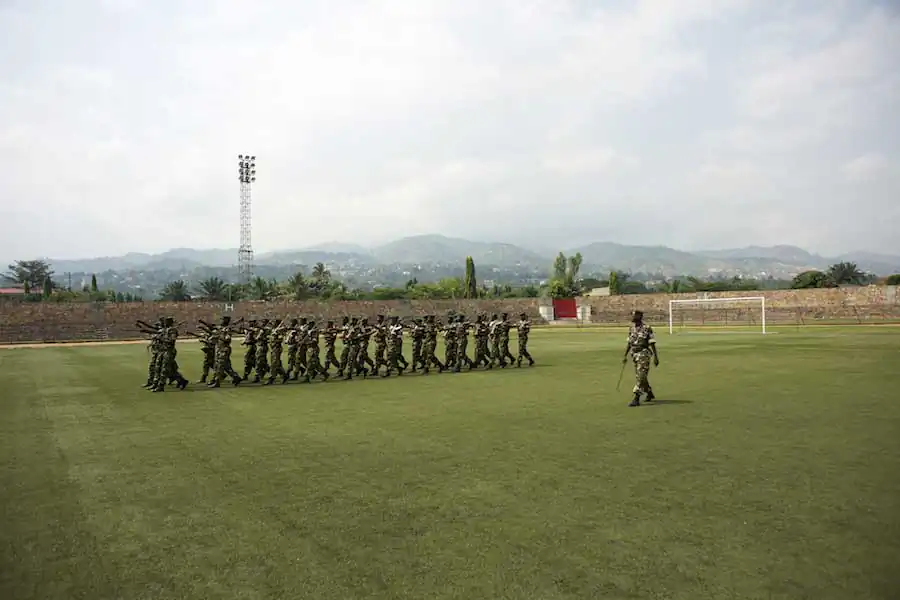
Hundreds of university students storm the embassy grounds seeking refuge from a police advance after a 24 hour deadline to abandon the area expired earlier in the morning. The students moved to the area in early May because, they claim, the US authorities ensure their security, after their university was closed amid anti-government protests. The government closed the university at the end of April, citing “insecurity”.Demonstrators in Musaga, a district in Burundi’s capital Bujumbura that has been at the heart of violent protests against the presidents third term bid, throw stones during sustained automatic fire allegedly fired by police forces.A staff member of the Burundian National Independent Electoral Commission prepare a room at a polling station in Cibitoke neighbourhood in Bujumbura, minutes before the start of the vote for the country’s parliamentary elections., on June 29, 2015.An unidentified man goes through the registration cards of voters at a polling station in Kinama neighbourhood, Bujumbura, June 29, 2015.A member of Burundi’s National Electoral Commission counts the ballot boxes at a warehouse being used to store electoral material for the upcoming parliamentary elections, in Niykabiga neighbourhood, Bujumbura, June 28th, 2015.Burundian Army during a rehearse for Independence Day celebrations at Burundi’s National Stadium in Bujumbura.
We use cookies on our website to give you the most relevant experience by remembering your preferences and repeat visits. By clicking “Accept”, you consent to the use of ALL the cookies.
This website uses cookies to improve your experience while you navigate through the website. Out of these, the cookies that are categorized as necessary are stored on your browser as they are essential for the working of basic functionalities of the website. We also use third-party cookies that help us analyze and understand how you use this website. These cookies will be stored in your browser only with your consent. You also have the option to opt-out of these cookies. But opting out of some of these cookies may affect your browsing experience.
Necessary cookies are absolutely essential for the website to function properly. This category only includes cookies that ensures basic functionalities and security features of the website. These cookies do not store any personal information.
Any cookies that may not be particularly necessary for the website to function and is used specifically to collect user personal data via analytics, ads, other embedded contents are termed as non-necessary cookies. It is mandatory to procure user consent prior to running these cookies on your website.