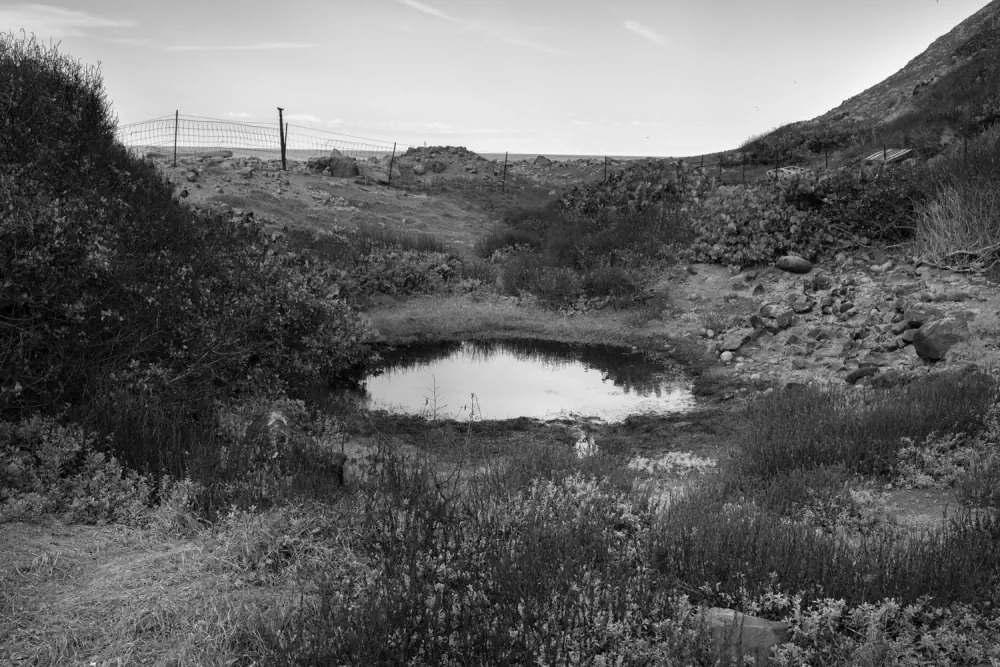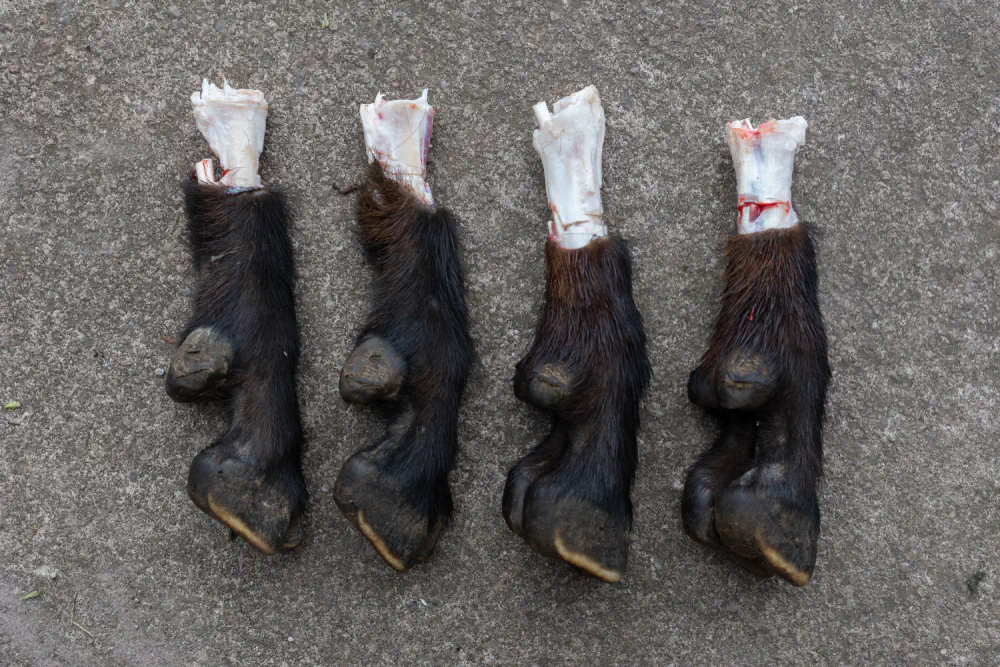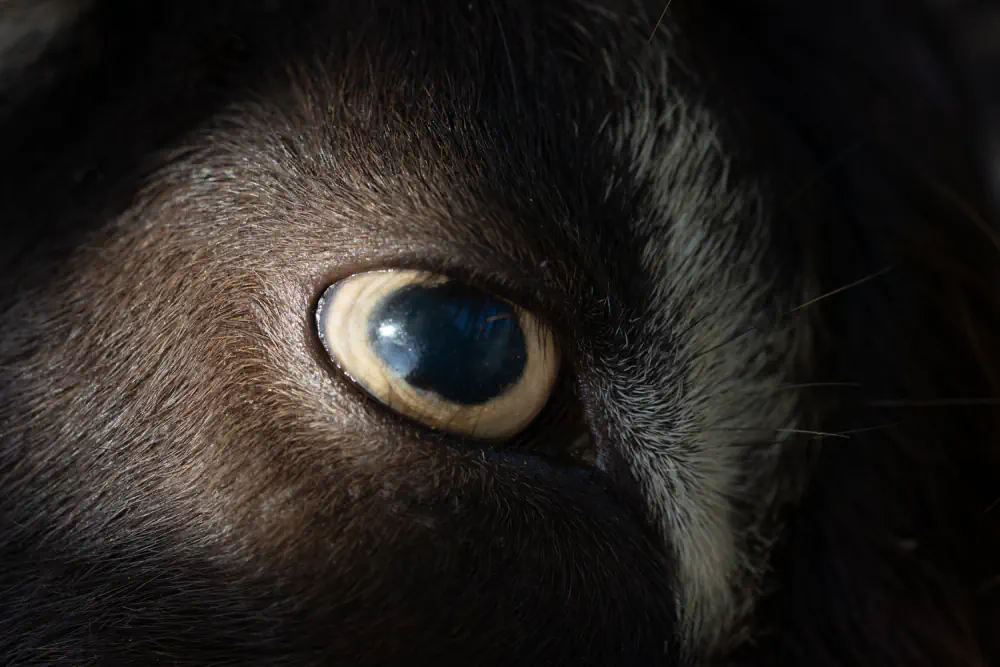
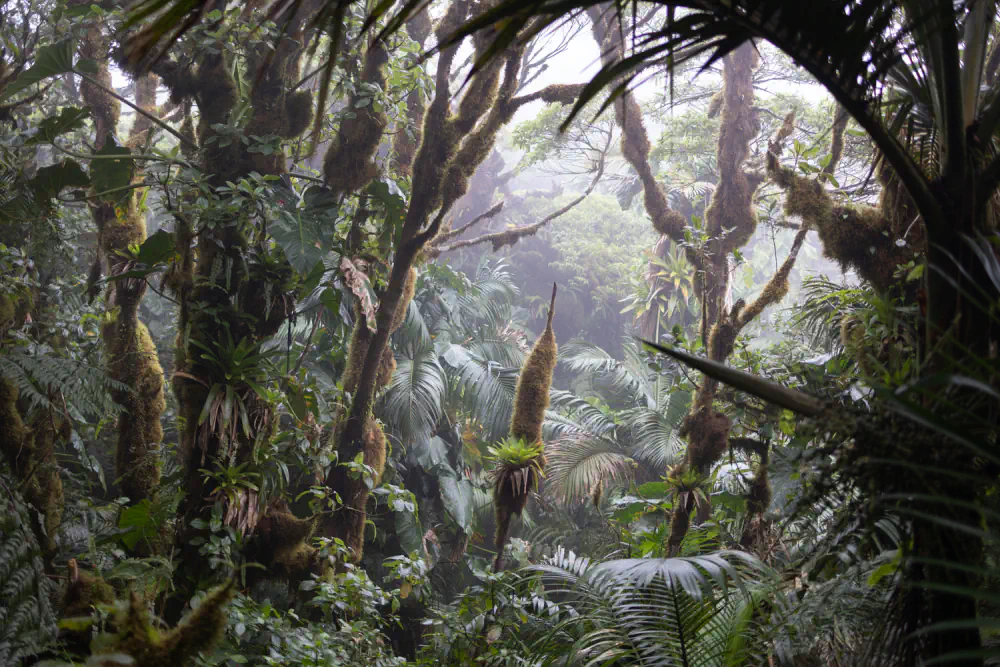
In early 2024, I visited the islands of Sint Eustatius and Saba.
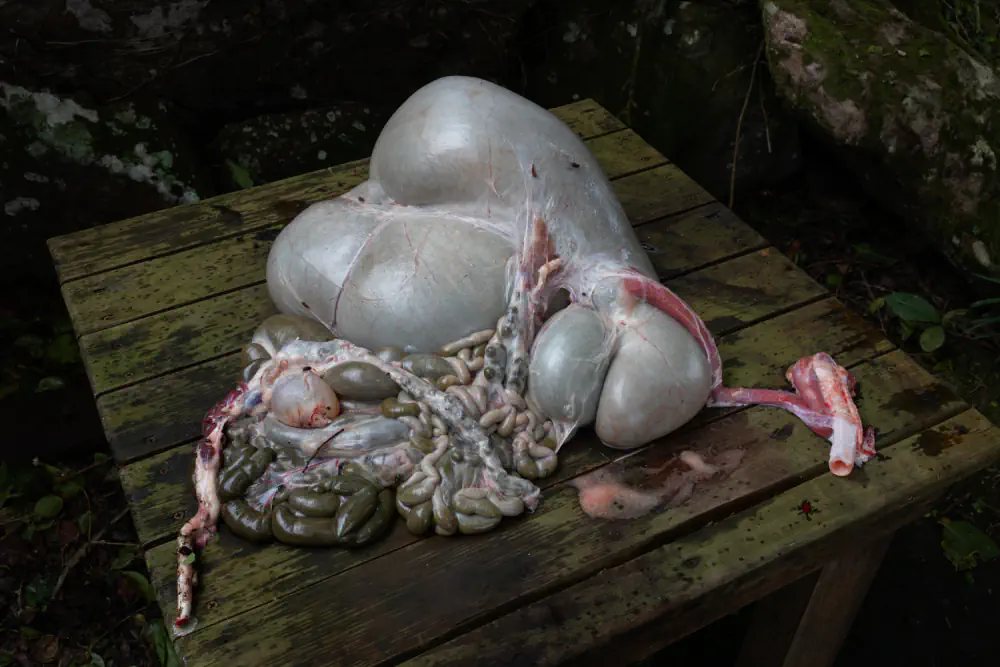
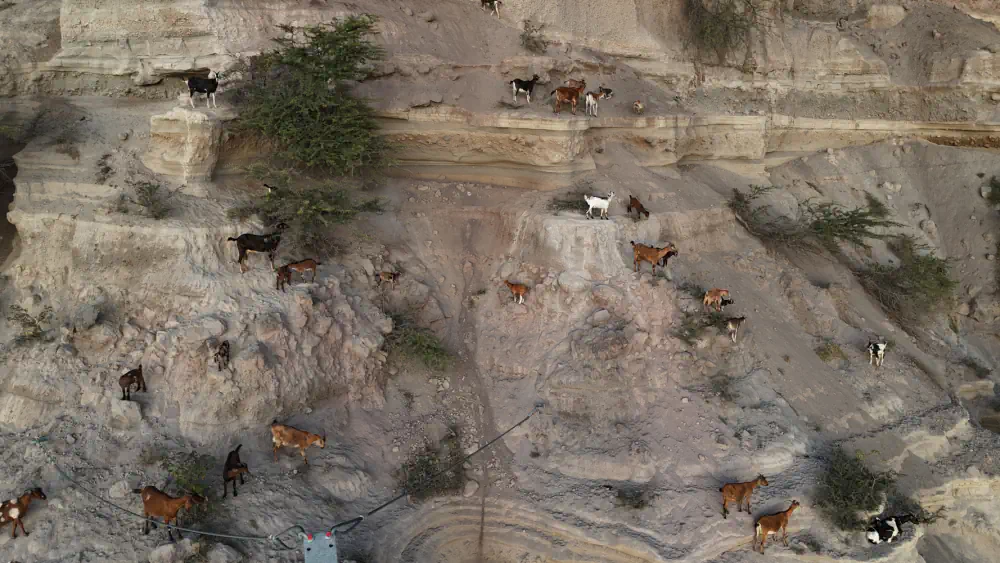
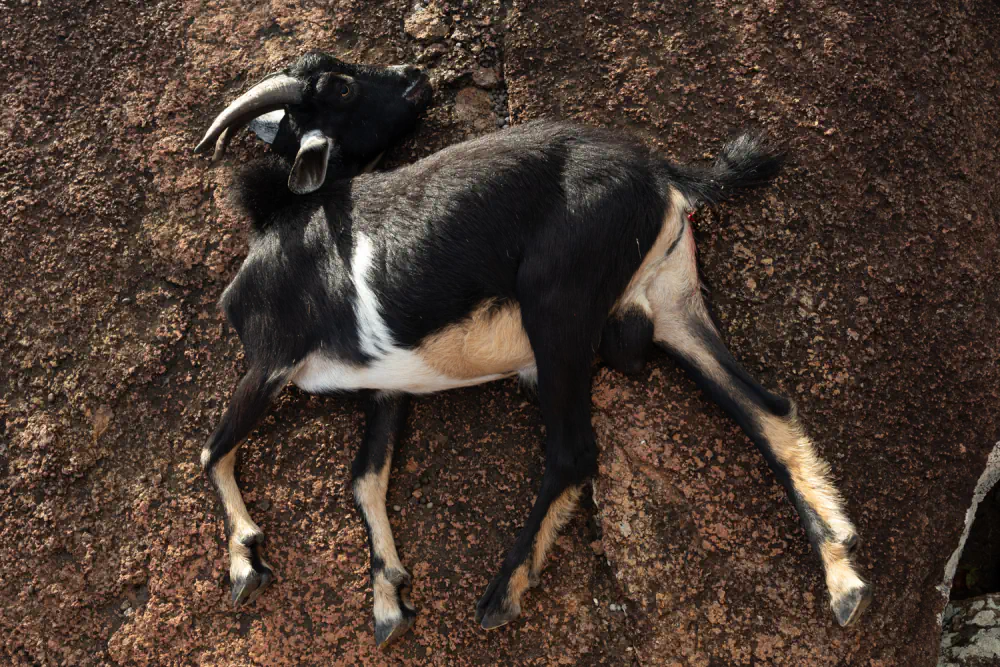
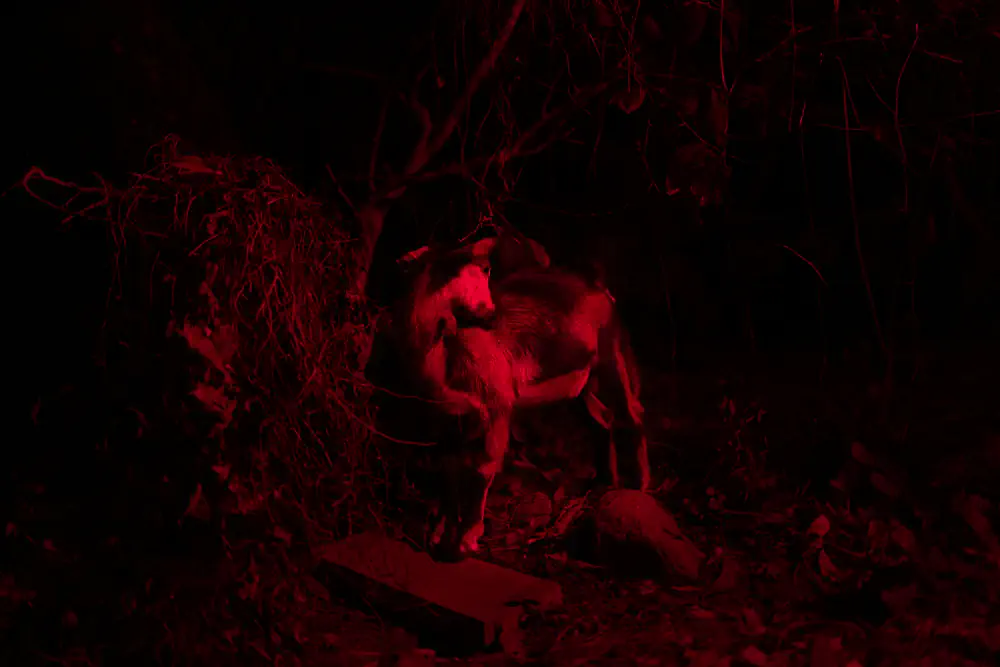
Sint Eustatius has an estimated 12,000 goats and 3,000 people. An imbalance. The goats are eating away at the vegetation, and the cliffs are crumbling.
The economy is faltering. The Dutch government is allocating 19 million euros to restore the cliffs, but the goats must go. Not everyone agrees.
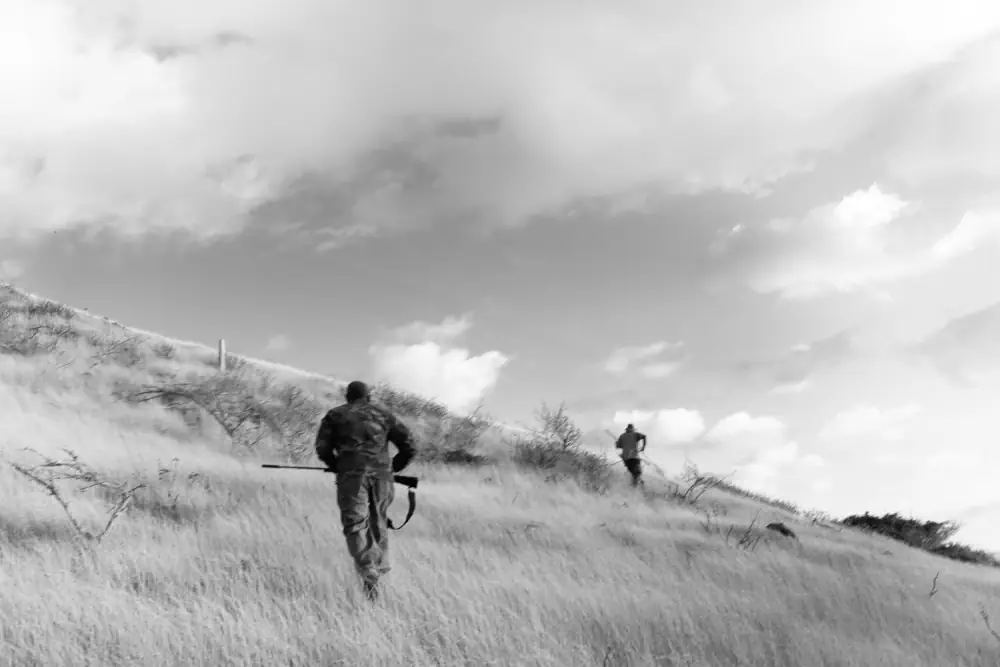
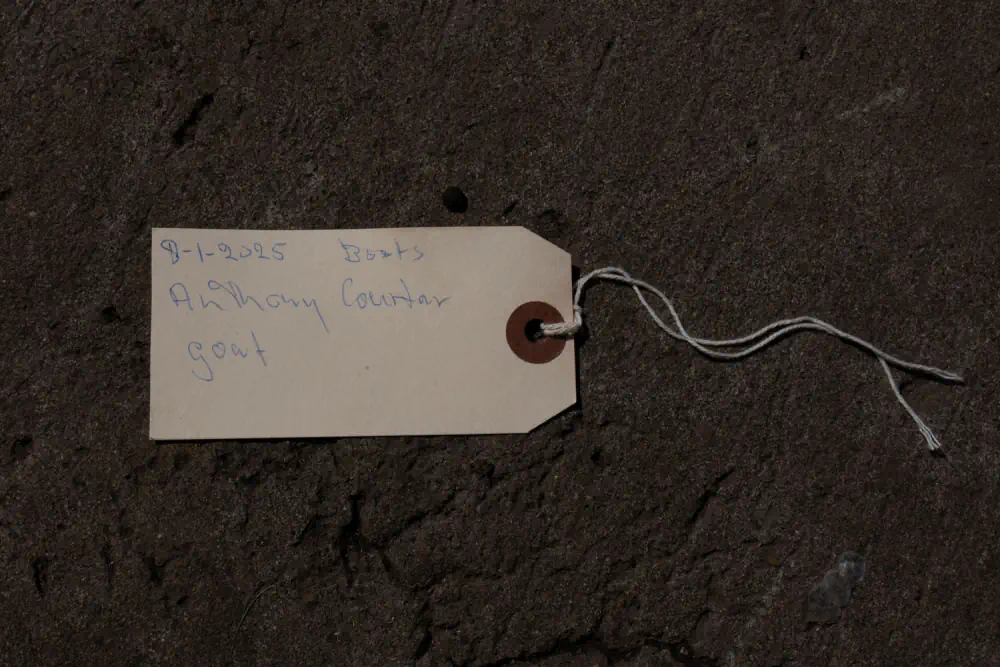
On neighboring Saba, a goat management program has made the island virtually goat-free following the arrival of Dutch hunters. Nature is recovering, but the method is provoking resistance. The fact that outsiders are telling local hunters how things should be done is jarring. Do they have the right to dictate the rules to others?
Wherever humans and animals live together, clashes arise. But who gets to determine what that coexistence looks like? Do people have the right to control animals? Do people have the right to control each other?
The Right to Others
Who decides what belongs somewhere and what doesn’t? A border is never just a border. Is a goat a pest or an inhabitant? Who decides? Is a human a custodian or an intruder? At what point does something belong to someone?
The islands are small, but the question is big.
This isn’t just about goats and hunters, about plants and cliffs. This is about power and ownership, about control and conflict. About how people define their space and subject others—human or animal—to it.
The goats didn’t come here themselves. They were brought here, just like the laws that now remove them.
If you look long enough, the pattern is the same everywhere: first, the other is useful; then, the other is a problem.
But who is “the other”? The goats on the cliffs? The hunters from the Netherlands? The islanders who are denied authority over their own land?
Nature is recovering on Saba. But who does that nature belong to? Who is that recovery for?
If we chase away the goats, what does that say about how we deal with everything that doesn’t fit our image?
Artistic Approach
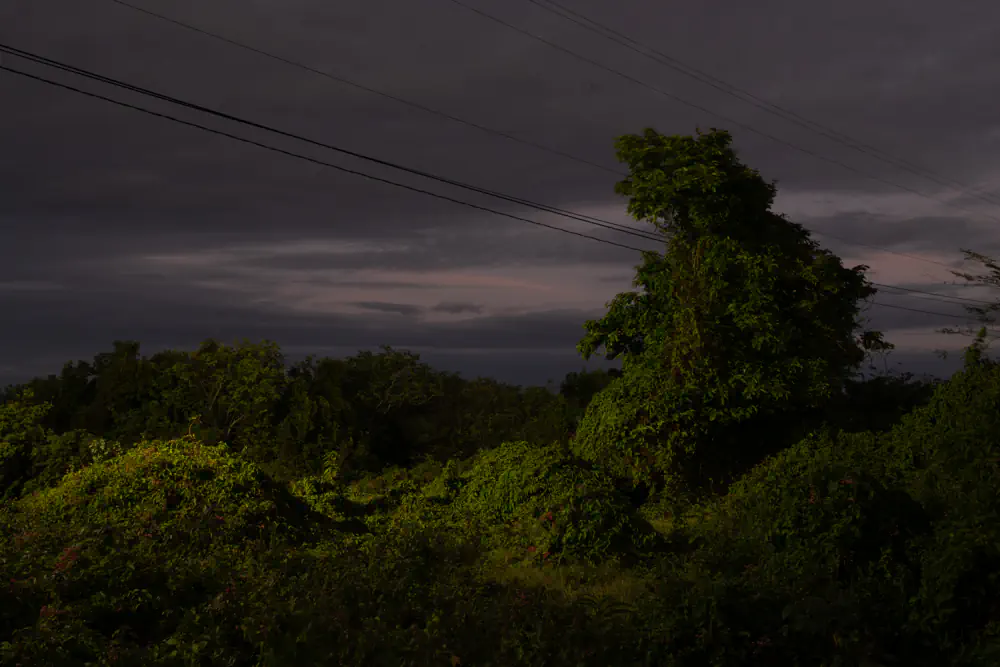
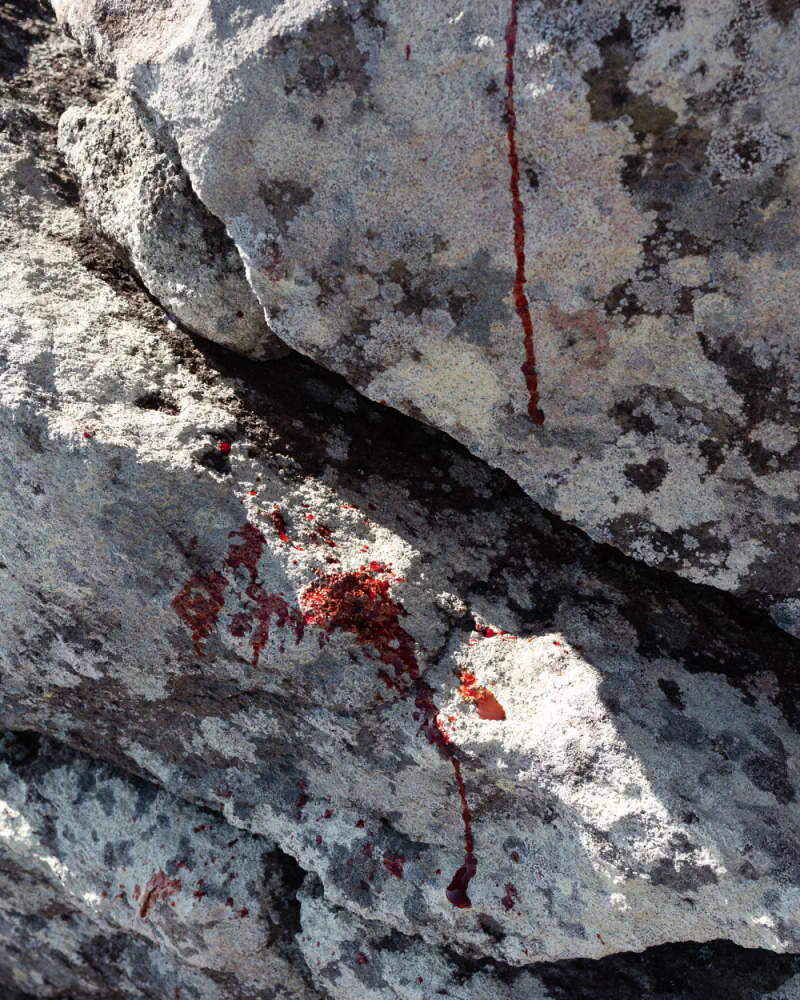
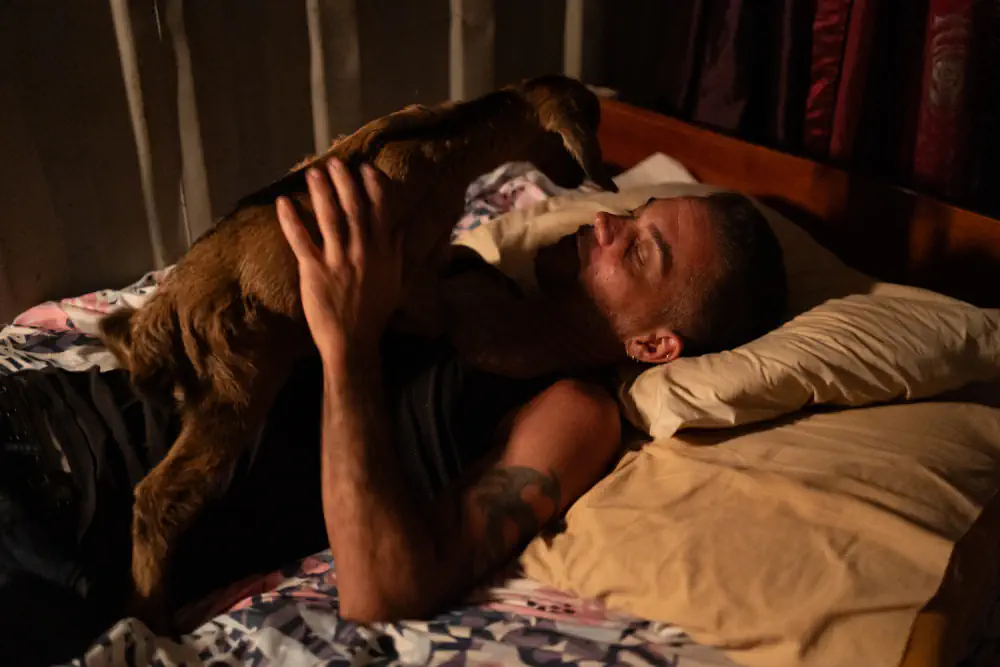
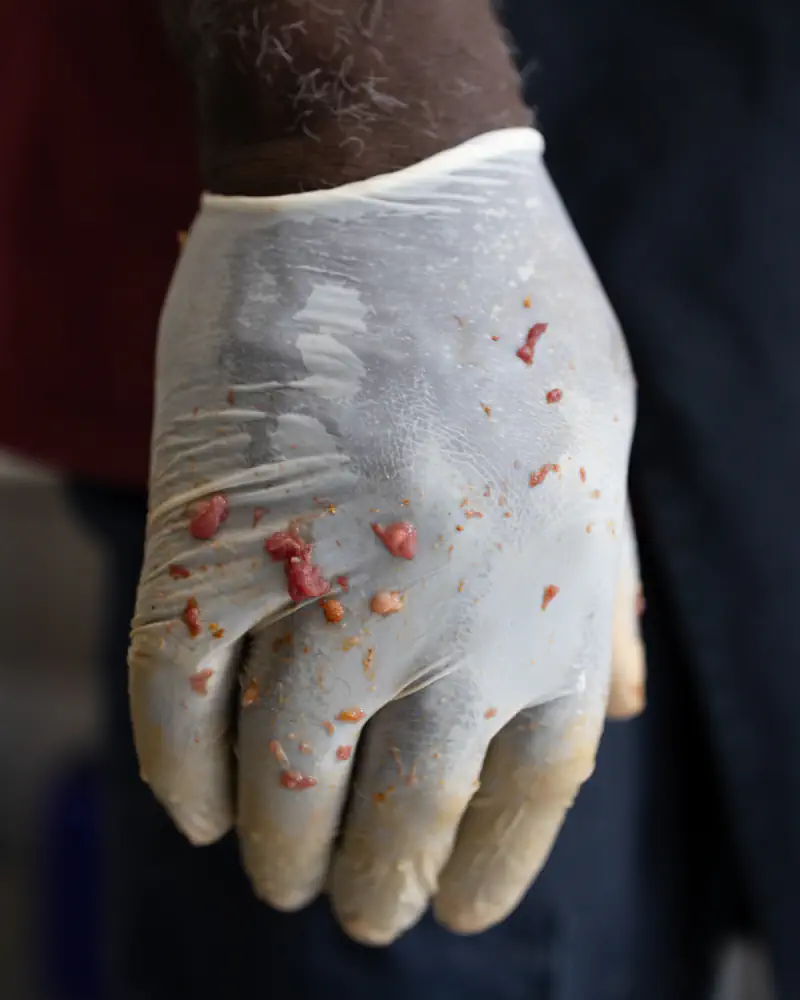
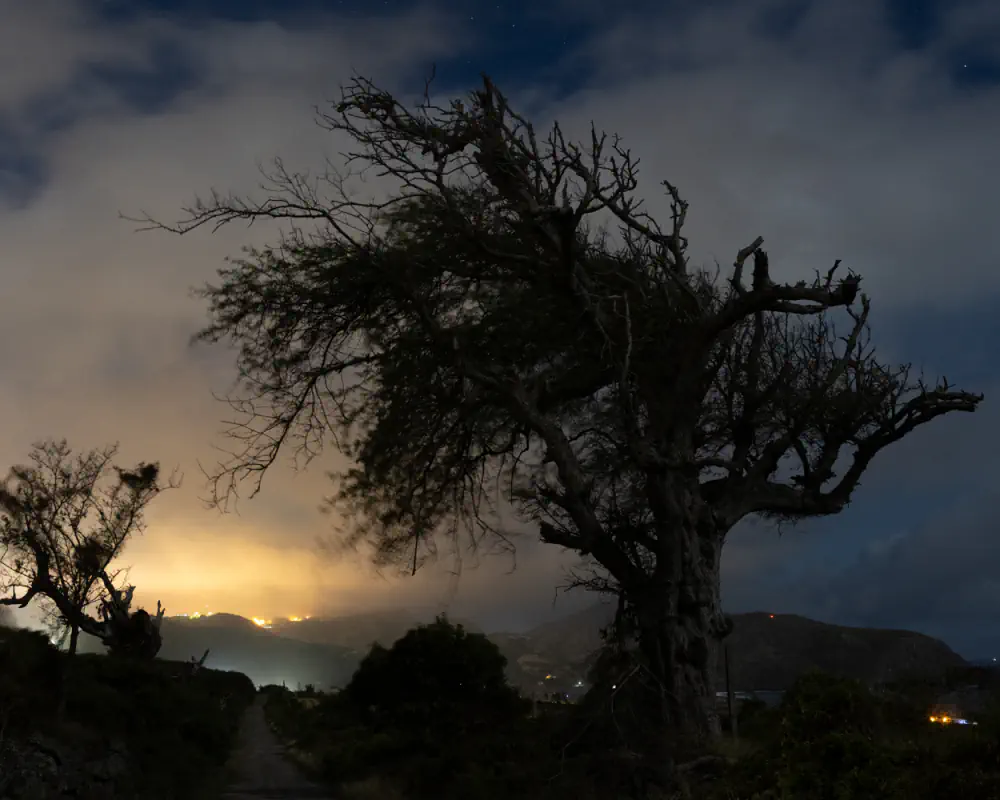
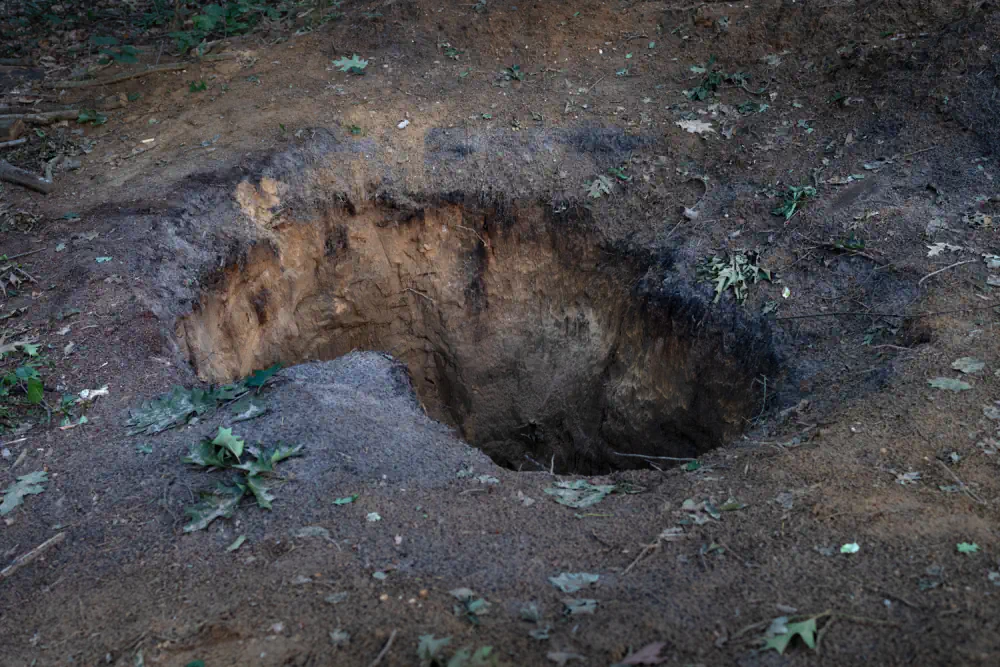
The project began with documentary photography on Sint Eustatius and Saba, where I photographed the landscape, the animals, and the people involved in the conflict.
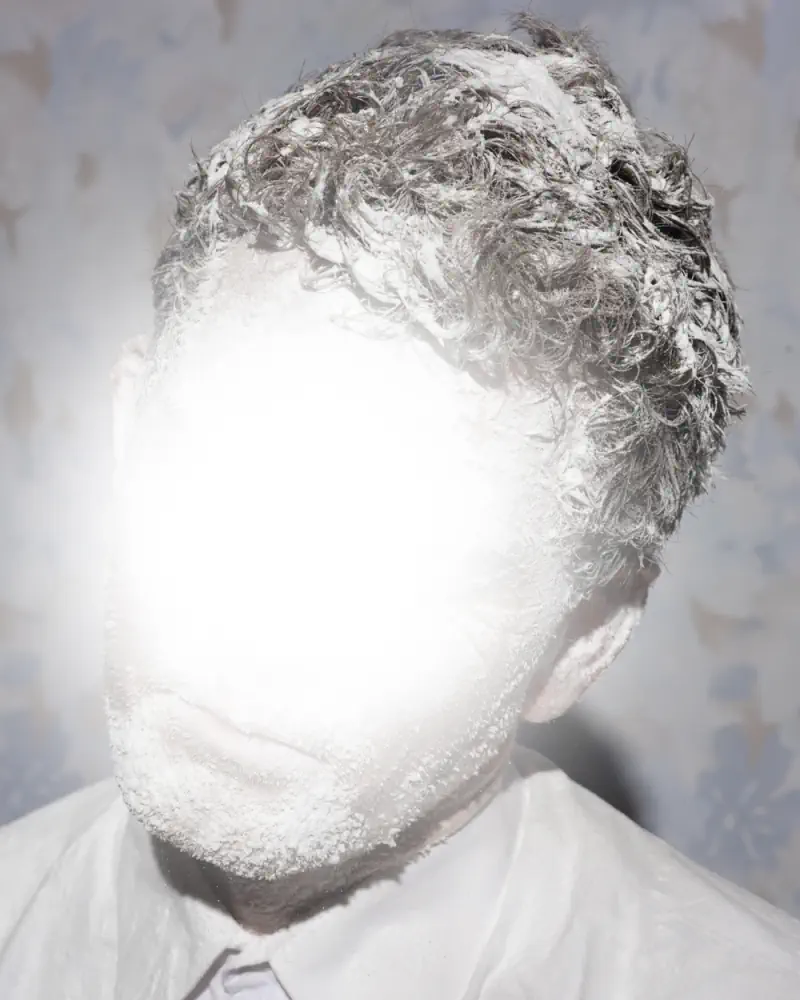
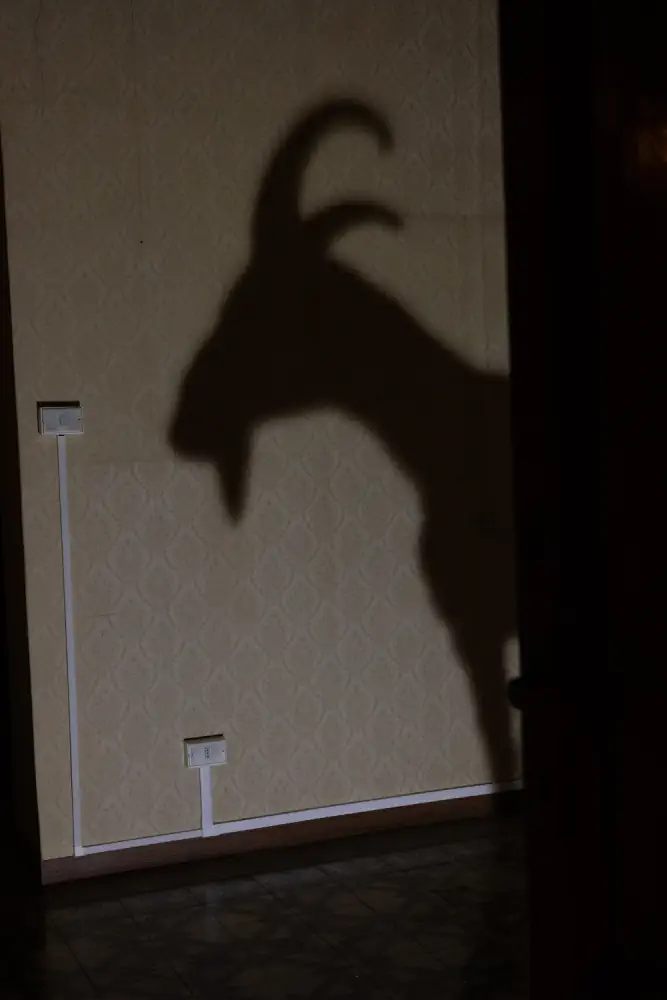
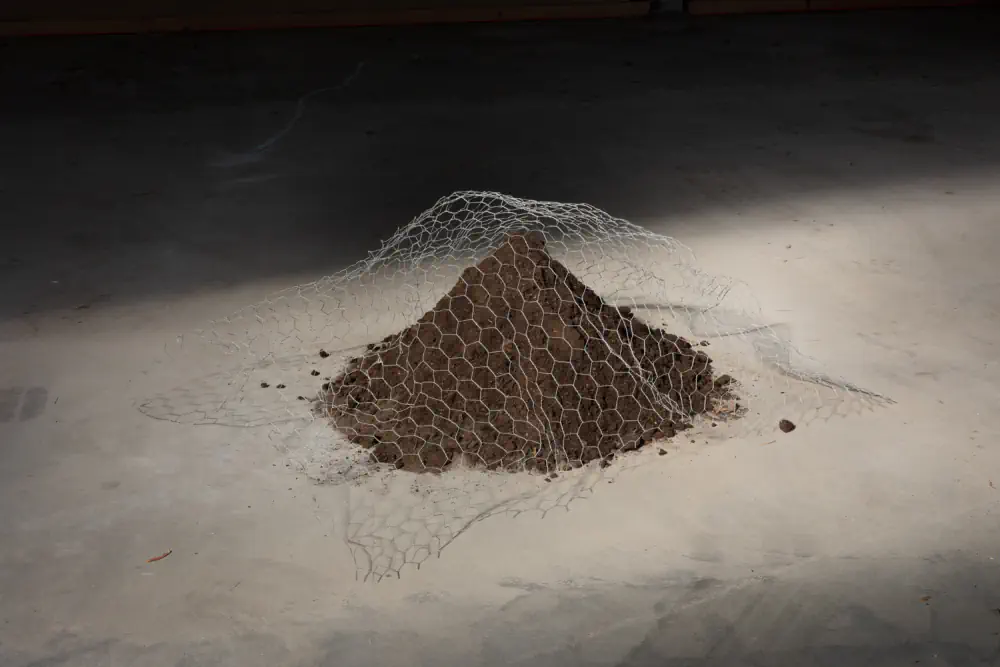
Back in the Netherlands, I started exploring the same questions through more conceptual and staged images. Throughout this process, I experimented with different visual approaches, searching for a language that could accommodate both the complexity of the situation and my own interpretation of it.
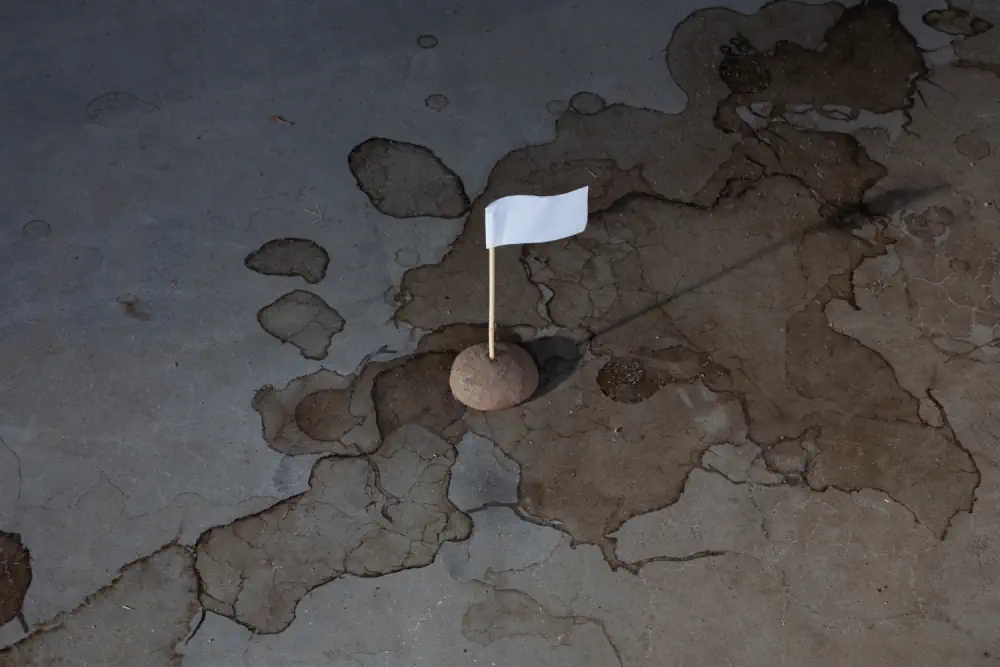
Over time, my interventions became more subtle. Rather than constructing an alternative reality, I began introducing small shifts within seemingly ordinary images. I am interested in the space between observation and imagination, where something familiar can become strange and where the viewer is invited to question what they are seeing.
By bringing documentary and conceptual images together, I hope to create a narrative that moves beyond the specific situation on the islands and opens up broader questions about our relationship with the world around us.
About Nynke Brandsma
Nynke Brandsma (1986) is a Dutch photographer and visual artist based in Amsterdam. She studied photography at the Photo Academy and the Photo School in Amsterdam. Through long-term documentary and conceptual projects, she explores identity, human connection, and the complex relationships between individuals and their surroundings.
Her work often begins with a personal fascination or an unexpected encounter, developing into an investigation of the assumptions that shape how people perceive and judge others. Embracing ambiguity rather than offering definitive answers, Brandsma invites viewers to look beyond first impressions and remain open to different perspectives.
Her work has been exhibited, recognized with awards, and published both nationally and internationally. [Official Website]