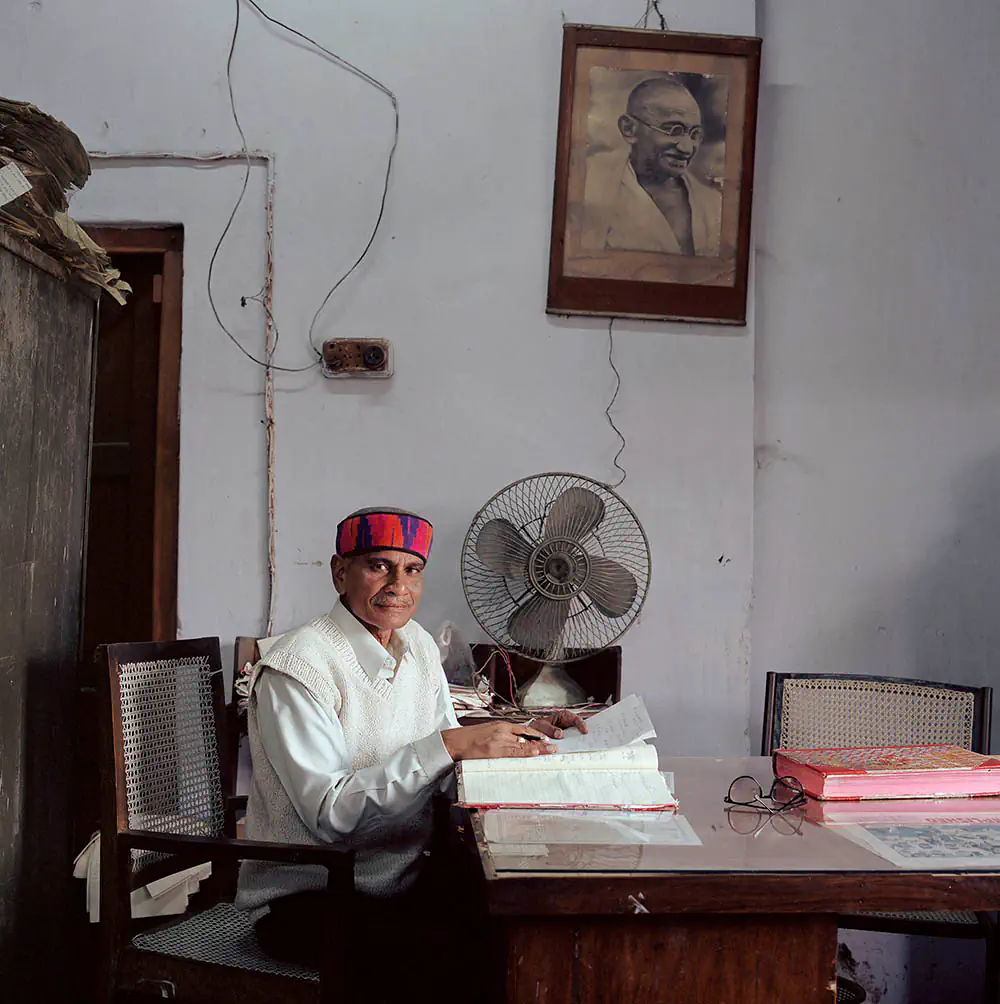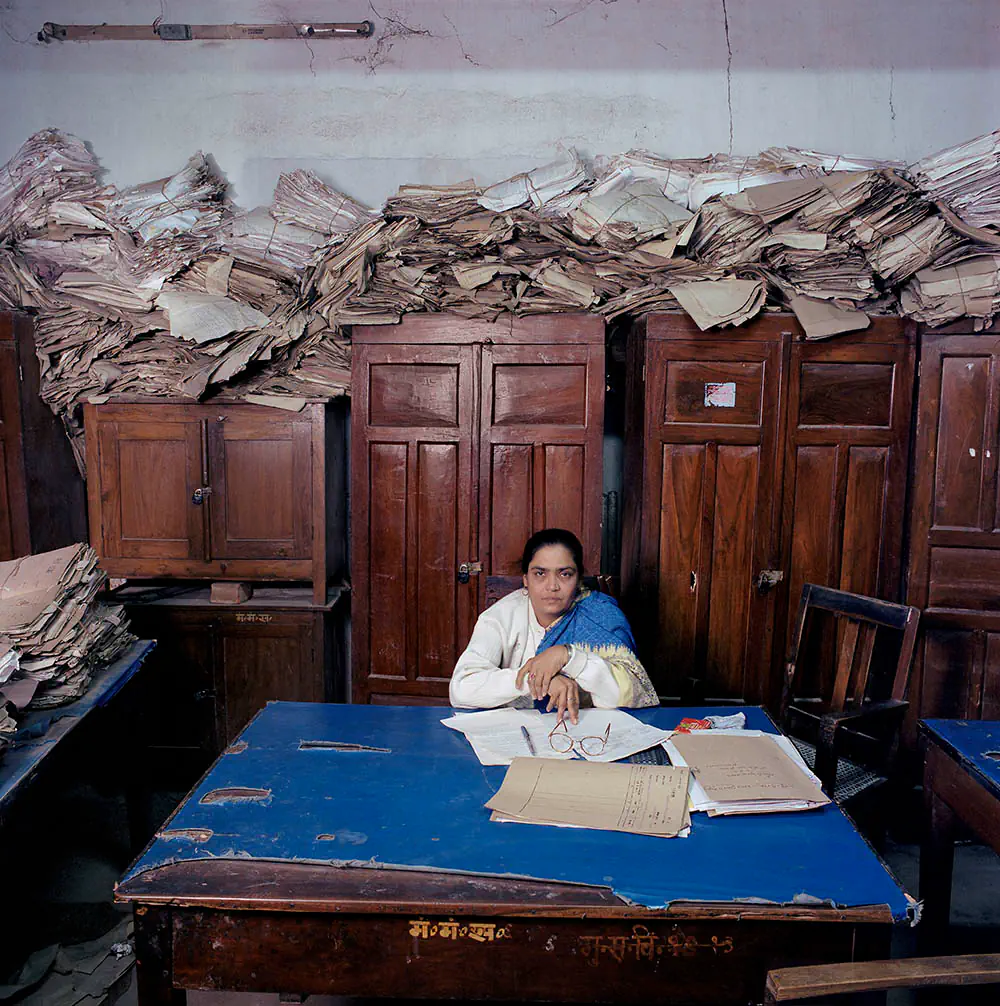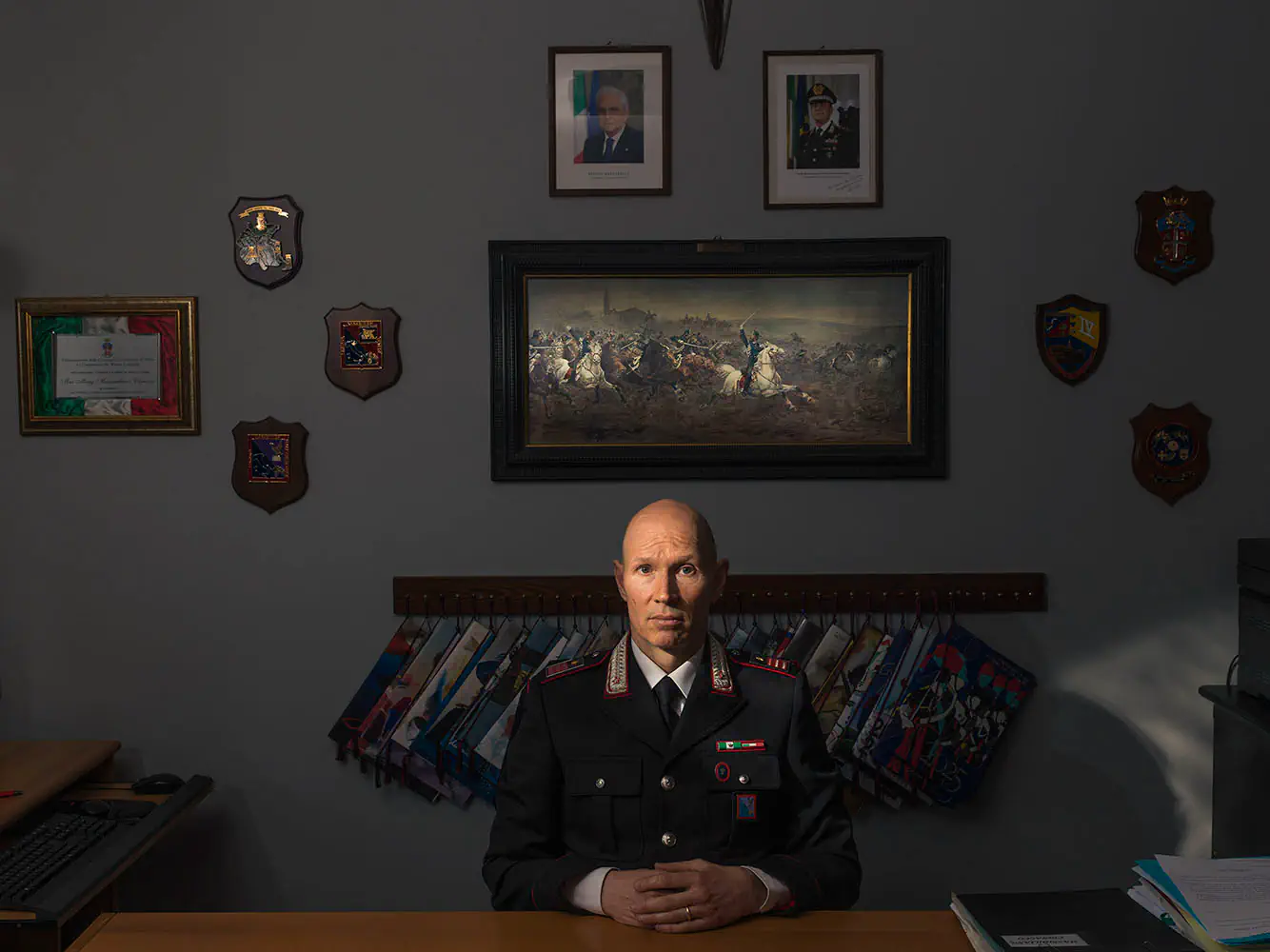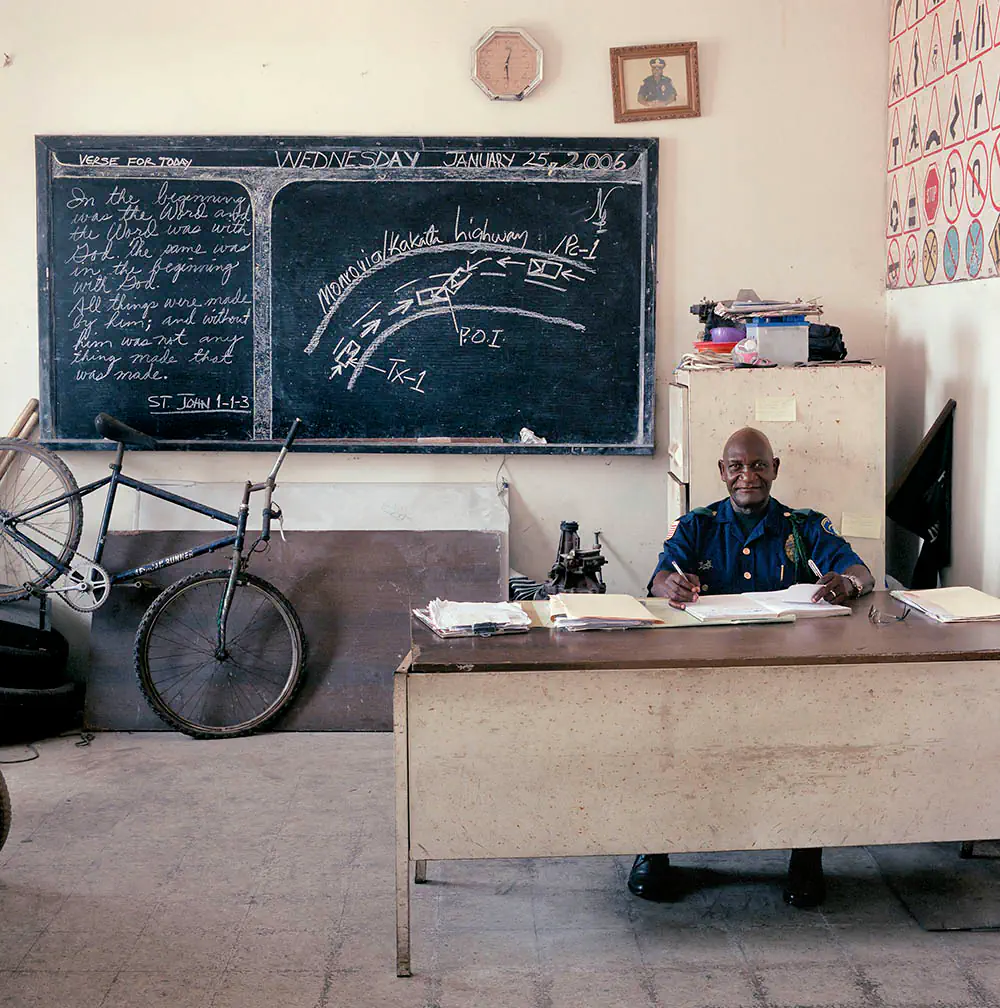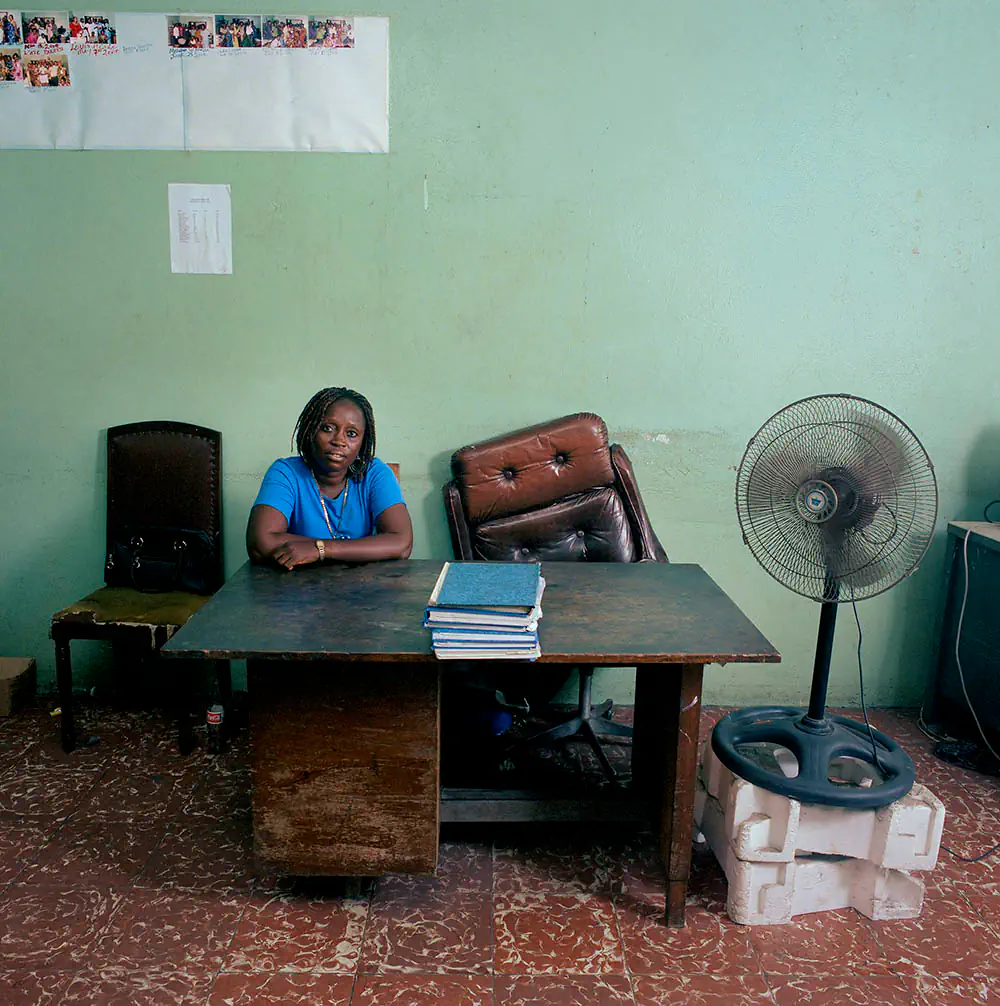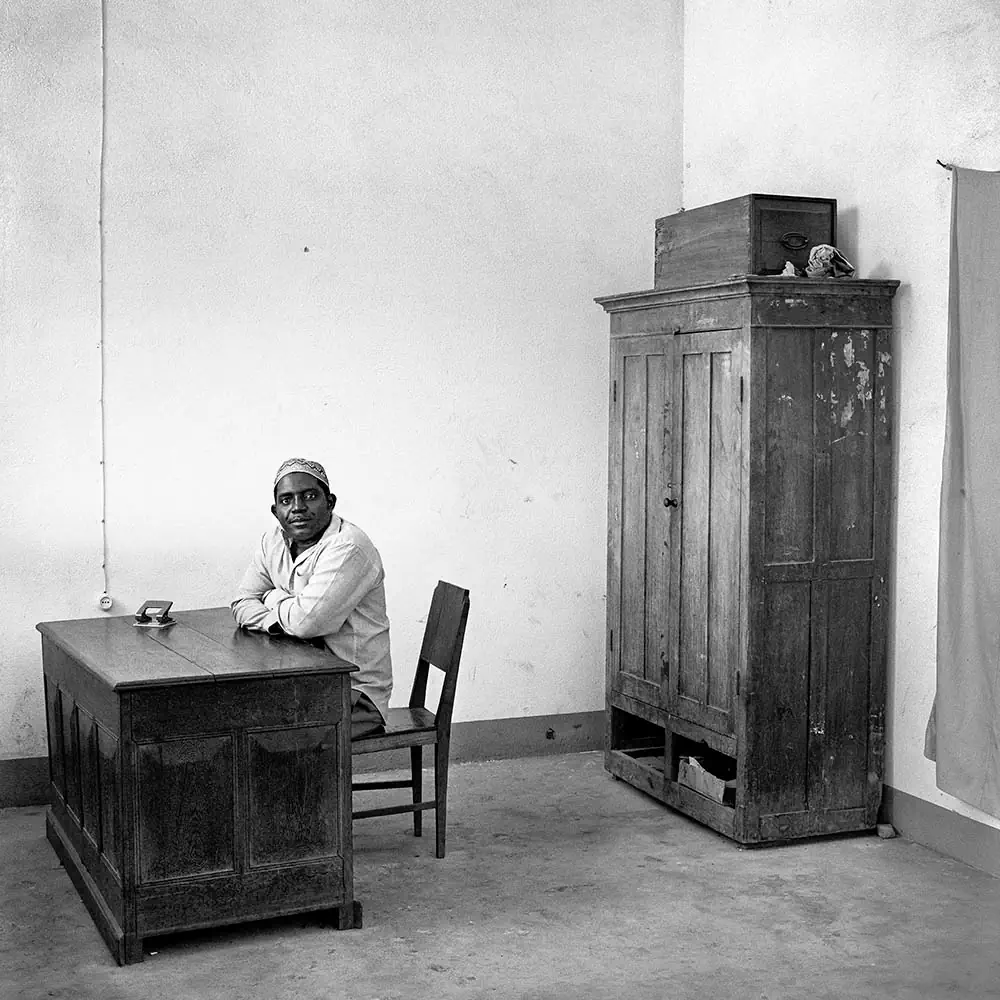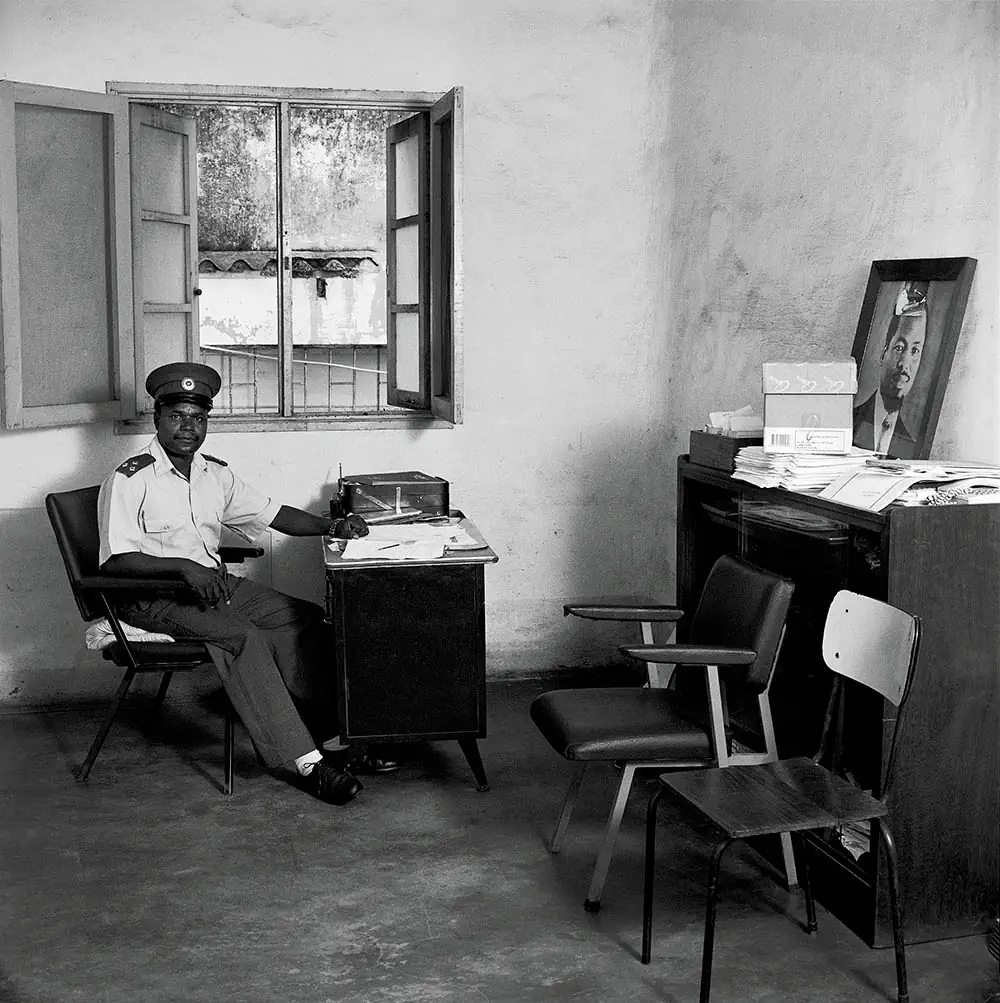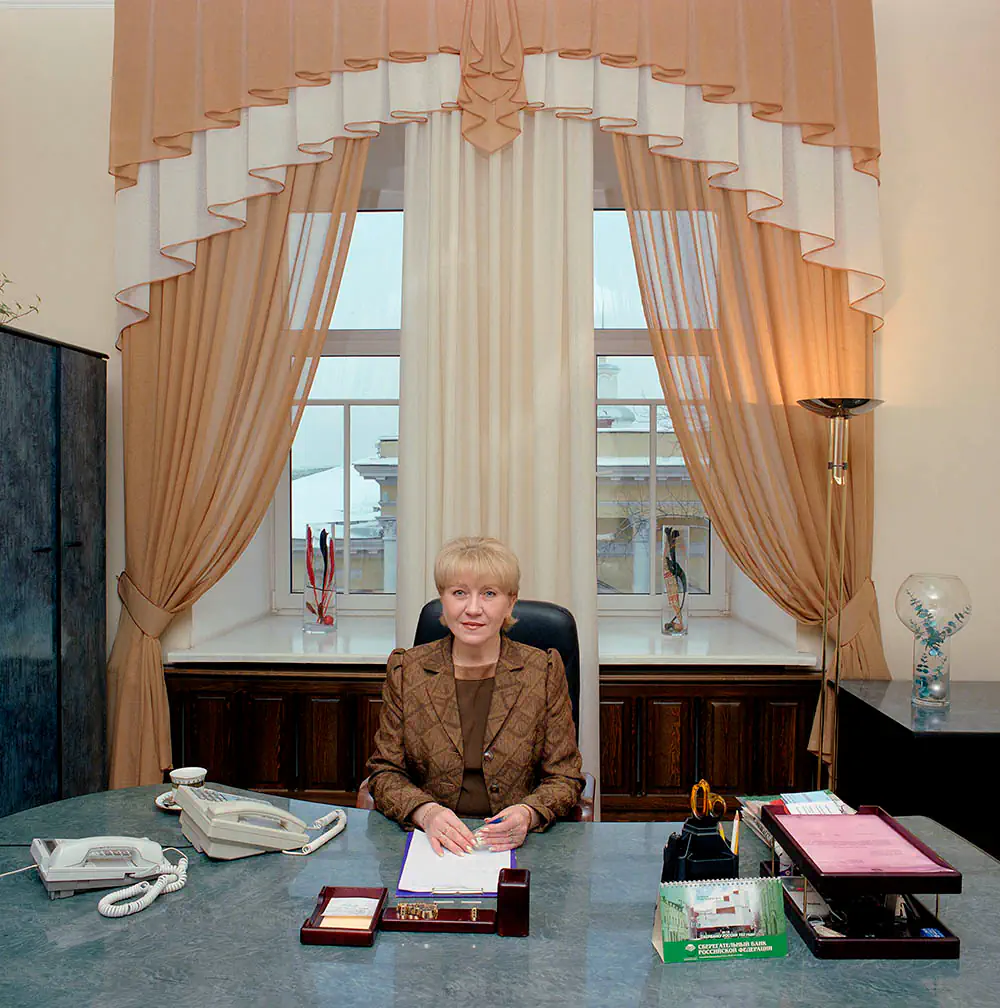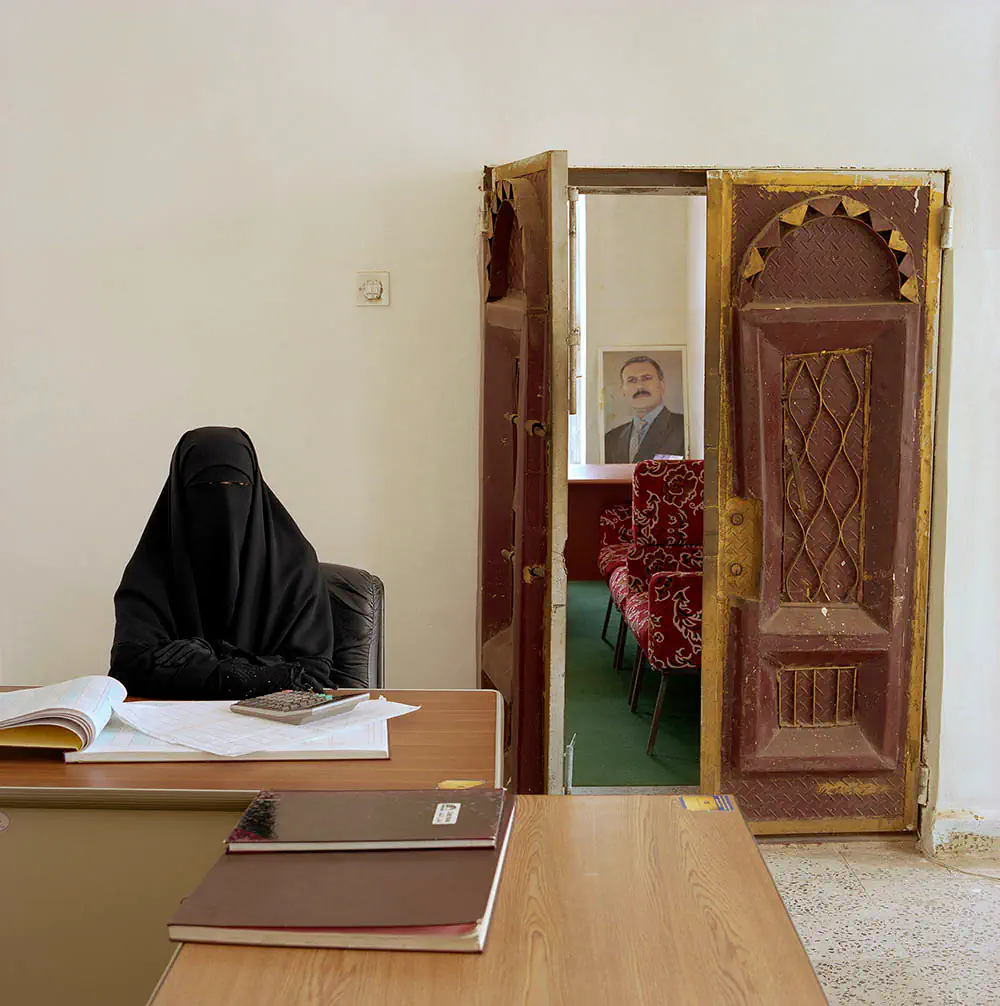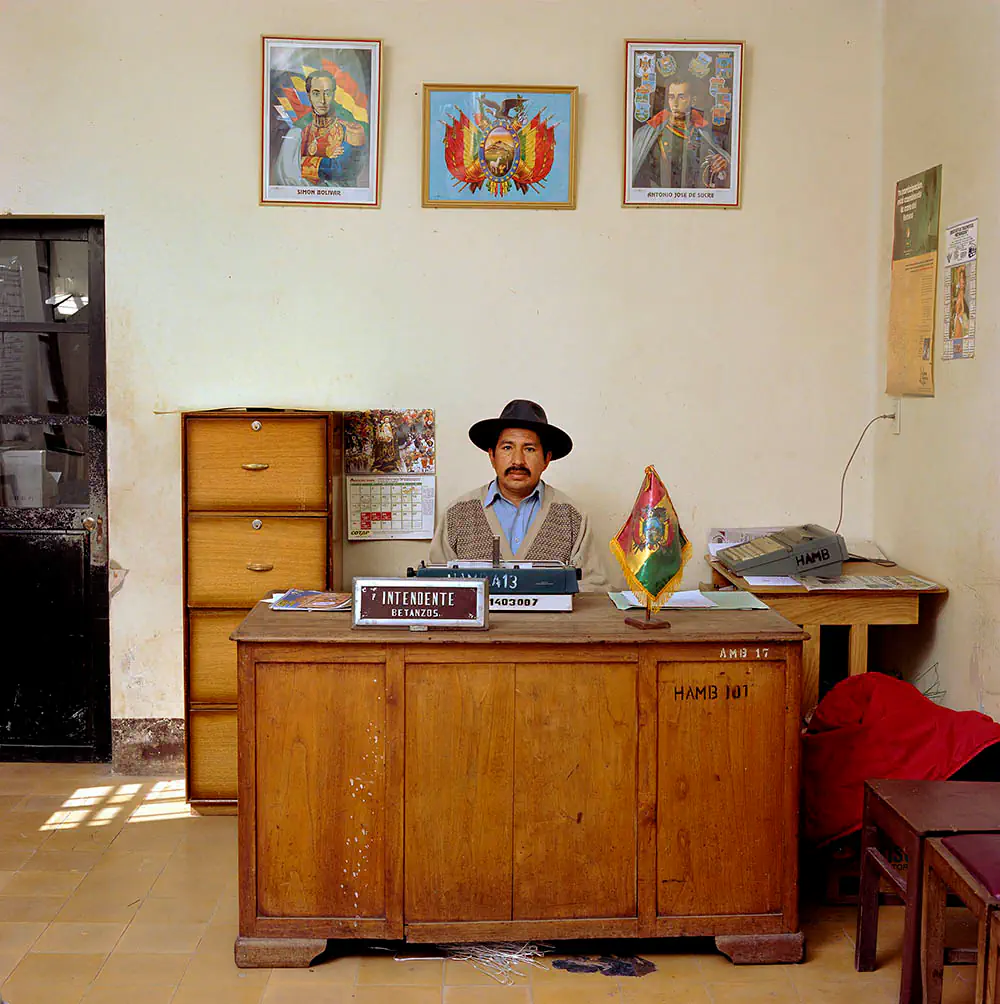
Bureaucratics is a comparative photographic study of the culture and symbols of bureaucracy, originally conducted in eight countries across five continents.
In this new edition of the book, titled Bureaucratics Revisited, the number of countries has increased to twelve.
Bureaucracy refers to those unelected, appointed officials of the executive branch tasked with implementing laws and other government policies, including police officers.
In Wirtschaft und Gesellschaft (Economy and Society, 1922), renowned sociologist Max Weber argues that bureaucracies should treat citizens impartially to ensure fairness and equality. However, he also notes that this same impersonality confronts citizens with objective criteria, protocols and procedures, which can lead to rigidity, dehumanisation and alienation. This bureaucratic rationalisation can easily result in a failure to take individual needs into account.
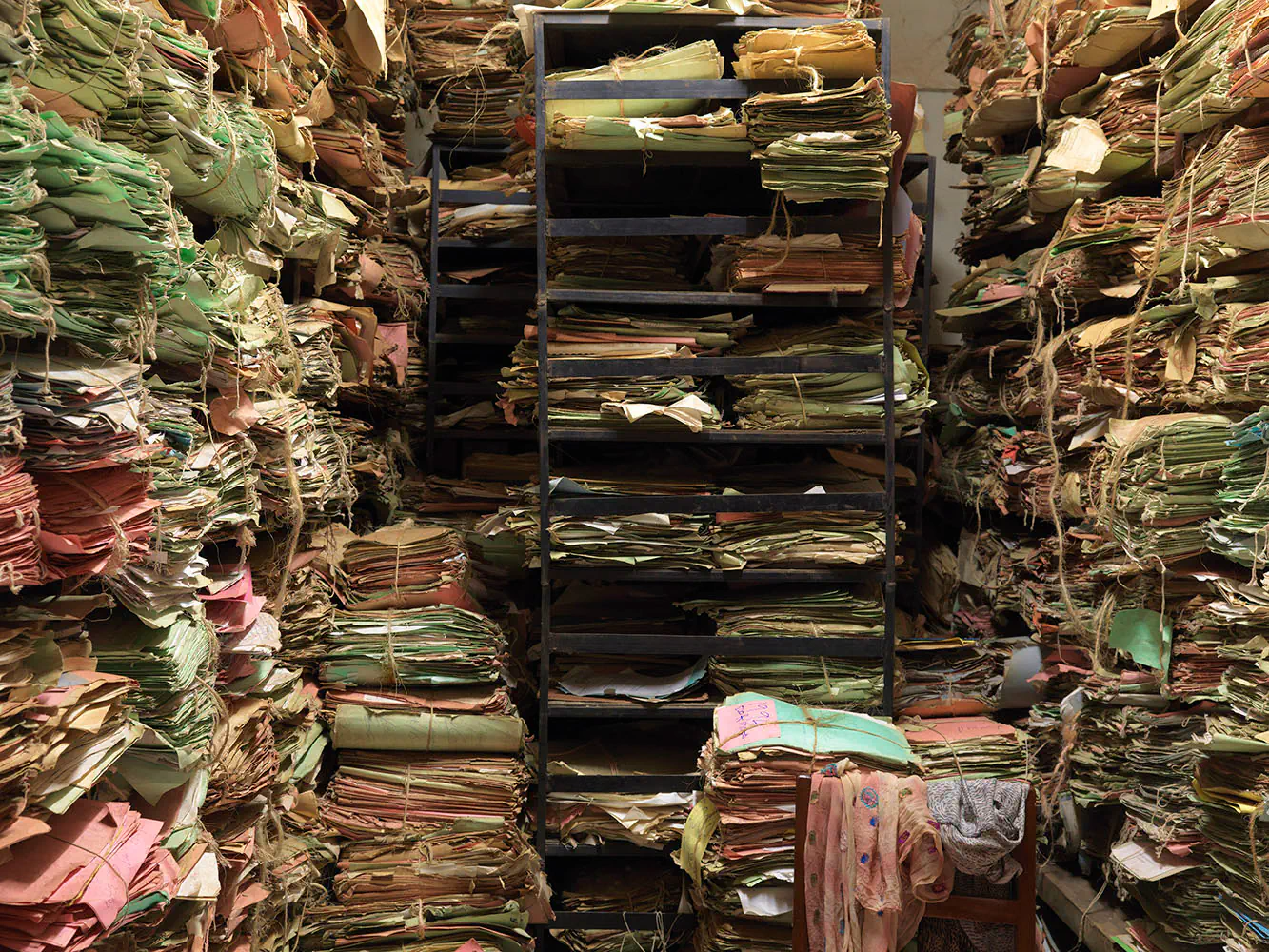
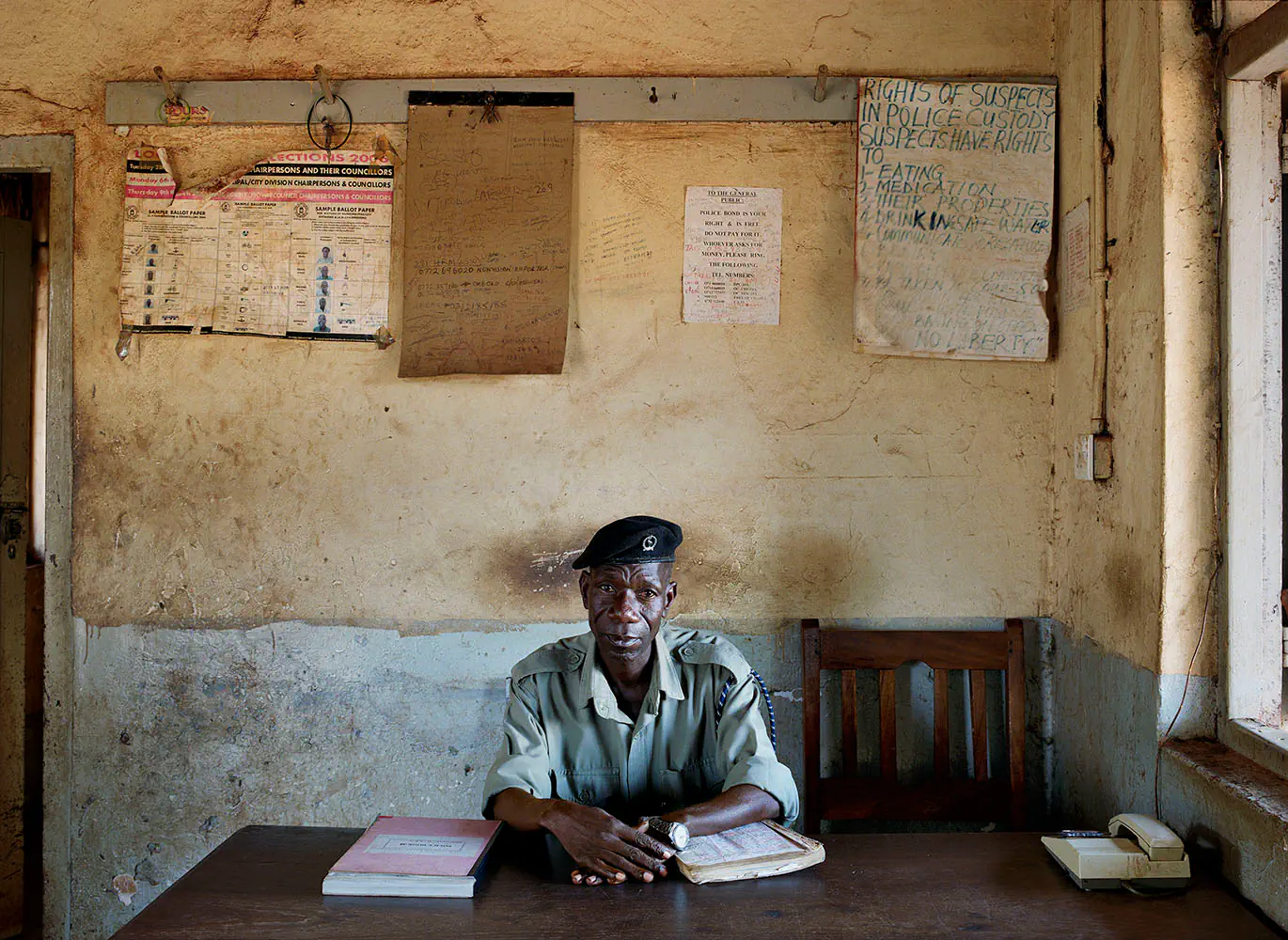
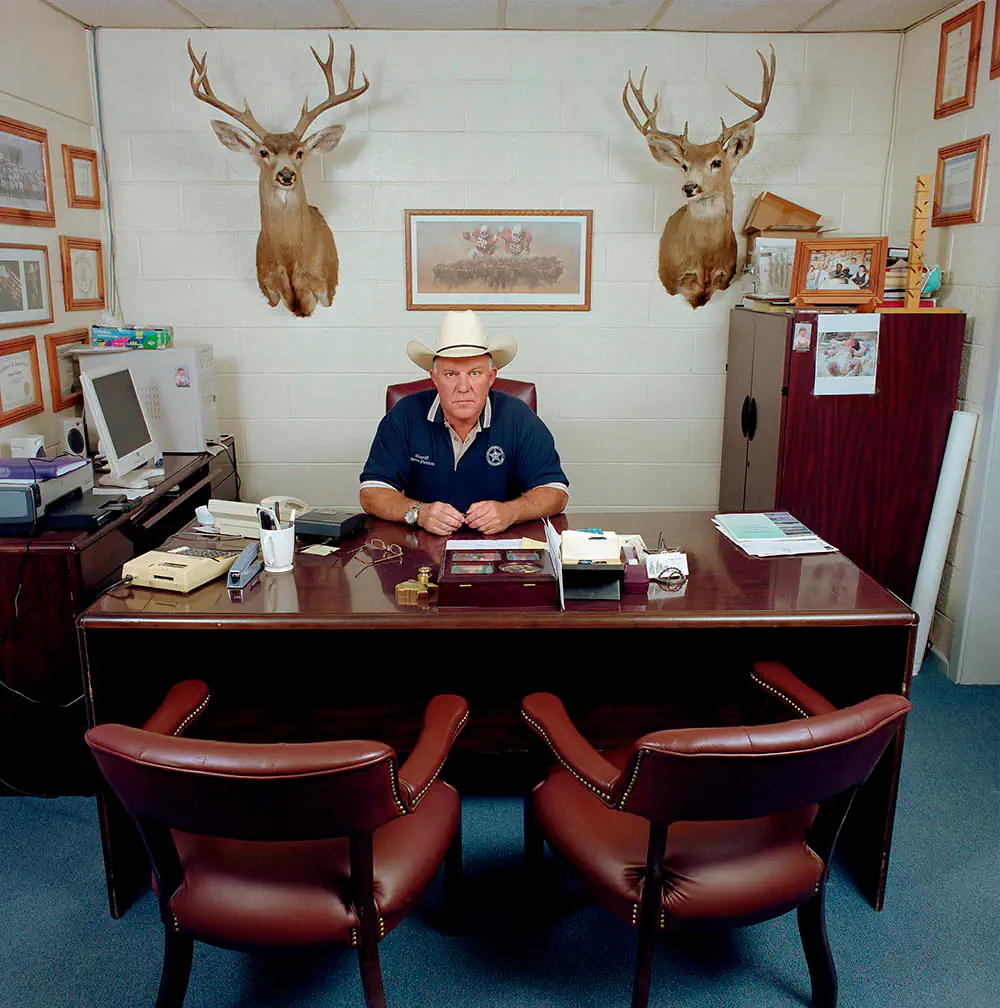
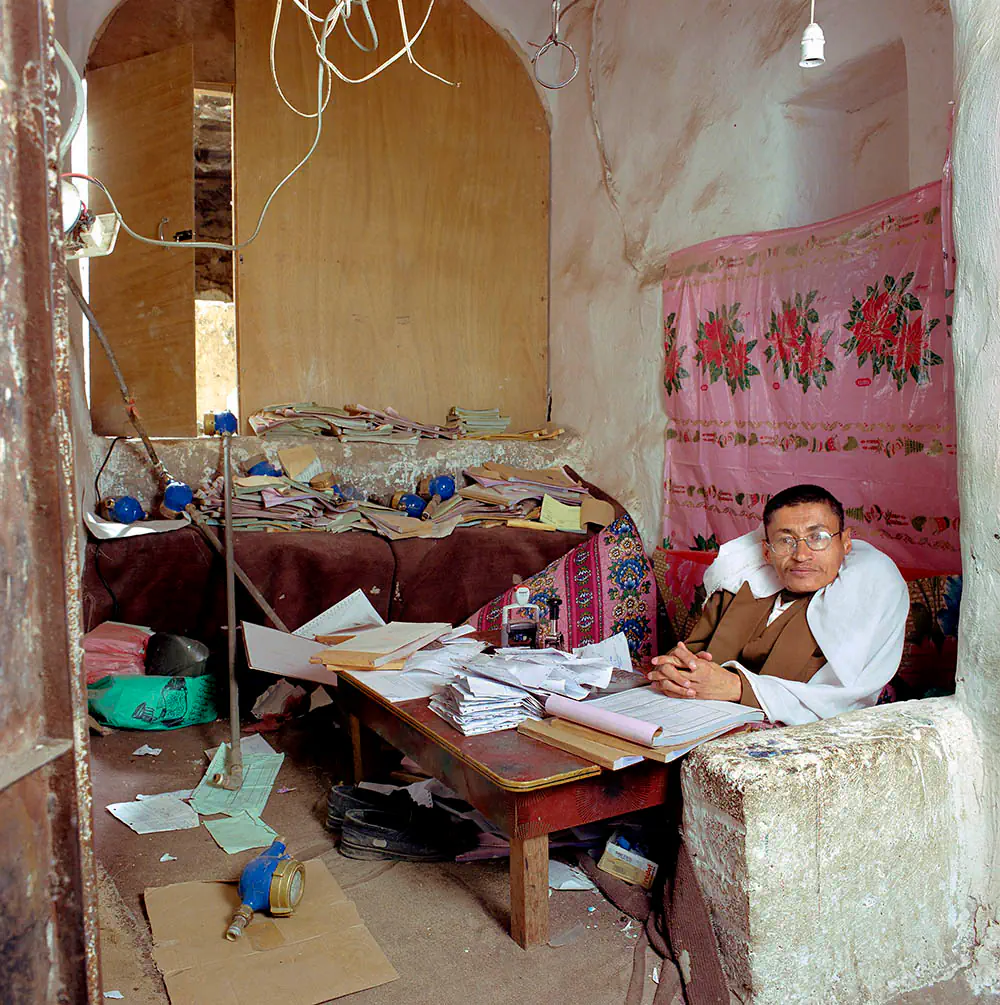
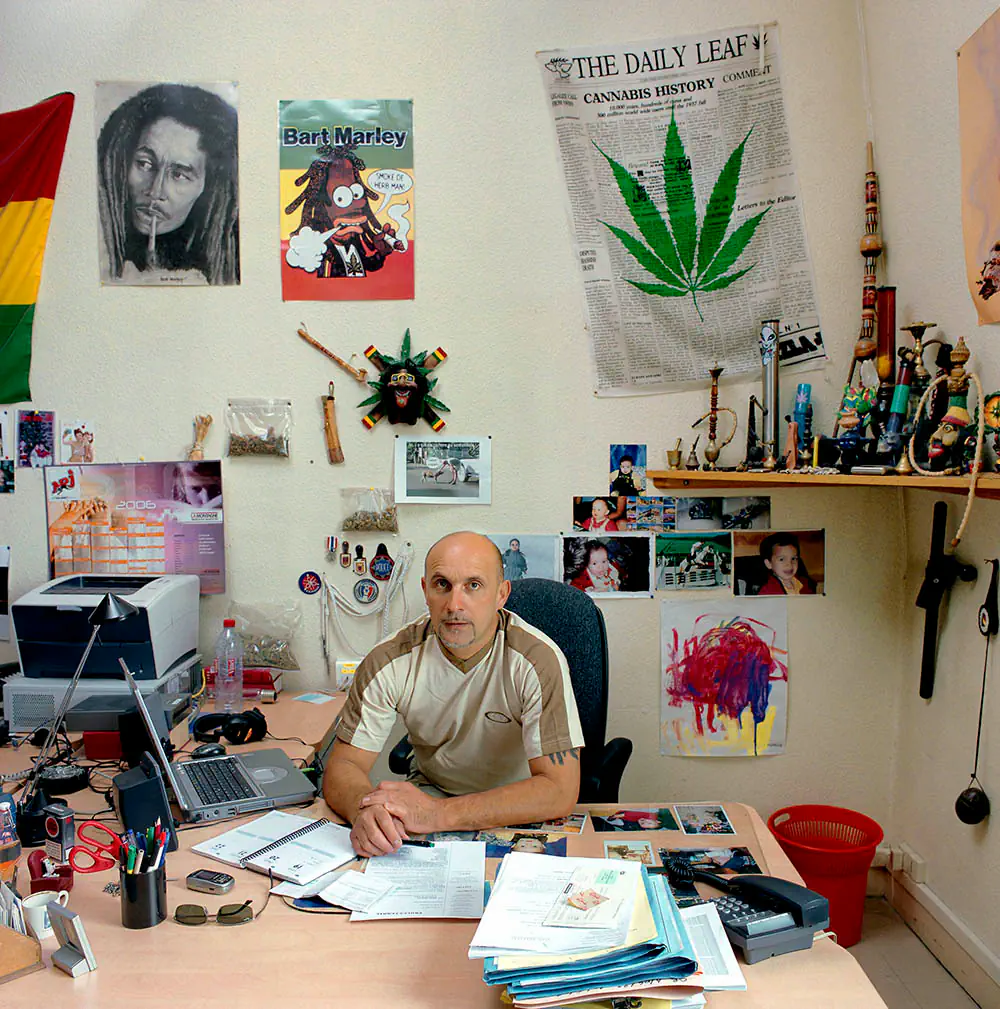
Civil service offices are, on the one hand, display windows of the state: places where the government presents itself to its citizens, using symbols and paraphernalia that express the authority and legitimacy of the state and its associated political system. These include files, desks behind which officials appear pinned down, framed portraits, certificates and other images that emphasise the officials’ relationship with the state.
On the other hand, these offices are also a kind of living space for those who spend a significant portion of their time in them, whether working or not.
Countries
The original book, Bureaucratics, was edited by British photographer Martin Parr and published in 2008 by Nazraeli. It went through four print runs, all of which sold out long ago. The book contained 50 photographs from eight countries, taken between 2003 and 2007.
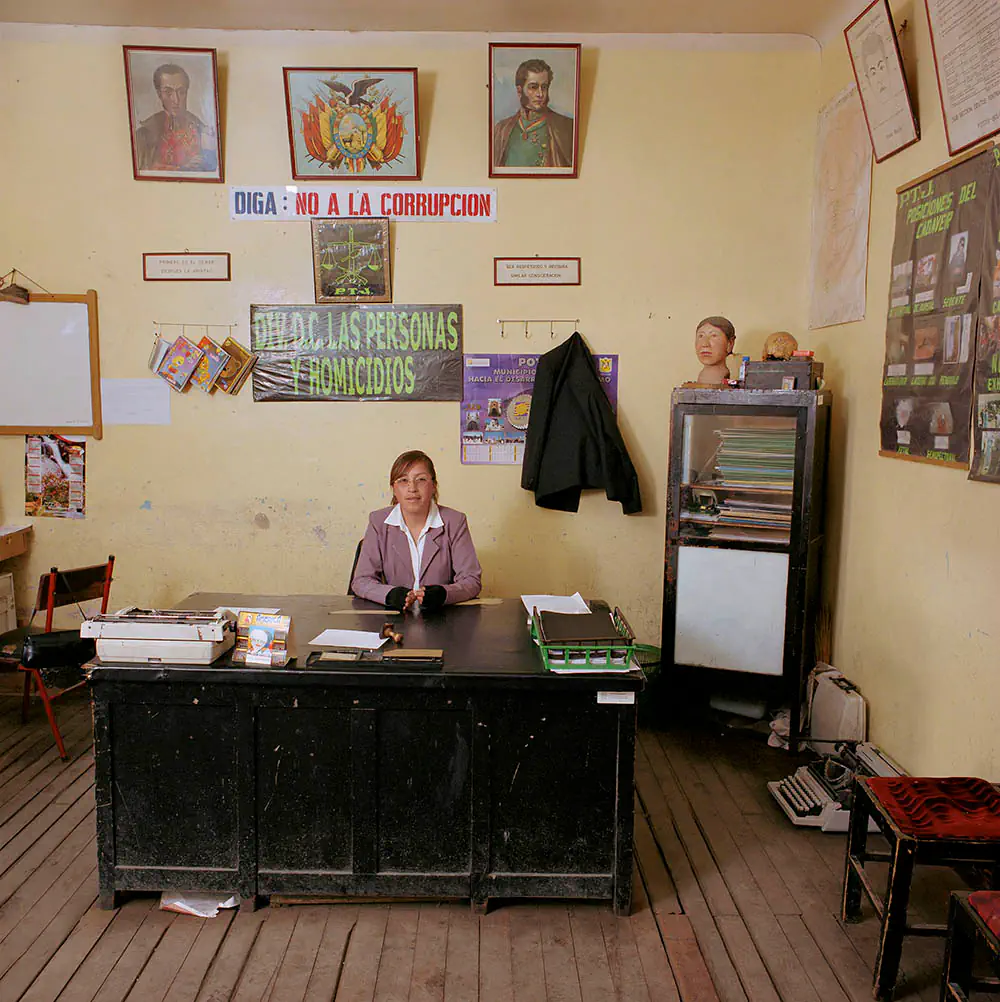
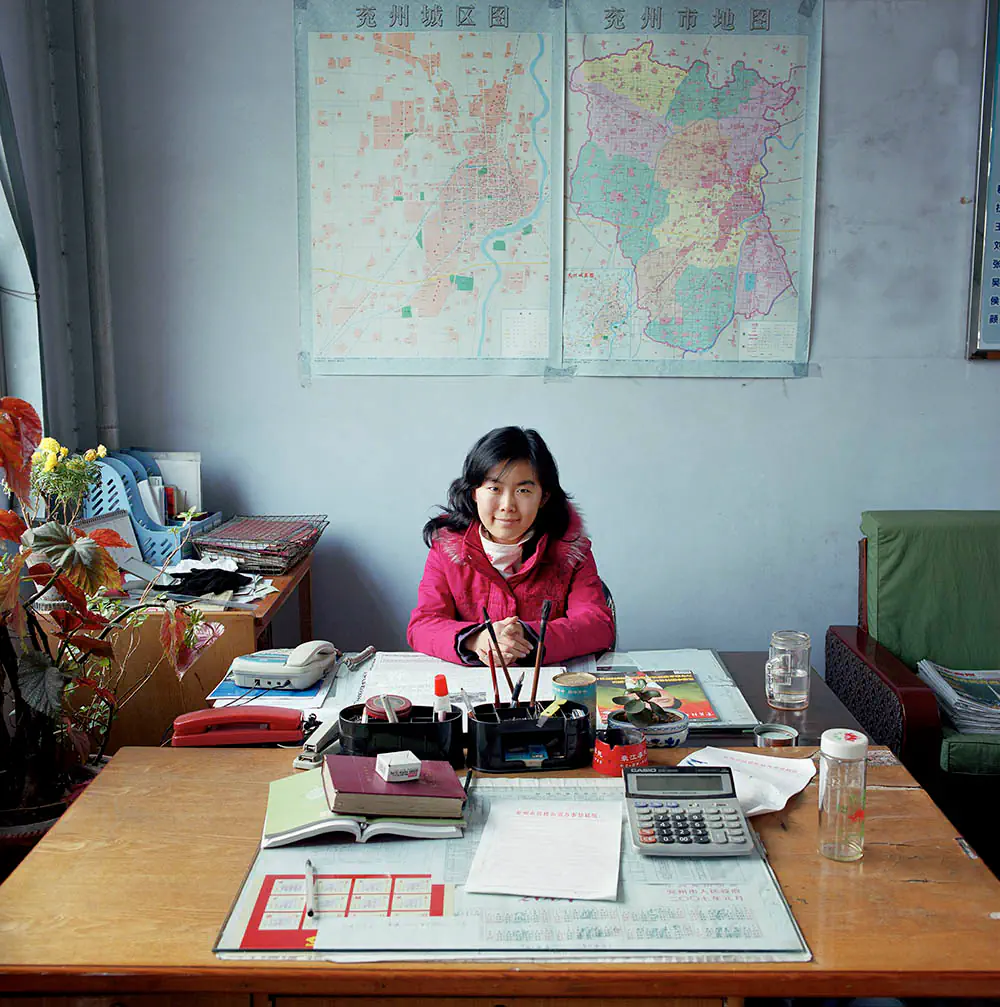
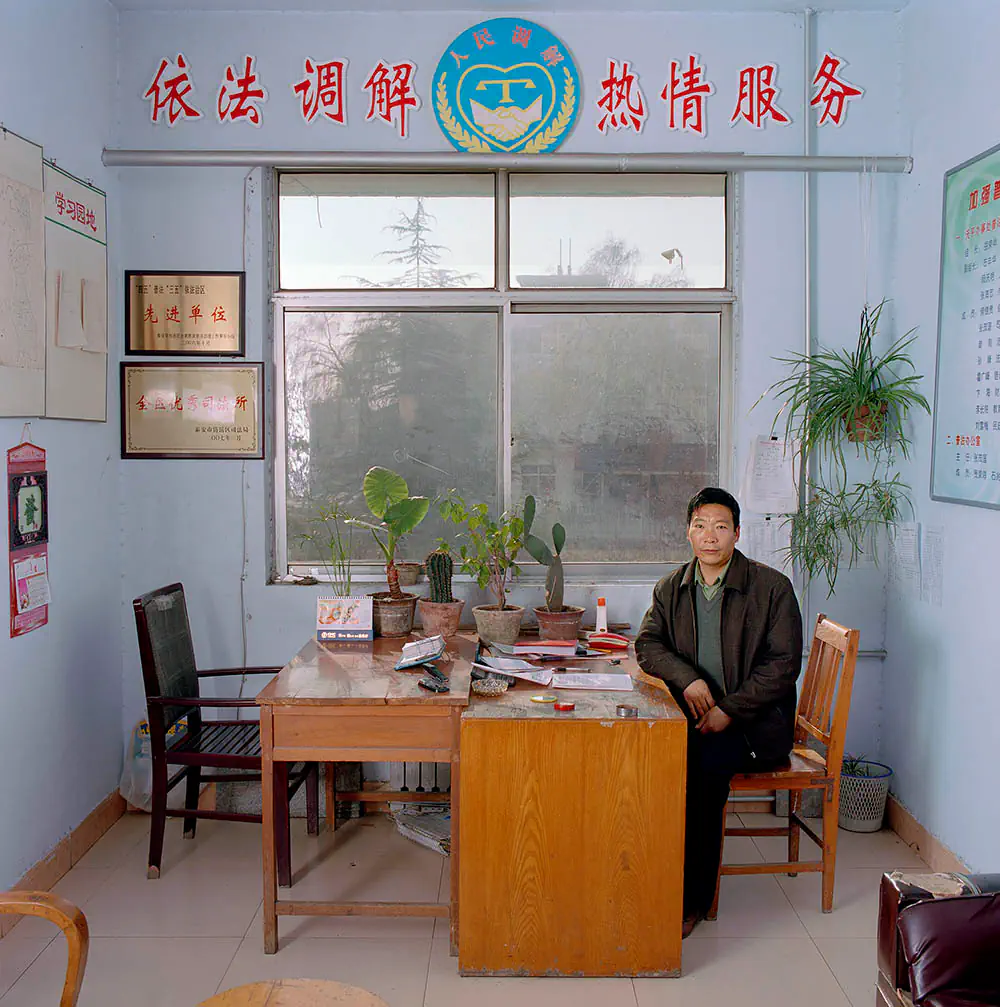
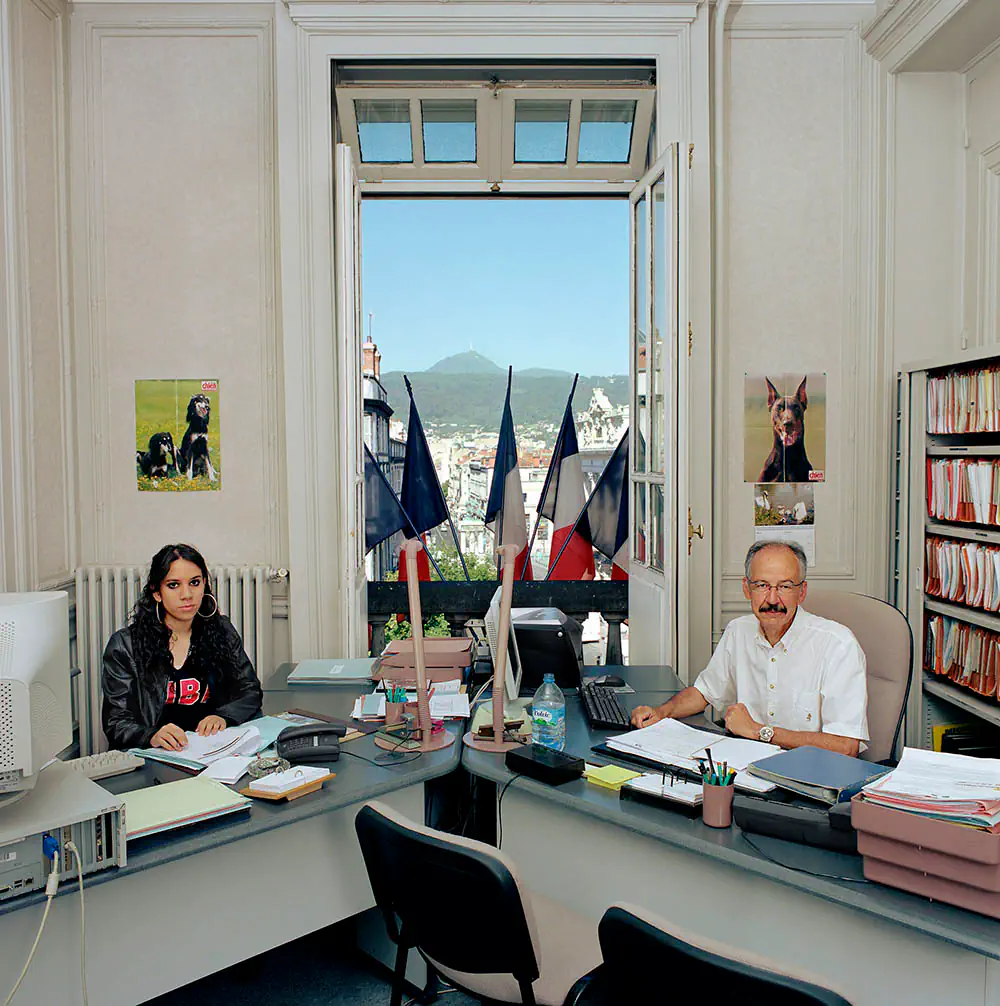
Writer Will Tinnemans and I originally selected eight countries across five continents based on political, historical and cultural considerations. Each country was chosen to represent a broader concept: the world’s most populous democracy (India); the declining, current and emerging great powers (Russia, the USA and China); the South American country with the highest percentage of indigenous people (Bolivia); an African country with a history of civil war; a Middle Eastern country with a weak separation of state and religion (Yemen); and, finally, France, for its enormous influence on the organisation of the state and its bureaucracy.
The new, completely revised edition, Bureaucratics Revisited, provides context and reflects on the project in all its facets, including its own history. It also contains 27 additional photographs. Among these are images from Mozambique, an early (2002) chapter of Bureaucratics in black and white, as well as photographs from Colombia, Italy and Uganda, taken between 2010 and 2025.
In each of these countries, we visited countless offices of executive officials across various services and at different administrative levels. Our goal was to portray “street-level bureaucracy” as the average citizen encounters it.
To achieve this, we conducted unannounced visits, capturing offices in their unaltered, everyday state. Writer Will Tinnemans engaged employees in interviews, preventing them from tidying up or staging their surroundings.
Of course, we needed rock-solid, all-encompassing permission, preferably in writing. With that in hand, we could take advantage of the hierarchical nature of the bureaucratic system, overrule local superiors and avoid having to negotiate constantly.
Obtaining such comprehensive permission in each country proved to be a task of Herculean proportions. It required hundreds of phone calls and thousands of emails, taking at least as much time as the actual photography and writing.
Style
Regarding the stylistic approach of Bureaucratics, Martin Parr wrote:
“If rigour is the new watchword for contemporary photography, then Jan Banning and his collaborator, the writer Will Tinnemans, supply it by the bucket load and must be masters of this art.”
The work became a tightly structured, typological example of conceptual documentary photography, in which I allowed myself only minimal interventions. I never directed poses, except to ask subjects to look into the lens.
I photographed from a frontal perspective whenever possible, shooting straight on and applying a deadpan aesthetic. This emphasised the rigid nature of the bureaucratic system. I aimed for maximum symmetry; in other words, compositional mundanity.
In terms of form, I was inspired by Dutch painters such as Vermeer and, in particular, Mondrian.
I photographed from the visitor’s eye level, so the camera’s gaze aligned with that of a bureaucrat’s client, looking down at the desk.
Every office presented this physical barrier between the official and the viewer, symbolising the unyielding laws and regulations that stand between the civil servant and the citizen. The desk became a fortification, dividing representatives of the system from the outside world while simultaneously protecting them from it.
The result is “an unsettling catalogue of the established order – an order that, over time, has constructed a granite-like image to assert its dominant position over the ordinary citizen, replicating itself across all types of societies and cultures”.
Exhibitions
Alongside the book, there is also an exhibition that has so far been shown in museums and galleries in approximately twenty countries across five continents.
Prints have entered the collections of museums, universities, companies and private collectors in the United States, Germany, Italy, the Netherlands and beyond.
Over time, dozens of photographs have been acquired by American museums, including the Museum of Fine Arts in Houston, the High Museum of Art in Atlanta and the Philadelphia Museum of Art, as well as by museums and corporate and private collectors in other countries.
More recently, a substantial selection was acquired by the National Museum of Photography in Rotterdam.
Snapshots of a Vanishing World
My aim with this new edition is to encourage reflection on the nature of bureaucracy, the influence of culture on governance and the role of the state.
The face that bureaucracy presents to the public has undoubtedly changed profoundly since many of these photographs were taken, more so in some countries than in others, but everywhere reshaped by automation and digitalisation.
As of 2026, access to several of these countries and their bureaucracies has become restricted, if not impossible.
This project has therefore become not only an artistic document but also a historical record of a vanishing world.
About Jan Banning
Jan Banning is a photographic artist with an anarchist’s heart, an artist’s eye, and a historian’s mind. His conceptual documentary work ranges from intensely serious to mischievously ironic.
Born in 1954 in Almelo, the Netherlands, Banning has worked as a photographic artist since 1981. He creates carefully composed and illuminated images based on visual concepts that emerge organically from their subject matter. His approach frequently involves strict, repetitive structures that reveal subtle variations within his subjects. At times, his photography draws directly or indirectly on art history, with his use of light recalling the pictorial traditions of Dutch Golden Age painting and the formal rigour of artists such as Mondrian.
Combining visual impact with meticulous research, Banning’s photography extends beyond conventional documentation, offering profound insights into the human experience. His politically engaged projects address subjects that are often difficult to visualise, including state power, justice, injustice, and the lasting consequences of conflict.
Banning’s parents were born and raised in the former Dutch East Indies, now Indonesia. During the Second World War, his father and grandfather were among the millions subjected to forced labour under Japanese occupation in Southeast Asia. This family history inspired deeply personal projects such as Traces of War: Survivors of the Burma and Sumatra Railways and Comfort Women, both of which explore the enduring psychological consequences of wartime slavery.
His academic background in socio-economic history informs his commitment to extensive preliminary research and provides the intellectual foundation for his photographic projects. This approach reflects his ambition to create work that contributes meaningfully to public debate.
Bureaucratics Revisited (2026) presents an ironic examination of bureaucracy across twelve countries. The publication is a thoroughly revised and expanded edition of his 2008 book Bureaucratics, featuring substantial new writing and photography.
In Blood Bonds: Reconciliation in Post-Genocide Rwanda (2025), Banning explores the reconciliation process between survivors and perpetrators of the 1994 Rwandan genocide. Through intimate portraits that bring both groups together, he examines the complex dynamics of forgiveness, reconciliation, and emotional healing following mass violence.
Artivism is a recurring element of Banning’s practice, particularly evident in The Verdict: The Christina Boyer Case (2022), a project addressing a miscarriage of justice in Georgia, United States. Over several years, he devoted considerable effort to securing the release of the central figure, who had spent more than thirty years incarcerated, although his attempts ultimately proved unsuccessful.
Banning’s photographic series have been exhibited in museums and galleries in more than twenty countries across five continents. His work is represented in major American and European museum collections, including the High Museum of Art in Atlanta, the Museum of Fine Arts in Houston, the Philadelphia Museum of Art, the Rijksmuseum in Amsterdam, and the Nederlands Fotomuseum in Rotterdam, as well as numerous corporate and private collections.
Throughout his career, Banning has received numerous distinctions, including a World Press Photo Award, the Luxembourg Peace Prize, and awards from ZEKE, LensCulture, and the International Photography Awards. His photographs have also appeared in international publications such as The Guardian, The New Yorker, Newsweek, Le Monde Magazine, GEO, and Internazionale. [Official Website]